Wondering what your Acton to Boston commute will really look like day to day? If you are weighing neighborhoods, school drop-offs, or hybrid work, the right route can make all the difference. In this guide, you will see how the train, Route 2, and park and ride options compare in real life, including typical door to door timing and parking realities. You will also get practical tips to test your own commute before you buy. Let’s dive in.
MBTA commuter rail from South Acton
Typical timing
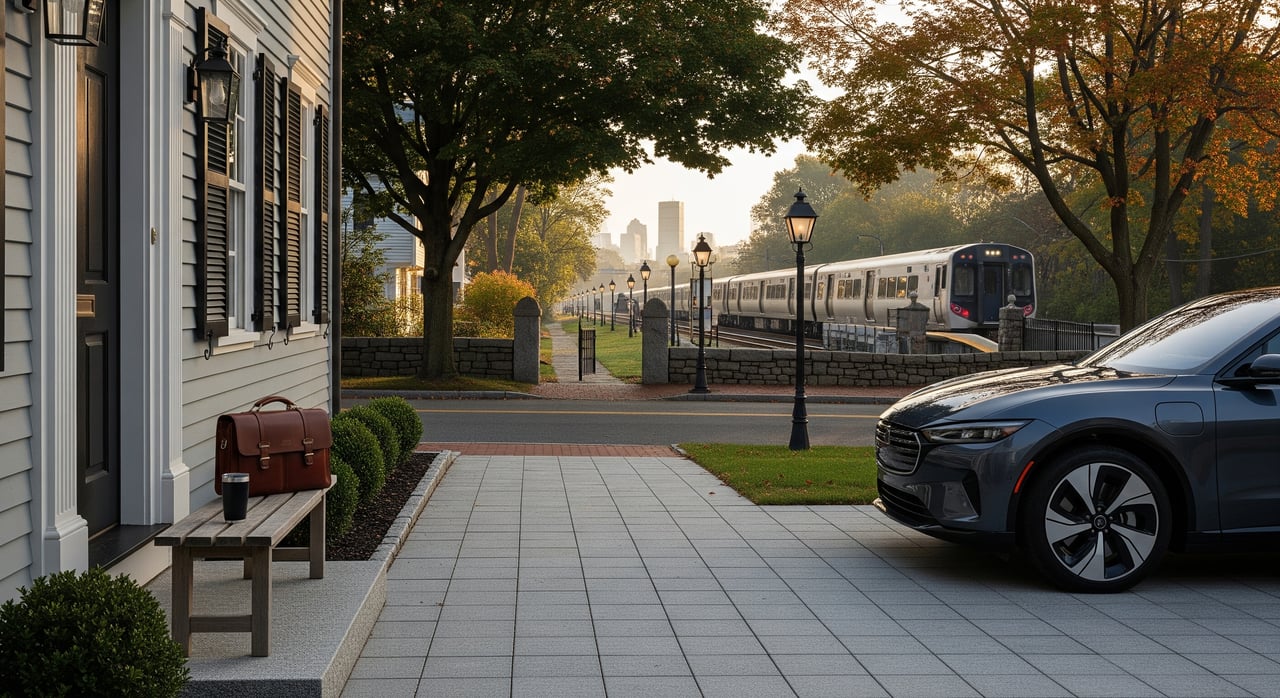
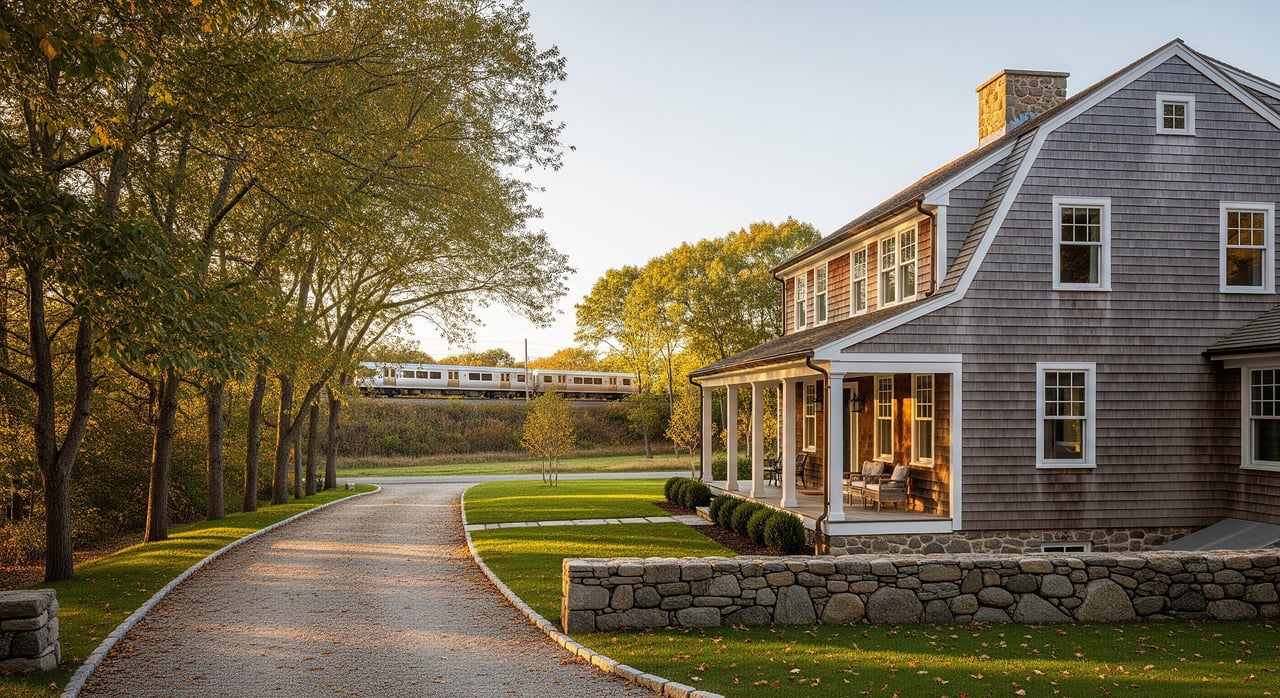
If you live near South Acton station on the Fitchburg Line, the train is a strong option for many downtown jobs. The train ride from South Acton to North Station is about 40 to 55 minutes, depending on the specific train. Door to door, including getting to the station and your final walk or transfer in Boston, you should plan on about 60 to 100 minutes in many cases. Use these as planning ranges, not promises, since timing depends on your start point, train choice, and last mile.
For current departures and trip times, check the MBTA’s Fitchburg Line timetable on the official site. You can review schedules on the MBTA Fitchburg Line page and confirm service updates as you plan. If you need parking details or station amenities, the MBTA’s parking information page is also helpful.
Pros and cons
- Pros: predictable timing during many peak periods, no driving stress, time to read or work.
- Cons: station parking can fill early, fewer off-peak departures, and you may need a subway or bus transfer after arriving at North Station.
Schedule notes
Peak periods have more inbound trains in the morning and outbound in the evening. Off-peak and weekends have fewer options. If you miss a peak train, you may wait 30 to 60 minutes during some off-peak windows, so schedule alignment matters.
Driving via Route 2
Typical timing
Route 2 is the main east to west artery into Cambridge and the Alewife area, with connections to local roads into Boston. In lighter traffic, many commutes into parts of Cambridge or Boston can run about 30 to 45 minutes. During peak morning and evening rush, plan on 45 to 75 minutes or more. Incidents or winter weather can extend this.
When traffic builds
Expect delays on the eastern segments approaching Alewife and where traffic funnels to local streets into Cambridge and Boston. Morning congestion usually starts around 7:00 a.m. and eases by about 9:30 a.m. Evenings run roughly 4:00 to 7:00 p.m. Event days can shift these windows.
Pros and cons
- Pros: door to door control, easy to combine errands, flexible for childcare schedules.
- Cons: greater variability due to congestion and incidents, plus parking costs and availability in the city.
If you want to understand regional congestion patterns and variability, regional traffic reports like the TomTom Traffic Index provide context on peak trends and reliability across major corridors.
Park and ride strategies
How it works
Hybrid approaches can reduce drive time and city parking. You can drive 10 to 20 minutes to a location with better parking or more frequent service, then switch to rail or bus. Common variations include driving to South Acton station and boarding the Fitchburg Line, parking at a Route 2 park and ride lot with express options where available, or using a neighboring town’s commuter lot.
MassDOT maintains a statewide overview of park and ride facilities, which is helpful when you compare access, capacity, and connections.
Timing and tips
Door to door timing is commonly 45 to 90 minutes depending on your first mile drive, wait time, and last mile in Boston. Lots can fill early, especially on peak days. Try a couple of real morning arrivals to see how quickly spaces go.
Parking and first mile basics
South Acton station parking
Commuter rail lots in the MBTA system often fill early on weekdays, and South Acton is popular with local and nearby commuters. Some lots use a mix of daily spaces and permit programs, and waitlists are common. If you expect to drive and park, check the MBTA parking page for current policy, fee, and permit information. It also helps to ask neighbors or your buyer’s agent about recent arrival times when spaces are still available.
Getting to and from the train
Walking works well if you live near South Acton or parts of West Acton. Biking can be a great option in fair weather if you have secure storage at home and a good lock at the station. Local bus or shuttle options are limited in many outer suburbs, so confirm what is available through the Town of Acton’s official site. Rideshare or drop-off can simplify mornings, though pickups near stations may have designated zones.
Transfers in Boston
The Fitchburg Line arrives at North Station. If your office is in the North End, Beacon Hill, or parts of the West End, you may be able to walk. For other areas of Boston or Cambridge, plan for a subway or bus transfer and include that time in your commute estimate.
Timing and reliability
Trains are generally less affected by road congestion, but winter weather and occasional mechanical issues can cause delays. Driving is more sensitive to incidents and storm impacts, especially on the eastern end of Route 2 near Alewife. Hybrid work hours often smooth out commutes. If you can arrive before the peak, you may save significant time.
Neighborhood fit in Acton
Closer to the station
If a daily rail commute and walkability to South Acton station are priorities, focus on South Acton and nearby areas within a 10 to 15 minute walk. Inventory may be tighter close to the station, so plan your search accordingly.
Drive-first areas
If you prefer yard space, garage storage, or a larger home, areas around Acton Center, East Acton, and the town’s northern sections often fit that profile. You will likely drive to Route 2 or to the station. This tradeoff often works well if you have flexible hours or a hybrid schedule.
Hybrid work considerations
For two to three office days per week, a balanced location with a reasonable drive to Route 2 and a short car or bike ride to South Acton station can give you more choices. Many buyers use the train on meeting-heavy days and drive when they need to run errands.
Plan and test your commute
Do a dry run
Before you buy, test your real commute on the same day and time you expect to travel. Ride one full commuter rail trip from South Acton to North Station and back, including first and last mile time. Then drive your Route 2 route during both peak and off-peak to see the spread. Check live schedules on the MBTA Fitchburg Line page and confirm station parking details on the MBTA’s parking page.
Budget time and cost
Build a monthly cost comparison. Include MBTA passes plus any station parking or local transit, and compare with fuel, downtown parking, and vehicle maintenance. To handle variability, budget a 15 to 30 minute buffer for missed trains or Route 2 backups on busy days.
Build a backup plan
Know the next best train, an alternative exit off Route 2, or a park and ride fallback if the station lot is full. If your workplace supports flexible hours, consider shifting your window to avoid the heaviest congestion. On storm days, check the MBTA site for service advisories and MassDOT for road updates. MassDOT’s park and ride overview can also help you plan alternate options.
Ready to weigh options?
Your commute is a key part of daily life, and the right fit depends on schedule, family logistics, and neighborhood goals. By testing your routes and planning for first and last mile details, you can choose an Acton location that supports your routine without surprises. If you want to talk through neighborhoods near South Acton station, Route 2 access, or hybrid strategies that match your lifestyle, reach out to Peggy for local, practical guidance.
Looking for tailored, on-the-ground advice as you plan a move? Connect with Peggy Dowcett to discuss commute fit, neighborhood options, and next steps.
FAQs
How long does the train take from South Acton to Boston?
- The train ride to North Station is about 40 to 55 minutes, and door to door timing is commonly 60 to 100 minutes when you include getting to the station and your last mile in Boston.
Is driving Route 2 faster than the train from Acton?
- It depends on your timing and destination; off-peak drives can be 30 to 45 minutes, while peak rush often runs 45 to 75 minutes or more, which can be similar to or slower than the train.
Where can you find official MBTA schedule and parking info?
- Review the Fitchburg Line timetable and service updates on the MBTA site, and check the MBTA parking page for current station parking policies and availability.
What if your office is not near North Station?
- Plan for a subway or bus transfer after the train, or consider driving or a park and ride strategy if your workplace is more convenient by car.
Are park and ride lots a good option from Acton?
- They can reduce city driving and parking costs; MassDOT’s park and ride overview helps you compare locations and connections so you can test what works best for your schedule.