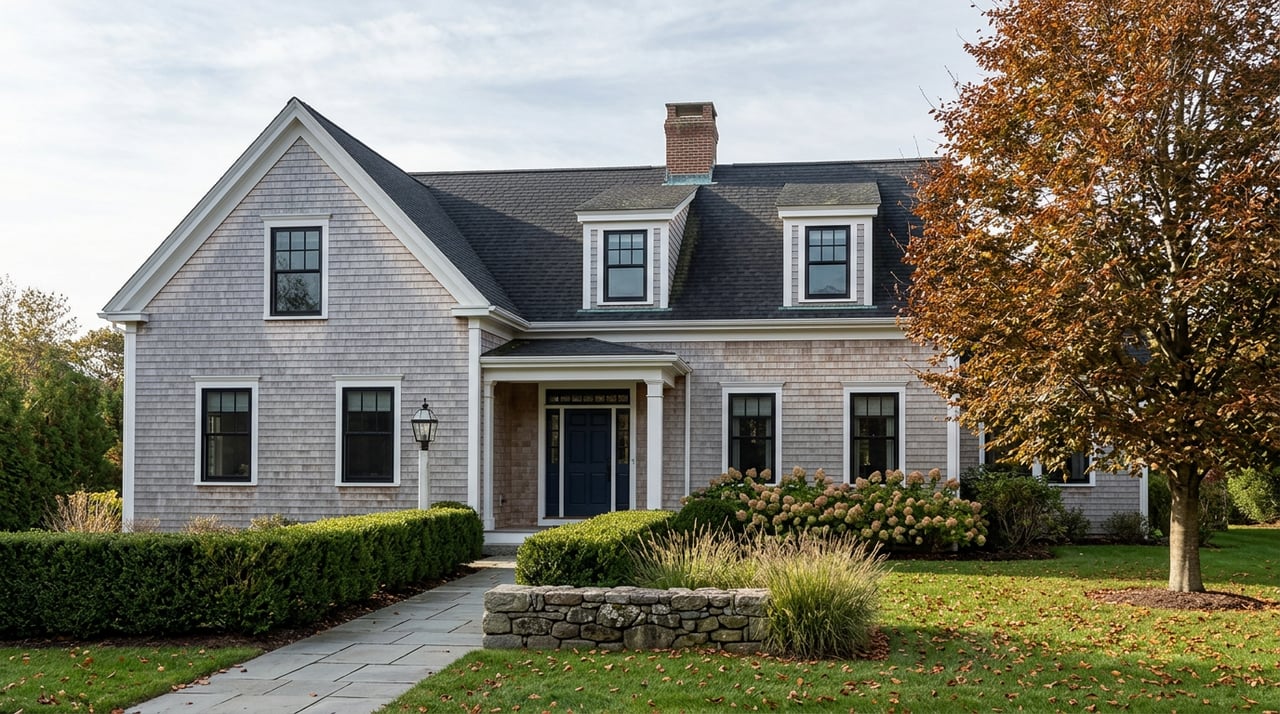
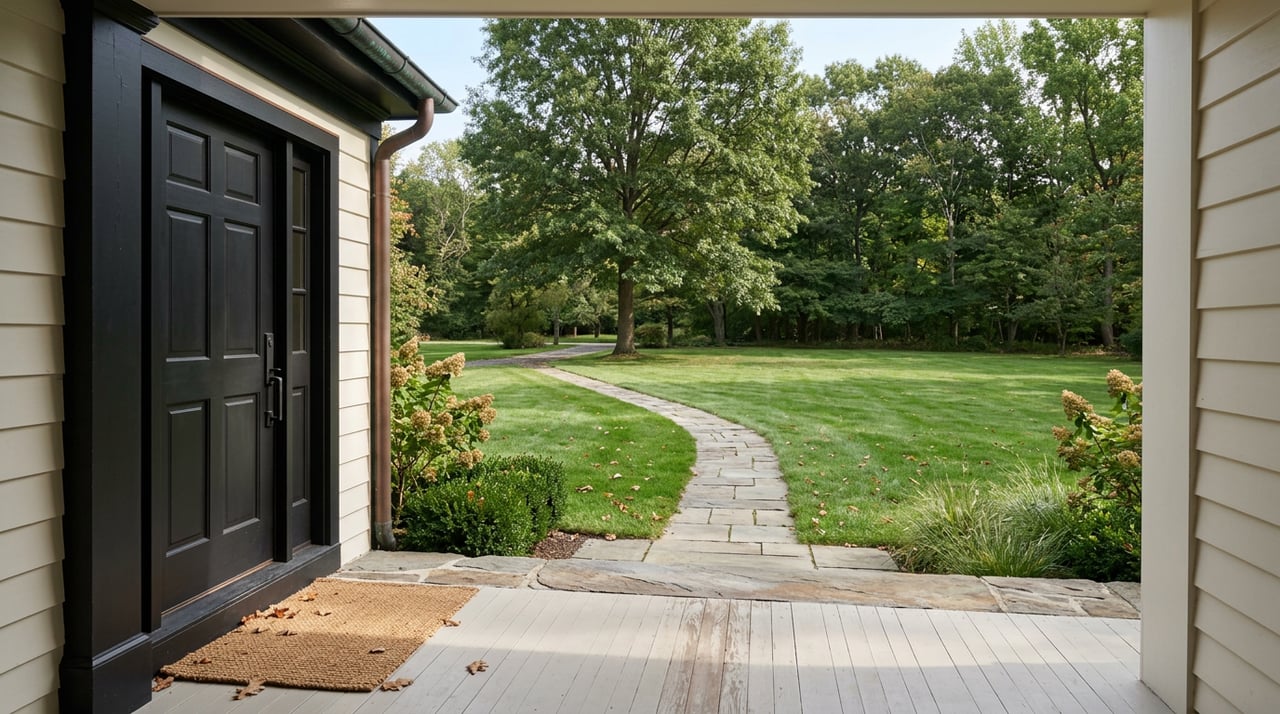
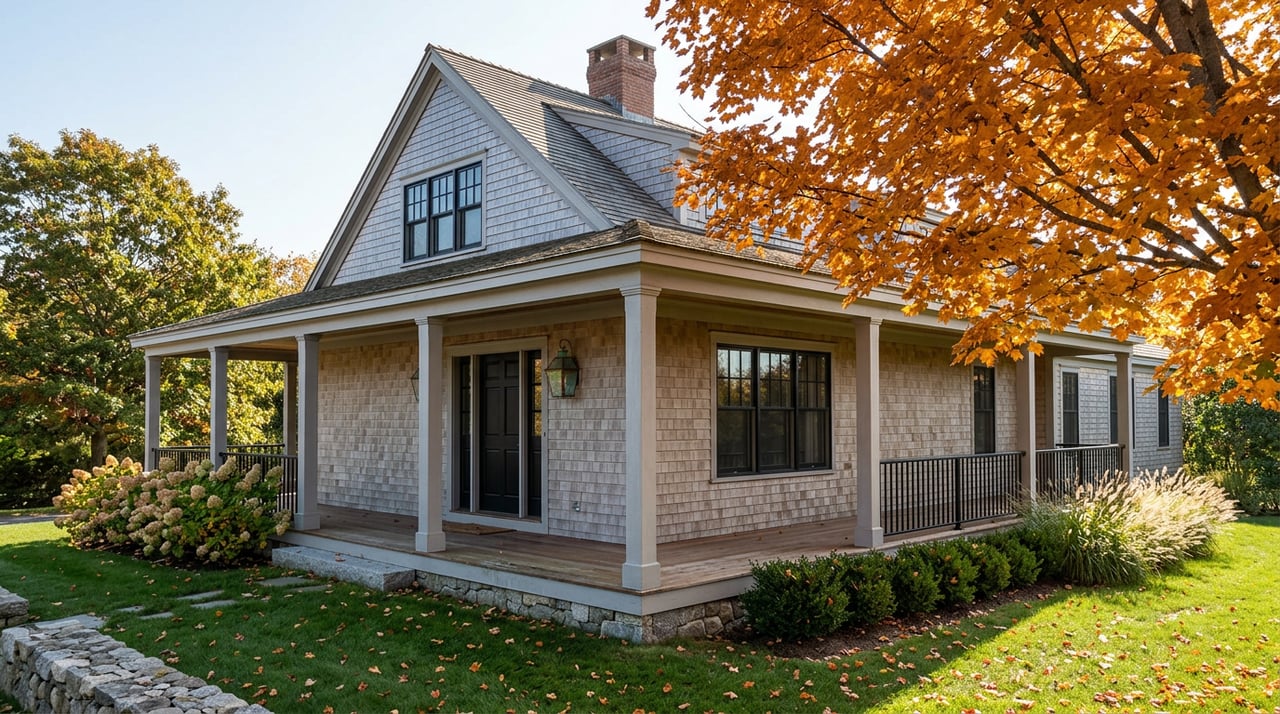
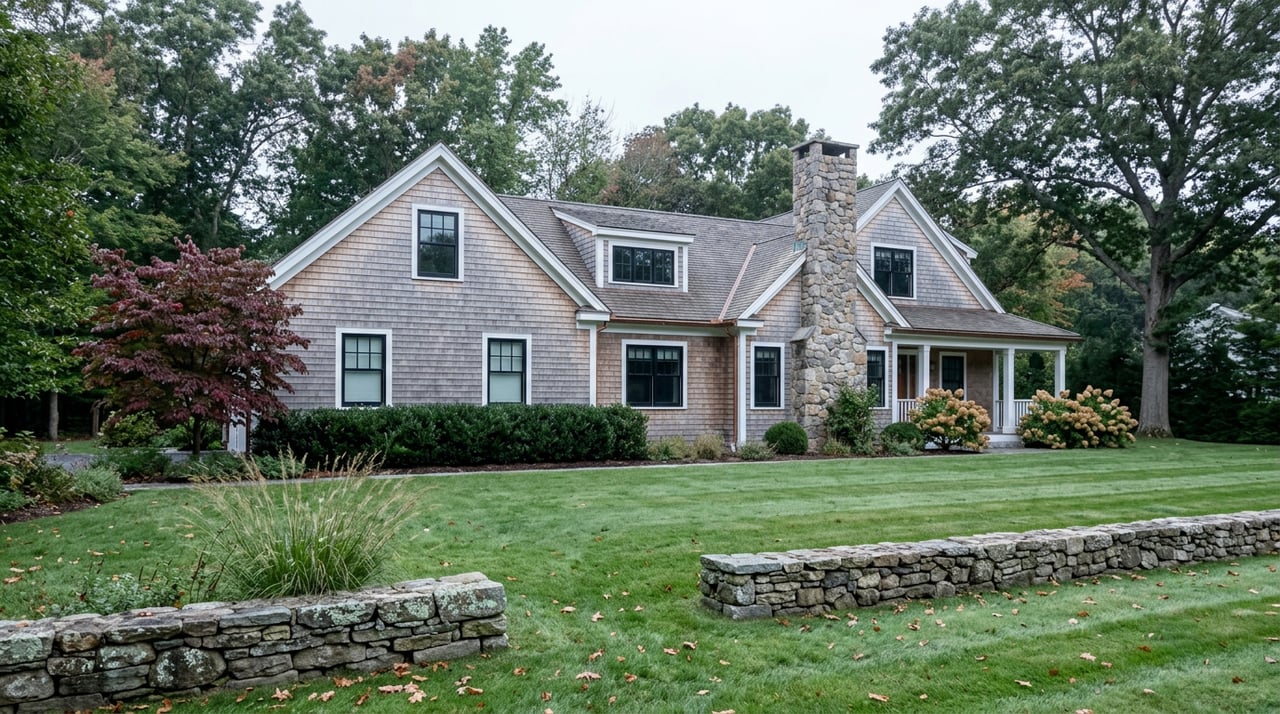
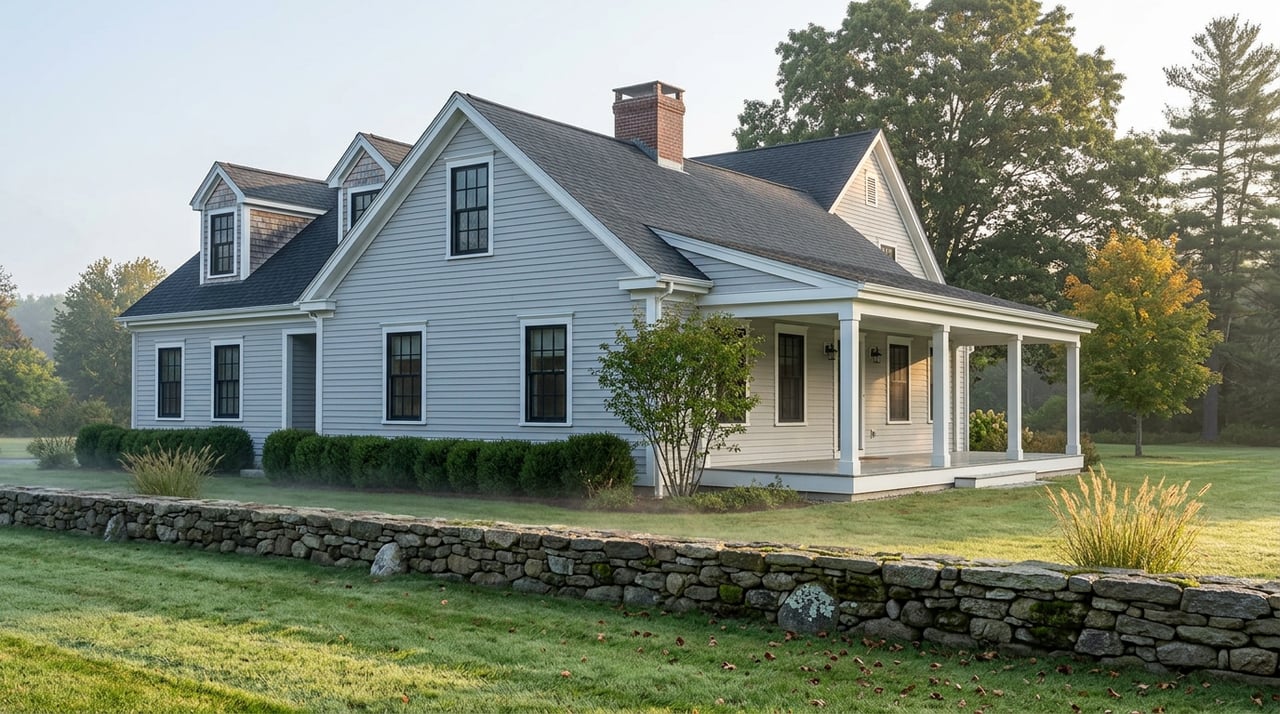
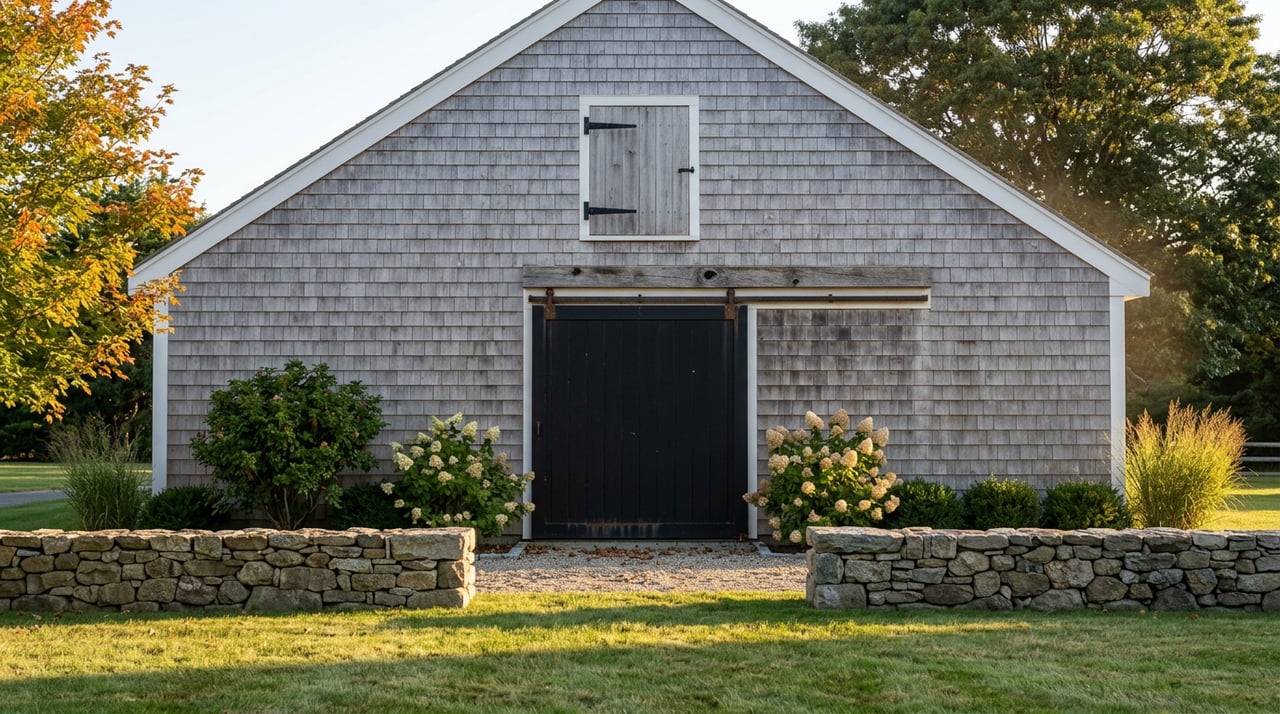
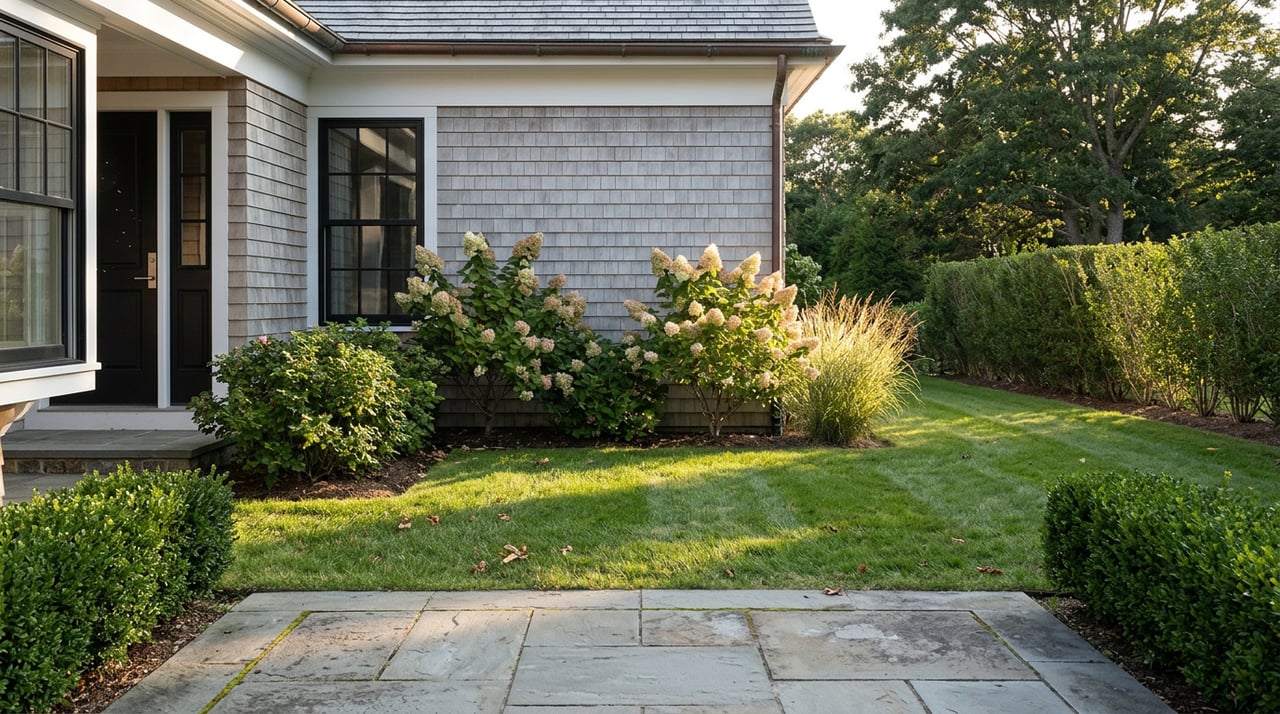
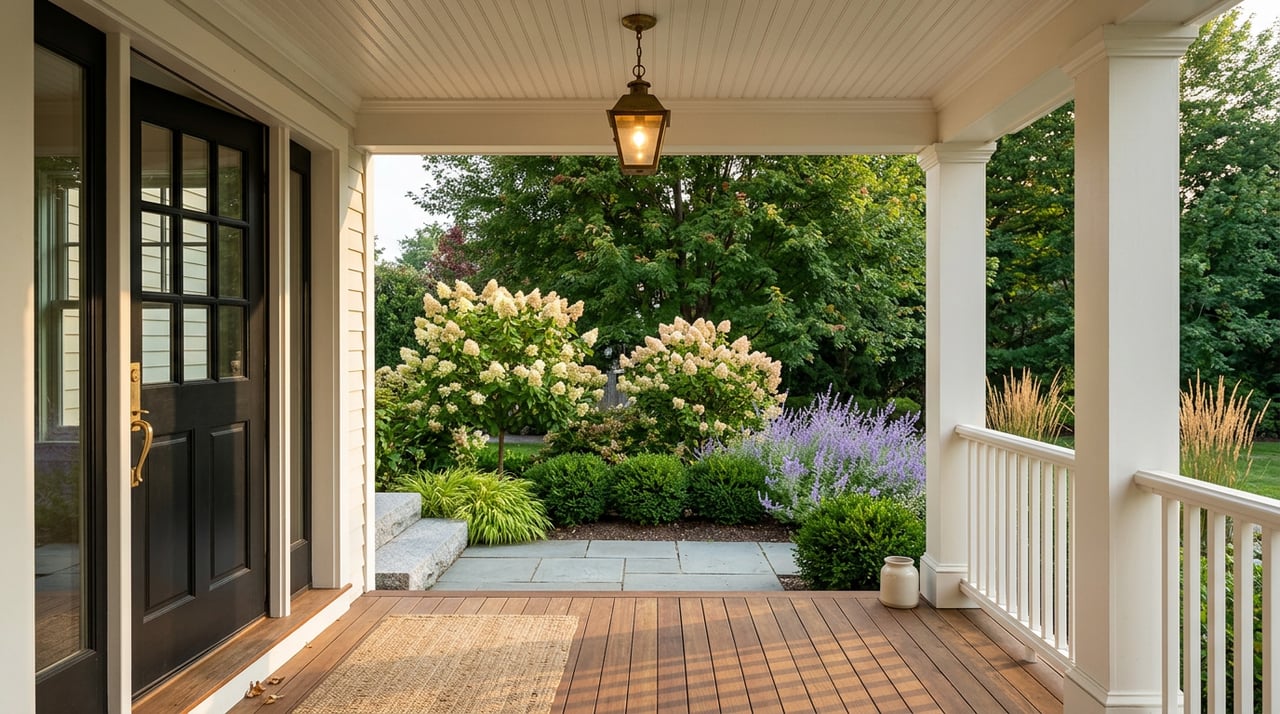
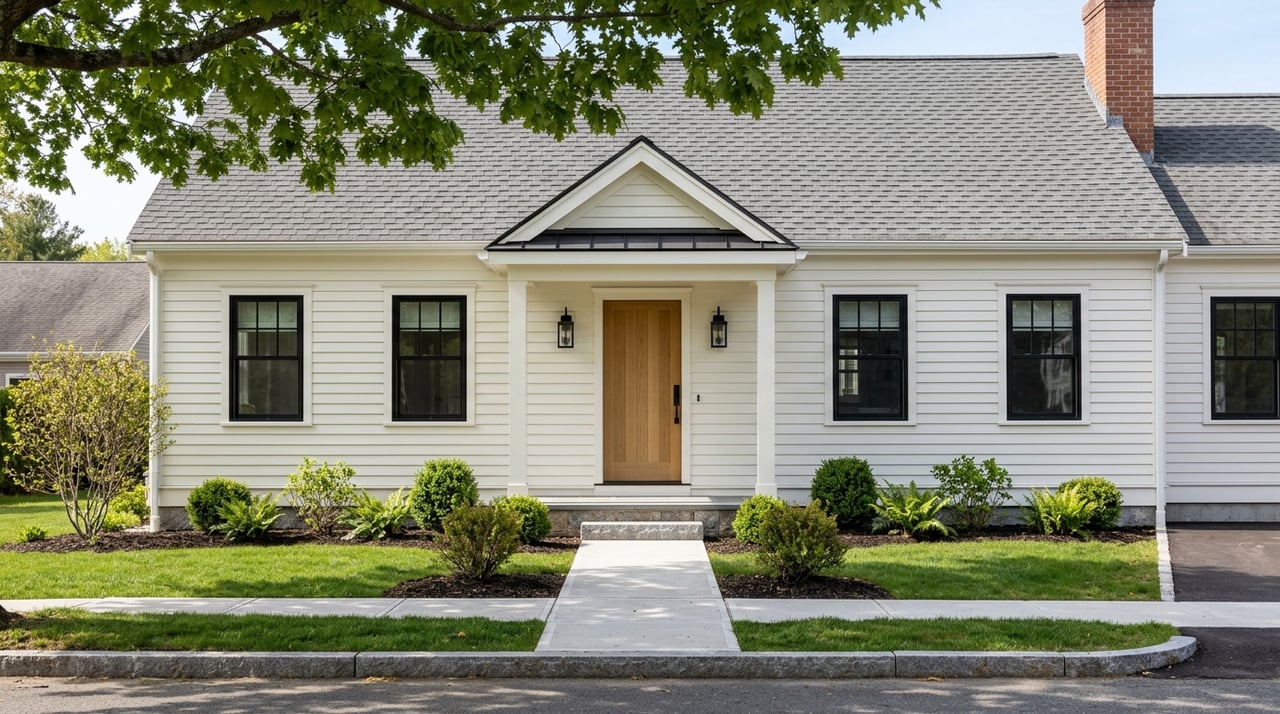
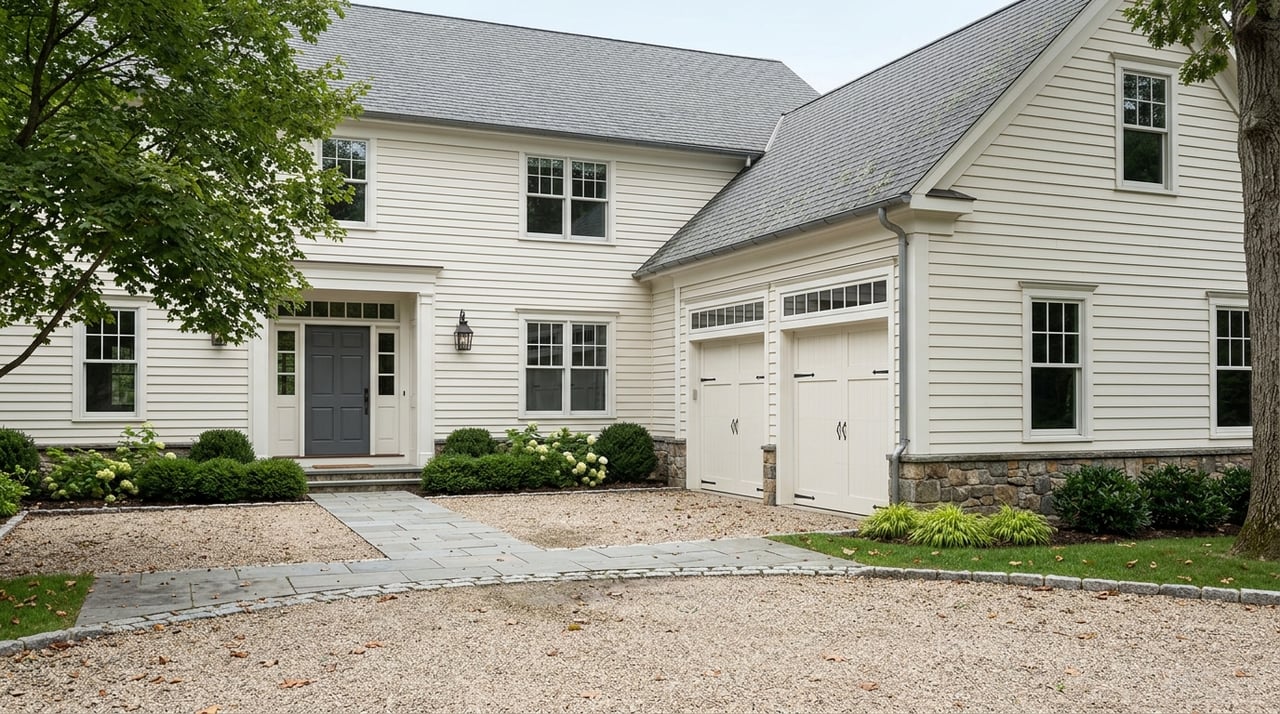
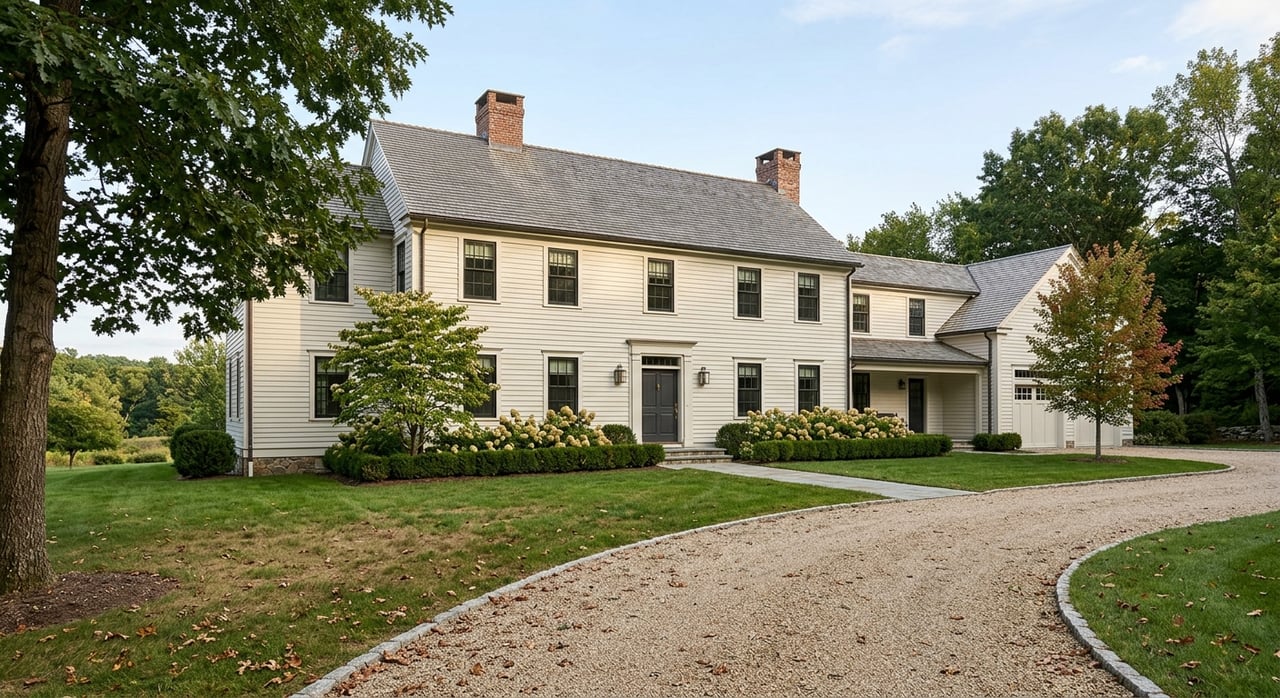
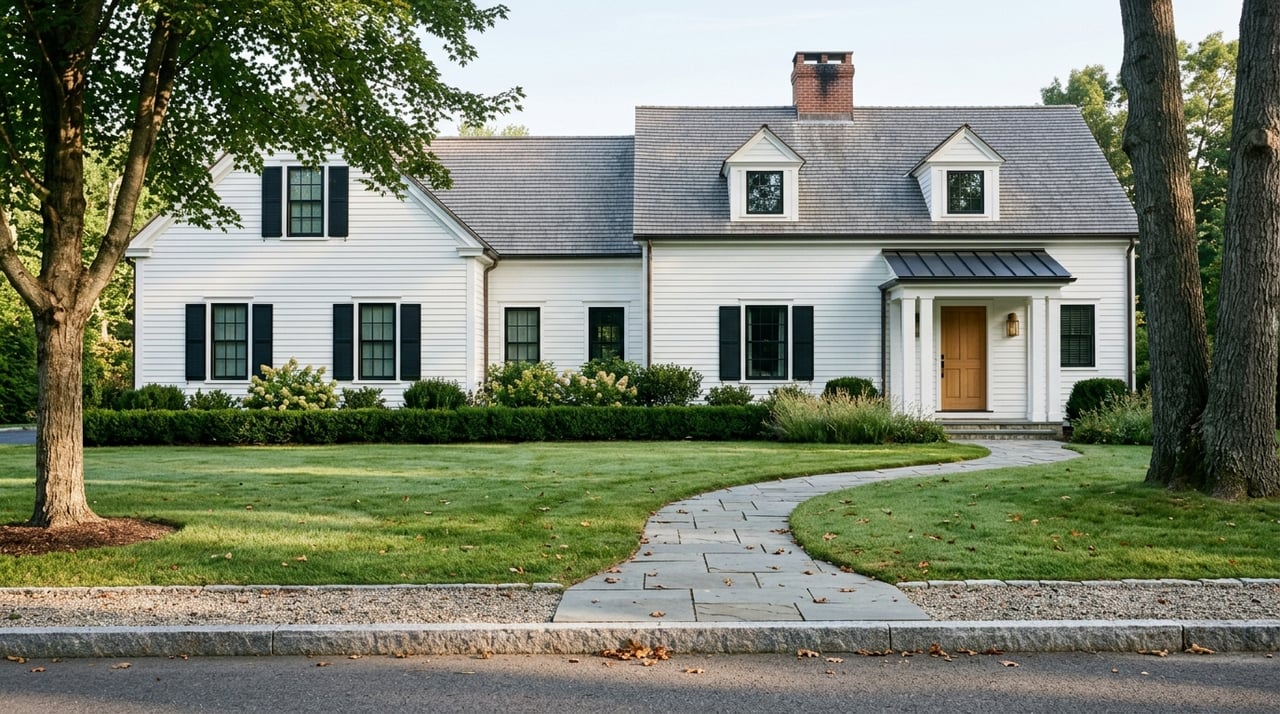
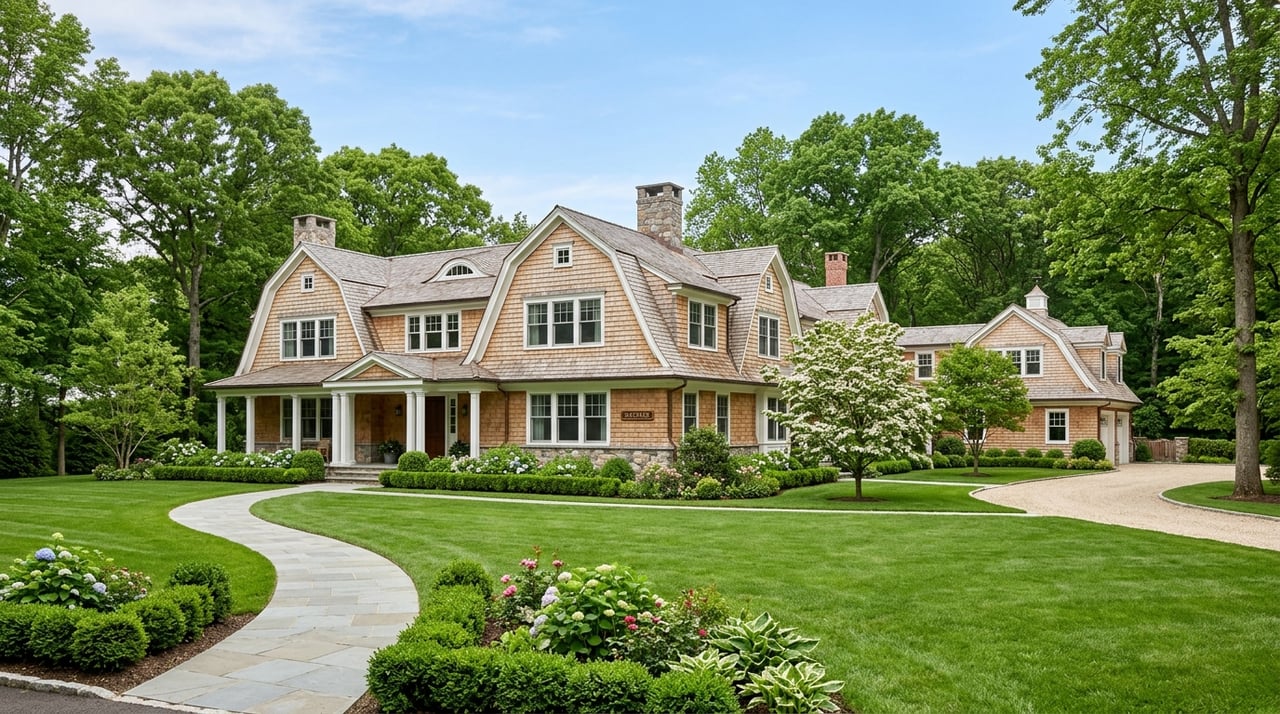
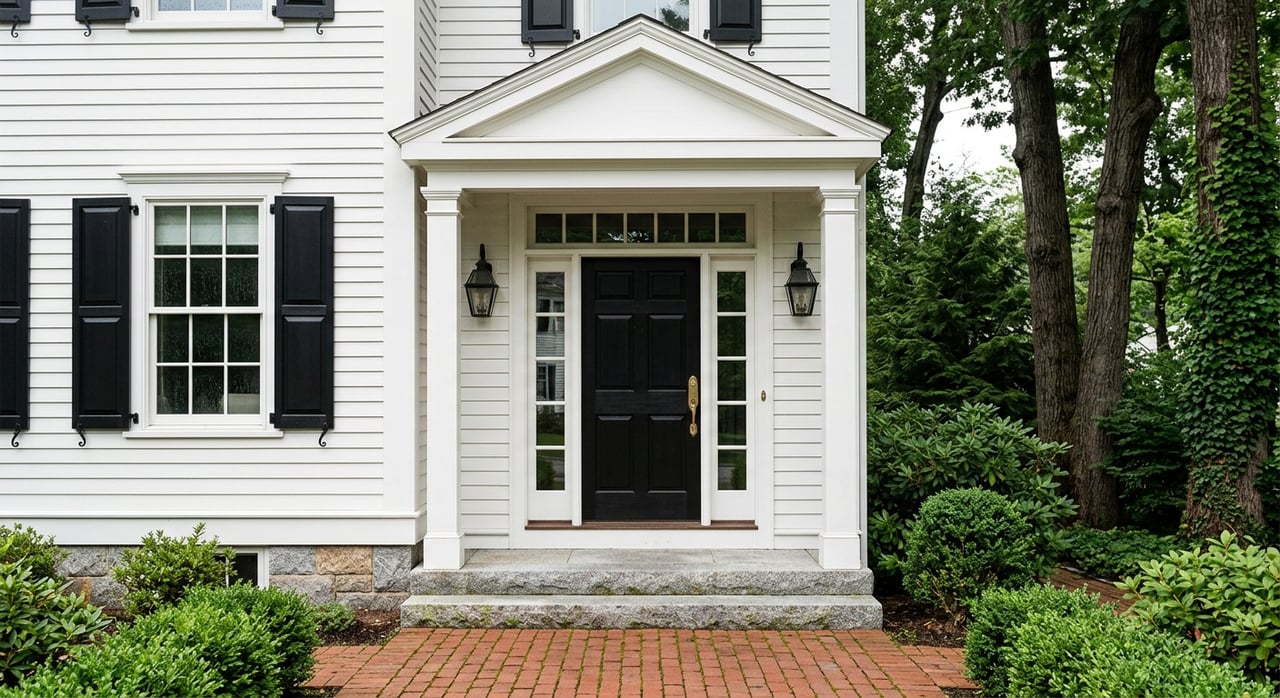
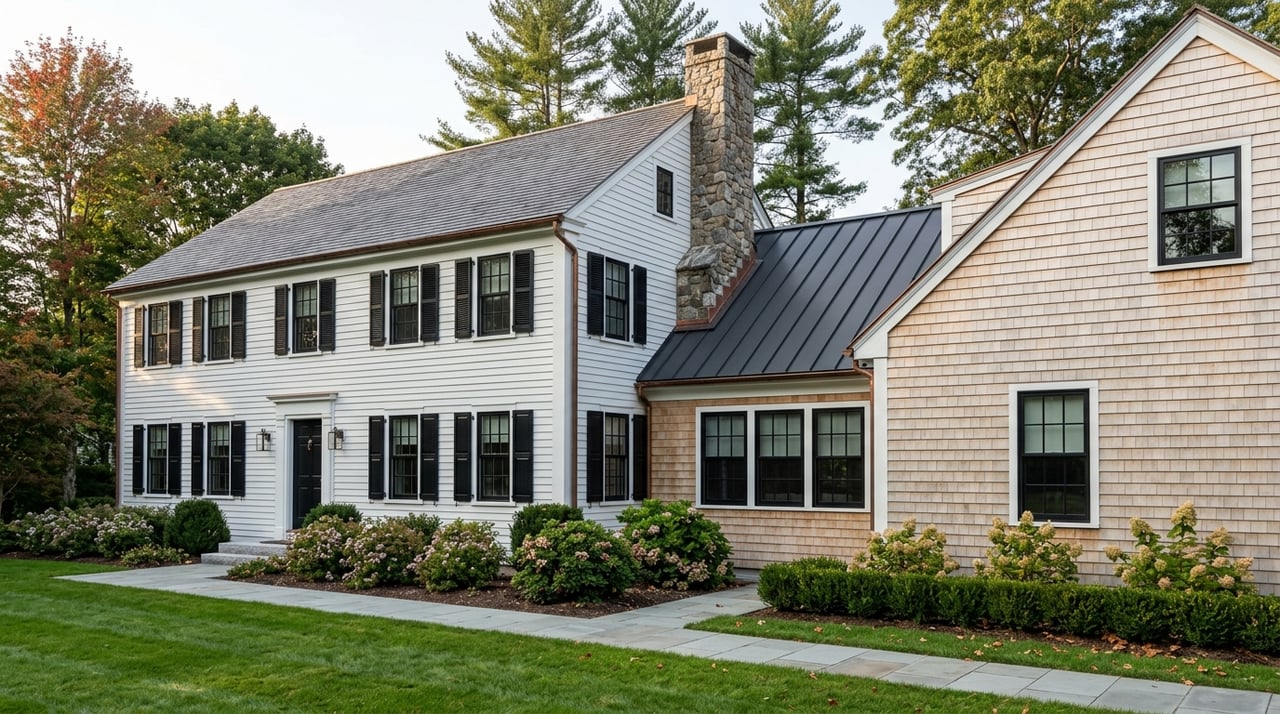
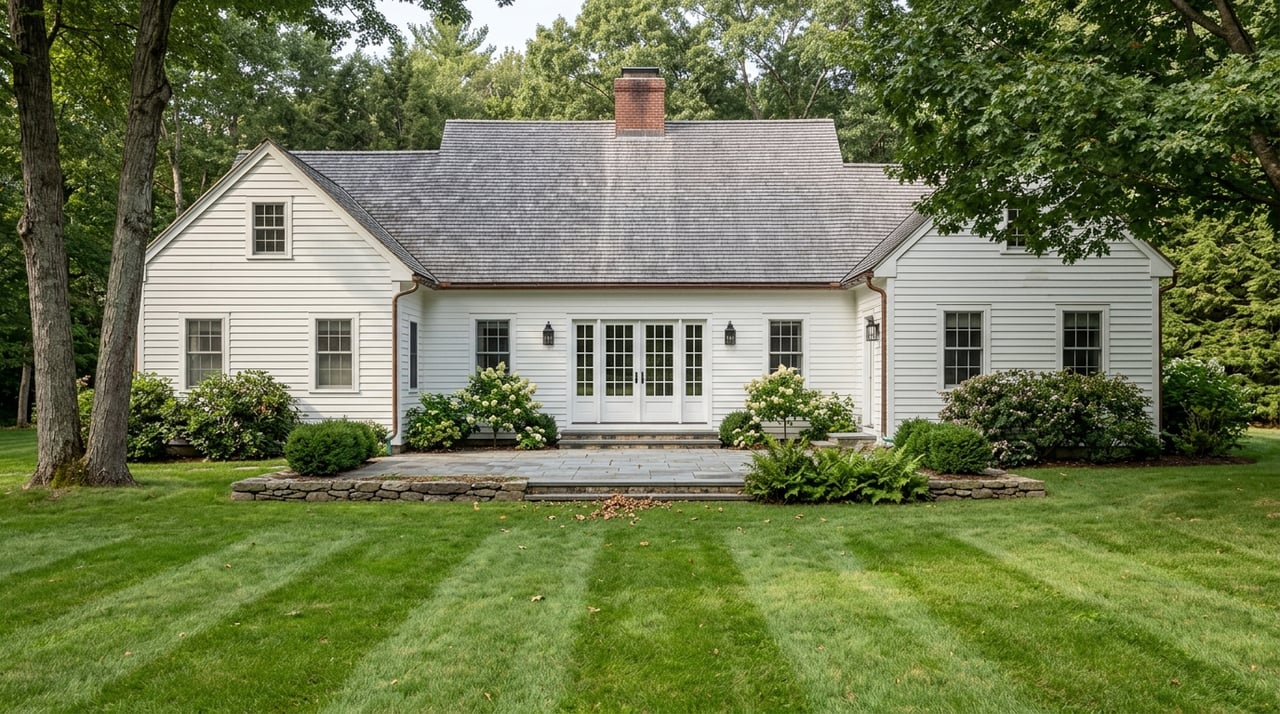
Letting go of a longtime home in Concord can feel both meaningful and overwhelming. You want to honor the memories, protect your time, and still achieve a smooth, high‑value sale. In this guide, you’ll learn how to prepare an older or inherited property, navigate key Massachusetts and Concord rules, price with confidence, and coordinate a low‑stress process. You’ll also see how a concierge approach can simplify every step. Let’s dive in.
Why Concord attracts buyers
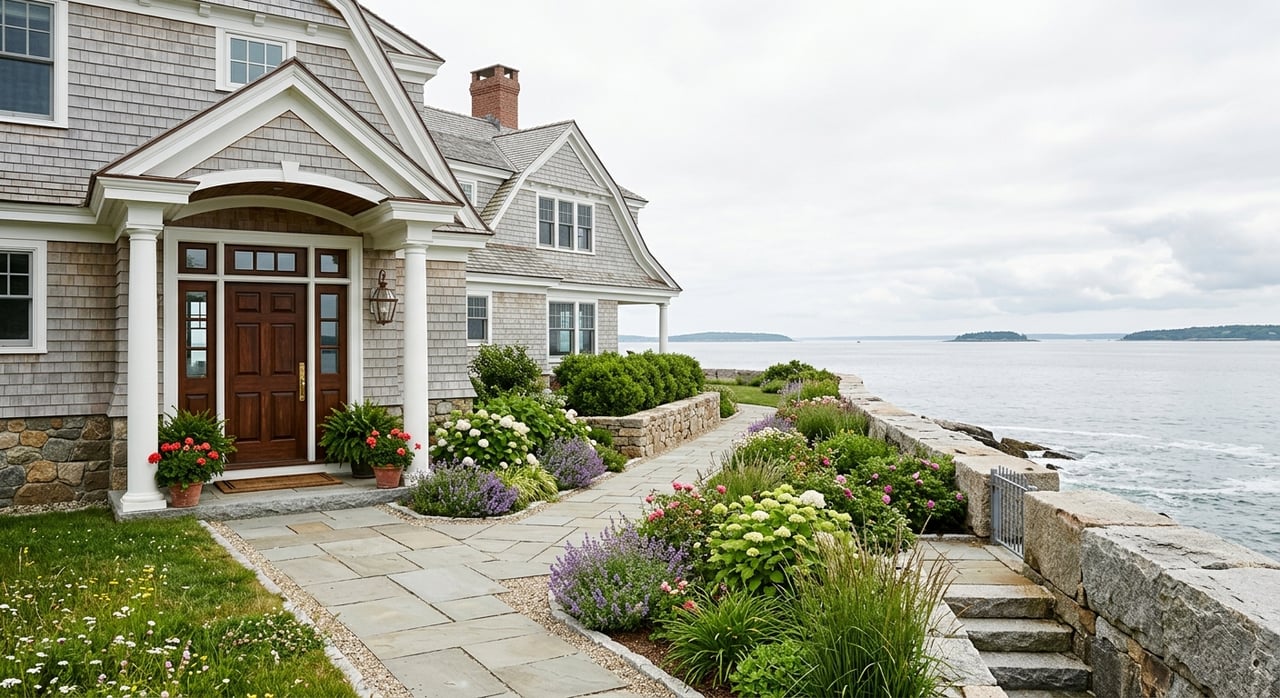
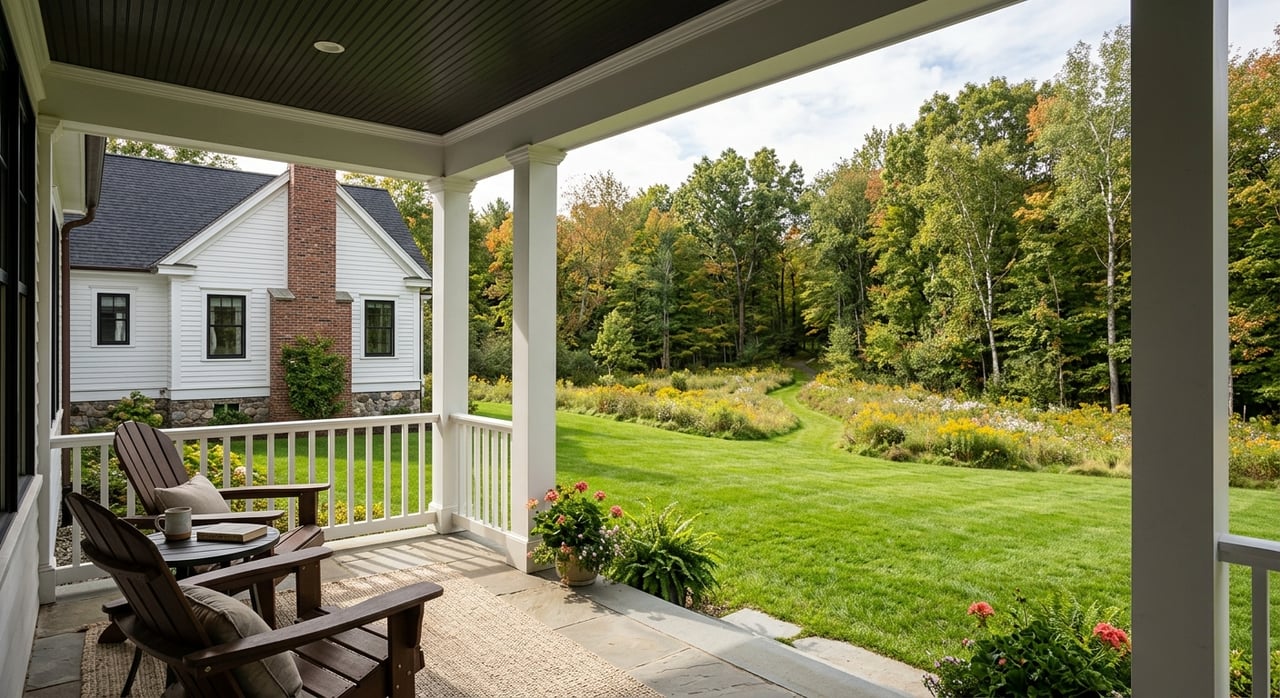
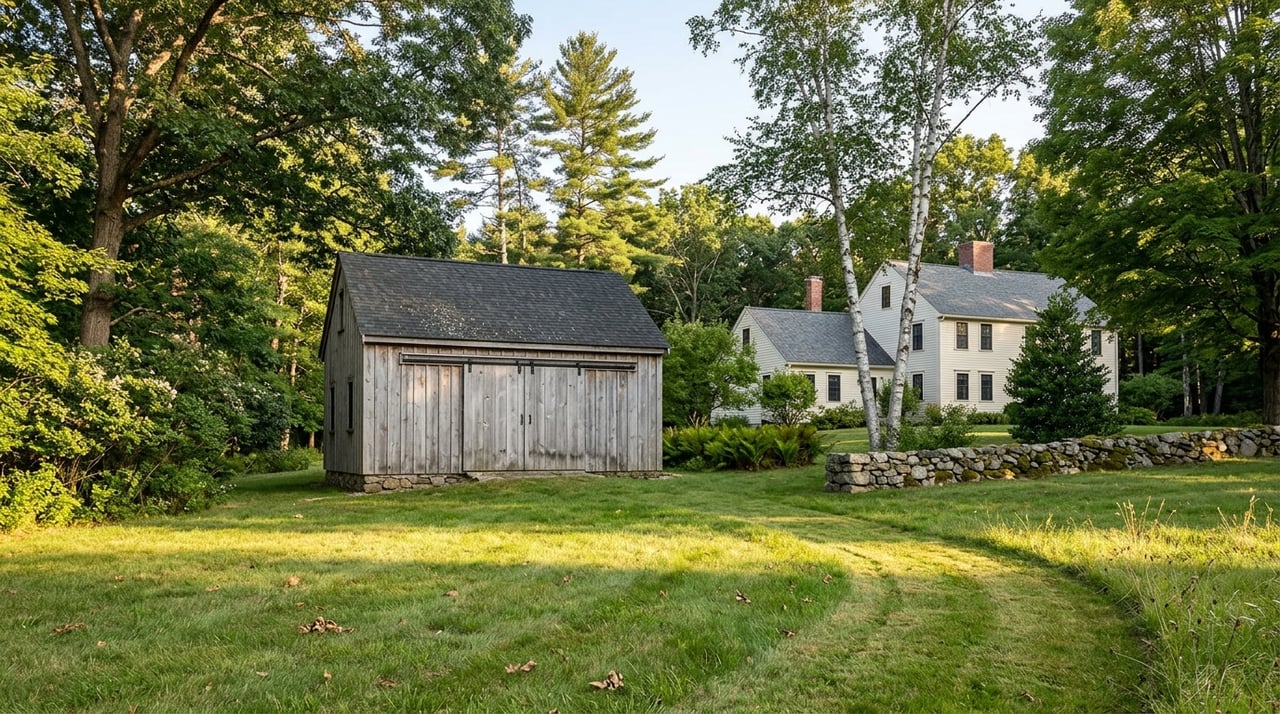
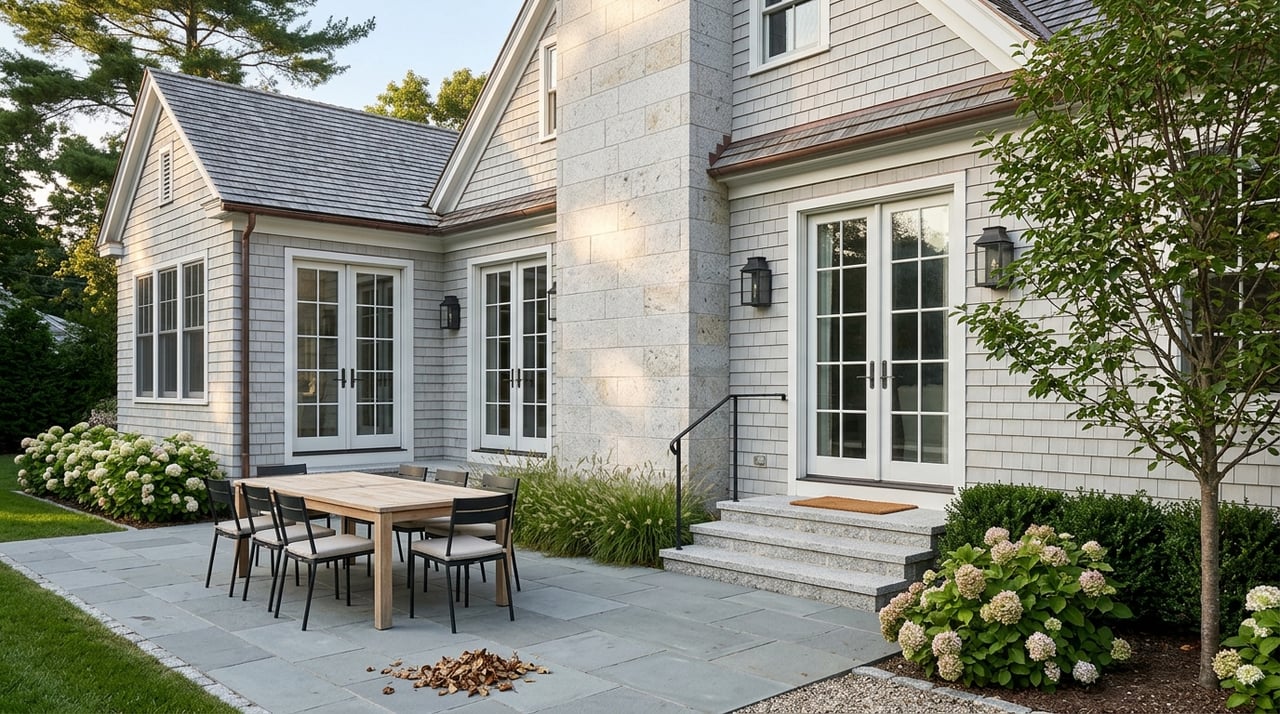
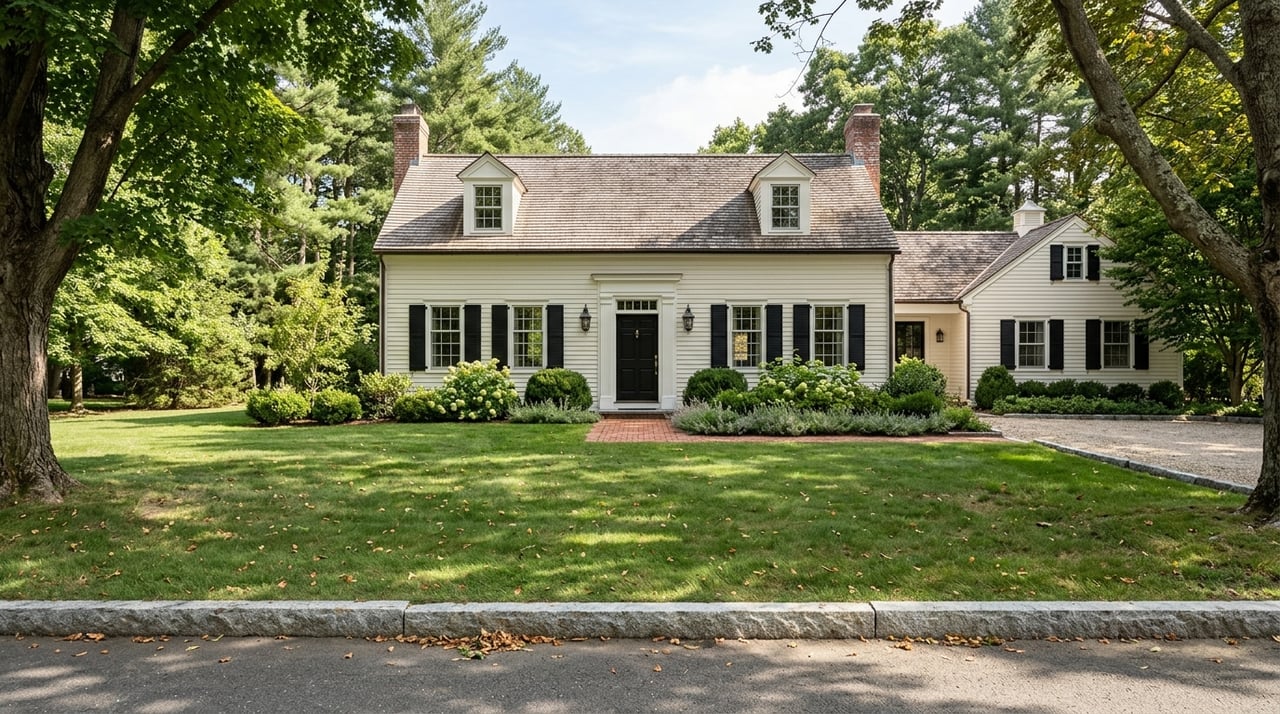
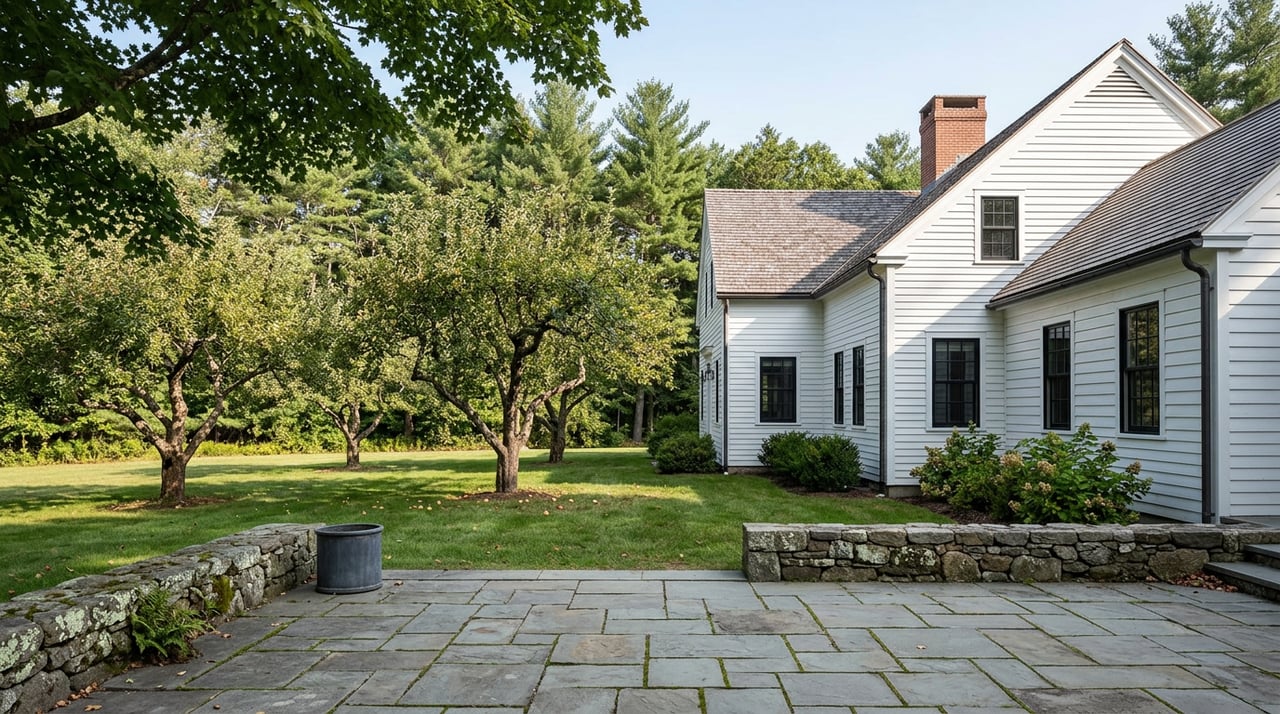
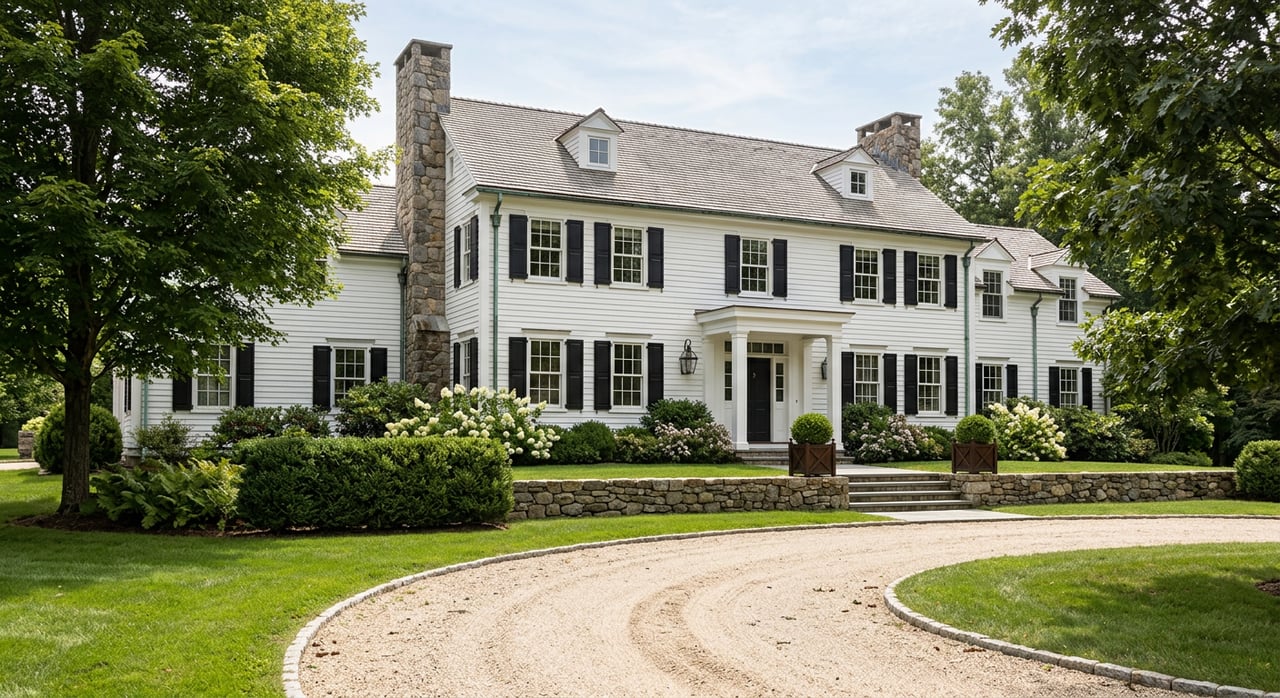
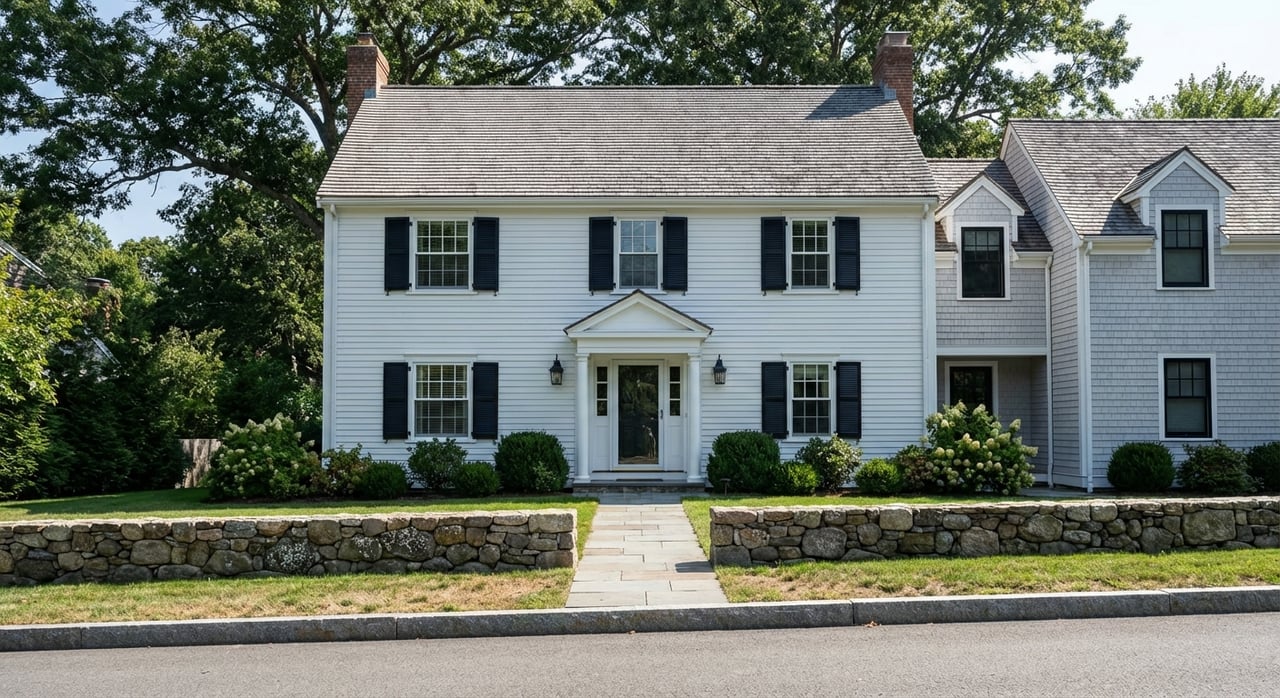
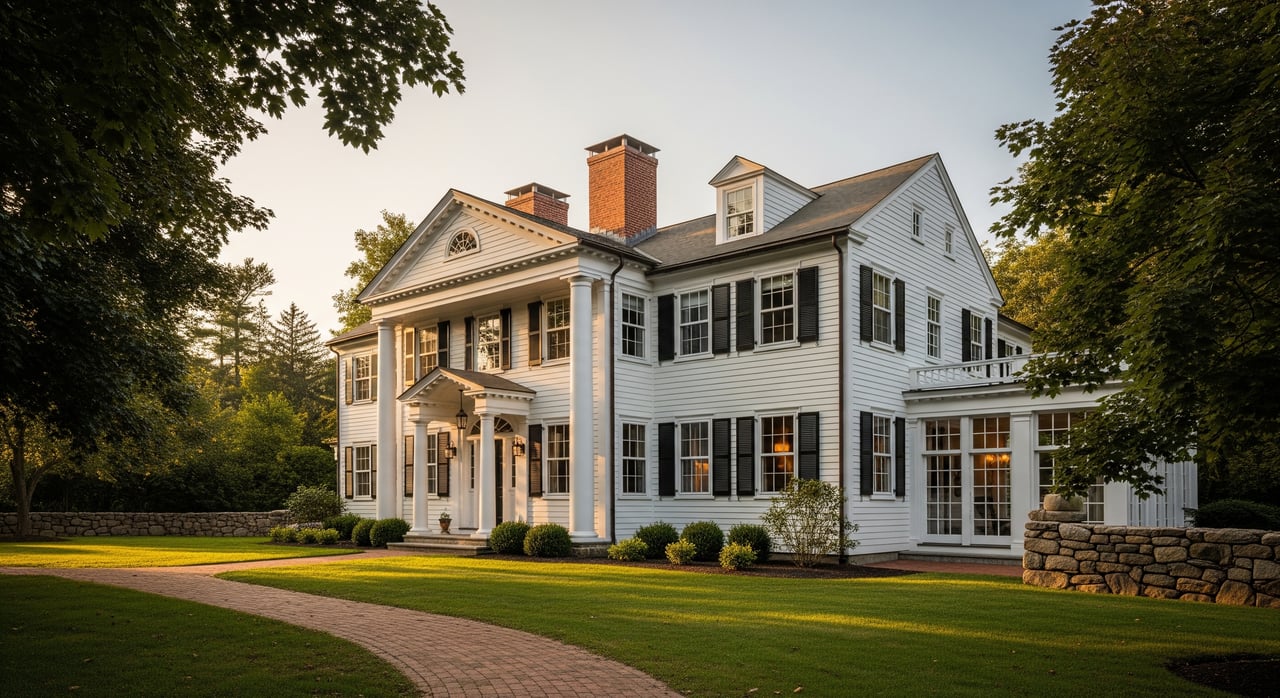
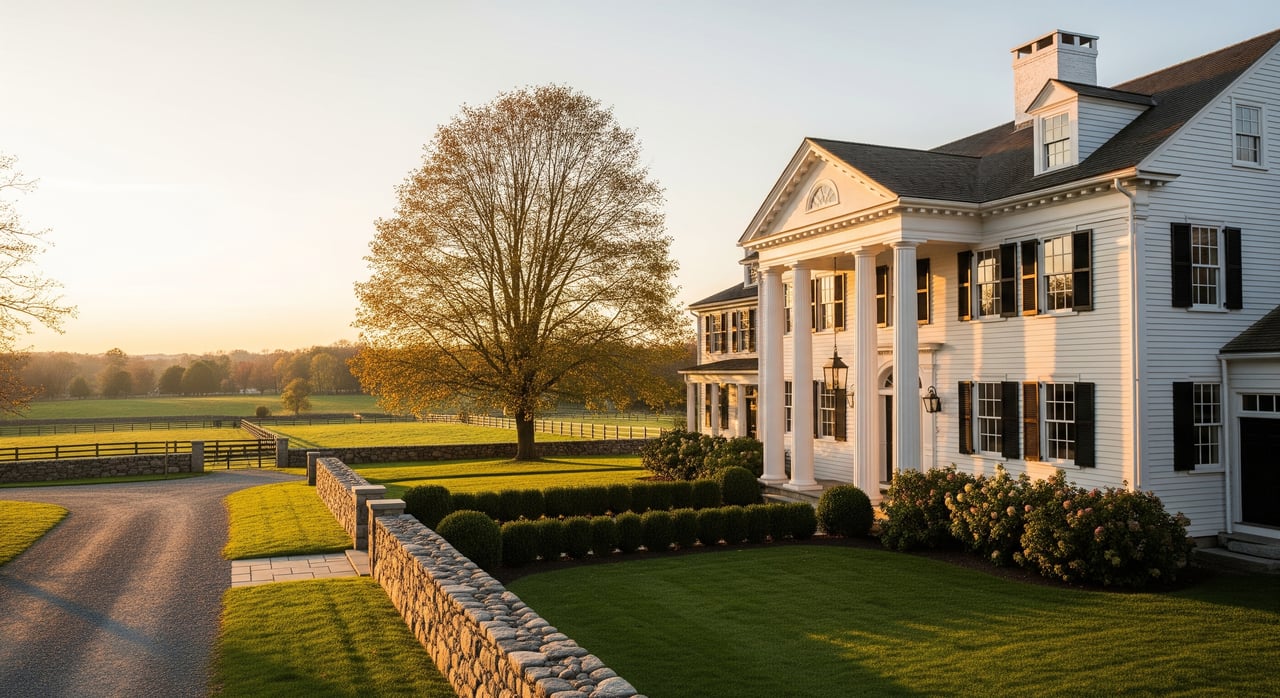
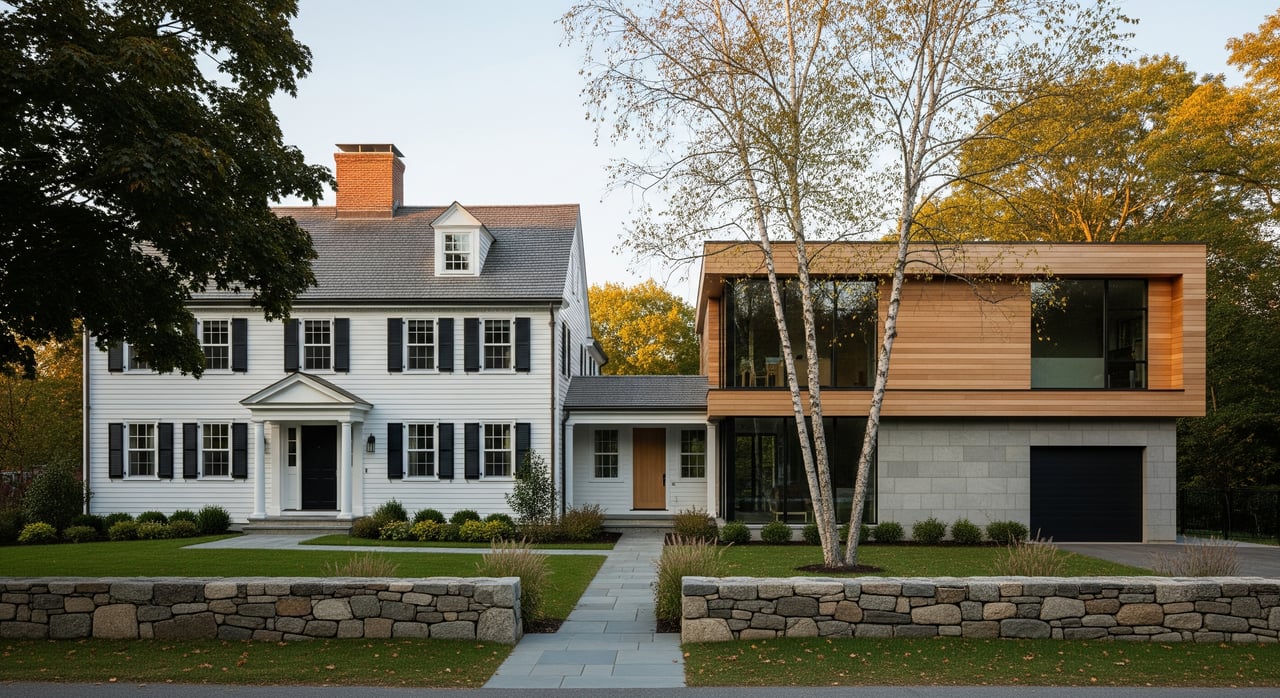
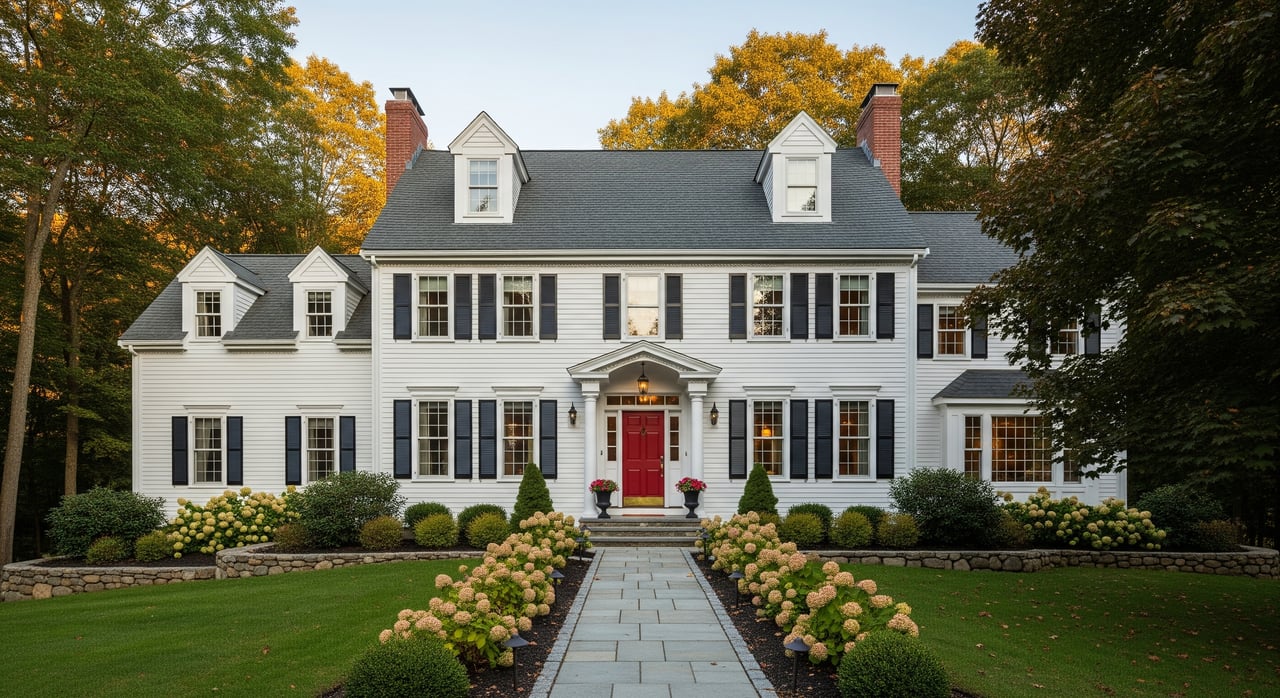
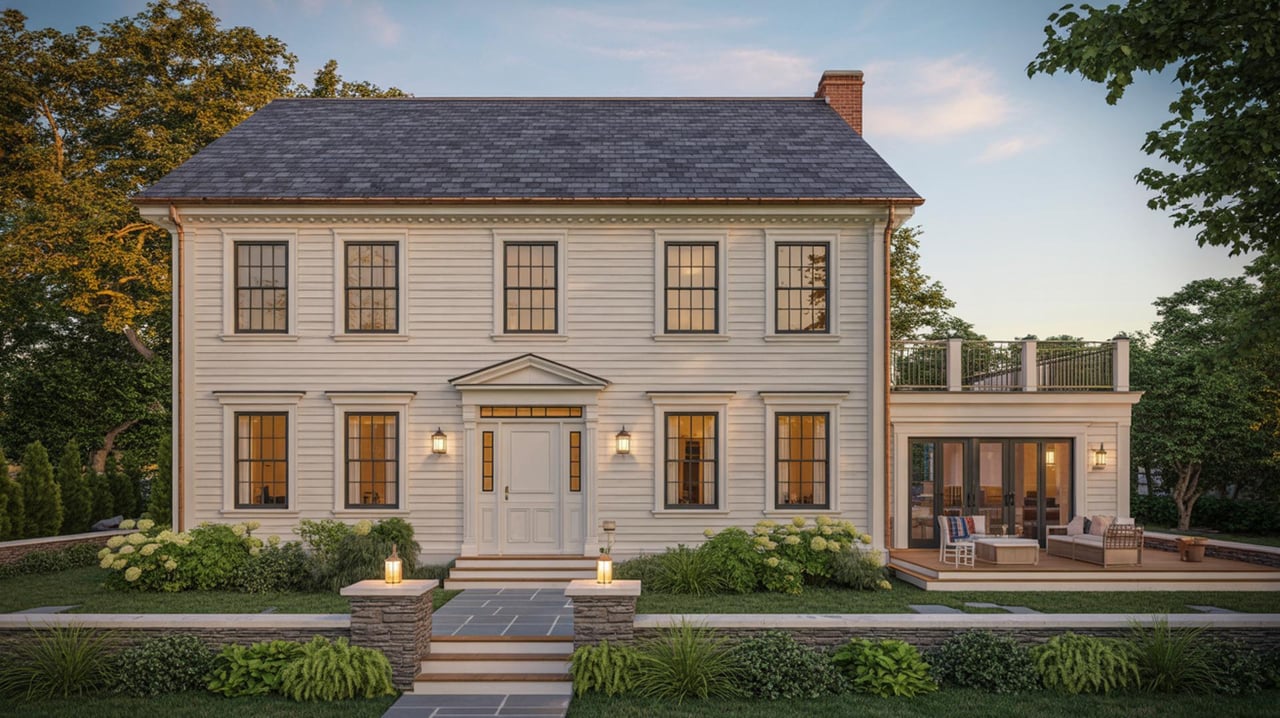
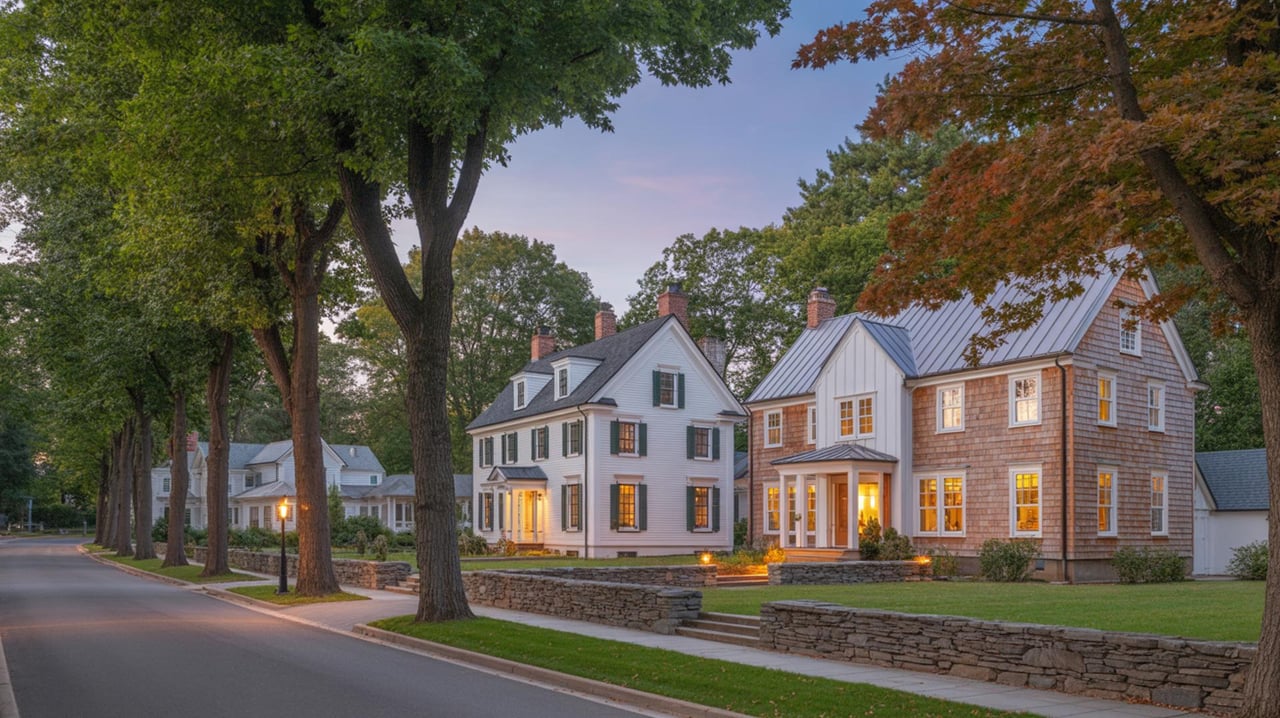
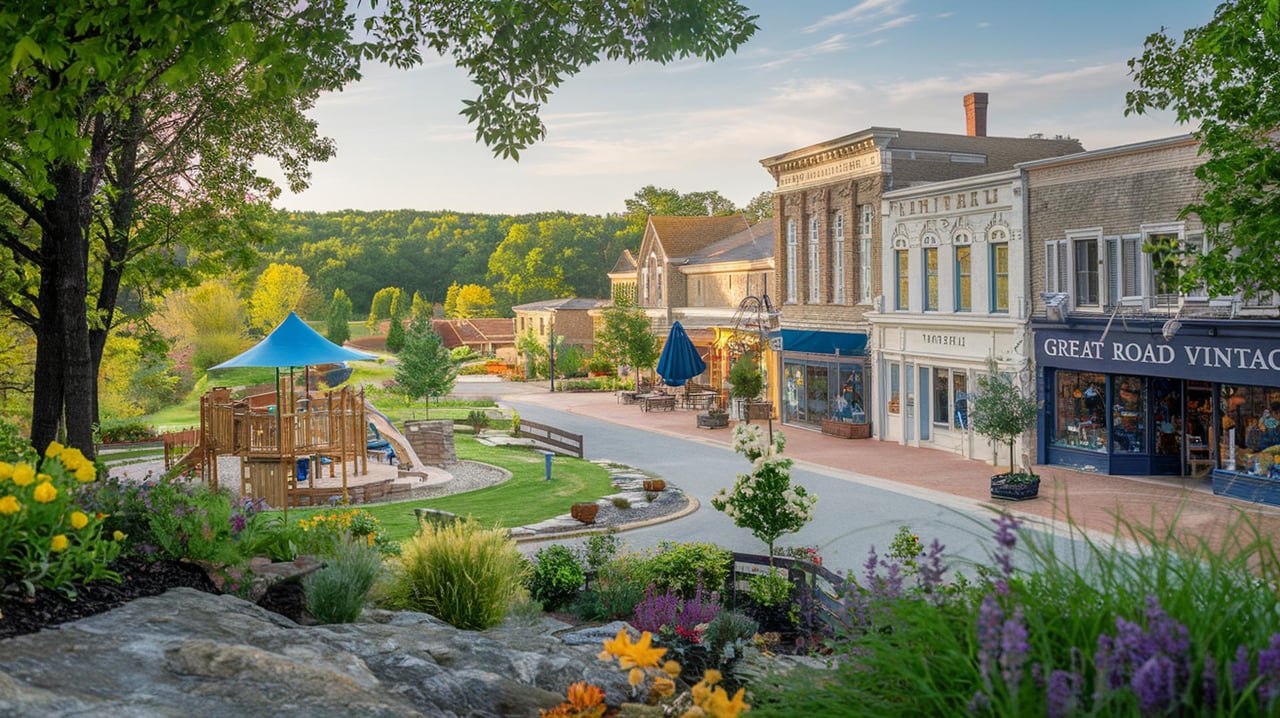
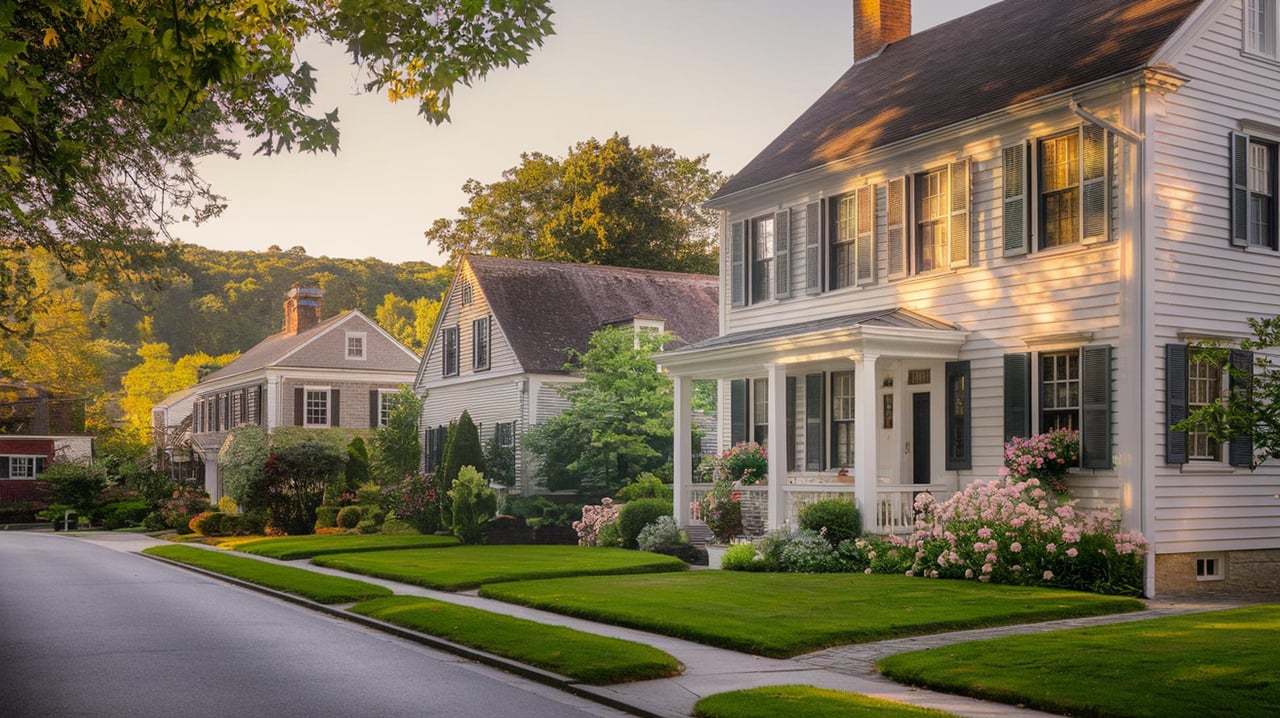
Concord draws steady interest for its historic character, village centers, and commuter access to Cambridge and Boston. Buyers also appreciate the relatively generous lot sizes, walkable areas near Concord Center and West Concord, and the Fitchburg Line commuter rail in West Concord. Proximity to Route 2 and I‑95 makes regional travel practical.
Many buyers value homes that blend preserved details with updated systems. Neutral staging, energy efficiency improvements, and documented maintenance often stand out. If you are planning a sale, prepare for thoughtful questions about mechanicals, insulation, and any recent upgrades.
Start with a thorough assessment
Begin with a comprehensive pre‑listing home inspection. Older Concord homes can have unique needs, so look closely at roofing, foundation, electrical, plumbing, HVAC, and moisture. Identifying issues early helps you plan repairs, pricing, and disclosures.
Consider targeted checks when the home’s age or history suggests it. Common examples include an oil tank sweep, chimney evaluation, asbestos or lead paint assessment, and a septic review. A pre‑listing septic inspection can be especially helpful for timing and negotiation.
Fix first things first
Prioritize safety and systems before cosmetics. Address active leaks, unsafe wiring, heating failures, or septic problems. Buyers are more flexible about cosmetic age than they are about major deferred maintenance.
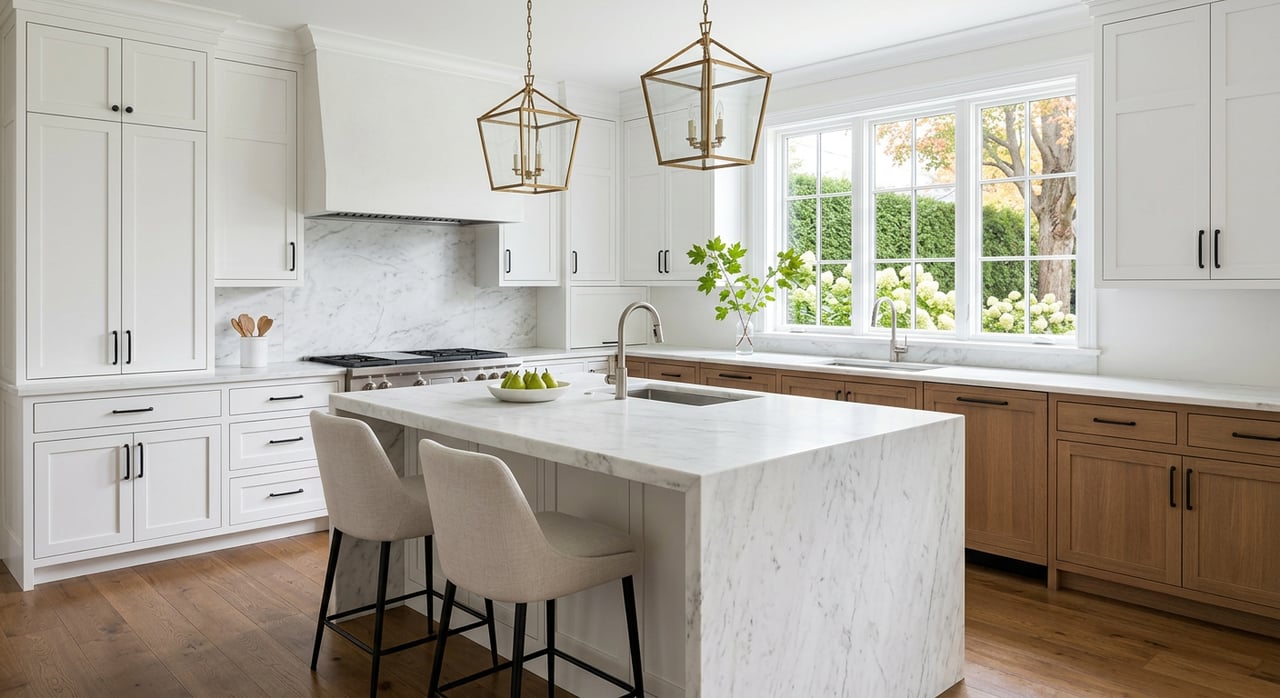
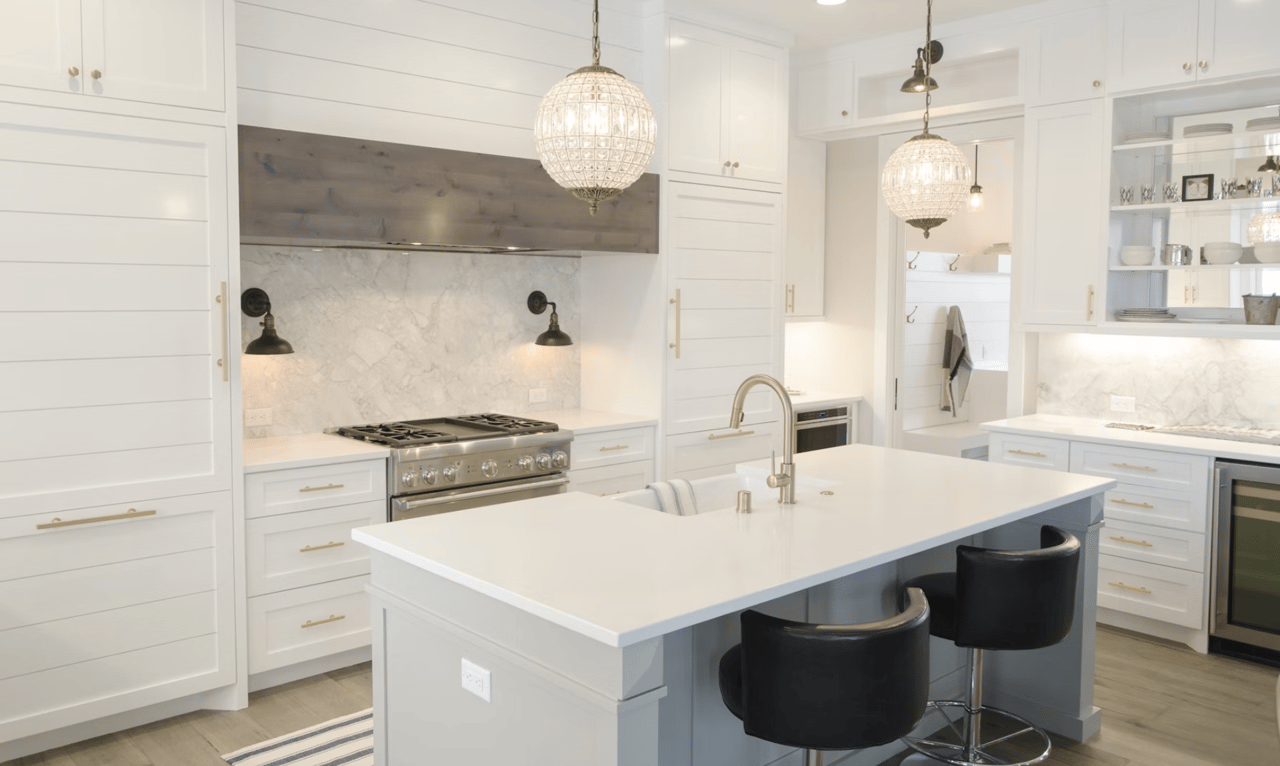
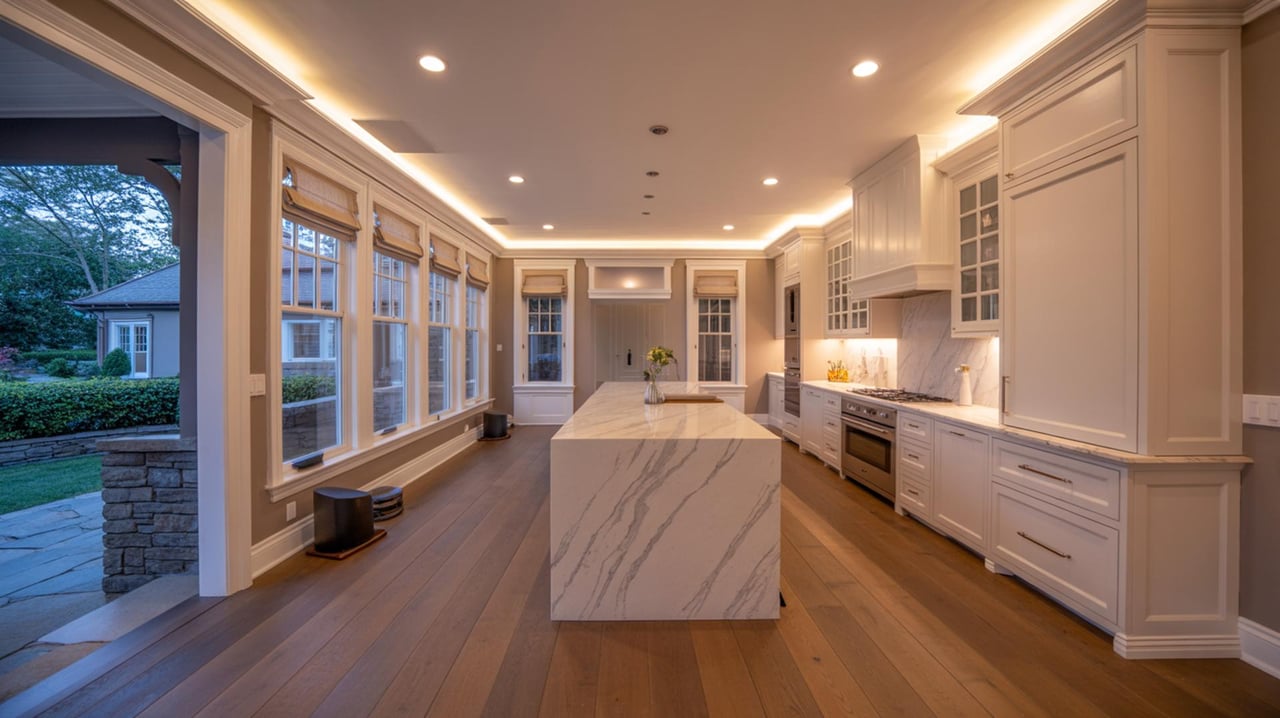
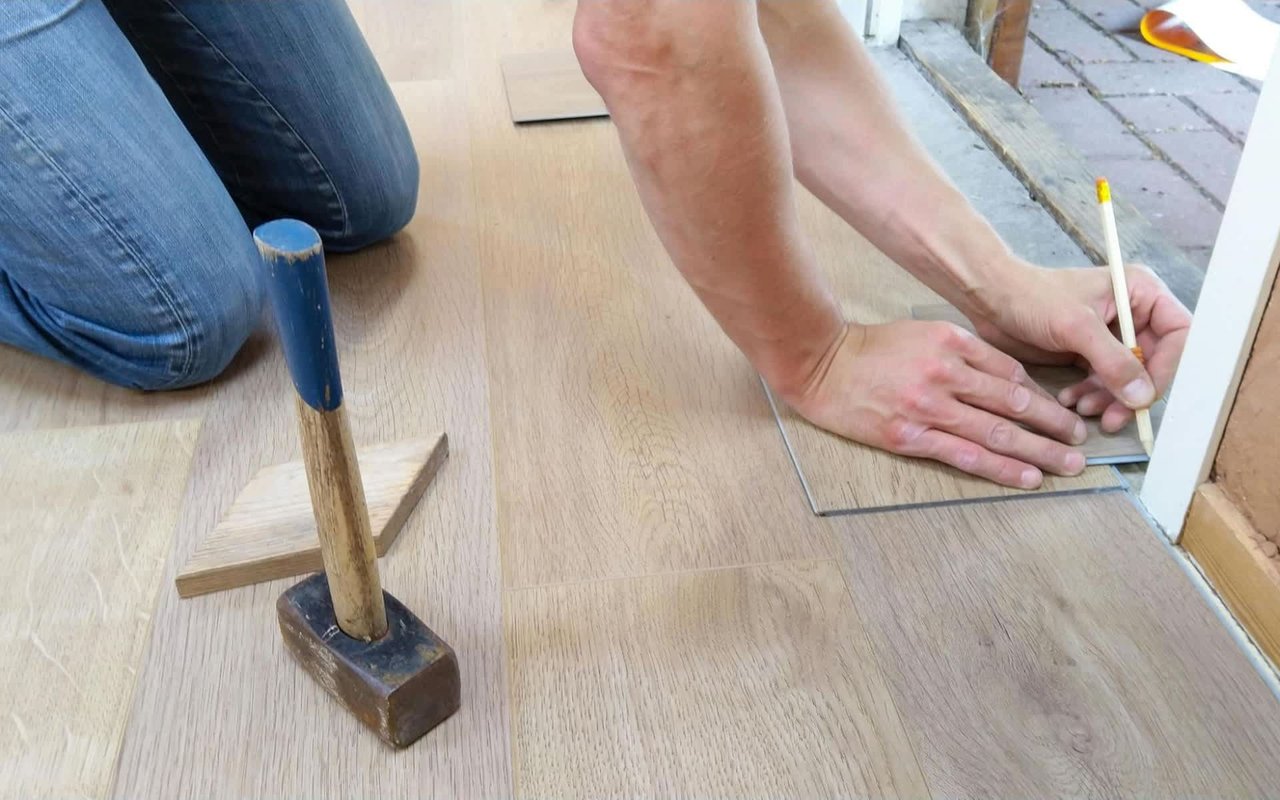
Focus on improvements with solid return. Fresh paint, floor refinishing, basic lighting updates, and modest kitchen or bath refreshes often show well. Preserve character‑defining features where possible, since many Concord buyers value authenticity in historic homes.
If energy performance is a concern, explore an assessment and available incentives through Mass Save. Tighter insulation and air sealing can make your home more comfortable for showings and more attractive to buyers.
Navigate Concord and state rules
- Title 5 septic inspection. In Massachusetts, a Title 5 inspection is required when a property with a septic system transfers. A pre‑listing inspection can reduce surprises and speed negotiations. Learn more at Massachusetts Title 5 guidance.
- Historic districts and exterior changes. Parts of Concord are protected by local historic districts. Exterior changes in those areas may need review by the Historic Districts Commission. Start with the Town of Concord website to confirm district status and processes before planning exterior work.
- Lead paint in pre‑1978 homes. Renovation, repair, or painting that disturbs lead‑based paint must follow the EPA’s Renovation, Repair and Painting Rule. Review the EPA RRP program if you plan any work.
- Smoke and carbon monoxide alarms. Massachusetts requires compliant smoke and CO detectors for closing. Check placement, age, and operability well before listing.
- Oil tanks and environmental items. Determine whether there is an active or former oil tank, and gather any records of removals or remediation. Environmental issues can affect marketability.
- Permits and documentation. Confirm that prior renovations were permitted and closed out. Clear documentation supports buyer confidence and a smoother closing.
Declutter and manage personal property
Begin with a simple inventory. Photograph and document valuables, heirlooms, and items that matter to your family before any staging or cleanout. If the sale is part of an estate, coordinate decisions with the executor and follow probate requirements.
There are practical ways to streamline clear‑out. Estate sale companies, donation pickups, and cleanout services can be scheduled in phases to align with your listing timeline. If emotions run high, set a clear process with one point person and regular check‑ins to keep momentum.
Stage for Concord buyers
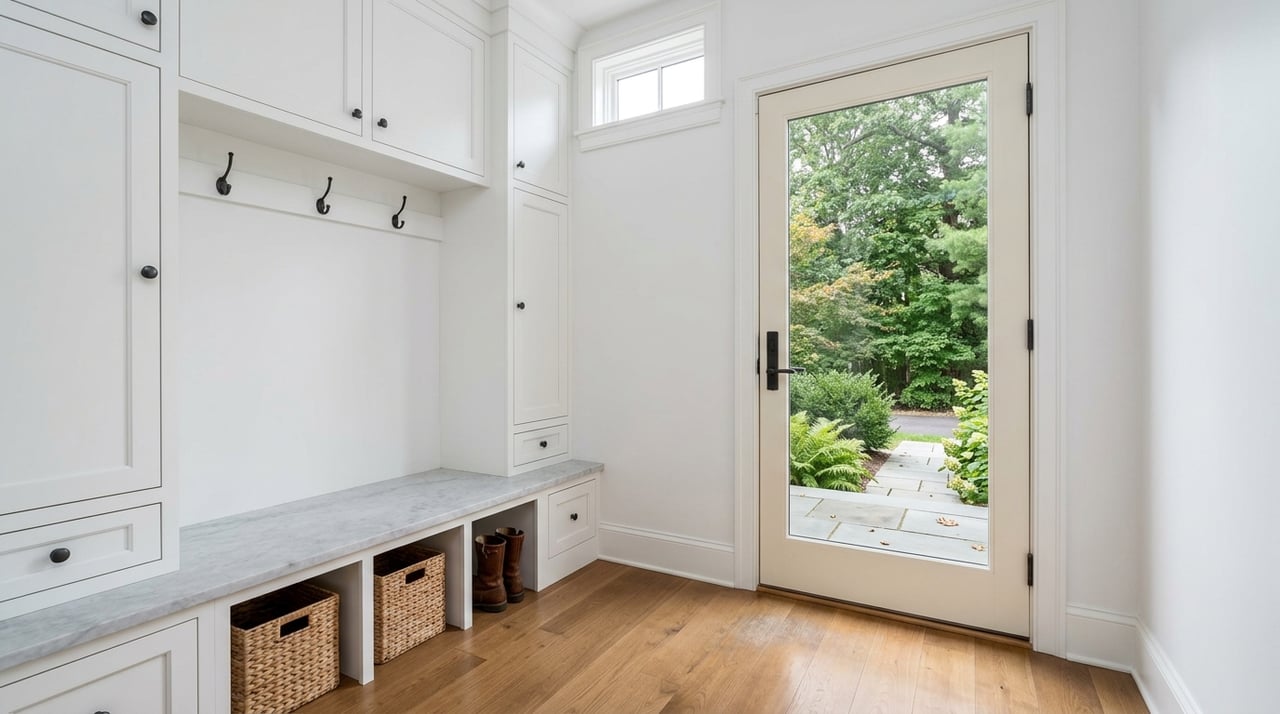
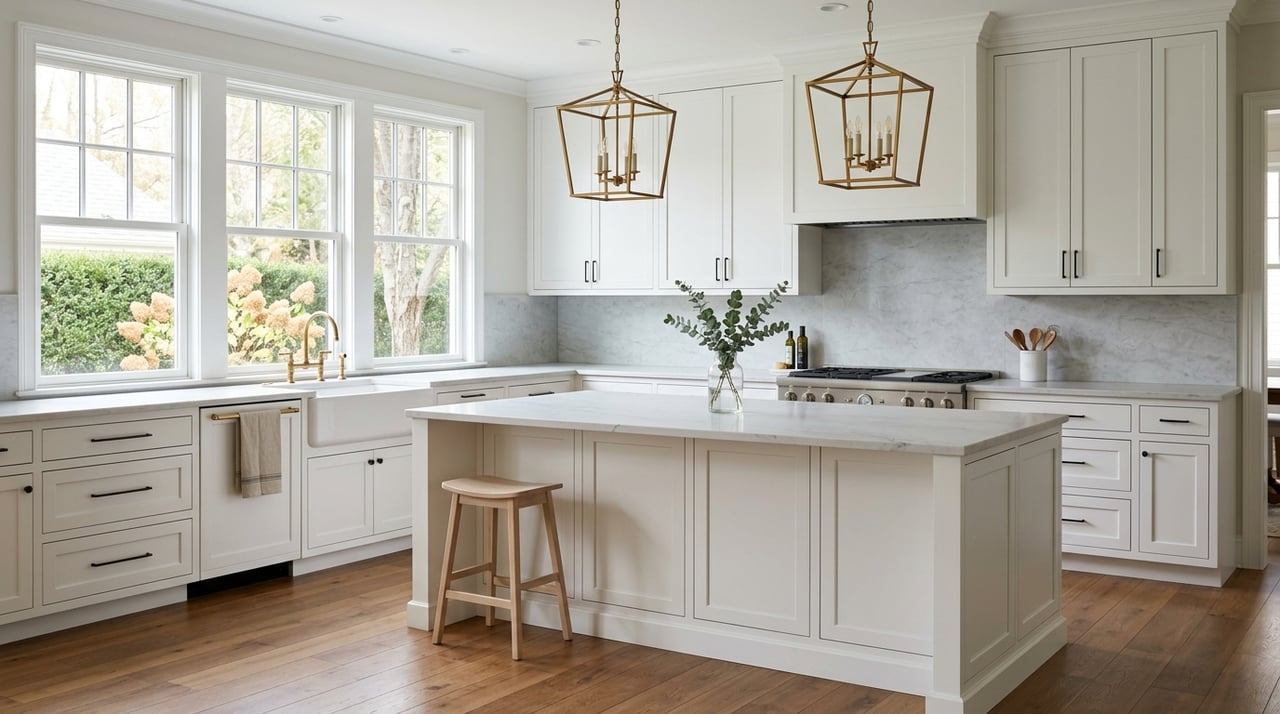
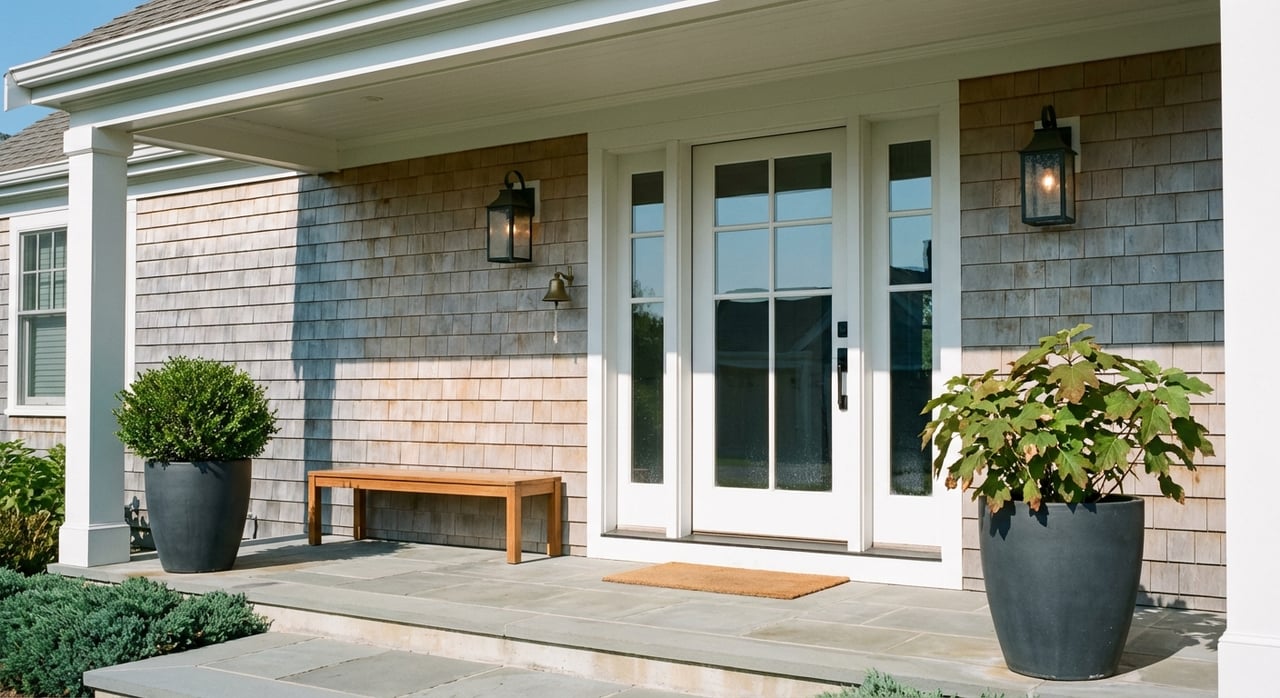
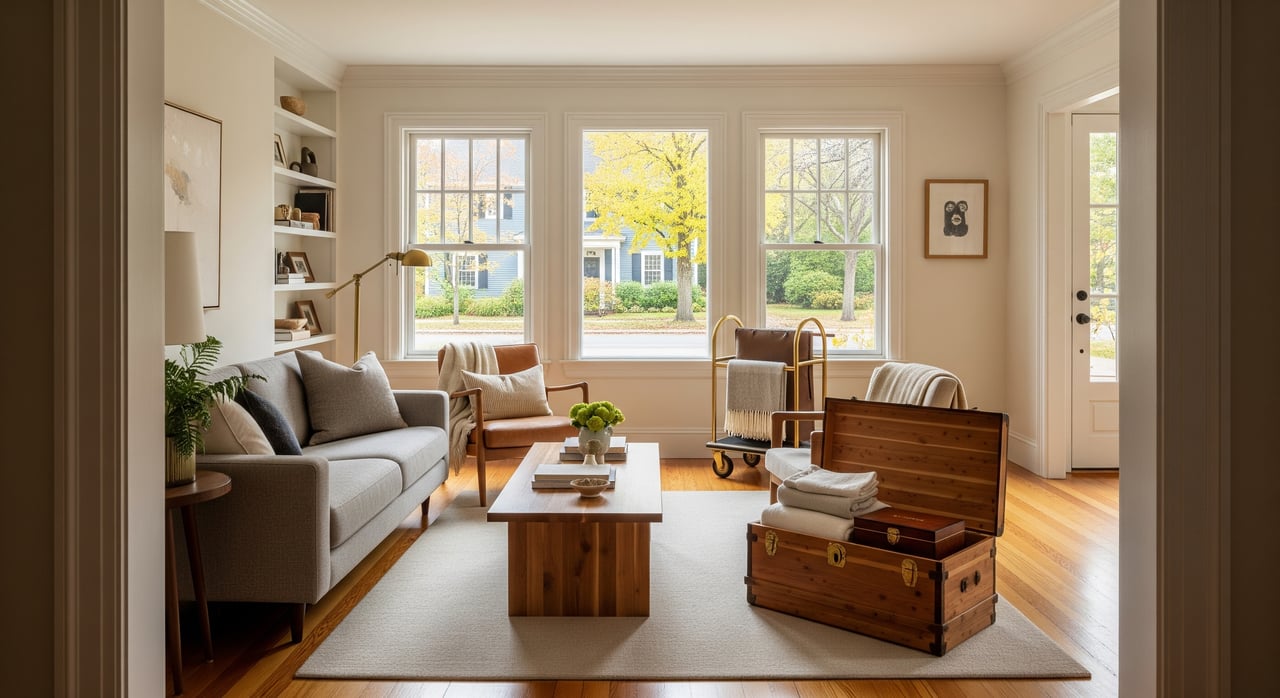
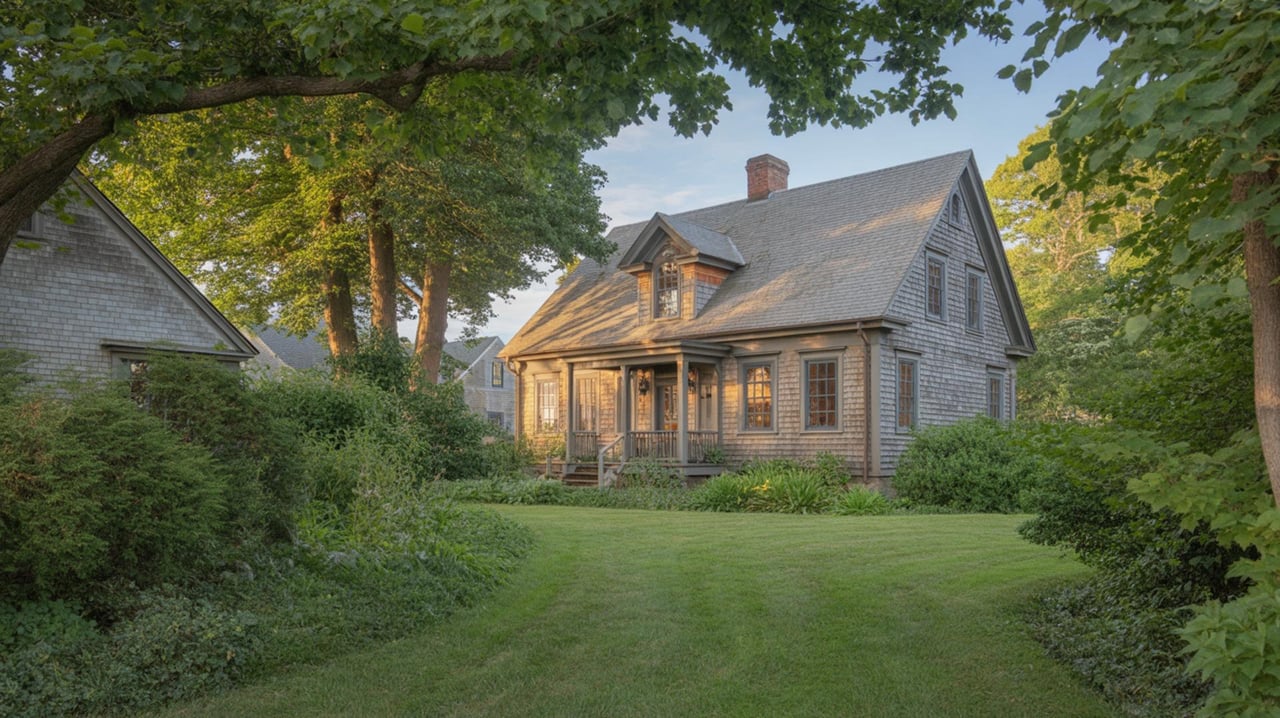
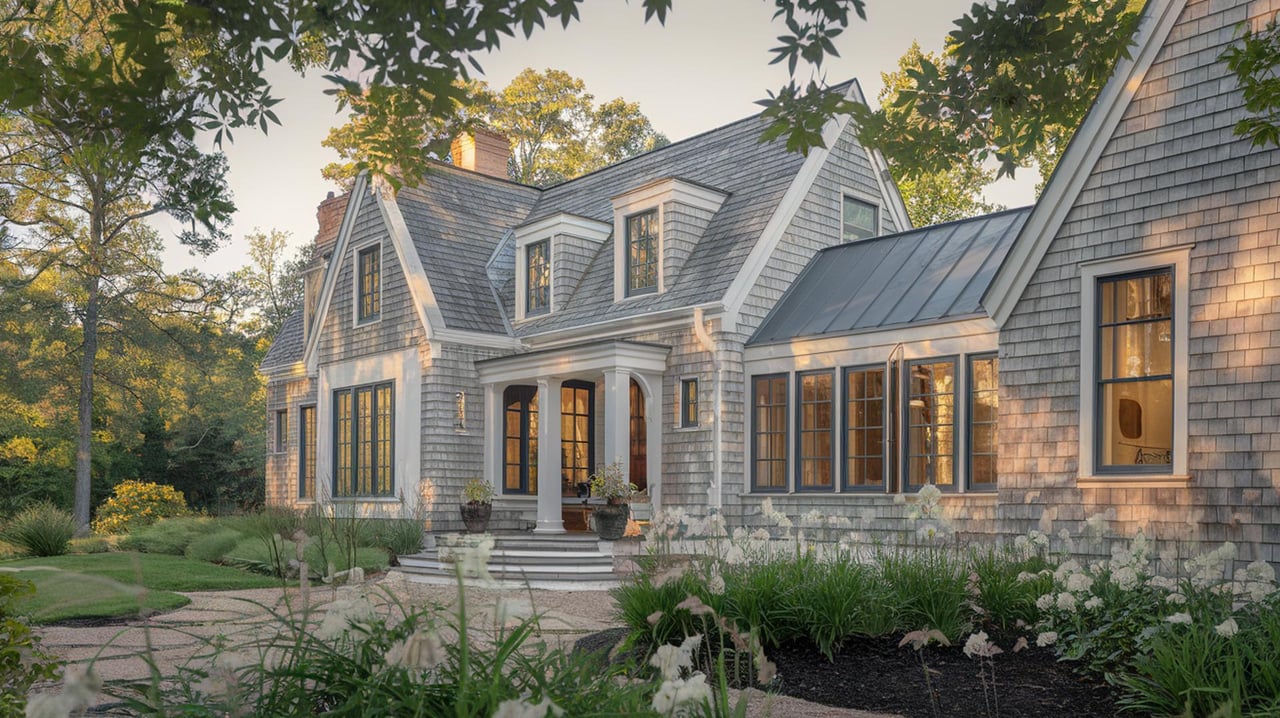
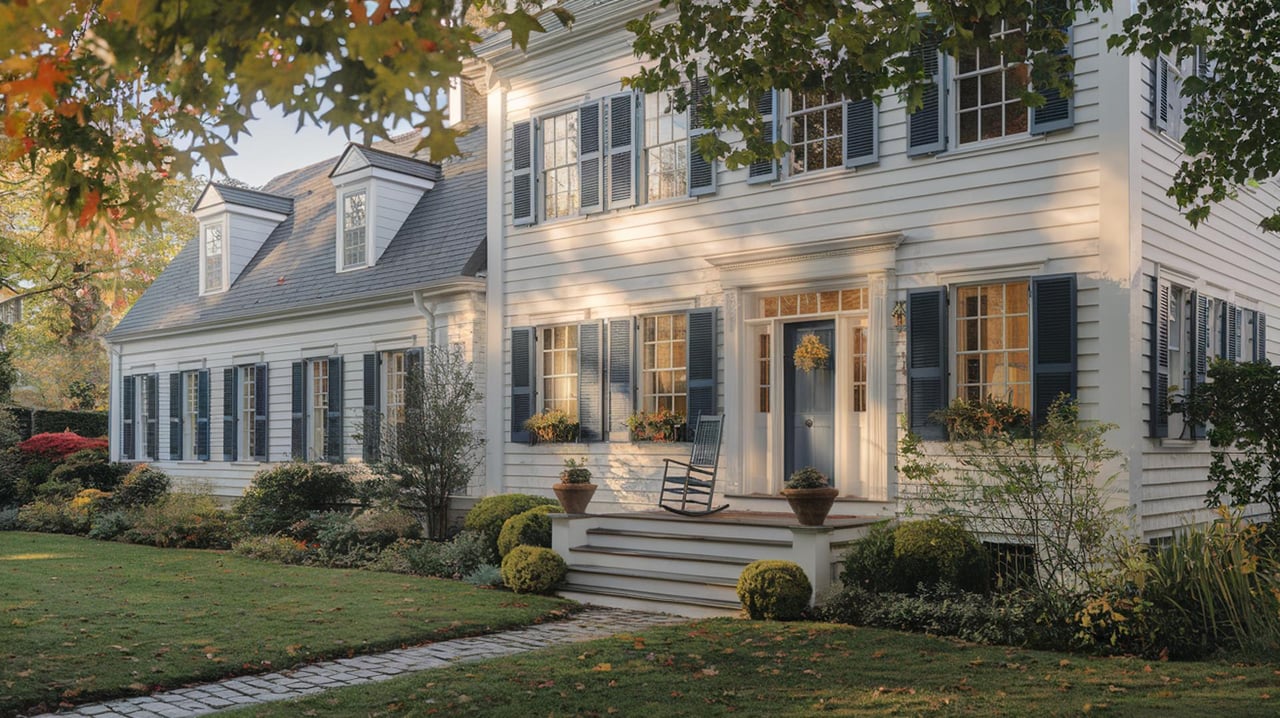
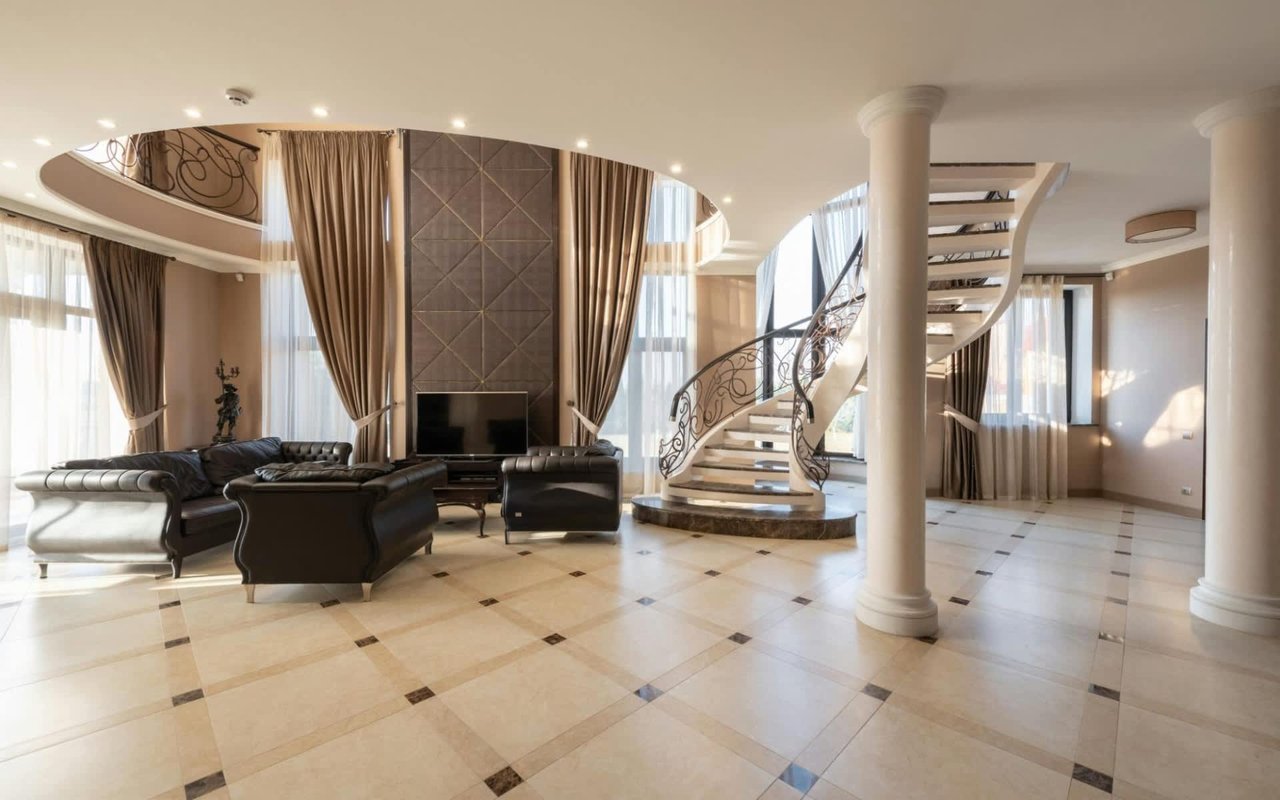
Aim for clean, neutral rooms that let period details shine. Highlight original moldings, fireplaces, wide‑plank floors, and built‑ins while removing heavy personal decor. Thoughtful, period‑aware staging can balance charm and simplicity.
Professional photography and floor plans are expected in this market. Virtual tours are helpful for out‑of‑town buyers who may be relocating from the Cambridge‑Newton‑Framingham corridor and beyond.
Set a pricing strategy that works
Use a local agent who understands Concord’s historic housing stock, micro‑neighborhoods, and buyer expectations. Historic homes may have fewer direct comparables, so your agent may bracket value using nearby sales with adjustments for land, vintage, and updates.
Accurate pricing typically leads to faster, cleaner results. Overpricing can reduce showings and dampen perceived value. Make sure your listing highlights special attributes such as commuter access, proximity to conservation land, or a historic designation when applicable.
Plan your timeline and budget
- Typical prep timelines. Light cosmetic work and decluttering often take 2 to 6 weeks. Moderate repairs or larger cleanouts may take 6 to 12 weeks. Estate administration can take longer, so build flexibility into your plan.
- Common budget items. Pre‑listing inspection, Title 5 inspection and possible remediation, cleaning and cleanout services, modest repairs, staging and photography, marketing, closing costs, and potential concessions after buyer inspections.
- Seasonality and timing. Spring tends to be the busiest in New England, but inventory and interest rates matter. Work with your agent to choose the most strategic window.
Concierge coordination reduces stress
A concierge model centralizes project management so you do not have to coordinate every detail. Your agent can organize inspections, contractors, cleanouts, staging, photography, and moving support, which saves time and presents the home at its best.
This approach is especially helpful for seniors, out‑of‑area heirs, or executors handling probate. For probate process specifics and authority requirements, consult your attorney and the Middlesex Probate and Family Court.
What to gather before you list
- Deed and most recent property tax bill
- Any surveys, plot plans, and site plans
- Utility and service records, including oil or propane
- Heating system and equipment service records and warranties
- Prior inspection reports, septic documents, or oil tank removal records
- Historic or preservation documentation and any permits
- Contact information for the executor, attorney, and chosen listing agent
Your next move
Selling a longtime or inherited Concord home is a major life step. With the right plan, thoughtful preparation, and coordinated support, you can respect your home’s history and move forward with confidence. If you would like a tailored strategy and a concierge process designed to reduce stress and maximize value, reach out to Peggy Dowcett.
FAQs
Do I need a Title 5 septic inspection to sell in Massachusetts?
- A Title 5 inspection is required on property transfer for homes with septic systems, and a pre‑listing inspection can help you plan and negotiate more smoothly.
How do Concord historic districts affect my exterior updates?
- If the home is in a local historic district, certain exterior changes may require Historic Districts Commission review, so confirm status and approvals before work.
Is a pre‑listing inspection worth it for an older Concord home?
- Yes, it helps uncover major issues early, informs pricing, and can reduce renegotiations after the buyer’s inspection.
What are the biggest risks when selling an older home in Concord?
- Deferred maintenance, septic failures, environmental items like old oil tanks, unpermitted work, and potential lead or asbestos can impact offers and timing.
How should our family handle personal belongings in an estate sale?
- Assign one point person, set clear timelines, document decisions, and consider estate sale or professional organizing services to keep the process efficient.
Can we list a home that is still in probate in Middlesex County?
- Marketing may begin in some cases, but contracts and closing often require formal executor authority or court approvals, so consult a probate attorney.
Which energy upgrades interest Concord buyers the most?
- Buyers appreciate practical improvements like insulation, air sealing, and efficient heating, and you can explore incentives through Mass Save.