Are you torn between the low-maintenance appeal of a condo and the freedom of a single-family home in Gloucester? You are not alone. With a coastal setting, a mix of historic and newer properties, and seasonal demand, the choice can feel complex. In this guide, you will get a clear comparison of costs, rules, flood and insurance factors, plus practical checklists so you can move forward with confidence. Let’s dive in.
Gloucester market context
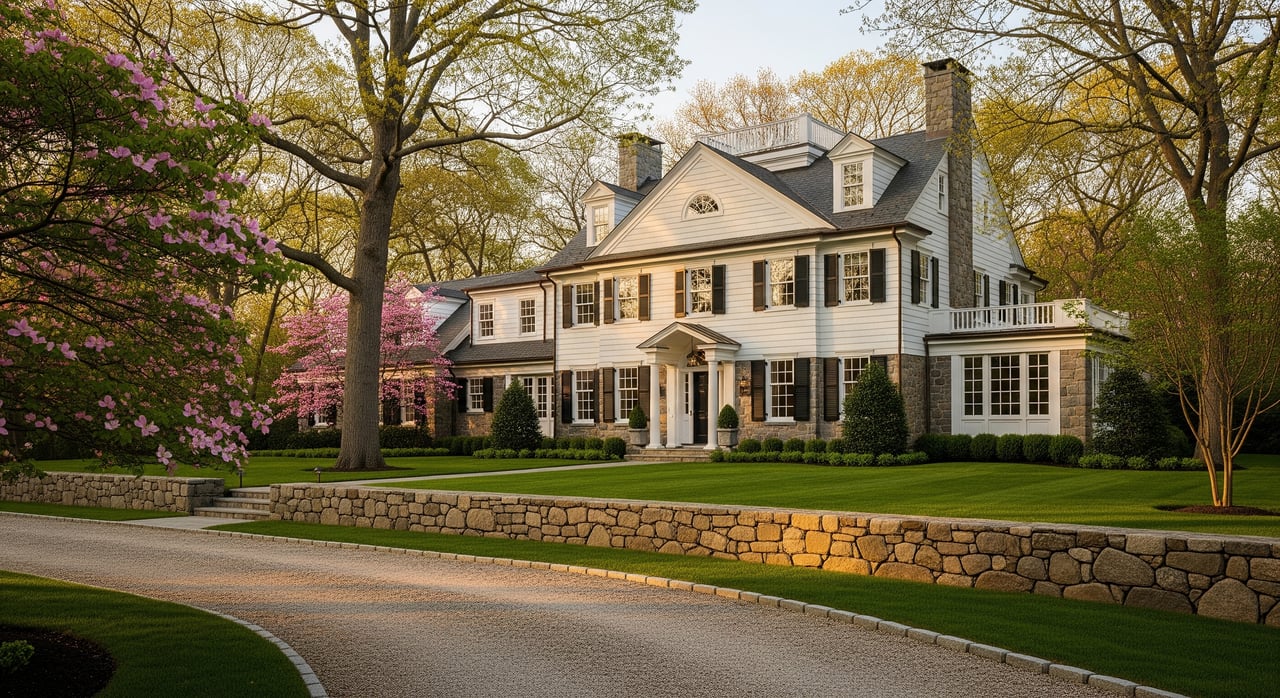
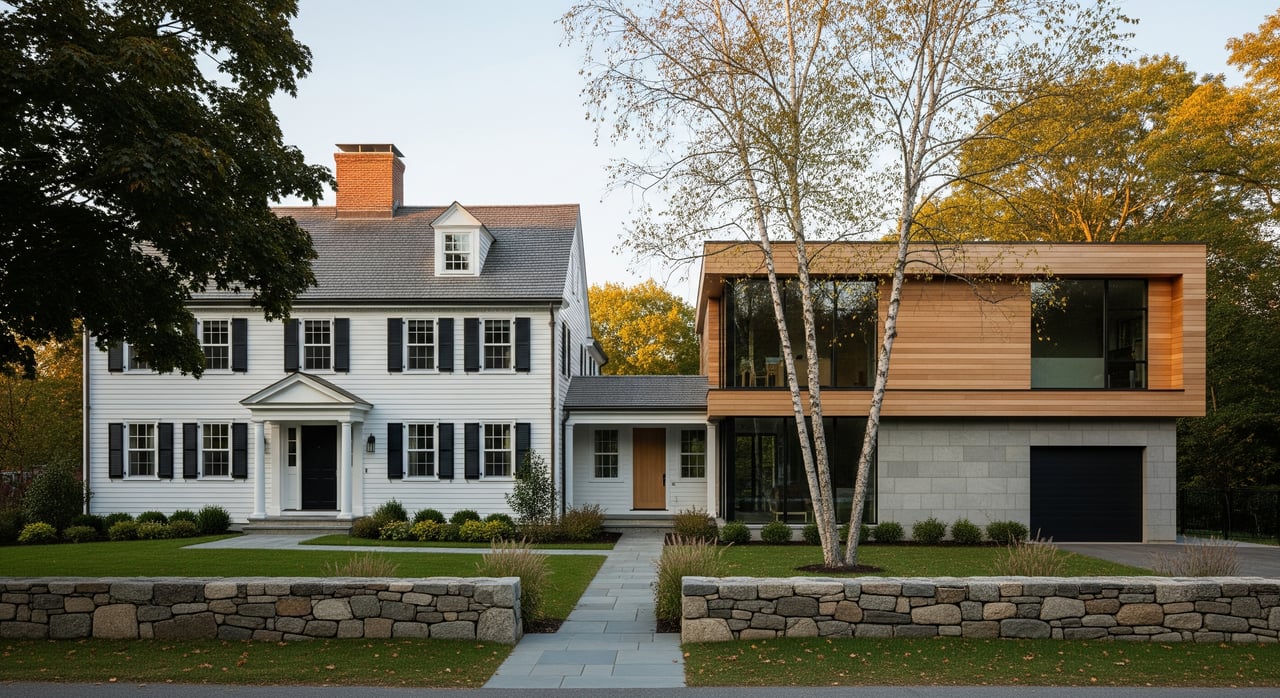
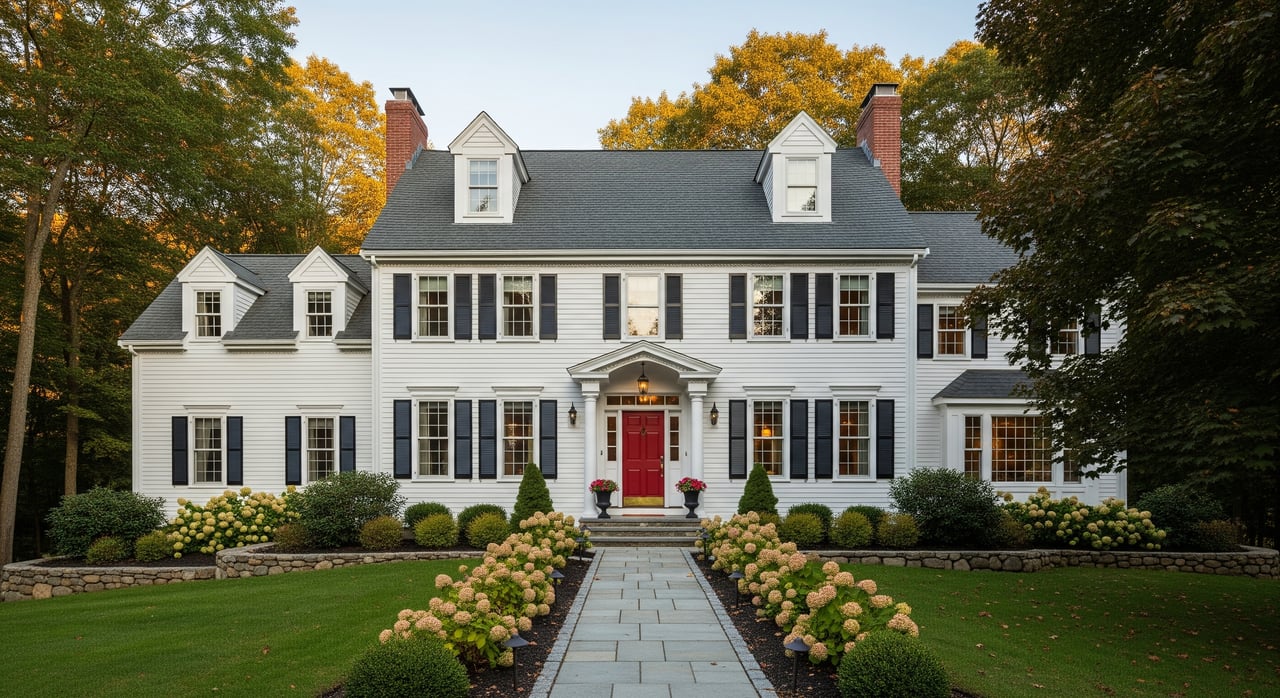
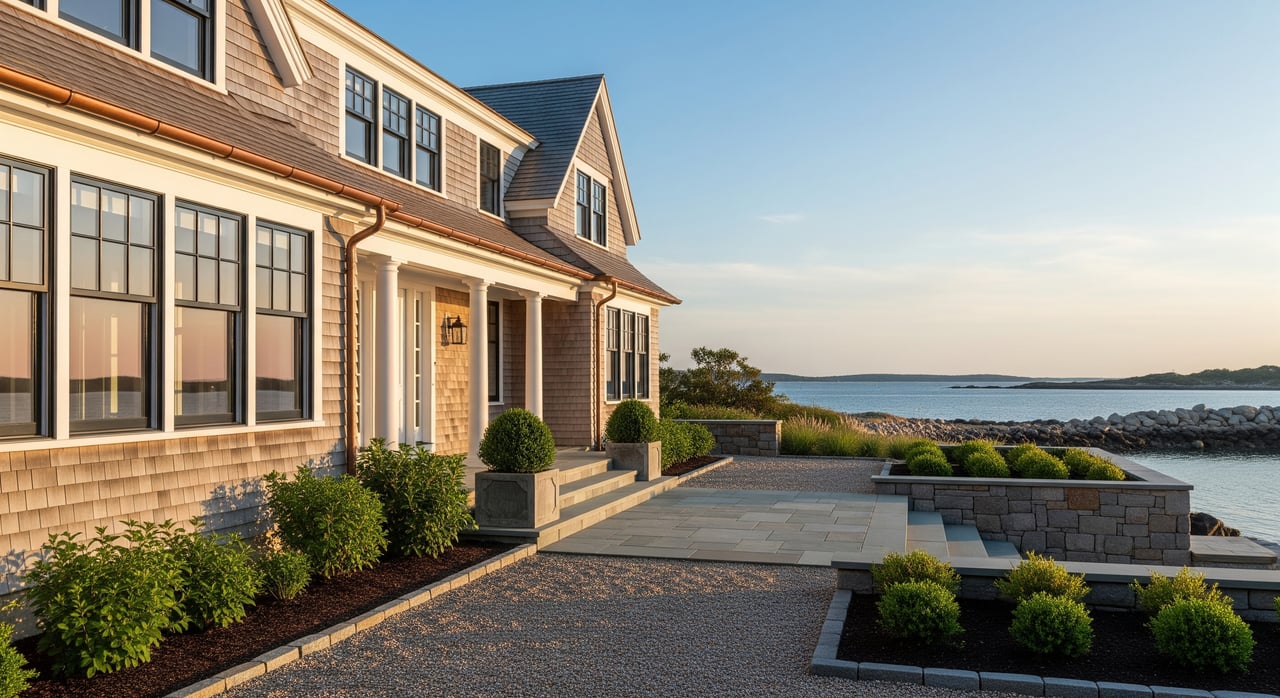
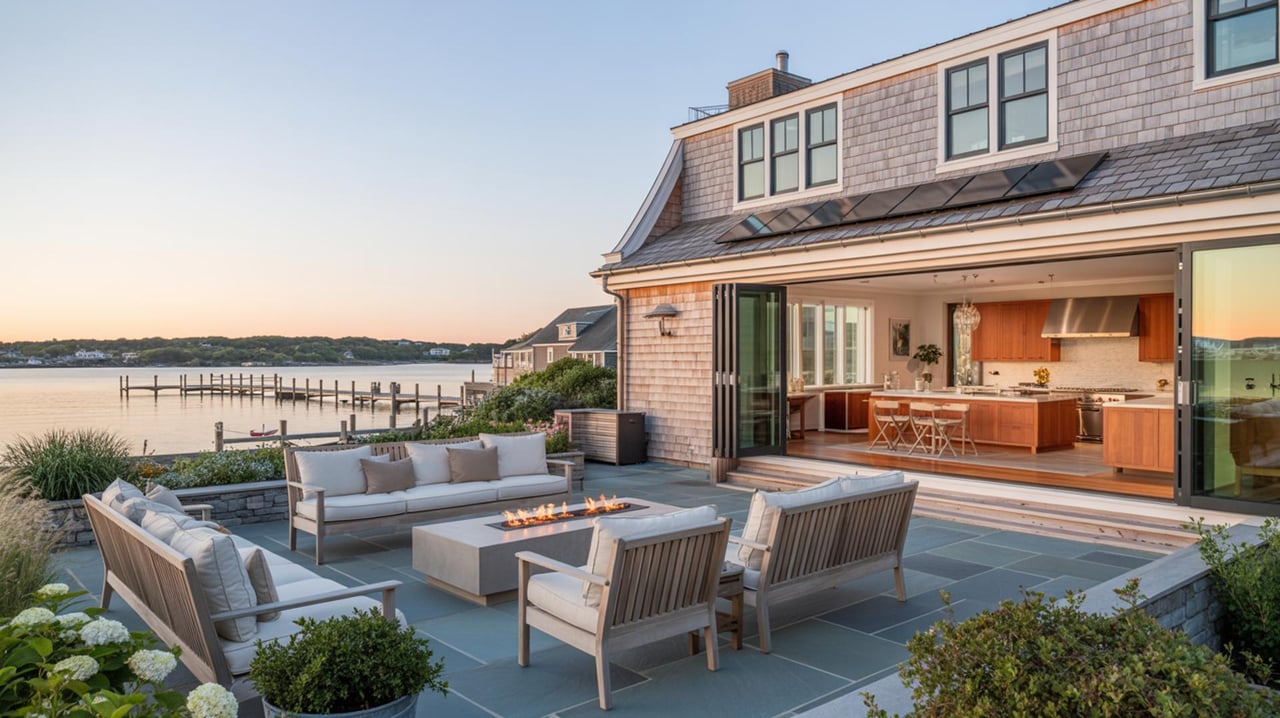
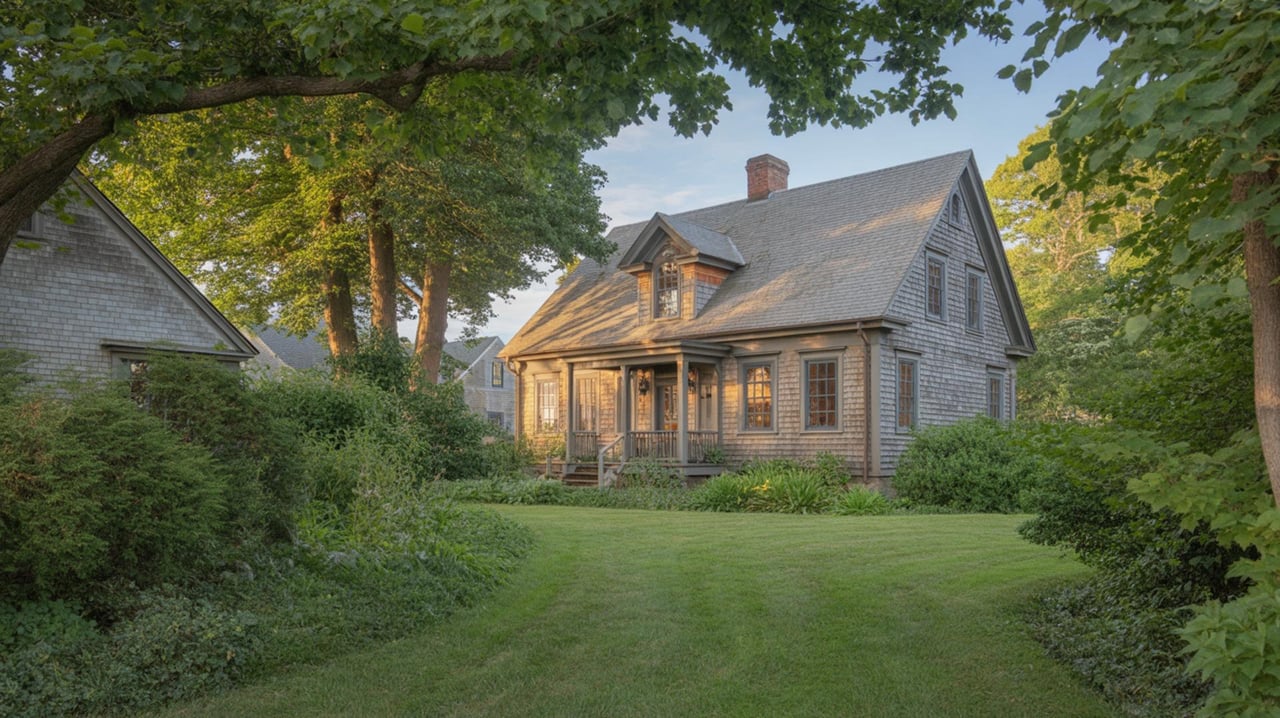
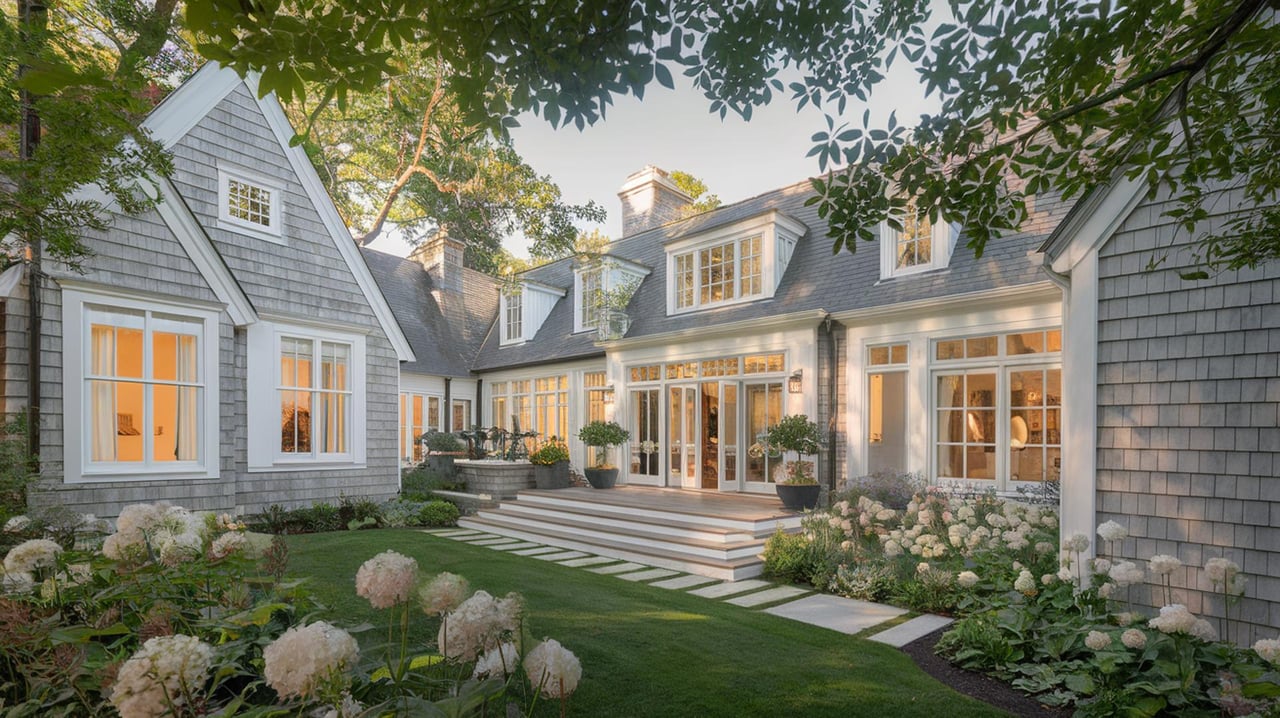
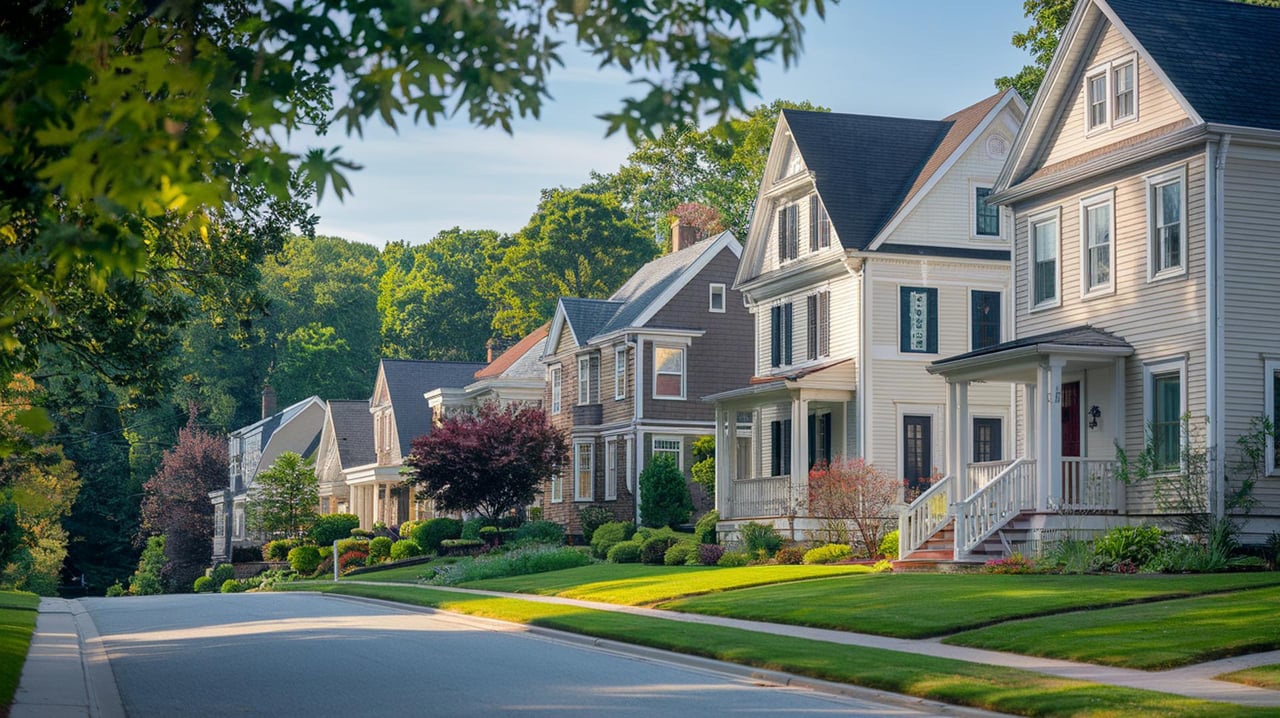
Gloucester offers a wide range of homes, from historic single-family properties and waterfront cottages to smaller condo conversions and compact condominium communities. Inventory and pricing can vary by neighborhood, especially between Gloucester Harbor, West Gloucester, and Magnolia.
Compared with the Cambridge‑Newton‑Framingham metro, Gloucester’s coastal and seasonal dynamics can shape demand and days on market. Some buyers are locals, while others are second‑home owners, investors, or commuters to Greater Boston. Because market conditions shift, check a current MLS snapshot or ask for a fresh read on pricing and inventory before you set your budget or expectations.
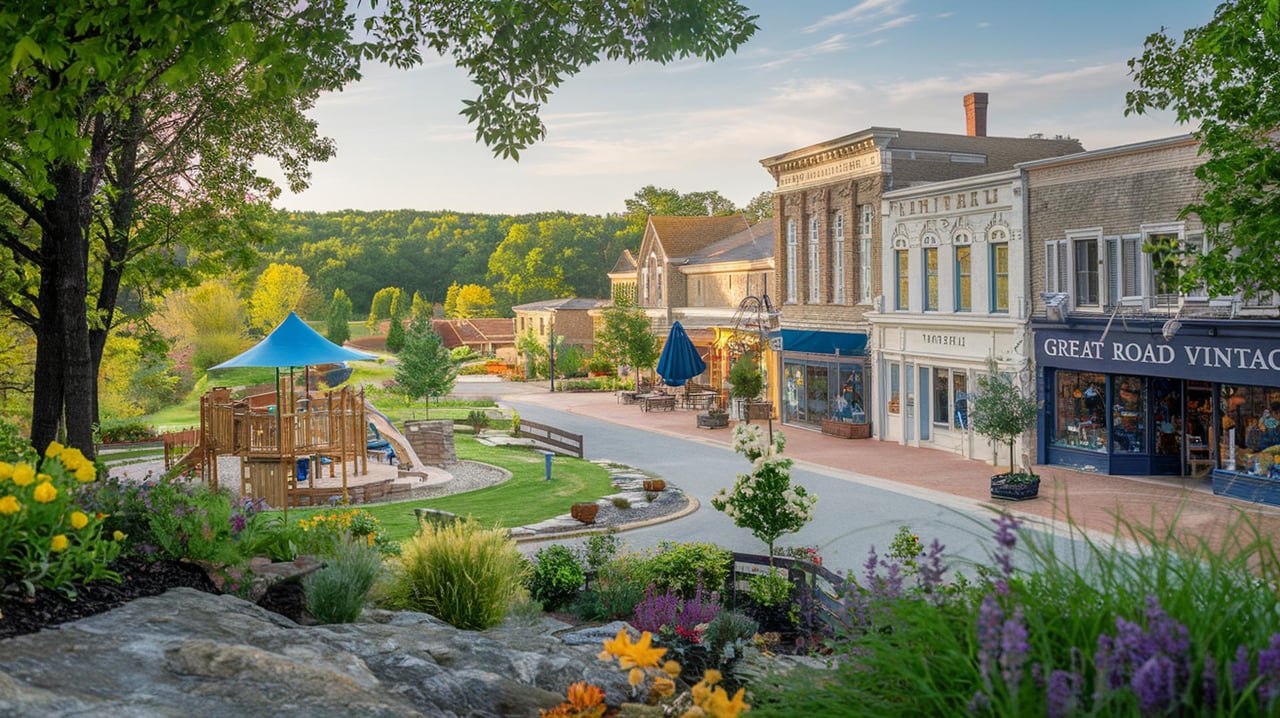
The balance of condos and single‑family listings influences negotiation leverage and time on market. Waterfront and walkable areas may see stronger seasonal interest, which can affect both purchase decisions and rental potential.
Total cost of ownership
Your total monthly cost goes beyond the mortgage. Compare line items side by side to get a realistic picture.
Condos: what you pay
- Mortgage and your share of property taxes
- Monthly association fee for common area upkeep, insurance on the building, reserves, and sometimes utilities
- HO‑6 condo policy for the interior and personal property
- Possible special assessments for major capital projects
What to ask: what the monthly fee covers, the history of fee increases, reserve levels, and any planned projects.
Single‑family homes: what you pay
- Mortgage and full property taxes
- Homeowners insurance on the dwelling
- All utilities and all maintenance, including roof, siding, systems, driveway, landscaping, and snow removal
- Potential septic or well upkeep if the property is not on municipal services
What to plan for: annual maintenance and long‑term capital items such as roof replacement or exterior updates.
Financing differences
Condo mortgages involve both you and the project. Lenders often review reserve funds, owner‑occupancy ratios, and whether there is pending litigation. FHA and VA loans may require condo project approval or additional documentation. Fannie Mae and Freddie Mac also have project eligibility rules that can affect loan options.
Single‑family financing typically focuses on your credit, income, the property condition, and appraisal. There are fewer project‑level hurdles.
Questions for your lender:
- Is the condo project eligible for the loan type I plan to use?
- What documentation will you need from the association?
- How will any litigation, low reserves, or investor ratios affect my loan?
Insurance and flood cost basics
Condo owners rely on the association’s master policy for the building and common areas and carry an HO‑6 policy for the interior and personal property. Ask whether the master policy includes flood coverage or if flood is separate.
Single‑family owners carry a full homeowners policy. In Gloucester, some properties are in FEMA flood zones, which can trigger a lender requirement for flood insurance. Premiums vary by location and elevation. An elevation certificate can help determine the rate and eligibility.
Governance and due diligence
The right documents will tell you a lot about risk, rules, and future costs. In Massachusetts, condominiums are governed by Chapter 183A. Take time to review the association’s health and history before you commit.
For condos: documents to request
- Master deed, declaration, bylaws, and rules and regulations
- Current budget, year‑to‑date financials, and a reserve study if available
- Meeting minutes from the past 12–24 months
- Insurance certificates, including the master policy and any flood coverage
- Statements on special assessments, planned capital projects, and fee increases
- Rental policies, including any restrictions on short‑term rentals
- Disclosures on pending or recent litigation
What to look for: adequate reserves, clear maintenance plans, consistent governance, and rules that align with your lifestyle and intended use.
For single‑family homes: local checks
- Full home inspection covering roof, foundation, mechanical systems, electric, and plumbing
- Septic inspection for Title 5 compliance if the property is not on municipal sewer
- Well testing if applicable
- Flood risk review, including FEMA map and elevation certificate
- Historic district requirements that may affect exterior changes
- Conservation or coastal permits for work near the shoreline
- Easements, deed restrictions, and any rights related to docks or bulkheads
Coastal realities in Gloucester
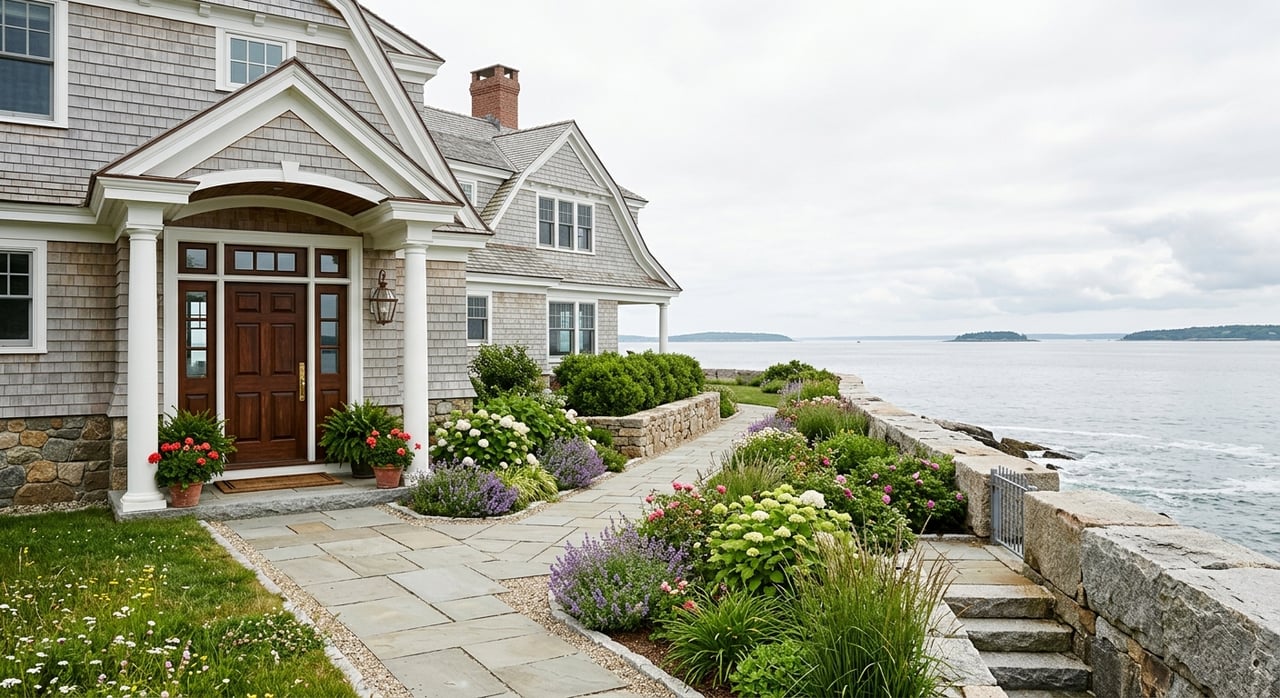
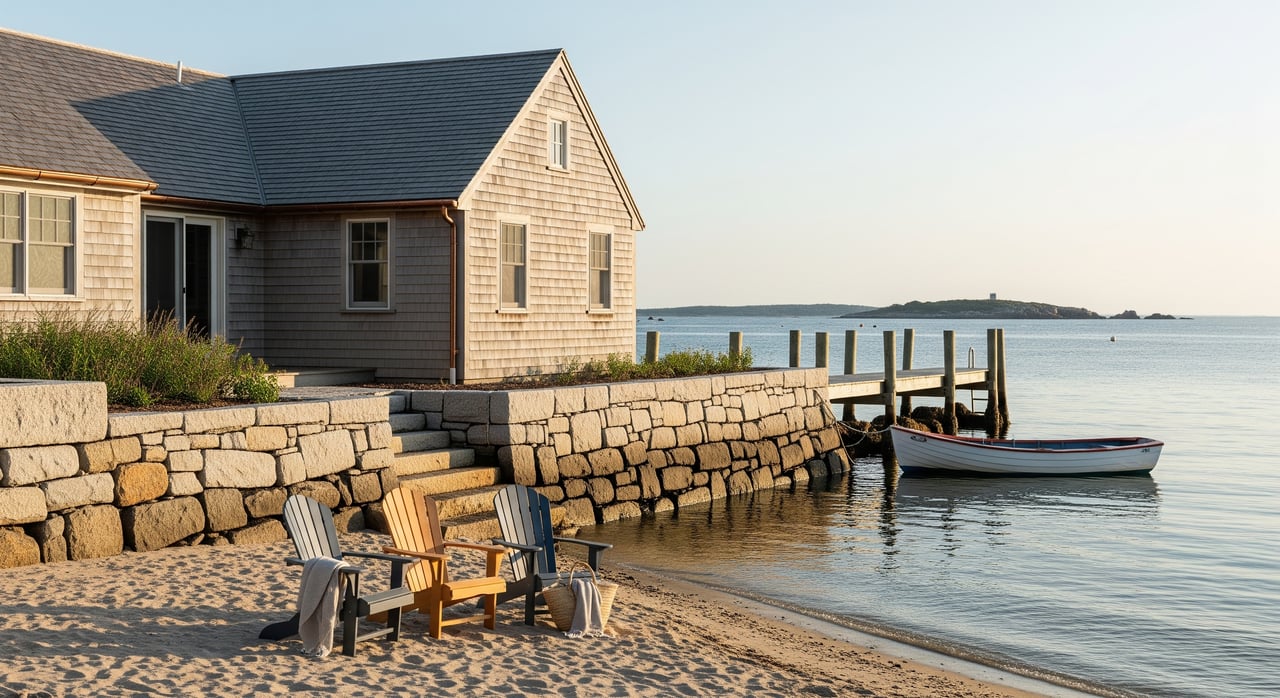
Gloucester’s coastline is part of its charm and a key factor in your decision. Some properties sit in low‑lying or harbor‑adjacent areas that are more exposed to storm surge and sea level rise. This exposure can influence insurance availability, premiums, lender requirements, and long‑term maintenance.
Practical steps:
- Check whether the property lies within a FEMA Special Flood Hazard Area
- Request an elevation certificate if the home is near the water
- Ask about past storm impacts, flood claims, and mitigation measures
- Confirm whether a condo’s master policy includes or excludes flood
- Factor potential flood costs into your total monthly budget
None of this has to be a dealbreaker. Treat coastal risk as a pricing and planning item to evaluate, just like roof age or mechanical systems.
Lifestyle and resale tradeoffs
Choosing between a condo and a single‑family home often comes down to how you want to live day to day.
- Maintenance: condos reduce exterior upkeep so you spend less time on yard work and snow removal. Single‑family homes offer control over repairs and upgrades on your timeline.
- Privacy and space: single‑family homes typically provide more separation, a yard, and flexibility for storage. Condos may have shared walls and common areas but can offer efficient layouts and convenient locations.
- Amenities and rules: condos may provide parking arrangements and common outdoor spaces, with rules that guide pets, rentals, and renovations. Review the bylaws to confirm.
- Parking and storage: some condo communities offer assigned spaces or garages. Many older single‑family lots in Gloucester have limited off‑street parking, so verify before you buy.
Resale and investment vary by neighborhood and property type. Land scarcity, harbor views, and walkability can influence long‑term appreciation. Well‑managed condo associations with strong reserves also tend to perform better over time. If you plan to rent, understand local rental rules and any condo restrictions before you purchase.
A simple decision framework
Use this checklist to weigh what matters most, then score each property type for your situation.
- Budget and monthly predictability: HOA fee consistency vs variable maintenance
- Maintenance tolerance: how much time and money you want to spend on upkeep
- Space and privacy: need for a yard, storage, or detached living
- Flood and coastal risk tolerance: comfort with insurance, mitigation, and permitting
- Financing approach: FHA, VA, or conforming eligibility for the condo project
- Intended use: primary home, seasonal use, or rental strategy
- Ownership horizon: how long you plan to hold the property
Questions to ask now:
- What will my total monthly cost be including fees, taxes, insurance, and an allowance for maintenance?
- For a condo, how healthy is the association’s reserve fund and what capital projects lie ahead?
- For a single‑family home, what are the near‑term capital needs and coastal or historic permitting constraints?
- Is flood insurance required and what will it likely cost based on the elevation certificate?
- How do rental rules and local ordinances affect my plan?
Buyer checklists
Condo buyer quick list
- Master deed, declaration, bylaws, and rules
- Current budget, financial statements, and reserve study
- Meeting minutes for the past 12–24 months
- Insurance master policy and any flood coverage details
- Statement of special assessments and planned projects
- Rental and pet policies
- Any pending litigation disclosures
Single‑family buyer quick list
- Full home inspection report
- Title 5 septic inspection if not on municipal sewer
- Well water testing if applicable
- FEMA flood map review and elevation certificate if near the coast
- Records of coastal permits, historic approvals, or conservation reviews
- Deed, easements, and any waterfront access rights
Tips for sellers in Gloucester
If you are selling a condo, prepare a clean package of governing documents, budgets, reserve details, insurance certificates, and a summary of recent capital work. Clear, organized materials can reassure buyers and lenders.
If you are selling a single‑family home, gather maintenance records, recent inspections, and any coastal or historic approvals for past work. Be ready to answer questions about flood history and mitigation. Staging and marketing should highlight lifestyle strengths such as outdoor space, storage, and proximity to harbors or village centers.
Ready to compare homes in Gloucester?
You do not need to make this decision alone. If you want a clear view of current inventory, financing paths, and coastal due diligence, reach out to schedule a conversation. Work with a trusted local advisor who can help you weigh the tradeoffs and identify the right fit. Work With Peggy Dowcett.
FAQs
How do condo fees in Gloucester work and what do they typically cover?
- Fees usually fund common area maintenance, the building’s master insurance, reserves for capital projects, and sometimes utilities; review the association budget and financials to confirm.
Can I use an FHA or VA loan to buy a condo in Gloucester?
- It depends on the condo project’s eligibility and documentation; ask your lender about project approval requirements and what documents the association must provide.
What should I know about flood insurance for coastal Gloucester properties?
- Lenders often require flood insurance for homes in FEMA flood zones, and premiums vary by elevation and location; request an elevation certificate and ask about past flood claims and mitigation.
How do property taxes compare between condos and single‑family homes in Gloucester?
- Taxes are set by the municipality based on property assessment; check the current assessment and tax rate for each property to compare apples to apples.
Which is better for a first‑time buyer, investor, or retiree in Gloucester?
- First‑time buyers often prioritize predictable costs and lower maintenance, investors focus on rental rules and HOA health, and retirees may value access, convenience, and minimized upkeep.
What documents should I review before making an offer on a Massachusetts condo?
- Request the master deed, declaration, bylaws, rules, current budget and financials, reserve study, 12–24 months of meeting minutes, insurance certificates, and any litigation disclosures.