Thinking about whether you should live near the Lincoln commuter rail or prioritize easy highway access? You are not alone. Many buyers and sellers in Lincoln weigh commute options as a key part of their housing decision. In this guide, you will learn how to compare rail versus driving door to door, what those choices mean for property location and value, and how to market or shop with confidence. Let’s dive in.
Commute basics from Lincoln
Lincoln is served by the MBTA Fitchburg Line, which connects to Porter Square and North Station. You can review current schedules and stops on the MBTA’s Fitchburg Line page for the most accurate information. For current timetables, check the official Fitchburg Line schedules.
Many residents drive to jobs in Cambridge, Newton, Boston, and nearby suburbs. Driving times vary with Route 2 and regional traffic. For broader congestion and road project context, see the Massachusetts Department of Transportation.
Transfers matter. Rail riders headed to Cambridge often connect at Porter Square or North Station for the subway or bus, while many Newton destinations are most direct by car. Framingham sits on a different rail corridor, so driving is often the simplest option for that commute.
Door-to-door time: How to compare
Schedules tell only part of the story. What you care about is door-to-door time. Use this simple method before you buy or list:
- Check the rail schedule that matches your work hours on the Fitchburg Line schedules. Note typical departures and arrivals.
- Add first and last mile time. Include your walk or drive to Lincoln Station, time to park or lock a bike, and any transfer time at Porter Square or North Station.
- Compare to peak-hour driving. Look up drive times during your actual commute window. Include time to park at your destination.
- Run both directions. Evening travel can differ from mornings. Repeat the steps for your return.
Destination notes to keep in mind
- Cambridge: Rail plus a subway or bus transfer can be efficient depending on your endpoint, especially if you work near Porter Square or have reliable last-mile transit.
- Newton: Many addresses are easier to reach by car. Transit options often require multiple legs, so compare carefully.
- Framingham: Typically a straightforward drive from Lincoln. Some reverse commutes can be lighter, but confirm with your actual schedule.
Costs: Rail vs car
Think about both out-of-pocket costs and the value of your time.
- Rail costs: Factor in one-way fares or a monthly pass, plus any station parking and occasional ride-hail or shuttle trips. For current prices, review MBTA commuter rail fares and, if you plan to park, check MBTA parking information.
- Driving costs: Add fuel, workplace parking, tolls if you use them, maintenance, insurance, and the long-term cost of vehicle wear. Consider what your commute time is worth to you monthly.
If you commute fewer days due to hybrid work, a monthly rail pass may or may not pencil out. Run the math for your actual days in office.
Reliability and lifestyle fit
Every mode has tradeoffs. Rail can avoid traffic stress and lets you read or work in transit. Driving offers flexibility for school drop-offs, mid-day meetings, or late returns. For a sense of service performance and planned improvements, explore MBTA performance reports. Traffic is variable too, which is why testing your exact route and time is smart.
Your daily routine should guide the choice. If you need precise arrival times without parking hassles, rail can help. If your workday is unpredictable or you juggle family logistics, driving may fit better.
Housing tradeoffs in Lincoln
In Lincoln, commute choices often shape where you want to live and what you should highlight when selling.
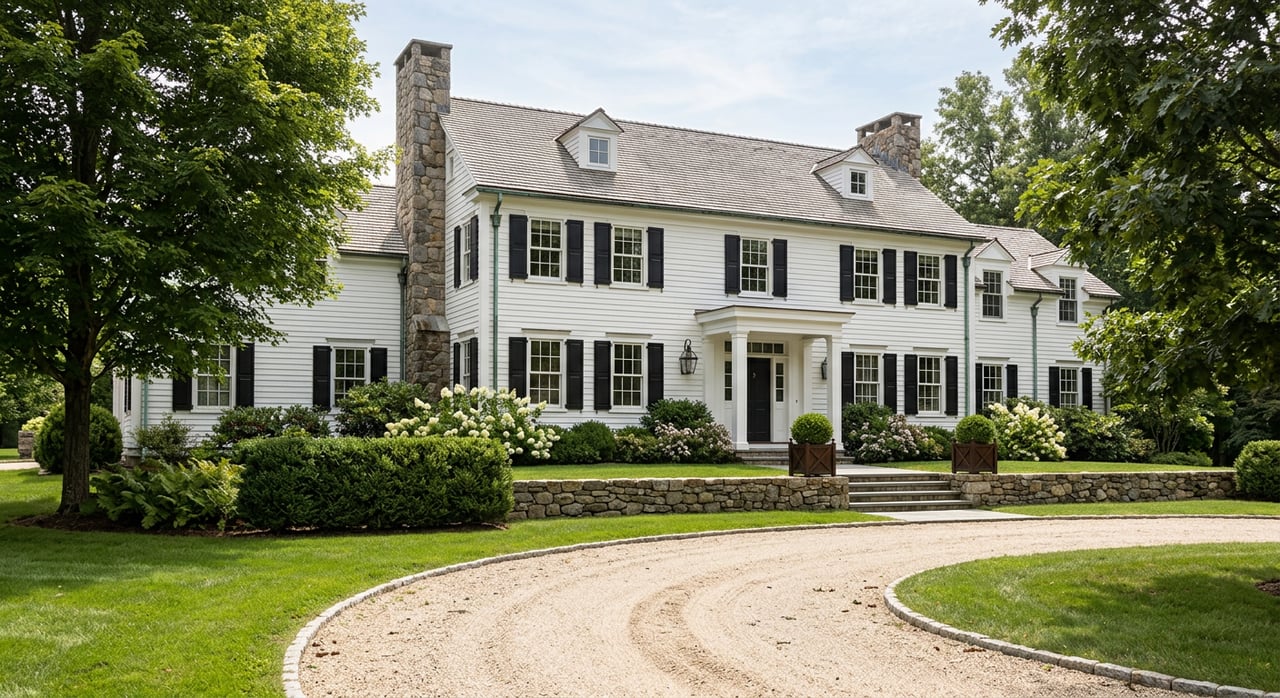
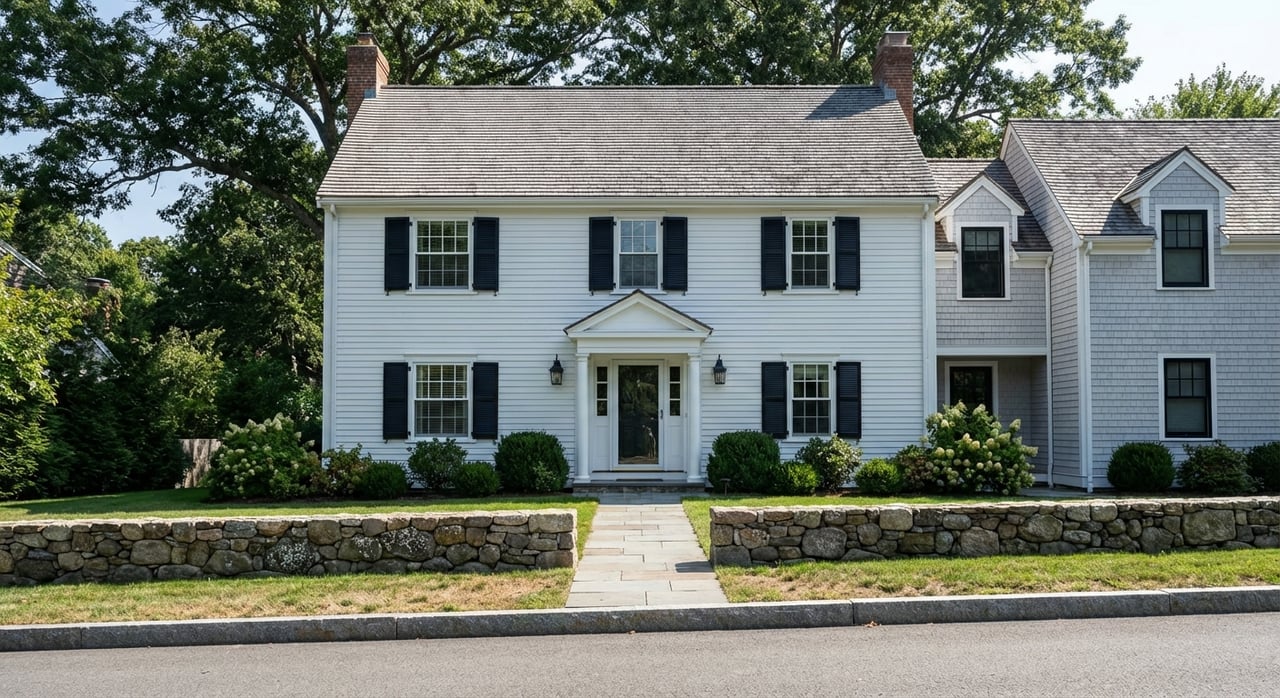
- Near-station homes: These appeal to buyers who rely on rail and want predictable transit. Proximity to the village and walkable amenities is a plus for many households.
- Rural or wooded properties: Larger lots and privacy are the draw. You will likely drive for most errands and commutes.
- Near major roads: Access to Route 2 and regional highways can shorten car commutes. Balance that convenience with awareness of local traffic and potential noise.
Hybrid work patterns also matter. Many buyers now put a home office, strong broadband, and flexible spaces high on their list. That said, dependable transit access still adds value for jobs that require regular in-office days.
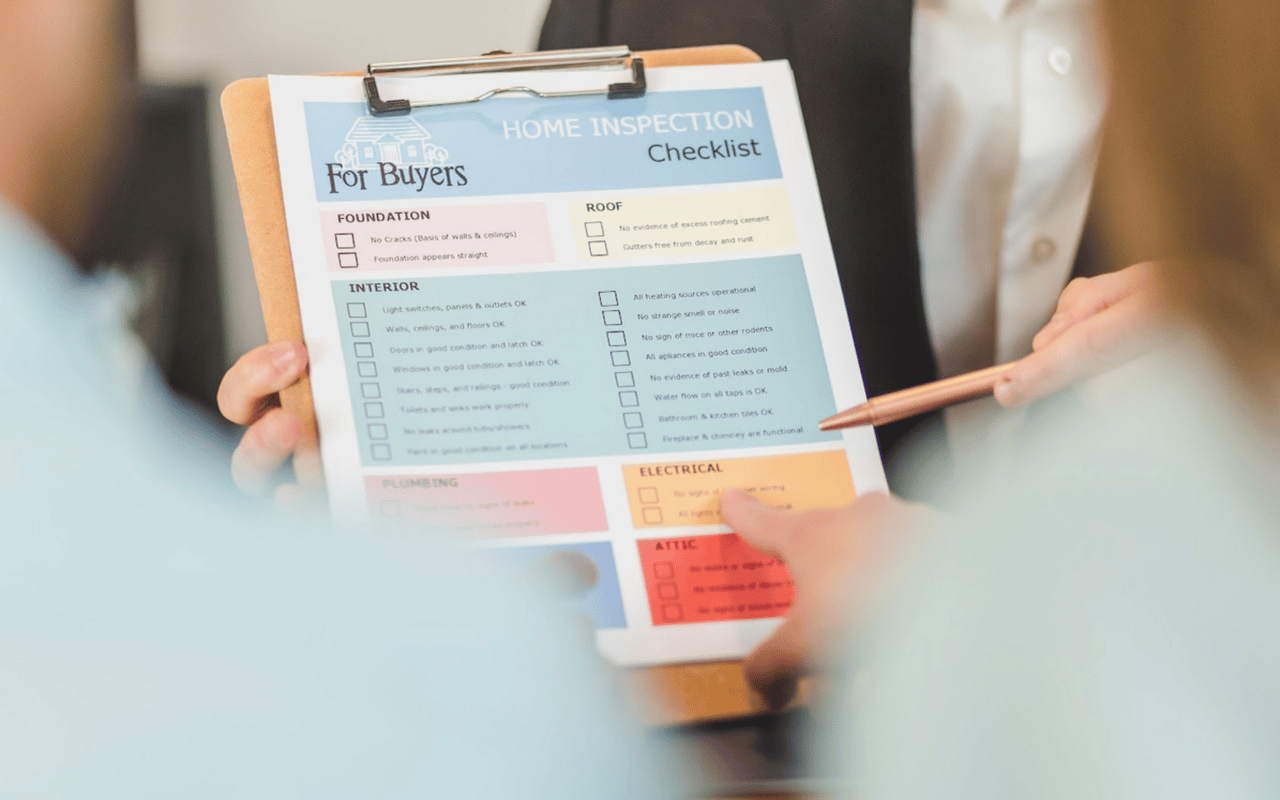
Buyer checklist: commute-smart homes
Use this list when touring properties so your commute plan is clear from day one.
- Distance to Lincoln Station in real minutes, not miles. Walk or drive from the property at your usual departure time.
- Station parking and permits. Confirm current rules on the MBTA site and the Town of Lincoln.
- Transfer convenience. If you target Cambridge or Boston, note how you will connect from Porter Square or North Station.
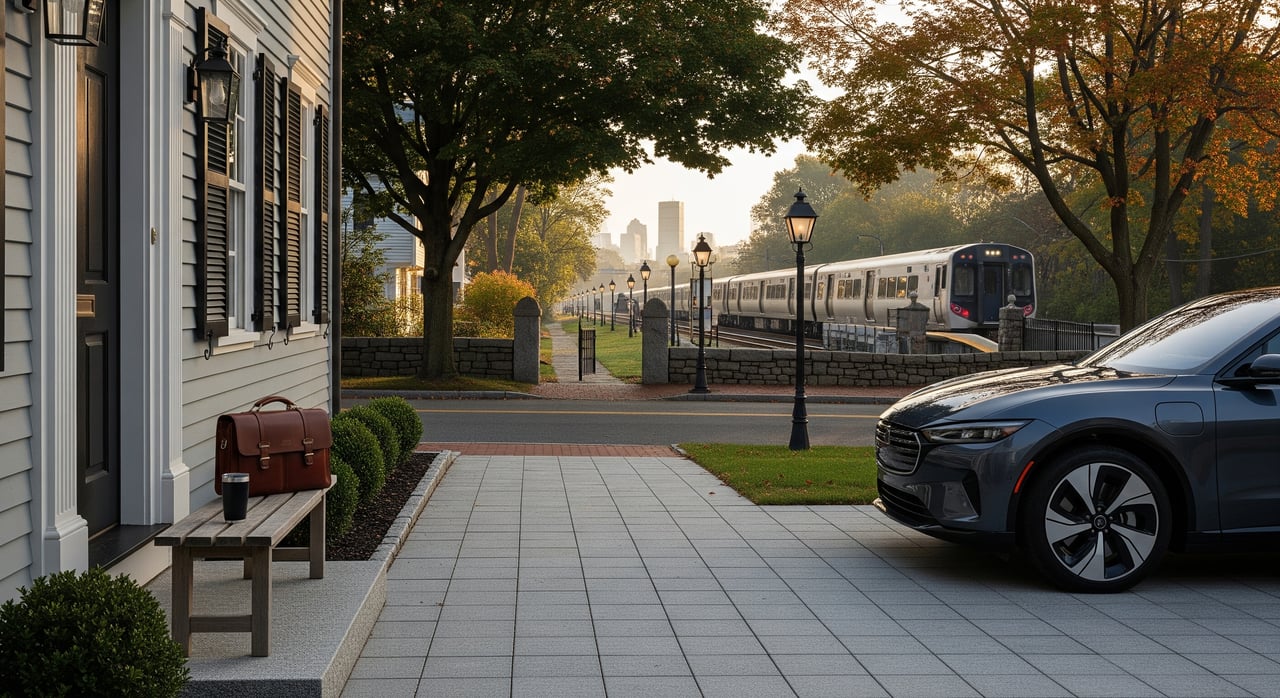
- On-site parking and EV readiness. Look for garage space, a driveway that fits your vehicles, and any existing EV charging.
- First and last mile. Check sidewalk access, bike routes, and safe pickup areas for ride-hail or carpools.
- Work-from-home space. Assess lighting, privacy, and network options in potential office areas.
Seller checklist: highlight what matters
Small details reduce buyer uncertainty and can increase demand.
- Real walk time to the Lincoln commuter rail station and peak-hour train frequency. Link buyers to the Fitchburg Line schedules for planning.
- Parking clarity. Note on-site garage or driveway capacity and any station permit options with references to the Town of Lincoln.
- Realistic door-to-door estimates. Offer examples for Cambridge, Newton, and Boston with your typical departure windows, and explain any transfers.
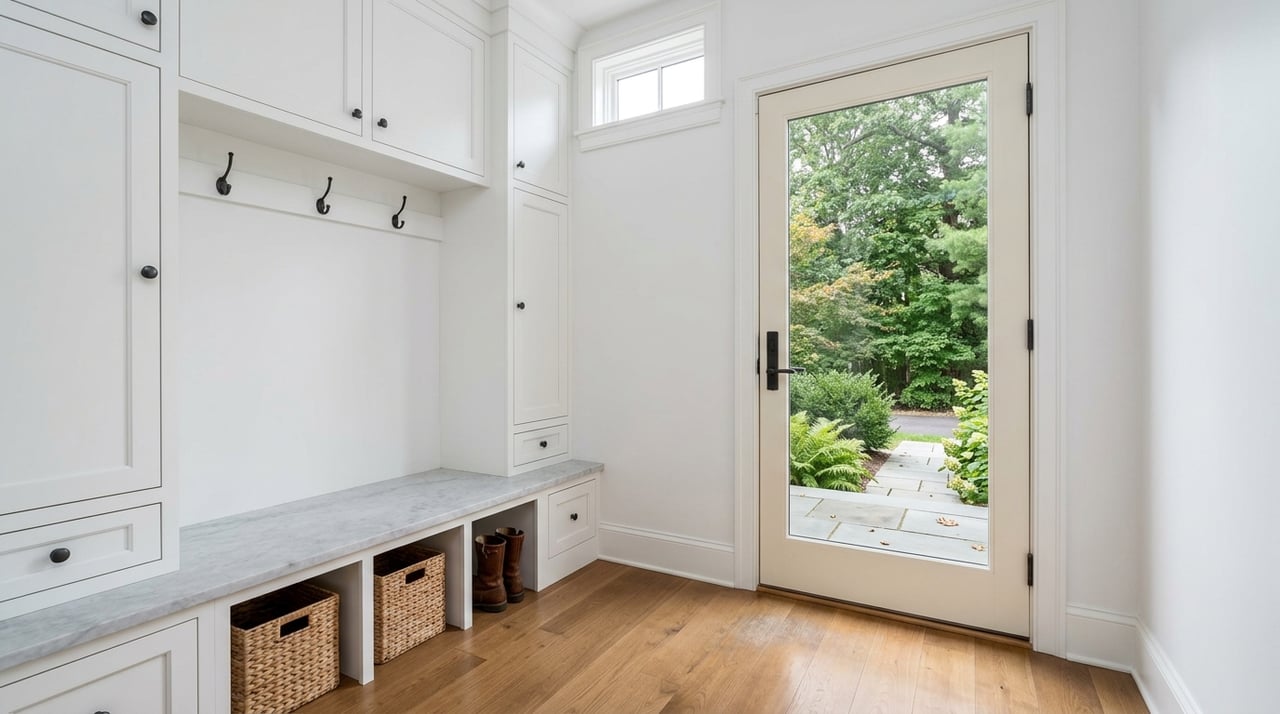
- Lifestyle features that ease commuting. Call out an EV charger, mudroom storage, and a finished office.
- Local traffic patterns. If you have an easy route to Route 2, note it in the listing remarks.
Plan for future changes
Service levels, fares, parking programs, and regional traffic evolve. Check the MBTA fares and performance updates before you finalize your plan. For town policies and transportation planning, follow the Town of Lincoln. For broader road projects that could affect drive times, keep an eye on the Massachusetts Department of Transportation.
For a snapshot of how your neighbors commute and typical travel times, you can also review the American Community Survey at the U.S. Census Bureau. Treat those figures as context, then verify your own routine with real-world tests.
Run a quick comparison in 10 minutes
Here is a simple exercise you can do this week:
- Pick two likely properties, one near the station and one with easy highway access.
- Choose your typical 8:00 AM and 5:30 PM windows.
- Rail path: Use the Fitchburg Line schedules that match your hours. Add walk or drive-to-station time, expected wait, and transfer time for your exact destination.
- Driving path: Check drive times during your actual windows and include destination parking time and cost.
- Total both options for each sample property, then add monthly costs using MBTA commuter rail fares and your typical fuel and parking expenses.
- Include intangibles. Note stress level, laptop time on the train, and flexibility for family logistics.
When you compare side by side, you will quickly see which property supports your week the best.
If you want a property-by-property commute profile and a marketing plan that speaks to the right buyers, connect with a local advisor who knows Lincoln’s patterns well. For tailored guidance and a seamless process, reach out to Peggy Dowcett.
FAQs
How do I estimate Lincoln rail vs driving time?
- Start with MBTA’s Fitchburg Line schedules, add your walk or drive to the station, include transfer time at Porter Square or North Station, then compare to peak-hour drive times with destination parking.
Are MBTA parking options reliable at Lincoln Station?
- Parking programs can change, so confirm current rules on MBTA parking and check the Town of Lincoln for any local permit updates before you decide.
Does being near the Lincoln station help resale value?
- Proximity to reliable commuter rail often increases demand among rail-dependent buyers; verify the local premium by comparing recent MLS comps for walk-to-station homes versus those farther out.
What if I work hybrid and commute only a few days?
- Weigh a pay-per-ride rail strategy against fuel and parking for driving, and put more weight on home-office space, broadband, and flexibility since you will commute less often.
Is Cambridge or Newton easier by train from Lincoln?
- Cambridge can work well by rail if your destination is near Porter Square or has convenient transfers, while many Newton locations are more direct by car; test your exact addresses and times to be sure.