Considering a second home in Gloucester? You’re not alone. Buyers are drawn to its beaches, harbor culture, and manageable trip from Boston. You want a place that feels like vacation but also makes financial sense. In this guide, you’ll learn where the value is, how seasonality and short-term rentals work, what to know about flood and permits, and a step-by-step checklist to buy with confidence. Let’s dive in.
Why Gloucester works for a second home
Price and value snapshot
Gloucester’s published median sale prices typically land around the low-to-mid six figures, often near $700,000 to $800,000 depending on data source and timing. That range is generally more approachable than nearby Manchester-by-the-Sea and Rockport, and it offers more variety than some smaller coastal markets. Inventory and pace vary by neighborhood and season, so expect fewer listings in winter and more competition near the water in summer.
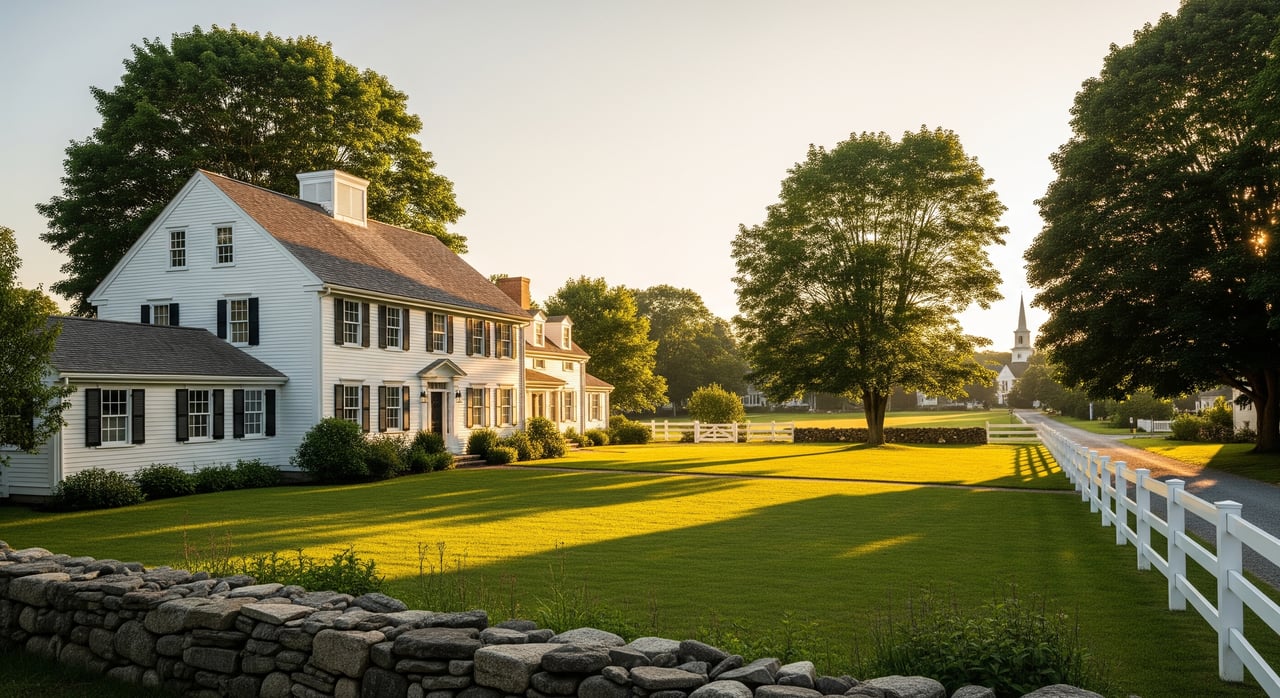
Property types you’ll find
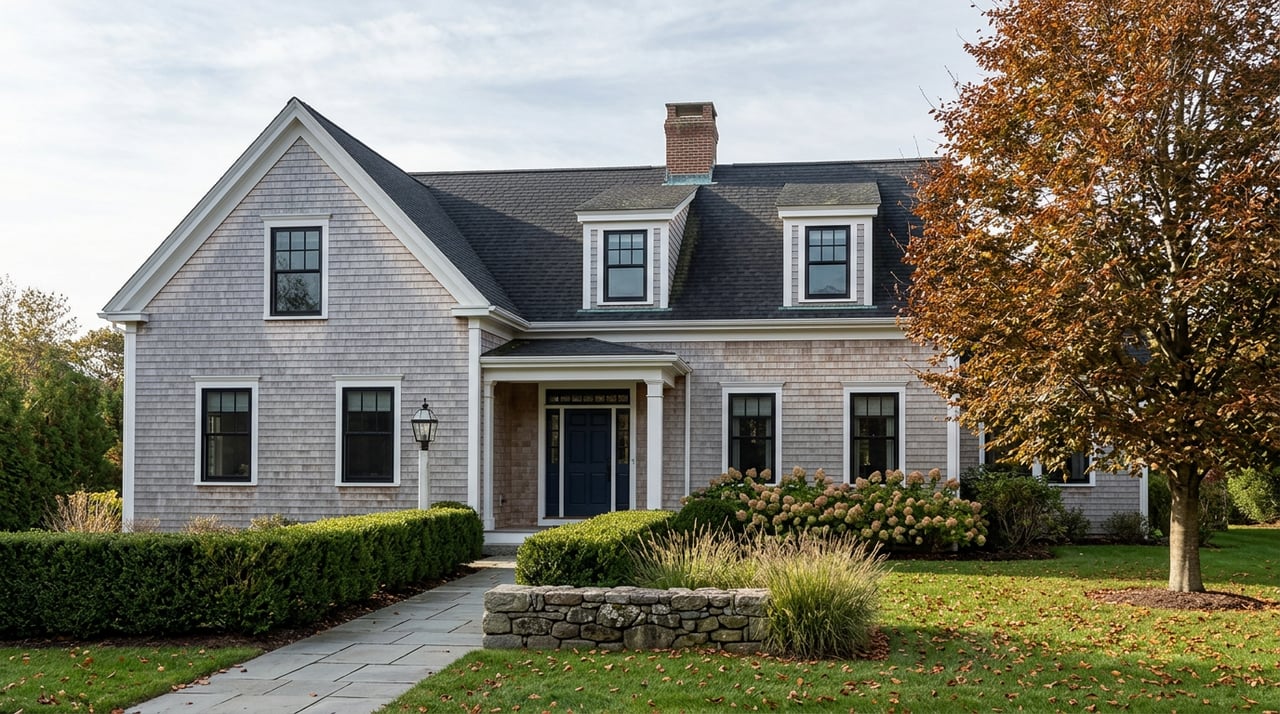
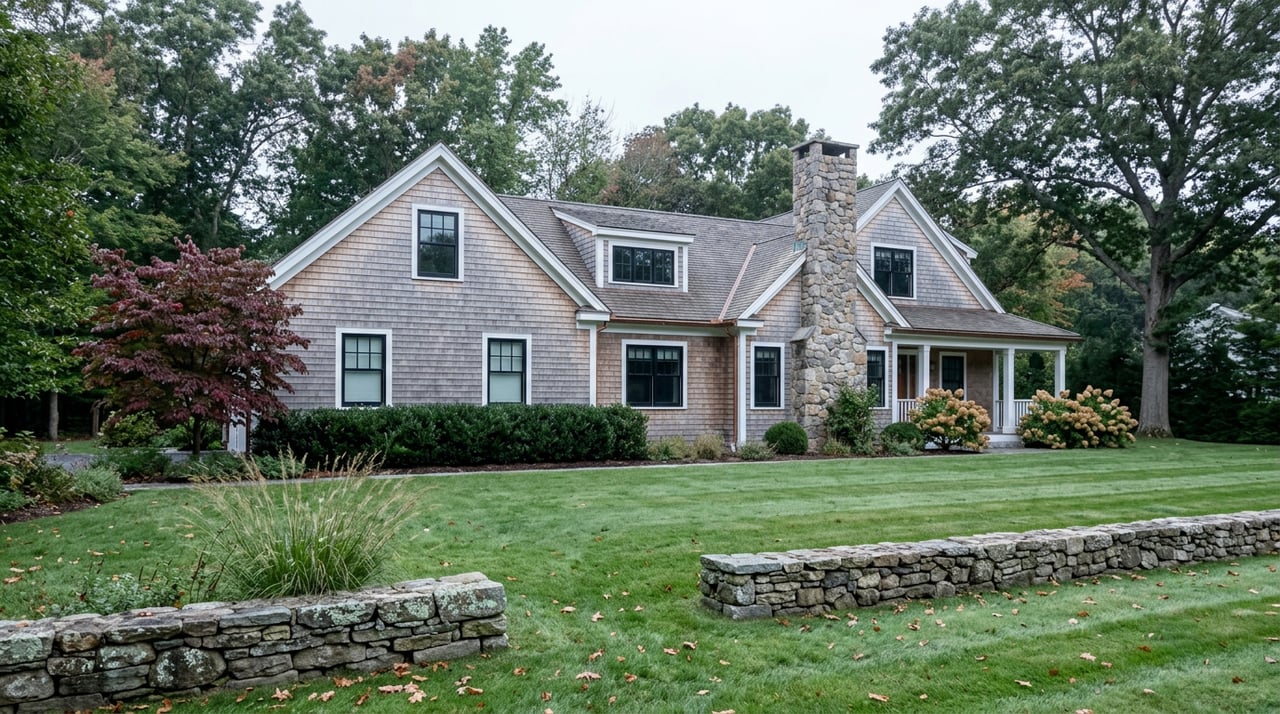
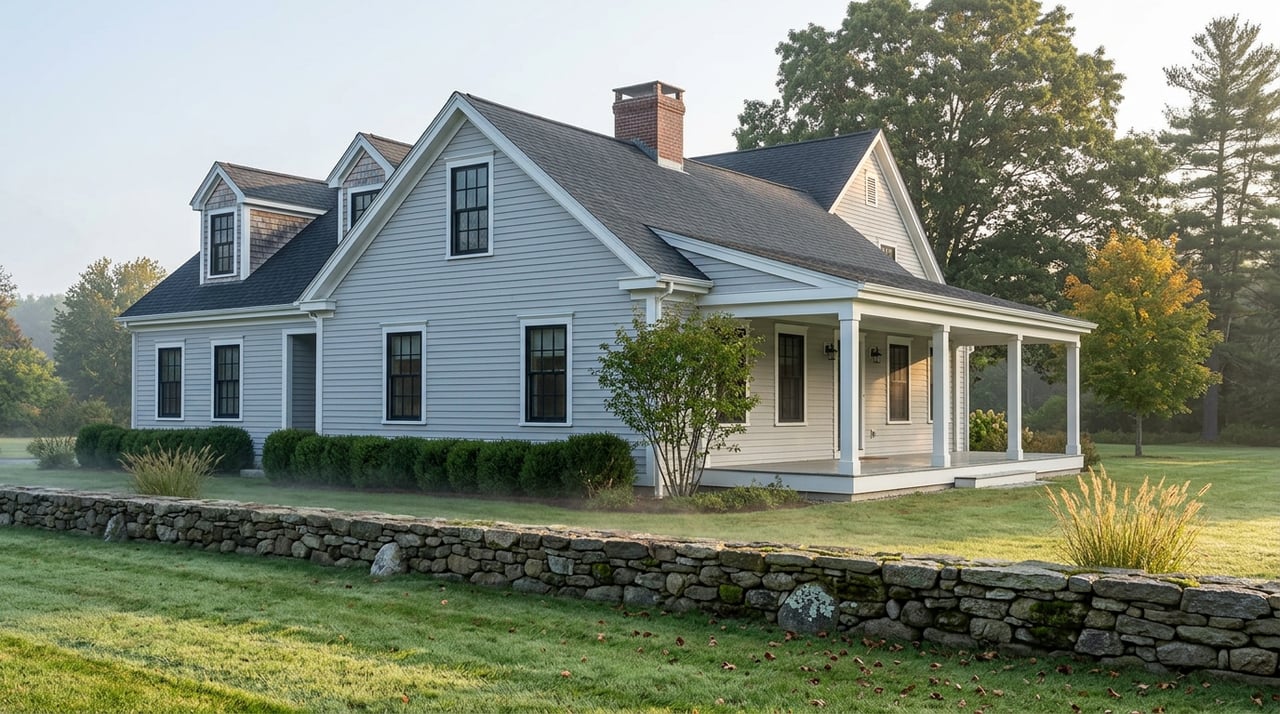
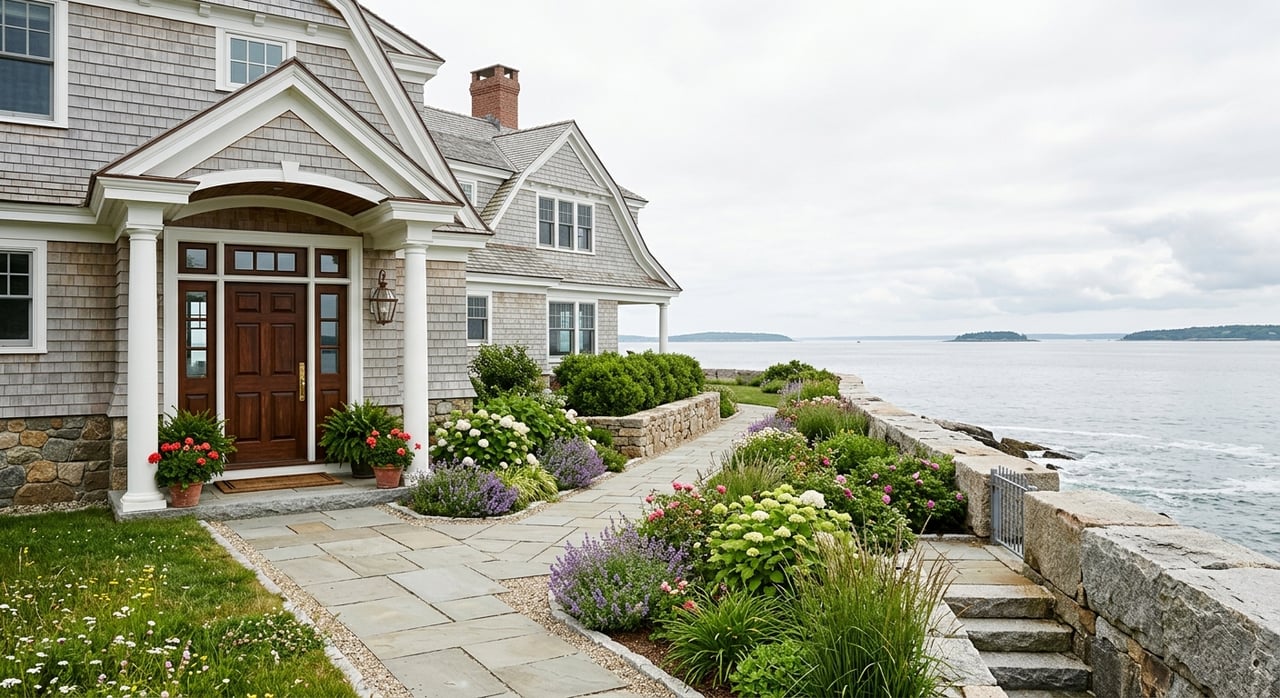
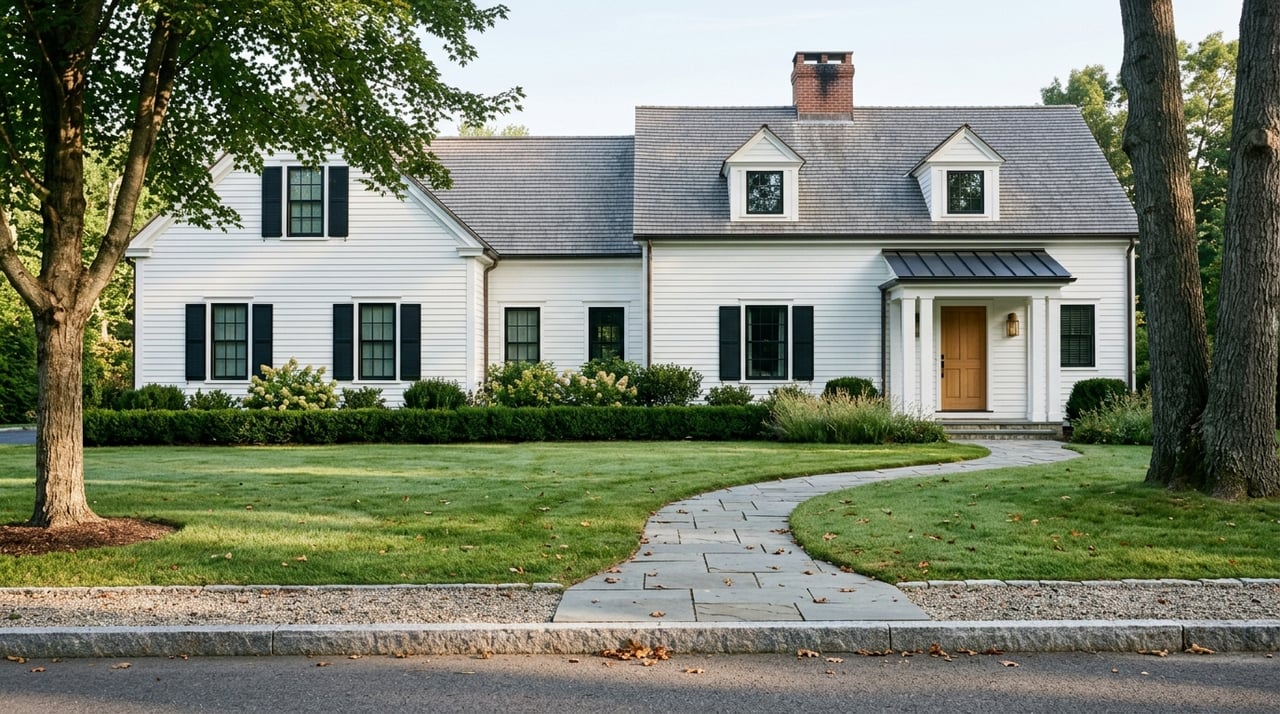
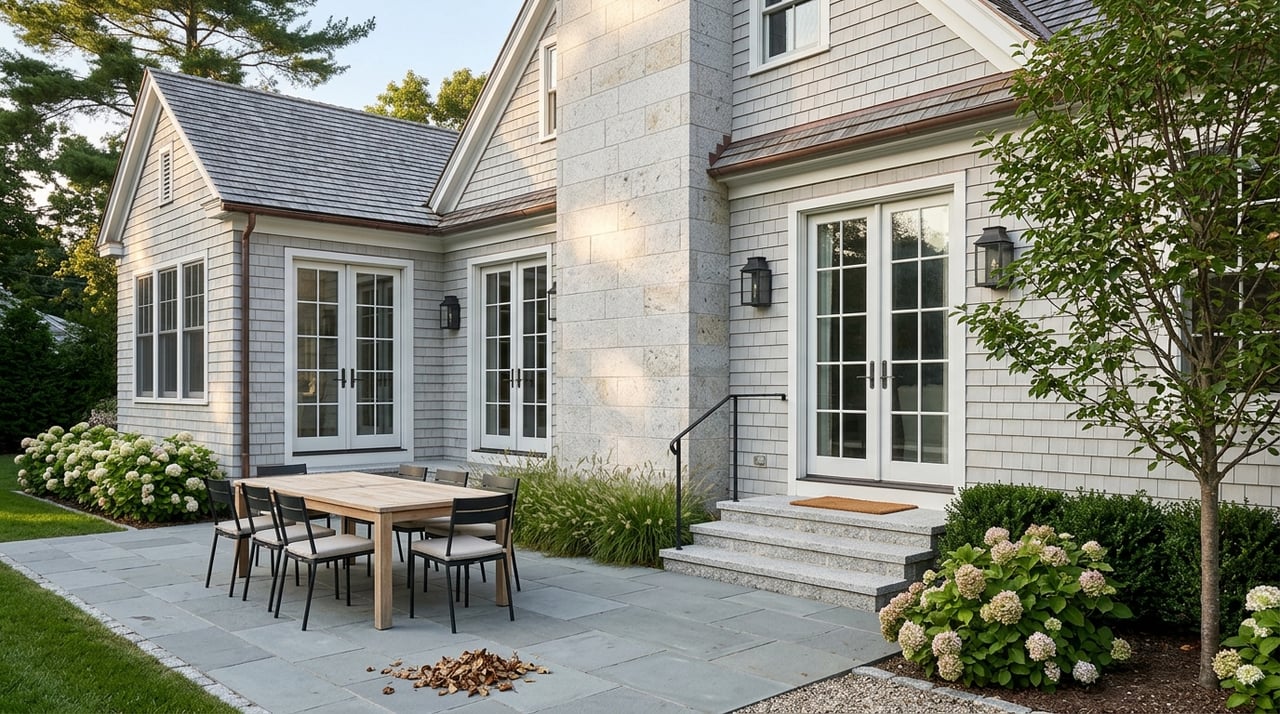
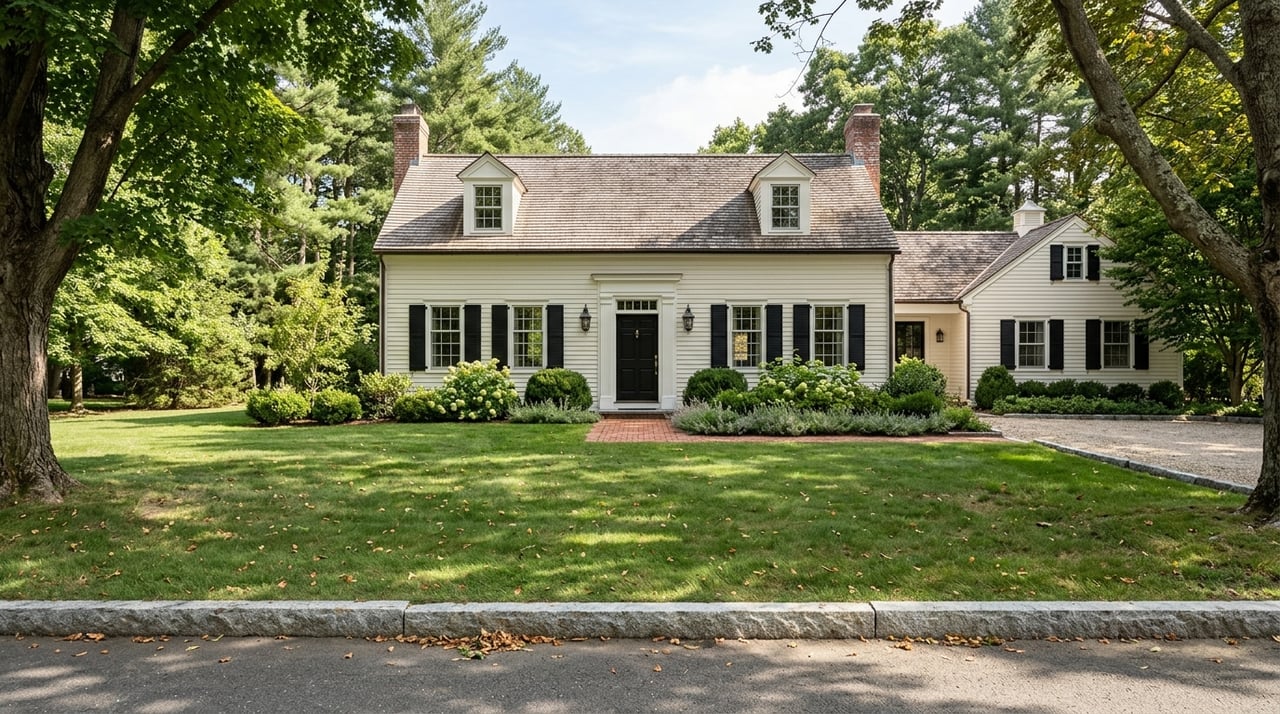
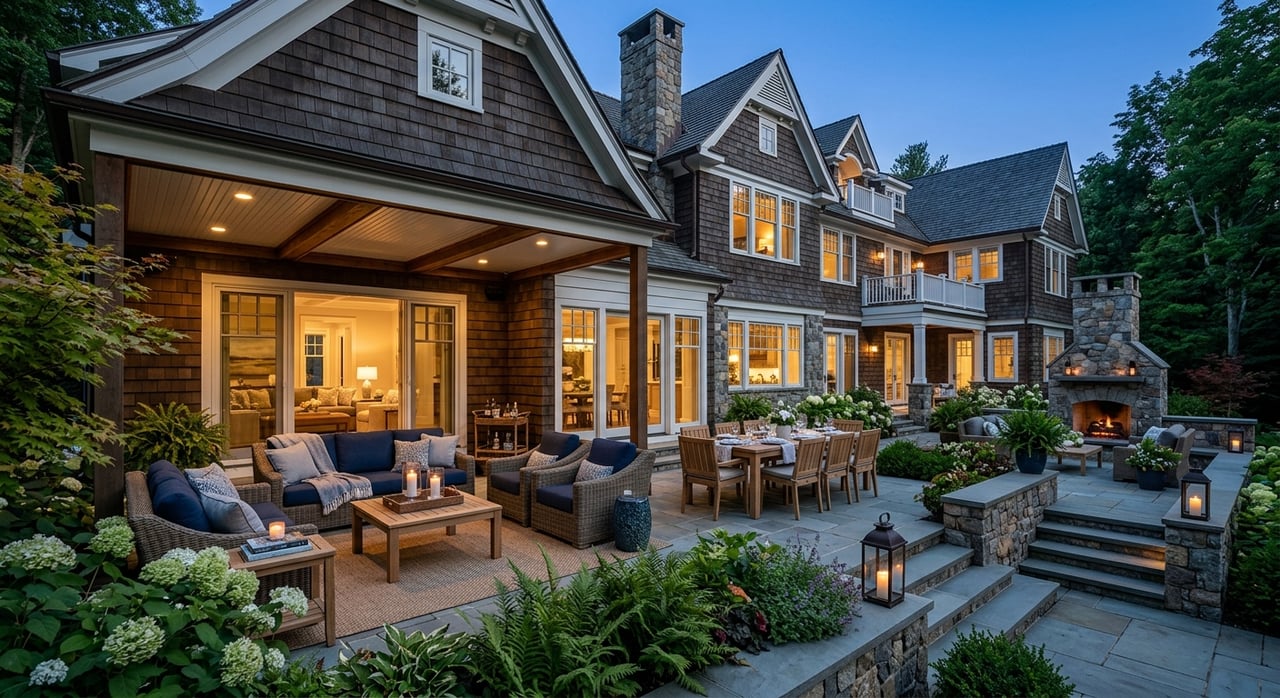
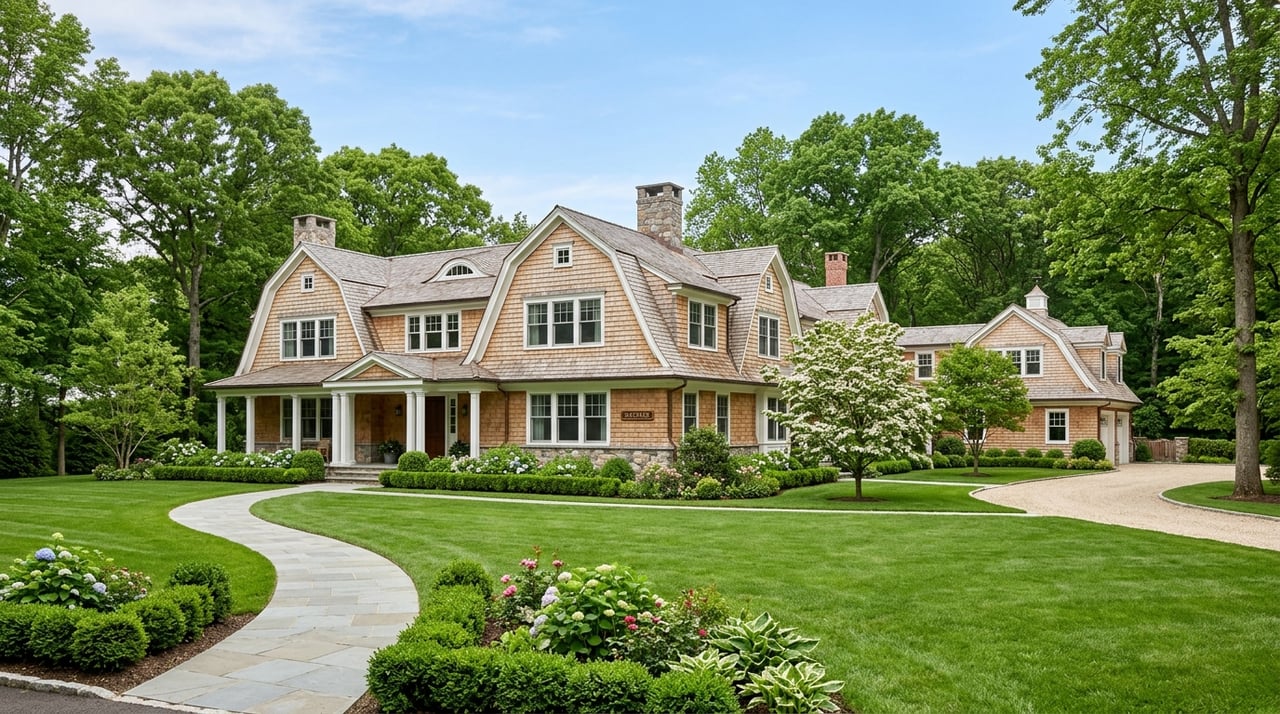
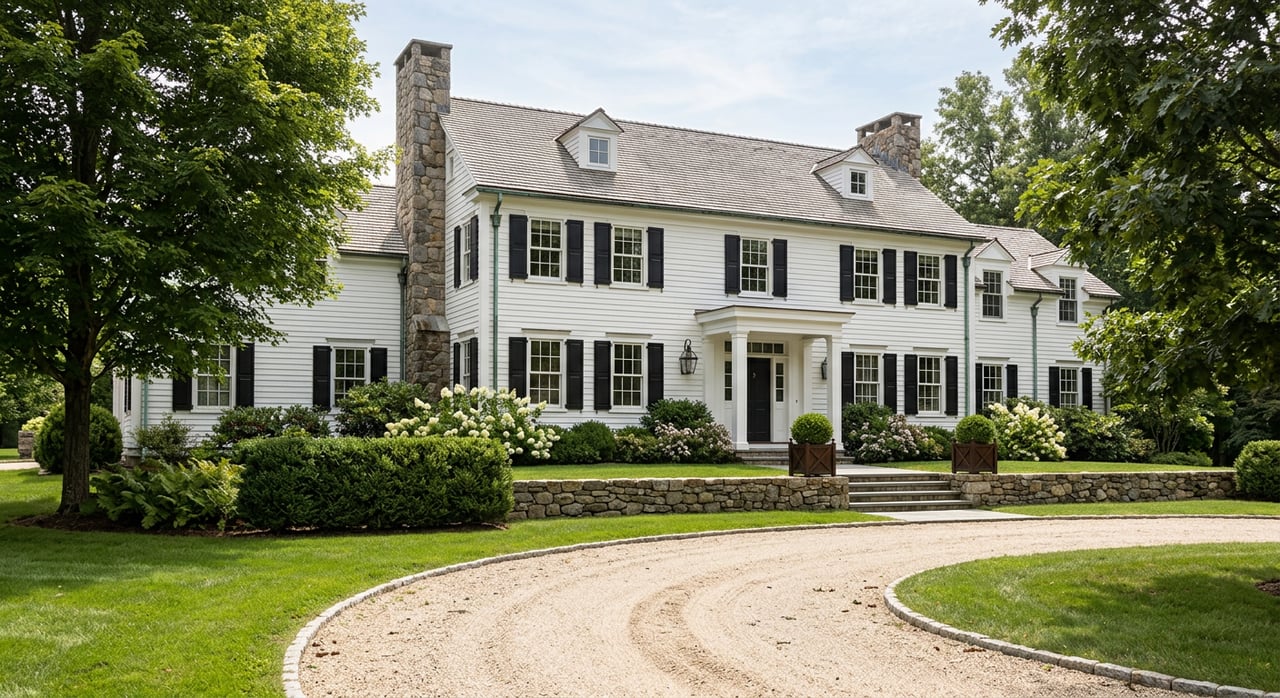
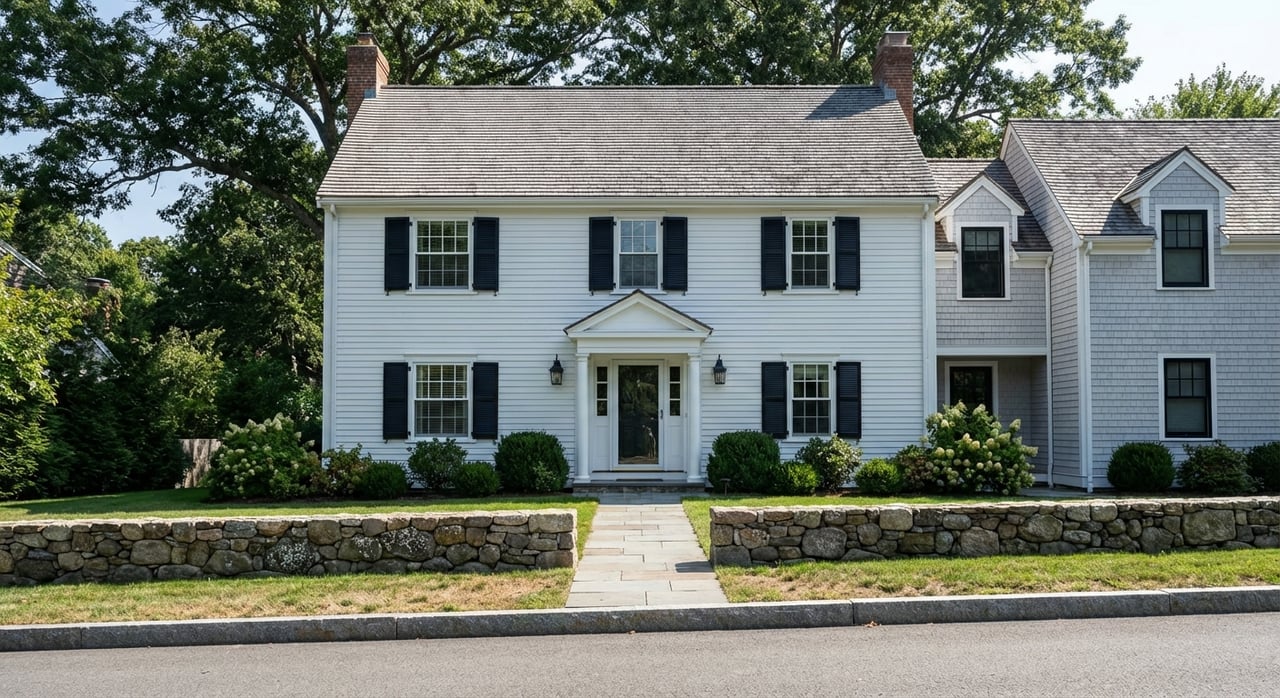
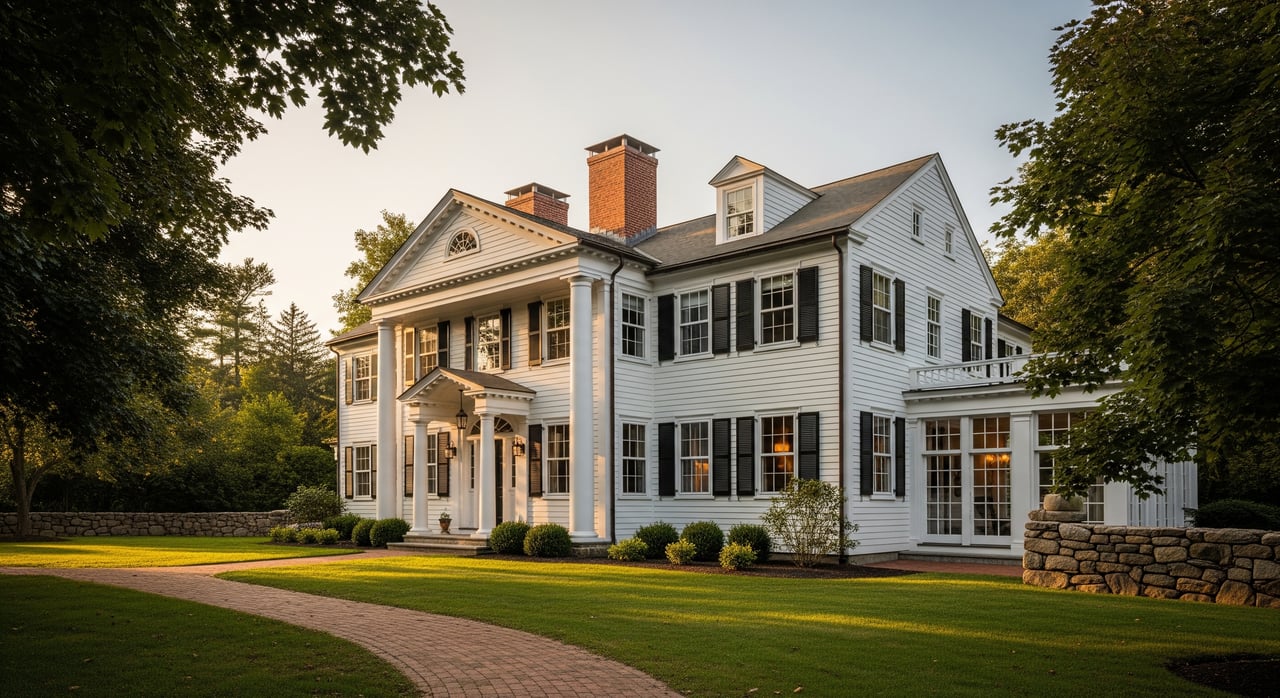
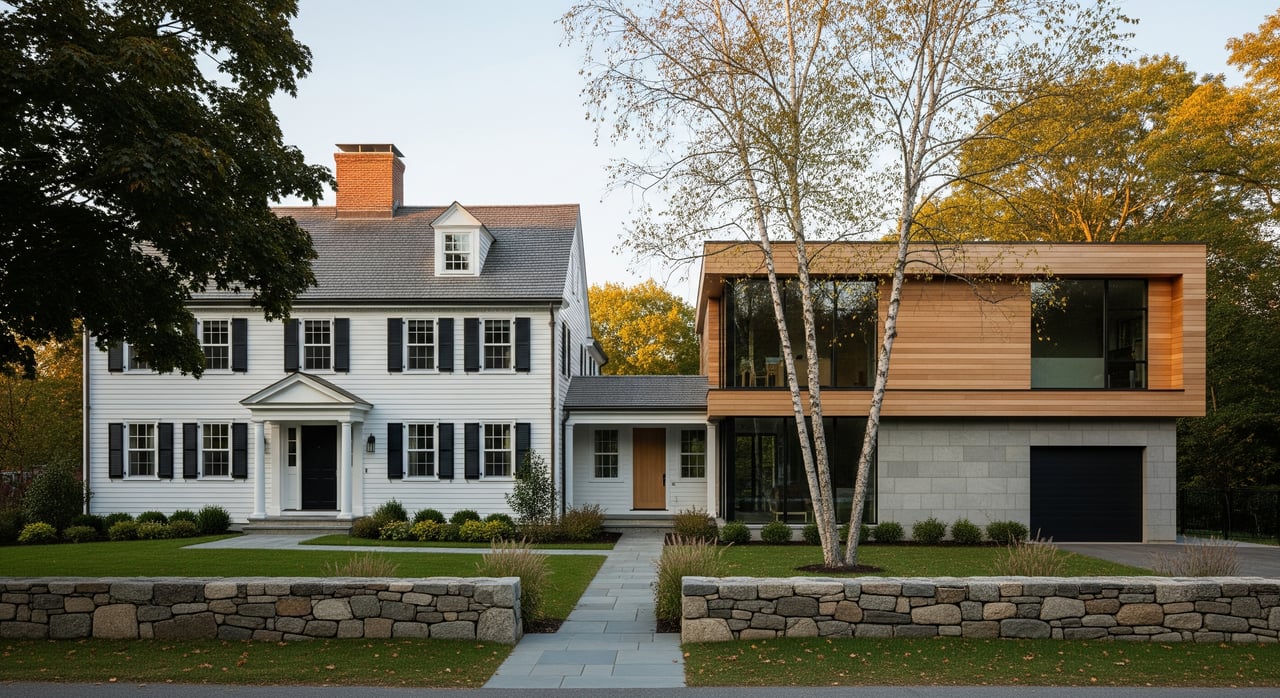
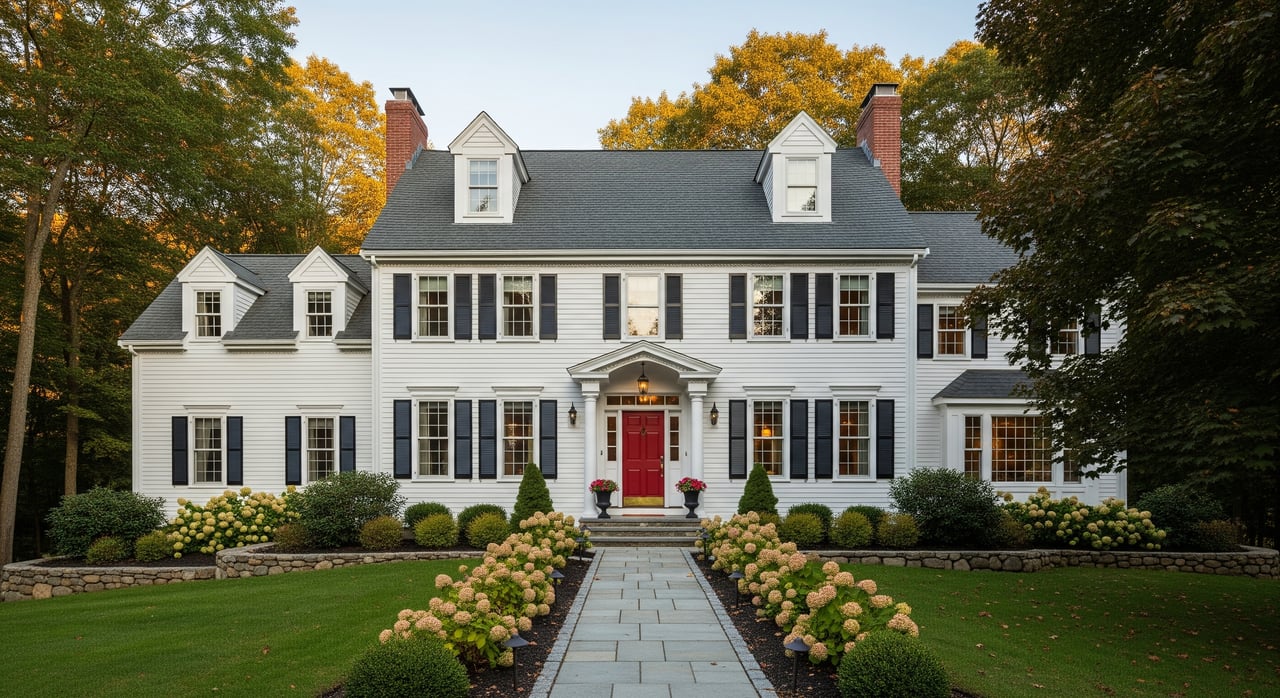
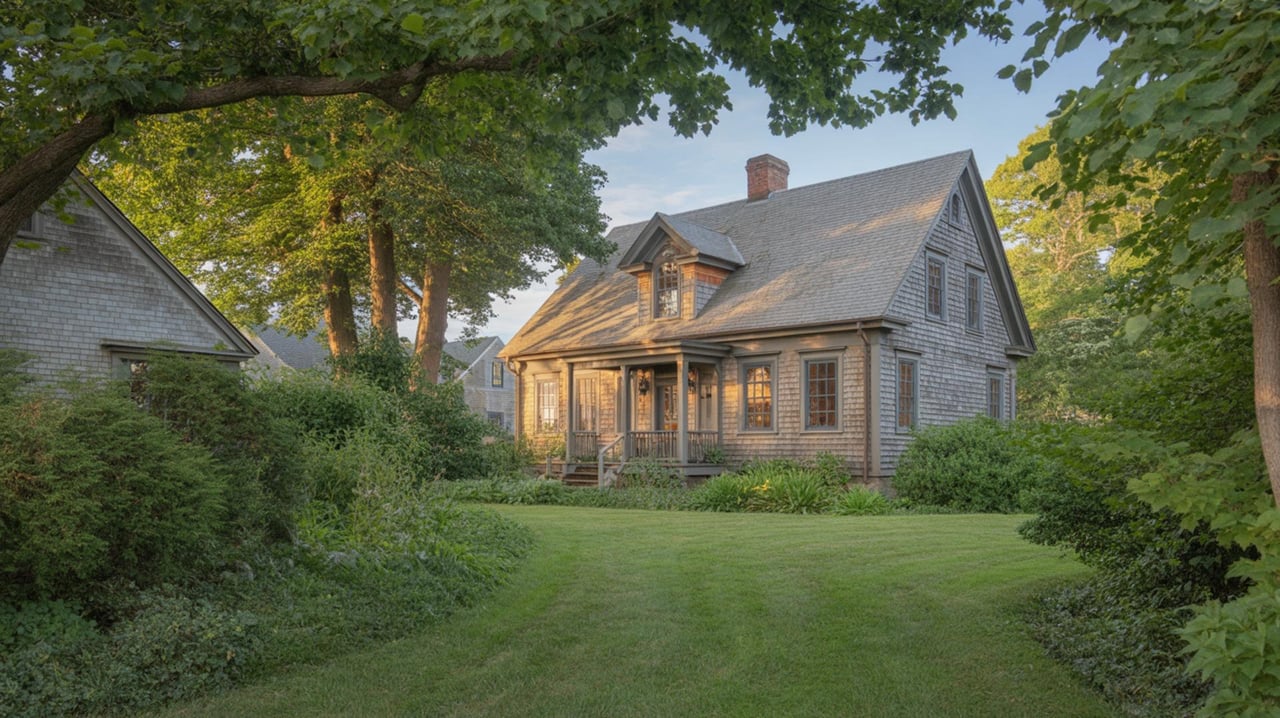
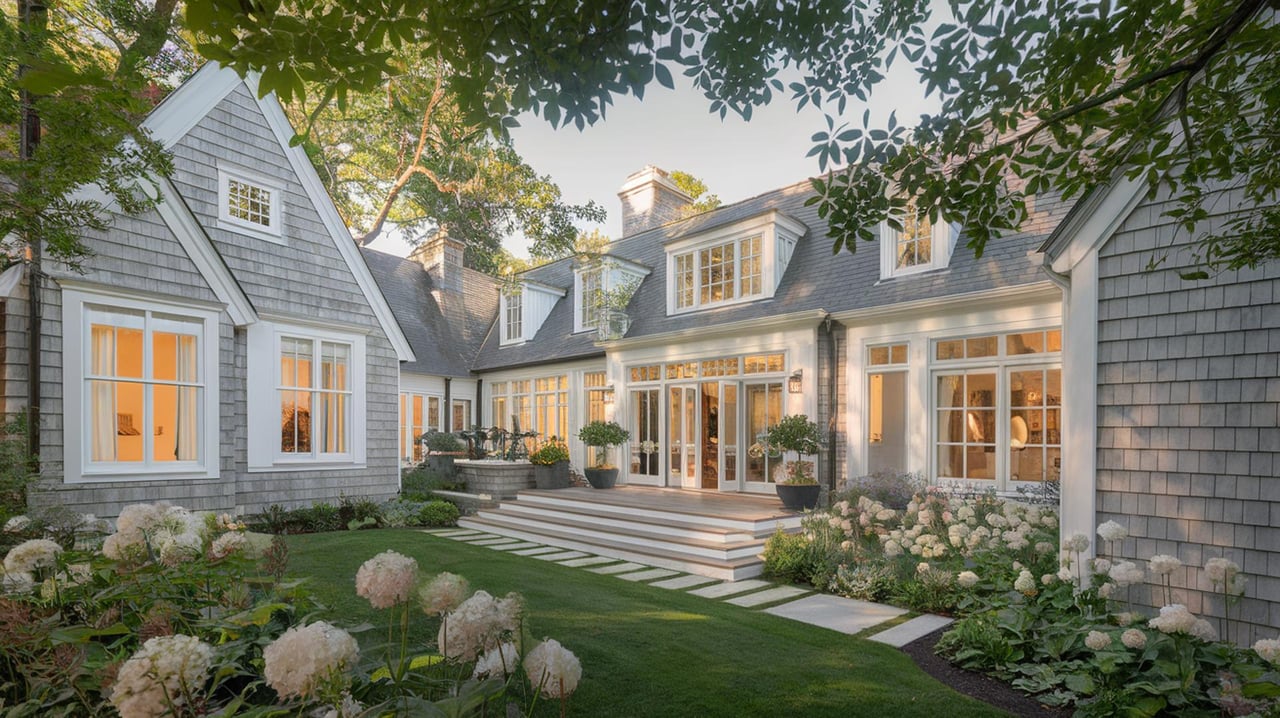
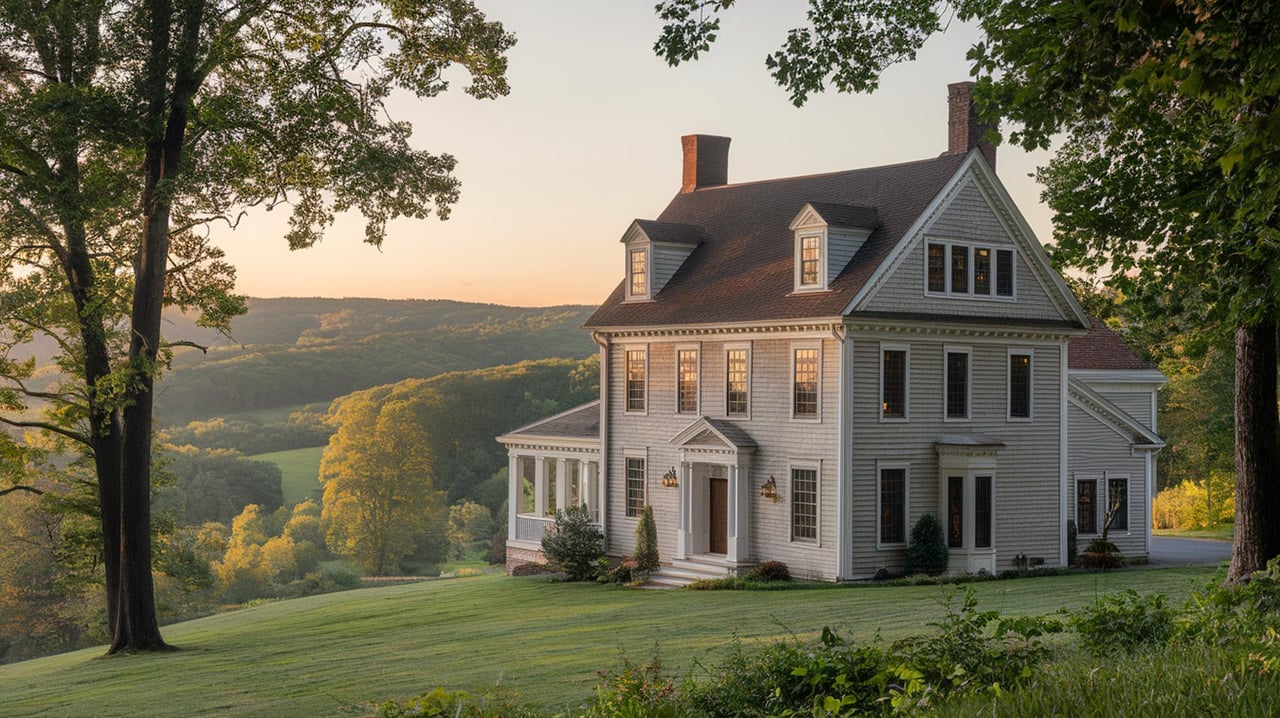
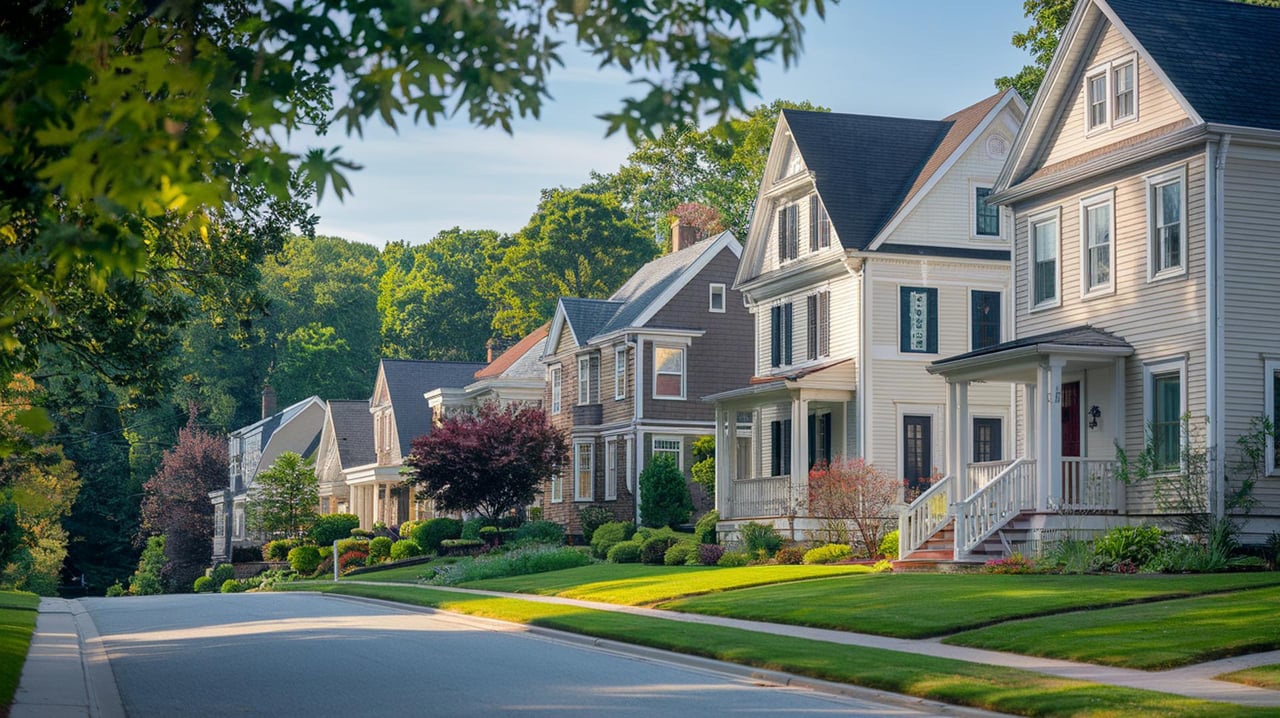
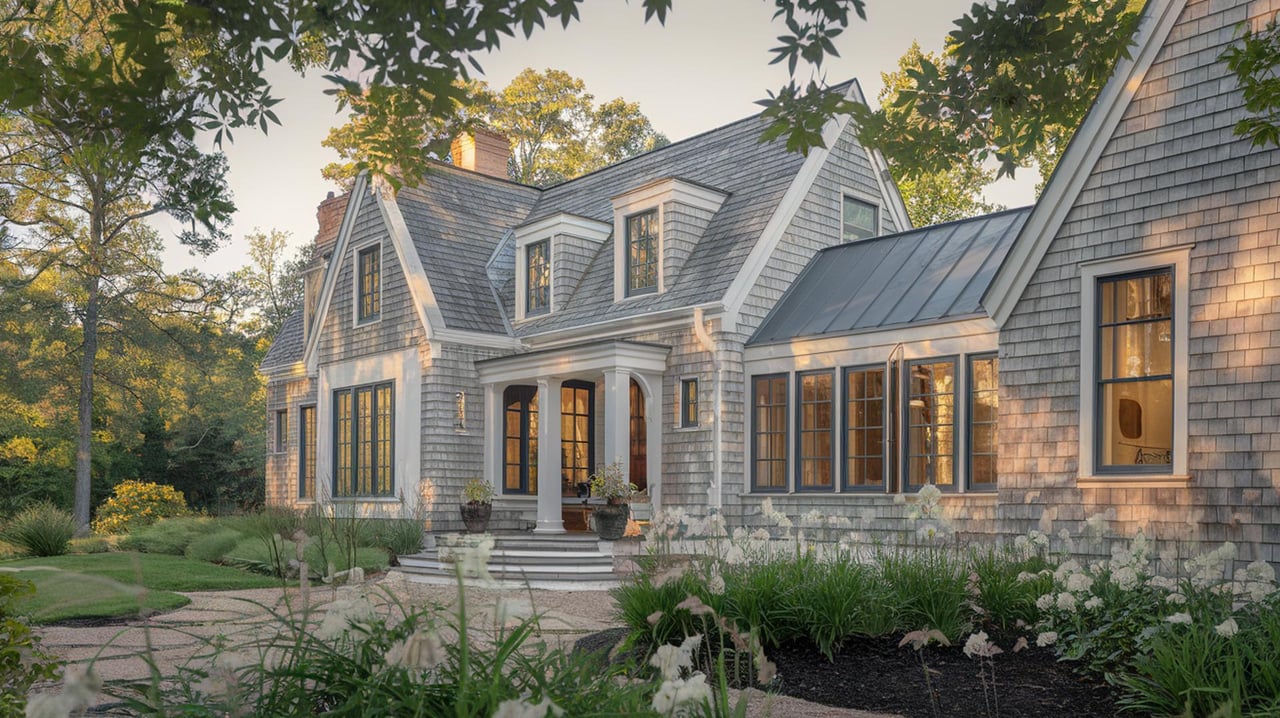
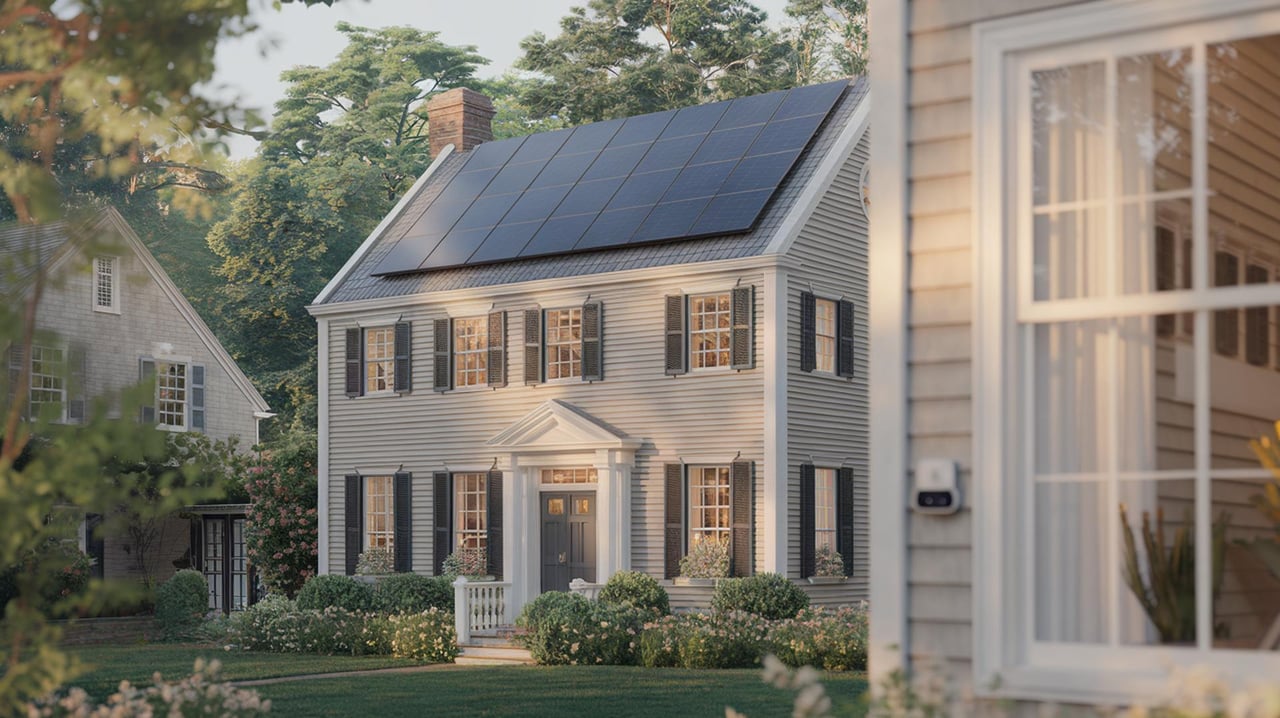
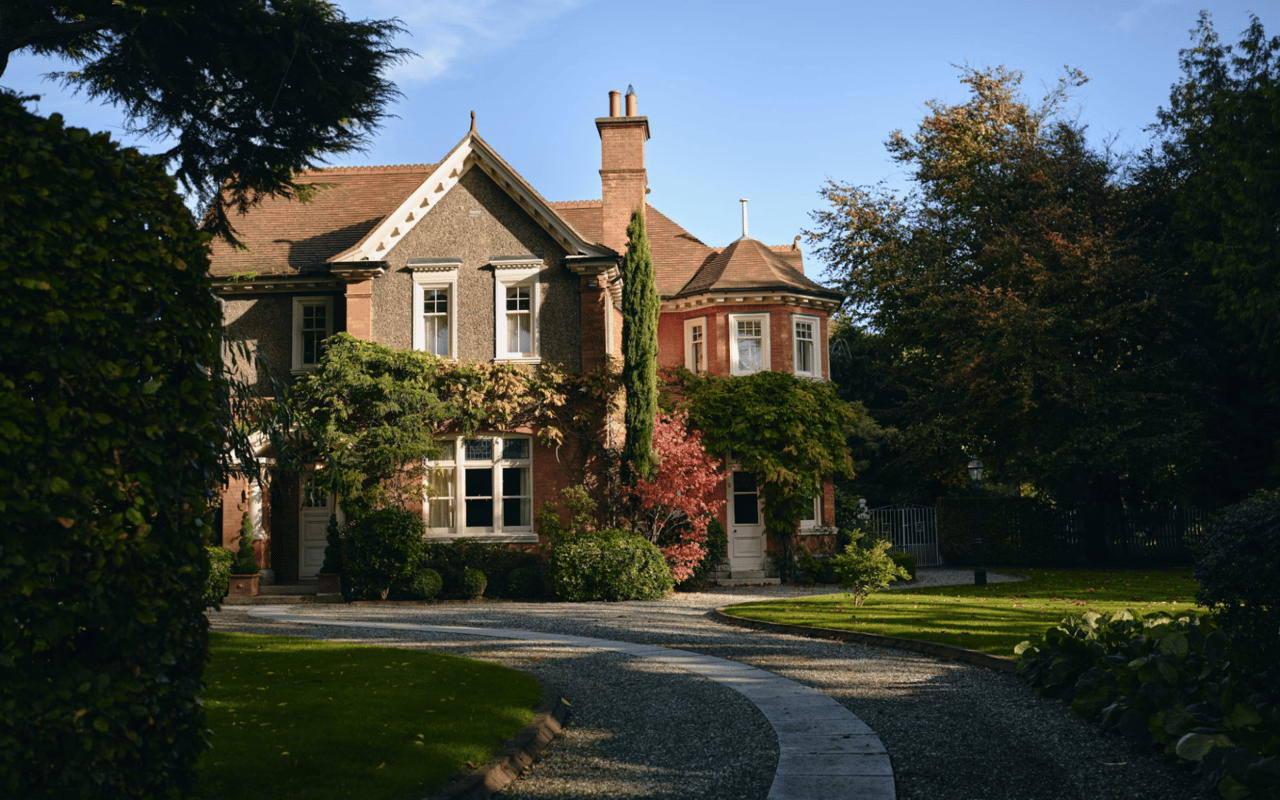
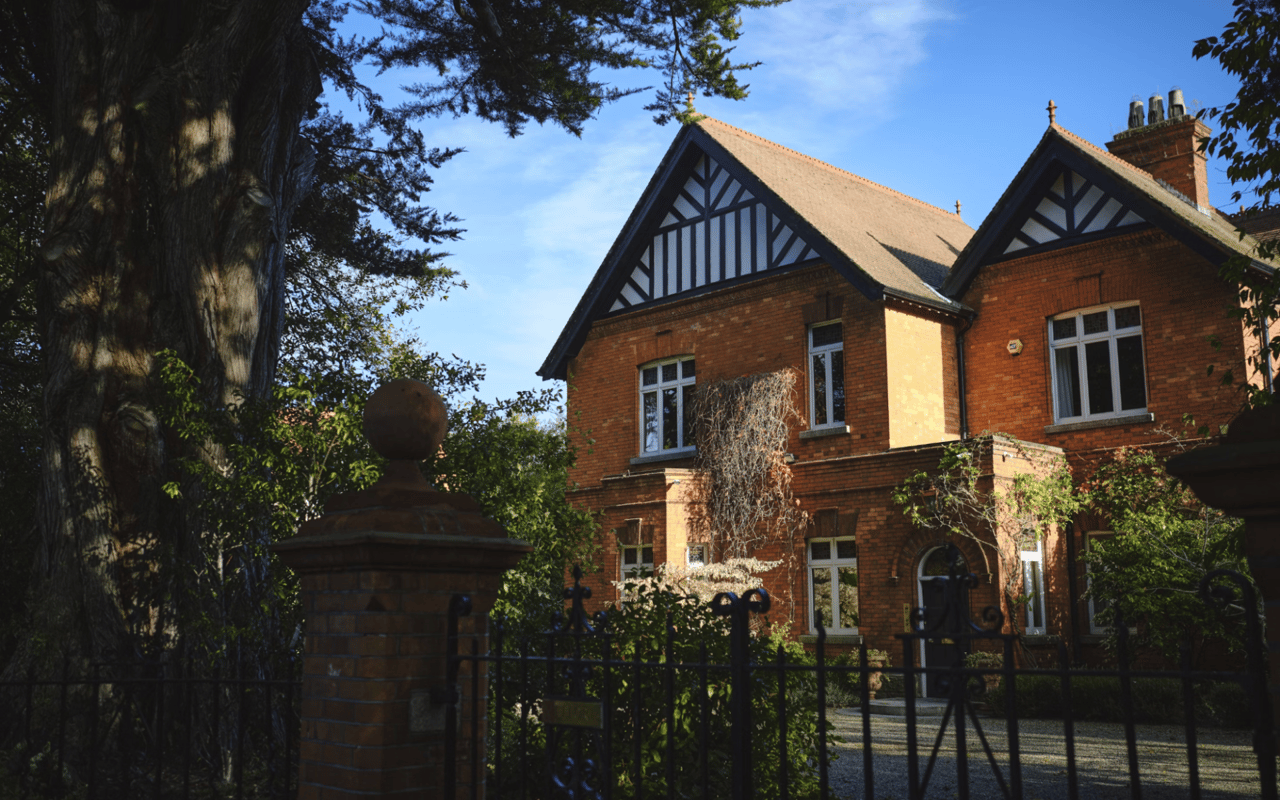
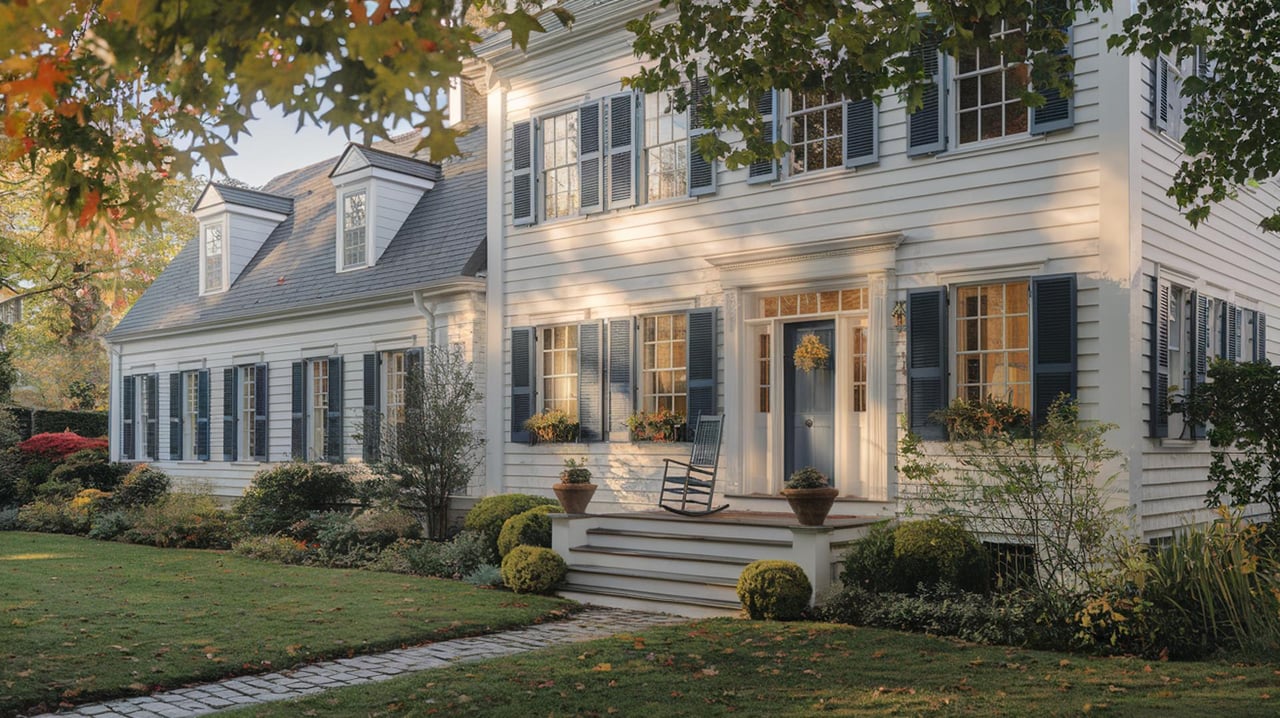
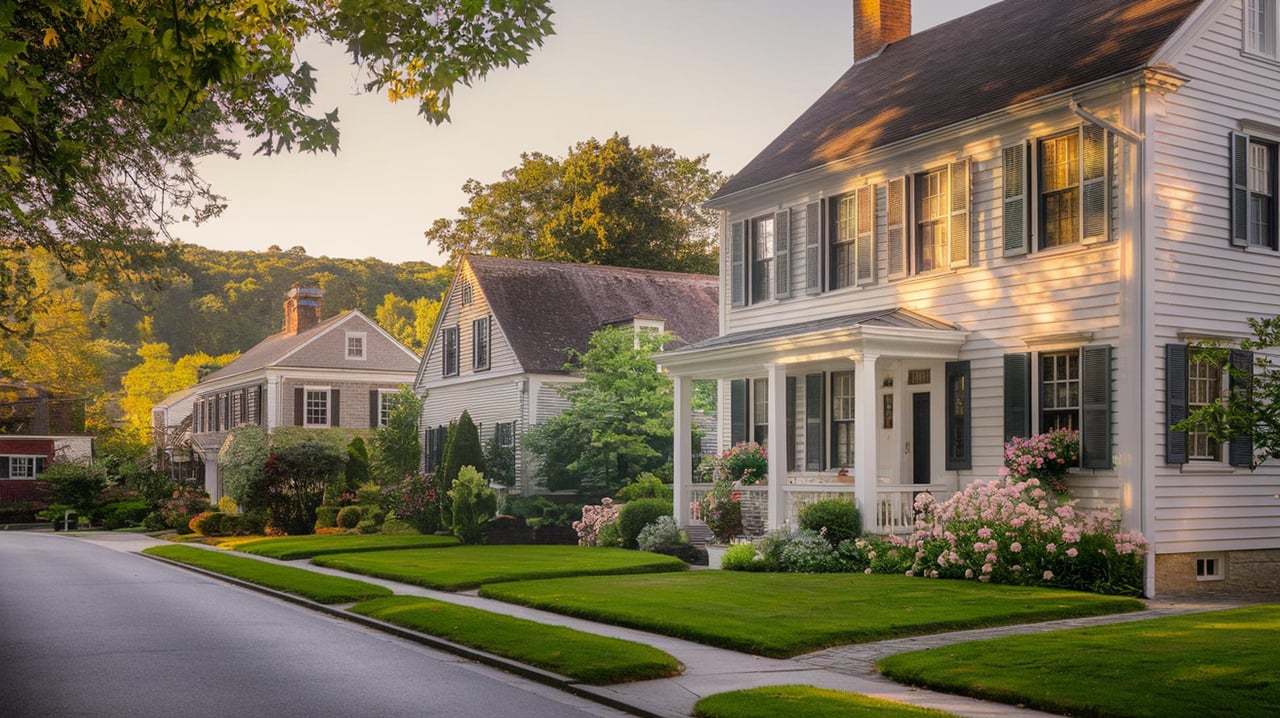
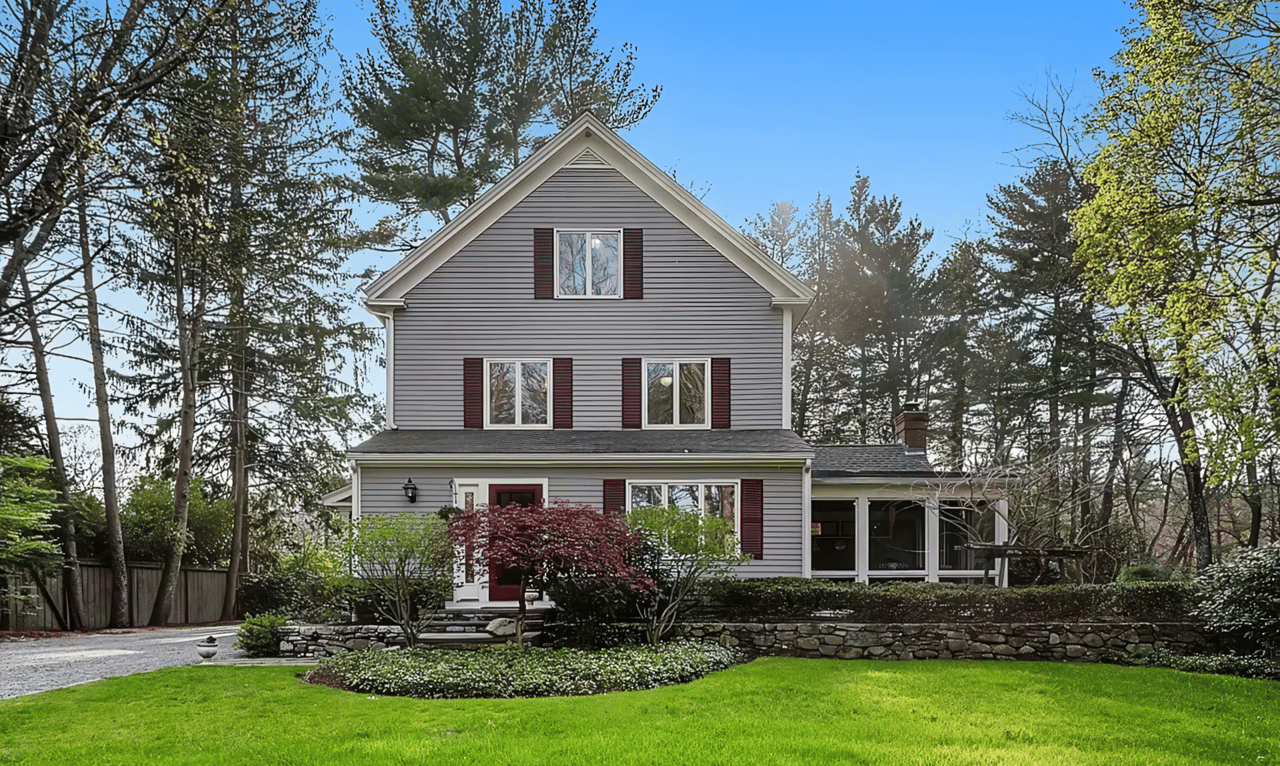
- Single-family homes in classic New England styles, many updated for coastal living.
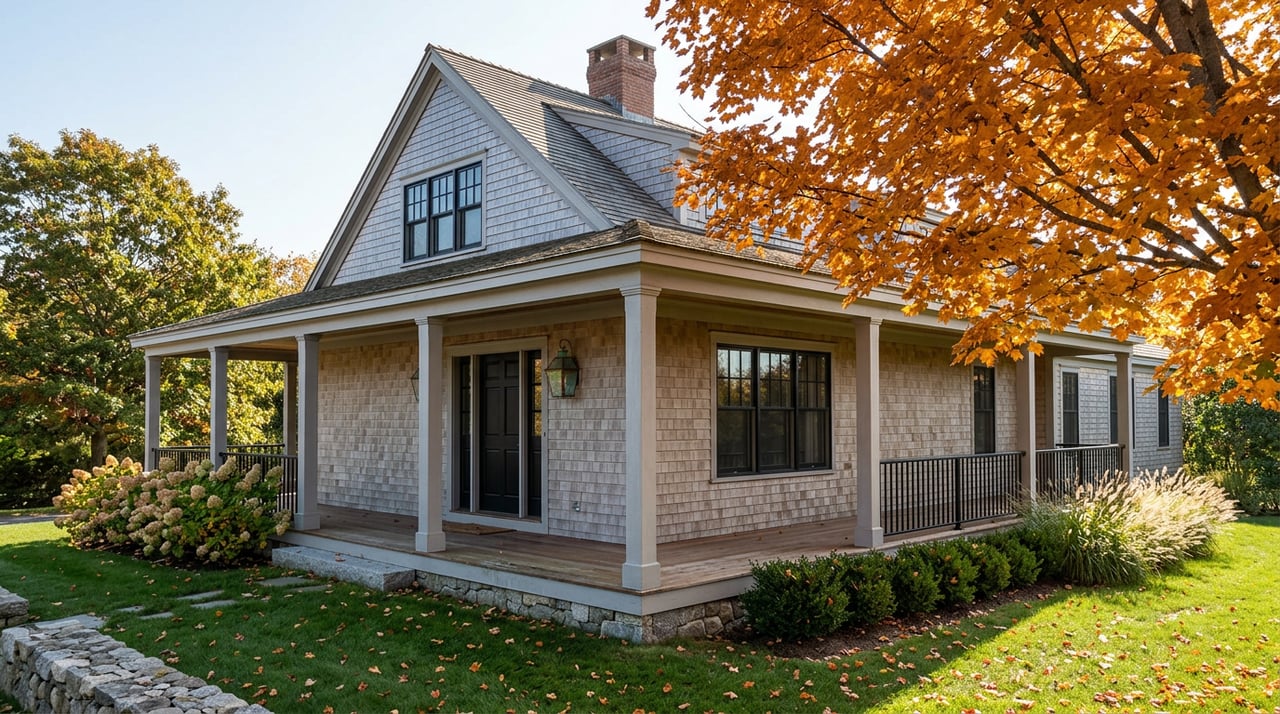
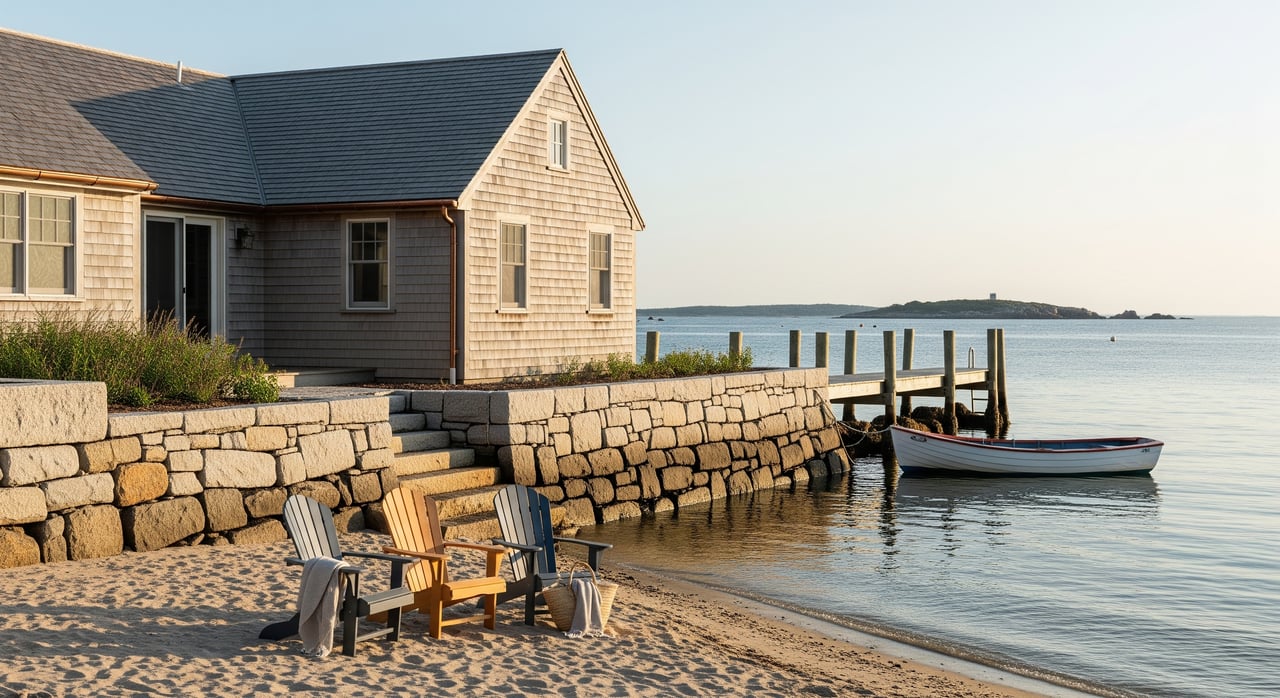
- Cottages and seasonal bungalows near beaches and village centers, sometimes with limited year-round systems.
- Condominiums and small multi-family buildings that can fit lock-and-leave or part-time use.
Neighborhood tradeoffs that matter
- East Gloucester and Eastern Point offer ocean exposure and marina access with premium pricing for views and water proximity. Walkability to arts and dining can be a draw around Rocky Neck and the Harbor Loop, where you’re close to galleries, tours, and marinas along the Harborwalk.
- West Gloucester, Good Harbor, and the Wingaersheek corridor deliver convenient beach access and lively summer energy. Expect more pronounced seasonal traffic and parking controls near the sand. The city details beach policies and parking logistics on its Gloucester Beaches information page.
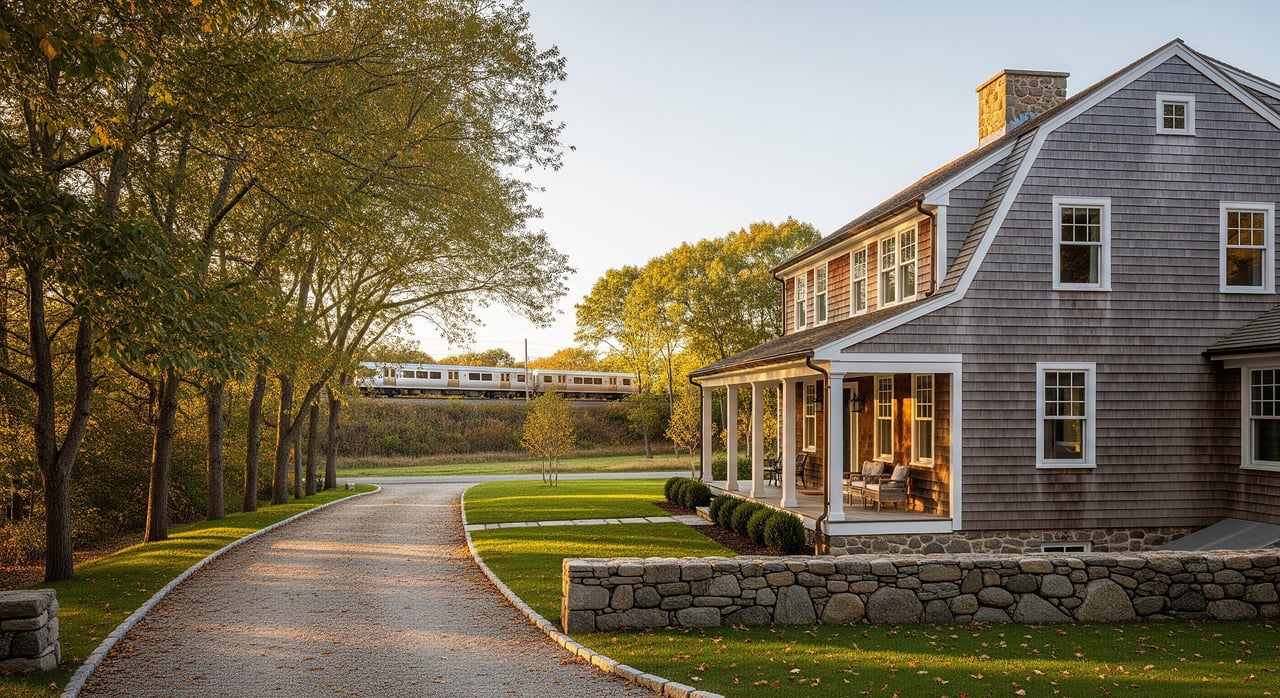
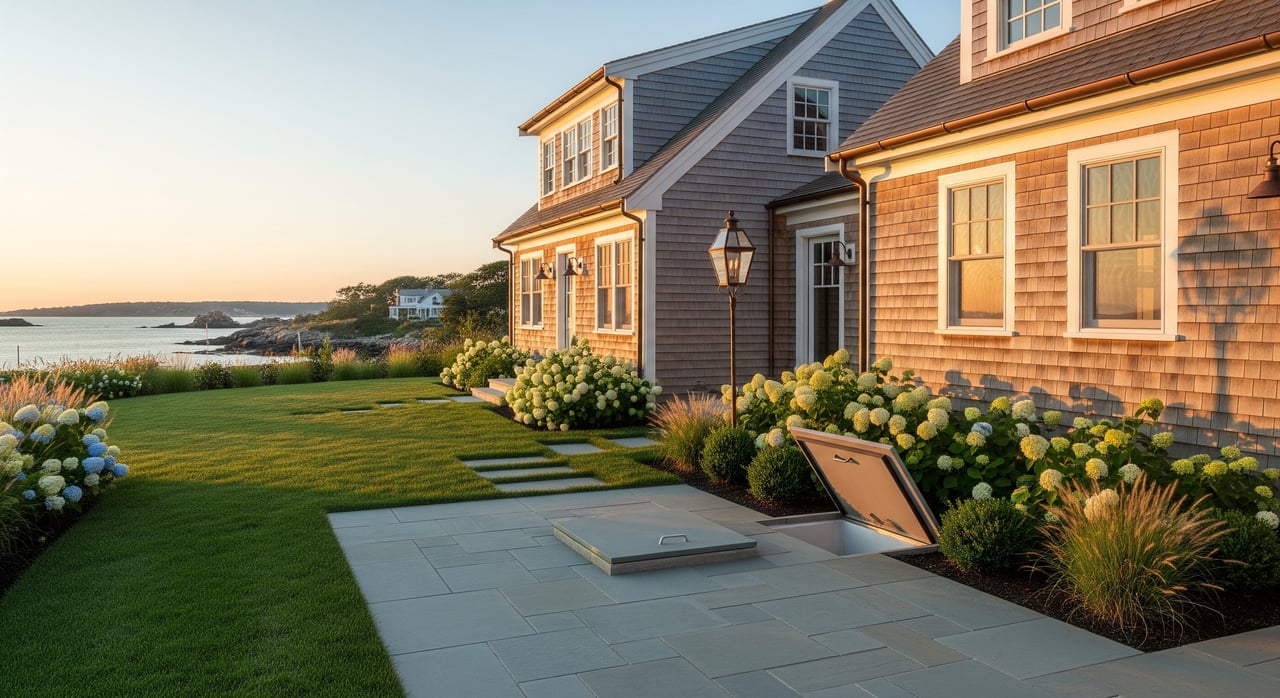
- Annisquam and Magnolia offer quieter village pockets and coves, appealing if you want a calmer setting with classic Cape cottages.
The right fit depends on what you value most: walkable dining and marinas, simple beach days with family, or a peaceful retreat away from crowds.
Seasonality and access
Peak summer rhythm
Gloucester’s peak visitor season typically runs Memorial Day through Labor Day. Summer events, including the Gloucester Schooner Festival and other waterfront activities, push short bursts of higher demand. If you plan to rent seasonally, expect strong summer occupancy and much softer winter bookings. For a feel for timing and visitor flow, explore seasonal tips from the local tourism site’s need-to-know guide.
Transit and getting here
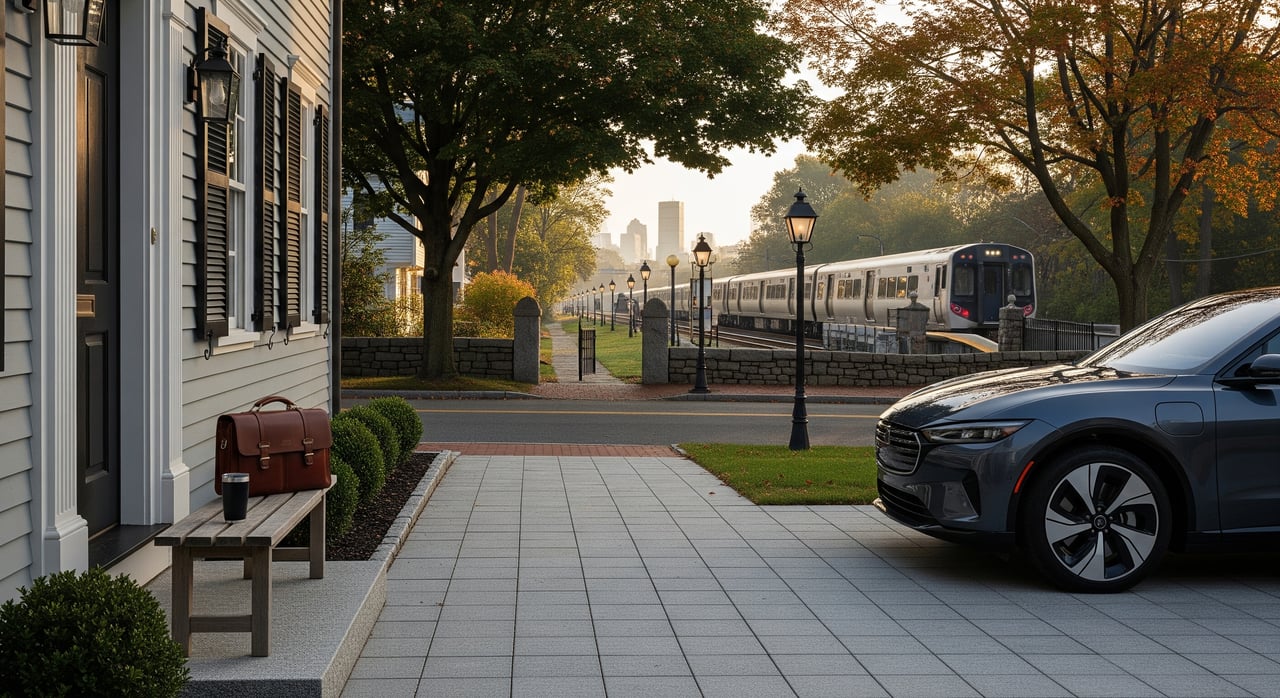
Commuter rail access is a real advantage. Gloucester’s station on the Rockport branch makes day trips to Boston feasible by train, which also helps off-season appeal for guests who do not drive. Learn more about the Gloucester MBTA station.
Beaches, parking, and guests
Beach access and rules
Gloucester maintains beloved public beaches, including Good Harbor, Wingaersheek, Half Moon at Stage Fort Park, Niles, Pavilion, and Plum Cove. In peak season, the city uses online parking reservations for non-residents, with variable fees, lifeguard coverage, and clear rules that change by location and date. Before you buy, confirm how these rules affect you and any guests or renters. The city’s beach information hub outlines current procedures.
Guest parking and planning
For homes near the beach, parking can be the difference between a calm weekend and a logistical headache. Check on-site parking counts, resident-only zones, and how non-resident parking and reservations work for your closest lot. If you plan to host, set expectations early in your listing and welcome materials so guests know where to park and when to book a spot.
Flood, erosion, and permits
Flood zones and insurance
Address-level flood risk matters for coastal property. FEMA flood map updates can move parcels into or out of Special Flood Hazard Areas, which affects mortgage requirements and insurance pricing. Start by confirming the current FEMA designation for any address and whether a recent revision changed the lot’s status. Use FEMA’s public notifications resource as a first reference for communities subject to updates and notices: FEMA community flood map updates. If a home sits in an A, V, AE, or VE zone and you use a federally backed loan, flood insurance will be required. Even outside mapped zones, many coastal properties face higher premiums. For background on policy types, review this consumer guide to flood insurance basics.
Sea level planning
Beyond today’s maps, you should understand projected coastal flooding and storm surge. Massachusetts offers scenario tools and guidance through its coastal zone program. Before you invest, review state resources to see how long-term changes could affect access, structures, and insurability: Massachusetts CZM StormSmart Coasts.
Wetlands and construction limits
If you plan to renovate, expand, or modify shoreline features like seawalls, expect local and state permitting. Gloucester’s Conservation Division administers wetlands protections that often apply near marshes, beaches, and banks. Always check parcel-specific wetland buffers and prior permits before you budget for projects. Start with the city’s Conservation Division to understand process and records.
Rental potential and rules
Demand and revenue basics
Gloucester supports a healthy community of short-term rentals, with strong summer demand and far lower winter occupancy. Aggregated reports that rank Massachusetts markets provide directional figures like mid-40s percent annual occupancy and five-figure gross revenue for average whole-home listings, but results vary by property, location, and listing quality. Use any statewide or regional averages only as a starting point, then build a micro-market analysis for your specific beach, cove, or street. For a broad market overview, see this summary of short-term rental markets in Massachusetts.
City registration and permits
If you intend to operate an STR, begin with Gloucester’s official guidance and permit portal. The municipal page outlines registration, safety and sanitation requirements, and the ordinance framework that governs local operations. Details like owner-occupied distinctions, caps, occupancy per bedroom, and fees are subject to updates, so always consult the latest language and the permitting portal. Start here: Gloucester Short-Term Rentals guidelines.
HOA and lender checks
If your second home is a condo or in an association, review bylaws and the master insurance policy. Associations sometimes prohibit or restrict short-term rentals or require additional approvals. Municipal permits and HOA approvals are separate gates. You need both to operate legally where applicable and to protect resale value.
Buyer checklist
Use this checklist to compare properties and avoid surprises:
Flood and elevation
- Verify the FEMA flood zone for the address and note the current map panel and zone. If in an SFHA, ask for or obtain an Elevation Certificate and confirm lender requirements. Start with FEMA’s community flood updates then pull the latest mapping for the parcel.
STR eligibility
- Confirm that the property and your ownership profile meet Gloucester’s STR ordinance and that you can complete the city registration and safety steps. Review the city’s STR guidance and factor permit fees into your budget.
Zoning, wetlands, and project scope
- Check city zoning, wetlands maps, and Conservation Commission records before you plan additions, seawalls, decks, or grading. Contact the Conservation Division with parcel questions.
Utilities for four seasons
- Evaluate insulation, heating capacity, and winterization history. Confirm whether the home is on municipal sewer or a private septic system, and request any recent septic inspection reports or sewer connection documentation.
Parking and beach access
- For beach-proximate homes, confirm on-site parking and how non-resident parking works for the nearest lot. Review the city’s beach parking rules and reservations and reflect them in guest materials if you rent.
Insurance and lender constraints
- Obtain flood and homeowners insurance quotes early, especially for coastal or waterfront addresses. Factor projected premium changes and lender flood determinations into your underwriting. A consumer overview of flood insurance can help you frame questions.
HOA and master policy
- If buying a condo, review bylaws for STR limits, special assessment rules, and responsibility splits between owner and association. Confirm whether the master policy allows your intended use.
Local management and costs
- If renting, budget for management, cleaning, guest communications, municipal permit fees, and any occupancy taxes. Seasonality means careful cash-flow planning.
Noise and quality of life
- Visit the property in peak season and off season. Walk the area during a busy July weekend and a quiet winter afternoon to gauge traffic, parking, and noise from events or ferries. The local seasonal overview is a helpful primer.
Gloucester vs nearby towns
When you compare Gloucester with other North Shore options, a pattern emerges. Rockport and Manchester-by-the-Sea often carry higher median prices and tighter inventory, with a boutique, vacation-town feel. Marblehead and Newburyport can also command premium pricing in select neighborhoods. Gloucester tends to deliver a wider price range, more working-harbor character, and strong beach access while remaining relatively approachable on cost. Your choice comes down to lifestyle fit, budget, and access priorities like commuter rail.
Next steps
A second home on Cape Ann should feel effortless. With the right prep on flood zones, permits, parking, and rental rules, you can buy with confidence and enjoy the coast on your terms. If you want a tailored search, neighborhood-by-neighborhood guidance, and help modeling rental and ownership scenarios, connect with Peggy Dowcett for a thoughtful, high-touch plan.
FAQs
What should I budget for flood insurance on a Gloucester second home?
- Costs depend on your FEMA zone, elevation, structure details, and lender requirements. Start by confirming the address-level FEMA designation and then obtain quotes from multiple carriers. A consumer guide to flood insurance basics can help you prepare questions.
How do Gloucester’s beach parking rules affect guests at my home?
- In peak season, non-resident parking often requires advance online reservations with variable fees that differ by beach. Review the city’s beach information page and include clear parking instructions in your guest materials.
Is commuter rail access useful for off-season rentals in Gloucester?
- Yes. The Gloucester MBTA station on the Rockport branch makes car-free trips possible, which can support off-season demand from visitors who prefer transit.
What are the first steps to operate a short-term rental legally in Gloucester?
- Begin with the city’s Short-Term Rentals guidelines. Confirm eligibility, complete registration, meet safety and sanitation requirements, and renew as required. If your home is in an HOA, secure association approval as well.
How can I evaluate long-term coastal risk beyond current FEMA maps?
- Combine today’s FEMA designation with state scenario tools that show projected coastal flooding and storm surge. Massachusetts’ CZM StormSmart Coasts resources are a solid starting point.
Are there permitting limits if I want to renovate near the water?
- Likely. Shoreline and wetland areas trigger local and state review. Contact Gloucester’s Conservation Division early to understand buffers, prior permits, and what is feasible for your parcel.