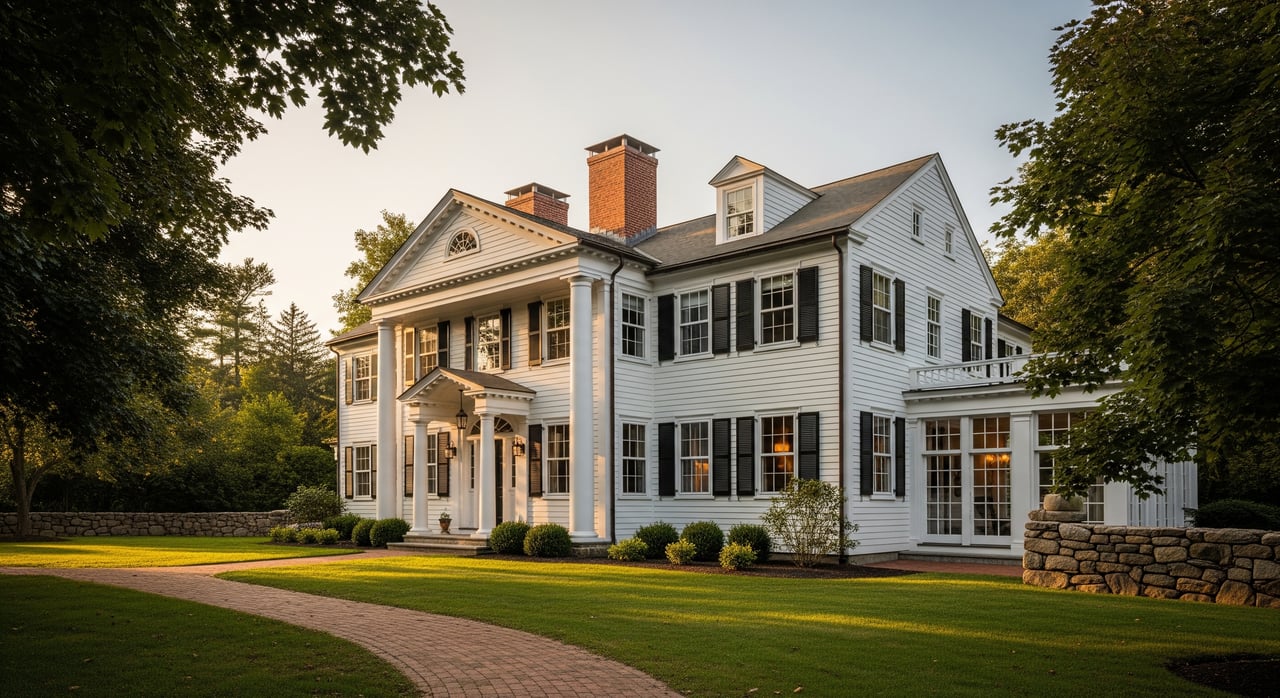
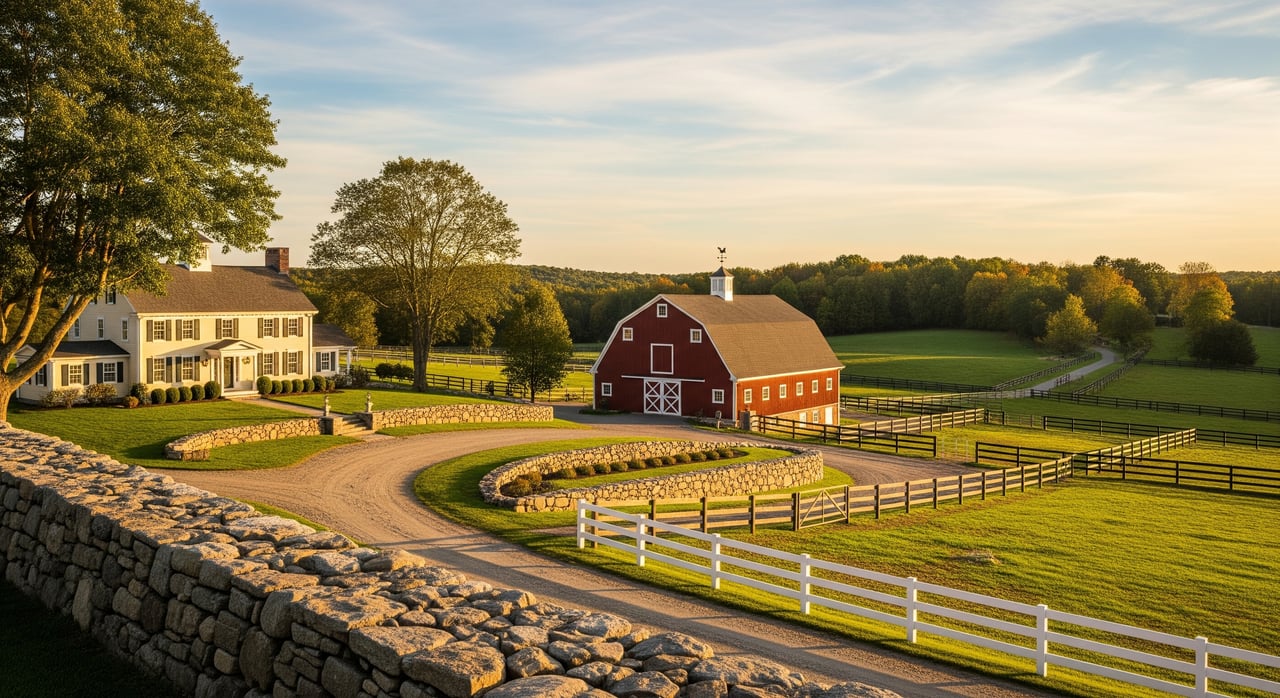
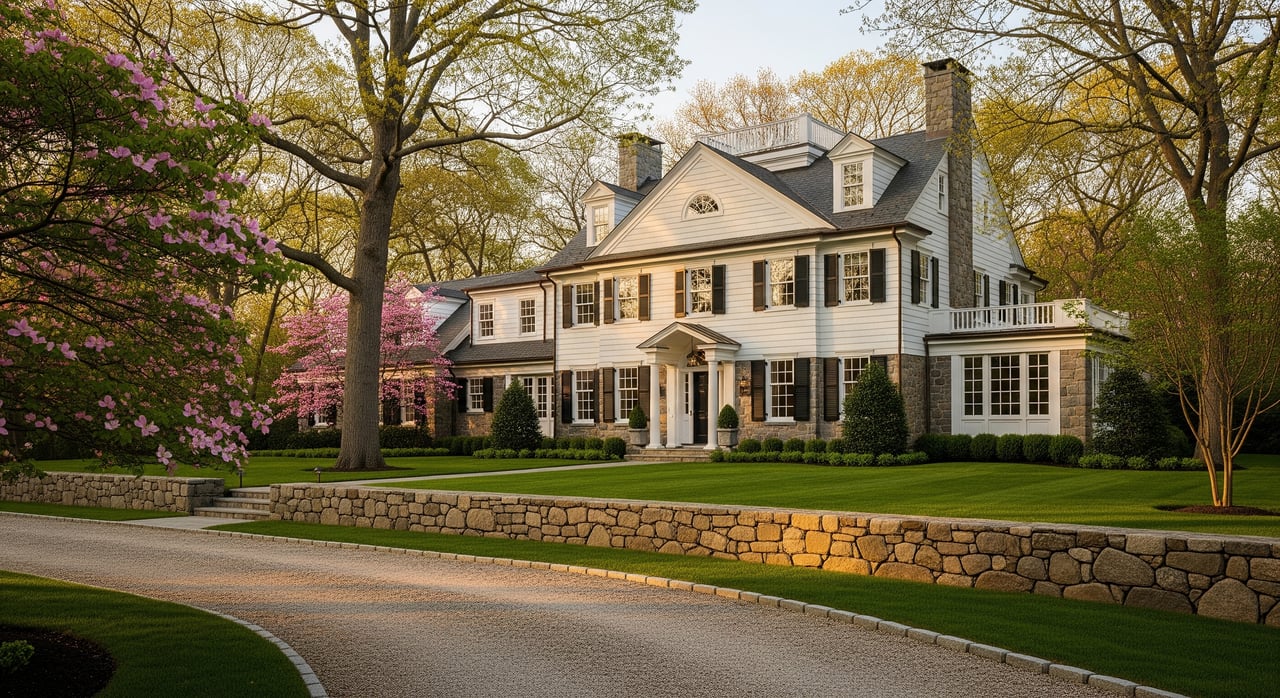
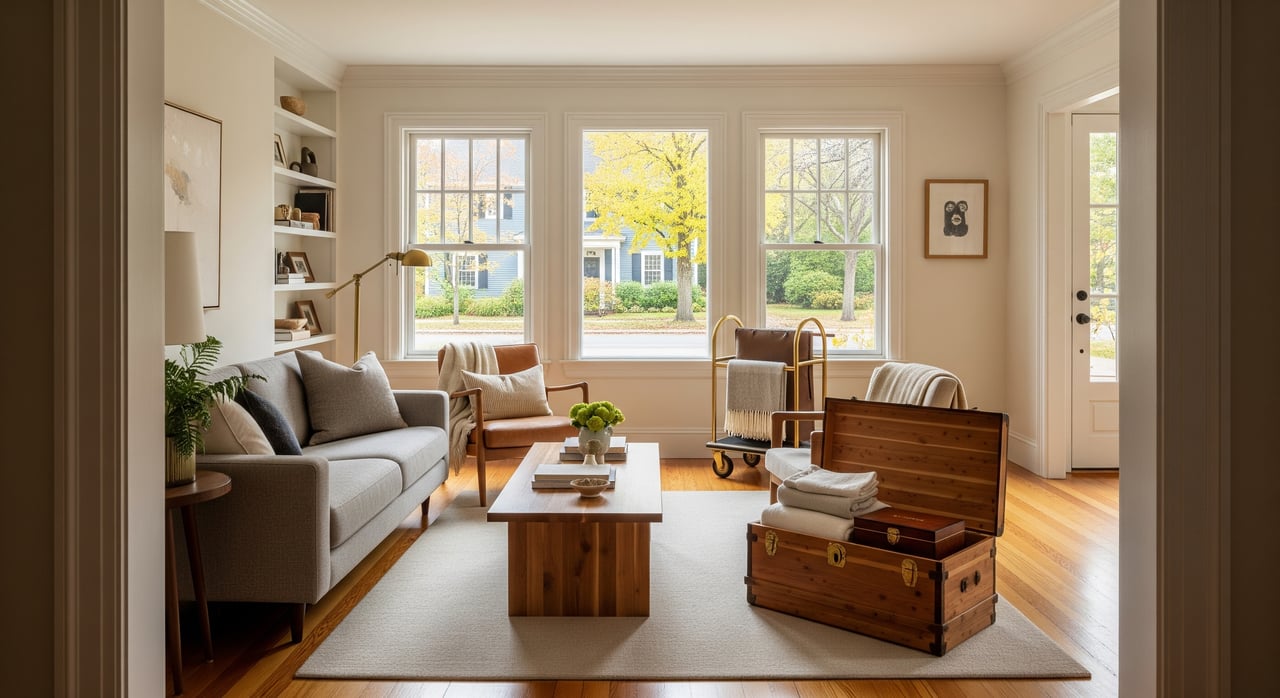
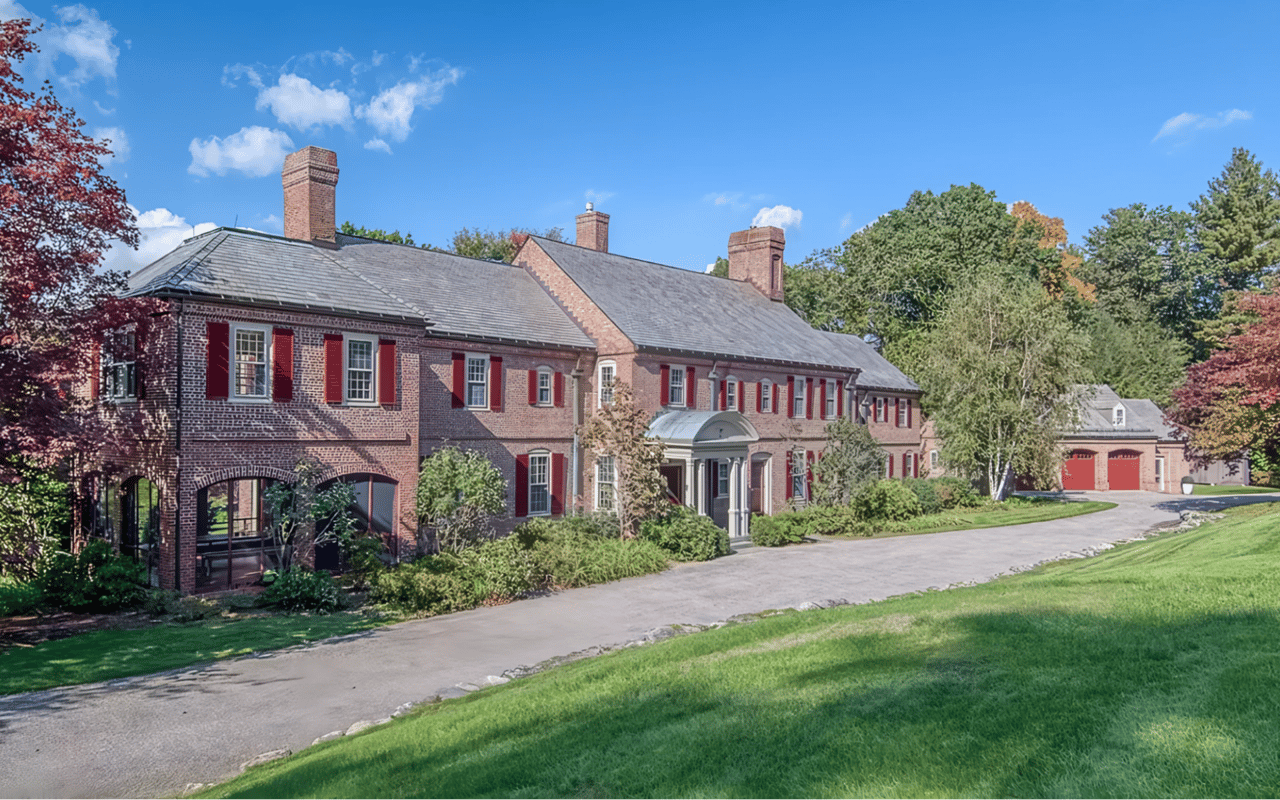
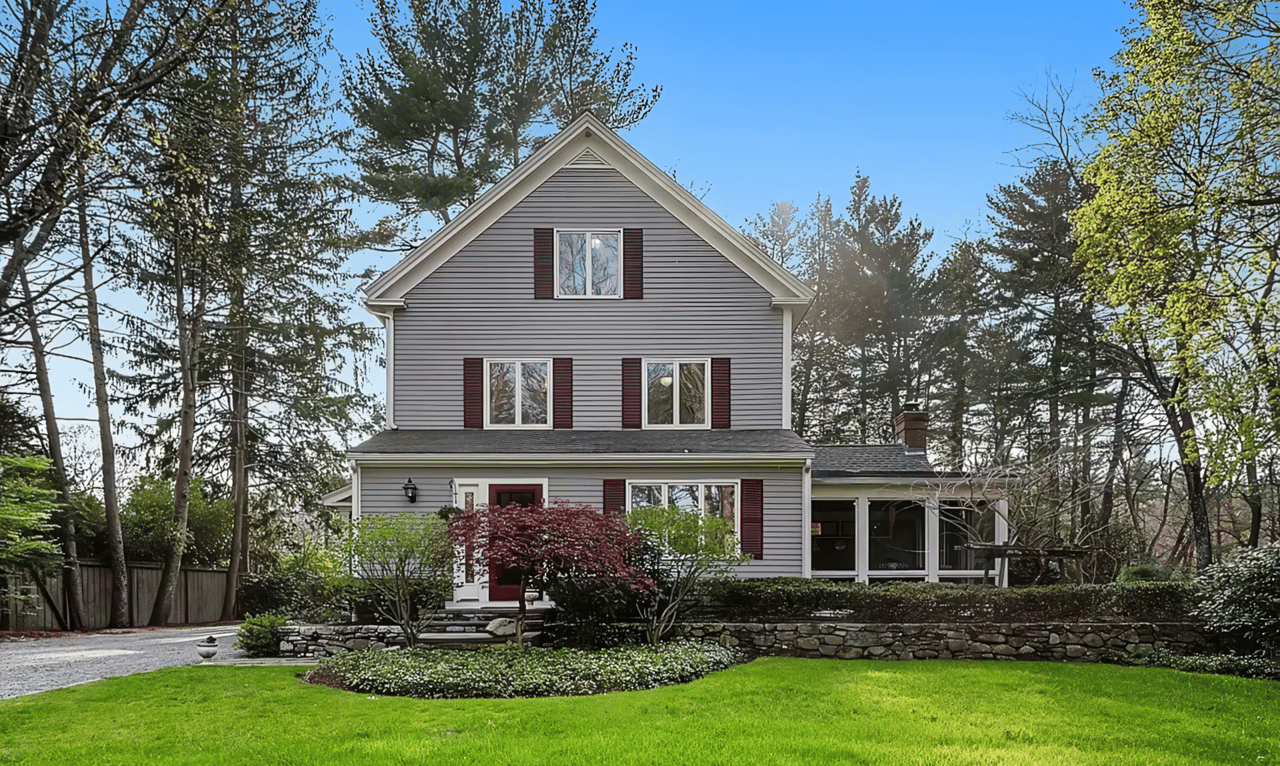
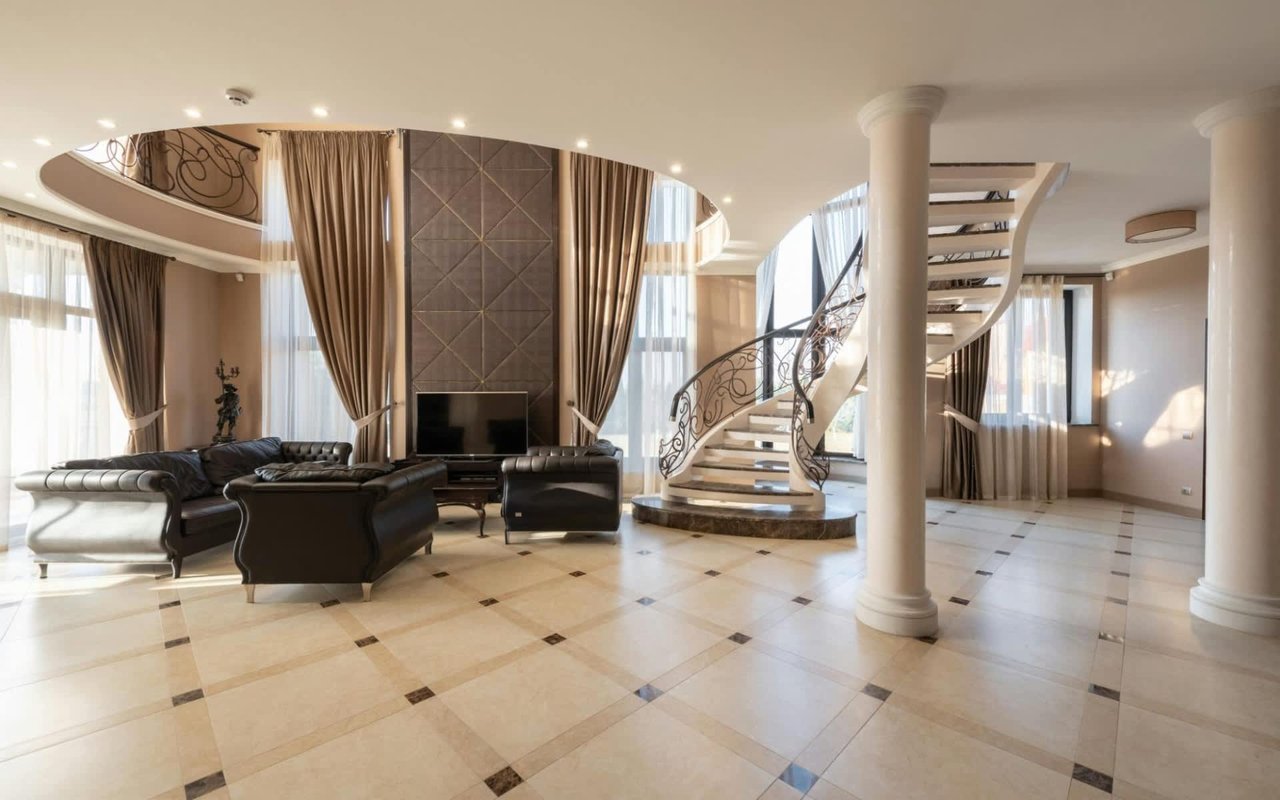
Curious why some Groton homes sell fast and others sit? In a town shaped by conservation land, well-and-septic systems, and commuting patterns, small details can make a big difference in price. Whether you plan to buy or sell, understanding the local forces that drive value helps you move with confidence. This guide breaks down what matters most in Groton and how to prepare. Let’s dive in.
Quick market lens: what to watch
You do not need every data point. You need the right ones and a clear story. In Groton, focus on a few key metrics and how they interact.
- Median sale price and 12-month trend to smooth month-to-month swings.
- Sale-to-list price ratio to gauge competition and pricing power.
- Inventory and months of supply to understand buyer leverage.
- Median days on market to track speed and seasonality.
- New construction vs. resale share to spot shifts in supply.
For the most current local figures, consult MLS Property Information Network (MLS PIN). For property taxes and assessments, use the Town of Groton Assessor’s Office and Massachusetts Department of Revenue resources. Use Groton-Dunstable Regional School District and the Massachusetts Department of Elementary and Secondary Education for neutral school data. FEMA Flood Map Service Center and MassGIS help you check flood and environmental constraints.
Top value drivers in Groton
Supply constraints and zoning
Groton’s single-family zoning, minimum lot sizes, and the town’s rural character limit density. When fewer parcels can be developed, existing homes often see stronger demand. Review Planning Board updates and zoning maps if you want to understand how potential changes could affect future supply.
Conservation land and open space
Extensive conservation holdings and protected watershed areas preserve privacy and views that many buyers value. These protections can also cap new development. On specific parcels, conservation restrictions may limit building potential, which can raise or reduce value depending on a buyer’s goals.
Private septic and wells
Many Groton properties rely on private septic systems and wells instead of municipal sewer. Title 5 inspections at sale are standard in Massachusetts. A failing or older system can influence price and timing because repairs are costly and require planning.
Schools as a demand signal
School performance is often a leading reason family buyers consider Groton. Use official sources for neutral, factual indicators such as enrollment, graduation rates, and assessment data. School desirability is one of several drivers, along with commute needs, lot size, and home condition.
Commute and regional access
Proximity to major employment centers in Middlesex County and greater Boston affects buyer pools. Drive times to highways and nearby commuter options influence daily life. When buyers can balance space, privacy, and a workable commute, demand strengthens for the right properties.
Lifestyle, amenities, and town character
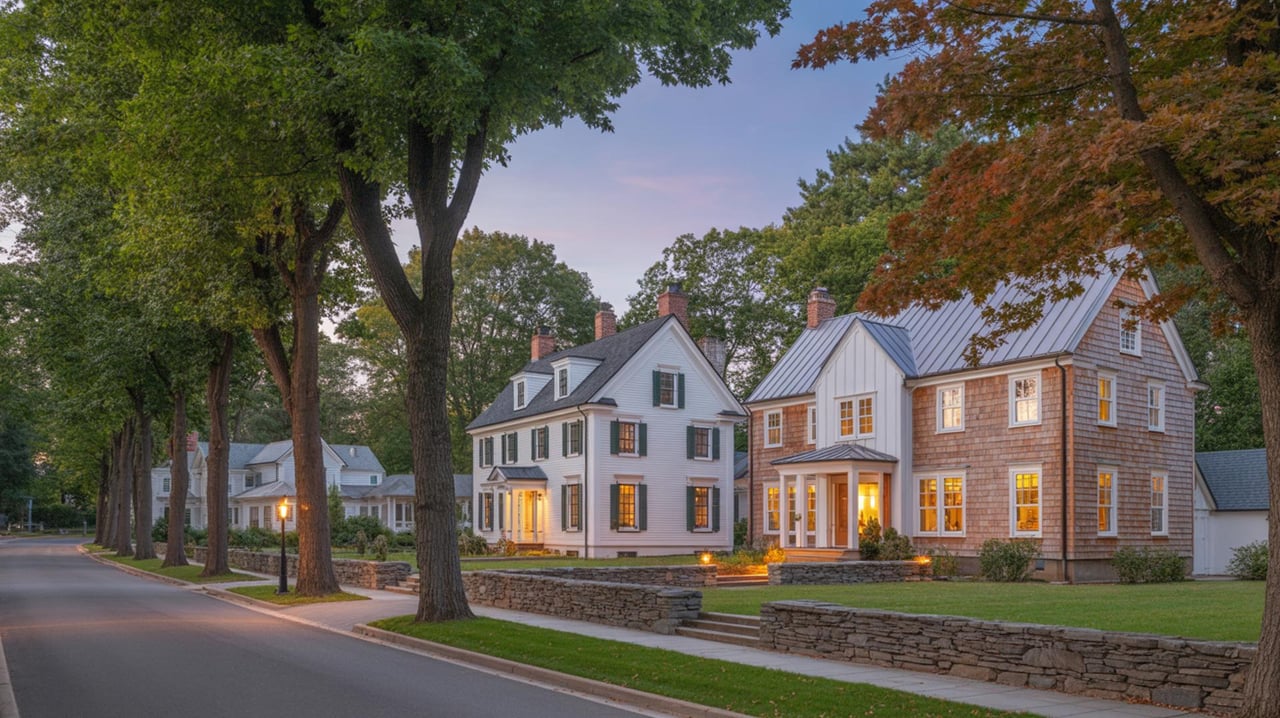
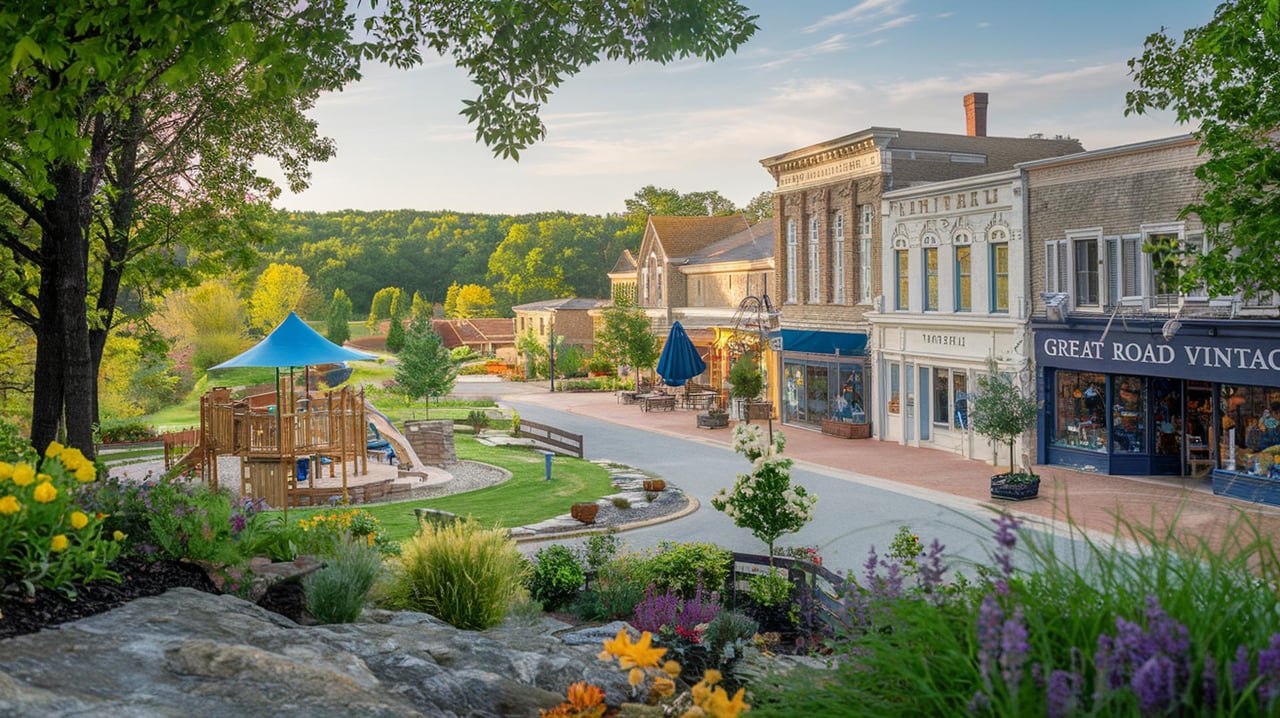
Downtown shops and restaurants, trail networks, river access, and community events add day-to-day value. Historic character and scenic roads can support interest in both in-town and rural settings. Properties near amenities often draw more showings when priced correctly.
Interest rates and the economy
Mortgage rates and employment trends shape what buyers can afford more than any single local feature. Rate shifts change purchasing power quickly, so monitor financing conditions alongside local supply and demand.
Property-level factors that move price
Land, lot, and setting
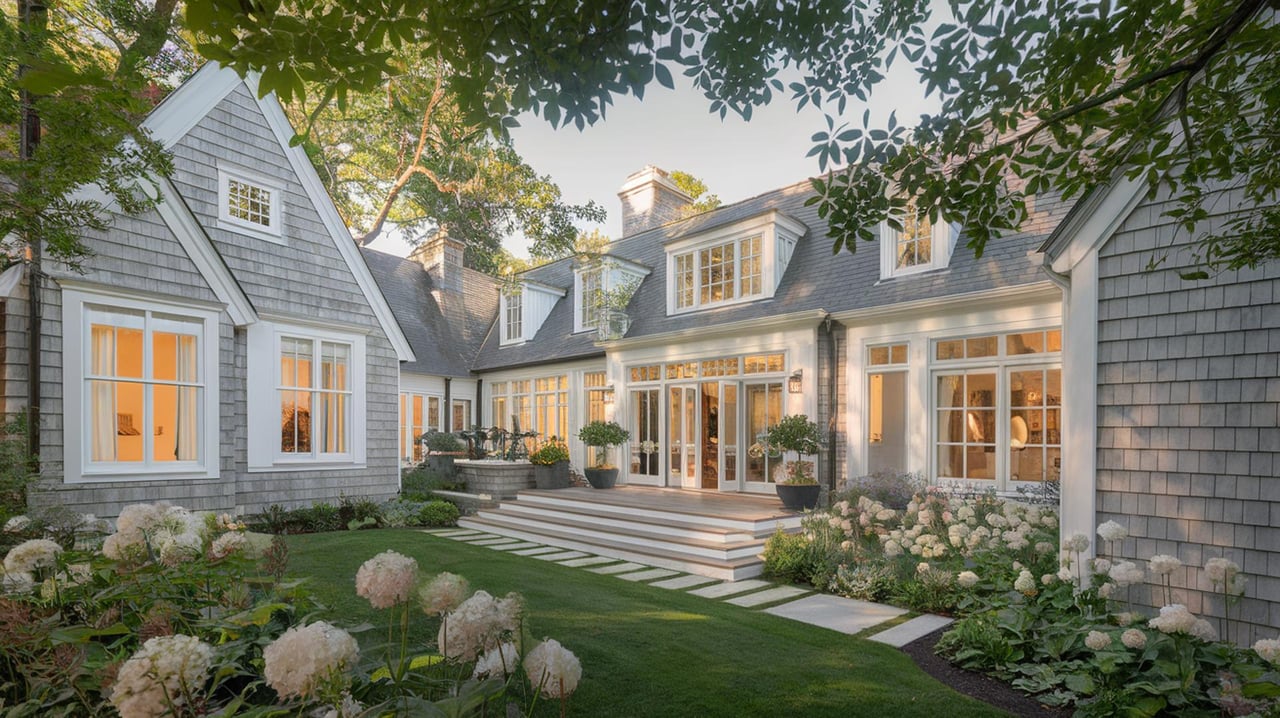
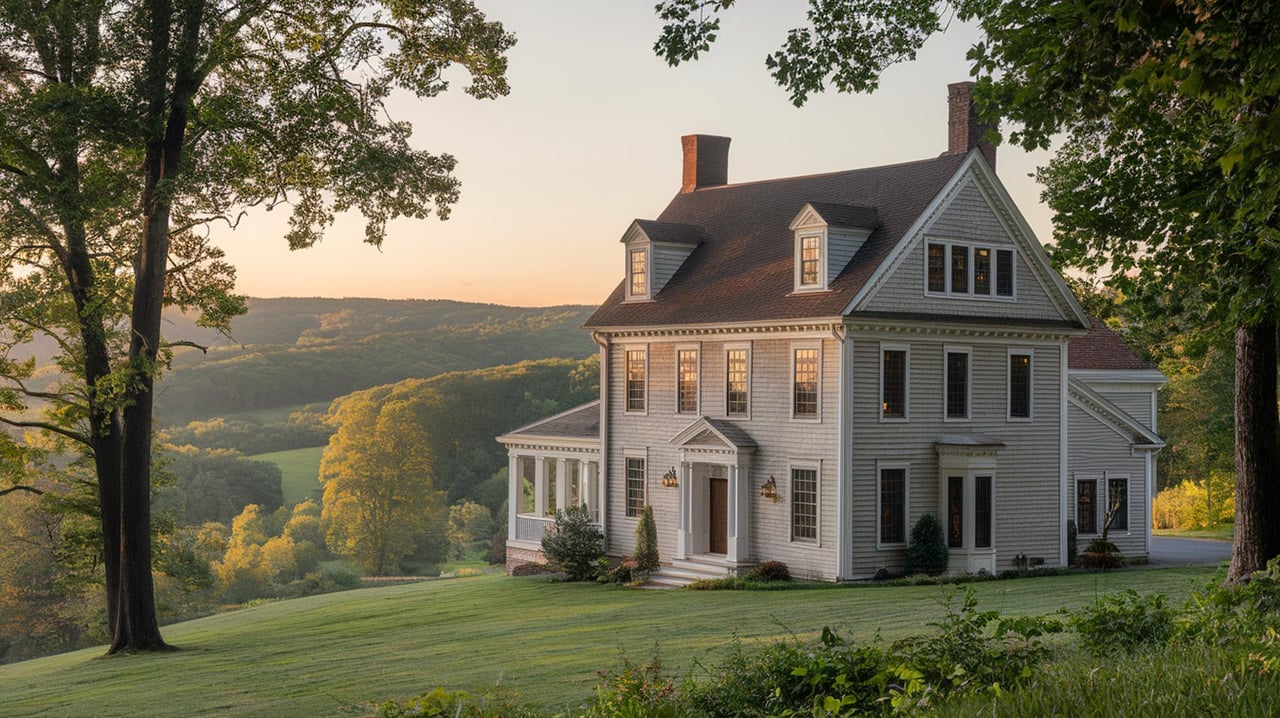
In a town known for space and scenery, usable yard area, lot privacy, and views matter. Flat, dry, and accessible parts of the lot tend to carry more weight than raw acreage alone. Cul-de-sac settings and thoughtful site orientation can also add appeal.
Age, condition, and historic elements
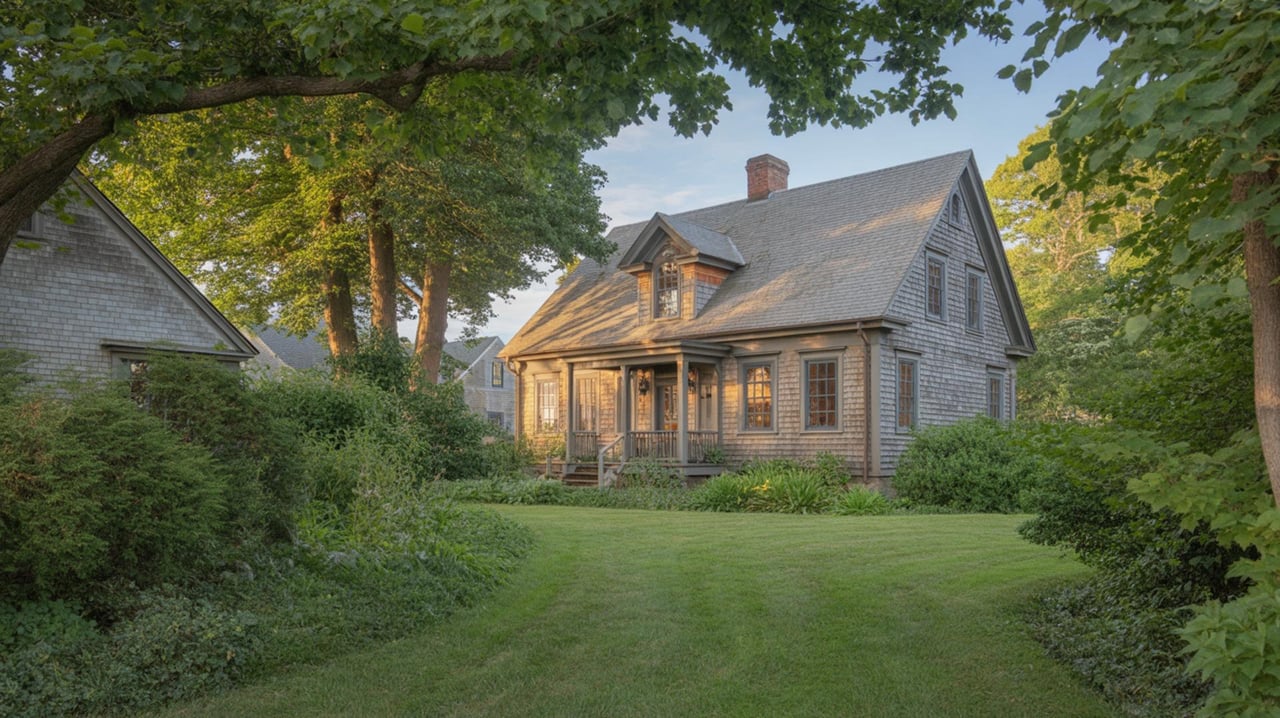
Well-maintained systems, a solid roof, and updated kitchens and baths attract broader interest. Historic features can add charm and value when paired with good maintenance and appropriate approvals where required. Deferred maintenance reduces marketability and may push a home into a smaller buyer pool.
Septic, wells, and water quality
Title 5 compliance, well depth and recovery rates, and water quality are routine diligence items. Clear documentation and recent service records give buyers confidence. If remediation is needed, accurate estimates and timing plans help protect value.
Floodplains, wetlands, and buffers
If any part of a lot sits in a flood zone or near wetlands, it may require extra review, permits, or flood insurance. These constraints can shape renovations, additions, and financing. Verifying maps early avoids surprises later.
Taxes and operating costs
Property taxes and utility choices (gas, propane, oil, electric) affect total cost of ownership. Efficiency upgrades and modern heating often support stronger offers, especially when they reduce monthly carrying costs.
What buyers should check in Groton
Buying in Groton rewards a thorough, practical approach. Build these checks into your discovery process.
- Title 5 septic inspection status and any repair history.
- Well reports, water test results, and pump or treatment system details.
- FEMA flood maps, MassGIS overlays, and any known wetland buffers.
- Zoning, lot lines, easements, and conservation restrictions on the deed.
- School district boundaries and official performance indicators.
- Fuel type, system age, and recent service records for HVAC and hot water.
- Permit history for additions, finished basements, and outbuildings.
- Drive times to major routes and commuter options during your typical hours.
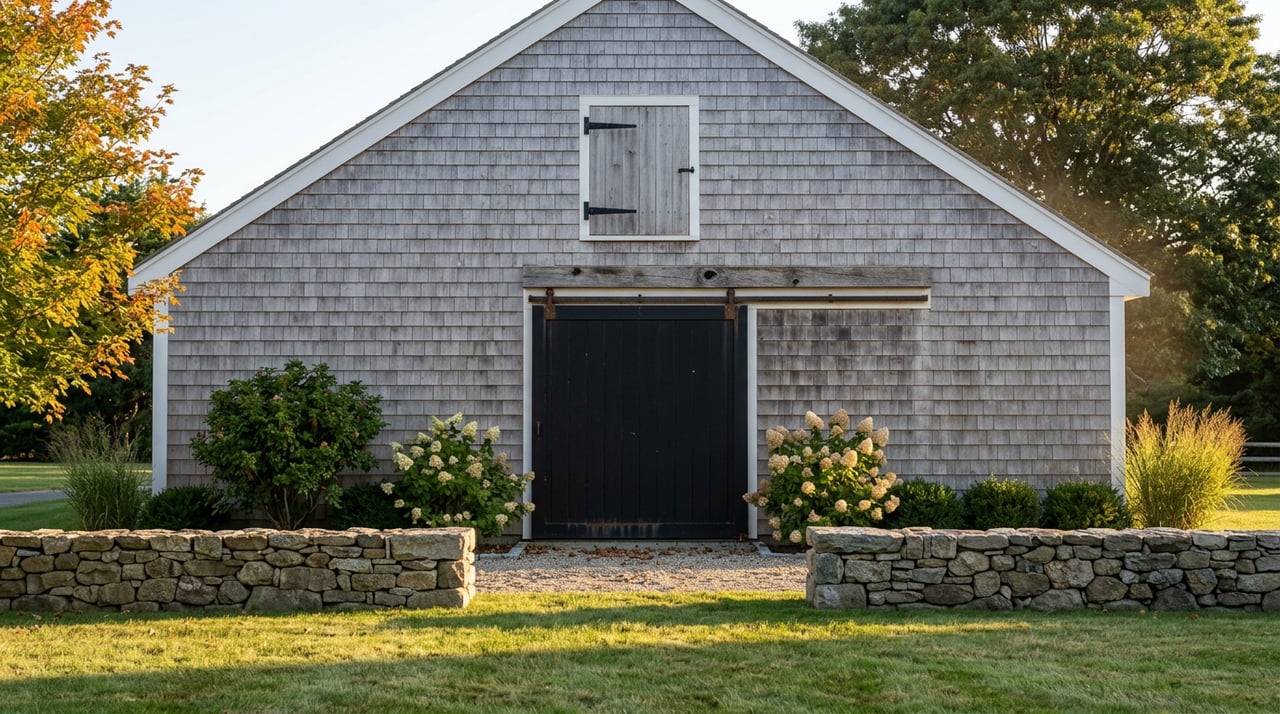
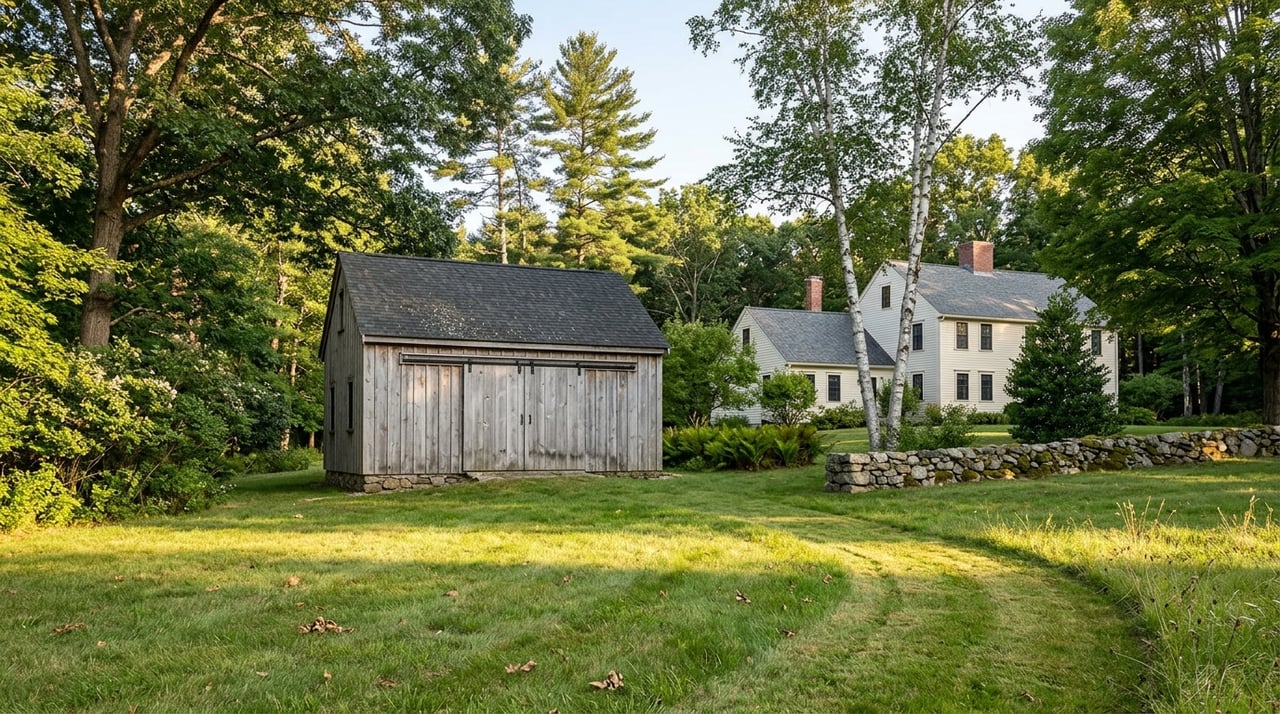
If a property raises questions about wetlands, historic review, or outbuildings such as barns or workshops, plan for specialist inspections and town-level clarifications before you finalize terms.
Seller moves that boost value
Smart preparation helps you list with confidence. Focus on improvements that speak to Groton buyers.
- Complete septic testing and address items proactively when feasible.
- Refresh high-impact surfaces: paint, flooring, lighting, and landscaping.
- Service HVAC, water heaters, and well equipment; gather paperwork in a neat file.
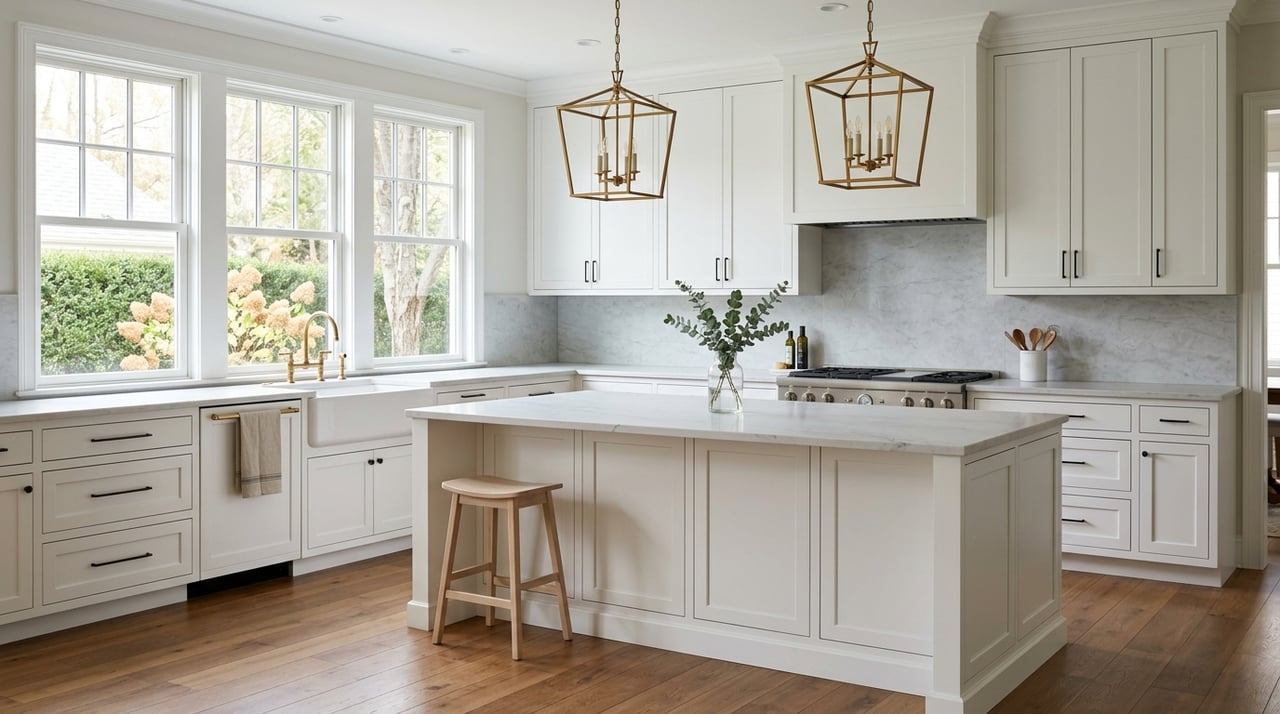
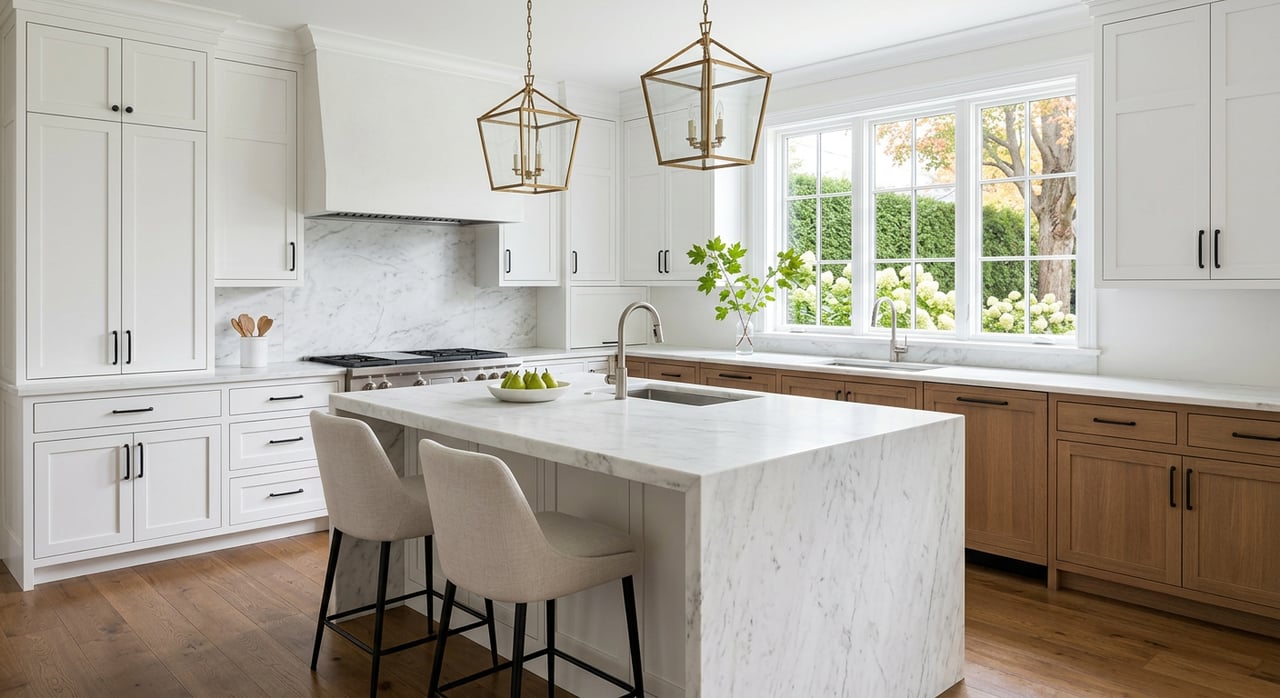
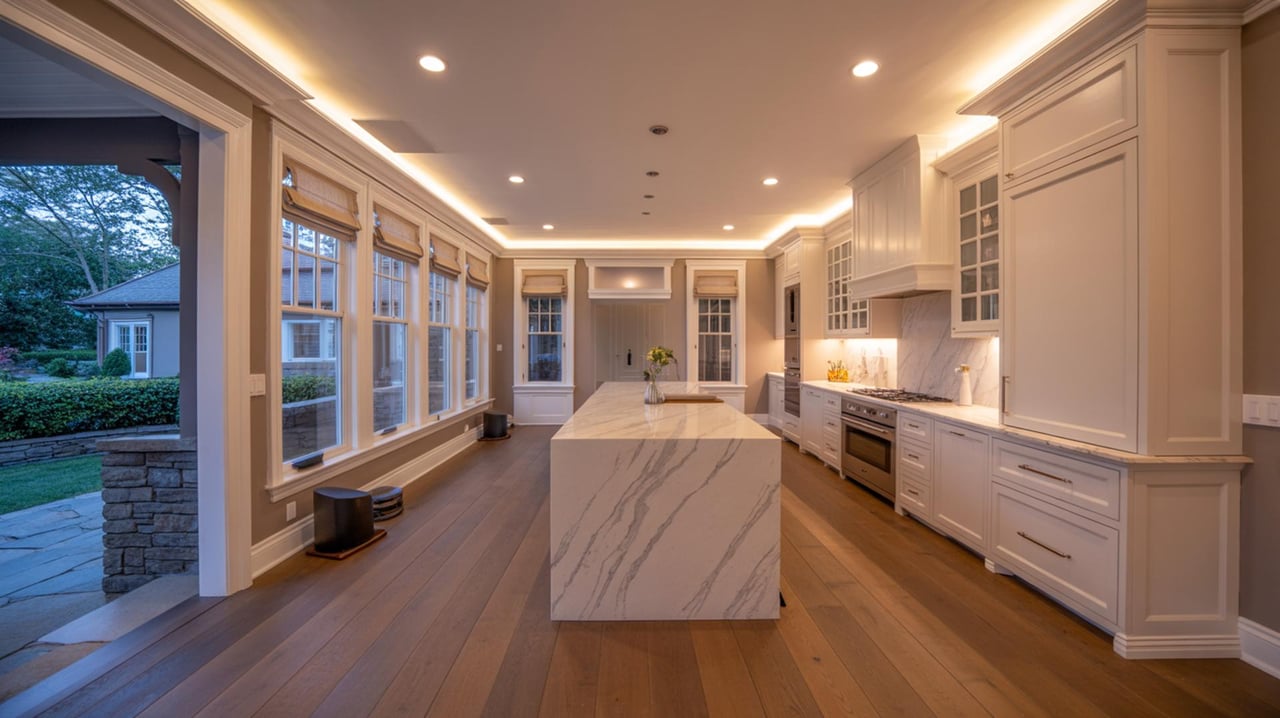
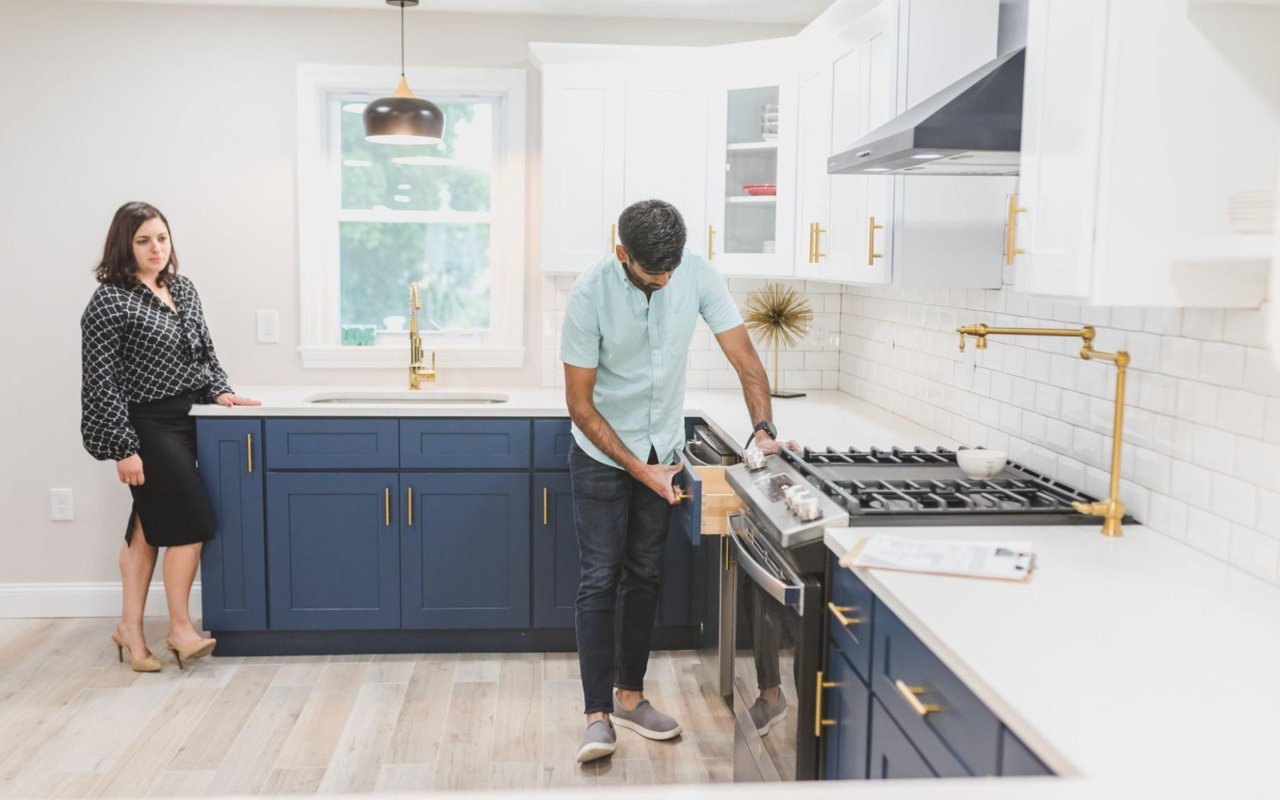
- Update kitchens and baths if they are significantly dated; keep design timeless.
- Resolve minor exterior issues: driveway edges, deck staining, trim, and gutters.
- Stage for space and light; highlight views, outdoor living, and storage.
- Choose listing timing that matches local seasonality and your goals.
- Price with recent, relevant comps; use medians and multiple months to avoid outliers.
In a low-turnover market, trust accurate comparable sales over broad online estimates. Clean data and a thoughtful pricing strategy often generate more showings and stronger terms.
Timing, seasonality, and strategy
Spring and early summer usually bring more listings and buyers. That can mean more competition for well-prepared homes. If your property shows best in a particular season because of landscaping or light, timing can support higher engagement.
Small towns often have fewer monthly sales, which makes month-to-month stats volatile. Look at rolling 12-month medians and trend direction rather than anchoring to one datapoint. When inventory is tight, correct pricing and professional presentation tend to matter more than chasing the very top of the range.
Where to verify local details
When you need firm answers, start with primary sources.
- MLS Property Information Network (MLS PIN) for sales and active listings.
- Town of Groton Assessor for tax rates, assessments, and exemptions.
- Planning Board and Conservation Commission for zoning, permits, and conservation matters.
- Groton-Dunstable Regional School District and Massachusetts DESE for official school data.
- FEMA Flood Map Service Center and MassGIS for floodplains and environmental layers.
- Massachusetts Department of Environmental Protection and the local Board of Health for Title 5 and septic guidance.
Collecting documents early helps you negotiate from a position of clarity.
Work with a trusted local advisor
You deserve reliable guidance, not guesswork. With decades of market experience in Middlesex County and a team-backed process, you can prepare, price, and present with confidence. If you are planning new construction, renovating before listing, or coordinating a complex transition, a seasoned advisor can align design choices, permitting timelines, and market demand so you do not over-improve or miss the window.
If you are thinking about buying or selling in or around Groton, let’s talk about your goals, timing, and the data that will support your best outcome. Connect with Peggy Dowcett to start a tailored plan.
FAQs
What factors most influence Groton home values?
- A mix of supply limits from zoning and conservation, septic and well considerations, school desirability, commute access, and overall market conditions such as mortgage rates.
How do septic systems affect a purchase or sale in Groton?
- Title 5 inspections are standard, and system age or condition can affect price, timing, and financing; clear reports and realistic repair plans help protect value.
Do schools impact prices and how can I research them?
- School performance influences demand for many buyers; use Groton-Dunstable Regional School District and Massachusetts DESE for neutral, official data.
How can I check if a property is in a flood zone?
- Review FEMA Flood Map Service Center data and MassGIS layers, and confirm with local officials if you see overlaps with wetlands or mapped floodplains.
When is the best time to list a Groton home?
- Spring and early summer often bring more buyers and listings; the best timing depends on your property’s strengths, readiness, and your personal schedule.
Which home updates deliver the best ROI locally?
- Broad-appeal improvements such as kitchen and bath refreshes, exterior curb appeal, and well-documented system maintenance typically resonate with Groton buyers.
How do property taxes factor into pricing comparisons?
- Taxes affect total monthly costs and can sway buyer decisions between nearby towns; check the Groton Assessor for current rates and typical tax bills before setting price.