Dreaming about morning rides from your own backyard in Carlisle, but not sure where to start? Buying a horse property blends home shopping with farm planning, and the details can feel overwhelming. You want a place that fits your lifestyle, keeps your horses healthy, and aligns with local rules. This guide walks you through what to look for, which approvals to check, and how to plan your budget so you can move forward with confidence. Let’s dive in.
Why Carlisle for horses
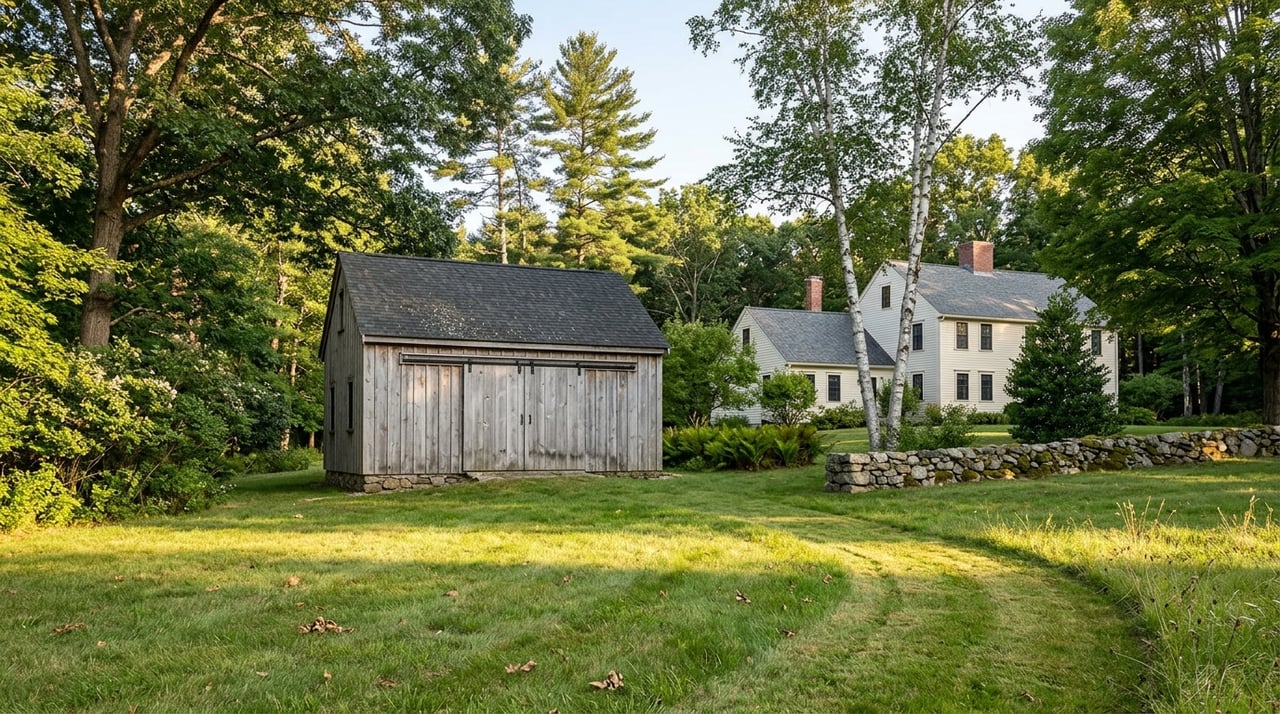
Carlisle sits northwest of Boston in Middlesex County and offers privacy, acreage, and access to regional trail networks. Properties that already include barns, paddocks, or arenas are scarce, which keeps demand steady. Many buyers also compare options in nearby towns like Concord, Acton, Bedford, and Chelmsford. If you want space, practicality, and a country feel near the Cambridge–Newton–Framingham employment centers, Carlisle is a strong fit.
Zoning and permits
Before you fall in love with a barn, confirm what the town allows on the property. Rules vary by zoning district and by the type of horse use you plan.
- Check the Carlisle Zoning Bylaw and zoning map to confirm whether private horse keeping is allowed and if boarding, lessons, or training require special permits or site plan review.
- Verify that barns, arenas, and other outbuildings were properly permitted and inspected. Ask for building permits and any past approvals.
- Review any deed restrictions, covenants, or conservation restrictions that limit animal keeping or new construction.
- If the property includes wetlands or falls within a buffer zone, the Conservation Commission may need to review manure areas, paddocks, and any new work under the Wetlands Protection Act.
- Contact the Board of Health about septic capacity and animal waste rules, and ask about any local ordinances related to odor, noise, or pests.
- Confirm driveway, access, and easements. You need enough turning radius for hay deliveries, veterinary trucks, and your trailer.
Reach out to Carlisle’s zoning enforcement, Building Department, Conservation Commission, and Board of Health early. Clear answers up front help you avoid costly surprises later.
Land and barn features
Not all acreage works well for horses. Focus on usable pasture and safe infrastructure that supports daily care.
Pasture and fencing
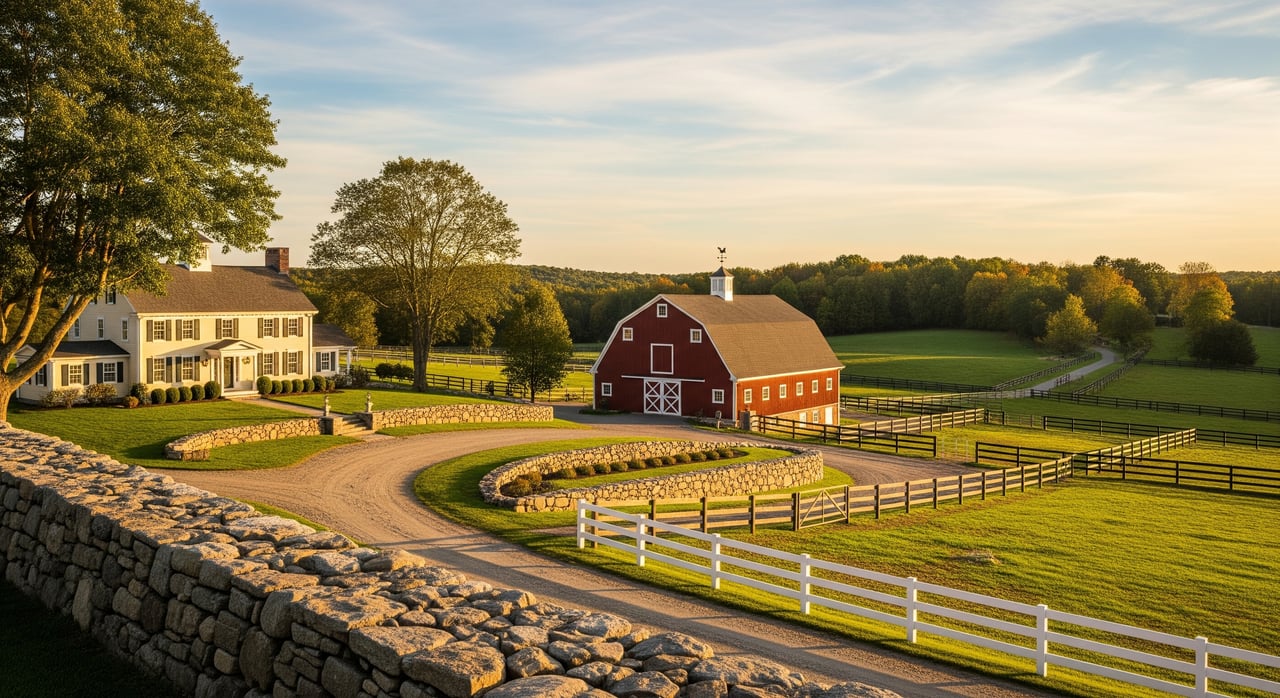
- Evaluate usable pasture, not just total acreage. Look at slope, drainage, soil, and shade. Low spots that pond can limit turnout.
- Inspect fencing type and condition. Safe horse fencing, secure gates, and smart lane design make chores easier and reduce injuries.
- Look for cross-fencing to rotate turnout. Rotational grazing protects pasture health and limits mud.
Barn layout and storage
- Note stall size and construction, aisle width, ventilation, and drainage. Safe flooring and good airflow matter in all seasons.
- Separate, dry hay storage reduces fire risk. Confirm storage capacity if you plan to buy hay in bulk.
- Plan space for tractors, mowers, spreaders, and the trailer. Enclosed storage protects gear and extends equipment life.
Arena and footing
- If there is an arena, check footing, drainage, fencing, and the base. Poor drainage can shorten your riding season.
- If you plan to add an arena, confirm siting, grading, stormwater, and any conservation or permit requirements.
Water, septic, and utilities
- Confirm water source. Test well water for bacteria and nitrates, and check flow rates. Multiple hydrants and winterized lines to paddocks save time.
- Locate the septic system. Know its capacity and how it relates to the barn and paddocks.
- Assess electrical service size and barn wiring. Arena lighting, heated water buckets, and barn equipment need safe, adequate power.
Access and safety
- Walk the driveway and turnaround areas for truck and trailer access in all seasons.
- Identify a dedicated quarantine or isolation space for new or sick horses.
- Look for secure feed storage, fly control measures, and wildlife-exclusion fencing.
Inspections and environmental checks
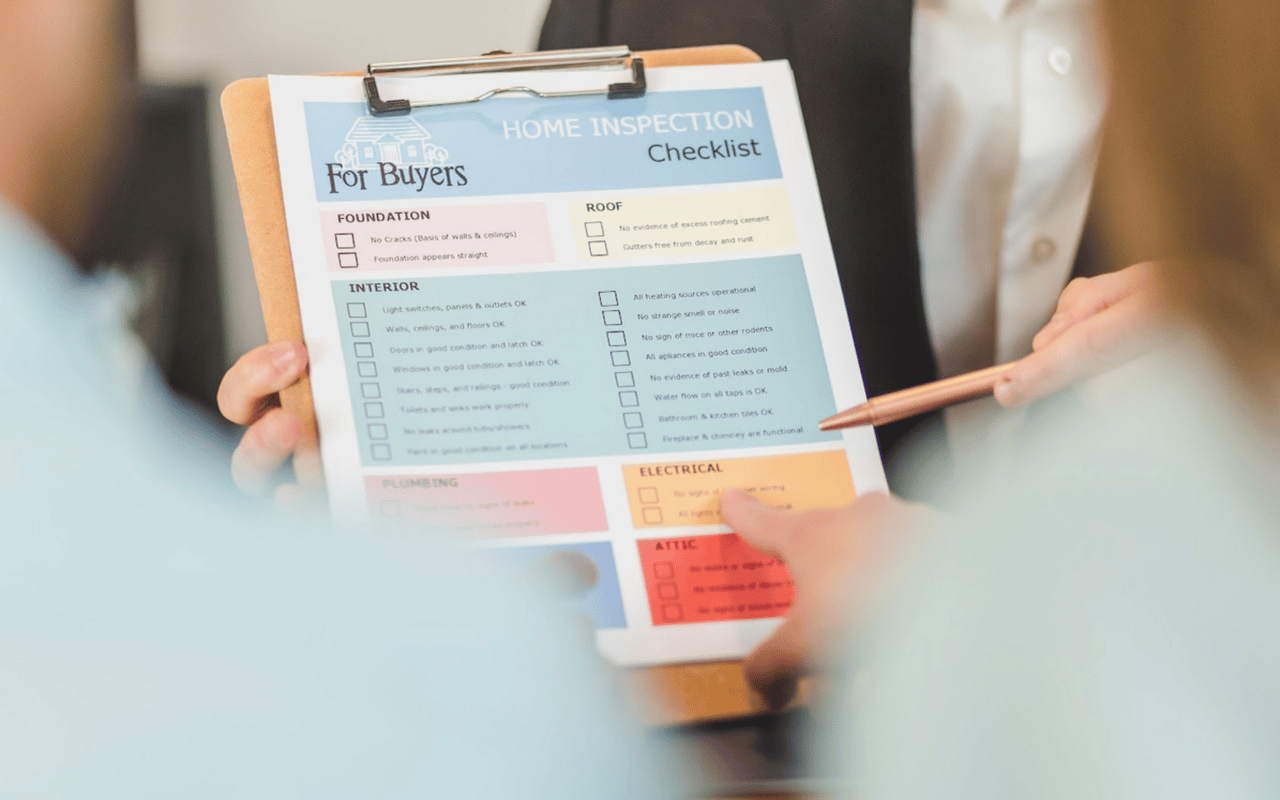
Horse properties require due diligence beyond a standard home inspection. Schedule inspections that address both building safety and animal health.
- Barn structure and electrical. Have a qualified professional evaluate roof, framing, doors, stall fronts, wiring, and panels. Fire prevention is critical.
- Well testing and records. Request recent water quality tests and any well logs. Verify yield.
- Septic system and Title 5. In Massachusetts, septic systems fall under Title 5. Confirm with the Carlisle Board of Health whether an inspection is required at sale and when it was last done.
- Wetlands and flood risk. Confirm whether paddocks, barns, or planned improvements sit within buffer zones or flood areas. You may need Conservation Commission review.
- Soil and drainage. Ask about arena base materials, paddock soils, and any limiting layers that affect drainage.
- Manure handling history. Identify storage locations, composting practices, removal contracts, and any past contamination concerns, including fuel or chemical storage.
- Pest and vermin. Rodents in hay storage can lead to loss and contamination. Inspect and ask about control measures.
Financing, taxes, and insurance
Buying a horse property can involve different lending, tax planning, and coverage than a typical home.
Financing
- Many lenders will finance a private horse property as residential, but acreage and outbuildings can affect appraisal and underwriting.
- If you plan to generate income with boarding or lessons, you may need business or farm lending products. Get pre-approved with a lender experienced in equestrian and rural properties.
Property taxes and Chapter 61 programs
- Massachusetts offers Chapter 61, 61A, and 61B programs that can reduce property taxes on qualifying forest, agricultural, or recreational land.
- Horse farms may qualify under Chapter 61A if the land is actively devoted to agricultural use and meets acreage and revenue thresholds. Confirm eligibility and enrollment rules with the town assessor, and understand withdrawal penalties.
Insurance coverage
- Standard homeowners policies may not cover horse-related liability or paid activities. You may need a farmowners policy, equine liability, and an umbrella policy.
- Consider equine mortality or major medical for valuable horses and property coverage for barns, equipment, and hay.
- If trainers or instructors work on site, ensure their independent liability coverage or add appropriate endorsements.
Costs and maintenance
Budgeting is essential. Ongoing costs vary by property size, number of horses, and how much work you do yourself.
- Feed and hay, plus seasonal storage and delivery.
- Veterinary and farrier care, including routine vaccinations, dental, trimming or shoeing, and emergency care.
- Bedding and stall supplies.
- Fencing repairs and pasture care, including mowing, reseeding, and soil health.
- Manure management, whether composting, spreading, or hauling off site.
- Utilities and equipment, including water, electricity, heating for water, and upkeep of tractors or UTVs.
- Insurance premiums for property and liability.
- Labor, whether self-care or hired help for chores and maintenance.
In the Carlisle area, contractor rates can be higher than in more rural parts of the state. Delivery logistics for hay and supplies also affect total cost. Get local quotes before you commit, and keep a contingency fund for storms or repairs.
Smart search and value
Inventory for horse properties in suburban Middlesex County is limited, and quality facilities command a premium. Work with a real estate professional who understands equine use, permitting, and the true replacement cost of barns, arenas, and fencing.
When you review comparable sales, go beyond bedroom and bathroom counts. Compare acreage, usable pasture, stall count, arena quality, fencing type, drainage, and any conservation restrictions. Consider whether the property can support private use only or could function as a small business with proper permits, since that can shape value.
Networking matters. Some sellers share plans within equestrian circles before going on the open market. Local relationships can surface off-market opportunities.
Due-diligence checklist
Use this list to organize your review and requests:
- Deed, survey, and any recorded restrictions, easements, or conservation restrictions.
- Zoning bylaw confirmation for your intended use, plus building permits and approvals for barns and arenas.
- Recent property tax card and whether land is enrolled in Chapter 61, 61A, or 61B.
- Title 5 septic inspection or service records and well water tests, including yield.
- Barn and electrical inspections, plus maintenance records for roofs, stalls, and fencing.
- Arena specs, footing details, and drainage information.
- Pasture condition, soil observations, and any erosion issues.
- Manure management plan or hauling contracts, plus any pest control measures.
- Driveway access and trailer turnarounds, including winter conditions.
- Insurance history related to fire, storms, or other claims.
For sellers
If you plan to sell your Carlisle horse property, preparation is everything.
- Gather permits, surveys, tax records, and maintenance files before listing.
- Fix safety issues, including loose boards, exposed wiring, or damaged fencing.
- Consider a pre-listing barn and electrical inspection to reduce surprises.
- Clarify what is included in the sale, such as run-in sheds, gates, portable panels, or equipment.
- If enrolled in a Chapter 61 program, disclose status and explain potential roll-back tax implications.
- Showcase the features that matter to horse buyers, including barns, paddocks, arena, and trail access.
Local resources
You will likely consult several local and state offices during your purchase:
- Carlisle Zoning Enforcement and Building Department for allowed uses and permits.
- Conservation Commission for work near wetlands and buffer zones under the Wetlands Protection Act.
- Board of Health for septic and animal waste guidelines, including Title 5.
- Assessor’s Office for tax classification and Chapter 61, 61A, and 61B information.
- UMass Extension for pasture and manure management best practices.
- Massachusetts Department of Agricultural Resources for guidance on agricultural programs.
When you are ready to walk properties, bring both a real estate professional and an experienced horse person or equine-savvy inspector. A collaborative site visit often reveals the small details that make daily care safer and simpler.
Ready to find a property that works for you and your horses in Carlisle? Partner with a local advisor who understands barns, permits, and premium suburban acreage. Connect with Peggy Dowcett to plan your search and move forward with clarity.
FAQs
How much land do you need per horse in Carlisle?
- It depends on usable pasture, drainage, and your grazing plan, so focus on rotational turnout capacity rather than a fixed acreage number and consult local pasture guidance.
Can you run a boarding or lesson business on a Carlisle property?
- Possibly, but commercial activities often require special permits or site plan review, so confirm rules with Carlisle zoning before you buy or launch services.
What inspections are unique to horse properties in Middlesex County?
- In addition to a home inspection, plan barn and electrical inspections, well and septic checks under Title 5, and reviews of wetlands constraints and manure handling practices.
How do Massachusetts Chapter 61A tax benefits work for horse farms?
- Chapter 61A can reduce taxes for qualifying agricultural land that is actively used and meets acreage and revenue thresholds, so confirm eligibility and enrollment with the assessor.
What insurance do you need for a private horse property in Carlisle?
- You may need a farmowners policy, equine liability and umbrella coverage, plus property coverage for barns and equipment, since homeowners insurance may be insufficient for horse risks.