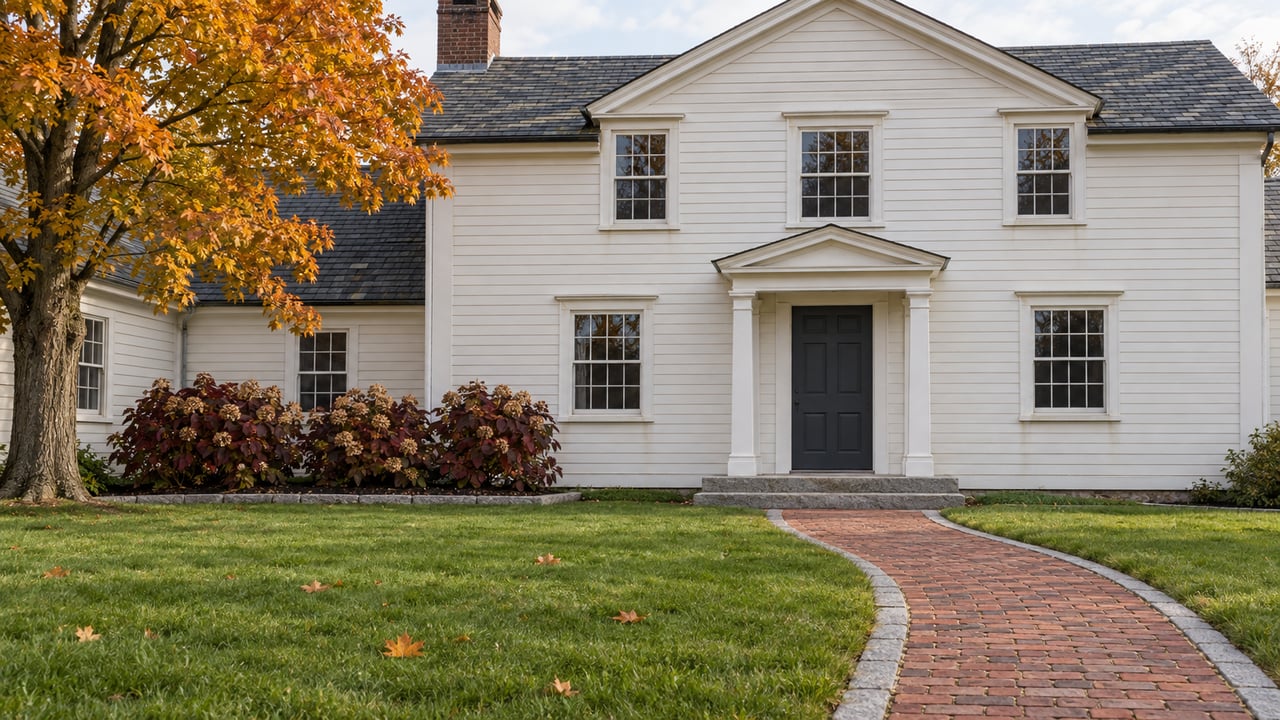
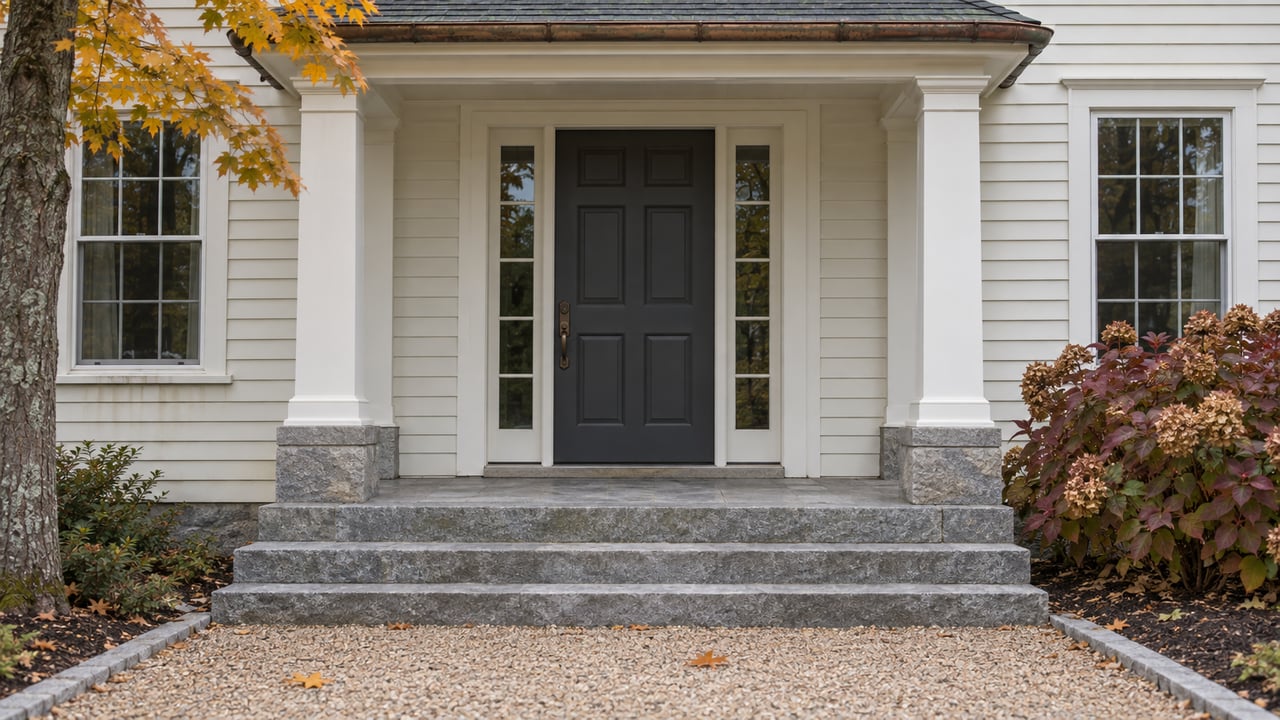
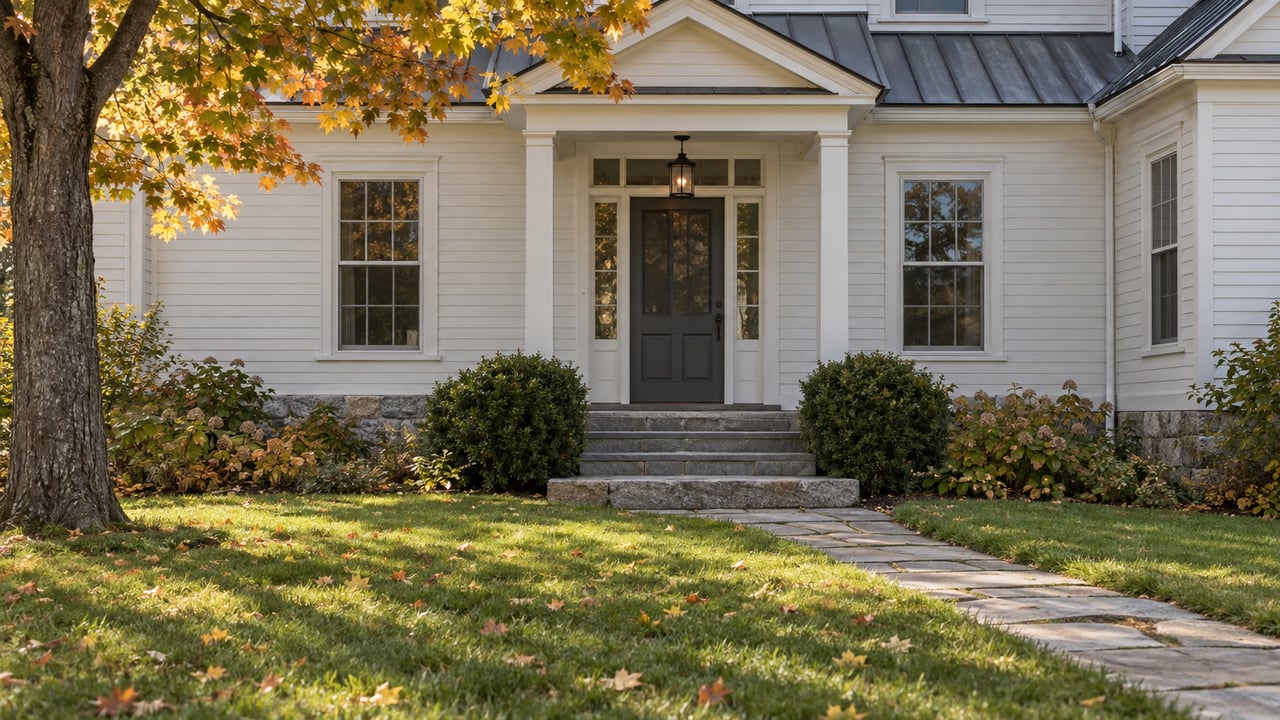
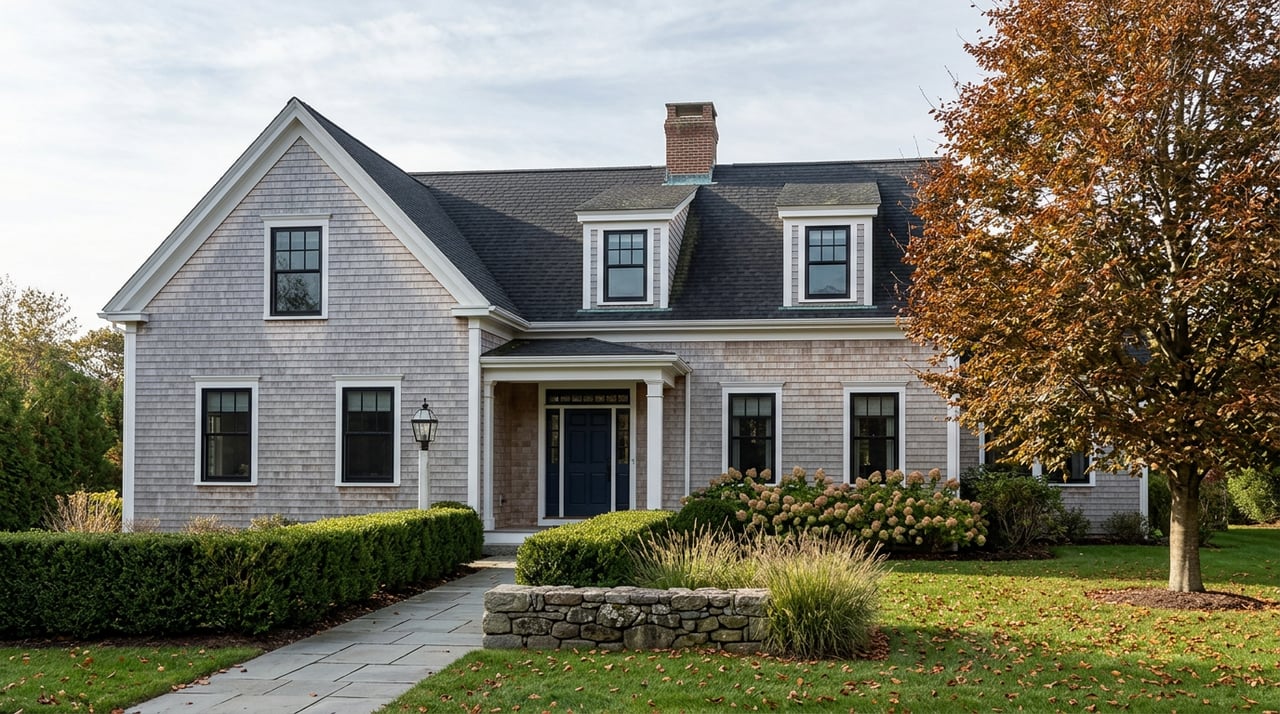
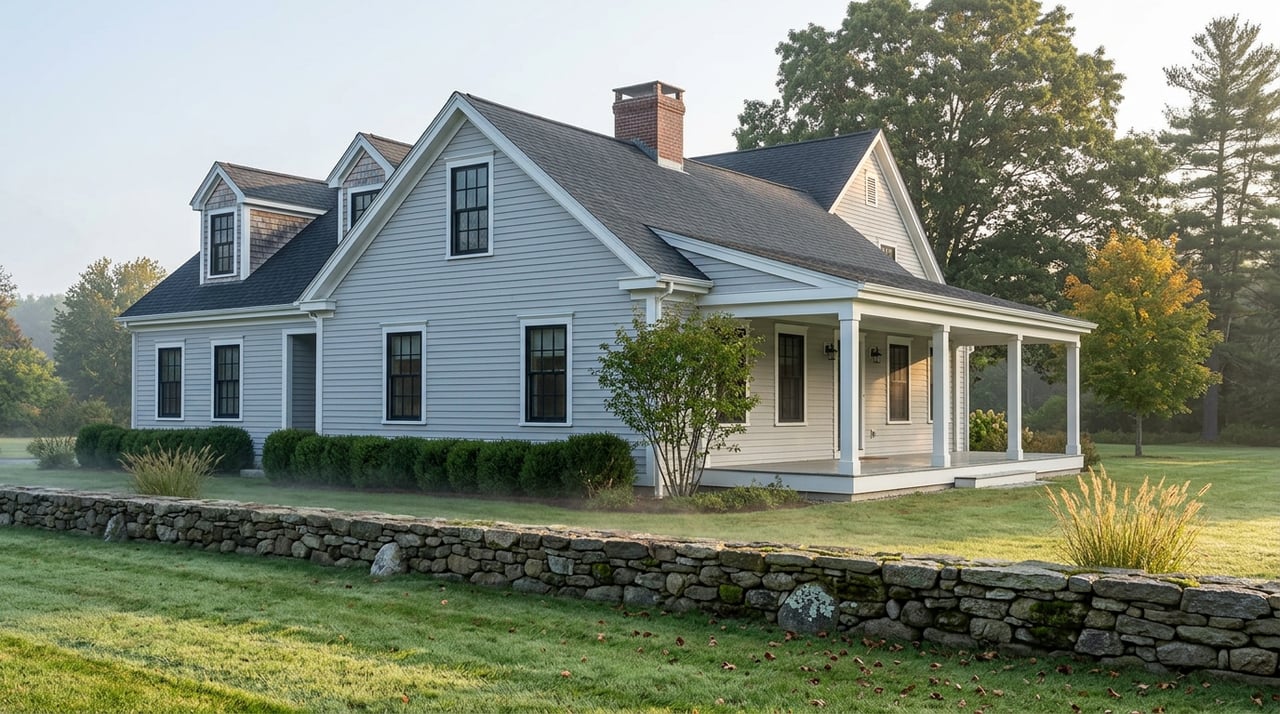
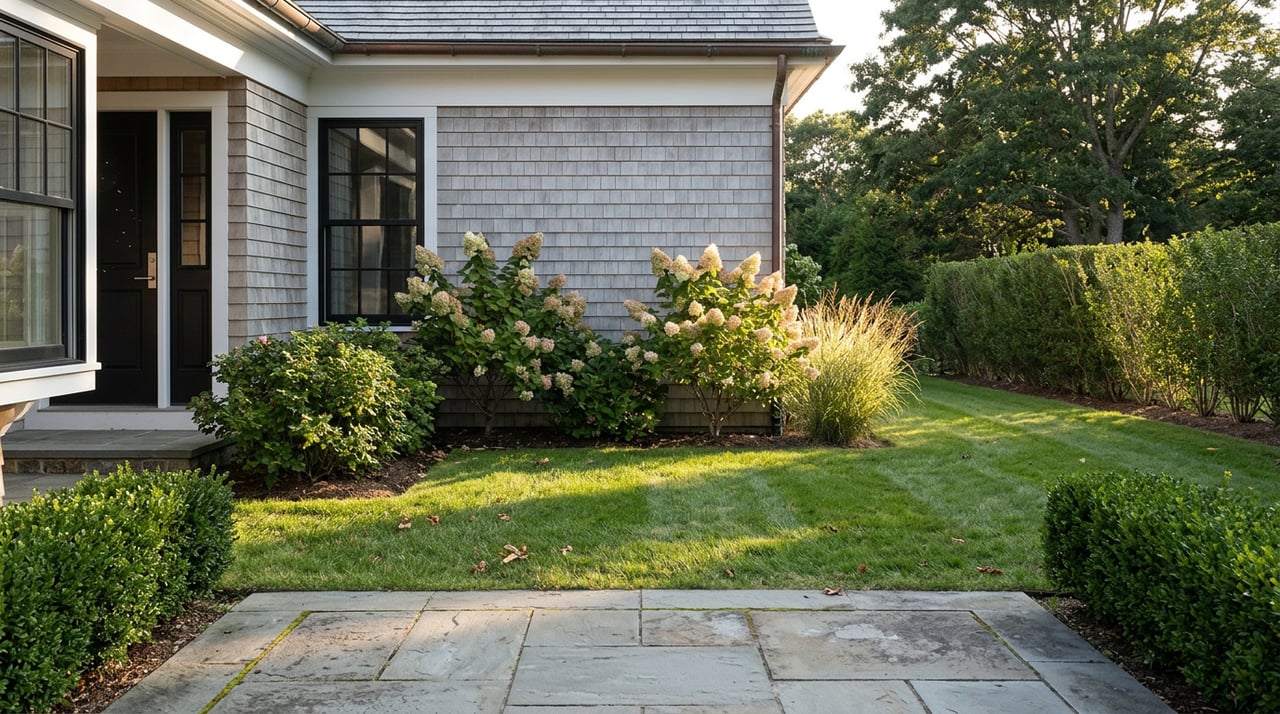
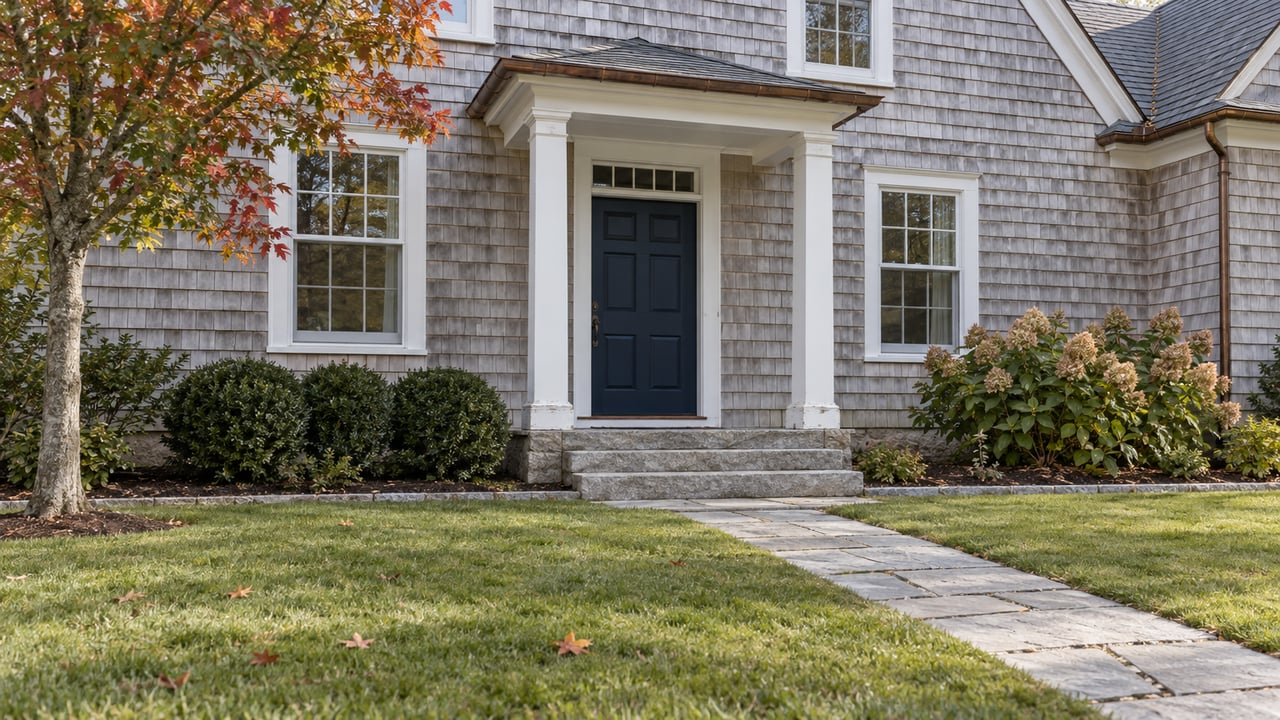
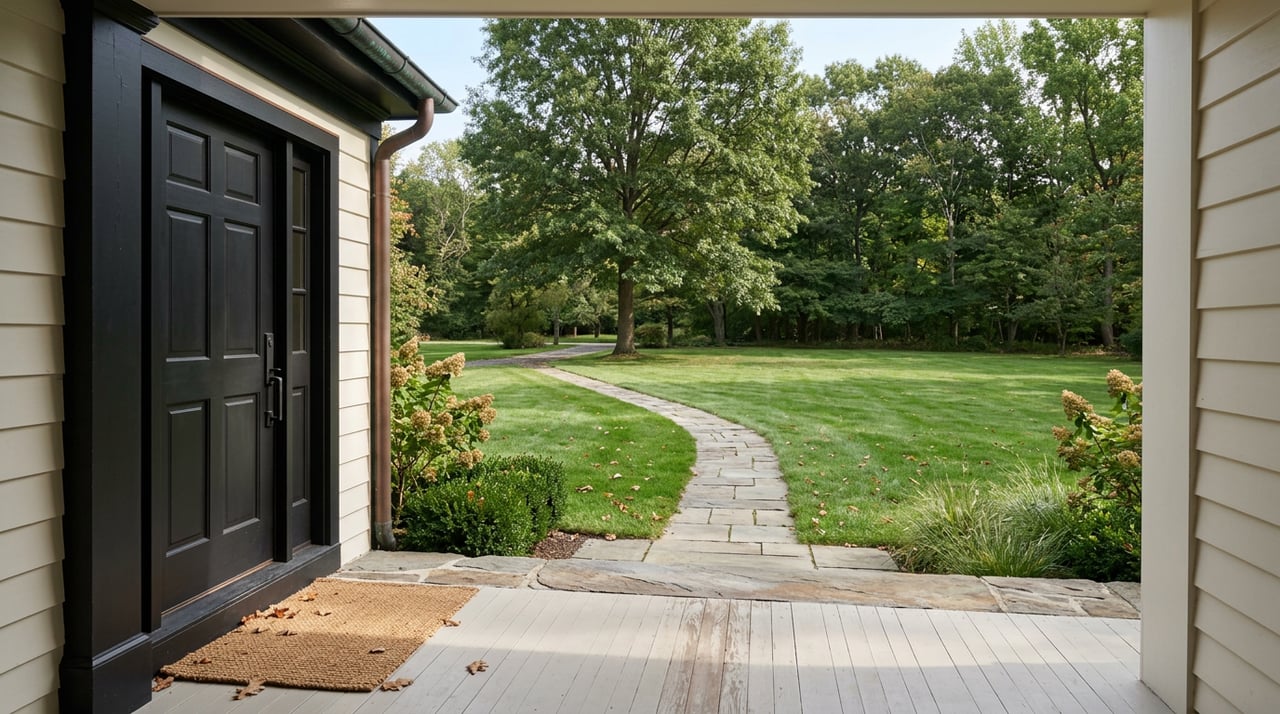
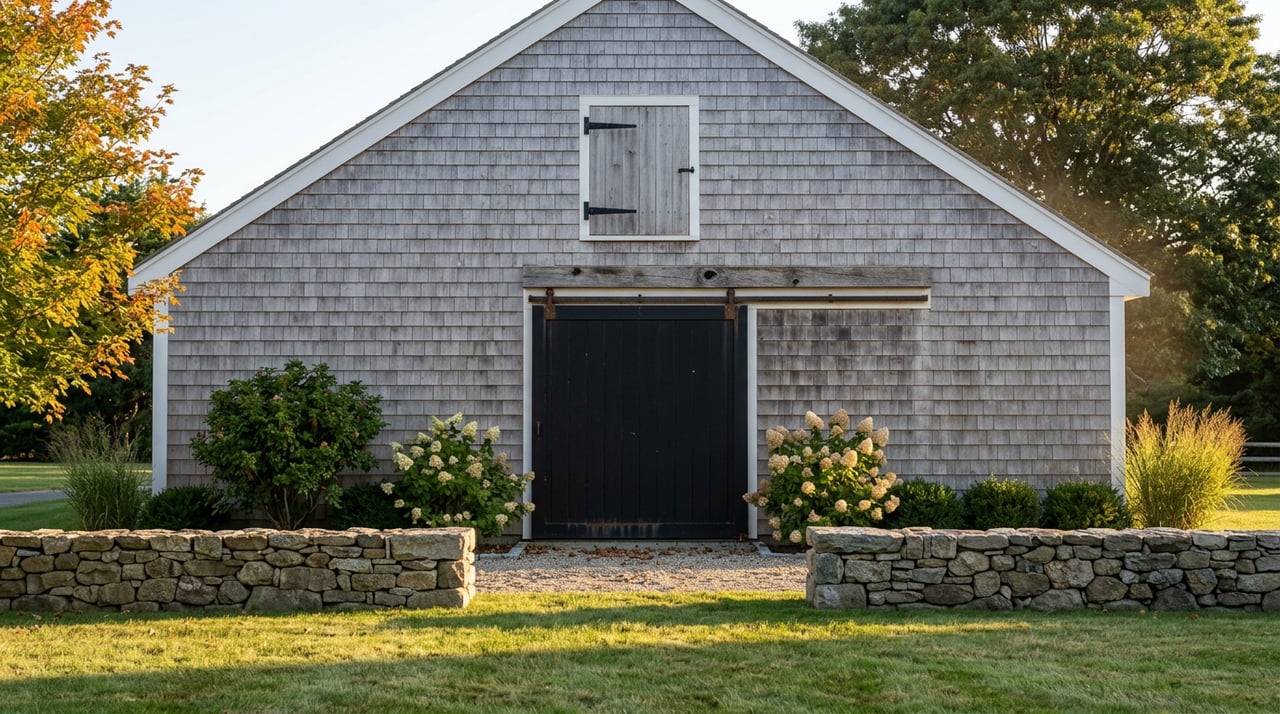
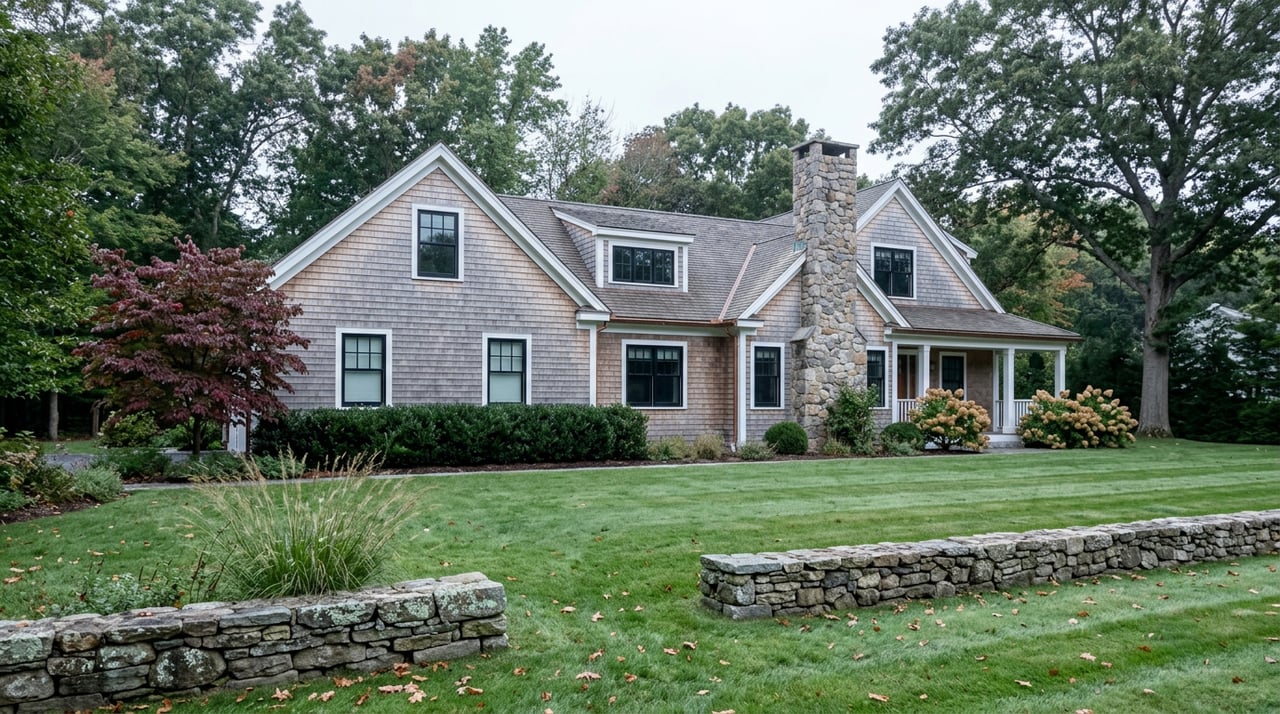
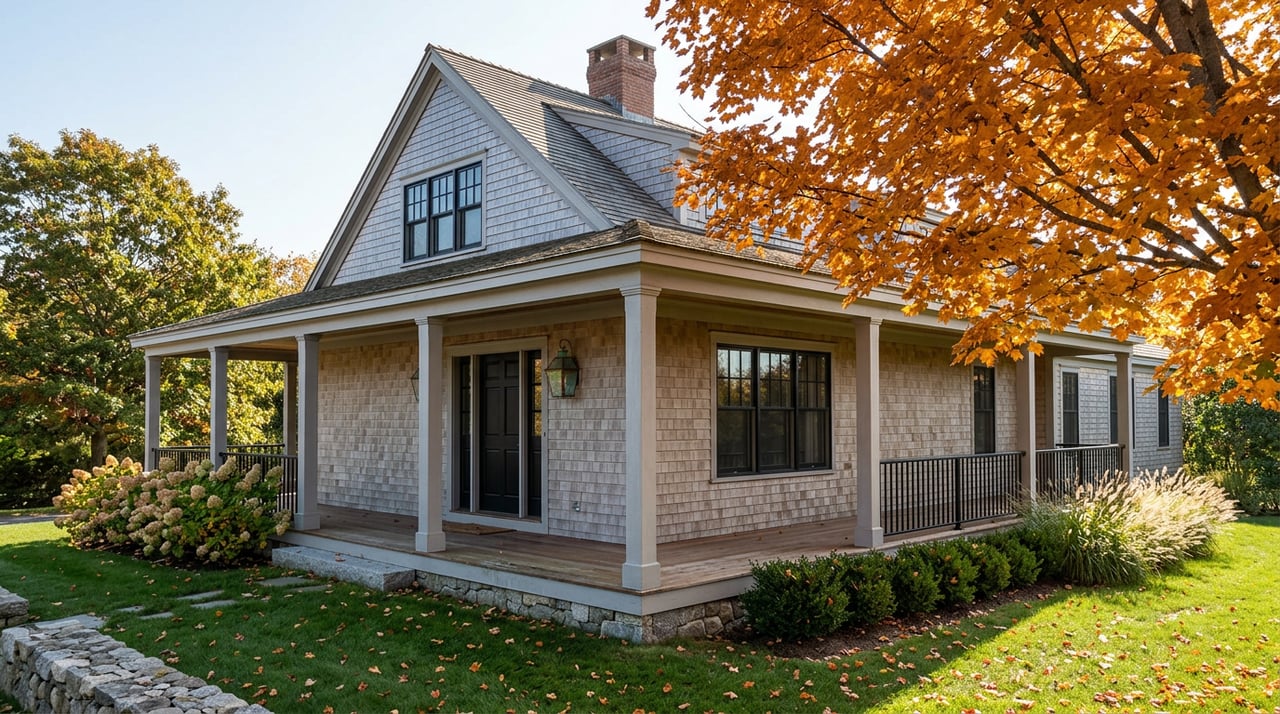
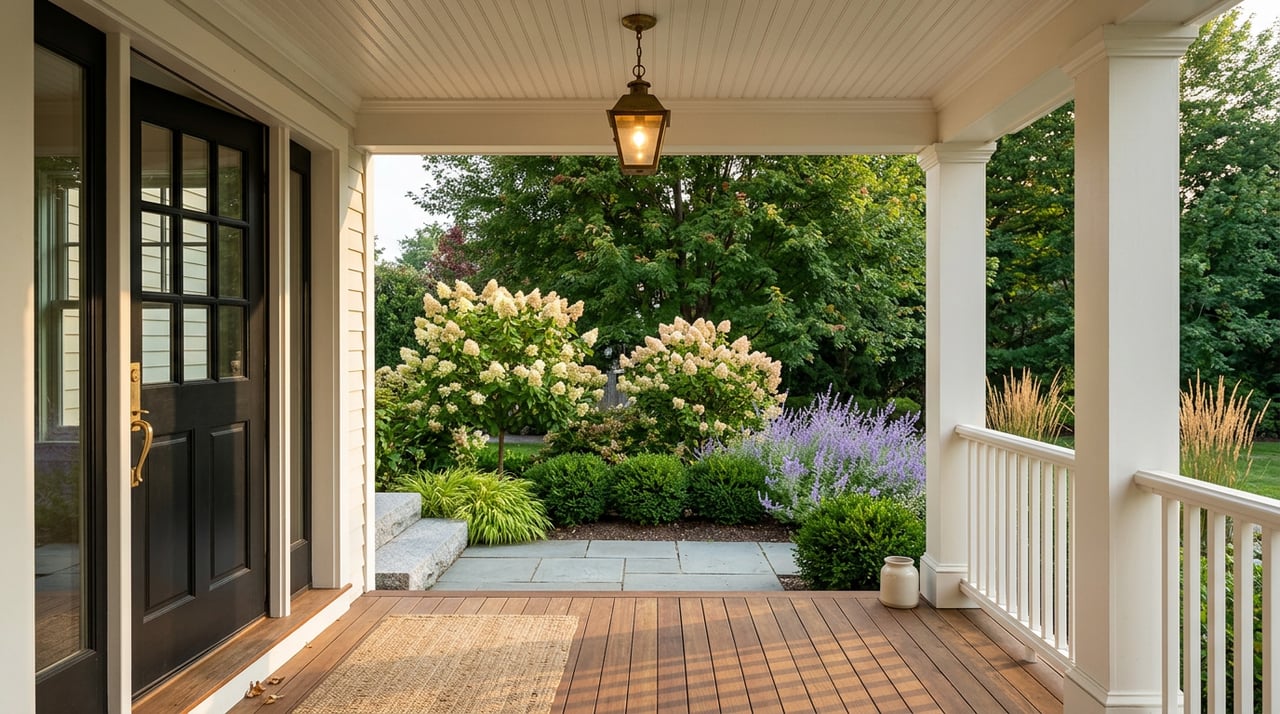
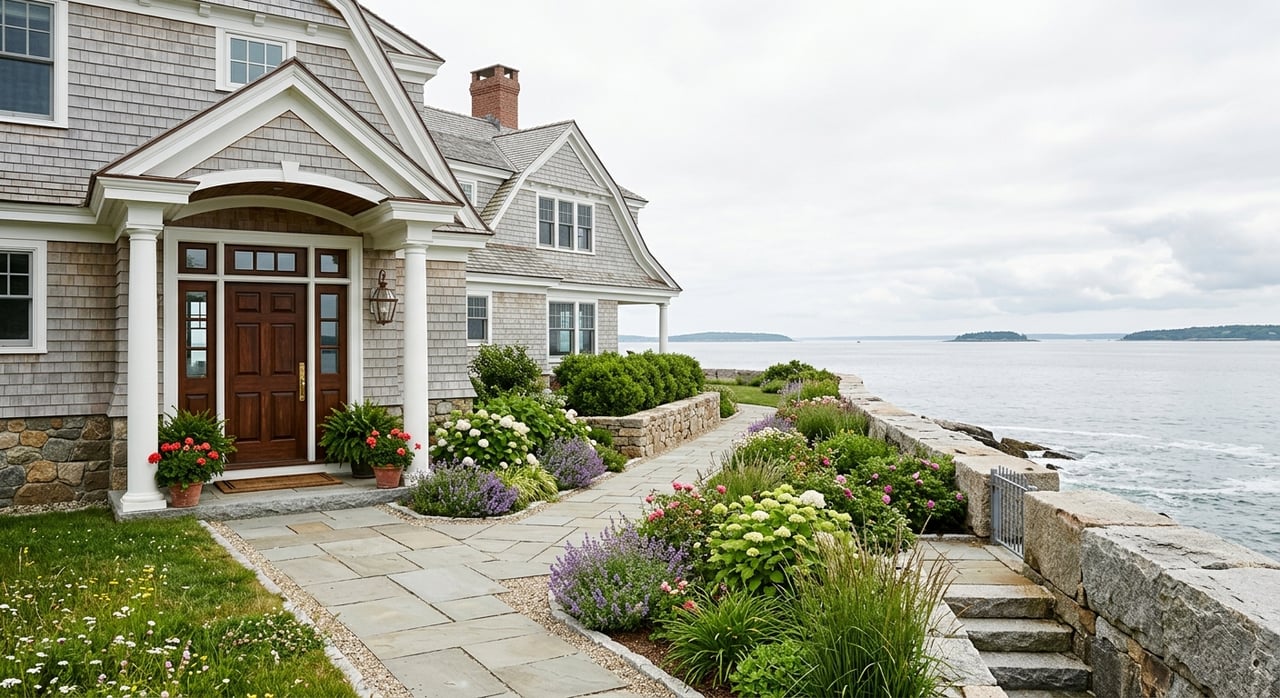
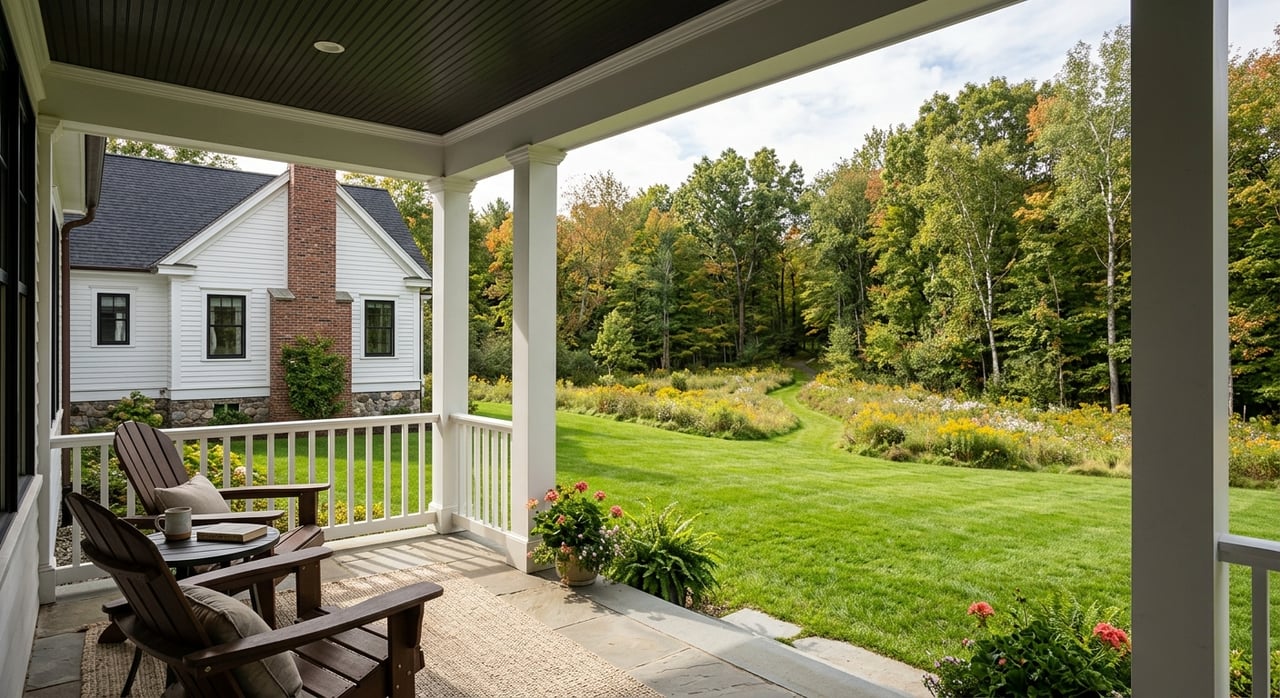
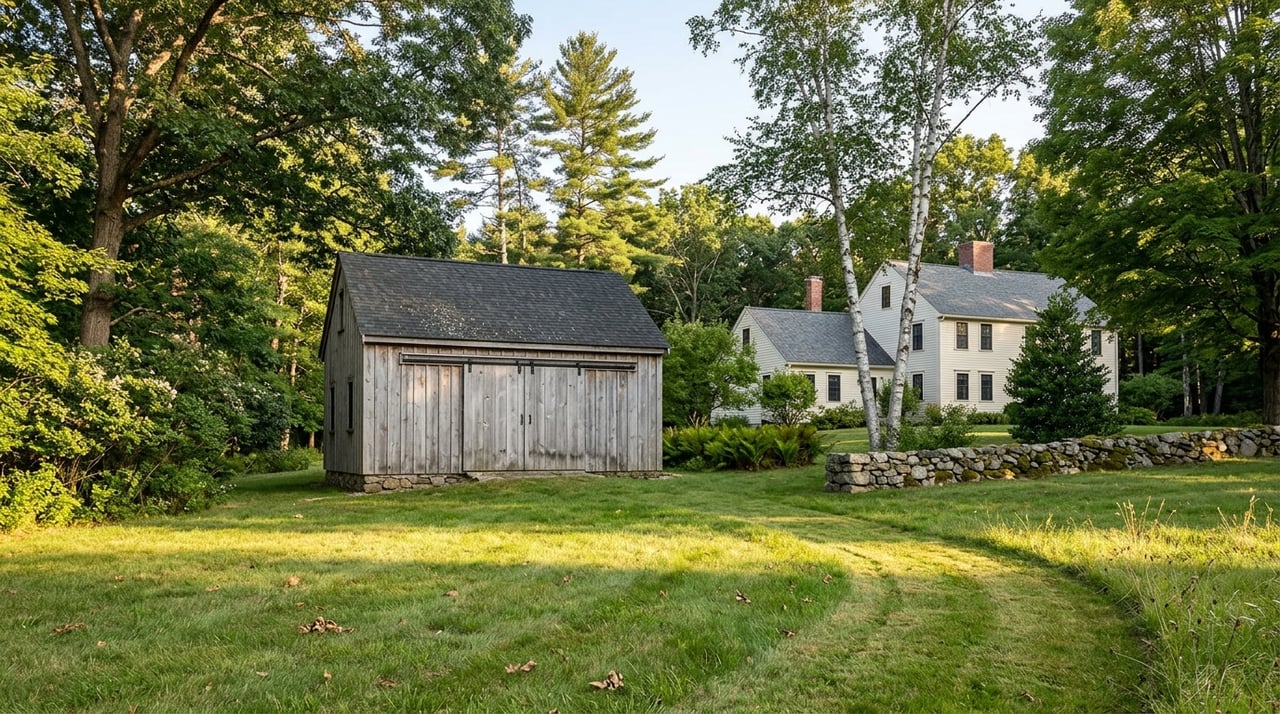
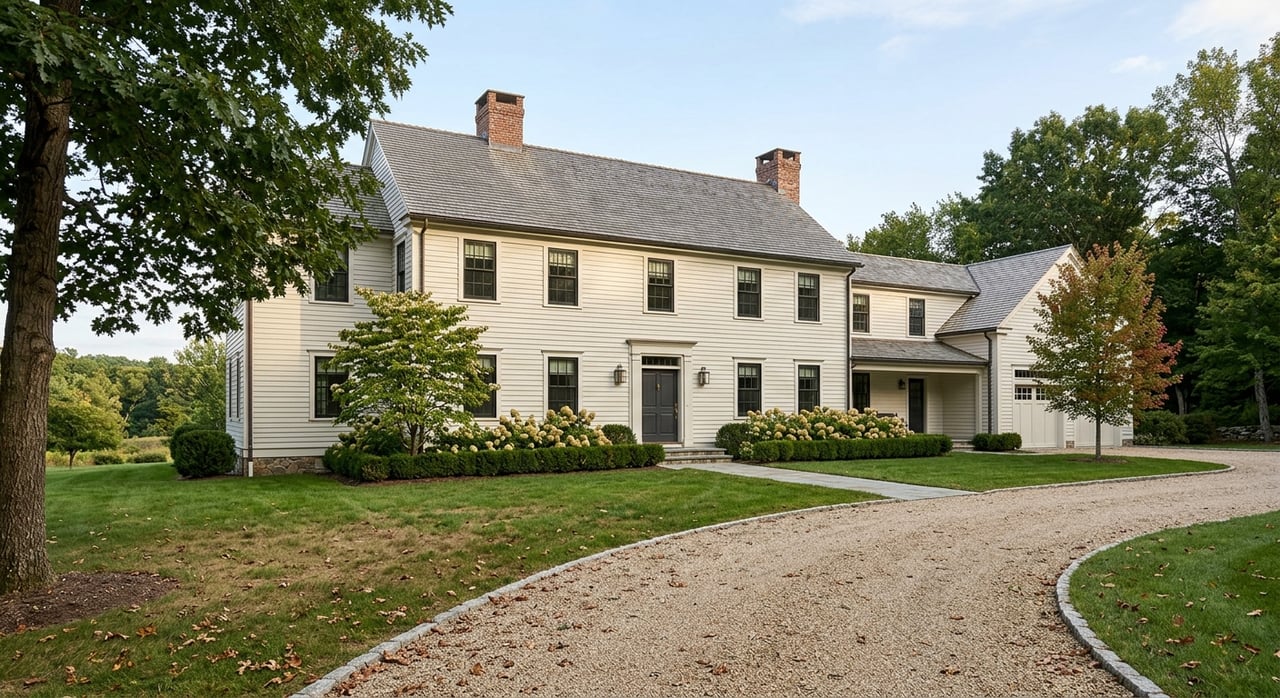
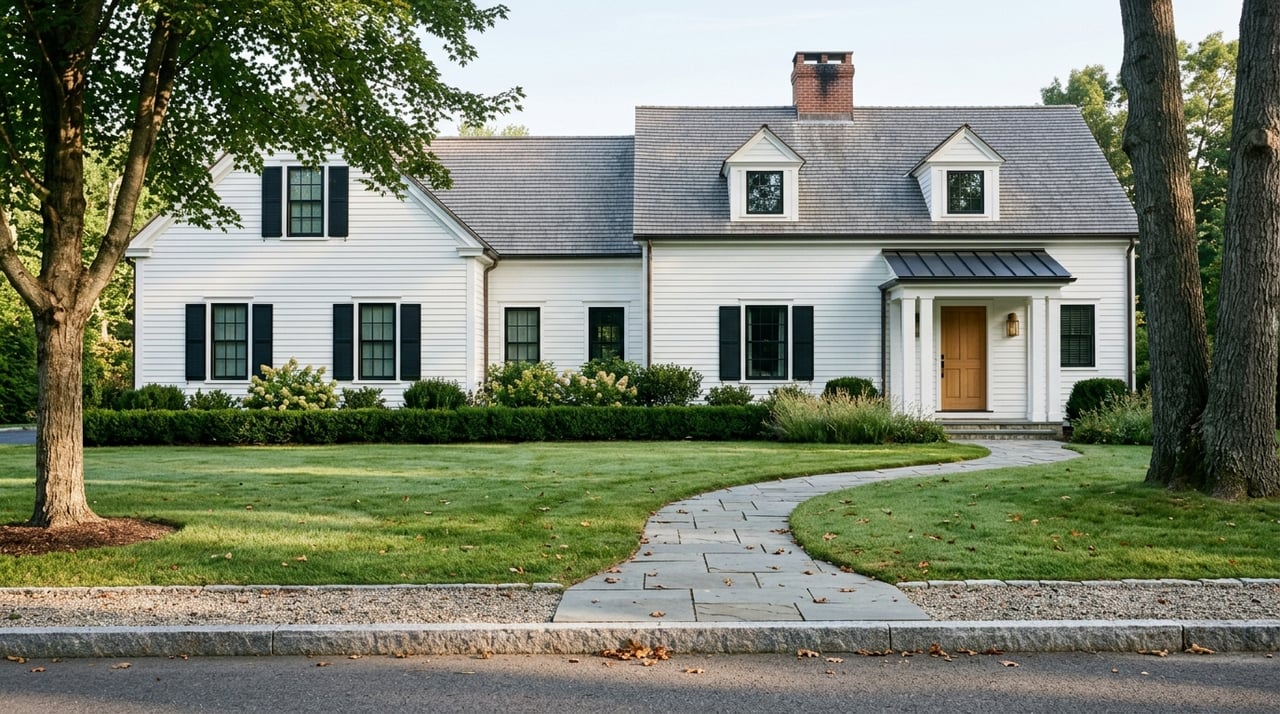
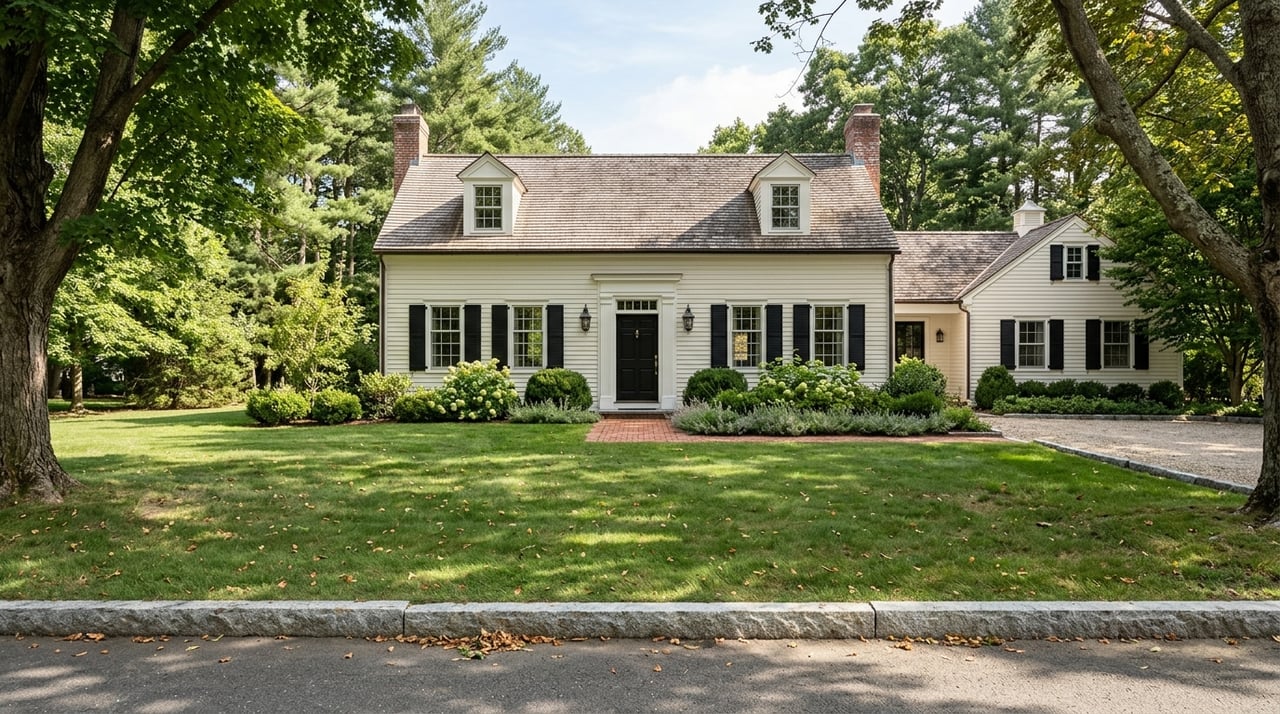
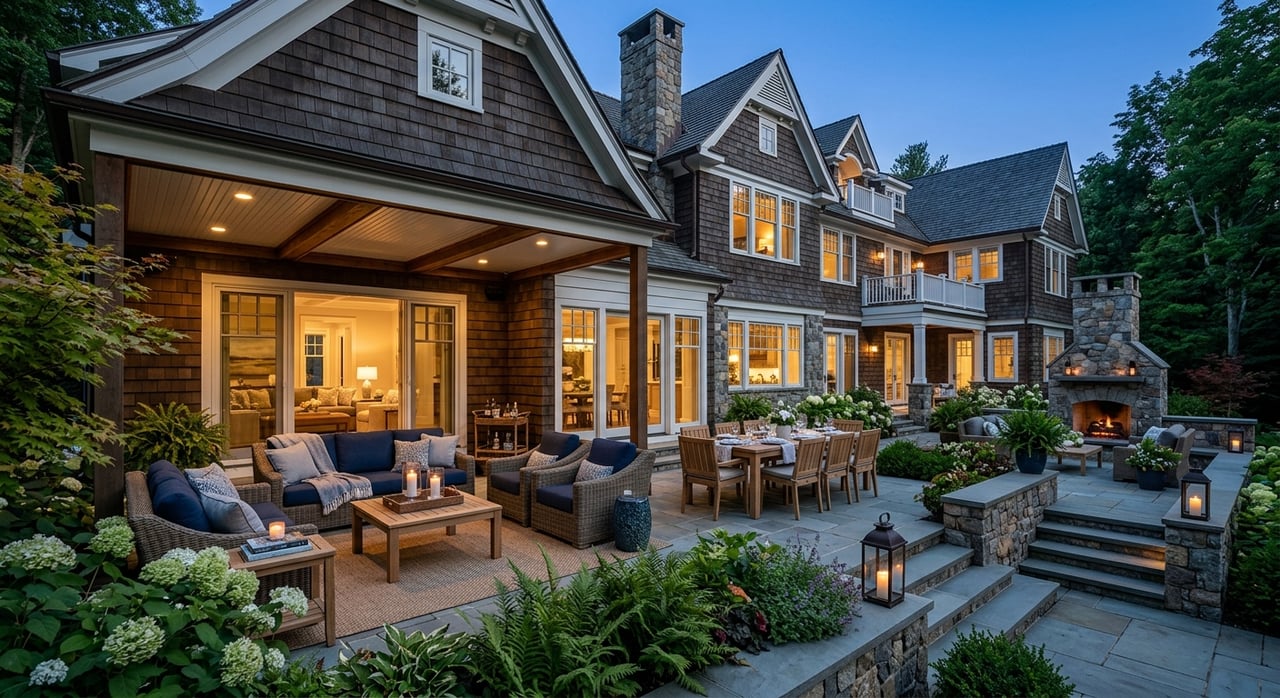
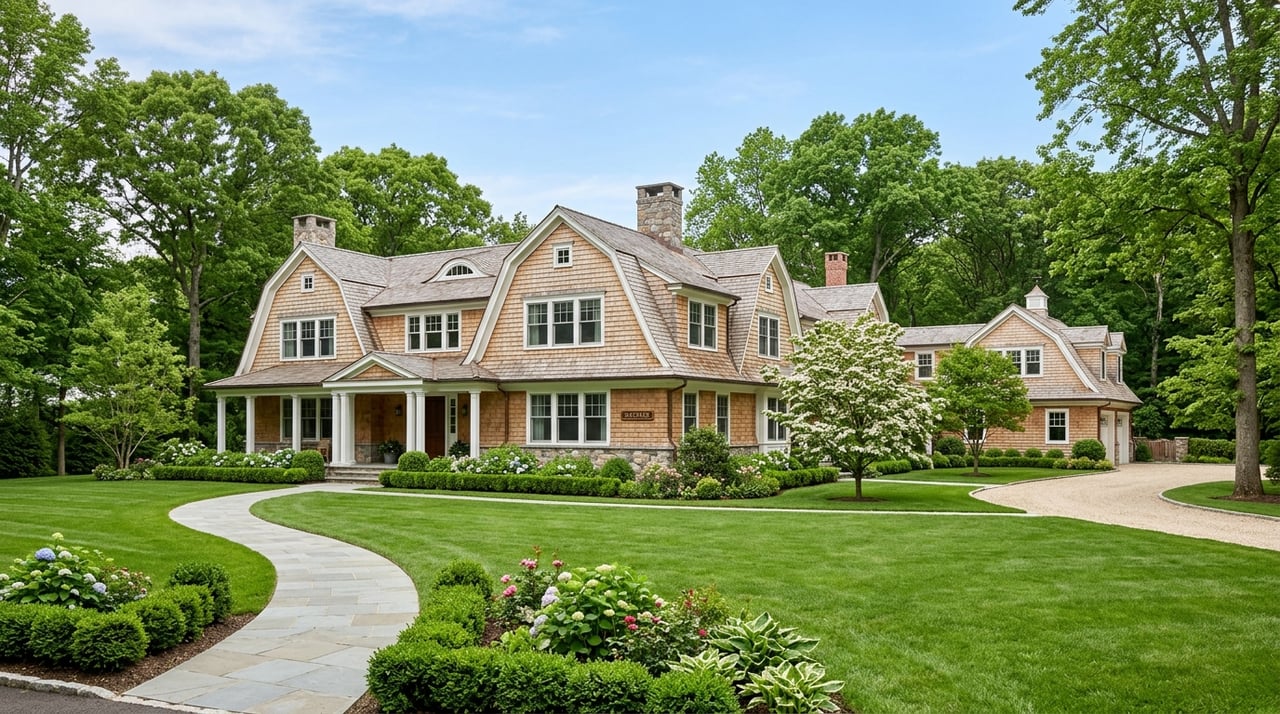
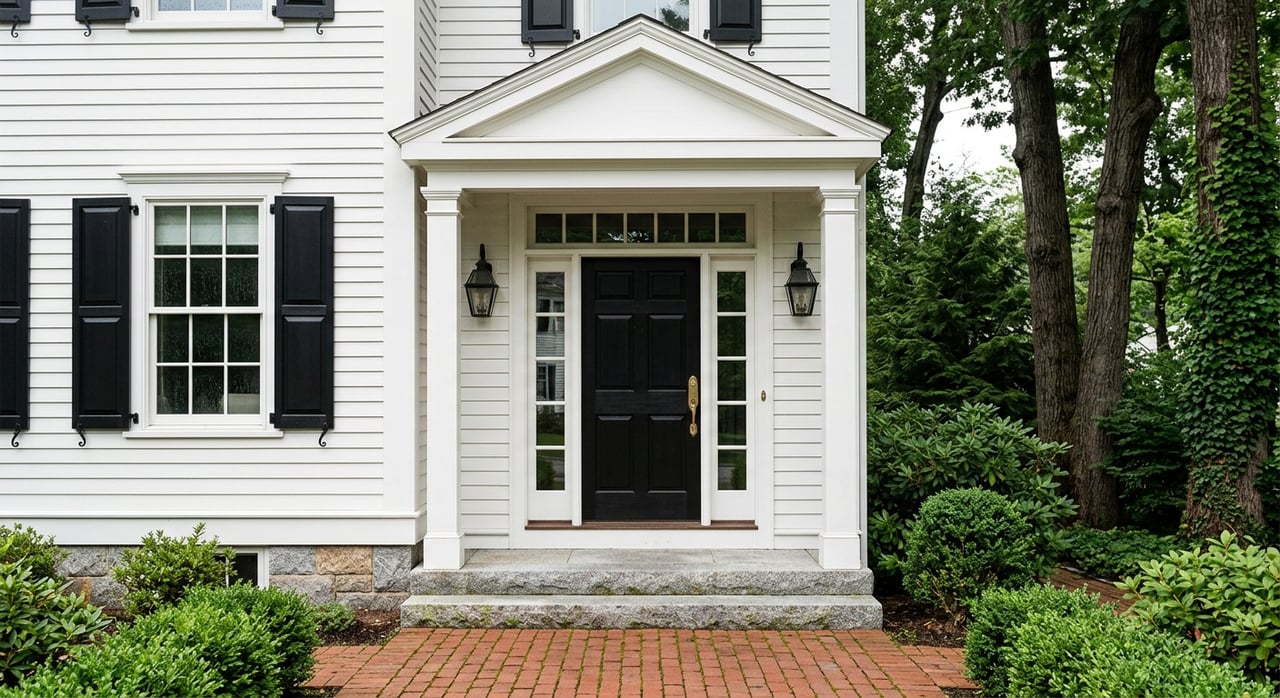
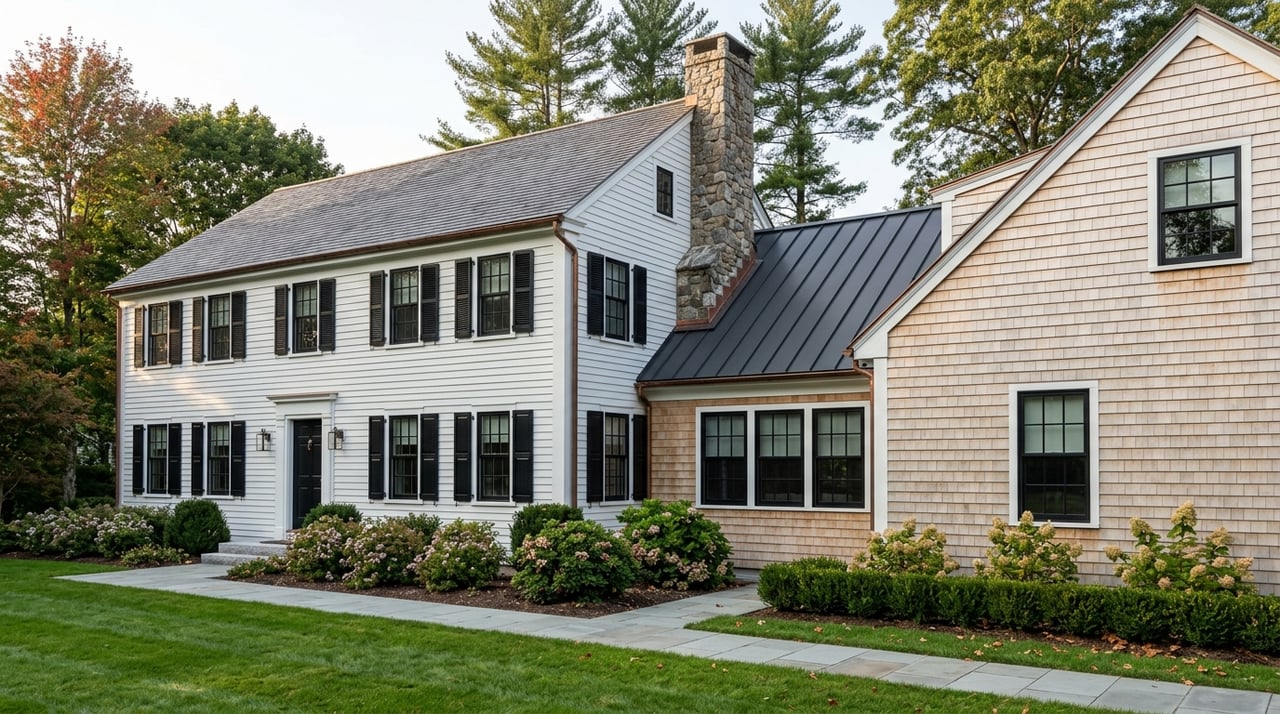
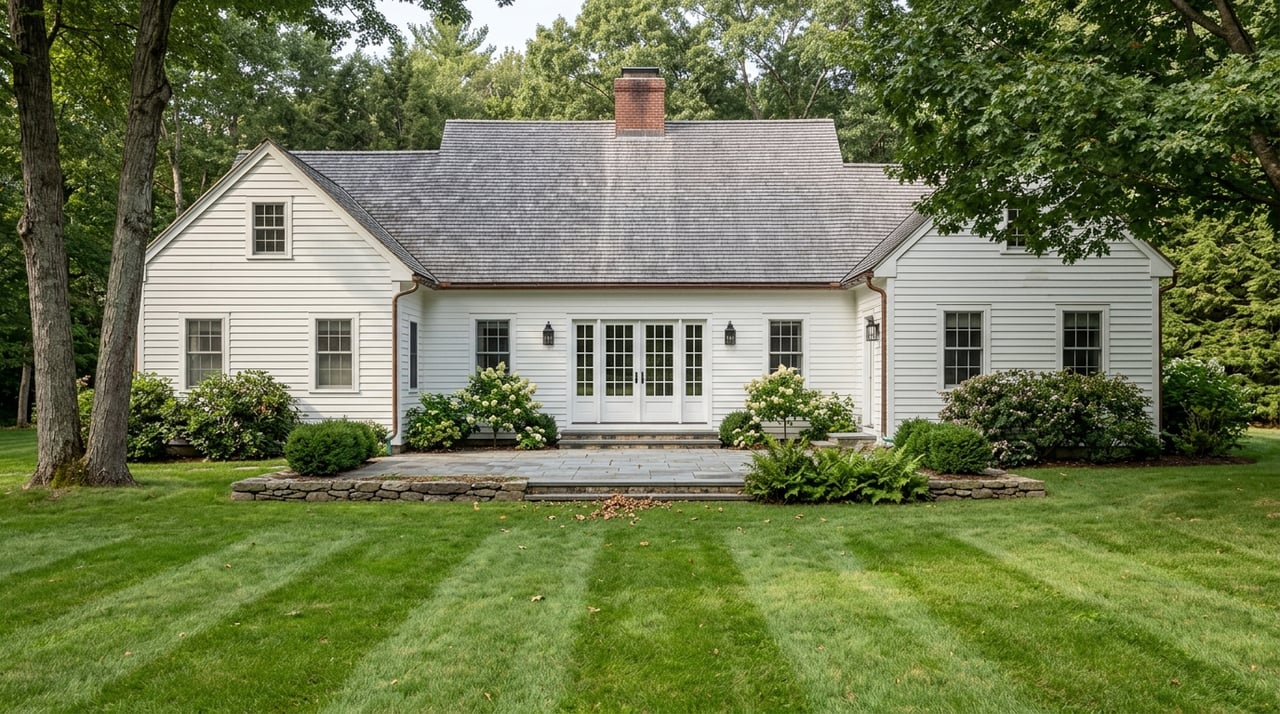
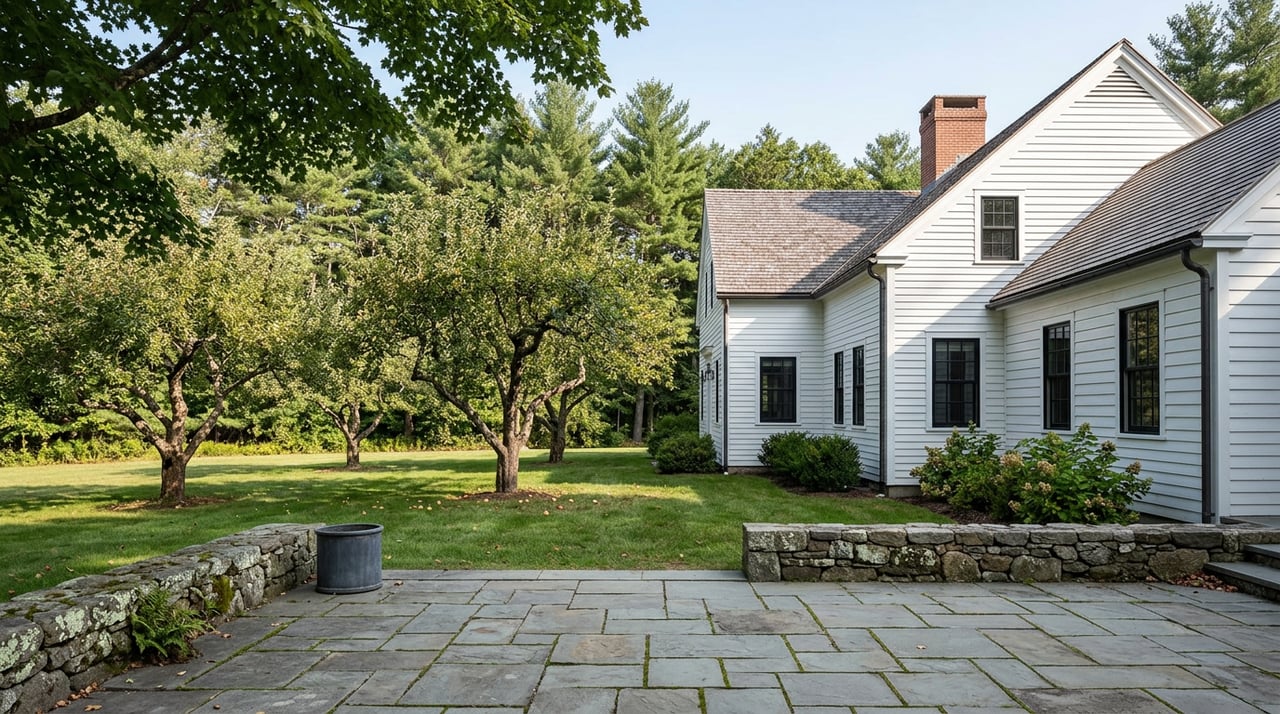
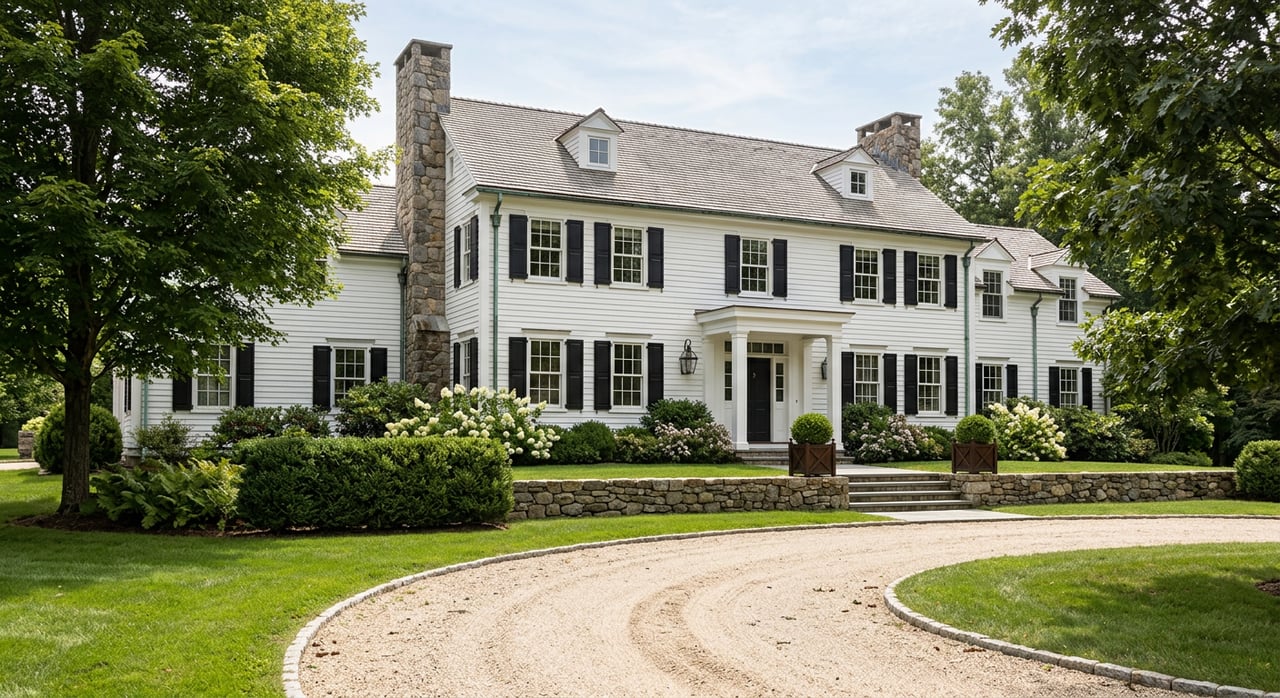
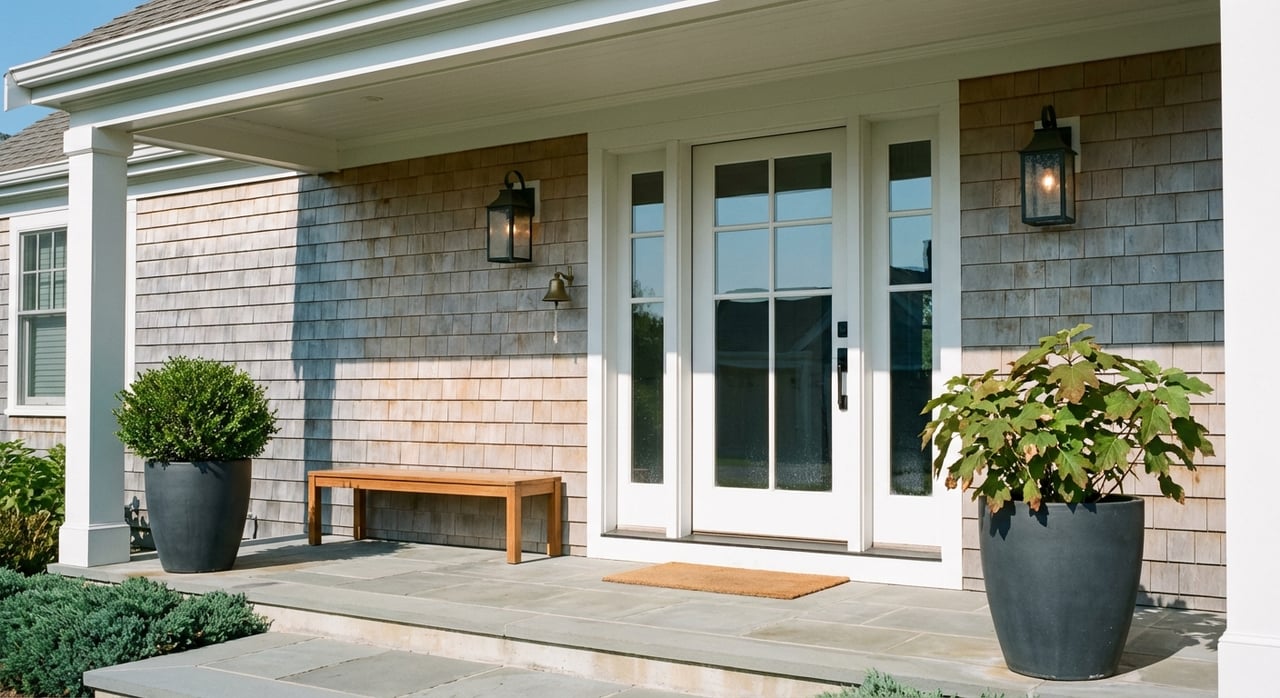
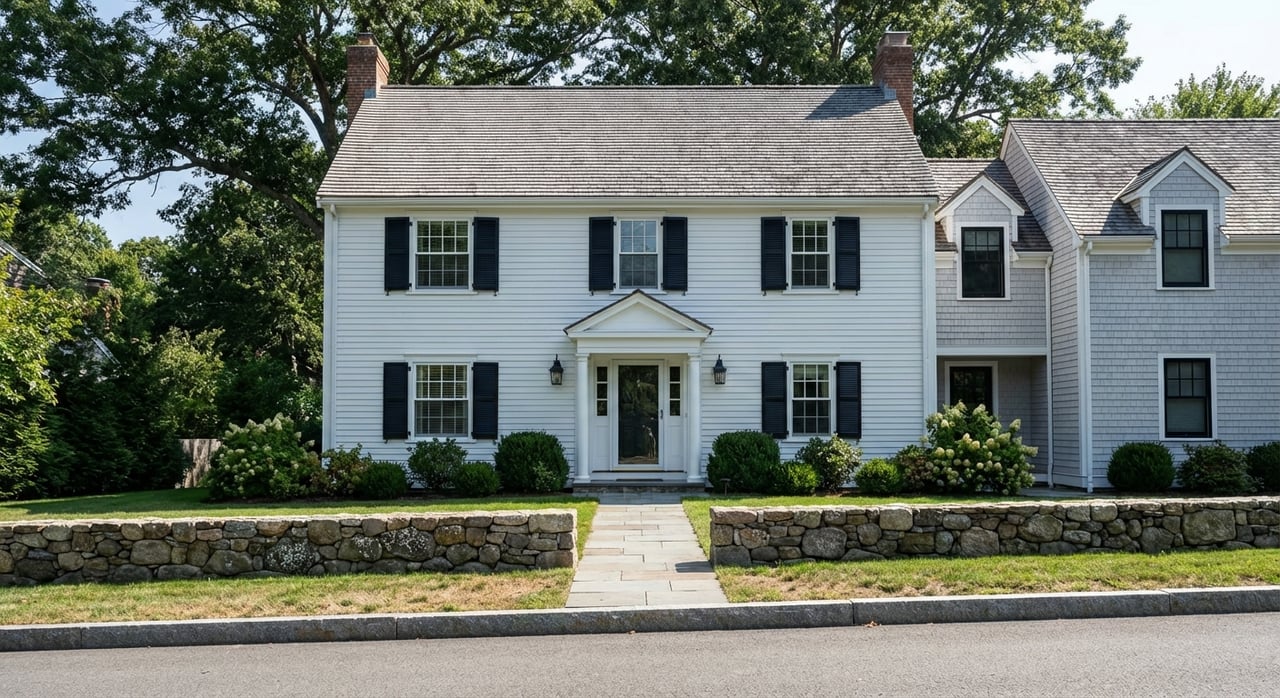
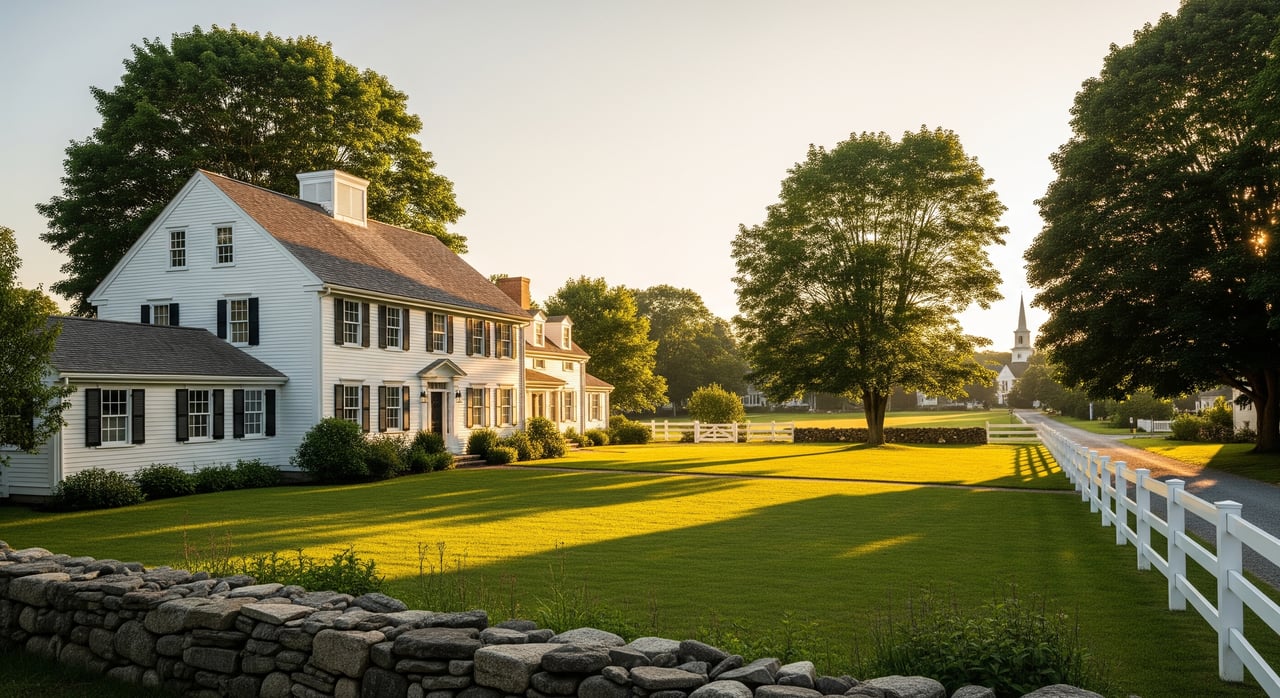
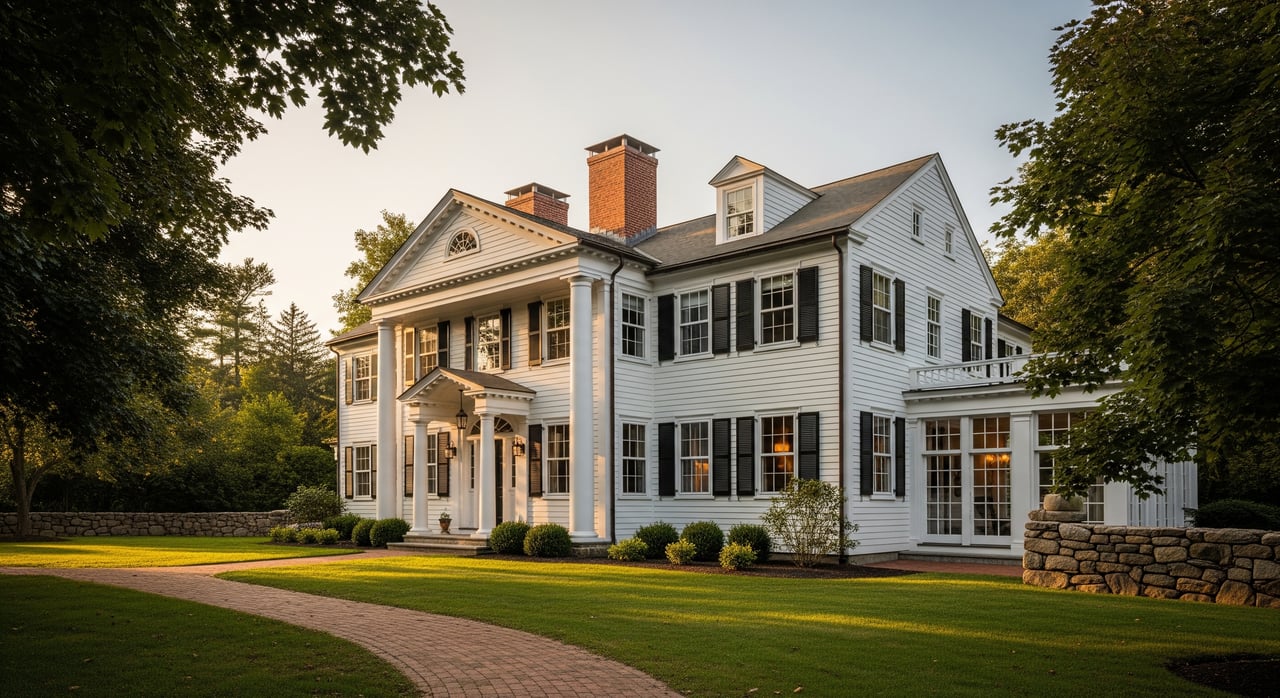
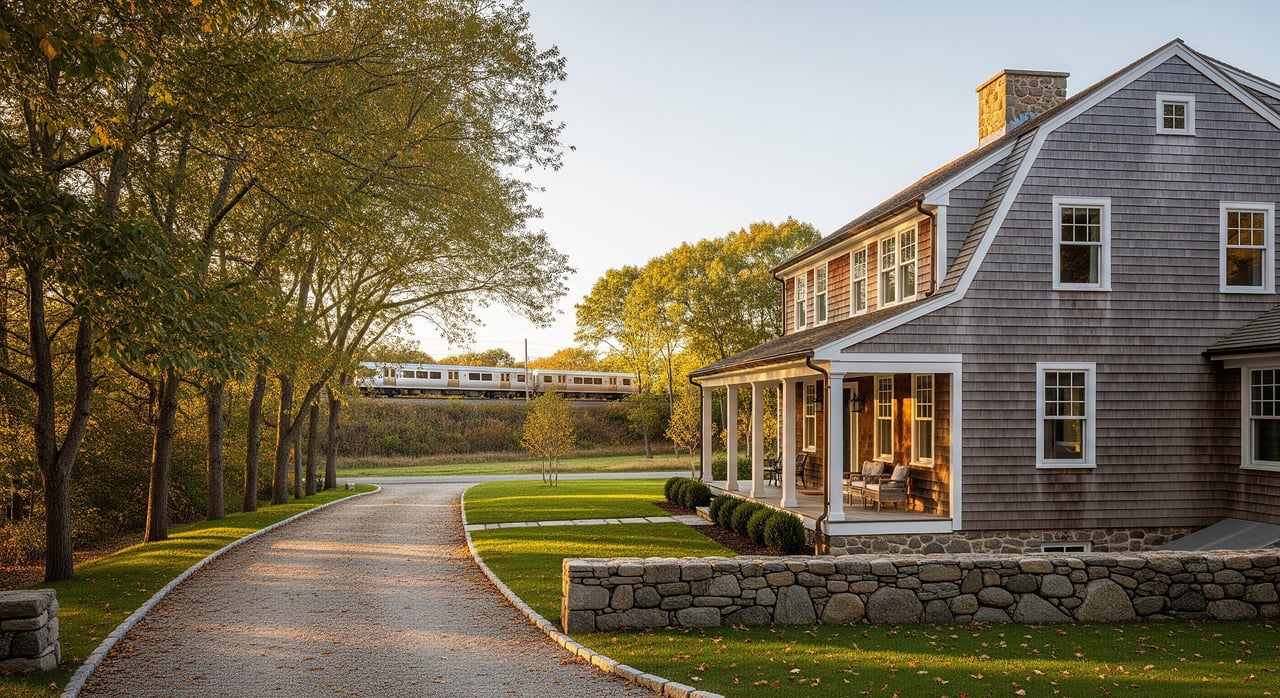
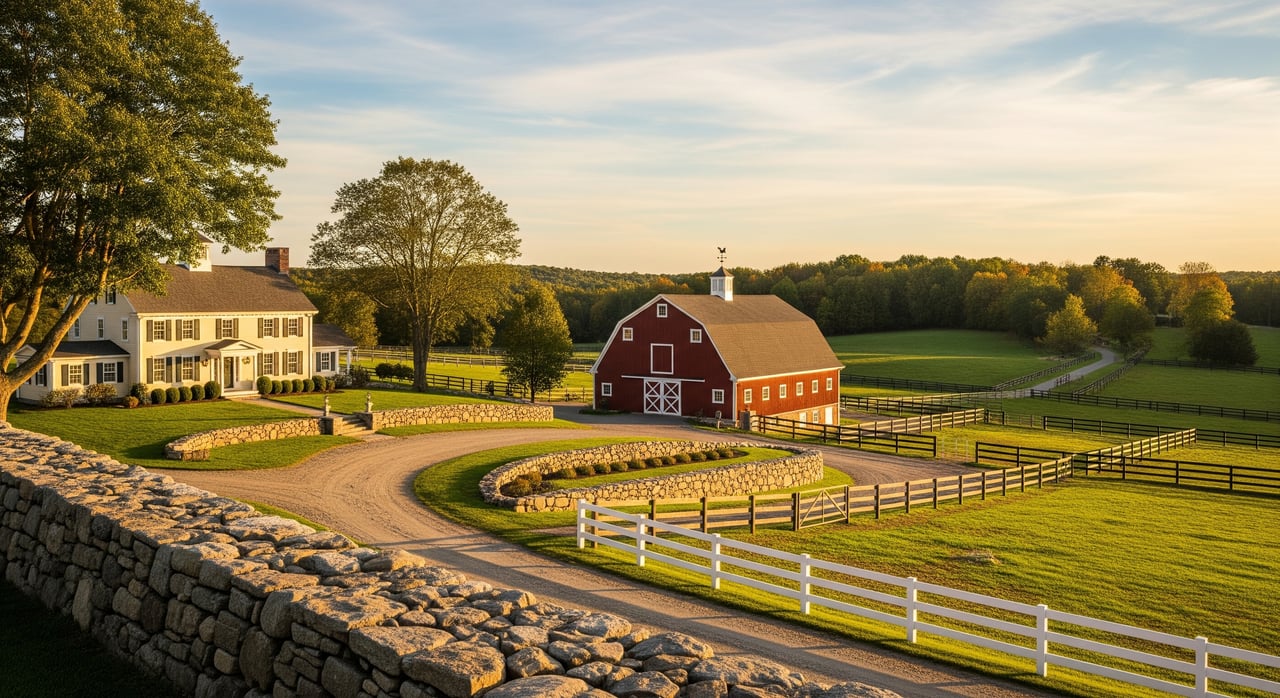
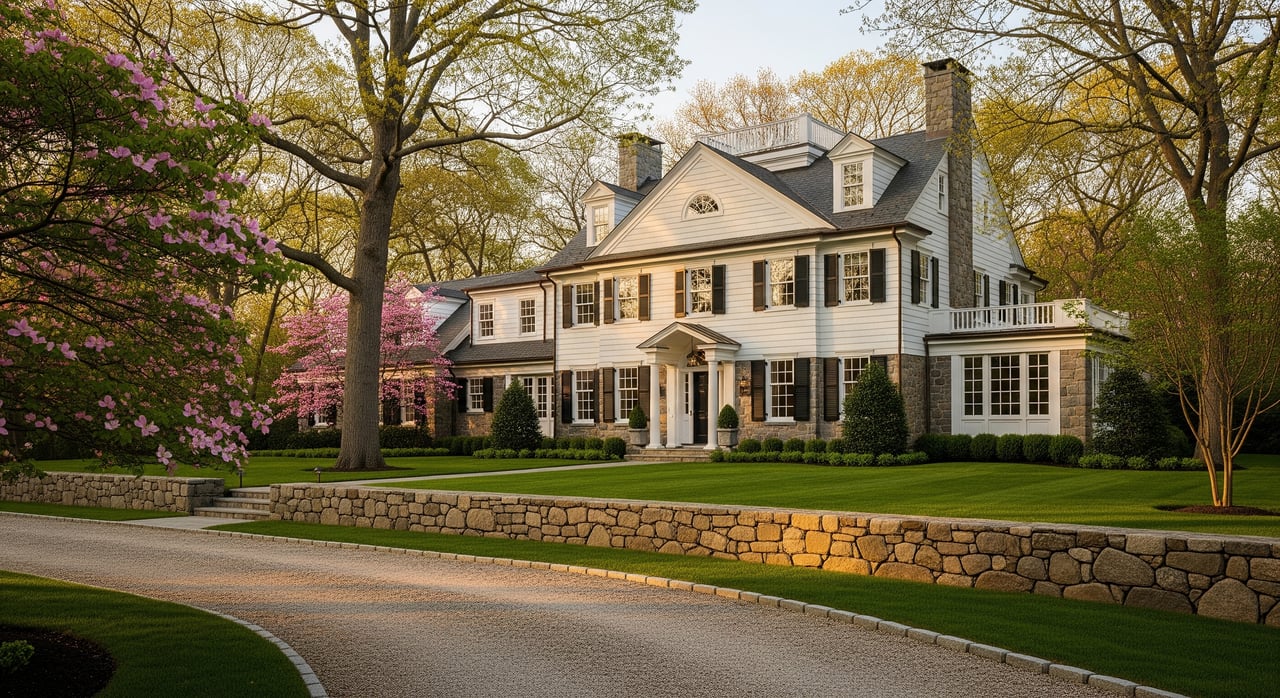
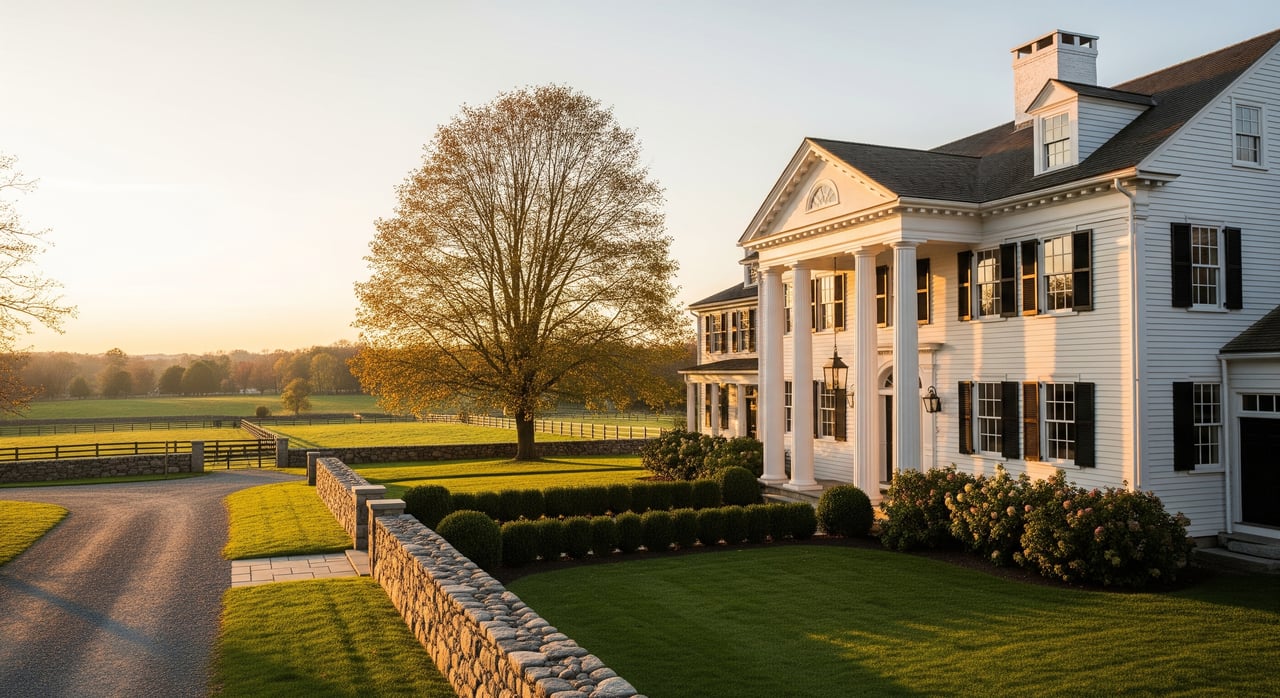
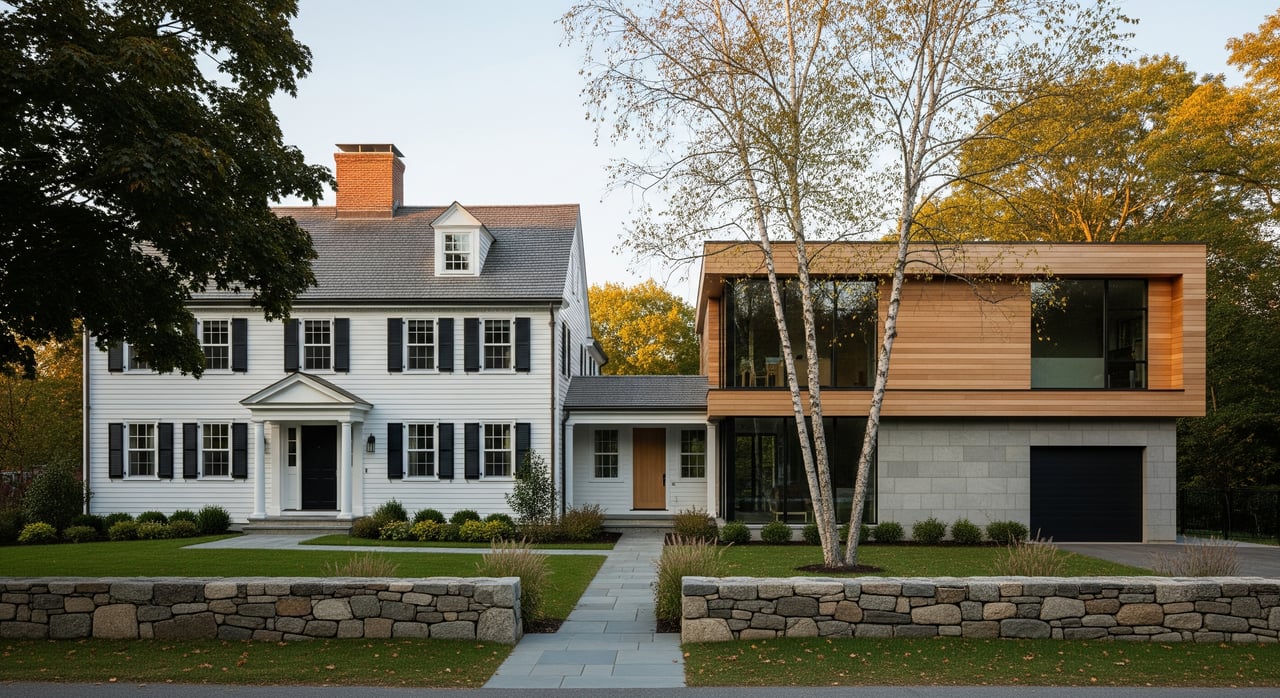
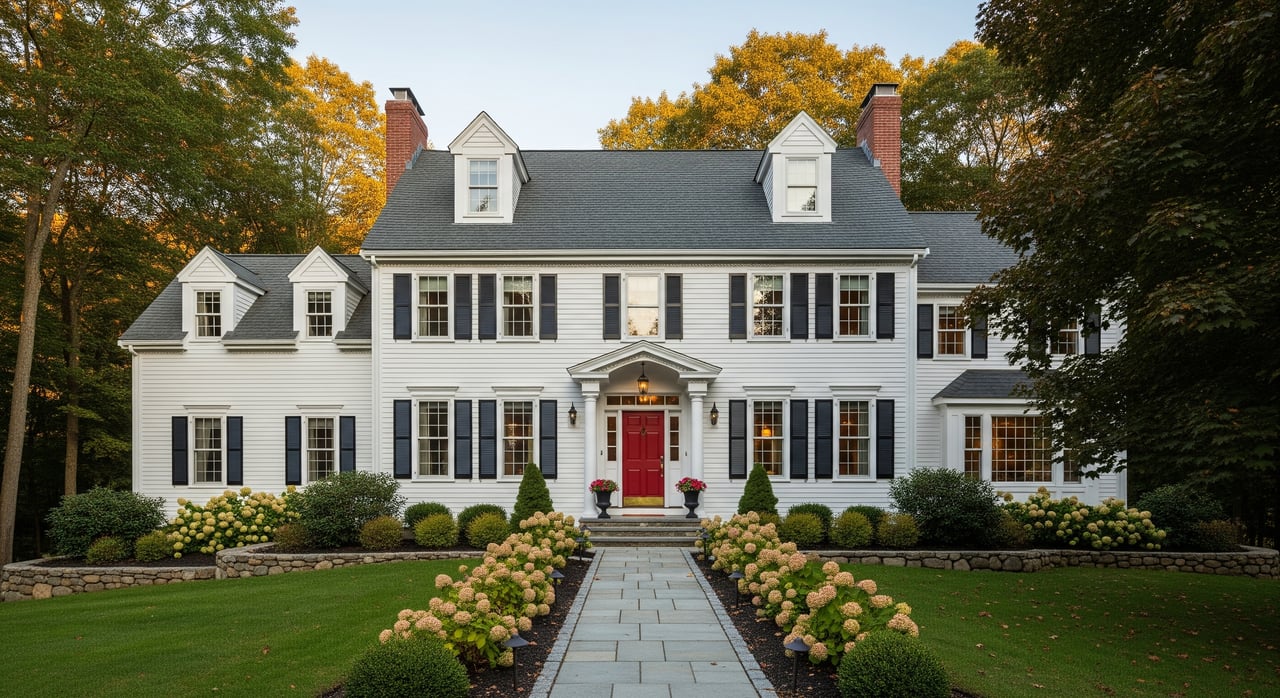
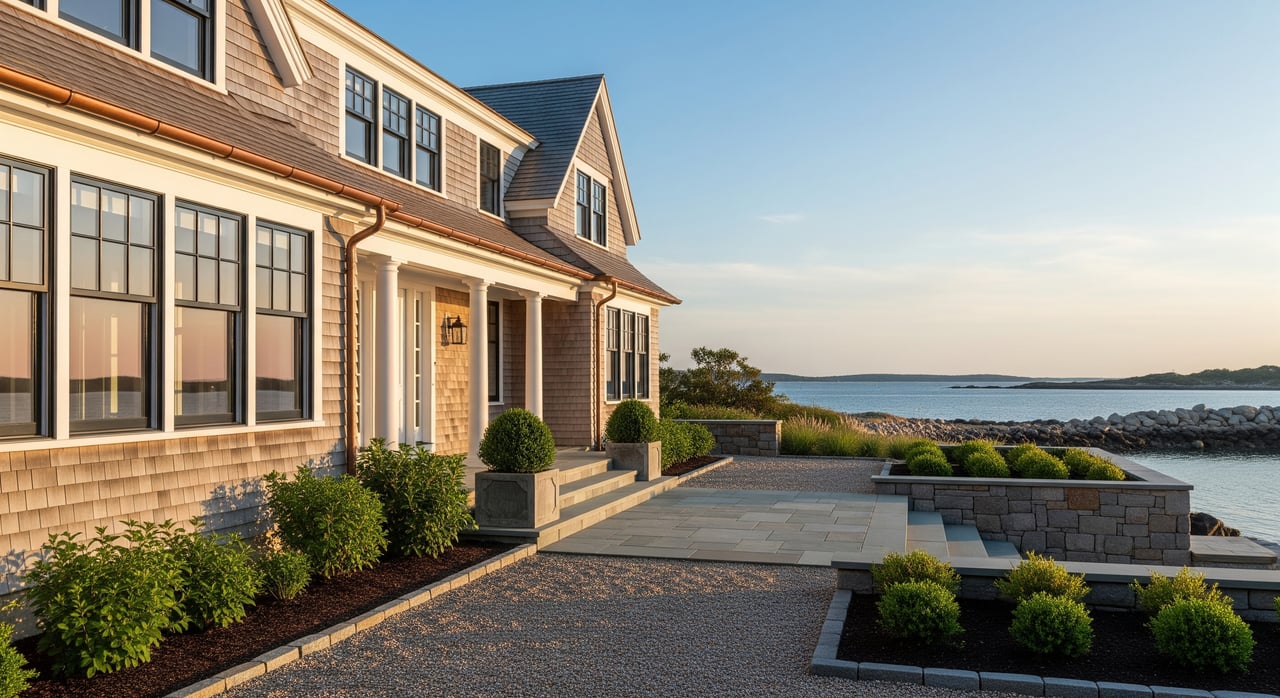
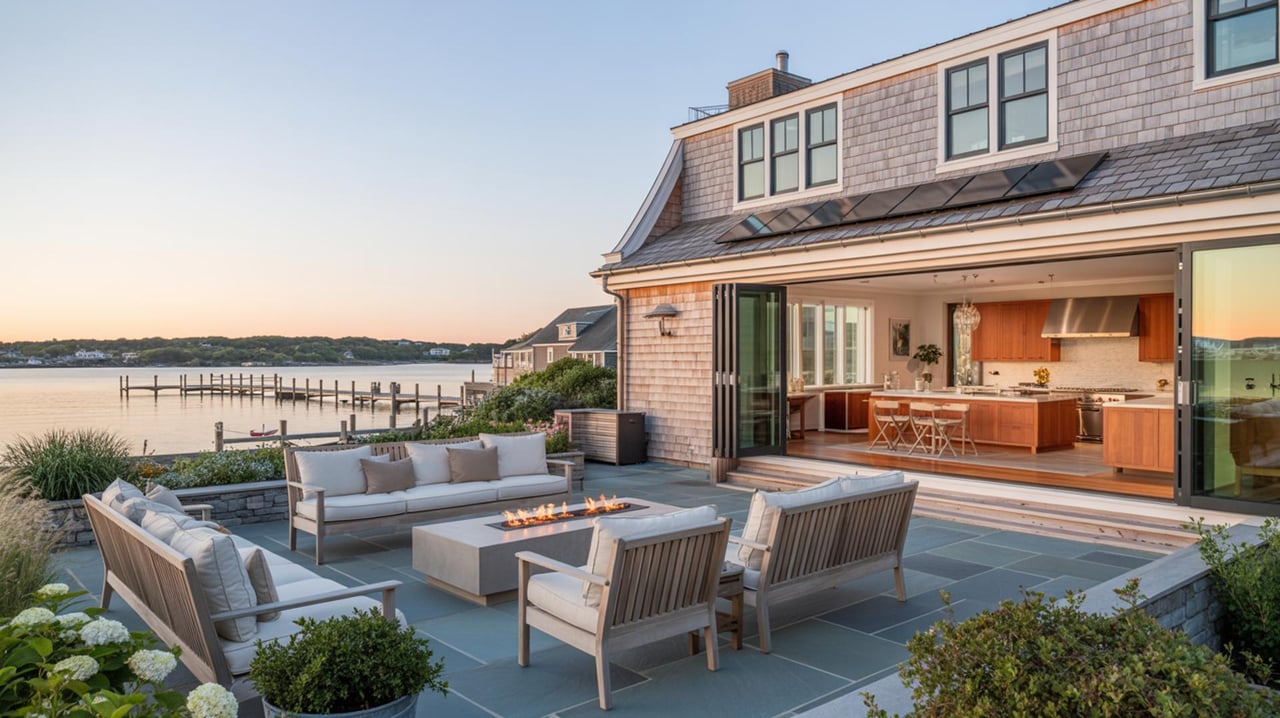
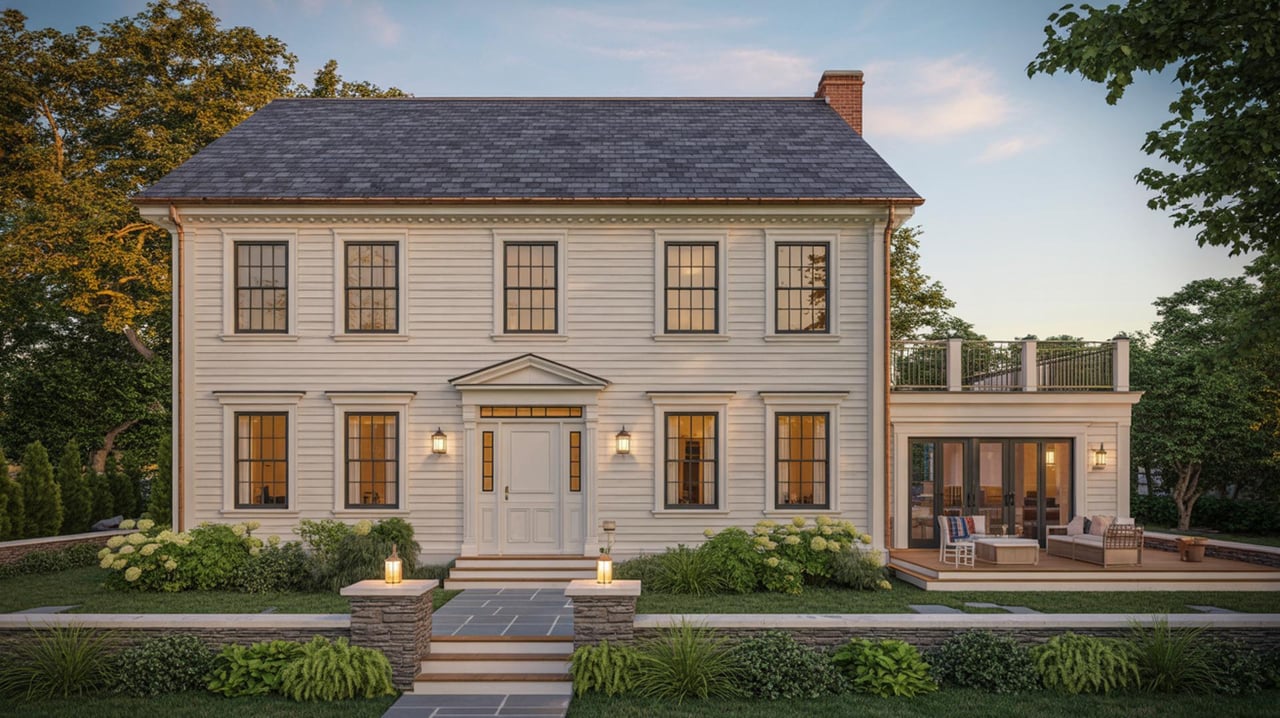
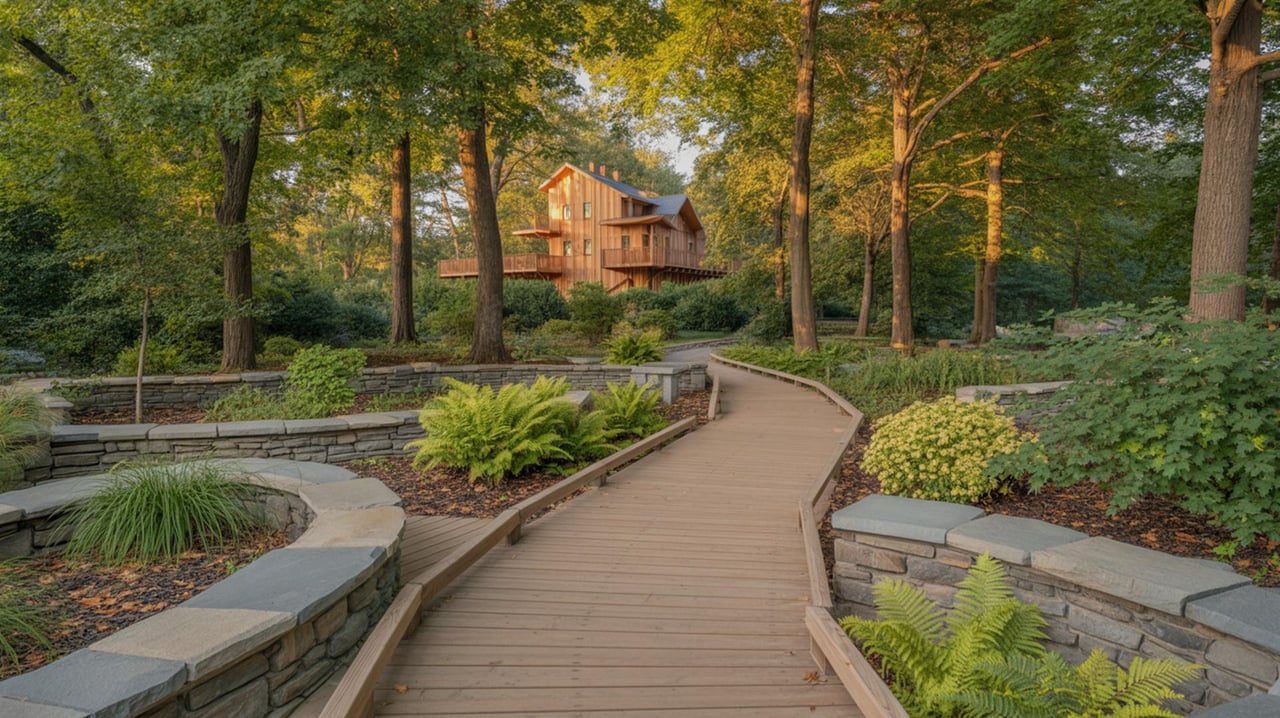
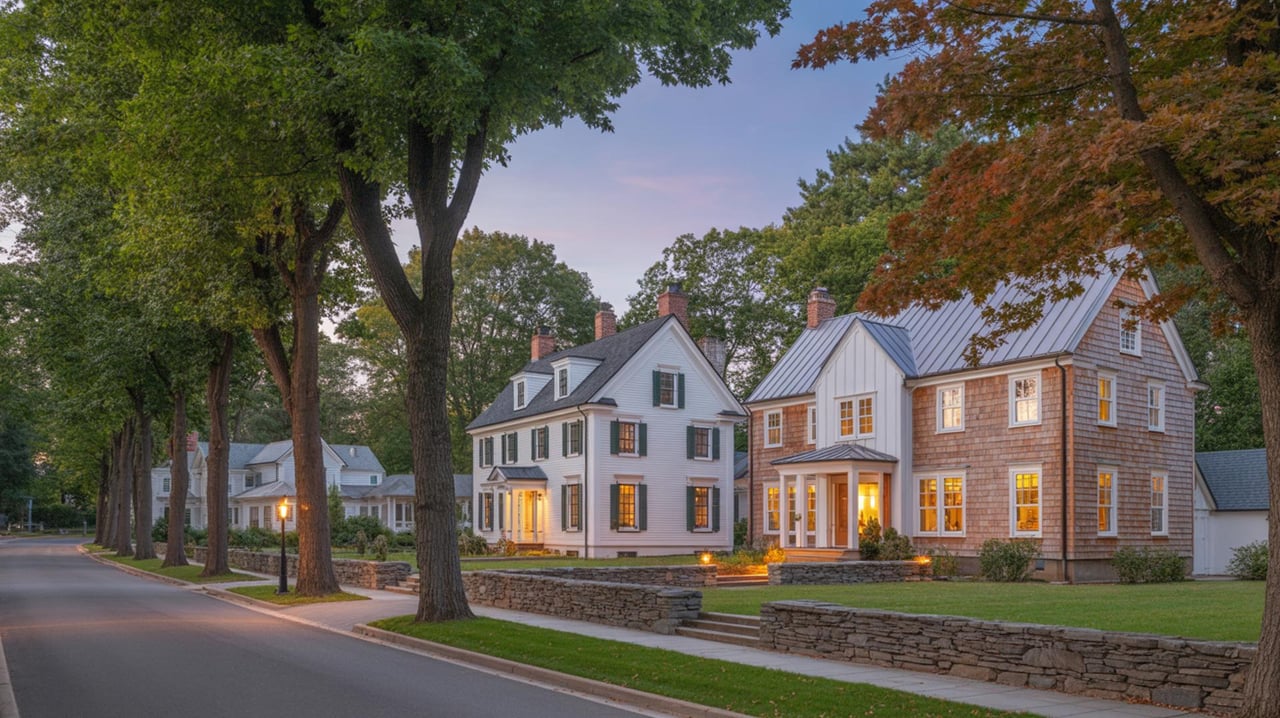
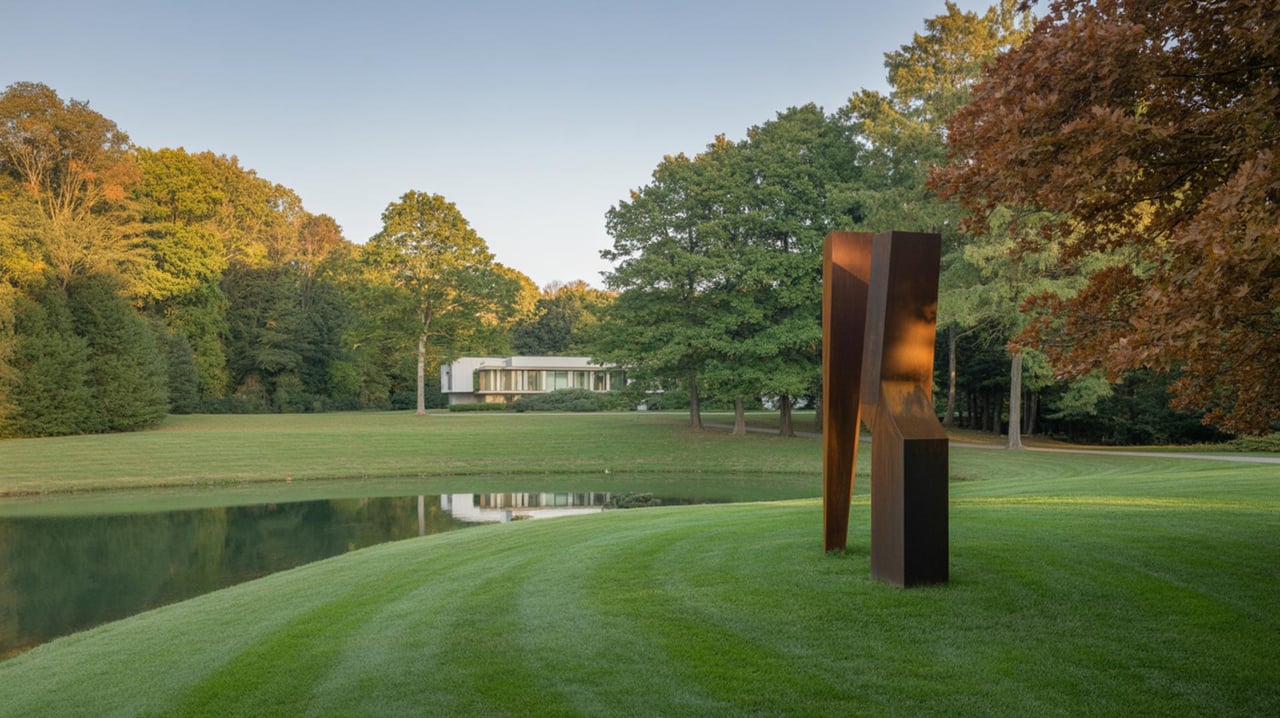
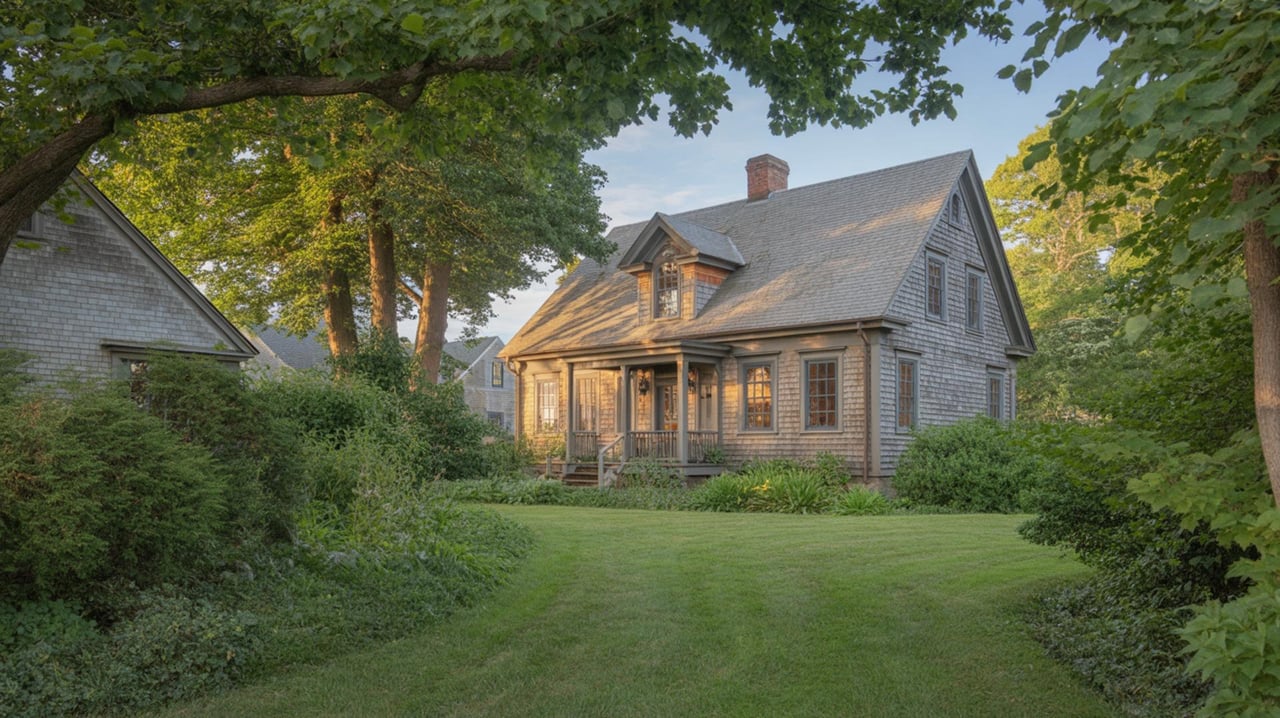
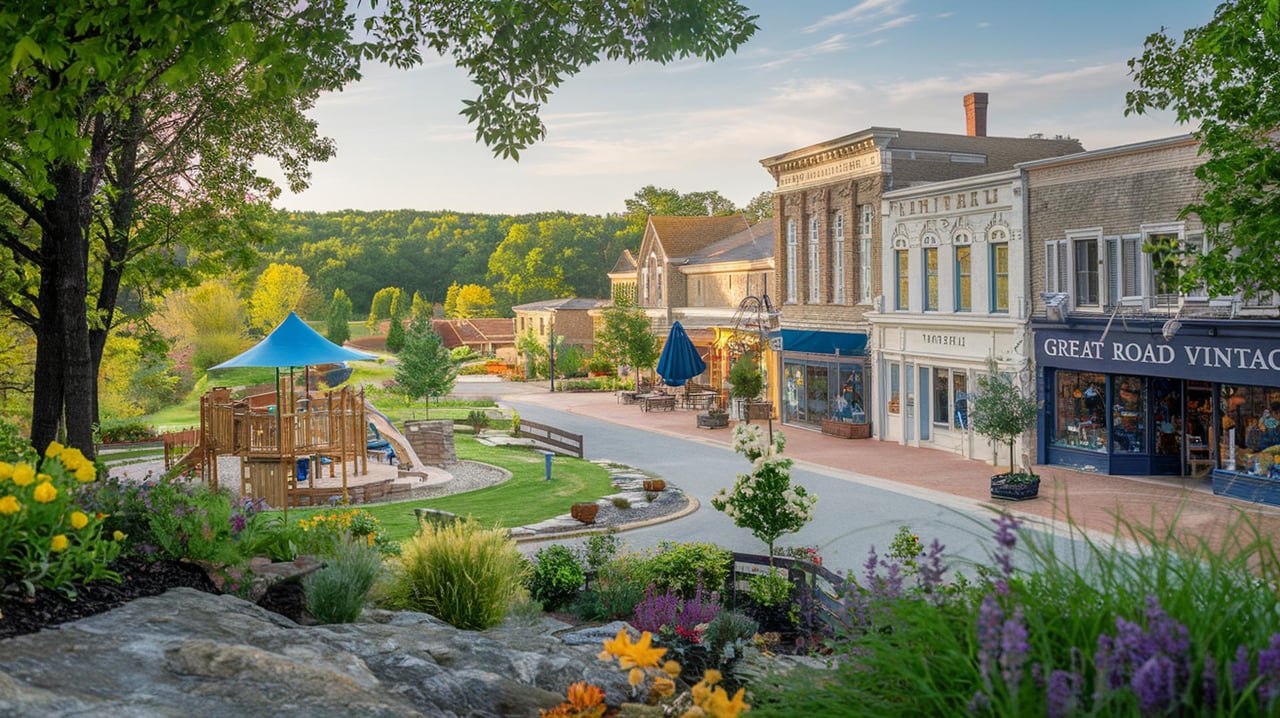
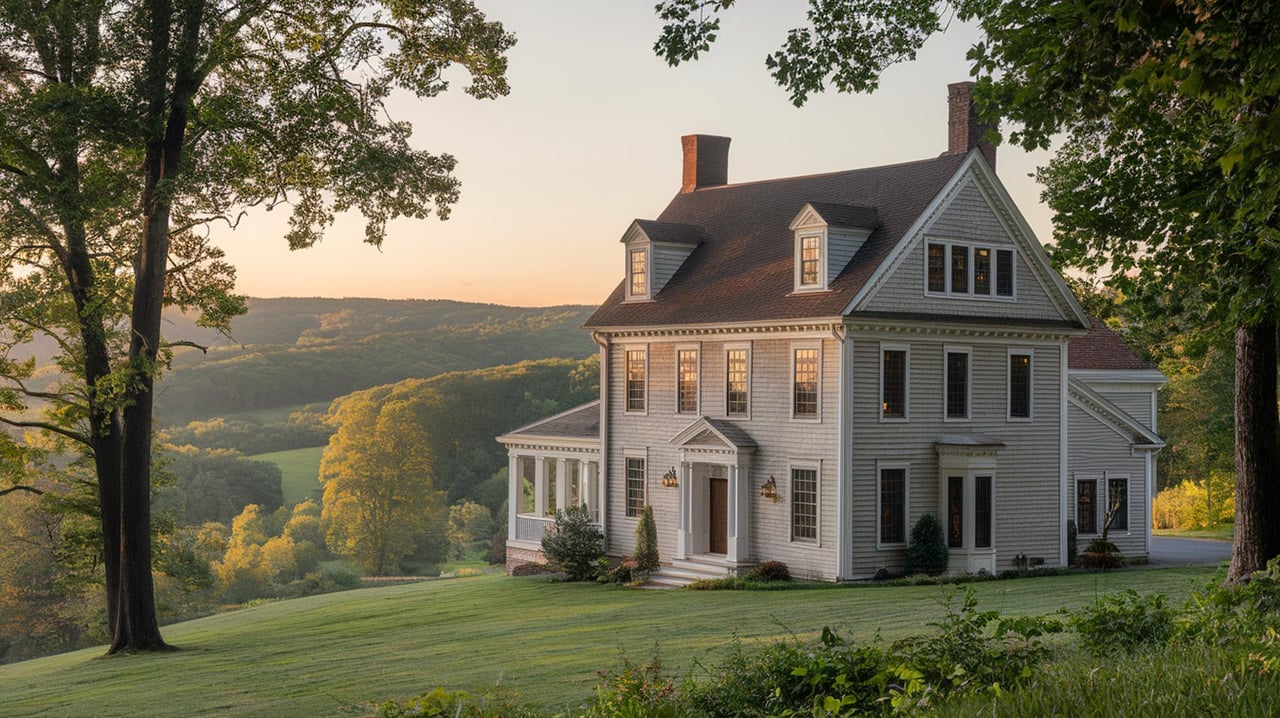
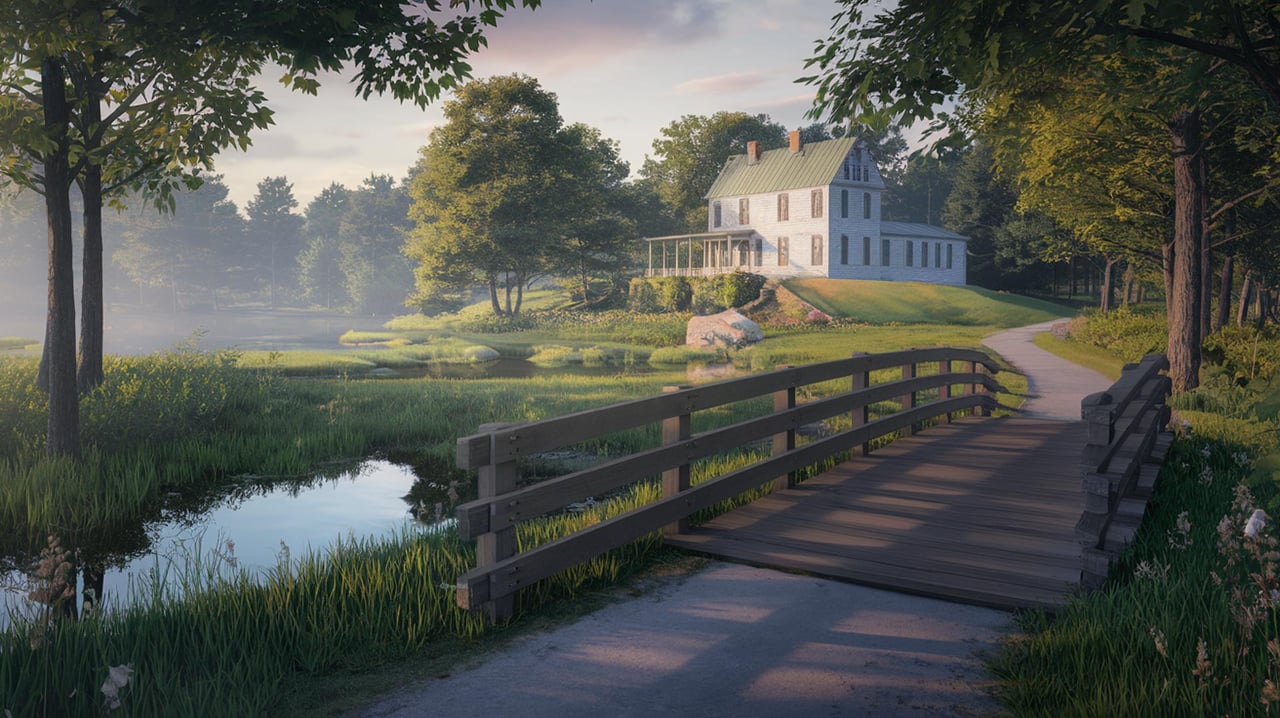
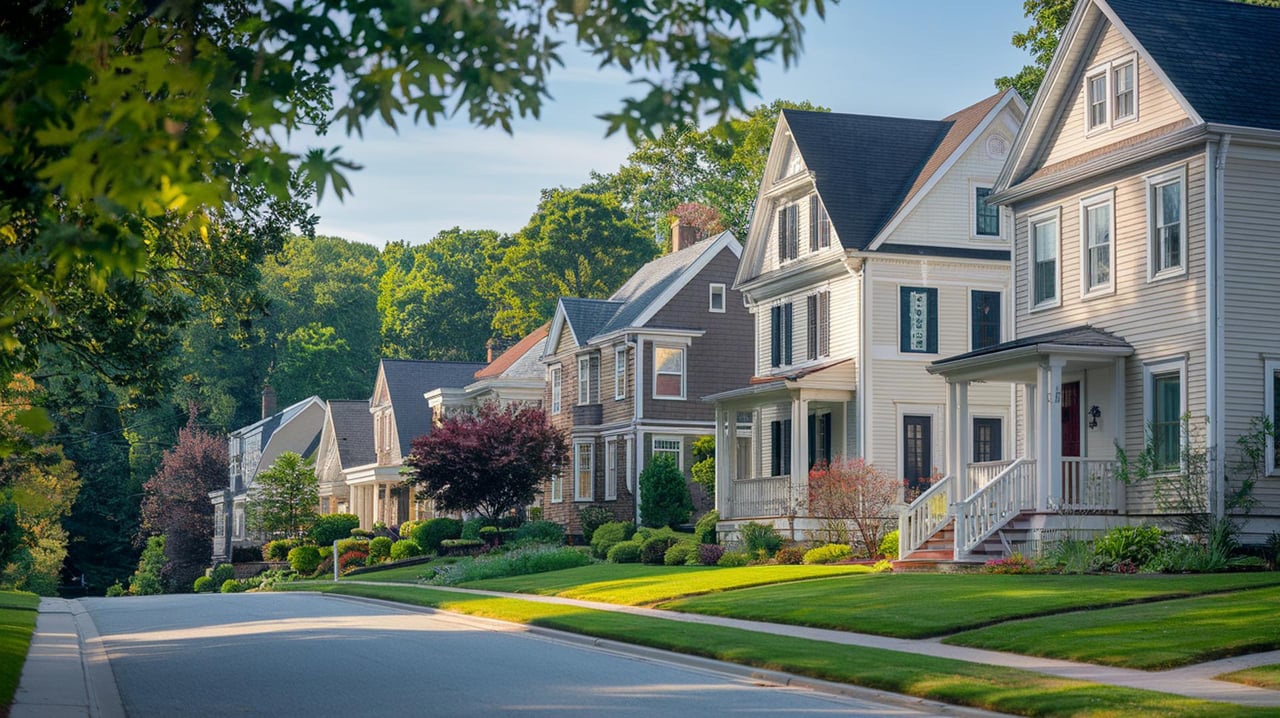
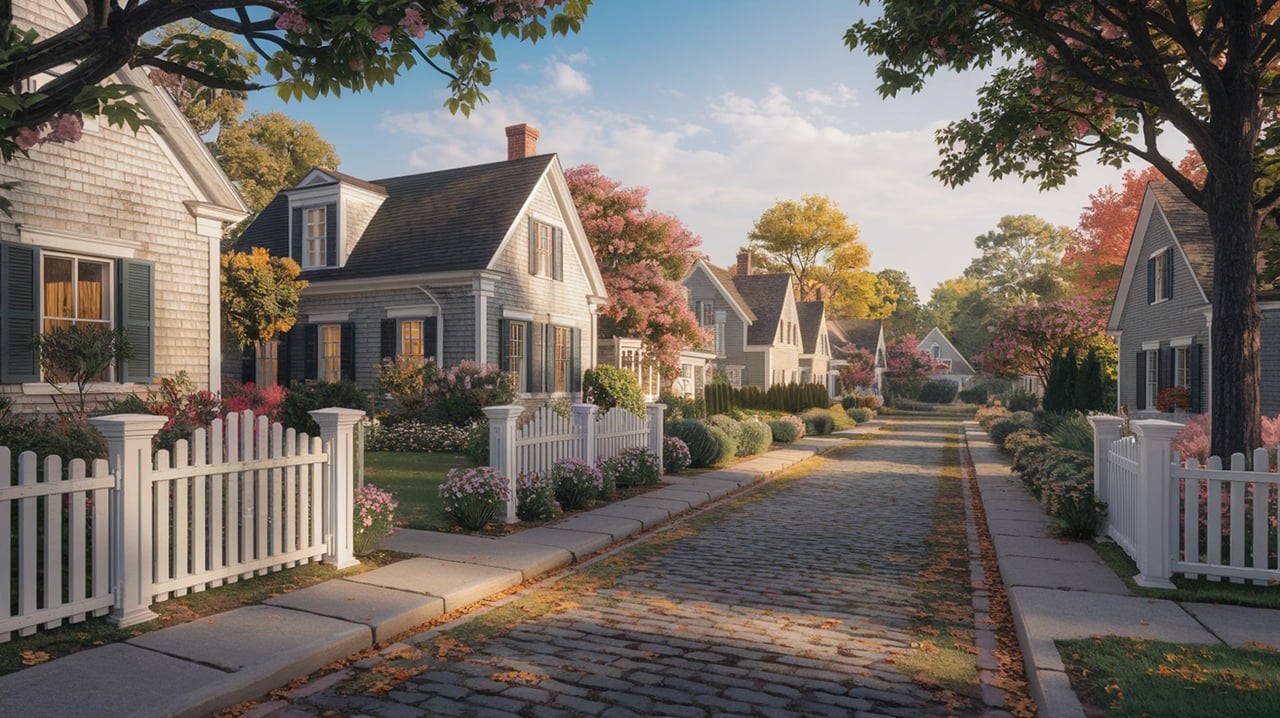
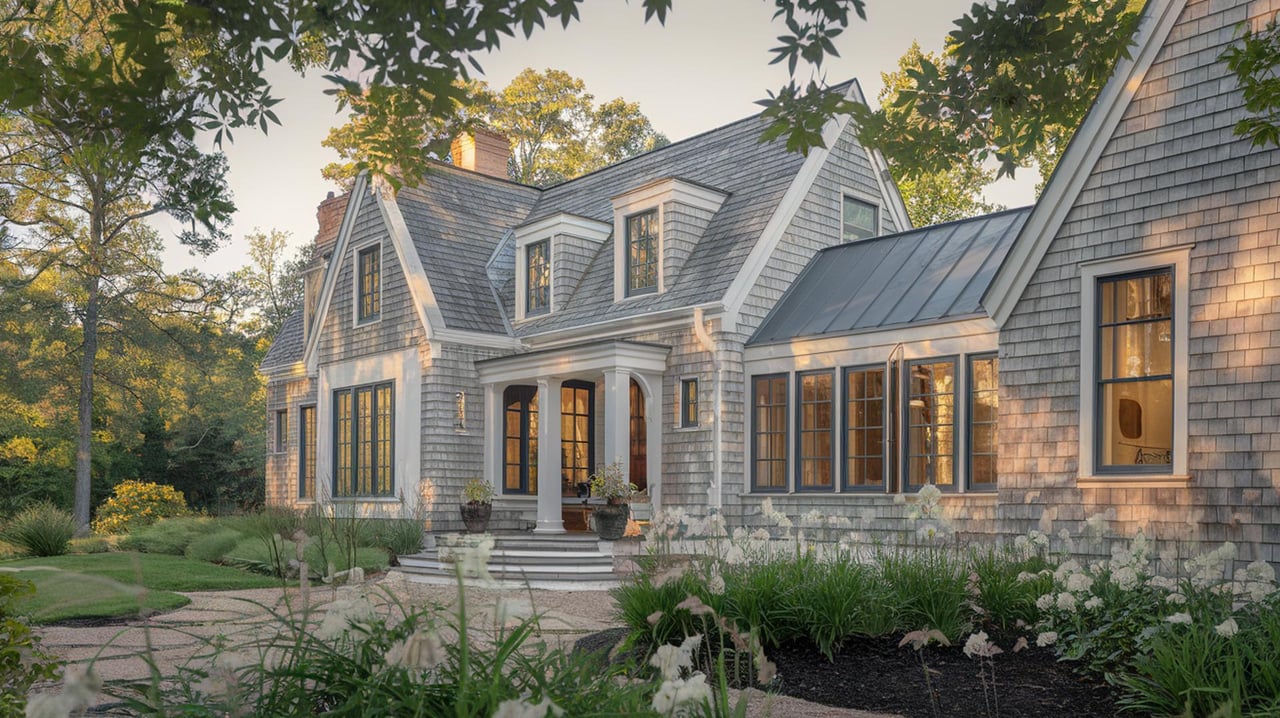
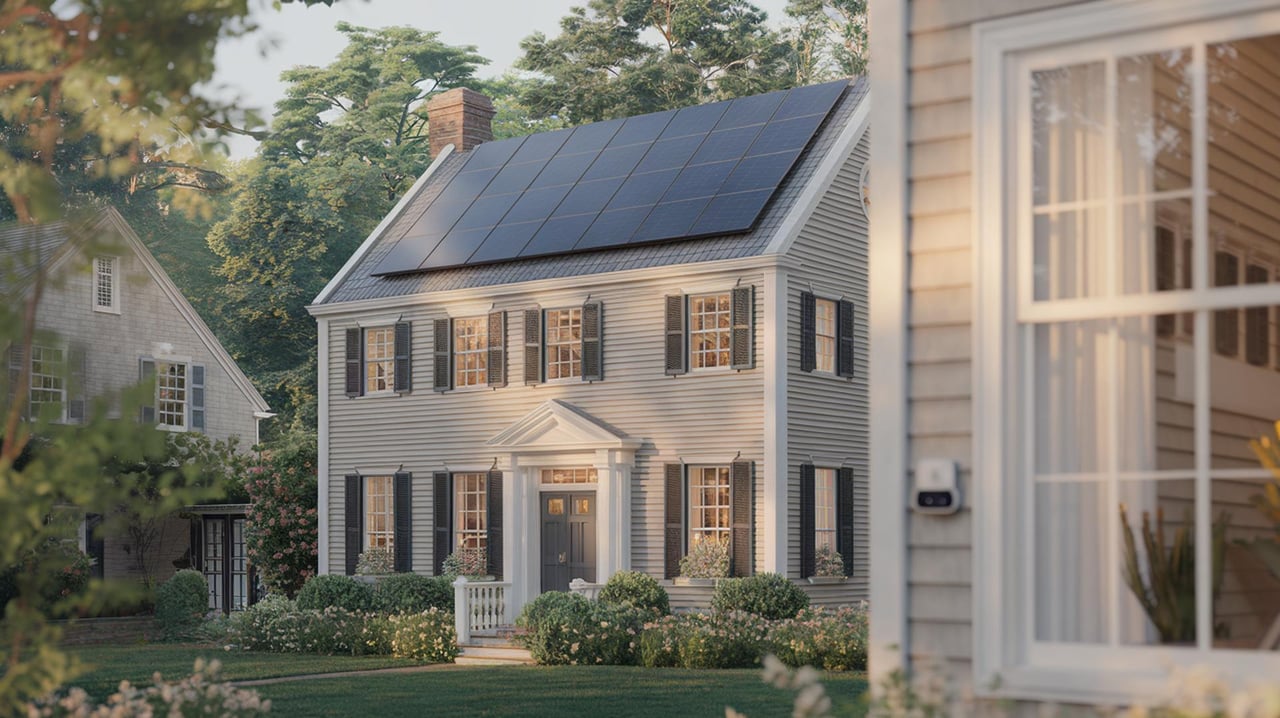
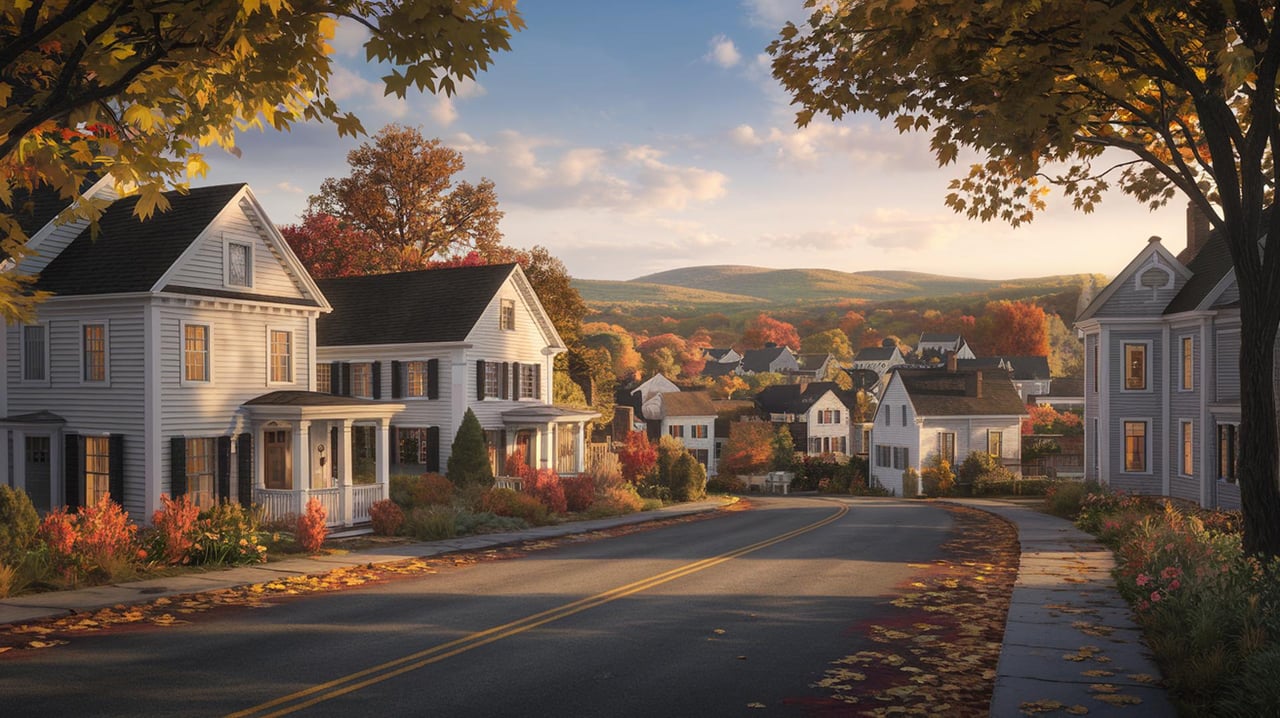
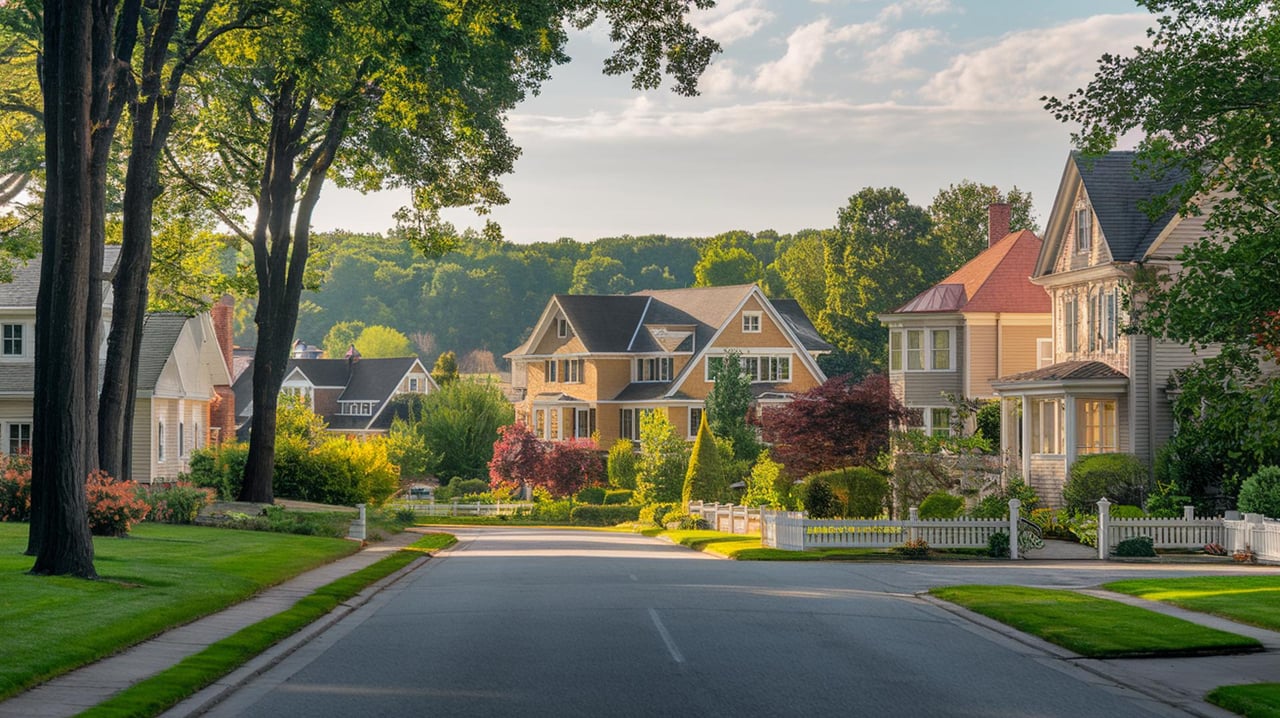
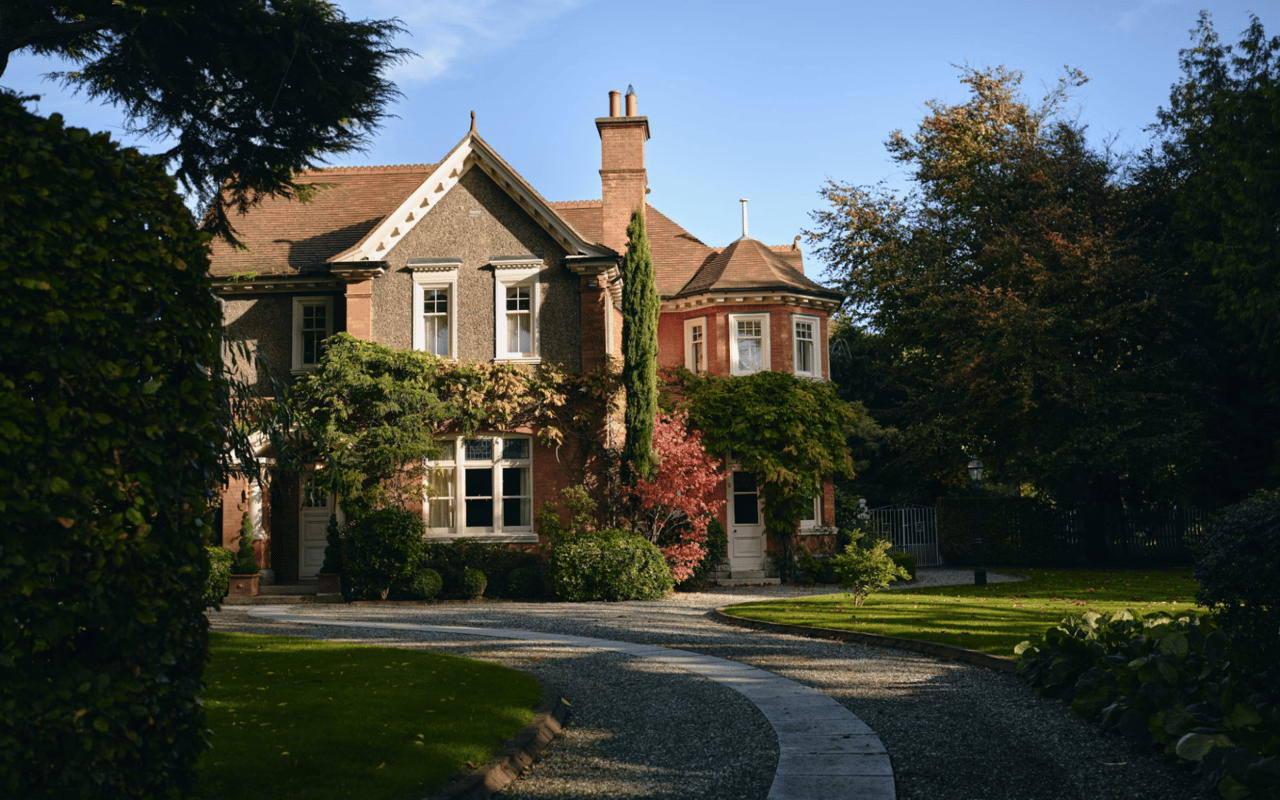
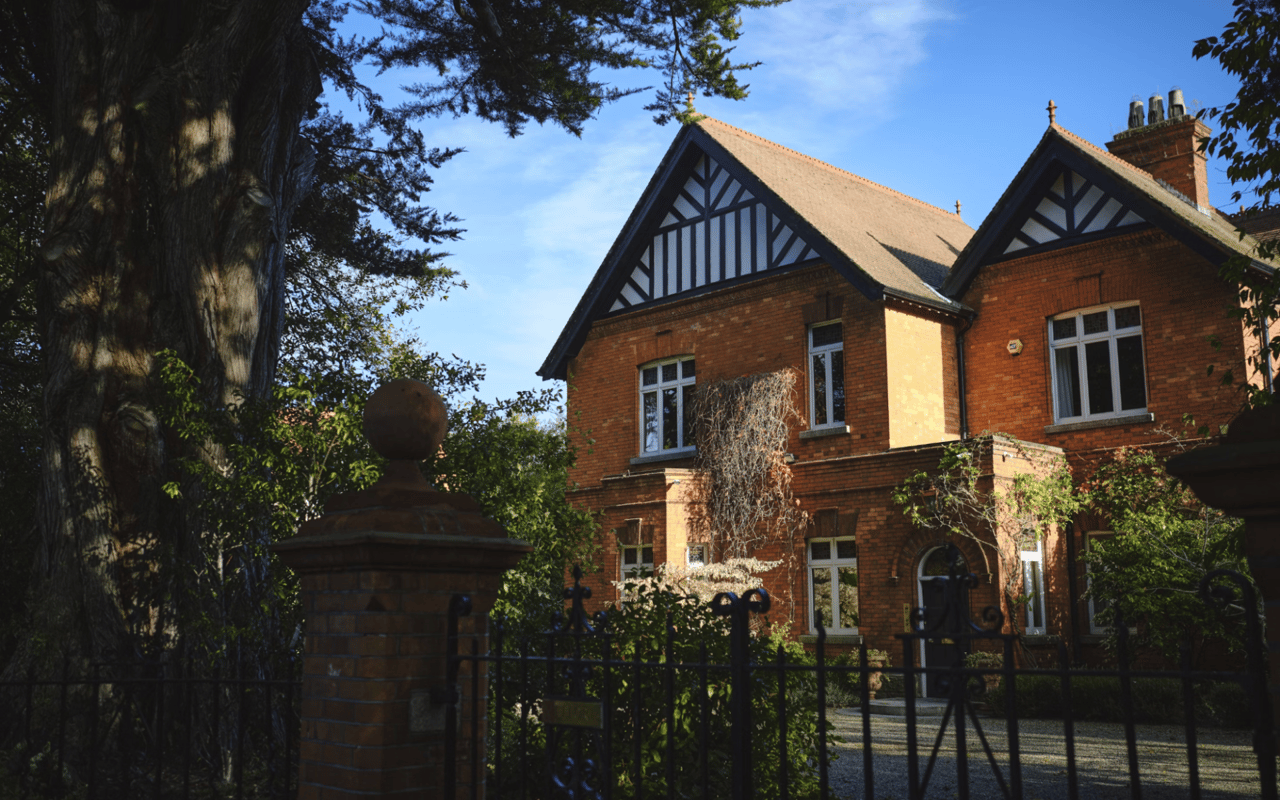
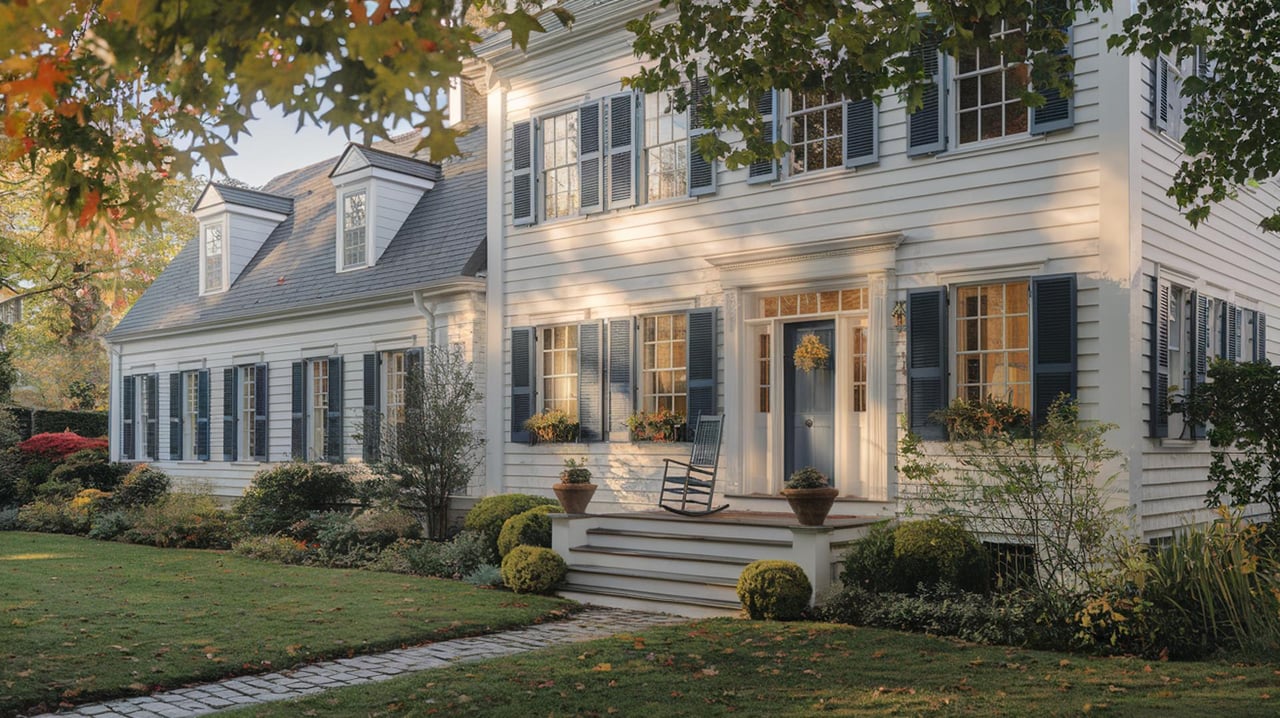
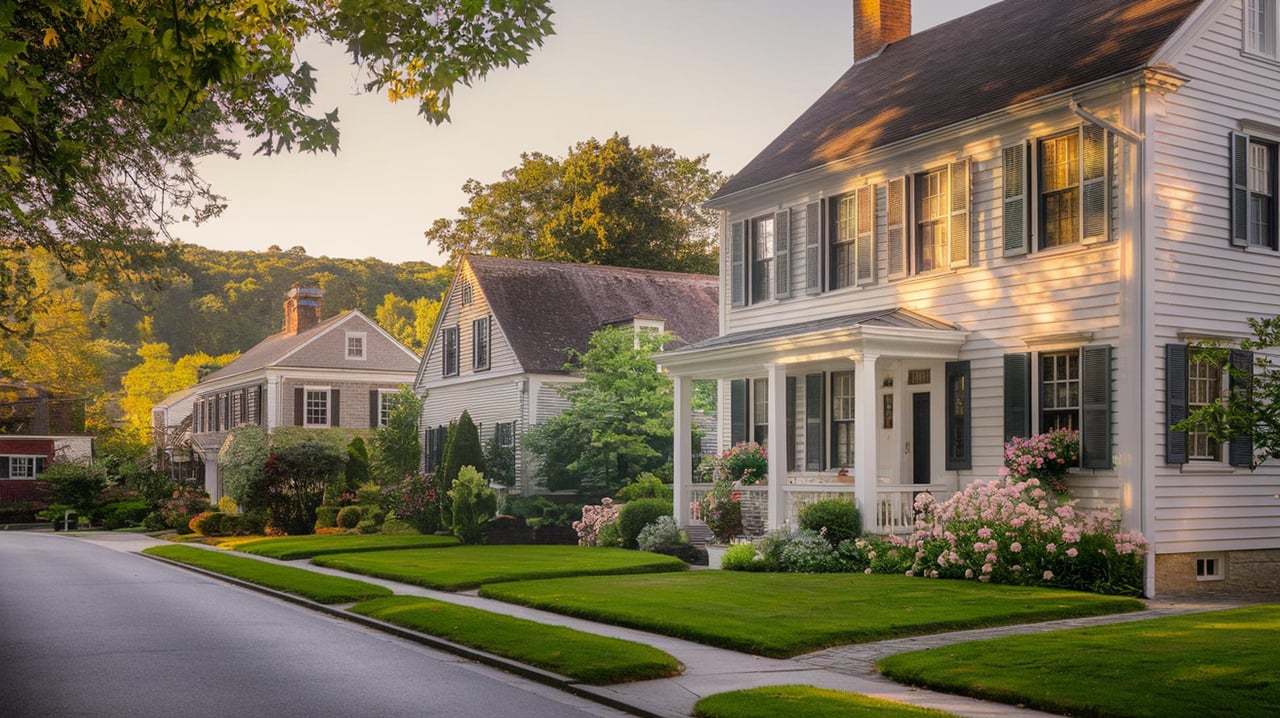
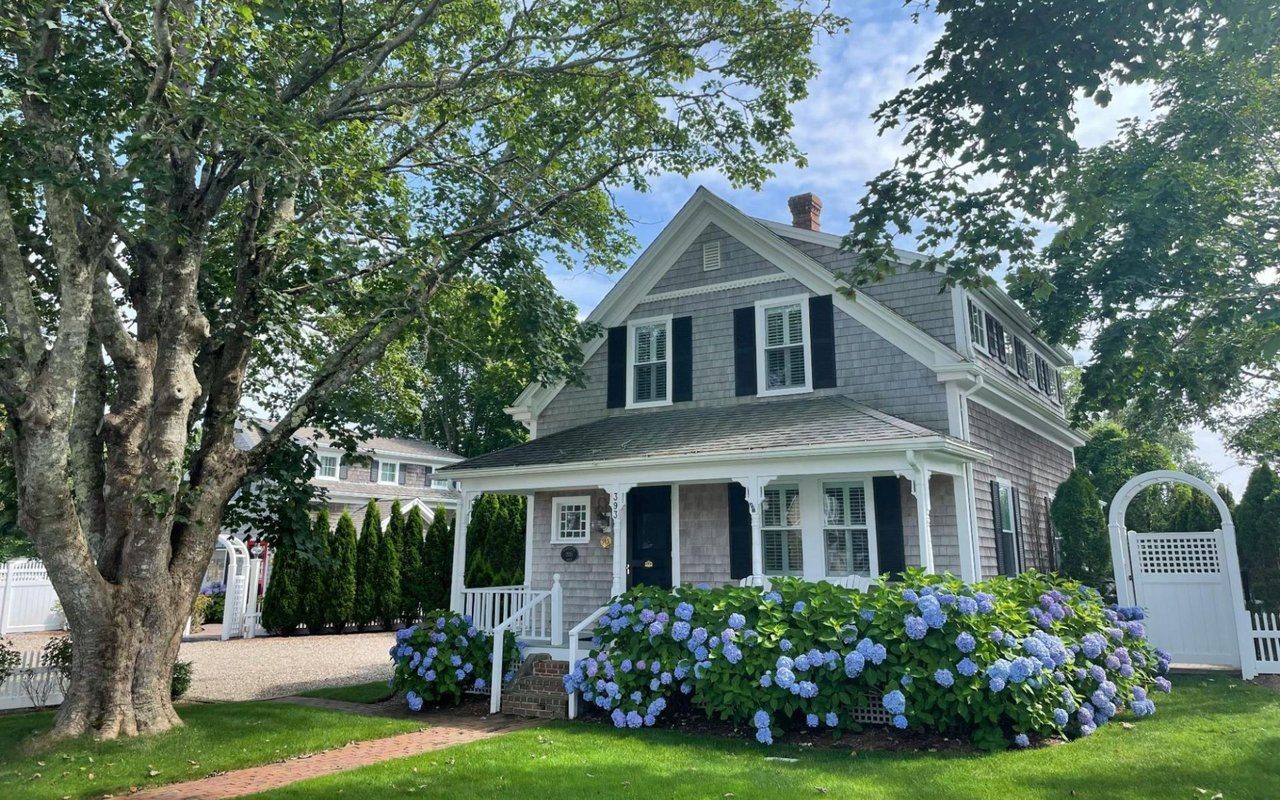
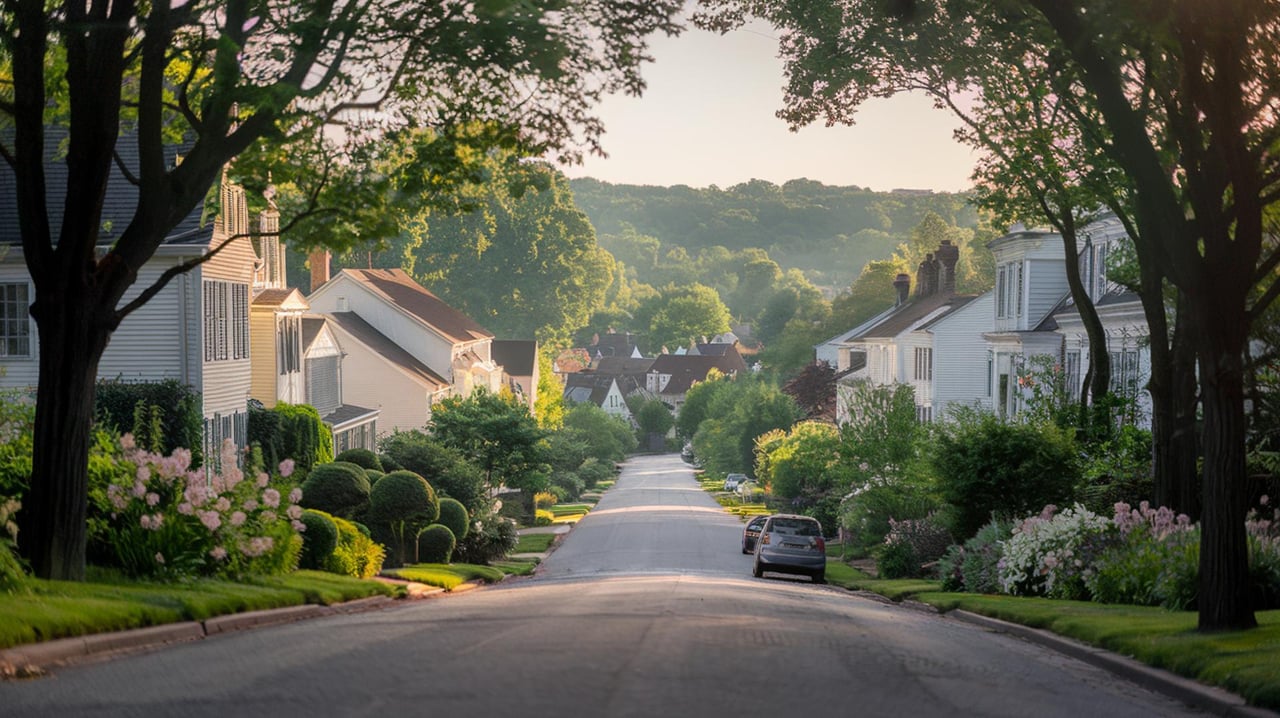
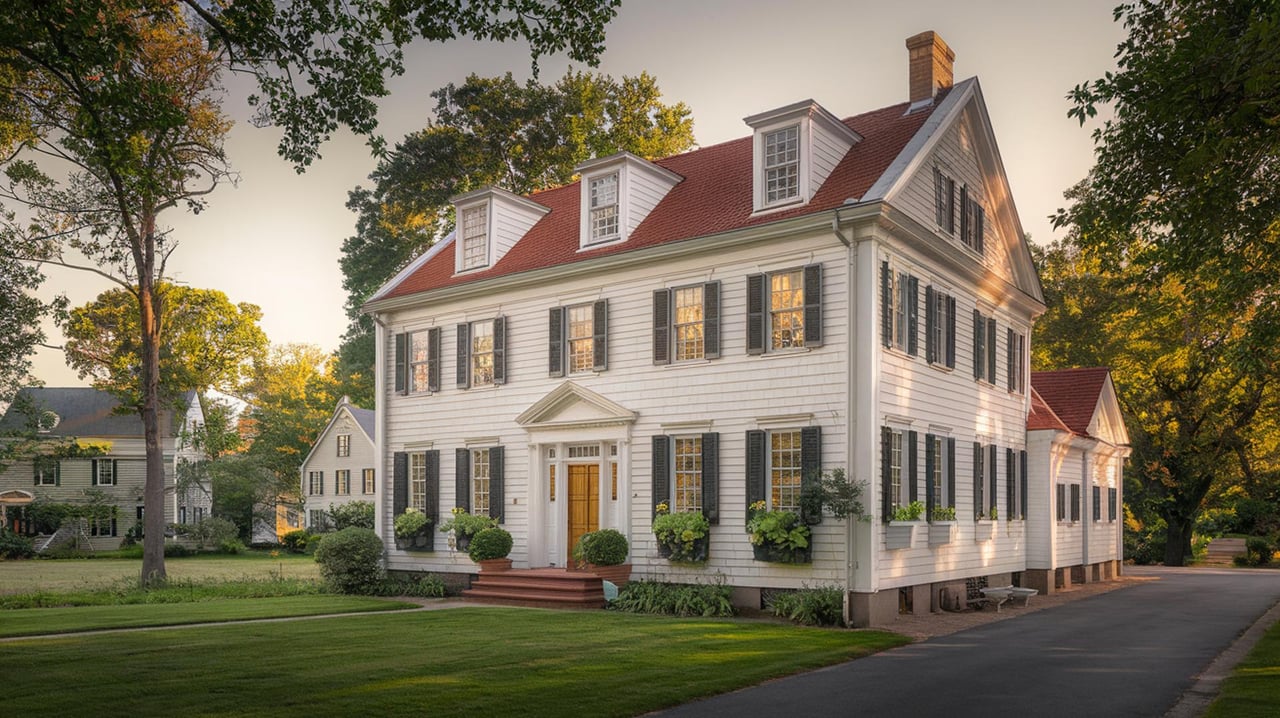
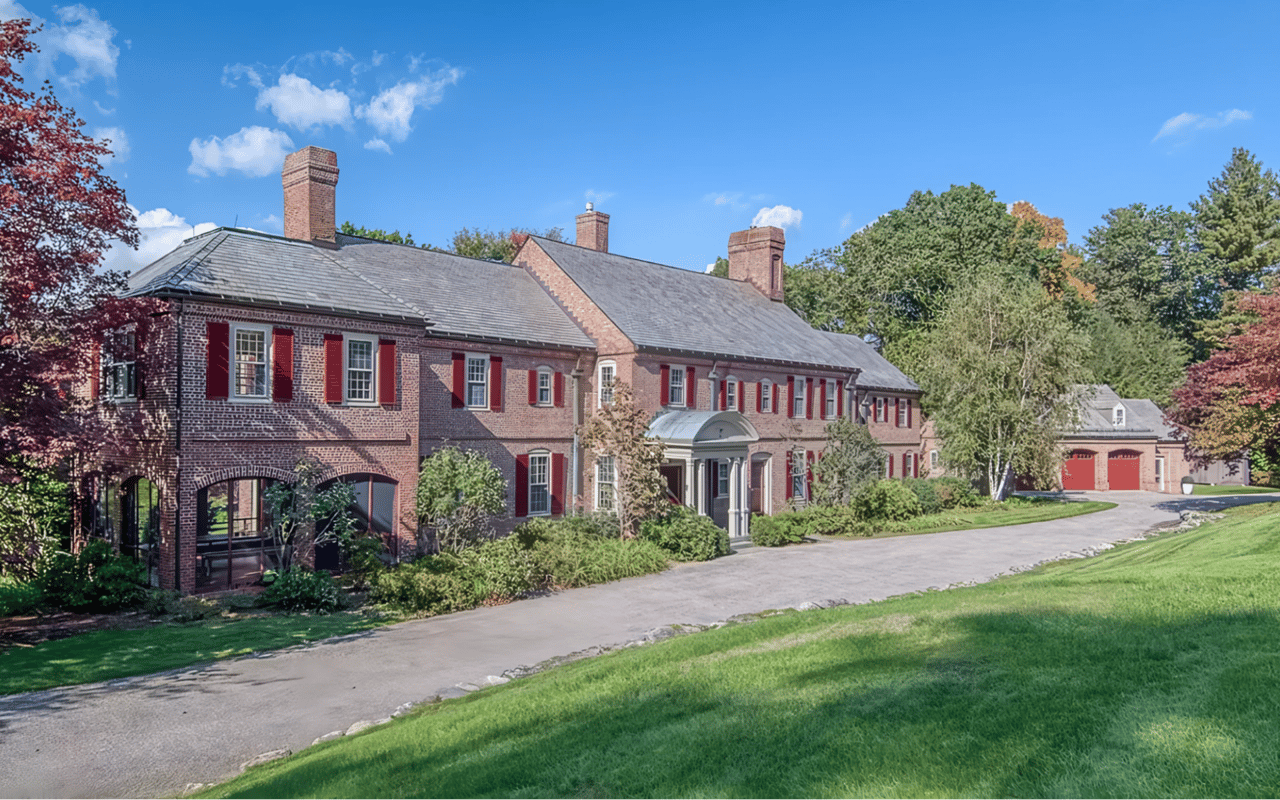
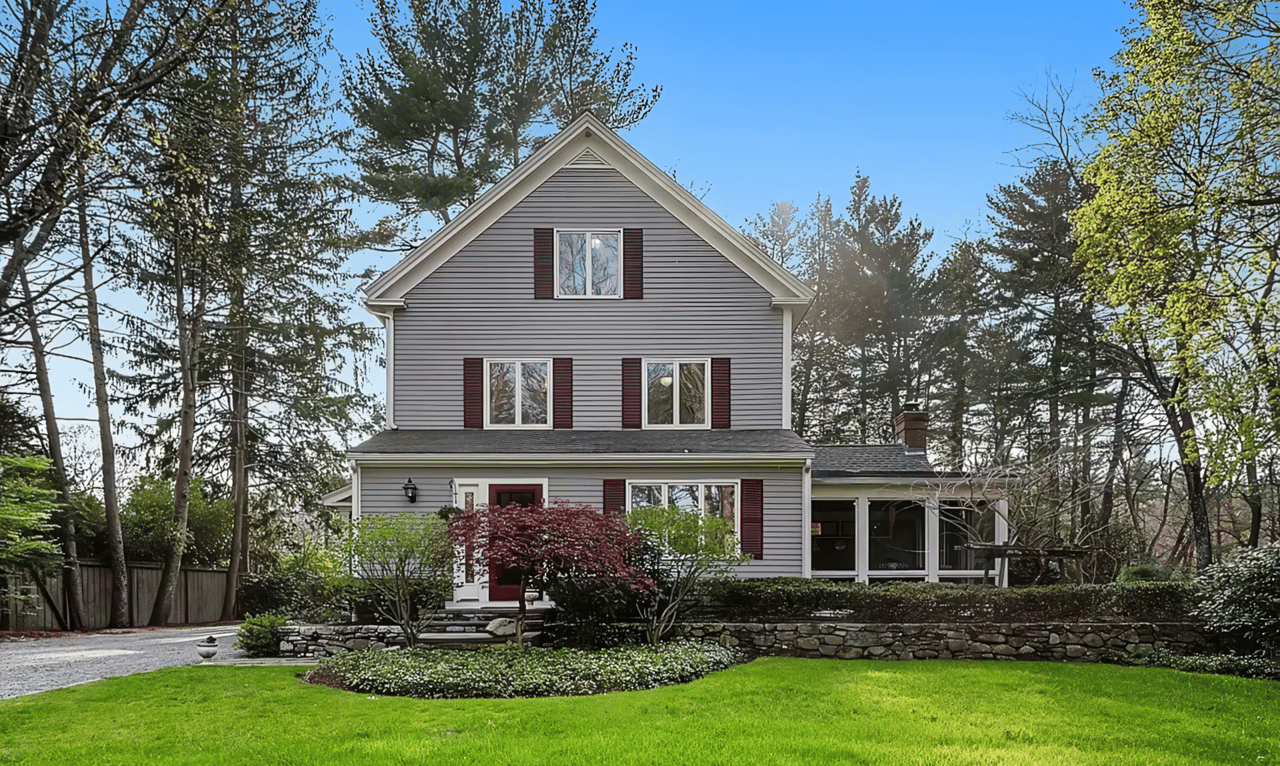
Picture a long tree-lined drive, meadow views, and old stone walls that frame a classic New England home. If you are drawn to space and privacy, Groton’s estate and acreage properties can deliver that feeling in a town known for rural beauty and strong community life. In this guide, you will learn what “estate” means locally, how zoning and utilities shape what you can build, which conservation factors matter, and the due diligence steps that help you buy with confidence. Let’s dive in.
What “estate” means in Groton
“Estate” is a marketing term, not a legal one. In Groton, you often see it used for homes on larger parcels that offer privacy, long drives, and notable siting. Many buyers begin to feel that estate character around 2 to 3 acres, and it only grows as you move into 5, 10, or more acres. The experience can come from a roomy house lot, a farm-like setting, or a home that borders large conservation land.
Lot size alone does not tell the whole story. Zoning rules, wetlands, and access can limit where a house, barn, or guest space may go. The buildable area and how a home is placed on the land are what truly define the day-to-day experience.
Zoning basics that shape options
Groton’s zoning bylaw sets minimum lot area, frontage, and setbacks by district. For context, the R‑A district has a minimum lot area of about 80,000 square feet, and R‑B is about 40,000 square feet. Special provisions also exist for hammerhead lots and flexible development. These rules determine if a parcel is a single estate lot or could be subdivided, and they influence accessory uses like barns or apartments. You can review the dimensional standards in the town’s zoning bylaw to understand how a specific parcel may be used and what approvals you might need. See the Schedule of Intensity and related sections in the Groton Zoning Bylaw at eCode. (Groton Zoning Bylaw)
Land features and rural utilities
Many Groton acreage properties include a mix of open meadow, hardwood and conifer forests, stone walls, small ponds or wetlands, and long private drives. Estate parcels may also feature barns, paddocks, or sited house pads that capture sunsets and privacy.
Water and sewer service are key considerations. Larger or more rural properties often rely on a private well and on-site septic system. In Massachusetts, septic systems are governed by Title 5. When you buy, plan on reviewing any perc tests, system design, capacity by bedroom count, and the Title 5 inspection. For foundational guidance, read the state’s overview of Title 5 terms and process. (Massachusetts Title 5 overview)
Groton’s Board of Health administers septic approvals locally and is your contact for permits and water well details. It is smart to request recent water quality tests, well yield, and any maintenance records during due diligence. (Groton Board of Health)
Conservation, wetlands, and buildable area
Wetlands and vernal pools are common on larger New England parcels. State wetlands law and local rules protect these resources and create buffer zones that limit where you can build or add driveways. Conservation restrictions can also limit future development while protecting views and habitat.
Groton has an extensive conservation network, including town parcels and lands managed by local trusts. Parcels such as Groton Hills and Baddacook showcase the kind of preserved open space that shapes the town’s rural feel. Proximity to conserved land can both safeguard privacy and limit new development nearby. Review town and trust resources early in your search to understand how conservation interacts with a property you like. (Groton Hills conservation area) (Groton Conservation Trust: Baddacook)
Location, schools, and culture
Groton combines rural land with meaningful cultural and educational assets. The Groton Hill Music Center is a major draw for performances and music education set on preserved farmland, which adds a cultural hub to the town’s open landscape. (Groton Hill Music Center)
Public schools are served by the Groton‑Dunstable Regional School District. The town is also home to respected independent schools, including Lawrence Academy. These institutions influence local calendars, athletics, and community programming. Always review objective school resources directly to form your own view. (Groton‑Dunstable Regional School Committee) (Lawrence Academy)
Commuting and regional access
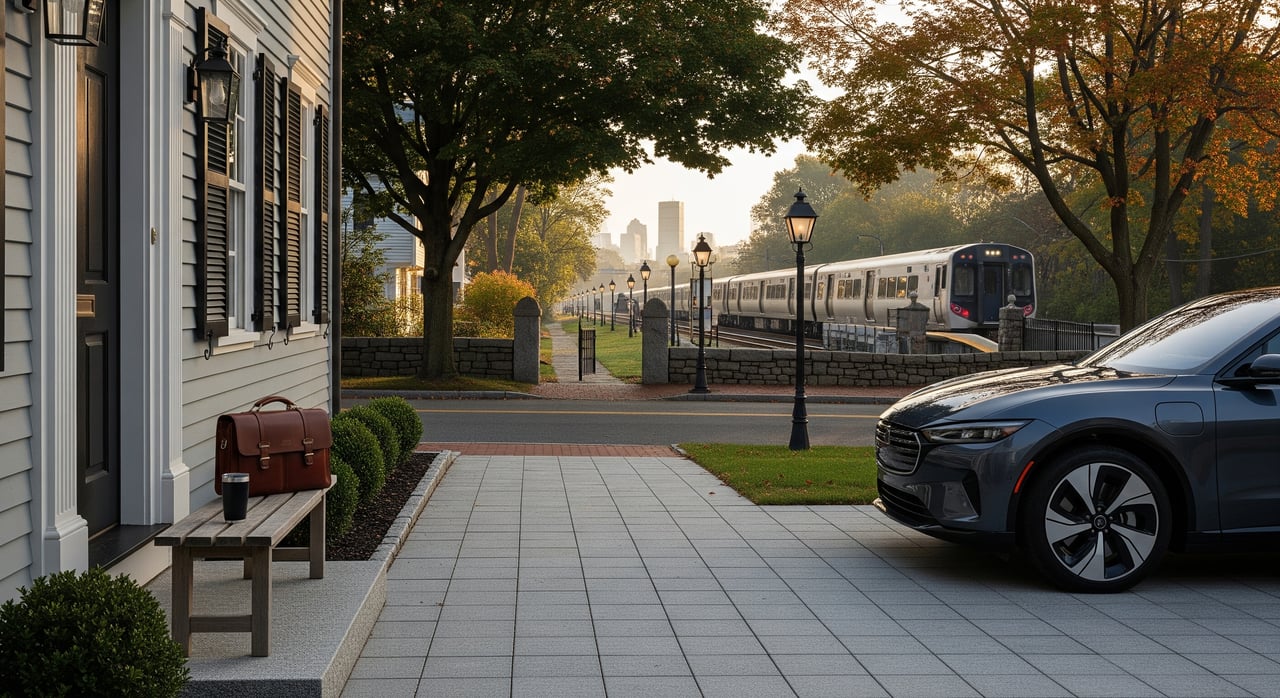
Groton sits in northwest Middlesex County. Many buyers commute to Cambridge or Boston by car or by connecting to commuter routes and nearby stations, since Groton does not have a direct commuter rail stop. Typical drive times to Cambridge often range from about 45 to 75 minutes depending on route and traffic. It is best to confirm current conditions with a live map before tours or offers. (Groton to Cambridge drive time context)
What drives value on acreage
Value on acreage is shaped by more than acres alone. Buyers pay for privacy, usable upland, views, and improvements such as high-quality homes, barns, fencing, and established drives. A 2-acre buildable lot in a quality setting can command strong pricing in Groton, while larger improved estates on 5 to 20 or more acres often sell at a premium when the house, siting, and land program align.
Market metrics can vary month to month due to small sample sizes and the mix of sales. Listing portals often show different snapshots. Use recent local MLS data and active comparable sales to judge current pricing, rather than relying on a single statewide price-per-acre figure.
Property taxes also vary widely by assessed value. A smaller lot with a modest home may show a lower annual tax line, while a larger estate can reach into five figures. Confirm current taxes for any address with the town, and plan your budget with room for updates after reassessment.
Buyer due diligence checklist
Use this list to evaluate any estate or acreage listing in Groton:
- Zoning and overlays. Confirm the zoning district, minimum lot area, frontage, and setbacks. These control subdividing and accessory uses. Review the bylaw directly. (Groton Zoning Bylaw)
- Septic system. Identify system type, design capacity by bedroom count, age, and Title 5 inspection status. Ask about the reserve area for future replacement. (Massachusetts Title 5 overview)
- Wells and water quality. Request well depth, yield in gallons per minute, and recent lab tests for iron, bacteria, and nitrates. Contact the local authority as needed. (Groton Board of Health)
- Wetlands and conservation. Map wetlands and 100-foot buffers. Check for recorded conservation restrictions. Note adjacent conserved parcels that can protect views. (Groton Conservation Trust example)
- Easements and access. Verify driveway locations, shared road agreements, utility easements, and snow or plowing responsibilities.
- Building envelope and views. Identify the highest, most open points for siting. Consider how tree lines and stone walls frame sightlines. Review nearby conservation parcels for long-term view protection. (Groton Hills conservation area)
- Permitting history. Ask for prior septic permits, lot line changes, and Planning Board actions to surface any roadblocks early. (Groton Board of Health)
- Insurance and flood risk. Check local GIS and FEMA flood layers. Flood zones can affect both buildability and premiums. (Flood map context)
- Practical operations. Budget for mowing, field management, tree work, private drive care, and any barn or arena upkeep if applicable.
Costs to plan for
Large properties need regular care. Budget for mowing or brush hogging open fields two to three times per growing season, plus routine tree work along drives and near structures. Gravel drives may need grading after heavy weather. If a property includes a bridge or culvert, build in inspection and maintenance.
On the systems side, plan for periodic septic pumping and well system checks. If you add fencing, paddocks, or an arena, include material and labor for installation and ongoing repair. Snow removal can also be a larger line item on long private drives, so confirm responsibility and costs before closing.
Can you subdivide or add accessory uses
It depends on the parcel. Minimum lot area, frontage, wetlands, slope, and access all matter. A 10-acre site in an R‑A district might look subdividable on paper, but frontage or environmental constraints can limit new lots. Any subdivision plan requires careful review and often formal Planning Board approvals. Confirm permitted accessory uses, such as barns or apartments, in the bylaw and speak with the town early in your process. (Groton Zoning Bylaw)
How to approach tours and offers
Walk the full property line if possible. Stand at likely house sites to judge privacy and light. Visit at different times of day to understand sun patterns, wind, and noise. Bring a copy of the septic plan or well log to the showing and note where reserve areas may lie. If the parcel borders conservation land, explore public trails to understand how neighbors and the community use the space.
Before you write an offer, line up a Title 5 inspection date, order a water test if there is a private well, and review the deed for any conservation restrictions or easements. If you hope to keep animals or want space for a future guest suite, have your agent confirm those uses with the town.
A local partner for specialized properties
Selecting and stewarding acreage takes local insight. You want an advisor who understands land, construction, and how to market special properties to the right buyers. From horse properties and estates to new-build opportunities, you get boutique guidance backed by a high-performing team and global luxury marketing reach when you work with Peggy Dowcett. If you are weighing parcels in Groton or nearby towns, let’s talk strategy, due diligence, and a clear plan to close with confidence.
FAQs
What counts as an “estate” in Groton real estate?
- There is no legal cutoff. Many buyers feel an estate experience starting around 2 to 3 acres, with 5 or more acres common for properties marketed as estates. Focus on usable land, siting, and improvements rather than acres alone.
How do Groton zoning rules affect a large lot purchase?
- Zoning sets minimum lot area, frontage, and setbacks that determine buildable area, subdivision potential, and accessory uses. Review the bylaw and confirm the parcel’s district with the town before you plan improvements.
What should I know about wells and septic on Groton acreage?
- Many larger properties use a private well and septic. Plan for a Title 5 inspection, confirm bedroom capacity, and request recent water quality tests and well yield. Local approvals run through the Board of Health.
Do wetlands limit building on big parcels in Groton?
- Yes. Wetlands and their buffer zones restrict where you can place structures and driveways. Map wetlands and check for any recorded conservation restrictions before you design or subdivide.
How far is Groton from Cambridge or Boston for commuting?
- Drive times to Cambridge are often about 45 to 75 minutes depending on traffic and route. Groton does not have a direct commuter rail station, so many residents drive or connect to nearby stations.
How do property taxes scale on estate properties?
- Taxes vary by assessed value, not just acres. A modest home on a small lot may pay much less than a large estate. Confirm the current tax bill for any address and plan for potential changes after improvements.