If you want more space, more quiet, and more connection to nature without giving up access to Boston, Lincoln deserves a close look. This is a town where open land and commuter convenience exist side by side, which is not easy to find in Greater Boston. If you are weighing whether Lincoln fits your lifestyle and budget, this guide will help you understand what stands out, what it costs, and what tradeoffs to expect. Let’s dive in.
Why Lincoln Feels Different
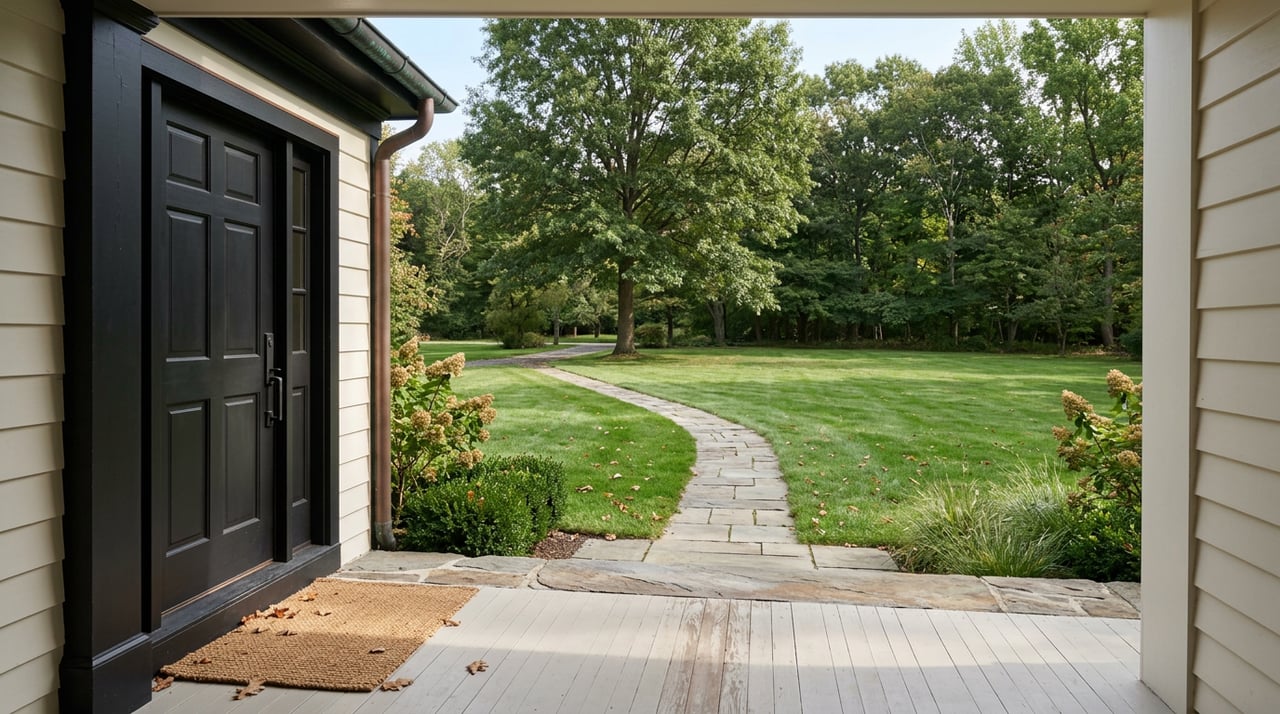
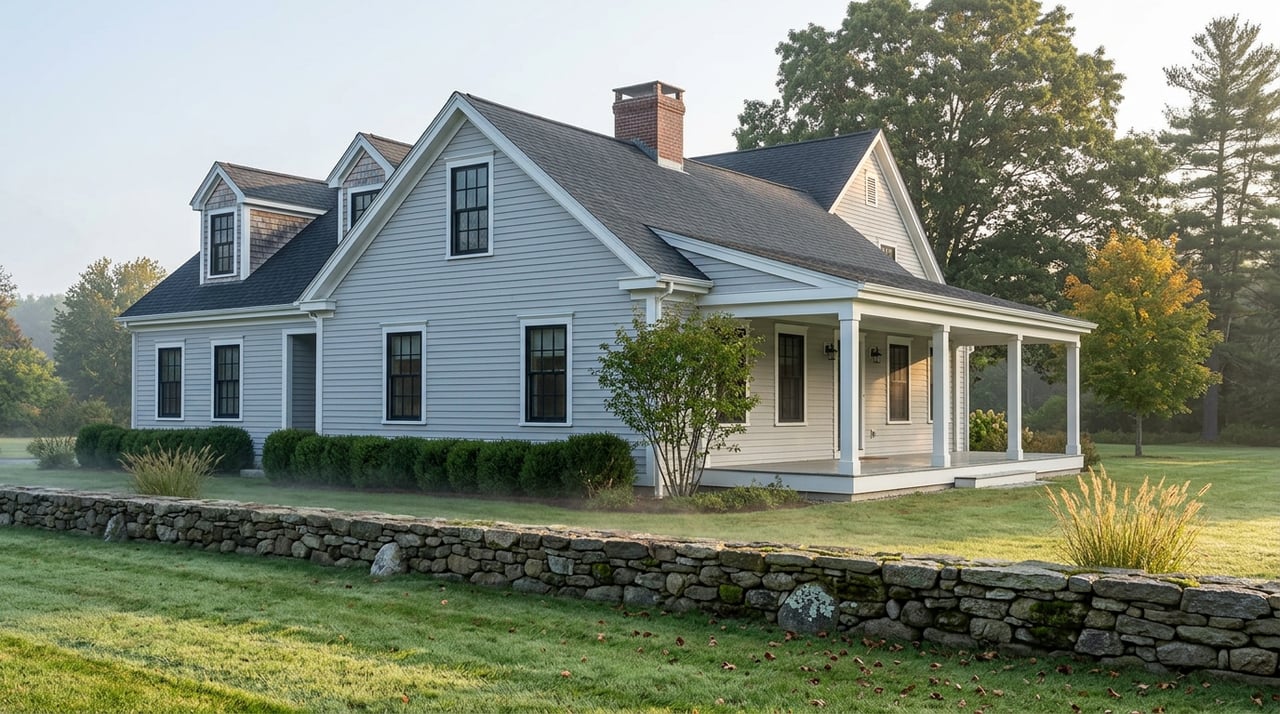
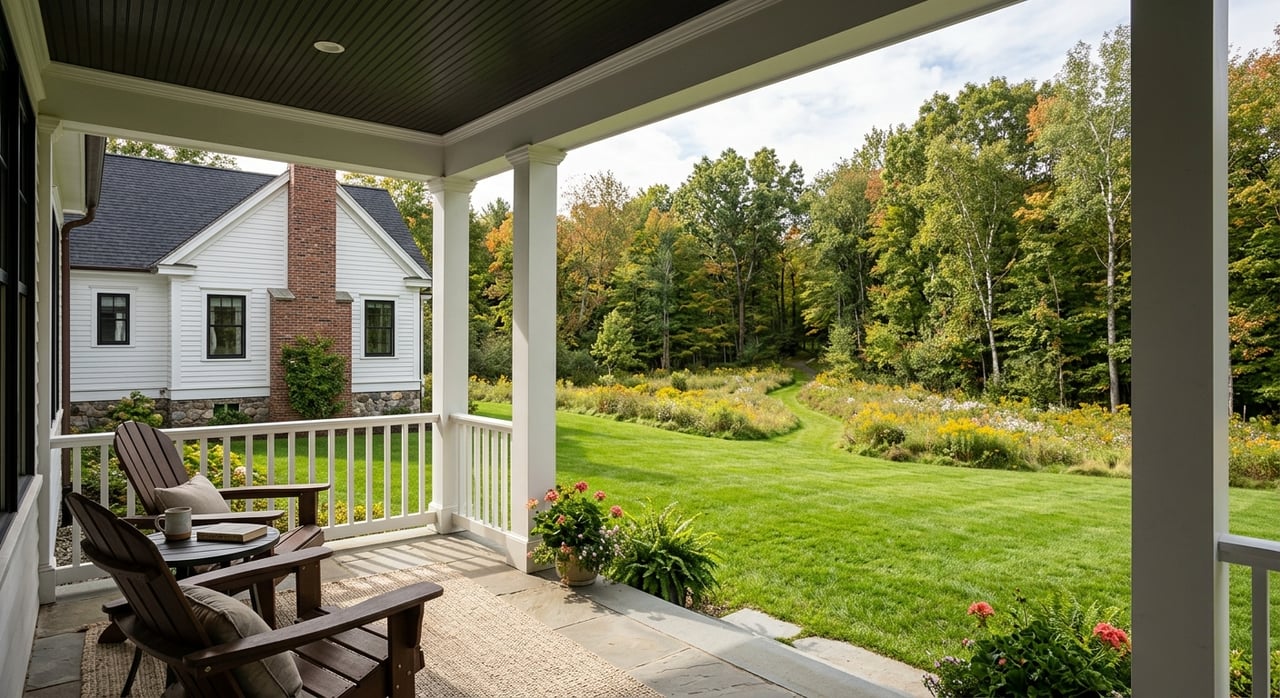
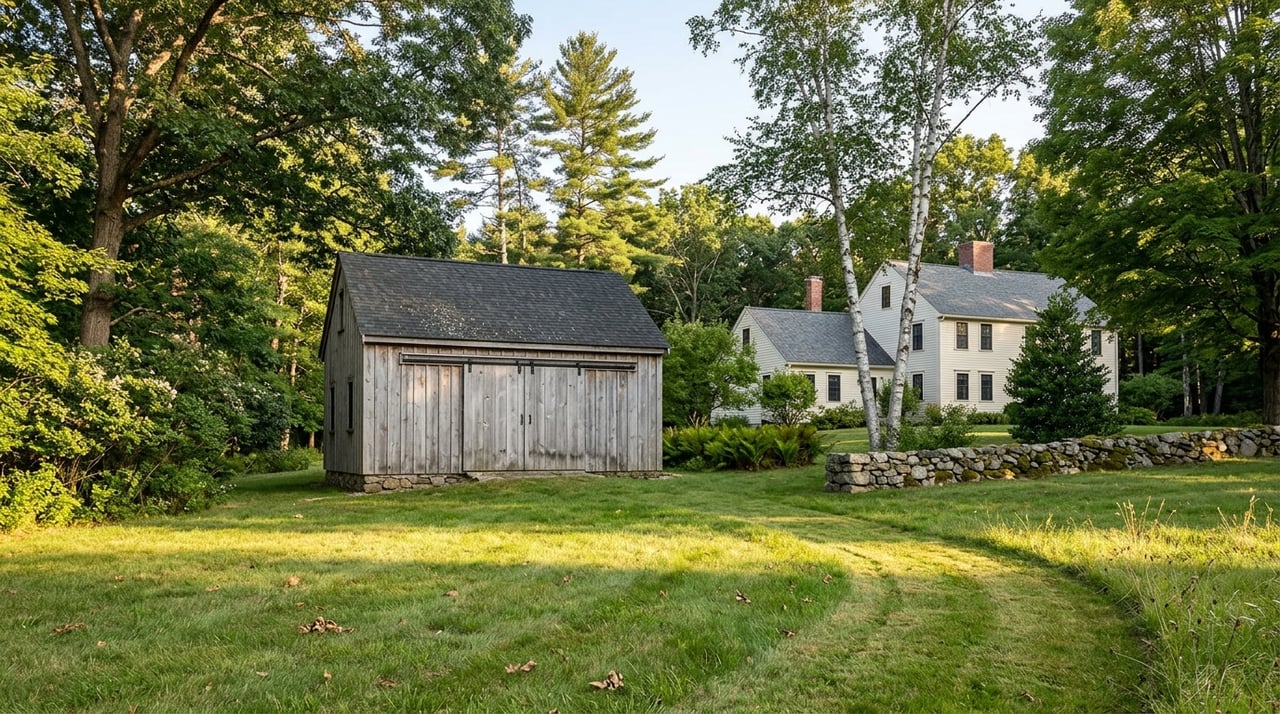
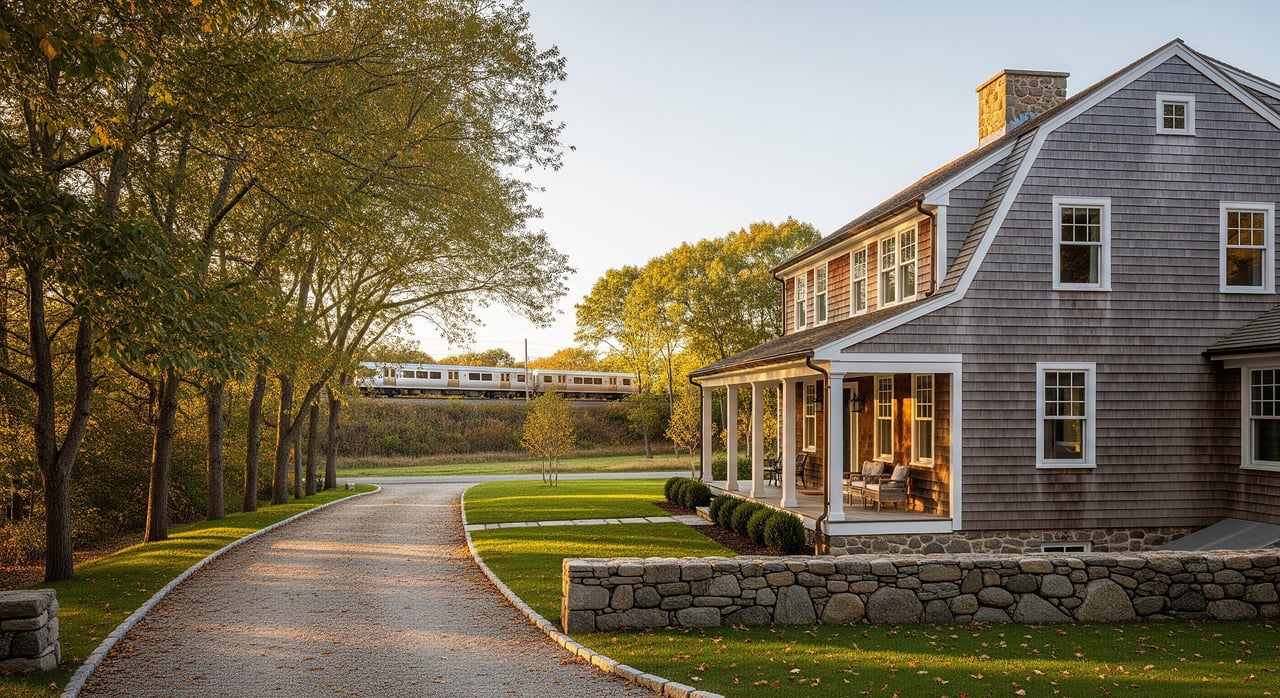
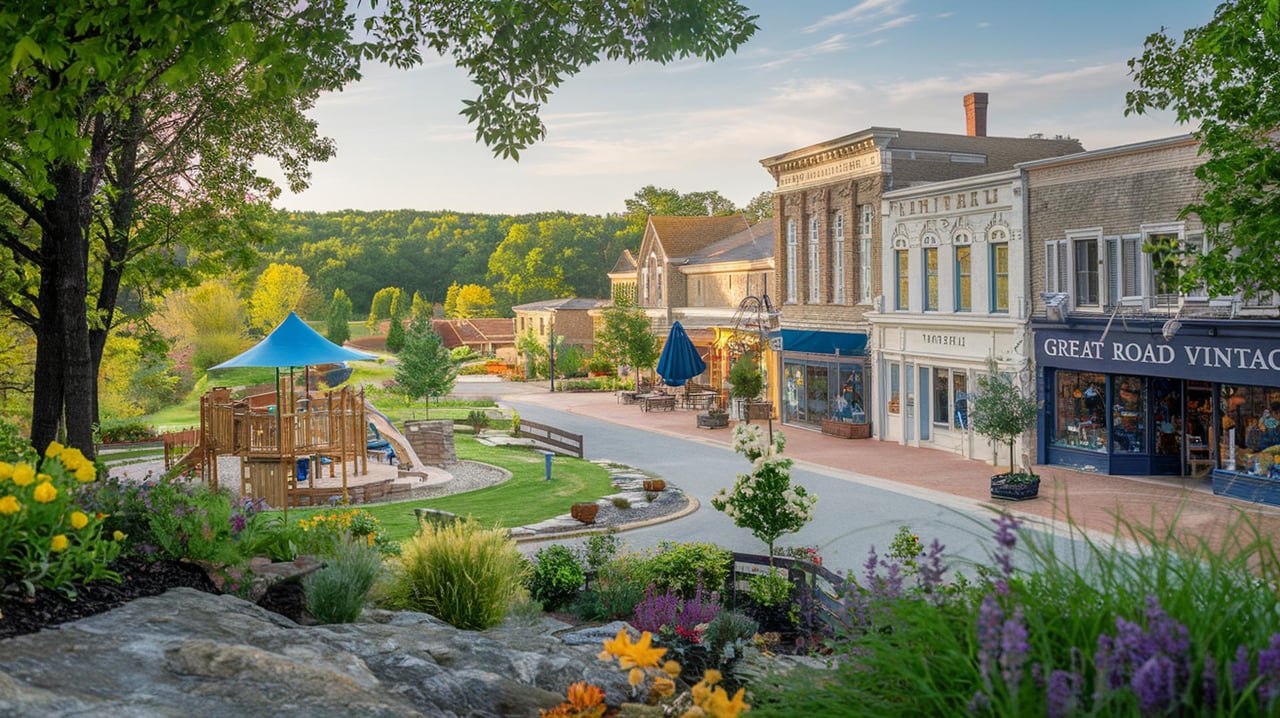
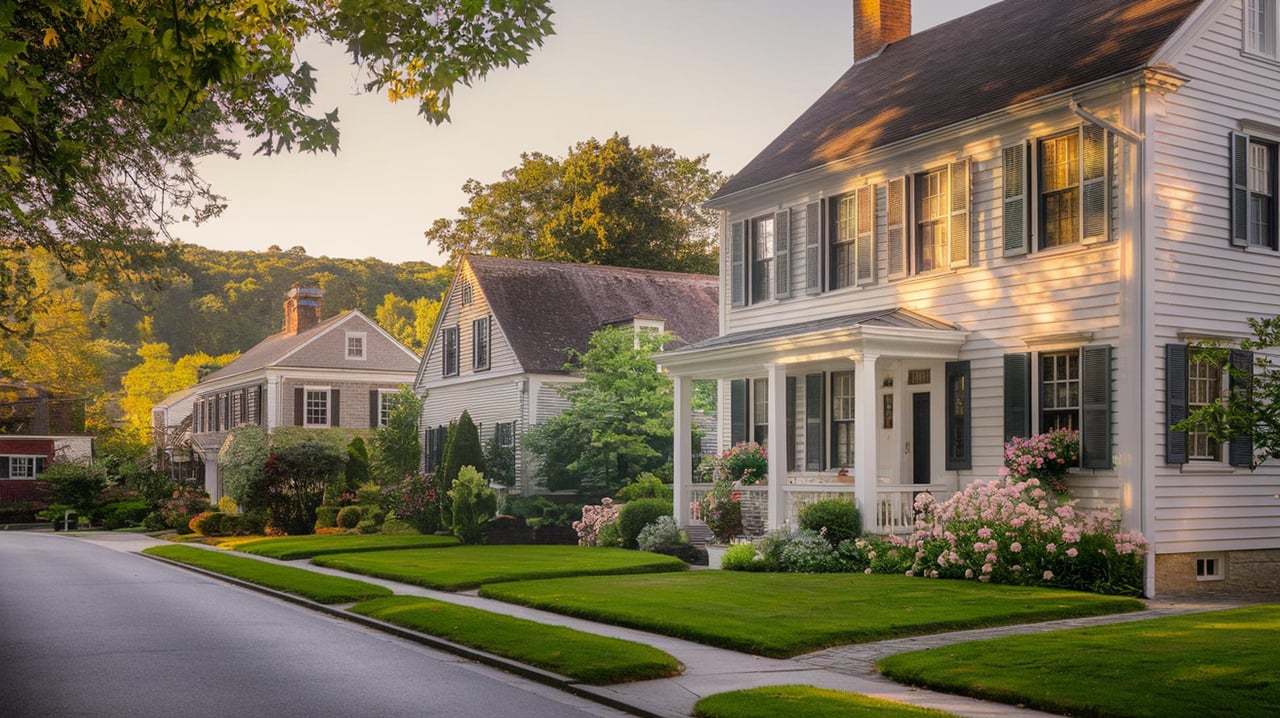
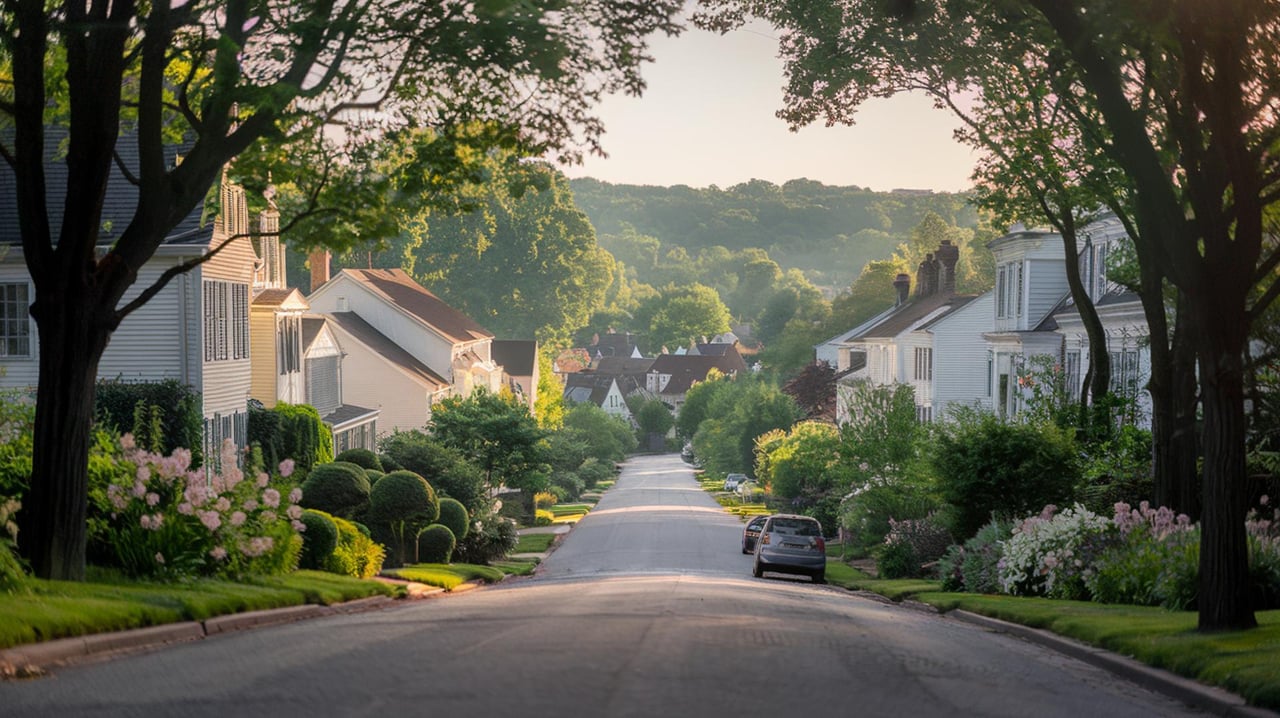
Lincoln is often defined by its rural character close to the city. Town planning materials describe it as a residential commuter town that has retained that rural feel despite being just 18 miles from Boston. That balance is a big part of the draw for buyers who want a calmer setting without feeling cut off from work, culture, or everyday conveniences.
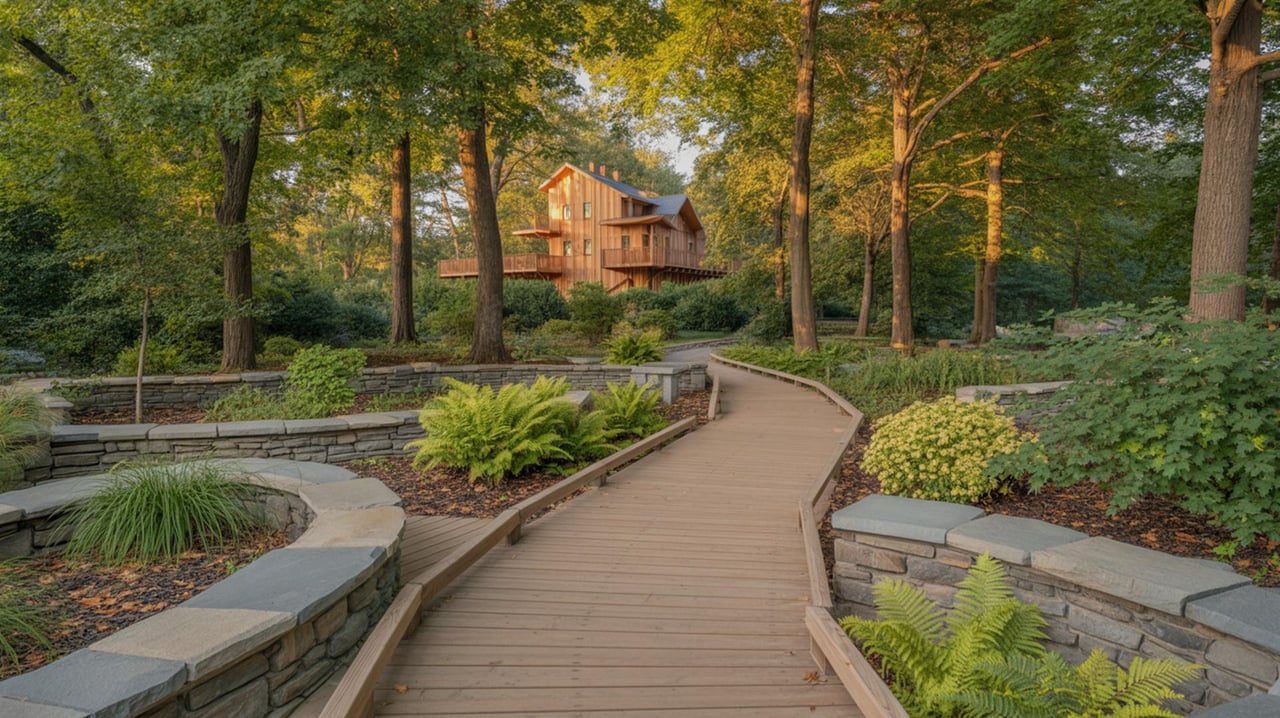
The town’s landscape plays a major role in that identity. According to the Town of Lincoln trail information, Lincoln has about 80 miles of trails across 2,400 acres of conservation land and private property. For buyers who value walking, running, biking, birding, or simply being surrounded by open space, that is a meaningful lifestyle feature, not just a nice extra.
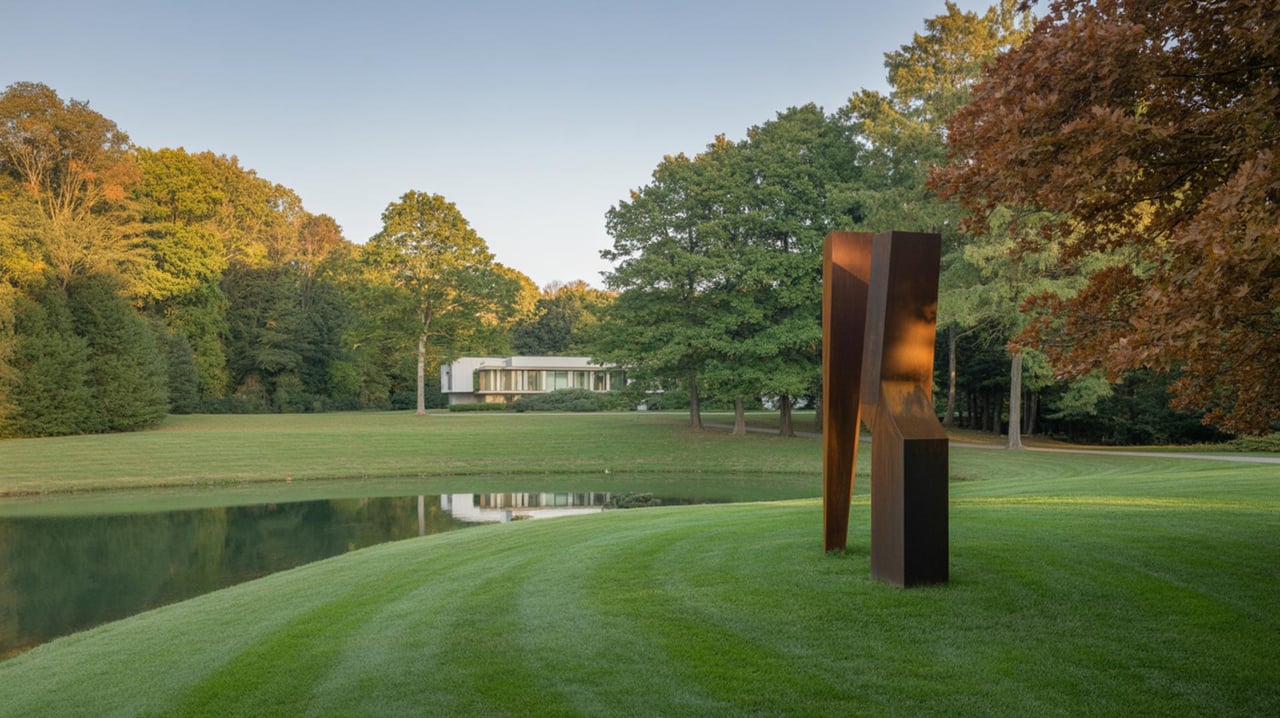
Lincoln also offers an arts-and-nature element that is unusual for a small suburban town. deCordova Sculpture Park and Museum adds a distinctive cultural layer with a 30-acre campus on Flint’s Pond, roughly 60 sculptures, and year-round programming. If you are looking for a town that feels refined but not overly busy, Lincoln has a character that stands apart.
Boston Commute Options in Lincoln
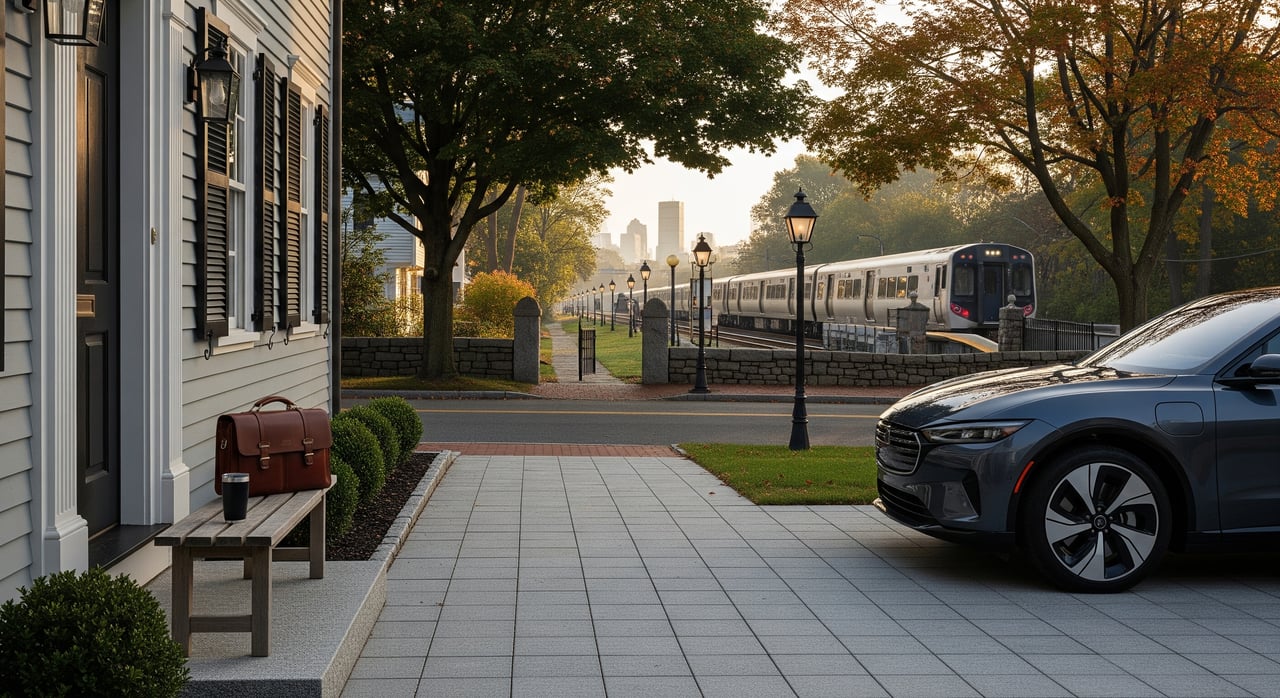
For many buyers, Lincoln’s appeal only works if the commute does too. The good news is that the town has a real transit connection, not just a theoretical one. Lincoln has an MBTA Fitchburg Line stop in the village center, with service running between Wachusett and North Station in Boston.
That rail access matters if you want an alternative to driving every day. Town materials also identify Route 126 as a commuter route, with Route 2 and Route 2A serving as major east-west corridors through town. Depending on where you work and your schedule, Lincoln gives you flexibility that many more rural-feeling communities cannot match.
Census data adds another useful data point. The U.S. Census Bureau QuickFacts page for Lincoln reports a mean travel time to work of 25.8 minutes. That is not specific to Boston commuters, but it supports the idea that Lincoln functions as a workable commuter town rather than a far-out destination.
What Homes in Lincoln Look Like
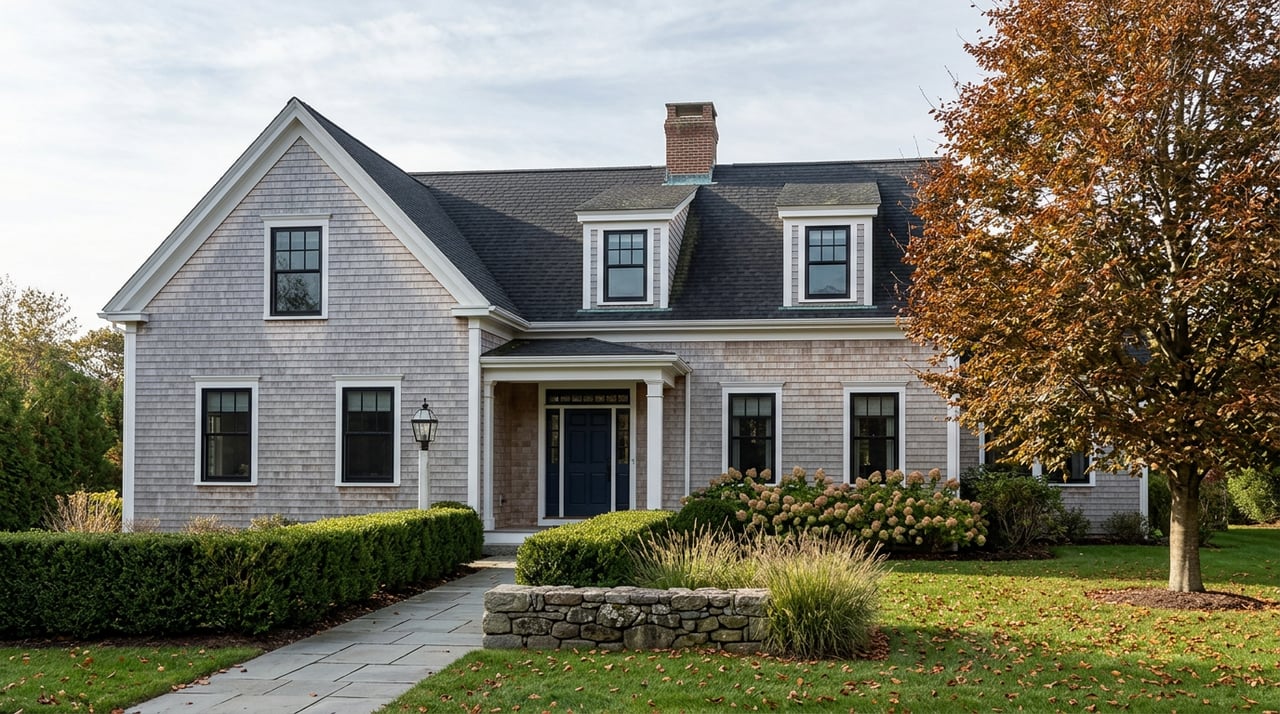
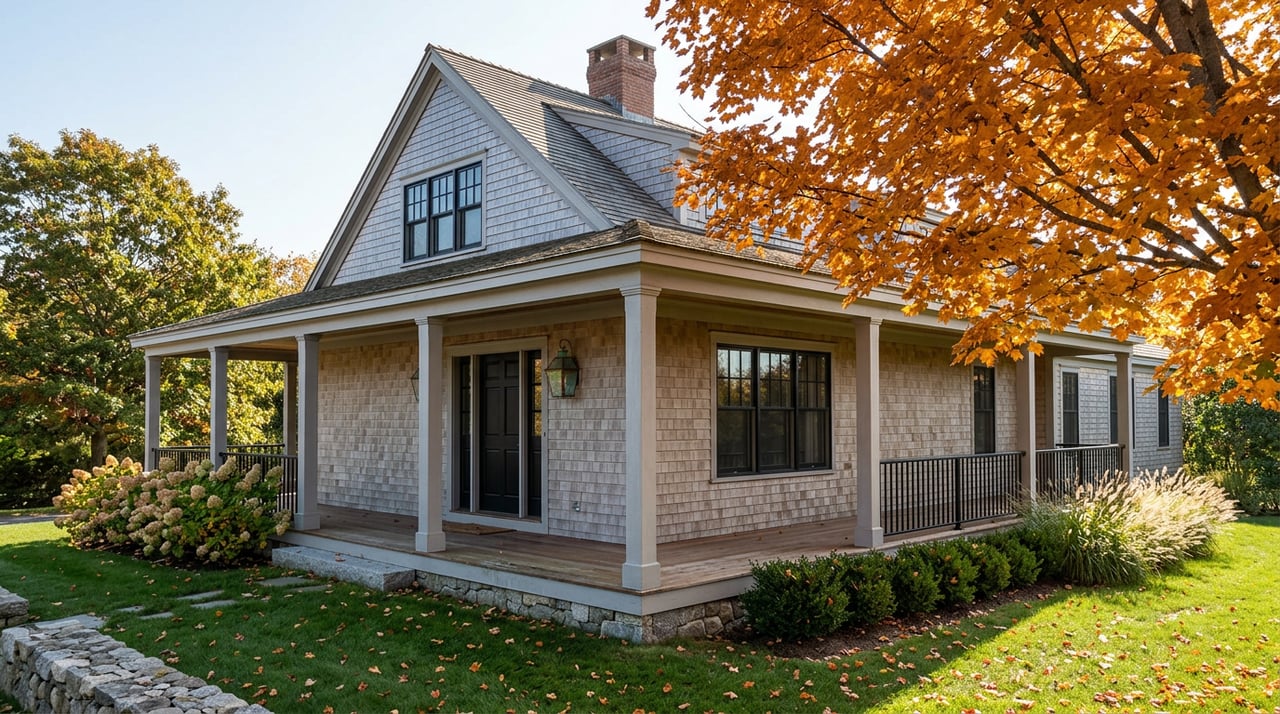
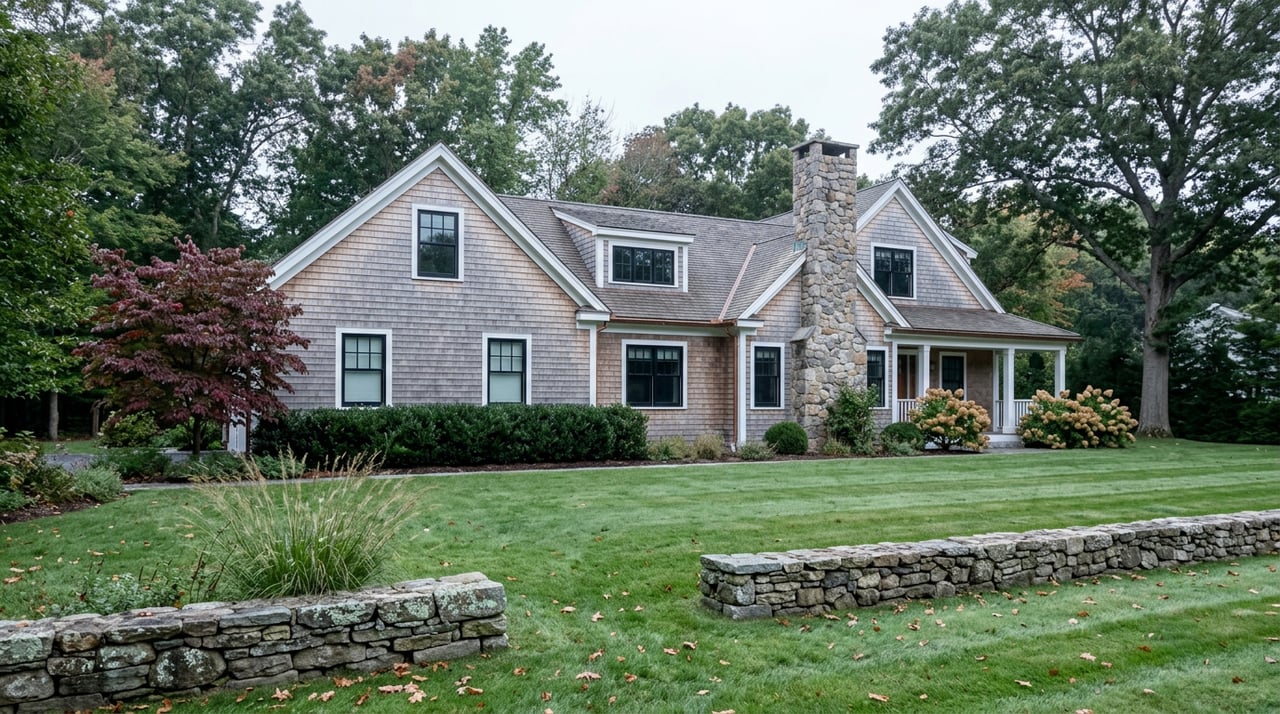
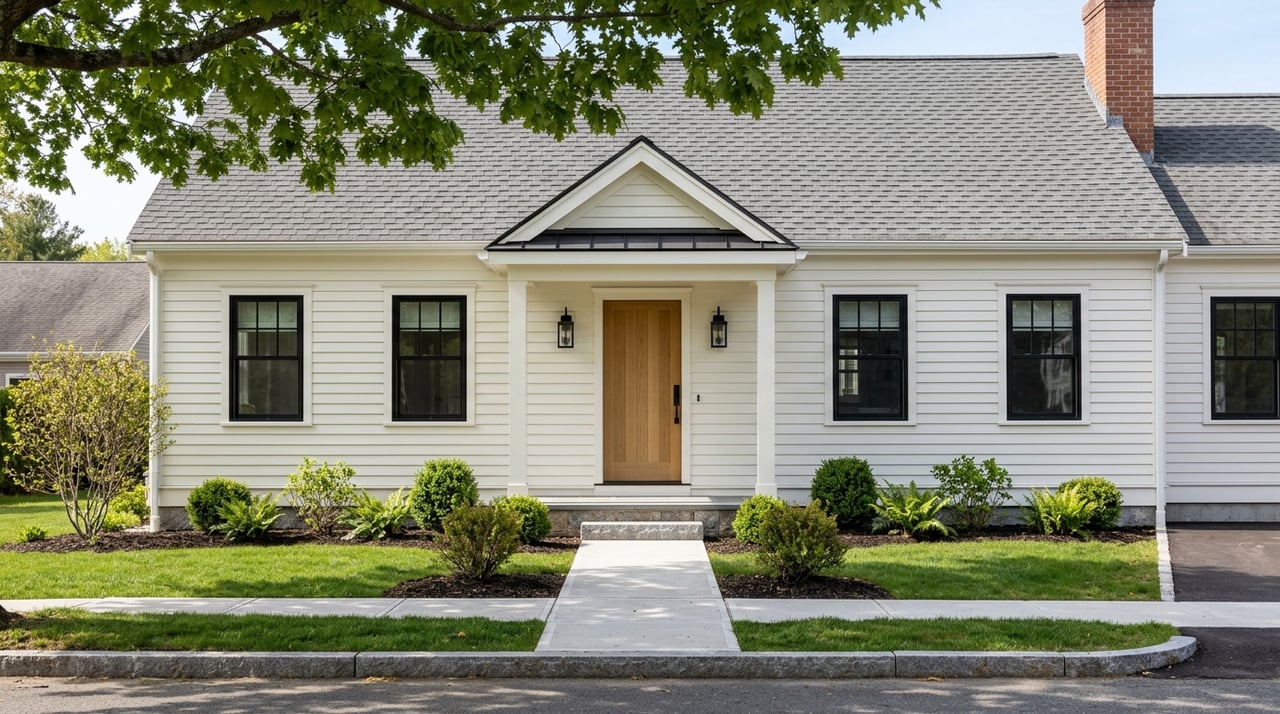
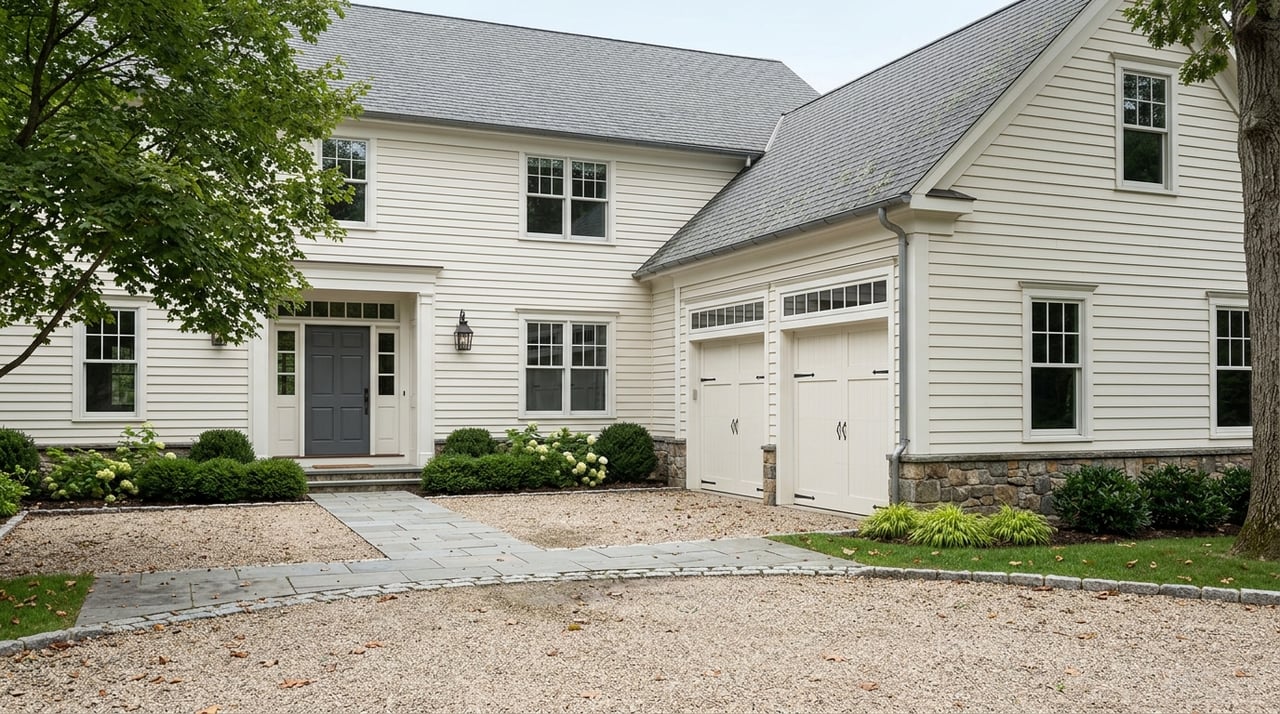
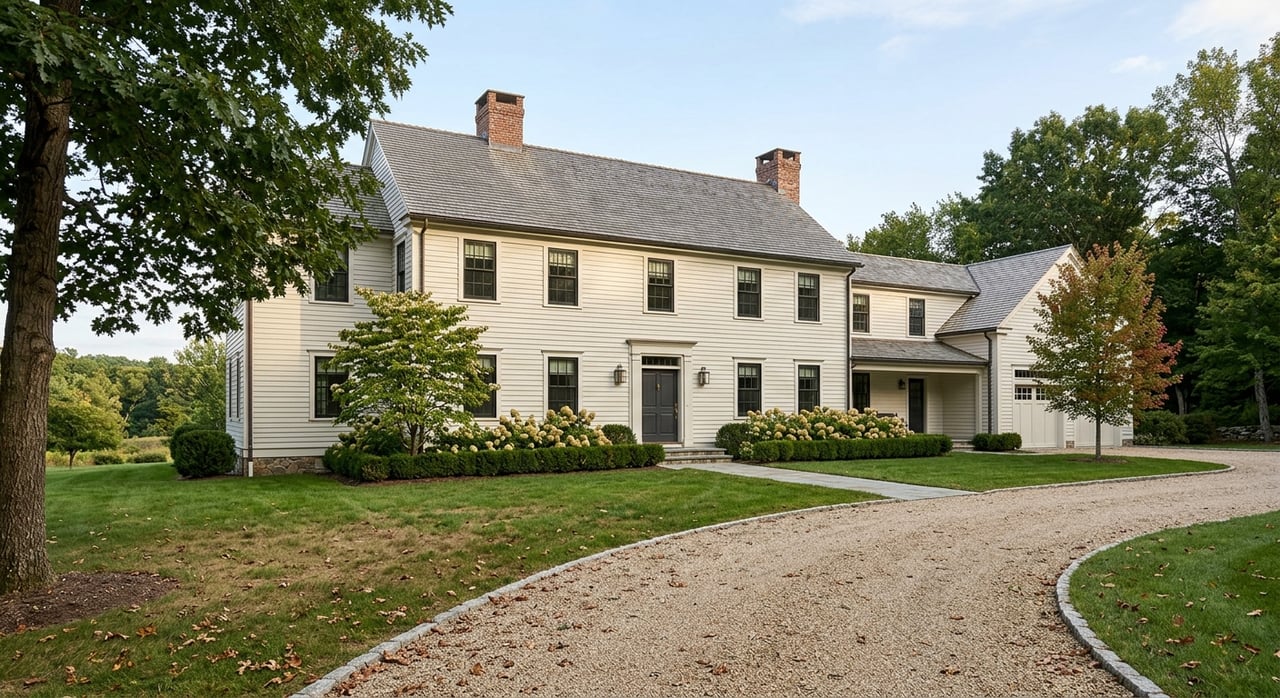
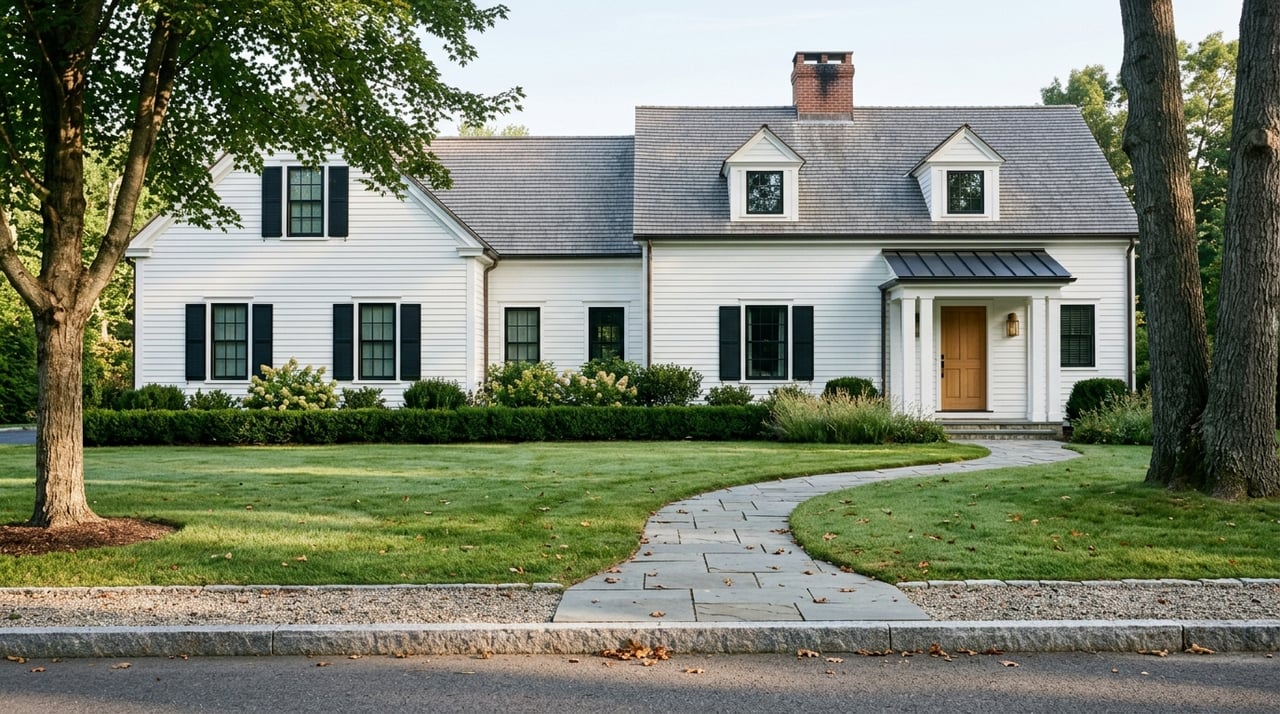
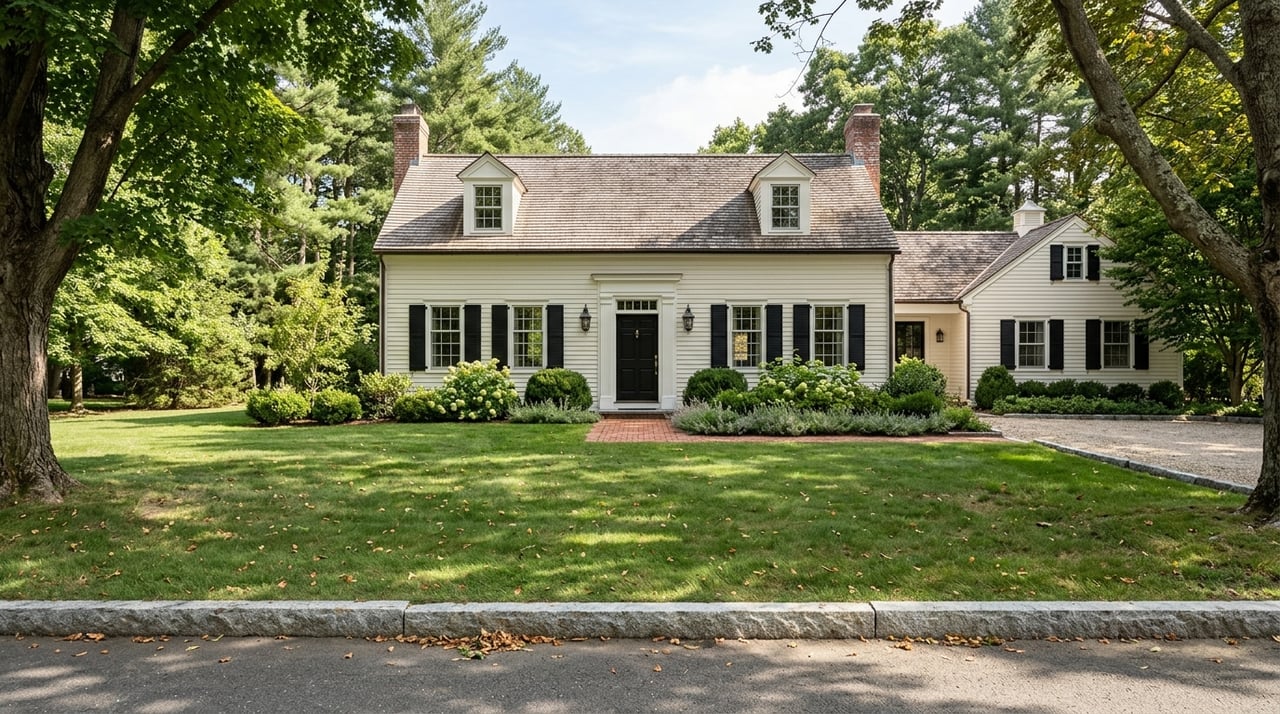
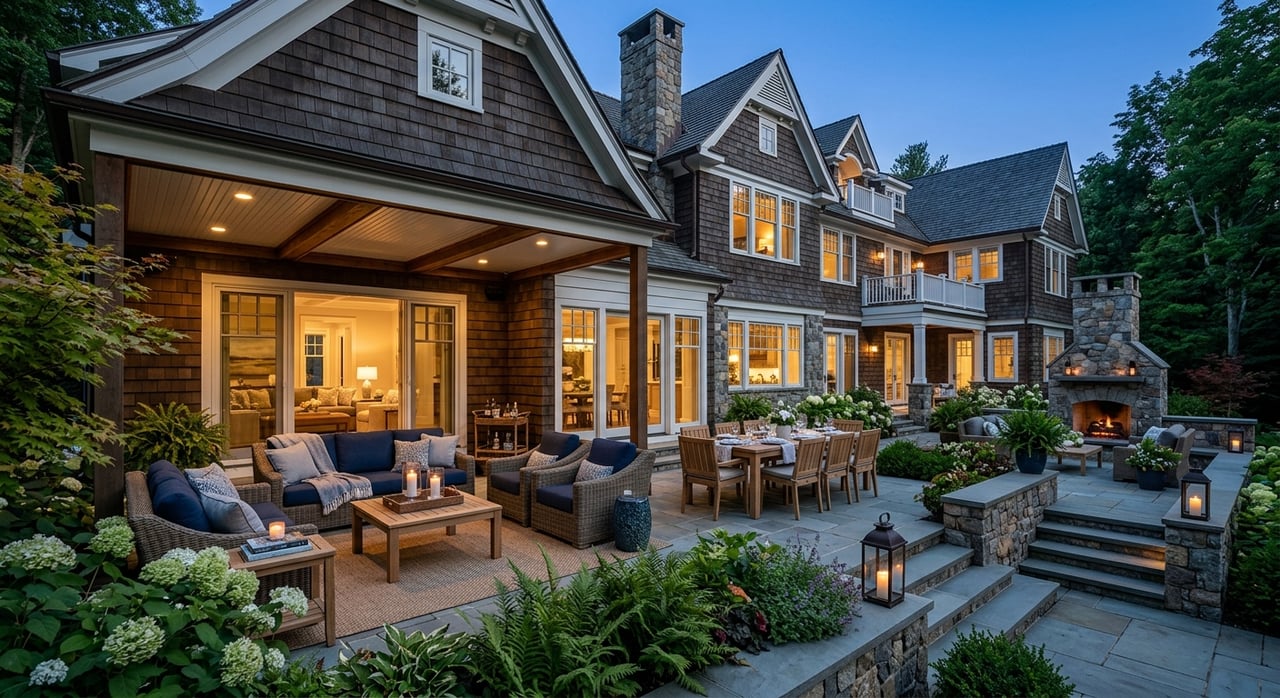
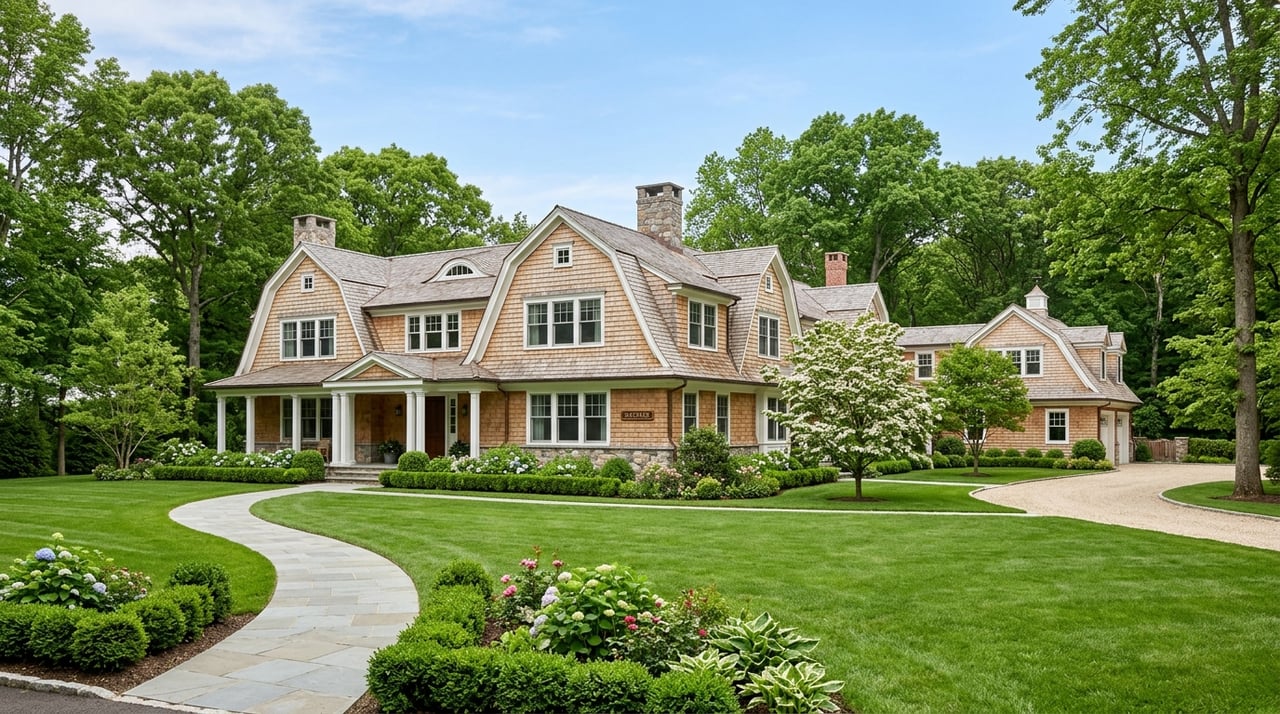
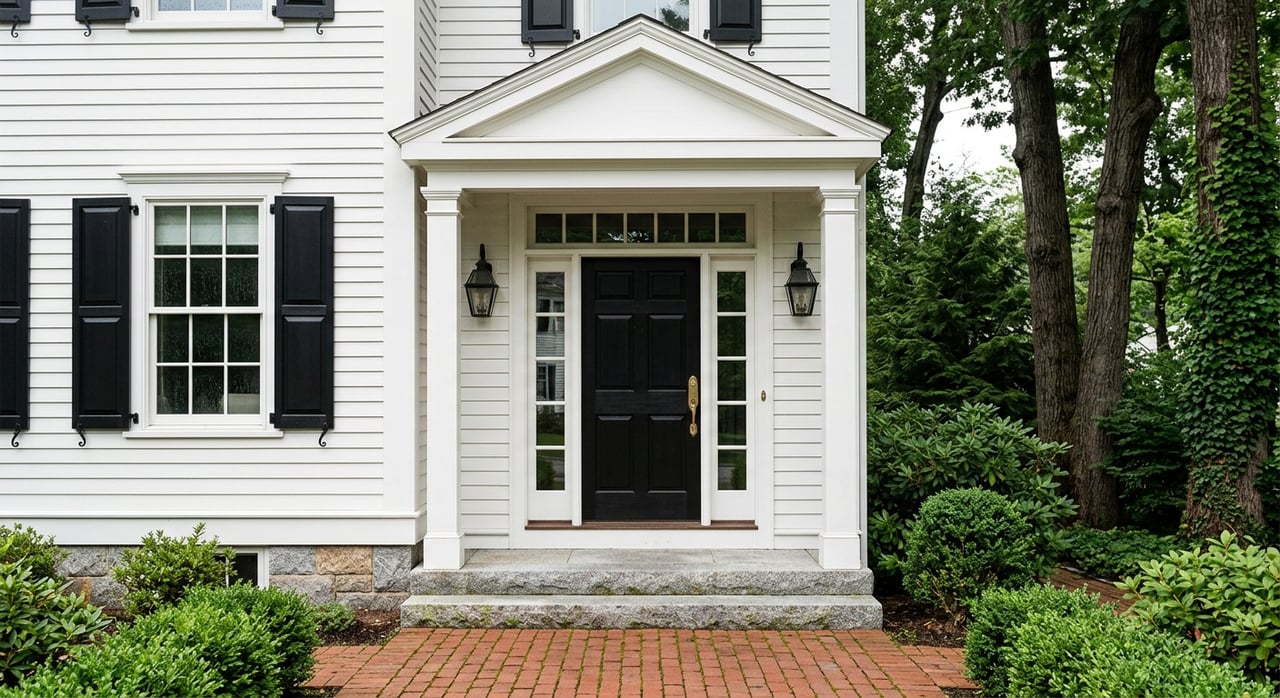
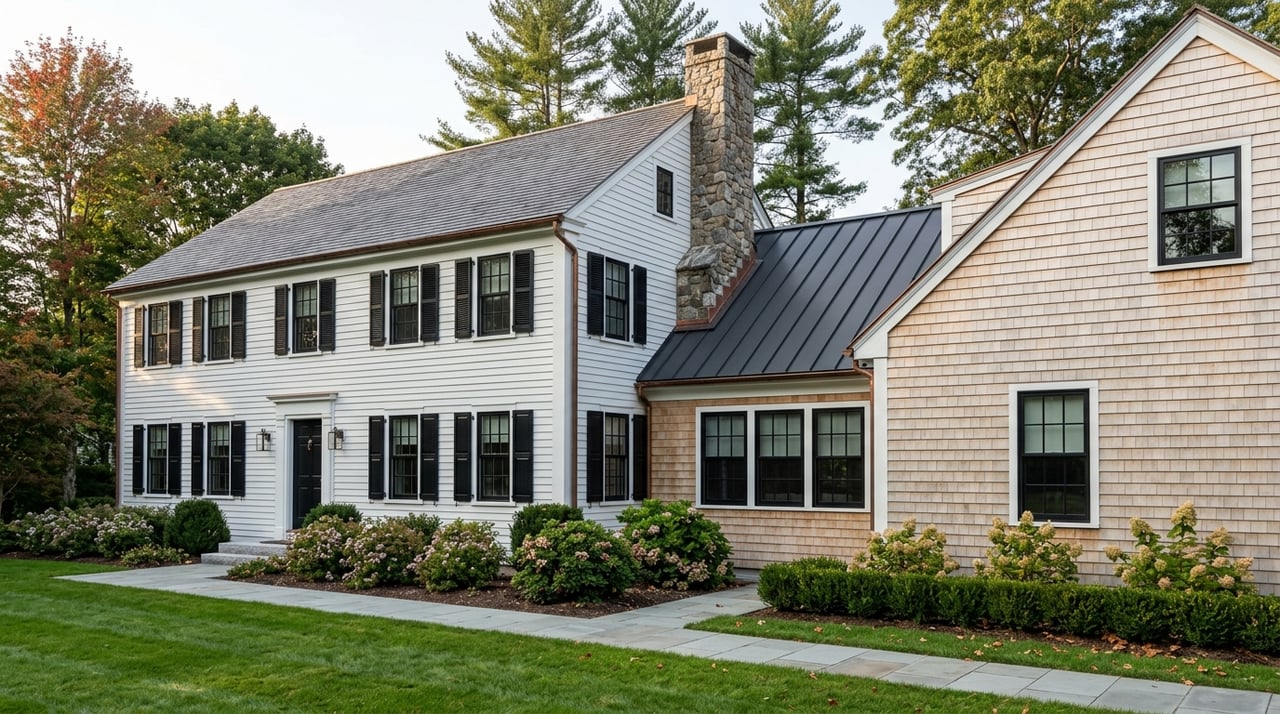
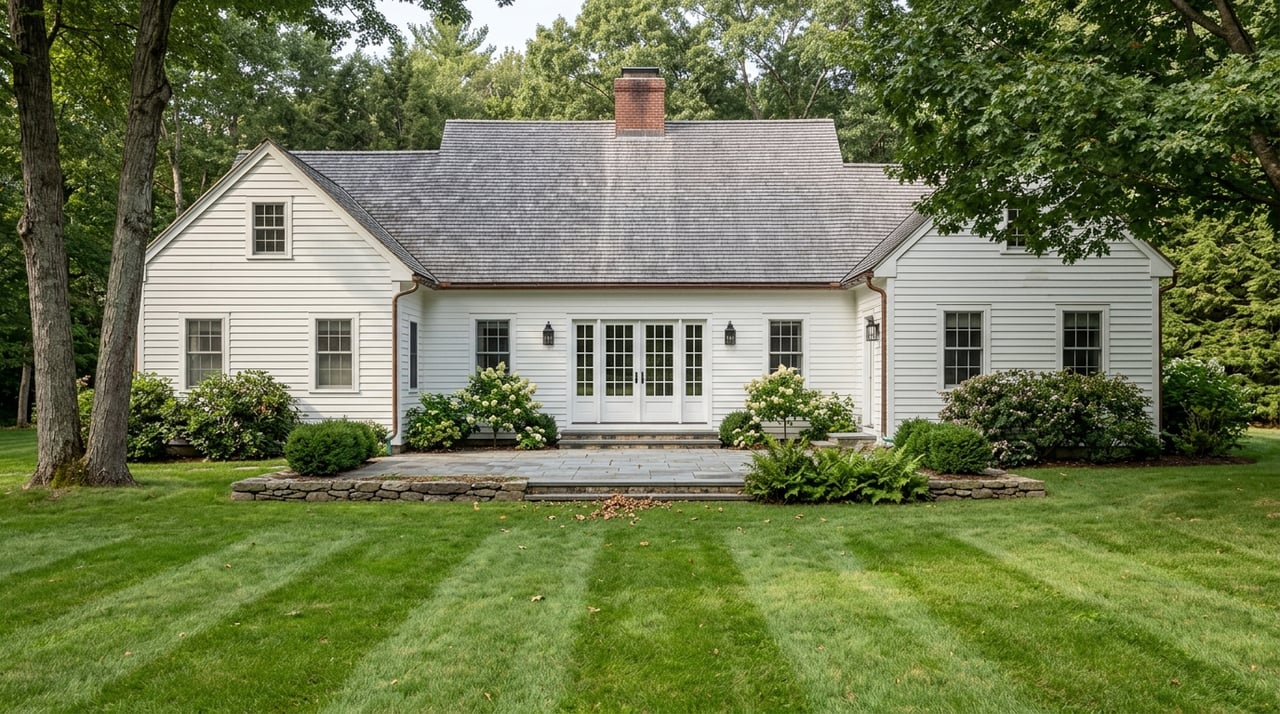
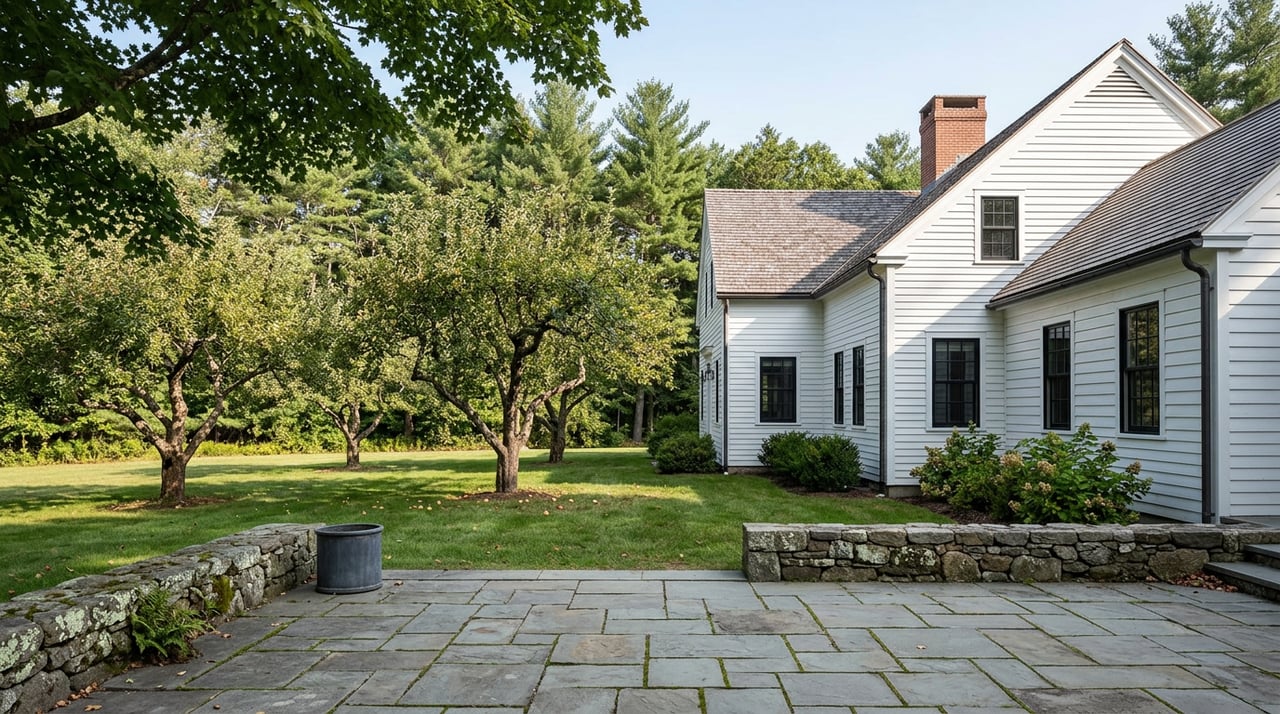
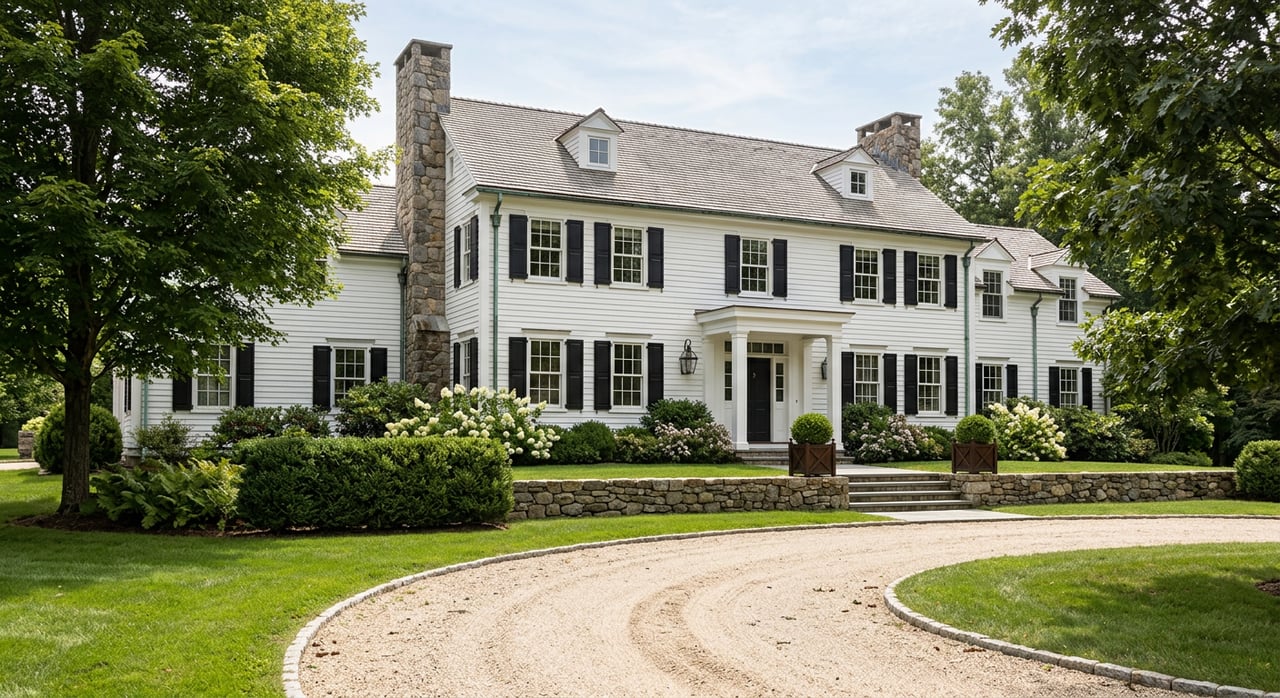
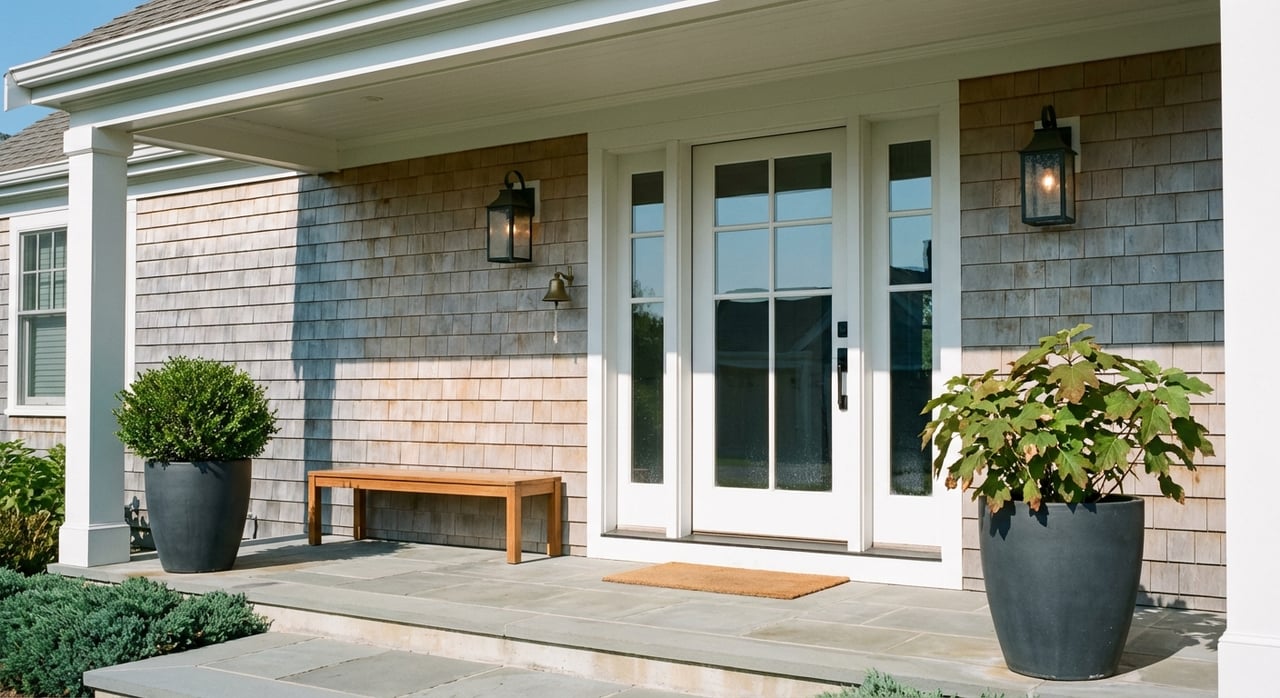
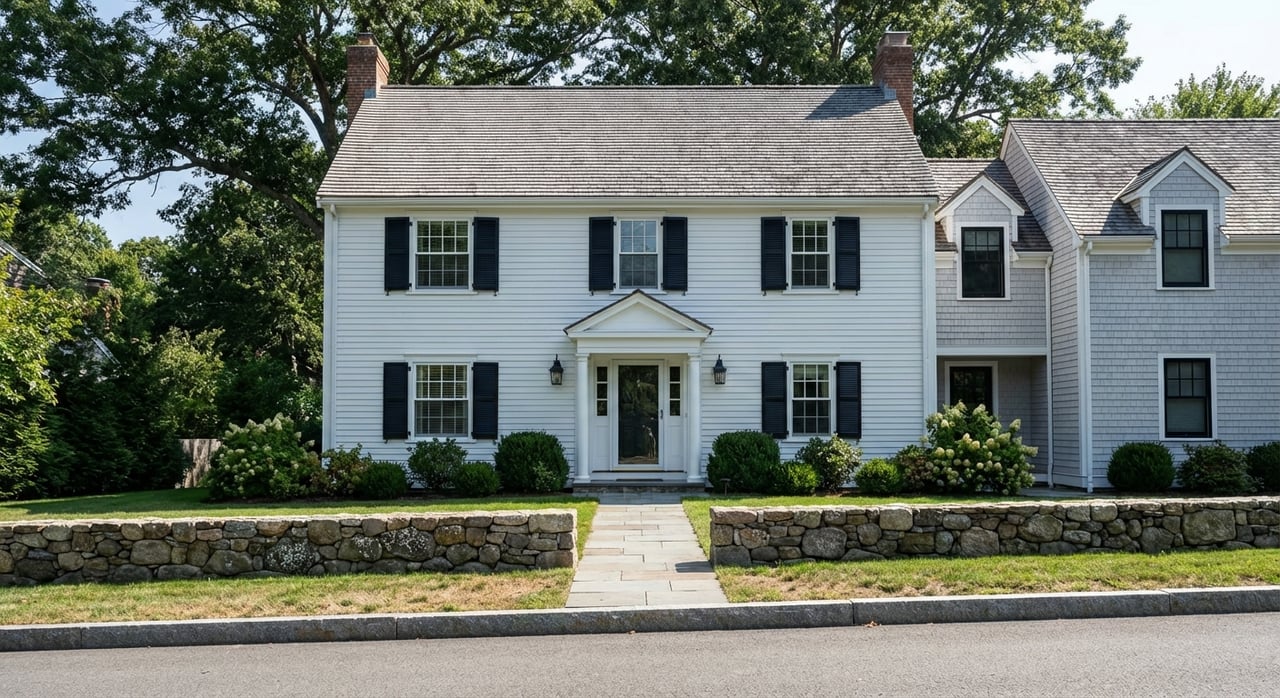
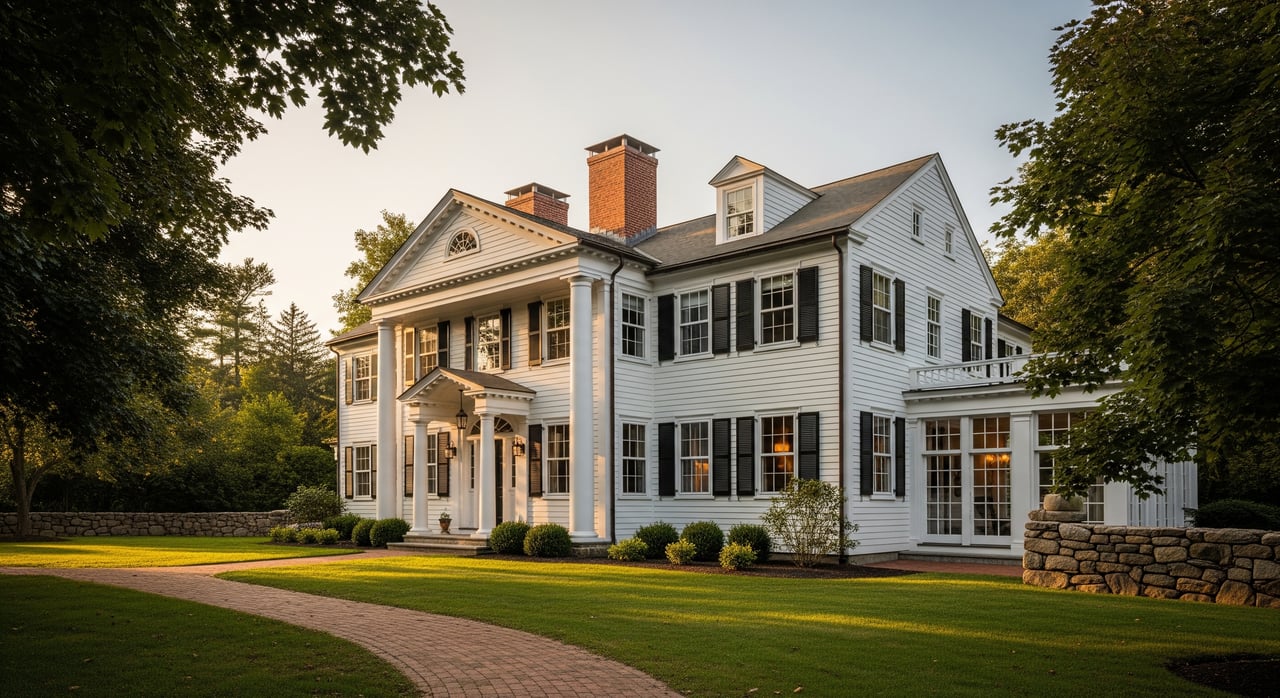
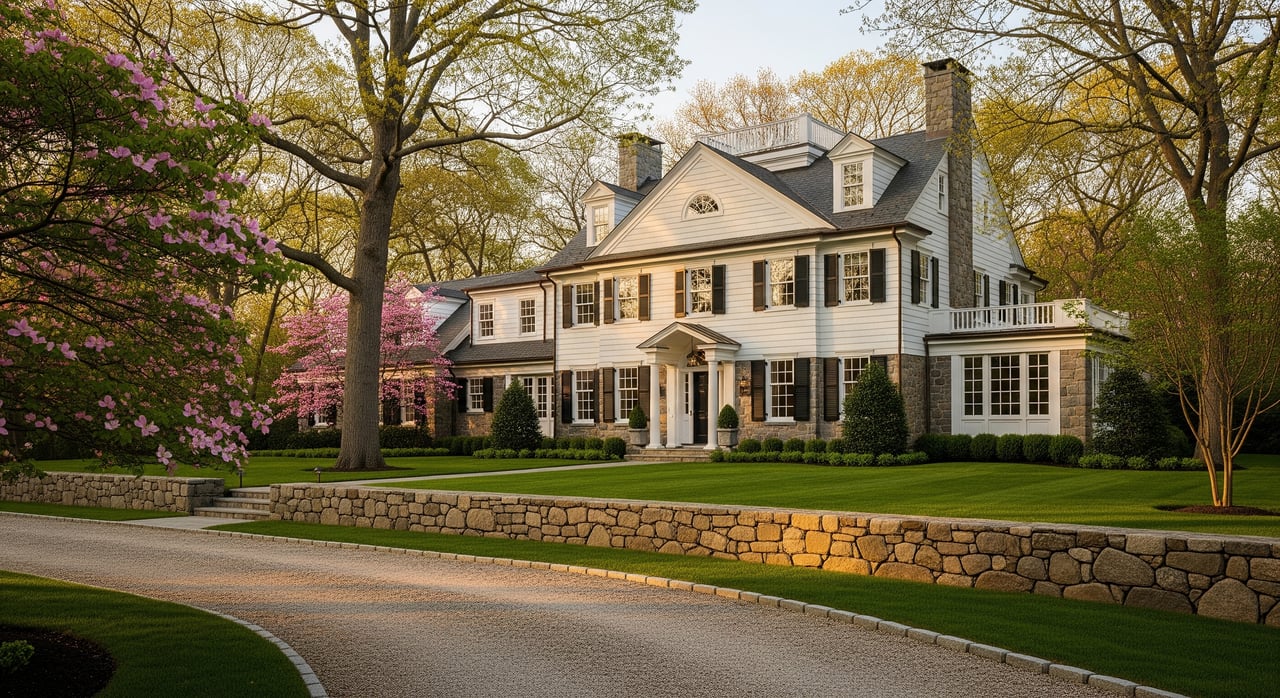
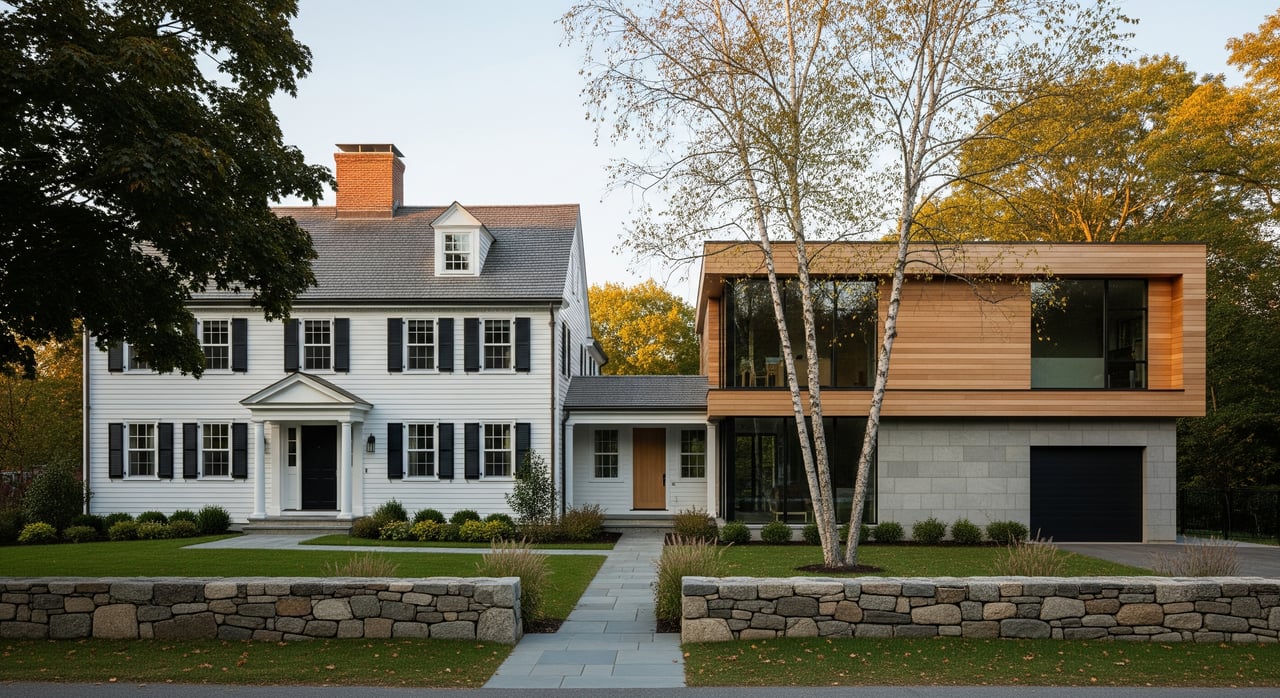
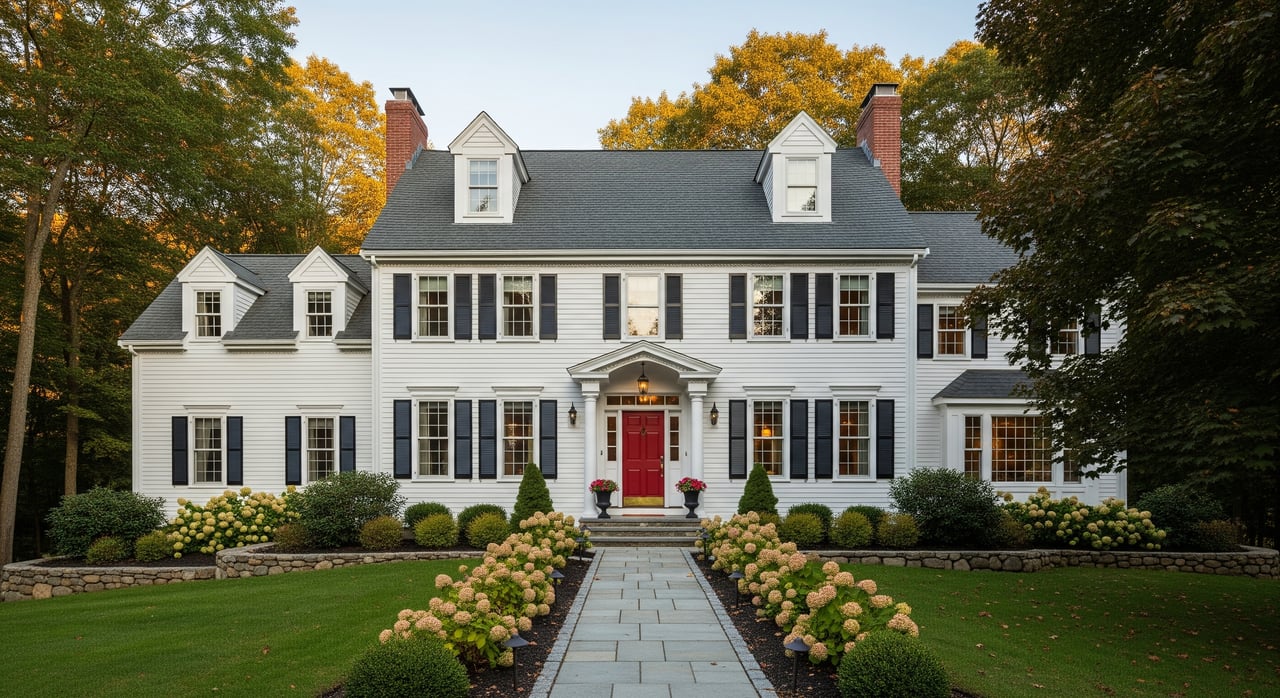
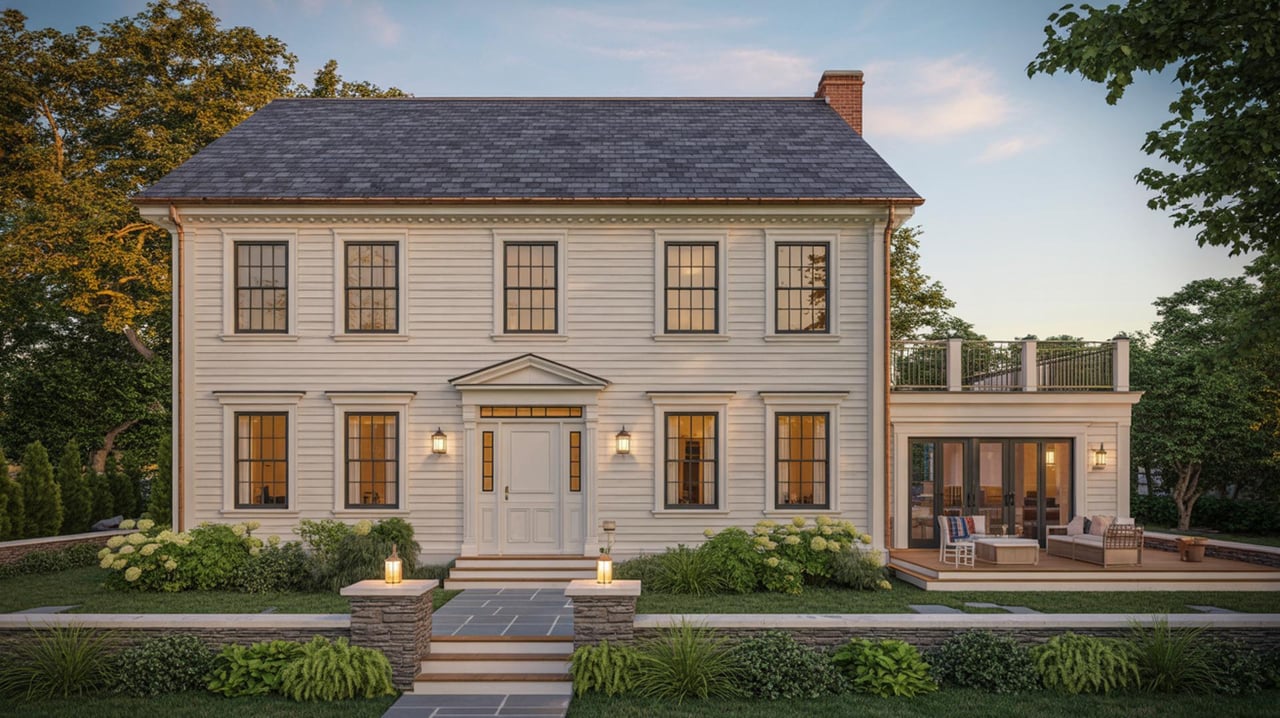
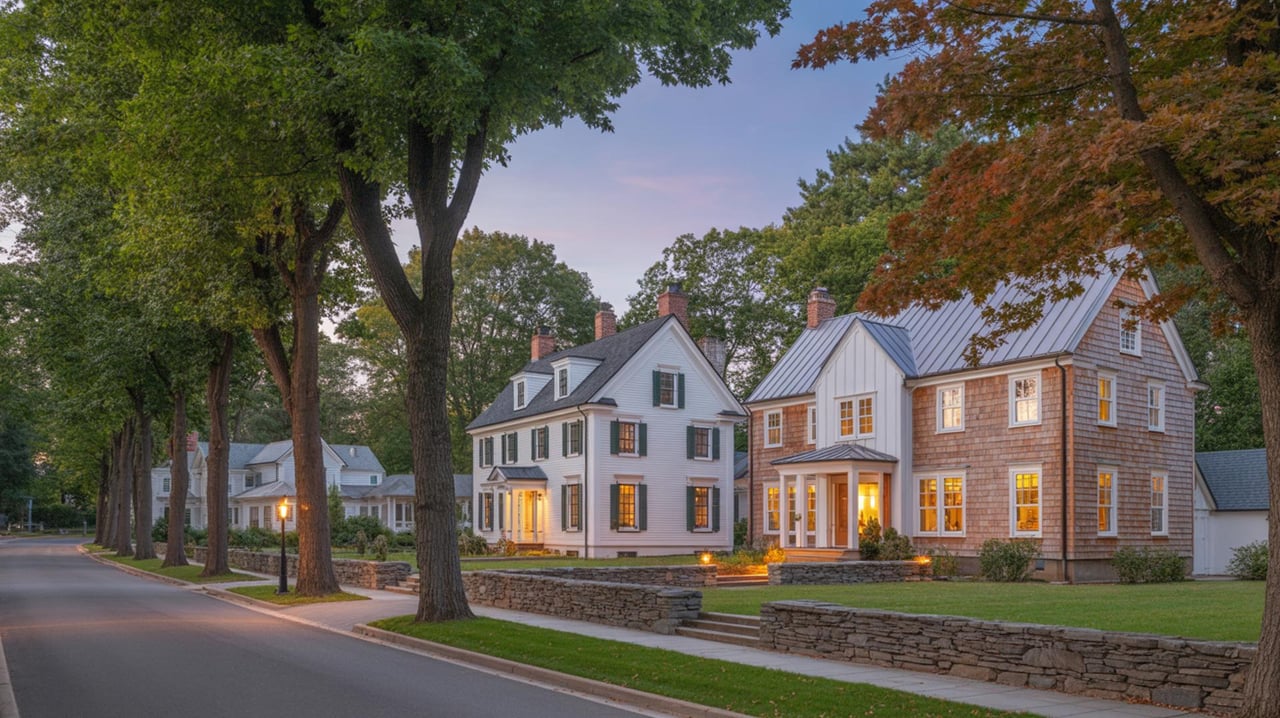
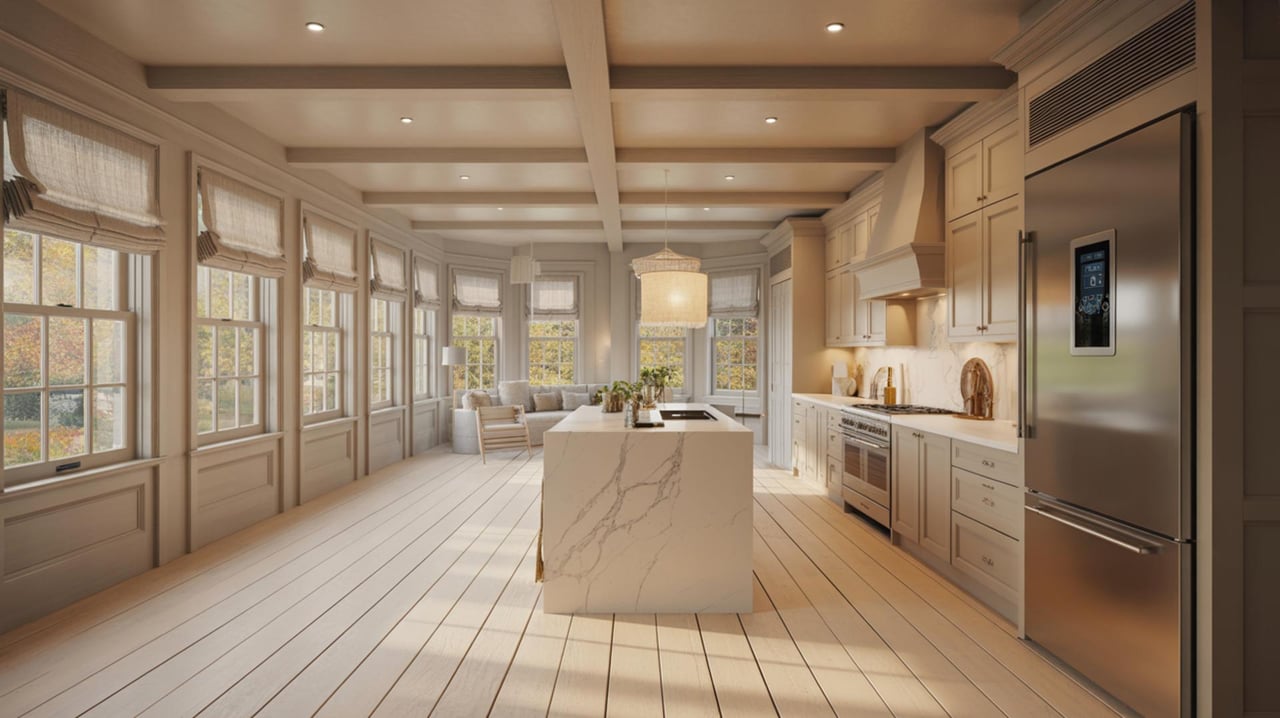
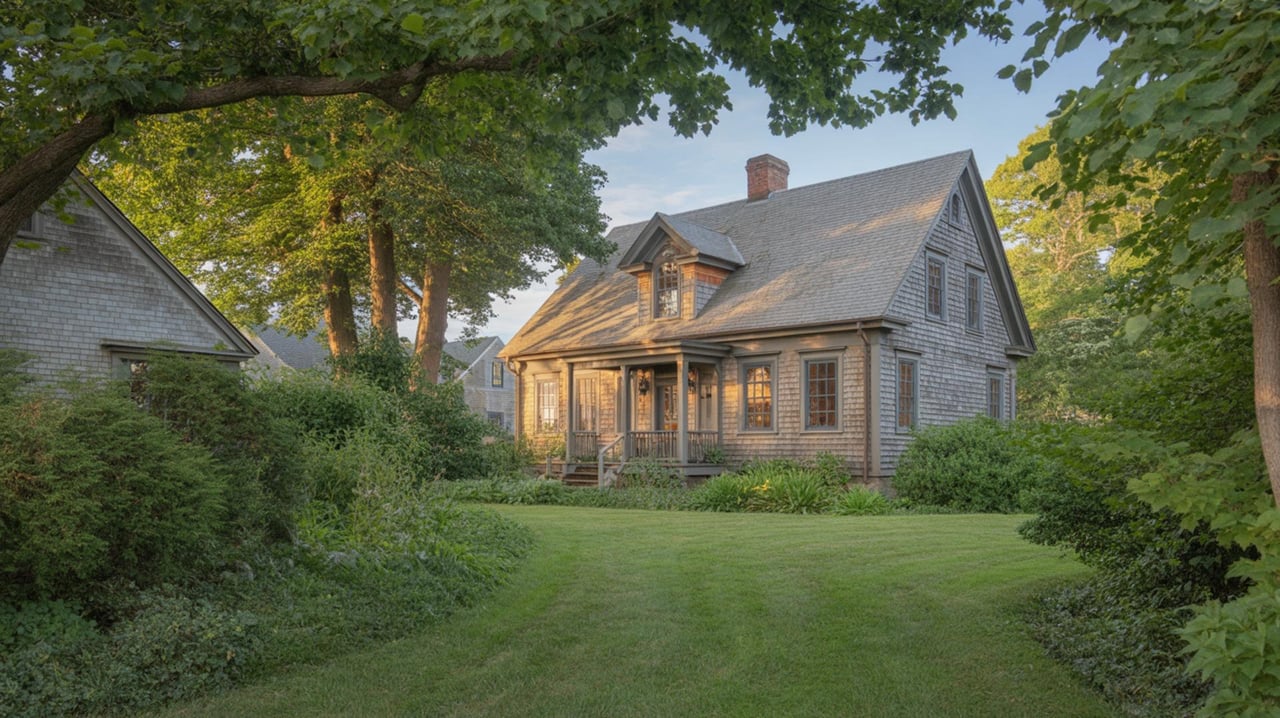
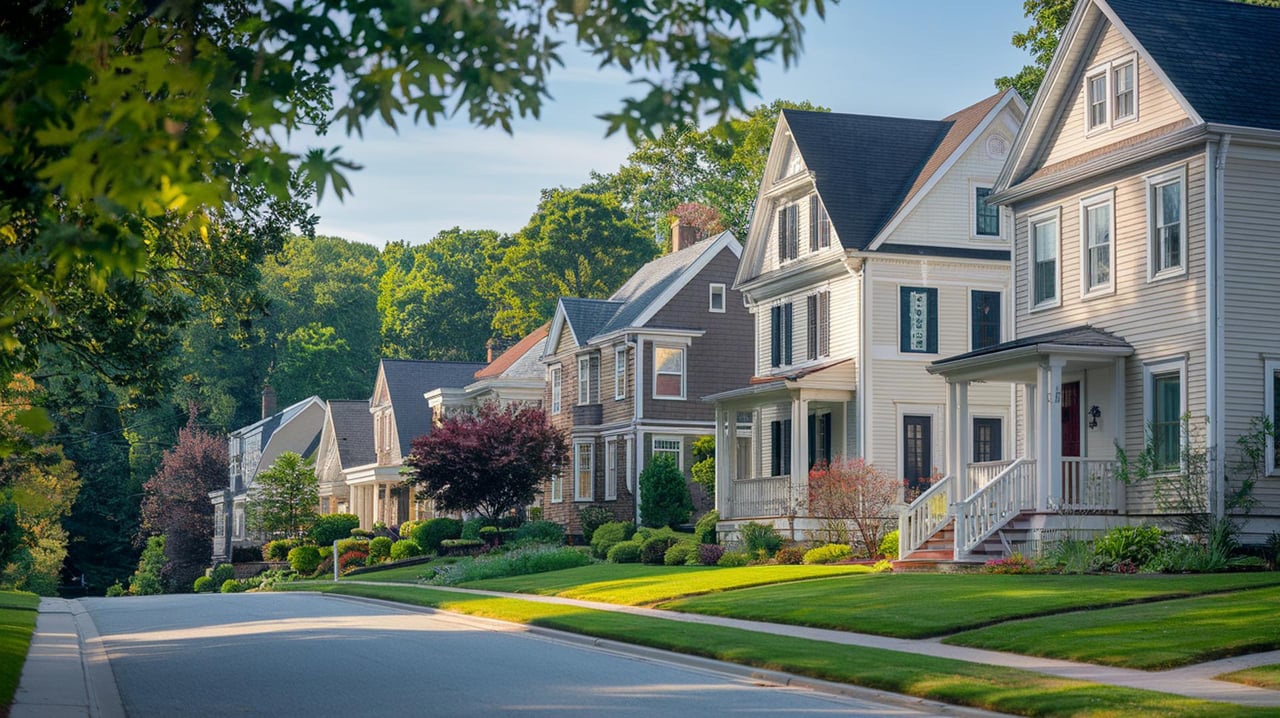
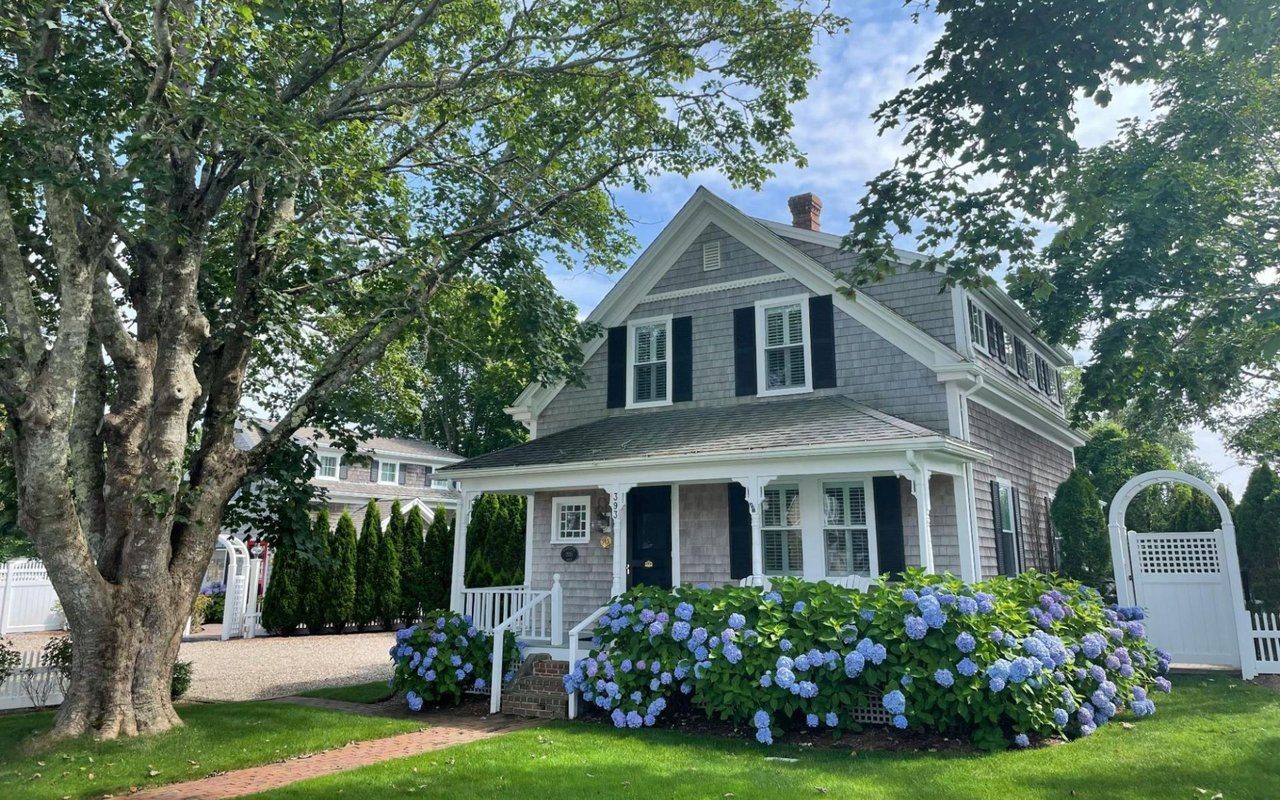
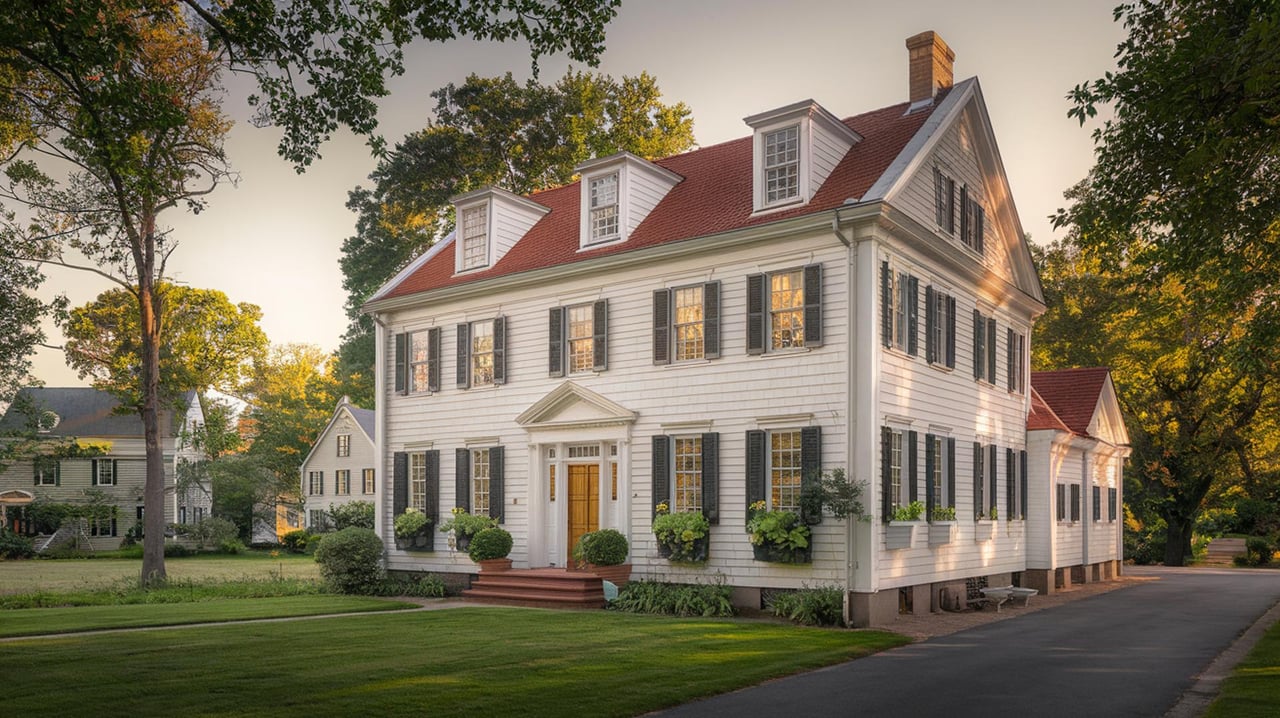
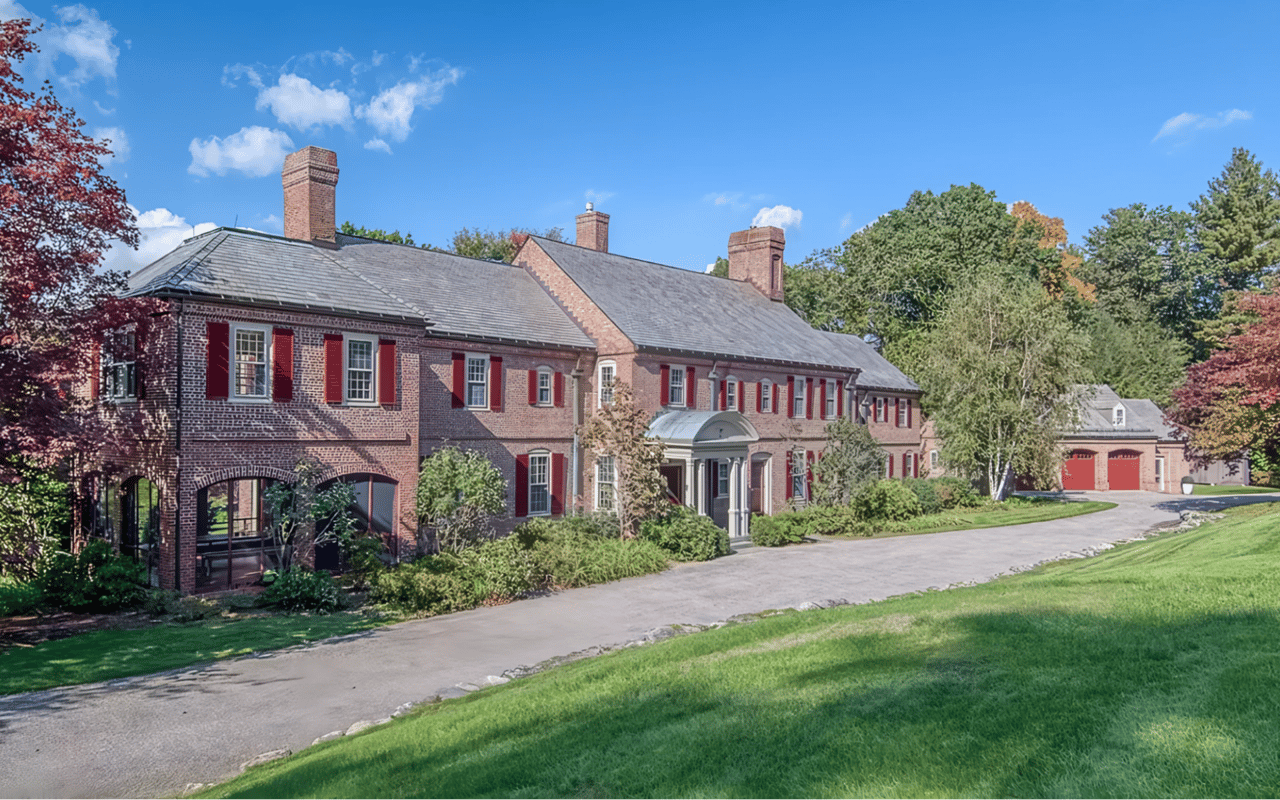
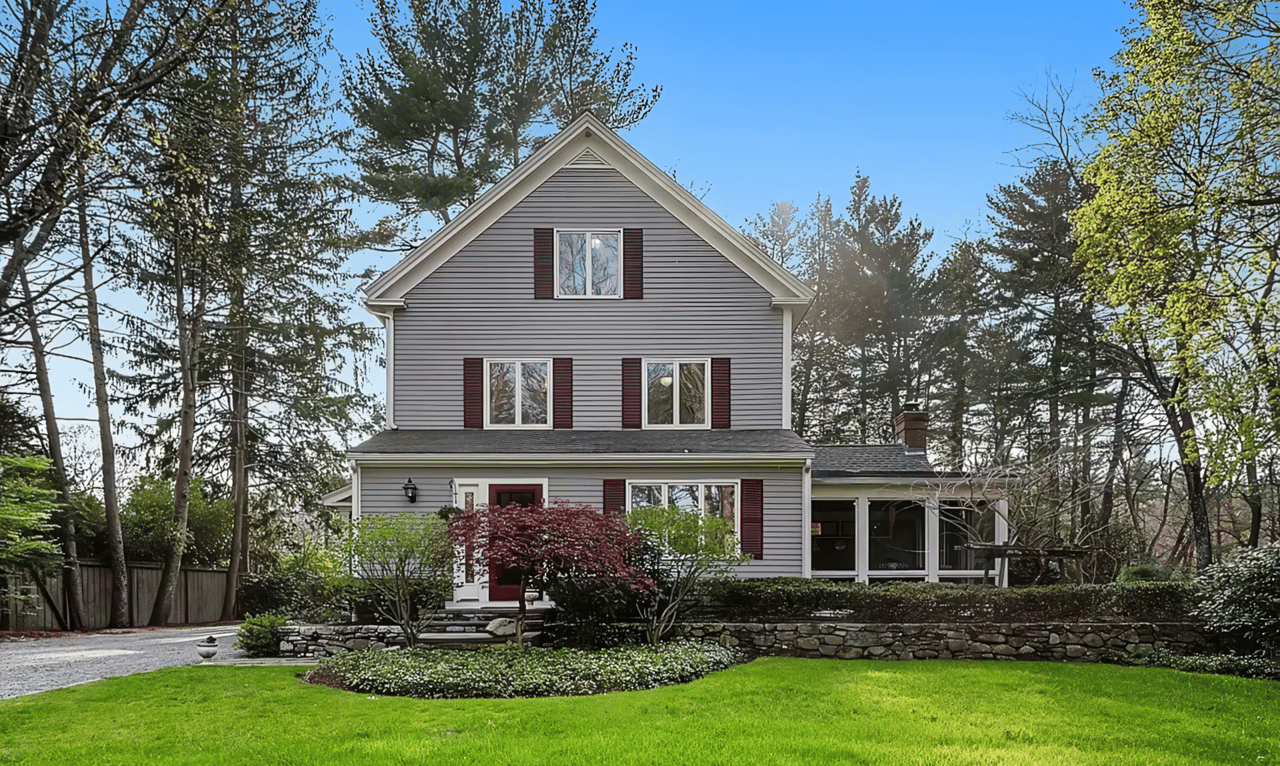
Lincoln’s housing stock is shaped mostly by single-family homes. A town demographic profile shows 1,419 single-family homes, 401 condominiums, and 334 rental units, which helps illustrate the market’s basic structure. In practical terms, that means many buyers coming to Lincoln are looking at detached homes, larger lots, and a more private residential setting.
The town is also largely owner-occupied. The Census Bureau estimates 2,880 housing units, with 57.3% owner-occupied housing, a median owner-occupied home value of $1,208,200, and a median gross rent of $3,168. These figures help explain why Lincoln tends to attract buyers who are prioritizing long-term lifestyle and location over entry-level pricing.
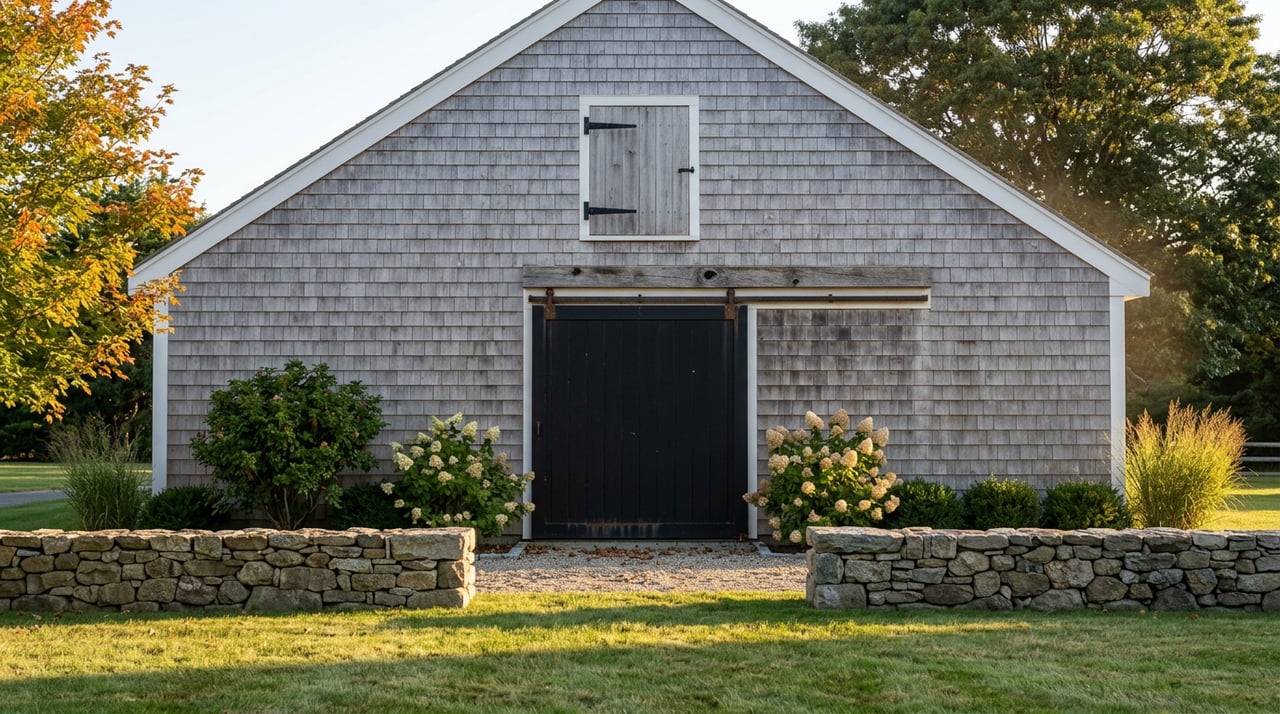
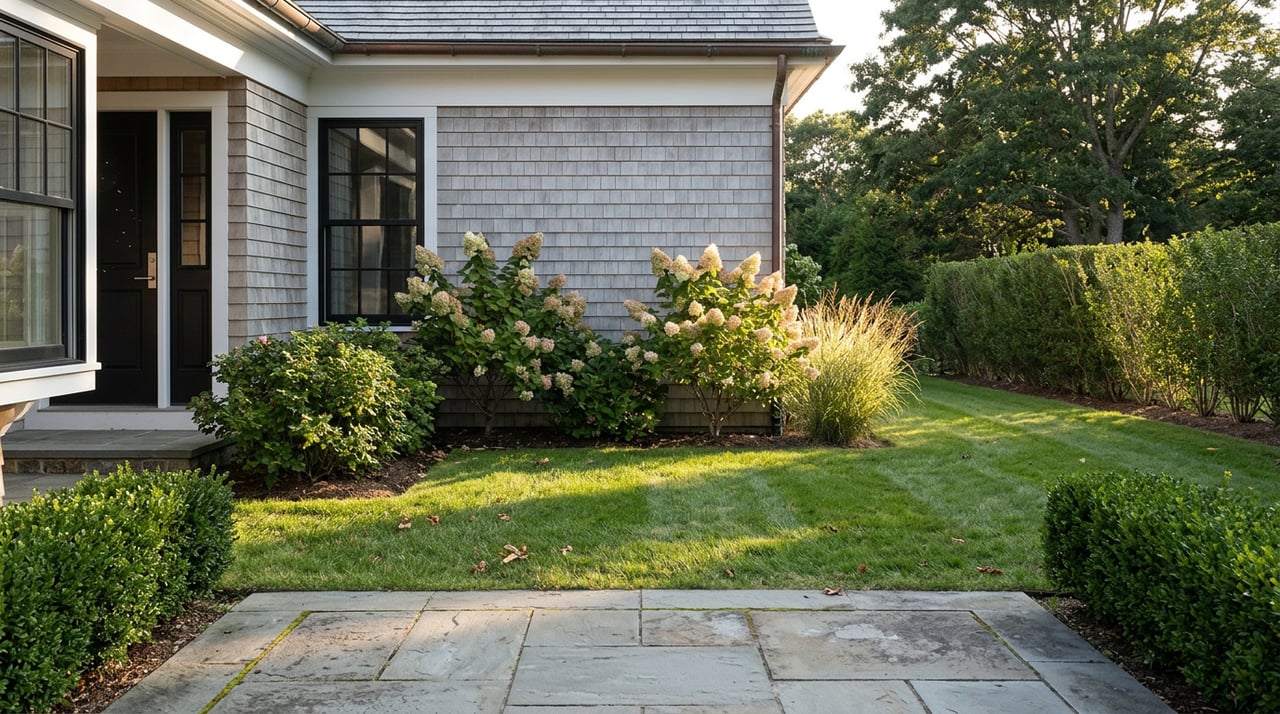
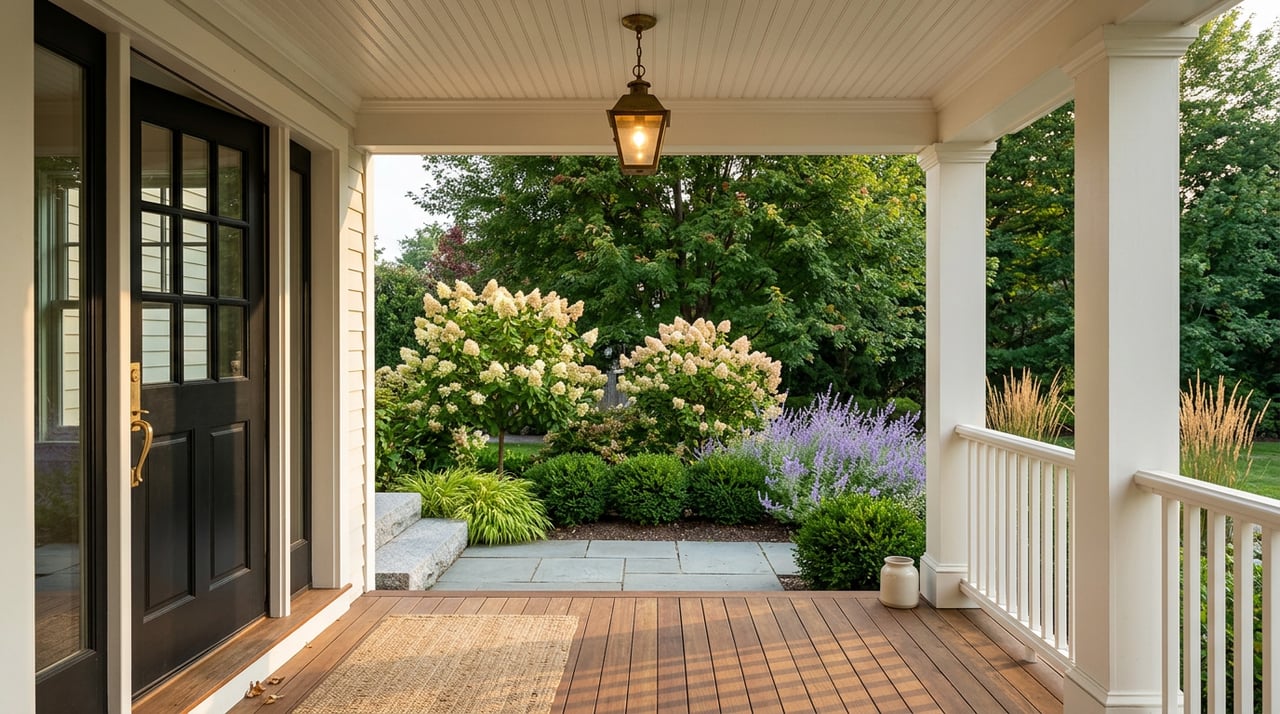
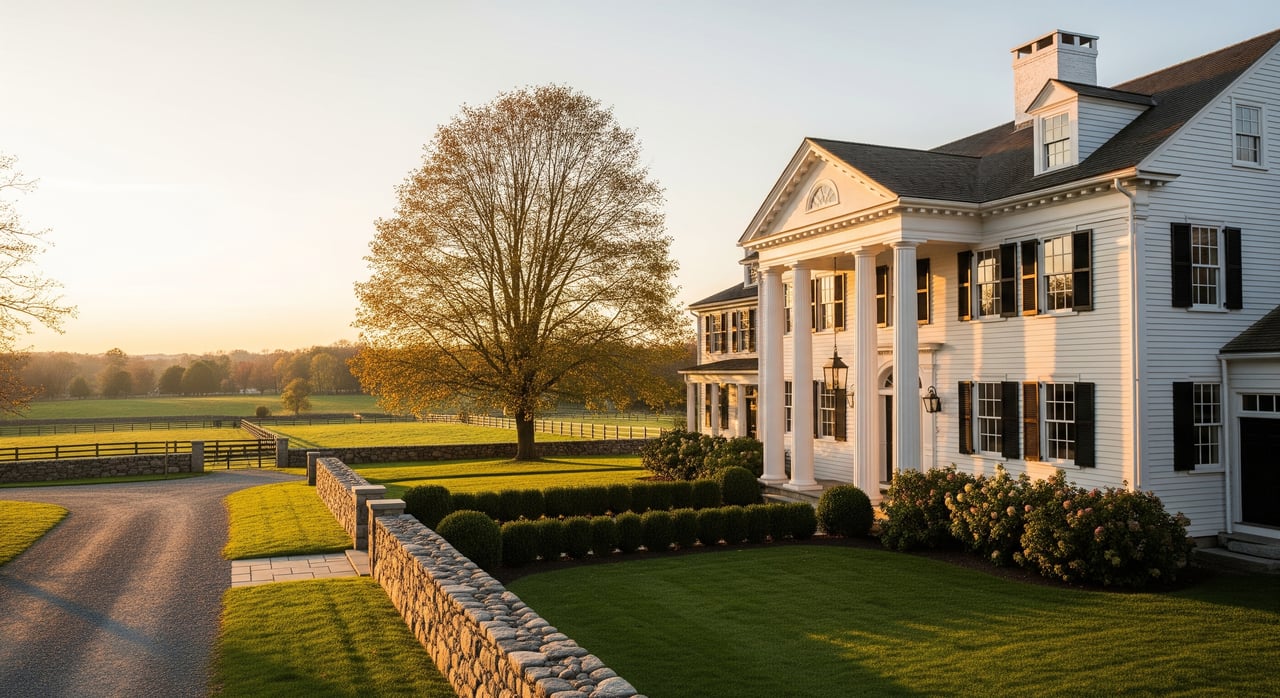
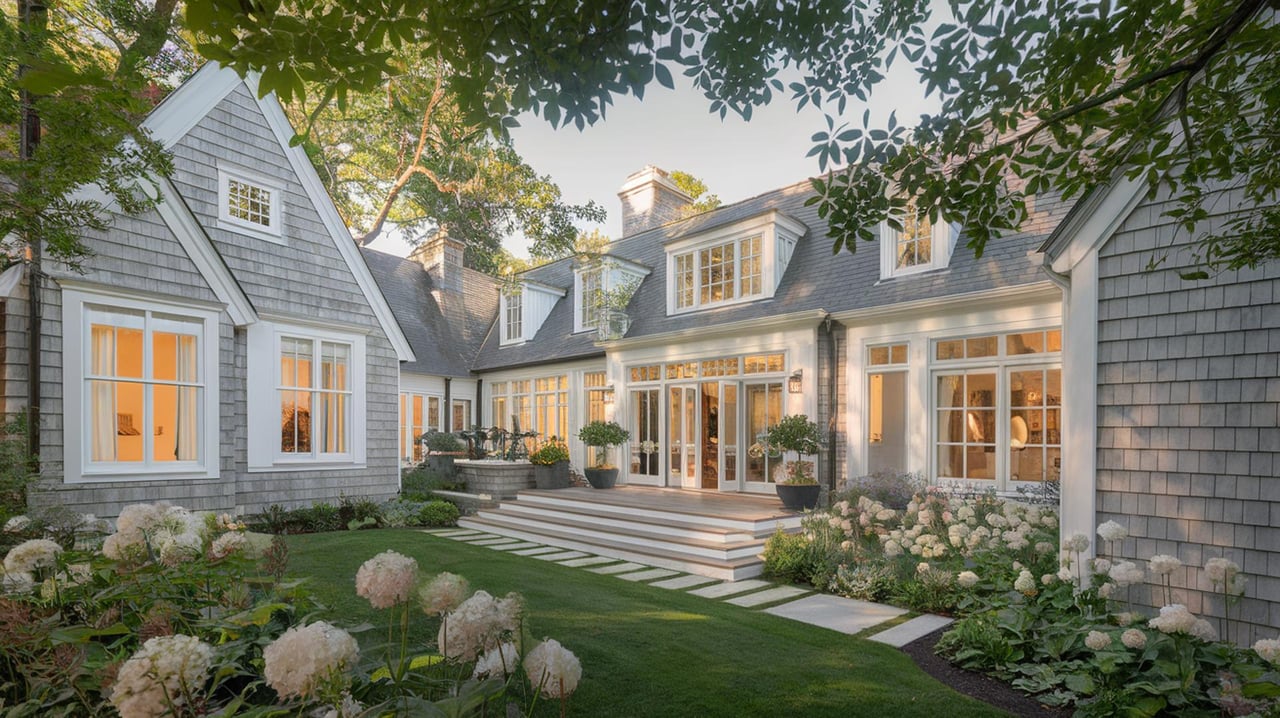
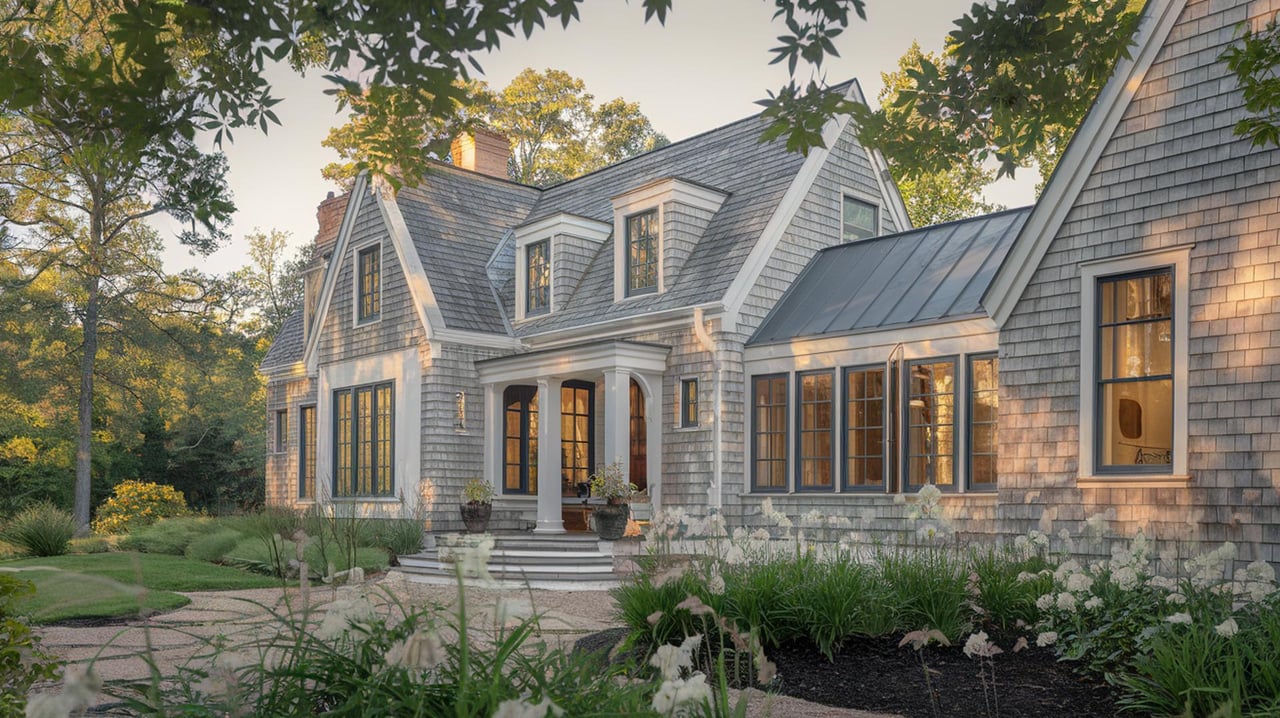
If you are comparing Lincoln to nearby communities, it helps to think in terms of land, privacy, and setting. Buyers are often paying for generous parcels, a preserved natural backdrop, and a town identity centered on stewardship and open space. That can make Lincoln especially appealing if you want a home environment that feels more tucked away while still remaining inside the Greater Boston orbit.
Lincoln Home Prices to Expect
Lincoln is a premium market. Town FY2026 assessment data show a median assessed value of $1,526,850 for single-family homes and $584,550 for condominiums, according to the 2025 Annual Town Report. Those numbers alone make it clear that this is not generally a starter-home market.
Recent sales data points even higher. A Massachusetts Association of Realtors local market update for January 2026 reported a median sales price of $2,337,500 for single-family homes and $767,000 for condos. The report also notes that one-month snapshots in a small market can look extreme because the number of sales is limited.
That is an important point if you are planning a purchase here. In Lincoln, inventory can be thin, and prices can move sharply based on the mix of homes that close in a given month. A few high-end sales can quickly shift the headline median, so buyers benefit from looking at individual properties, lot quality, condition, and location within town rather than relying on one broad number alone.
Who Lincoln Fits Best
Lincoln tends to work best for buyers who want a very specific blend of qualities. If your wish list includes conservation land, a polished small-town setting, and a direct path into Boston, Lincoln may check a lot of boxes. If your top priority is maximizing house size for the money or finding a wide range of available listings, it may feel more limiting.
This is often a strong match for:
- Buyers who value open space and daily access to trails
- Professionals who want commuter rail access to Boston
- House hunters seeking privacy, land, and a quieter setting
- Buyers comfortable with premium pricing and limited inventory
- Those looking for a more established, owner-oriented market
Lincoln may be less ideal if you want a large volume of listings or a lower price point. The market is selective by nature, and that scarcity is part of what supports its long-term appeal.
Tradeoffs to Weigh Before Buying
Every town has tradeoffs, and Lincoln is no exception. The same features that make it appealing, like preservation, lower density, and a strong single-family character, can also mean fewer available homes at any given time. If you are serious about buying here, patience and preparation matter.
You should also expect pricing that reflects the town’s reputation and limited supply. With high assessed values, elevated sale prices, and a relatively small market, Lincoln usually rewards buyers who are clear about their priorities early. Knowing what matters most, whether that is acreage, village proximity, rail access, or condo living, can help you act decisively when the right property appears.
How Lincoln May Evolve
Lincoln is not standing still. The town is an MBTA Communities municipality, and it must provide a multifamily district within a half mile of the commuter rail station. Town materials state that the goal is to create more housing choices near public transportation, goods, and services.
That does not mean rapid change across the whole town. In fact, the available town information suggests a gradual approach that tries to balance land preservation with some housing diversification. The Annual Town Report also notes local action related to accessory dwelling unit rules in single-family districts, another sign that new options may emerge over time in measured ways.
For buyers, this matters because future inventory around the station area could continue to evolve. If you are interested in Lincoln but want something lower-maintenance or closer to transit, these planning efforts are worth watching.
A Smart Way to Approach a Lincoln Purchase
In a town like Lincoln, broad market knowledge only goes so far. What often matters more is understanding the differences between property types, lot settings, and how each home connects to the lifestyle you want. A house near the village center can offer a very different daily experience from one oriented more heavily around land and privacy.
That is why a thoughtful buying strategy is so important here. You want to look beyond list price and ask how a property fits your commute, your need for outdoor space, your maintenance tolerance, and your long-term plans. In a small, high-value market, clarity and timing can make a real difference.
If Lincoln’s mix of rural beauty and Boston access sounds like the right fit, working with a local advisor who understands premium suburban markets can help you evaluate opportunities with confidence. When you are ready to explore the Lincoln market, connect with Peggy Dowcett for trusted, high-touch guidance tailored to your goals.
FAQs
What makes Lincoln, MA appealing for Boston commuters?
- Lincoln has an MBTA Fitchburg Line stop in the village center, plus access to Route 126, Route 2, and Route 2A, giving buyers both rail and road commuting options.
What is the housing market like in Lincoln, MA?
- Lincoln is a high-value, low-inventory market with a housing stock dominated by single-family homes, plus a smaller number of condos and rentals.
What do home prices look like in Lincoln, MA?
- Recent local data showed a median single-family sale price of $2,337,500 and a median condo sale price of $767,000, though small monthly sample sizes can cause swings.
What lifestyle does Lincoln, MA offer homebuyers?
- Lincoln offers a rural-feeling setting with about 80 miles of trails, extensive conservation land, and a distinctive arts-and-nature presence through deCordova Sculpture Park and Museum.
Is Lincoln, MA a good fit for every buyer?
- Lincoln is usually best for buyers who value privacy, land, open space, and commuter access, and who are comfortable with premium pricing and fewer available homes.