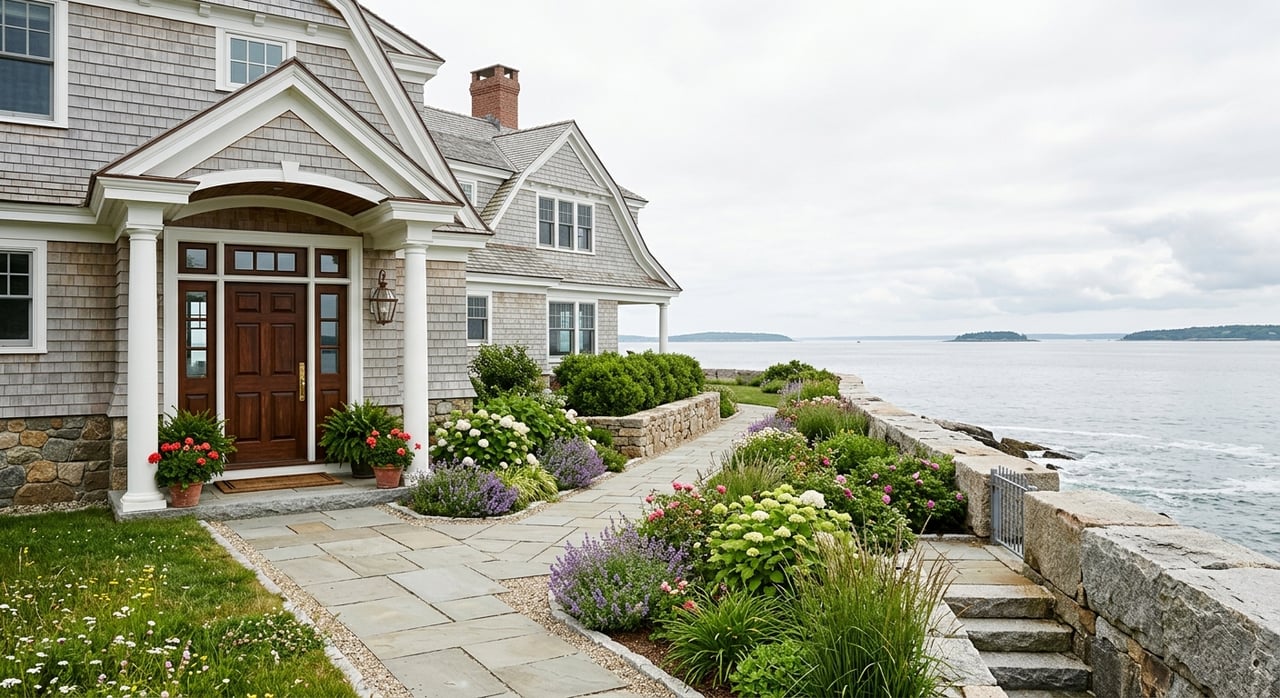
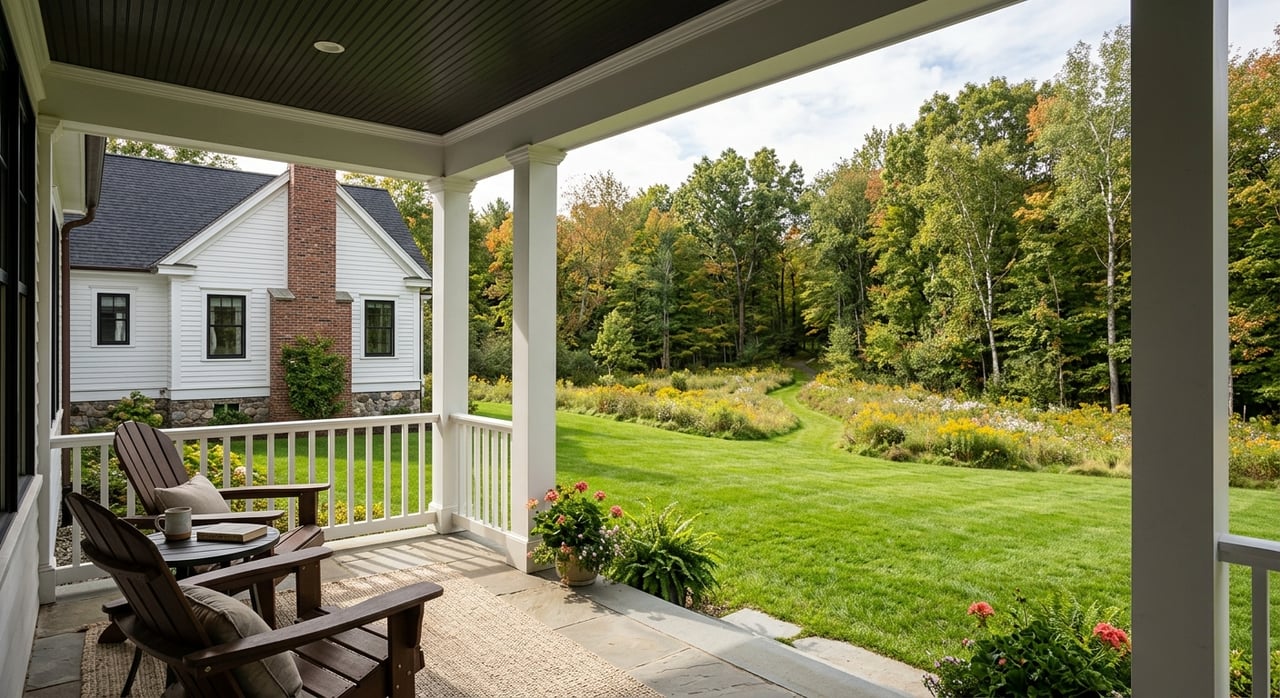
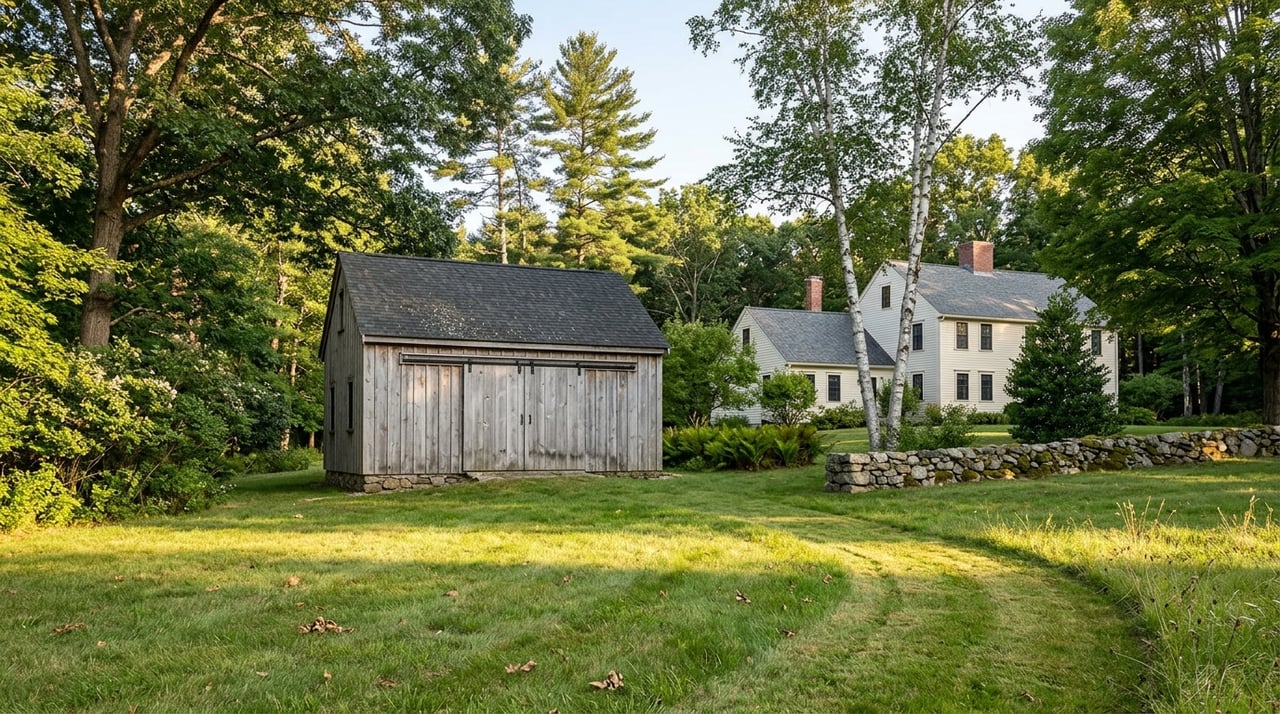
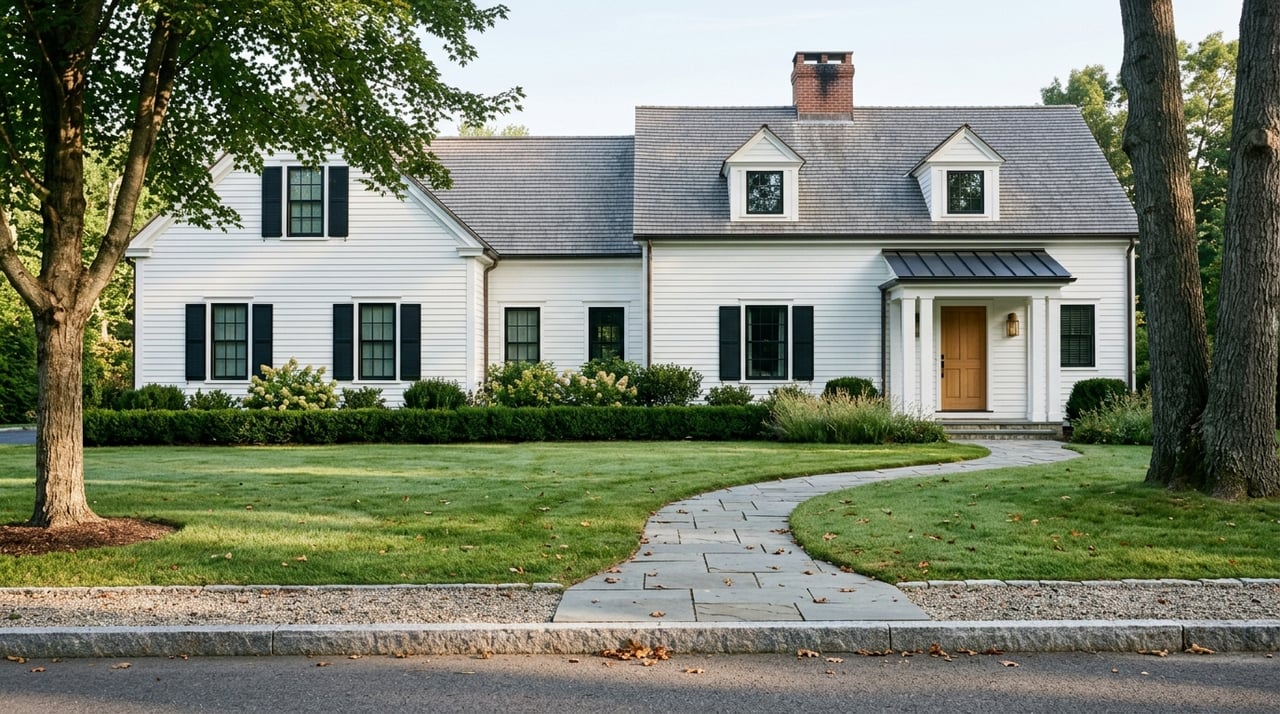
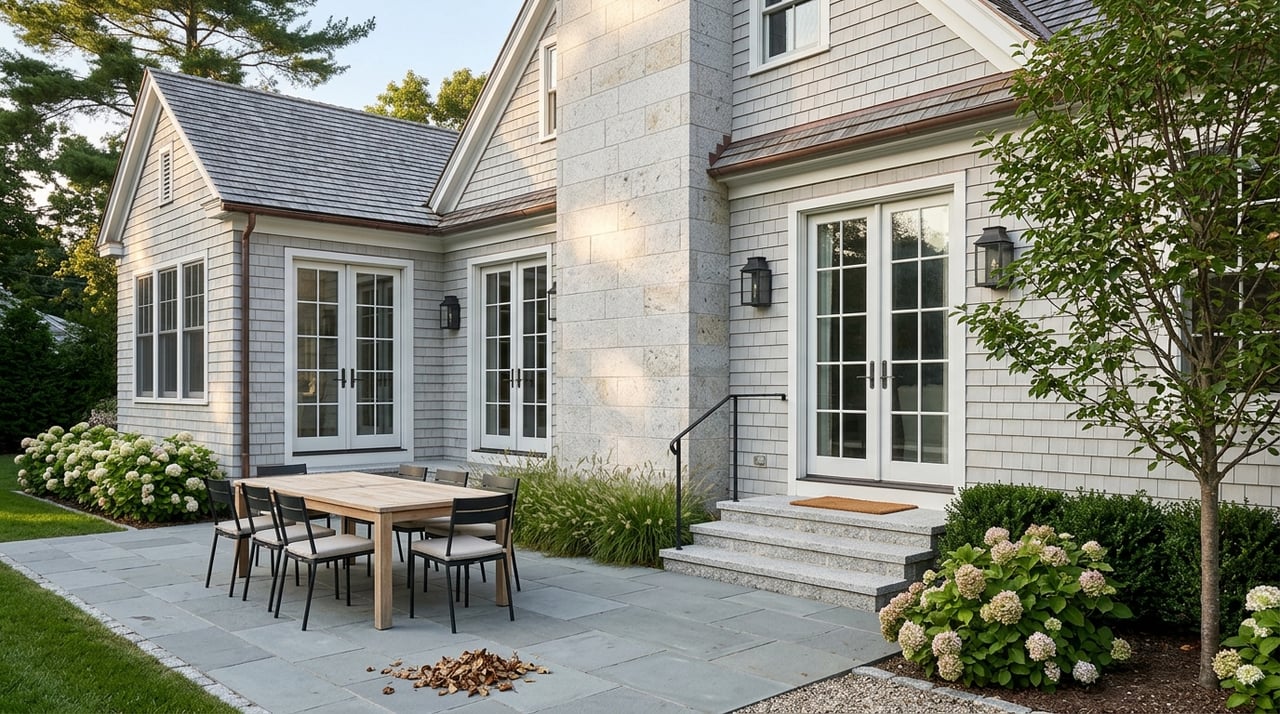
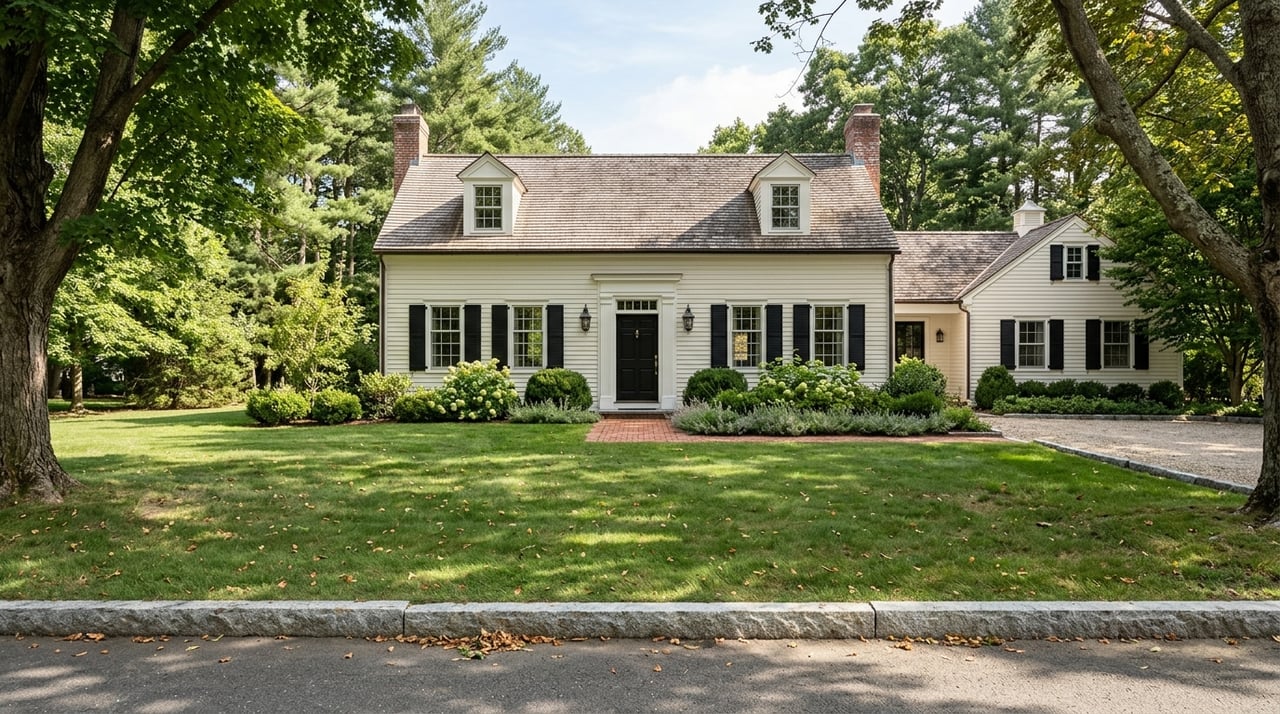
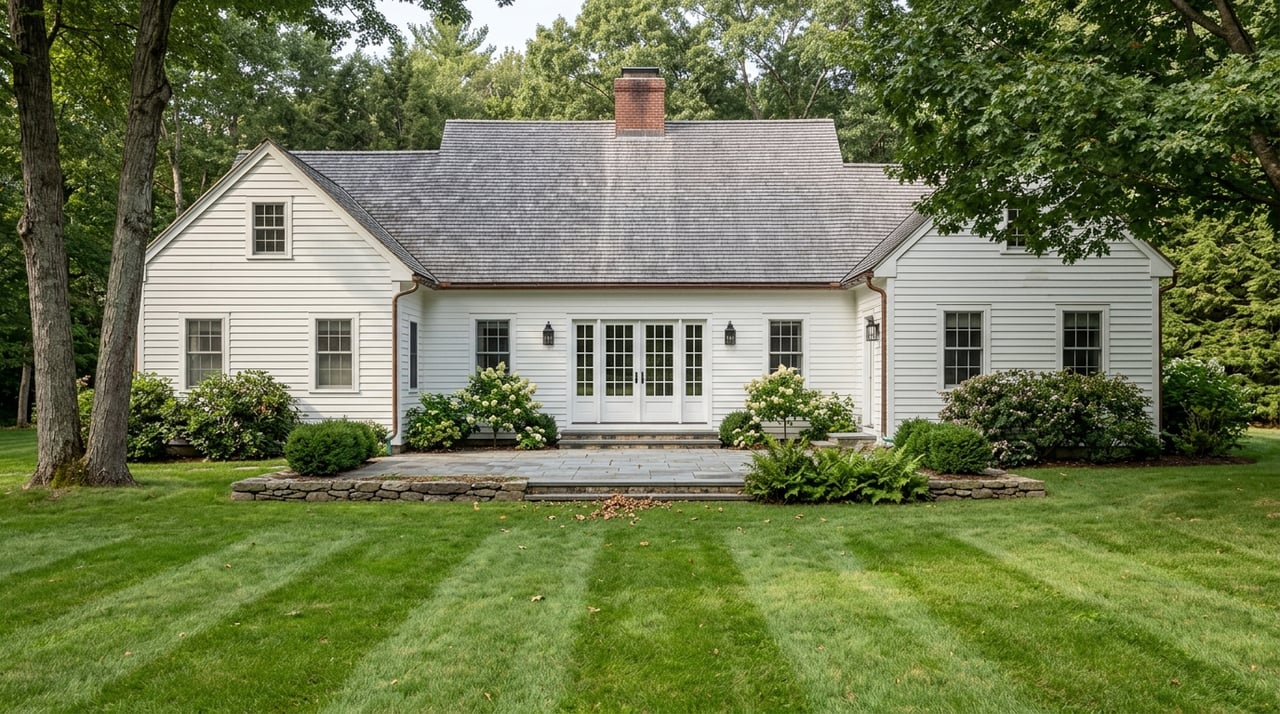
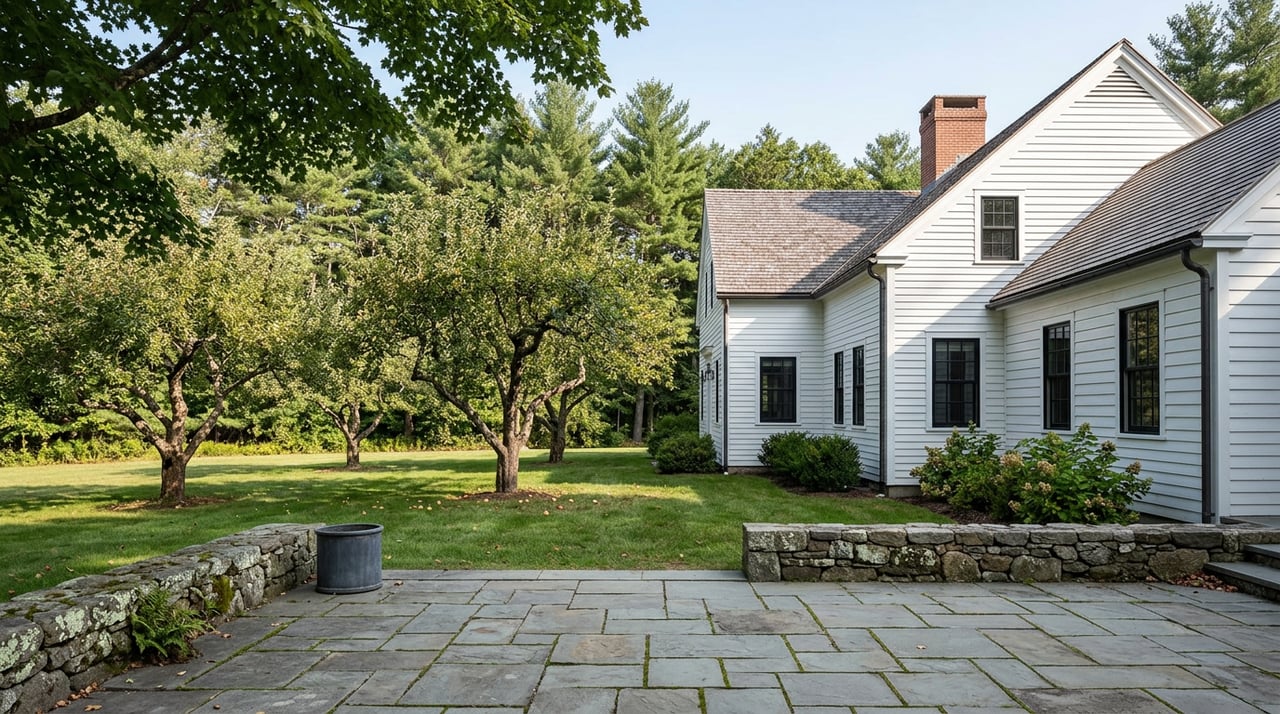
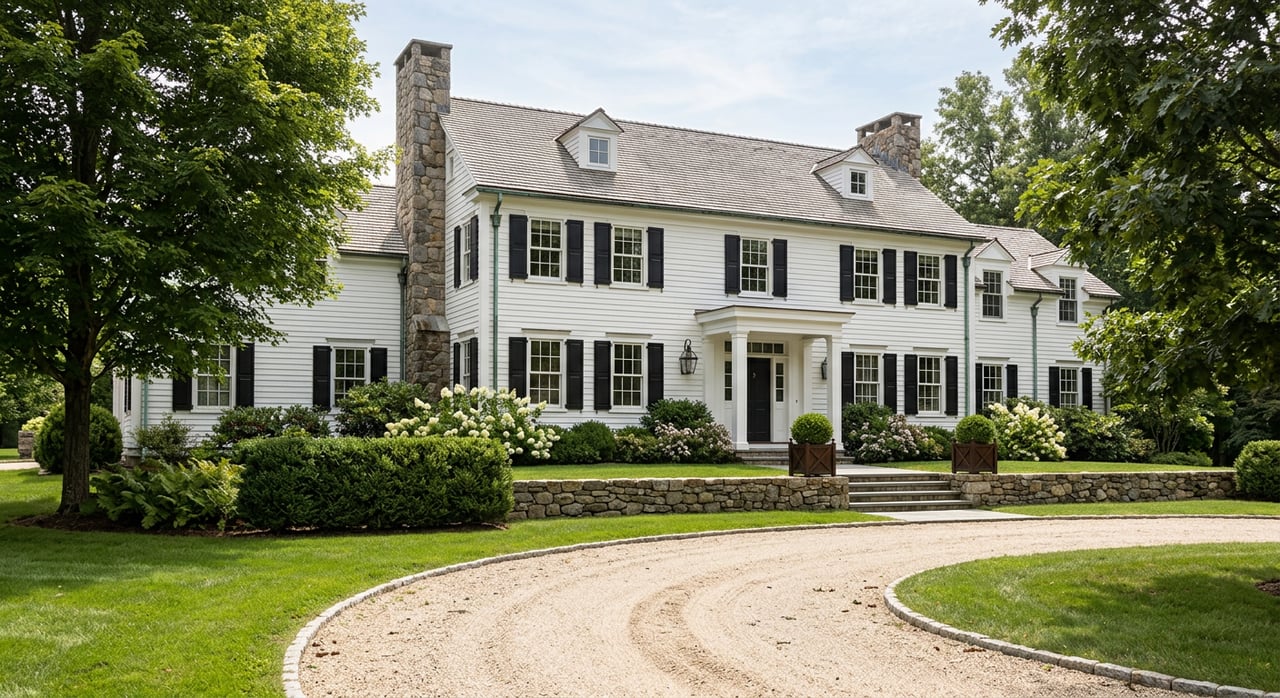
If you have ever driven through Hamilton and Wenham and thought, “These towns feel different from street to street,” you are not imagining it. In this corner of the North Shore, the housing story is less about one dominant look and more about a collection of small pockets shaped by village centers, older roads, rail access, and open land. If you are trying to understand where you might feel most at home, this guide will help you spot the home styles and micro-neighborhood patterns that define Hamilton-Wenham. Let’s dive in.
Why Hamilton-Wenham Feels So Varied
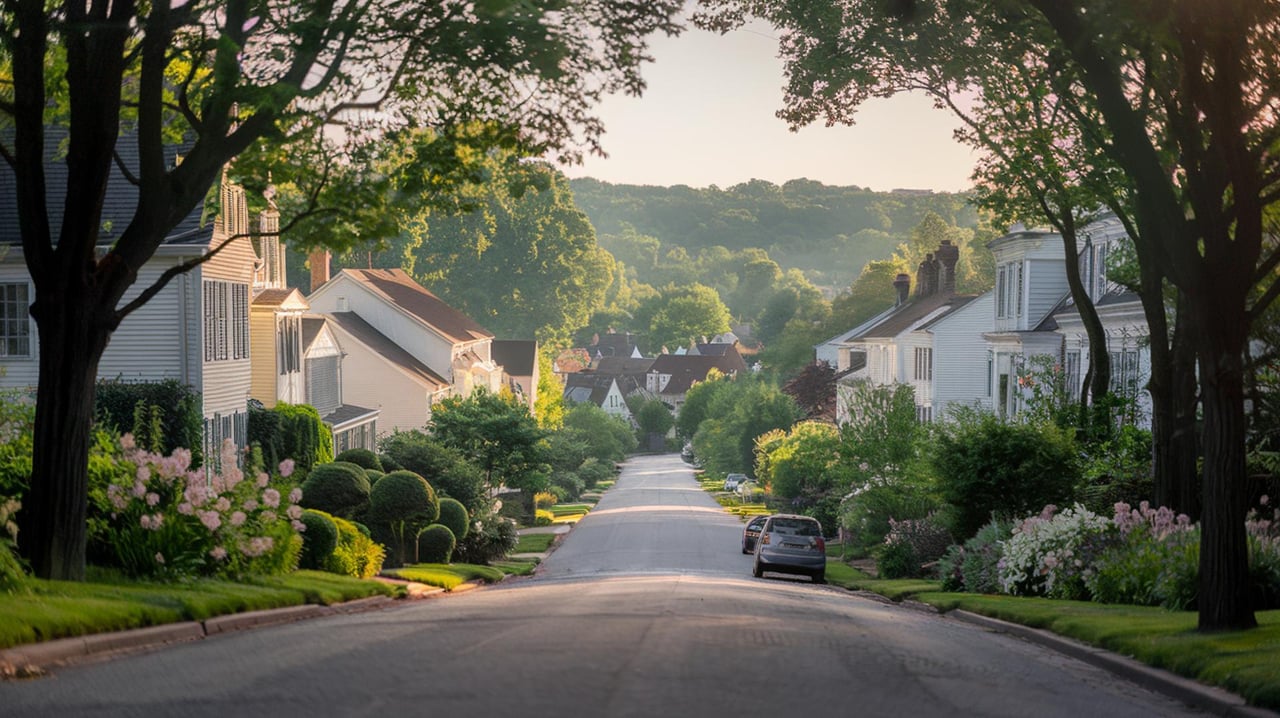
Hamilton and Wenham are neighboring towns that function closely together in daily life, with shared civic connections that include schools, a library, recreation services, a commuter rail station, and a local newspaper. At the same time, town planning materials describe a landscape of village areas, historic roads, wooded edges, farmland, and commuter-oriented streets.
That mix helps explain why Hamilton-Wenham does not read like one uniform suburb. Instead, you tend to see a patchwork of small areas, each with its own rhythm, lot pattern, and architectural feel.
Home Styles You May See in Hamilton
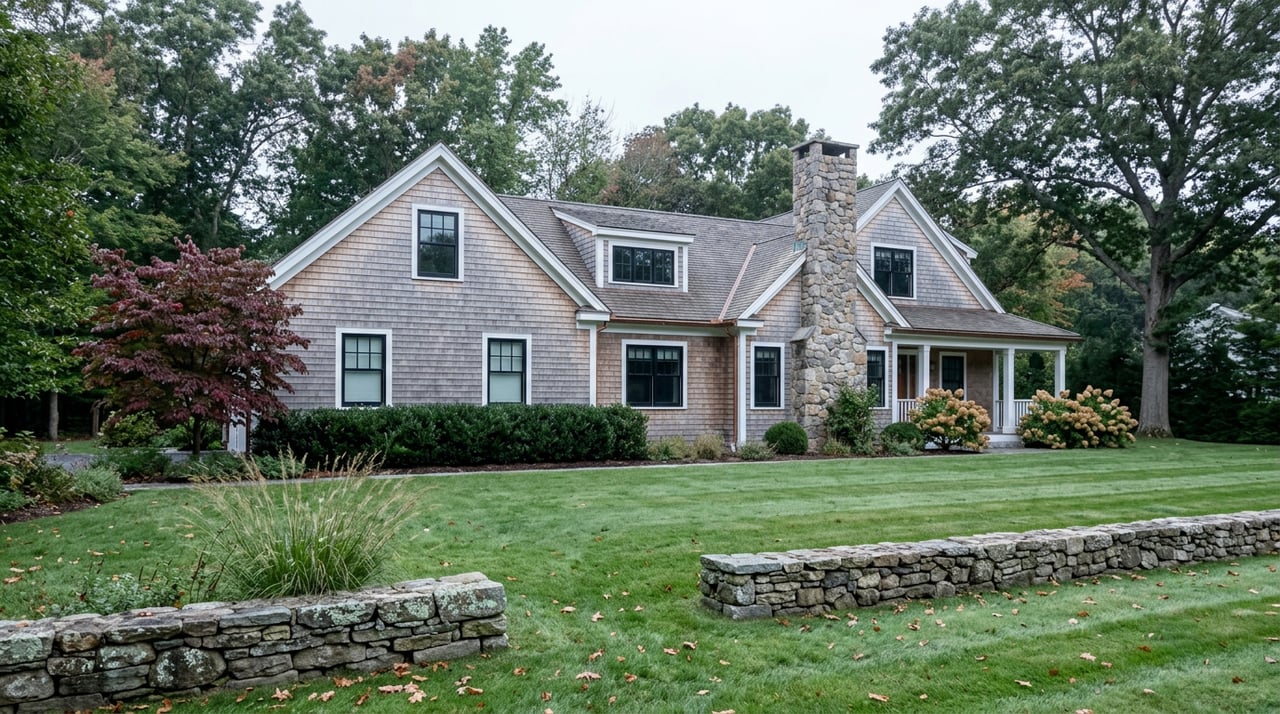
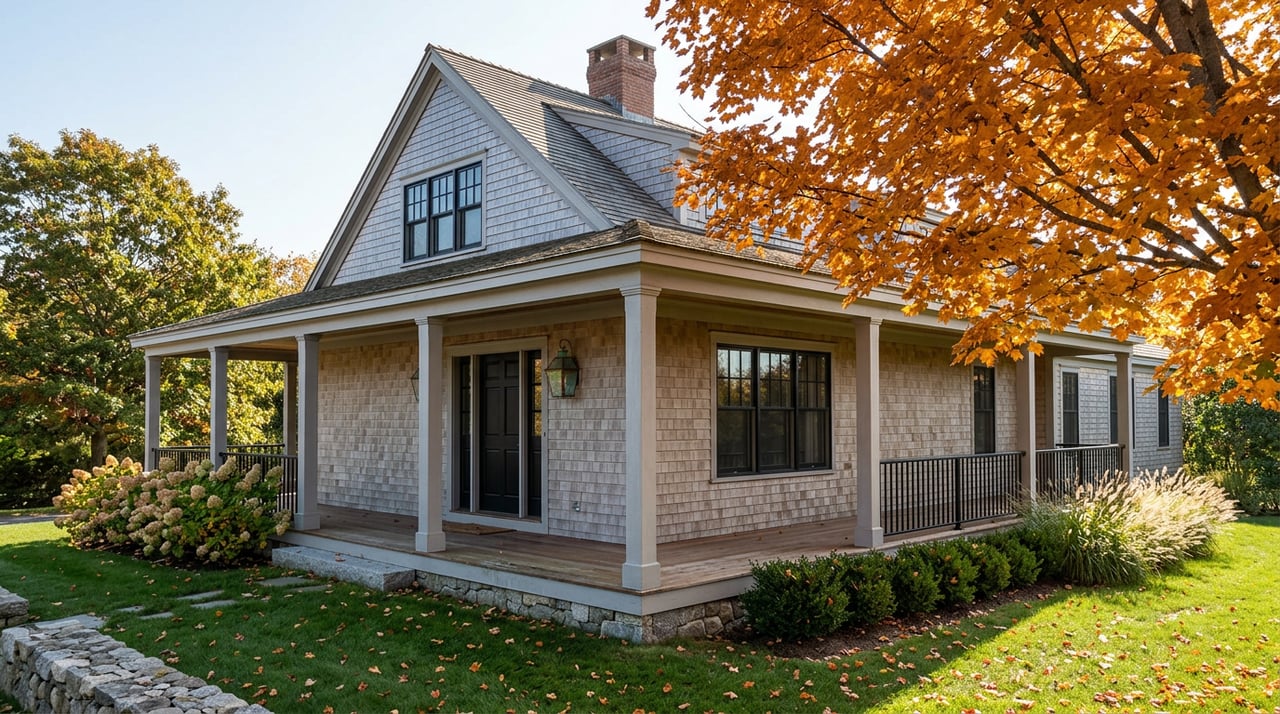
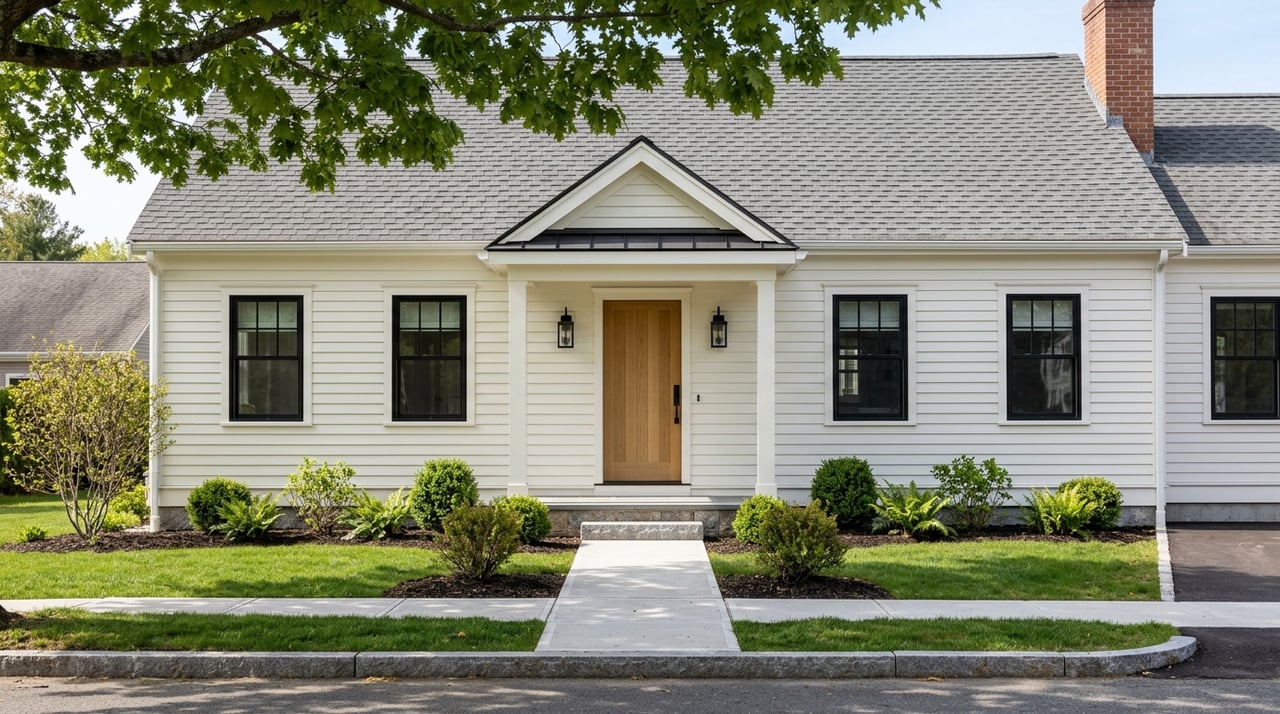
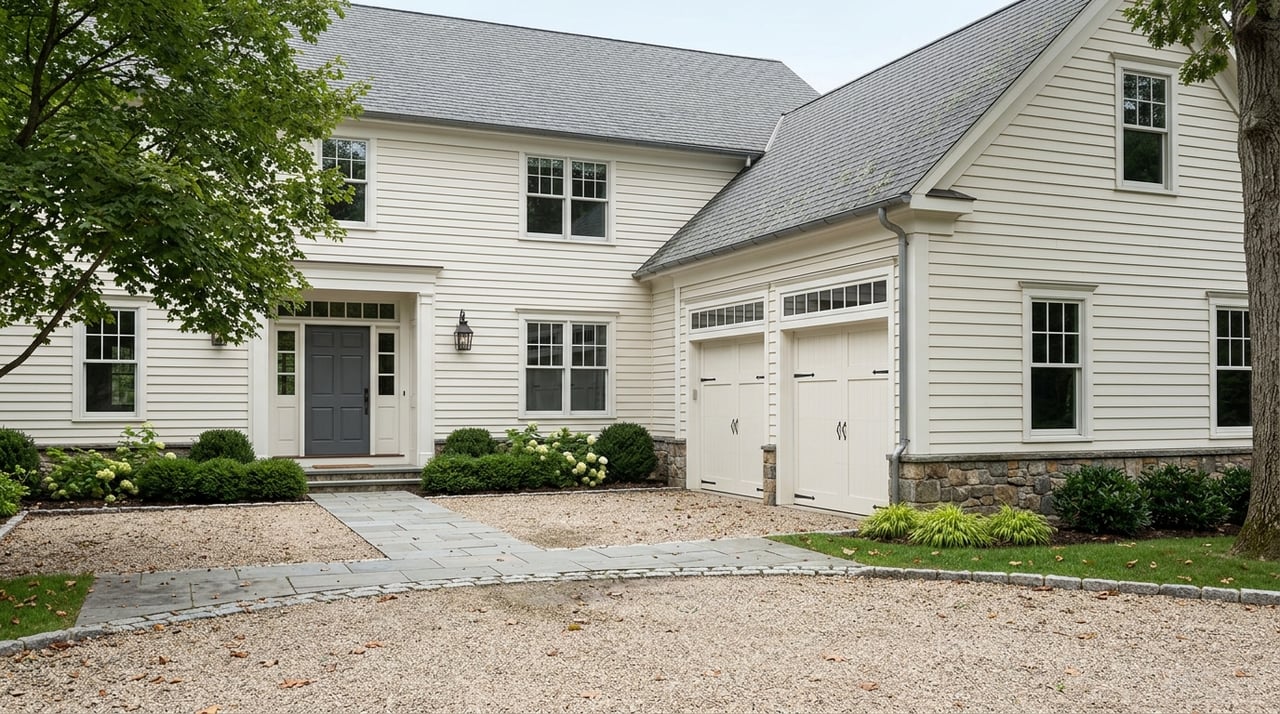
Hamilton includes some of the area’s clearest historic architecture along with later suburban single-family neighborhoods. The town’s historic district handbook and master plan show a housing mix that spans early village homes, farmhouses and estates, and postwar development.
Bay Road historic homes
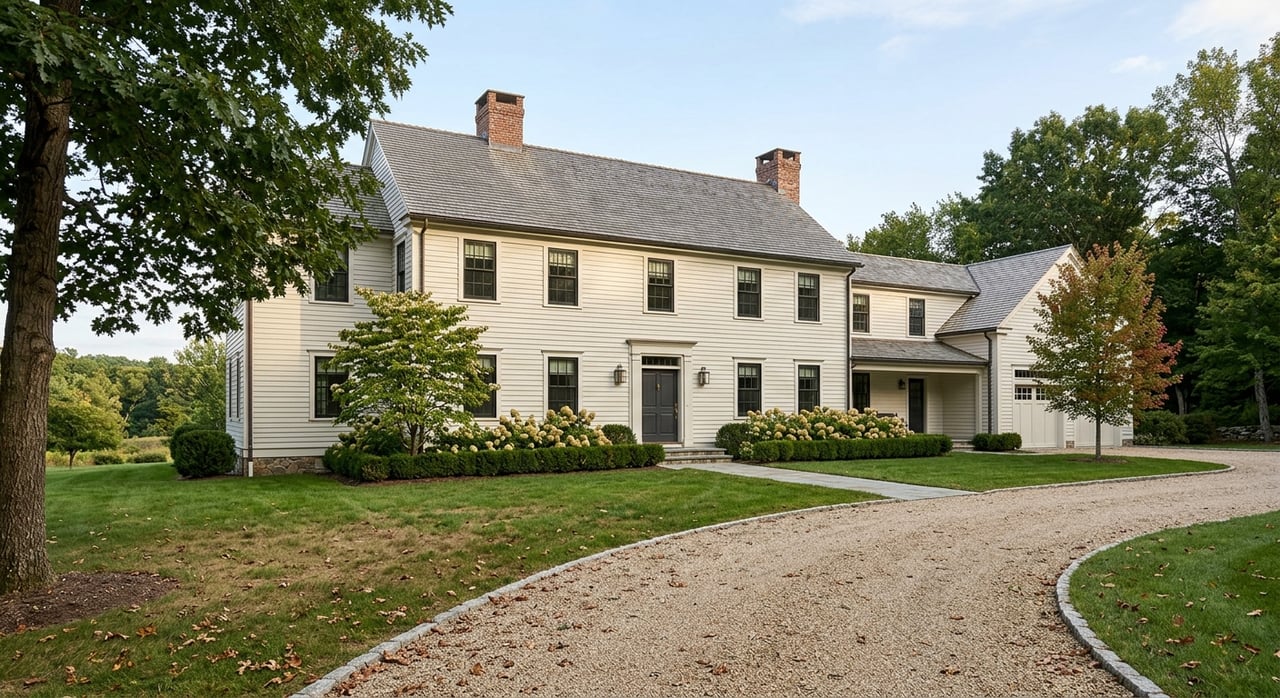
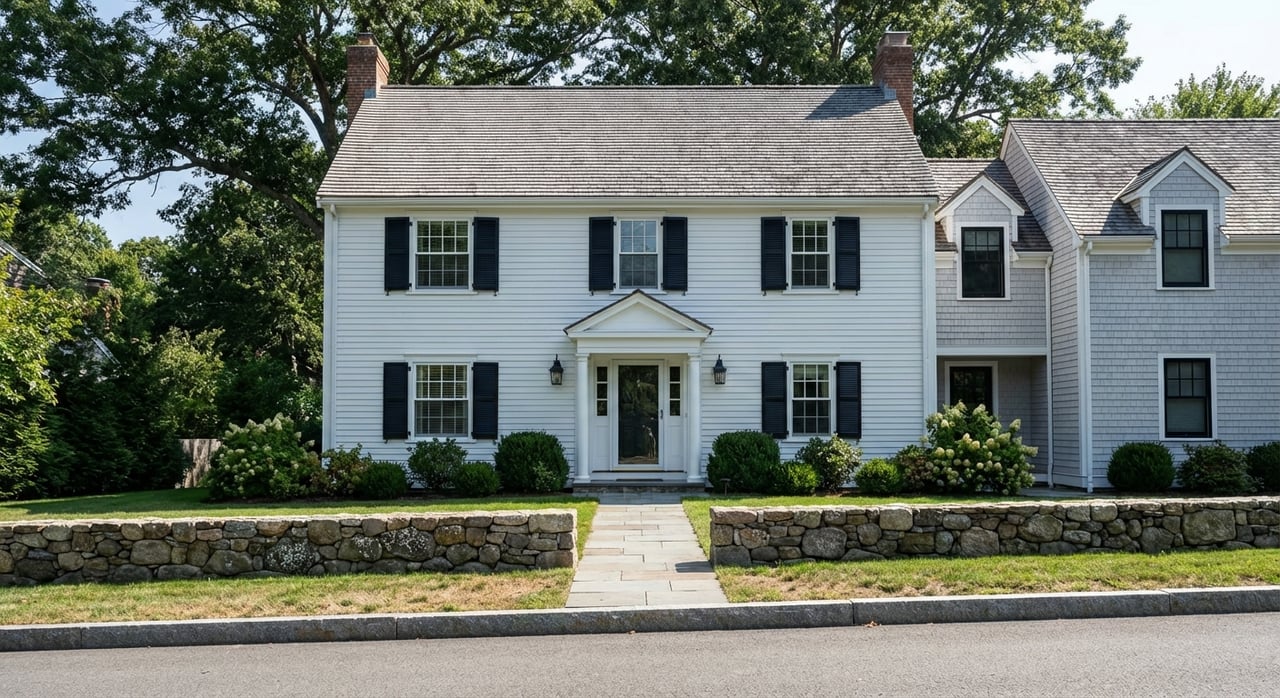
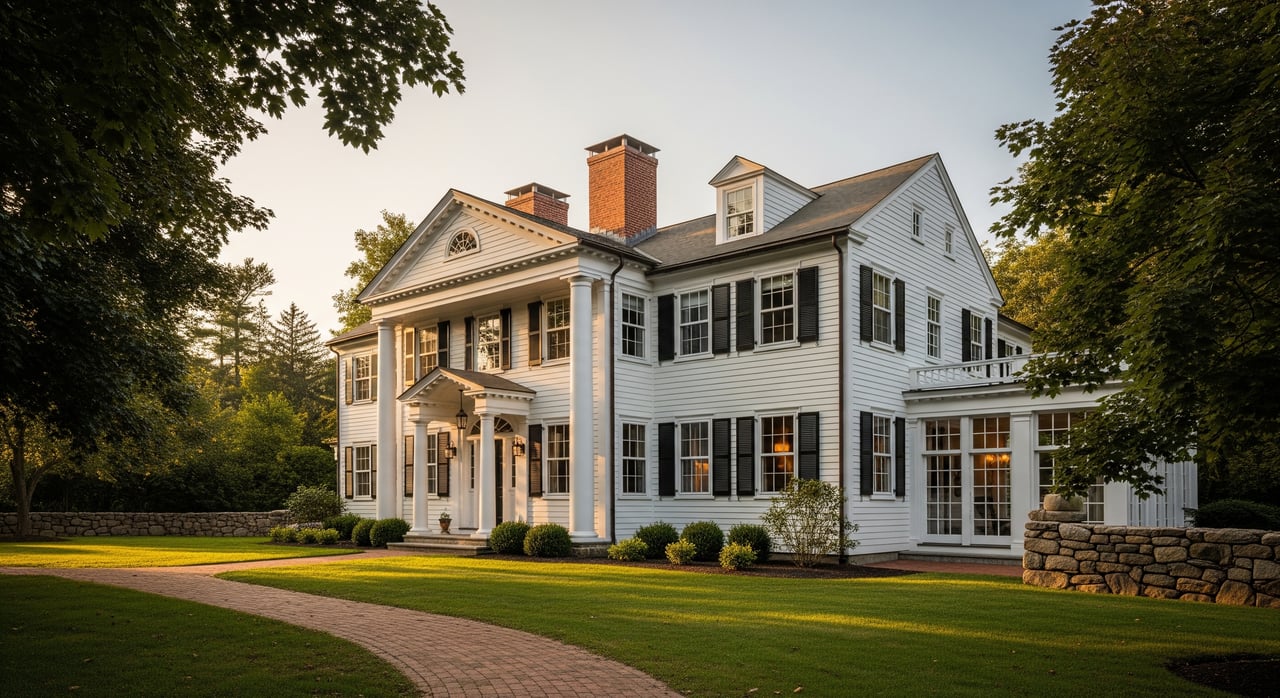
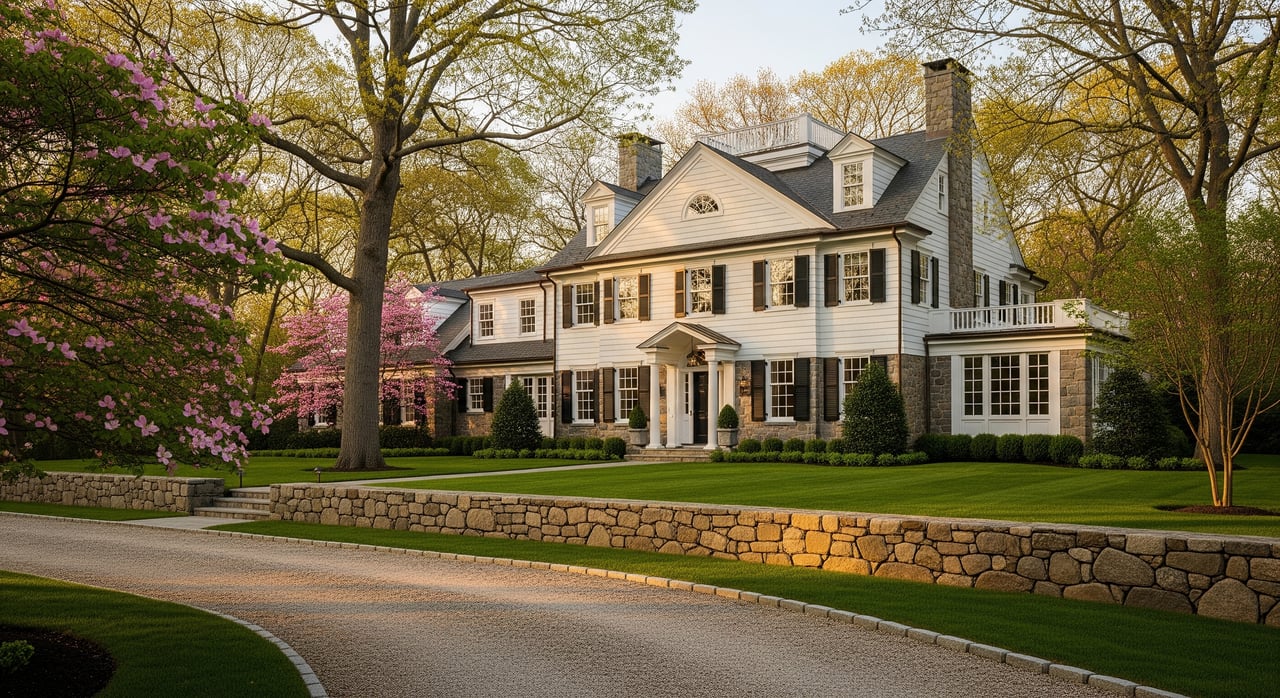
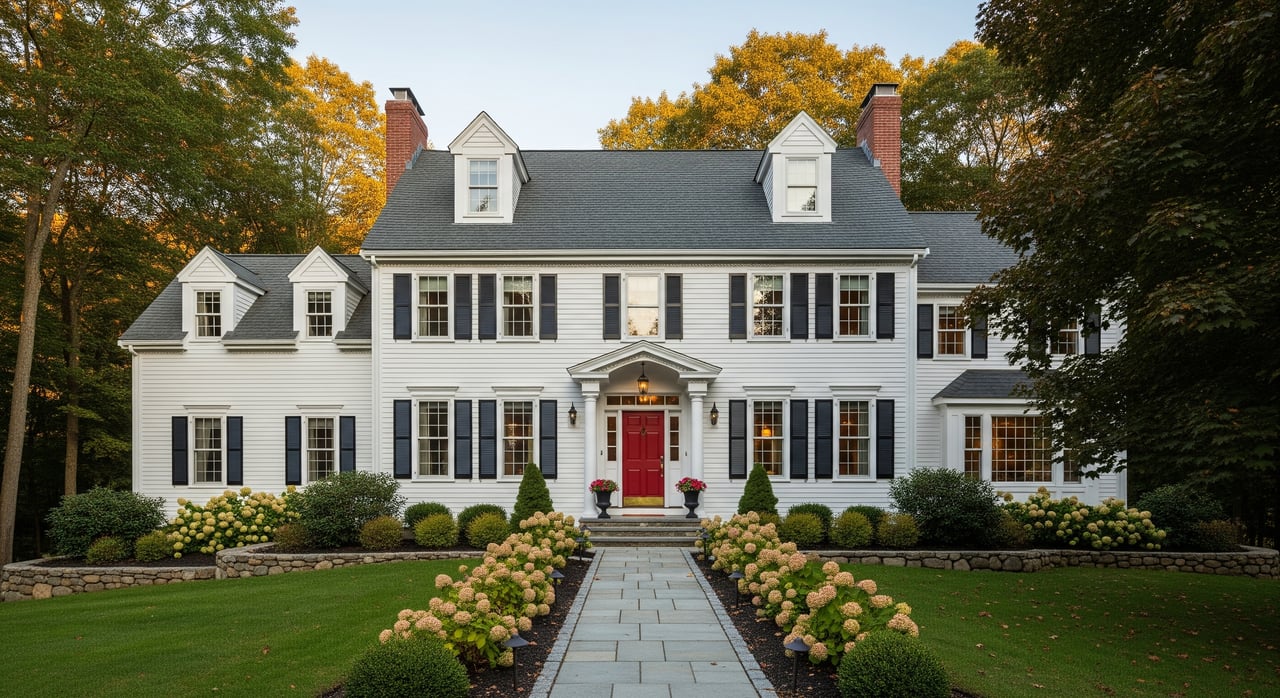
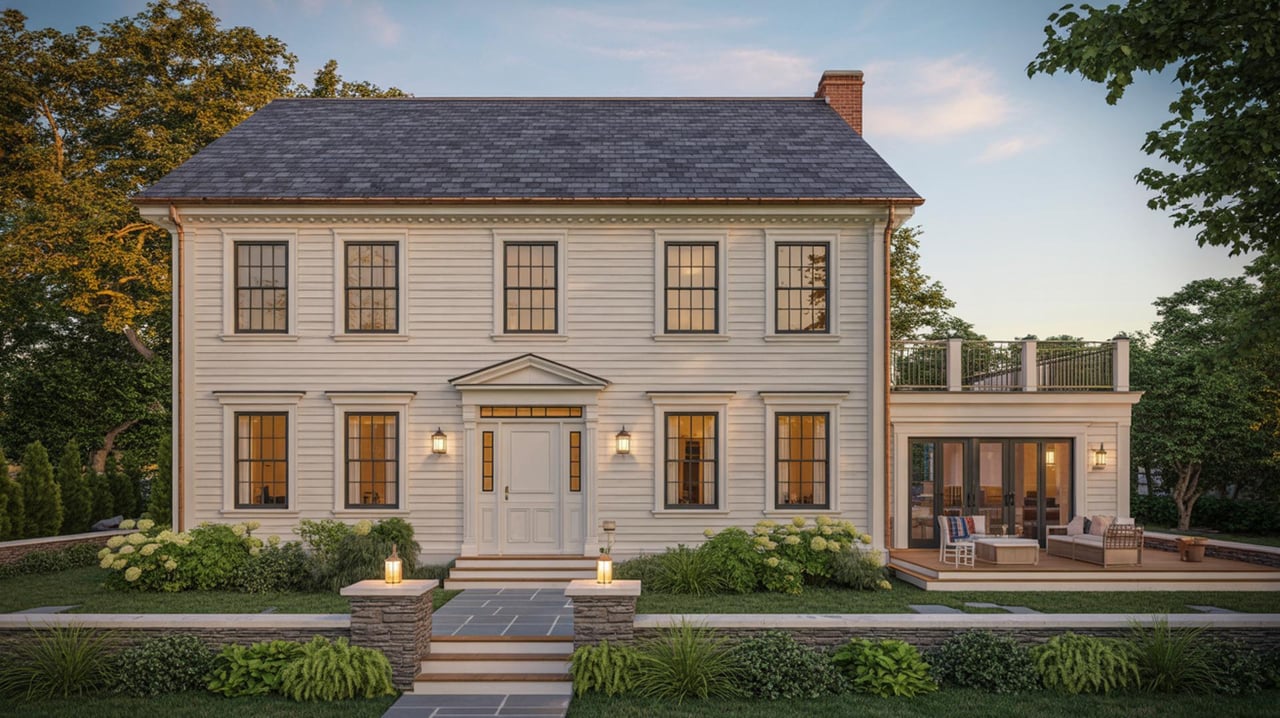
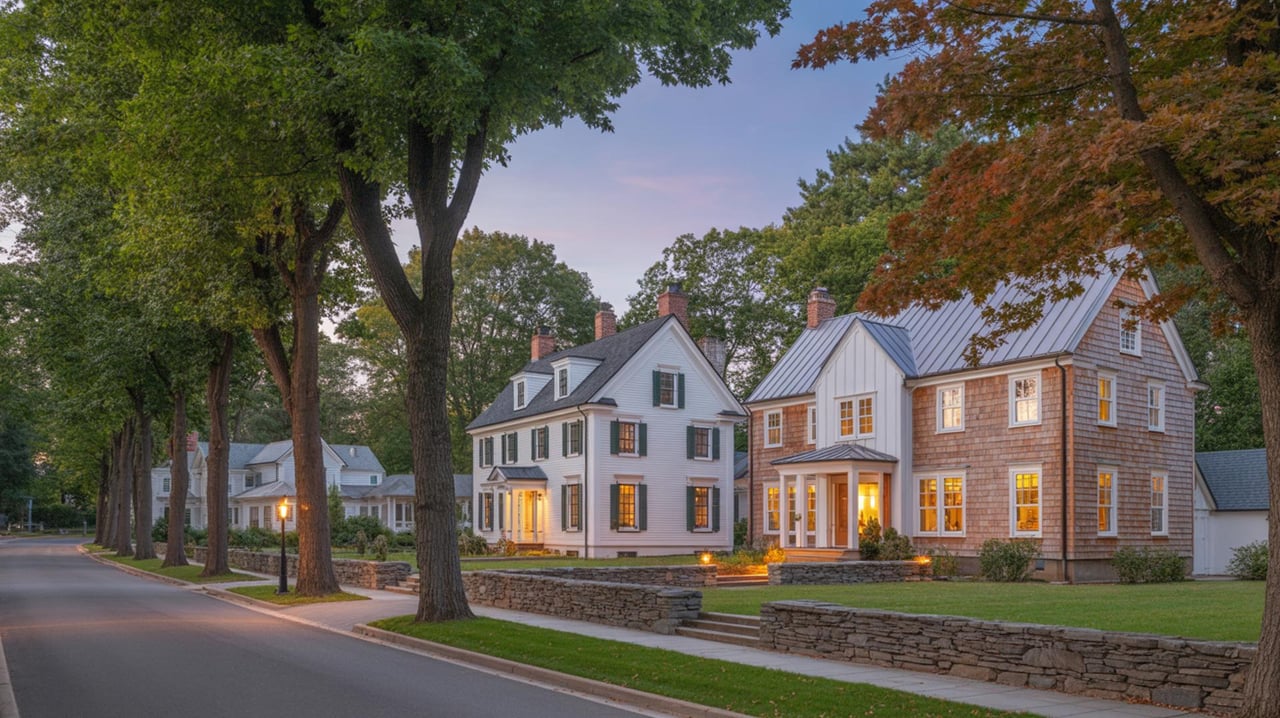
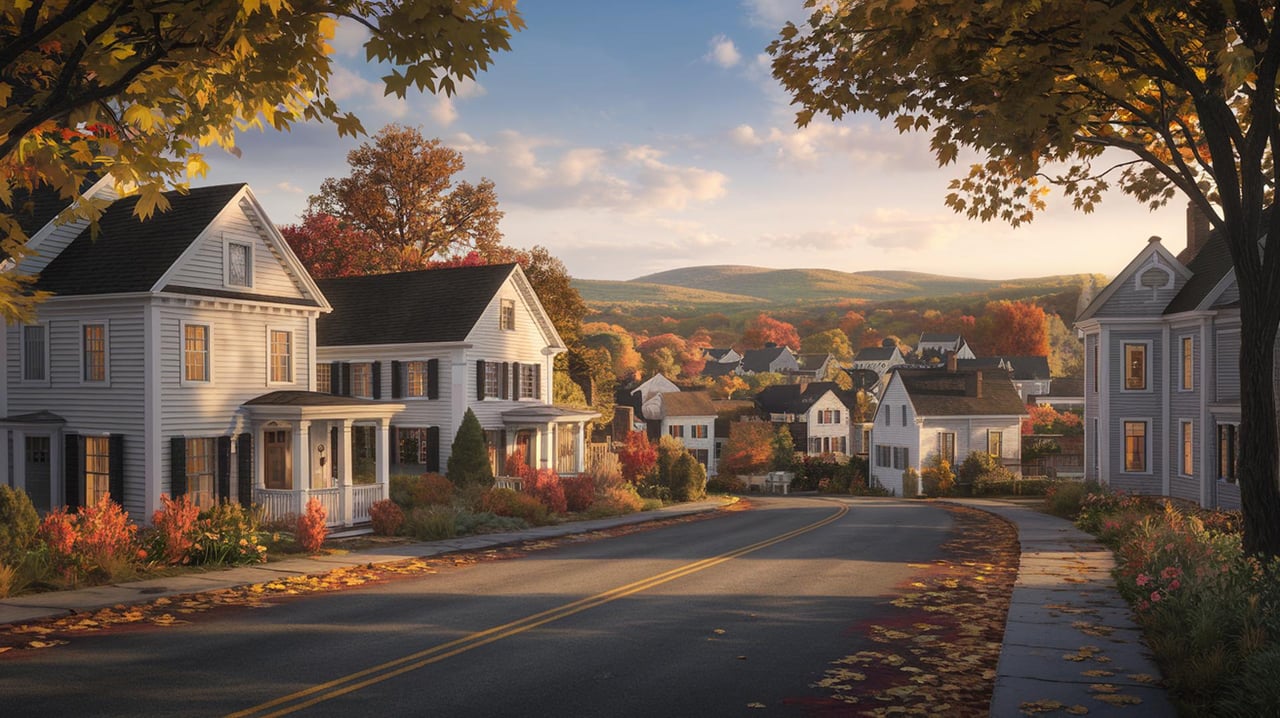
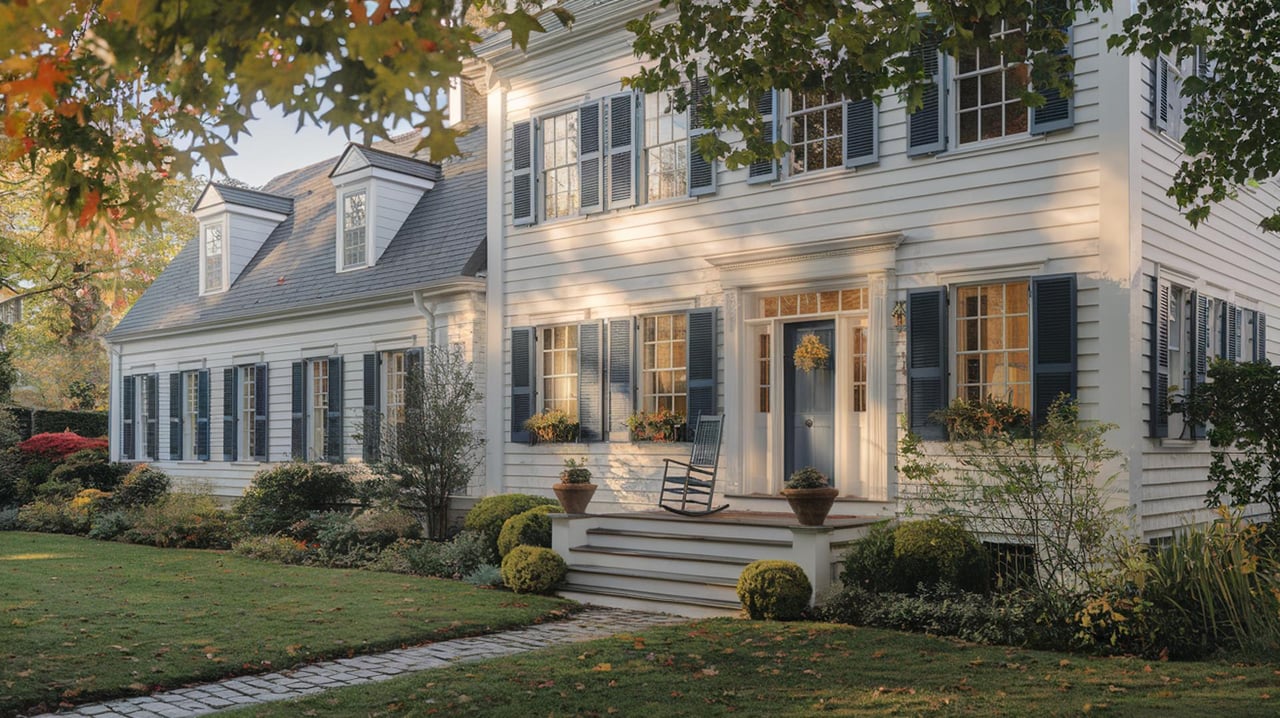
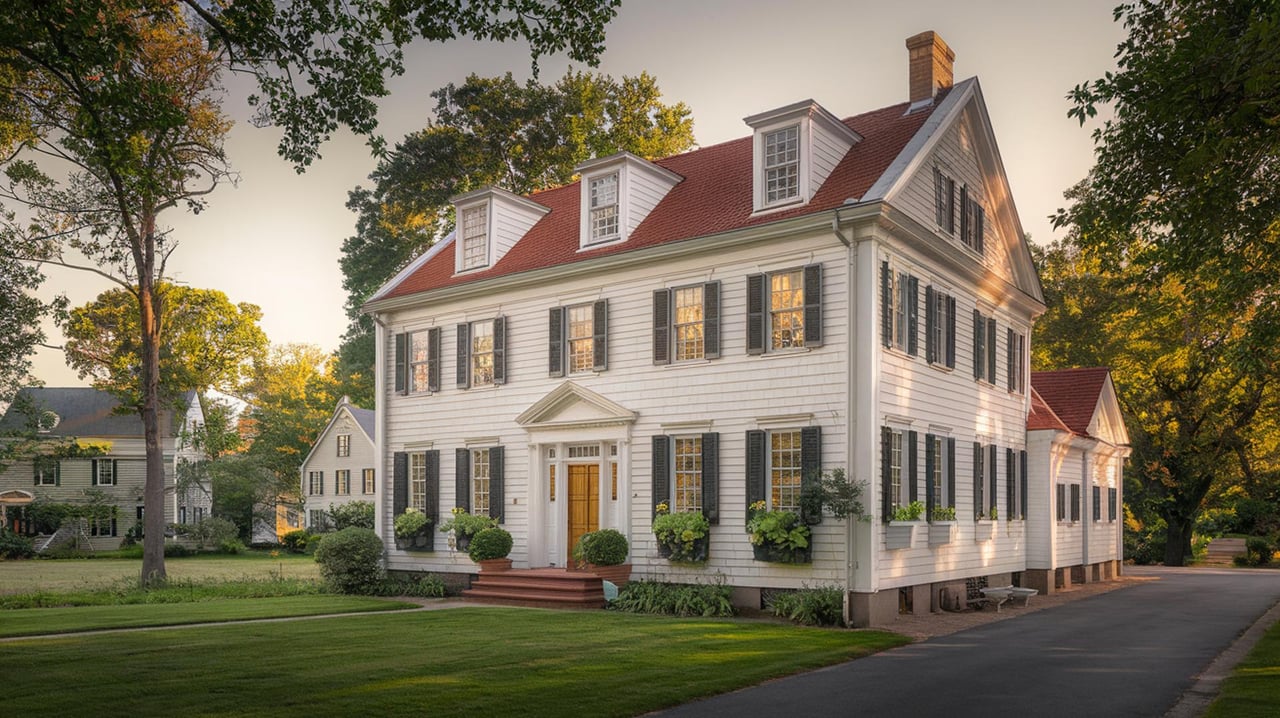
In Hamilton’s historic core on Bay Road, you can find Georgian homes from the 18th century, followed by Federal and Greek Revival houses from the early to mid-1800s. Later Victorian-era architecture, including Italianate examples, also appears in this area, along with a Colonial Revival town hall.
This district forms one of the town’s most recognizable historic settings. It combines civic buildings and homes in a compact center, which gives it a strong sense of continuity and place.
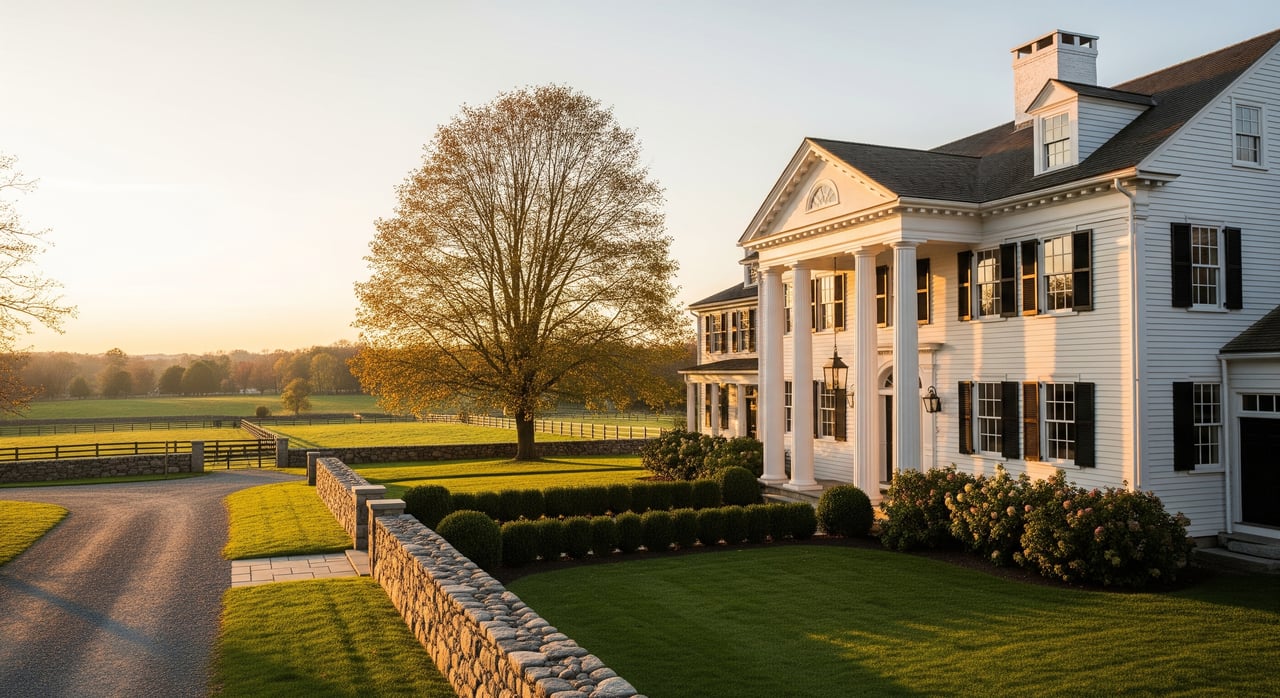
Farmhouses and estate properties
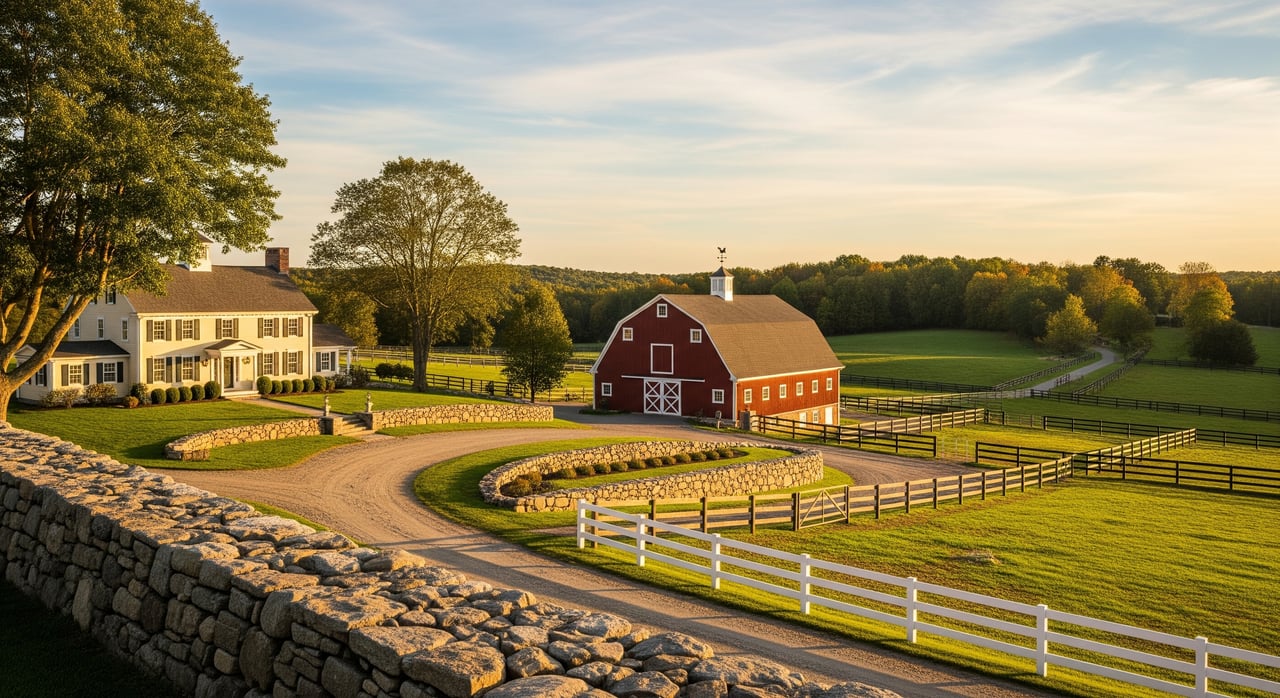
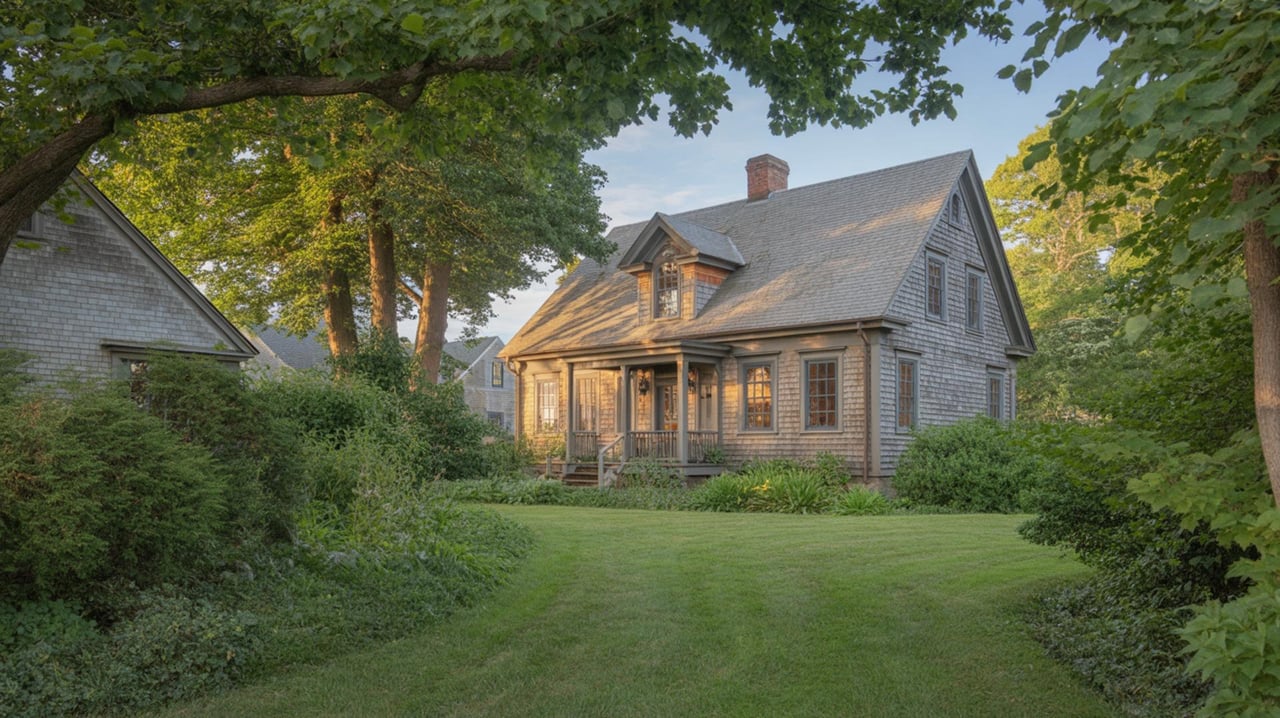
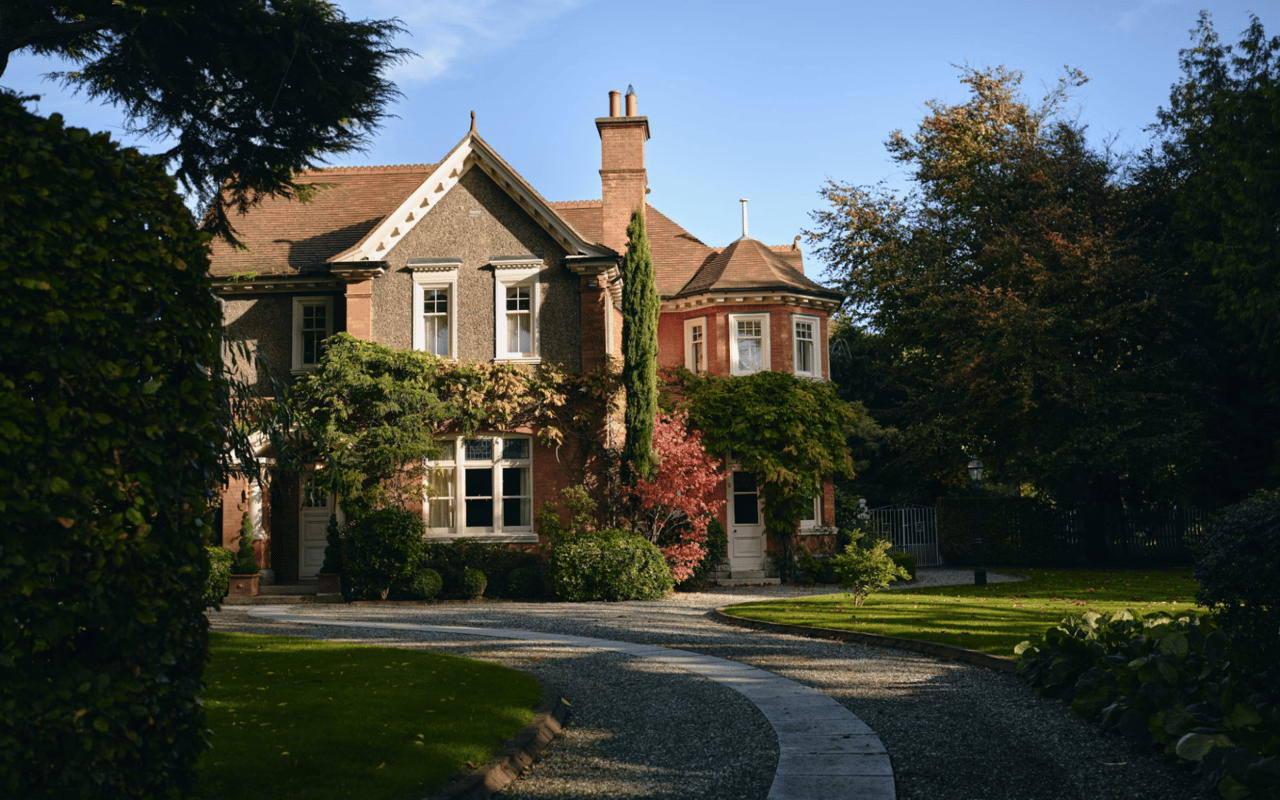
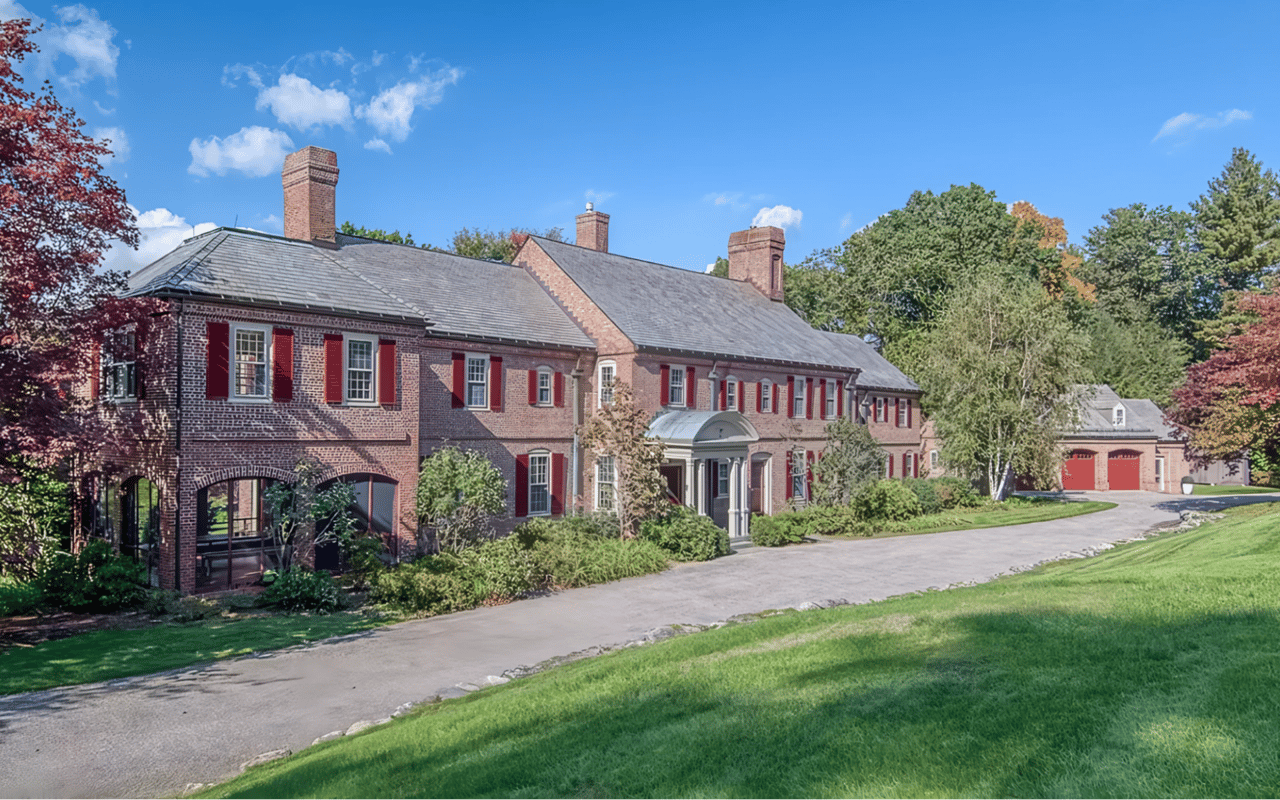
Beyond the core village area, Hamilton’s planning documents note historic farmhouses and estates throughout town. These properties often reflect the town’s long agricultural and rural history, especially in areas where open land still shapes the streetscape.
For buyers, these homes can feel very different from village-center properties. The appeal is often tied as much to the setting as to the architecture itself.
Pre-war and postwar neighborhoods
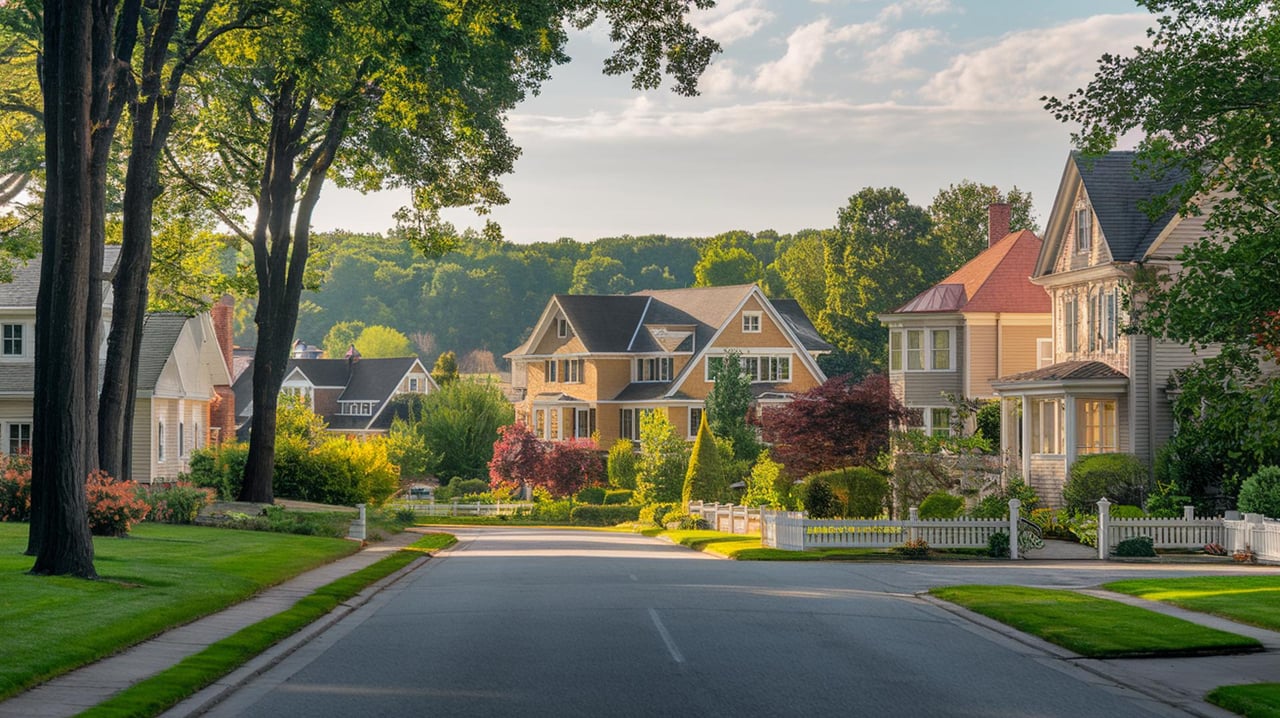
Downtown Hamilton includes many pre-World War II homes, while much of the town’s suburban growth came later. The 2024 master plan notes that many former farms and forested lands were subdivided in the 1950s and 1960s into single-family lots.
That means you may see a real shift as you move through town. One stretch may feel historically rooted, while another reflects mid-century suburban development with a more conventional neighborhood layout.
Home Styles You May See in Wenham
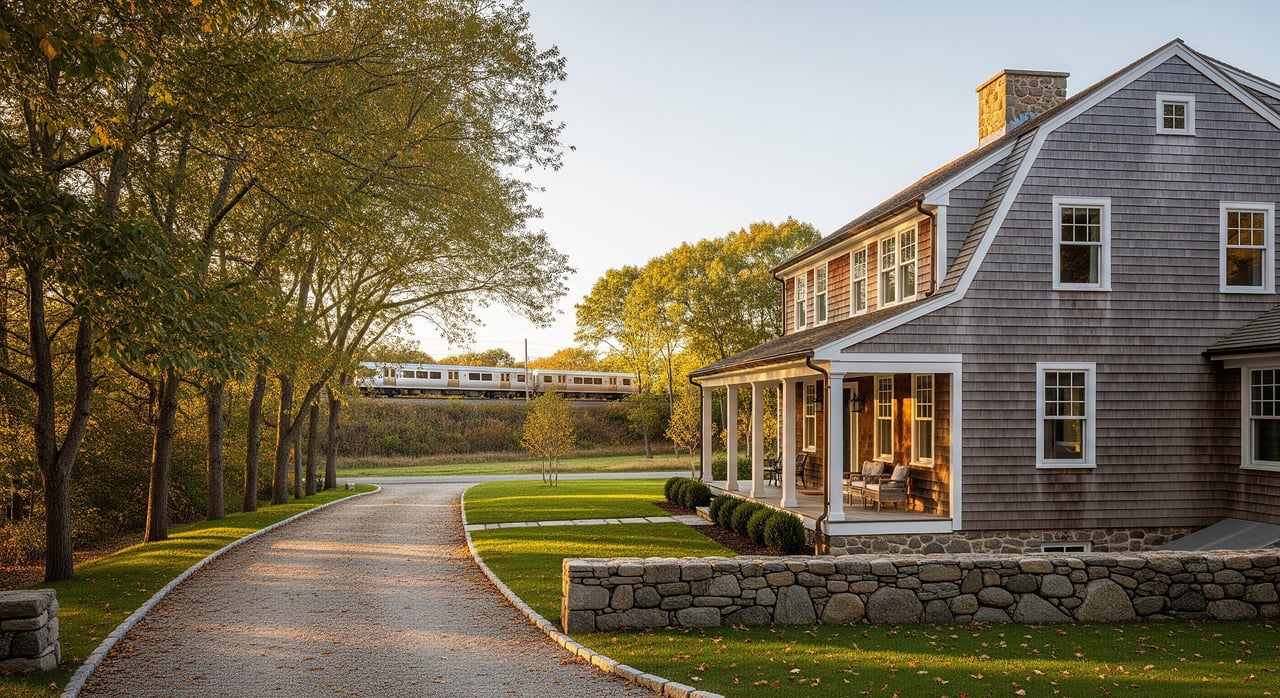
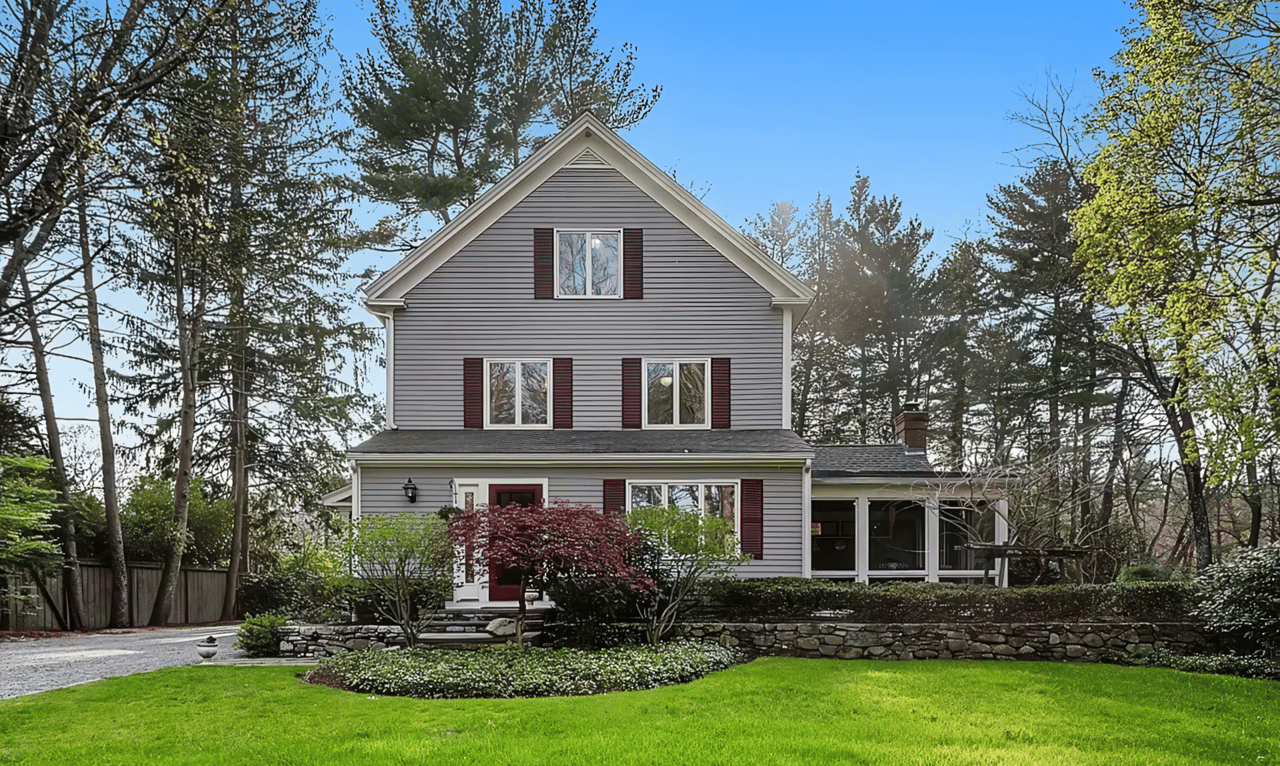
Wenham also offers a wide architectural range, but its historic survey shows a slightly different pattern. Many of the town’s inventoried buildings are late 18th-, 19th-, and early 20th-century single-family homes with vernacular design, meaning they were often built in practical local forms rather than as formal high-style showpieces.
Village-era vernacular homes
In older parts of Wenham, you will often encounter vernacular Greek Revival forms, especially in the Cherry Street and Cedar Street area. The survey also notes Greek Revival features in the Larch Row and Patch Avenue extension of the village core.
These areas help tell the story of Wenham’s earlier development. The homes are often modest in form compared with grand estate architecture, but they contribute strongly to the town’s historic character.
Wenham Neck historic character
Wenham Neck stands out as a crossroads village with 18th- and 19th-century domestic and ecclesiastical designs. According to the town survey, the area developed at the intersection of major old roads and later attracted summer and retirement properties around surrounding farms.
For a buyer, that can translate to a layered streetscape. You are not just seeing one building period, but a record of how the area evolved over time.
Early 20th-century commuter styles
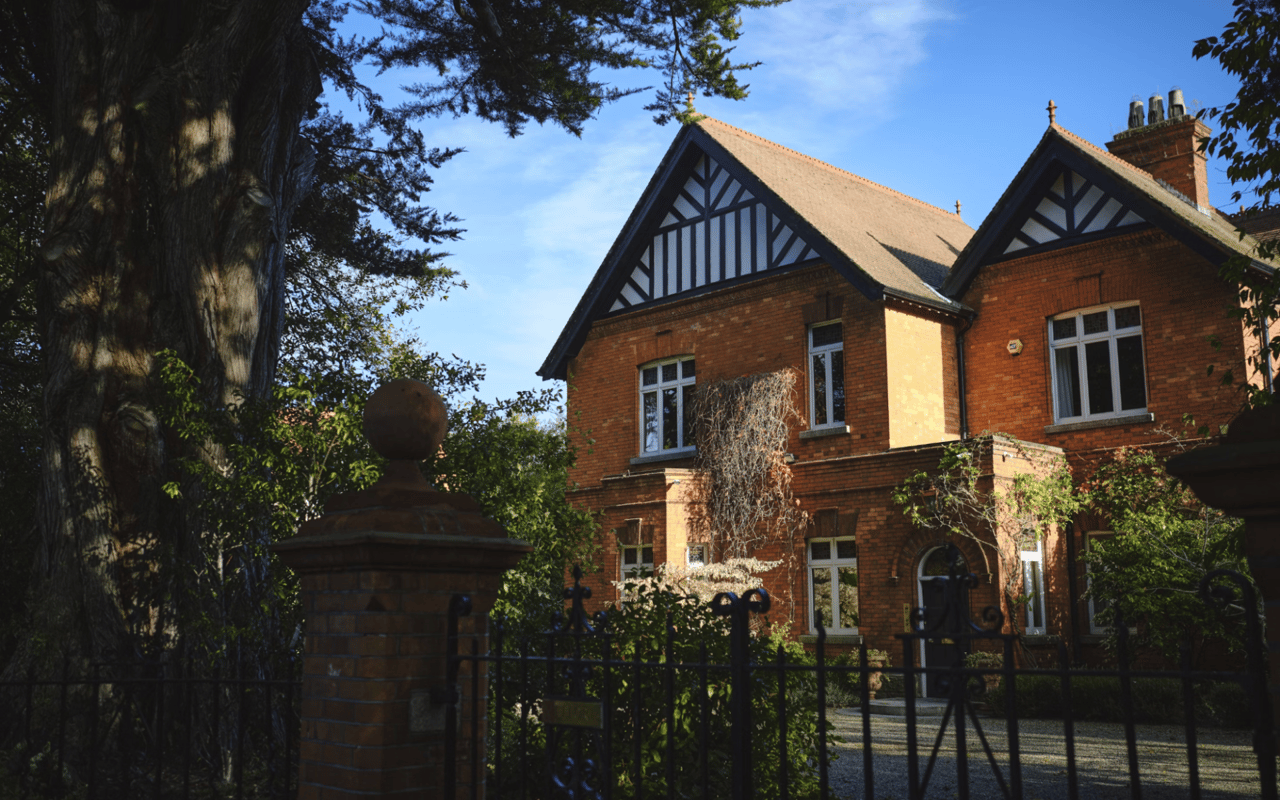
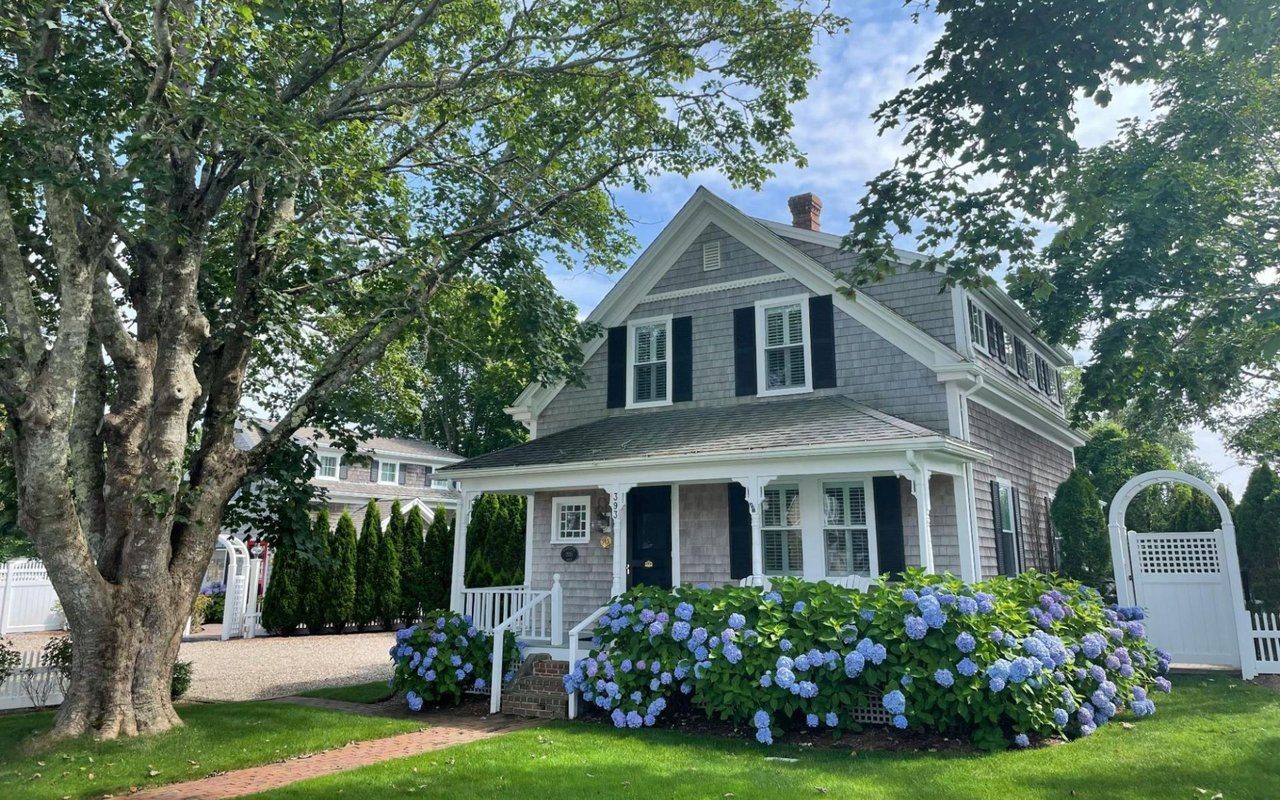
Wenham’s survey highlights a more varied style mix in the early 20th century. You may see Craftsman, Colonial Revival, Dutch Colonial Revival, and Tudor Revival houses, especially in areas shaped by early suburbanization.
Monument Street is the clearest example. The survey describes it as a representative commuting-era neighborhood with a notable collection of around-1920 single-family dwellings.
Mid-century and rarer modern homes
Wenham’s inventory also points to several Mid-Century Modern houses and one rare International Style or Art Moderne dwelling. These are not the dominant visual identity of the town, but they do show that Wenham’s housing stock is more varied than many people expect.
Smaller pockets such as Friend Court and Arbor Street add to that street-by-street variety. In practical terms, you may find that the feel of one short road differs noticeably from the next.
Hamilton Micro-Neighborhoods to Know
When you are home shopping here, it helps to think in terms of small pockets instead of broad town-wide labels. In Hamilton, several micro-neighborhoods stand out clearly in town materials.
Bay Road and the Historic District
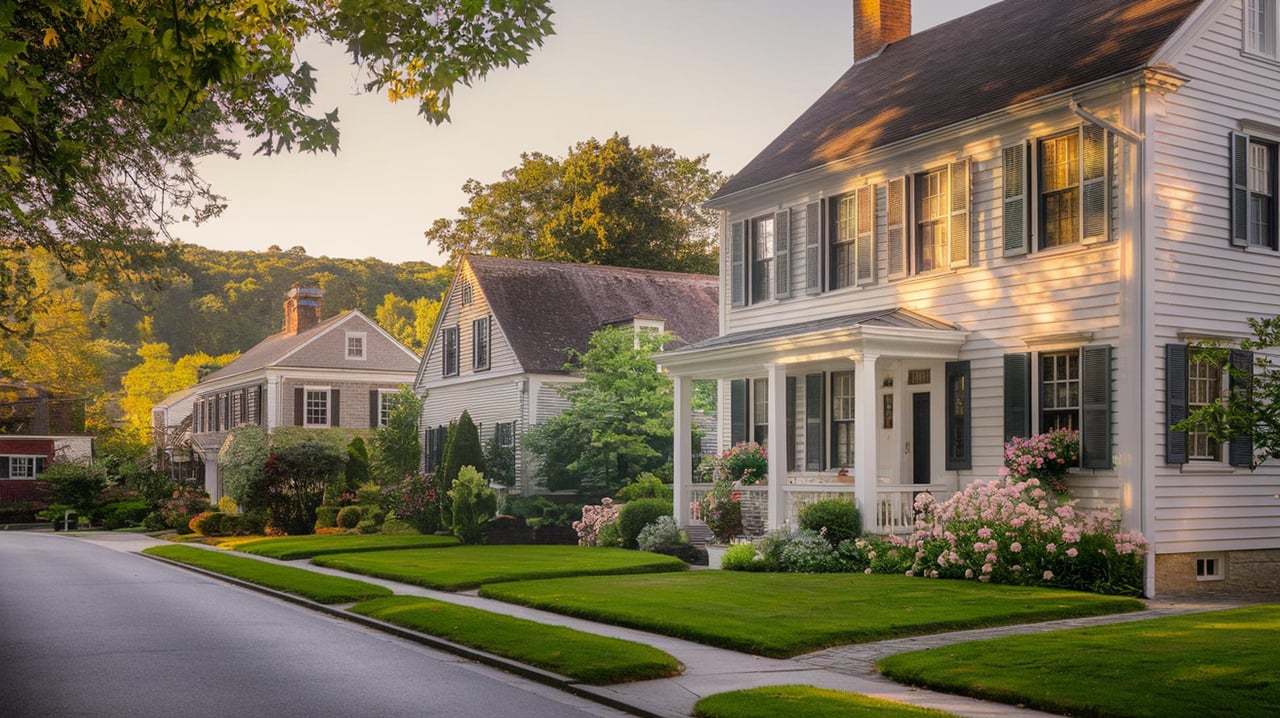
This is Hamilton’s most clearly defined historic village core. The area includes early homes along with the meeting house, post office, village store, cemetery, and Town Hall, creating a compact civic and residential center.
If you are drawn to period architecture and a traditional village setting, this is one of the most distinctive areas to study. It also comes with an important practical point: exterior changes visible from a public way in the district generally require Historic District Commission review.
Downtown and South Hamilton
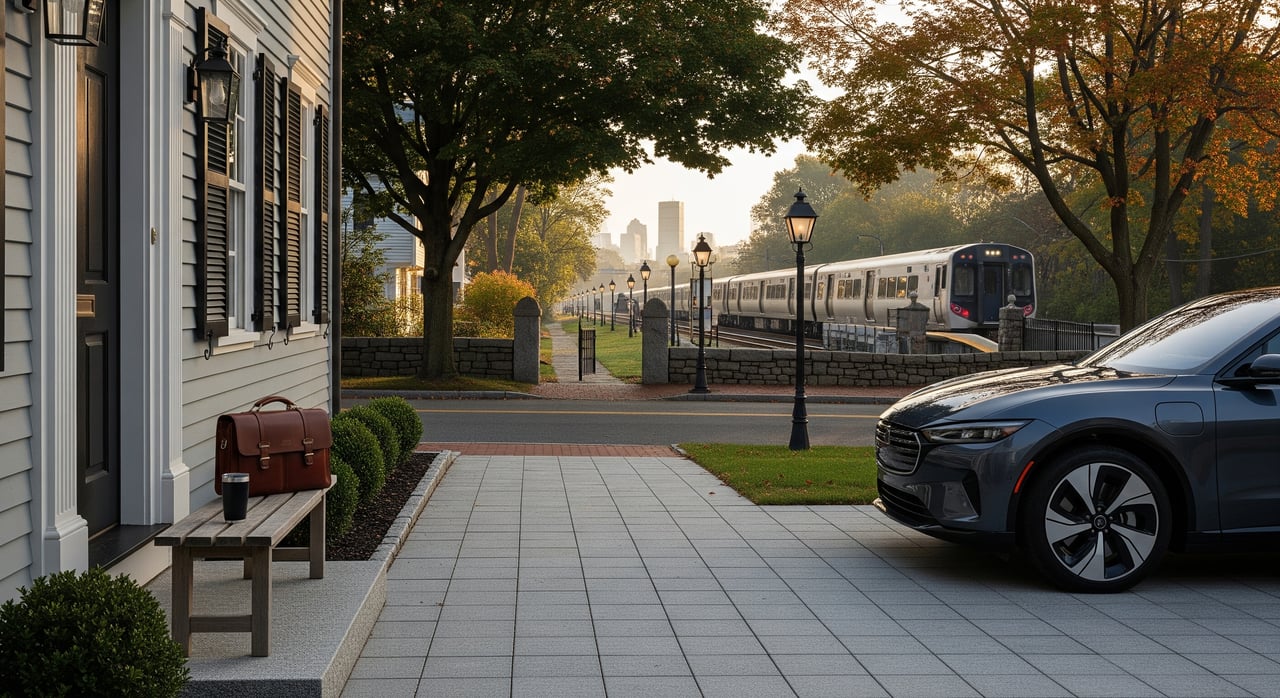
Hamilton’s downtown and South Hamilton area are closely tied to the commuter rail station. Town history notes that the population center shifted south after the railroad depot opened in 1839, which still shapes the town’s layout today.
For buyers, this area may appeal if you want a commuter-connected setting with many older homes nearby. It often feels different from Hamilton’s more rural edges because the station helped anchor a more concentrated center.
Forest Street neighborhood
The town describes Forest Street as a large residential area, and a newer sidewalk connection reinforces its role as a walk-to-town pocket. That makes it notable not only as a neighborhood of homes, but also as an area with stronger physical ties to the center.
If your priorities include easier access to town services or the station area, this is the kind of micro-location worth watching closely. In Hamilton-Wenham, those small location details often matter as much as square footage.
Chebacco Road and open-space edges
Chebacco Road and the surrounding open-space edges present another side of Hamilton. The town identifies Chebacco Road as a scenic road, and local conservation resources describe preserved woodlands accessed from this area.
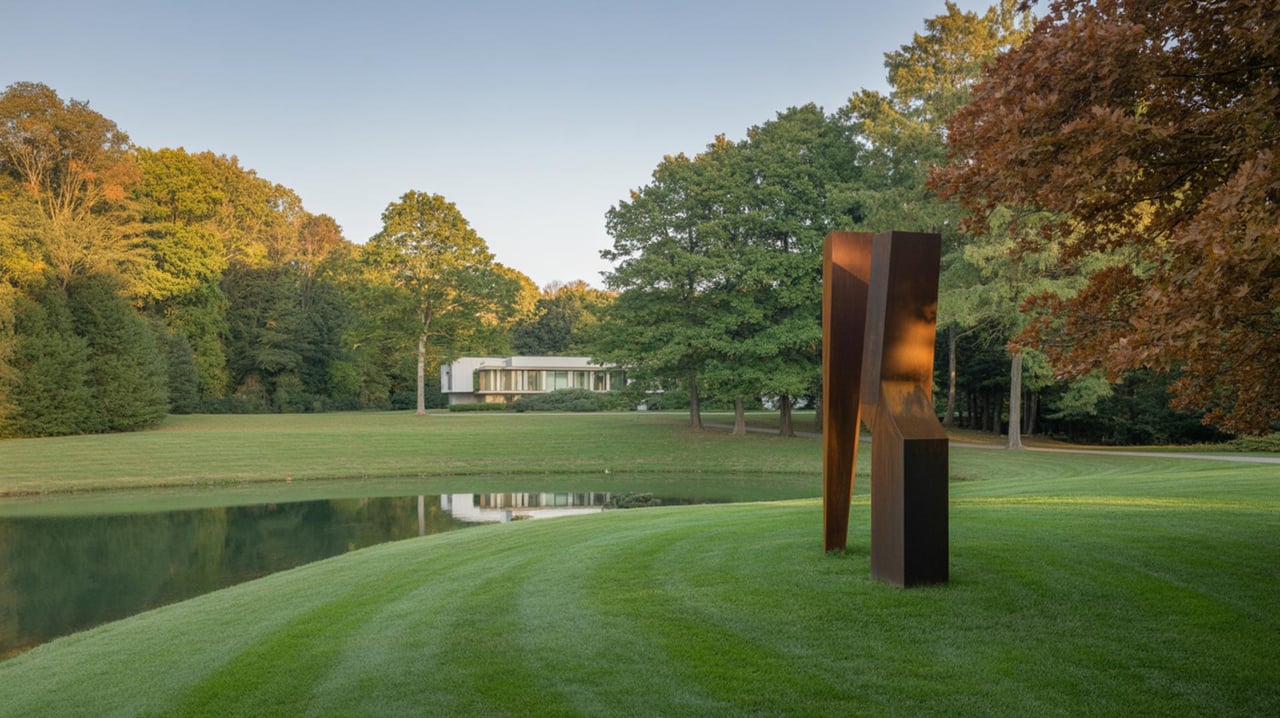
This part of town reflects Hamilton’s rural and open-land identity. It is also consistent with town materials that emphasize equestrian heritage, horse farms, and broad areas of farmland and open space in the northeast.
South and east growth areas
Hamilton’s master plan says most modern residential growth is concentrated in the south and east. The southern part of town has smaller lots and denser development patterns than elsewhere, while single-family neighborhoods are concentrated along Route 22 on the eastern border.
For buyers comparing options, this helps frame expectations. These areas may feel more suburban in layout than the older village streets or open-space edges.
Wenham Micro-Neighborhoods to Know
Wenham also reads best as a collection of small, distinct pockets. The town’s historic survey makes that especially clear.
Main Street village center
Wenham’s local historic district runs along Main Street from Beverly to the Hamilton town line. The town describes Main Street as a walk lined with old homes, gardens, and yards, and it remains one of the clearest expressions of Wenham’s traditional village character.
For buyers, this is one of the most visually recognizable parts of town. It also comes with historic district oversight, meaning certain exterior changes require review by the Historic District Commission.
Wenham Neck
Wenham Neck has the feel of an older crossroads settlement shaped by major historic roads. The survey points to 18th- and 19th-century domestic and ecclesiastical designs, plus later summer and retirement properties around surrounding farms.
That layered history can be part of the appeal. The setting often feels rooted in the town’s earlier development pattern rather than later suburban growth.
Cherry Street and Cedar Street
This pocket stands out as a village extension area with strong architectural consistency. The survey says the houses are mostly vernacular Greek Revival gable-front forms, with Federal, Georgian, and Colonial Revival homes also represented.
If you enjoy streets where the architecture feels cohesive but not identical, this is a useful area to understand. It shows how Wenham’s historic character extends beyond Main Street itself.
Larch Row and Patch Avenue
The survey describes this area as an extension of the village core that developed more densely around the shoemaking trade. Greek Revival features appear here, along with the close relationship between homes and small-scale workshop activity in the town’s earlier history.
That makes this pocket meaningful for buyers who want to understand how local history shaped the street pattern. It is another reminder that Wenham’s character often comes from these smaller, specific places.
Monument Street
Monument Street is Wenham’s standout early 20th-century suburban pocket. The survey notes a notable collection of around-1920 single-family homes and identifies the area as a commuter neighborhood with Craftsman, Colonial Revival, Dutch Colonial Revival, and Tudor Revival architecture.
If you are looking for a classic early suburban feel rather than a colonial-era village setting, Monument Street deserves a close look. It offers a different chapter of Wenham’s residential story.
What Buyers Should Focus On
In Hamilton-Wenham, the most important difference between streets is often not just the age or style of the house. It is the relationship between the home and its surroundings, whether that means village-center walkability, station access, or a quieter rural edge.
As you compare options, it can help to ask a few simple questions:
- Do you want a compact historic setting or more separation from neighbors?
- Is commuter rail access important to your daily routine?
- Are you drawn to early architecture, early suburban homes, or later single-family neighborhoods?
- Would you be comfortable with historic district review if you plan exterior changes?
- Do you prefer open-space surroundings, village streets, or a more suburban lot pattern?
Those questions can quickly narrow the search. In towns with this much street-by-street variation, micro-neighborhood fit is often what turns a good match into the right one.
Why Local Guidance Matters Here
Hamilton and Wenham reward careful, block-by-block reading. A home’s style tells part of the story, but the setting, development era, and any historic district requirements can shape your experience just as much.
That is why thoughtful local guidance matters, especially in towns with older housing stock, distinct neighborhood pockets, estate properties, and rural edges. If you want help weighing architecture, setting, and long-term fit in Hamilton-Wenham, Peggy Dowcett can help you navigate the details with a clear, tailored approach.
FAQs
What home styles are common in Hamilton-Wenham?
- You are likely to see Georgian, Federal, Greek Revival, Italianate, Colonial Revival, Craftsman, Dutch Colonial Revival, Tudor Revival, Mid-Century Modern, and other vernacular single-family homes depending on the street and part of town.
Which Hamilton area has the strongest historic village feel?
- Bay Road and the Hamilton Historic District are the clearest historic village core, with early homes and a compact mix of civic and residential buildings.
Which Wenham area is known for early 20th-century homes?
- Monument Street is Wenham’s best-known early 20th-century commuter-era pocket, with around-1920 single-family homes in styles such as Craftsman, Colonial Revival, Dutch Colonial Revival, and Tudor Revival.
Do historic districts in Hamilton-Wenham affect exterior home changes?
- Yes. In Hamilton’s historic district and along Wenham’s Main Street historic district, certain exterior changes require review by the local Historic District Commission.
What should buyers compare besides house style in Hamilton-Wenham?
- You should also compare setting and daily function, including whether a home is in a village-center location, near the station area, in a more suburban neighborhood, or on a rural or open-space edge.