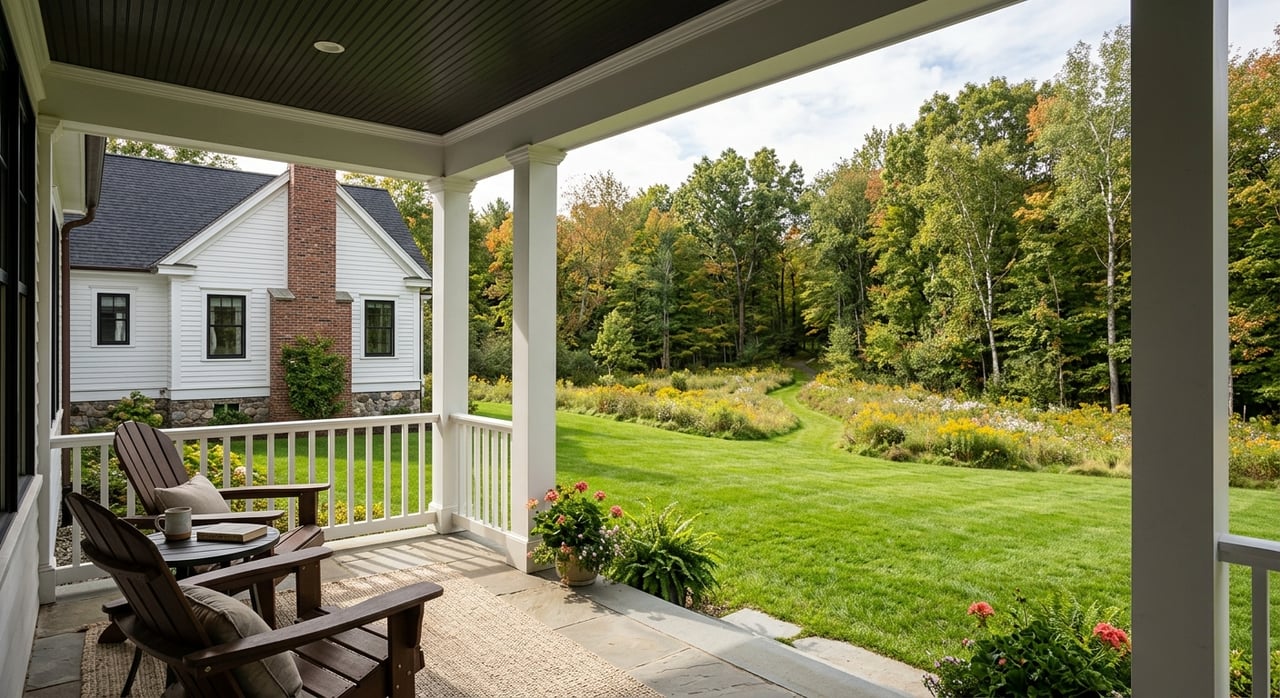
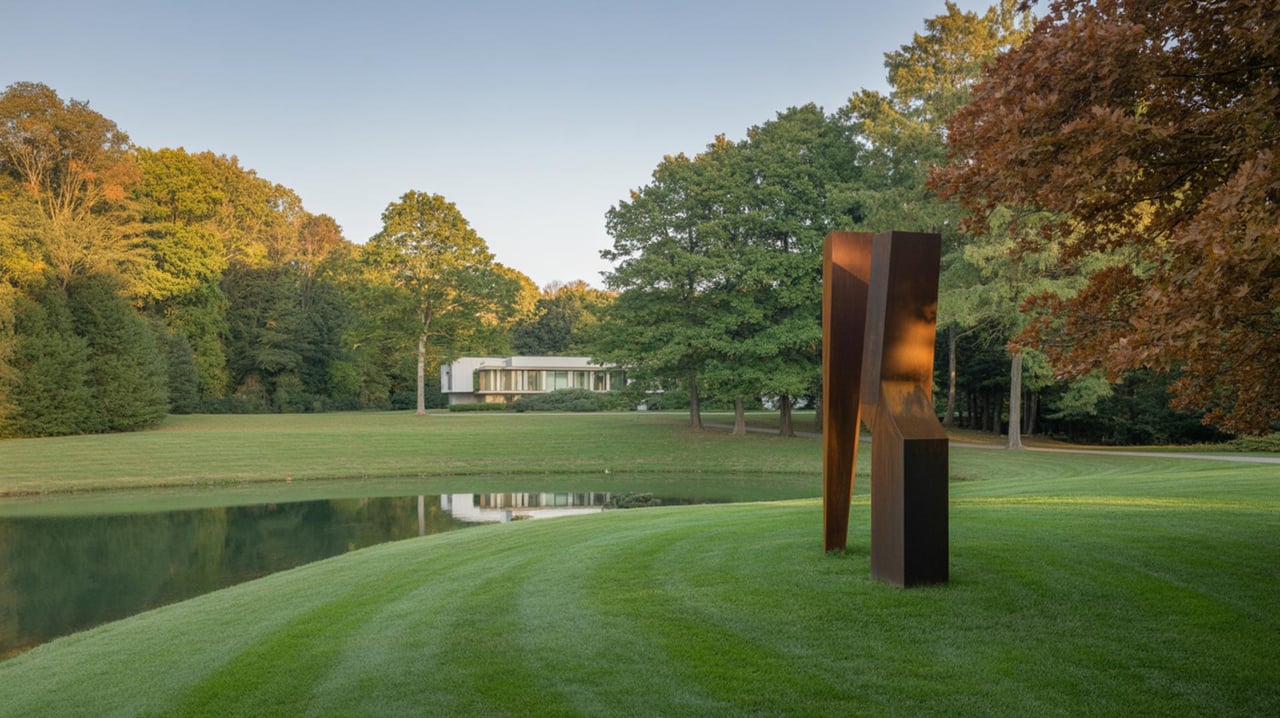
Imagine waking up to quiet tree canopies, a glassy pond, and orchards just down the road. If you crave space, nature, and a slower daily rhythm while staying connected to Greater Boston, Harvard might fit your life. In this guide, you’ll get a clear look at schools, commute options, outdoor life, housing, and practical buyer tips. Let’s dive in.
Location and first impressions
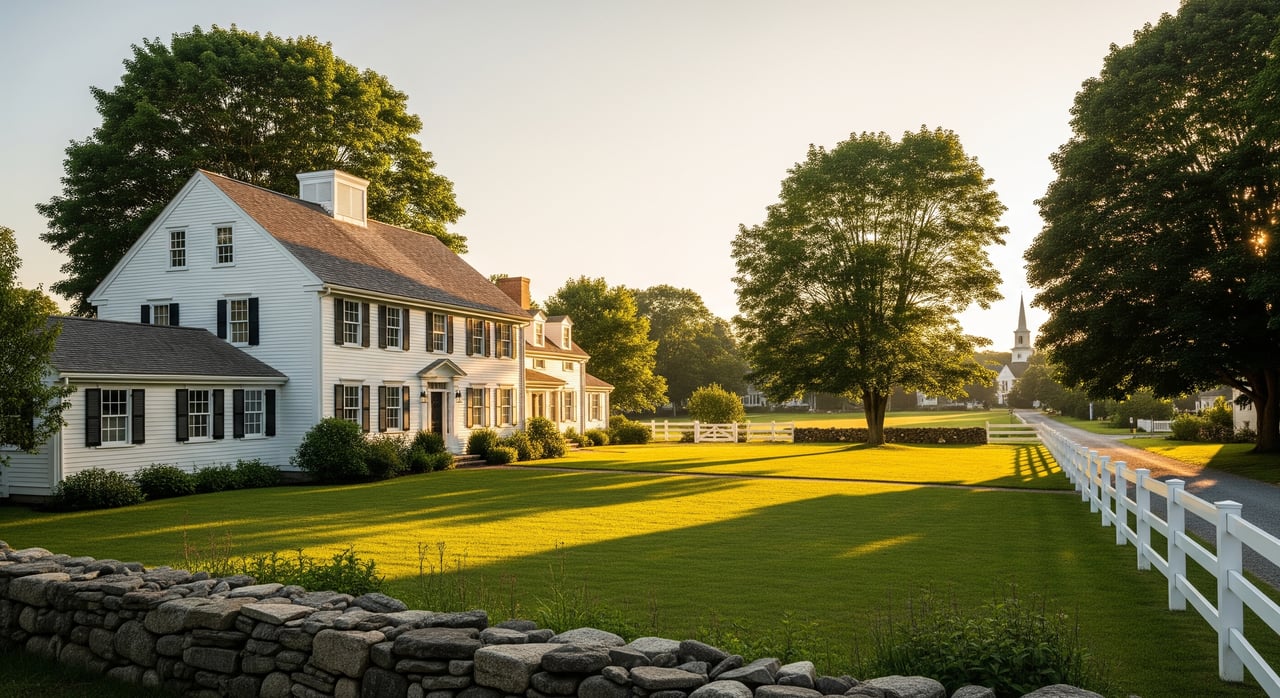
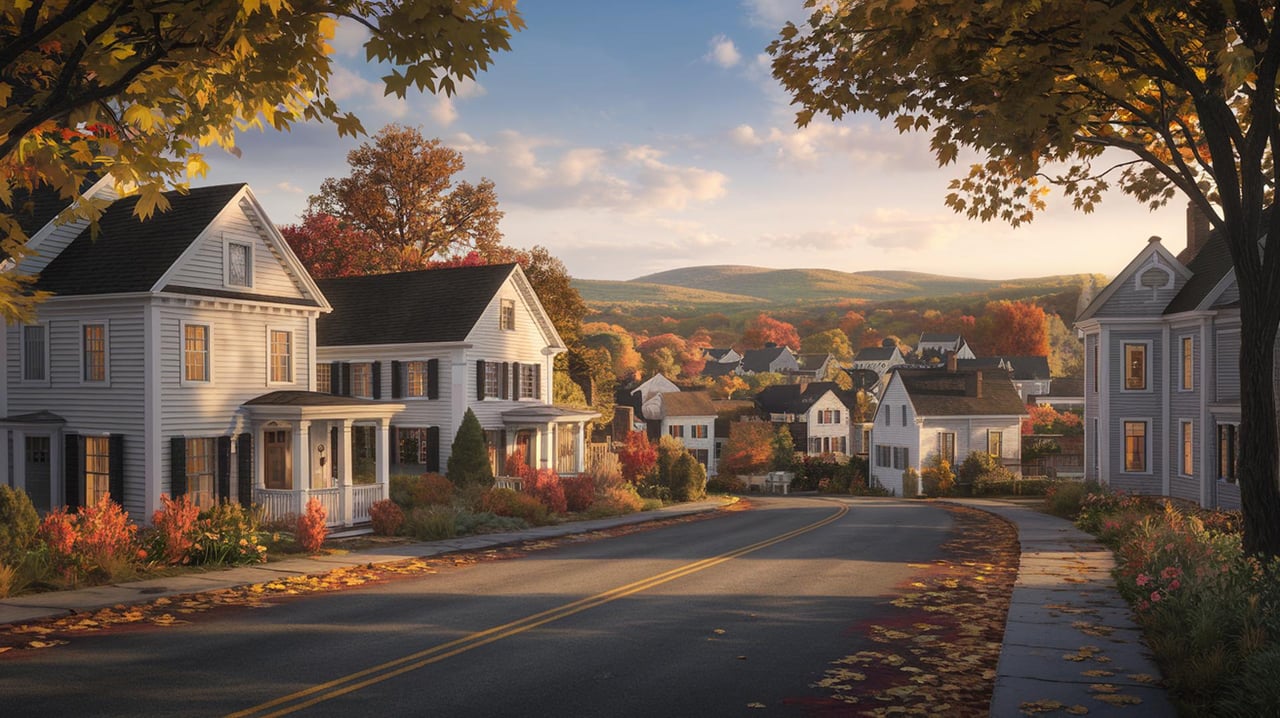
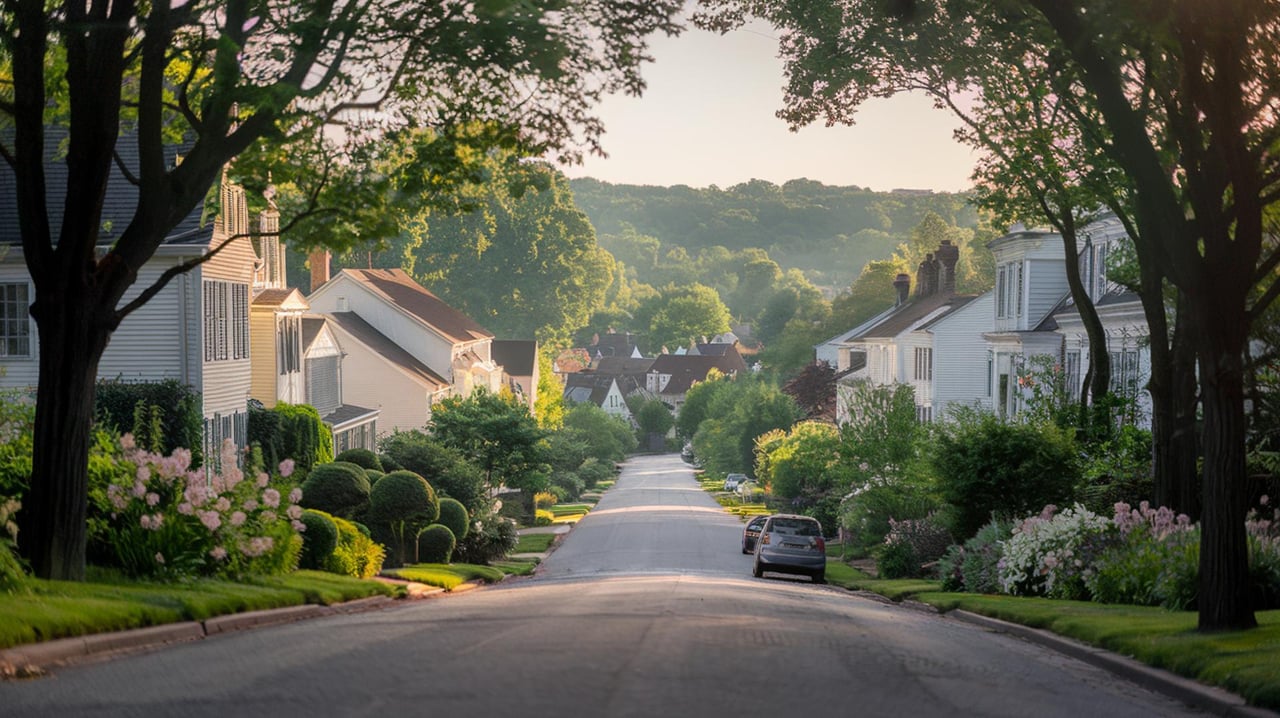
Harvard is a small Worcester County town of roughly 6,800 to 7,000 residents, with a residential feel and strong conservation mindset. You sit west and slightly north of Boston, framed by Route 2 and I‑495 for regional access and day trips. The town spans about 26–27 square miles of wooded hills, fields, wetlands, and a central village area. For town services, meeting calendars, and community resources, start with the official Town of Harvard website. For population context, see the U.S. Census QuickFacts for Harvard.
Open space and outdoor life
Trails and conservation
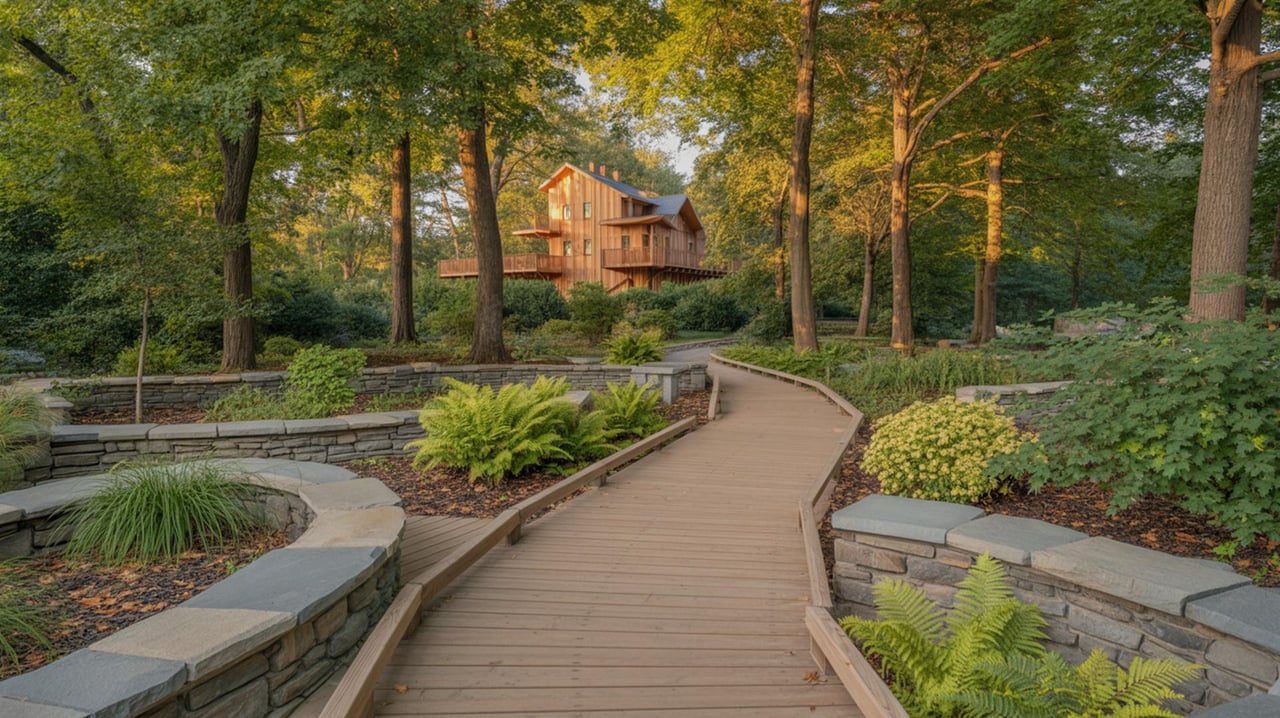
Harvard has invested in preserving open space, with hundreds of acres under public conservation and an active trail network. That stewardship helps the town keep its quiet, rural character while offering residents easy access to hiking and seasonal walks. The town’s planning documents detail these holdings and the role of volunteer groups in care and access.
Bare Hill Pond
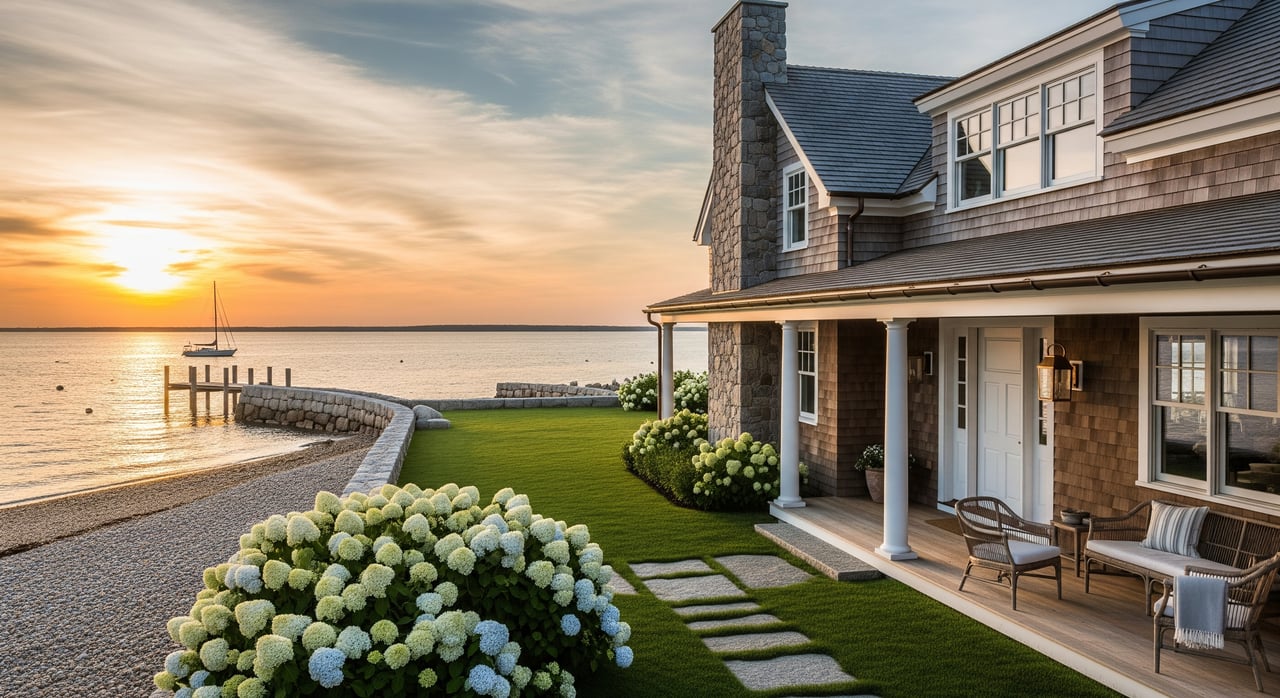
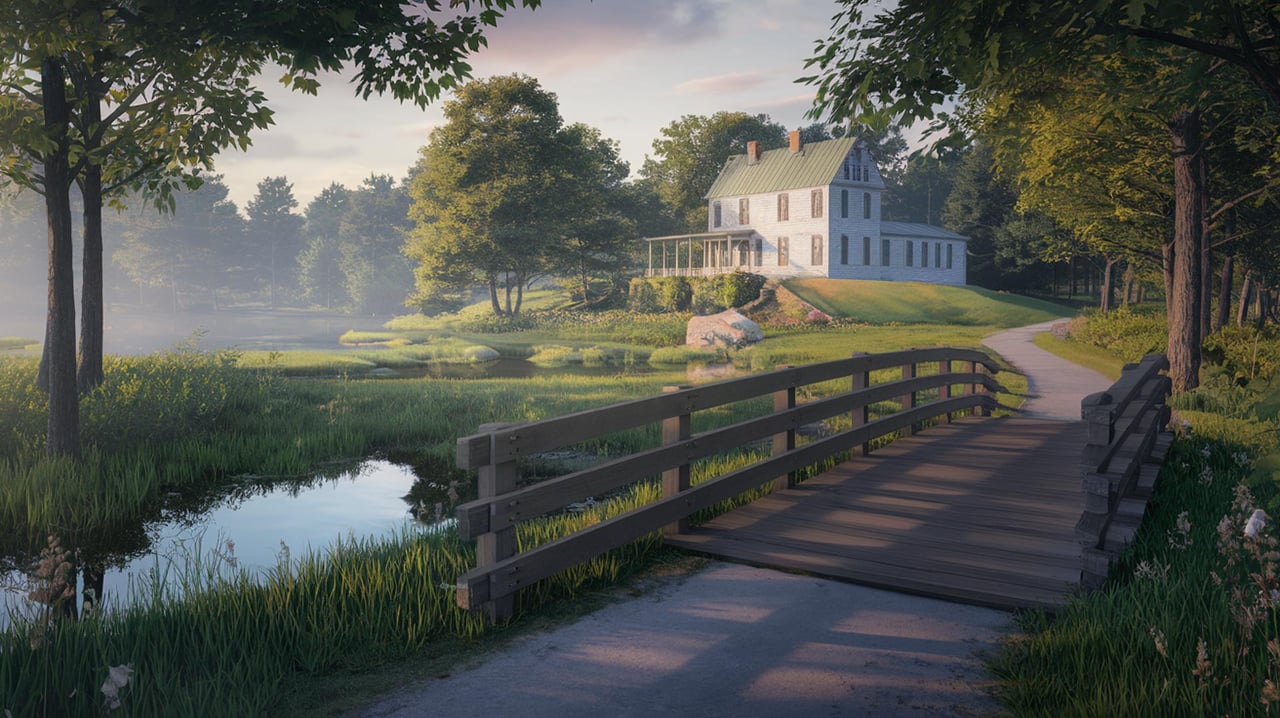
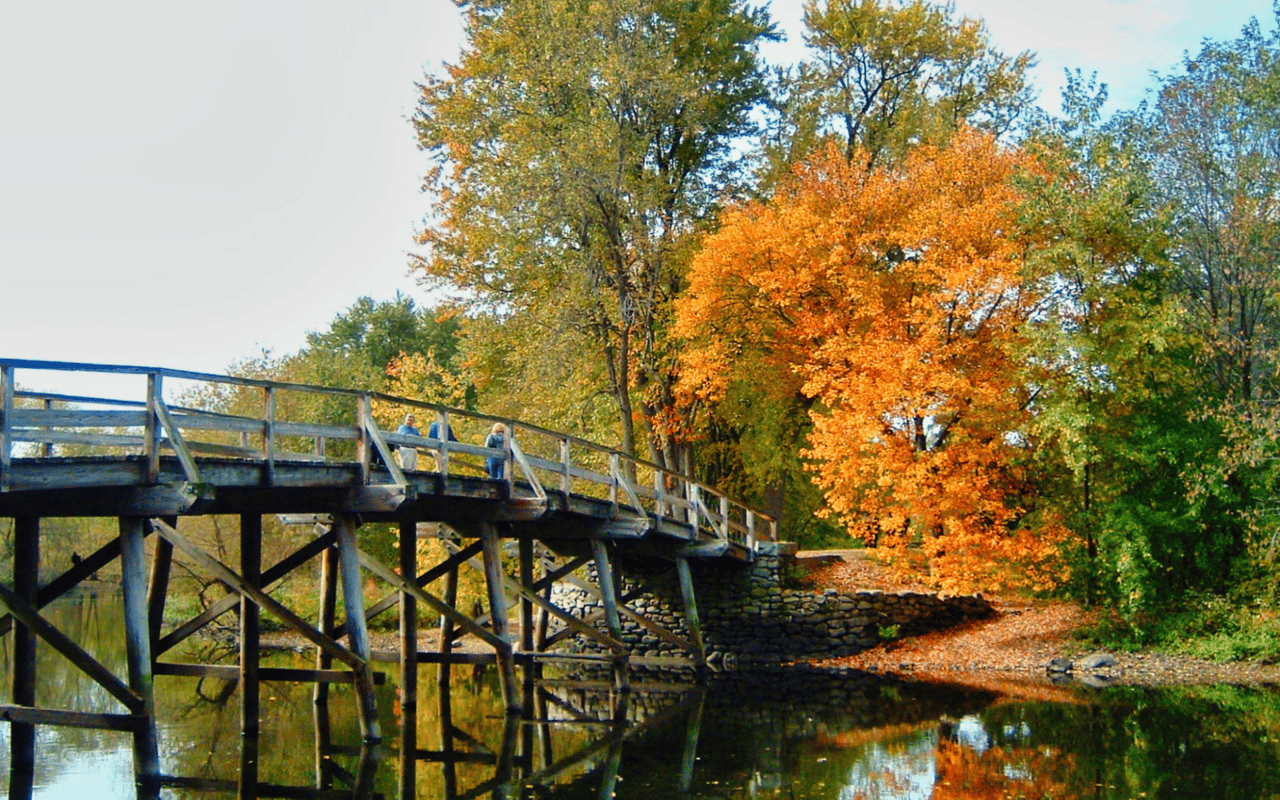
At roughly 320 acres, Bare Hill Pond is the town’s waterfront hub. Residents use the town beach, boat ramp, and canoe racks in season, and community programs support water quality and invasive-plant management. The pond is both a summer hangout and a long-term conservation focus in the town’s planning work.
Orchards and farm seasons
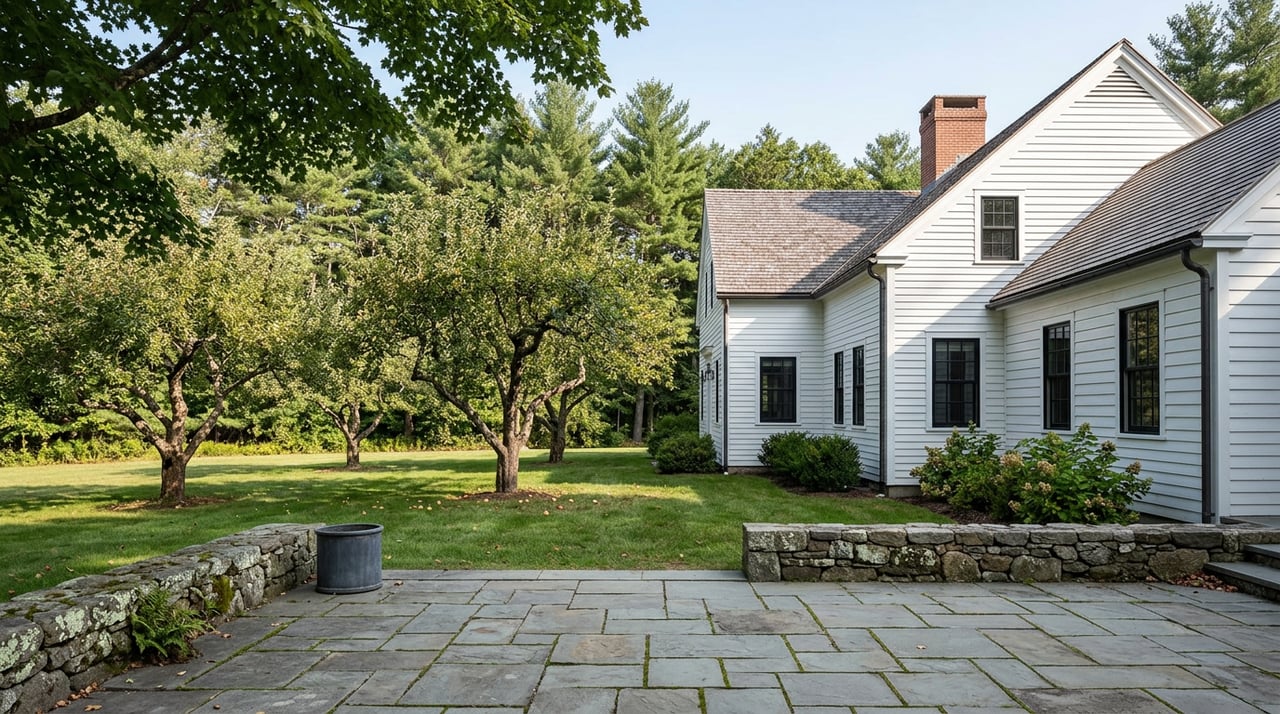
Apple and blueberry picking, fresh-pressed cider, and farm-stand browsing are part of the local rhythm. Multi-generation operations like Carlson Orchards anchor fall weekends, with pumpkins and foliage drawing visitors from across the region. Expect low-key, family-friendly outings and a strong harvest-season pulse.
History and culture
Harvard’s cultural landscape blends art, history, and trails. The Fruitlands Museum on Prospect Hill offers galleries, outdoor programs, and connections to the area’s transcendentalist and utopian past. The Harvard Shaker Village and the Harvard Historical Society reinforce a well-preserved small-town identity through collections and local programming.
Community calendar highlights
Harvard’s calendar leans seasonal. In October, the long-running town flea market on the Bromfield School grounds brings out residents and day visitors alike. You’ll also find church fairs, orchard events, and holiday markets that keep the year feeling neighborly and familiar. For dates and details, the Harvard Flea Market page is a good place to check.
Housing and neighborhoods
What homes look like
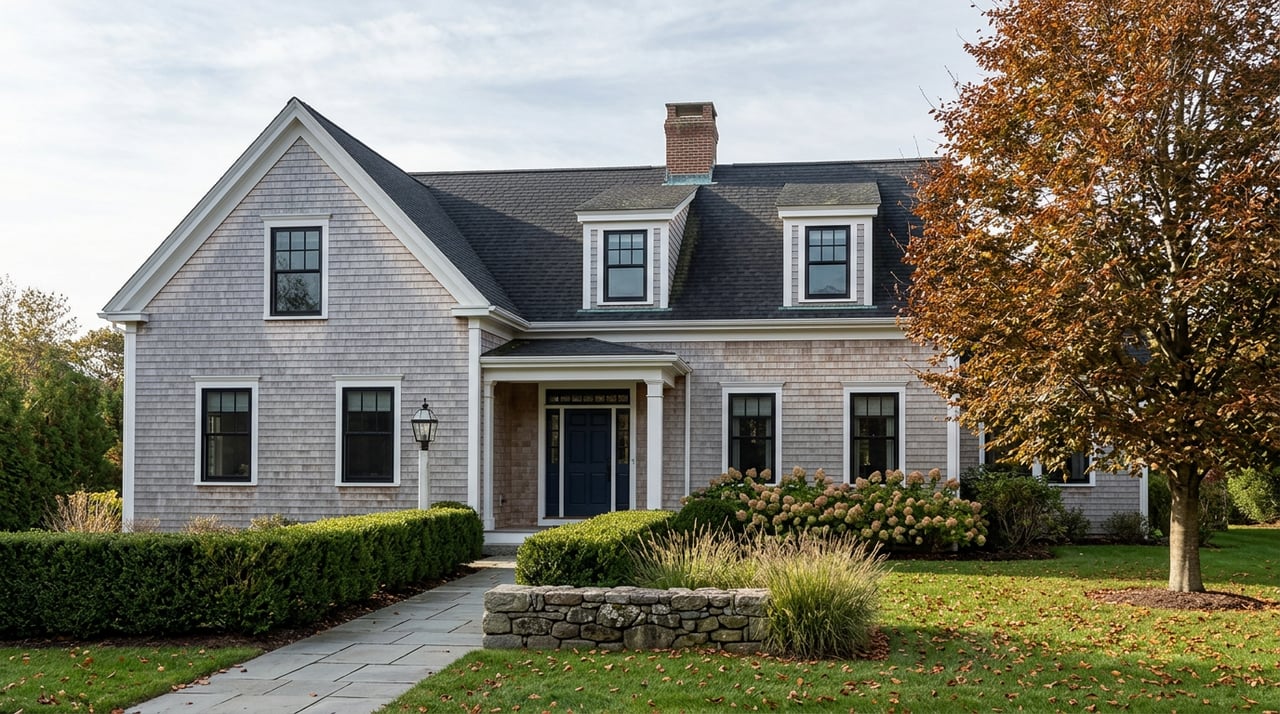
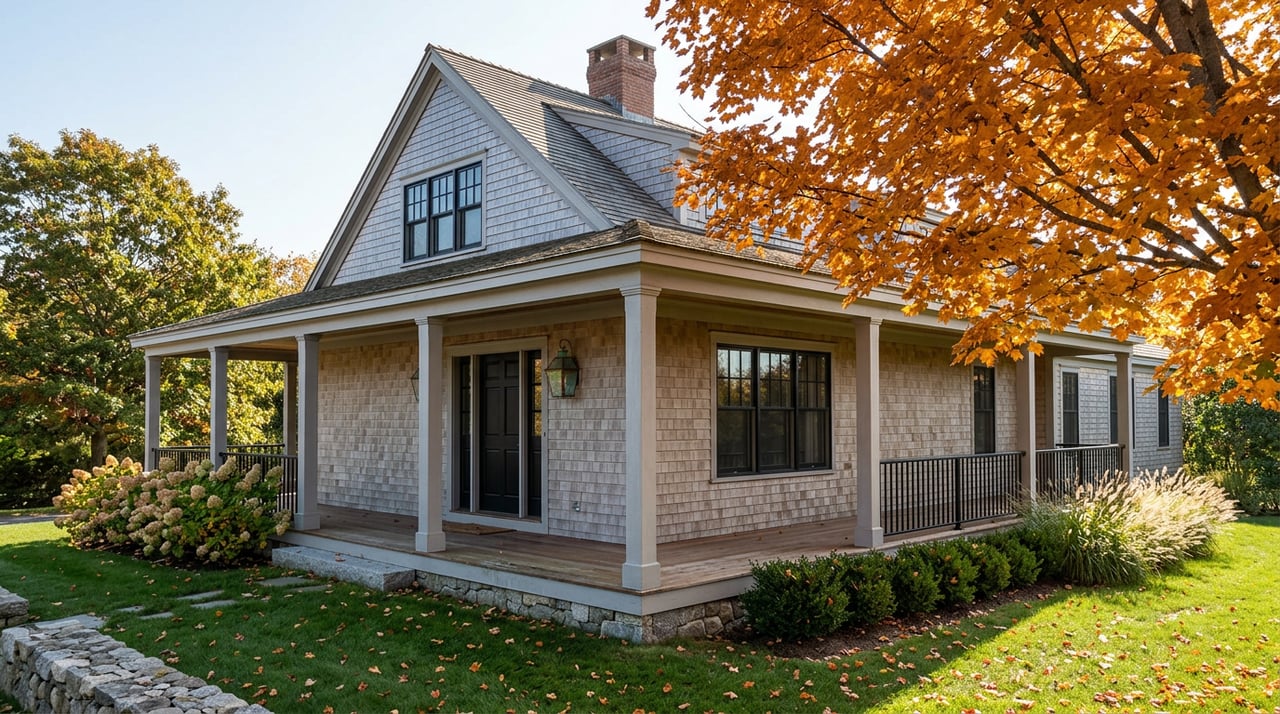
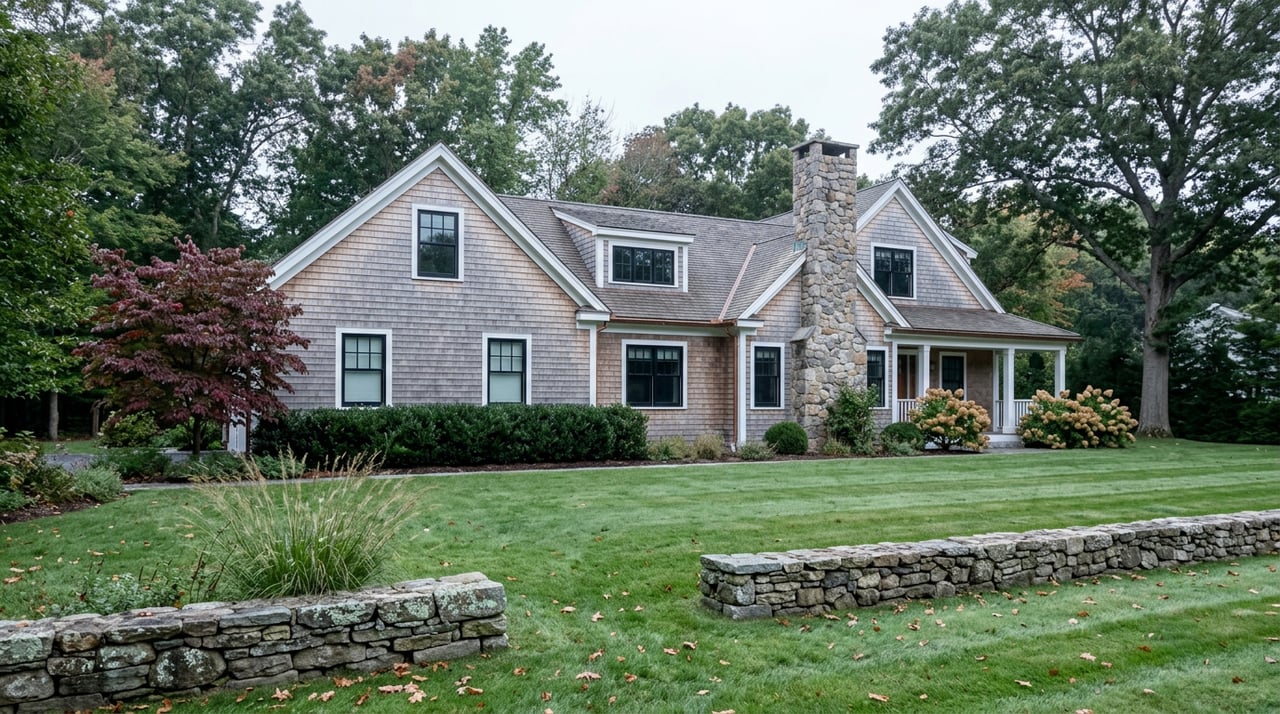
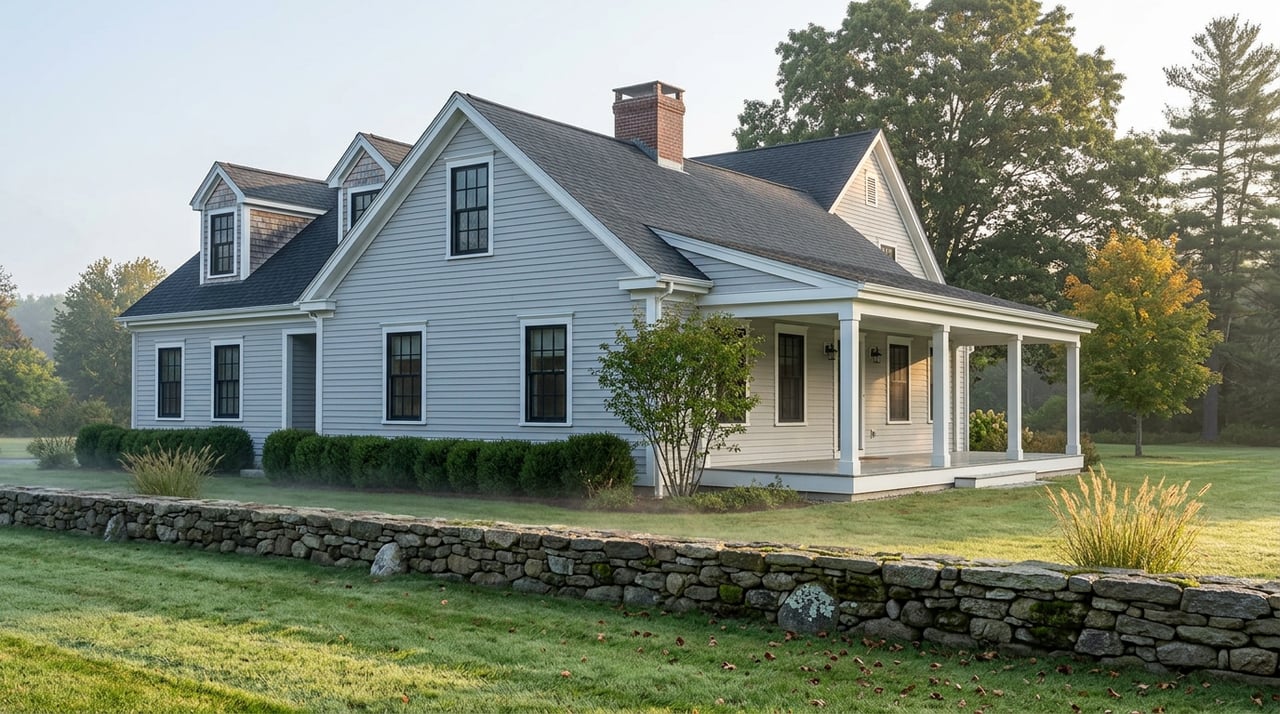
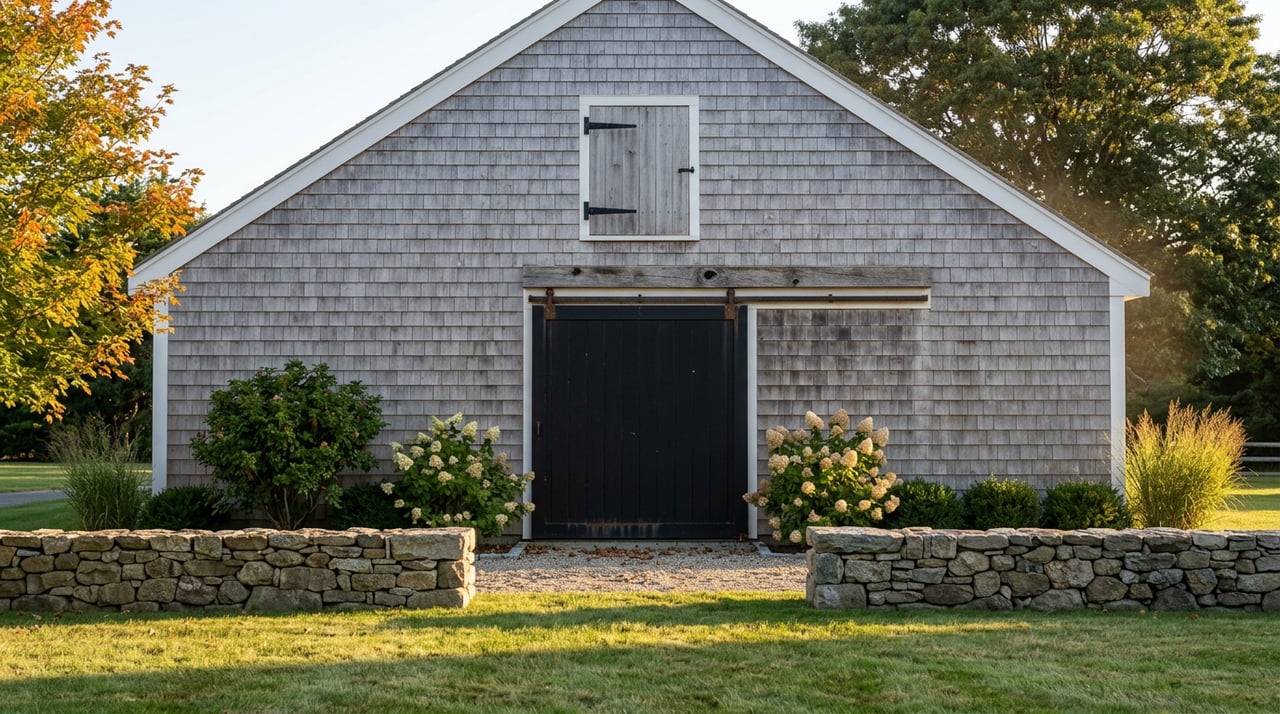
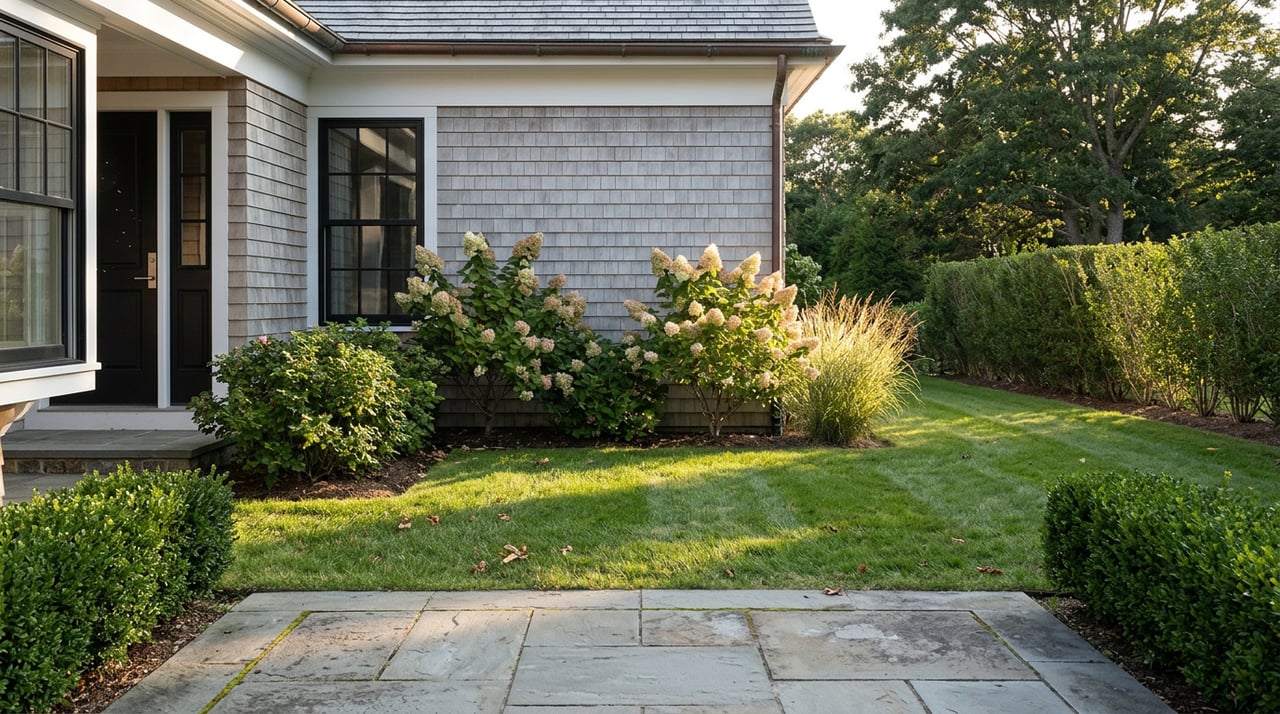
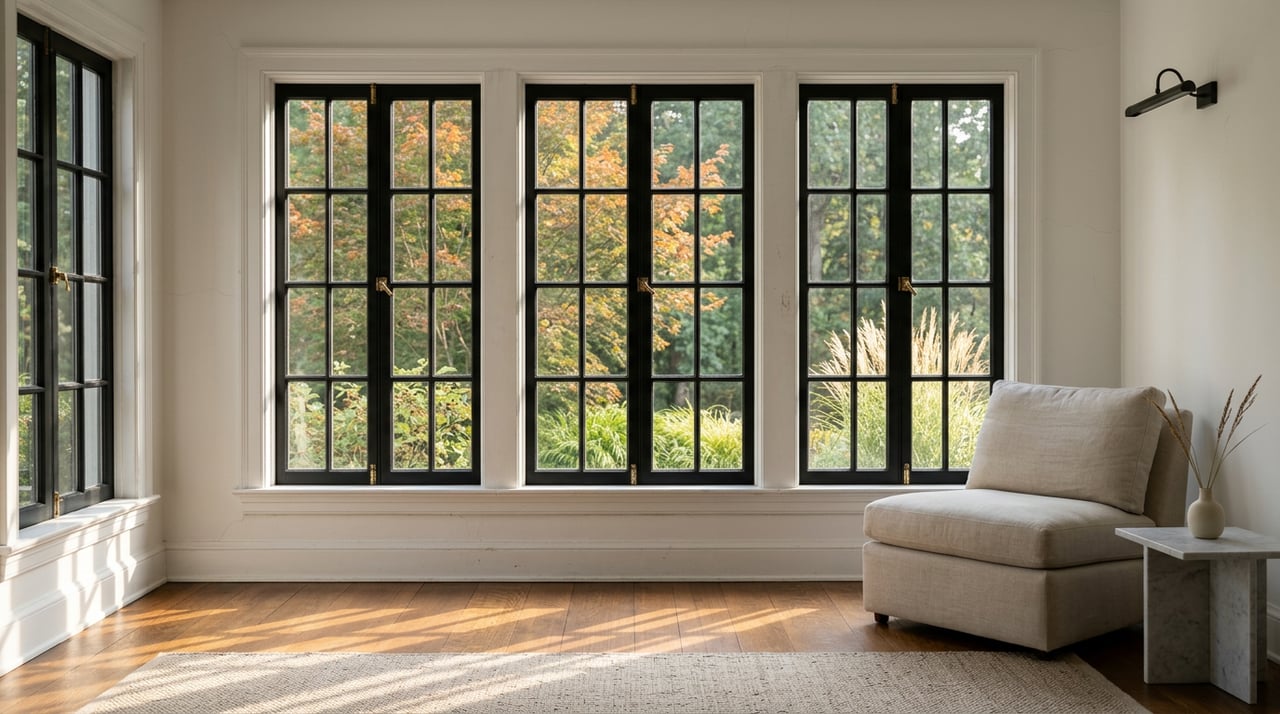
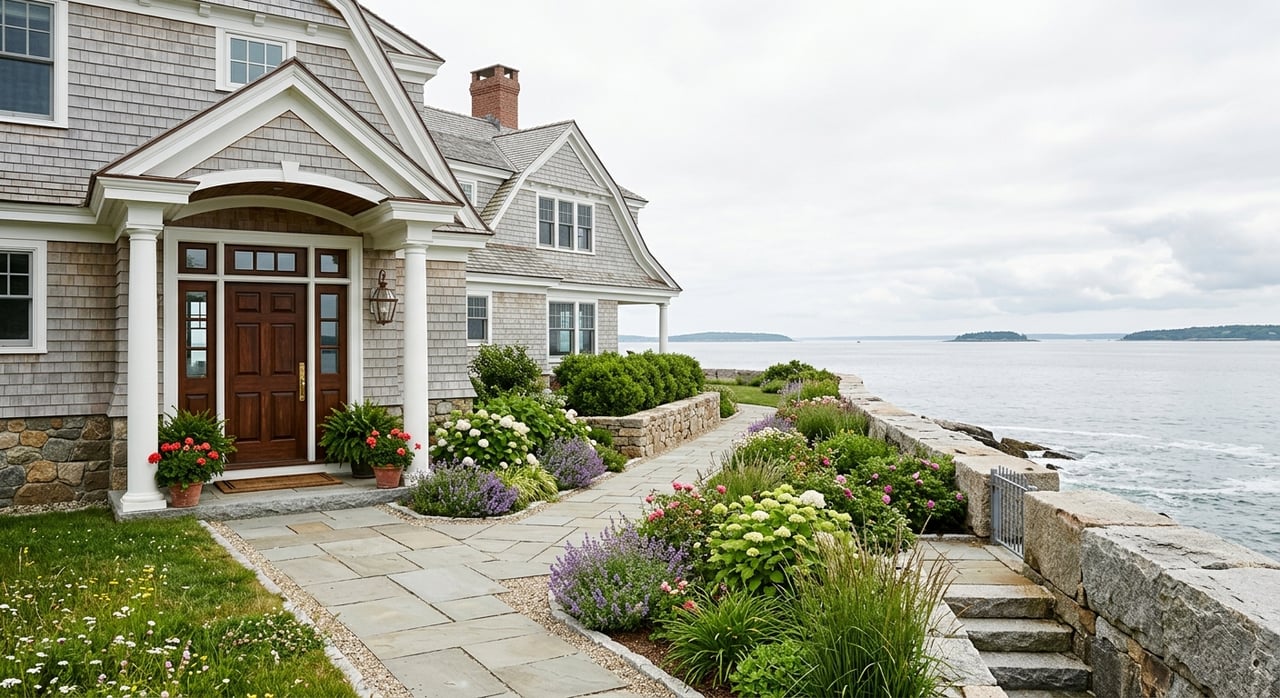
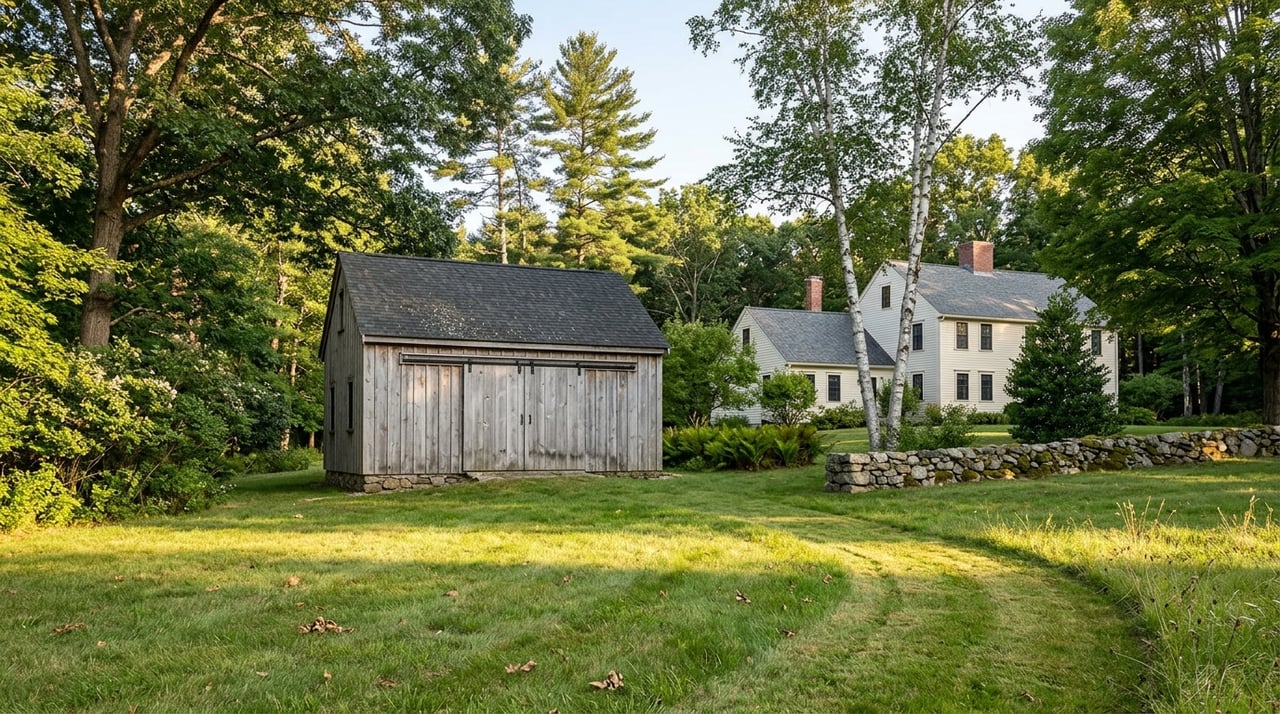
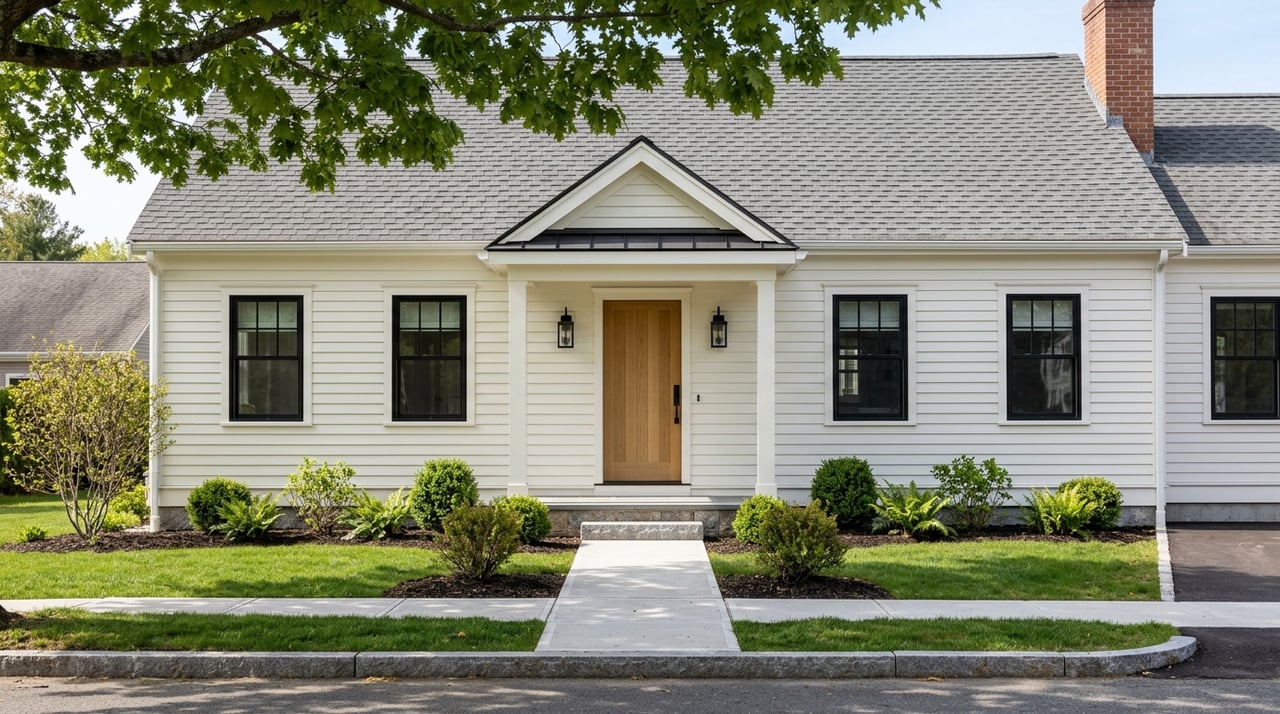
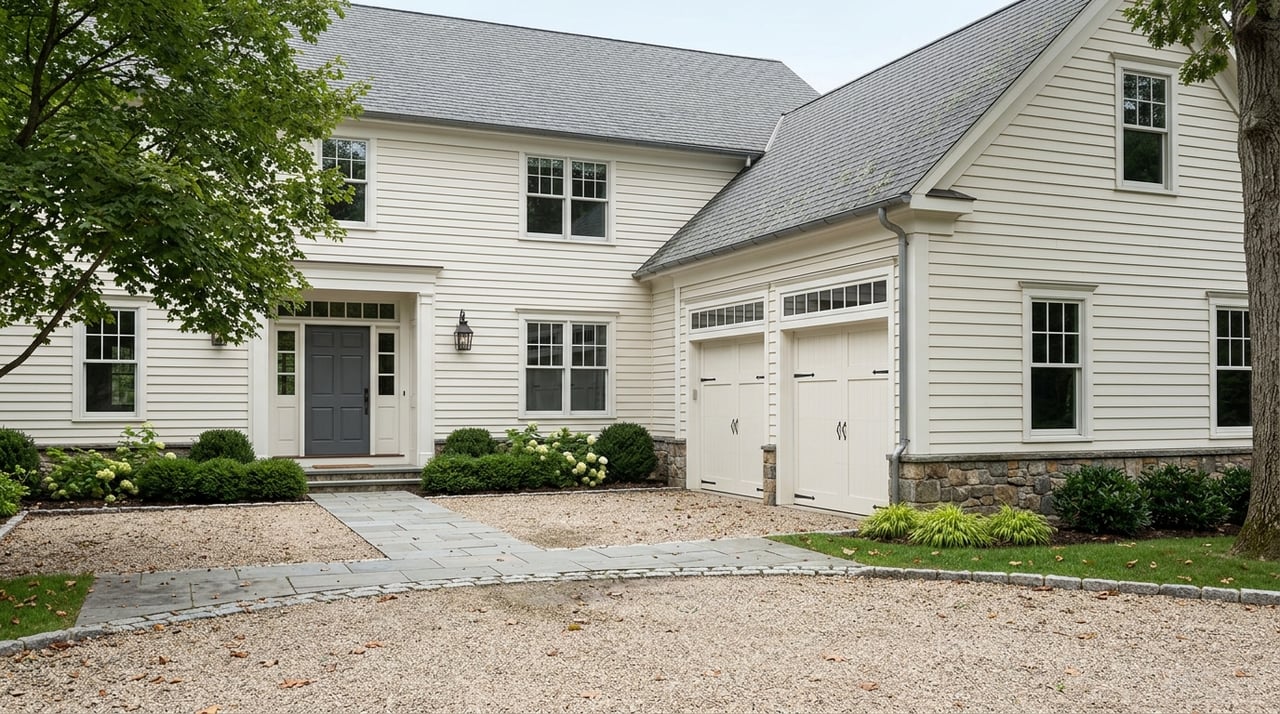
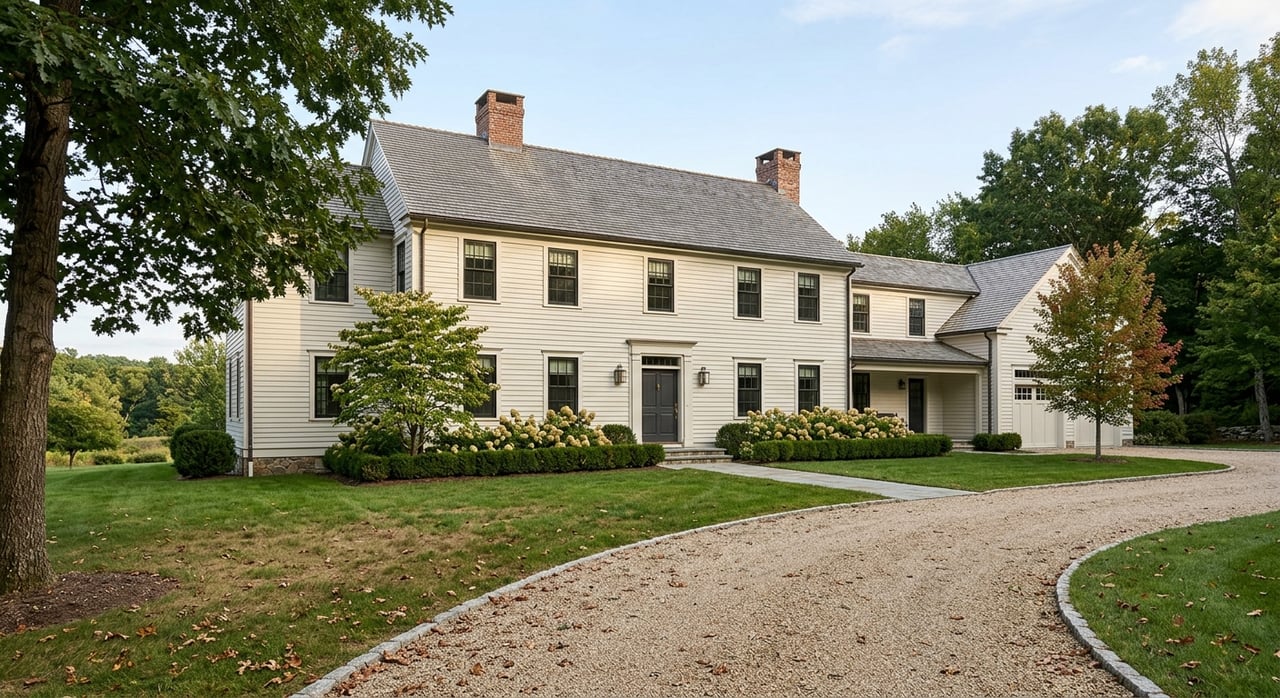
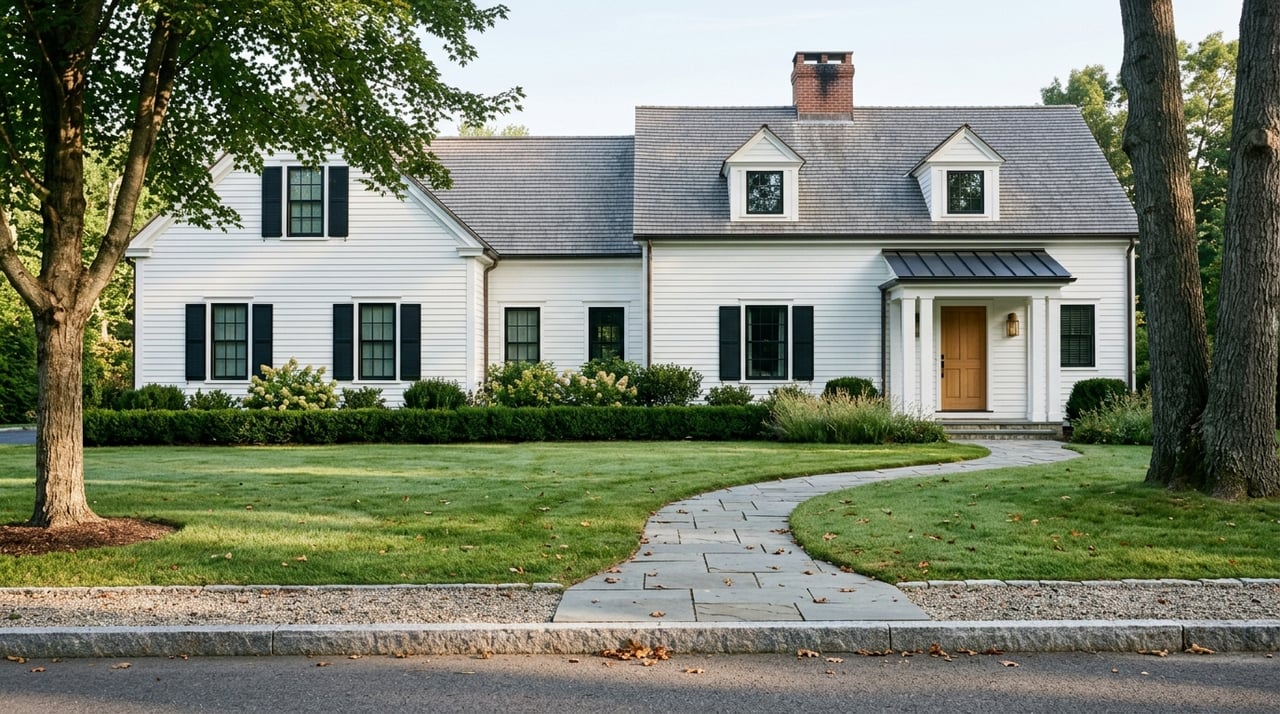
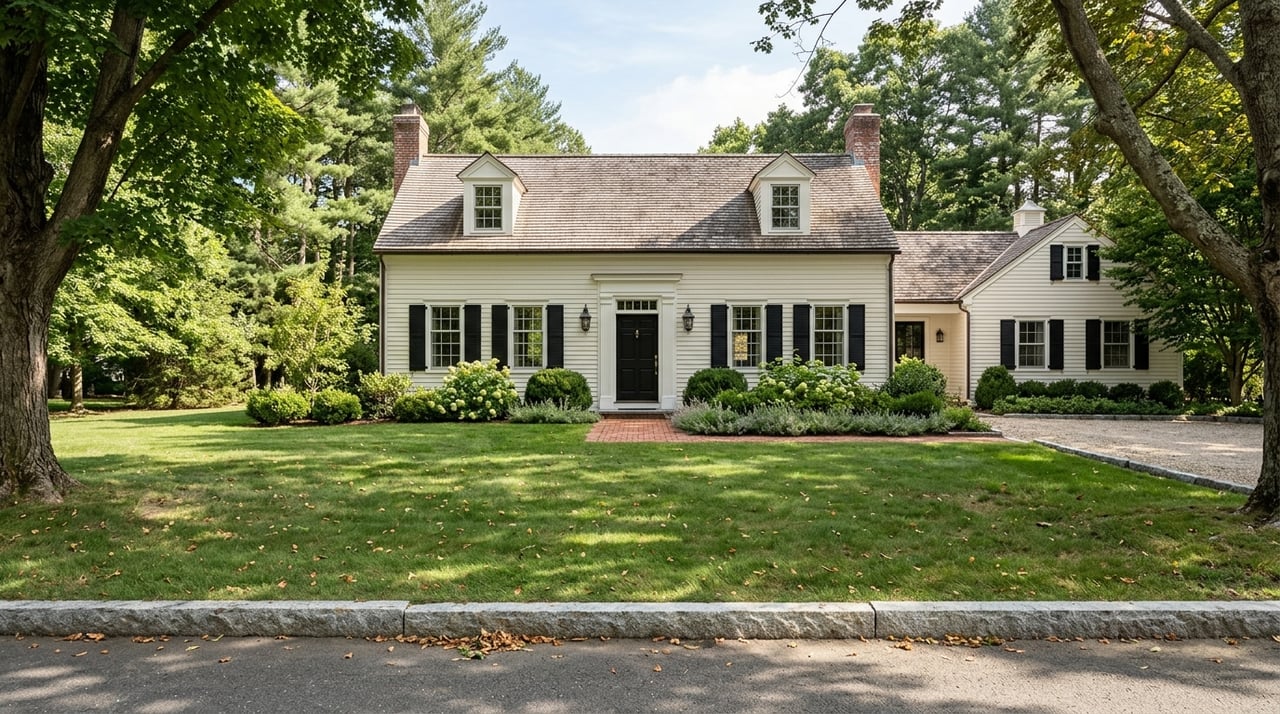
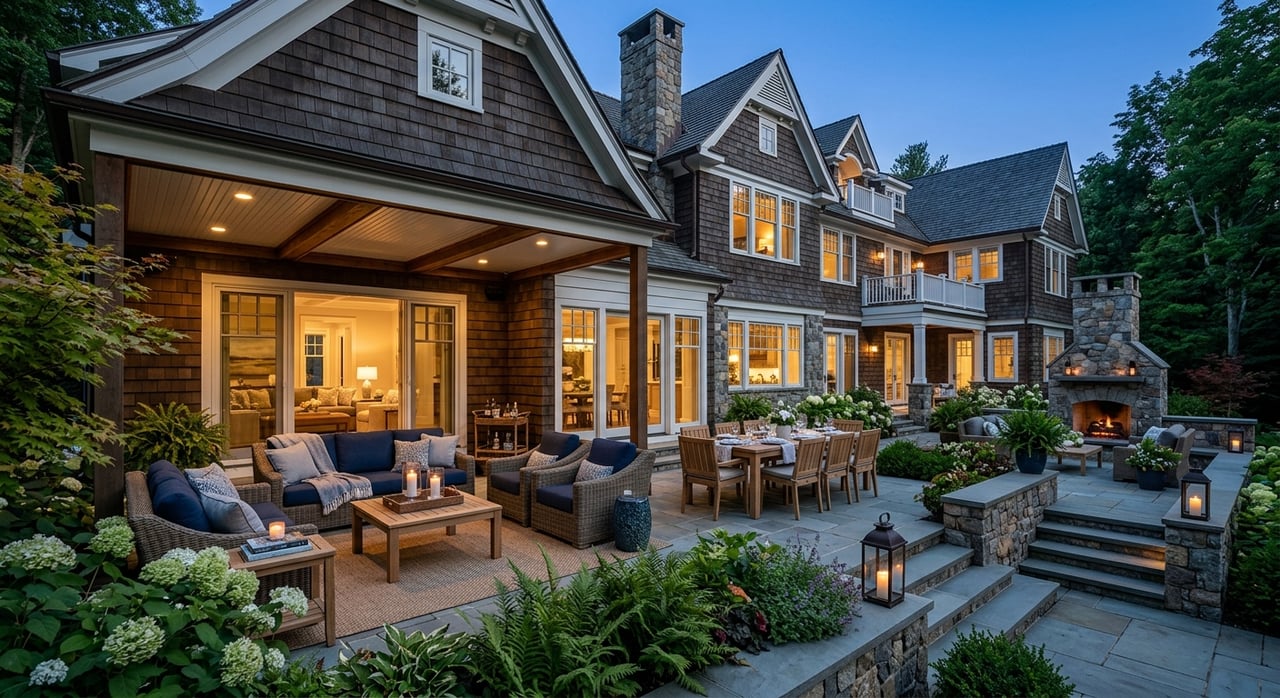
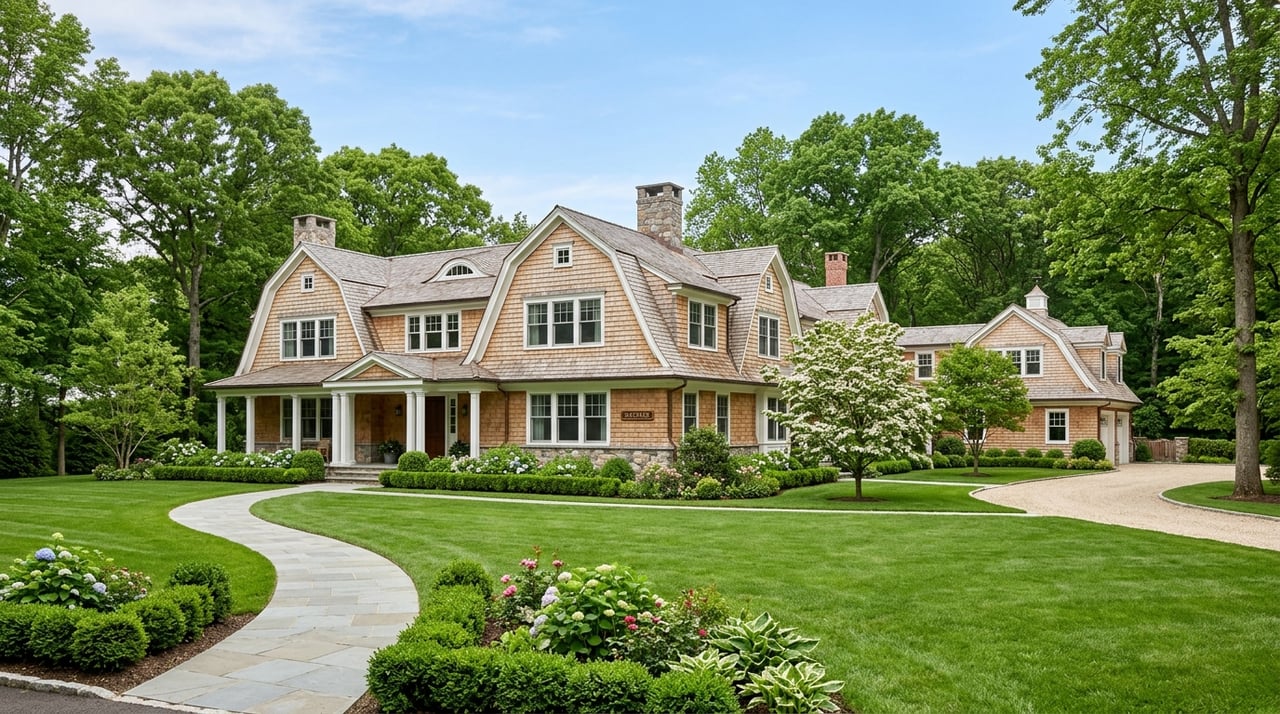
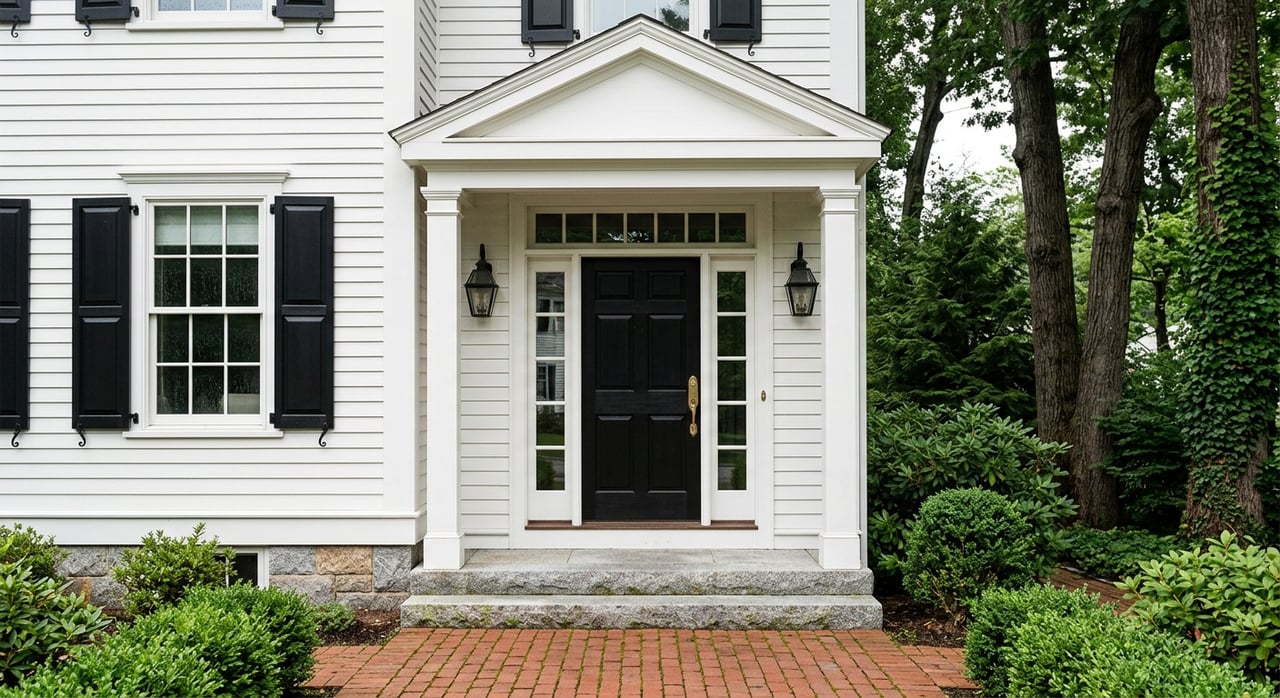
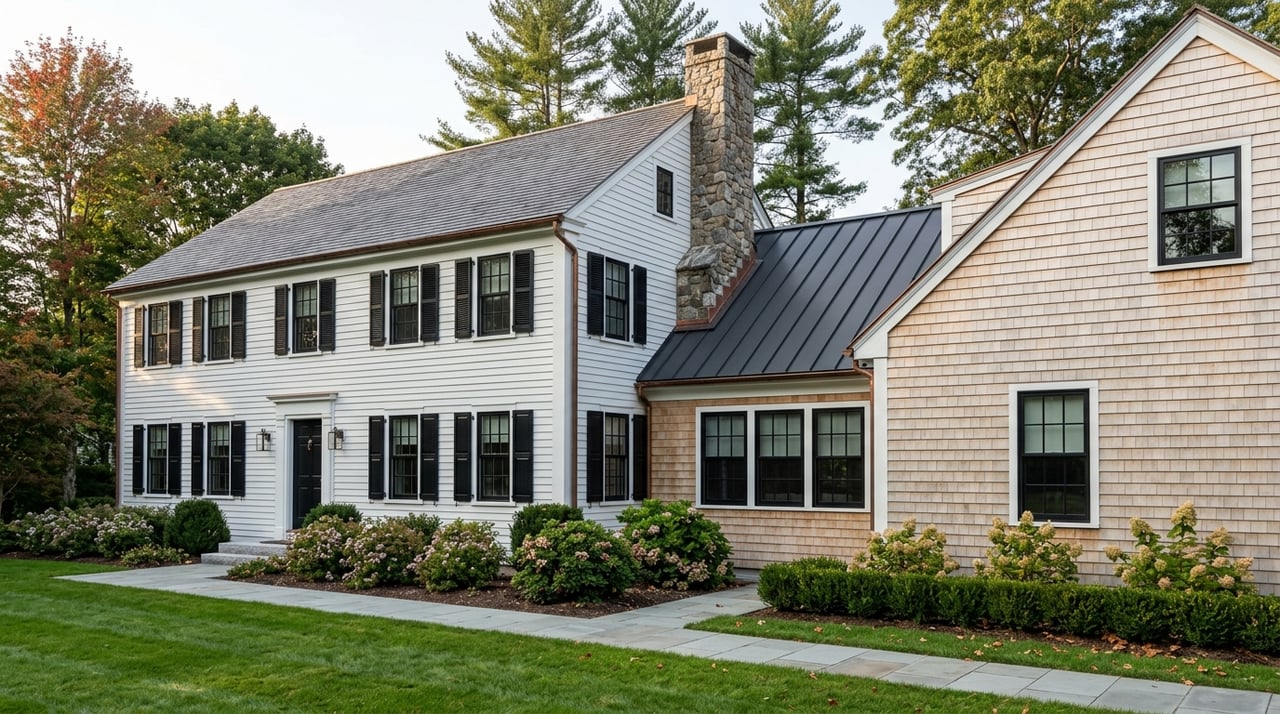
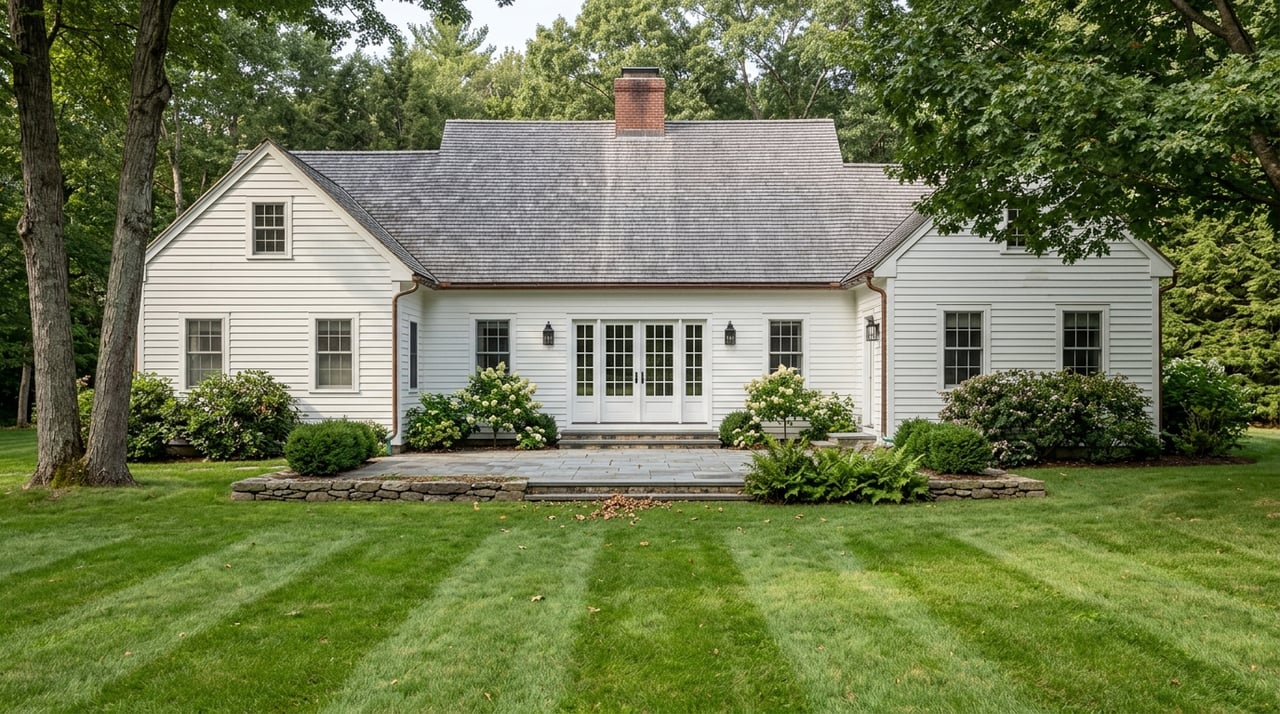
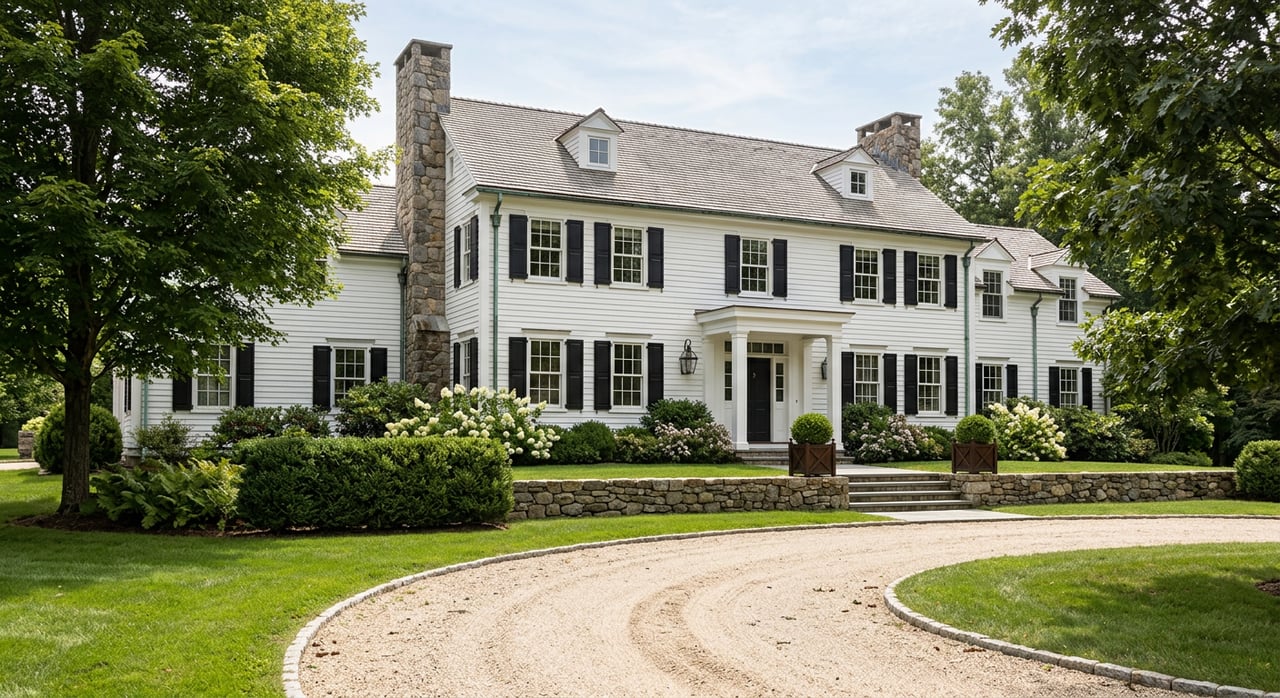
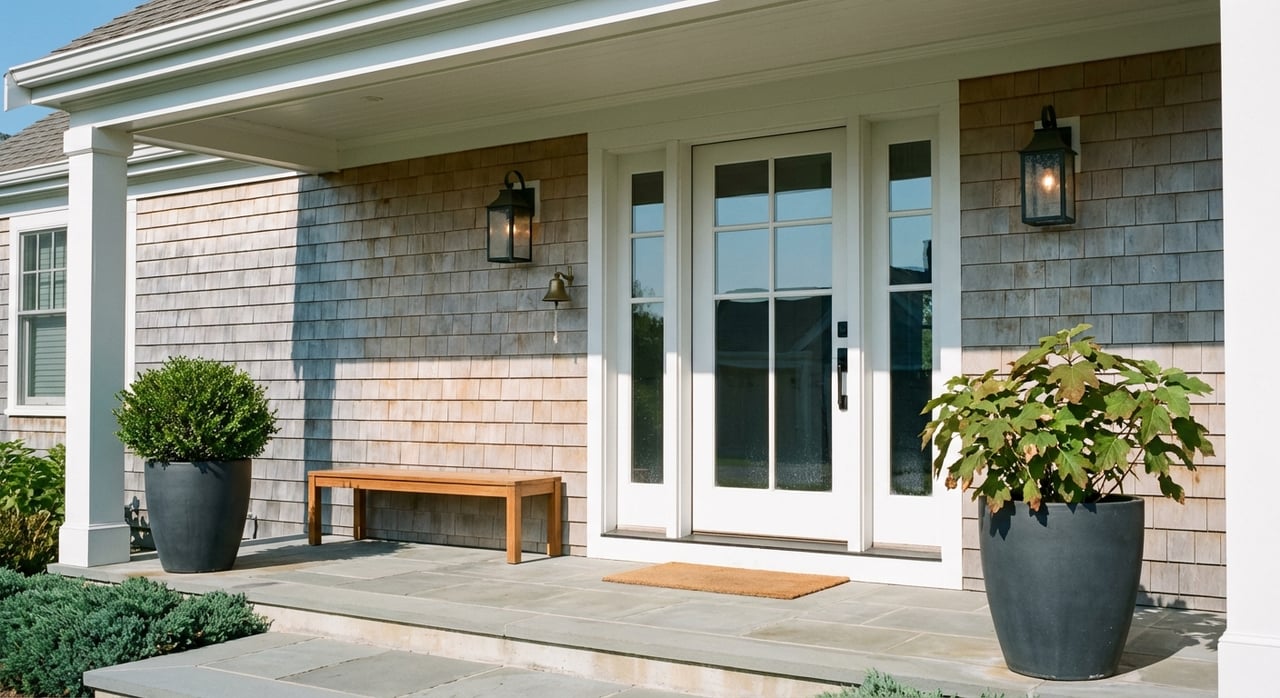
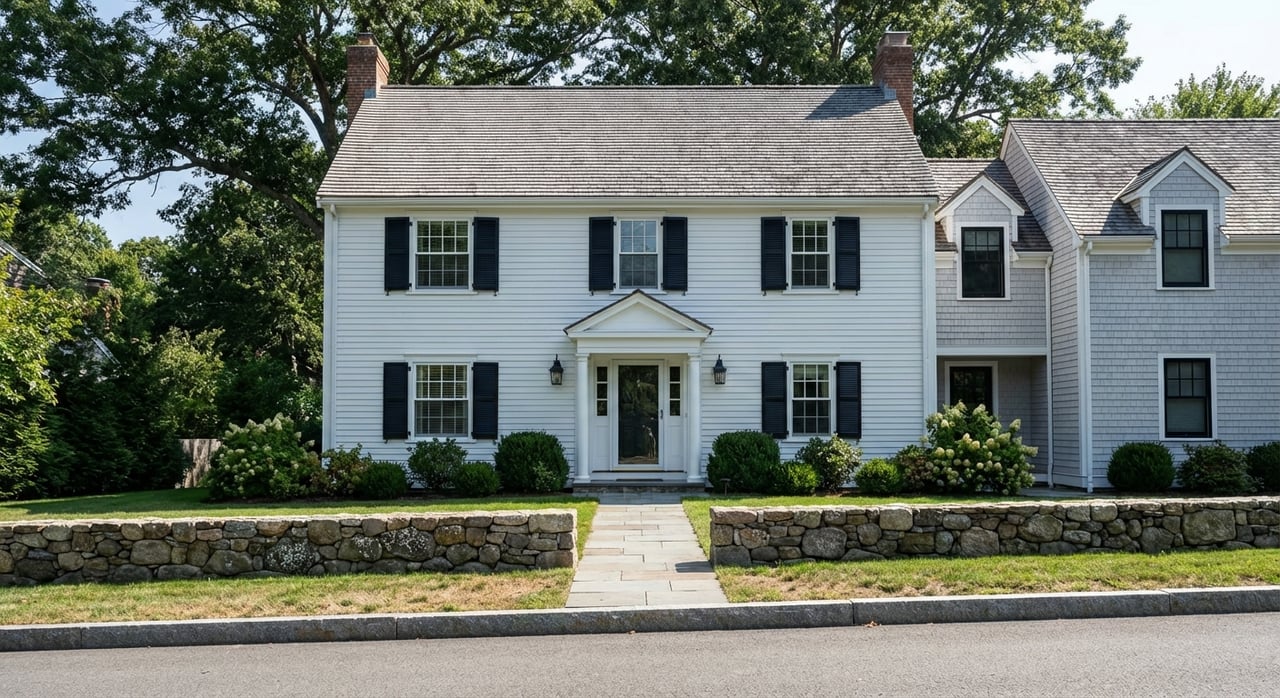
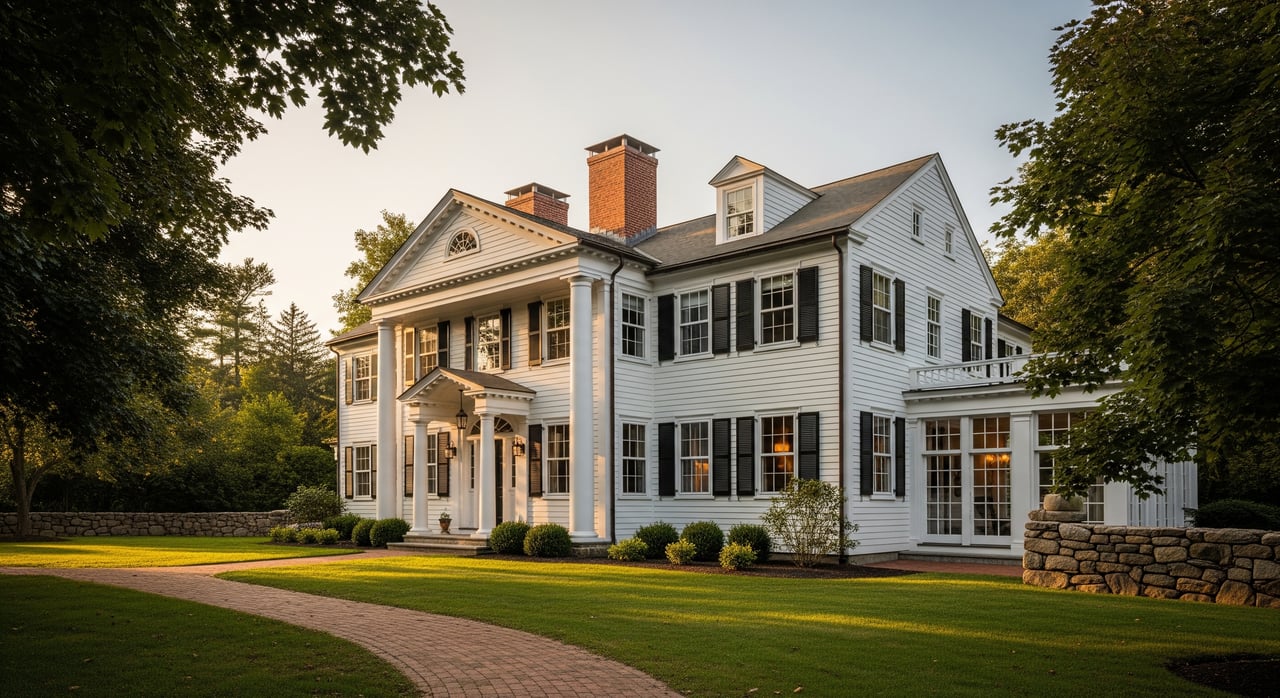
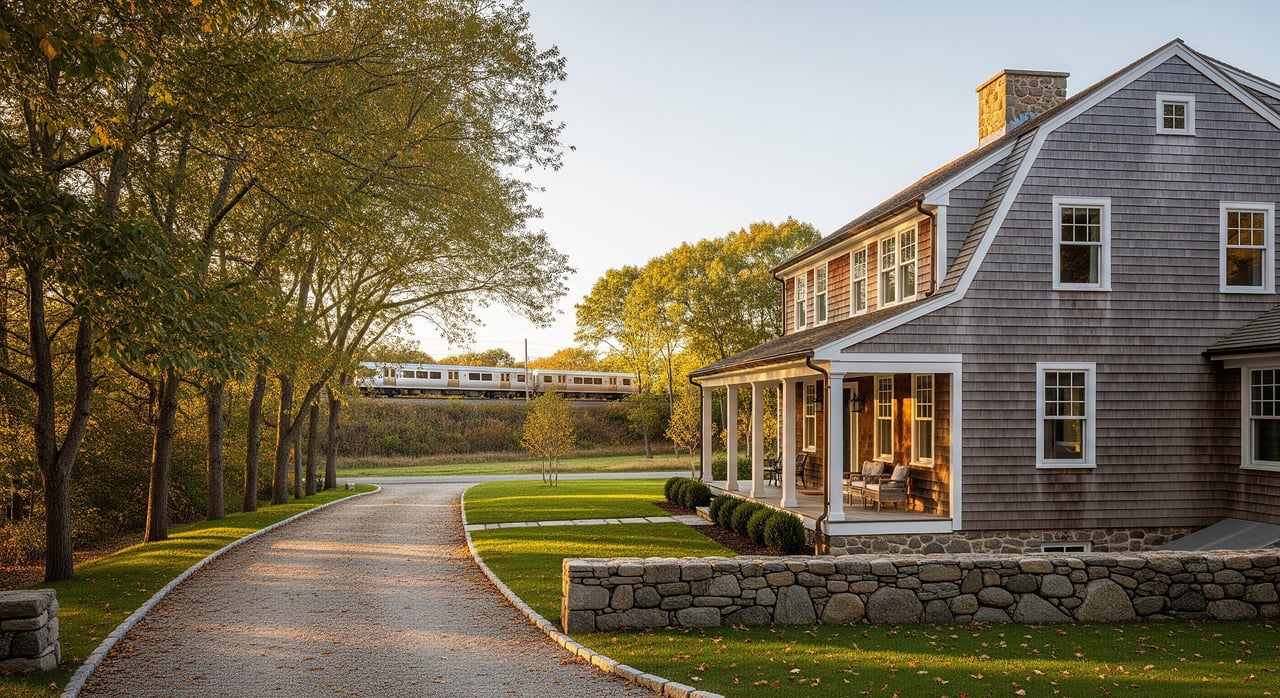
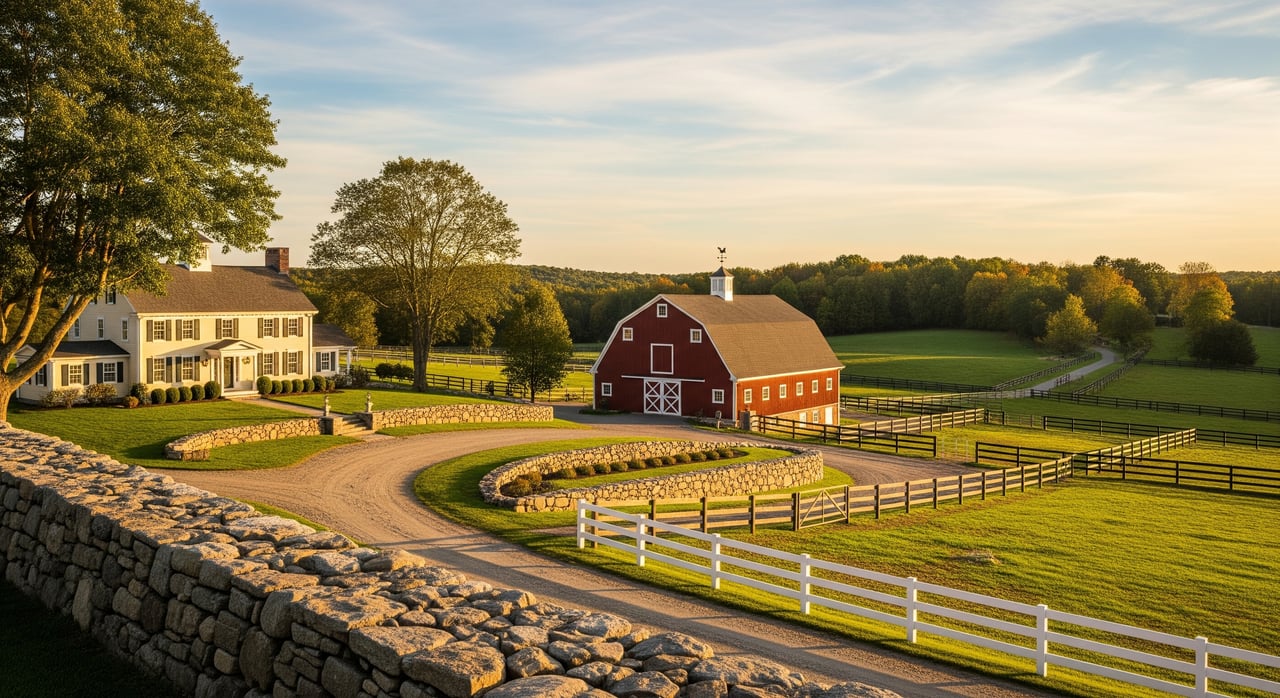
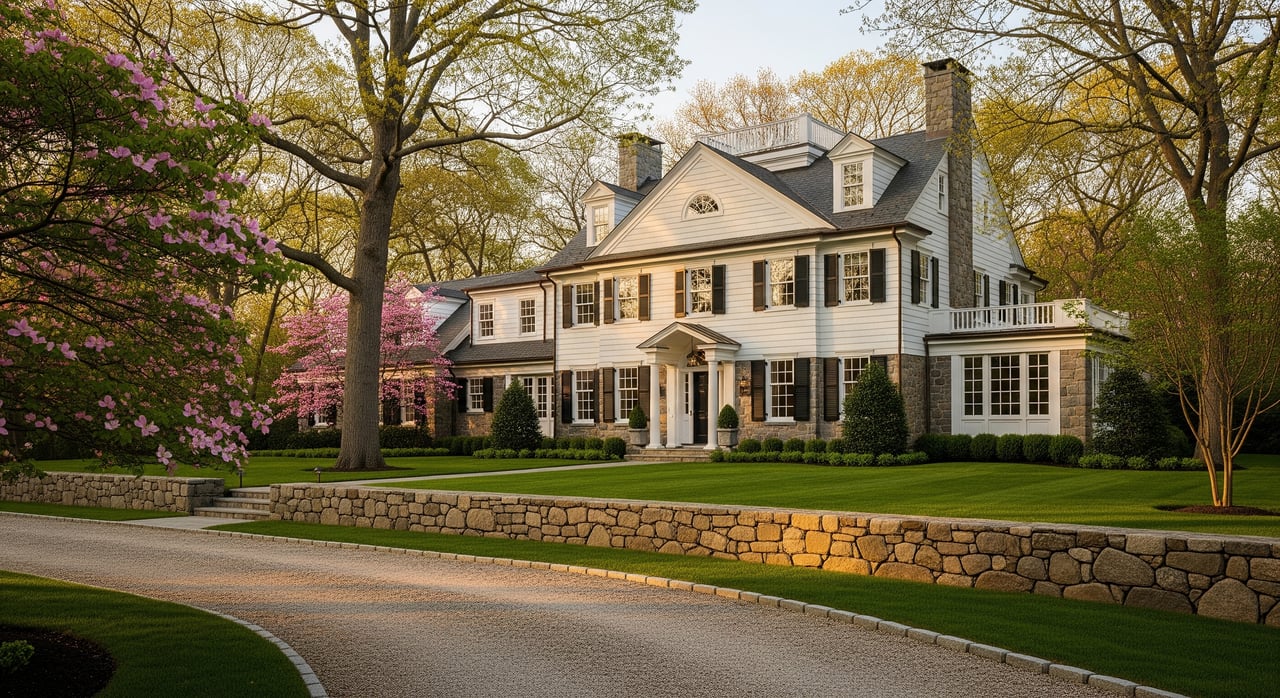
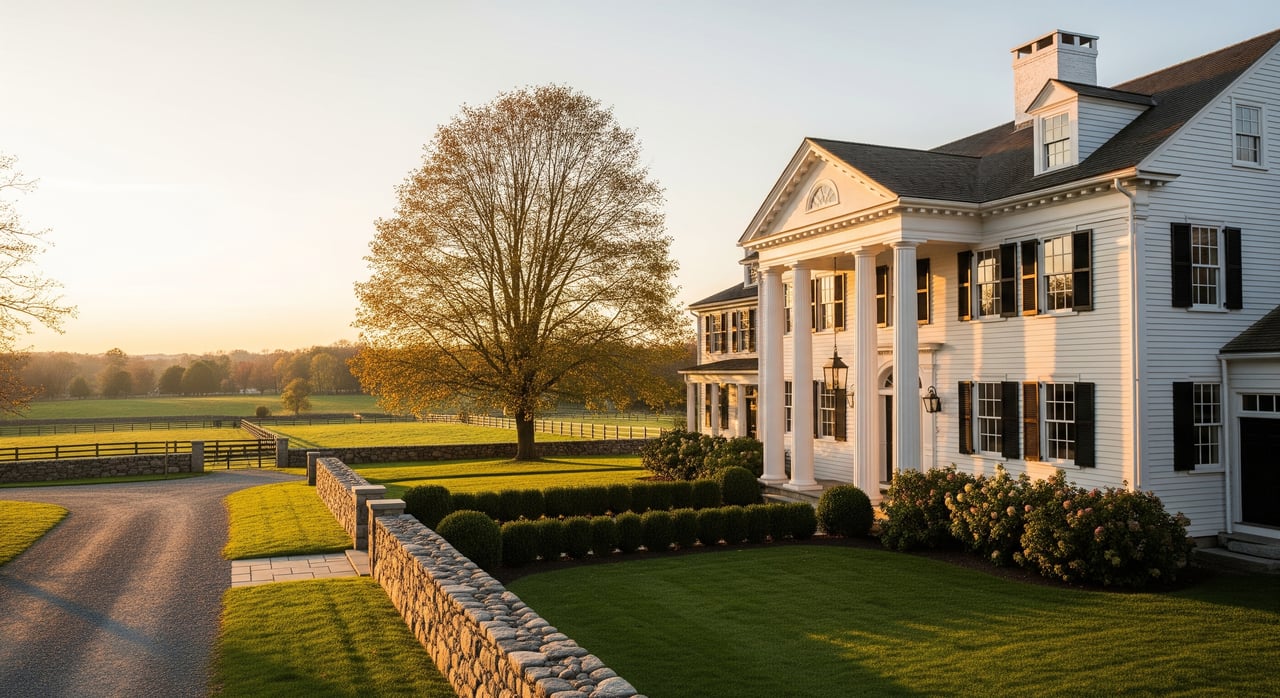
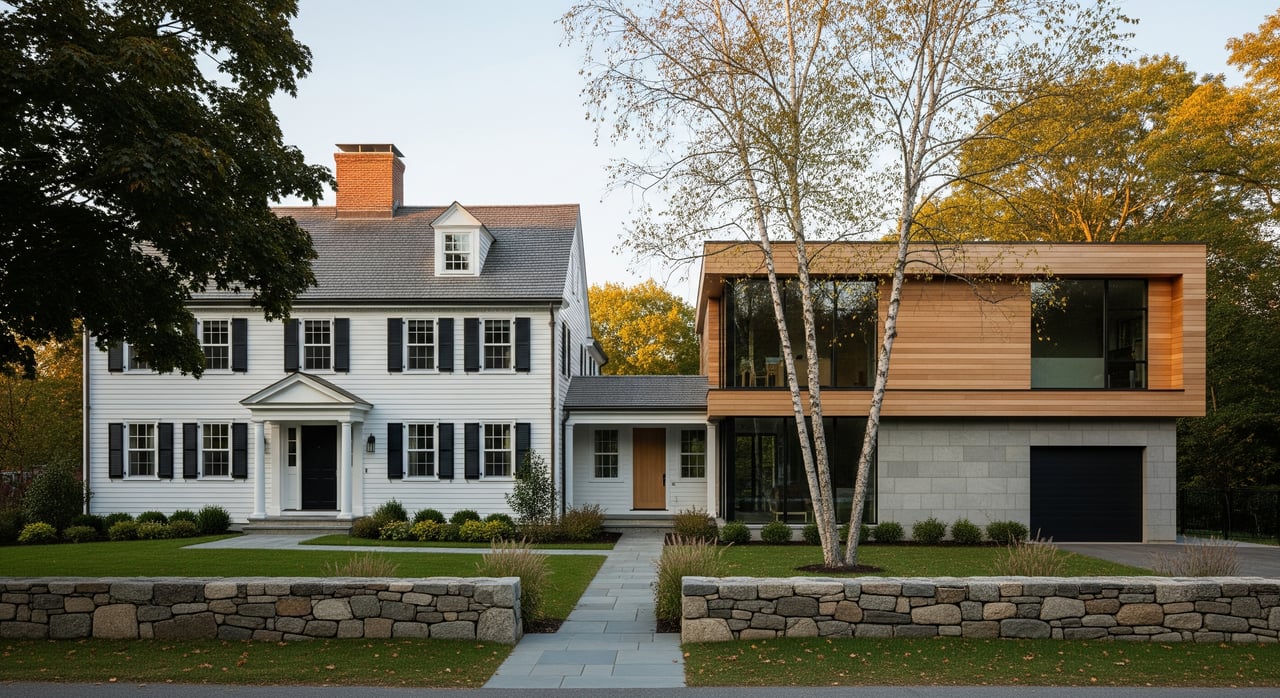
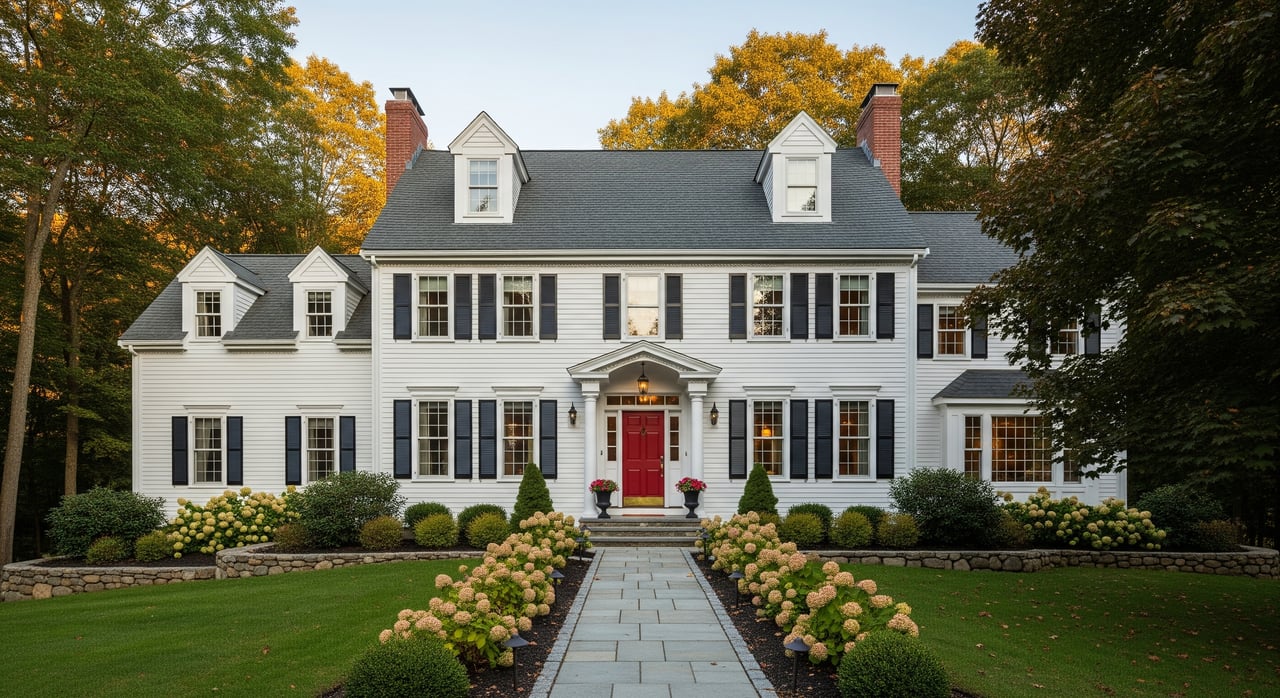
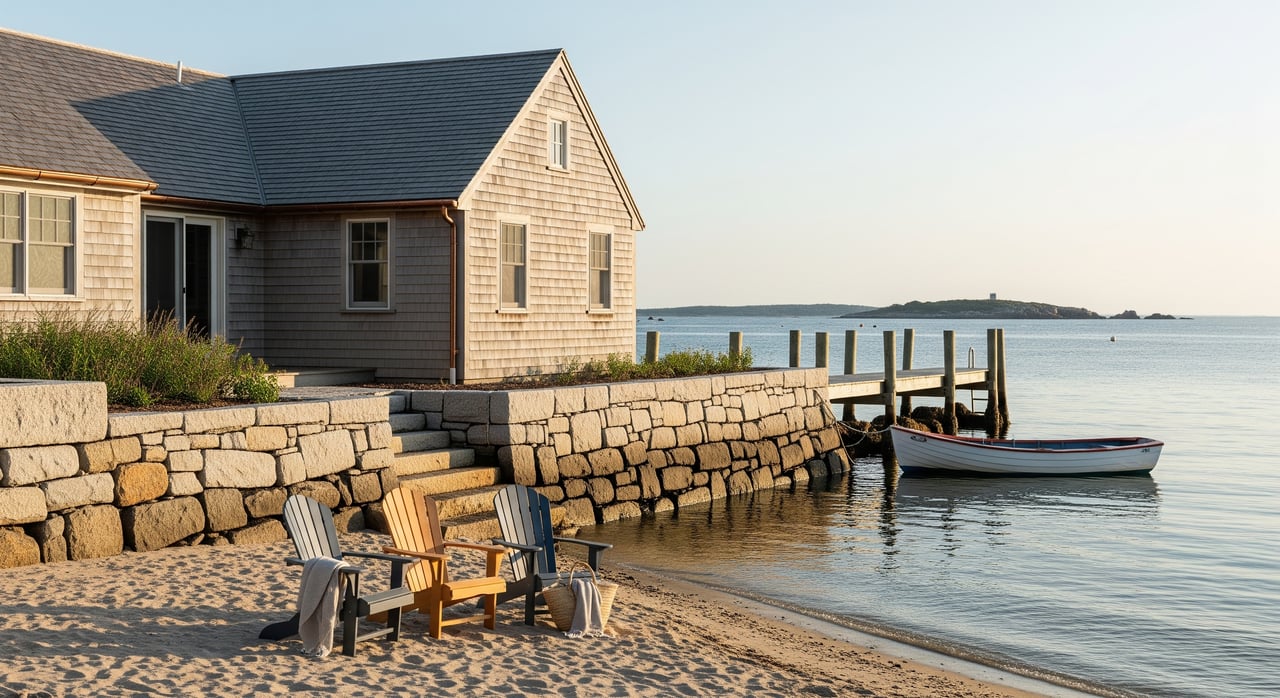
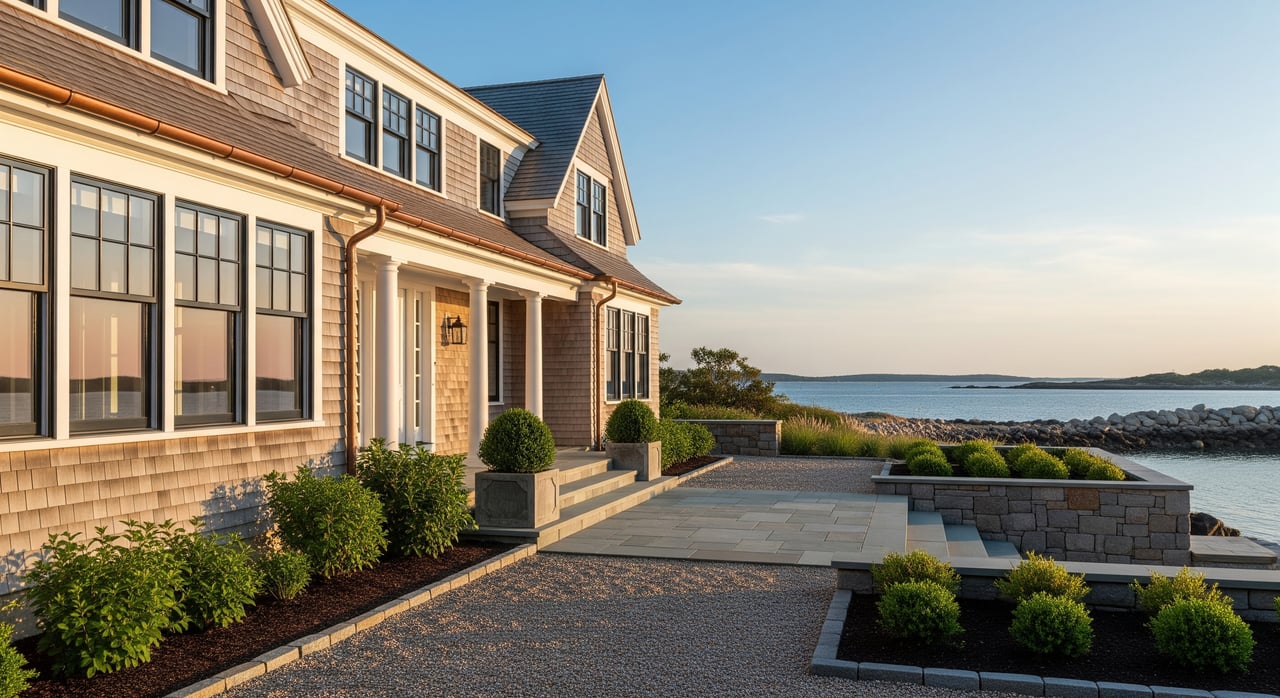
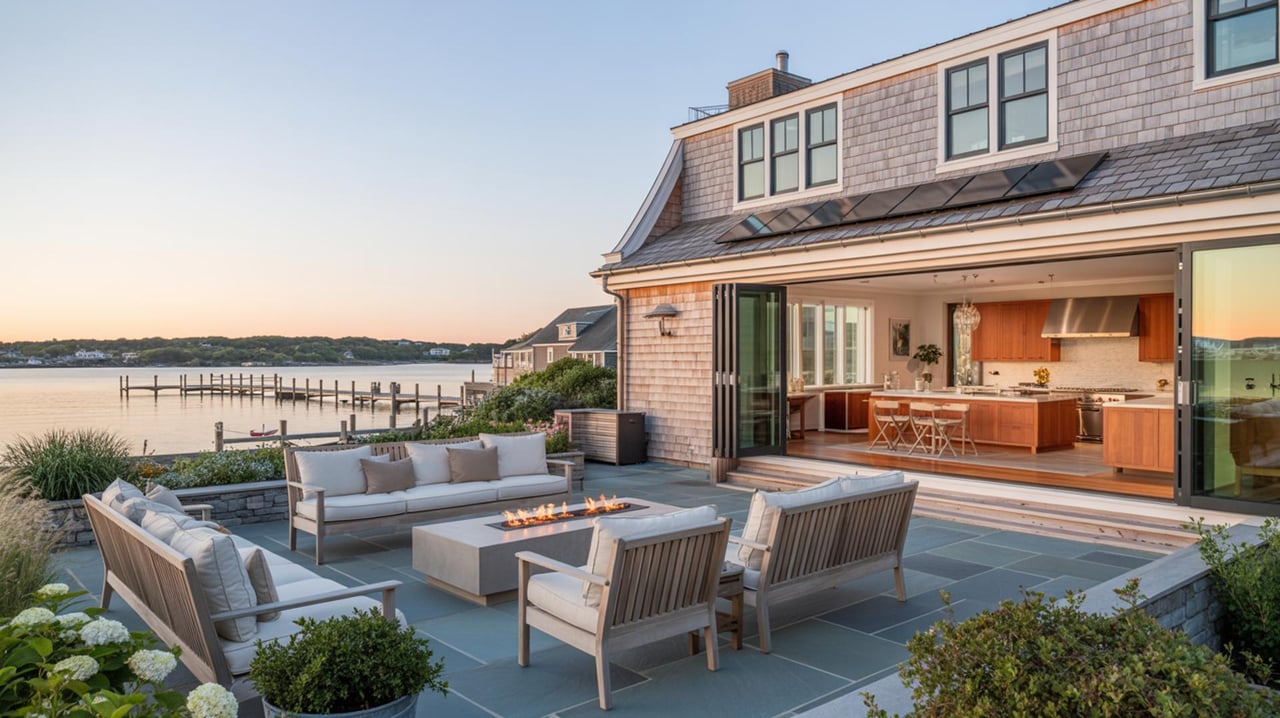
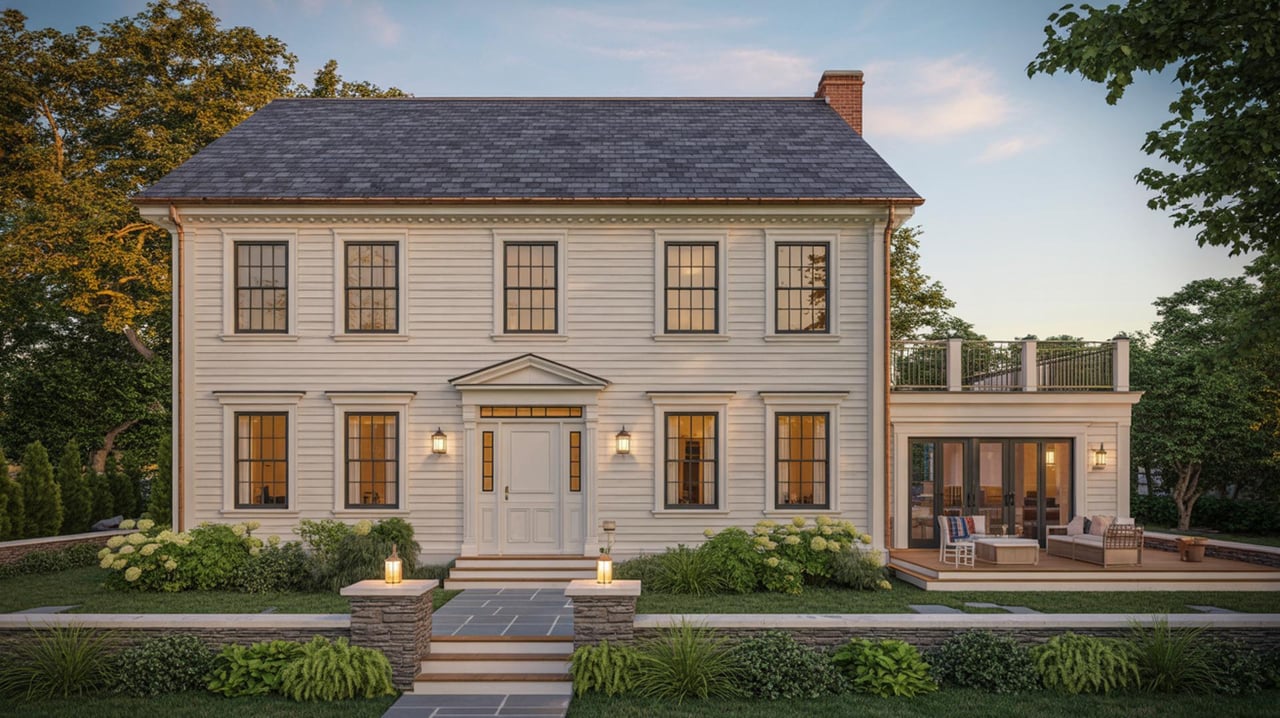
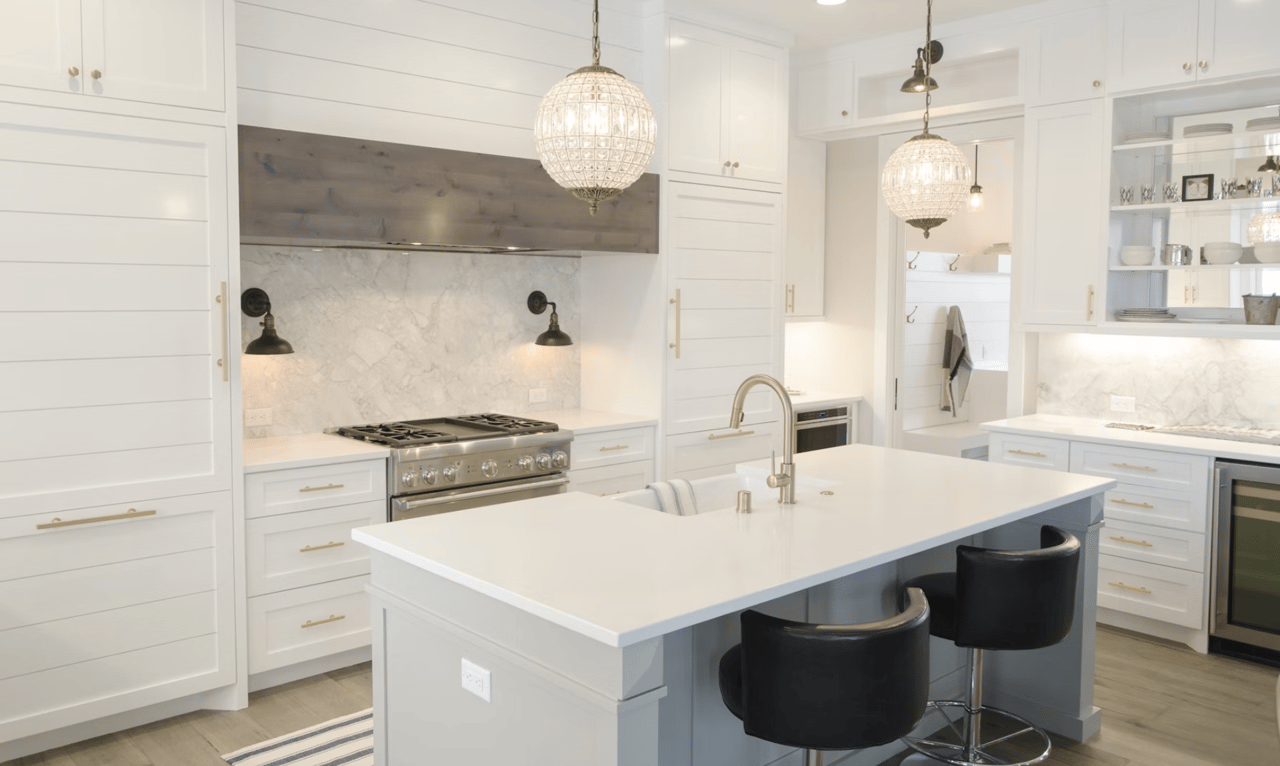
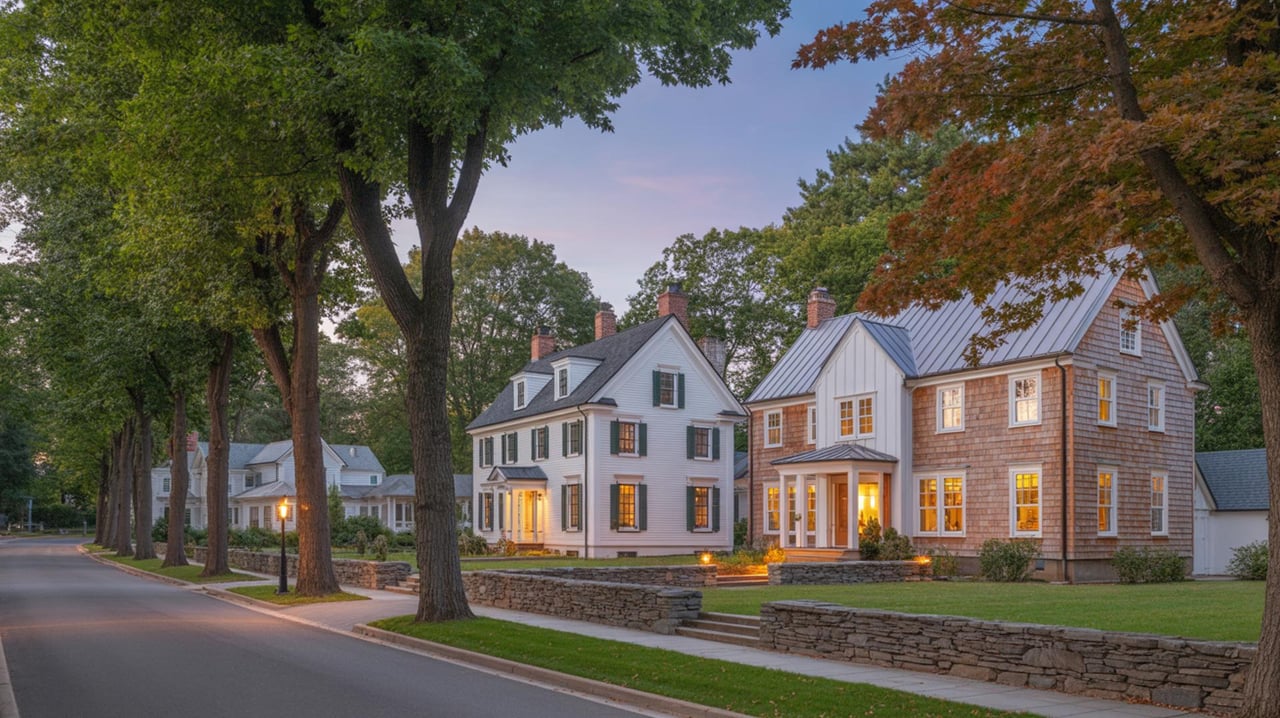
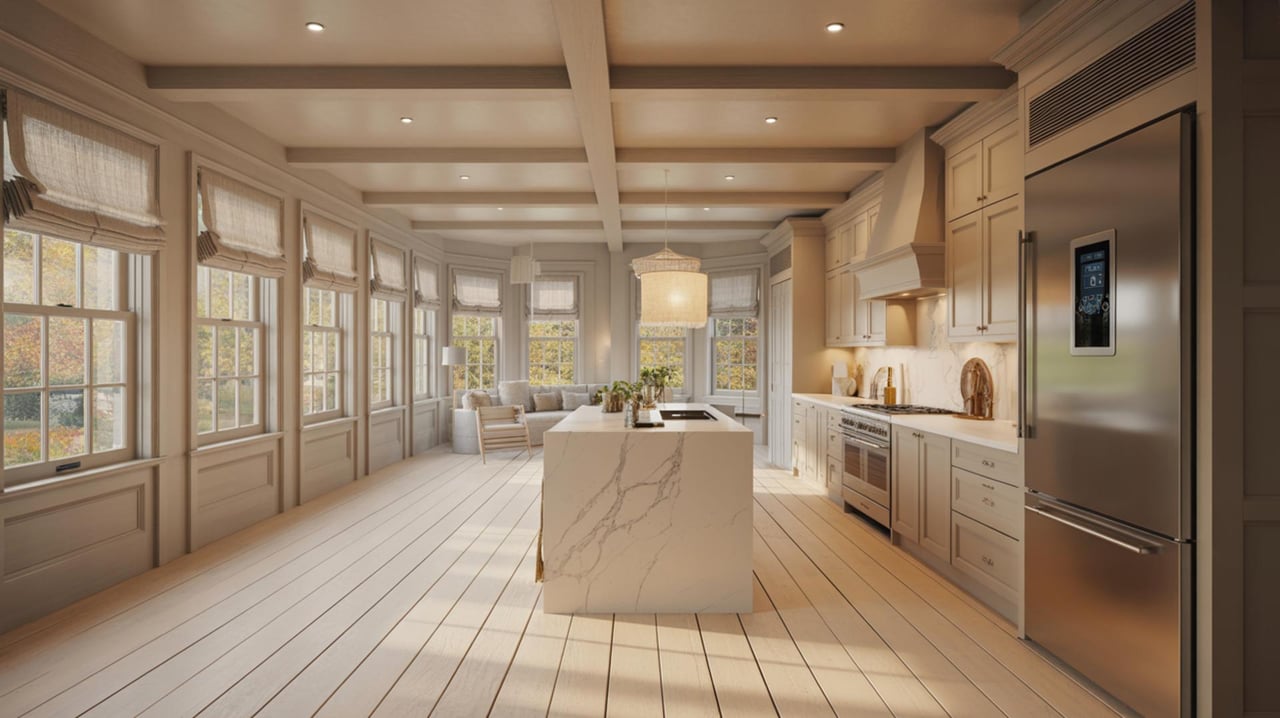
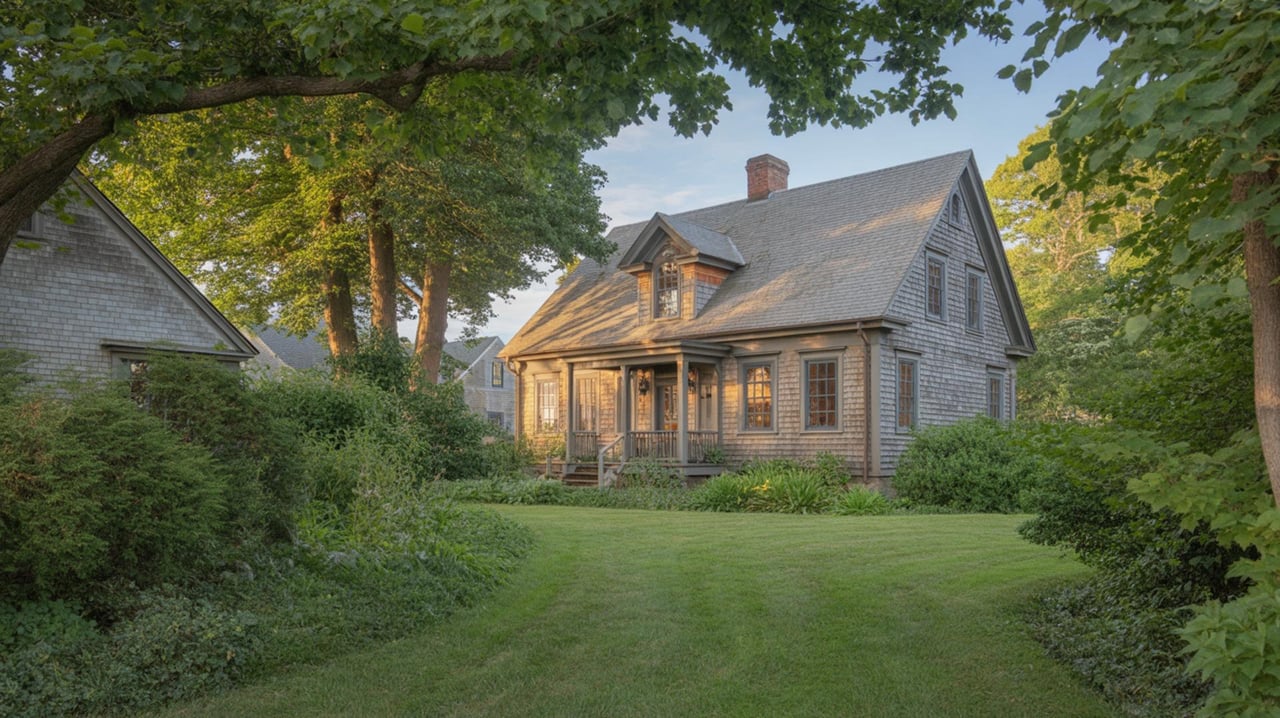
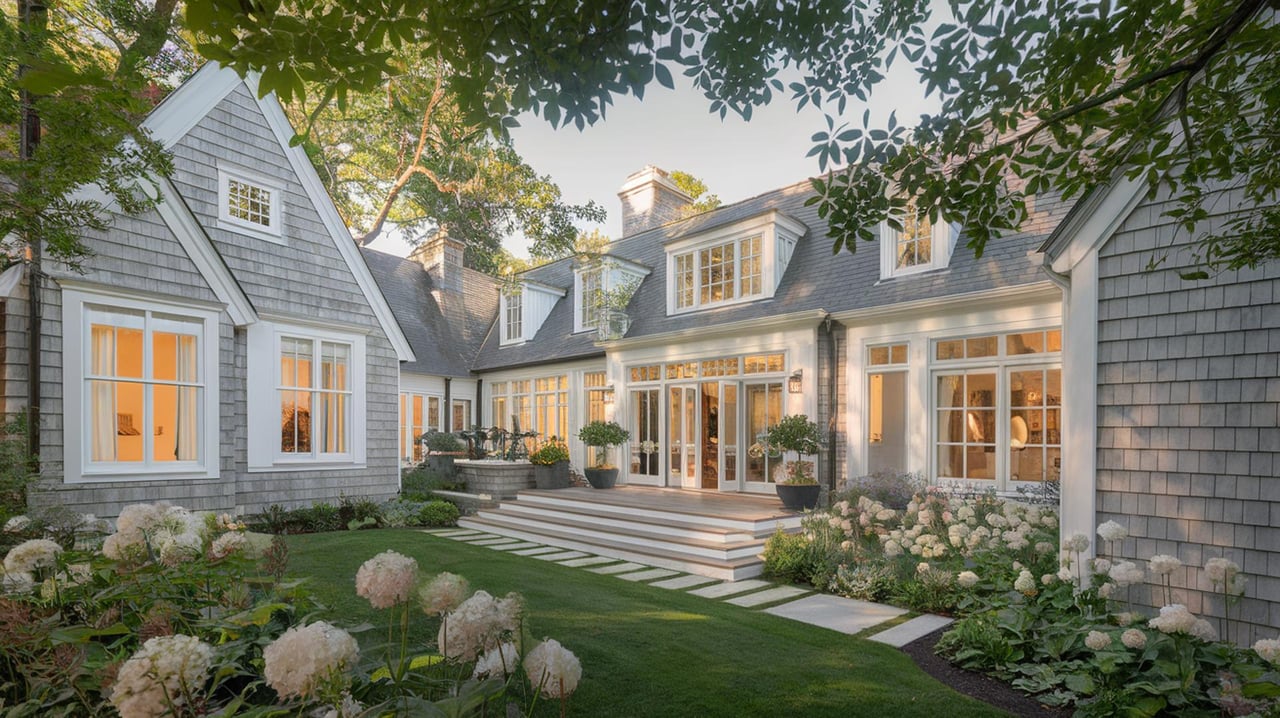
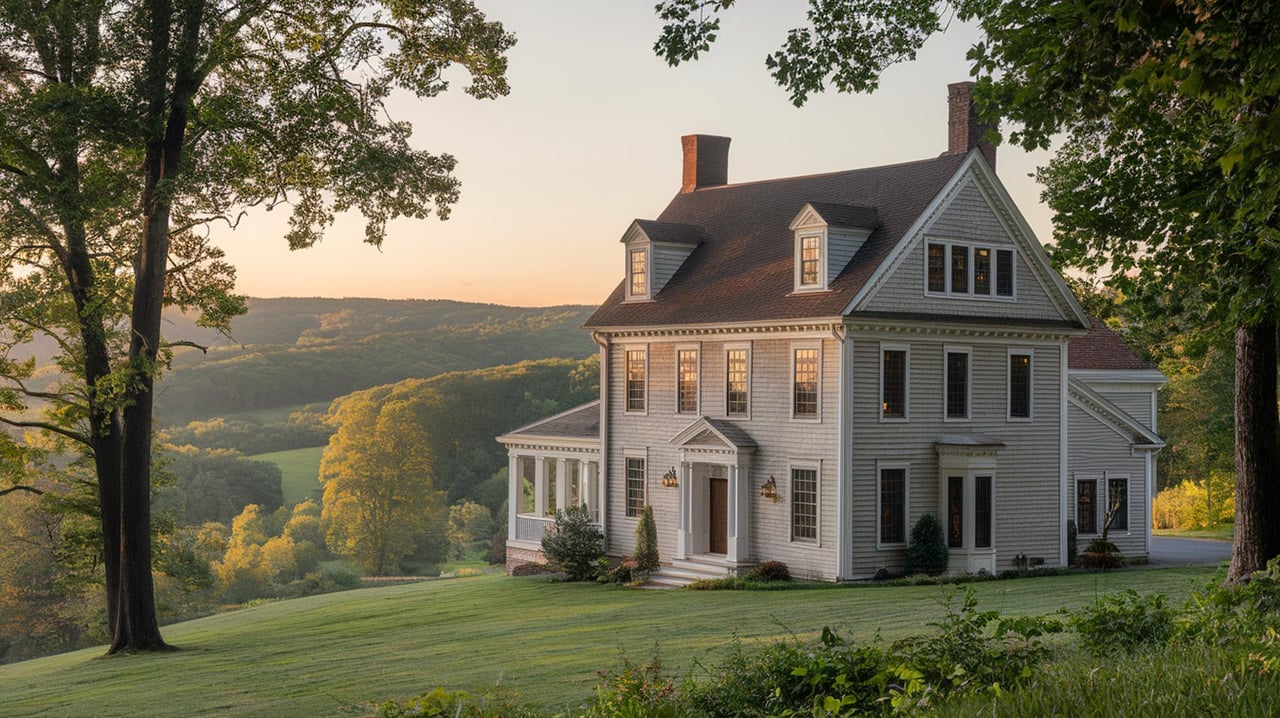
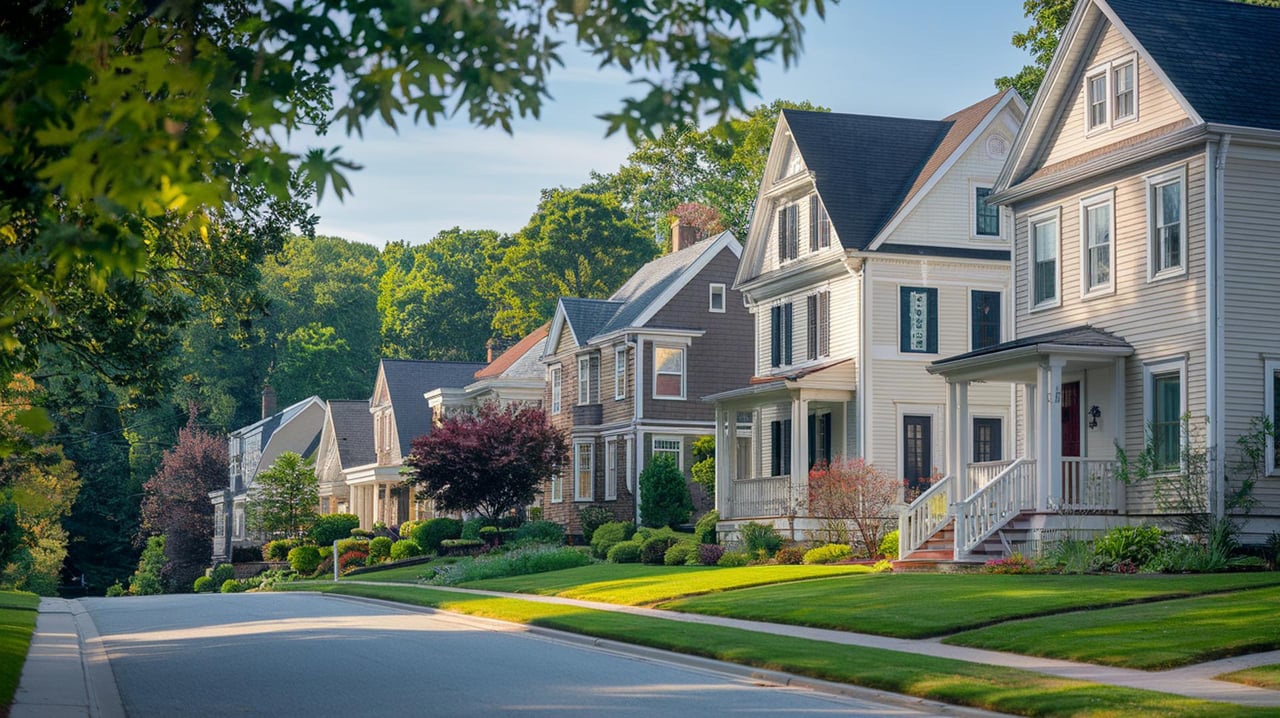
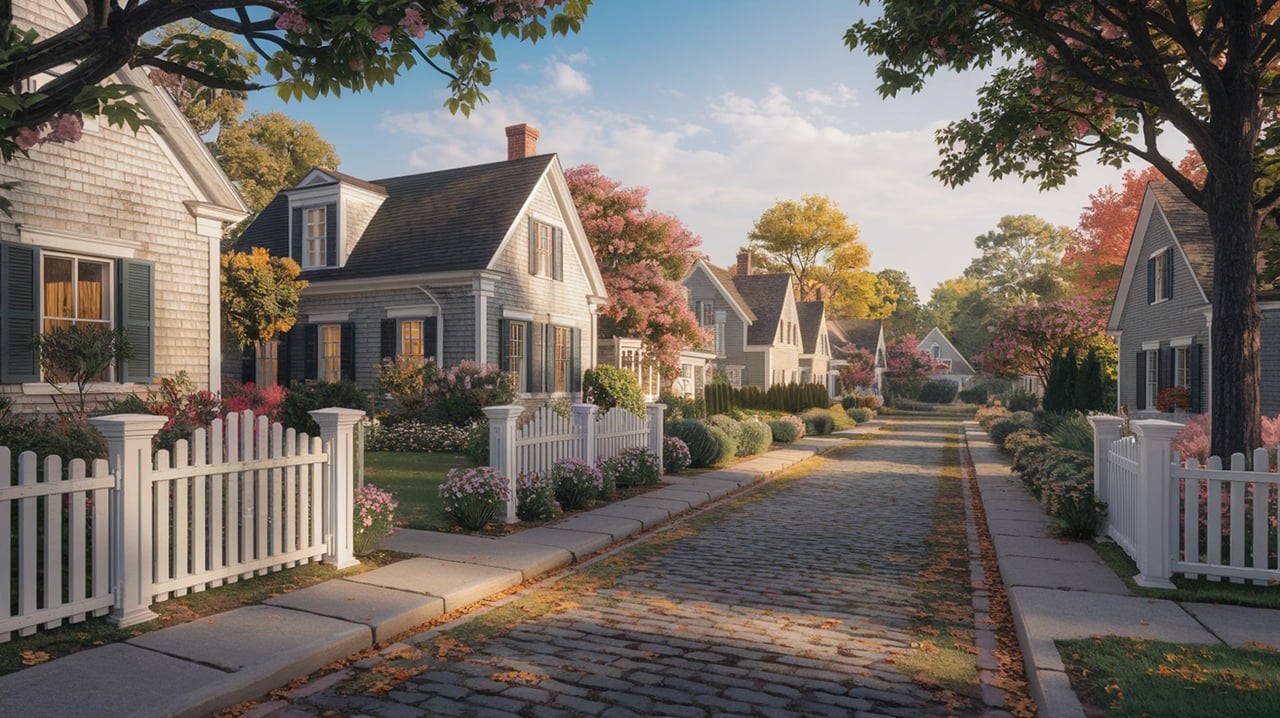
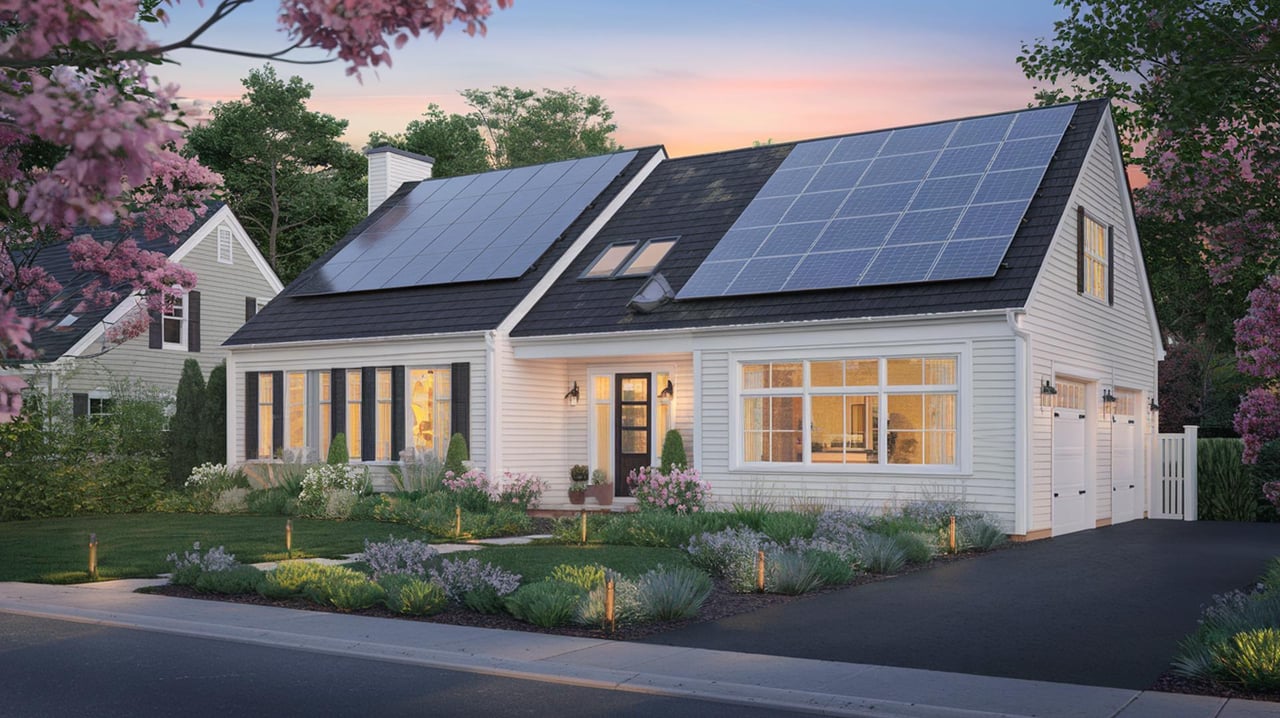
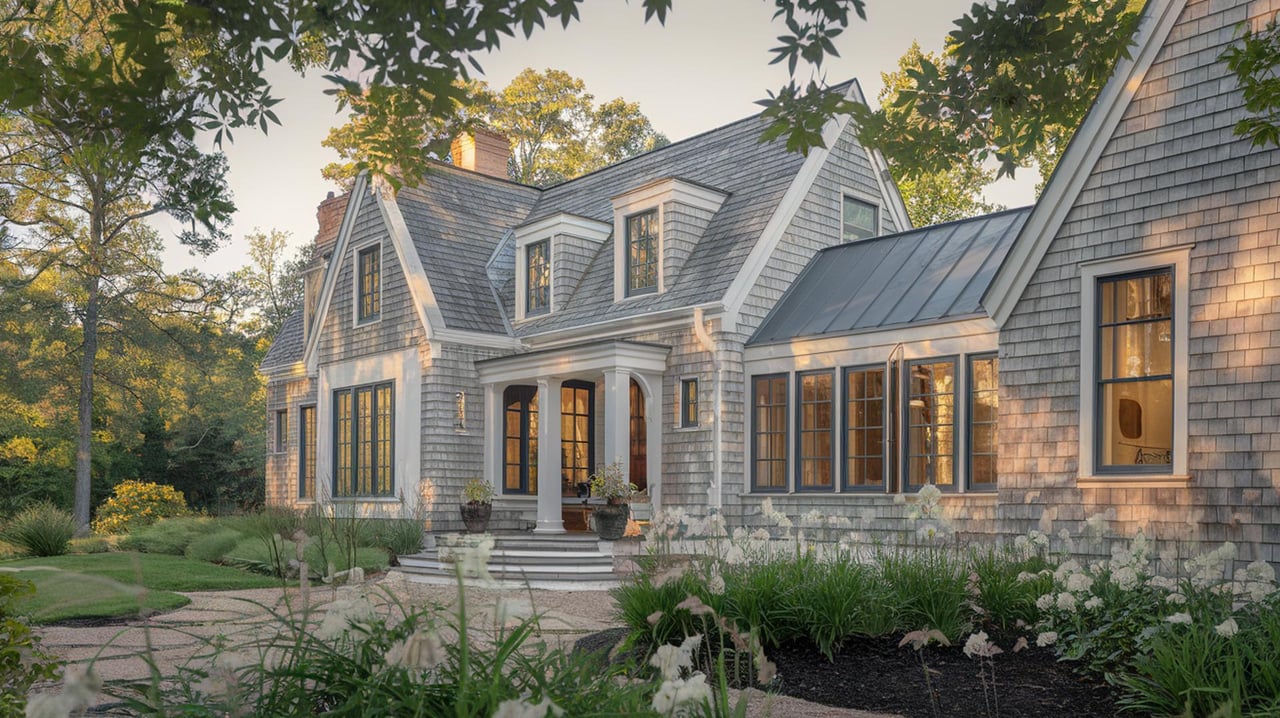
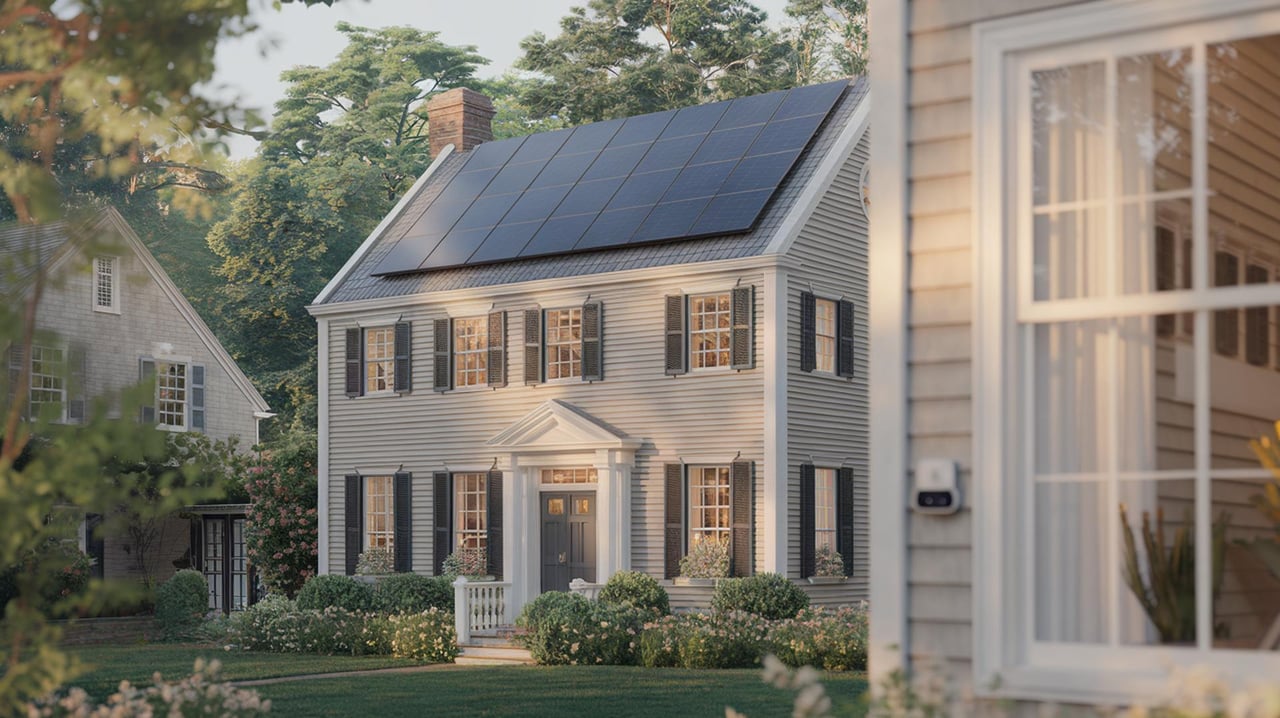
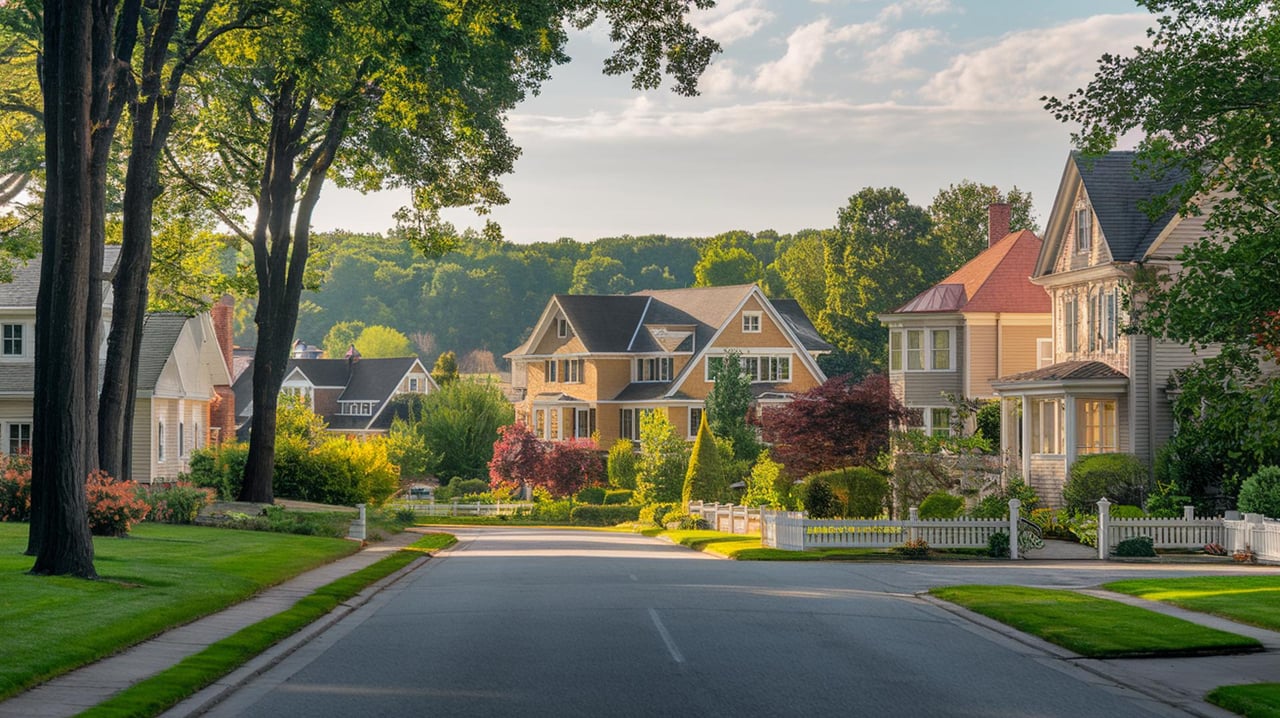
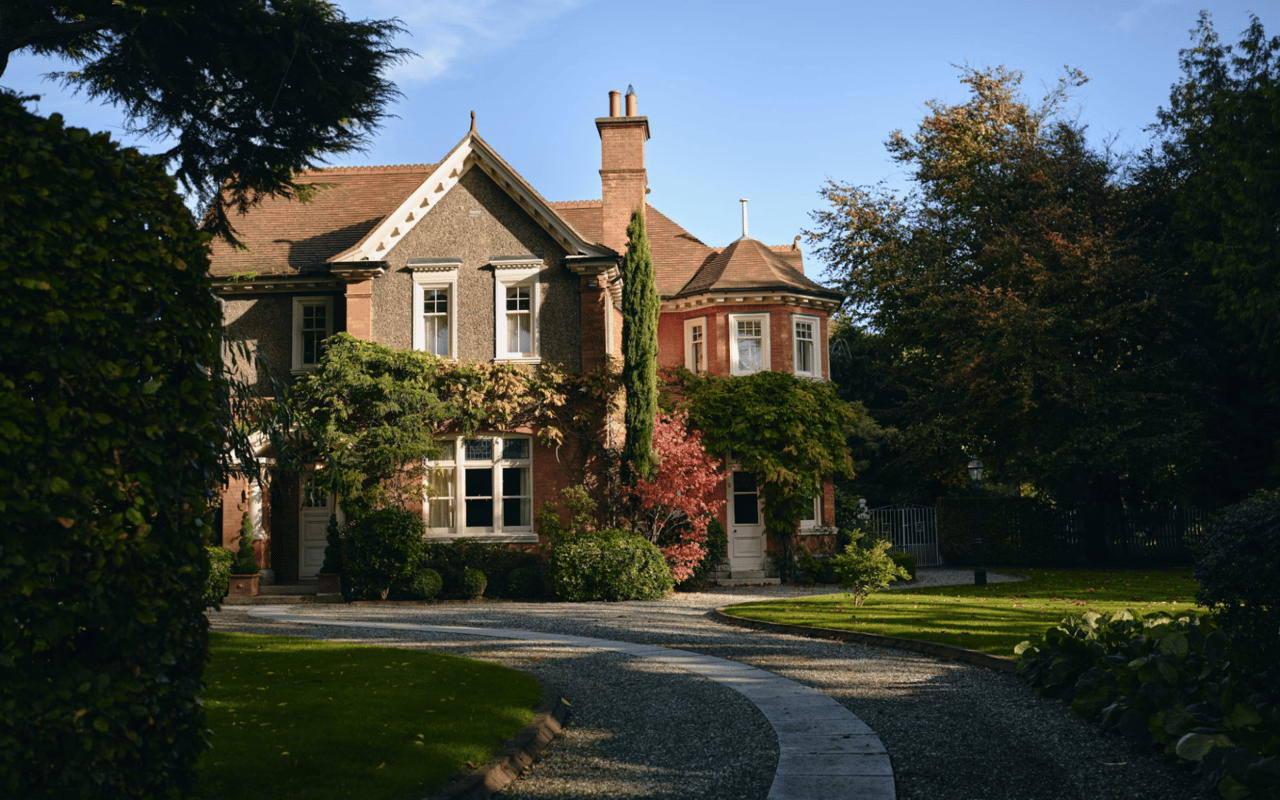
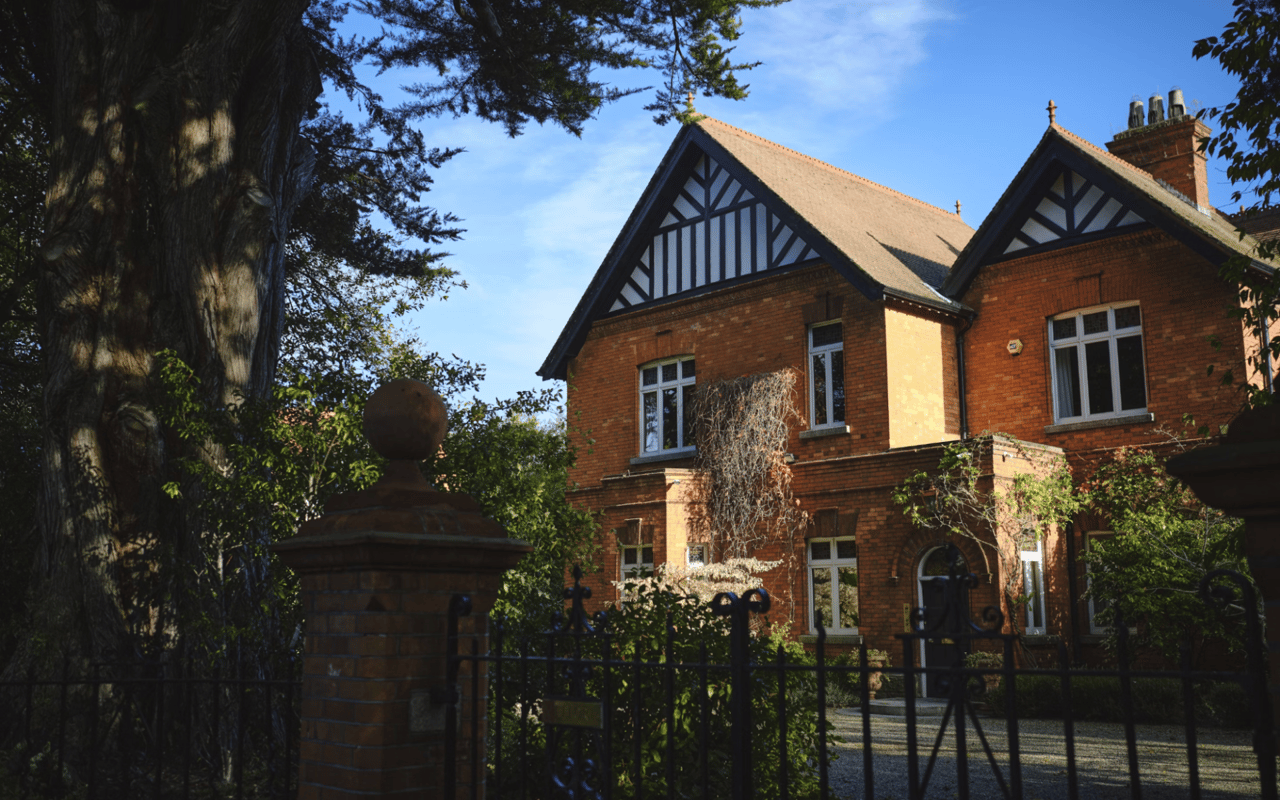
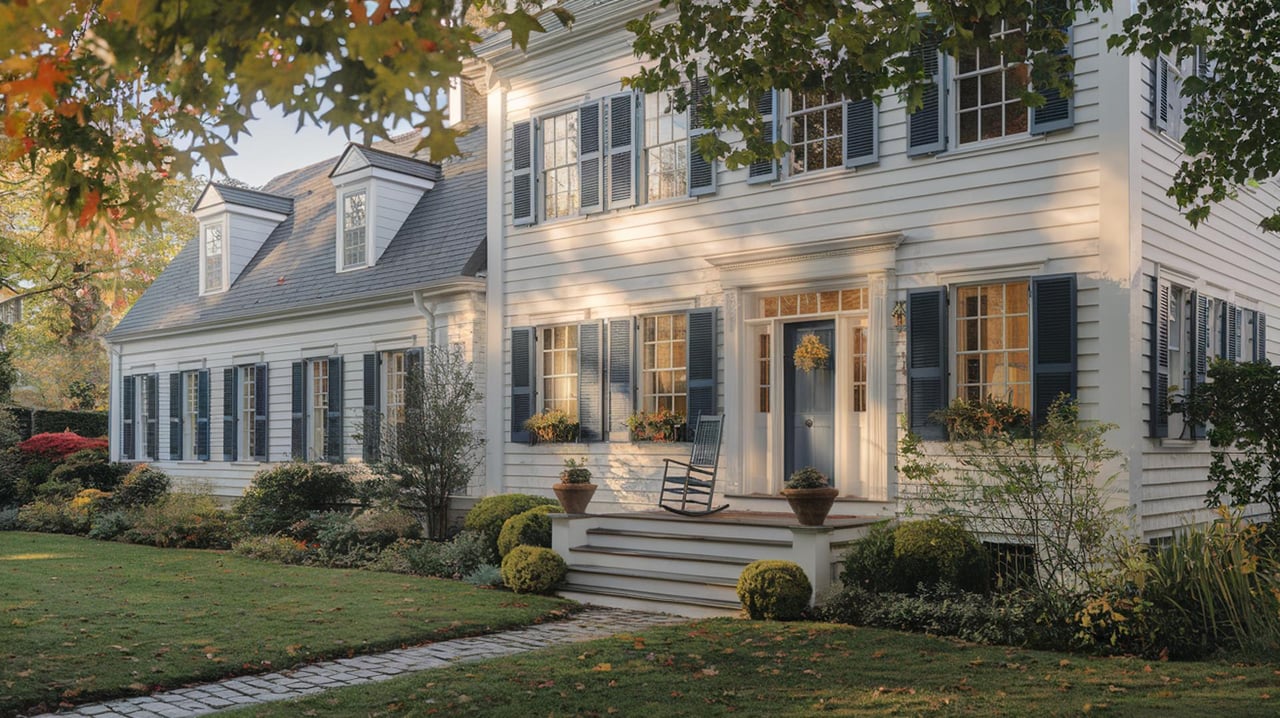
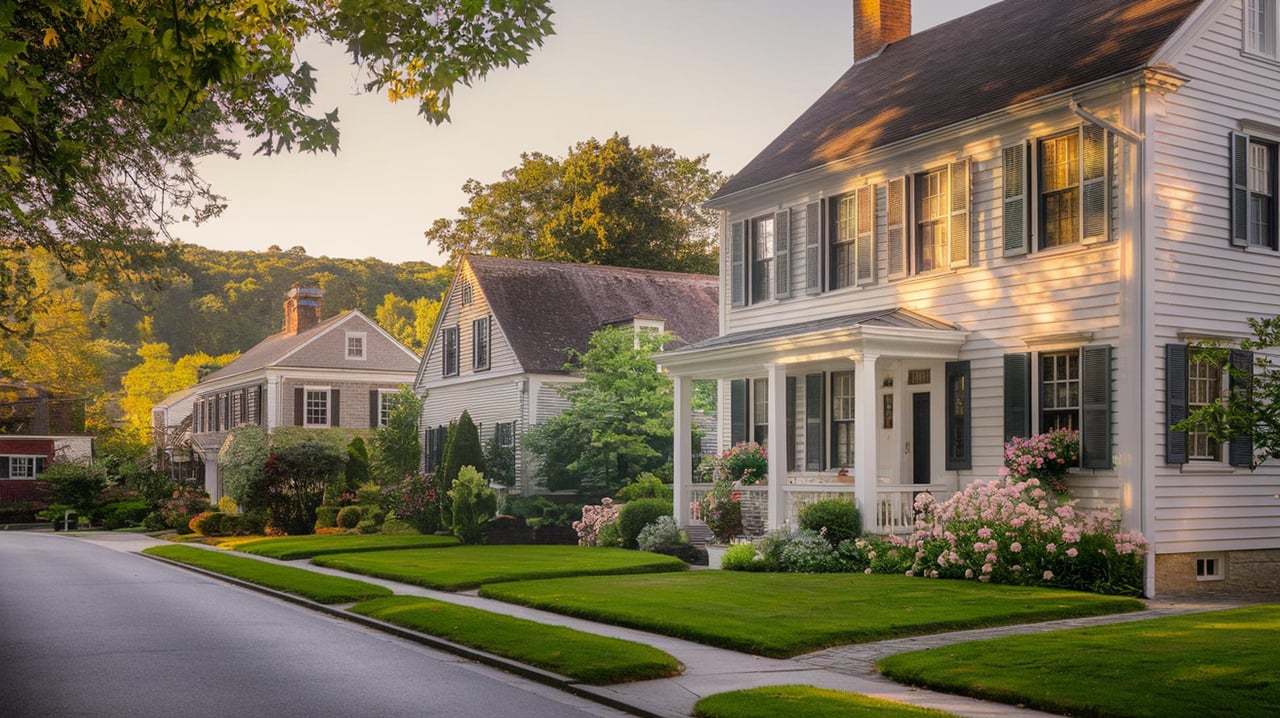
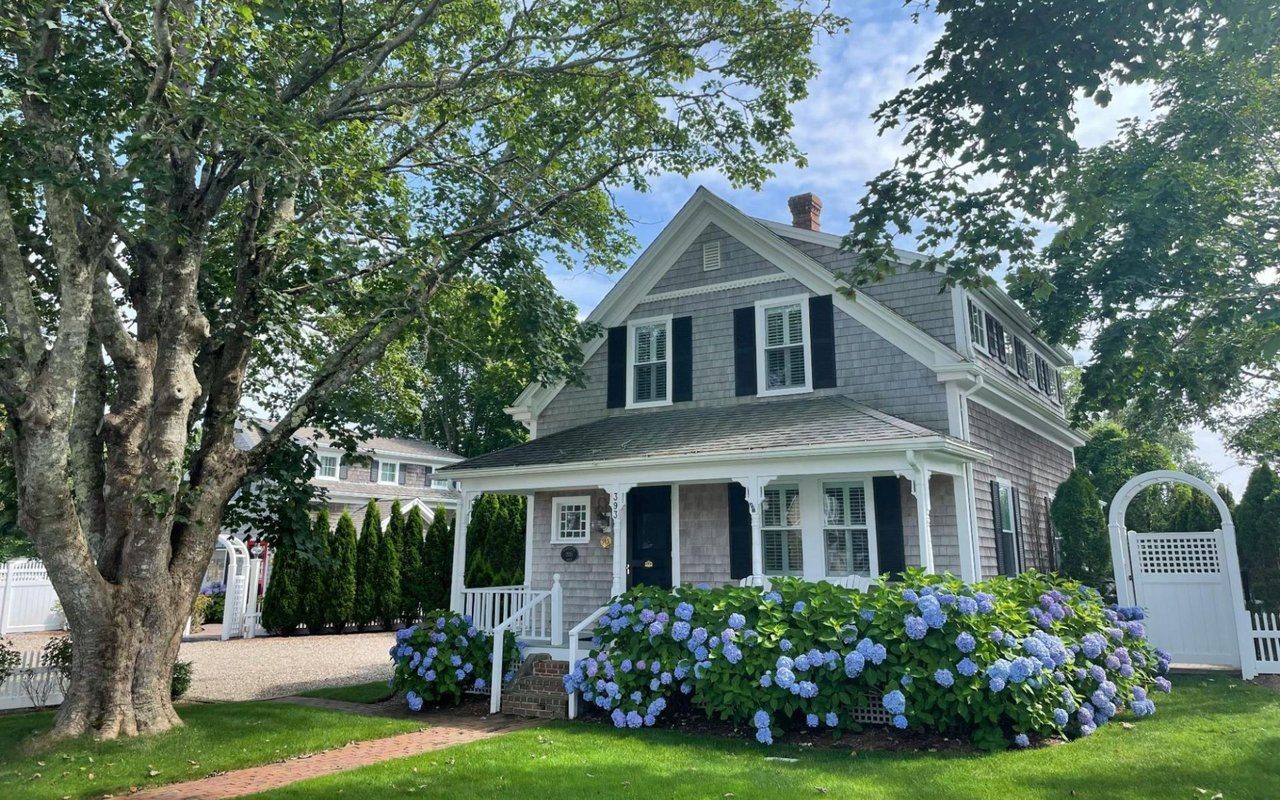
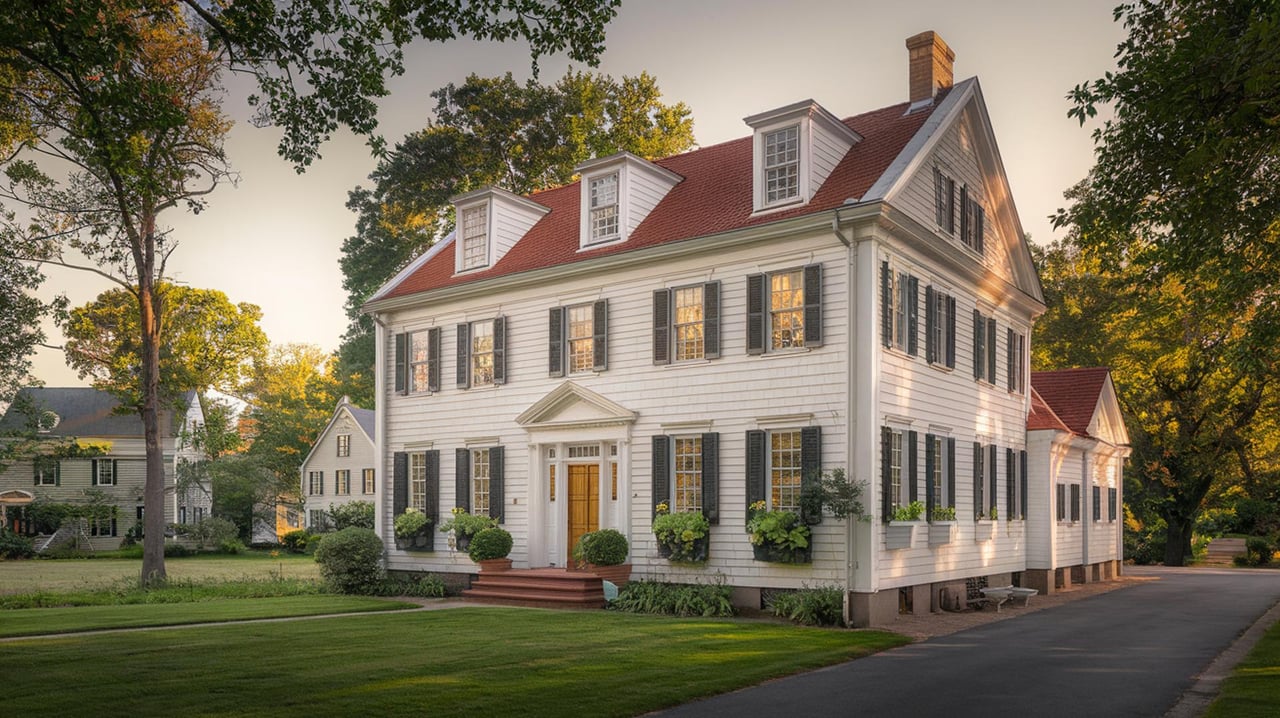
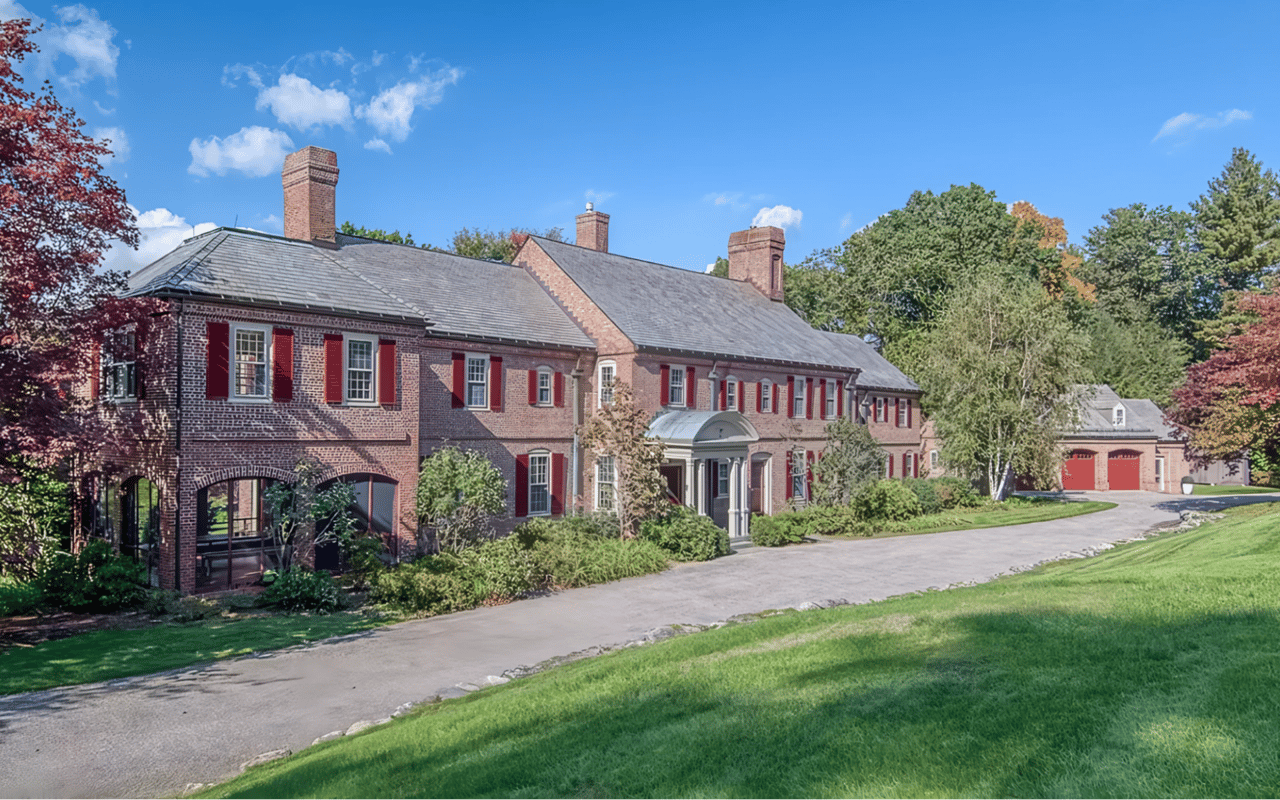
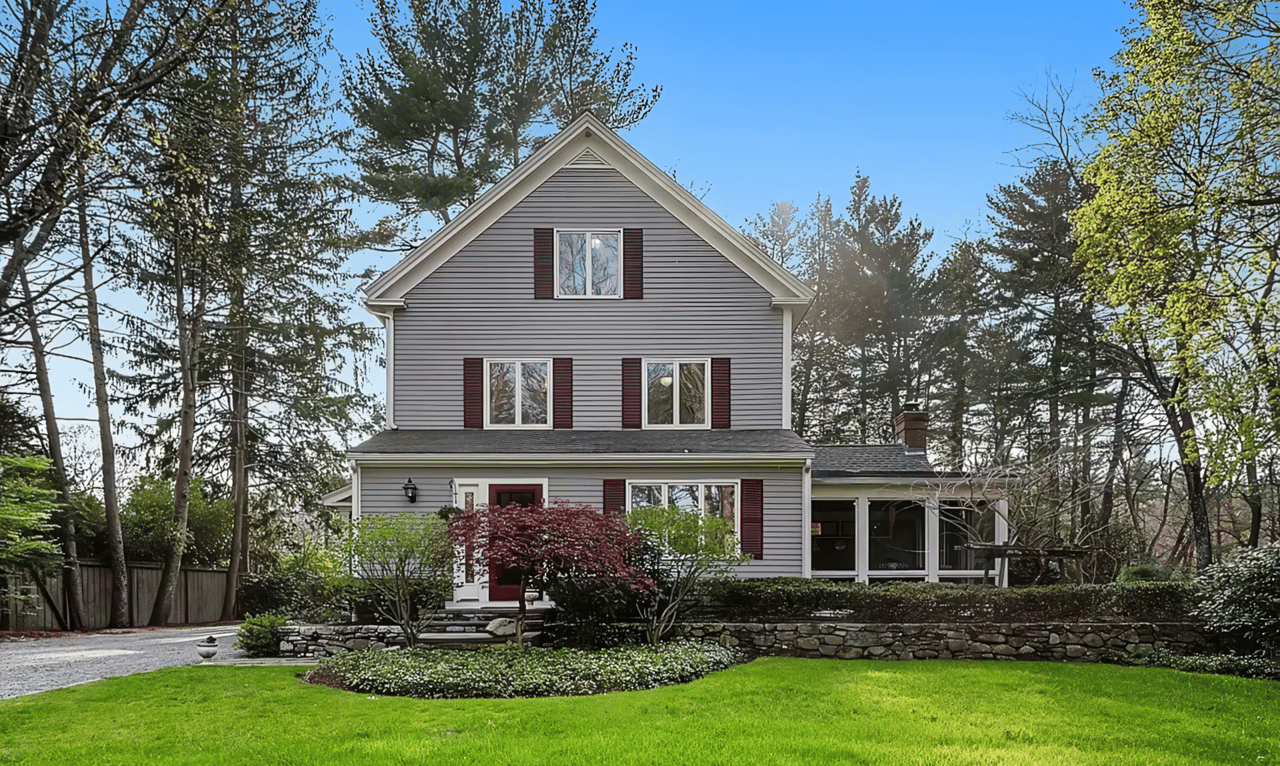
Housing is dominated by single-family residences, including Colonials, Capes, farmhouses, and a number of historic properties around Harvard Center. Around Bare Hill Pond you’ll find cottages that started as seasonal homes and, over time, were converted to year-round living. Larger lots and nearby conservation land help keep the setting green and private.
Market context
Home values in Harvard typically trend in the premium range relative to many outer suburbs. Portal snapshots can be useful directional gauges; for instance, Zillow’s rolling index provides a quick look at typical value trends for Harvard. For pricing context, review the current Zillow market snapshot and confirm up-to-date figures with a local agent’s MLS data before making decisions.
Buyer considerations
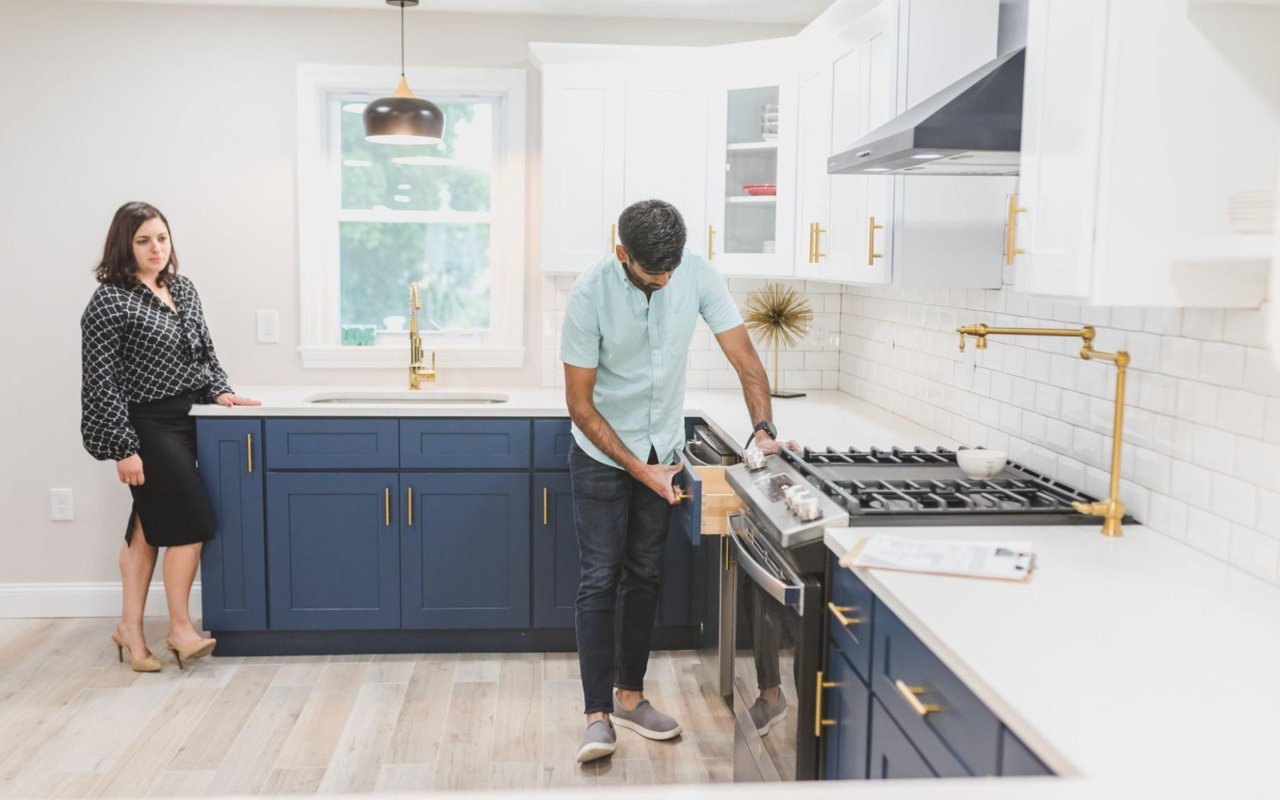
Because much of Harvard is rural in character, it helps to plan a careful due diligence process. Key items to discuss with your agent and inspector include:
- Septic and Title V status, plus well water testing if applicable.
- Potential wetlands, conservation restrictions, or Chapter 61 agricultural/forestry enrollment.
- Driveway grade and winter access, particularly on longer private roads.
- For families, confirming public school enrollment steps and timelines.
Schools and education
Harvard operates a small, local district anchored by Hildreth Elementary (PK–5) and The Bromfield School (grades 6–12). Many residents value the scale of the system and its role in the community. For current enrollment, program details, and calendars, visit Harvard Public Schools.
Commute and transit
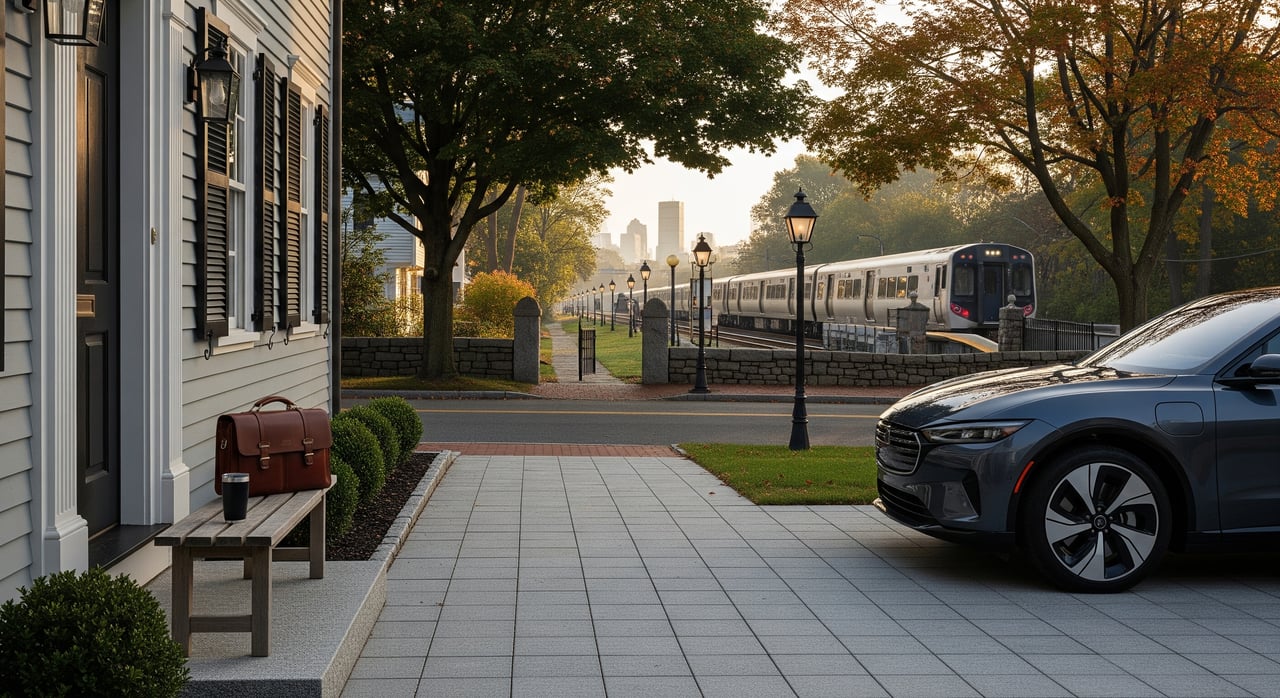
Harvard is primarily a driving town. Many commuters use nearby MBTA Fitchburg Line stations such as South Acton, Littleton/Route 495, or Ayer for rail service into Boston, budgeting a short drive to park-and-ride. You can find line details and station options on the Fitchburg Line overview. For highway access, Route 2 and I‑495 frame most regional trips.
Shopping, services, and healthcare
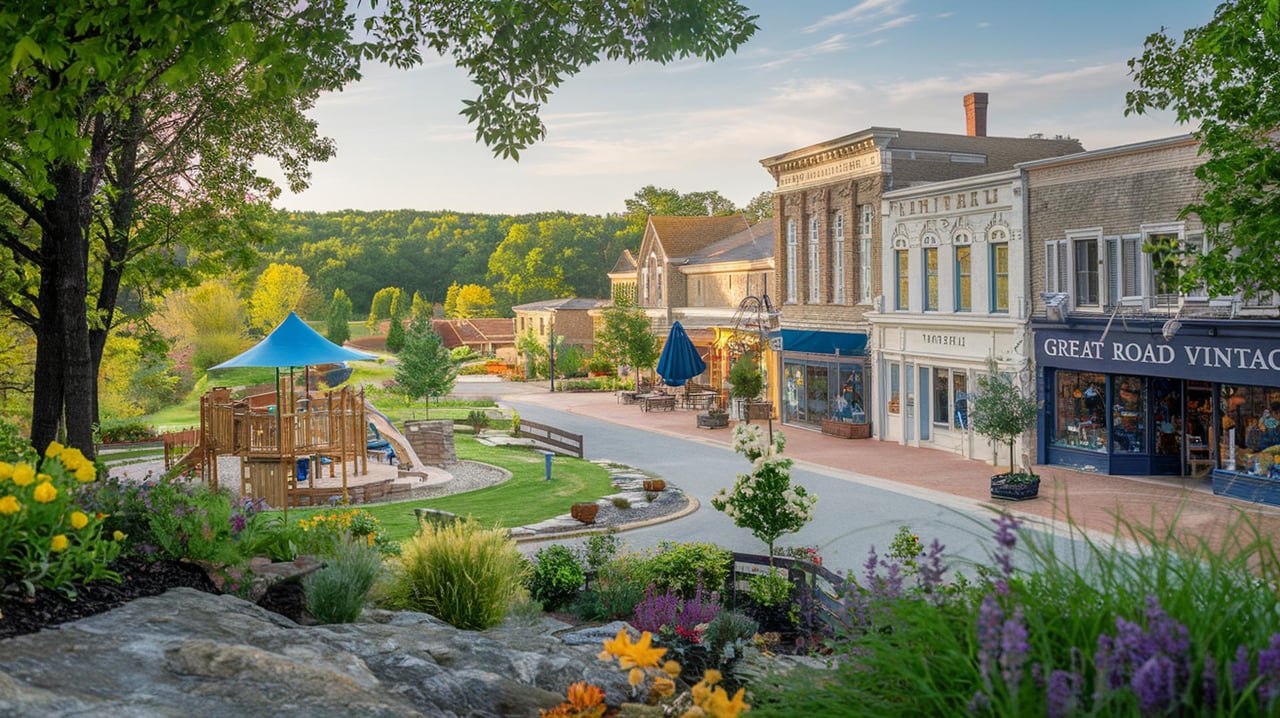
On-town retail is limited, which is part of Harvard’s quiet appeal. Residents often rely on nearby Ayer, Littleton, Stow, Acton, and Framingham for supermarkets, big-box shopping, and larger medical centers. The Town of Harvard site is a useful hub for local boards, recreation programs, and community services.
Is Harvard a fit for you?
Choose Harvard if you want space, trails, and a strong sense of place, with orchards and a pond shaping your weekend routine. Be ready for a car-forward lifestyle and to plan your commute or rail connection with a bit of lead time. If you prefer walkable commercial clusters and frequent nightlife, you may look to nearby towns for those amenities while keeping Harvard as your sanctuary.
When you are weighing a move, thoughtful guidance helps. If you would like a calm, step-by-step path to buying or selling in Harvard, reach out to Peggy Dowcett. Peggy pairs deep regional knowledge with a high-touch, team-backed process to help you navigate timing, preparation, and value with confidence.
FAQs
Is Harvard, MA good for families?
- Many families appreciate the small district size, outdoor access, and community events, while planning for a more car-dependent routine.
What do people do on weekends in Harvard?
- Popular activities include orchard visits, hiking local trails, swimming or boating at Bare Hill Pond in summer, and seasonal fairs and markets.
How does the commute to Boston work from Harvard?
- Most residents drive to nearby MBTA Fitchburg Line stations or use Route 2 and I‑495, budgeting extra time during peak periods.
What types of homes are common in Harvard?
- You’ll see mostly single-family homes, from traditional Colonials and Capes to farmhouses and some converted pond cottages on larger lots.
What should buyers pay special attention to in Harvard?
- Confirm septic and Title V status, test well water if applicable, review any conservation or Chapter 61 restrictions, and evaluate driveway access in winter.