Not sure which part of Acton will fit your life best? With several distinct village centers, a strong school district, and both train and highway access, Acton gives you clear choices based on how you live and commute. In this guide, you will learn how each village feels, what housing typically costs, and how to match your priorities to the right area. By the end, you will have a simple roadmap to start narrowing your search. Let’s dive in.
How Acton is organized
Acton is commonly described as a town of village centers rather than rigid neighborhoods. The main areas you will hear are Acton Center, West Acton, South Acton, East Acton, and North Acton. This framework is helpful when you are browsing listings or planning your commute, and it reflects how the town has grown around these centers over time. For context on this village structure, see the town overview on Acton’s Wikipedia page.
Acton Center
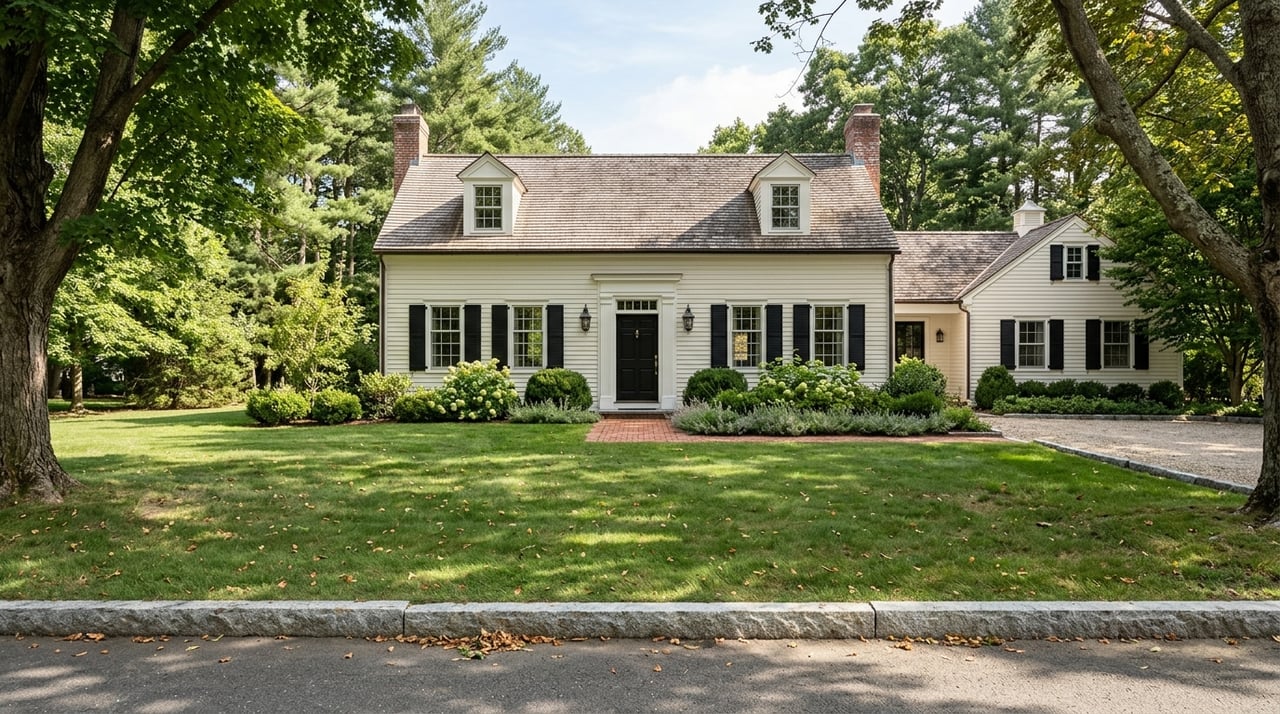
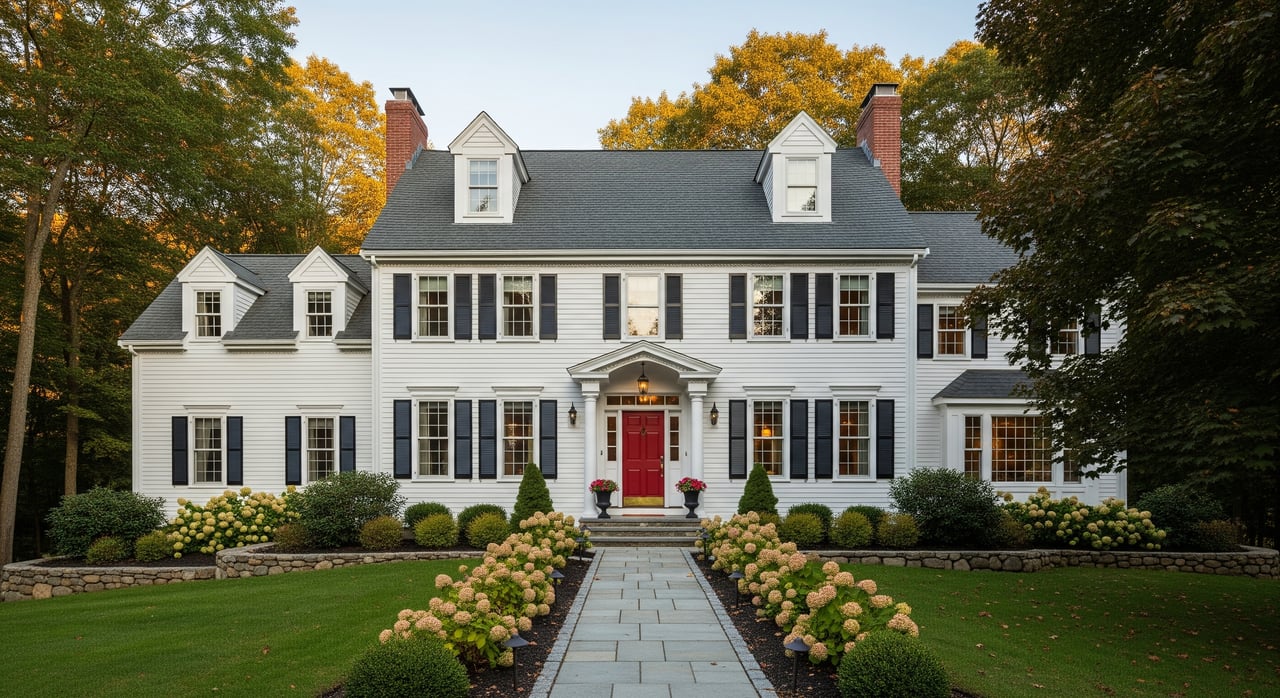
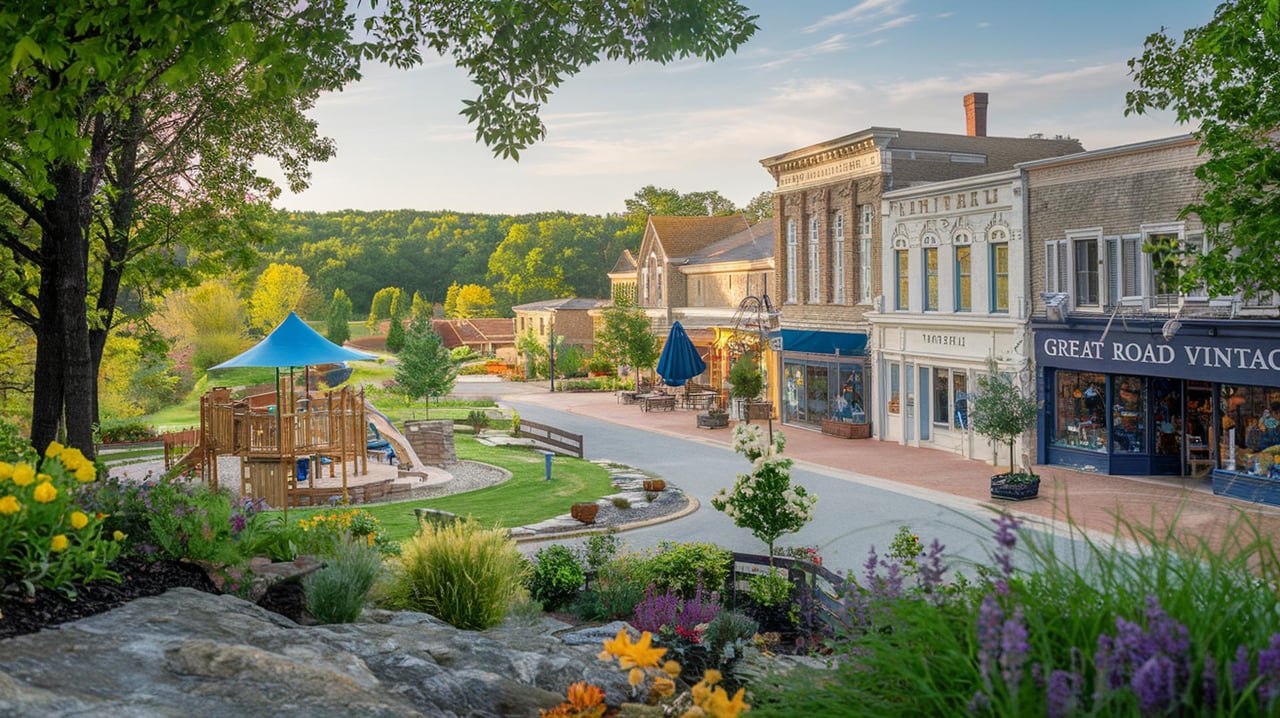
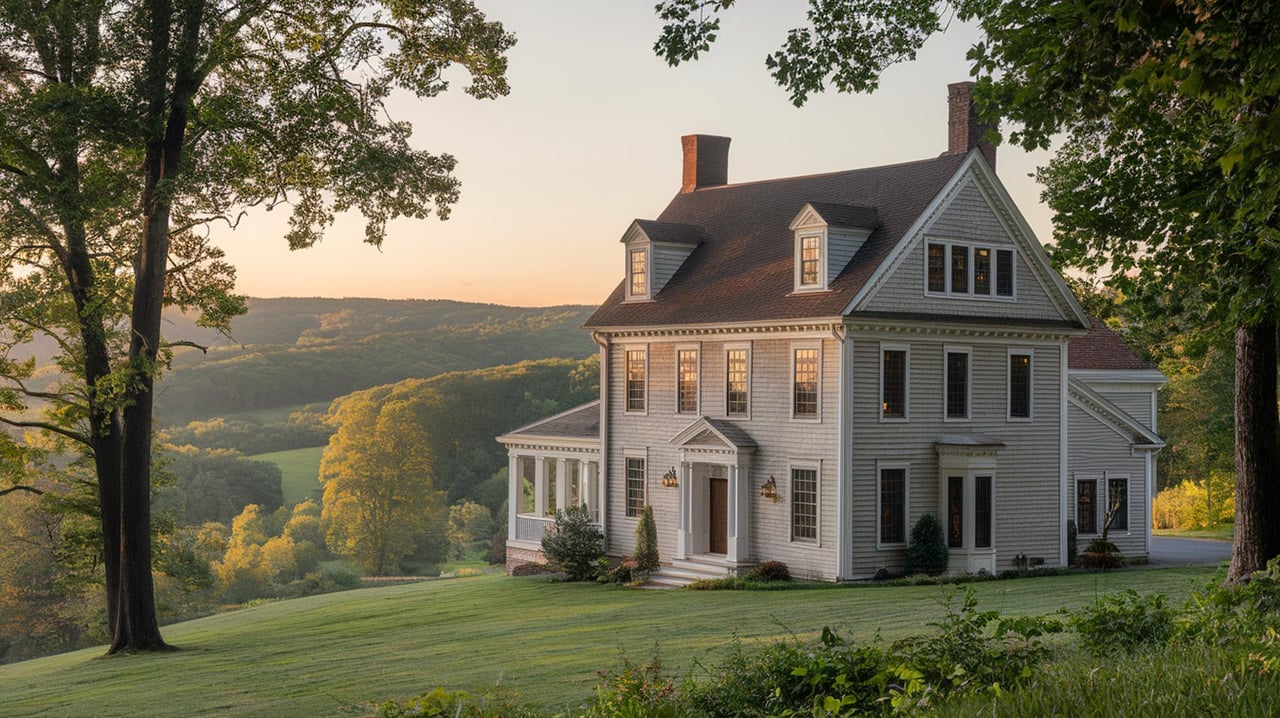
This is the civic and historic core, home to Town Hall and the Acton Memorial Library. Streets nearby feature established single-family homes and historic colonials on smaller lots. If you value walkable civic amenities and a traditional New England setting, this area is a natural fit.
South Acton
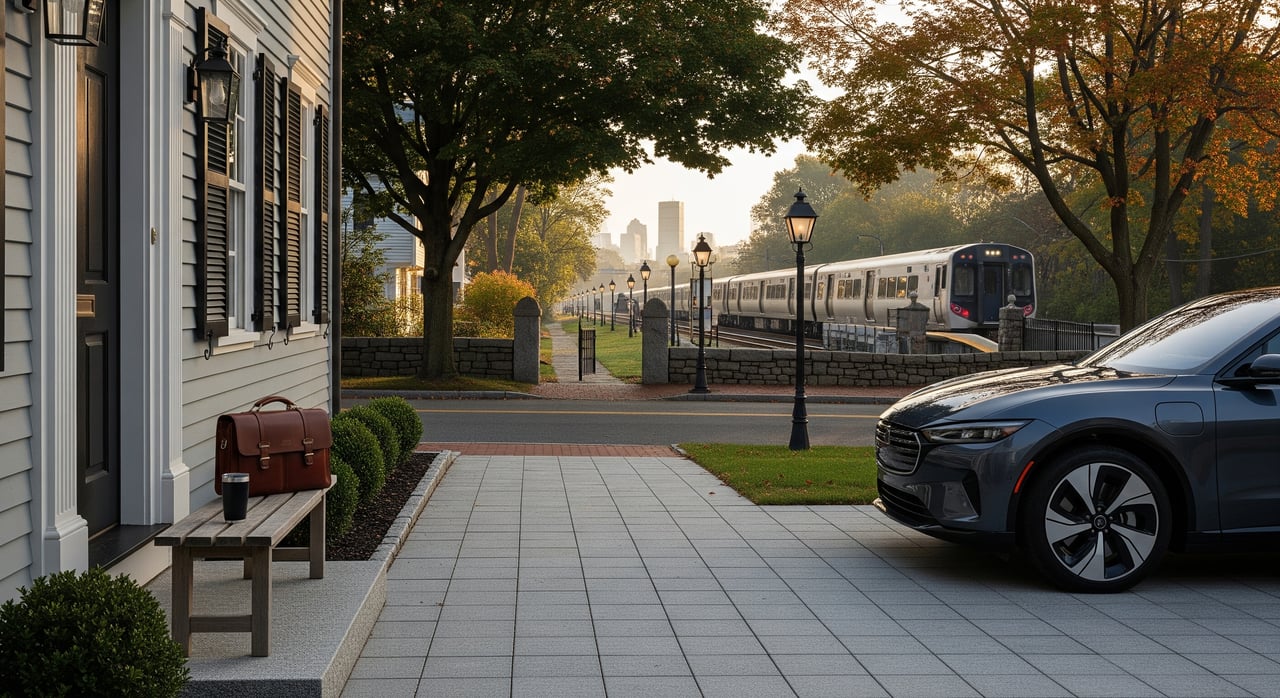
South Acton is the town’s transit anchor with the South Acton MBTA Commuter Rail station on the Fitchburg Line. Housing here mixes older mill-era homes with some denser pockets and transit-oriented condos near the station. If you plan to rely on the train, starting your search near South Acton often makes sense.
West Acton
West Acton centers on small commercial nodes and local shops along Route 111. You will find a classic suburban mix of single-family homes with convenient access to area routes. This can be a strong balance of neighborhood feel and practical errands.
North Acton
North Acton includes larger-lot pockets and significant open space, plus several condominium communities such as the Village of Nagog Woods. You will see a more suburban-rural feel in parts of North Acton and growth along the Route 2A and 119 corridors. If you want more space and access to trails and parks, put North Acton on your list.
East Acton
East Acton is largely residential, with some commercial stretches along Route 2A and 119. Many streets feel quieter and more tucked away from the expressway. It is a good option if you value calm streets while staying connected to regional routes.
Kelly’s Corner and other local names
You may hear smaller place names like Kelly’s Corner, Nagog Hill, or Indian Village. Kelly’s Corner is a commercial crossroads often referenced in traffic and planning documents. These local labels help you pinpoint micro-areas with a distinct feel inside the larger villages.
Match your priorities to the right spot
Use this quick map to align your needs with the parts of town that often work well:
- If you want a reliable train commute: Focus on South Acton near the MBTA South Acton station.
- If you want larger lots and more open space: Explore North Acton, including areas near Great Hill and Nagog Hill.
- If you want walkable civic amenities: Consider Acton Center for proximity to the library and town facilities.
- If you want convenient errands and routes: West Acton often offers easy access to local shops and Route 111.
- If you want a quieter residential feel: East Acton has many streets set back from the expressway.
- If you want a lower-maintenance entry point: Look at condo communities, especially in North Acton.
Homes and price ranges
Acton’s housing is predominantly owner-occupied single-family homes, with meaningful condo and townhouse options clustered in select areas. As of early 2026, here is a practical way to set expectations:
- Condominiums and townhouses: About 350,000 to 600,000 dollars for many units, depending on size and updates. These are typically the most budget-friendly options and may include shared amenities like pools or tennis.
- Smaller or older single-family homes: Roughly 500,000 to 800,000 dollars depending on condition and proximity to shops or the train.
- Mid to upper single-family homes: Often 800,000 to 1.4 million dollars for larger lots, updated interiors, or premium locations.
- Upper tier and estate properties: 1.5 million dollars and above on select larger-lot or newer-build homes.
Why market numbers vary: sold-price medians, listing medians, and home-value indices measure different things across different time windows. For example, a median of recent closed sales can shift quickly if a cluster of smaller or larger homes closes in the same month. A smoothed index of typical values changes more gradually. Use ranges as a guide and plan to verify current pricing before you tour.
Commute and access
South Acton station on the Fitchburg Line is a major advantage if you prefer rail. Typical inbound trips to Boston’s North Station often run about 45 to 60 minutes depending on the specific train. You can review schedules, parking, and station details on the MBTA South Acton page.
Driving access is strong, with direct connections to Route 2 plus Routes 27, 111, and 2A and 119. Peak hours on Route 2 and at busy nodes like Kelly’s Corner can add time to your drive. For a sense of ongoing corridor work and improvements, see MassDOT project information for the district.
Townwide, the mean travel time to work is about 35.2 minutes based on recent U.S. Census estimates, which is helpful when you compare commute expectations by area. You can review Acton’s population and commute stats on Census QuickFacts.
Schools, parks, and everyday amenities
Acton is served by the Acton–Boxborough Regional School District. The district is commonly recognized for strong academic outcomes, and third-party guides such as Niche rate it highly. To verify attendance areas, calendars, and any reorganization updates, start with the district’s Conant Elementary page and navigate to district resources. For an external snapshot of district feedback and rankings, see the Niche overview.
Outdoor time is easy to build into your daily routine. North Acton’s NARA Park offers a swimming pond, fields, a playground, and seasonal events. The Great Hill conservation area provides broad trails and fields. Cyclists and runners enjoy the Bruce Freeman Rail Trail, described here on TrailLink, and the Assabet River Rail Trail connections near South Acton. The Discovery Museum near Great Hill is a well-known family destination.
Taxes and ownership snapshot
Acton’s FY2026 property tax rate is 16.23 dollars per 1,000 dollars of assessed value, according to the Town Assessor. Always note the fiscal year, since rates can change with budgets and local votes. You can verify current figures on the town’s Tax Rate History page.
Owner-occupancy is high at roughly 76 percent, which usually supports well-kept streets and longer-term neighborhood ties. For a quick overview of population, housing value, and commute data, review Census QuickFacts for Acton.
Condo communities and micro-areas to know
- Village of Nagog Woods: A major North Acton condo community with a range of unit sizes and on-site amenities. It is a smart place to start if you want lower-maintenance living with community features.
- Near South Acton station: Look for transit-oriented condos and smaller single-family homes that balance value with rail access.
- Edges of Great Hill and Nagog Hill: Expect a more rural feel and larger lots in places, with tradeoffs that can include longer drives or fewer sidewalks.
- Acton Center side streets: Historic character and walkability to civic spots appeal if you want a traditional New England setting.
How to narrow your search
- Start with commute: Decide if rail, highway, or a hybrid best matches your routine. That choice alone often points you to South Acton or to areas with easier Route 2 access.
- Set a housing type: If you want low maintenance and amenities, begin with condo communities. If yard and expansion flexibility matter, focus on single-family streets.
- Weigh lifestyle anchors: List your top two anchors such as proximity to parks, town center, or specific school campuses. Then sort villages by how well they meet those anchors.
- Align budget with likely areas: Use the price bands above to choose two or three villages where your target homes are most common. This helps you react quickly when the right listing appears.
Ready to explore Acton with a knowledgeable, relationship-driven advisor who understands the West-of-Boston market and its nuances? Reach out to Peggy Dowcett to talk through your goals and get a tailored tour of the villages that fit you best.
FAQs
What are the main parts of Acton and how do they differ?
- Acton Center is the civic core; South Acton centers on the MBTA station; West Acton offers local shops and routes; North Acton has larger-lot pockets and condo communities; East Acton is largely residential and quieter.
How long is the train commute from South Acton to Boston?
- Typical inbound trips on the Fitchburg Line often run about 45 to 60 minutes depending on the specific train; check the MBTA South Acton schedule for your time of day.
What price range should I expect for a single-family home in Acton?
- As a starting guide for early 2026, smaller or older single-family homes often run 500,000 to 800,000 dollars, mid to upper homes about 800,000 to 1.4 million dollars, and select larger-lot or newer homes 1.5 million dollars and up.
Where should I look in Acton if I want larger lots and more open space?
- North Acton and areas near Great Hill and Nagog Hill commonly offer larger-lot options with a more suburban-rural feel, balanced by longer drives and fewer sidewalks in some pockets.
How do property taxes work in Acton, and what is the current rate?
- Property taxes are assessed annually; the FY2026 rate is 16.23 dollars per 1,000 dollars of assessed value, published by the Town Assessor on the Tax Rate History page.
Are there good parks and trails near the neighborhoods?
- Yes. Highlights include NARA Park in North Acton, the Great Hill conservation area, and the Bruce Freeman Rail Trail for biking and running described on TrailLink.