Looking for small-town charm with room to breathe, easy access to trails and farms, and a straightforward commute to Boston? Hamilton and Wenham offer a peaceful North Shore setting with village centers, preserved open space, and a visible equestrian scene. If you want a calm daily rhythm without losing touch with the coast or city opportunities, this guide will help you see how life fits here. You’ll learn about town centers, recreation, housing character, commuting, and practical points to plan your move. Let’s dive in.
Village centers and daily life
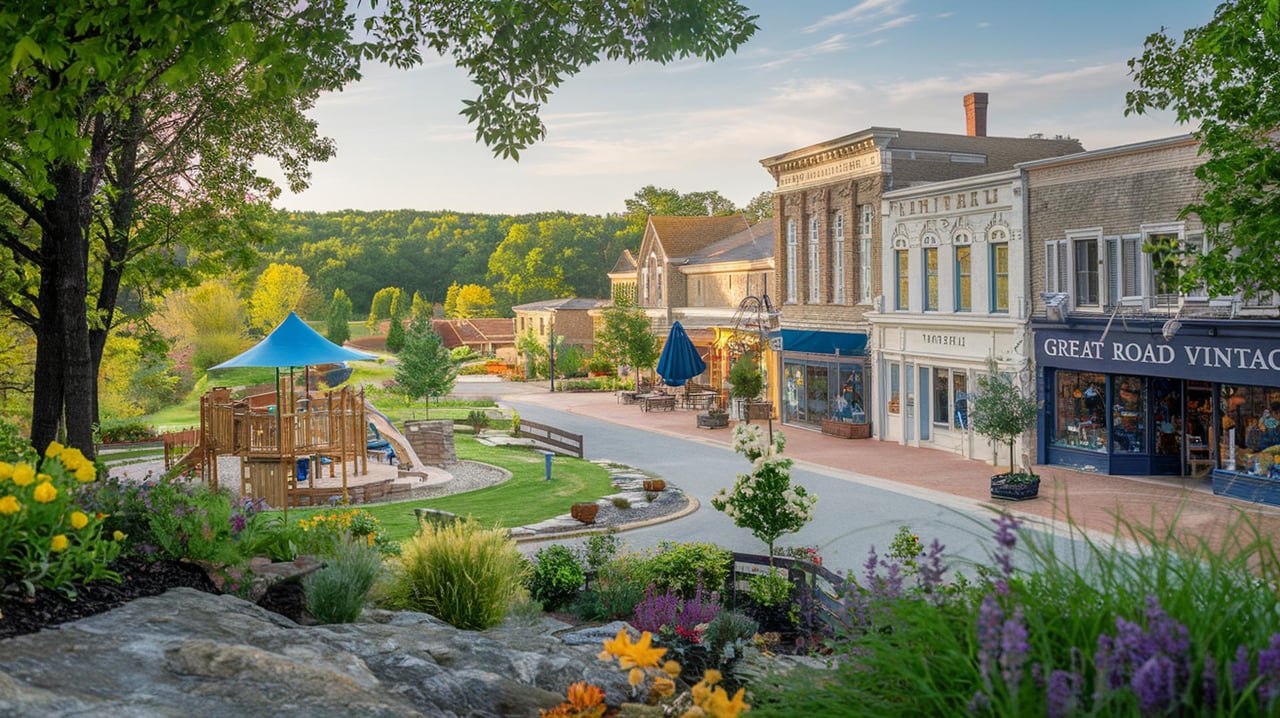
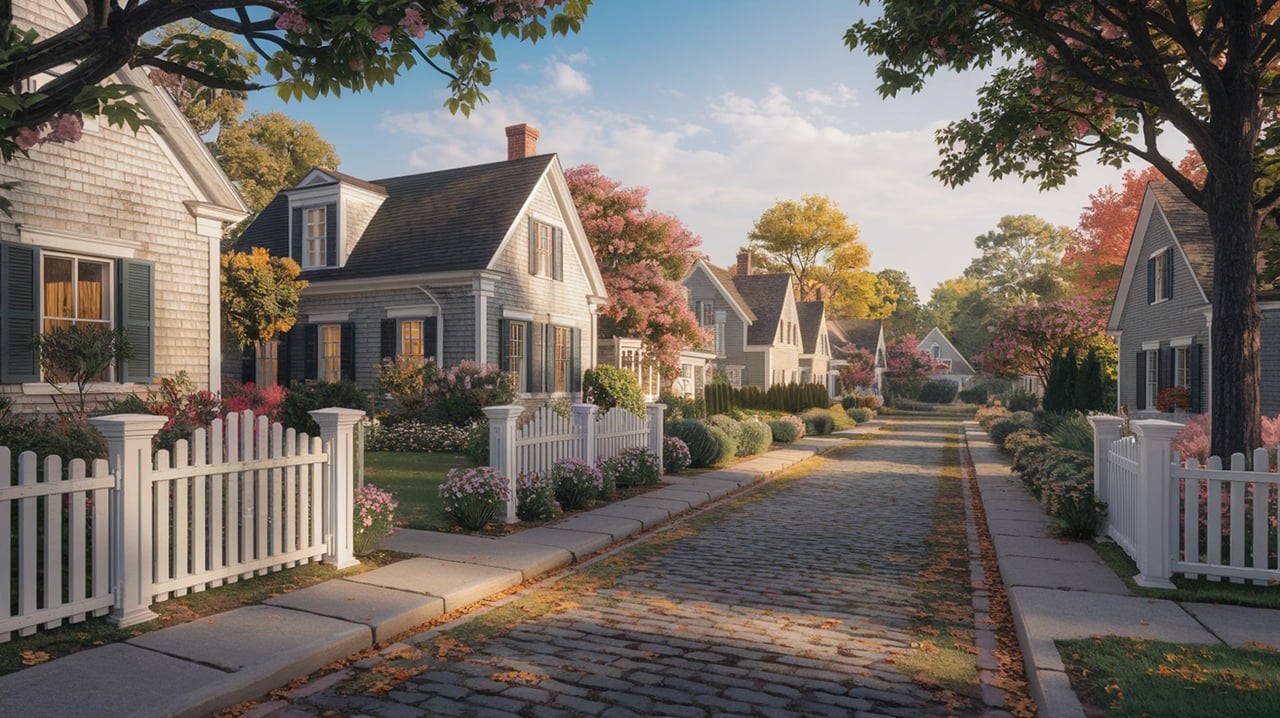
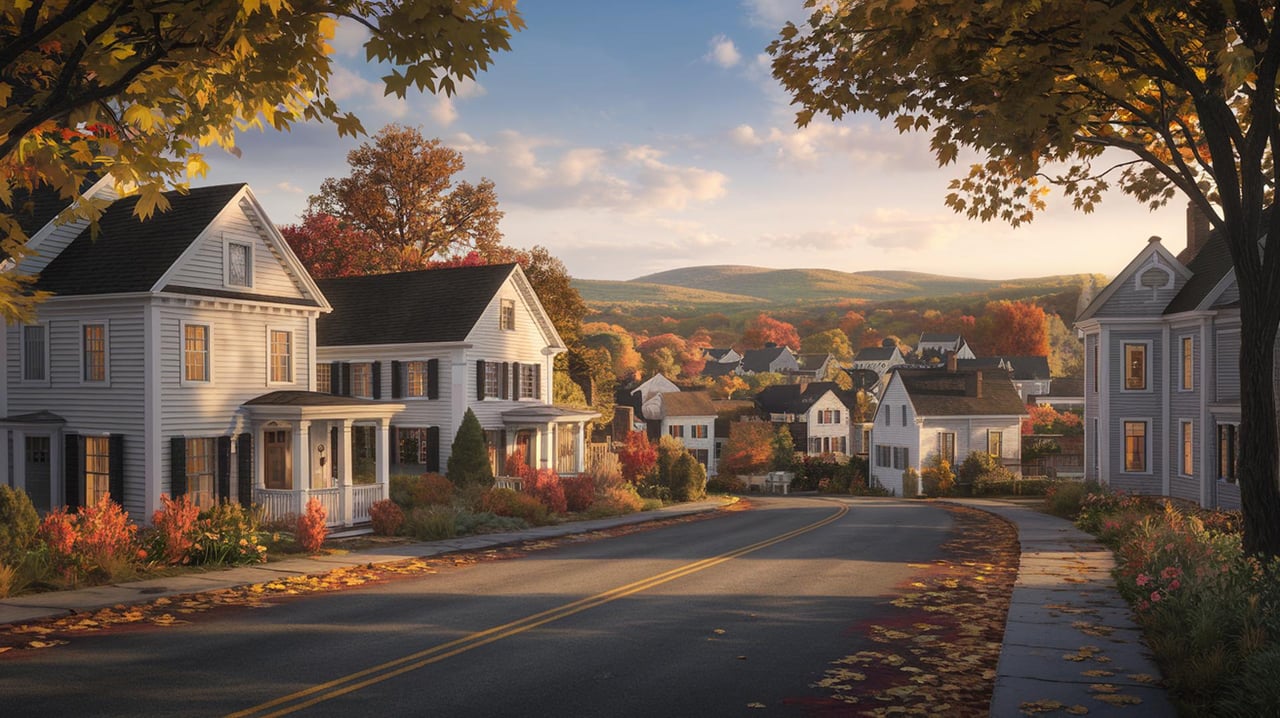
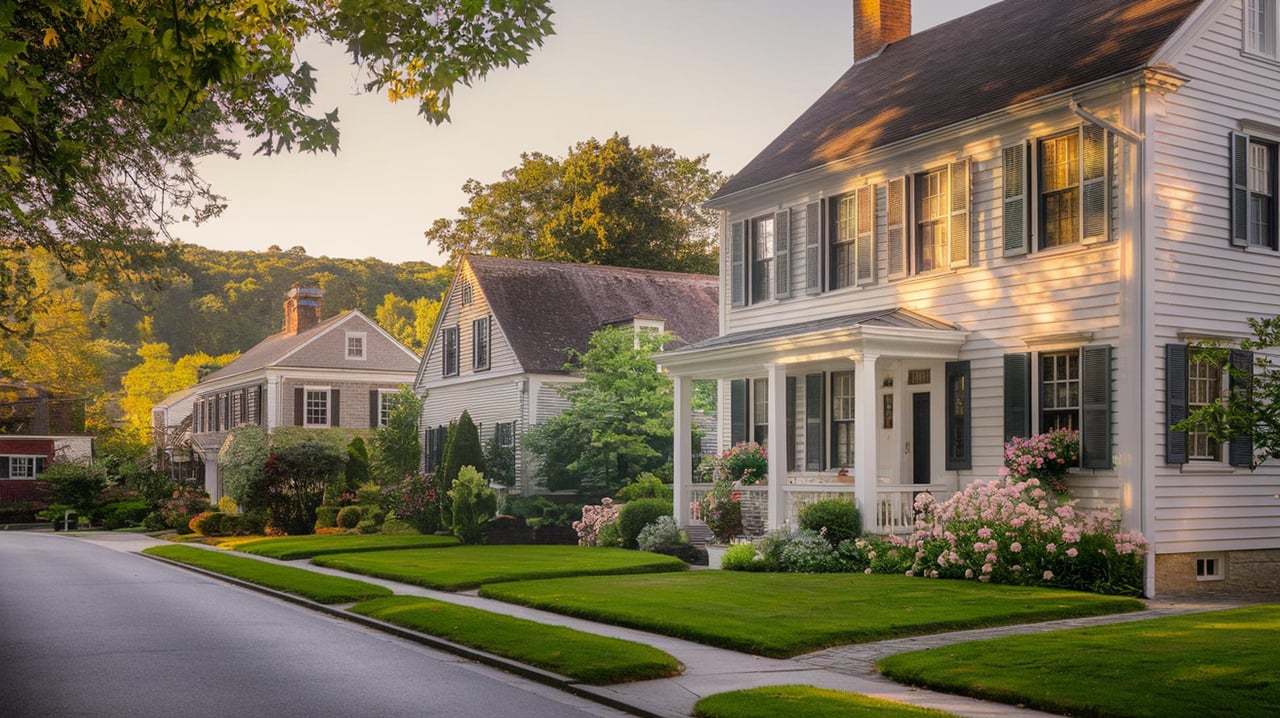
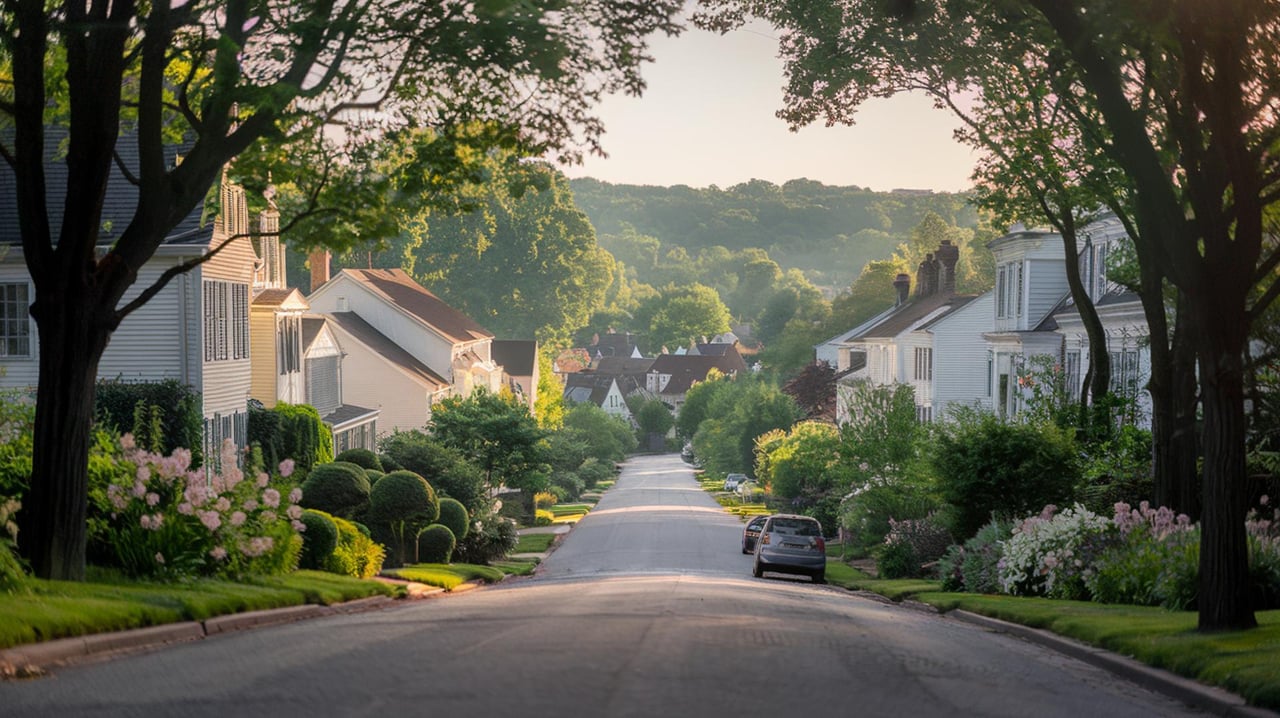
Hamilton and Wenham function as a paired community. Each has a compact center with sidewalks, civic buildings, and locally owned businesses. You can grab coffee, visit the library, or stop by a shop without navigating a busy downtown. Evenings are quieter, with more cafes and family dining than late-night venues.
For larger errands, residents often drive to nearby hubs like Beverly, Salem, or Peabody. You’ll find bigger supermarkets, specialty stores, and medical offices there, then return home to a slower, village-style pace. Local calendars feature seasonal fairs, fundraisers, and small-town holiday events that bring neighbors together.
A favorite local institution is the Wenham Museum, a children’s and local-history museum that anchors the village’s cultural life. You can preview exhibits and programs on the Wenham Museum website.
Open space and working farms
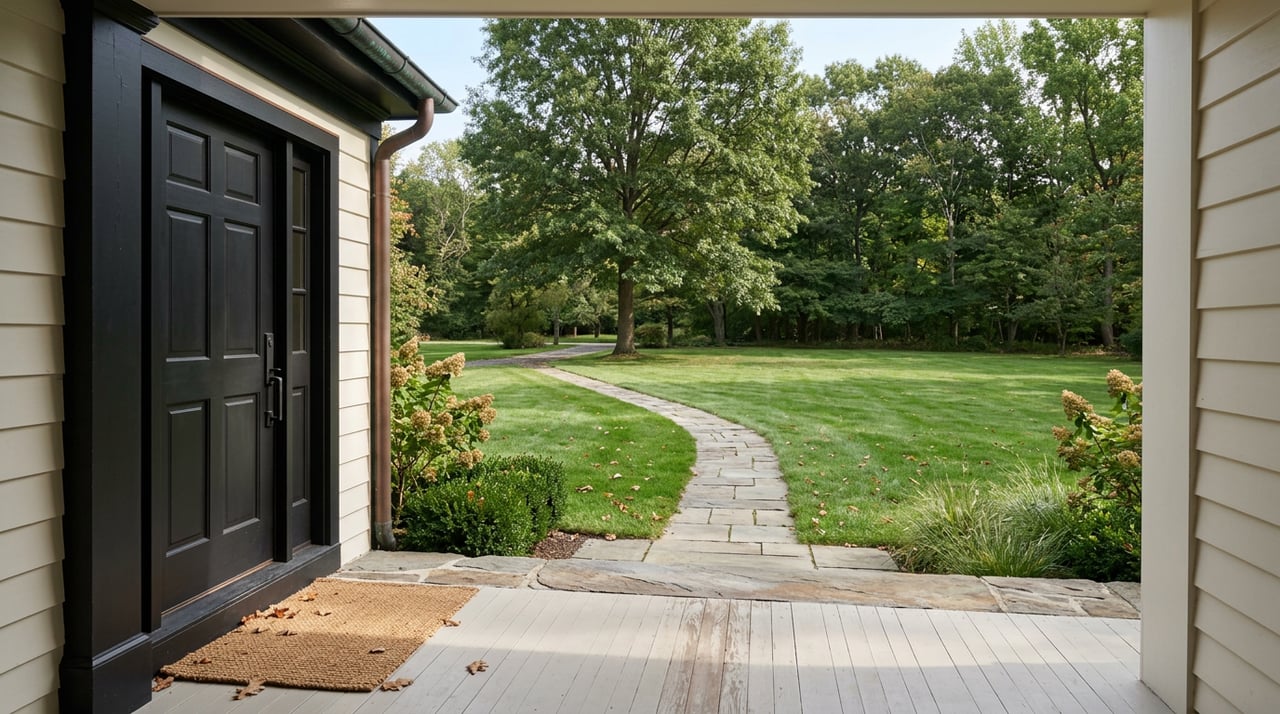
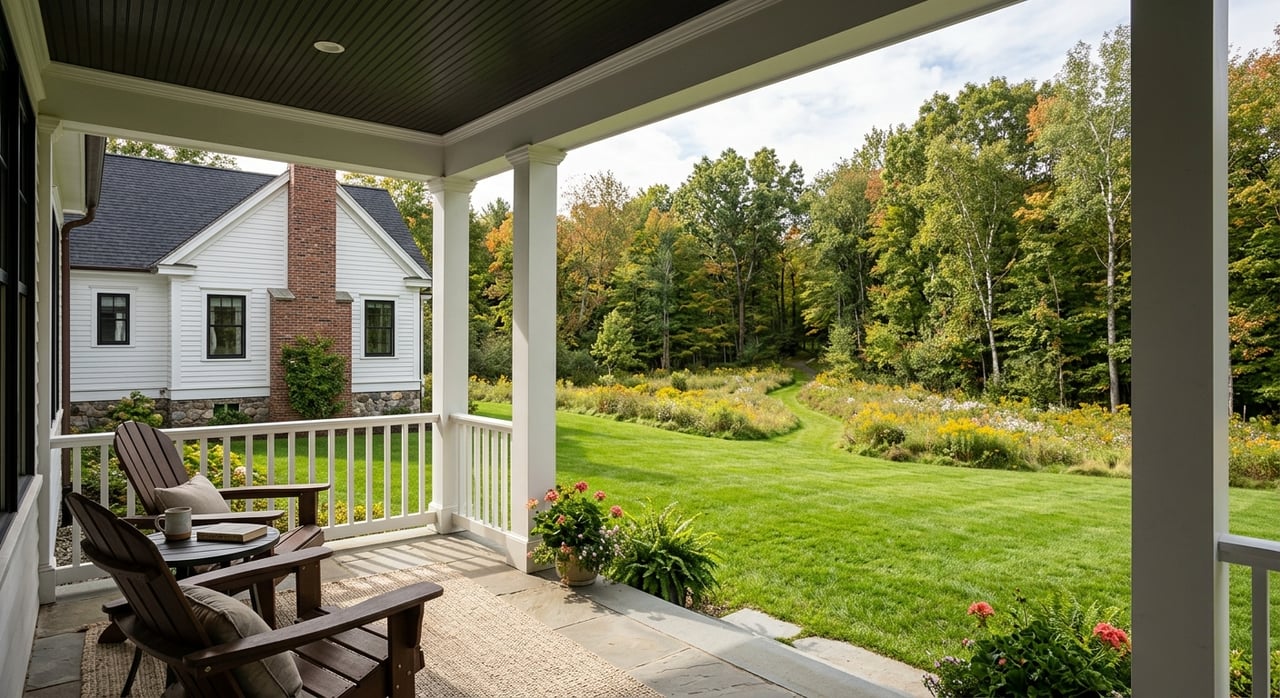
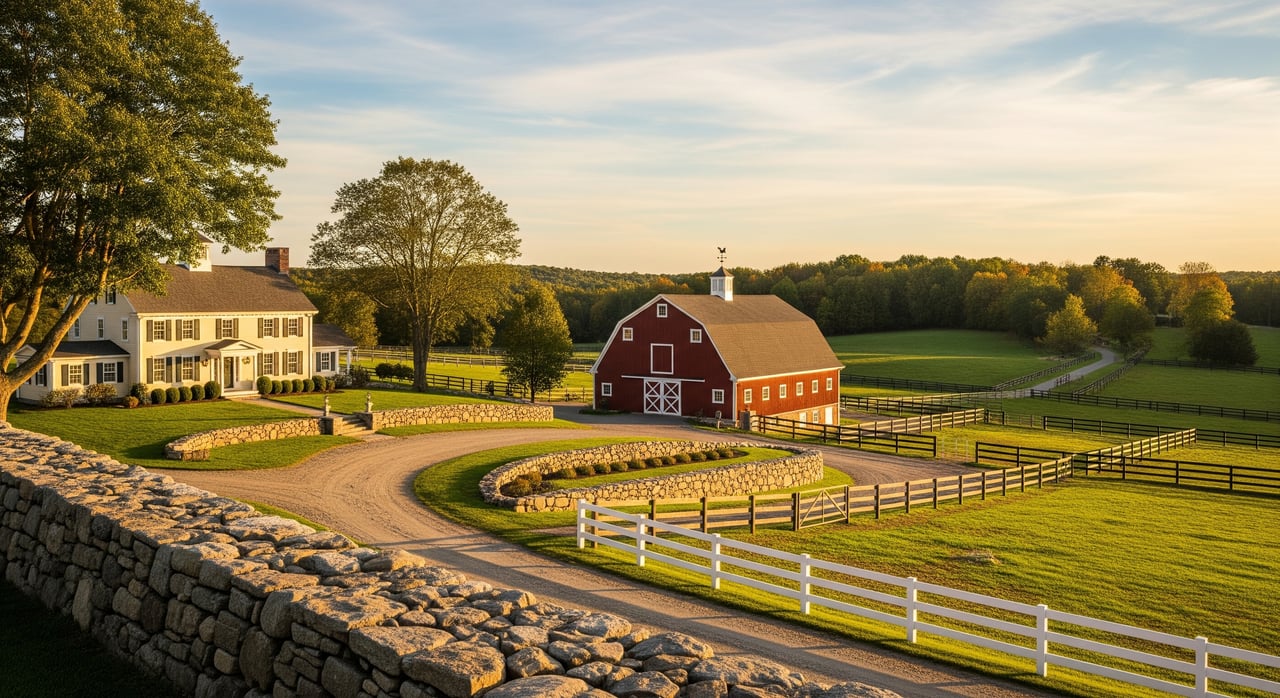
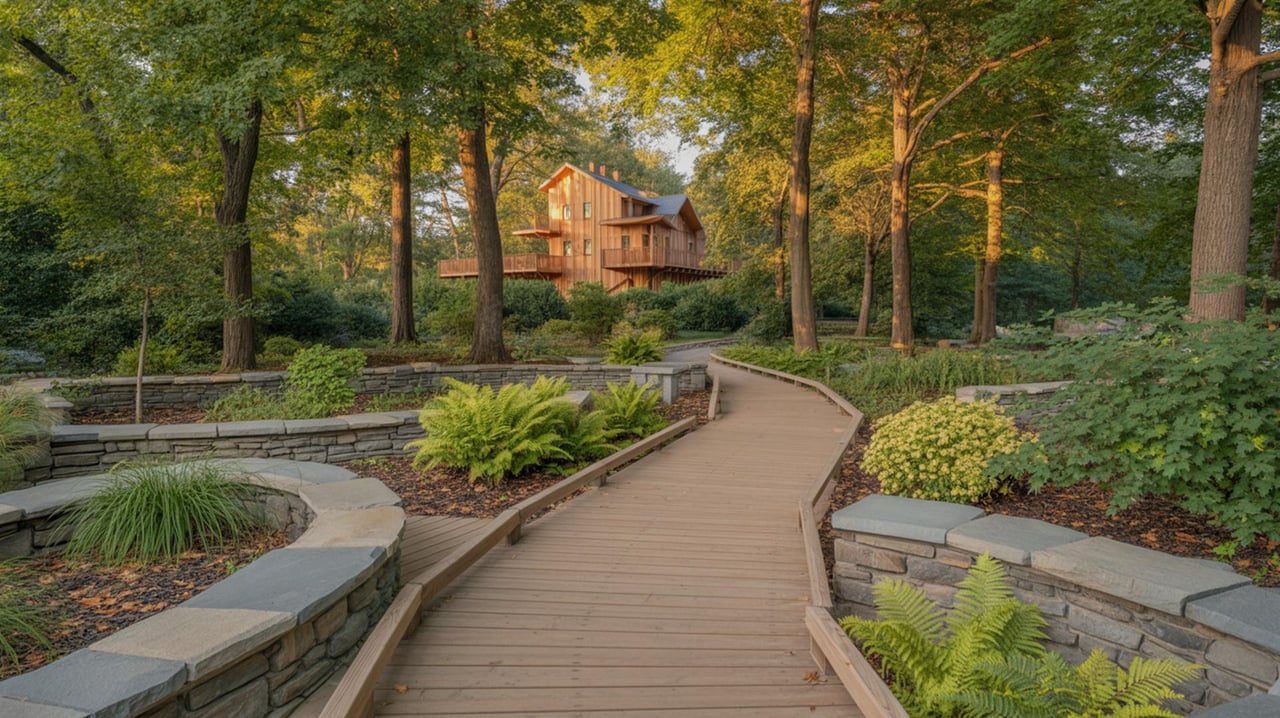
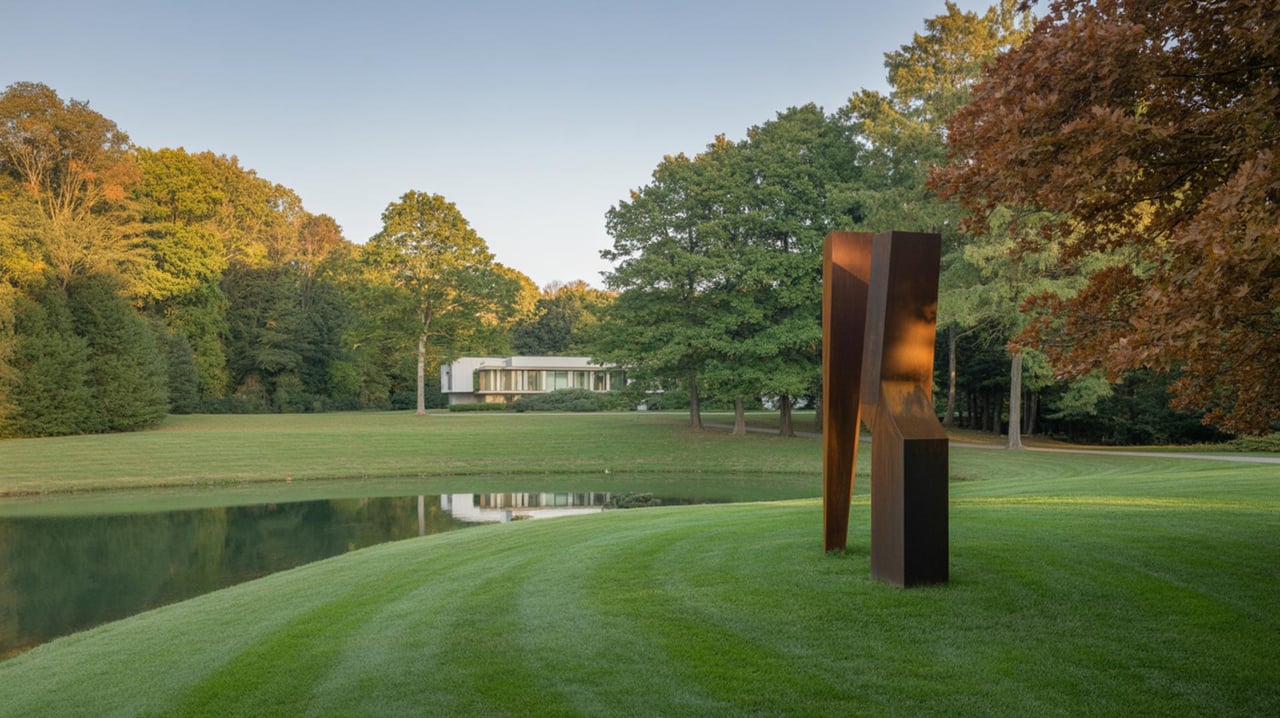
One of the strongest draws here is the landscape itself. Fields, woodlots, and conservation parcels shape your everyday view and weekend routine. Trails lace through meadows and forests, and you’ll see active farmland throughout the area.
A signature destination is Appleton Farms, managed by The Trustees. It is one of the oldest continuously operating farms in the country and offers walking trails, grazing livestock, a farm store, and year-round programs. Before you go, check The Trustees site for trail conditions, parking guidance, and seasonal hours.
You are also close to a broader network of North Shore open spaces. Coastal marshes and state reservations are within a short drive, which makes it easy to mix inland walks with beach days and birding.
Equestrian culture
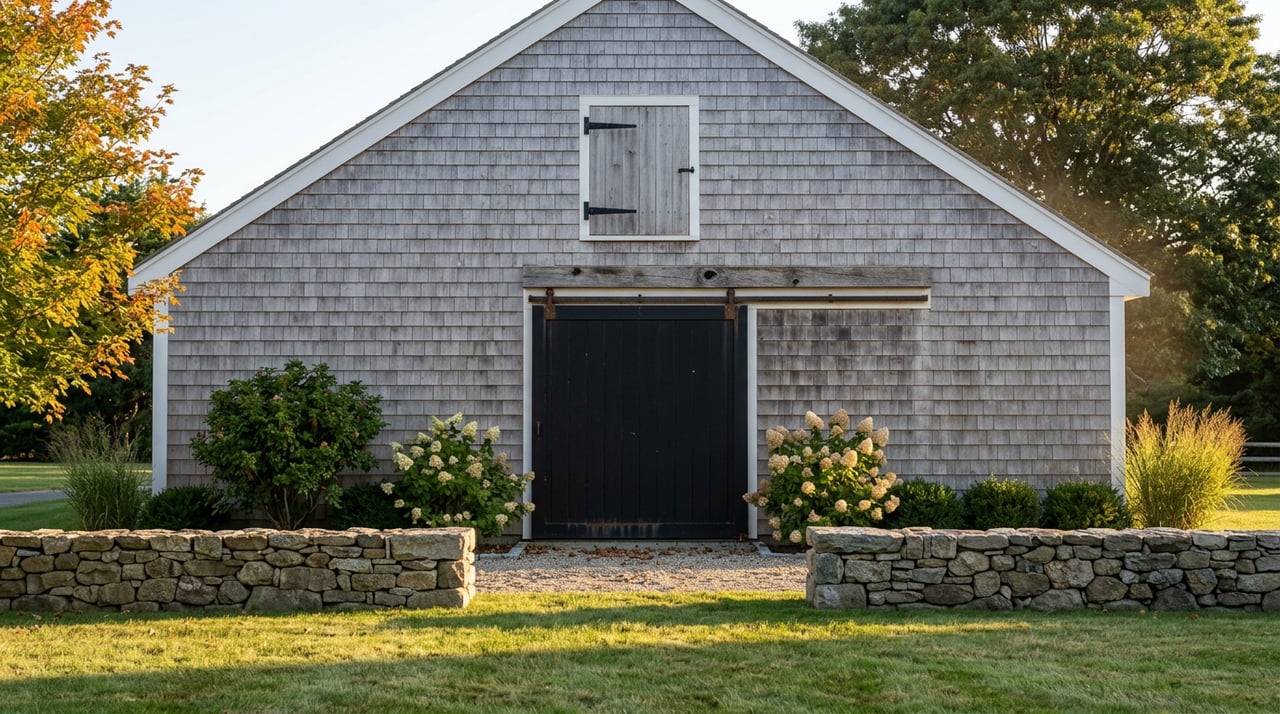
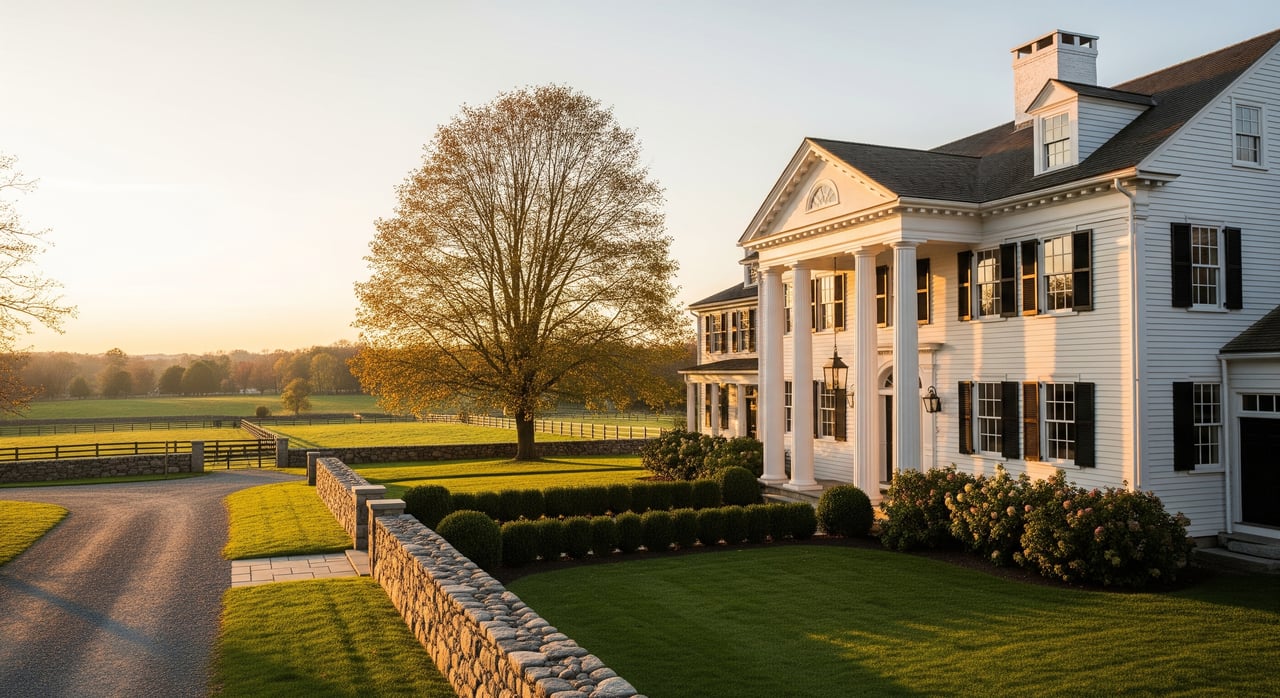
Hamilton and Wenham share a deep equestrian tradition. You’ll notice private barns, trail crossings, and properties set up for horses more often than in many neighboring towns. Zoning in parts of the area supports agricultural and equestrian uses, and riding is part of the local rhythm.
The historic Myopia Hunt Club in Hamilton reinforces that identity. While it is a private club, its presence reflects the community’s long-standing equestrian roots. If you are planning a horse-friendly purchase, confirm lot allowances and permitting with the town planning departments in Hamilton and Wenham.
Coastal access within minutes
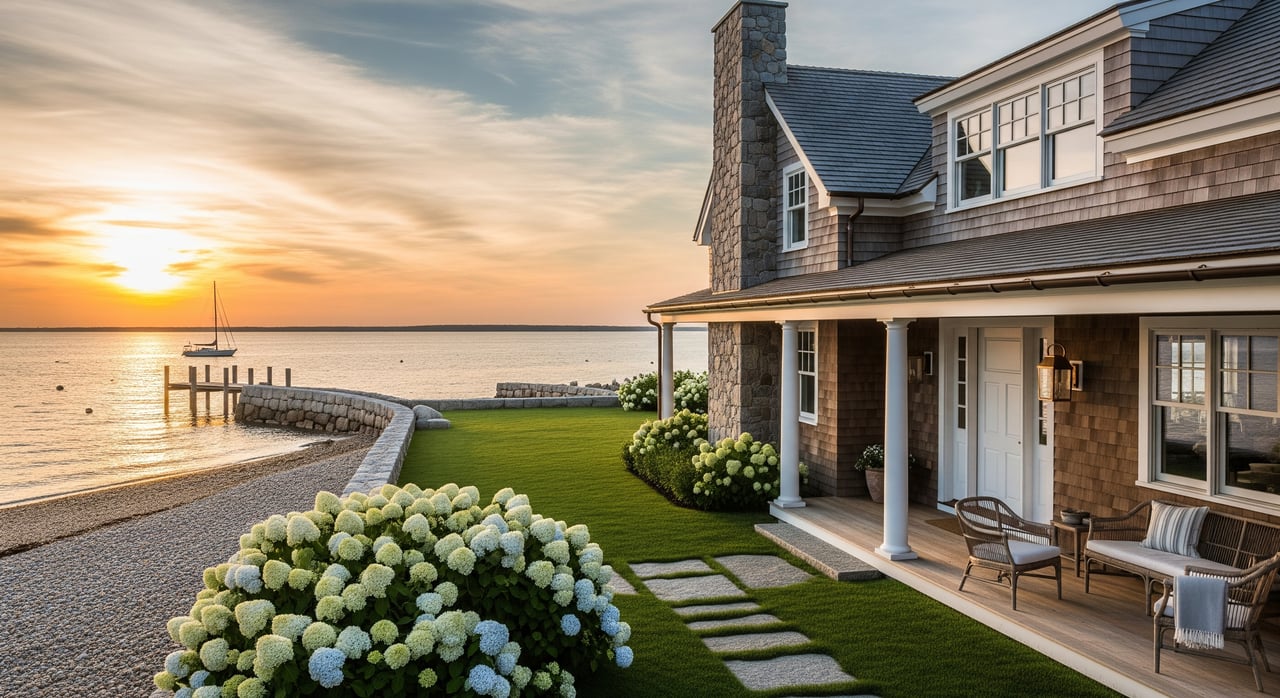
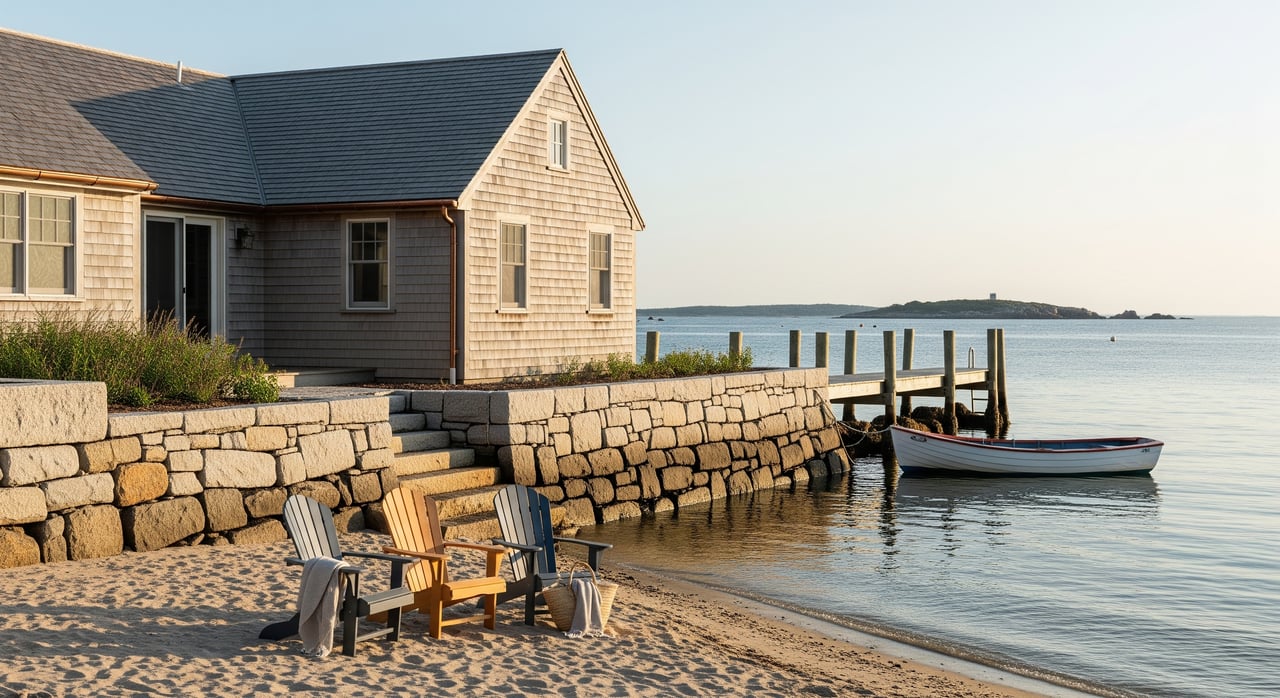
Though Hamilton and Wenham sit slightly inland, coastal recreation is close. Popular beaches and estuaries such as Crane Beach in Ipswich, Plum Island, and the Essex marshes are often a 10 to 25 minute drive depending on your destination and traffic. That range lets you plan a morning walk in the fields and an afternoon by the water without a long haul.
Wenham Lake is a local reservoir with specific rules for public access. If you are considering waterfront-adjacent parcels or want to know where you can launch a boat or swim, review current guidance on the town sites before you go.
Housing character and what to expect
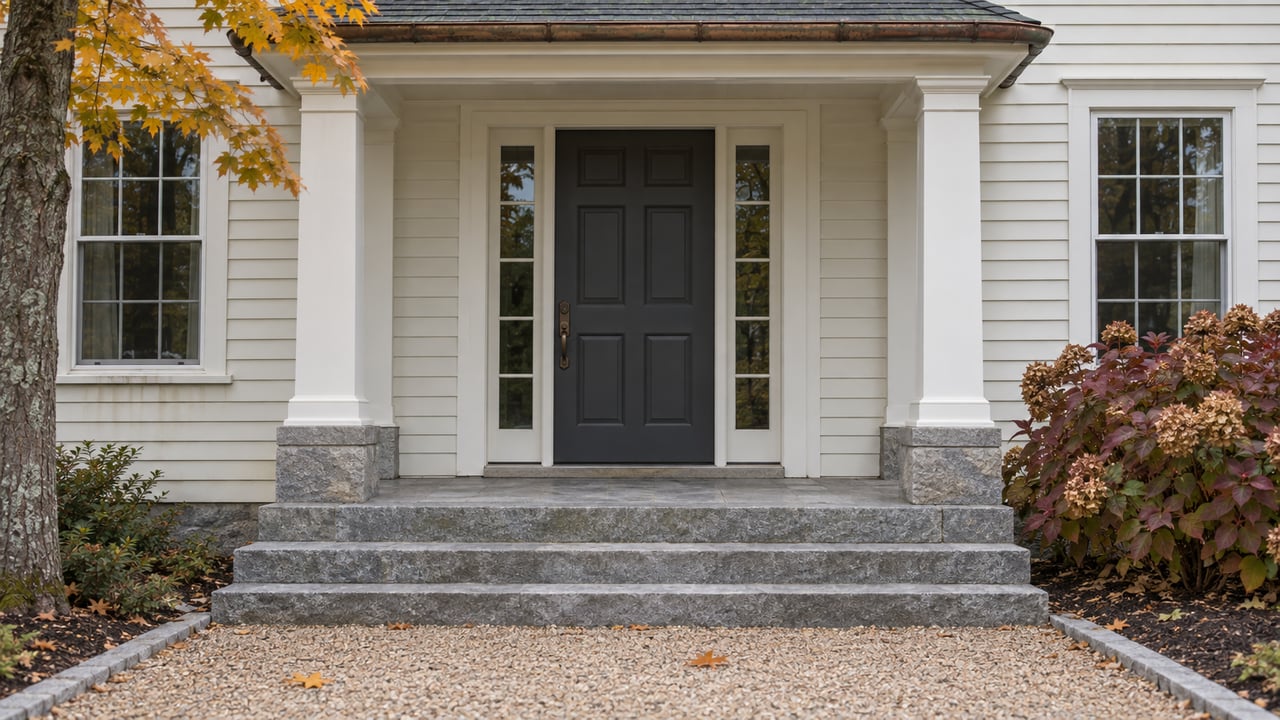
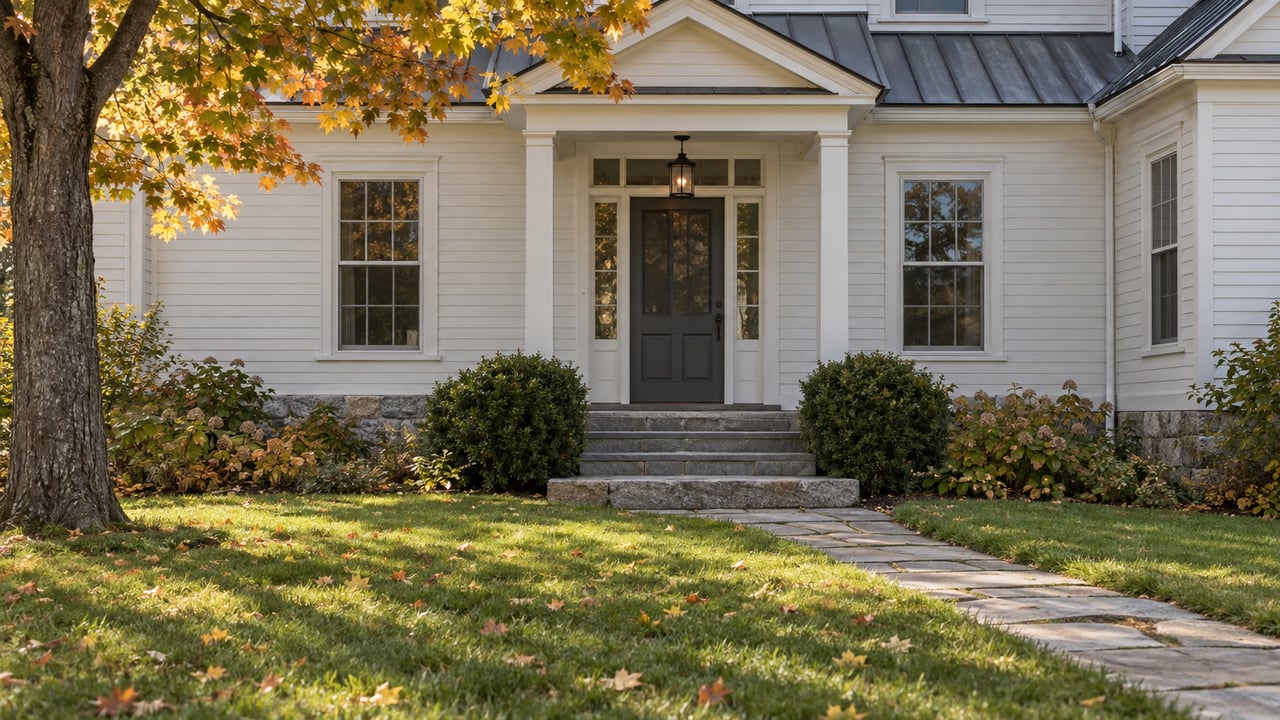
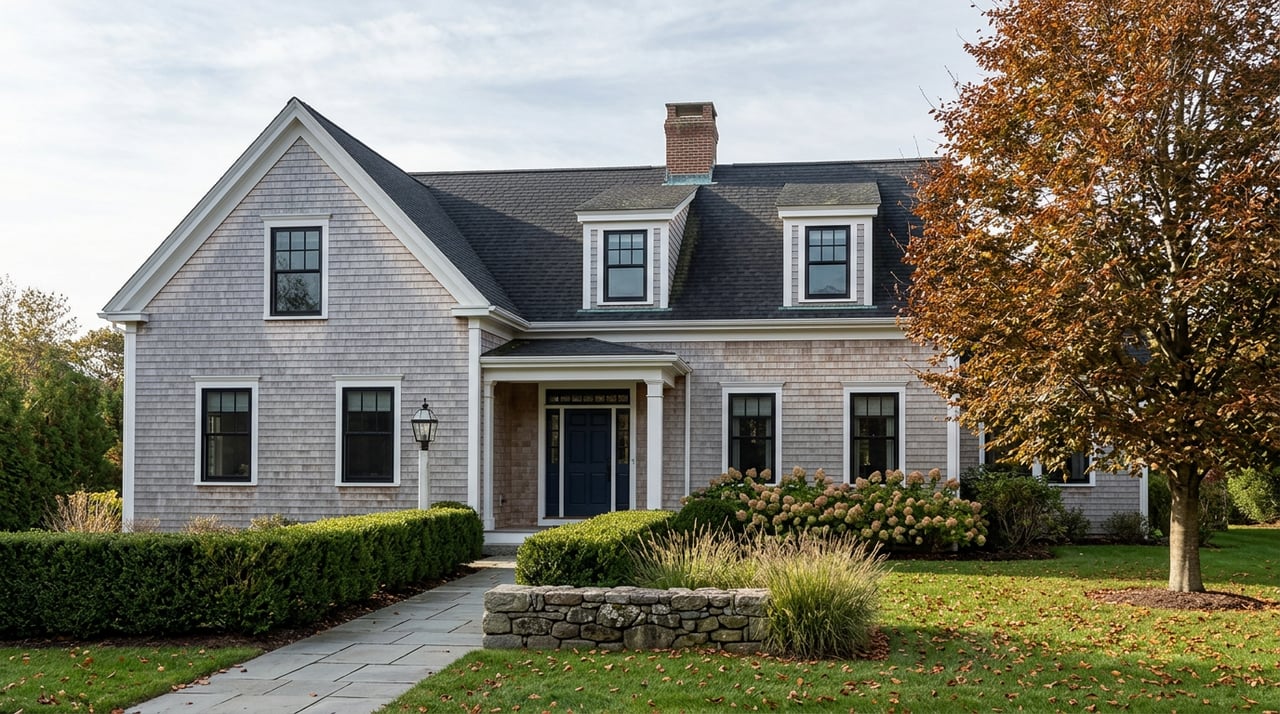
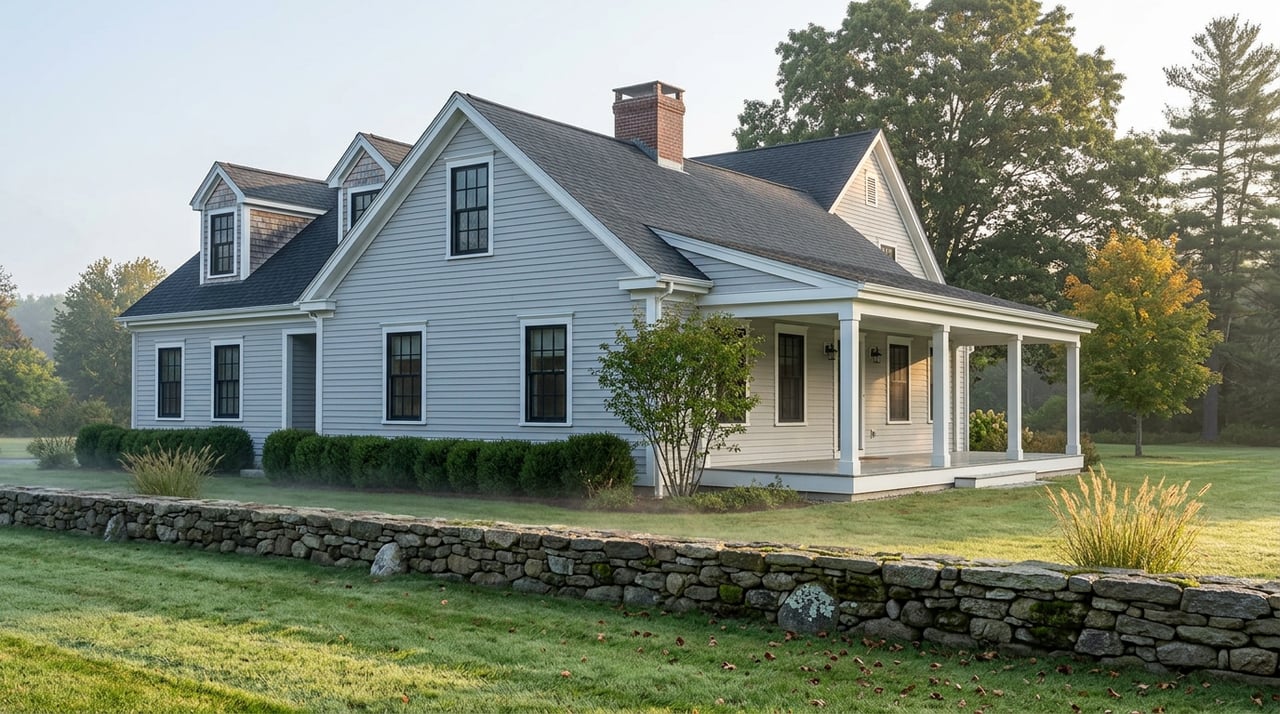
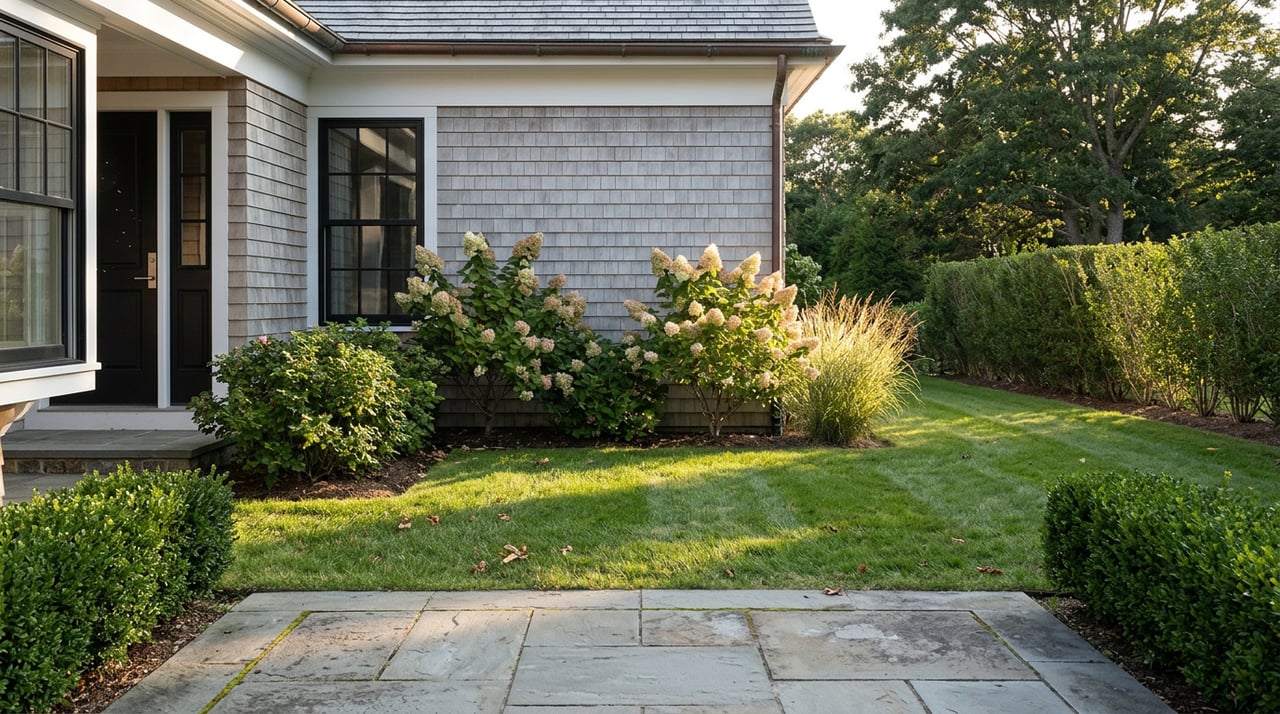
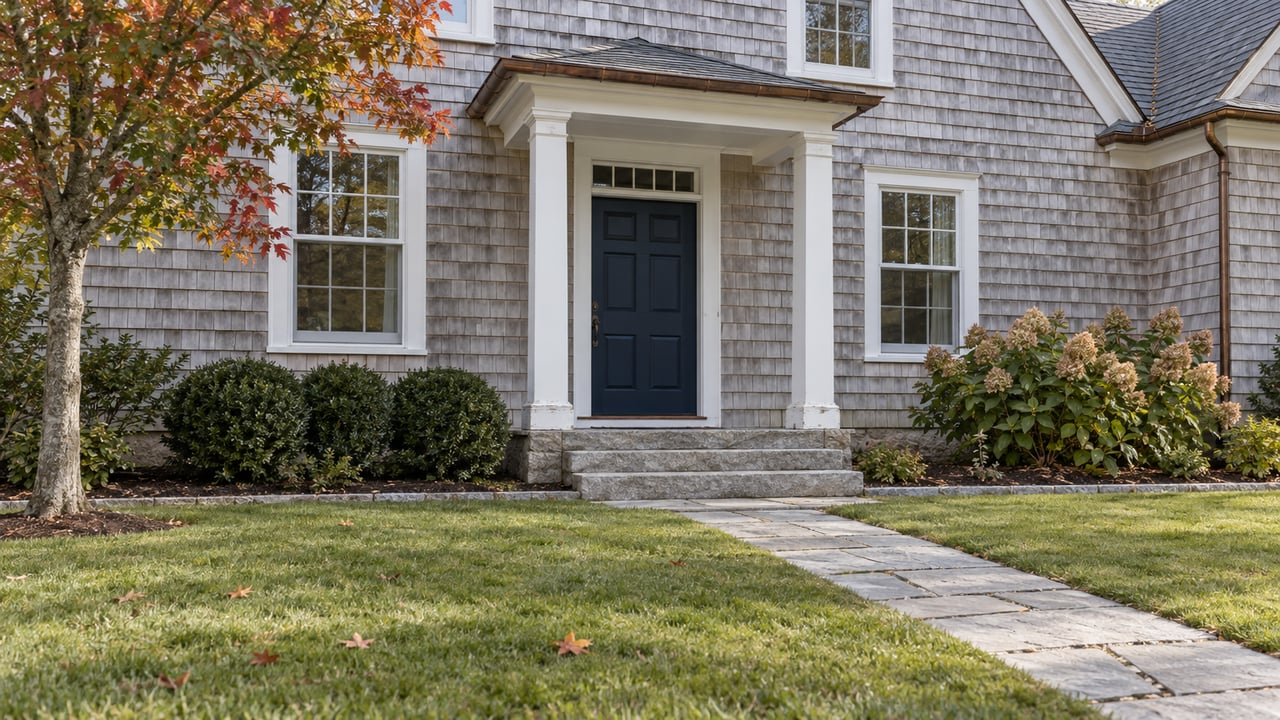
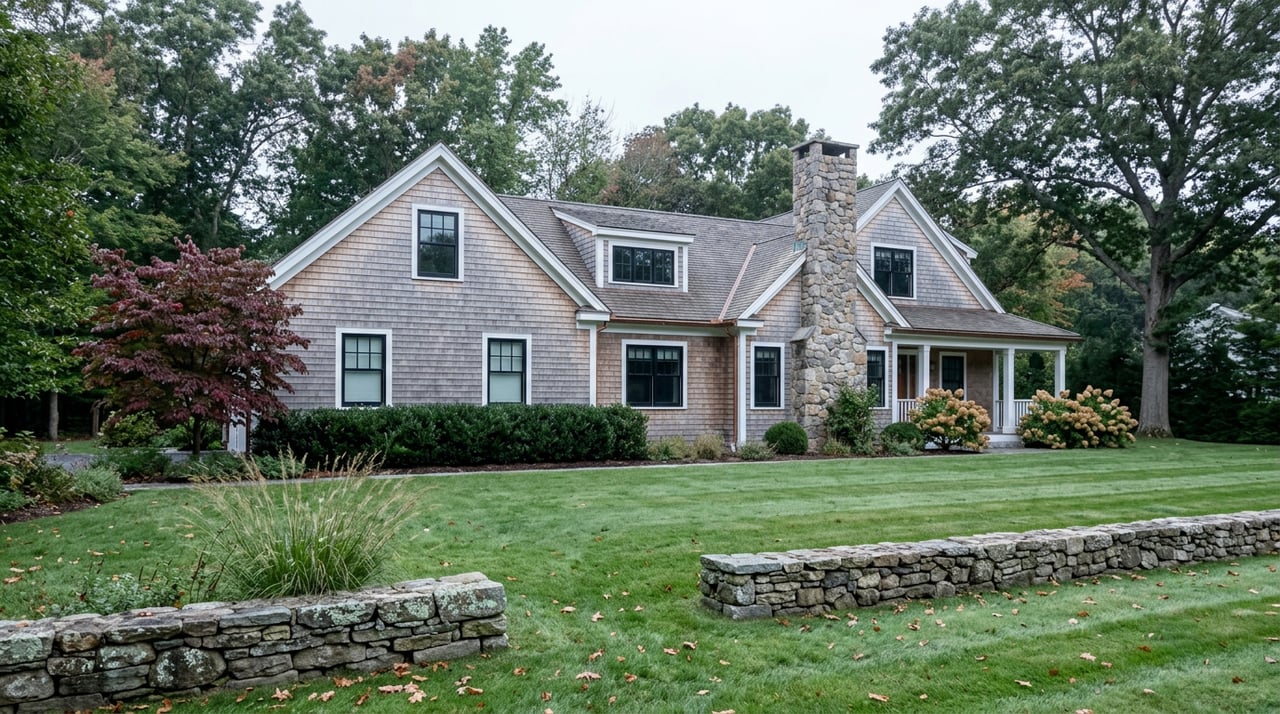
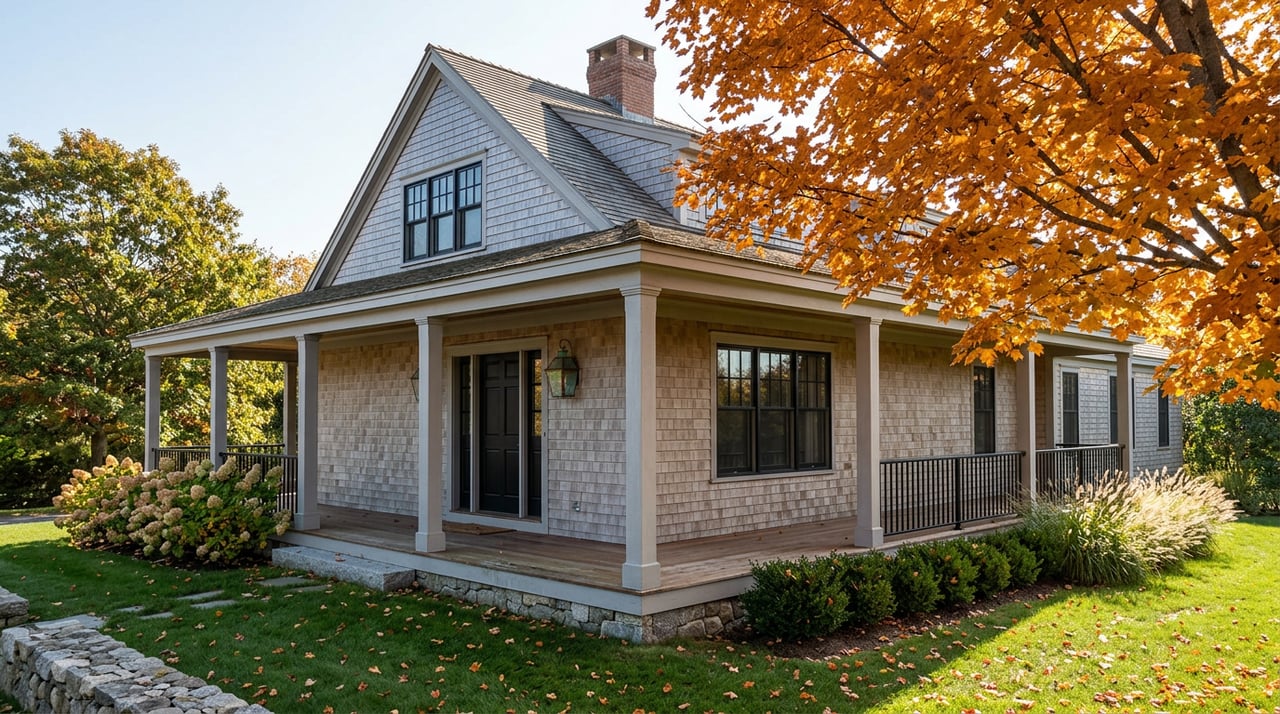
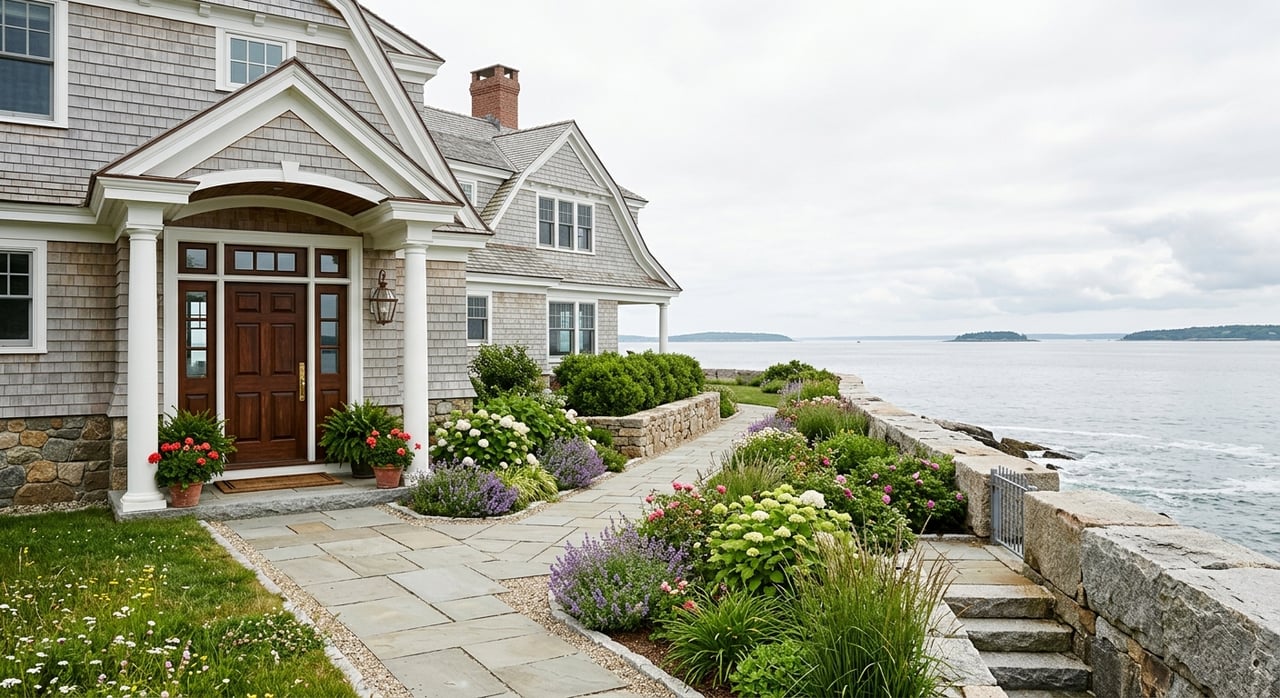
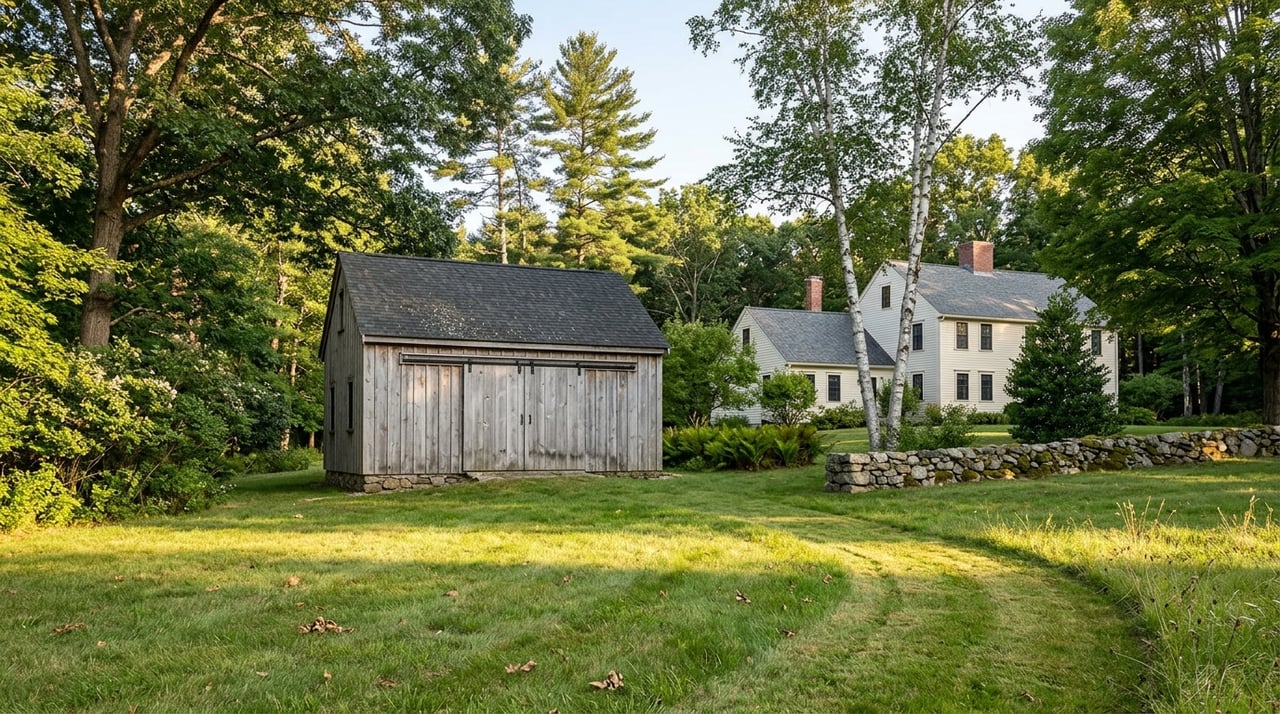
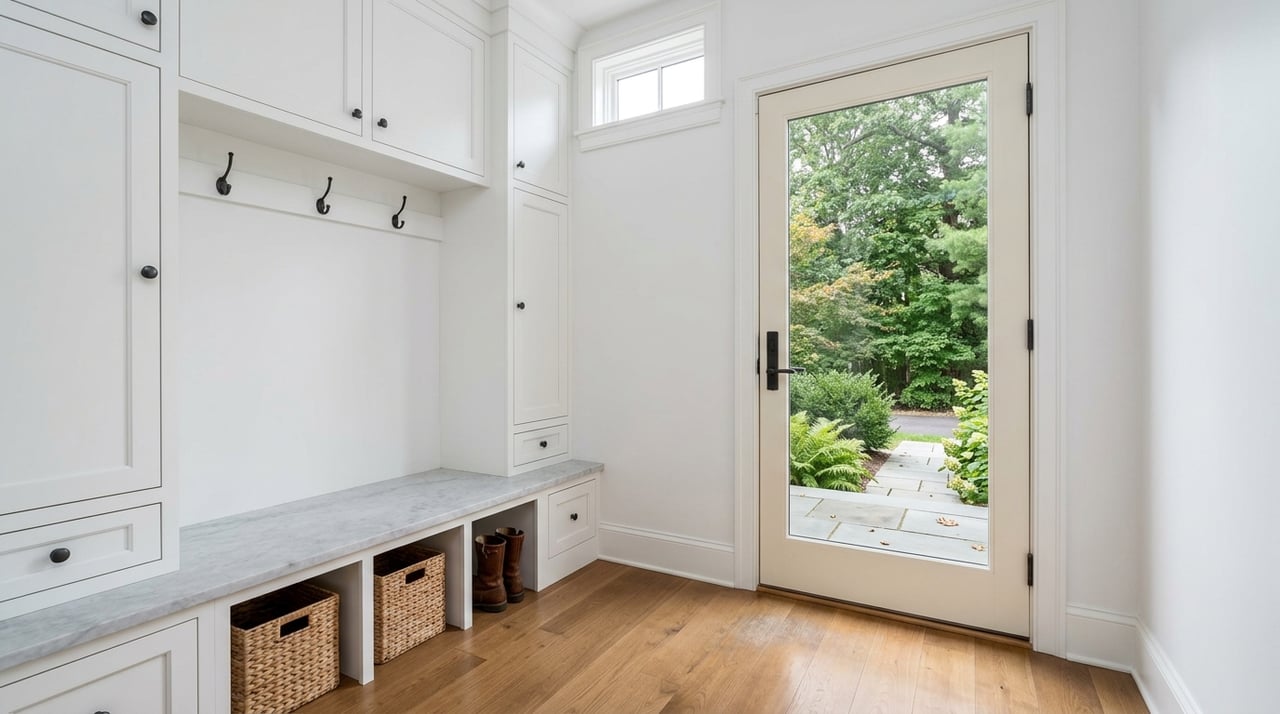
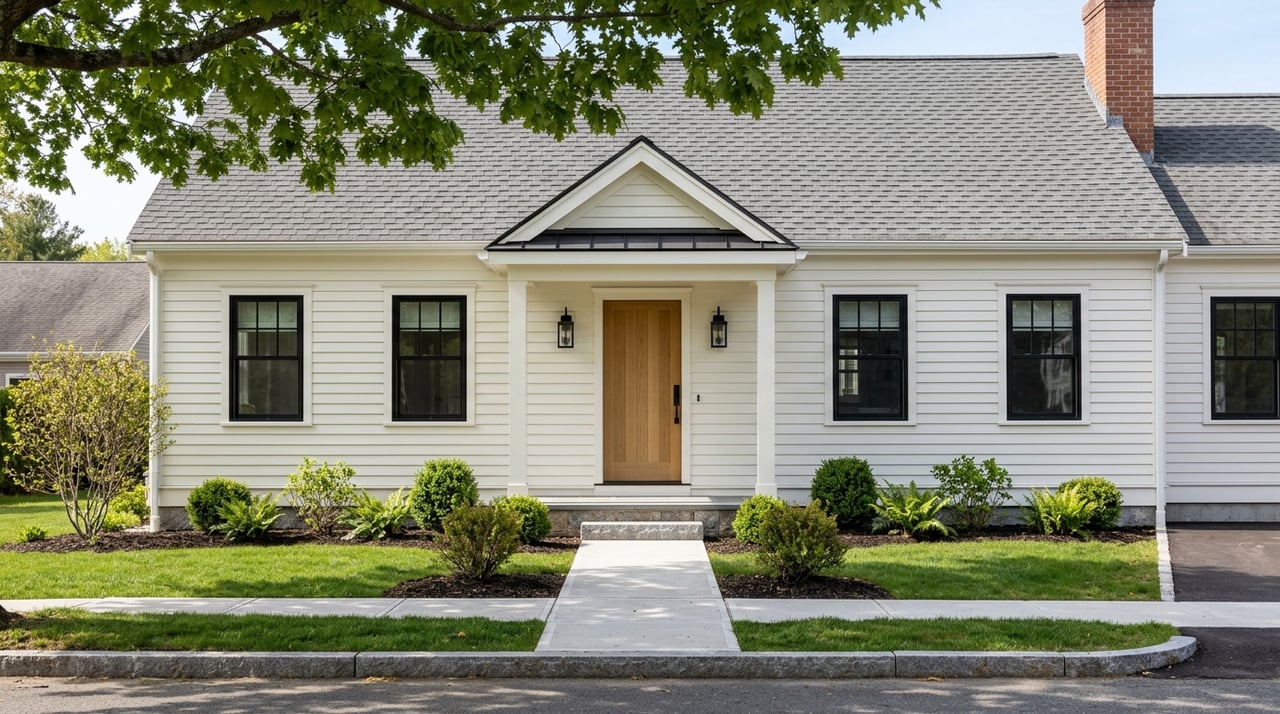
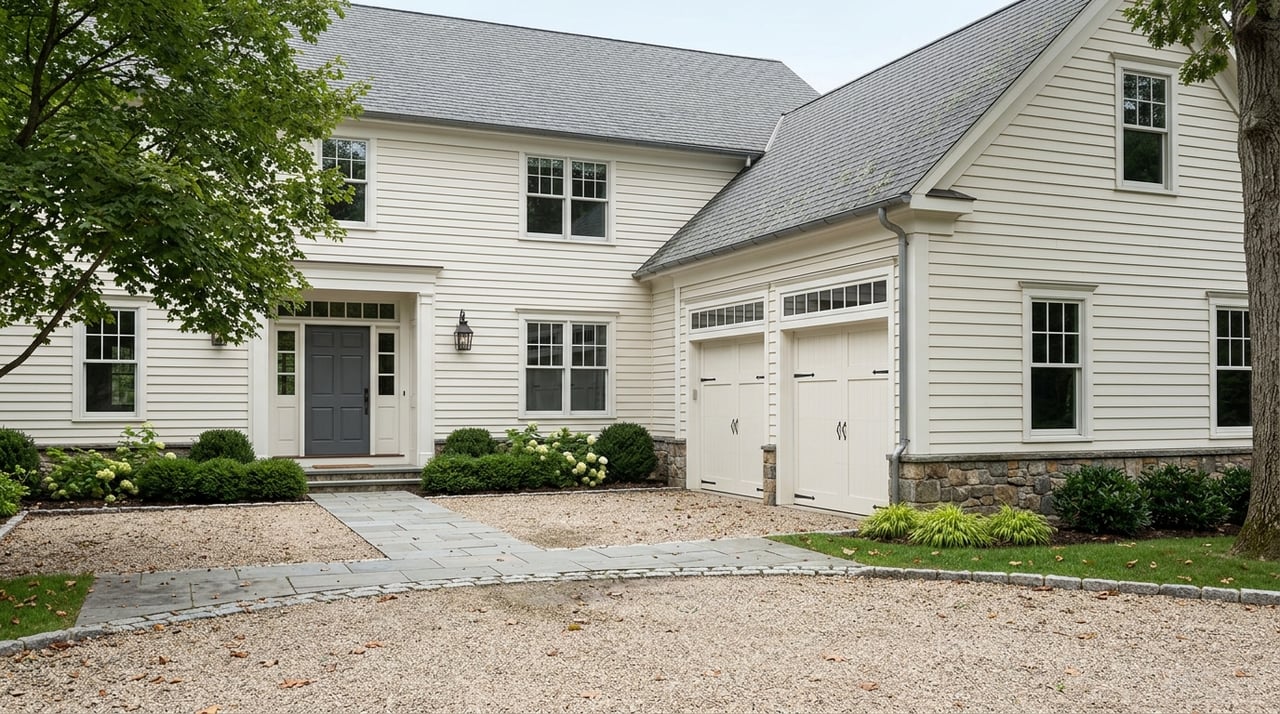
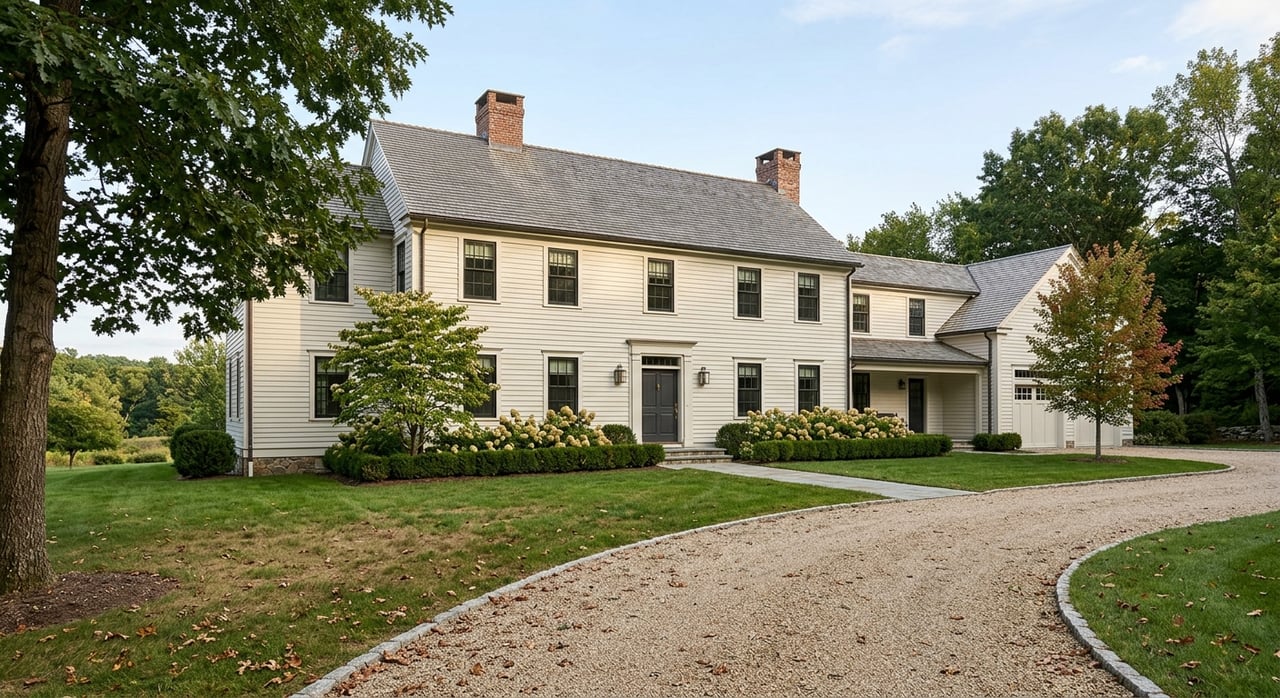
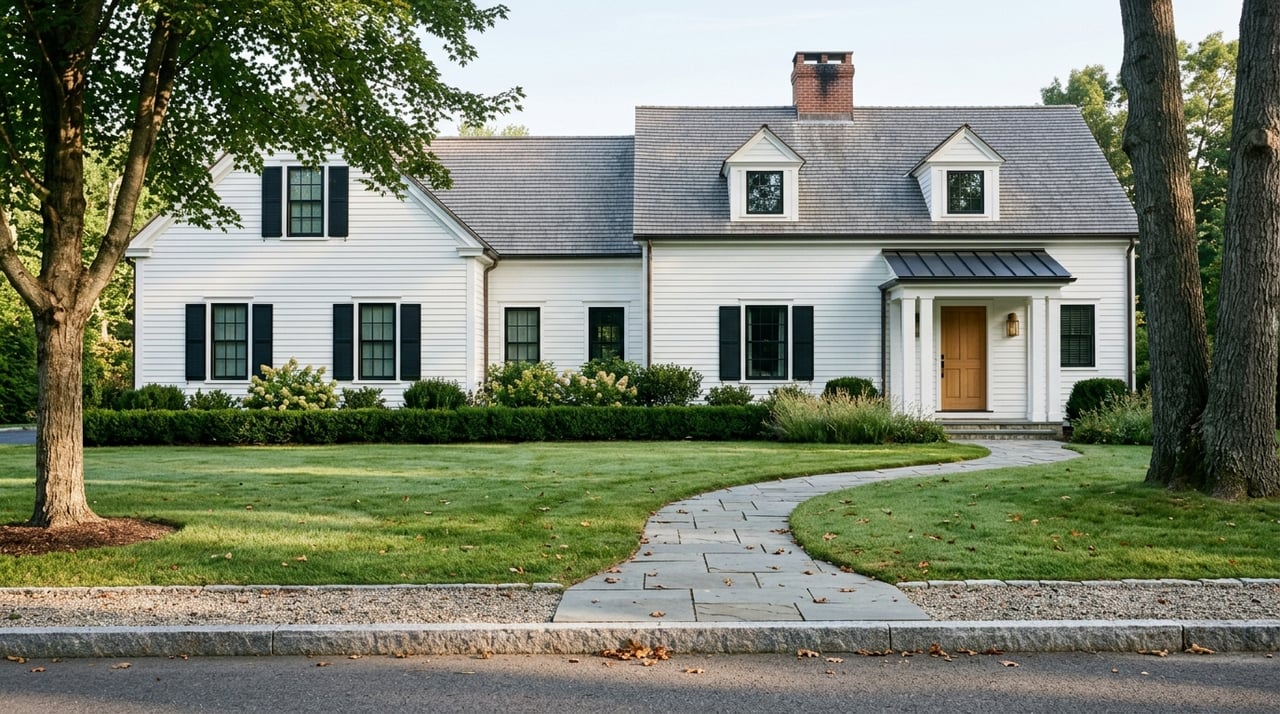
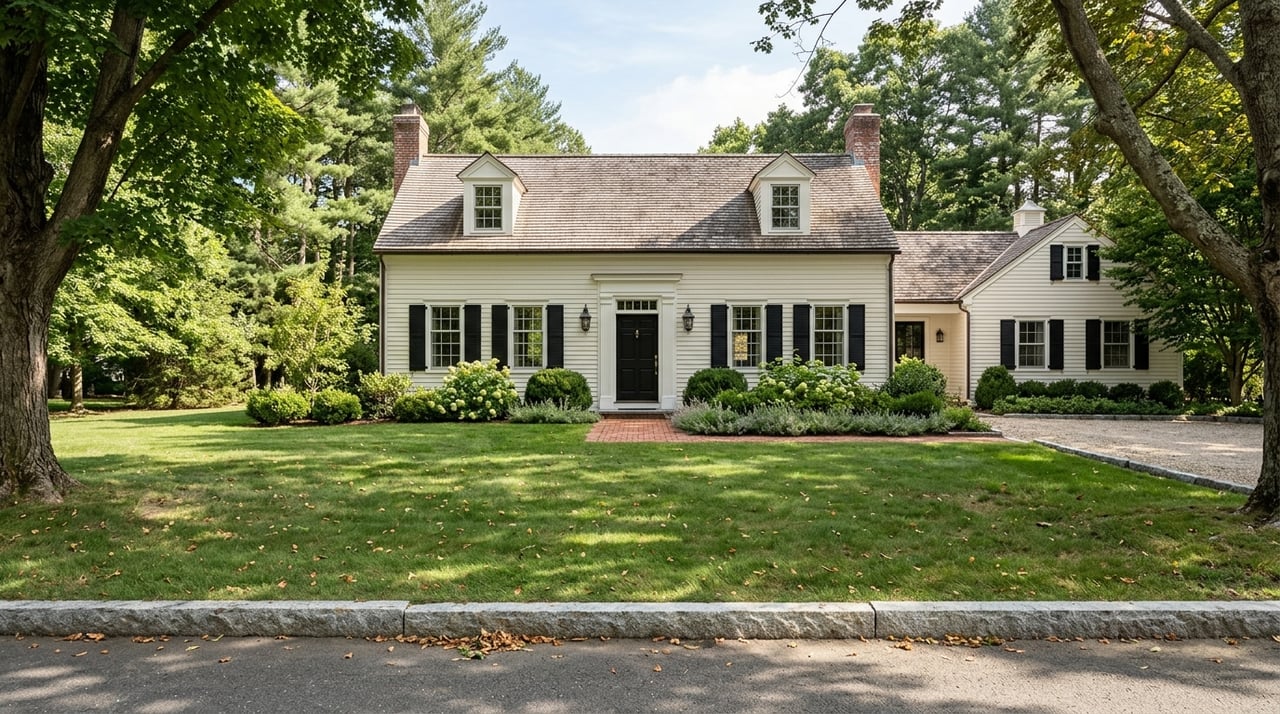
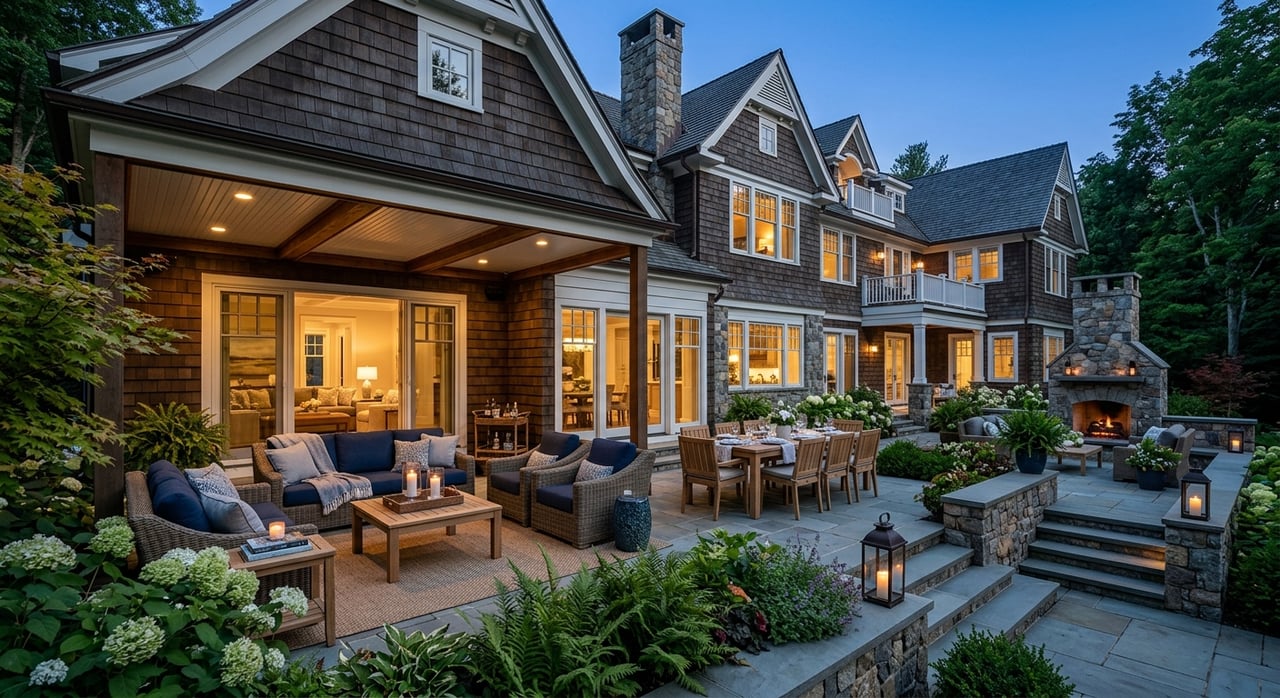
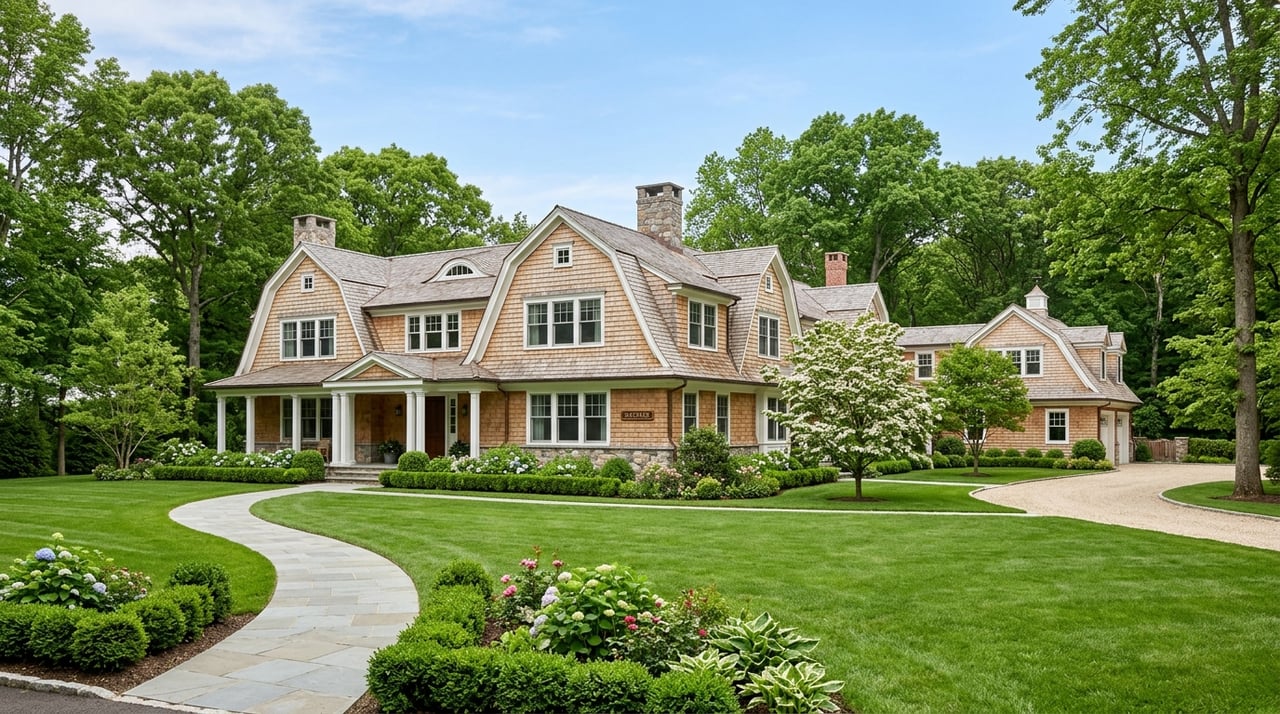
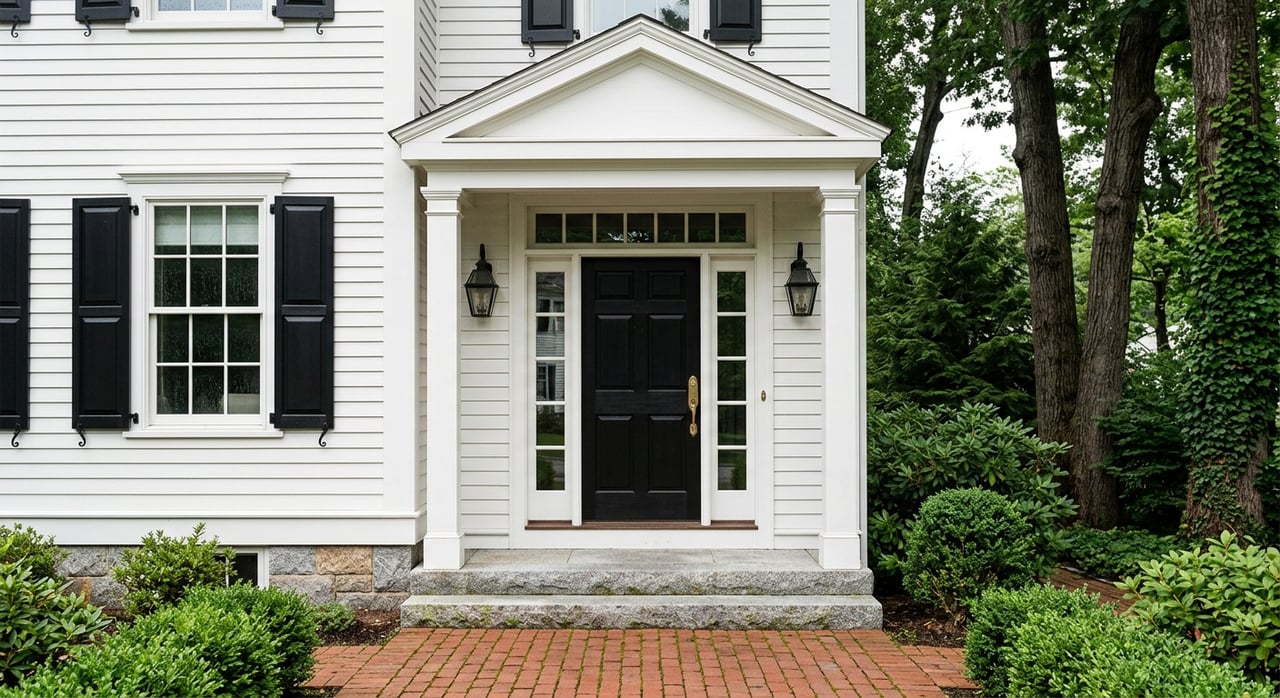
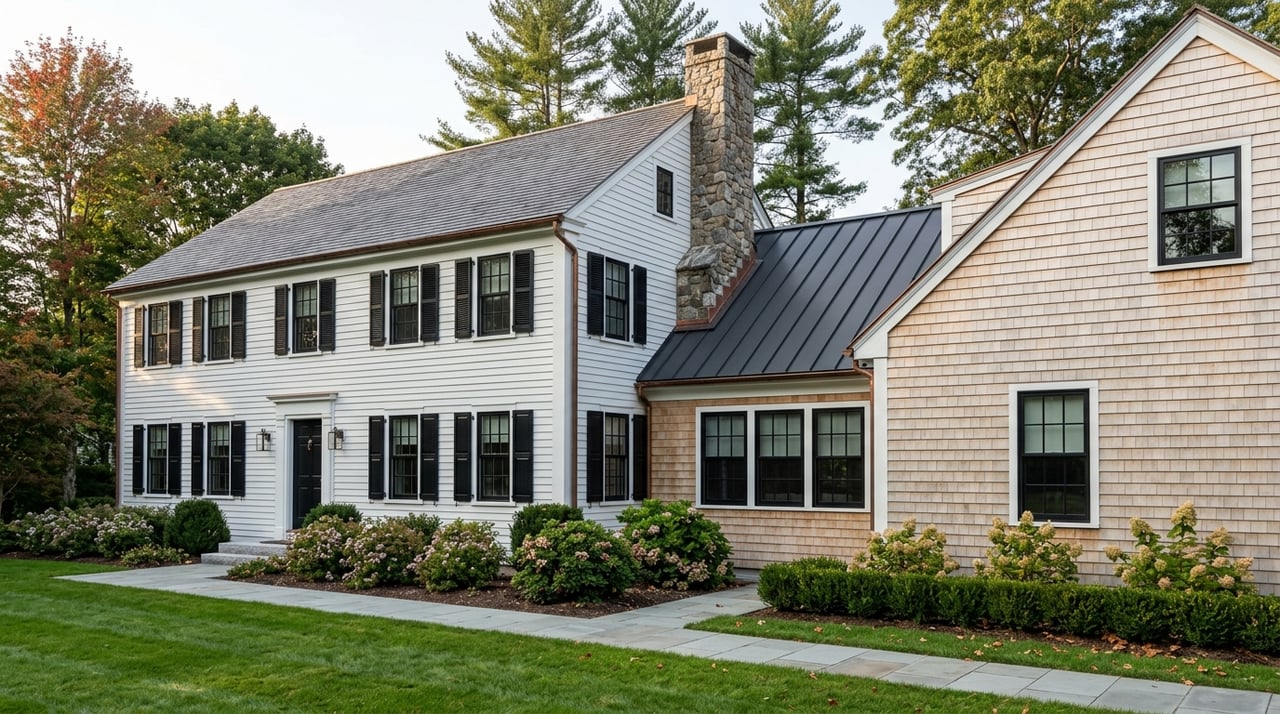
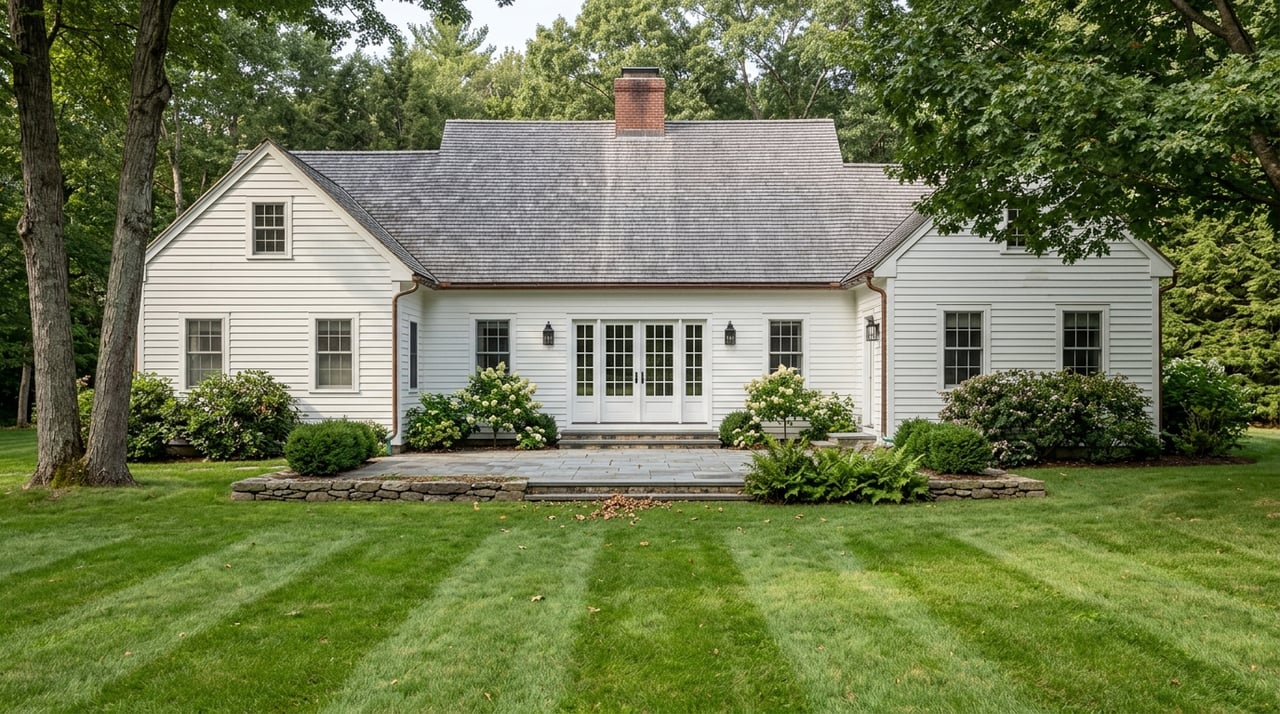
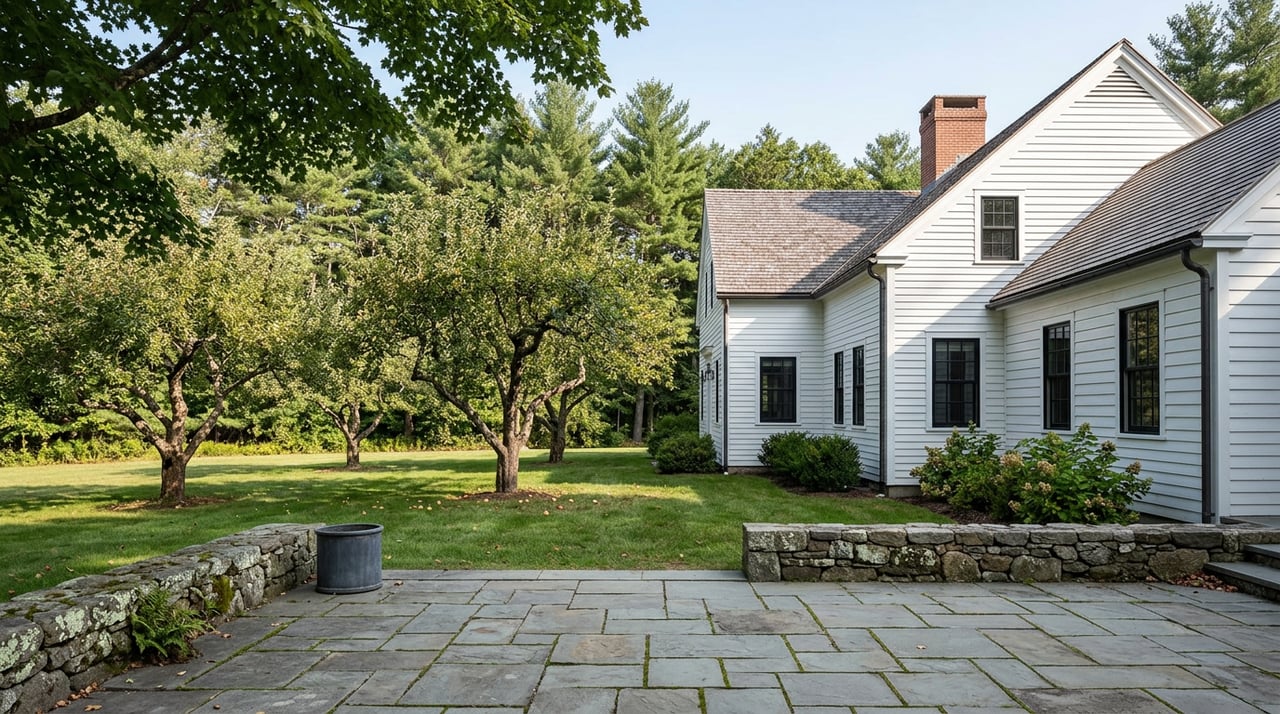
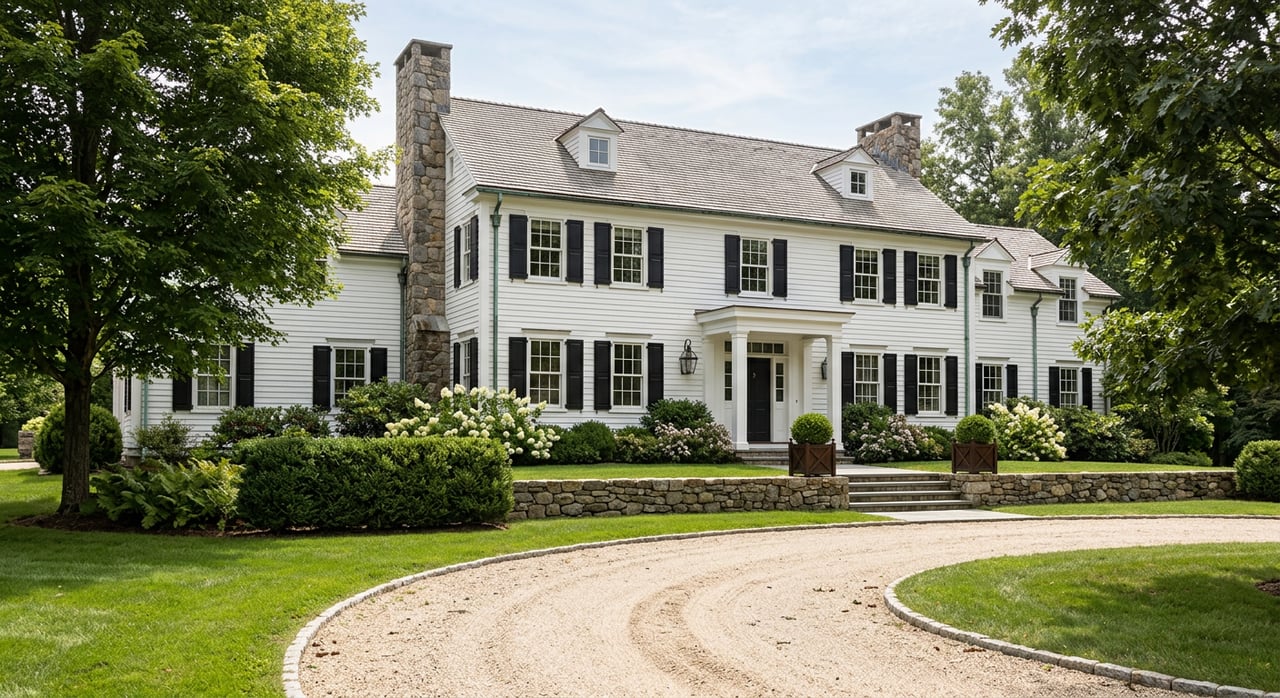
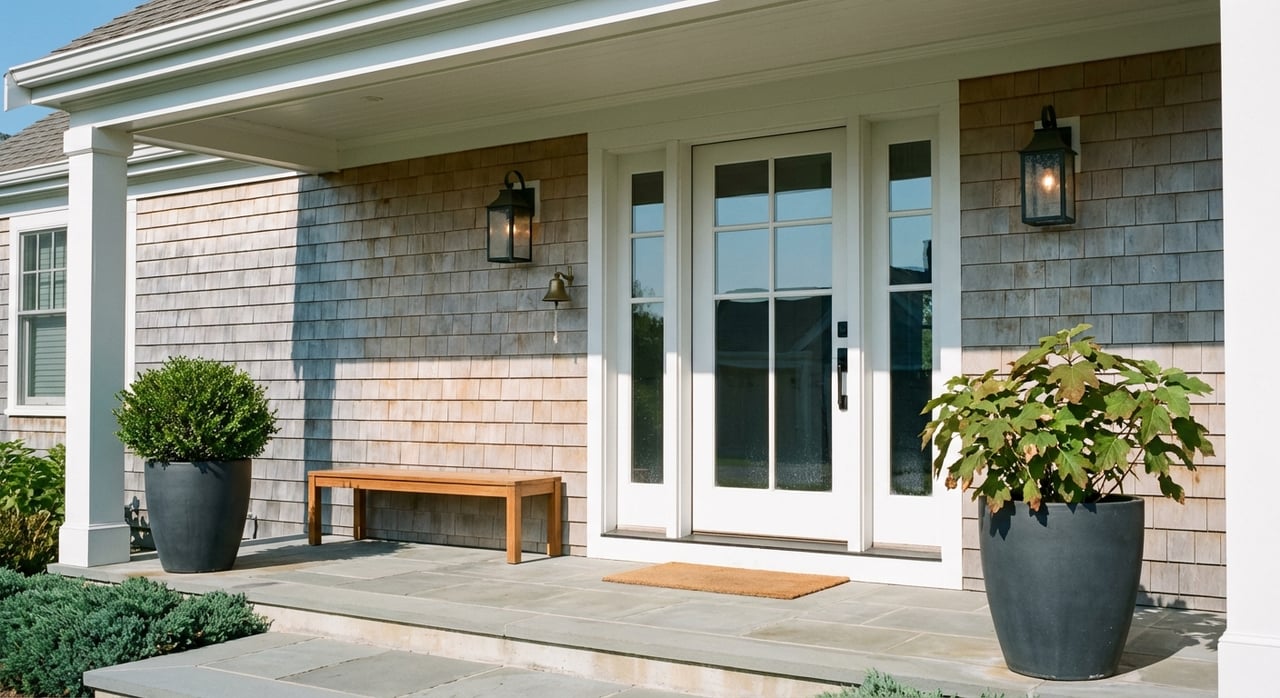
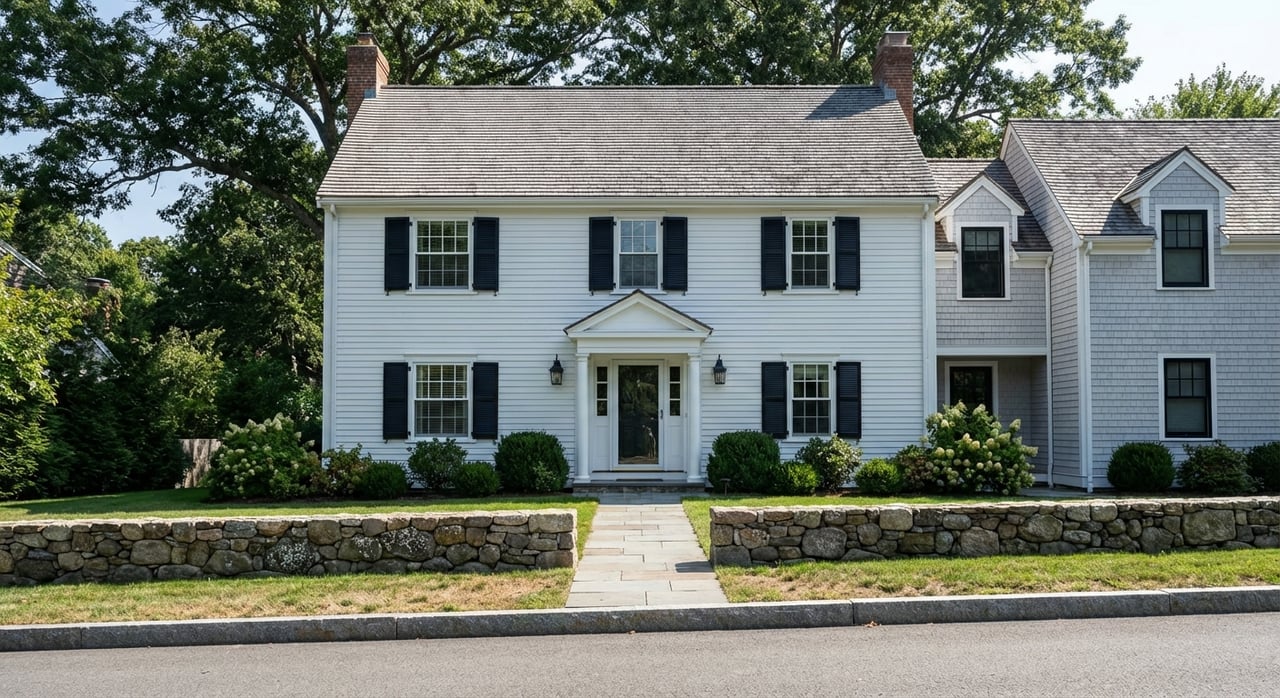
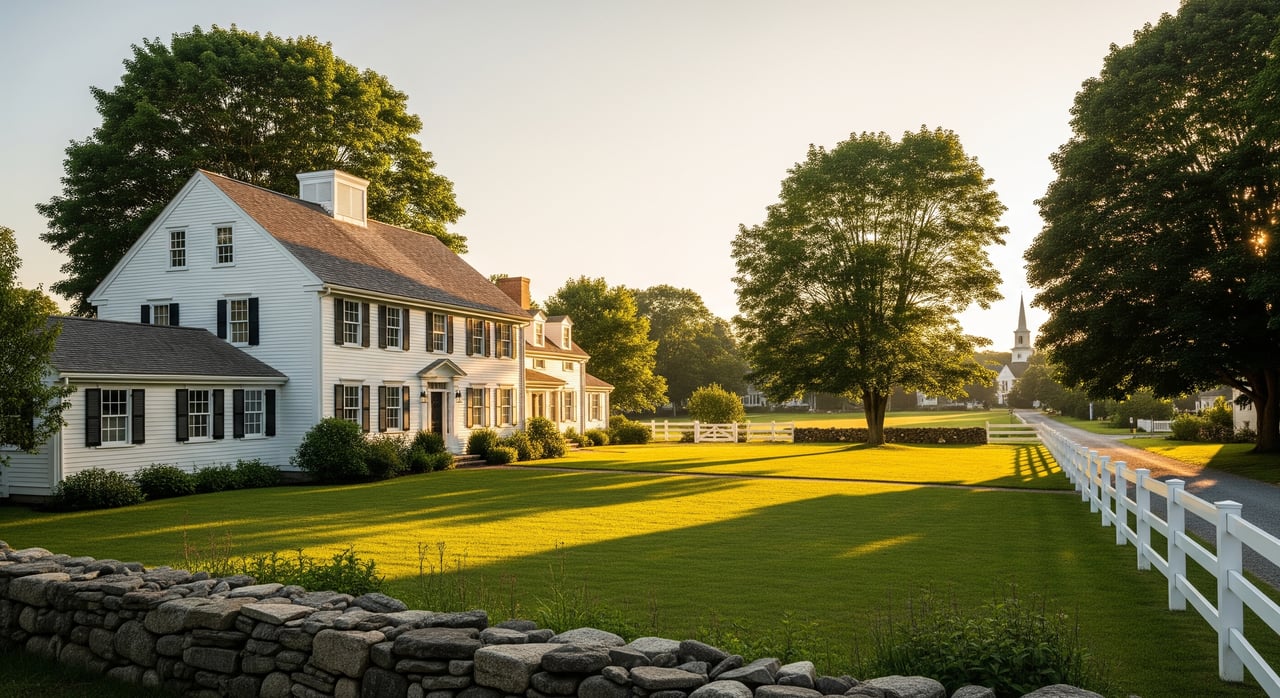
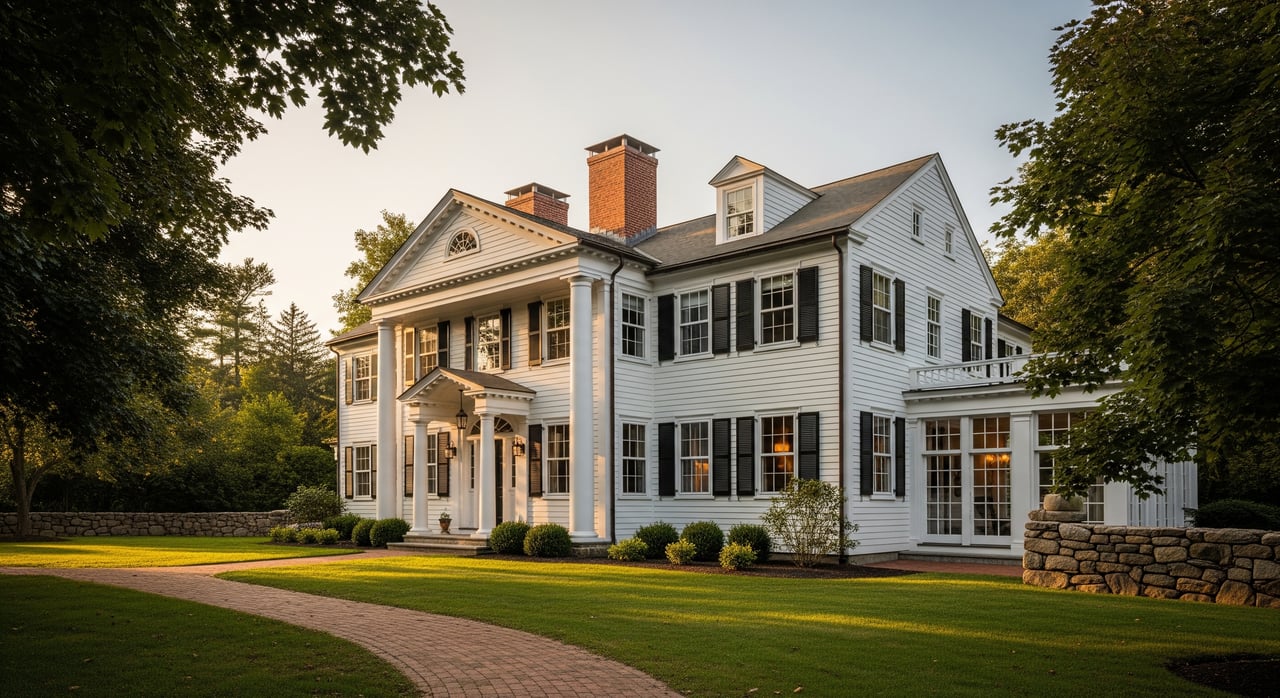
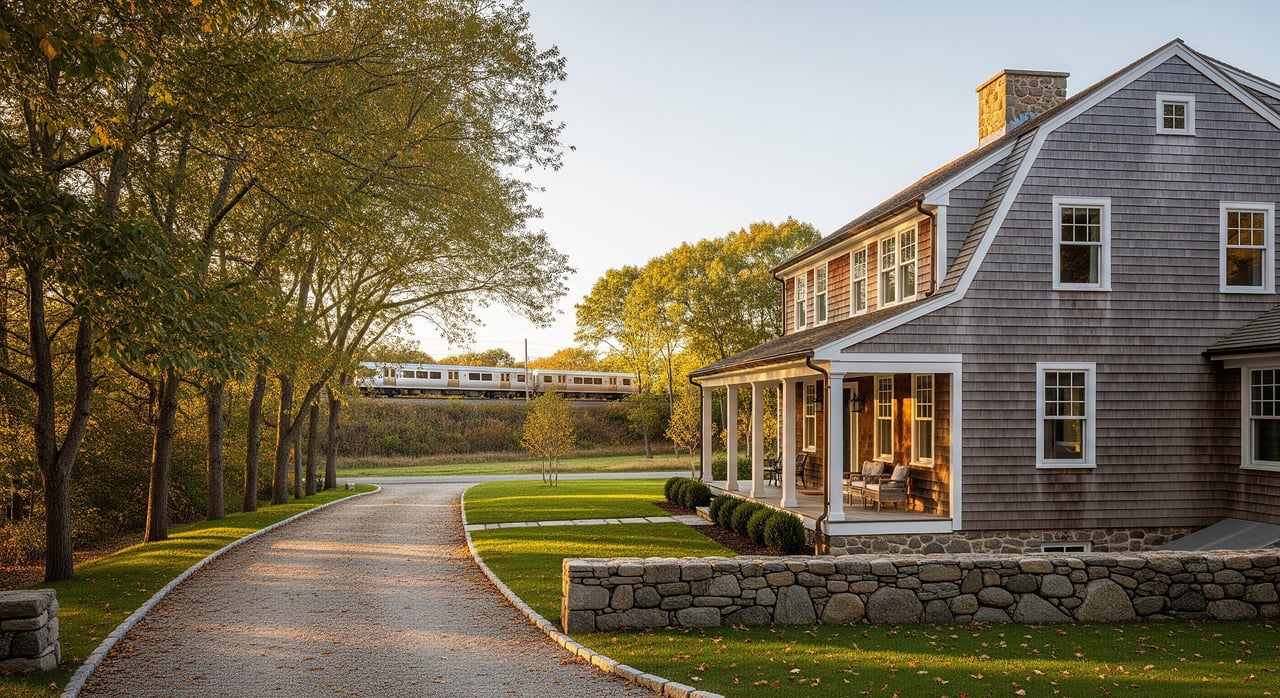
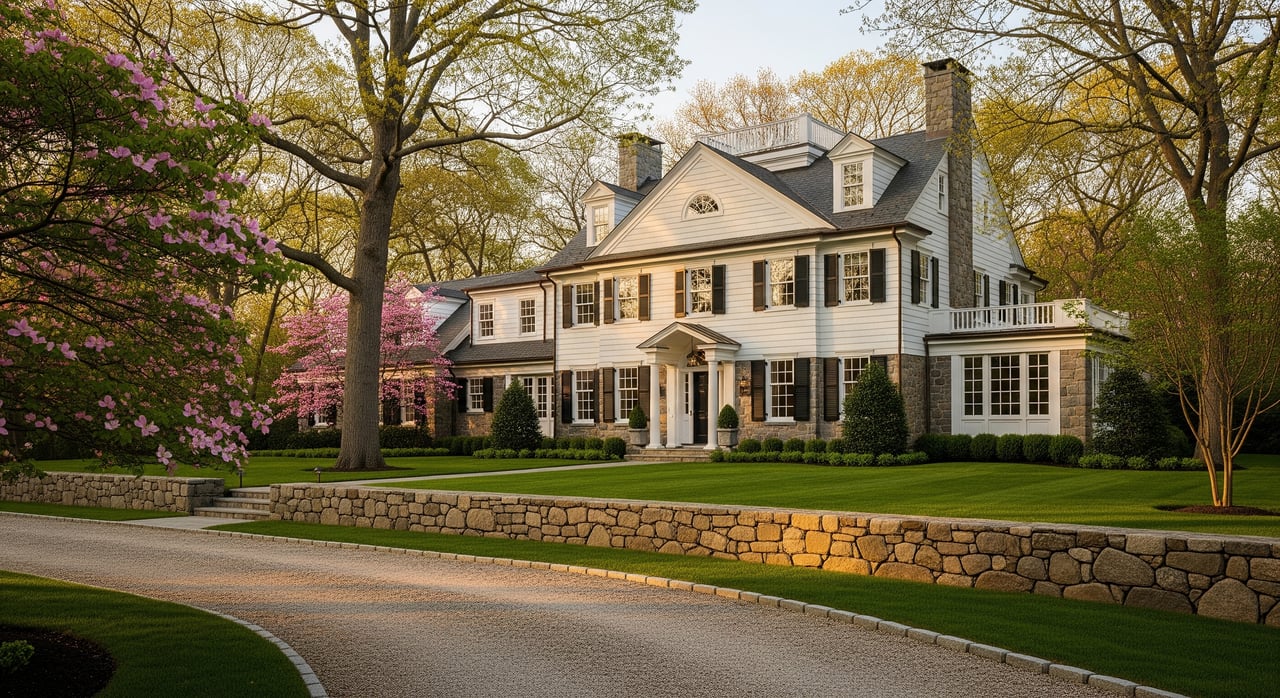
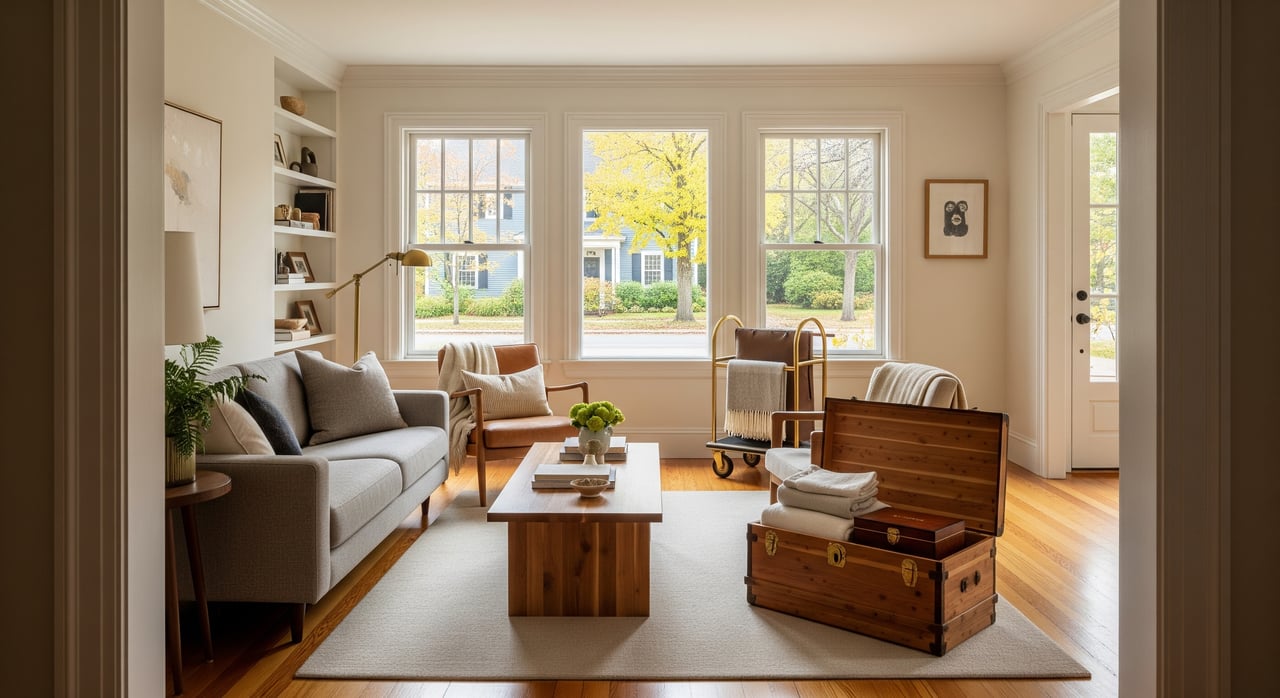
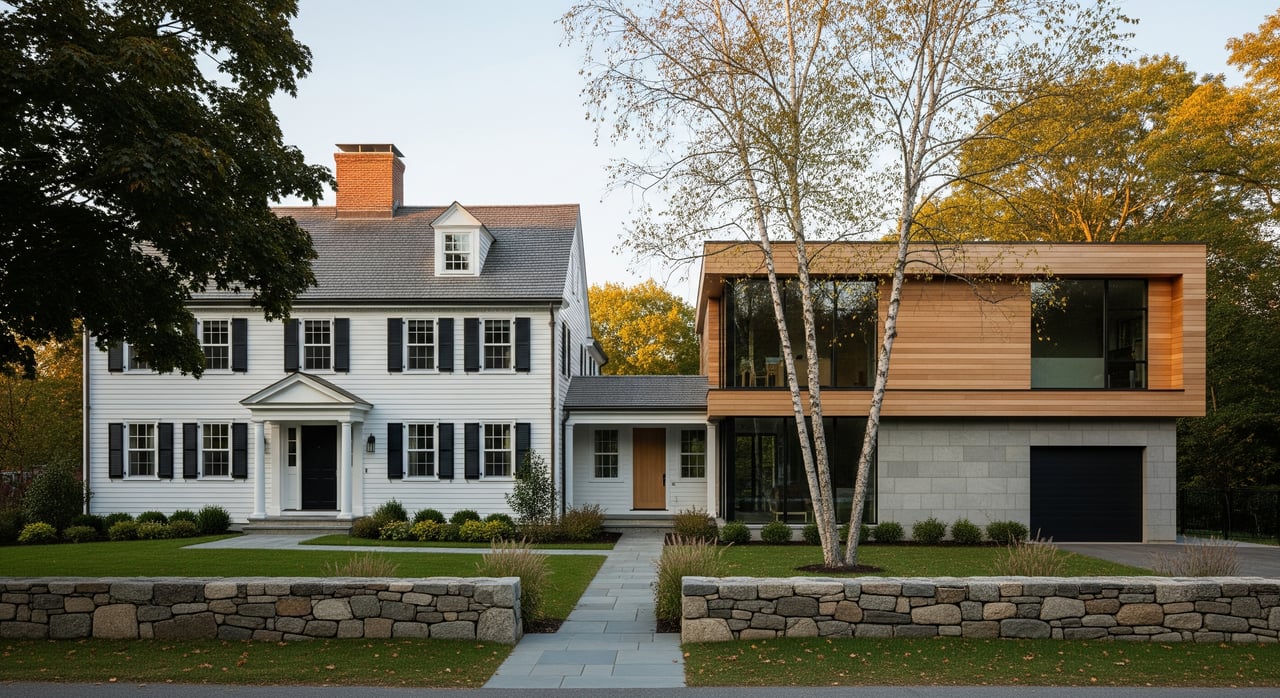
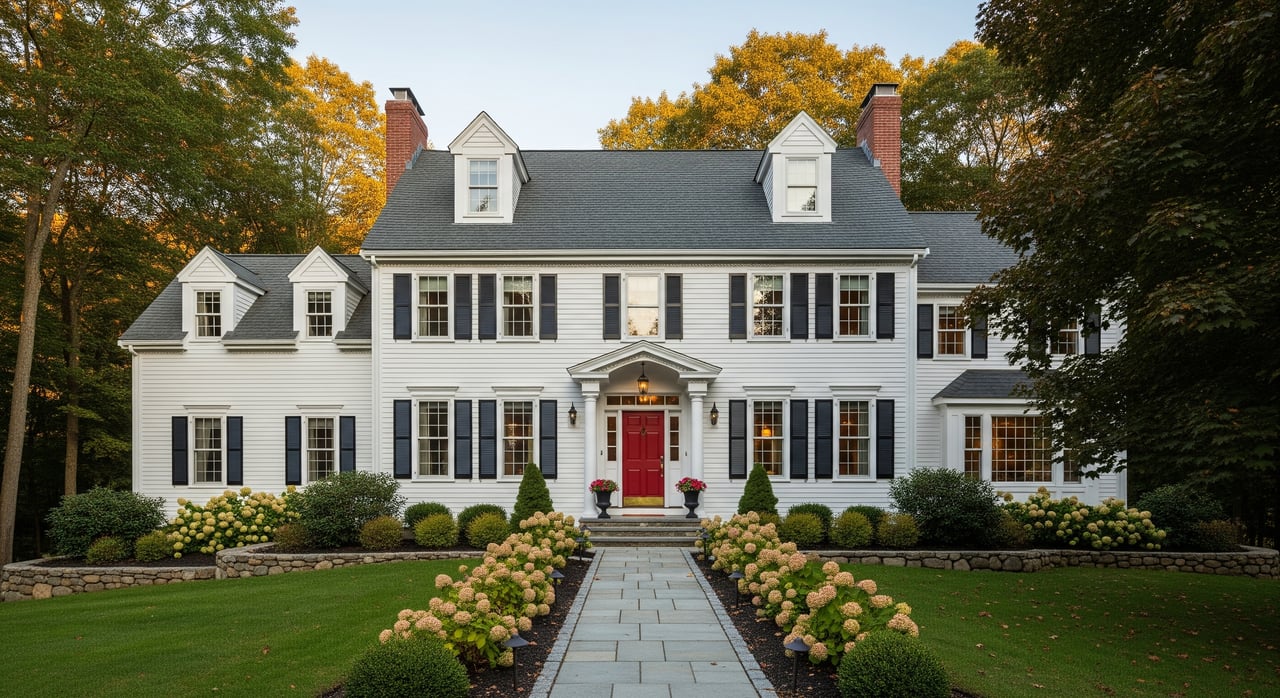
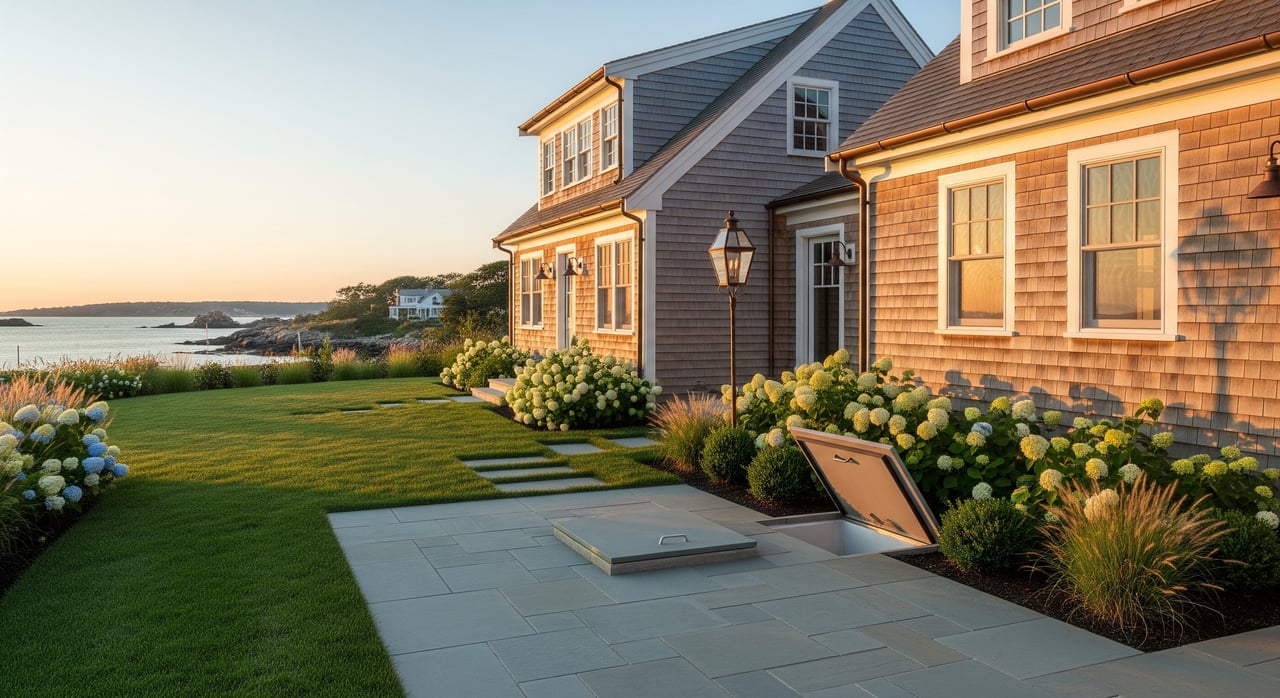
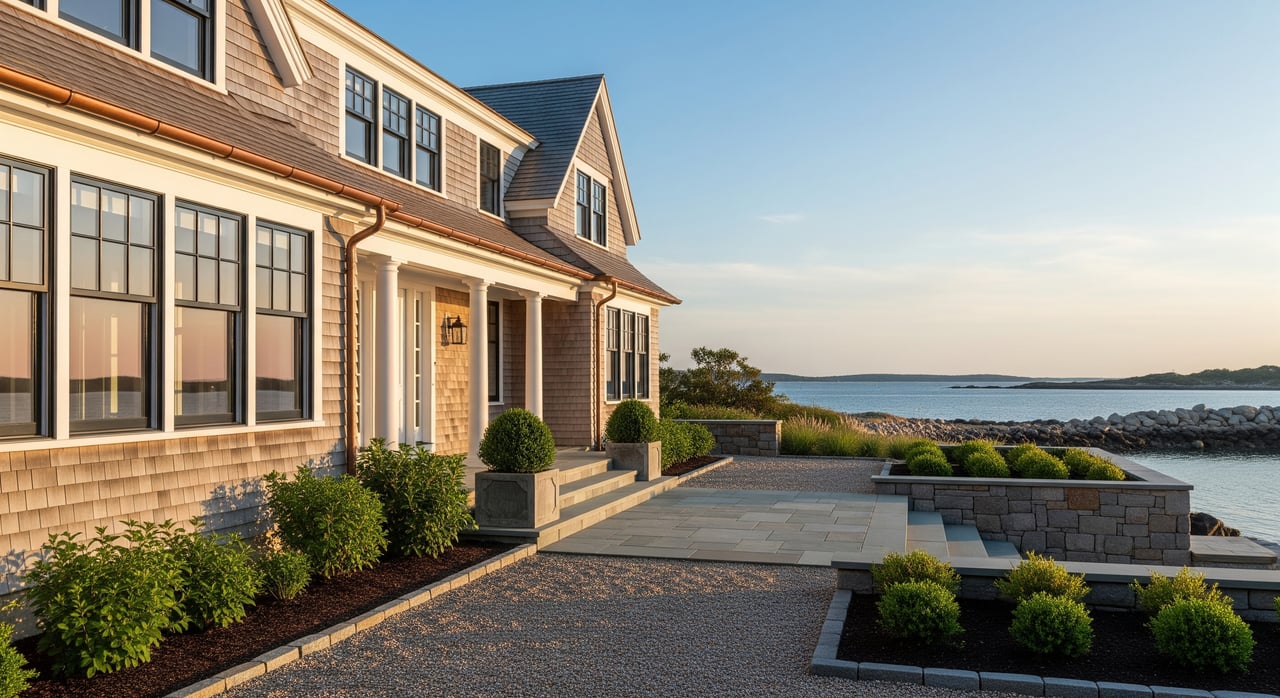
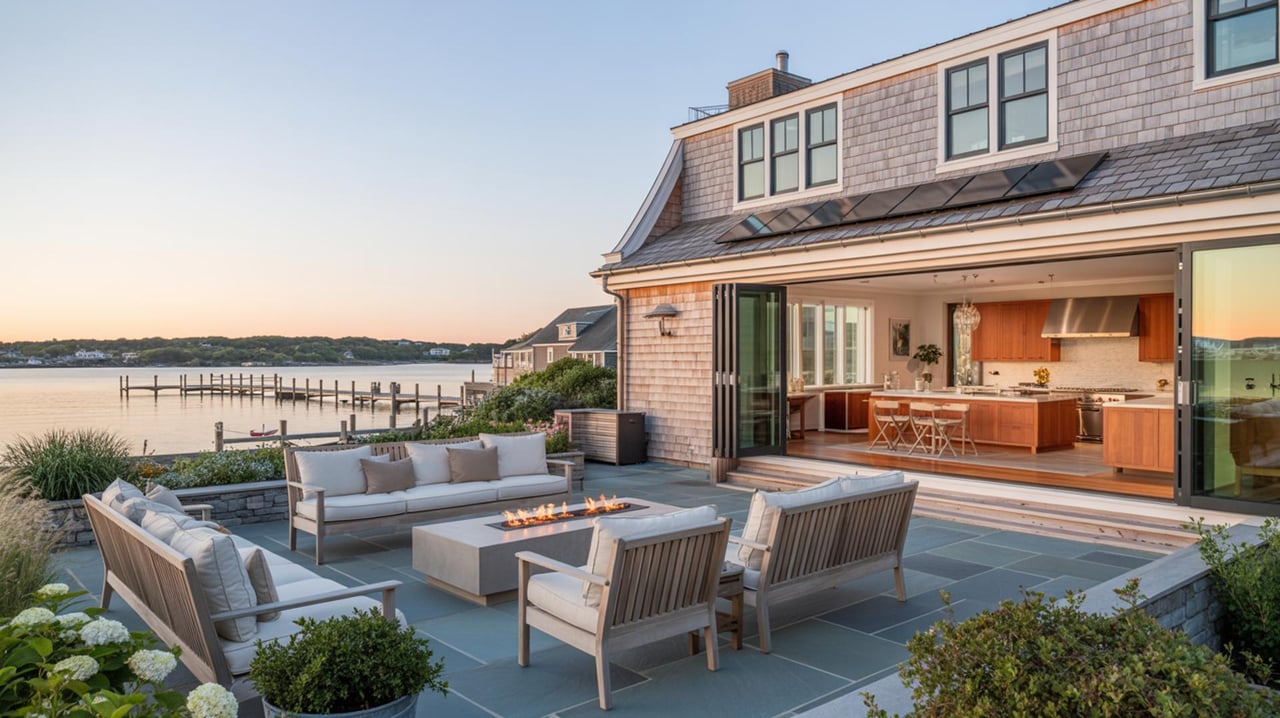
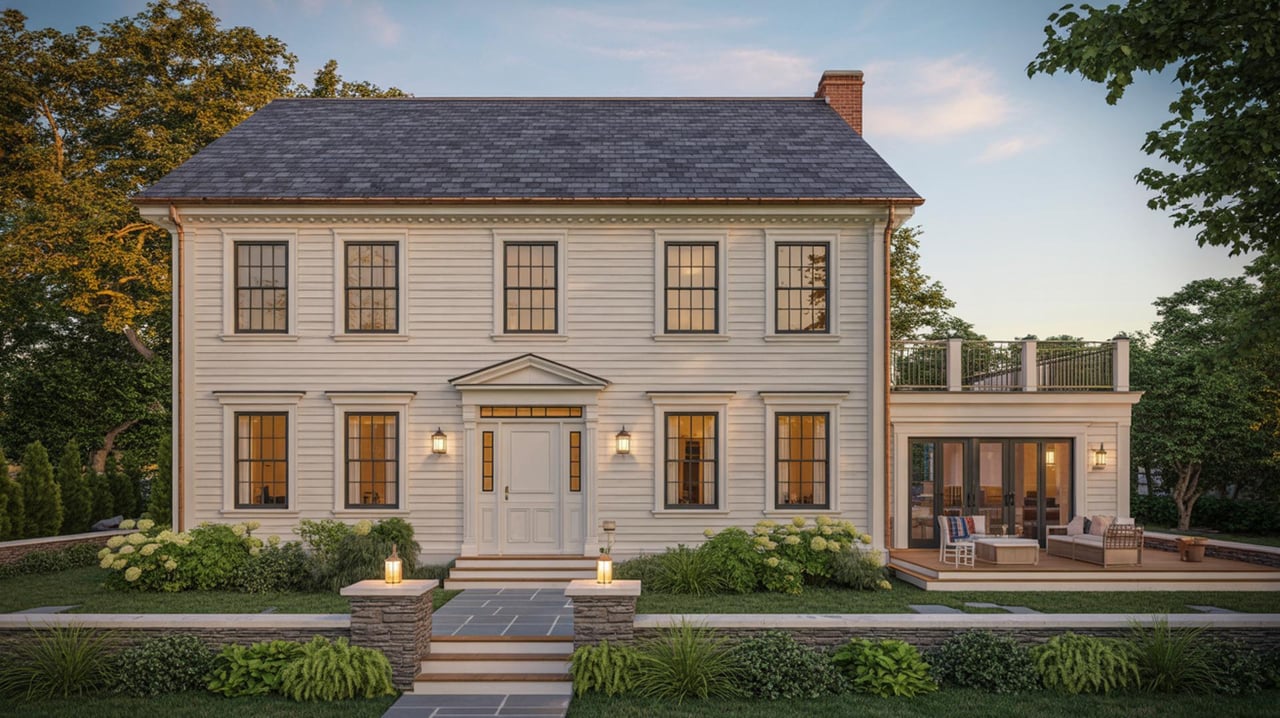
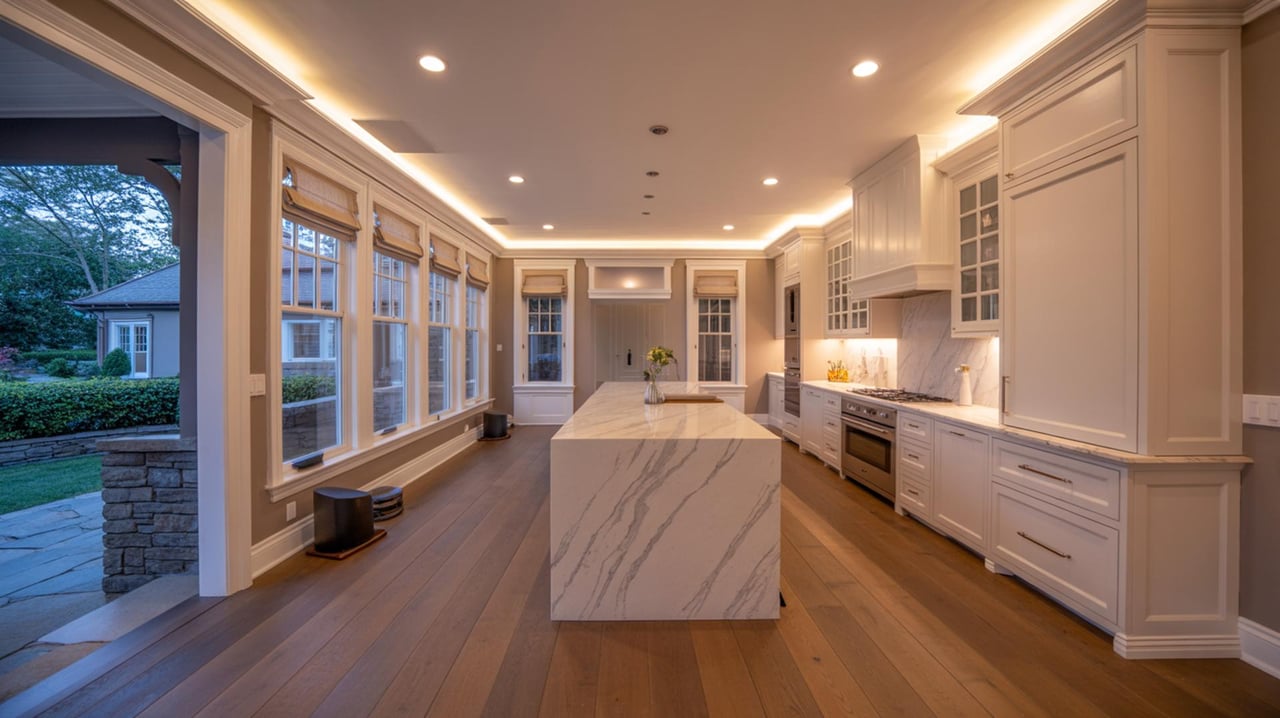
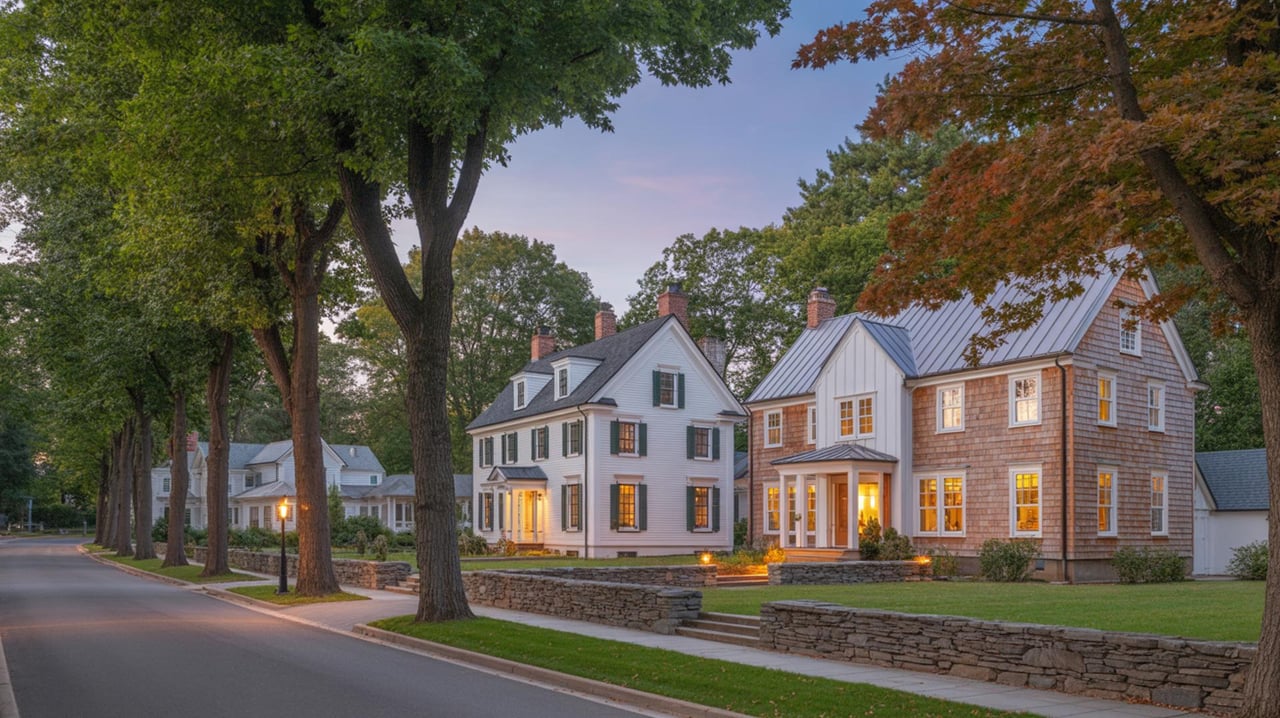
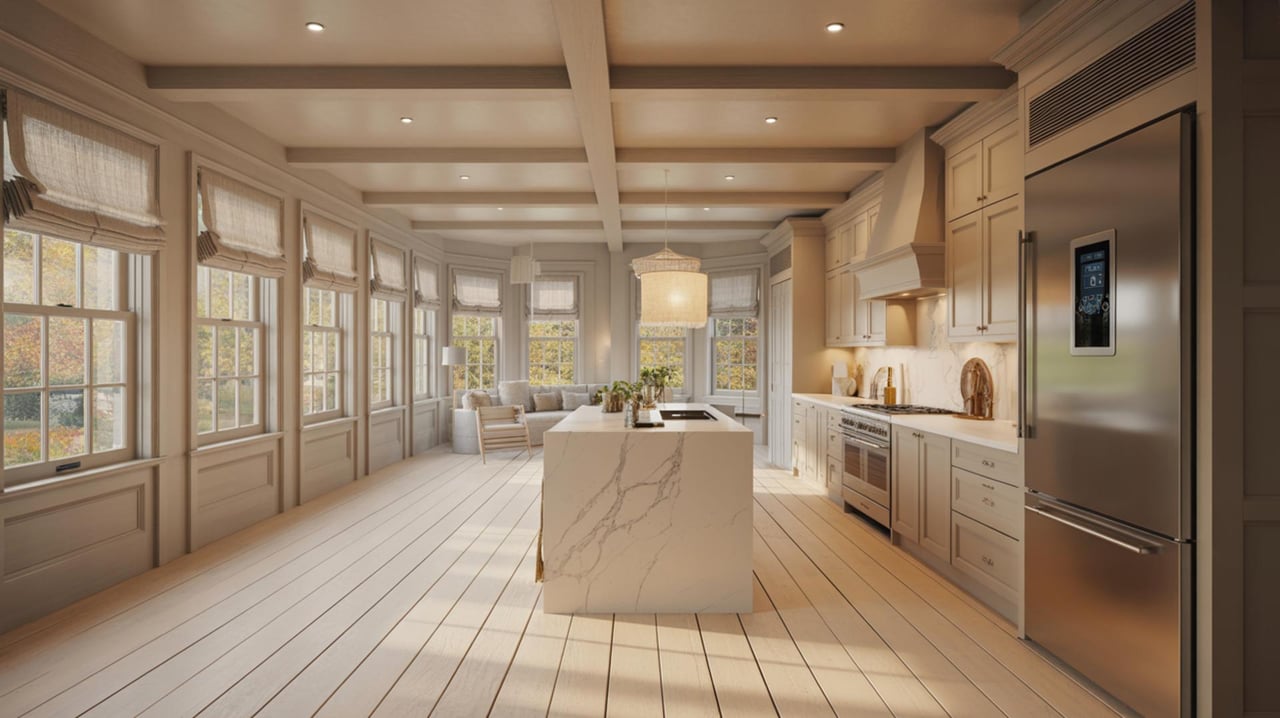
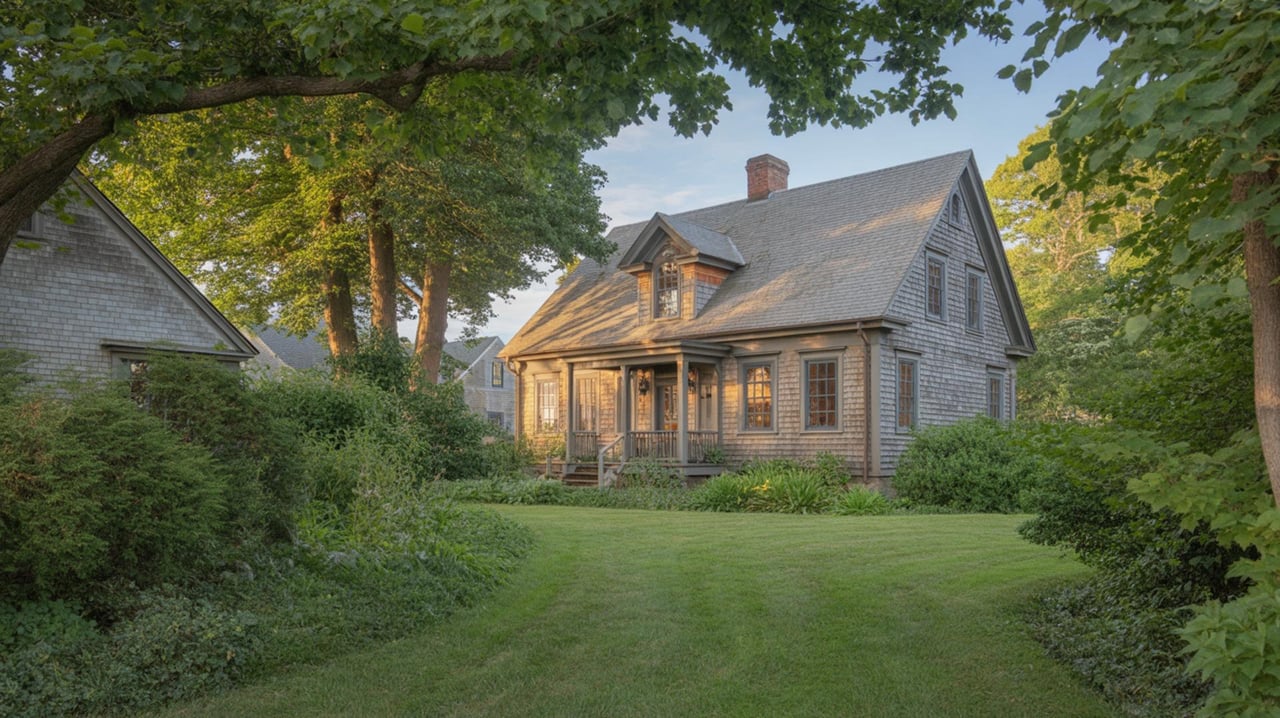
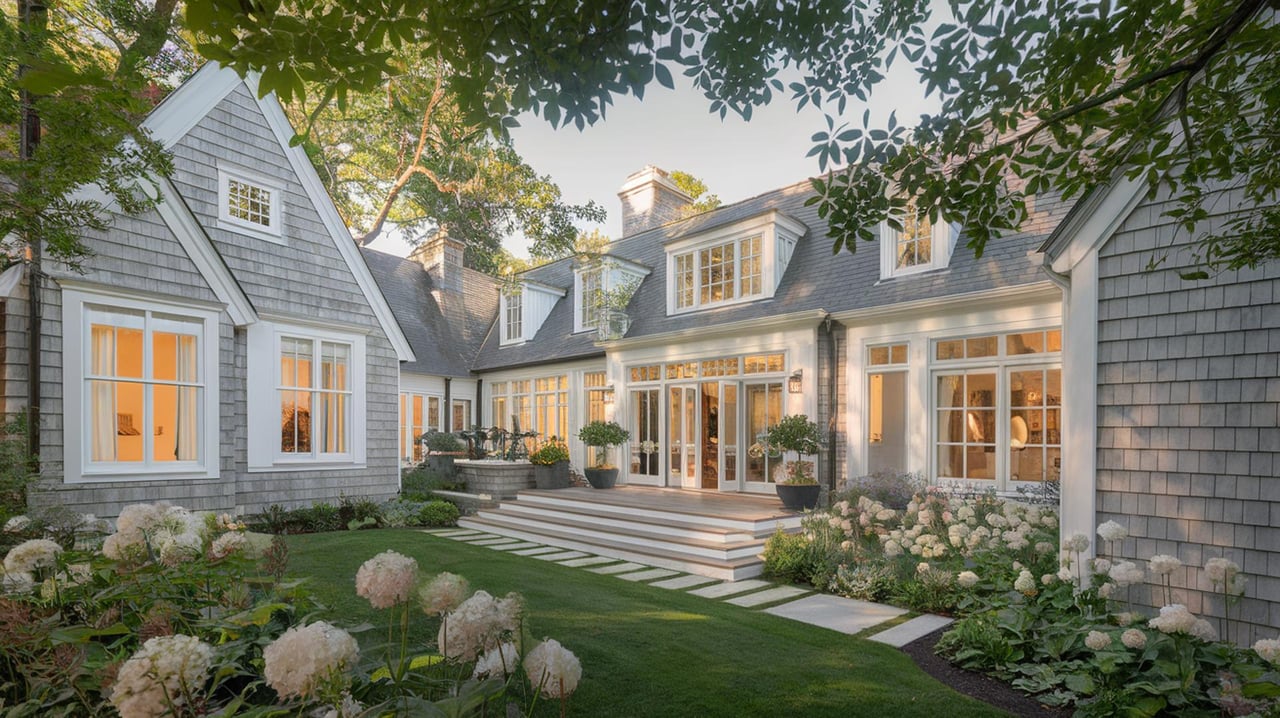
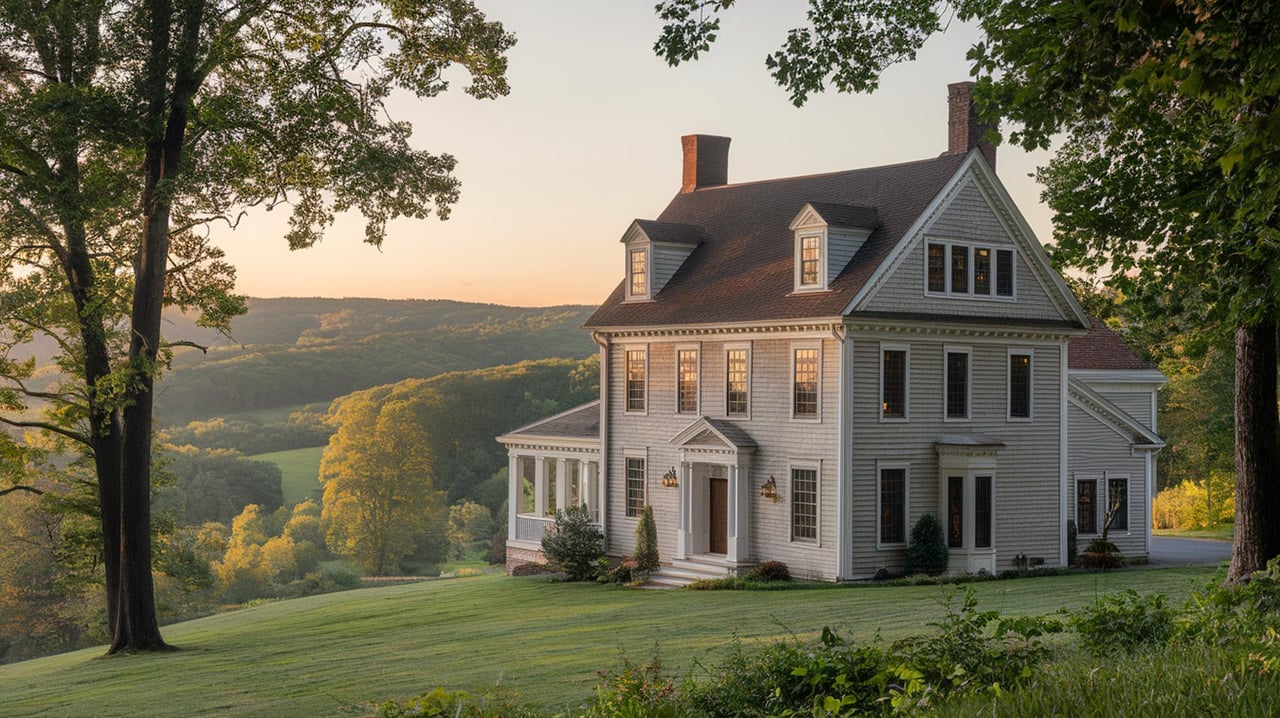
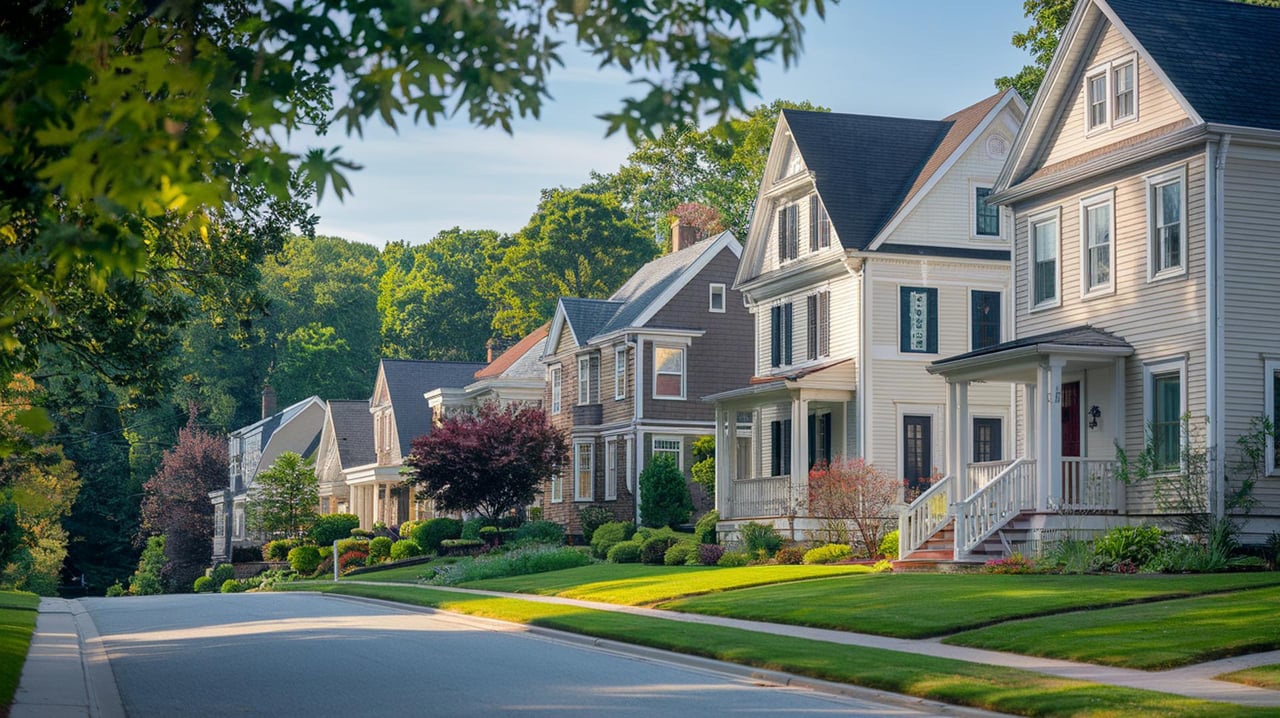
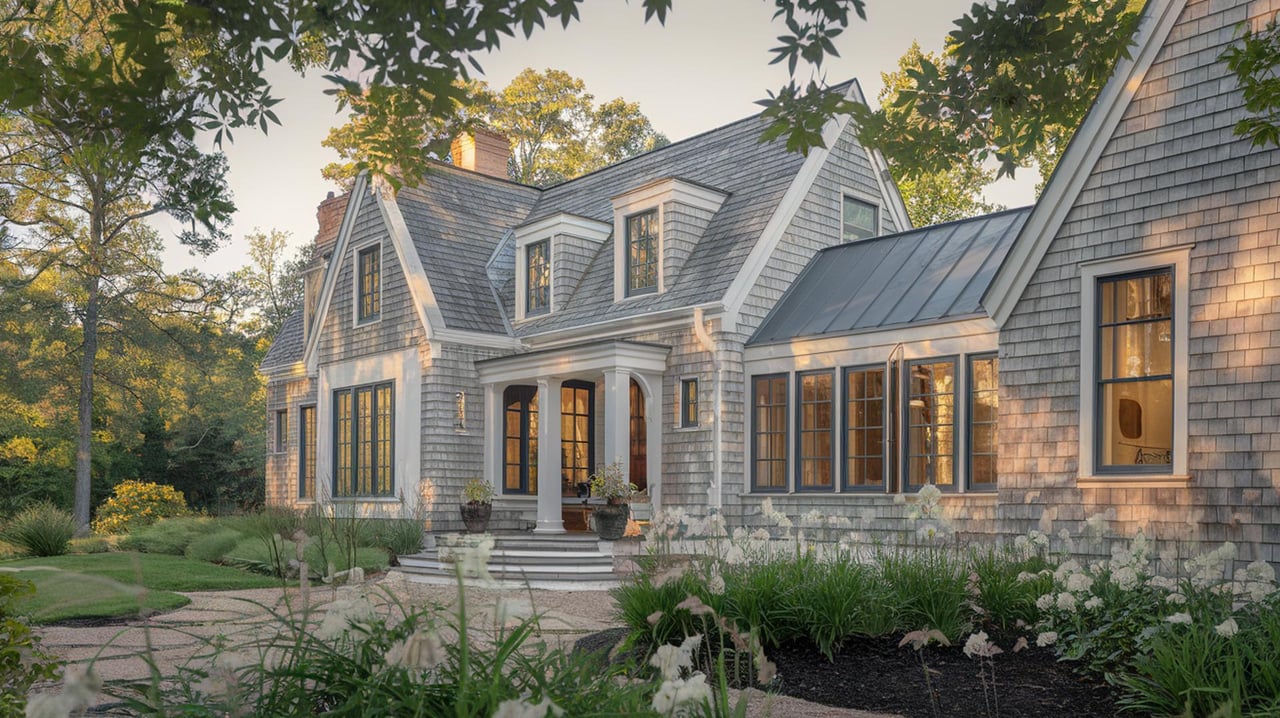
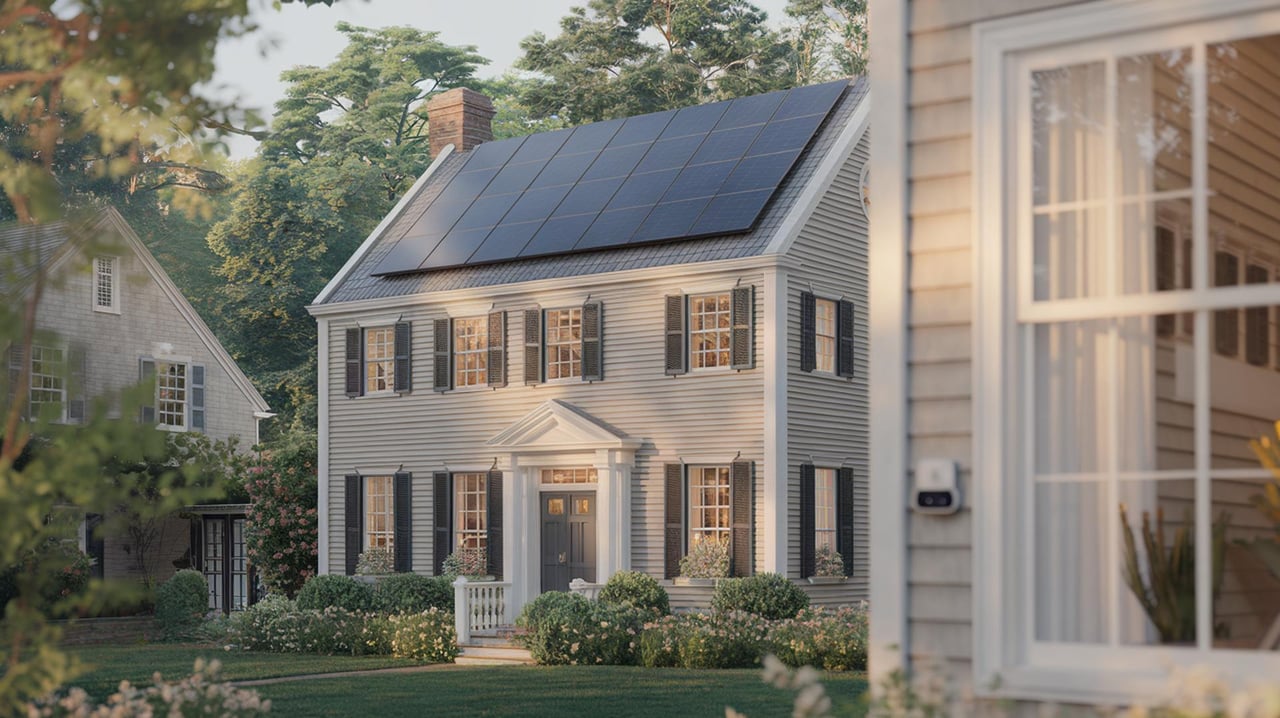
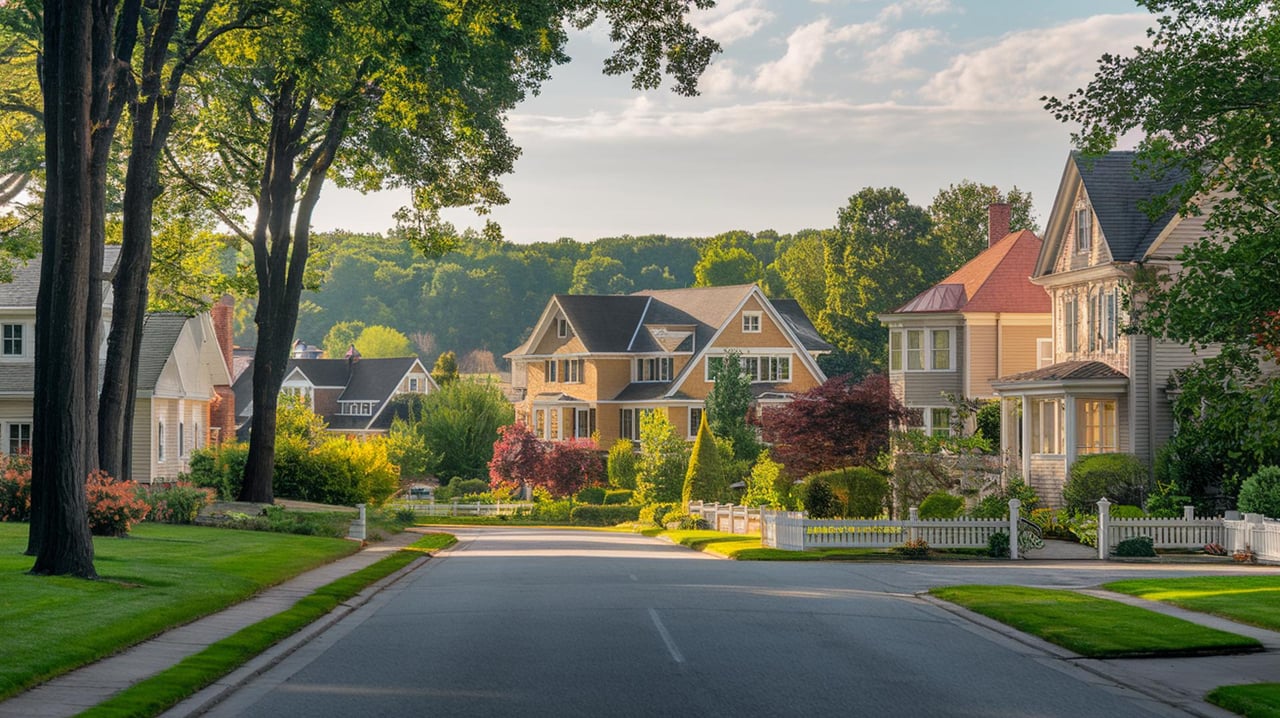
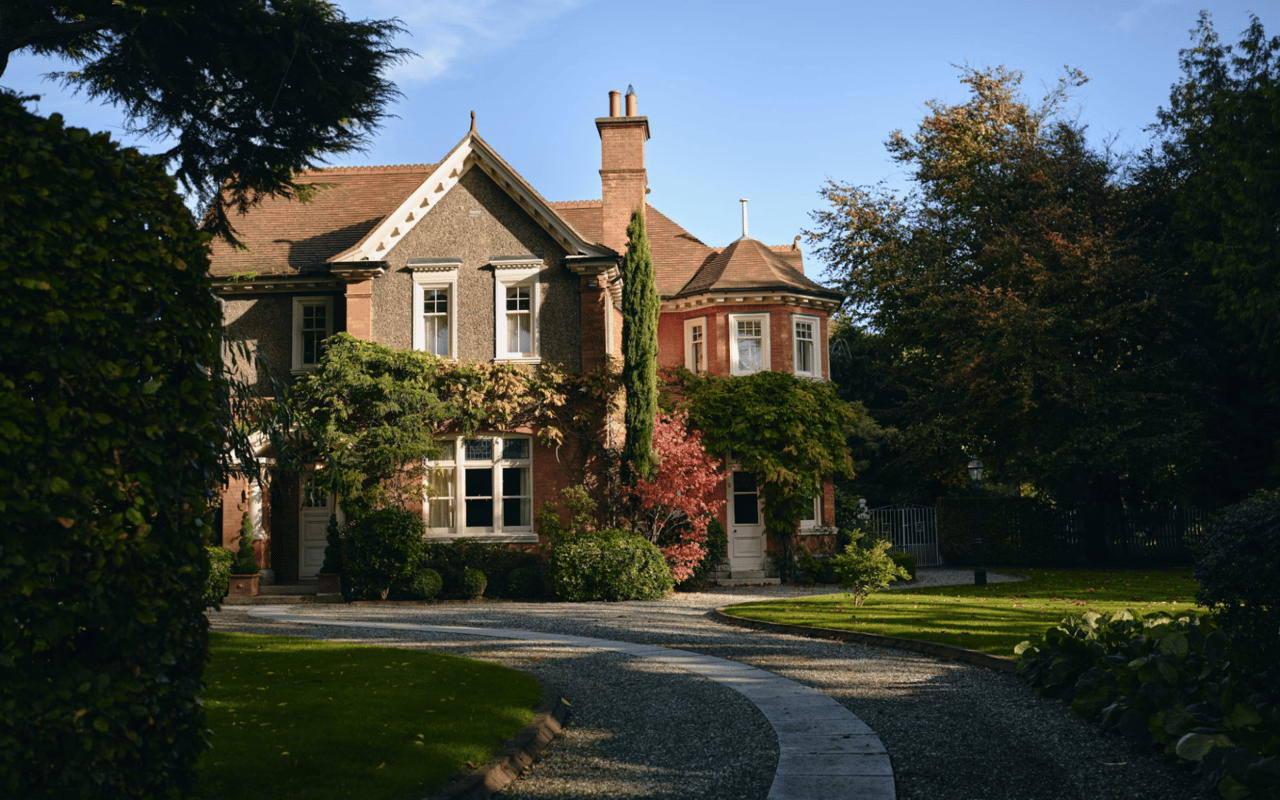
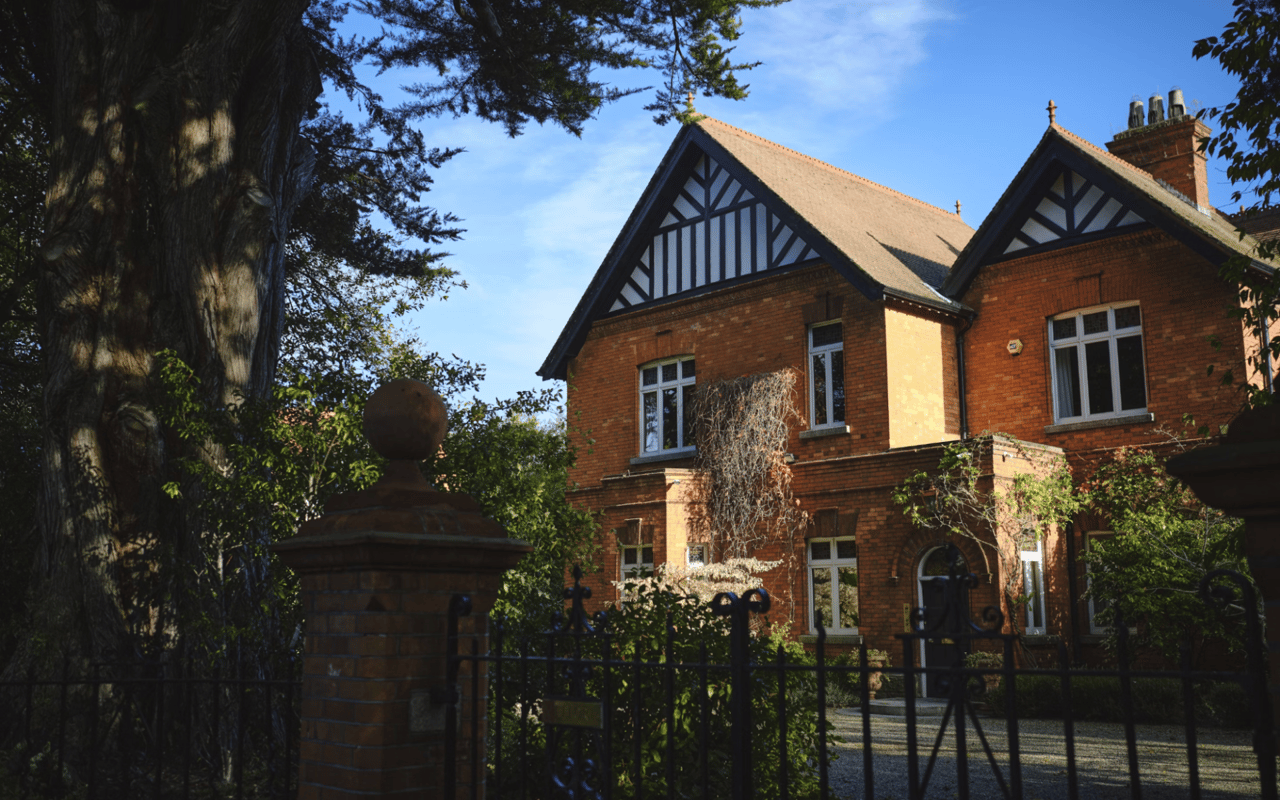
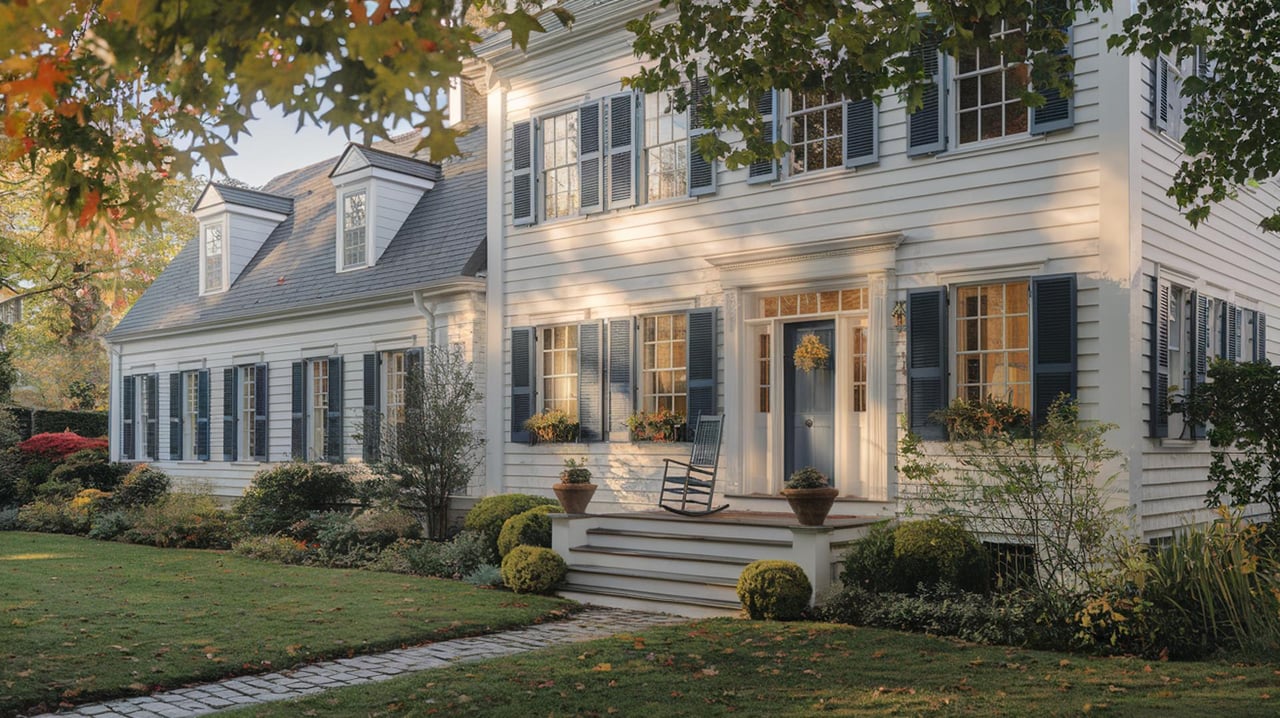
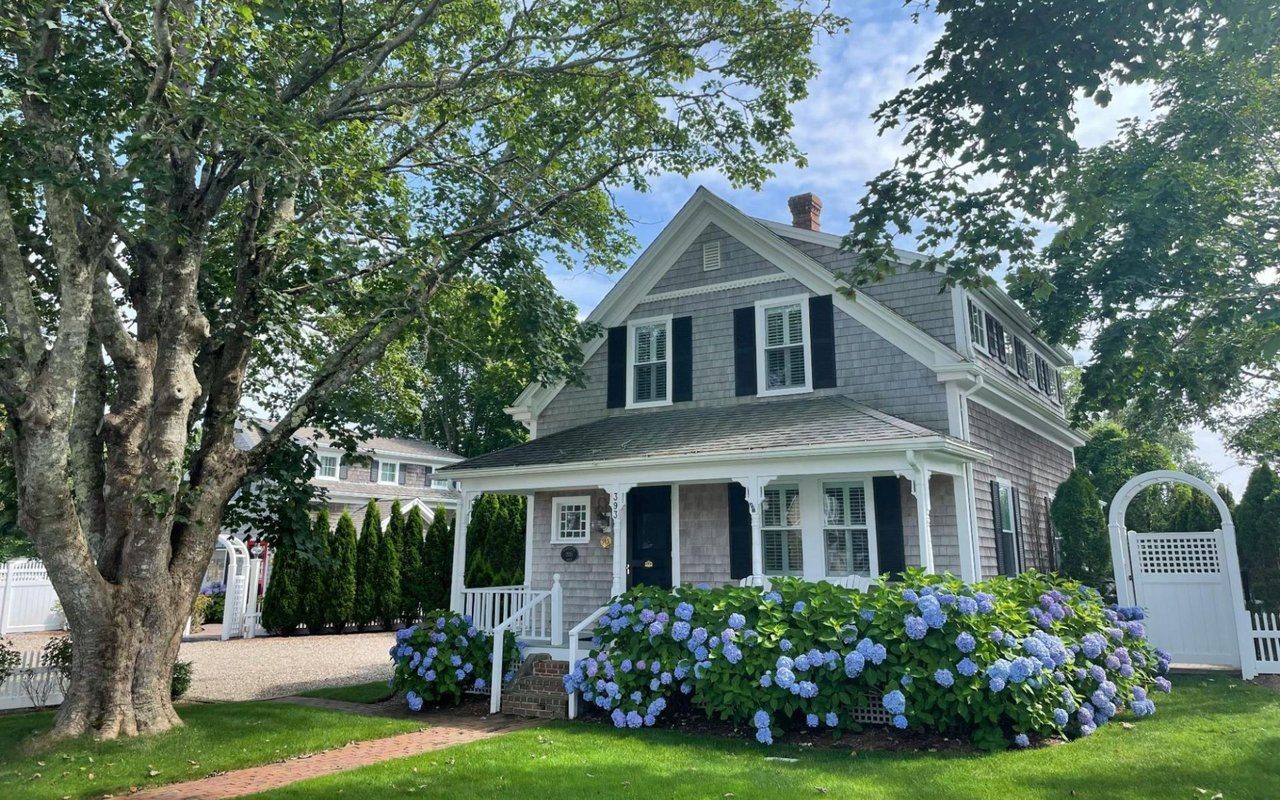
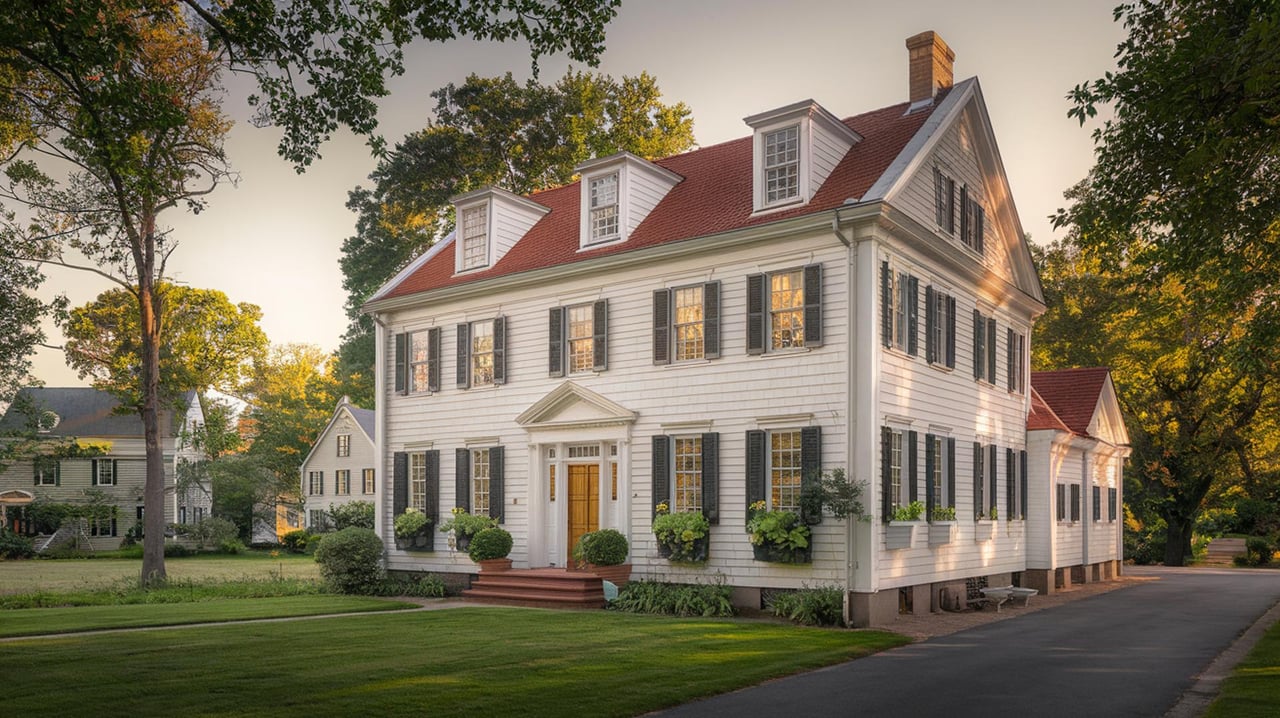
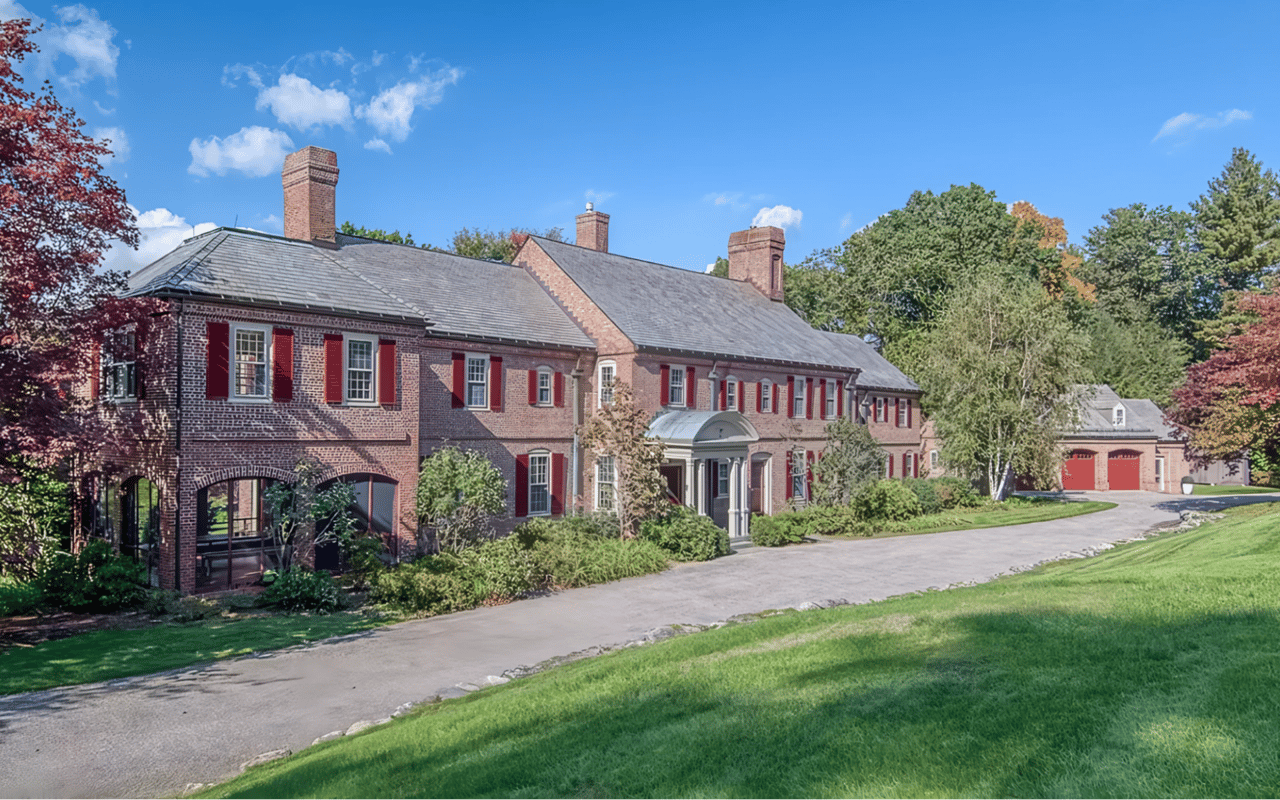
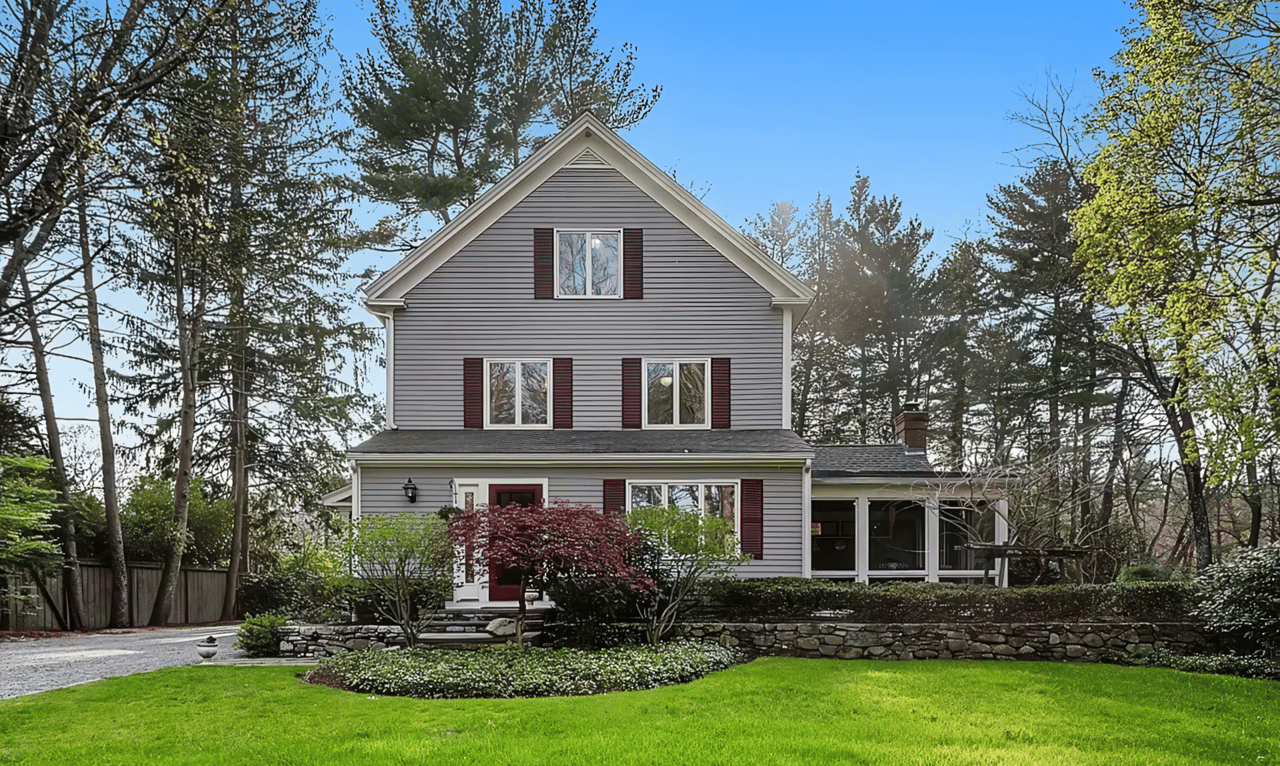
Homes here are primarily single-family on medium to large lots. You’ll see classic New England architecture, including Colonial, Federal, and Victorian-era homes, along with 20th and 21st century builds. Farmhouses and properties with acreage are part of the local fabric.
Compared with denser coastal towns, Hamilton–Wenham offers more room outdoors and a quieter, low-density feel. Multi-family options are limited, and apartment stock is scarce. Historically, homes in this area command a premium relative to regional averages due to the combination of open space, commuter access, and the shared school district. Inventory also tends to be tighter than in larger nearby cities. For current pricing, days on market, and supply trends, consult recent MLS reports.
Commuting and connectivity
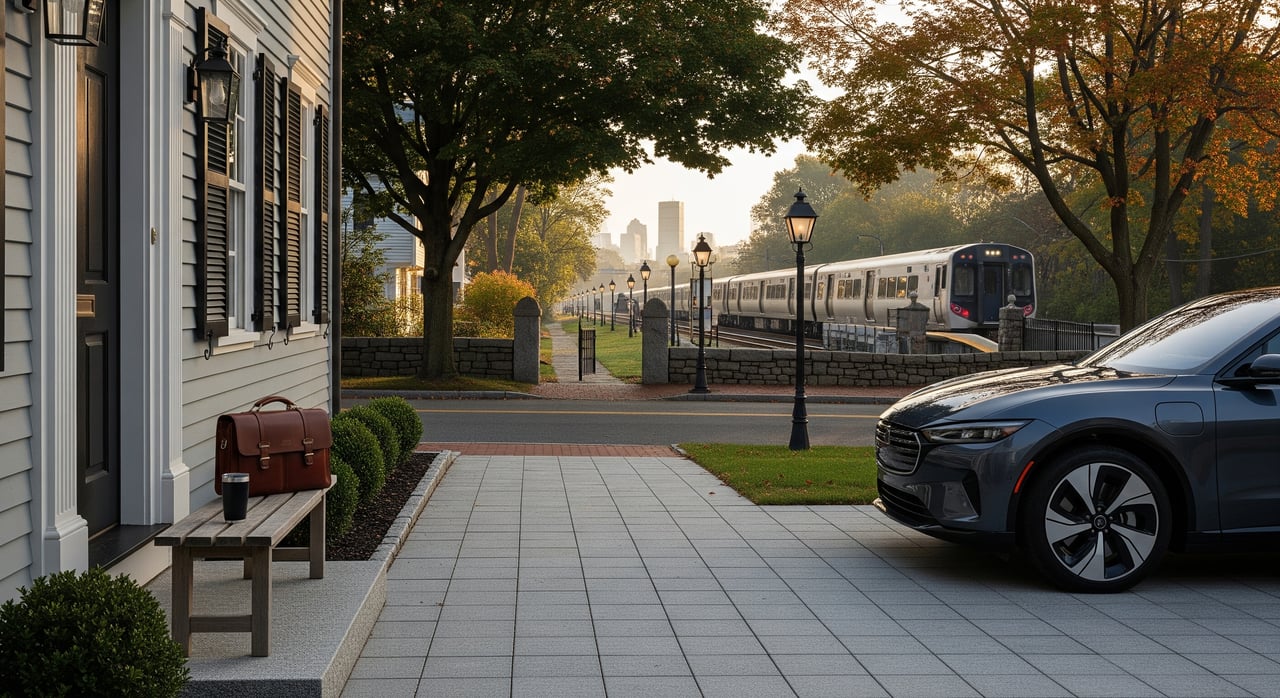
If you work in Boston or Cambridge, you have choices. The MBTA Commuter Rail serves the Hamilton/Wenham station on the Newburyport/Rockport Line, with typical travel times to North Station in the 30 to 50 minute range depending on the train. Check the MBTA Commuter Rail schedules for current timetables and any updates.
Driving to downtown Boston commonly takes about 35 to 60 minutes outside peak traffic, with variability based on route and time of day. For everyday errands, you are a short drive from Beverly, Salem, and Ipswich. Many residents pair a rail commute a few days a week with remote work, which fits the area’s residential pace.
How Hamilton–Wenham compares nearby
Understanding the tradeoffs helps you decide if this lifestyle fits your priorities.
- Compared with Ipswich and Essex. Those towns are more coastal and tourist-facing, with historic waterfronts and seafood-focused commerce. Hamilton–Wenham is quieter and more oriented to farmland, open space, and trails.
- Compared with Beverly and Salem. Beverly and Salem offer larger downtowns, more restaurants, hospitals, and cultural institutions. Hamilton–Wenham delivers a village-scale experience with less traffic, fewer urban amenities, and a stronger rural-suburban feel.
- Compared with Manchester-by-the-Sea and Rockport. These are compact coastal resort towns with a higher concentration of seaside property and visitors. In Hamilton–Wenham, you’ll find larger lots and easier access to fields and equestrian properties rather than oceanfront.
Practical planning for buyers
A smooth purchase comes down to a few practical checks. Here are key items to consider as you tour properties and plan offers.
- Schools and enrollment. Both towns are served by the Hamilton–Wenham Regional School District. To understand academics, programs, and state-reported metrics, review Massachusetts school profiles on the Department of Elementary and Secondary Education site.
- Taxes and municipal services. Property tax rates and annual bills vary by town. Confirm the latest numbers and services through Hamilton’s official site and Wenham’s official site.
- Sewer, water, and septic. Parts of these towns rely on private septic systems and wells. If municipal sewer is important to you, ask for current sewer maps and confirm utility connections during due diligence.
- Flooding and resilience. Much of Hamilton–Wenham sits above tidal floodplain, though low-lying parcels near rivers, marshes, or Wenham Lake may have drainage or flood considerations. Review parcel locations on the FEMA Flood Map Service Center and consult local conservation and zoning maps as you evaluate risk.
- Broadband and mobile service. Coverage can vary on rural-feeling roads and larger lots. Confirm provider options and speeds for addresses you are considering.
- Zoning and land use. Agricultural and equestrian uses, minimum lot sizes, and historic district protections can affect how you renovate, keep animals, or add accessory structures. Start with the towns’ planning and zoning departments for clarity on what is allowed.
Is Hamilton–Wenham a fit for you?
Choose Hamilton–Wenham if you want a quieter daily pace and care about open space. You will trade big-city convenience for village centers and scenic drives, but you gain trails, fields, and a strong conservation presence. If you appreciate horse culture, enjoy farm-to-table routines, and like the option of a rail commute to Boston, life here aligns well.
If you are weighing a move or planning a sale, connect with Peggy Dowcett for a thoughtful, high-touch strategy. Peggy blends deep North Shore insight with polished marketing and team-backed execution to help you buy confidently or position your home for maximum visibility.
FAQs
How walkable are Hamilton and Wenham town centers?
- Each town has a small, pedestrian-friendly village area with sidewalks and short blocks, but most residents drive for larger shopping trips and services in nearby cities.
What is the MBTA commute like from Hamilton/Wenham to Boston?
- The Hamilton/Wenham station on the Newburyport/Rockport Line offers typical rides to North Station in about 30 to 50 minutes, with timing based on the specific train and time of day. Check MBTA Commuter Rail schedules before you go.
Where can you explore open space near Hamilton–Wenham?
- Start with Appleton Farms for meadows, trails, and a working farm experience, then branch out to nearby coastal marshes and reservations that are a short drive away.
Is Hamilton–Wenham horse friendly for property owners?
- Yes. Equestrian uses are common, and the area includes the historic Myopia Hunt Club. Always verify local zoning and permitting with Hamilton or Wenham if you plan barns, fencing, or riding facilities.
What housing types and lot sizes are typical here?
- You’ll mainly find single-family homes on medium to large lots, including historic properties and newer builds. Multi-family and apartment options are limited compared with larger nearby cities.
How do schools work for residents of Hamilton and Wenham?
- Both towns are served by the Hamilton–Wenham Regional School District. To review state-reported data and profiles, visit the Massachusetts DESE site.
Are there public beaches in Hamilton or Wenham?
- These towns are inland, but popular beaches such as those in Ipswich or Plum Island are within a short drive. Wenham Lake is a reservoir with restricted access, so check current town rules if you are planning water activities.