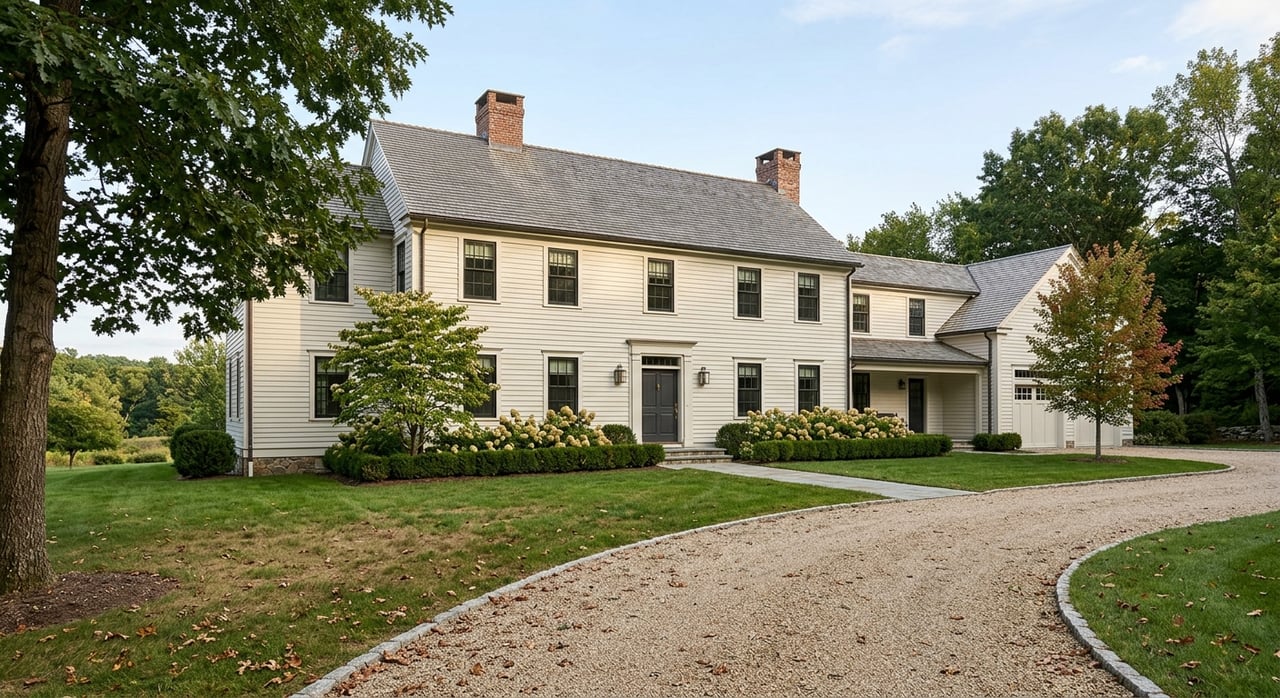
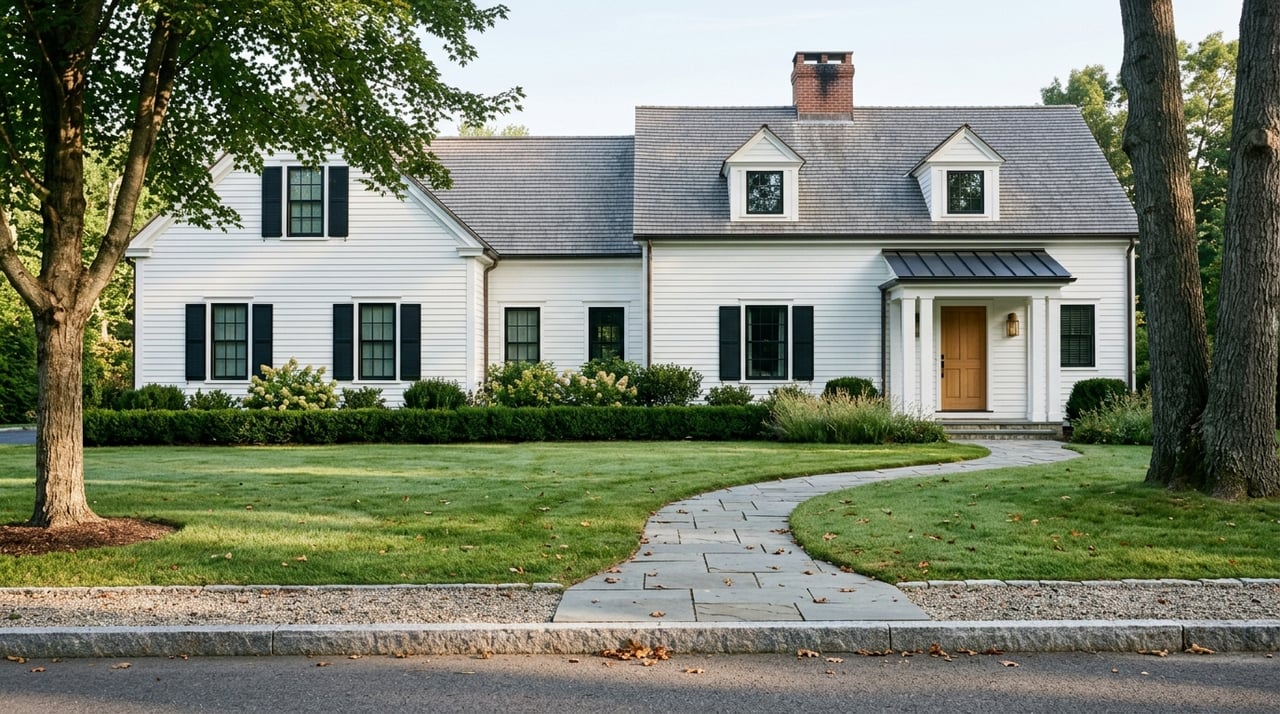
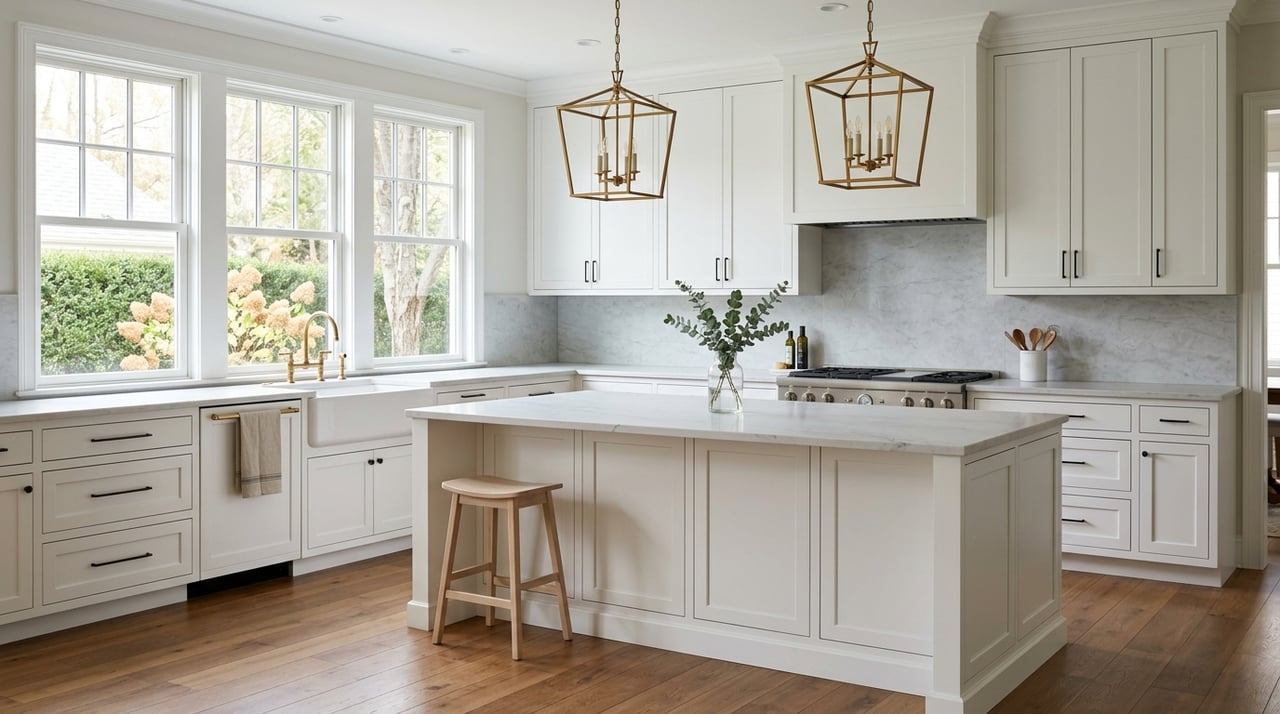
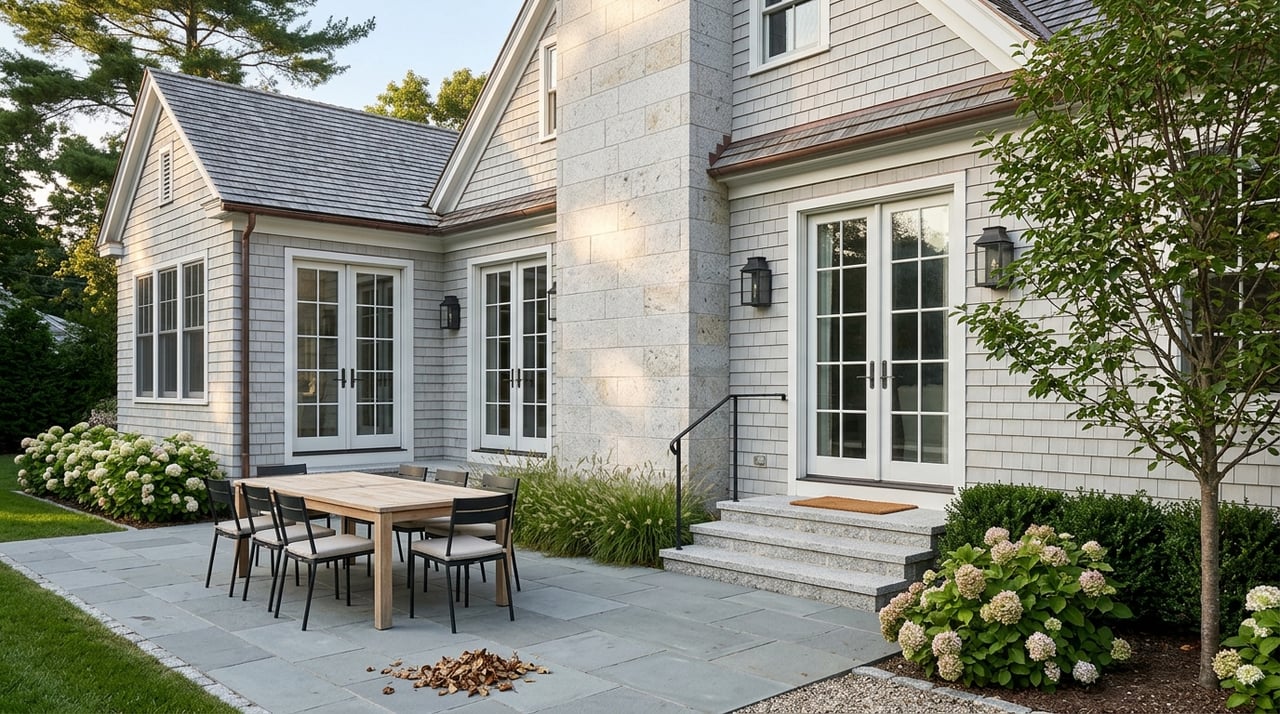
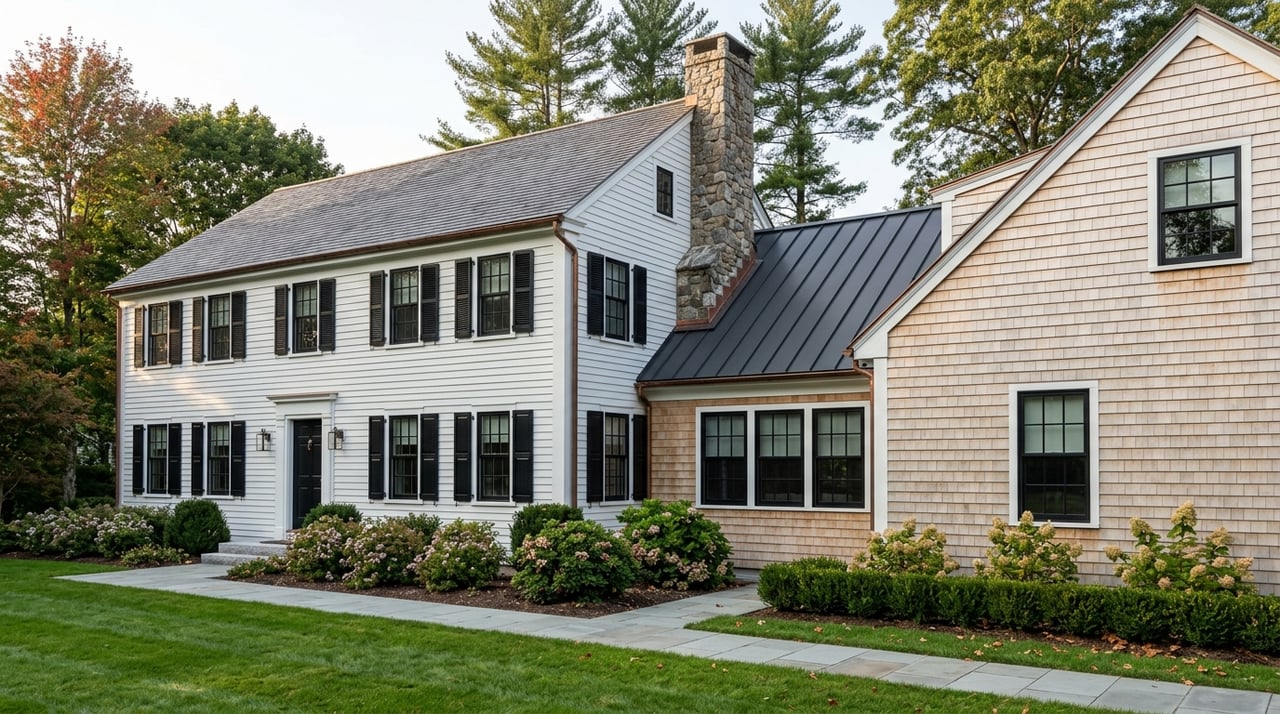
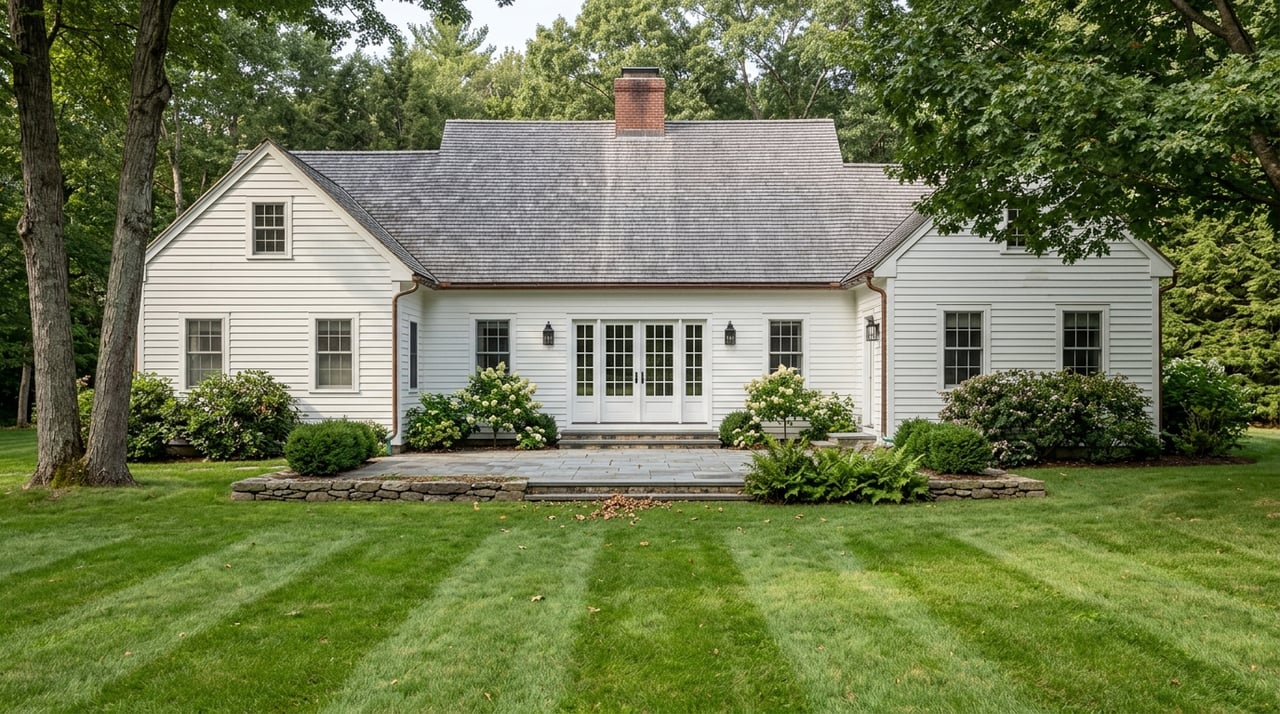
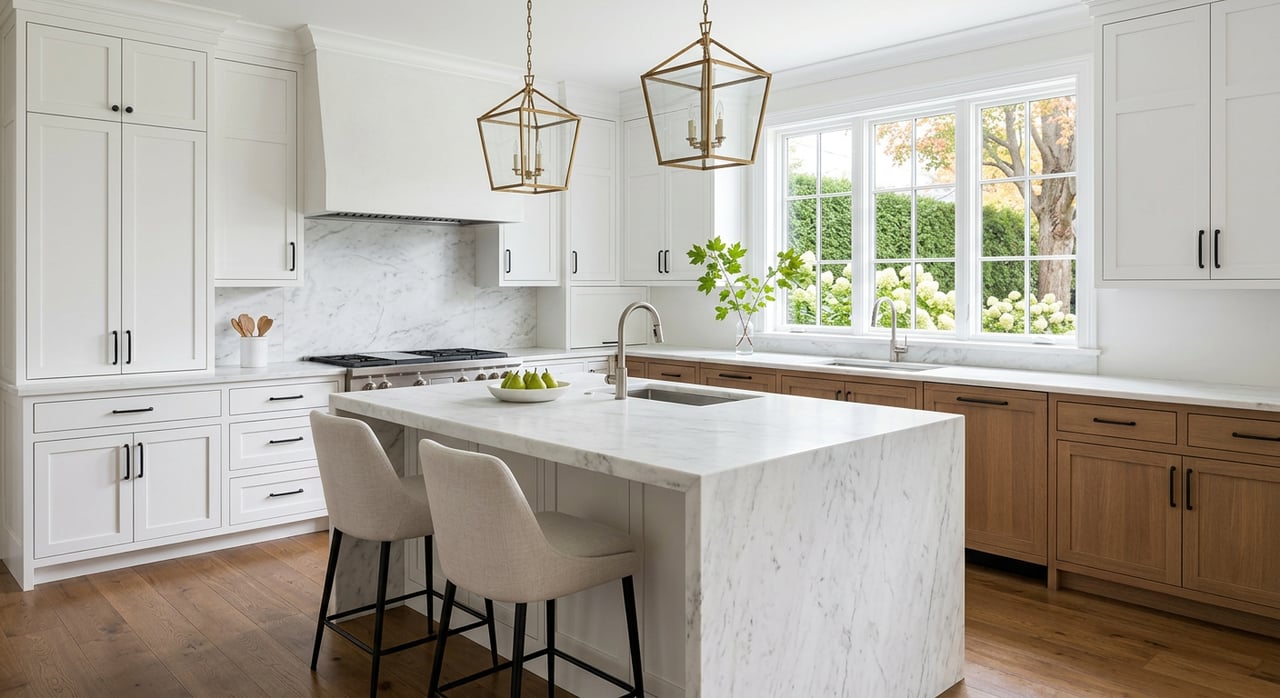
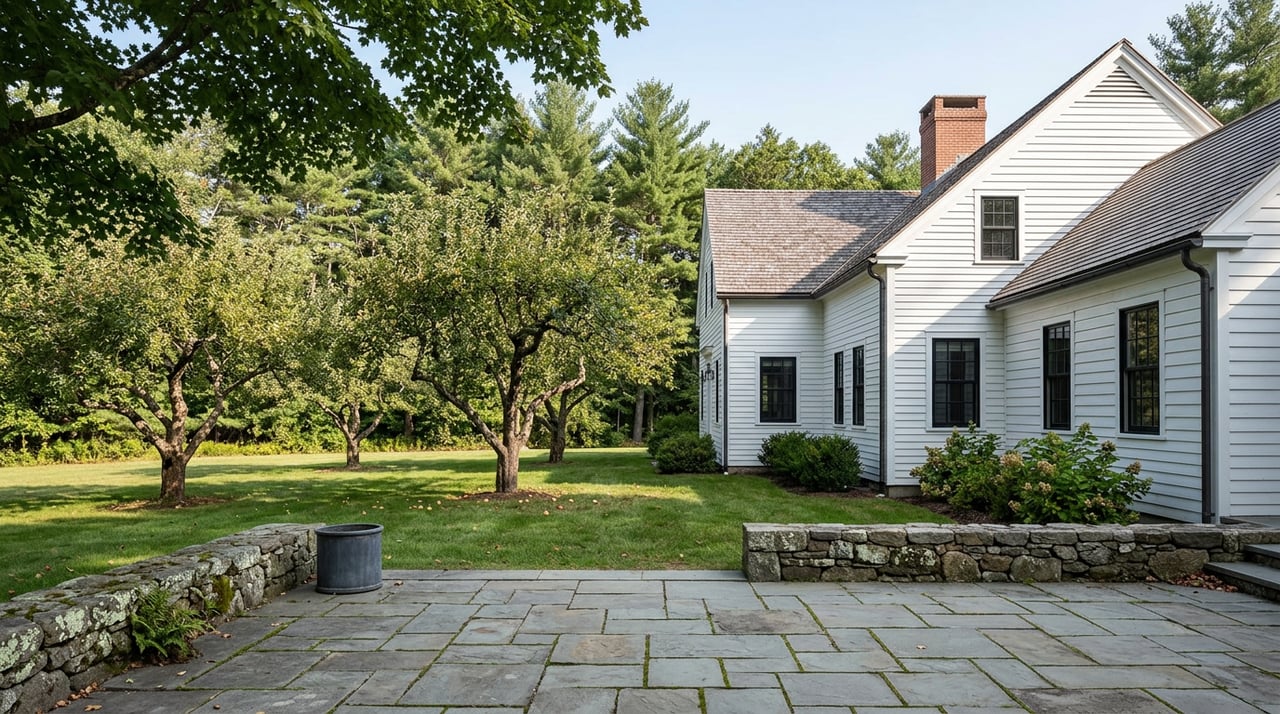
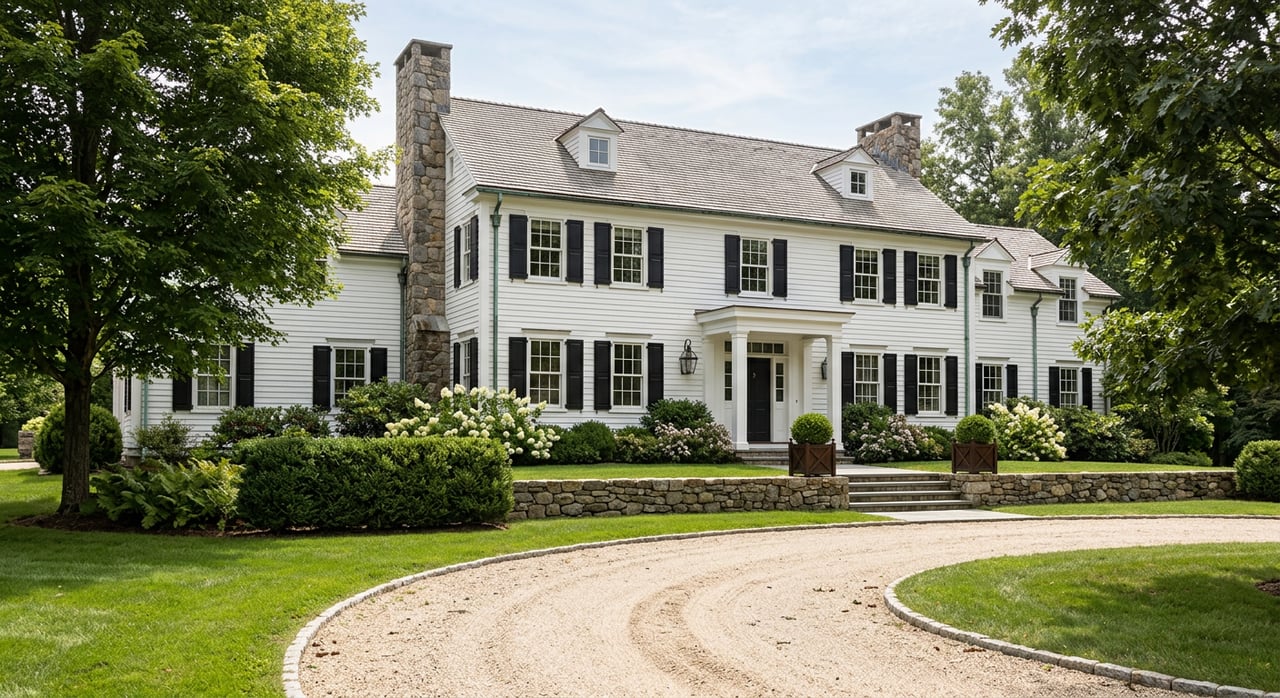
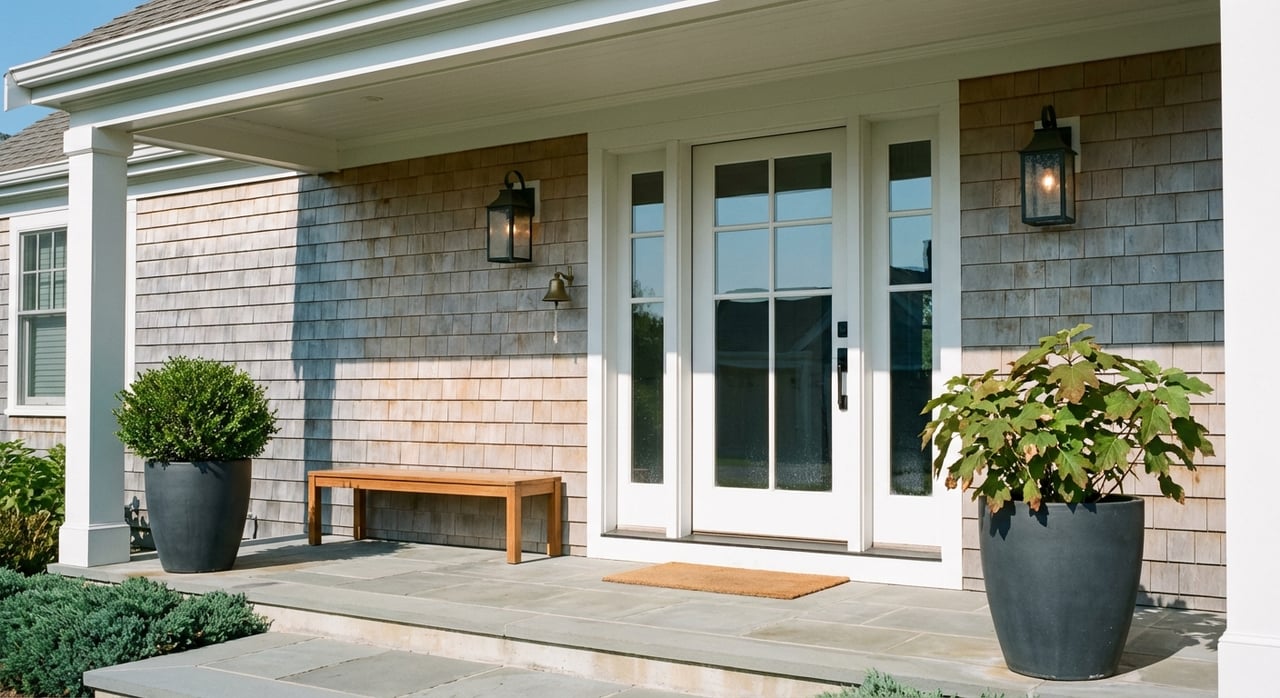
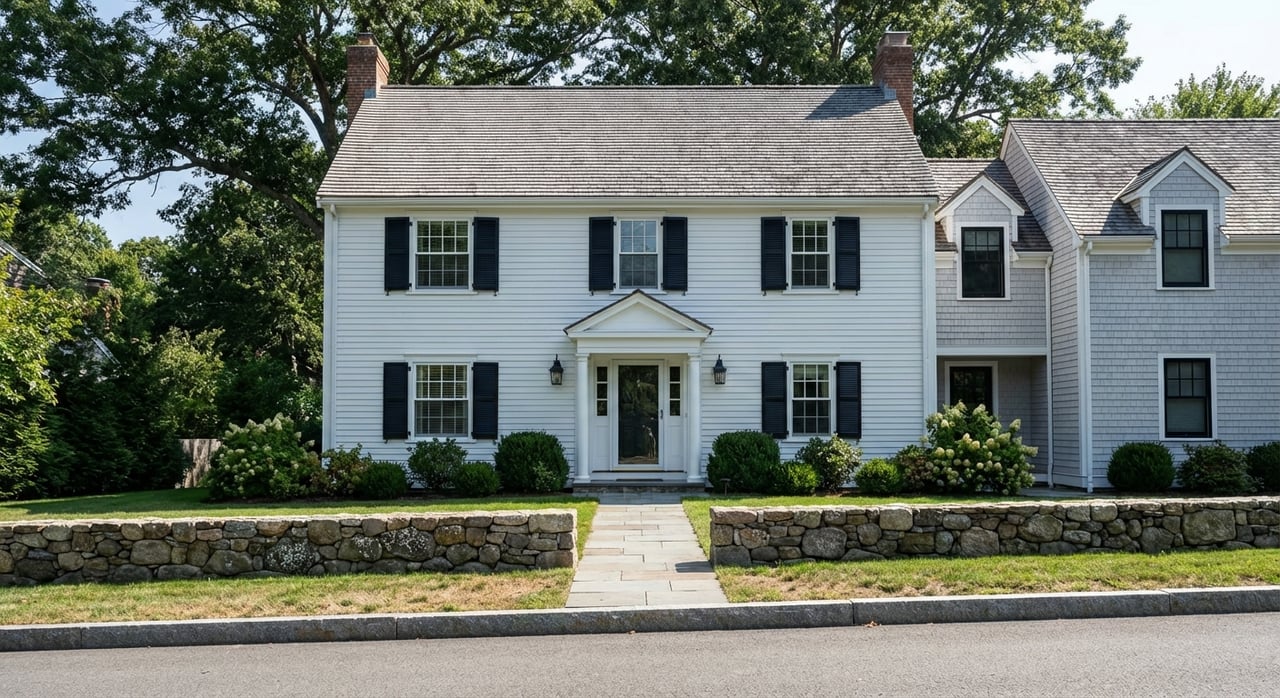
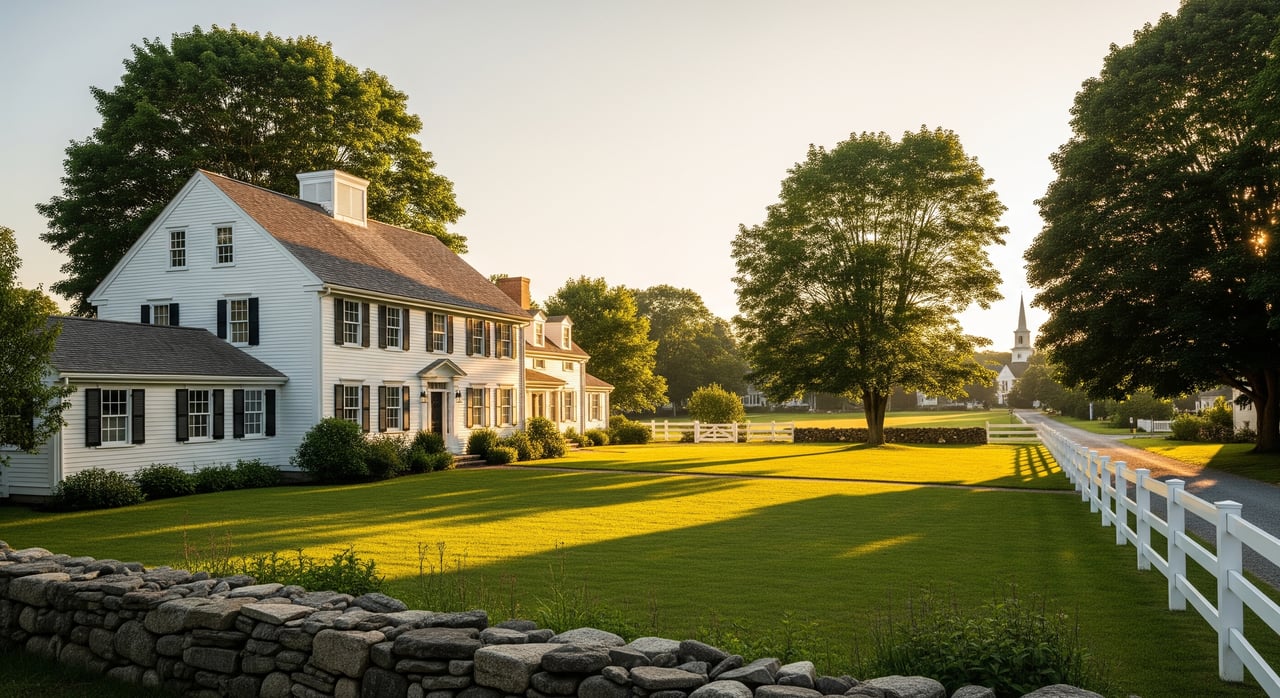
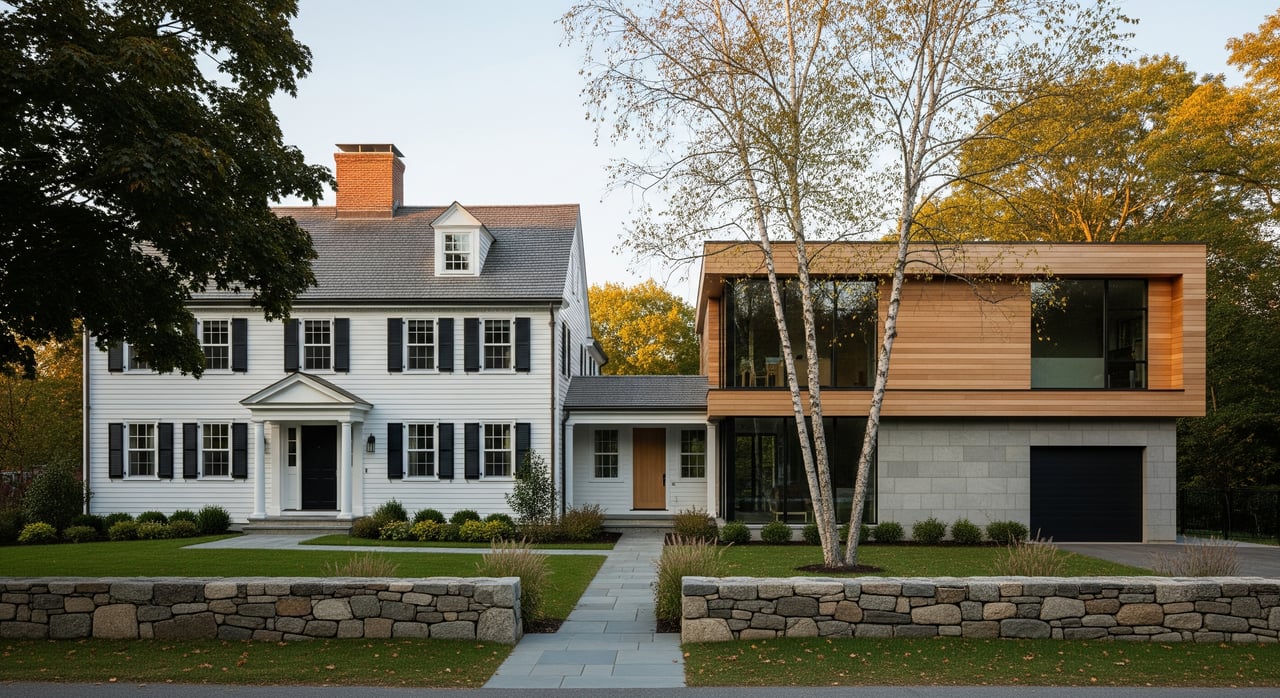
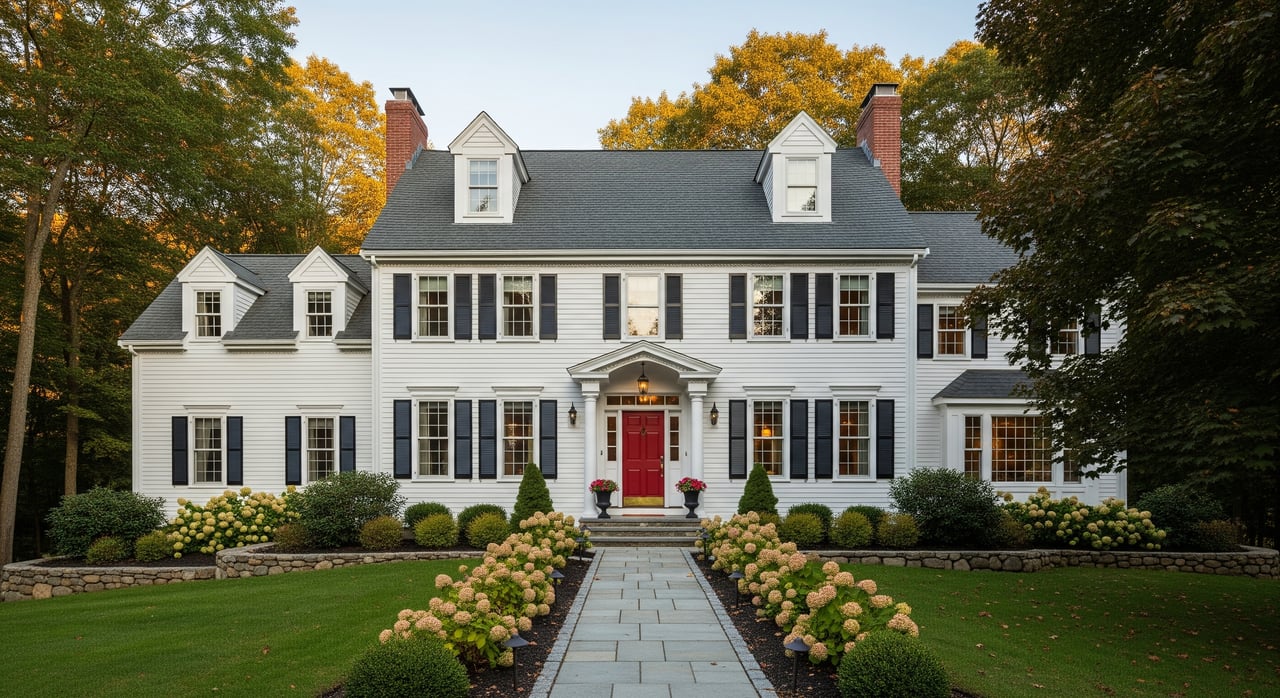
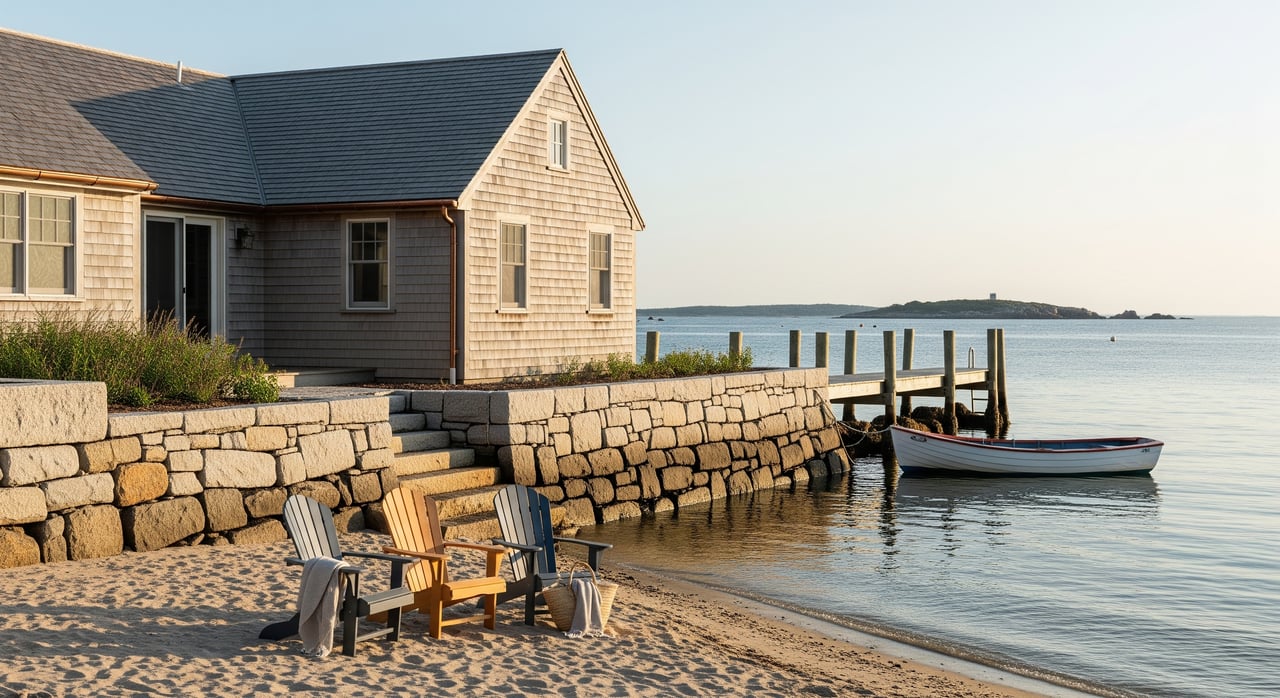
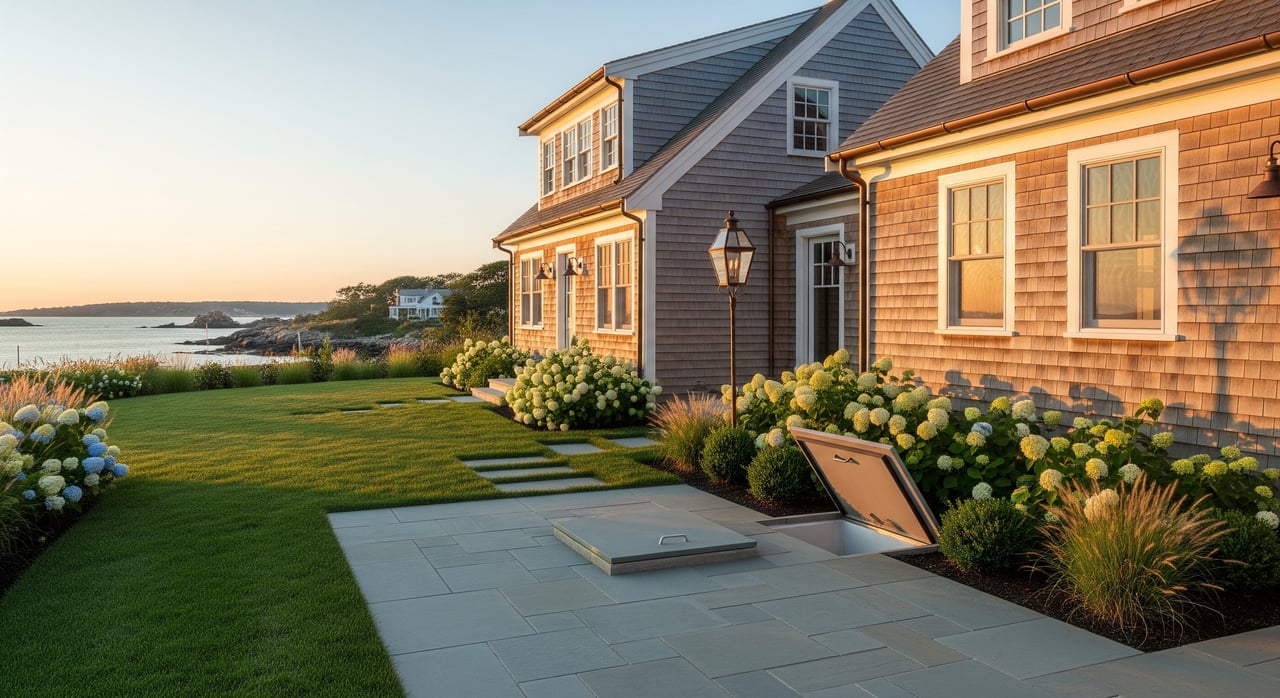
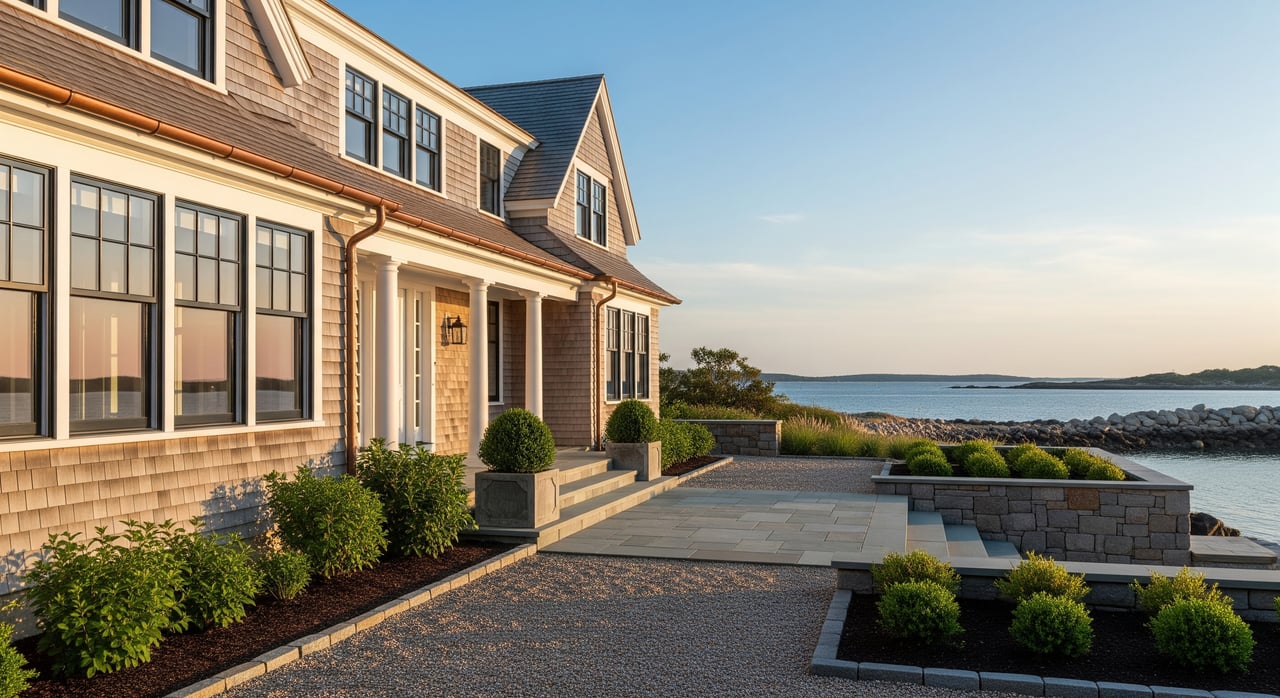
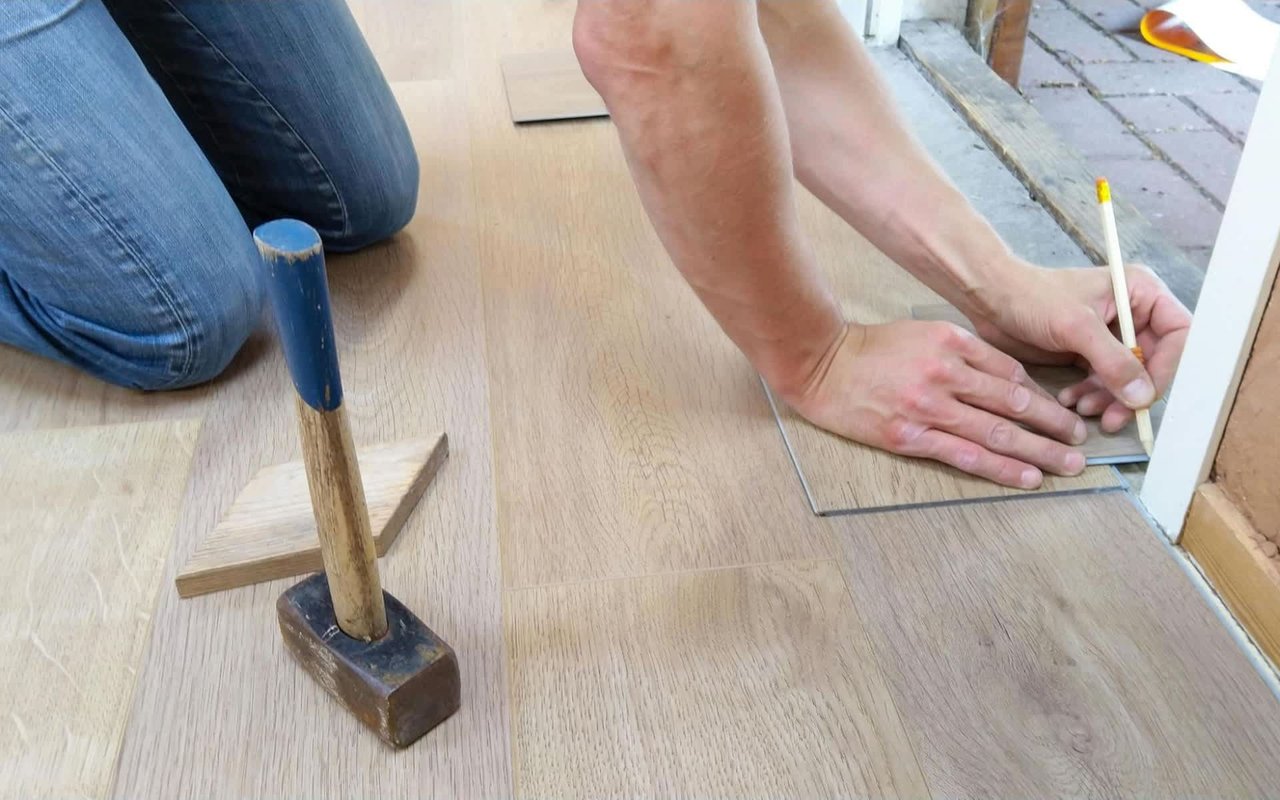
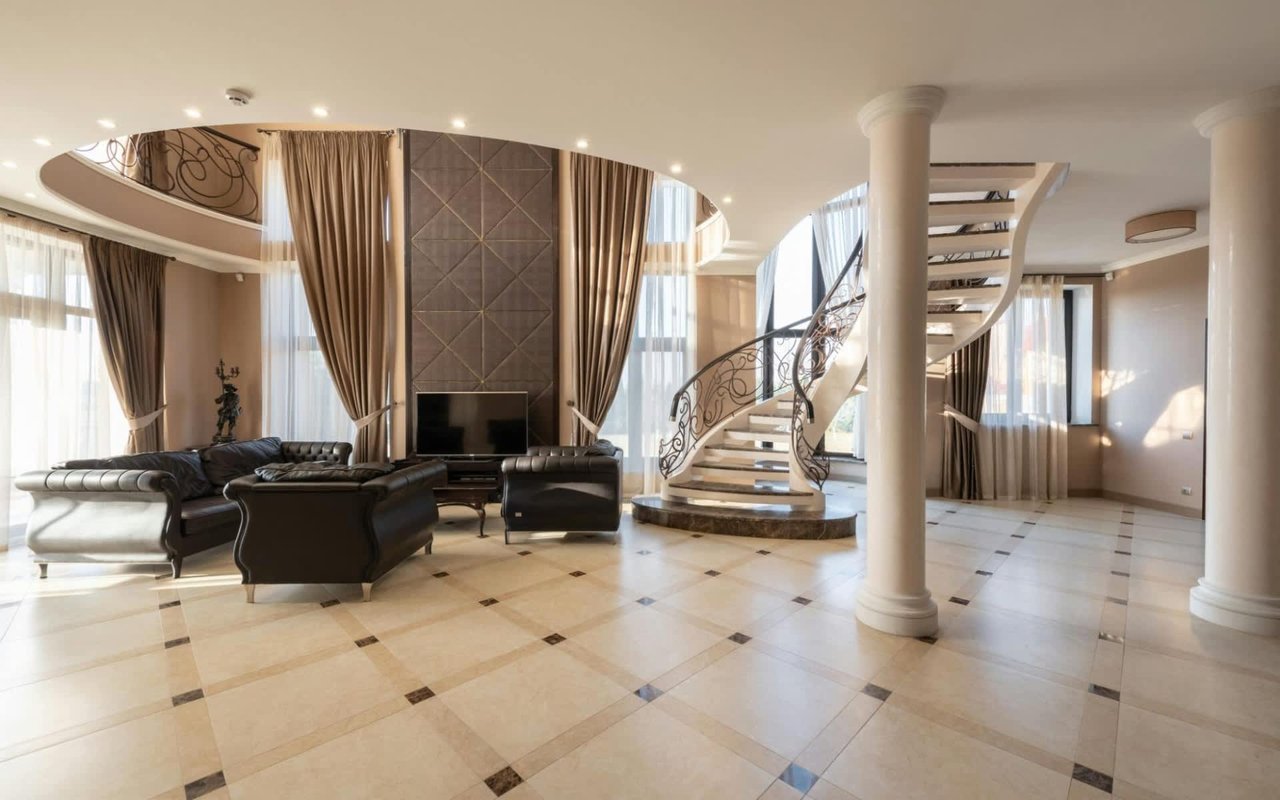
Buying in Sudbury often comes down to a more nuanced question than simply “new or old.” In a town where most homes are single-family, owner-occupied, and priced above $1 million at the median for single-family sales in 2023, the better choice usually depends on how the home sits on the land, how well it functions day to day, and how thoroughly it has been improved. If you are weighing new construction against a renovated home in Sudbury, a clear framework can help you make a confident decision. Let’s dive in.
Why This Choice Matters in Sudbury
Sudbury is not a market where every home fits neatly into one category. According to the town’s 2025 Housing Production Plan, 94% of housing units are single-family homes and 92% are owner-occupied. That means buyers are often comparing substantial properties where land, layout, privacy, and construction quality all carry real weight.
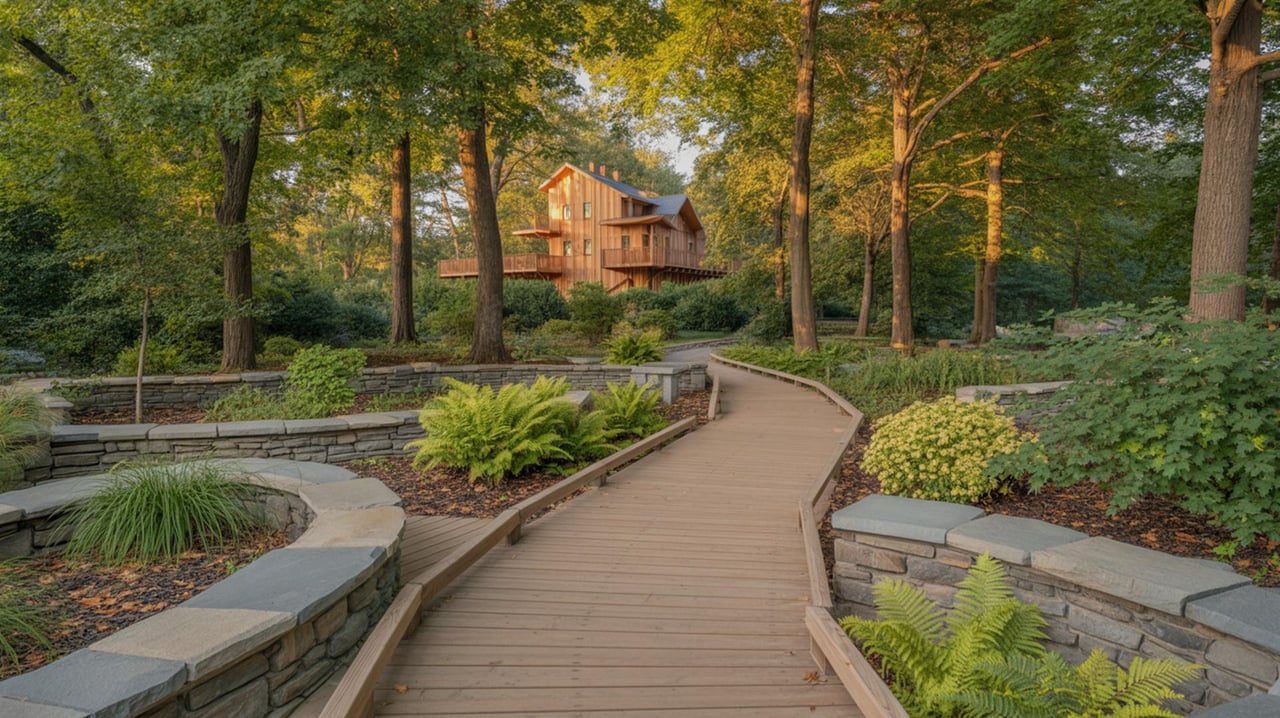
Sudbury also has a strong open-space identity. The town’s master plan baseline report notes 2,948 acres of public land with access or protection, along with additional land in Chapter 61 programs and a broad trail network. In practical terms, that helps explain why buyers often care as much about buffers, views, and site layout as they do about countertops or paint colors.
What New Construction Offers
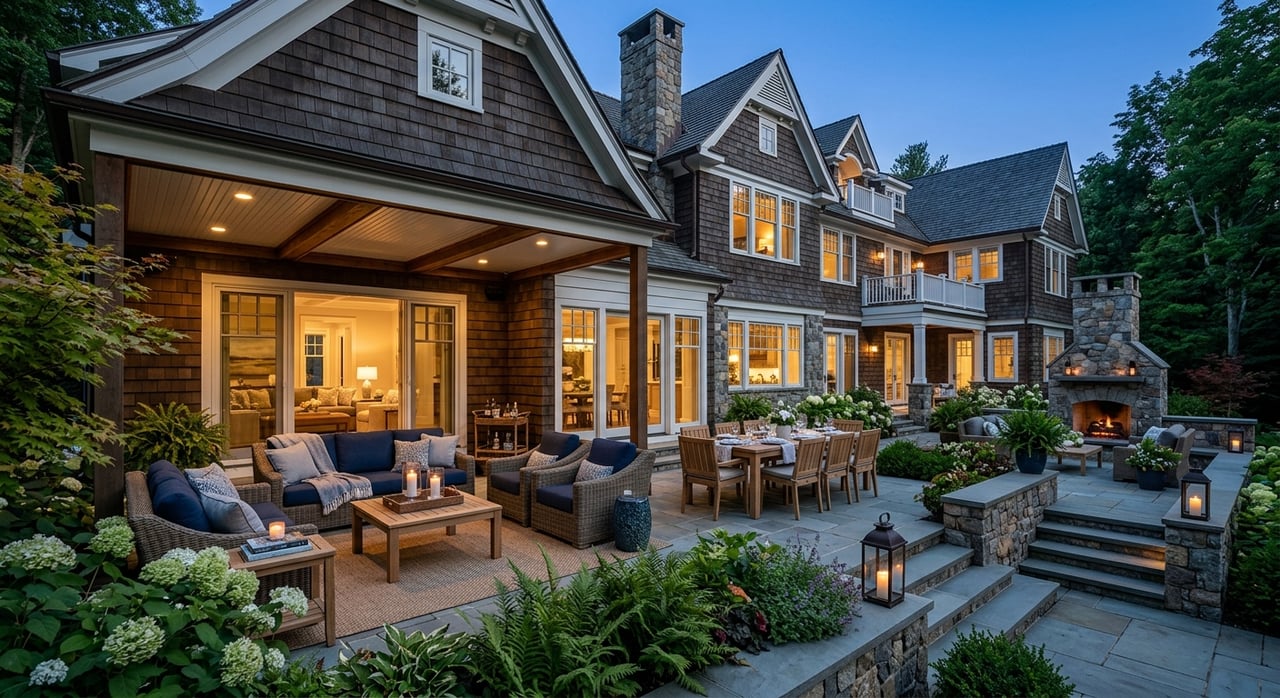
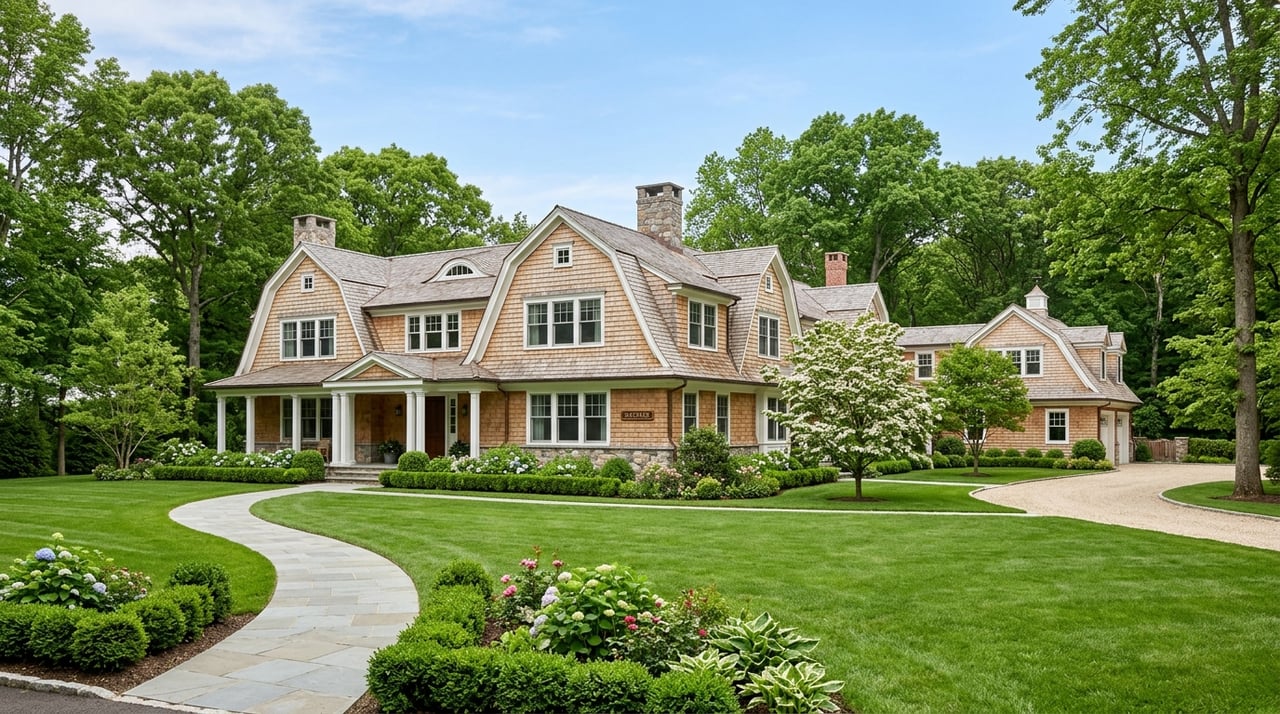
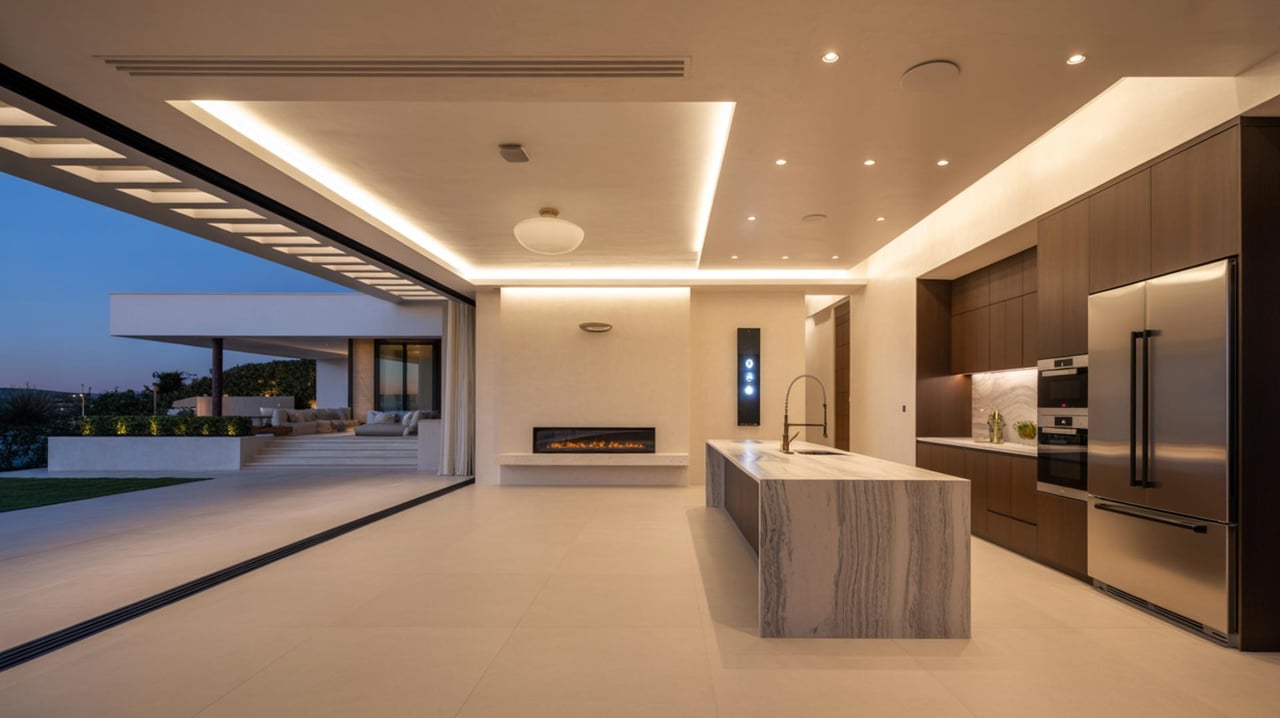
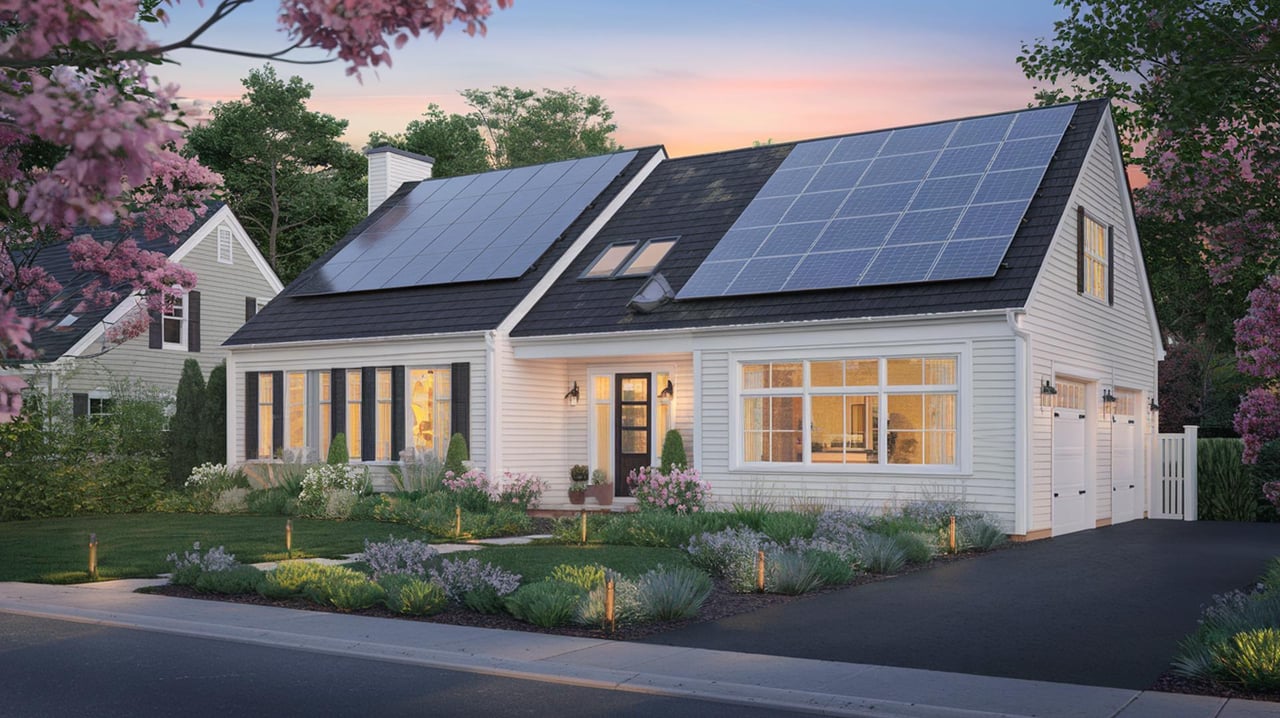
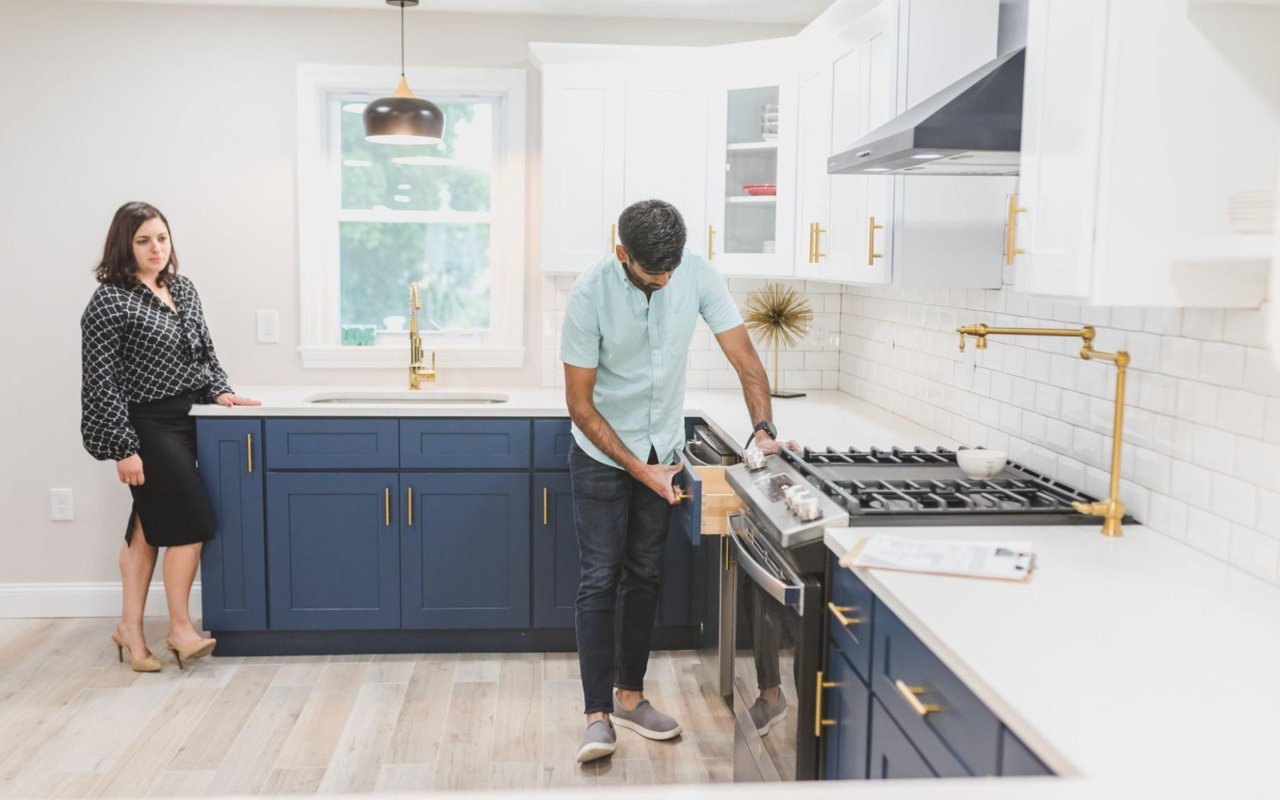
New construction in Sudbury can be appealing for one simple reason: it often delivers a more current way of living. You may find more open layouts, newer systems, and fewer immediate repair needs. But in this market, the benefits go deeper than fresh finishes.
New Homes Often Reflect Current Energy Standards
Sudbury adopted the stretch energy code, and the Building Department requires an energy compliance worksheet for residential permits involving new construction, additions, and renovations. Massachusetts also notes that the stretch code is designed to be more energy efficient than the base code.
For you as a buyer, that can translate into better insulation, tighter building envelopes, and more efficient overall performance. Those features may improve comfort and lower operating costs over time, even if the upfront purchase price is higher.
The Premium Is Often About Land and Scale
In Sudbury, a new-build price tag is not only about the house itself. The town’s housing plan shows that the assessed value of a generic 40,000-square-foot lot ranges from $369,000 to $686,400 depending on neighborhood type. The same report notes that only 15% of single-family homes sold in 2023 were under 2,000 square feet, while 29% were over 4,000 square feet.
That matters because a “new construction premium” here often reflects lot value, home size, and overall scale, not just newer materials. If you are comparing options, it helps to separate the value of the site from the value of the structure.
Lot Layout Deserves a Close Look
Sudbury’s zoning also shapes what new construction looks like. The town lists minimum lot areas and frontage requirements such as 40,000 square feet and 180 feet of frontage in Residential A, with larger requirements in other zones.
Some newer homes may also be created through cluster development rather than a traditional subdivision pattern. In those cases, shared open land is preserved, so your evaluation should include both the private lot and the common open-space arrangement. A home can feel spacious on paper but live differently depending on how the land is organized.
What Renovated Homes Offer
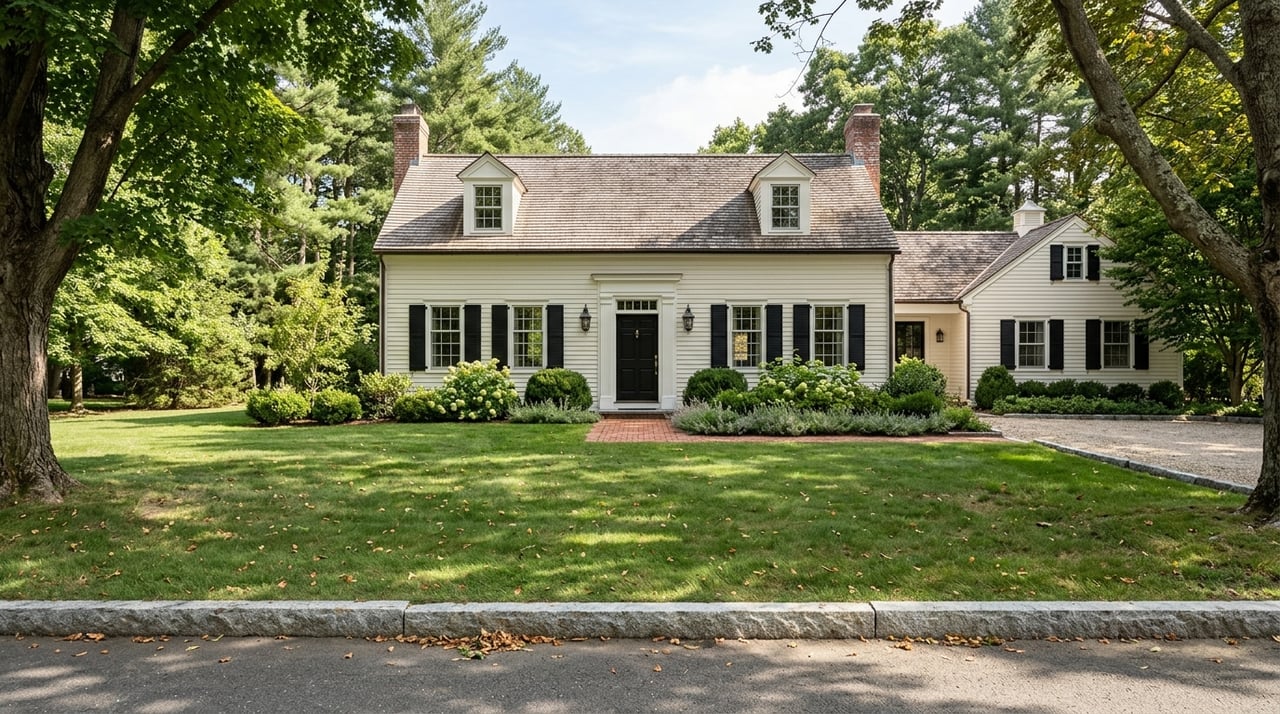
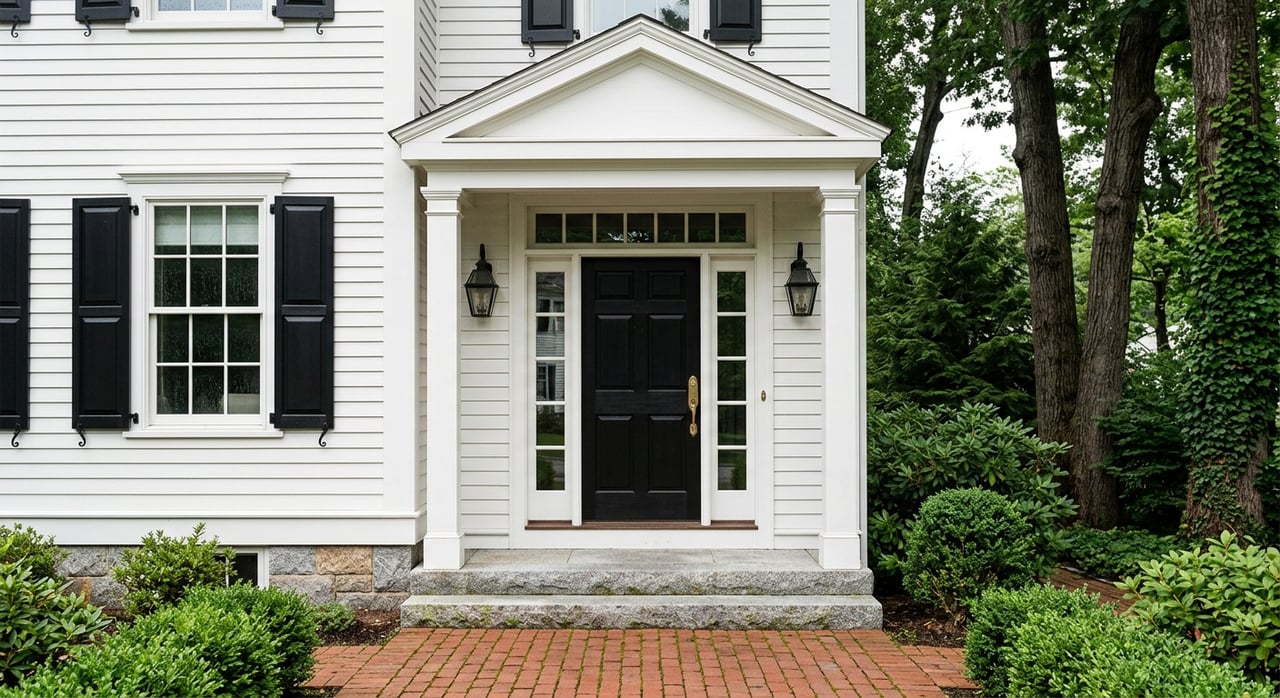
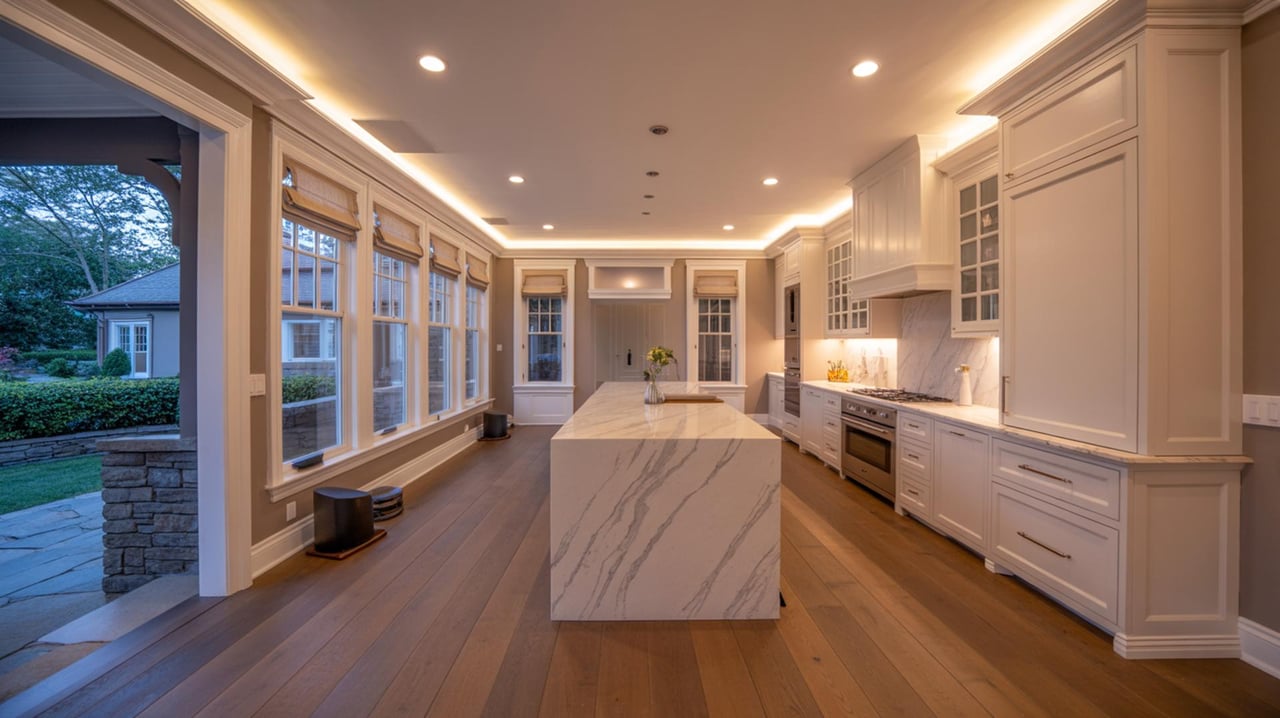
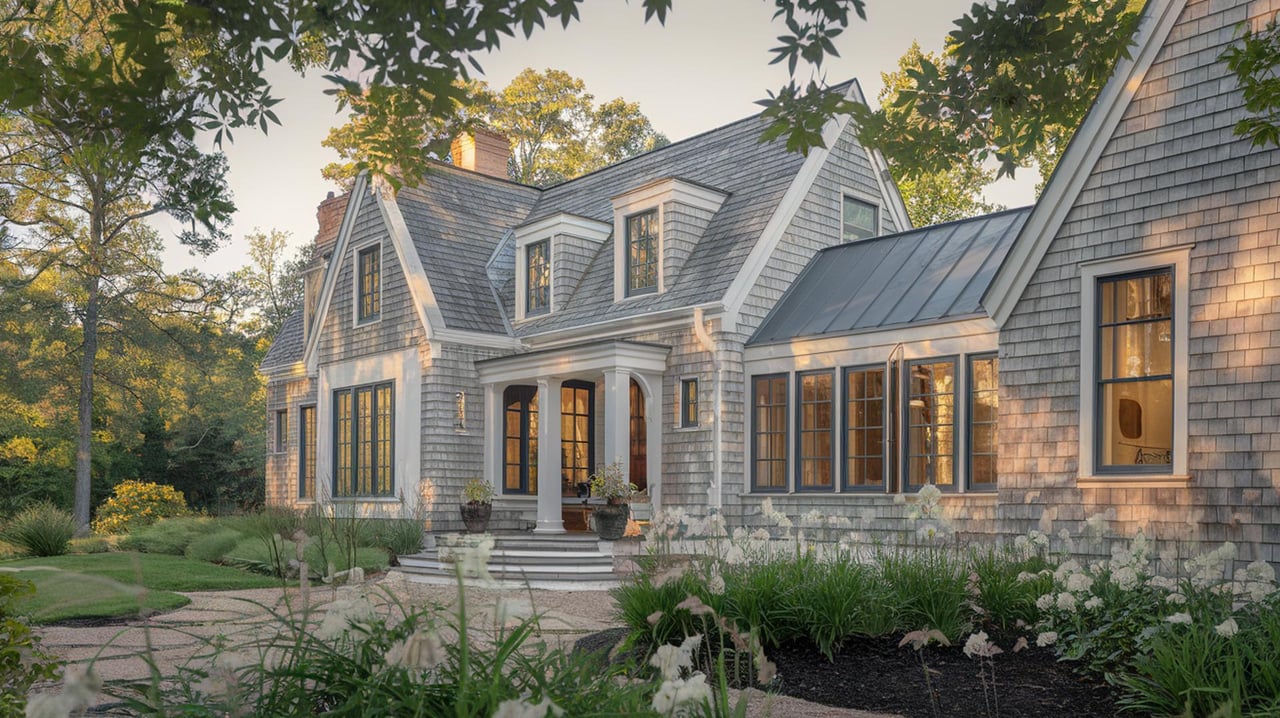
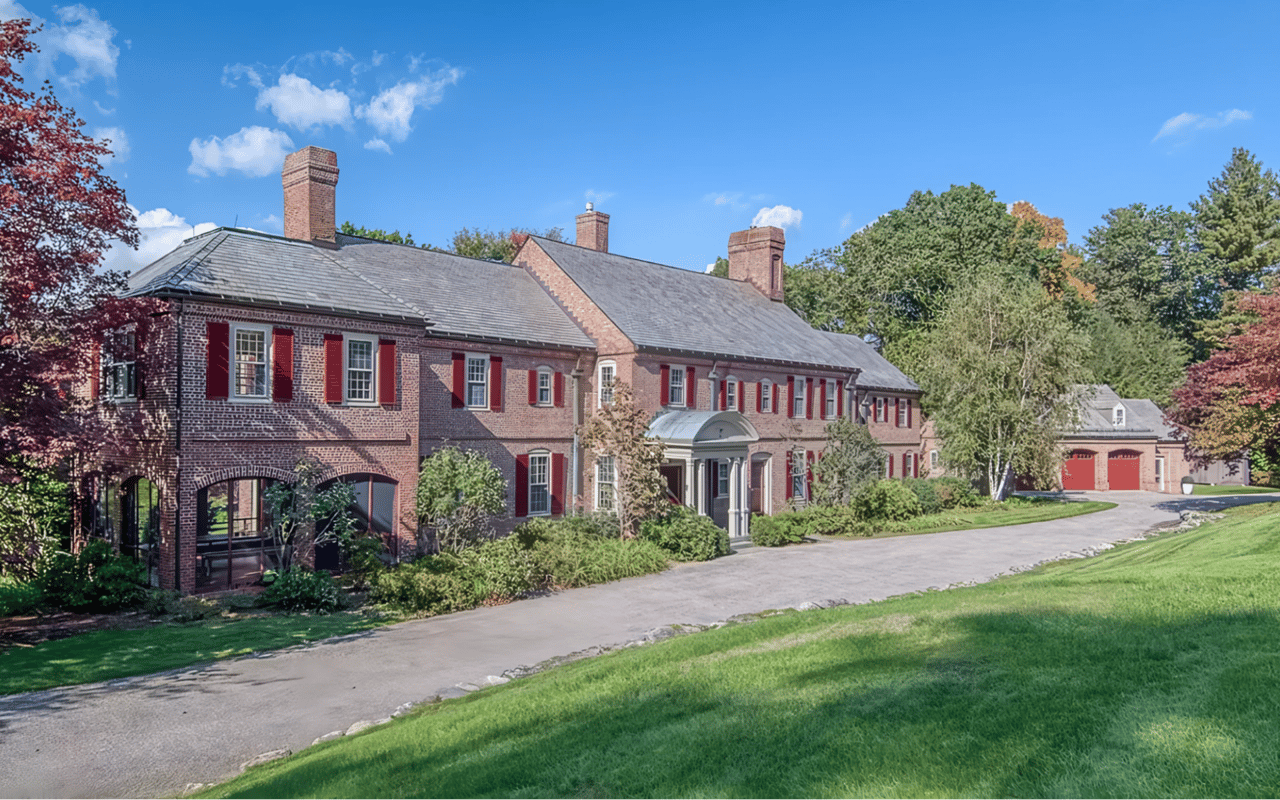
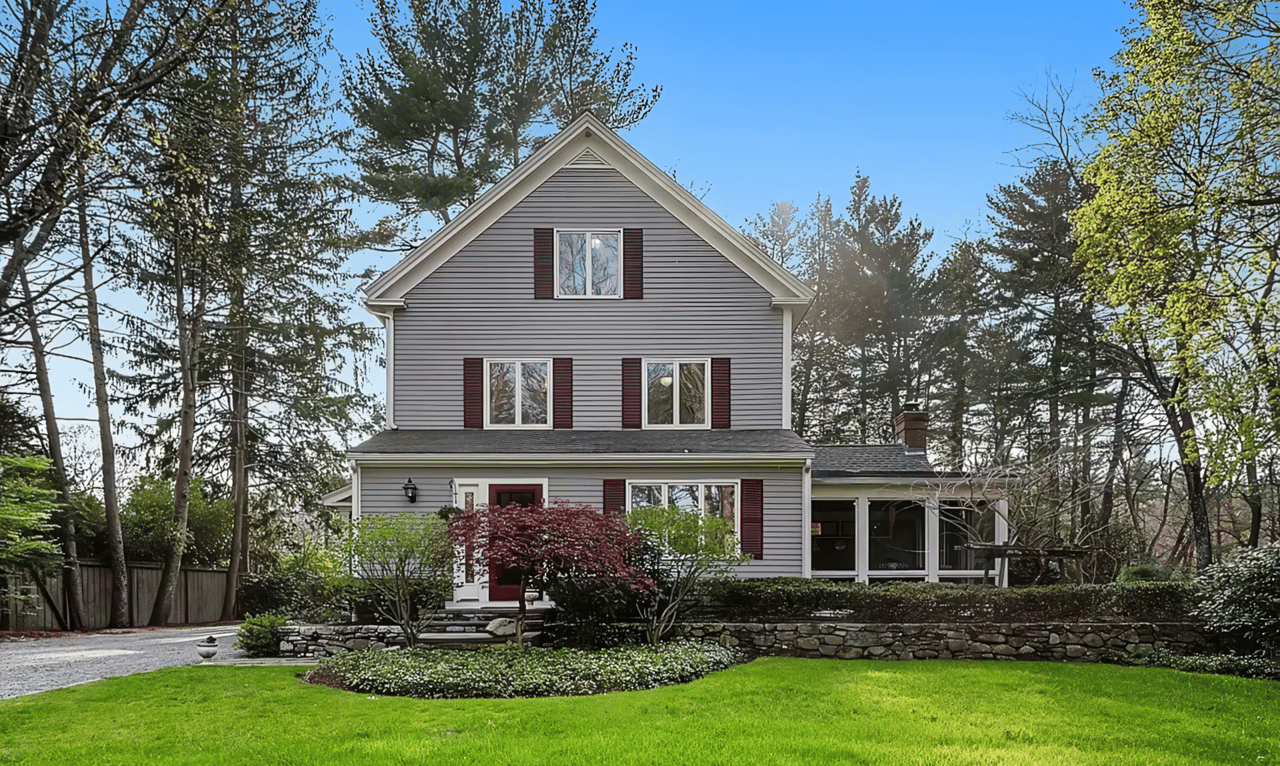
A renovated home in Sudbury can give you something new construction sometimes cannot: an established setting with mature landscaping, a distinctive location, or a more traditional footprint in a highly desirable area. But the key is understanding whether the renovation was truly comprehensive.
Cosmetic Updates Are Not the Same as Full Improvement
Sudbury’s housing plan notes that older homes may lack heating and energy efficiencies, may not be code-compliant, and may contain lead paint. It also shows lower median values for several older age cohorts, including homes built in the 1940s and 1950s, while also noting that some pre-1940 homes are historically significant and highly valued.
That tells you something important: an older home can be a strong opportunity, but only if the work goes beyond surface updates. A beautiful kitchen does not tell you whether the insulation, electrical, heating, or building envelope were upgraded properly.
Energy Retrofits Can Narrow the Gap
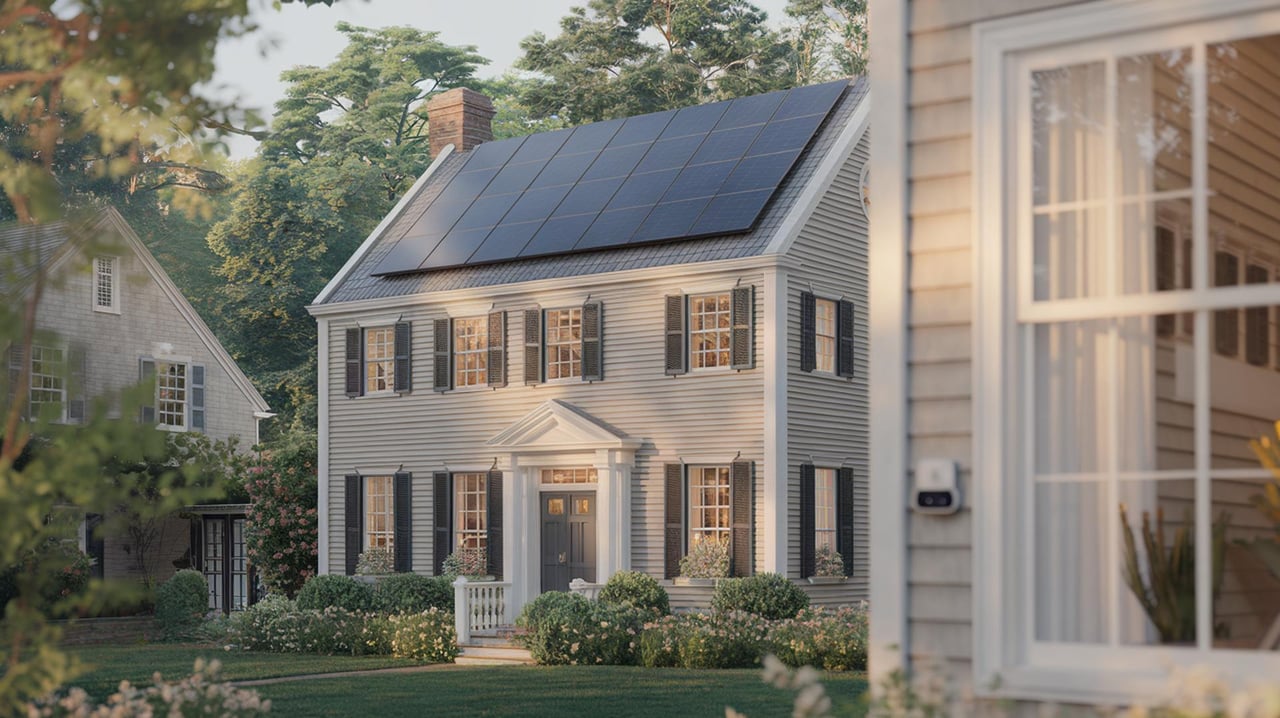
A thoughtfully renovated home can become much more competitive with new construction when energy improvements are part of the plan. Mass Save notes that a home energy assessment can identify savings opportunities, and that weatherization measures like insulation and air sealing can improve comfort and reduce heating and cooling costs by up to 15%.
If you are looking at a renovated property, ask whether the seller addressed efficiency in meaningful ways. Improvements behind the walls often matter more than the visible design choices.
Older Homes May Bring Extra Rules
Sudbury has four historic districts, and certain exterior changes in those districts are subject to restrictions and controls. The town also has a demolition-delay process that can impose a six-month delay for historically significant buildings, including properties built before January 1, 1940 or within 200 feet of a historic district.
For you, that does not mean an older or historic-area home is a poor choice. It simply means future changes may require additional review, which is important if you hope to expand, alter the exterior, or substantially rebuild later.
Lead Safety Should Be Part of Your Review
If a home was built before 1978, lead paint risk should be part of your due diligence. Massachusetts states that these homes may contain dangerous lead paint, and that renovation, repair, or painting work should be completed by a licensed lead-safe renovation contractor.
That is especially relevant if you are buying a renovated older home and planning more work after closing. You want to understand both current conditions and how any future projects should be handled.
A Better Way to Compare Homes
In Sudbury, the most useful comparison is not “new versus renovated” in the abstract. A more practical approach is to compare site quality, system quality, and resale flexibility.
Site Quality
Start with the land itself. Consider:
- Lot size and frontage
- Privacy and natural buffers
- Adjacency to conservation land or open space
- Whether the property includes common open space instead of a larger private yard
- How the house is sited on the lot
In a town with extensive open land and relatively large residential lots, site quality can shape your daily experience as much as the house itself.
System Quality
Then look at what makes the home function well. Ask questions such as:
- Was the work permitted?
- Was the renovation structural or mainly cosmetic?
- Are there updated heating and cooling systems?
- Were insulation and air sealing improved?
- Is there supporting code or energy paperwork?
Sudbury’s building and energy compliance requirements make these questions especially important. “Updated” should mean more than new fixtures.
Resale Flexibility
Finally, think ahead. Which property is likely to appeal to the next buyer?
A turnkey new home may attract buyers who want simplicity and efficiency. A renovated older home on a strong lot may appeal to buyers who value setting, character, and long-term expansion potential. The right answer depends on how the property balances land, livability, and future options.
When New Construction May Be the Better Fit
New construction may be the stronger choice if you want:
- More current layouts and larger room proportions
- New systems and fewer near-term maintenance items
- Energy-efficient construction aligned with current code standards
- A more turnkey ownership experience
- Predictability in the first years of ownership
In Sudbury, this path can be especially appealing if you prioritize ease, performance, and a home designed around today’s living patterns.
When a Renovated Home May Be the Better Fit
A renovated home may be the better option if you want:
- An established lot with mature landscaping
- A setting shaped by privacy, buffers, or conservation adjacency
- Architectural character or historical detail
- Potential value if the renovation quality is truly strong
- A location where lot quality carries long-term importance
This route often works best when the renovation addressed core systems, energy performance, and code issues rather than stopping at aesthetics.
The Bottom Line for Sudbury Buyers
In Sudbury, the smartest purchase is usually the home that best balances land, construction quality, and long-term usability. New construction can offer efficiency, simplicity, and modern layouts. A renovated home can offer character, site advantages, and value, but only if the improvements are meaningful and well documented.
If you are comparing properties in this market, the goal is not to choose the newer-looking house. It is to understand what you are really buying: the lot, the systems, the flexibility, and the future resale story. If you want a steady, informed perspective on how to evaluate those tradeoffs, Peggy Dowcett offers thoughtful guidance shaped by local market knowledge and construction experience.
FAQs
What is the main difference between new construction and renovated homes in Sudbury?
- In Sudbury, the difference often comes down to site quality, system quality, and long-term flexibility rather than age alone. New homes may offer current energy standards and modern layouts, while renovated homes may offer stronger lot characteristics or established settings.
What should you ask before buying a renovated older home in Sudbury?
- Ask whether the work was permitted, whether updates were structural or cosmetic, whether the home may have pre-1978 lead paint risk, and whether there are any historic district or demolition-delay considerations.
Why do lot size and frontage matter when buying a home in Sudbury?
- Sudbury has relatively large lot and frontage requirements in many residential zones, and buyers often place high value on privacy, buffers, and how the house sits on the land.
Are renovated homes in Sudbury always a better value than new construction?
- Not necessarily. An older home can be a value opportunity, but only if the renovation adequately addressed systems, efficiency, and compliance issues in addition to finishes.
How can you compare resale potential between a new and renovated home in Sudbury?
- Look at how the property will appeal to future buyers based on lot quality, condition of major systems, energy performance, layout, and whether the home offers turnkey convenience or room for future changes.