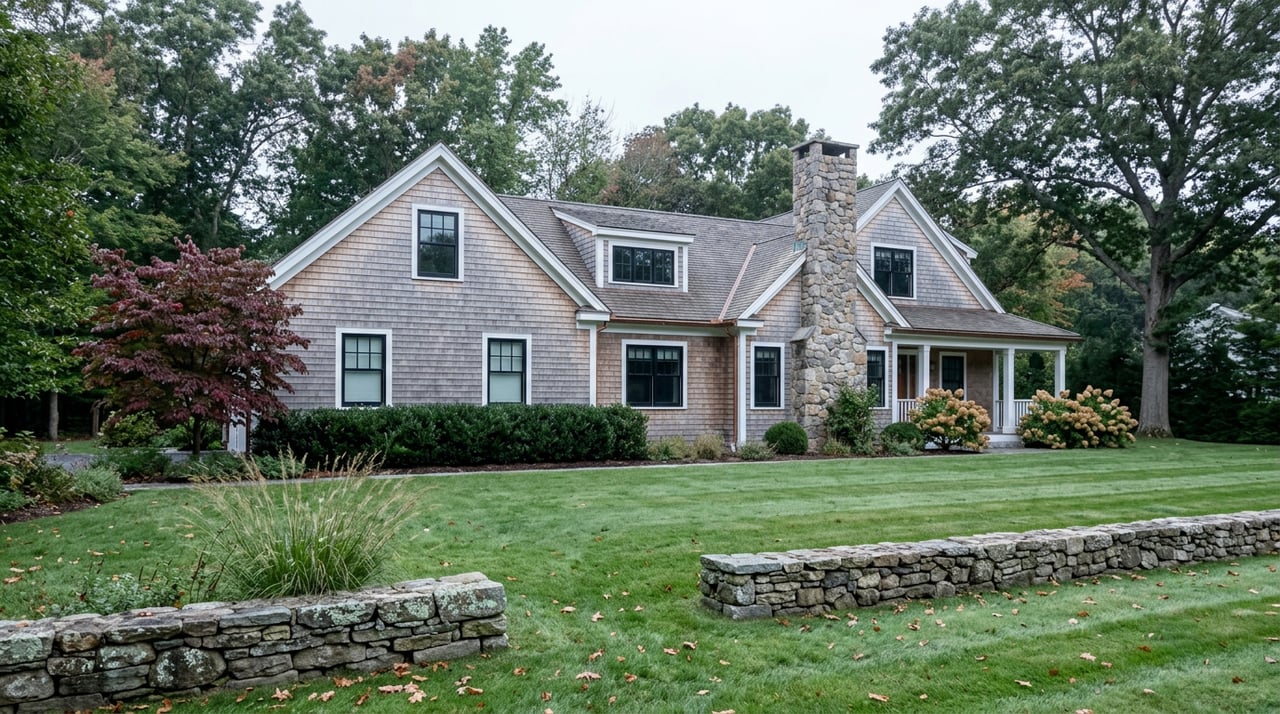
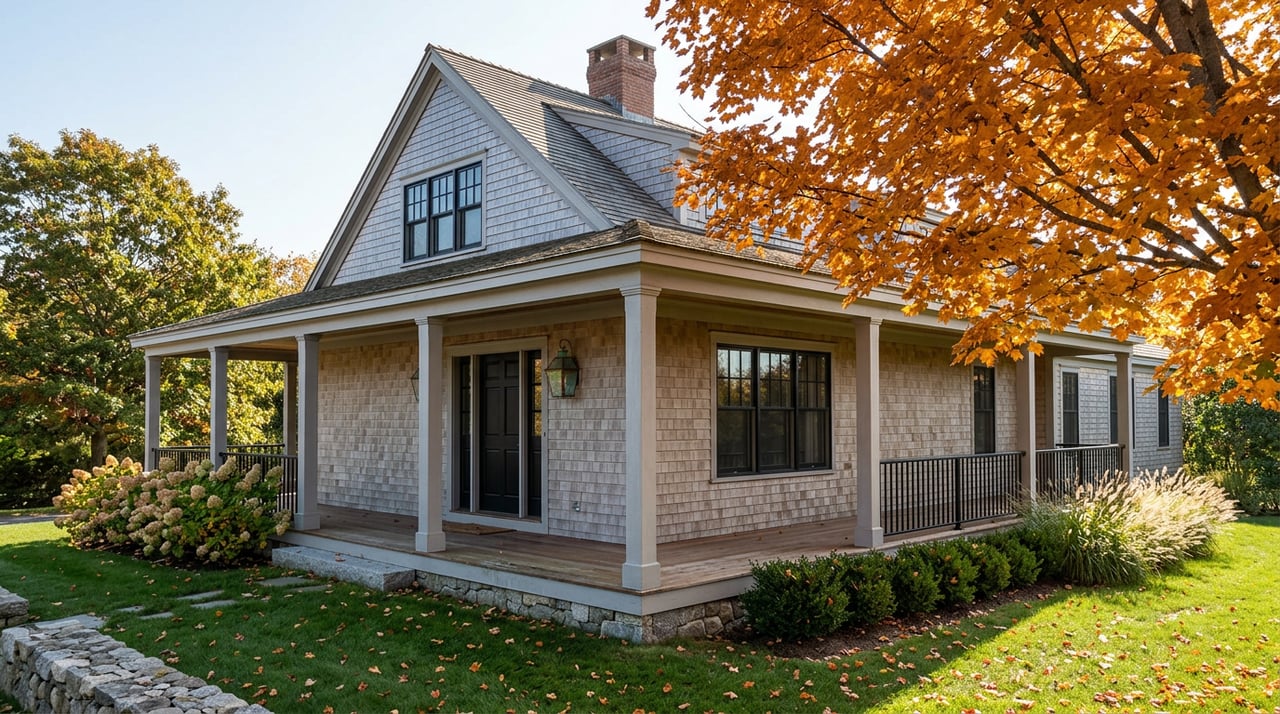
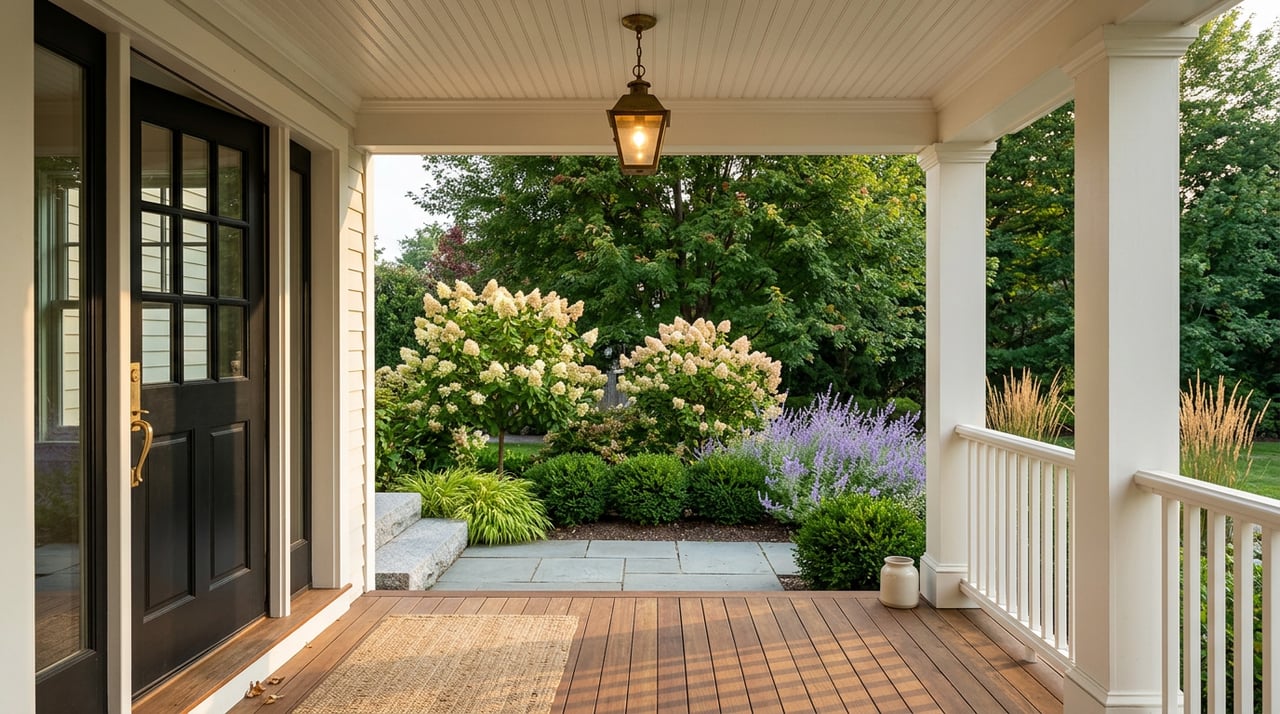
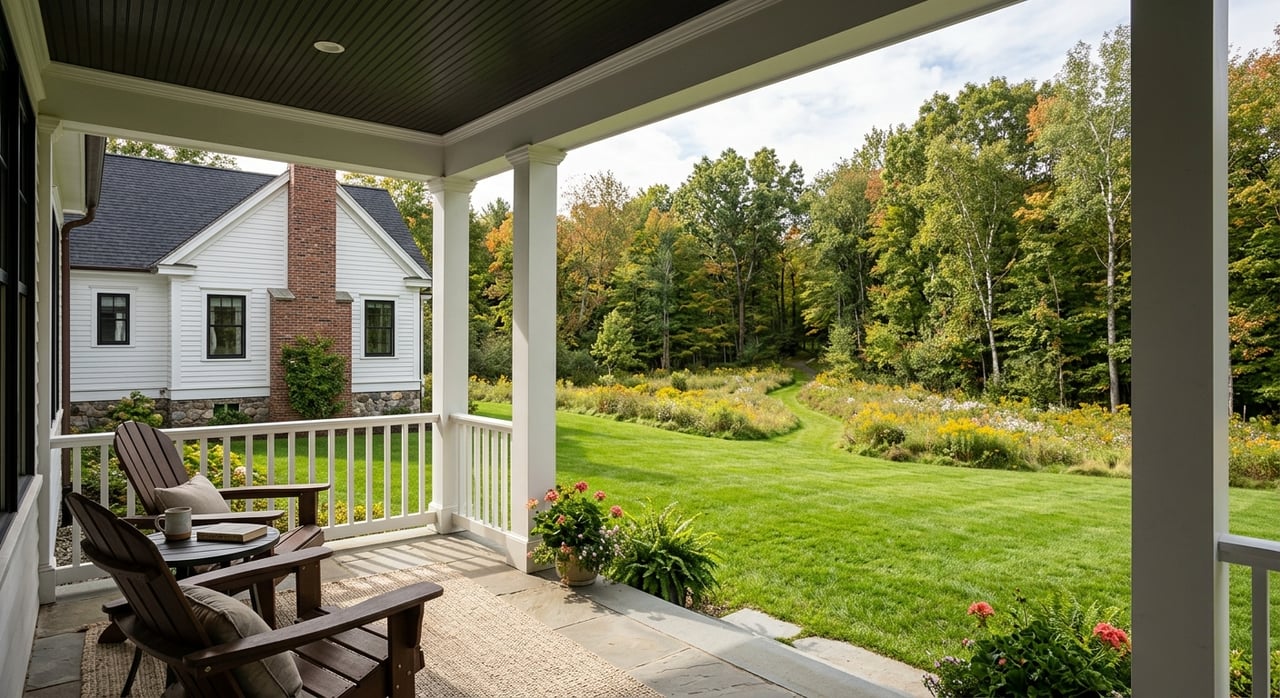
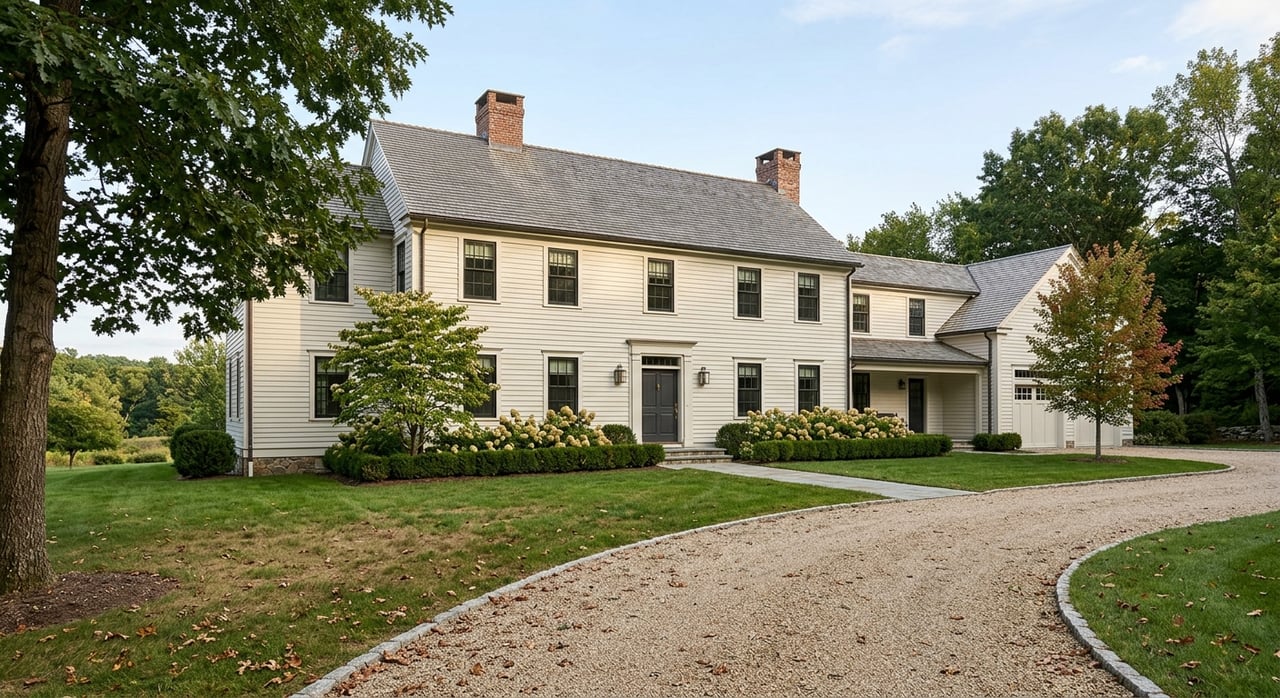
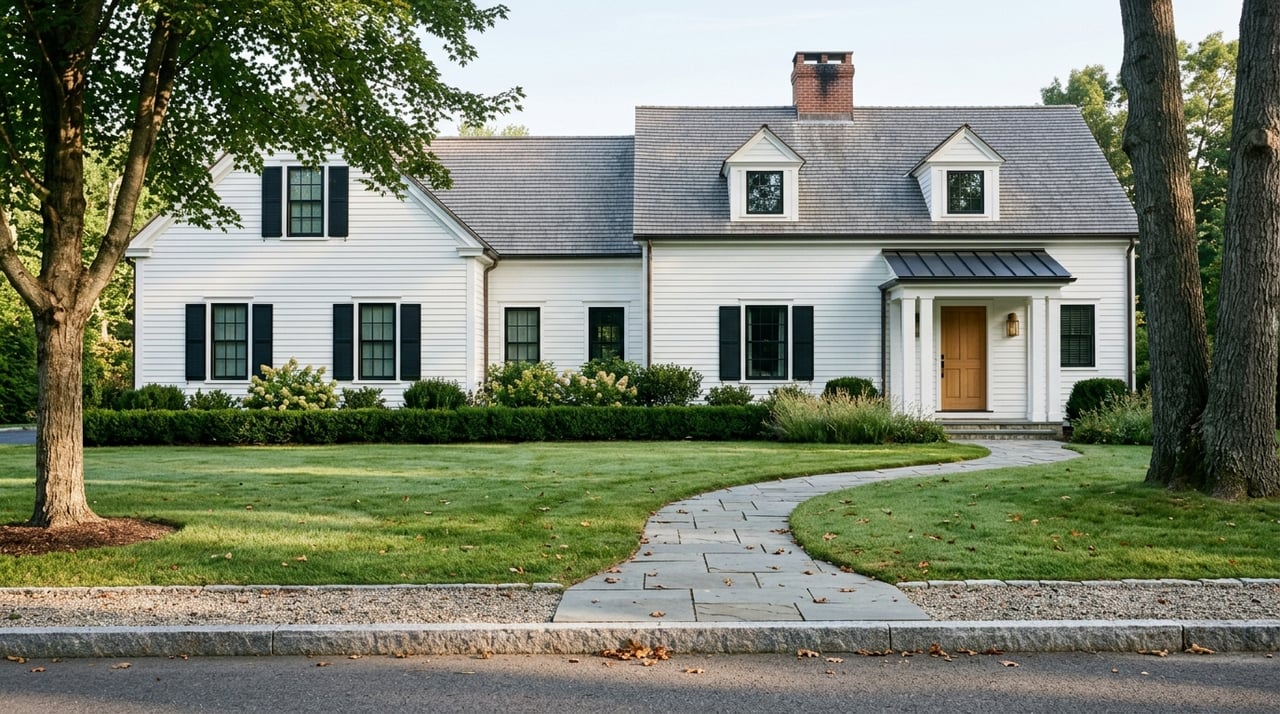
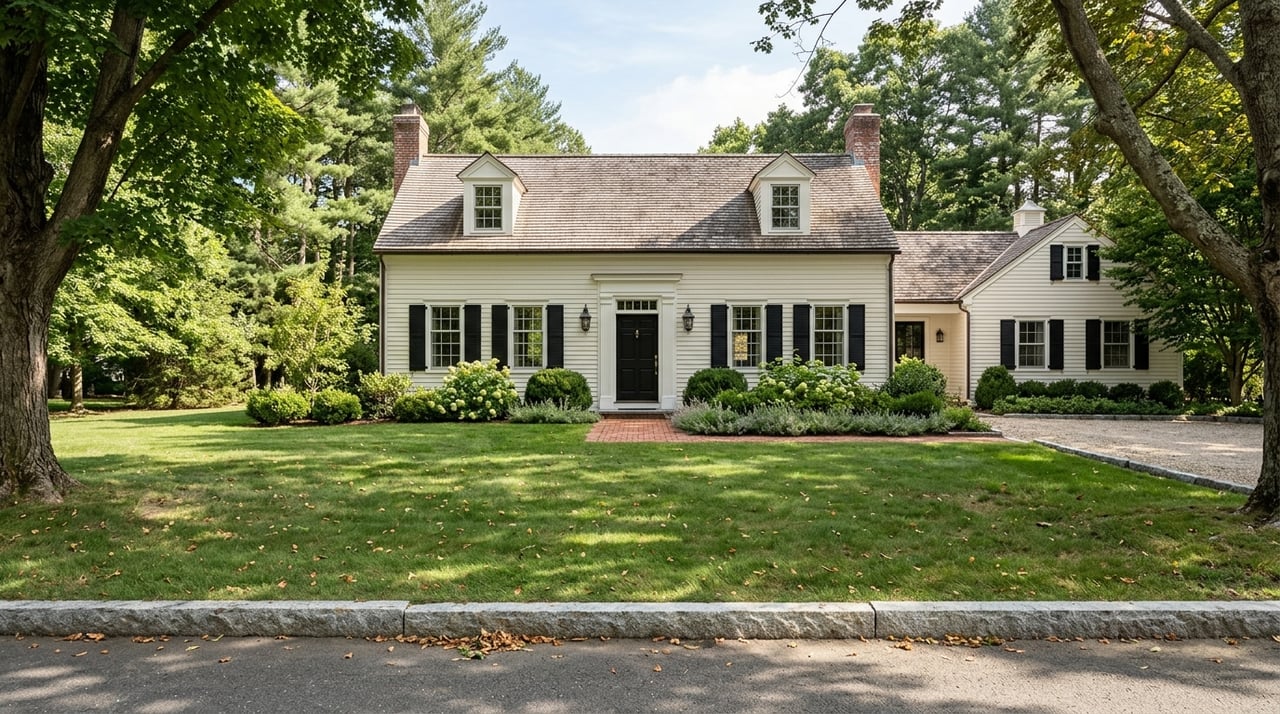
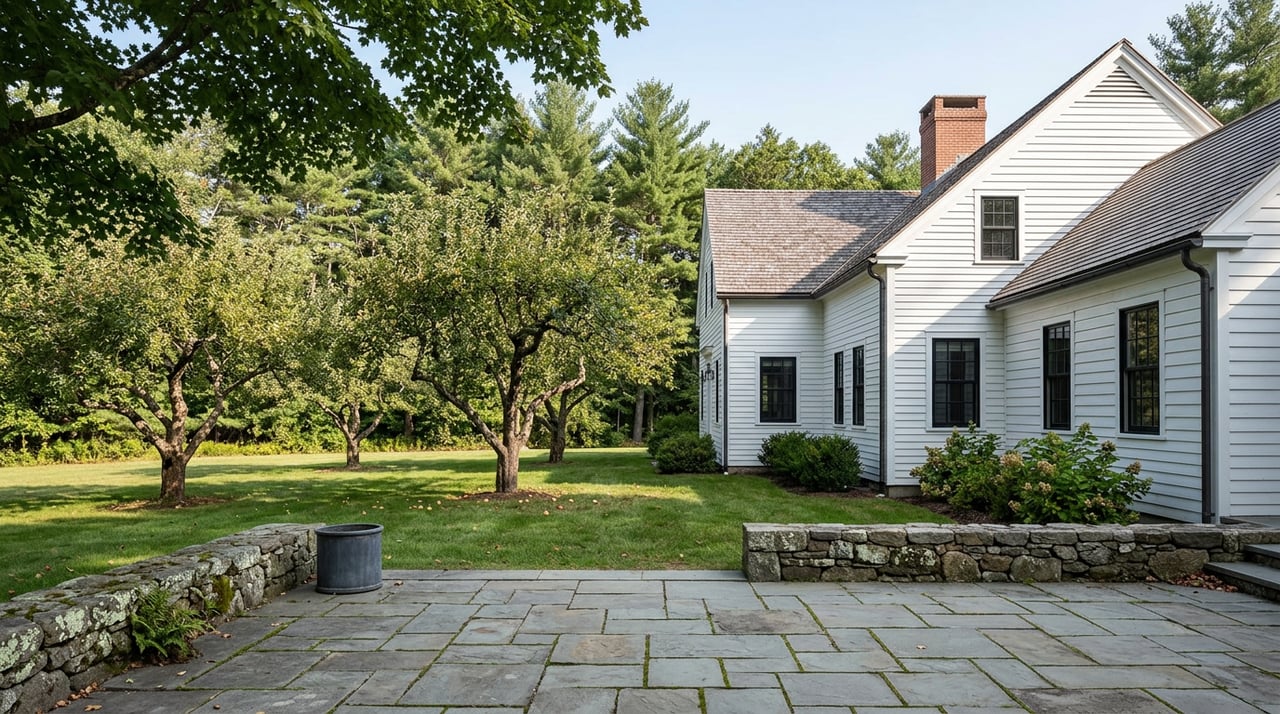
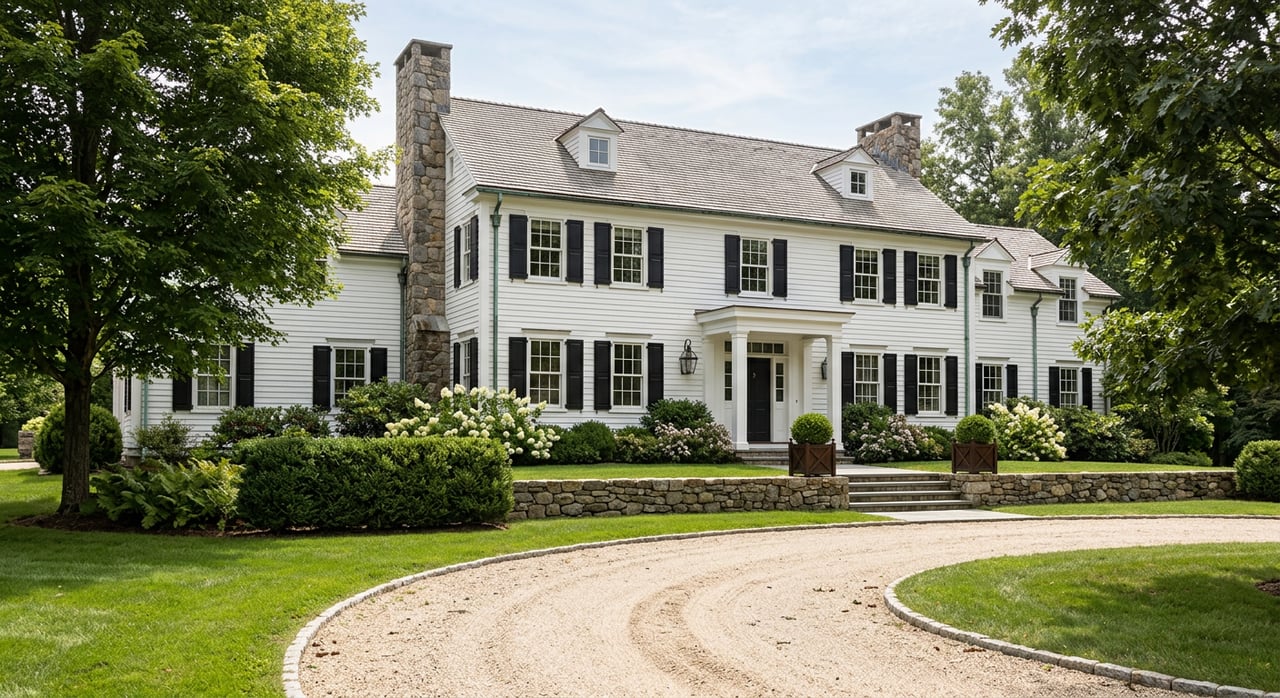
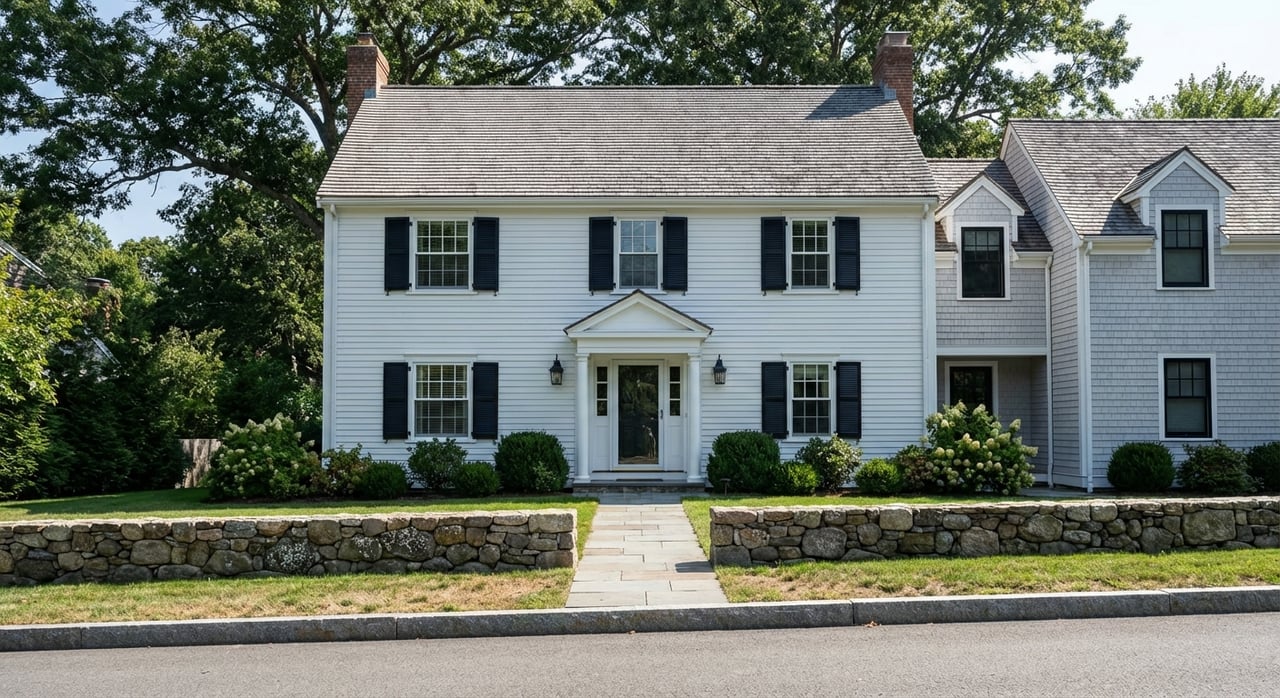
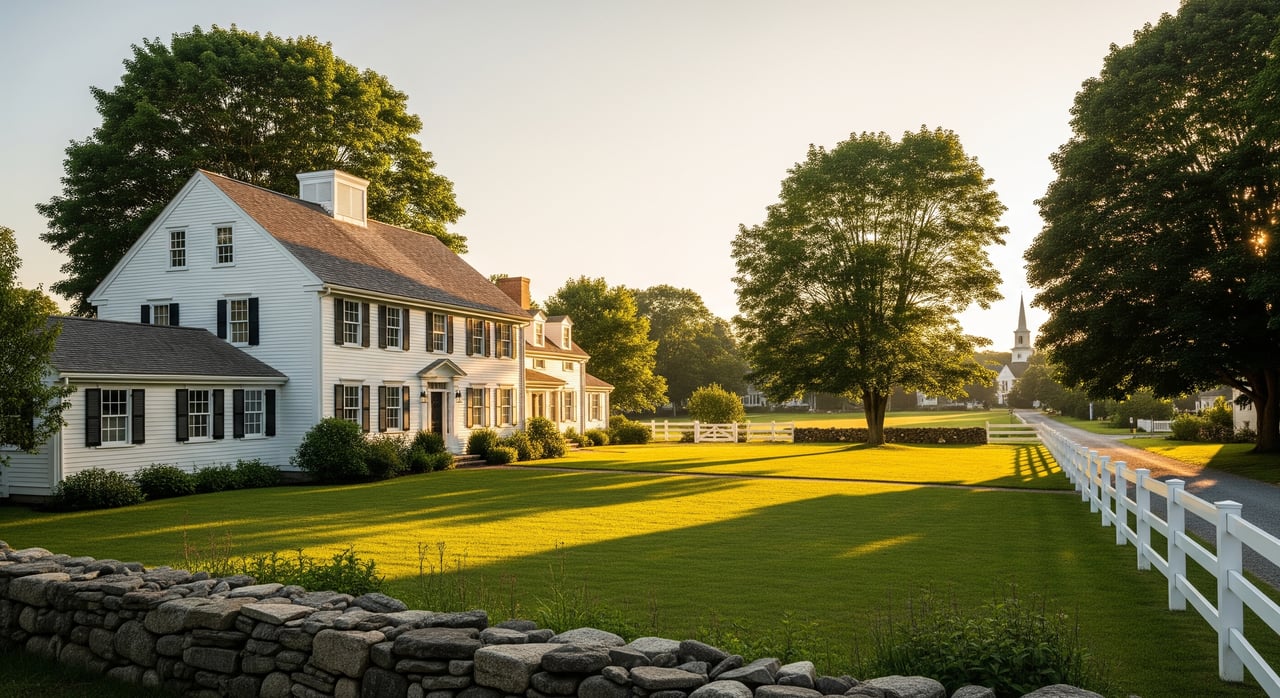
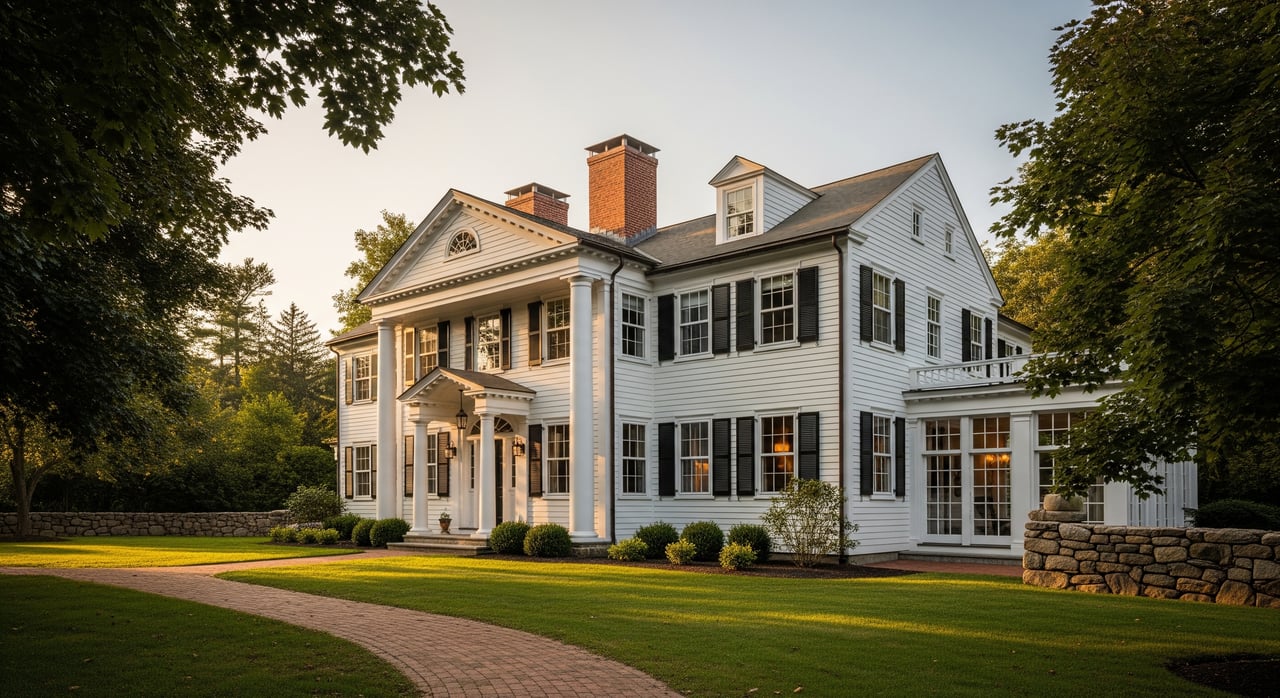
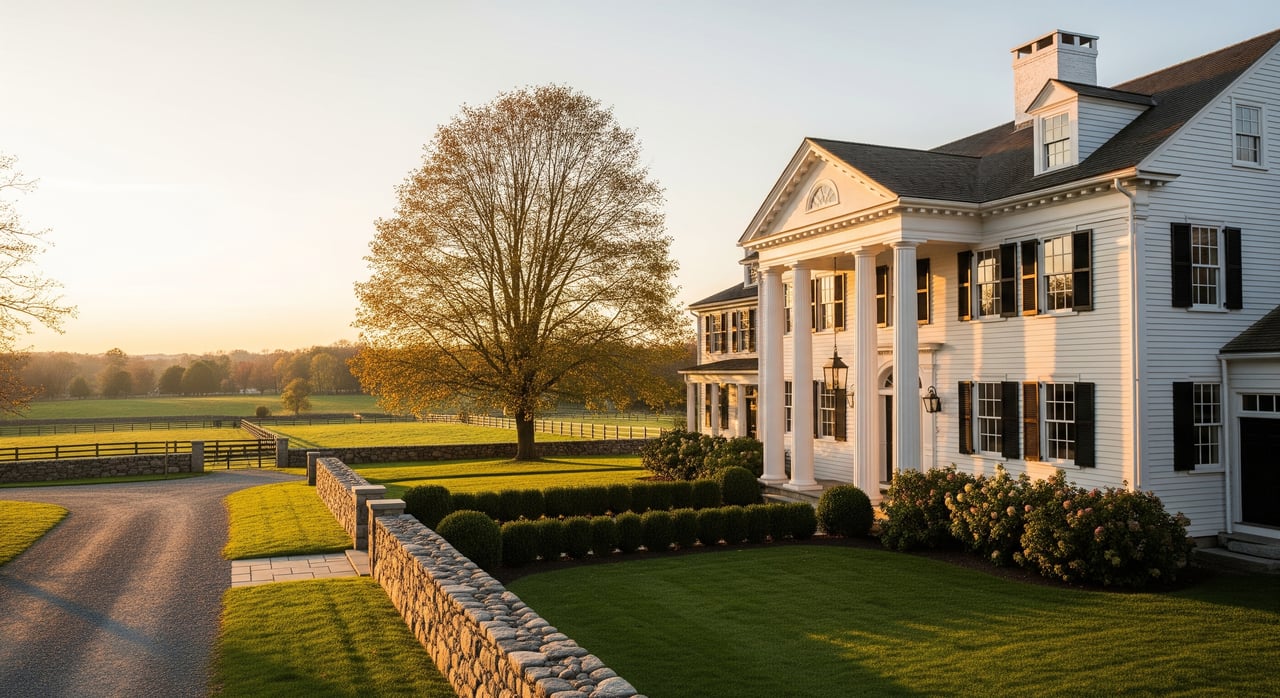
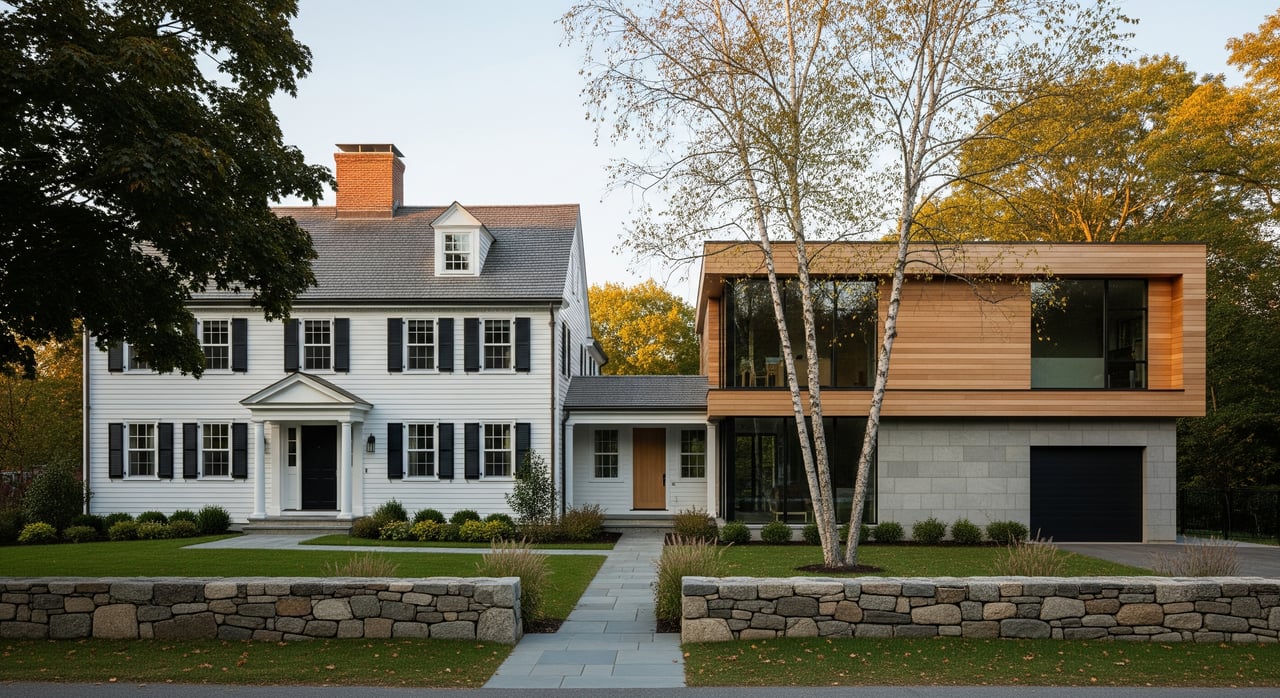
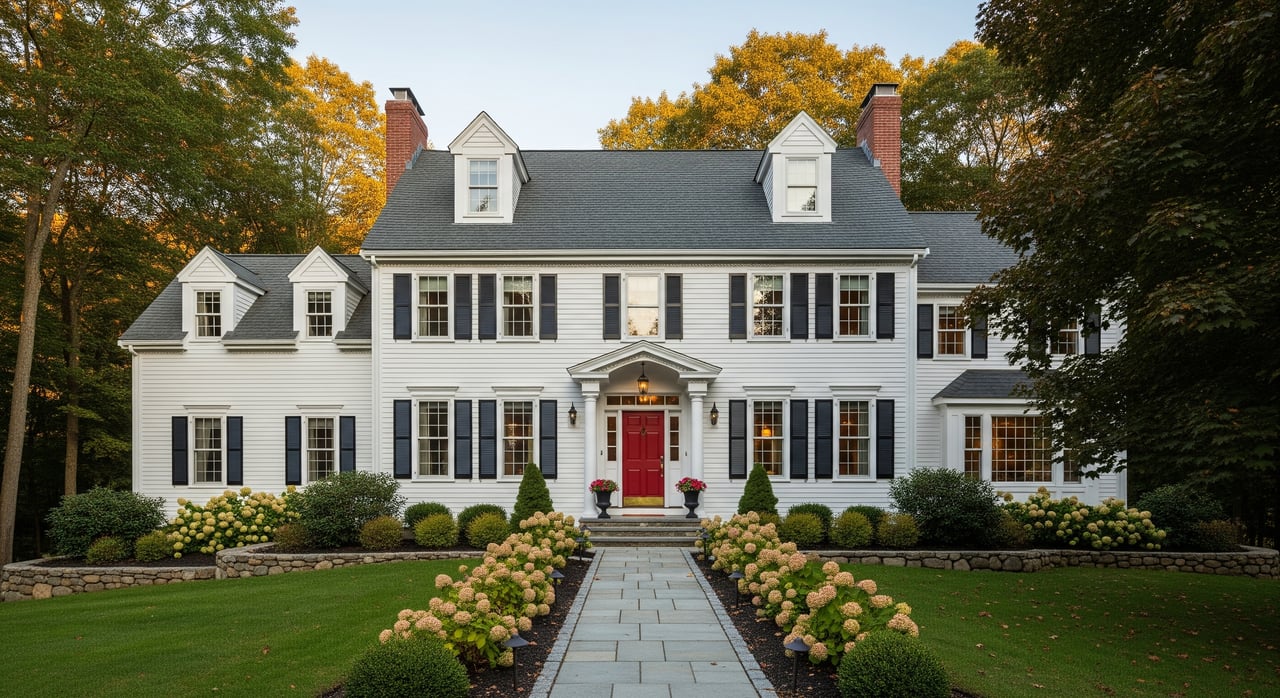
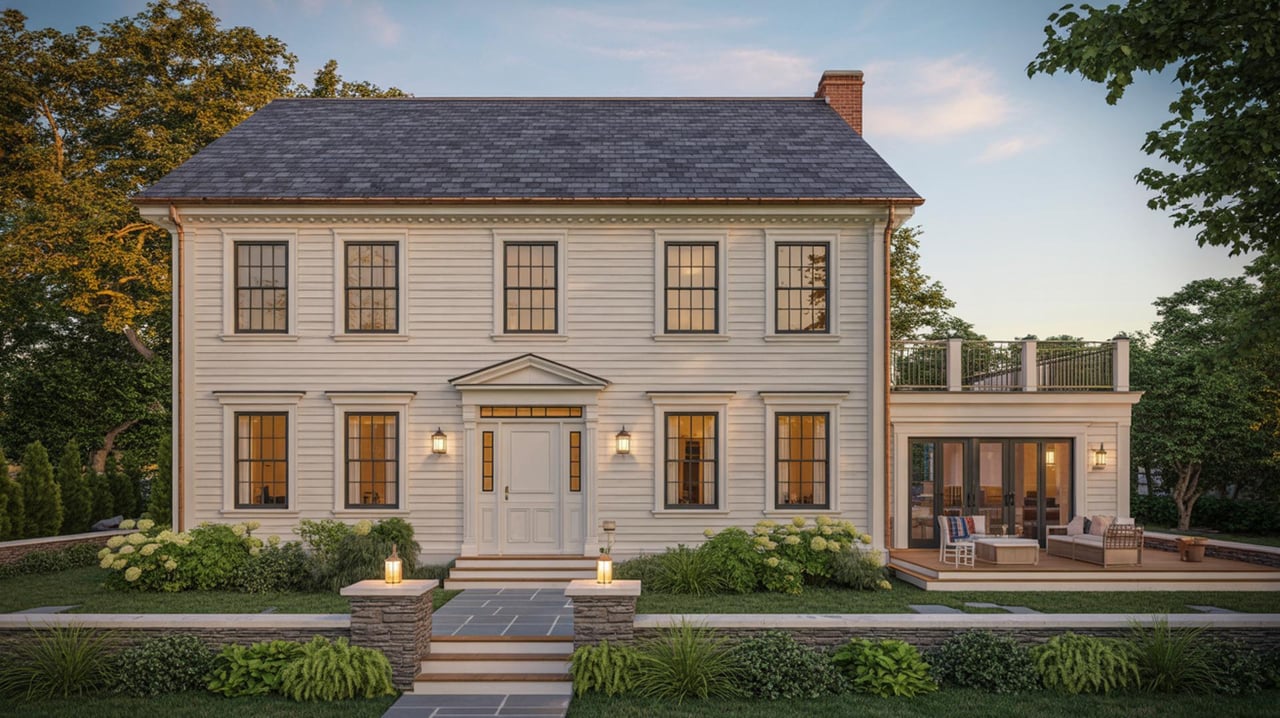
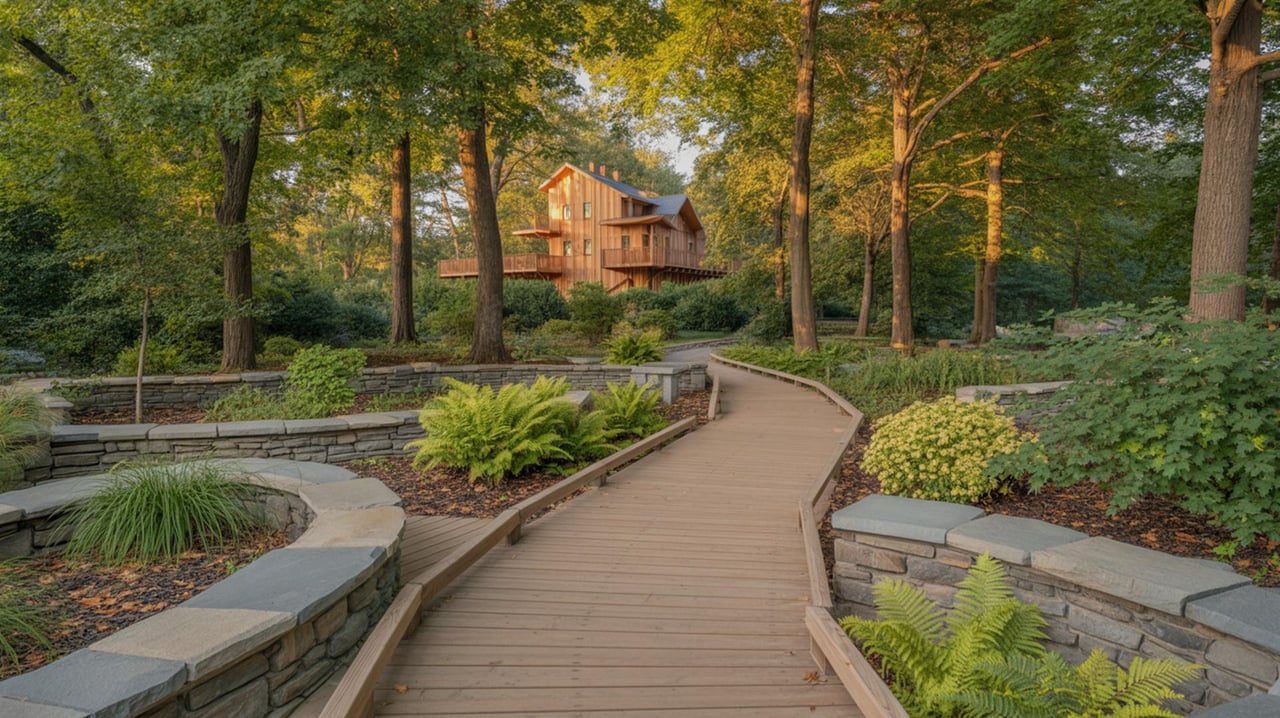
Are you selling a Carlisle property with land? If so, you are not just preparing a house for market. You are preparing a whole landscape for buyers to understand. In a town where trails, conservation land, fields, woods, and wetlands shape how people experience property, thoughtful preparation can make a major difference in how your acreage is perceived and priced. Let’s dive in.
Why land needs a clear story
In Carlisle, land is often part of the main appeal, not just extra space around the home. The town has more than 50 miles of trails, and its open space and conservation resources are a defining part of local character. With open space making up 35% of Carlisle’s 9,913 acres, buyers often look closely at how land lives and functions, not just how many acres a listing includes.
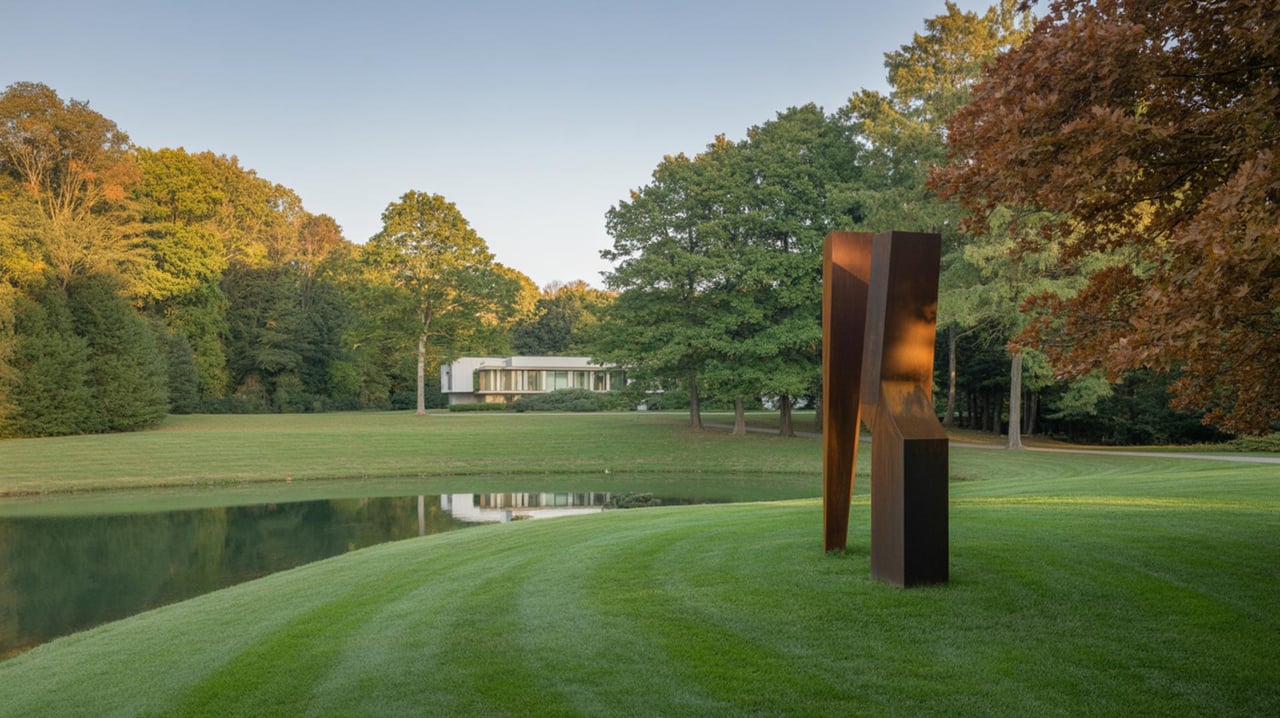
That means your job as a seller is to help buyers read the property clearly. Instead of presenting the acreage as one large backdrop, it helps to show it as a series of distinct spaces such as lawn, field, pasture, woods, trail areas, water features, and protected land. When buyers can understand what they are looking at, they can assign value with more confidence.
Define the usable areas
A land-rich property shows best when each part feels intentional. Mowing, edging, trimming, and clearing light overgrowth can help create visual separation between the main yard, open fields, wooded sections, and any private trails. This kind of preparation makes the property feel easier to navigate and easier to maintain.
In Carlisle, this matters even more because many trails are unimproved earthen paths, and some run near wetlands or across private land by easement or permission. Clean sightlines can help buyers see where daily use ends, where scenic value begins, and where sensitive areas may require care. The goal is not to over-improve the land, but to make it legible.
Focus on first impressions outside
Start where buyers are most likely to look first.
- Clean up driveway edges and entry points
- Trim back brush around key view corridors
- Mow open areas so boundaries feel visible
- Remove fallen branches and minor debris
- Make gates, fencing, and walking paths easy to spot
These steps can make a large property feel orderly rather than overwhelming.
Be careful near wetlands and protected areas
Not every outdoor improvement is worth making before listing. If your property includes or borders wetlands, streams, or other protected resource areas, avoid last-minute clearing, grading, filling, or excavation without checking the record first. Carlisle’s Conservation Commission oversees open land and wetland protection, and the town’s wetlands bylaw regulates work in or near resource areas and buffer zones.
For sellers, this means restraint is often the smarter move. A rushed attempt to “clean up” sensitive land can create questions that did not exist before. It is better to present protected or seasonal areas honestly and clearly than to risk work that may trigger review.
Prepare horse and farm features with purpose
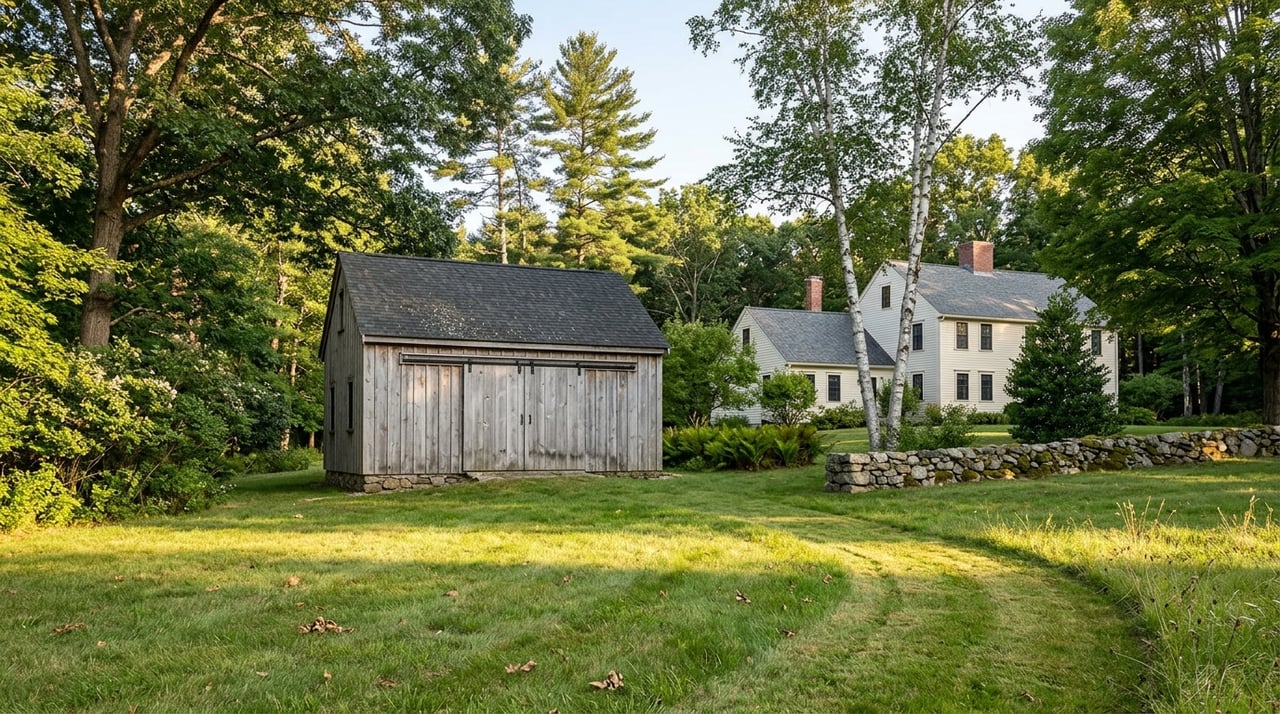
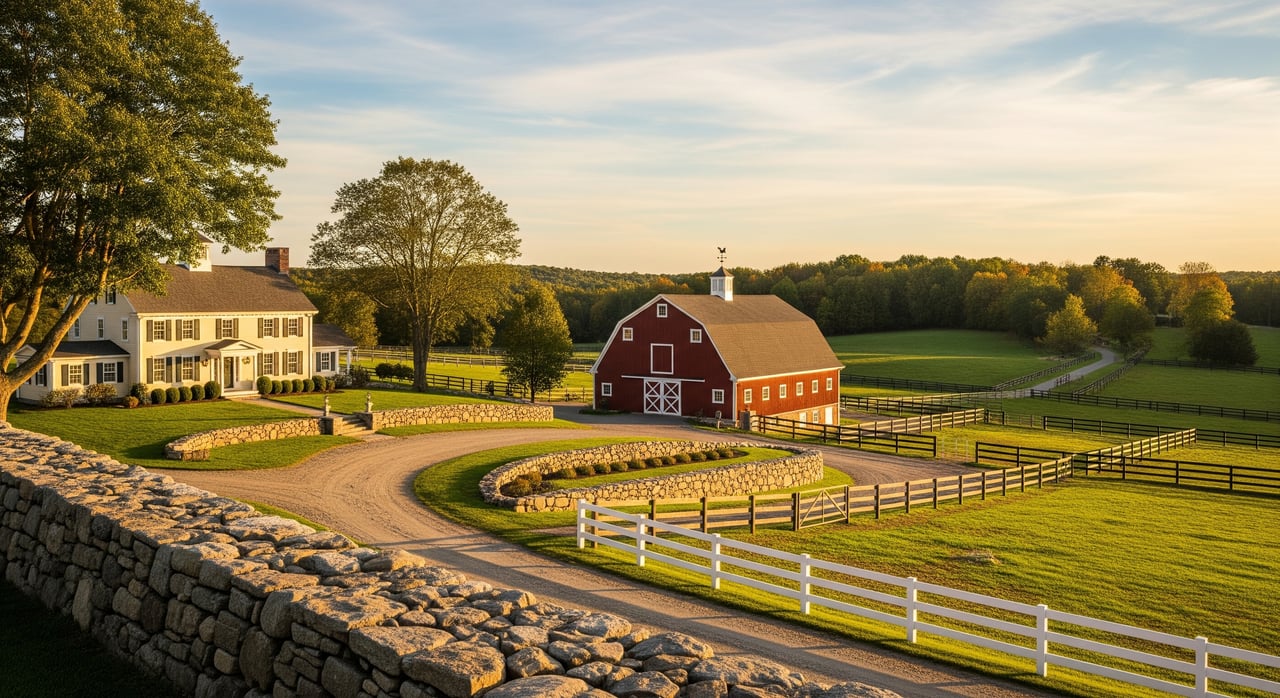
If your Carlisle property includes equestrian or small farm elements, visual order matters. Buyers need to see how fencing, paddocks, barns, gates, feed storage, and circulation areas work together. When those pieces look organized, the land feels more functional and easier to value.
Mud, manure, clutter, and worn access routes can have the opposite effect. Carlisle’s trail etiquette emphasizes avoiding wet sections and cleaning up horse manure on shared paths, and the same basic principle applies during listing preparation. Clean, tidy, and well-defined outdoor work areas help buyers focus on the strengths of the property.
What to review on equestrian properties
Before photography or showings, check these areas:
- Fence lines and gate operation
- Barn exterior condition and visible organization
- Paddock drainage and footing appearance
- Feed and equipment storage areas
- Access between barn, paddock, and parking areas
You do not need perfection. You do need a property that feels cared for and easy to understand.
Preserve trails without overstating access
Private trails and old path systems can be a real asset in Carlisle, but they should be presented carefully. If your property includes trails, keep them passable and visually neat for showings. A simple, well-maintained path can help buyers appreciate the lifestyle value of the land.
At the same time, avoid making assumptions about permanent public or shared access. Carlisle’s Trails Committee notes that trails on private land may exist by easement or permission, and preservation options may involve town boards or the Carlisle Conservation Foundation. In other words, a path may be meaningful, but its legal status still matters.
Gather the documents early
Land-heavy properties tend to raise more buyer questions. The smoother your documentation package, the easier it is for buyers to understand what they are considering. In Carlisle, the assessor’s parcel record is a smart place to begin because the Assessors office maintains a database for each parcel.
If possible, pair that record with a survey or plot plan. This becomes especially helpful if the property includes trails, outbuildings, unusual frontage, paddocks, pastures, or natural features that buyers may not be able to interpret from a simple listing sheet.
Key papers to collect
Try to gather these before the property goes live:
- Assessor’s parcel record
- Survey or plot plan, if available
- Current deed
- Easements or trail-access agreements
- Conservation restrictions, if any
- Records for major site improvements
- Permit and zoning history that affects use
This paperwork supports stronger marketing and clearer buyer conversations.
Check for conservation restrictions
If your property is subject to a conservation restriction, buyers should understand that early. Carlisle’s Conservation Restriction Advisory Committee explains that a conservation restriction is a voluntary legal agreement that limits development rights in order to preserve open space, scenic vistas, or wildlife habitat.
That does not automatically reduce buyer interest. It simply changes how the acreage should be understood and valued. Clear documentation helps buyers see the difference between scenic, protected, and developable land.
Review Chapter 61 status before listing
Some Massachusetts properties with land are enrolled in Chapter 61, 61A, or 61B current-use programs. If your property falls into one of these categories, that status can affect marketing, timing, and buyer expectations. It should be reviewed before you present the parcel as straightforward residential acreage.
For example, Massachusetts law provides that a notice of intent to sell or convert Chapter 61A land must go to the town, assessors, planning board, conservation commission, and State Forester, and the municipality generally has a 120-day first-refusal period. That is the kind of detail that can shape both listing strategy and transaction timing.
Explain active agricultural use clearly
If the land is actively farmed, context matters. Carlisle’s Right to Farm Bylaw recognizes the right to farm in town, which helps frame ordinary agricultural activity as part of local land use rather than as an unusual condition.
For buyers, that can help set expectations around seasonal field work, equipment activity, or normal farm-related odors and sounds. For sellers, it is another reason to tell the land story accurately and calmly.
Confirm zoning and permit history
Acreage alone does not tell buyers what is possible on a property. Carlisle’s zoning bylaws include dimensional requirements and supplementary regulations for areas such as wetland and flood hazard districts, private driveways, accessory dwelling units, and conservation clusters. That means land usability depends on more than lot size.
If you are thinking about making pre-listing changes, confirm the zoning and wetlands record before any work begins. Even small changes can create unnecessary complications if they touch protected areas or regulated improvements.
Use photography to explain scale
Strong visual marketing is essential for a Carlisle property with land. Ground-level photography should show how the house connects to the landscape, while aerial imagery can help explain the larger layout. Buyers often need both perspectives to understand how fields, woods, paddocks, water features, and approach routes relate to one another.
This is especially important when a parcel includes more than one land type. Aerial views can help buyers see boundaries, trail entrances, open areas, and view corridors in a way that standard exterior photos cannot.
What your photo package should show
A well-prepared visual plan often includes:
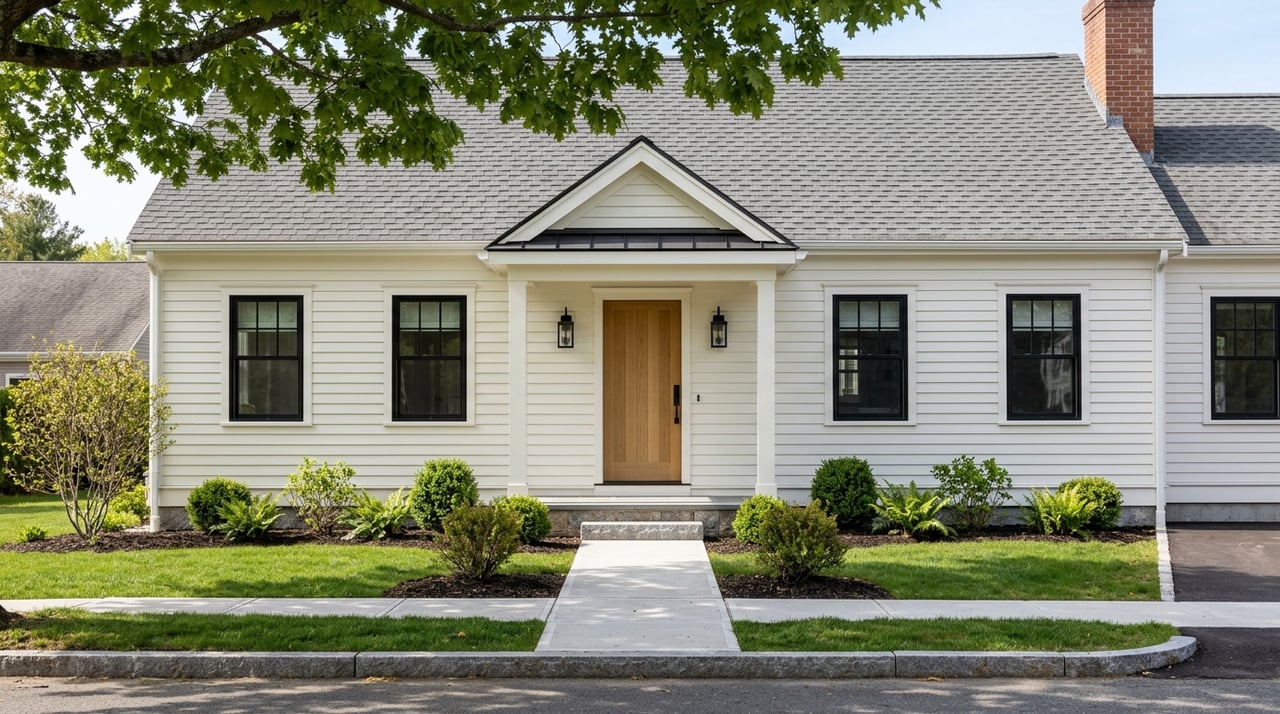
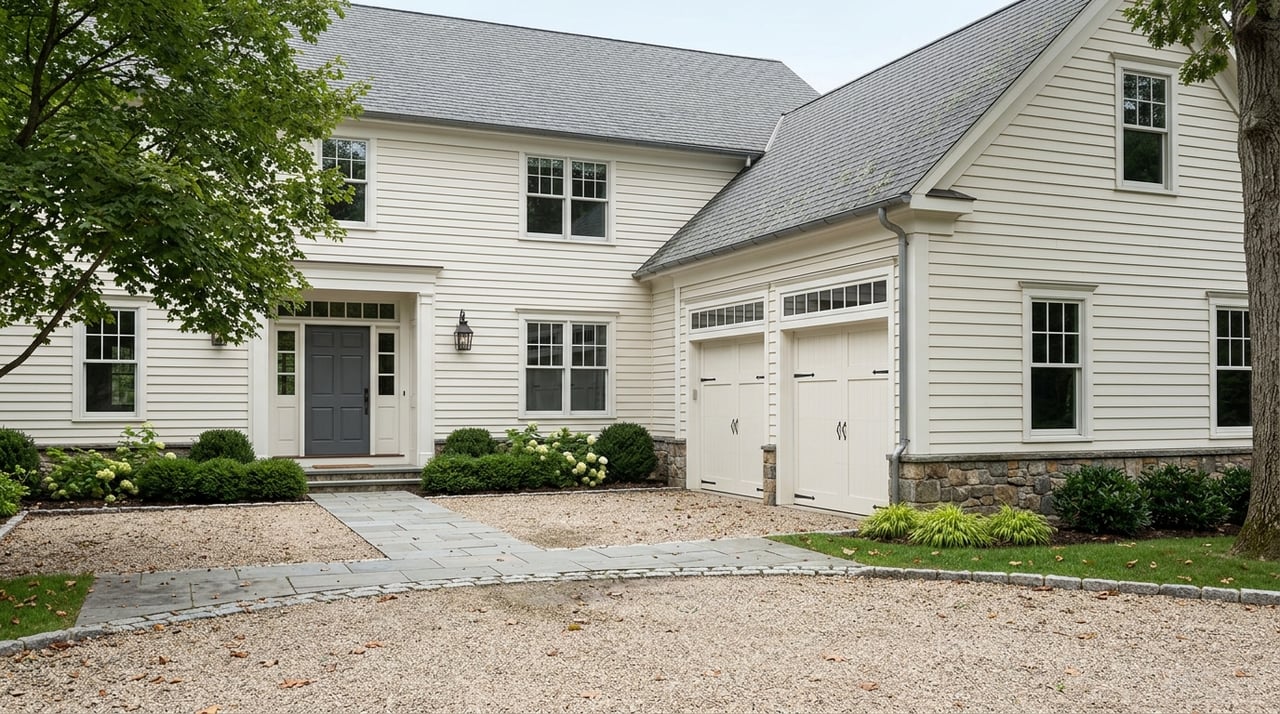
- Front approach and arrival experience
- Rear grounds and major outdoor living areas
- Open field or pasture areas
- Wooded sections and trail entries
- Barns, paddocks, and outbuildings
- Ponds, streams, or other water features, if present
- Aerial views that show scale and land relationships
In Carlisle, the best photography does more than look beautiful. It helps buyers understand the property.
Plan drone work early
If you want drone imagery, treat it as an important part of the listing plan rather than a last-minute add-on. The FAA says commercial drone operators must comply with Part 107 requirements, including Remote Pilot Certificate rules, registration where required, and airspace authorization when applicable.
For sellers, that means it is wise to schedule a qualified drone professional early. In a town like Carlisle, where private access, conservation land, and natural features can influence perception, aerial imagery is most useful when it is accurate, well-planned, and tied closely to the property’s actual layout.
The goal: clarity builds confidence
When you prepare a Carlisle property with land, your real task is translation. Buyers want to know what part of the acreage is usable, what part is scenic, what part is seasonal, what part may be protected, and what part is supported by survey, permit, or restriction. The clearer you can make those answers, the stronger your listing will be.
That kind of preparation fits Carlisle especially well. It respects the land, supports accurate pricing, and helps the right buyer see the full value of what you are offering. If you are preparing a Carlisle property with acreage, horse facilities, or specialty land features for sale, working with an agent who understands both presentation and documentation can make the process far more effective.
If you are thinking about selling in Carlisle and want a thoughtful, tailored plan for presenting your home and land, Peggy Dowcett can help you prepare every detail with care.
FAQs
What makes selling a Carlisle property with land different?
- In Carlisle, buyers often evaluate the land as part of the core value because trails, conservation areas, fields, woods, and protected features are central to how many properties are used and understood.
What documents should you gather before listing a Carlisle property with acreage?
- Start with the assessor’s parcel record, then gather any survey or plot plan, deed, easements, trail-access agreements, conservation restrictions, and records related to site improvements, zoning, or permits.
Should you clear or grade land before selling a Carlisle home?
- Not without care. If the property includes wetlands, streams, or protected resource areas, last-minute work near those areas may trigger review under Carlisle’s wetlands rules.
How should you market trails on a Carlisle property?
- Keep private trails neat and passable for showings, but avoid overstating access rights because some trails on private land may exist by easement or permission rather than unrestricted use.
Why is drone photography helpful for Carlisle land listings?
- Drone imagery can help buyers understand scale, layout, boundaries, and how fields, woods, water features, barns, and access points relate to each other across the property.
Can Chapter 61 or 61A status affect a Carlisle land sale?
- Yes. Current-use classification can affect timing and buyer expectations, and Chapter 61A land may involve notice requirements and a municipal first-refusal period before a sale or conversion proceeds.