Trying to choose between a waterfront home and an in-town property in Gloucester? It is a classic local decision, and it can feel harder than it looks at first. You may be balancing daily convenience, budget, views, upkeep, and long-term value all at once. This guide will help you compare the tradeoffs clearly so you can decide which Gloucester lifestyle fits you best. Let’s dive in.
Gloucester living at a glance
Gloucester is a coastal city with more than 64 miles of shoreline, so the choice is often not simply house style or price point. It is really a choice between the denser downtown and central areas versus the more scenic shoreline sections like East Gloucester, Rocky Neck, and Magnolia.
Downtown serves as Gloucester’s commercial and civic center. It is also the hub for local transit, including commuter rail service from Downtown Gloucester and West Gloucester, plus the CATA bus network centered around downtown.
In-town Gloucester lifestyle
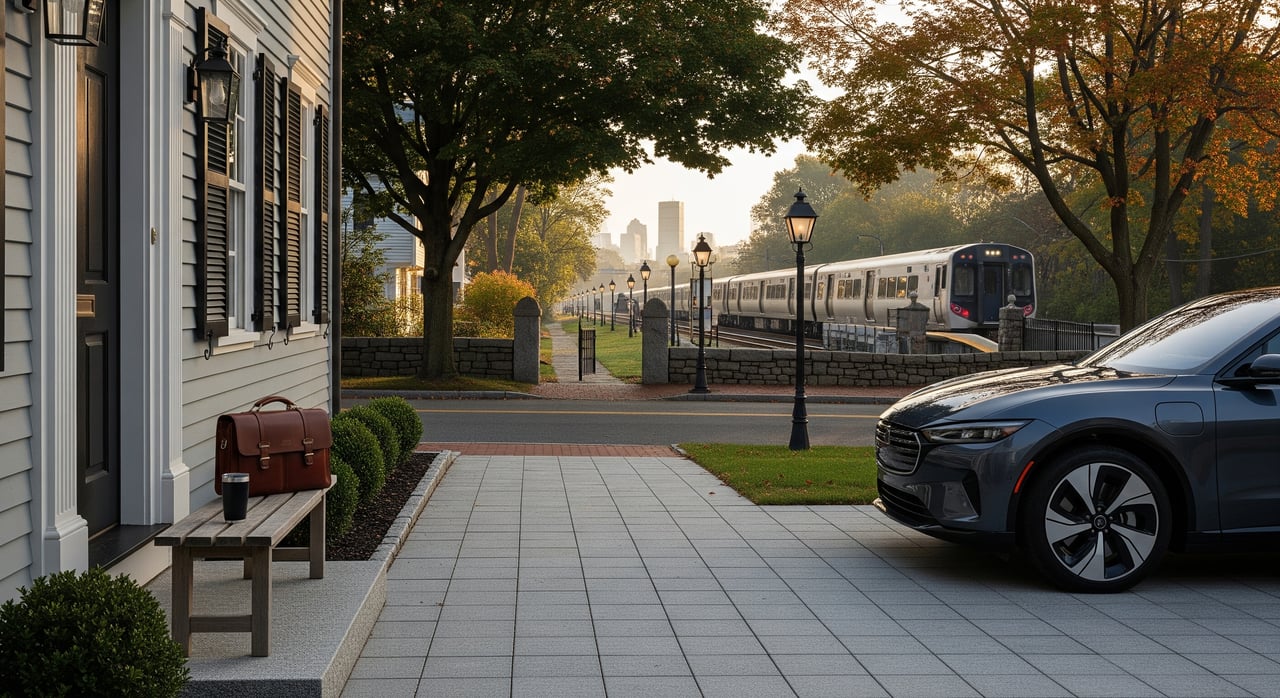
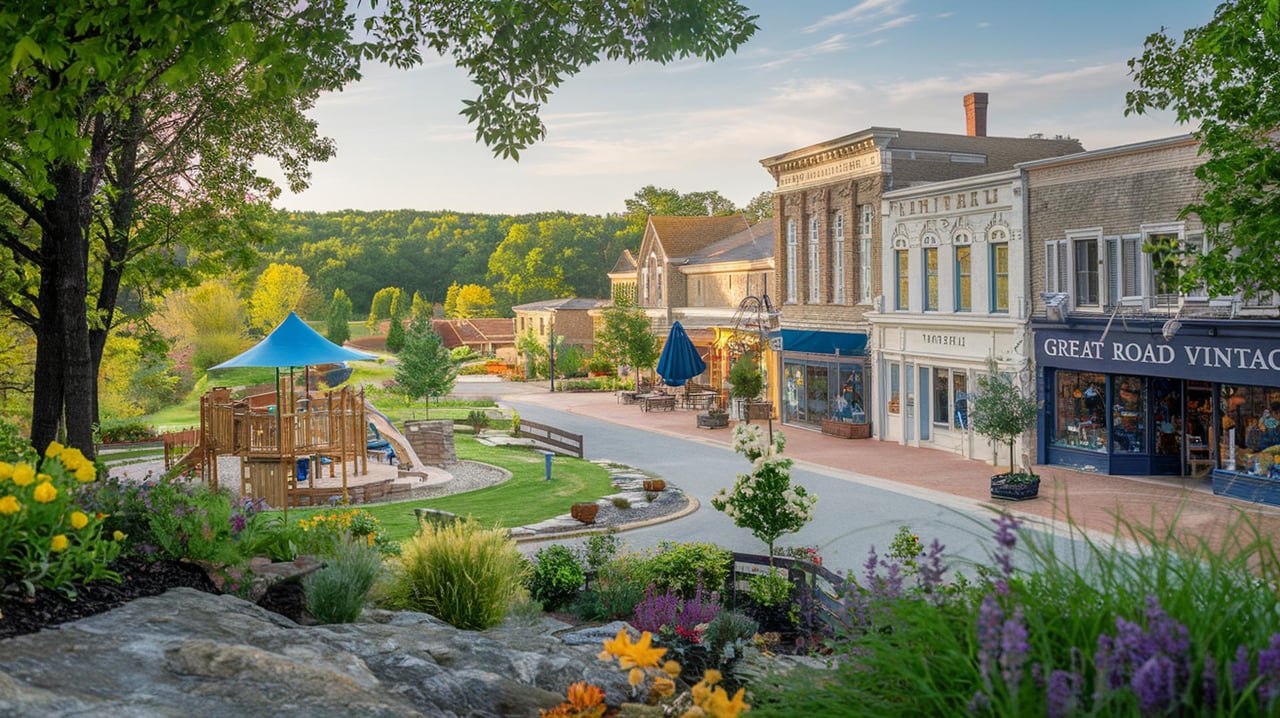
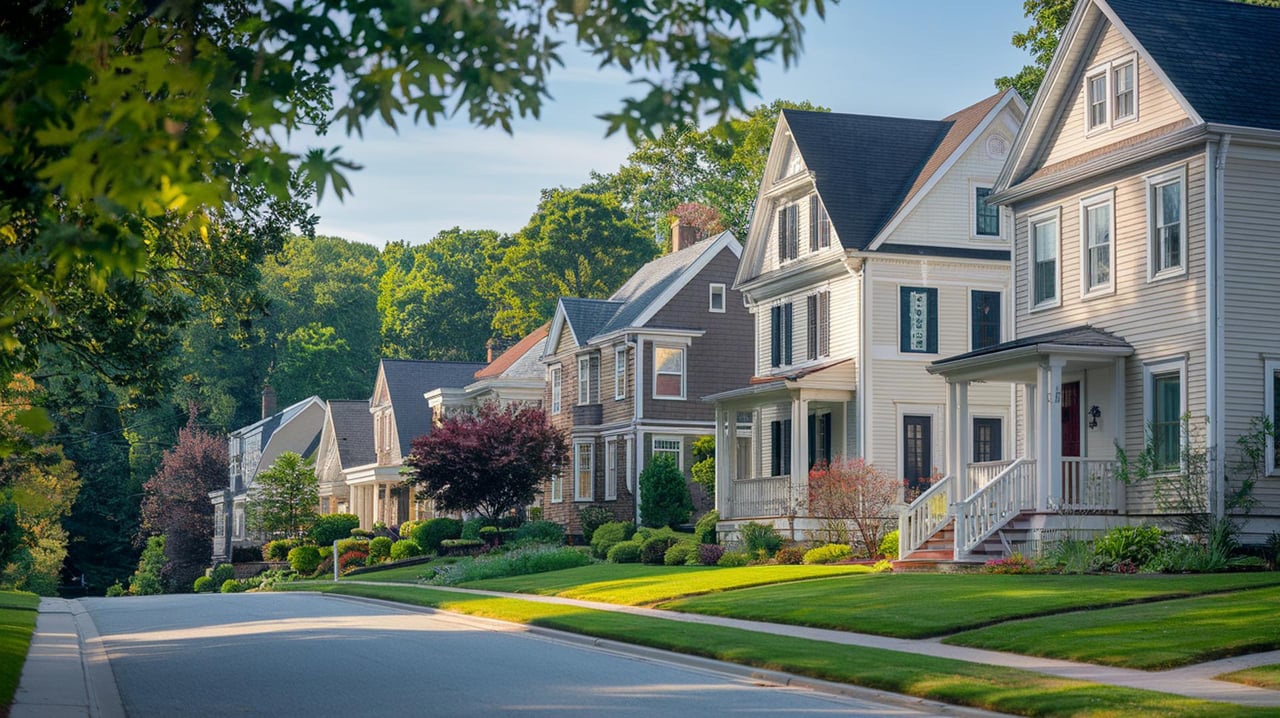
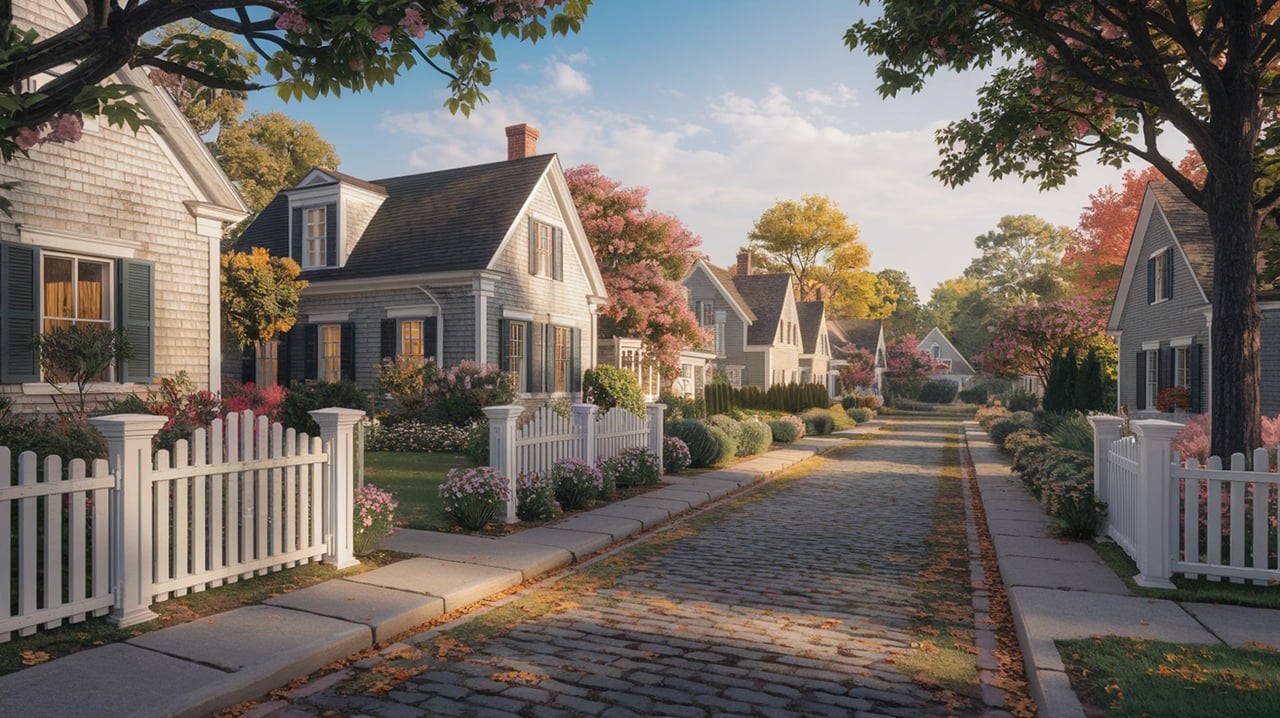
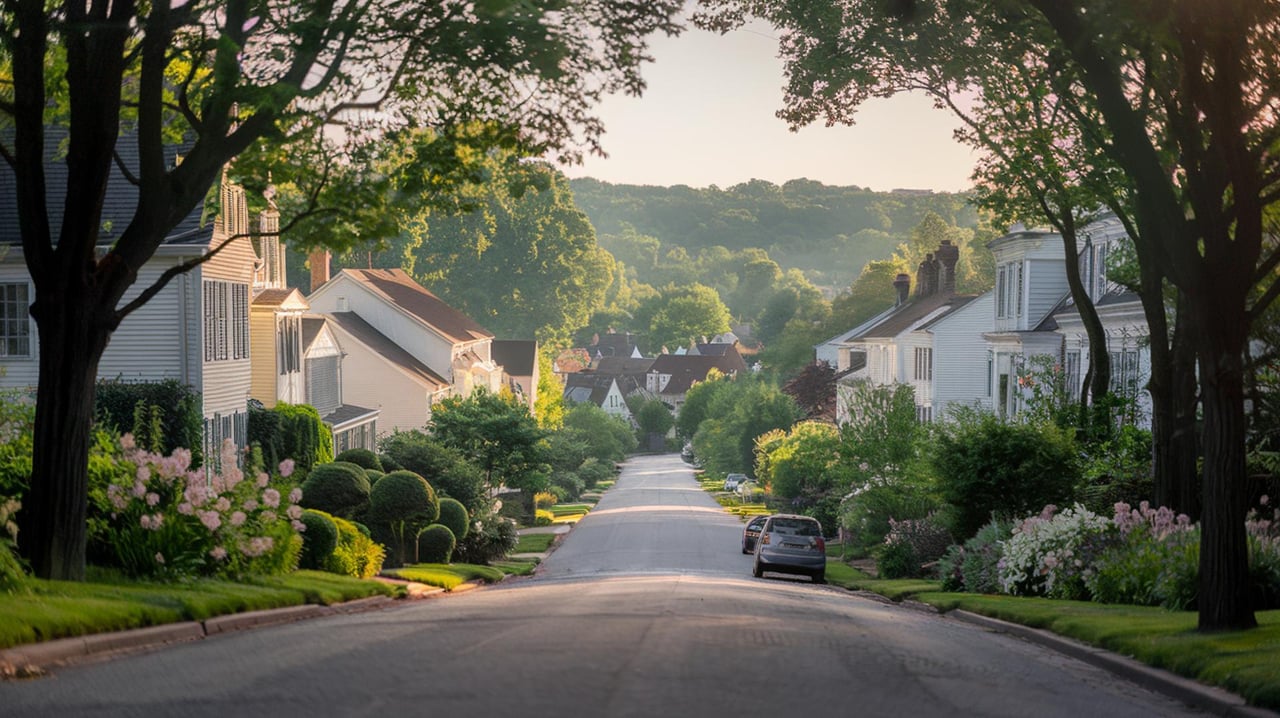
If you want to be close to daily essentials, in-town Gloucester may feel like the practical fit. Downtown Gloucester is known for walkable streets, local shops, galleries, seafood restaurants, and easy access to the harbor.
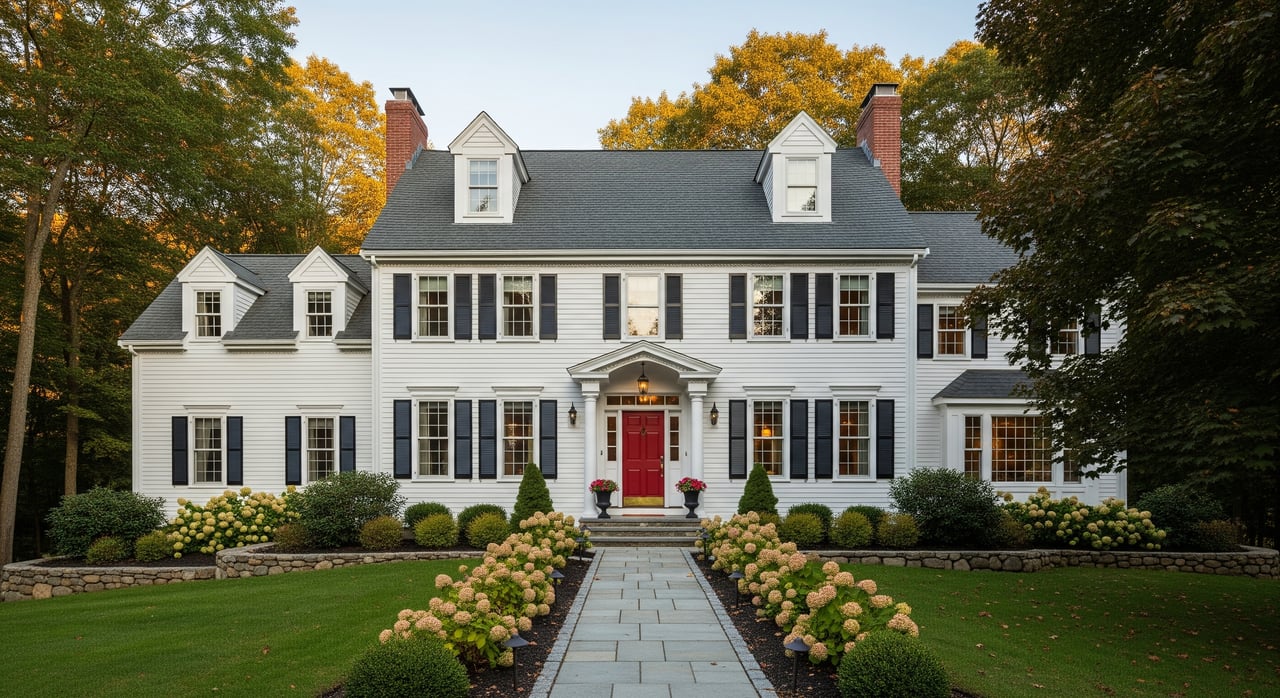
The city’s planning materials describe downtown and central Gloucester as the most densely developed parts of the city. For you, that can mean a more connected day-to-day routine with errands, dining, and transportation closer together.
Why buyers choose in-town
Many buyers are drawn to in-town Gloucester for convenience. If you like being able to get out the door and reach coffee, dinner, the train, or local services without a long drive, this setting can be appealing.
In-town can also offer a lower entry point compared with some coastal sections of Gloucester. Recent neighborhood snapshots show Central Gloucester with a median listing price of about $524,900, which is well below East Gloucester’s $1.175 million median listing price.
What housing looks like in-town
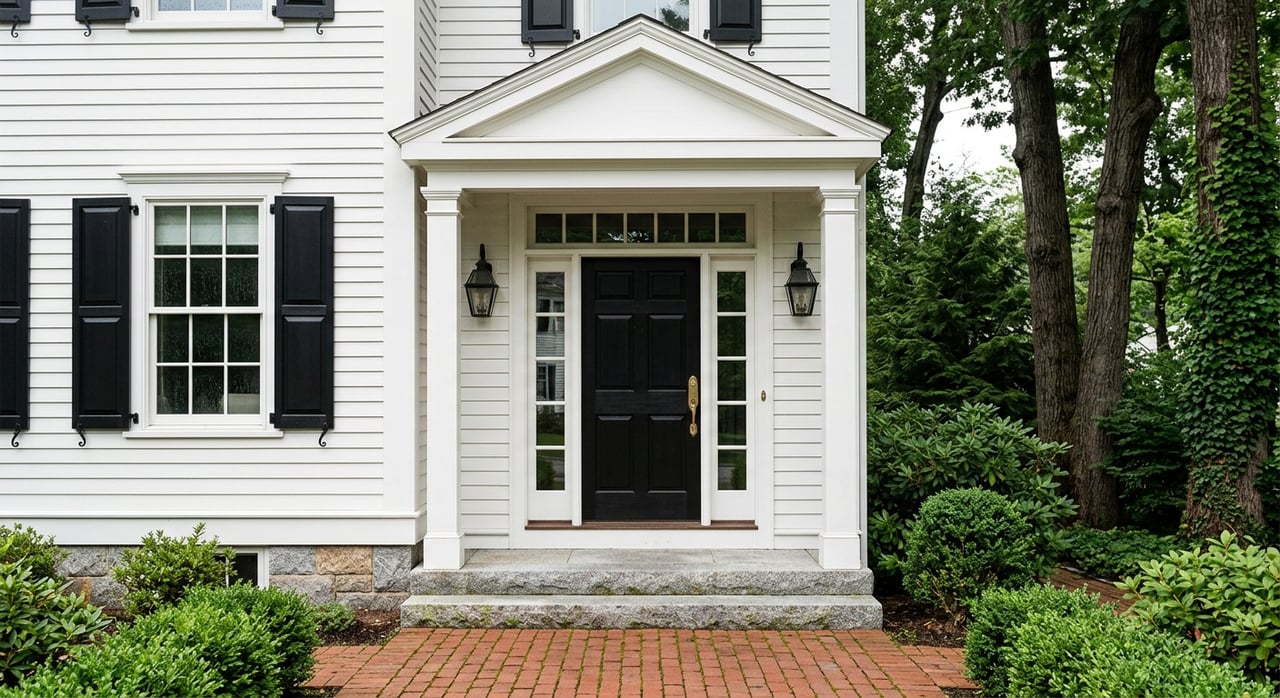
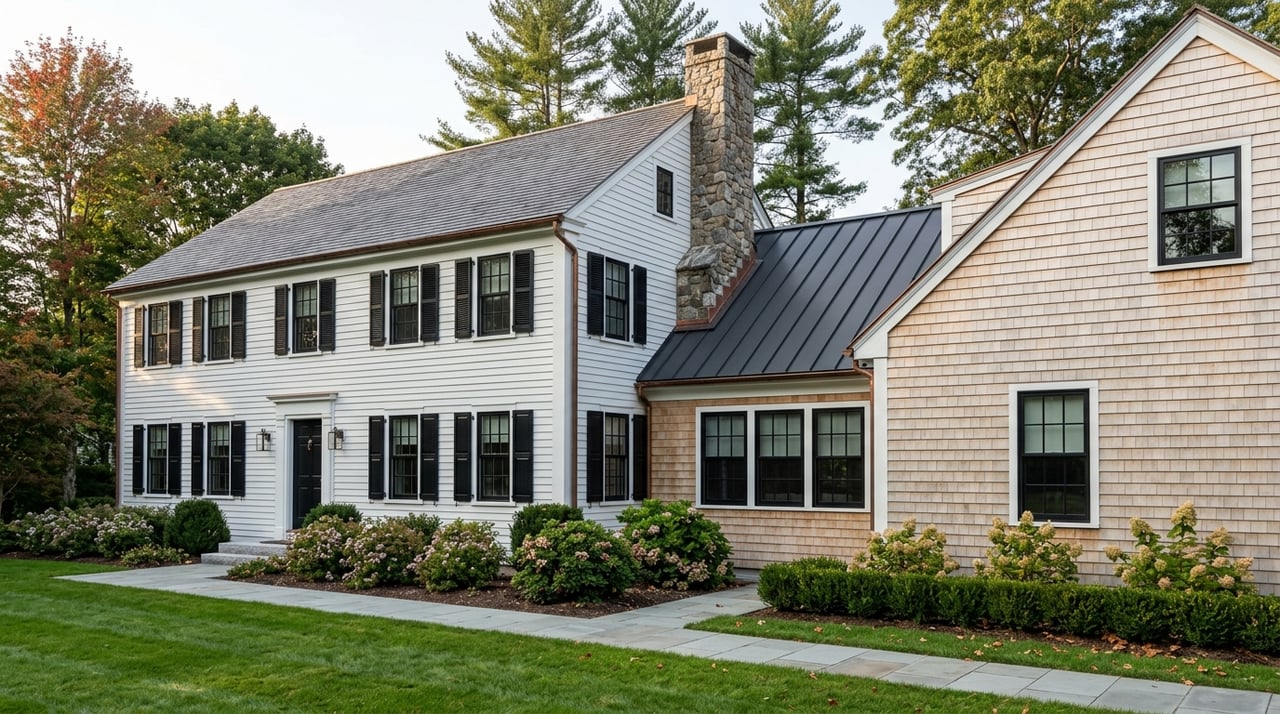
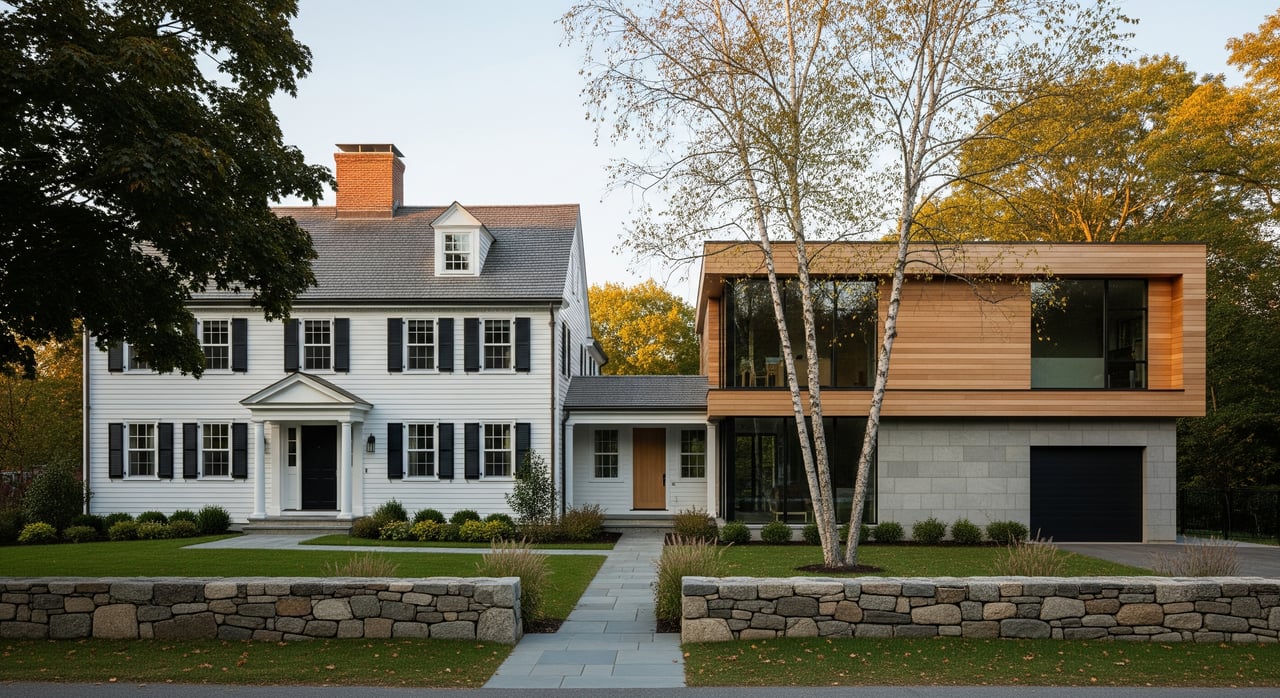
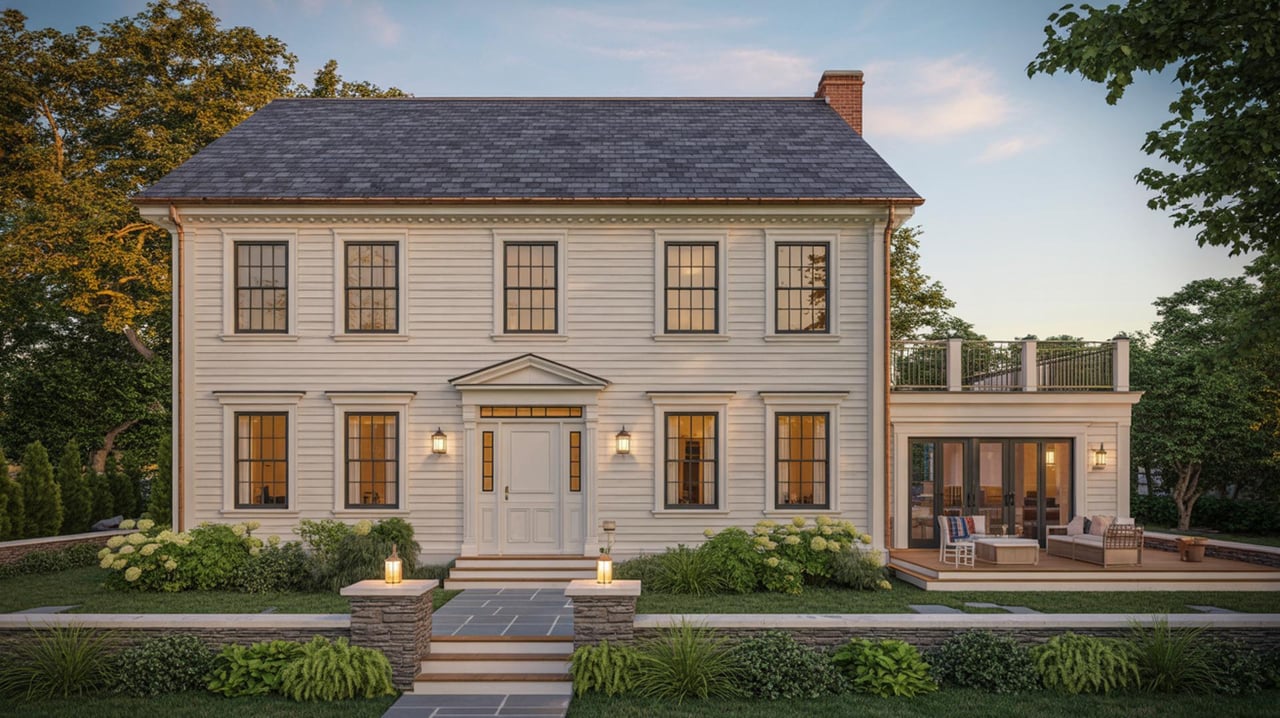
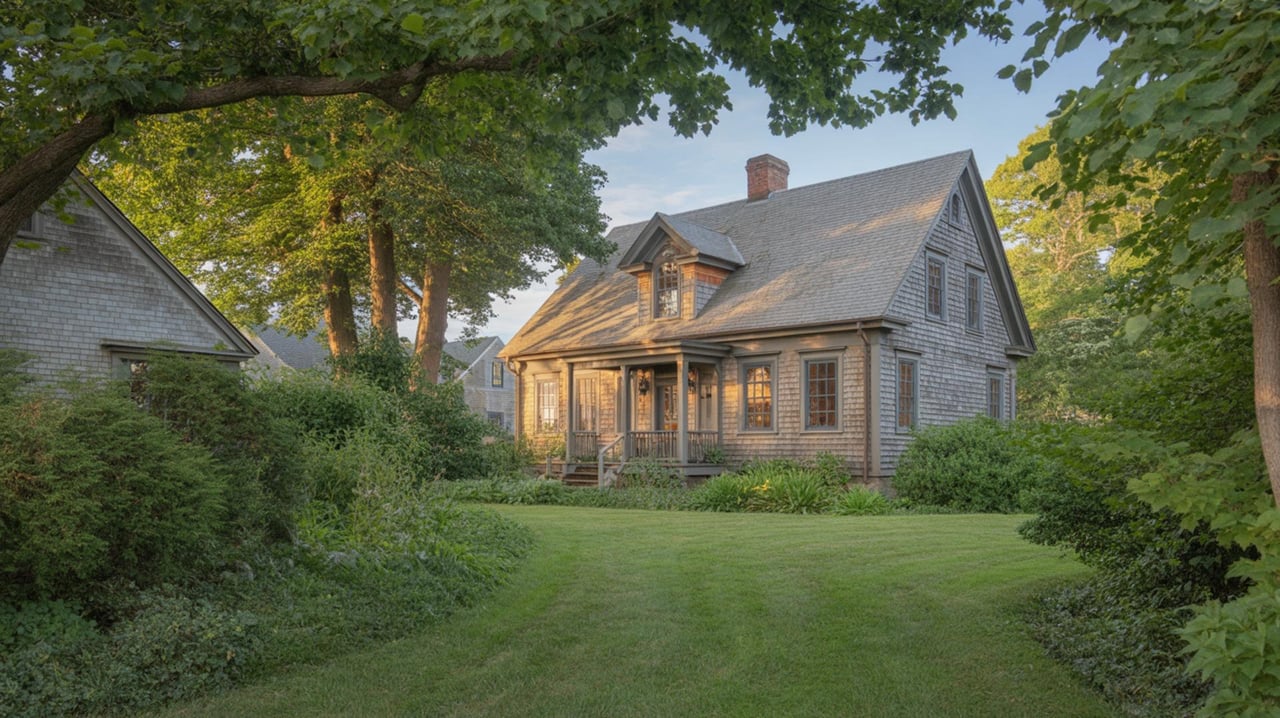
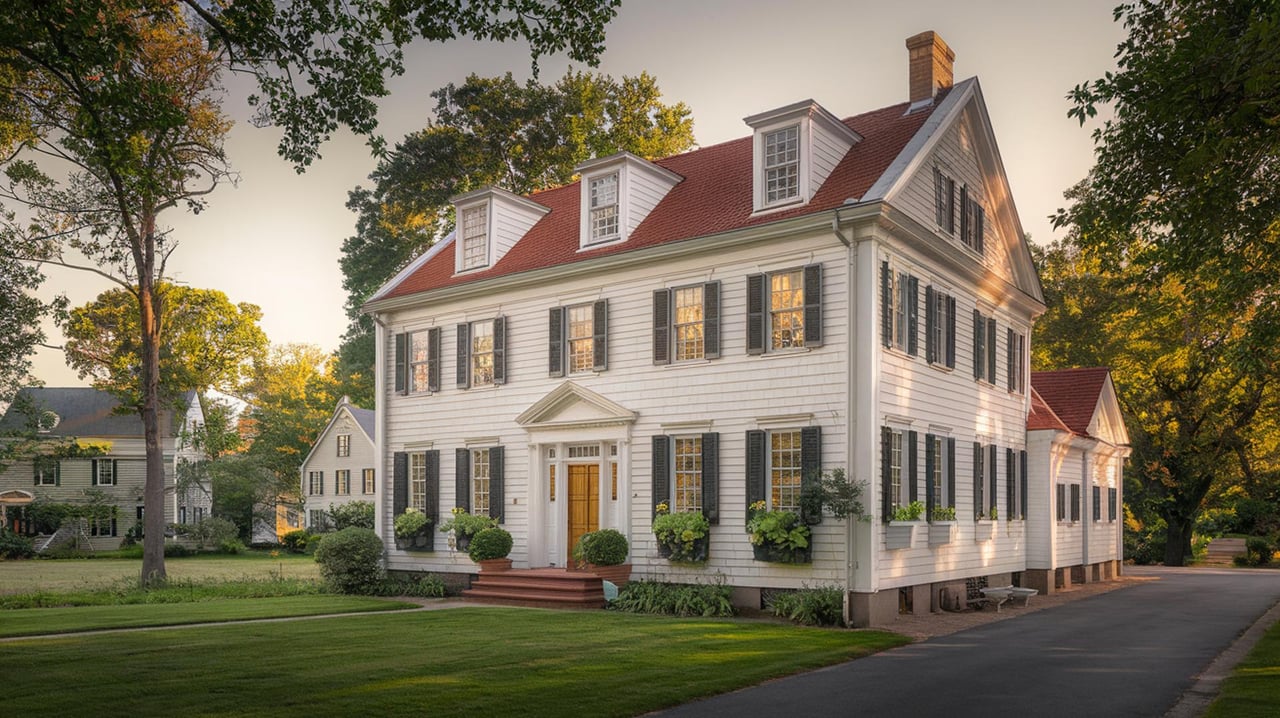
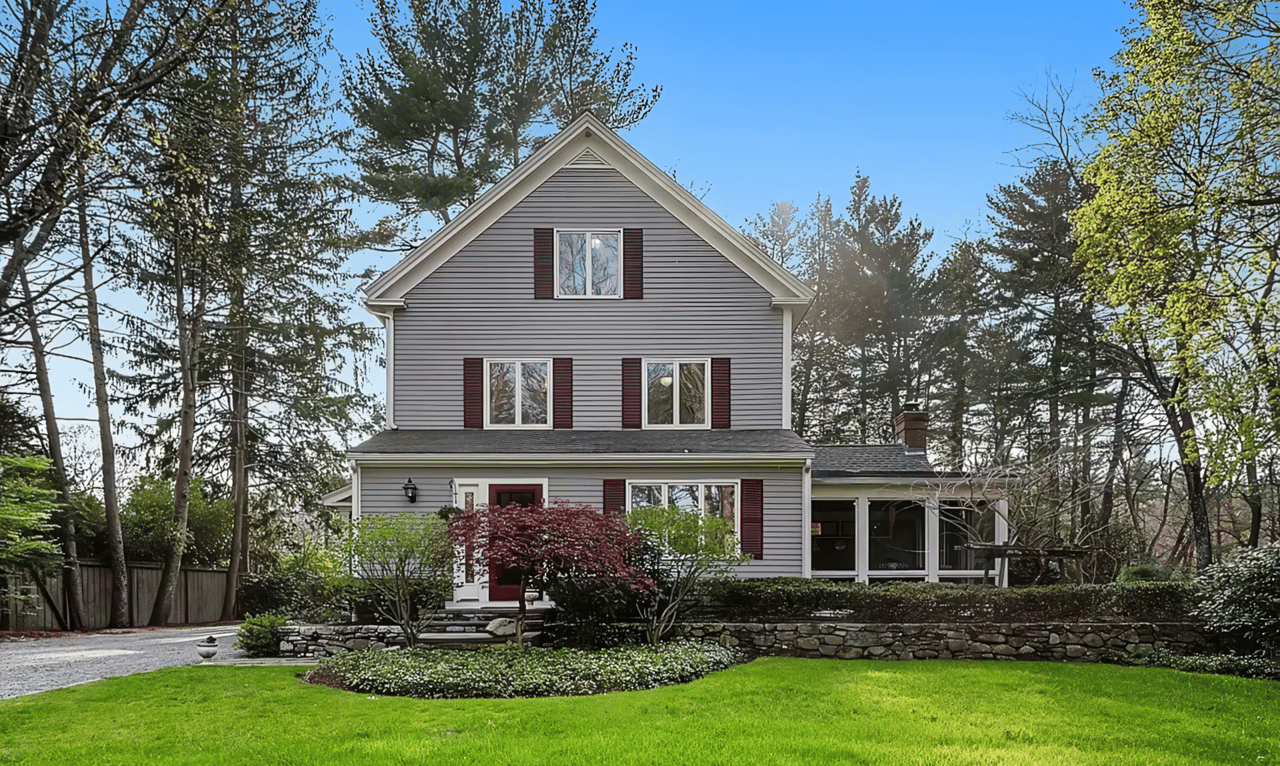
In-town Gloucester often includes a broader mix of housing types. City housing data shows that older single-family homes are common across Gloucester, while rental and multifamily housing are more concentrated near commercial areas and public transportation.
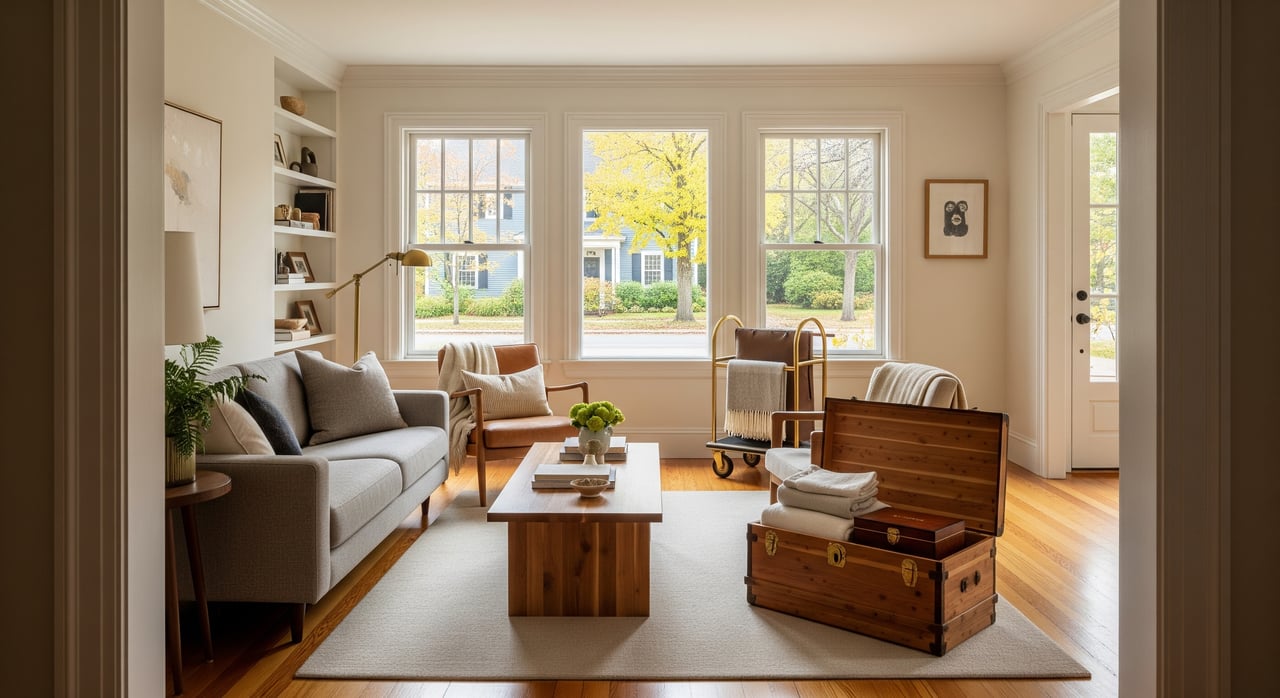
That means your options may include older single-family homes, mixed-use buildings, condos, or smaller multifamily properties. The city’s current multifamily overlay discussion also reinforces that the in-town core is where smaller, more attainable housing choices are more likely to be found.
In-town tradeoffs to expect
Convenience does not always mean low maintenance. Gloucester’s housing needs assessment notes that older units are more likely to be in disrepair, and many homes may need rehabilitation or accessibility upgrades over time.
Downtown planning documents also point to parking, traffic, sidewalk, and streetscape issues as ongoing concerns. So if you choose in-town, your tradeoff may be less about shoreline risk and more about older-house upkeep, parking management, and a busier environment.
Waterfront Gloucester lifestyle
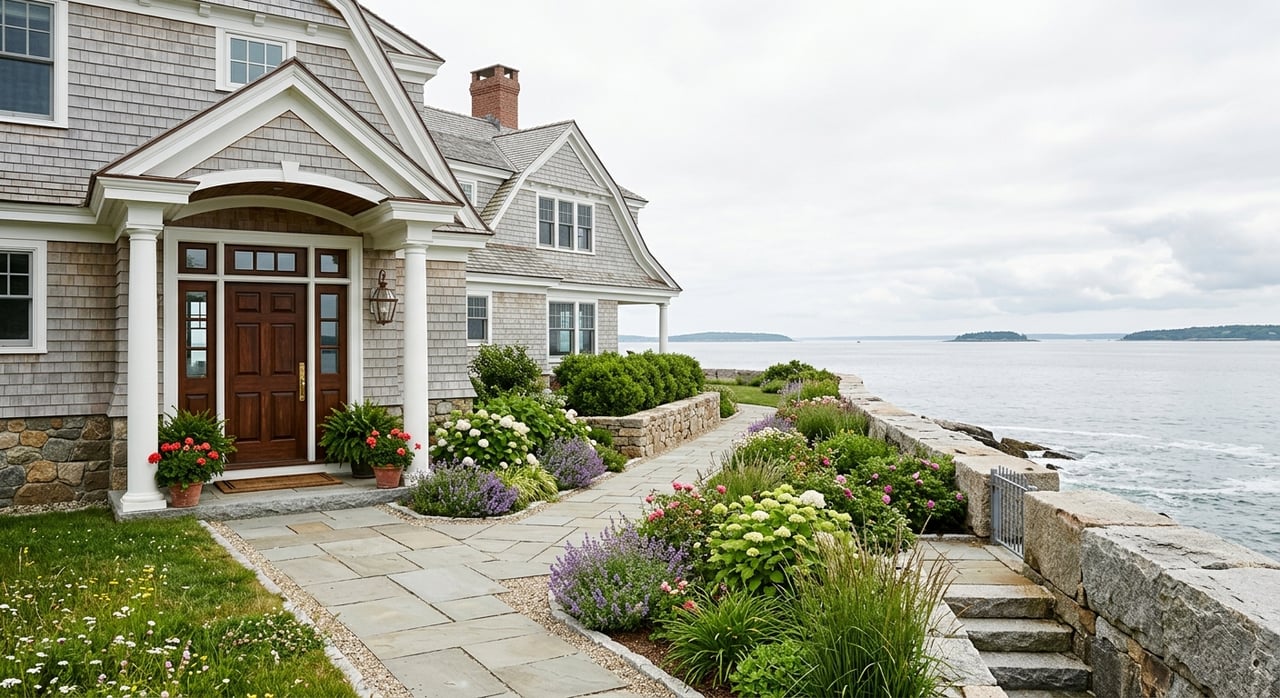
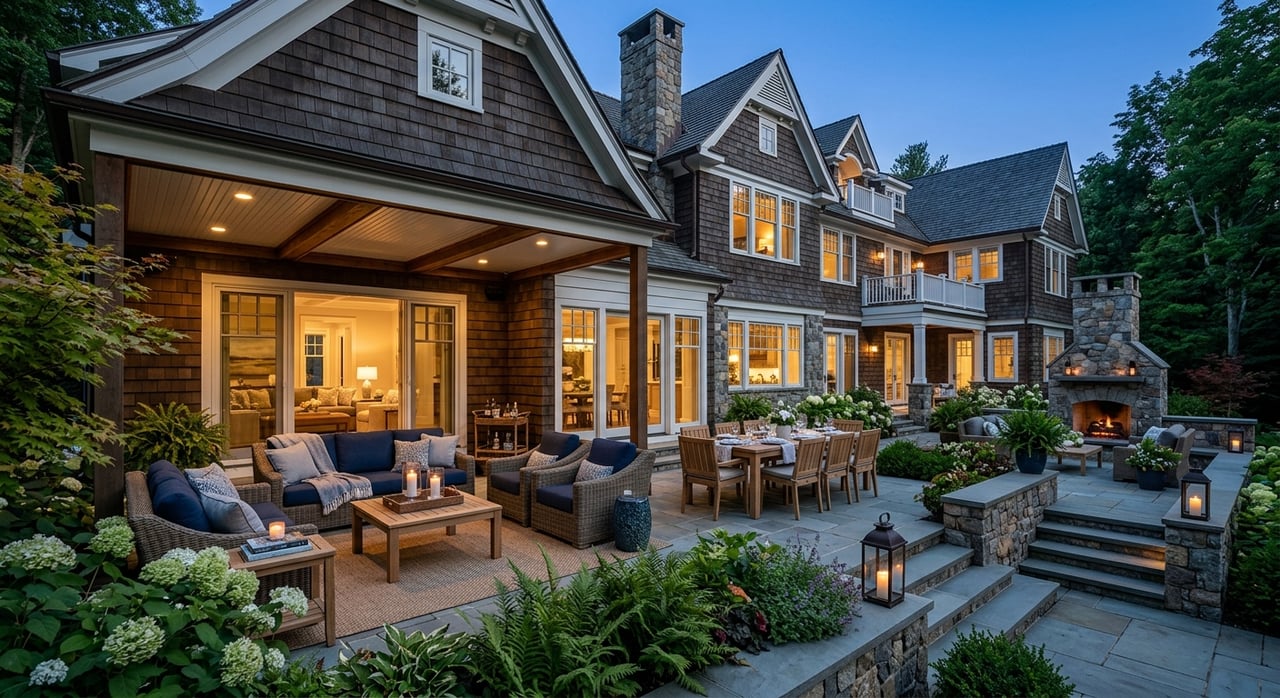
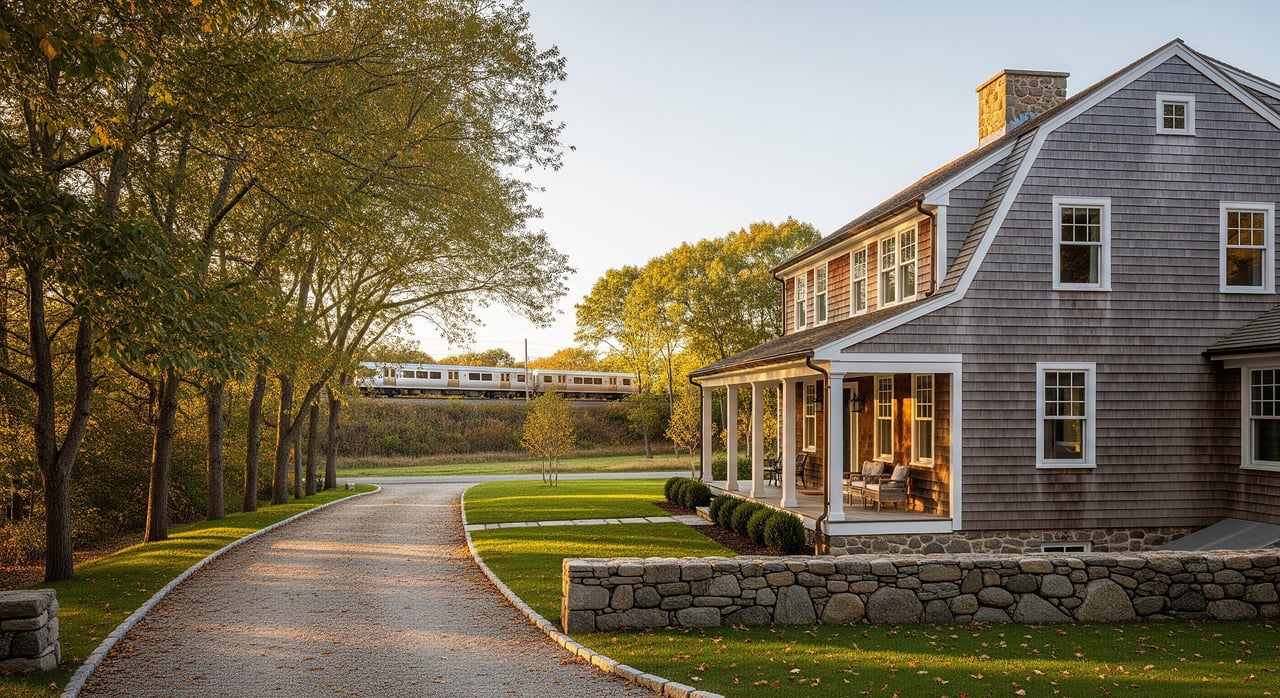
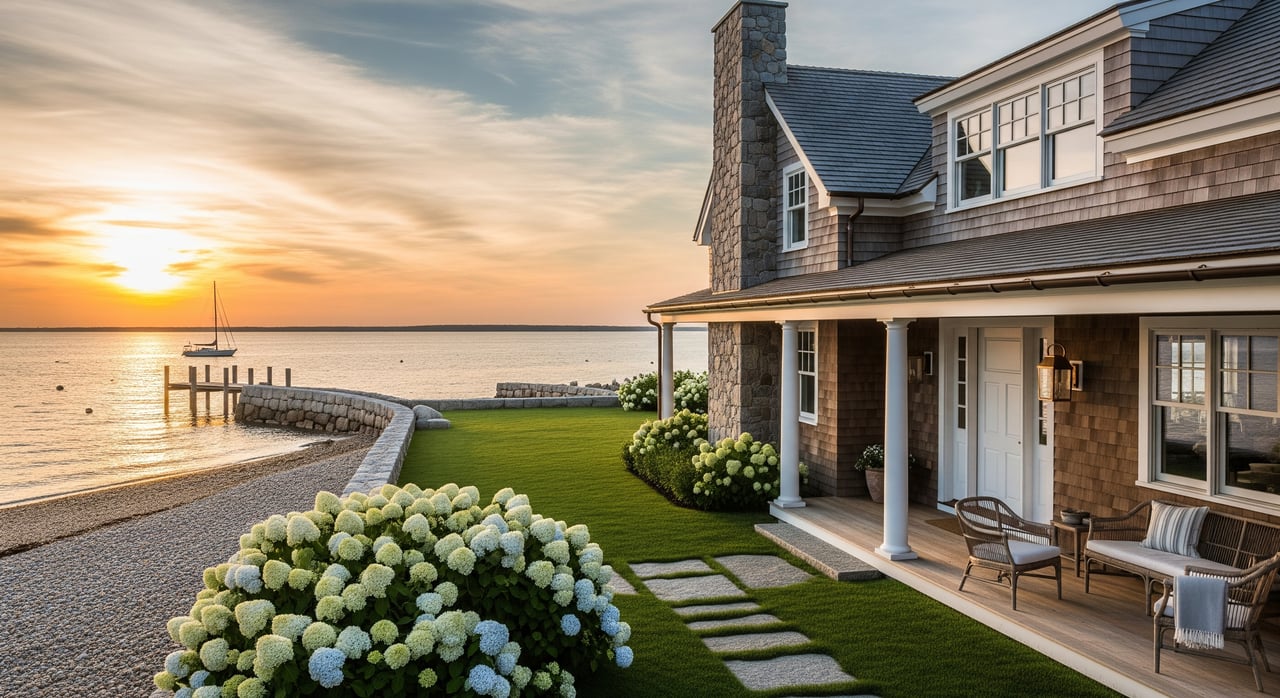
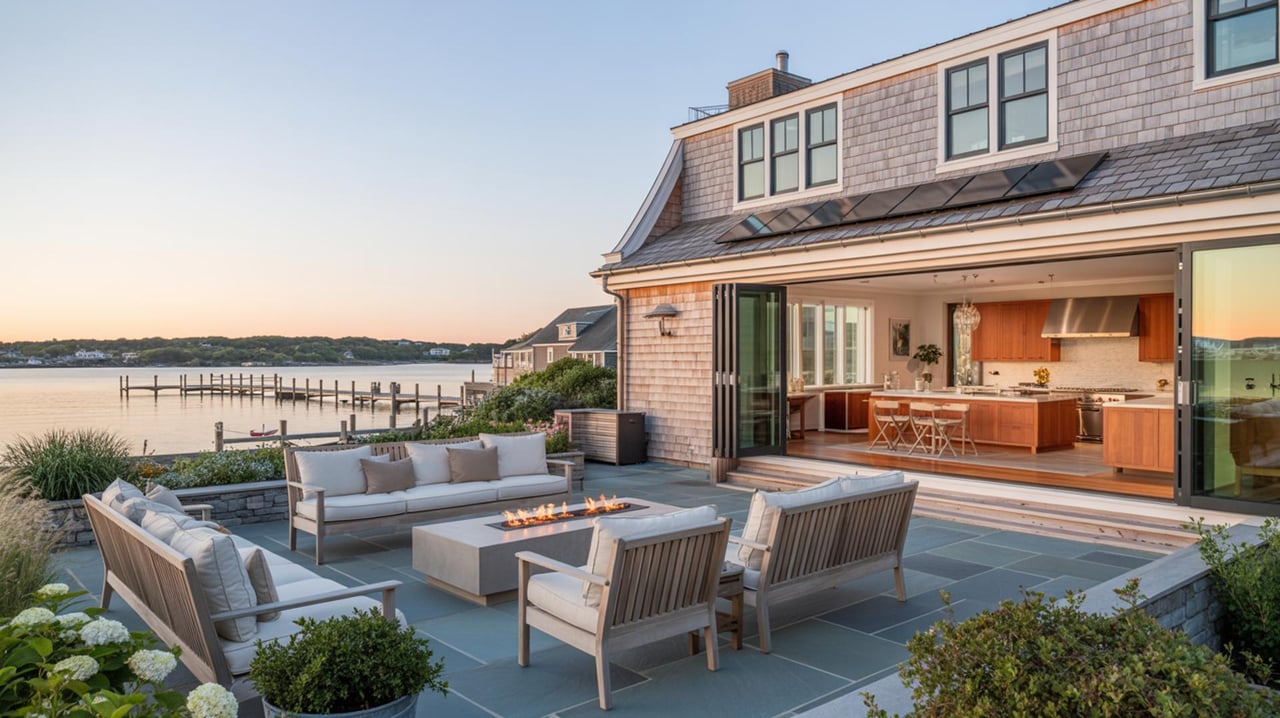
If your goal is a scenic setting, ocean views, or closer proximity to boating, waterfront Gloucester may be the better match. Areas like East Gloucester and Rocky Neck offer a very different day-to-day feel from the downtown core.
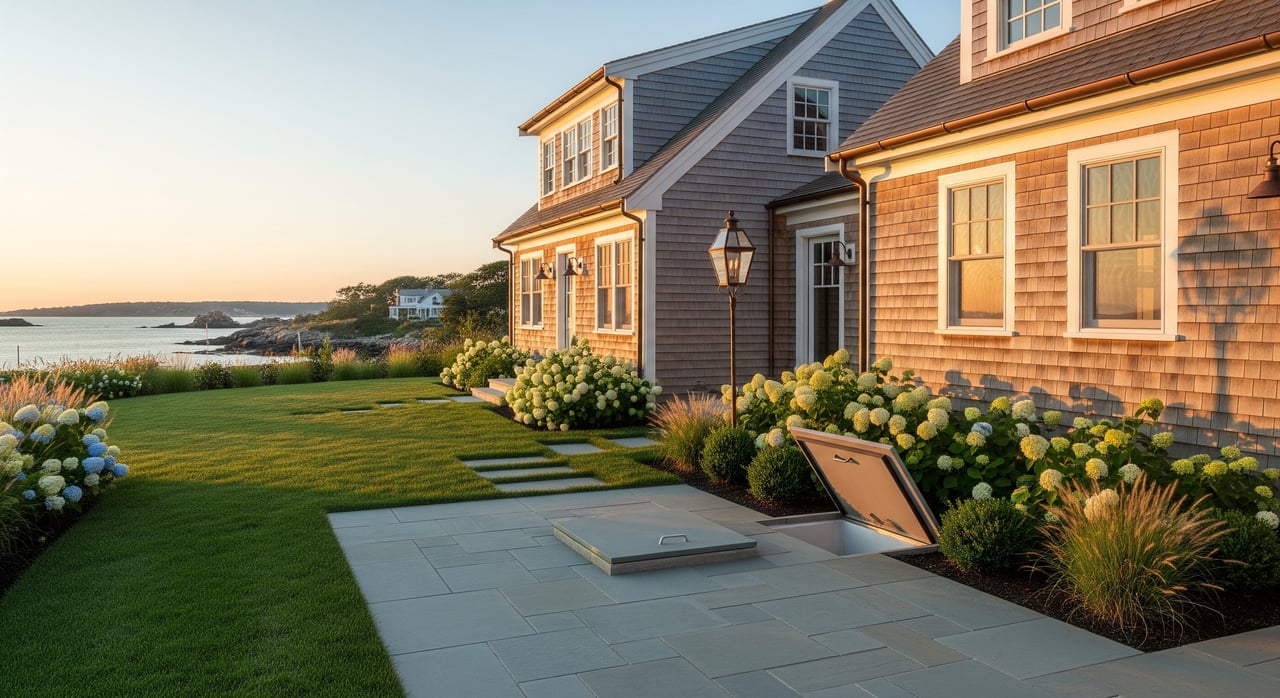
East Gloucester is described as quieter and more scenic, with winding coastal roads, rocky shorelines, and ocean views. Rocky Neck offers a mix of harborfront living, art studios, galleries, restaurants, and a range of home styles.
Why buyers choose waterfront
Waterfront buyers are often prioritizing setting over convenience. If your ideal morning includes water views, coastal streets, or direct boating access, this side of Gloucester can deliver a lifestyle that feels distinct from the central core.
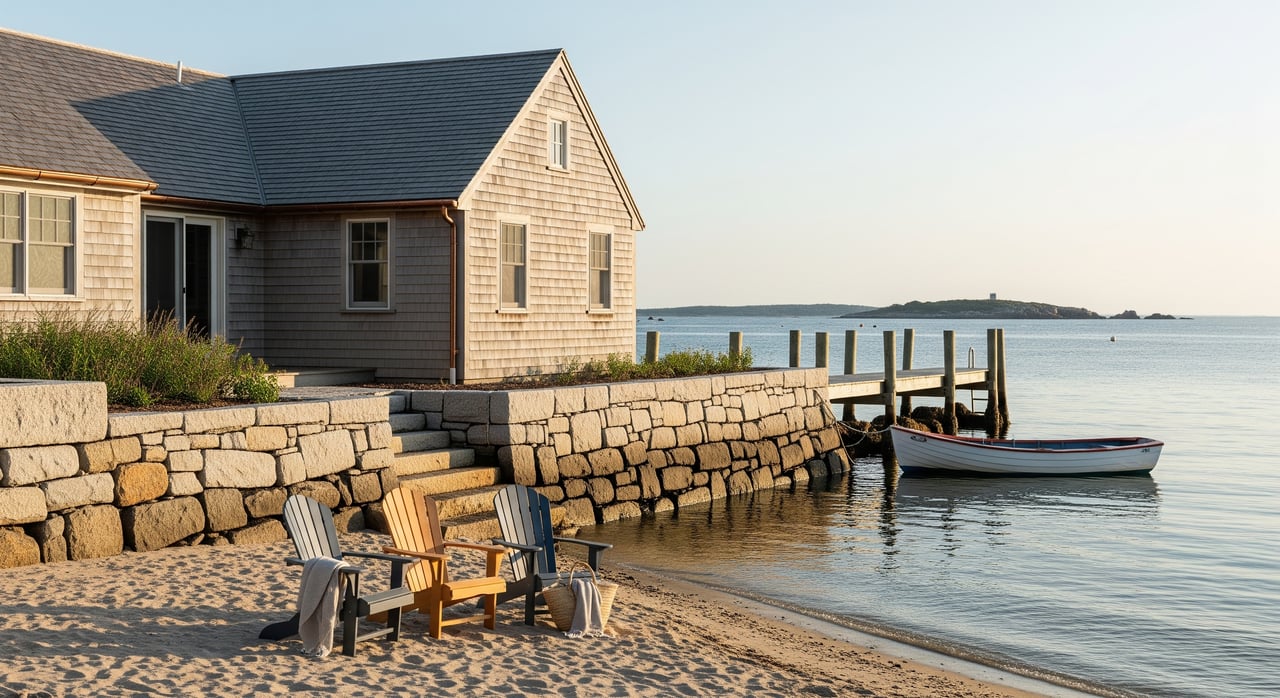
Some waterfront properties also include features that are harder to find elsewhere, such as docks, boat slips, or direct harbor frontage. In Gloucester, those details can shape both lifestyle and value in a major way.
What housing looks like on the water
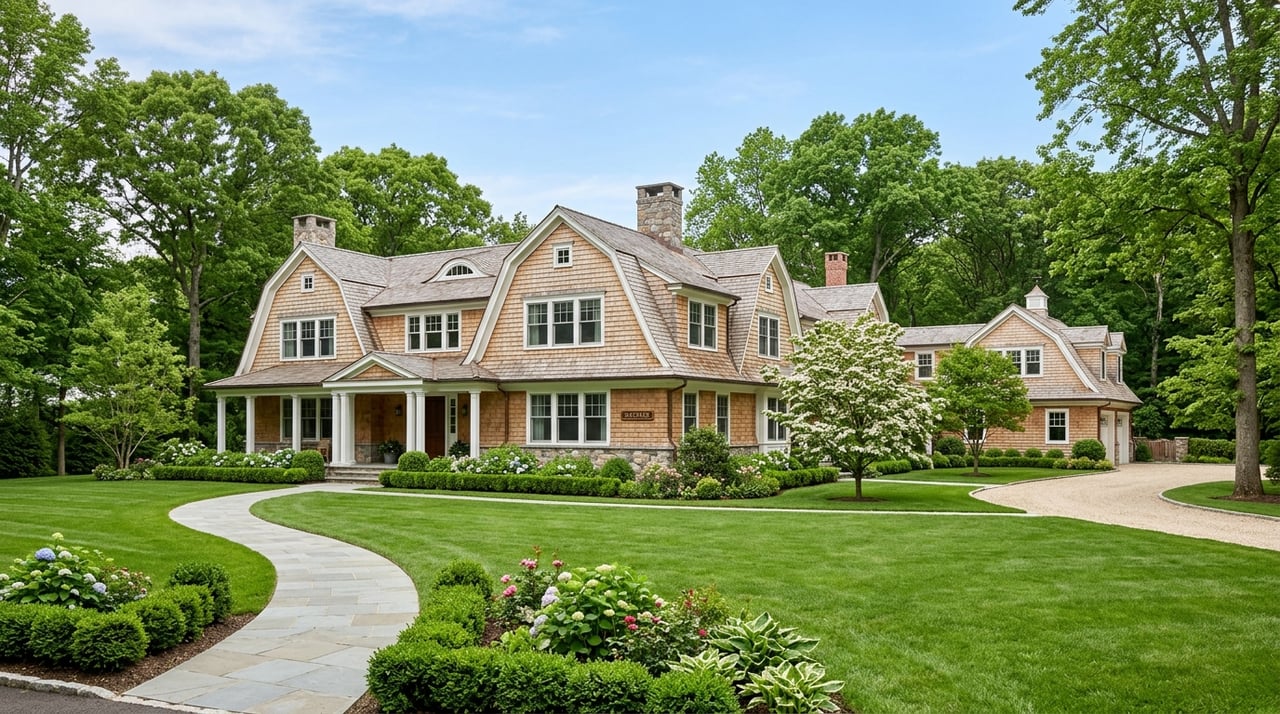
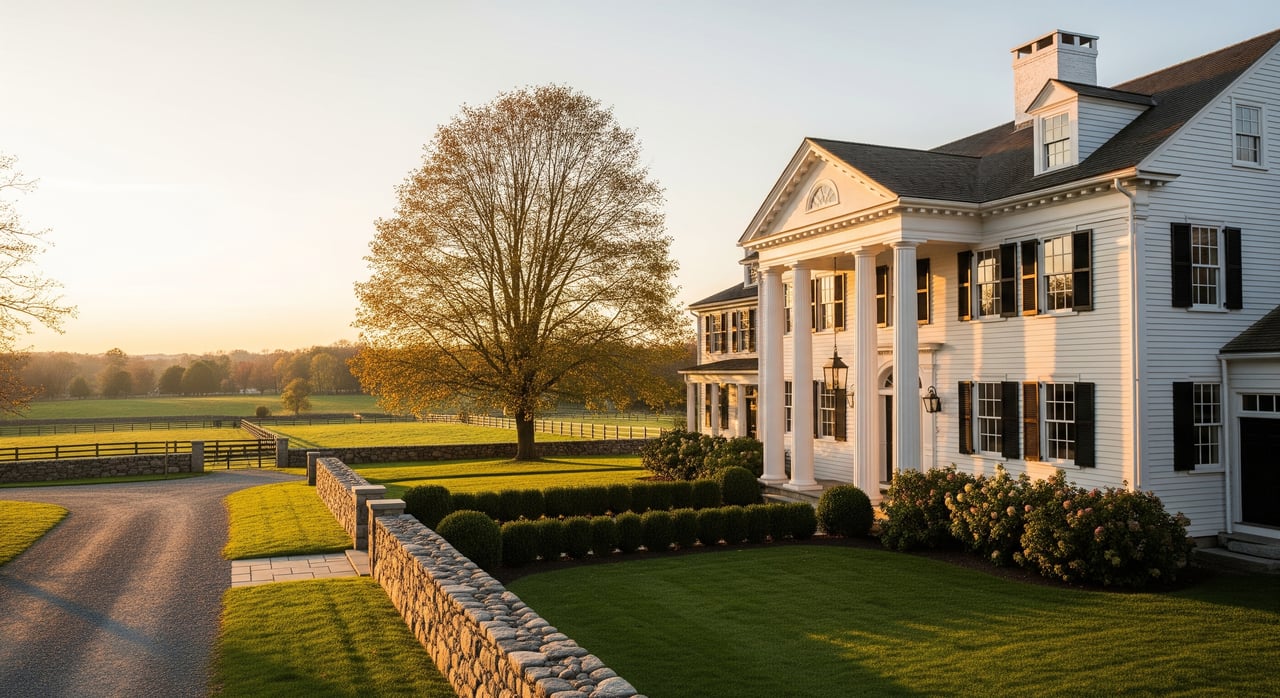
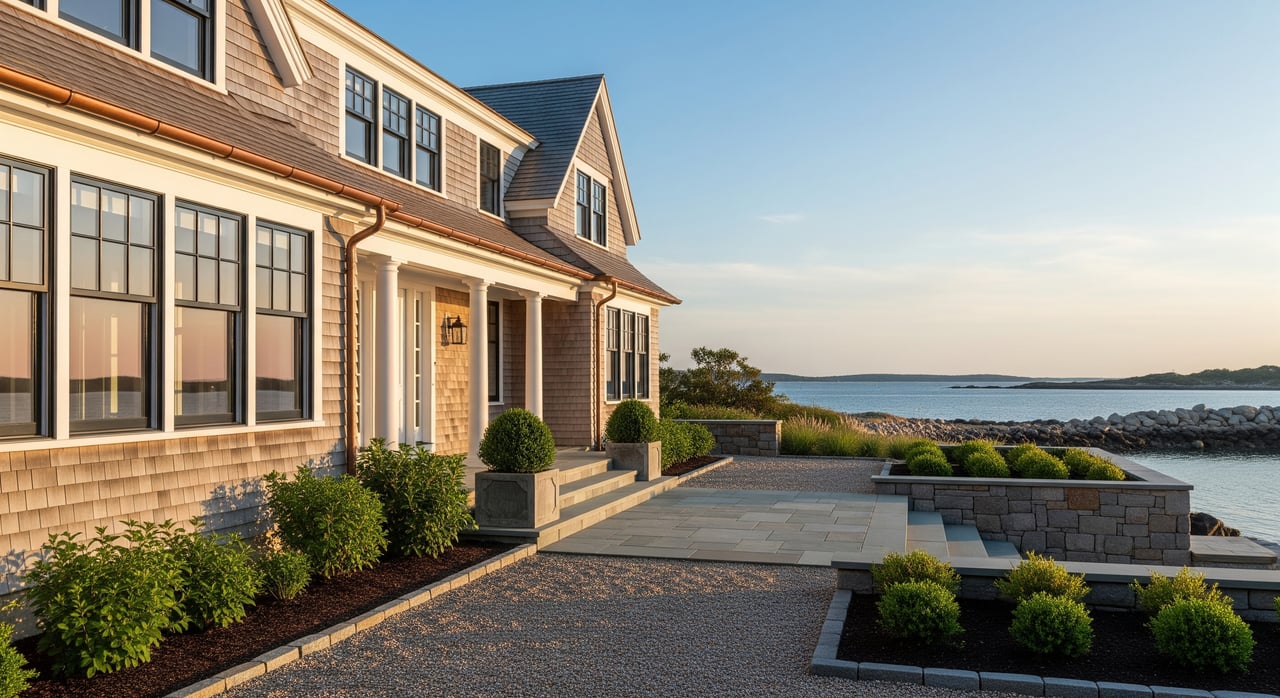
Waterfront housing in Gloucester covers a wide spectrum. You may find larger newer homes in Eastern Point, summer-oriented homes, harborfront condos, or properties with docks and boat slips.
Rocky Neck shows how broad that range can be. Current examples have included a one-bedroom harborfront condo around $639,000 and a harborfront home priced at $3.295 million with a fully licensed dock.
Waterfront tradeoffs to expect
A waterfront purchase usually comes with more than a premium setting. Gloucester’s harbor plan says all waterfront properties are within special flood hazard areas, with some in AE zones and others in higher-risk VE zones.
The same plan notes that VE zones face wave heights of 3 feet or greater and are subject to stricter floodplain rules. If you are buying a property in a special flood hazard area with a government-backed mortgage, flood insurance is required, and standard homeowners insurance does not cover flood damage.
Waterfront properties may also face added regulation. Gloucester’s floodplain overlay district requires permits for certain construction or development in the floodplain, and harbor planning materials note that private waterfront development can trigger Chapter 91 licensing and public-access obligations.
Comparing price and market pace
No matter which path you choose, Gloucester remains a competitive market. In 2025, the Massachusetts Association of Realtors reported a median sales price of $735,000 for Gloucester single-family homes, with 0.7 months of inventory and 52 cumulative days on market.
Redfin’s citywide market page reports homes selling in about 22.5 days and at roughly 99% of list price. The city’s housing needs assessment also places the 2025 single-family median sale price around $715,000, noting an increase of nearly 48% since 2013.
Central Gloucester vs East Gloucester
The current gap between in-town and coastal pricing is meaningful. Central Gloucester had a median listing price of about $524,900, with 33 homes for sale, 20 days on market, and a 98% sale-to-list ratio.
East Gloucester posted a median listing price of $1.175 million, with 22 homes for sale, 29 days on market, and a 100% sale-to-list ratio. That spread shows how strongly buyers continue to value scenic waterfront settings.
Waterfront is not one single category
It is important not to treat all waterfront homes as the same. A harborfront condo, a home with dock rights, and a larger coastal property can have very different price points, maintenance needs, and resale appeal.
Gloucester’s citywide waterfront filter showed 68 waterfront homes for sale at a median listing price of $794,000 and about 33 days on market. That number sits between central and premium coastal submarkets, which is a reminder that waterfront value depends heavily on location, access rights, elevation, and condition.
How to decide what fits you best
The right answer usually comes down to how you want to live every day, not just what looks best in photos. A beautiful view may be worth the extra cost and complexity for one buyer, while another may value walkability, transit, and a lower entry price more.
Here are some practical decision cues to help you narrow it down.
Choose in-town if you value convenience
In-town Gloucester may be the stronger fit if your priorities include:
- Walkability to shops, restaurants, and services
- Access to commuter rail or bus service
- A lower typical entry price than coastal sections
- More compact housing options like condos or multifamily properties
- A more active, central setting
Choose waterfront if you value setting
Waterfront Gloucester may make more sense if your priorities include:
- Ocean, harbor, or shoreline views
- Boating access, docks, or boat slips
- Quieter coastal roads and a more scenic setting
- A wider range of distinctive property types
- Comfort with flood insurance, permits, and shoreline-related upkeep
Focus on the property, not just the label
In Gloucester, broad categories only tell part of the story. Block, elevation, access rights, renovation level, and exact location can matter more than whether a home is labeled waterfront or in-town.
That is especially true in places like Rocky Neck, where price and property type vary dramatically. Two homes in the same general area can offer very different ownership experiences depending on condition, water access, and regulatory considerations.
A smart way to narrow your search
If you are unsure, start by ranking your top three priorities. For most buyers, those priorities are some mix of budget, convenience, views, privacy, and maintenance tolerance.
Then compare each home through that lens. A downtown condo near the train, a harborfront unit with boat access, and a larger East Gloucester home may all serve different goals equally well.
A clear local strategy matters in Gloucester because the lifestyle differences are real, and the price spread can be significant. If you want a thoughtful, high-touch approach to weighing those tradeoffs, Peggy Dowcett can help you evaluate the details with clarity and confidence.
FAQs
What is the main difference between Gloucester waterfront and in-town homes?
- In-town Gloucester is generally more walkable, transit-connected, and lower priced, while waterfront Gloucester is typically more scenic and may offer views or boating access, often with higher costs and added regulation.
Are waterfront homes in Gloucester always more expensive?
- Not always, but coastal areas like East Gloucester currently show much higher median listing prices than Central Gloucester, and waterfront value can rise further based on views, dock rights, and condition.
Do Gloucester waterfront homes require flood insurance?
- Waterfront properties are within special flood hazard areas, and flood insurance is required for properties with government-backed mortgages in those zones.
Is in-town Gloucester a good fit if you commute?
- In-town Gloucester can be a strong fit for commuters because downtown is a transit hub, and commuter rail service is available from Downtown Gloucester and West Gloucester.
What kinds of homes are more common in Central Gloucester?
- Central Gloucester is more likely to offer a mix of older single-family homes, condos, rental units, and multifamily housing near commercial areas and public transportation.
What should you look at beyond waterfront versus in-town in Gloucester?
- You should also look closely at elevation, exact block, access rights, renovation level, condition, and how each property aligns with your daily routine and maintenance comfort level.