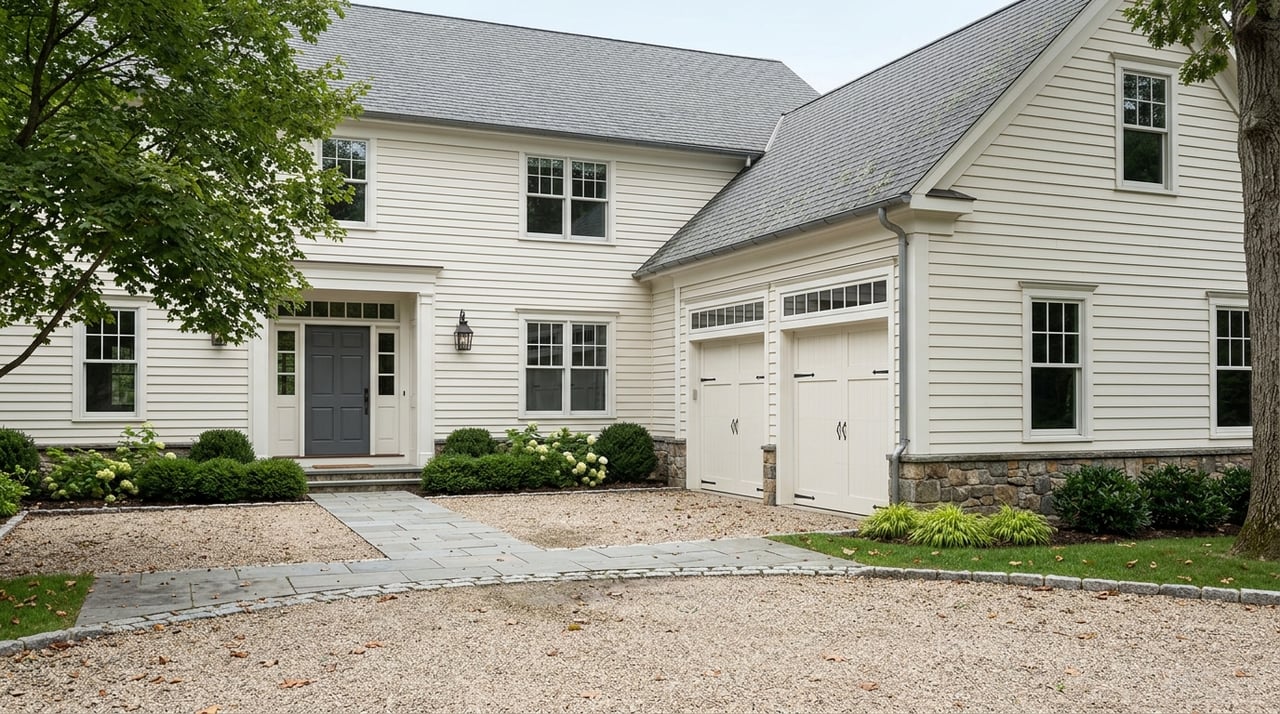
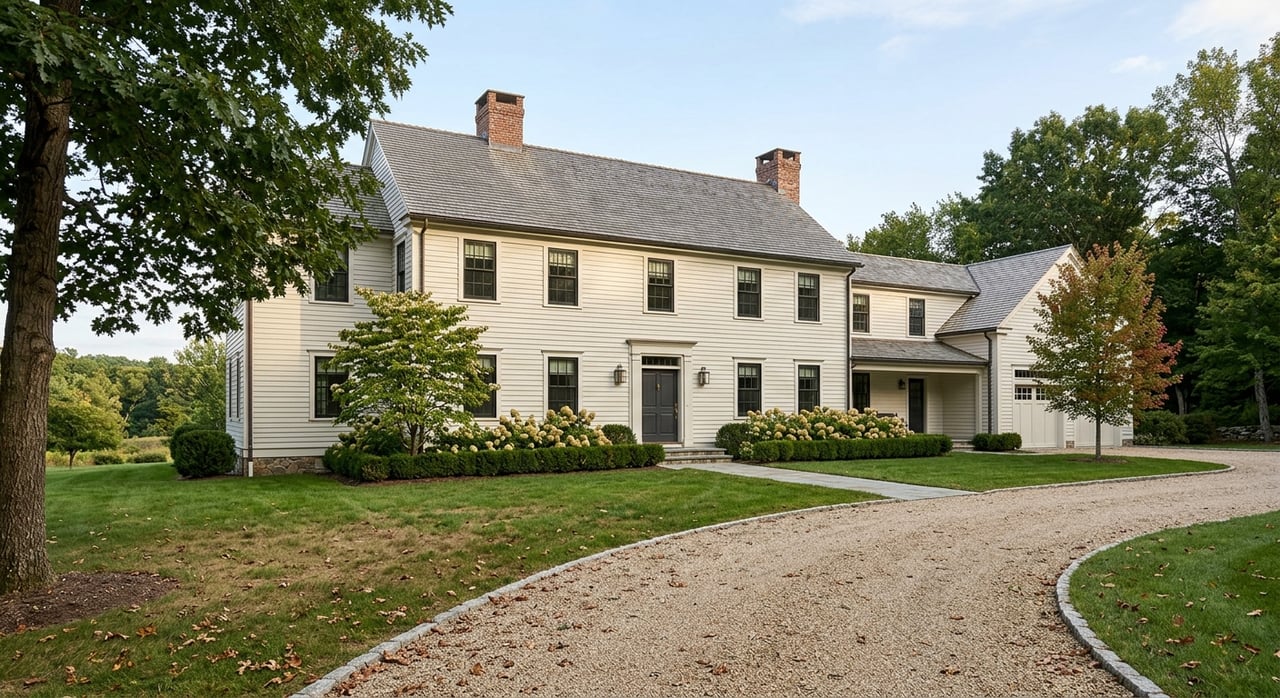
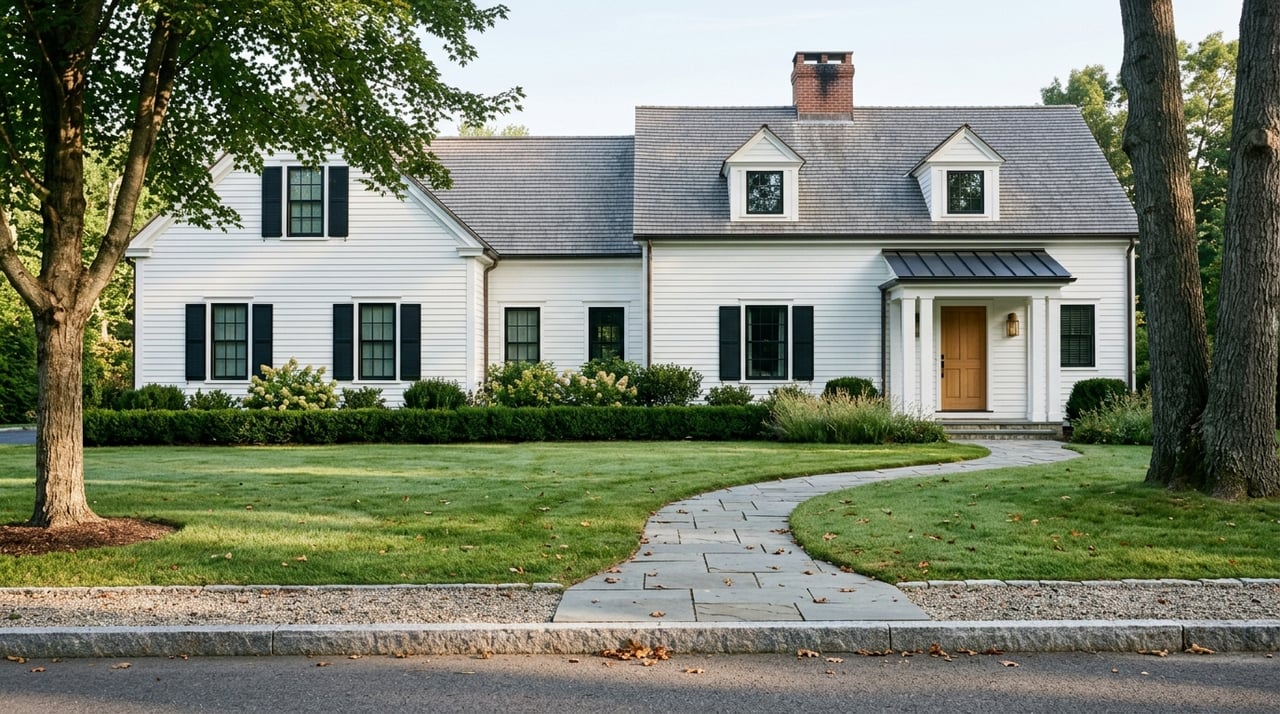
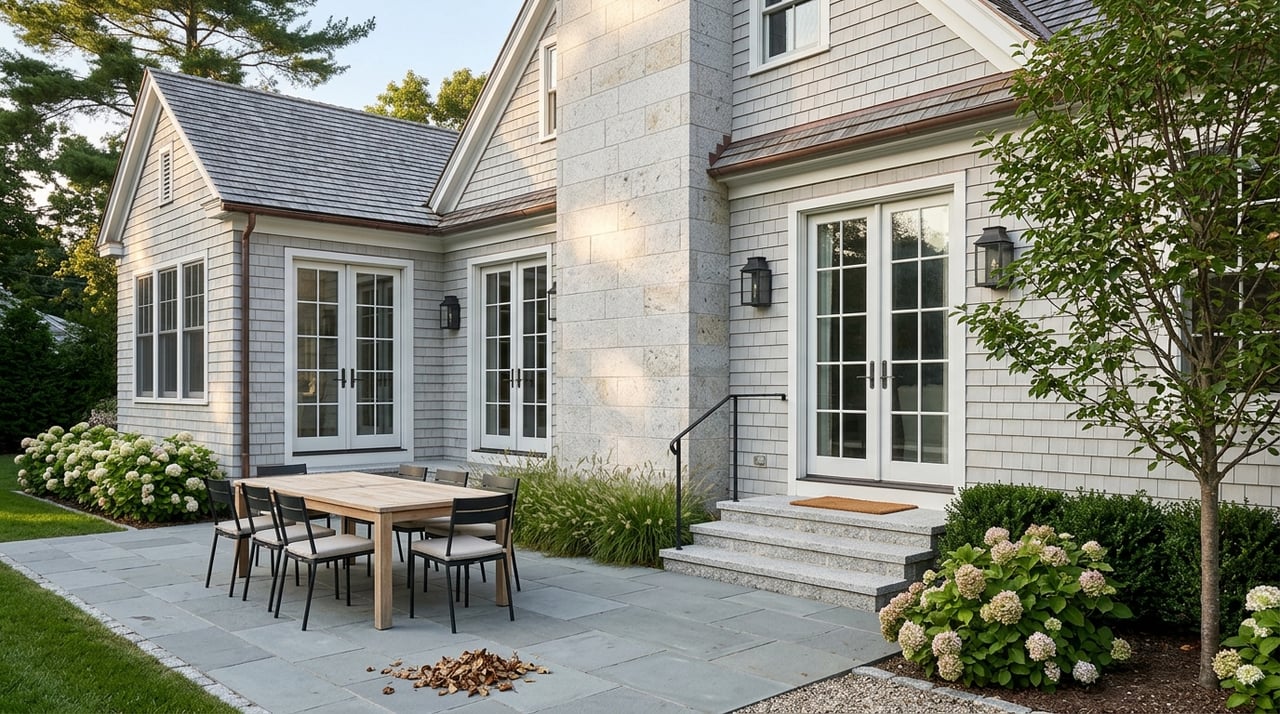
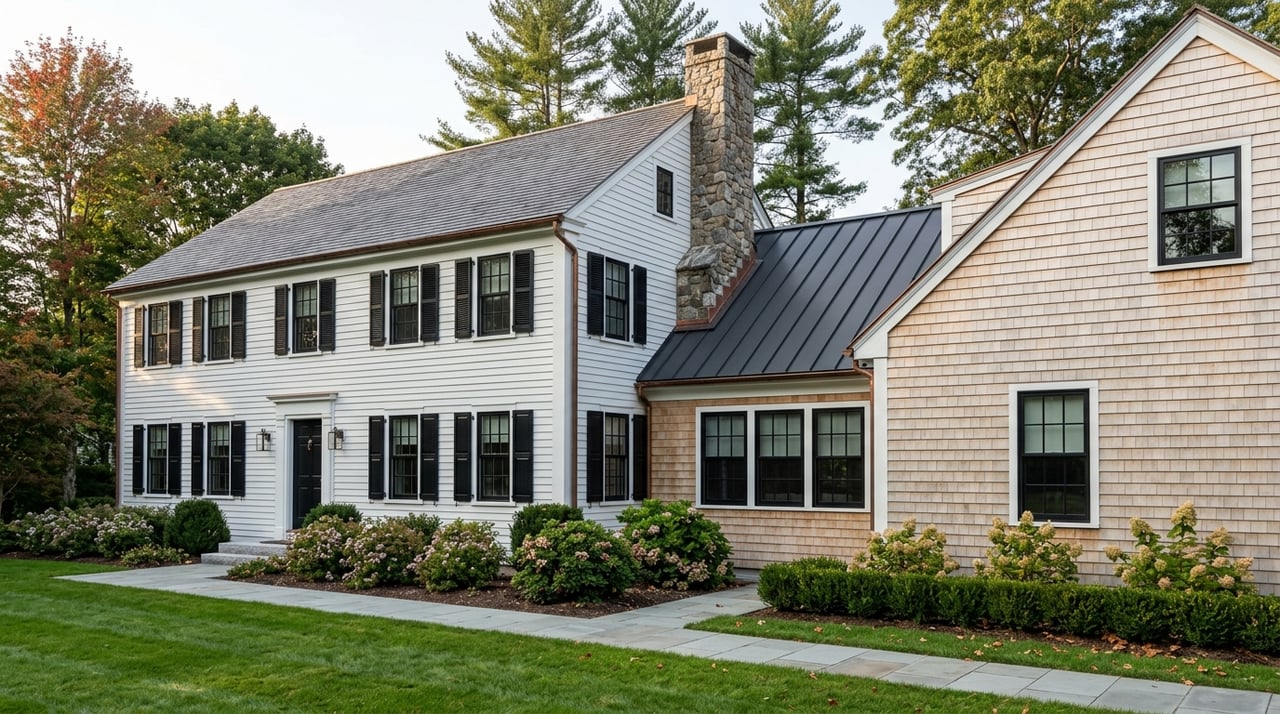
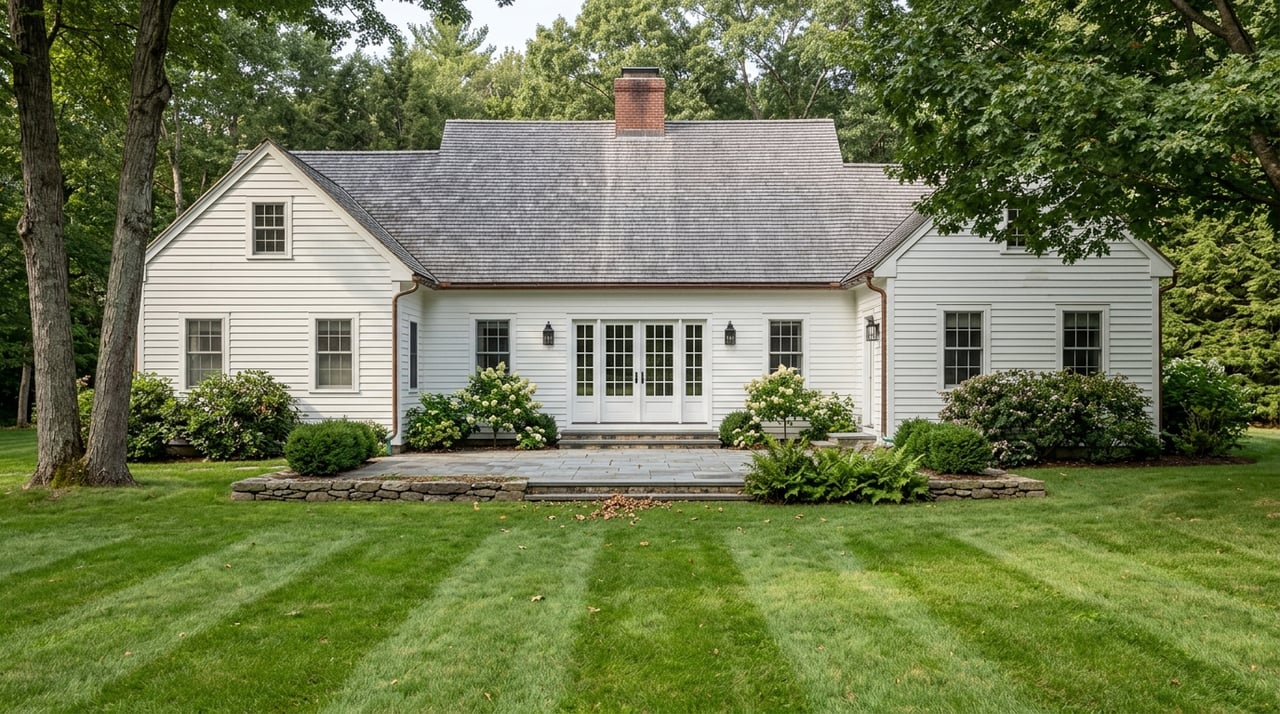
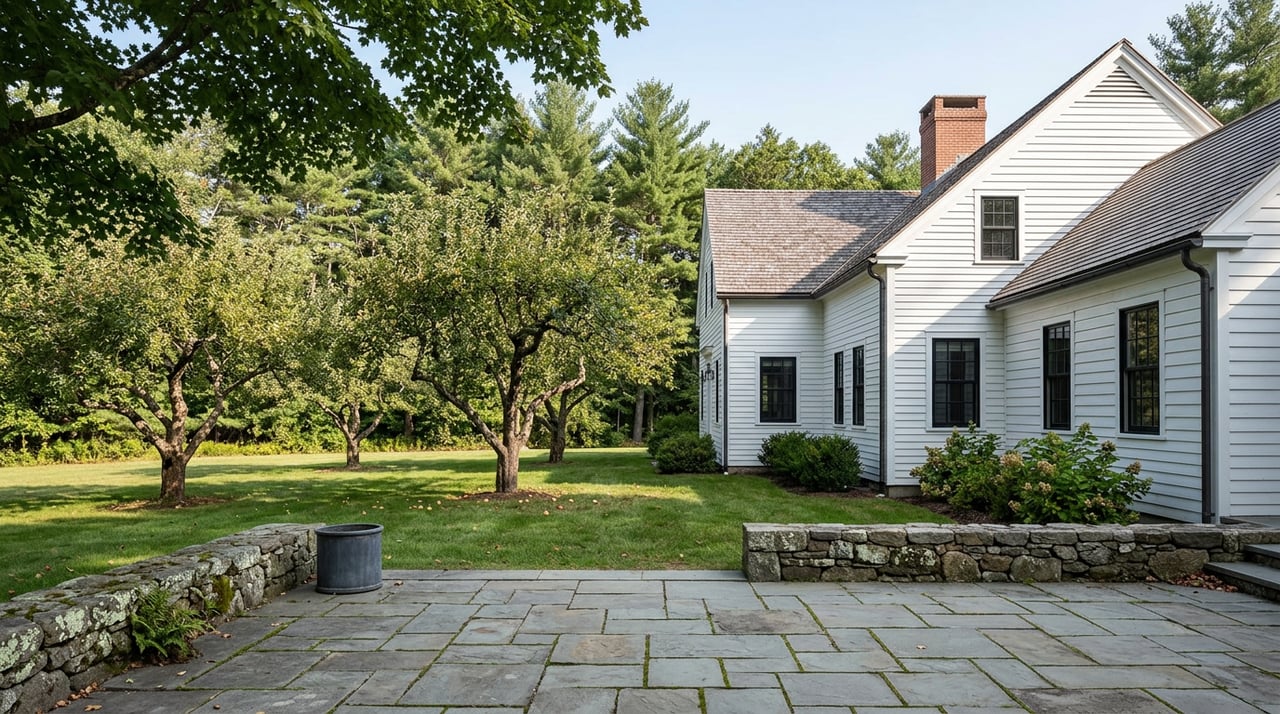
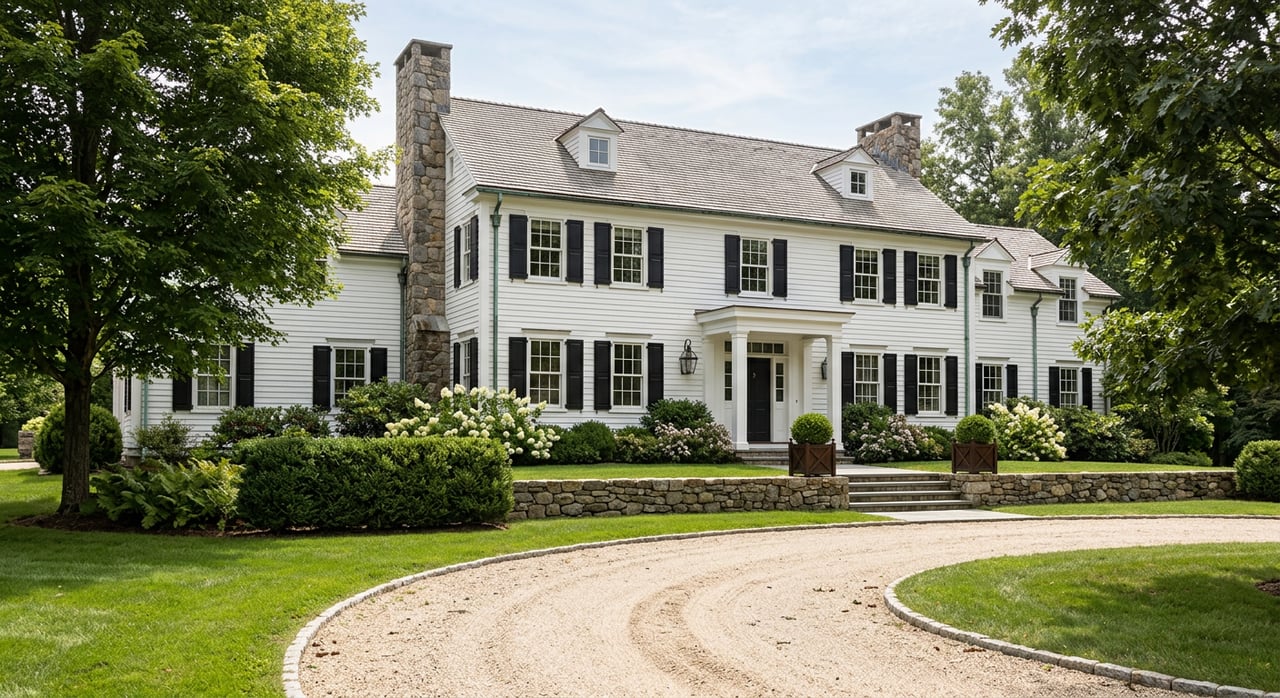
If you are watching Acton real estate, you may be wondering whether new construction is really changing the town or if detached homes still define the market. The answer is a bit of both. Acton remains largely a single-family market, but official planning documents show a clear shift toward infill, village-center redevelopment, transit-adjacent multifamily, and smaller-scale options like ADUs. If you are buying, selling, or evaluating a rebuild opportunity, understanding that shift can help you make smarter decisions. Let’s dive in.
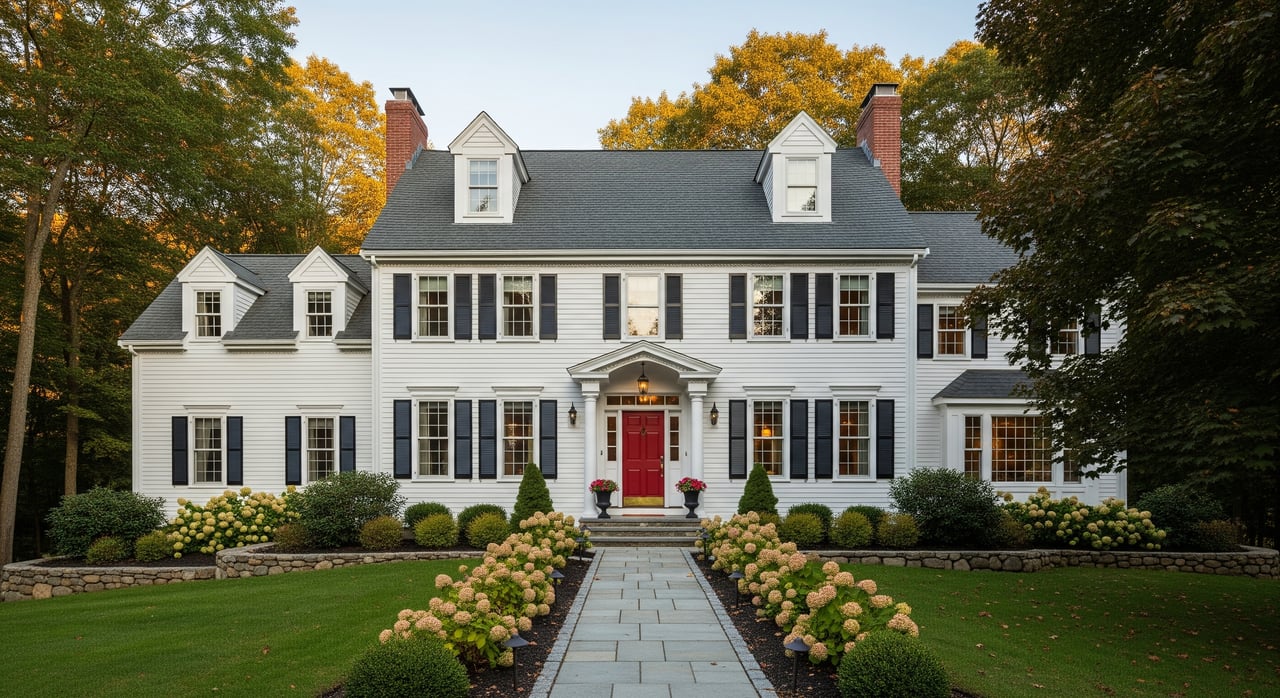
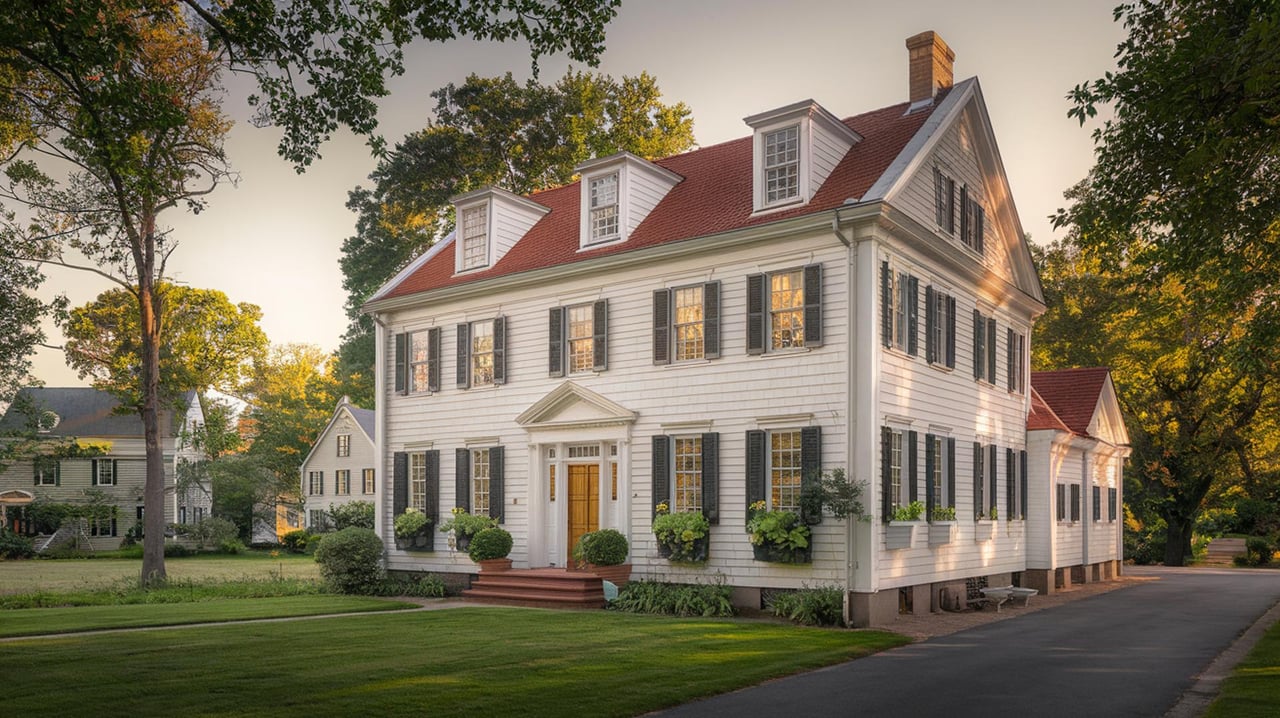
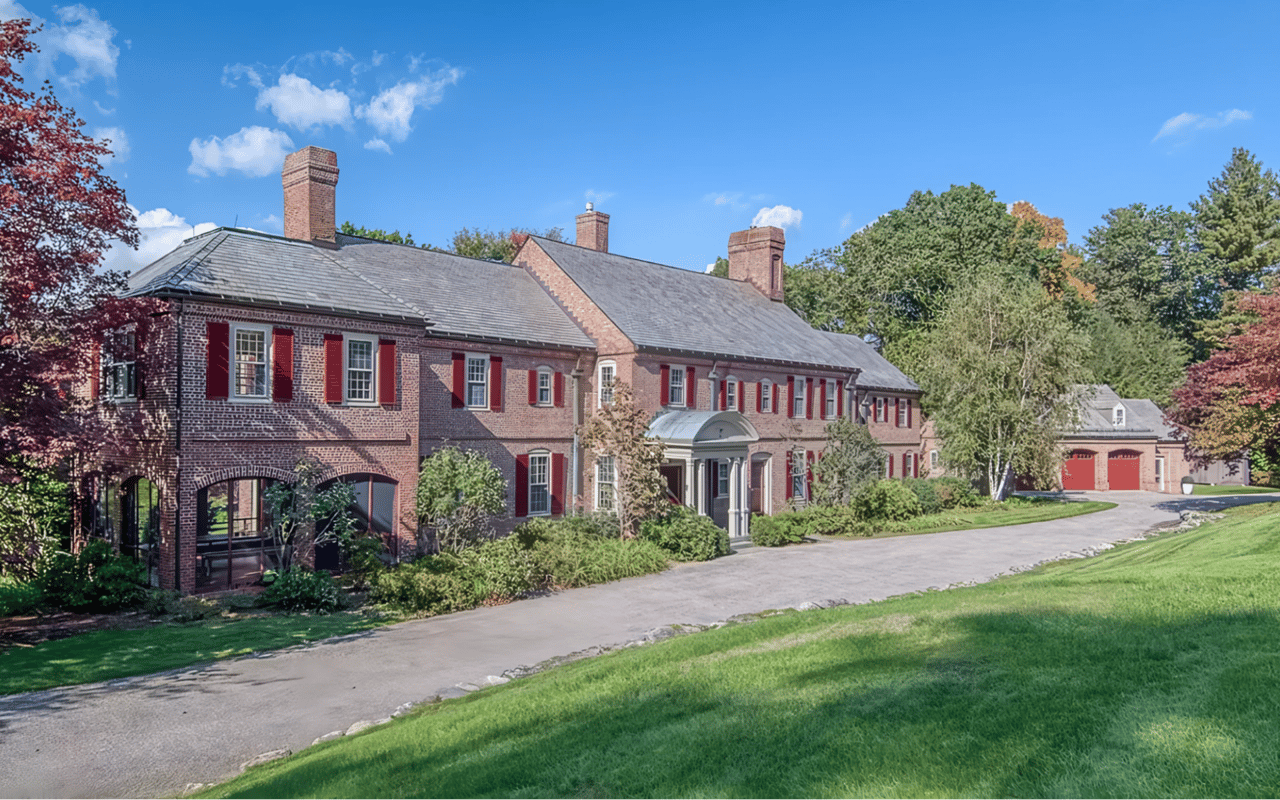
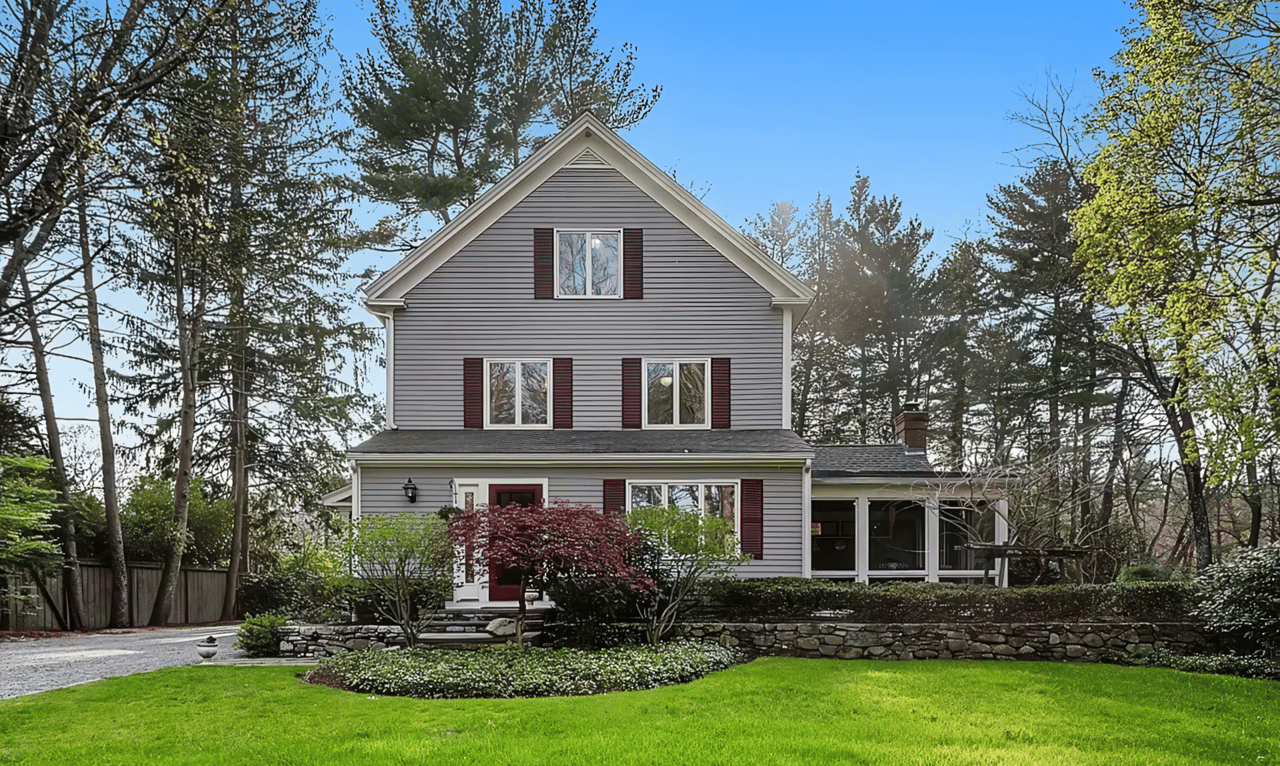
Acton still centers on single-family homes
Acton’s housing stock is still dominated by detached single-family homes. According to the town’s 2025 Housing Production Plan, almost three-quarters of housing units are single-family, and more than three-quarters of the units permitted from 2019 through 2023 were also single-family.
That matters because it shows continuity as much as change. Even with newer multifamily and mixed-use planning, the town’s core identity remains rooted in traditional residential neighborhoods and single-family ownership.
Prices and low turnover shape demand
Acton’s market is also tight. The 2025 Housing Production Plan reports a 2024 median single-family sale price of $952,500, and the first two months of 2025 showed a $1,000,000 median for single-family sales.
At the same time, turnover has slowed. The town says the 30-year median number of annual single-family sales is 213, but only 136 homes sold in 2024. When fewer homes come to market in a high-cost town, competition tends to stay strong, especially when the same report notes that all-cash sales made up 20% of residential sales from 2000 to 2023.
For buyers, that helps explain why new construction and well-positioned redevelopment opportunities get attention quickly. For sellers, it reinforces the value of thoughtful pricing, preparation, and understanding which product types the market is absorbing.
Where new construction is heading
Acton’s planning documents point to a more focused growth pattern rather than broad expansion across town. The areas identified for compact development and walkable community patterns include East Acton, West Acton, North Acton, South Acton, and Kelley's Corner.
The town also highlights vacant or underutilized land in village and activity areas as candidates for multifamily or mixed-use housing. In practical terms, that means more future housing is likely to cluster near established centers instead of spreading evenly across all residential areas.
South Acton and Powder Mill stand out
South Acton has become one of the clearest growth areas. Acton directed its MBTA Communities compliance toward areas near the South Acton MBTA station and the Powder Mill Corridor, and the town’s MBTA overlay districts now cover about 1% of total town land area for by-right multifamily development.
The South Acton Village District now permits multifamily and mixed-use by-right, with pedestrian-oriented commercial uses encouraged or required on the ground floor in parts of the district. The overlay districts include sites near South Acton and West Acton that allow 10 units per acre, along with larger sites that allow up to 25 units per acre, including one in the Powder Mill Corridor.
Recent projects support that direction. The town’s 2024 annual report says Powder Mill Apartments, a 230-unit rental project, was under construction, and McManus Manor, a 41-unit senior and disability-accessible project on Main Street, was pending.
Great Road and village centers matter too
Great Road is another important corridor to watch. The town says this area could support additional mixed-use and multifamily housing, tied to Complete Streets improvements and the Bruce Freeman Rail Trail.
Acton’s plan also references a transfer-of-development-rights framework that uses Great Road parcels as sending districts, with North Acton Village and East Acton Village as receiving districts. For buyers and property owners, that is another sign that growth is being guided toward specific nodes rather than treated as a townwide free-for-all.
Tear-down trends are real, but not simple
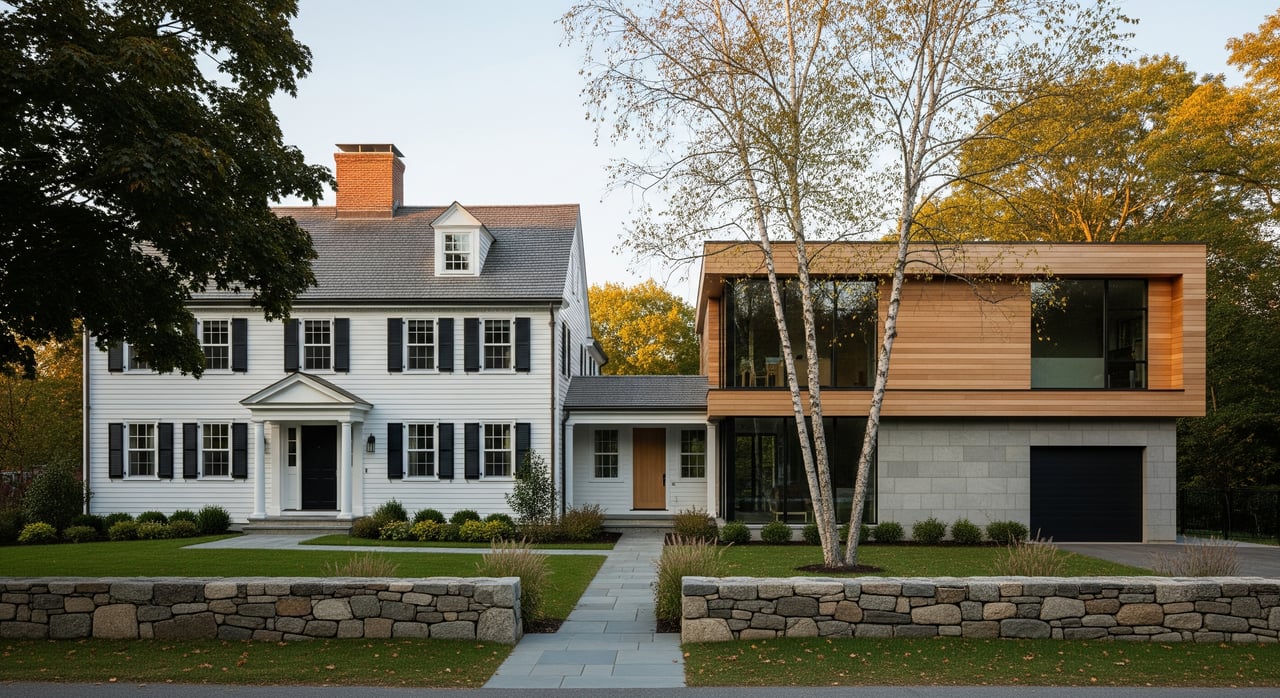
In Acton, redevelopment is more about subdivision and infill than wholesale greenfield building. The town’s 2025 Housing Production Plan says residential development over the past decade has primarily used marginal land for large-lot subdivisions and infill in established neighborhoods.
That creates a very different environment from a market with large tracts of easy-to-build land. Tear-downs and replacement homes can be feasible here, but they are shaped by zoning, lot dimensions, environmental constraints, and rules for nonconforming parcels.
Lot size and zoning can change the math
Acton’s minimum lot areas vary a lot by zoning district. Under the zoning bylaw, minimum lot size ranges from 20,000 square feet in R-2 districts to 100,000 square feet in R-10 and R-10/8, while the MBTA 1 overlay can go as low as 5,000 square feet with 50 feet of frontage.
That range matters because teardown feasibility is never just about the house itself. It is about what the lot allows, how setbacks apply, and whether a replacement plan fits the district rules from the start.
Nonconforming lots need careful review
Acton specifically allows a lawful single-family or two-family structure on a nonconforming lot to be reconstructed on the same lot. But the zoning bylaw says the rebuilt structure cannot exceed the prior floor-area ratio, and other changes are generally capped at 15% without a special permit. Larger changes typically require Board of Appeals review.
That means a teardown is not a blank check. If you are considering a purchase for redevelopment, you need to understand what can be rebuilt by right, what triggers review, and whether an addition or reconfiguration may be more practical than a full replacement.
Smaller-scale infill is getting easier
One of the more important shifts in Acton is that not every property decision has to be a teardown. The town has taken steps that make some additions and accessory living options more workable.
The Planning Division says roughly one in three residential lots is nonconforming. Article 19 at the 2026 Annual Town Meeting now allows expansions up to 1,000 square feet without a special permit and allows homes on nonconforming lots to expand within their existing footprint by-right, subject to administrative review.
For many owners, that may open the door to improving the house you already have instead of pursuing a complete rebuild. In a market where supply is limited and replacement costs are high, that flexibility can be meaningful.
ADUs are becoming a bigger part of the picture
Acton also updated its ADU bylaw in 2025 to align with state law. The town removed the owner-occupancy requirement, removed some parking requirements near South Acton station, and allowed basement ADUs regardless of size.
That makes ADUs a more practical infill tool for some properties. For homeowners, an ADU may offer a way to add flexibility without changing the primary character of the lot in the way a teardown or major subdivision would.
Land constraints will keep shaping the market
A big reason Acton’s development pattern looks the way it does is simple: land is limited. The 2025 Housing Production Plan says only about 2,200 acres of developable land remained after excluding wetlands, and most future housing land is concentrated in a relatively small number of larger parcels that still need subdivision.
Environmental constraints are also significant. The same plan says wetlands cover nearly 13% of town land, floodplain areas account for about 20%, most residential properties rely on individual septic systems, and public wastewater serves somewhat less than 10% of the town.
For buyers and builders, these details are not background noise. They are often the factors that determine whether a lot is straightforward, expensive, delayed, or simply not viable for the plan you had in mind.
New homes offer different advantages
New construction in Acton comes with a clear practical benefit: newer code standards and energy performance. The Building Department says the Specialized Stretch Energy Code took effect on January 1, 2024, and the Municipal Fossil Fuel Free Building Demonstration Program took effect on March 21, 2024.
The town says these standards require high-performance construction and prepare buildings for all-electric heating and cooling. By contrast, the Housing Production Plan notes that older homes may lack energy efficiency, modern heating systems, or full code compliance.
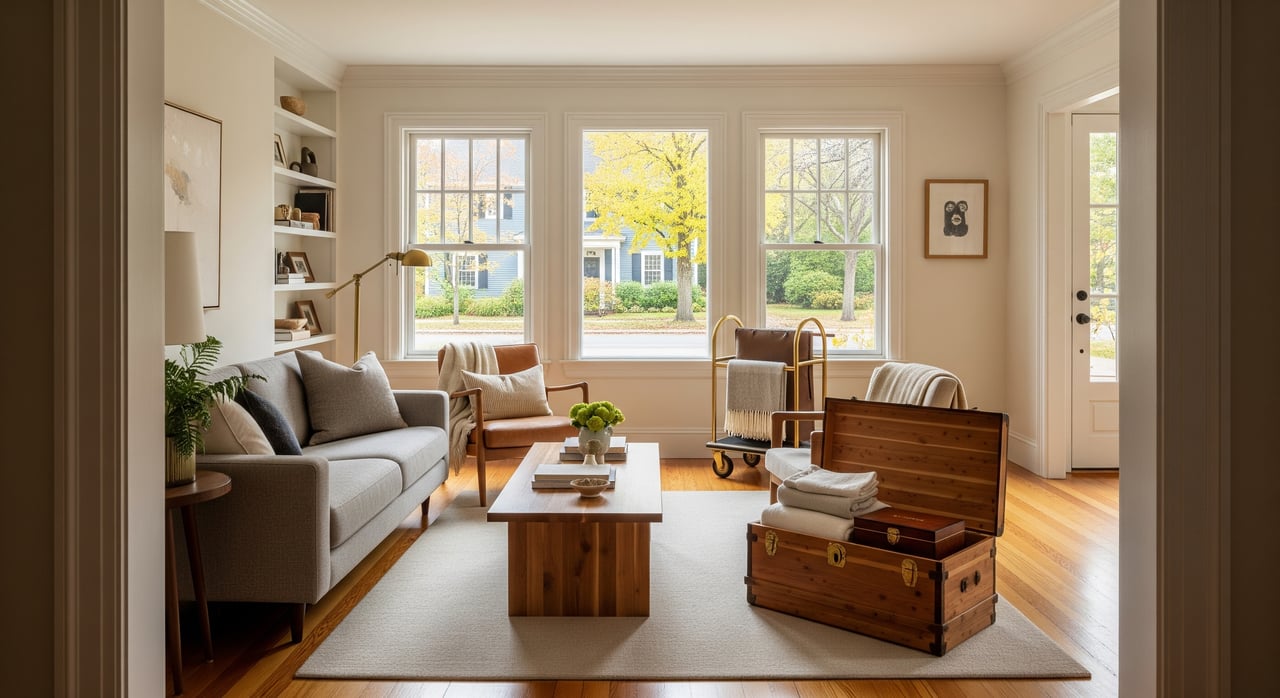
For buyers, that creates an important tradeoff. A new home may offer newer layouts, better efficiency, and lower near-term upgrade needs, while an older home may offer more land, a more established setting, and more renovation variables.
What this means for buyers and sellers
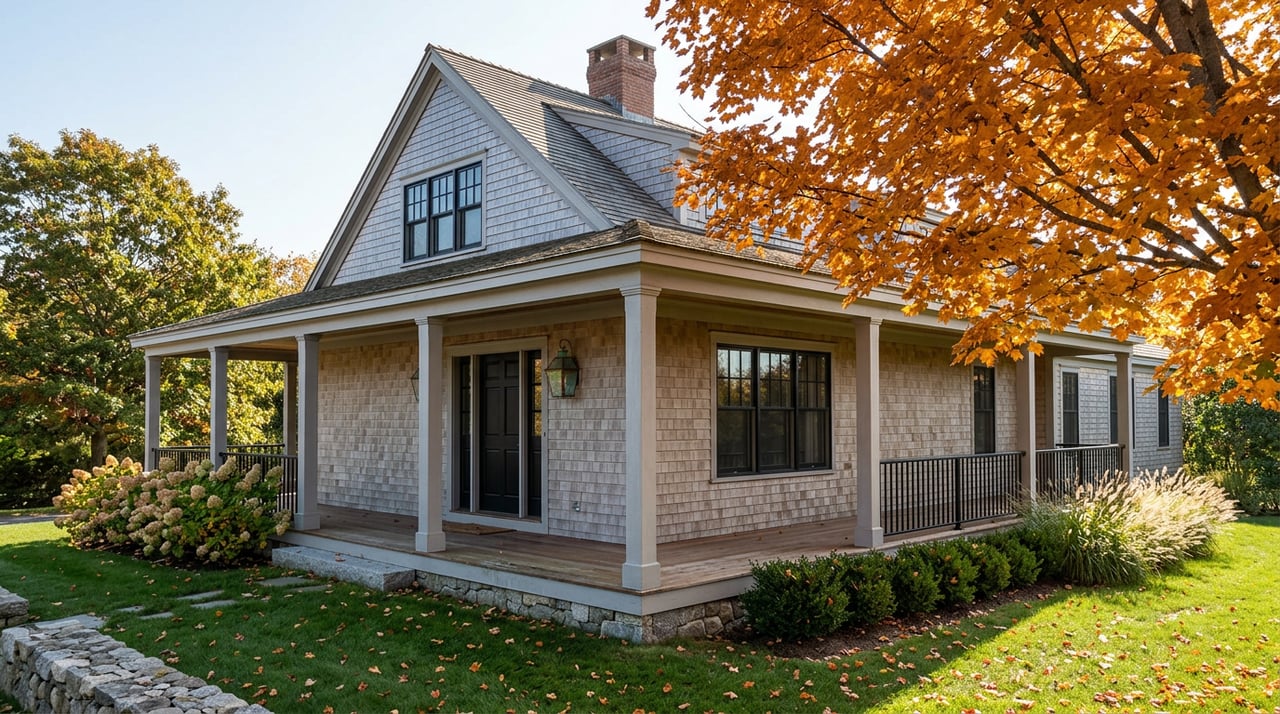
If you are buying in Acton, it helps to think in terms of product type and location, not just price. Newer homes and redevelopment opportunities may cluster more around South Acton, Powder Mill, Great Road, and village-center locations, while traditional single-family choices remain the dominant pattern townwide.
If you are selling, understanding where your property fits in that landscape is just as important. A newer home, a large lot with redevelopment questions, or an older house with expansion potential may each attract very different buyer interest.
In a market like Acton, strategy matters. Clear positioning, realistic expectations about zoning and feasibility, and careful preparation can make a real difference whether you are purchasing a lot, evaluating a teardown, or bringing a home to market.
If you are weighing a purchase, sale, or redevelopment decision in this part of Middlesex County, working with an advisor who understands both market demand and construction considerations can help you see the full picture. To talk through your next move, connect with Peggy Dowcett.
FAQs
Where is most new construction happening in Acton?
- Acton’s planning documents point to South Acton, the Powder Mill Corridor, Great Road, Kelley's Corner, and village-center areas such as East Acton, West Acton, and North Acton as the main locations for future compact or mixed-use development.
Are tear-down projects feasible in Acton?
- Yes, but feasibility depends on zoning district, lot size, frontage, setbacks, nonconforming-lot rules, and site constraints such as wetlands, floodplain areas, and septic or wastewater capacity.
What housing type still dominates the Acton market?
- Detached single-family homes still dominate both the existing housing stock and recent permitting activity in Acton, even as the town plans for more multifamily housing in targeted districts.
How do nonconforming lots affect rebuild plans in Acton?
- Acton allows lawful single-family or two-family homes on nonconforming lots to be reconstructed, but the rebuilt structure cannot exceed the prior floor-area ratio, and larger changes may require Board of Appeals review.
Are ADUs easier to add in Acton now?
- Yes. Acton updated its ADU bylaw in 2025 to align with state law, removed the owner-occupancy requirement, removed some parking requirements near South Acton station, and allowed basement ADUs regardless of size.
What should buyers review before purchasing land or a teardown in Acton?
- Buyers should review the zoning district, frontage, setbacks, septic or sewer service, wetlands, groundwater protection limits, and whether the property falls within an overlay district or would require special permits or site plan approval.