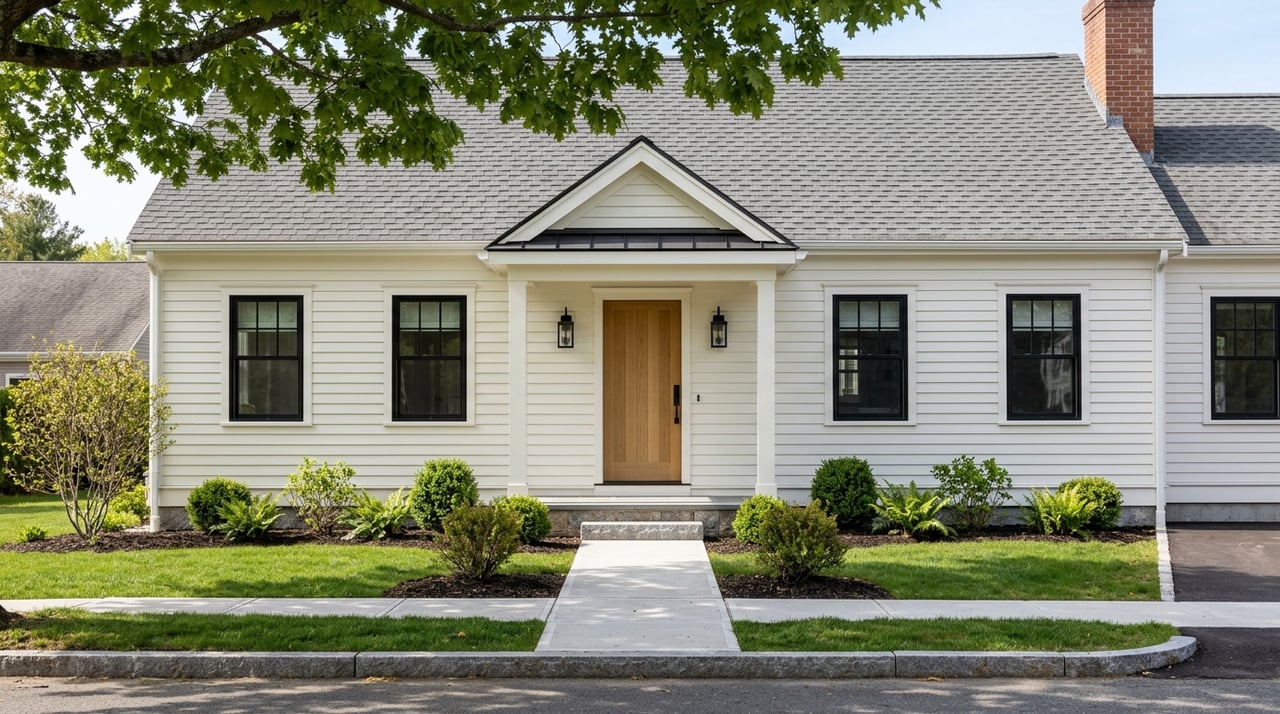
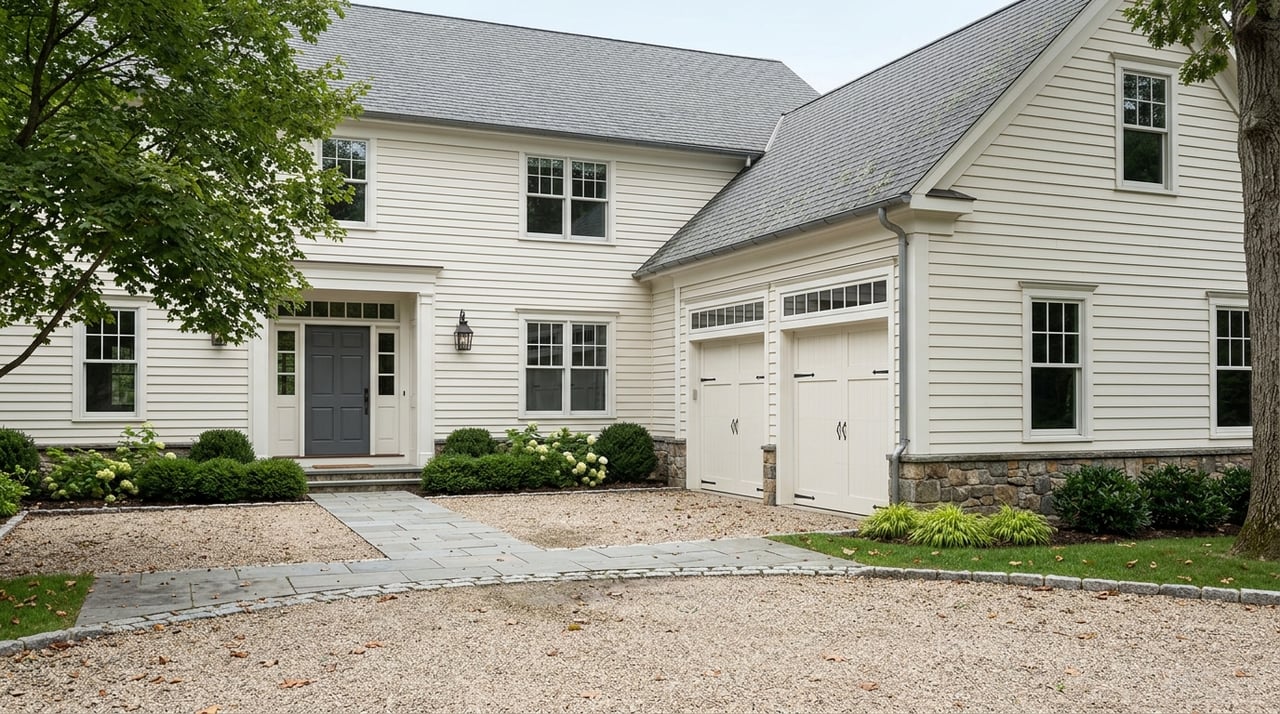
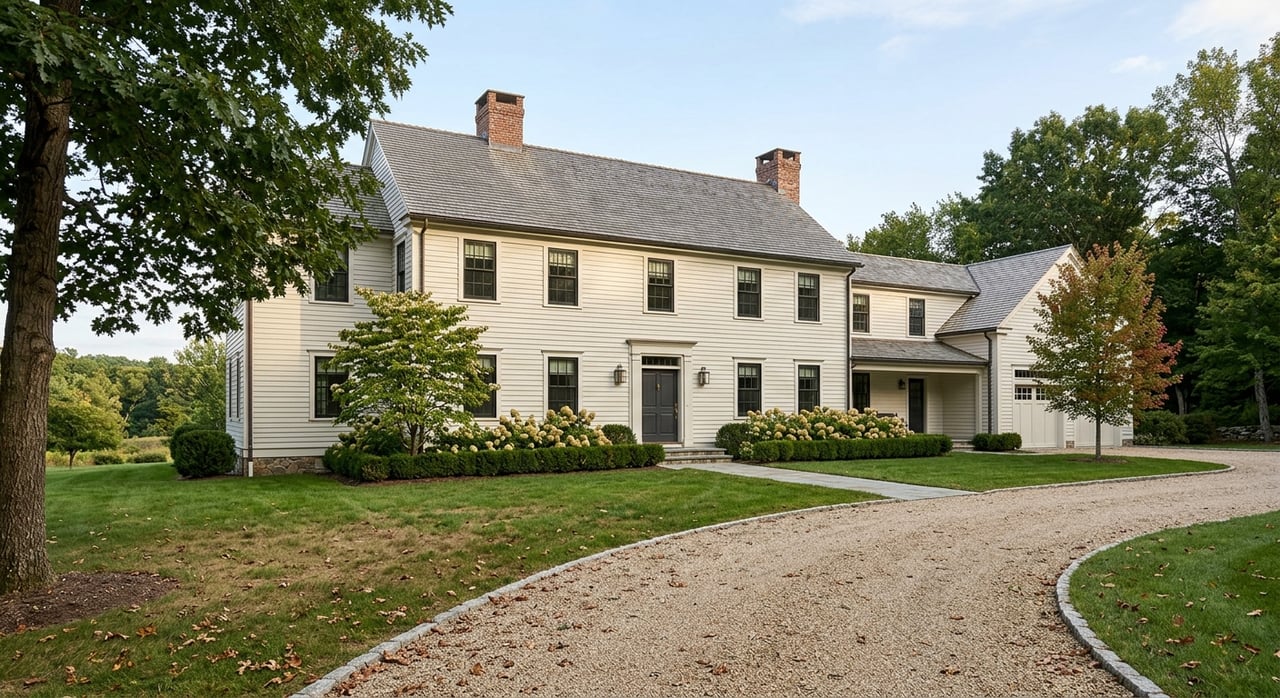
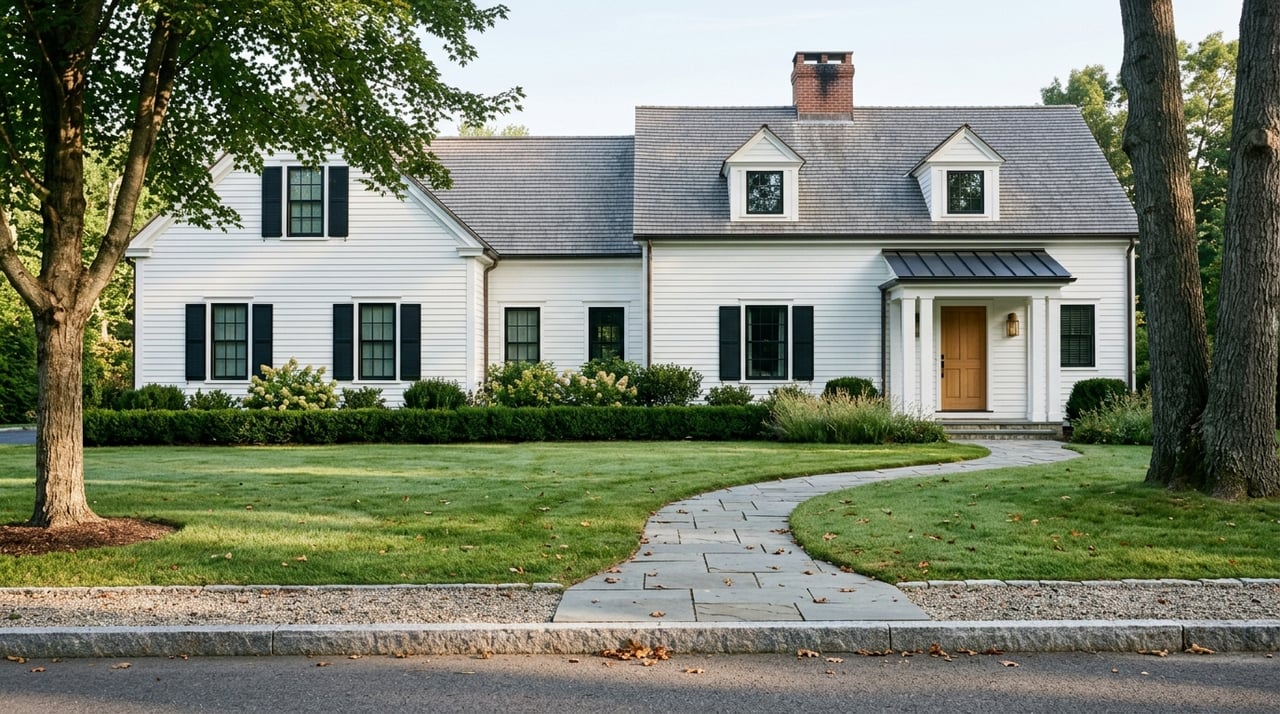
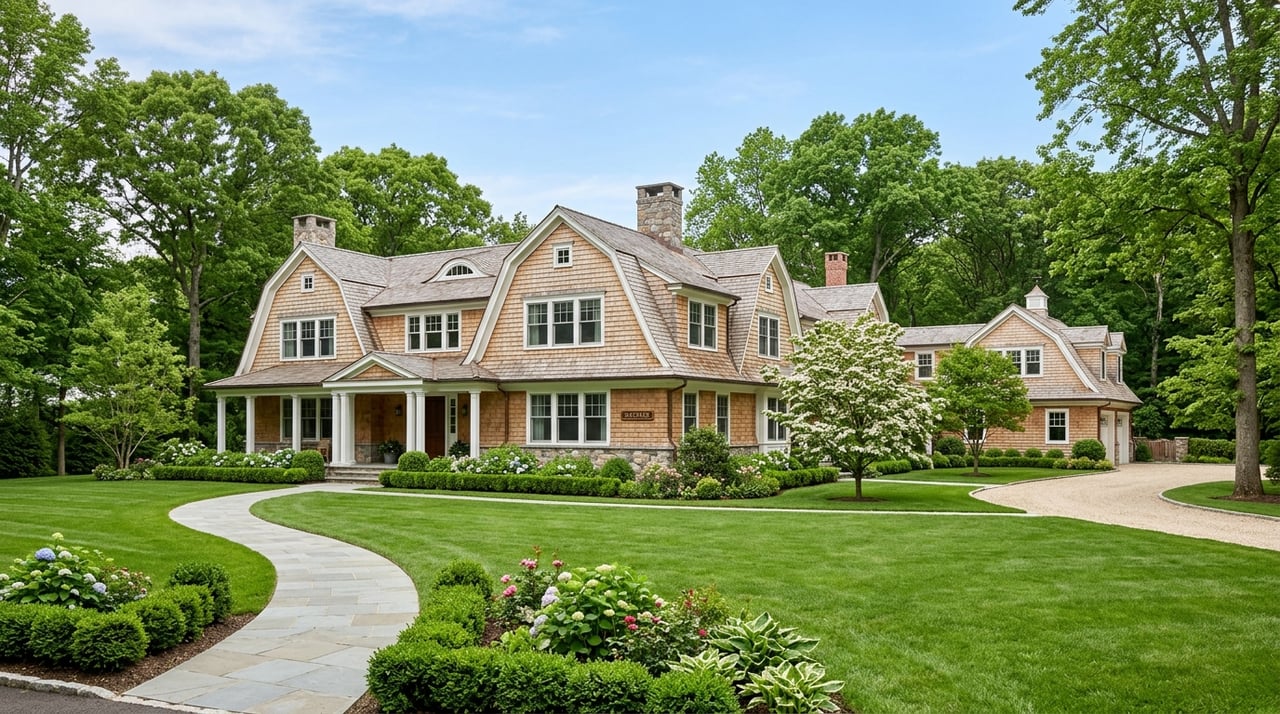
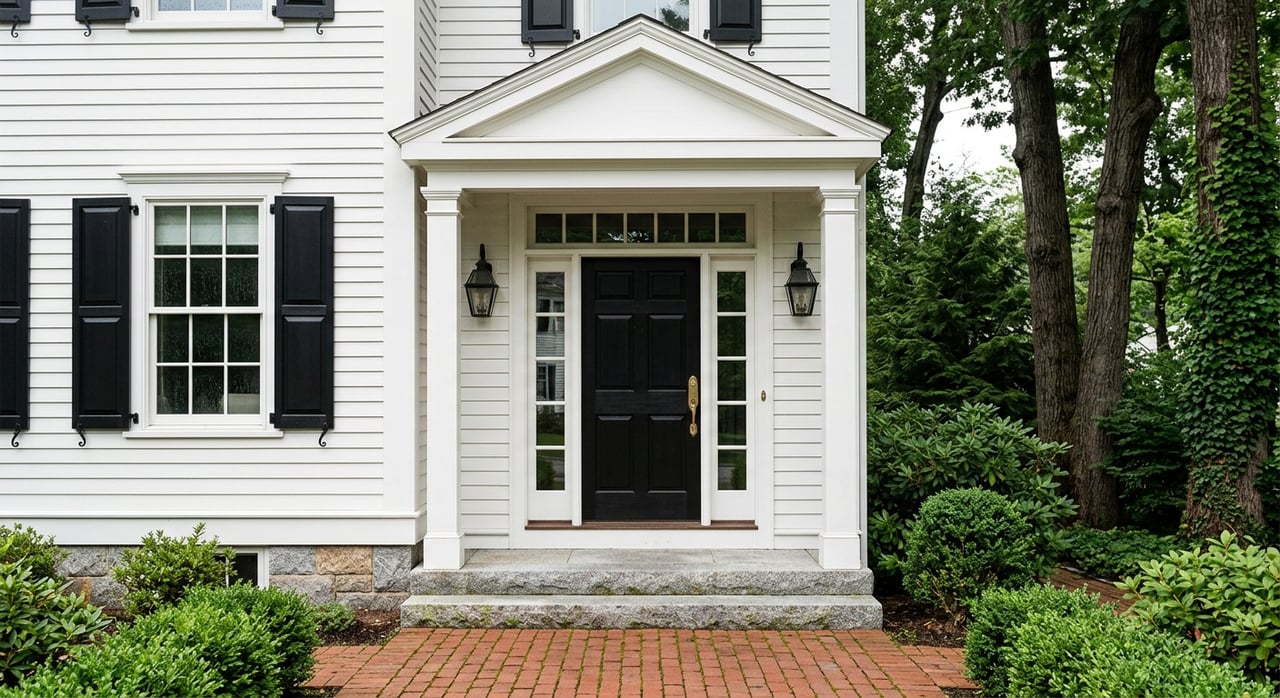
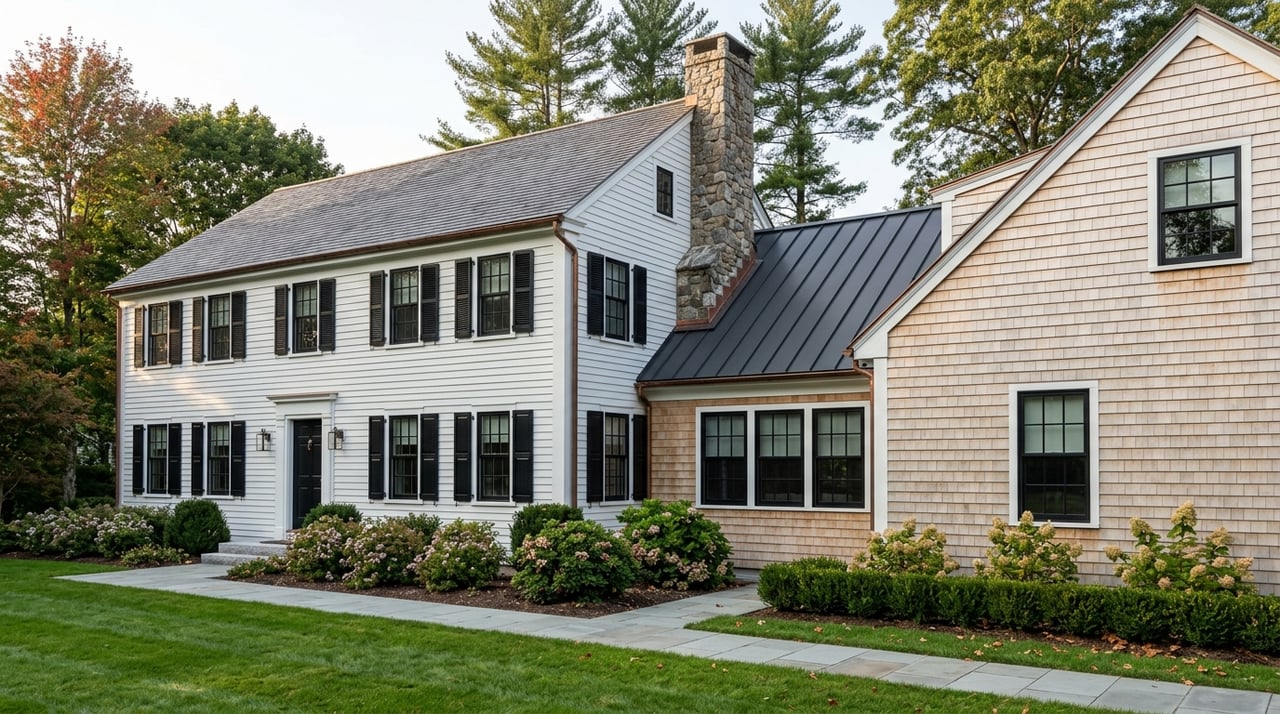
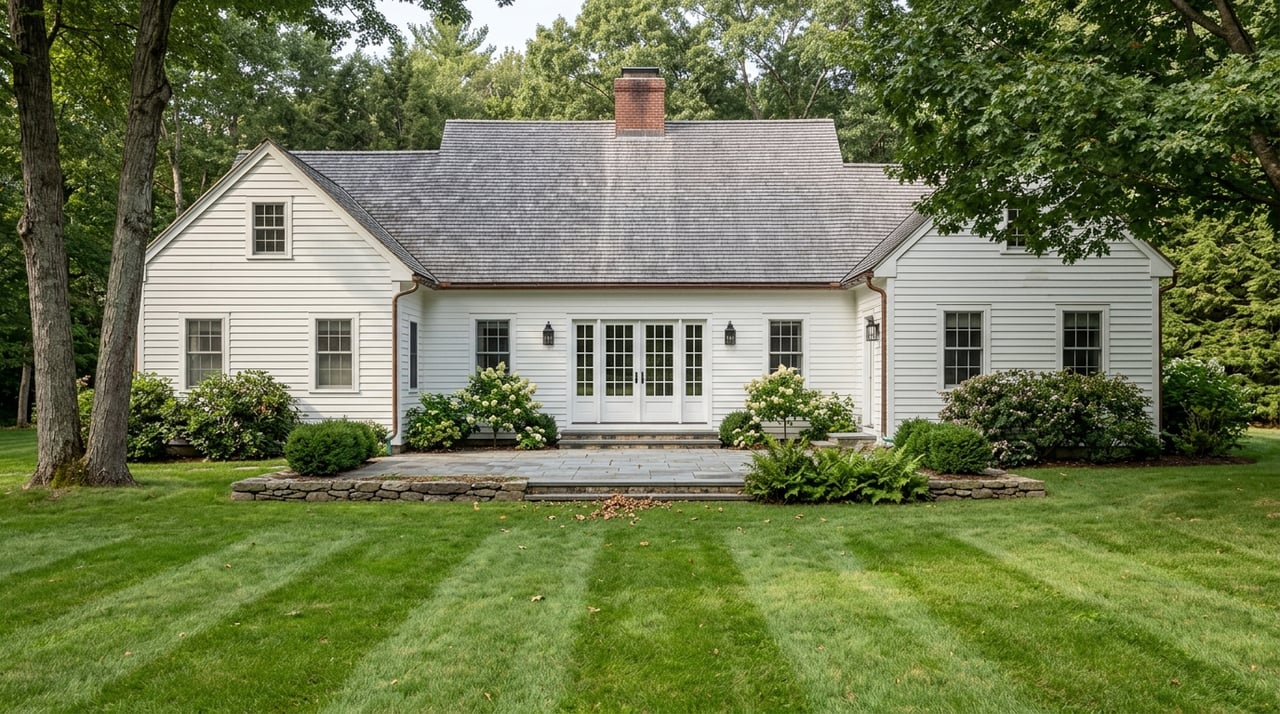
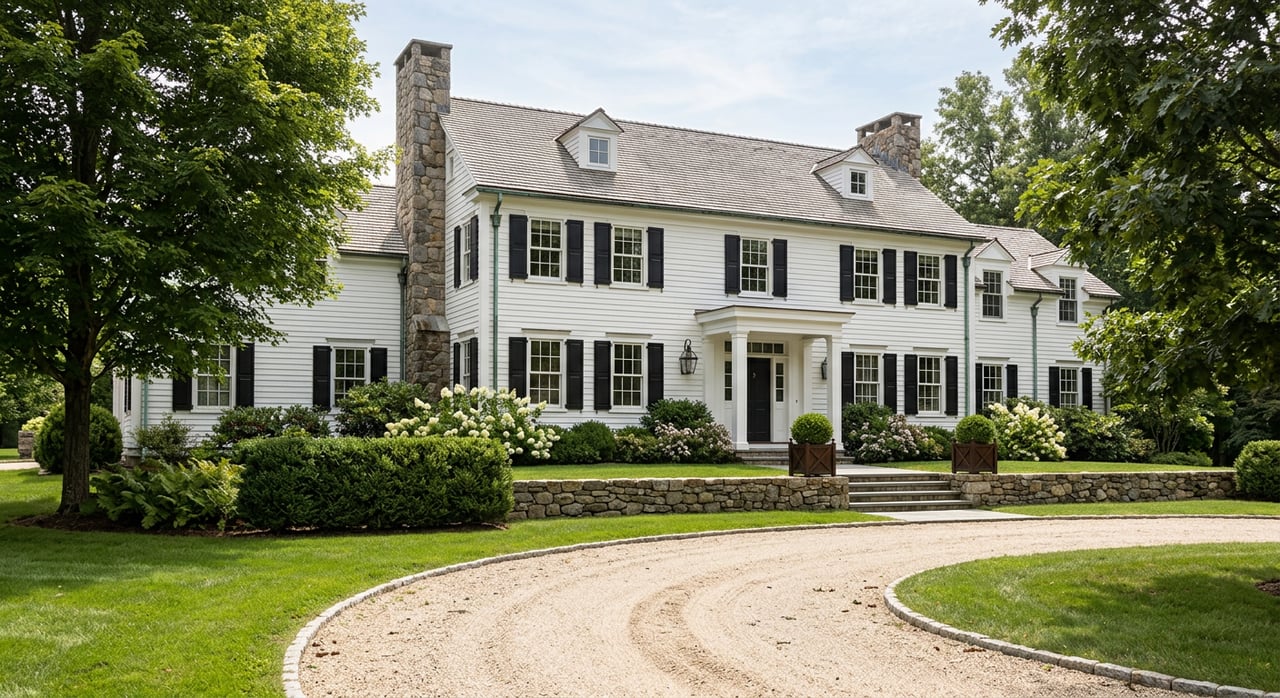
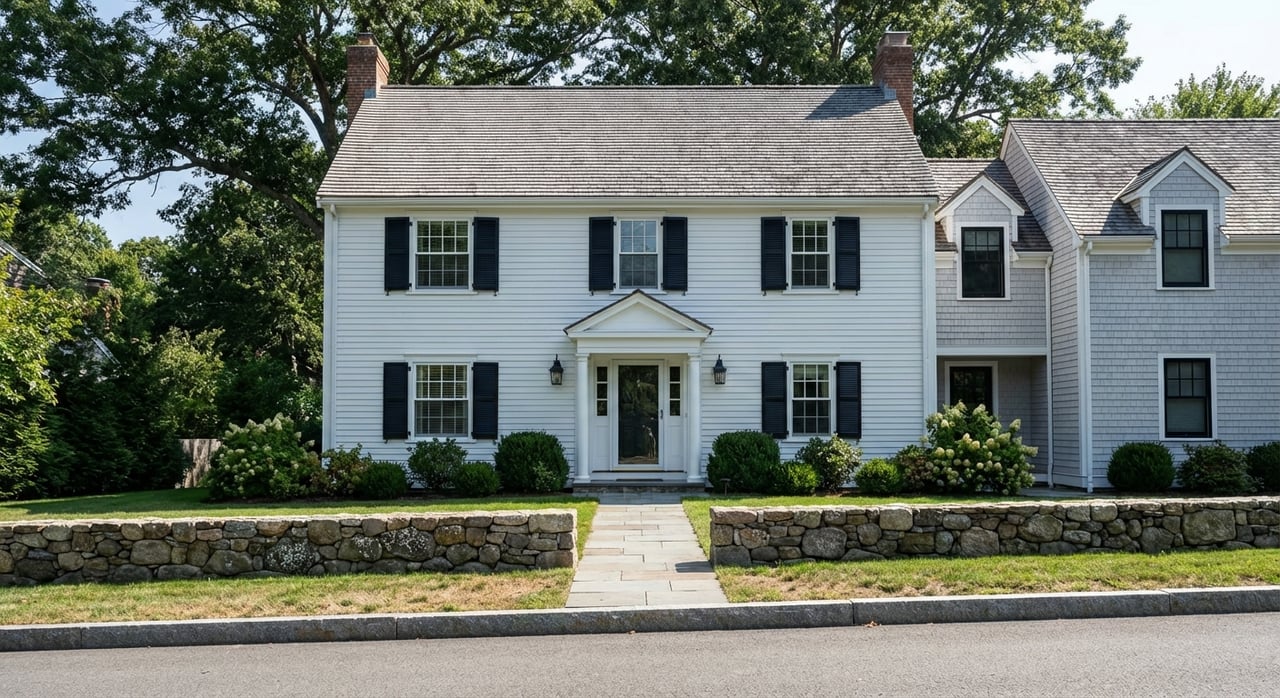
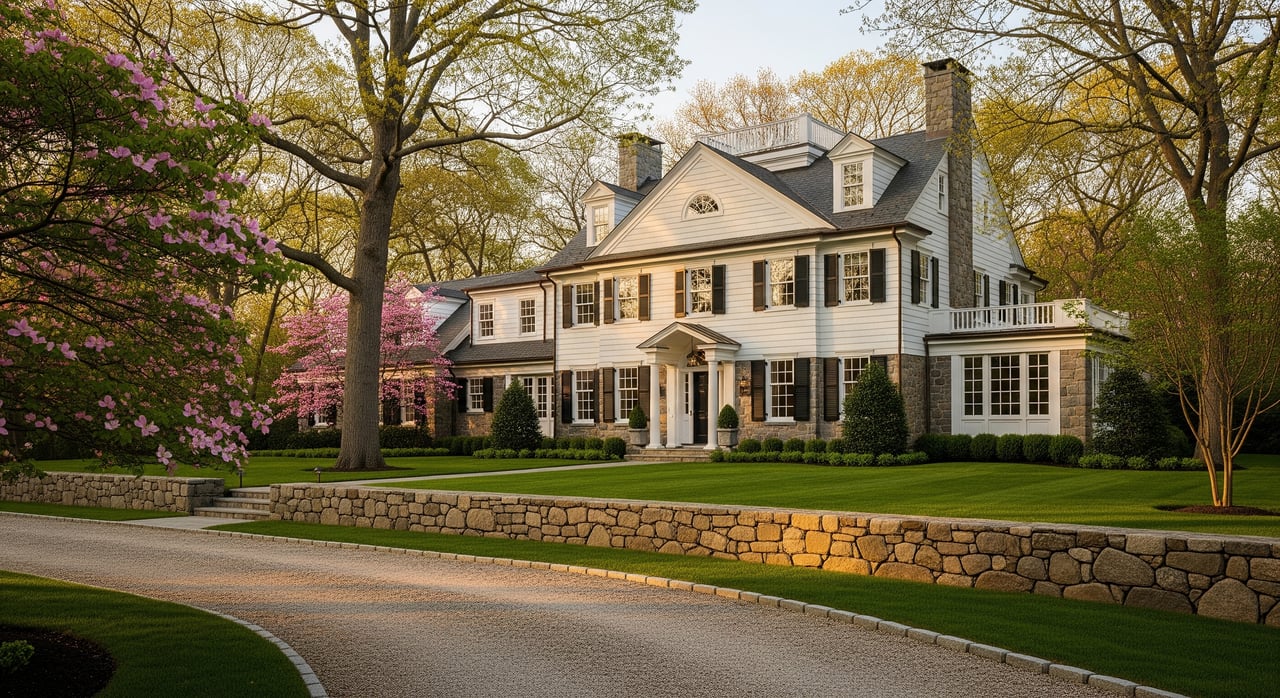
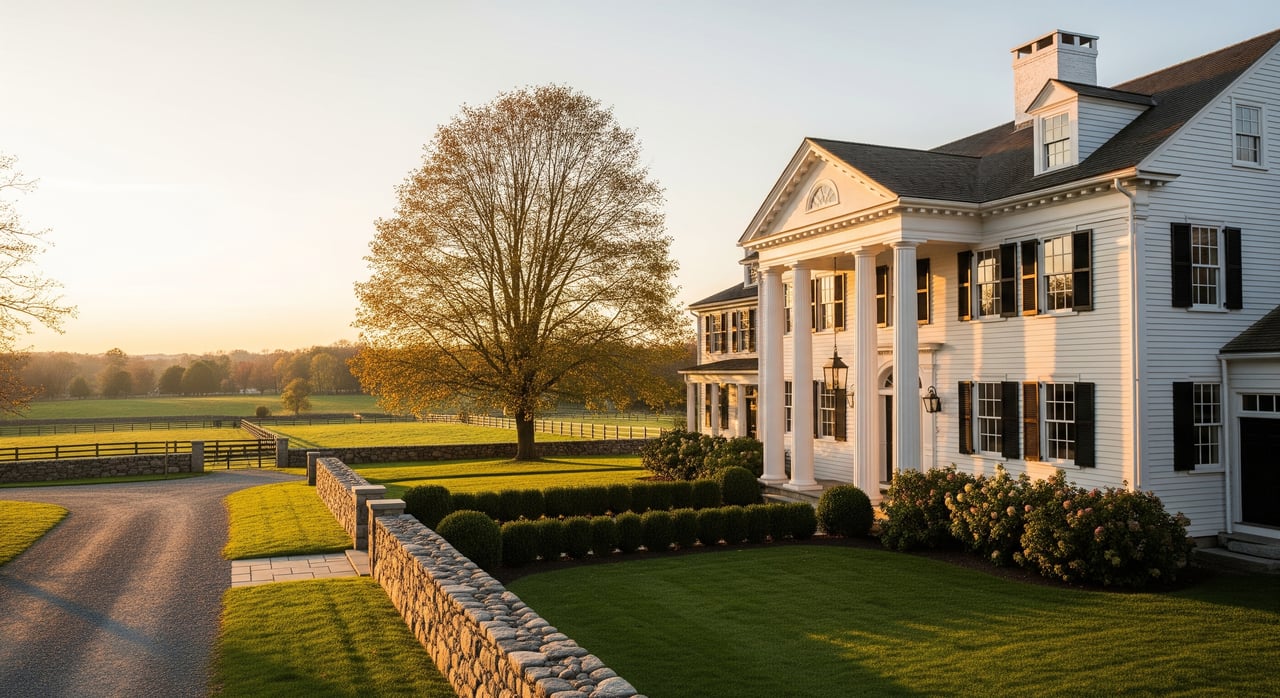
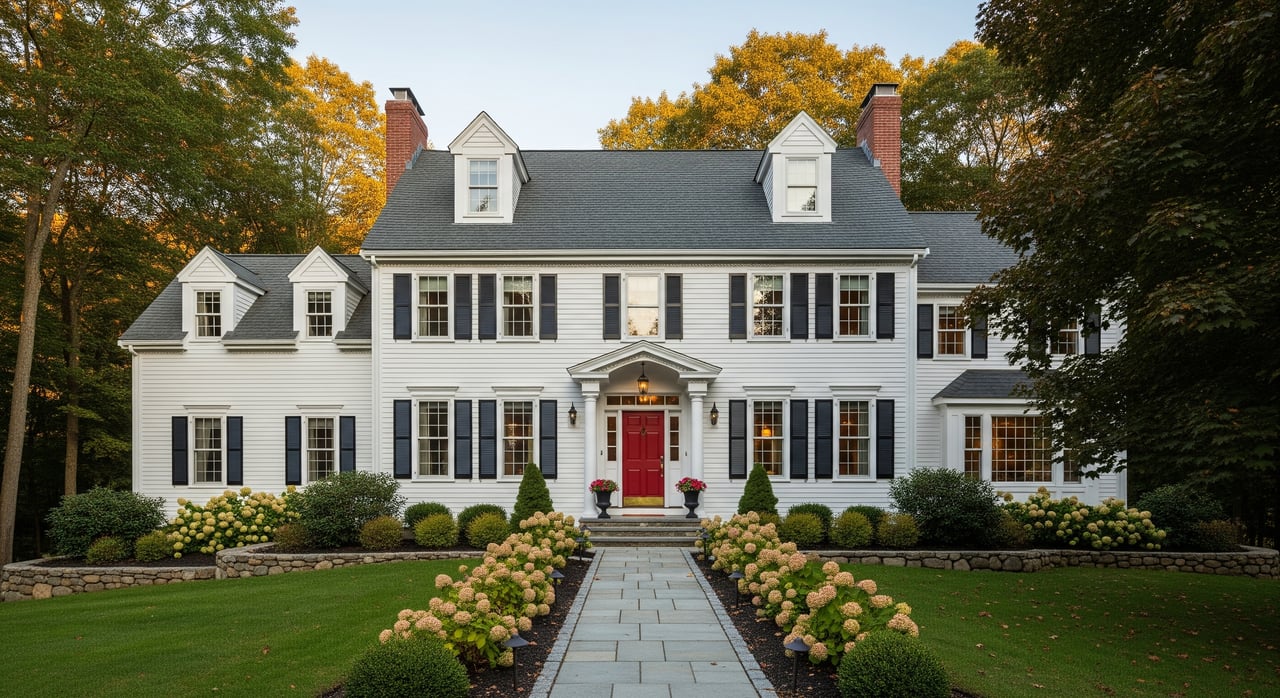
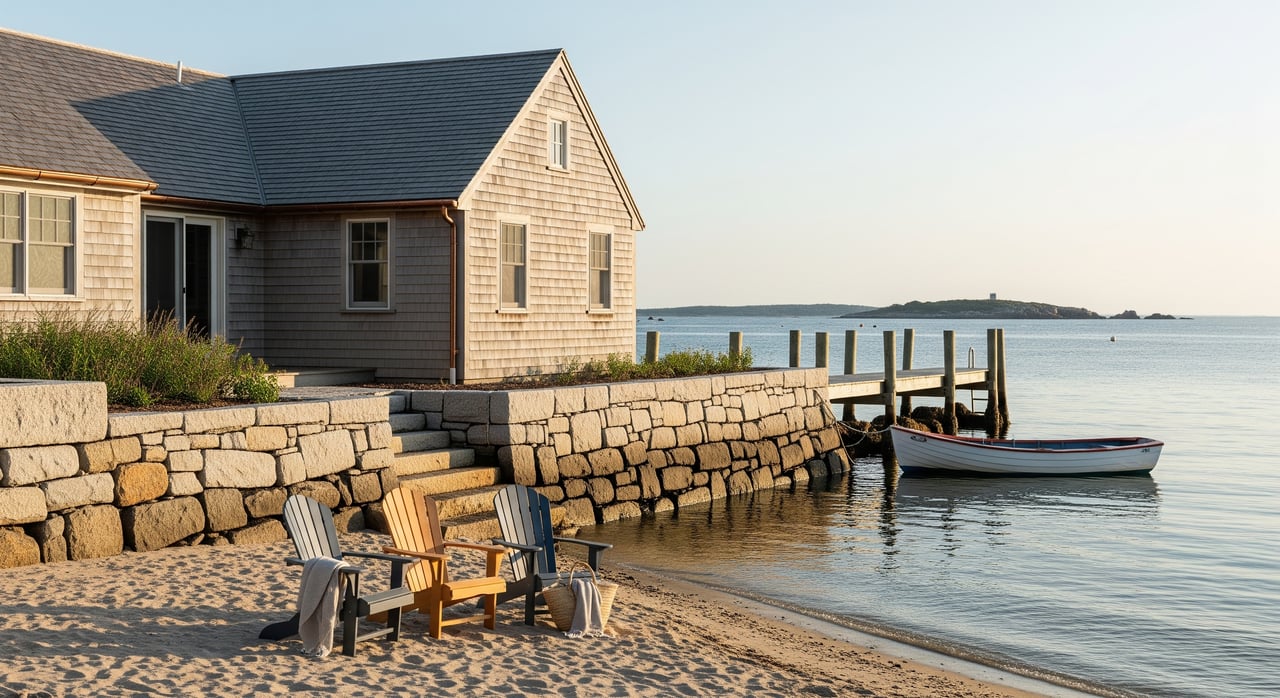
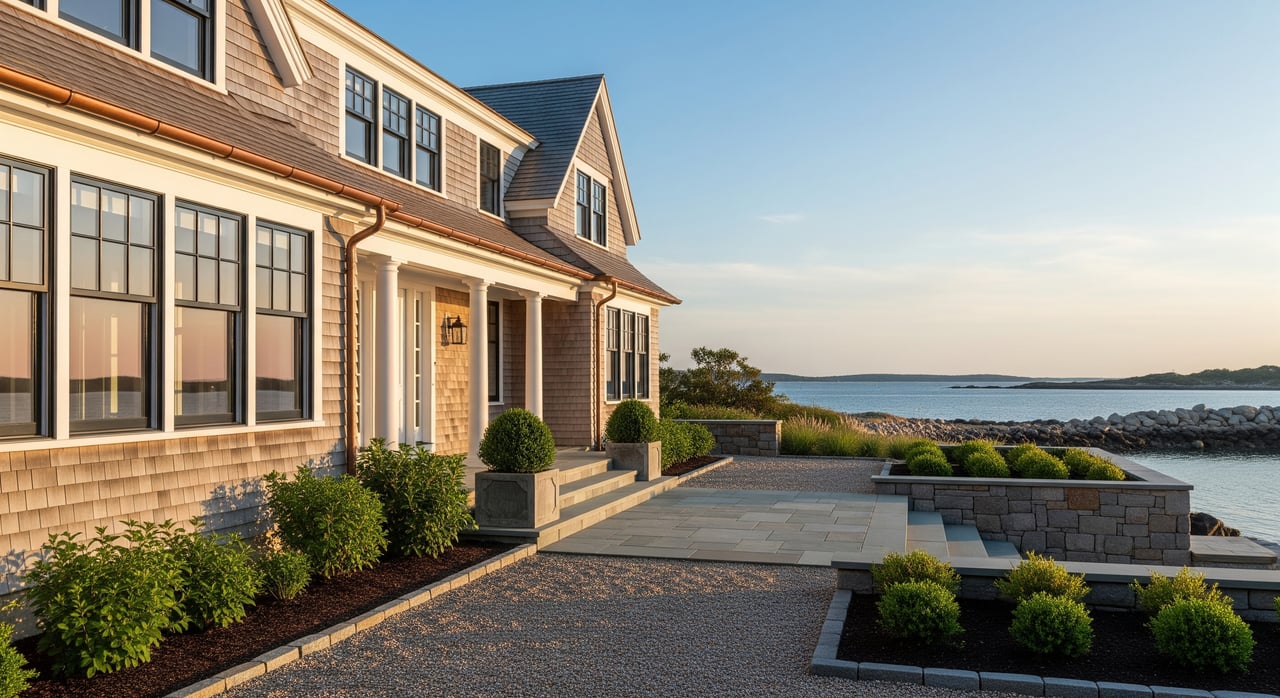
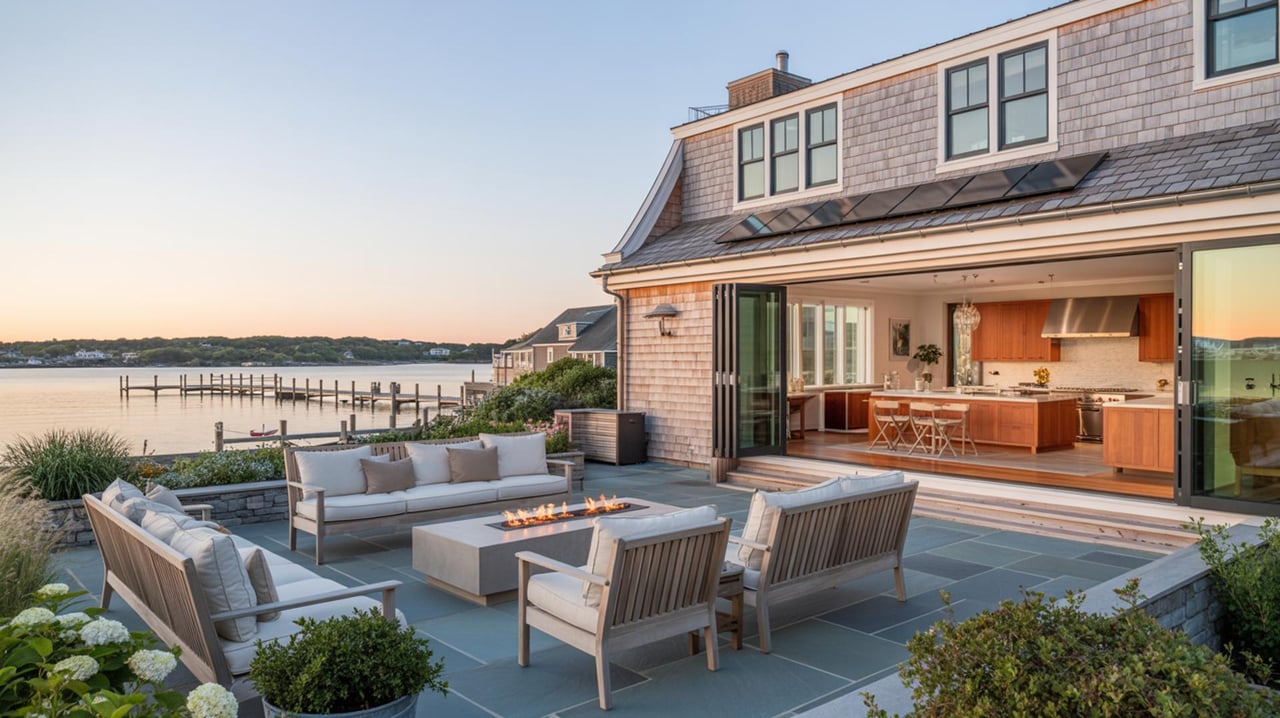
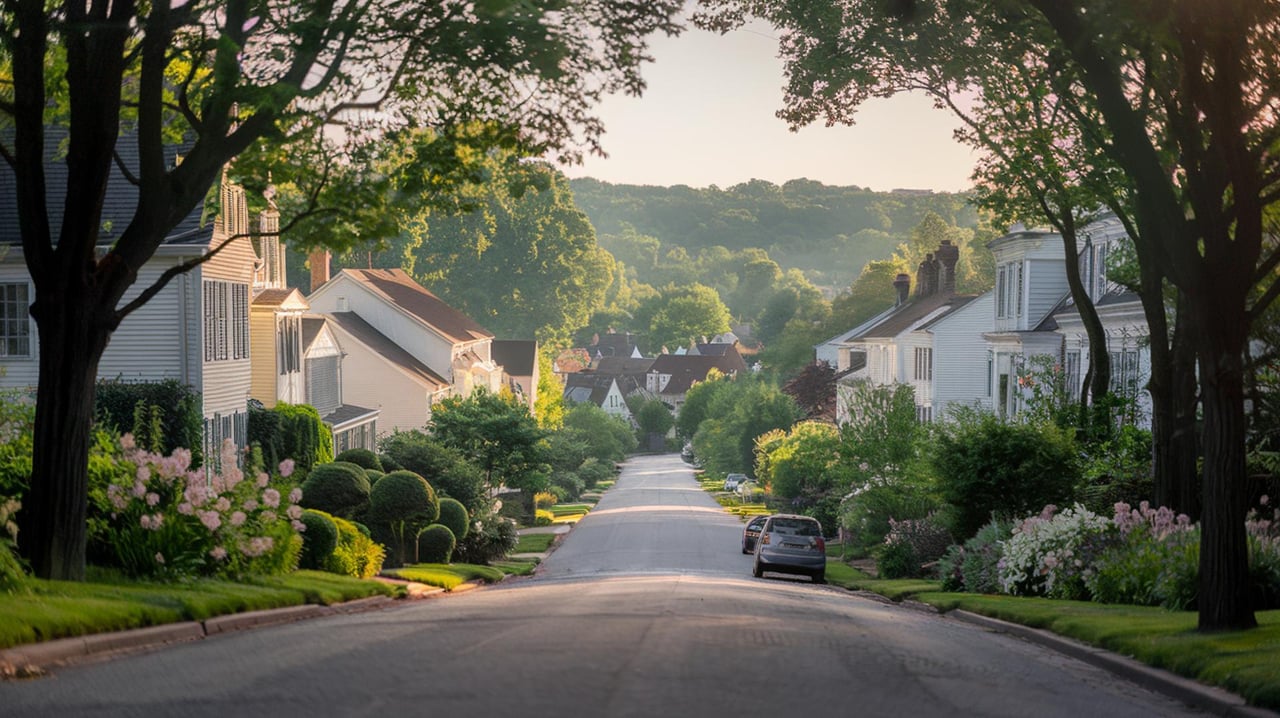
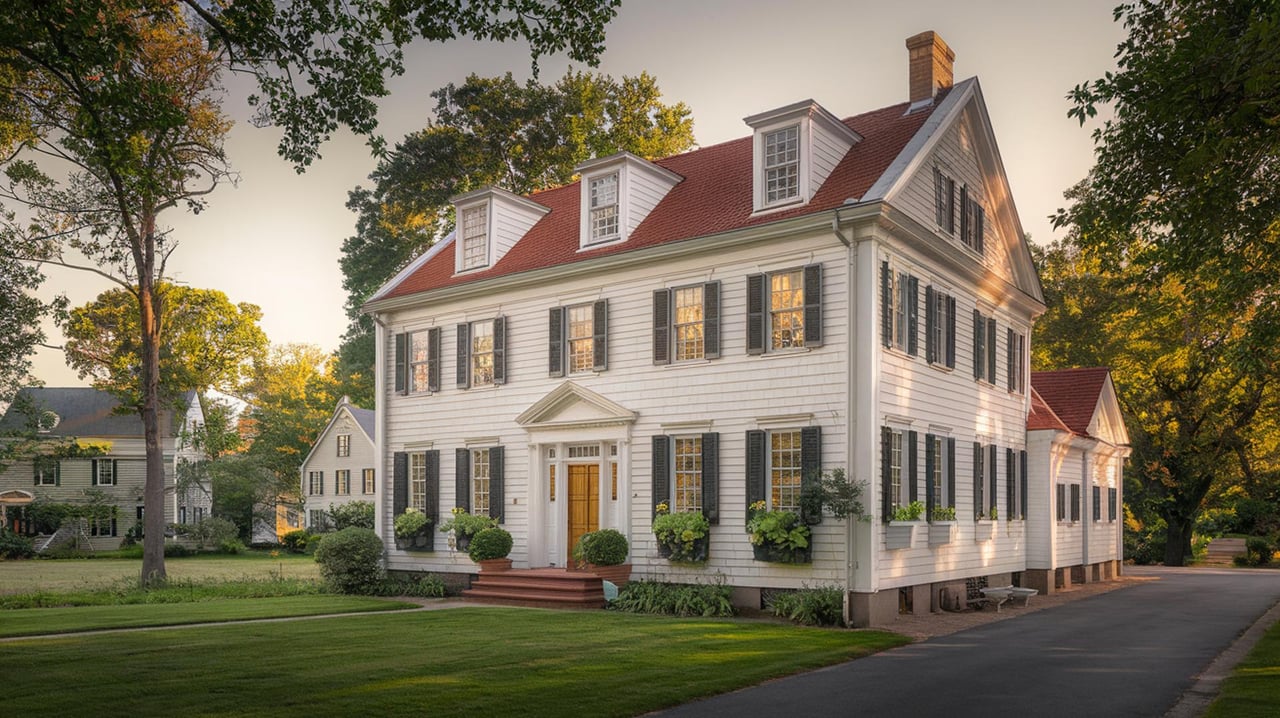
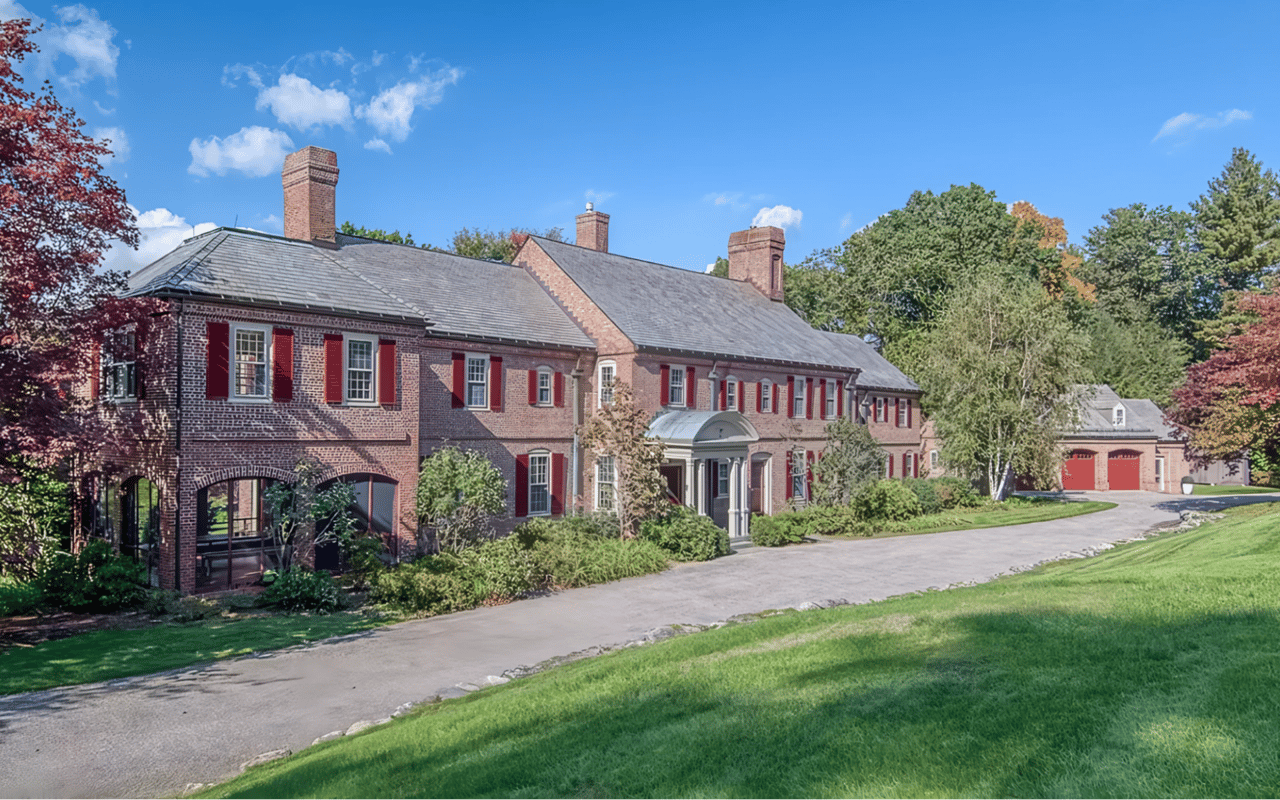
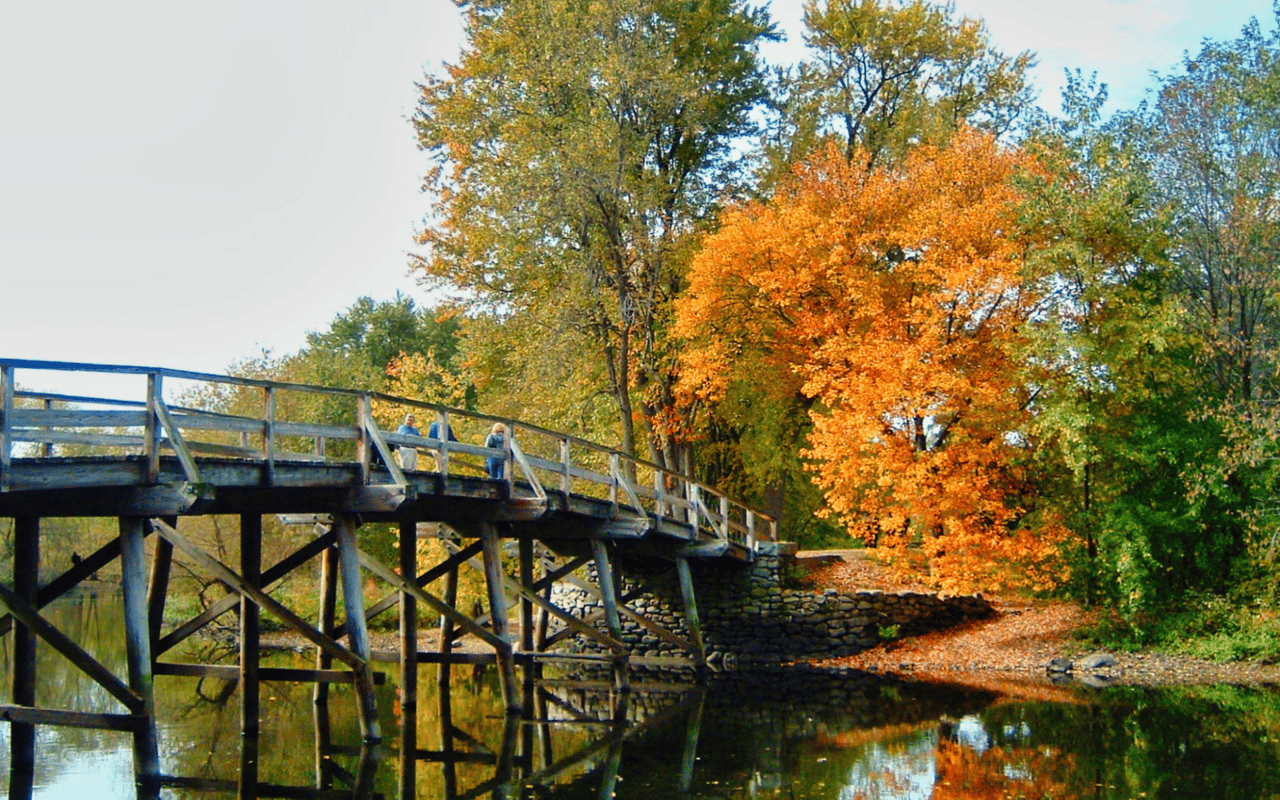
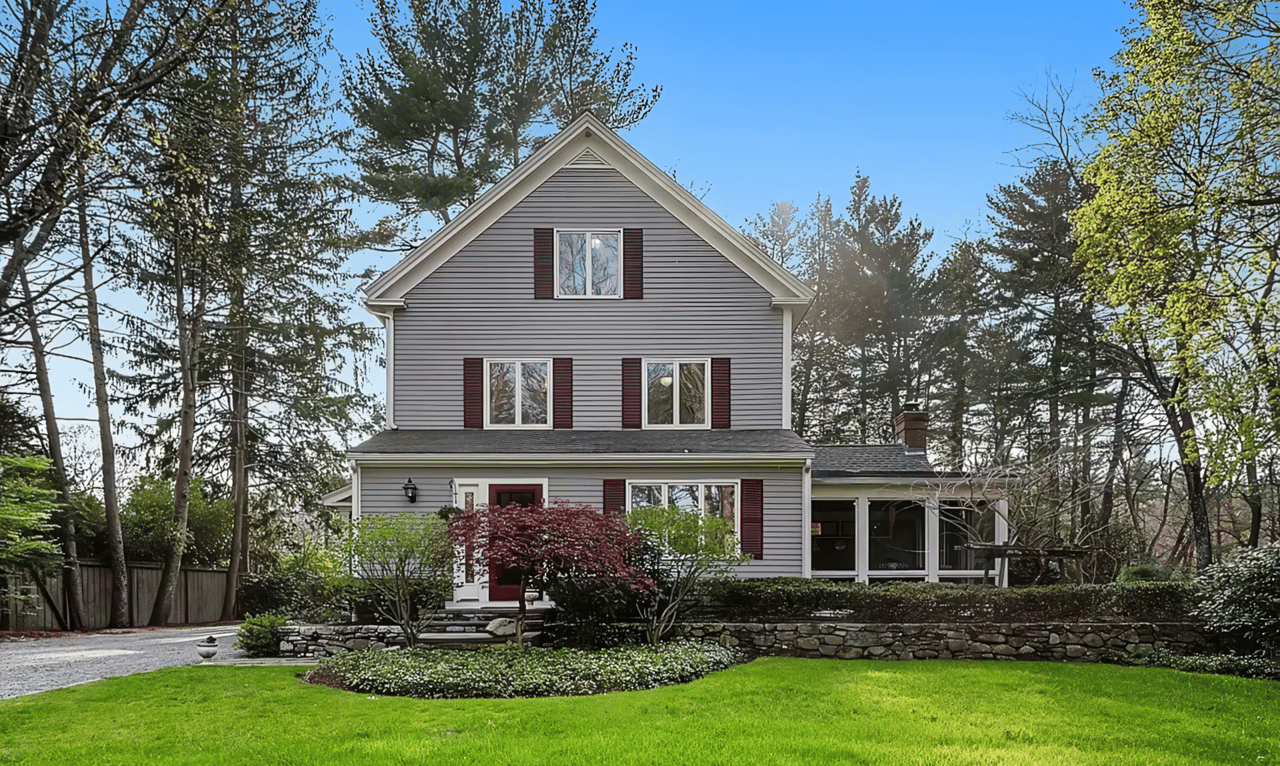
If you are dreaming about more space, privacy, or room for horses, gardens, or outbuildings, buying a home with land in Lincoln can feel like a rare opportunity. It can also come with questions that do not always show up in a typical suburban home search. When you understand how Lincoln’s land, zoning, conservation rules, and property systems work together, you can buy with more confidence. Let’s dive in.
Why Lincoln Appeals to Land Buyers
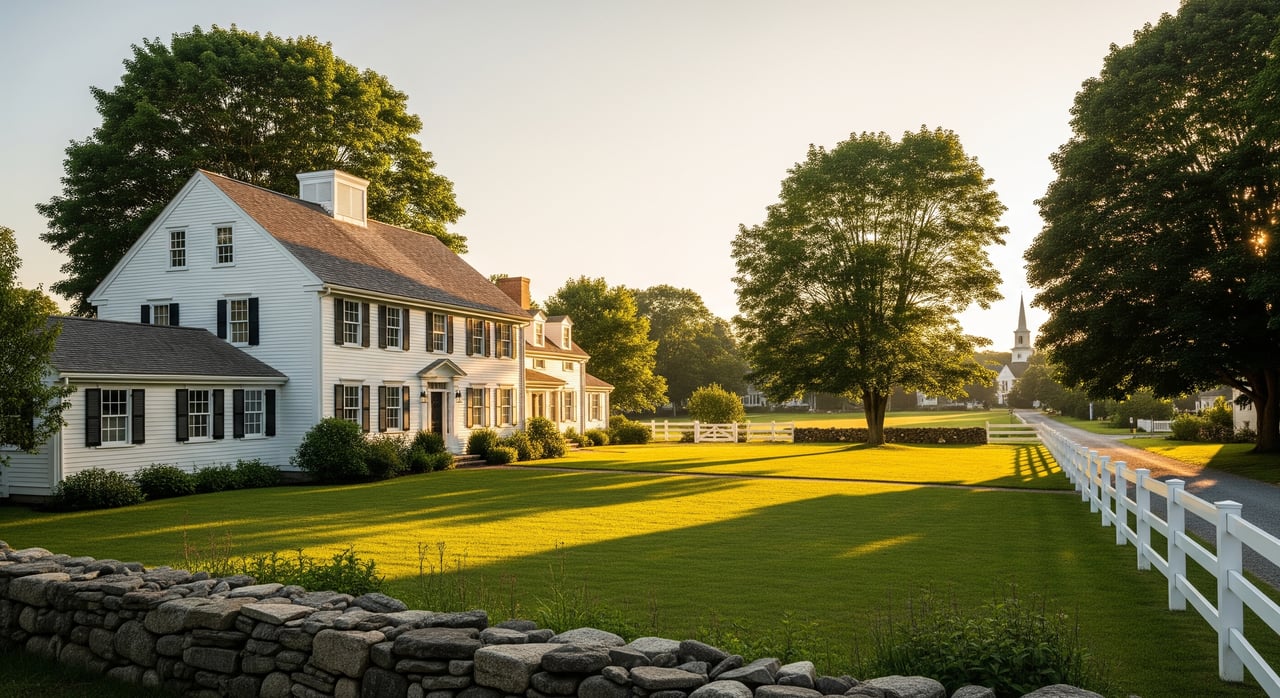
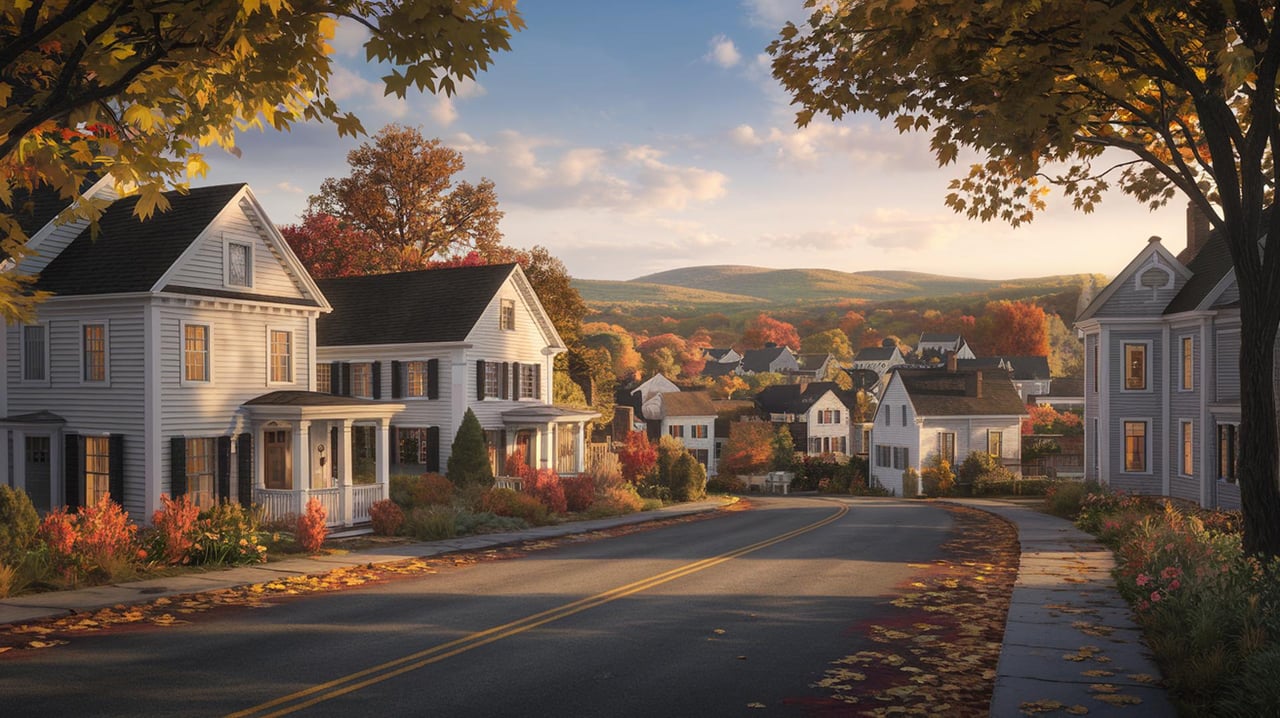
Lincoln’s rural feel is not accidental. The town says its character comes from long-running efforts to protect farms, open space, and historic agricultural land.
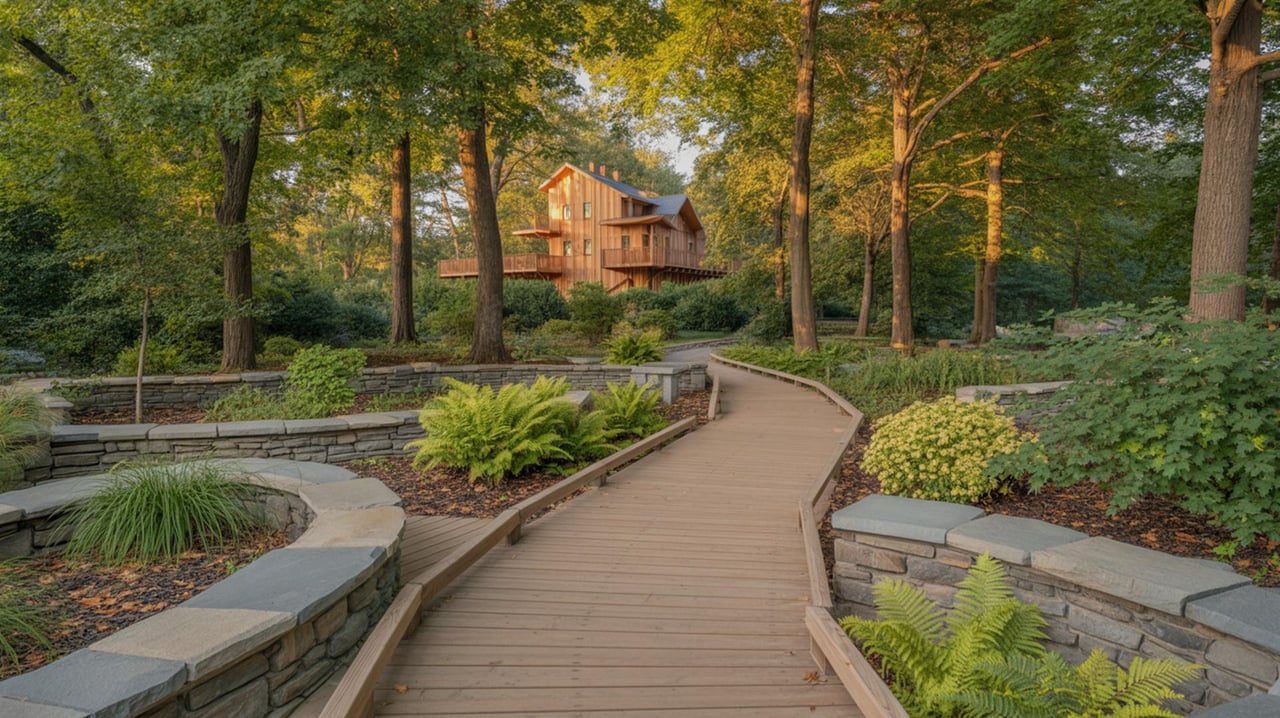
That shows up clearly on the ground. Lincoln’s open-space planning notes that almost 35% of the town, about 5 square miles, is protected by permanent conservation deeds or restrictions, and residents use more than 80 miles of trails. For you as a buyer, that often means a home with land is about more than acreage alone. It is also about how that land connects to woods, fields, trails, and protected areas nearby.
What Acreage Often Means in Lincoln
If you are moving from a more typical suburb, Lincoln’s parcel sizes may stand out right away. In the R-1 zoning district, the minimum lot area is 80,000 square feet, or about 1.84 acres, with 120 feet of frontage and 250 feet of lot width at the building.
Some areas are smaller. In the R-2 district, the minimum lot area is 12,000 square feet. Even so, buyers looking at larger properties should expect zoning and land-use rules to shape how the property can be used over time.
Lincoln also has cluster and open-space rules that can require at least 35% open land on a qualifying tract. That open land may be owned by the town, the Lincoln Land Conservation Trust, or an approved homeowners’ association with a permanent conservation restriction and recreational easements for town residents.
For buyers interested in agricultural use, there is another important point. Lincoln’s agriculture bylaw states that agricultural uses on parcels of five acres or more shall not be prohibited in any district.
Features You May See on Larger Parcels
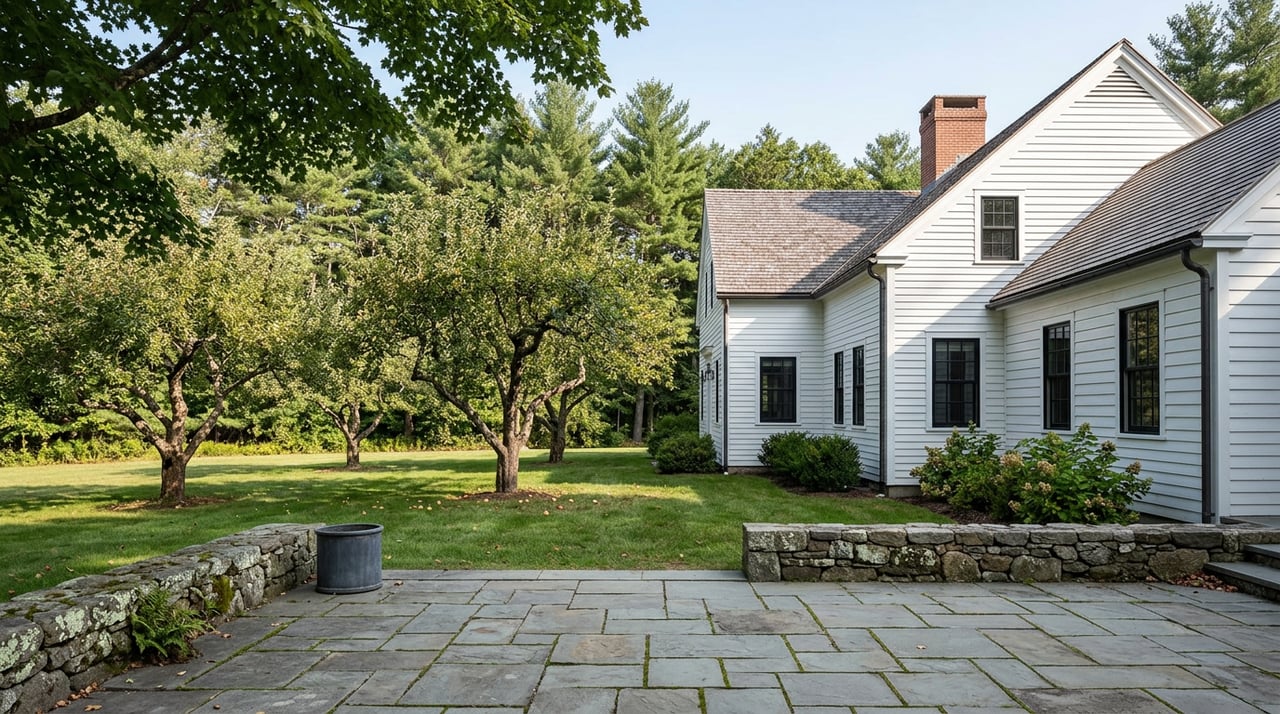
Homes with land in Lincoln often include more than a house and lawn. You may see woods, trails, fields, wetlands, or land near ponds and streams.
That can be a major part of the appeal, especially if you want a property that feels connected to the landscape. It also means you should look closely at how the land functions, not just how it photographs.
Trails and Conservation Adjacency
Lincoln says its trail network includes about 80 miles of trails, and some cross private property. Trail users must stay on marked trails because off-trail travel may be trespassing.
If a property you like has a trail easement or nearby public trail access, that is worth understanding early. It can add to the setting and usefulness of the land, but you will want clarity on where access exists and how the property is used in practice.
Outbuildings and Farm-Related Uses
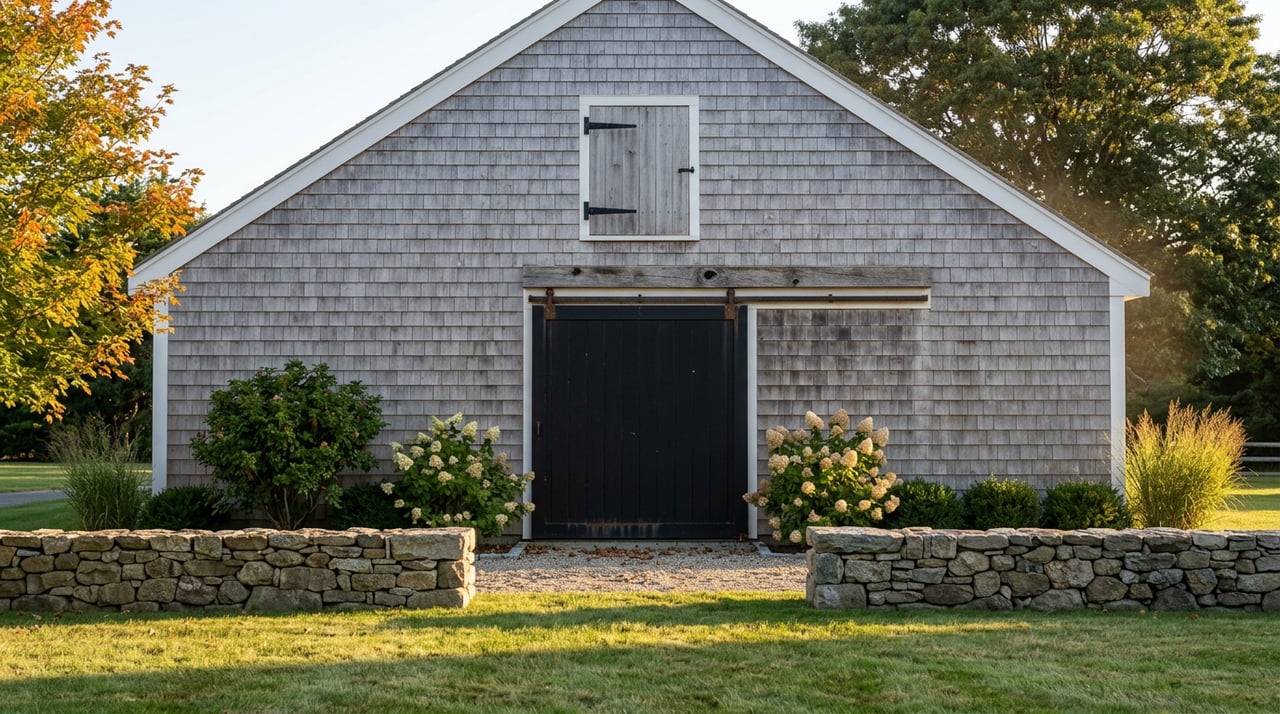
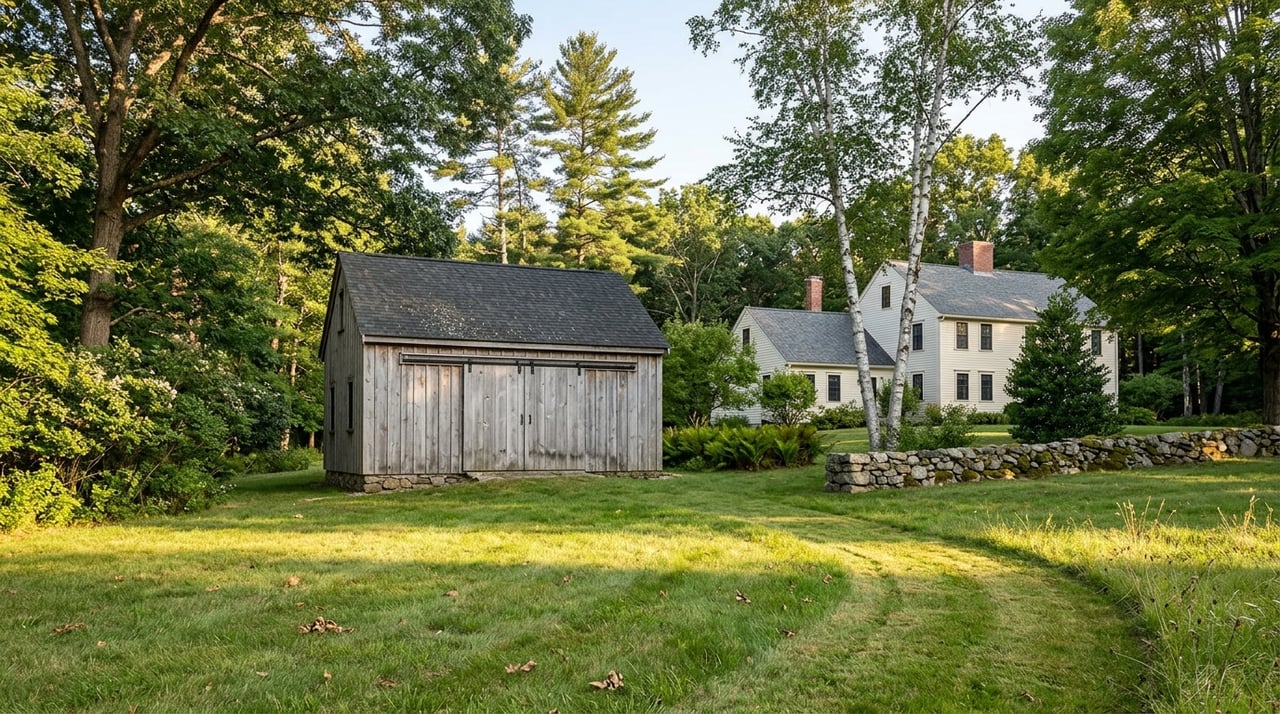
Accessory structures are often part of the conversation when you buy acreage. Lincoln zoning generally allows accessory structures, but they must usually be set back at least 50 feet from the street line and not closer to a side or rear lot line than the structure’s height or 20 feet, whichever is greater.
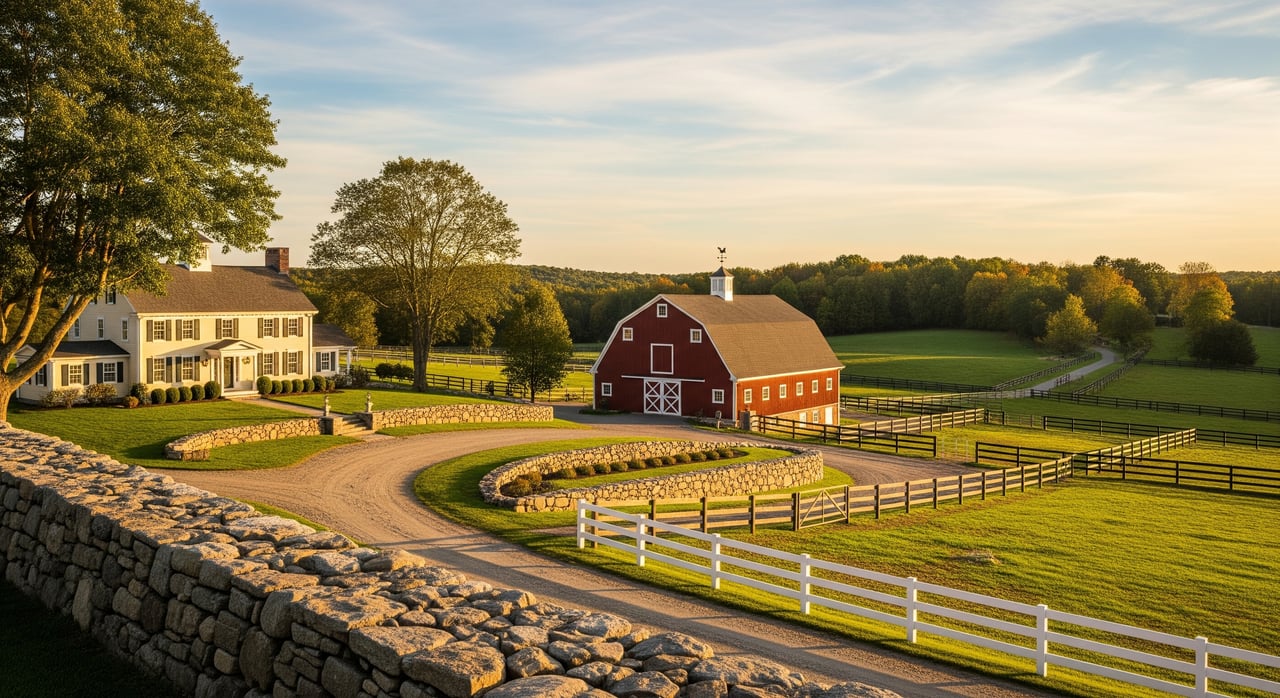
That matters if you are thinking about a barn, shed, greenhouse, or similar building. Lincoln’s agriculture bylaw also recognizes fields, pastures, wood lots, orchards, nurseries, truck gardens, and farms.
The Agricultural Commission provides guidance for horses, livestock, poultry, and beekeeping. Some commercial animal uses and riding-horse-for-hire uses require special permits, so it is smart to ask specific questions if your plans go beyond basic residential use.
Wetlands and Flood Zones Matter Early
One of the biggest factors in buying land in Lincoln is whether parts of the property are affected by wetlands, streams, or flood-zone rules. These limits can affect future plans for driveways, pools, patios, fences, sheds, tree work, and additions.
Lincoln’s Conservation Commission says any work within the 100-year flood zone, within 100 feet of wetlands, ponds, or intermittent streams, or within 200 feet of perennial streams must be reviewed by the Commission. That is why a beautiful backyard or open field should always be evaluated beyond the surface level.
There is also an important mapping detail to know. The town says FEMA produced updated flood maps in 2025, but Lincoln’s GIS still shows the older 2014 lateral extent, so a surveyor may be needed to locate flood areas accurately on a specific property.
Tree removal can also come into play. Near wetlands, prior permission and replacement planting may be required.
Stewardship Is Part of Ownership
Owning land in Lincoln often comes with a stewardship mindset. The town’s land-stewardship program says staff manage about 1,600 acres of municipal conservation land and roughly 80 miles of trails, using management plans that address forests, wetlands, fields, and invasive-species control.
That local context matters because many buyers are not just purchasing a home. You are taking on a relationship with the land itself, whether that means managing a meadow, maintaining wooded areas, or understanding how runoff moves across the property.
Lincoln’s Agricultural Program also notes that the town’s rural character depends on protecting farms and encouraging sustainable practices over time. For the right buyer, that can be part of what makes ownership here so meaningful.
Septic Is a Major Buying Issue
Lincoln does not have a municipal sewer system. Homeowners are responsible for installing and maintaining septic systems, and the Board of Health is legally responsible for septic approval and permitting under Title 5.
That makes septic one of the most important due-diligence items when you are buying a home with land. The town’s septic guide recommends pumping every 3 to 5 years, never driving or parking over the leaching field, keeping roof drains and sump water away from the field, and using licensed contractors for septic work.
If you do not know where the septic system is located, the town says the Board of Health retains drawings of certified systems. For many buyers, that file review is a practical first step before making assumptions about future landscaping, additions, or outdoor features.
Water and Runoff Deserve Attention
Water issues can shape how land performs over time. Lincoln’s Water Department says it maintains the Flint’s Pond watershed and the Tower Road well groundwater recharge area, while the town’s stormwater guidance explains that runoff can carry sediment, salts, and other pollutants into ponds, streams, wetlands, and drinking-water sources.
If the property has a private well, Lincoln’s water-quality page says the town can point owners to independent labs for testing. That is a good question to raise early, especially if irrigation, gardens, or long-term landscape planning matter to you.
Questions to Ask Before You Buy
When you buy a home with land in Lincoln, the right questions can save time and help you avoid expensive surprises. A property may look straightforward, but lot conformity, permit history, wetlands, septic, and access issues can all affect how you use the land.
Here are some of the most useful questions to ask during your search and due diligence:
Building and Engineering Questions
- Is the lot conforming in its zoning district?
- Are there open permits or unpermitted structures?
- What do the parcel folders and public property records show?
- Do the building, plumbing, gas-fitting, and wiring records match what is on site?
Conservation Questions
- Is any part of the property in a wetland buffer, riverfront area, or flood zone?
- Would a driveway, patio, pool, shed, fence, or tree work need Conservation Commission review?
- Are there any limits on work near ponds, streams, or wetlands?
Board of Health Questions
- Is there a septic plan on file?
- When was the tank last pumped?
- Are there any Title 5 issues or repair permits to review?
- If there is a private well, what water testing has been done?
Planning Questions
- Is the parcel in an overlay, cluster, or other land-use context?
- Could more than one board need to review future plans for the property?
Agricultural Use Questions
- If you want horses, livestock, poultry, or bees, what town guidance applies?
- Would your intended use require a special permit?
Water and Mapping Questions
- Is the property on town water or a private well?
- Could water use affect irrigation or landscape planning?
- Do the assessor map, GIS map, and property record card match the site conditions?
- Are there deeds, restrictions, or recorded easements that affect use or access?
The Right Fit Is About Lifestyle and Land
When you buy a home with land in Lincoln, the key question is not only whether you love the house. It is whether the land supports the way you want to live.
A parcel may offer privacy, trails, fields, and room to grow, but it may also come with wetlands review, septic responsibilities, trail considerations, or conservation-related limits. The goal is to understand those factors clearly before you commit.
For buyers drawn to Lincoln’s larger lots, equestrian potential, estate setting, or rural character, thoughtful guidance matters. If you are considering a home with land in Lincoln or nearby communities, Peggy Dowcett can help you evaluate the property with care, clarity, and a strong understanding of the local market.
FAQs
What does acreage usually mean for a home in Lincoln, MA?
- In Lincoln, acreage often comes with zoning, conservation, and land-use considerations. In the R-1 district, the minimum lot area is 80,000 square feet, or about 1.84 acres.
What should you check about wetlands on a Lincoln property?
- You should find out whether any part of the site is in the 100-year flood zone, within 100 feet of wetlands, ponds, or intermittent streams, or within 200 feet of perennial streams, because work in those areas may need Conservation Commission review.
How important is septic when buying a home with land in Lincoln?
- Septic is very important because Lincoln does not have a municipal sewer system, so homeowners are responsible for septic installation and maintenance under local Board of Health oversight.
Can you add a barn or shed on a larger Lincoln lot?
- Possibly, but accessory structures must generally meet setback rules, and your plans should be checked against zoning, permit history, and any conservation constraints on the site.
Can you keep horses or other animals on land in Lincoln?
- Lincoln’s Agricultural Commission provides guidance for horses, livestock, poultry, and beekeeping, and some commercial animal uses or riding-horse-for-hire uses require special permits.
What town records should you review before buying land in Lincoln?
- You should compare the assessor map, GIS map, and property record card with the site itself and also review building records, septic plans, and any deeds, restrictions, or easements that may affect the property.