If you want a town where wooded trails, historic character, and daily errands can all fit into the same routine, Sudbury is worth a closer look. For many buyers, the challenge is finding a place that feels peaceful without feeling isolated. In Sudbury, you can see how nature and convenience coexist, and that balance helps shape everyday life. Let’s dive in.
Sudbury’s Layout Shapes Daily Life
Sudbury does not follow a single downtown model. Instead, the town is organized around village centers connected by older roads such as Concord Road, Hudson Road, and Maynard Road, according to the town’s master plan.
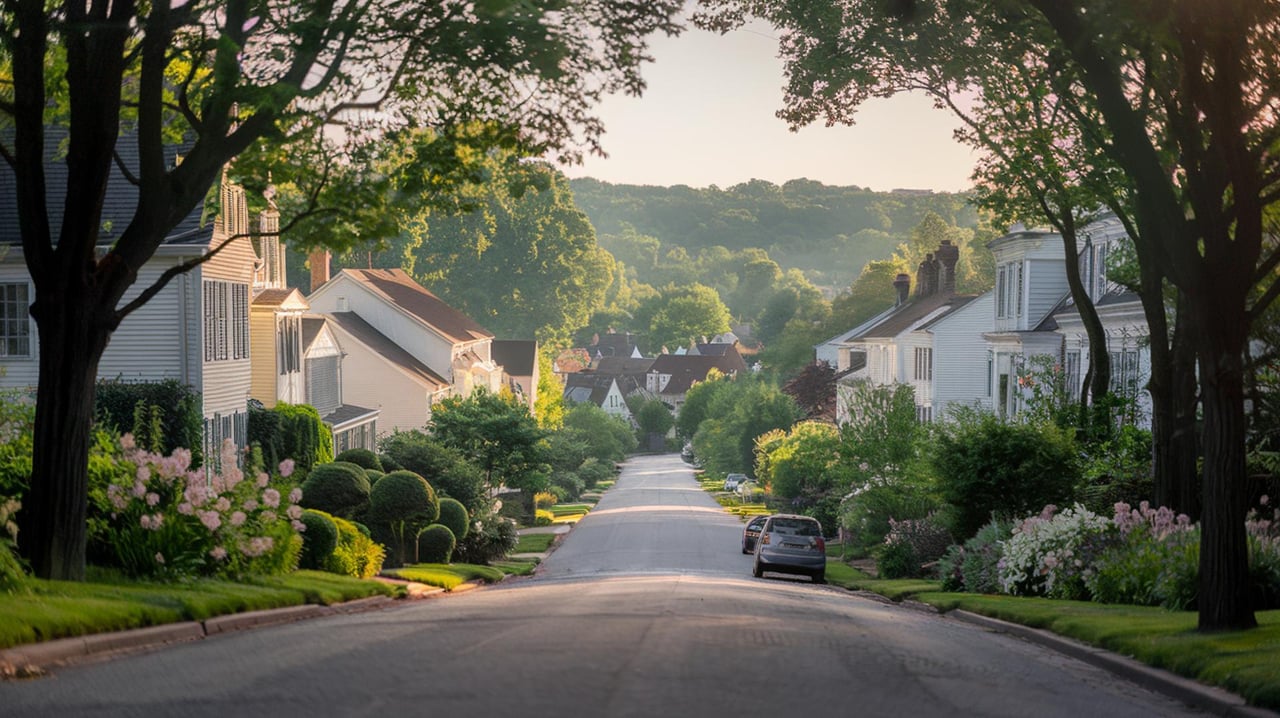
That pattern gives everyday living a distinct rhythm. You move between familiar hubs for errands, dining, recreation, and town services, while still feeling surrounded by conservation land and long-established neighborhoods.
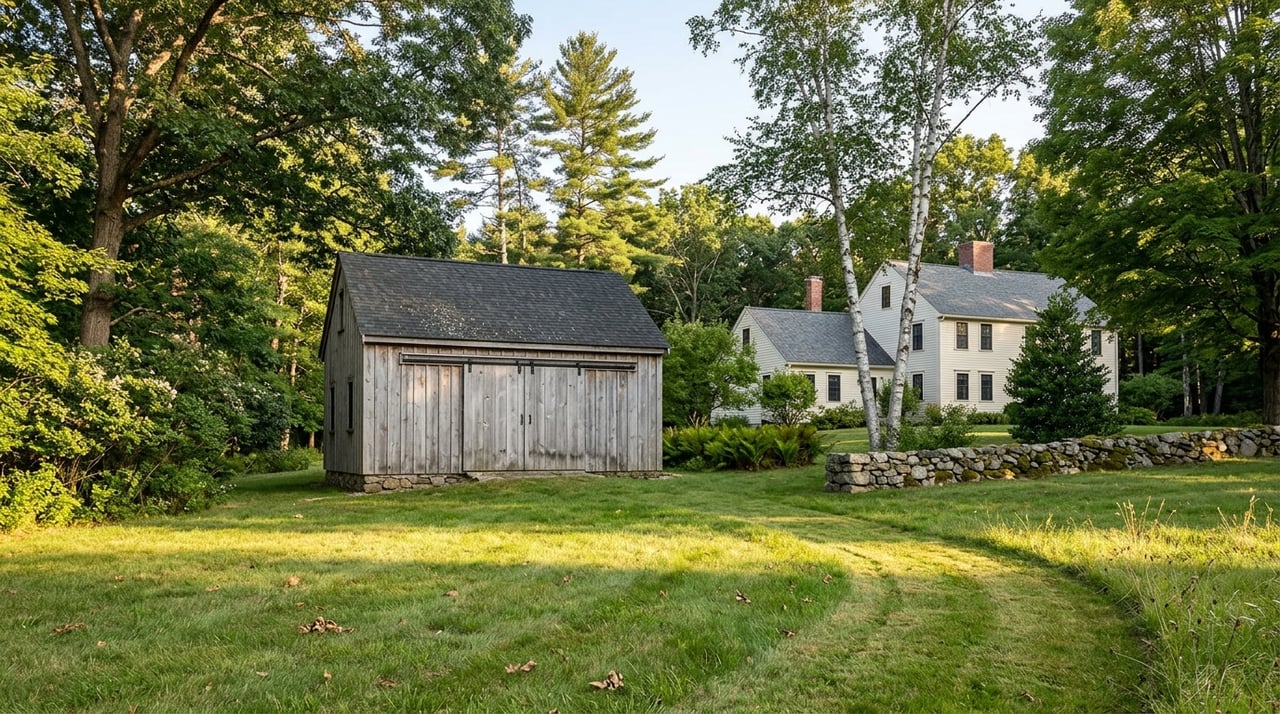
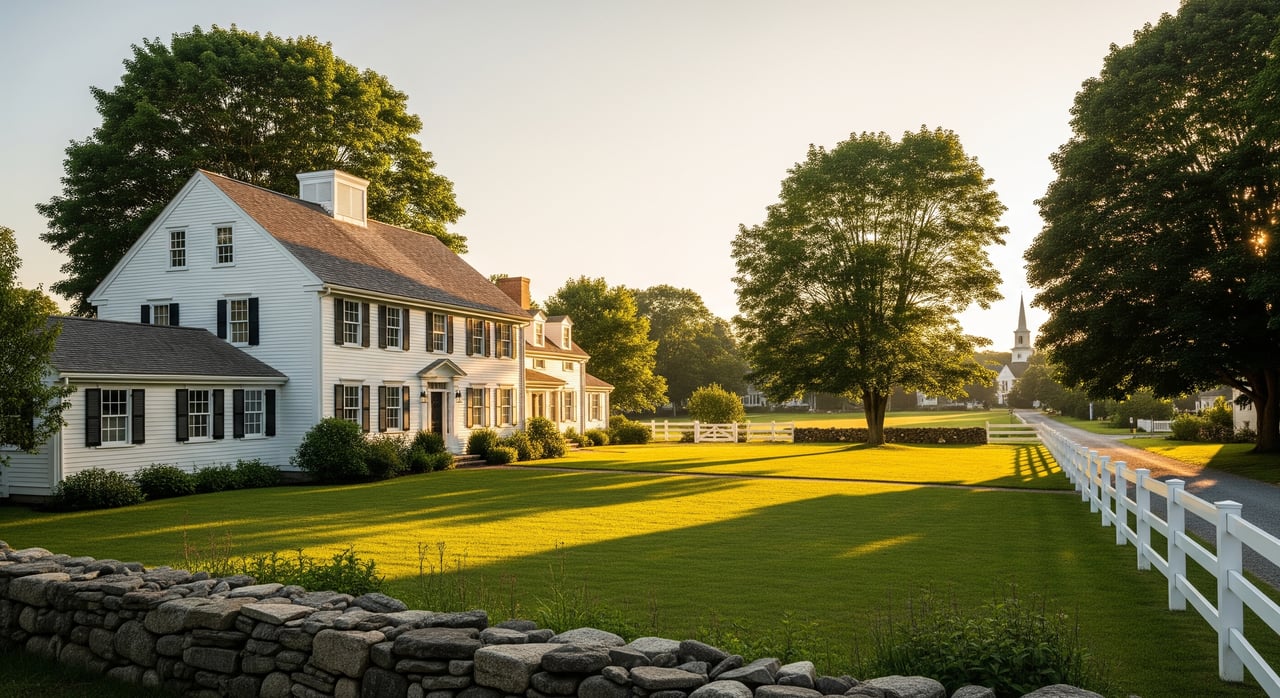
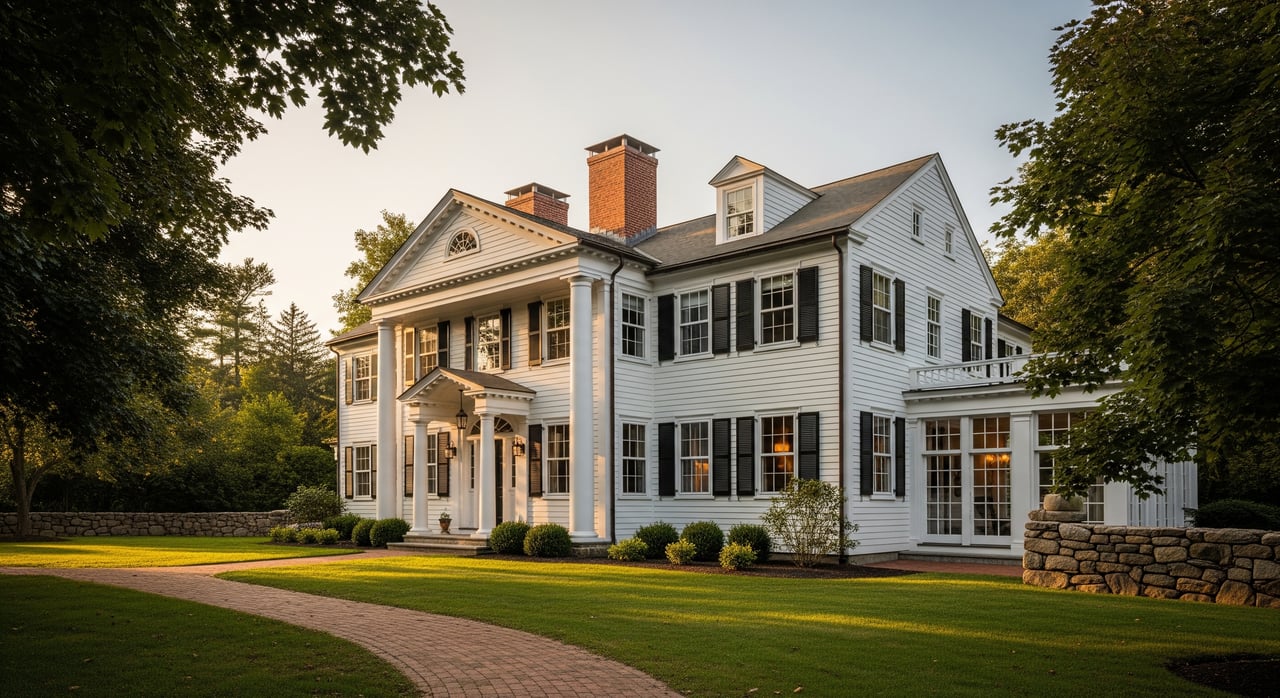
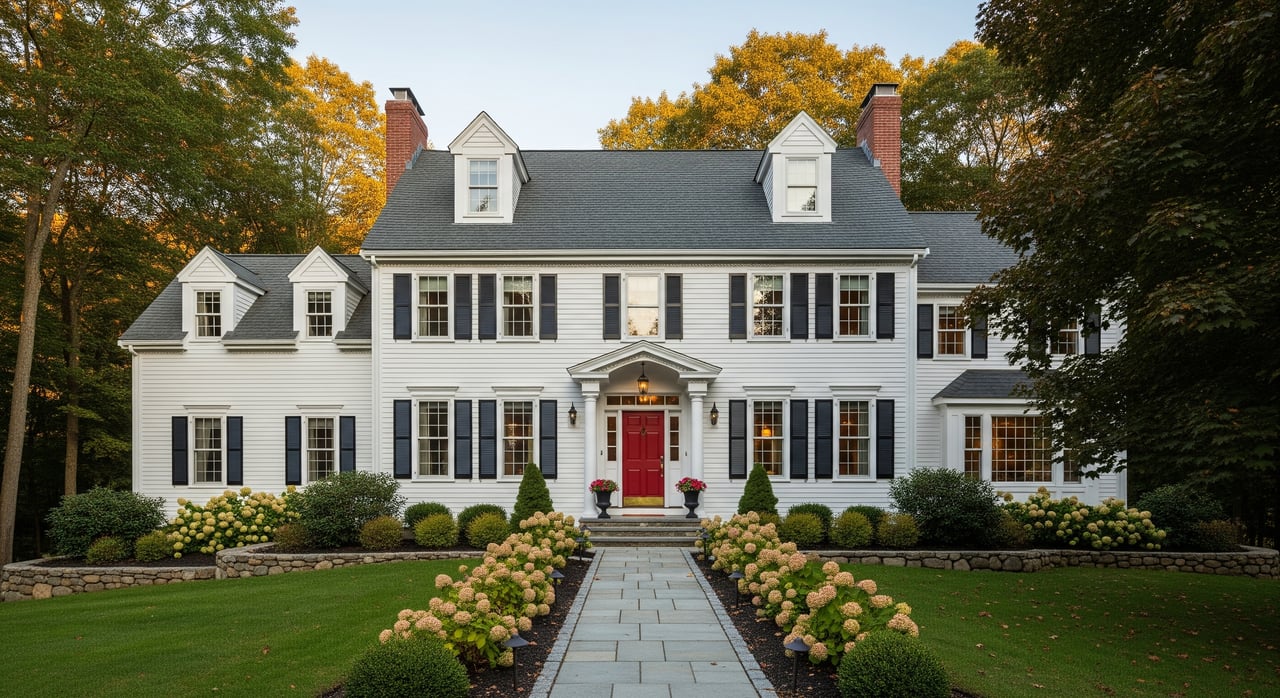
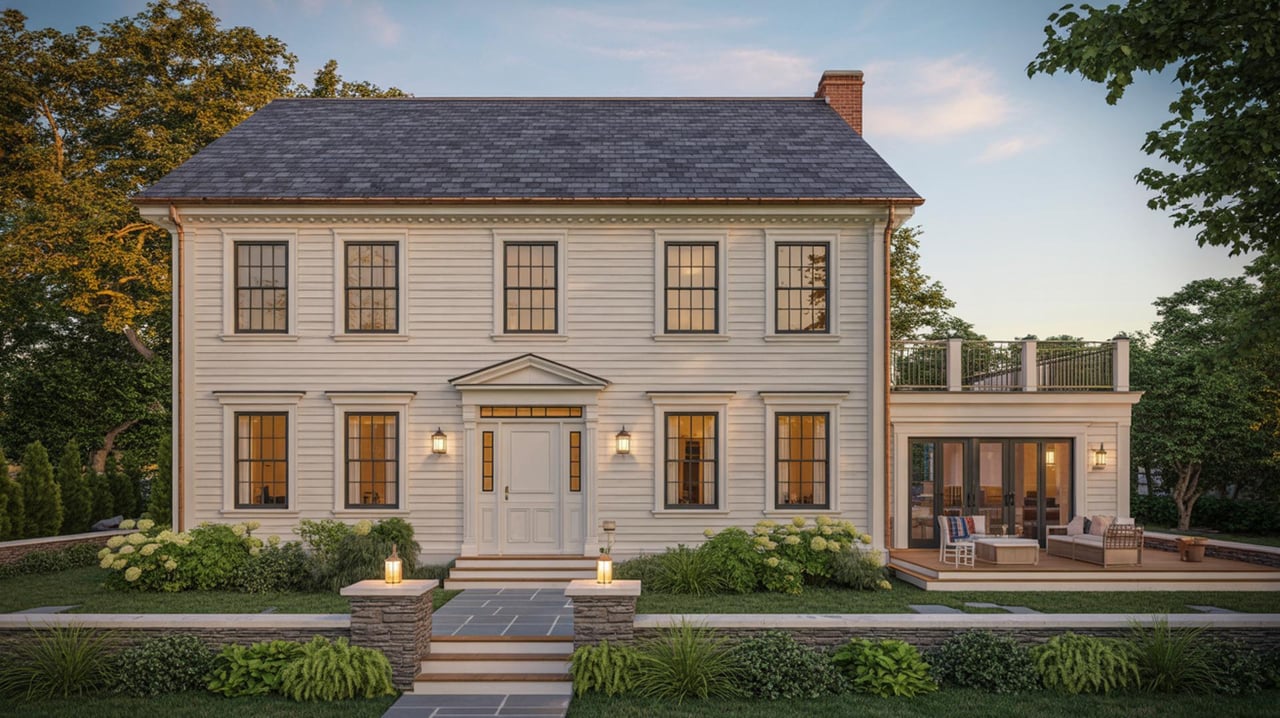
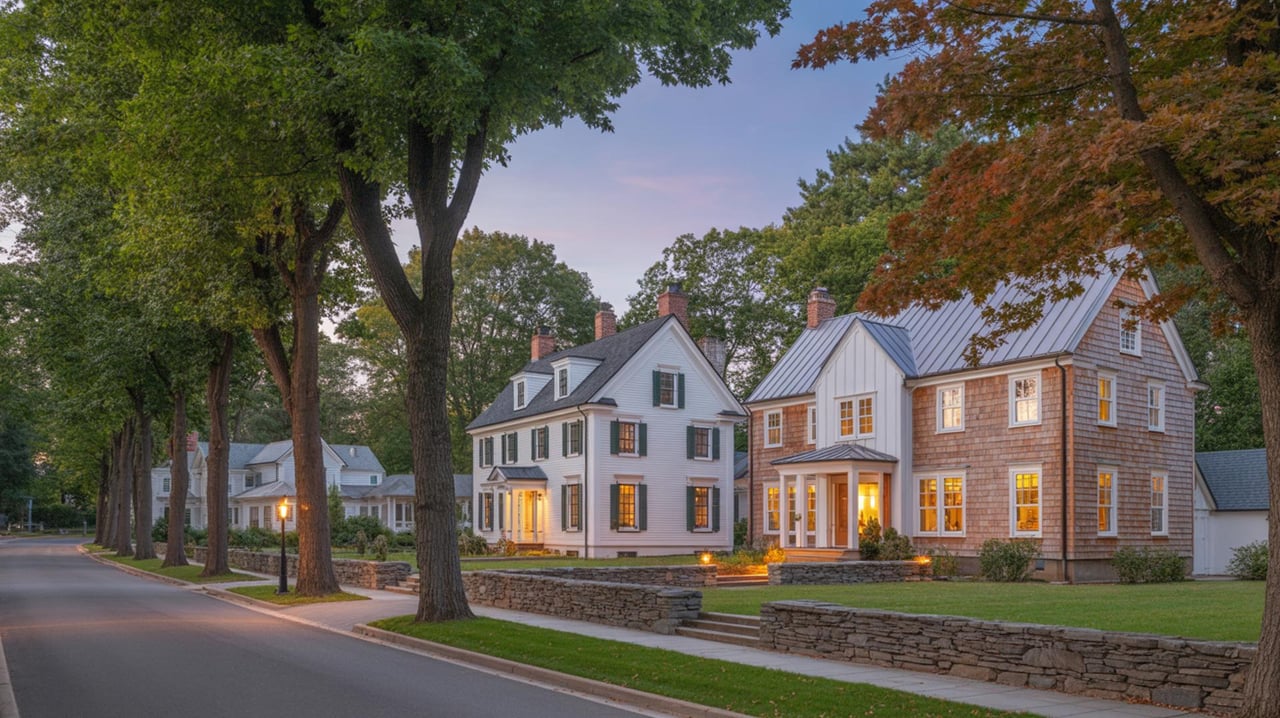
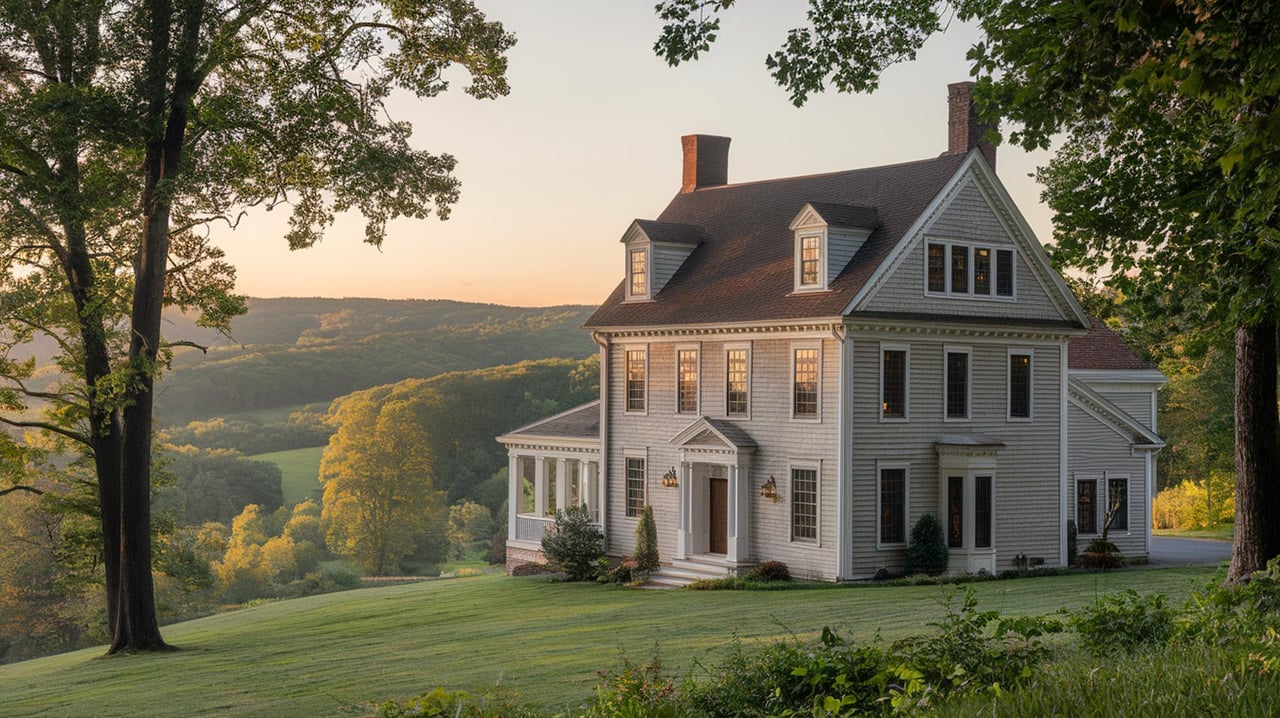
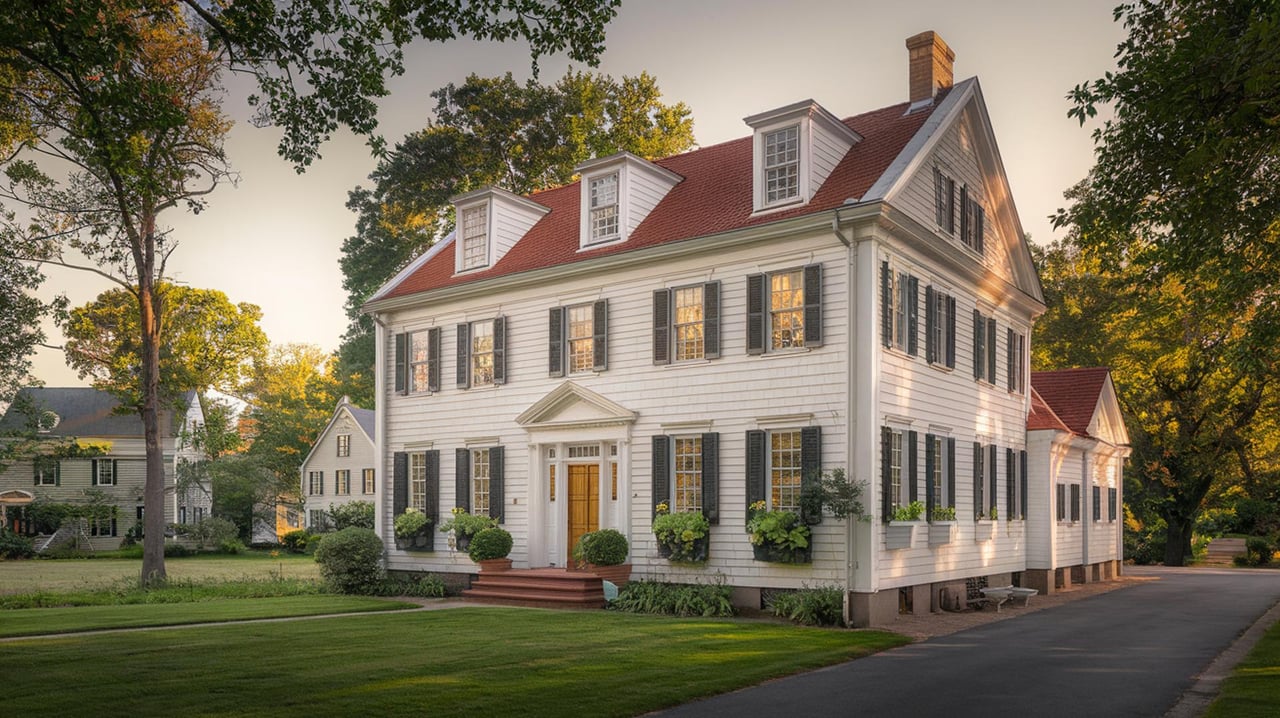
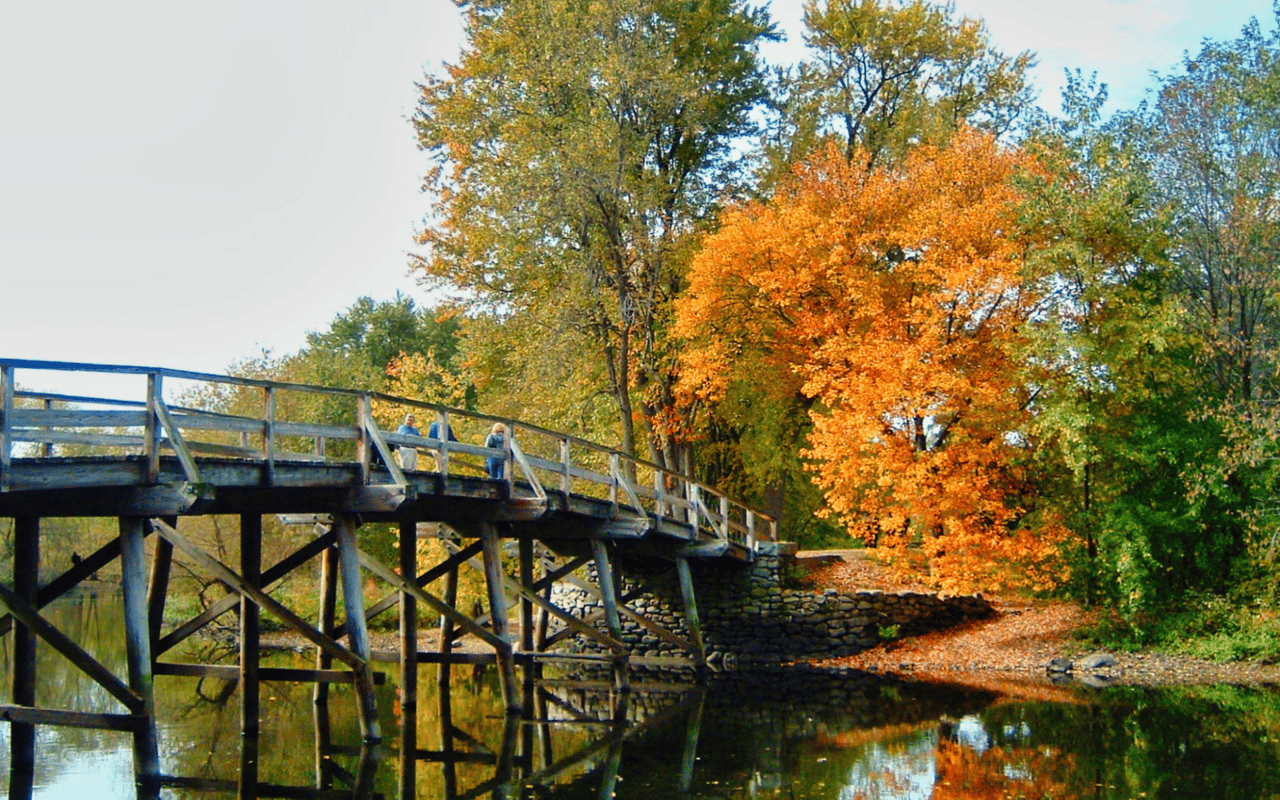
The town’s historic framework also remains visible. Sudbury currently has four historic districts: Town Center, Wayside Inn, King Philip, and George Pitts Tavern, which helps explain why the community feels rooted in place rather than built all at once.
Historic Character Still Feels Present
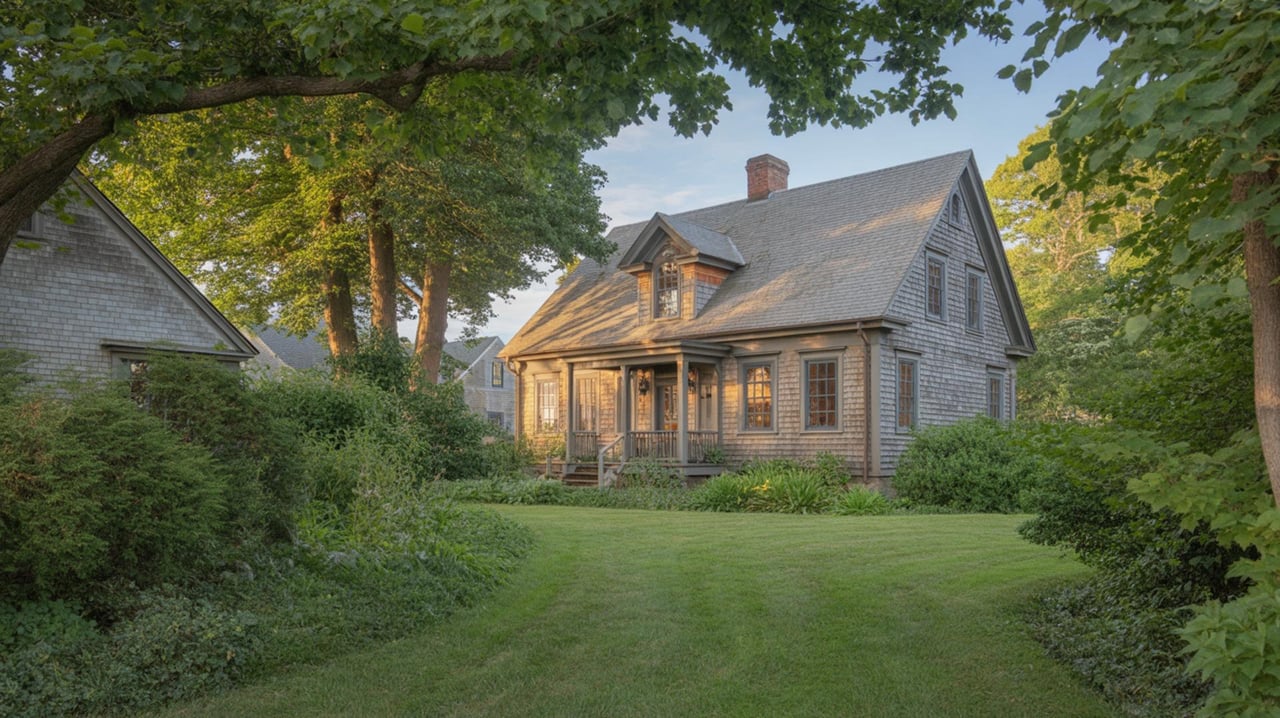
One of Sudbury’s defining landmarks is Longfellow’s Wayside Inn at 72 Wayside Inn Road, which the town lists as an active location. Its presence reflects the town’s long history and adds to the sense that Sudbury’s identity has been carefully preserved over time.
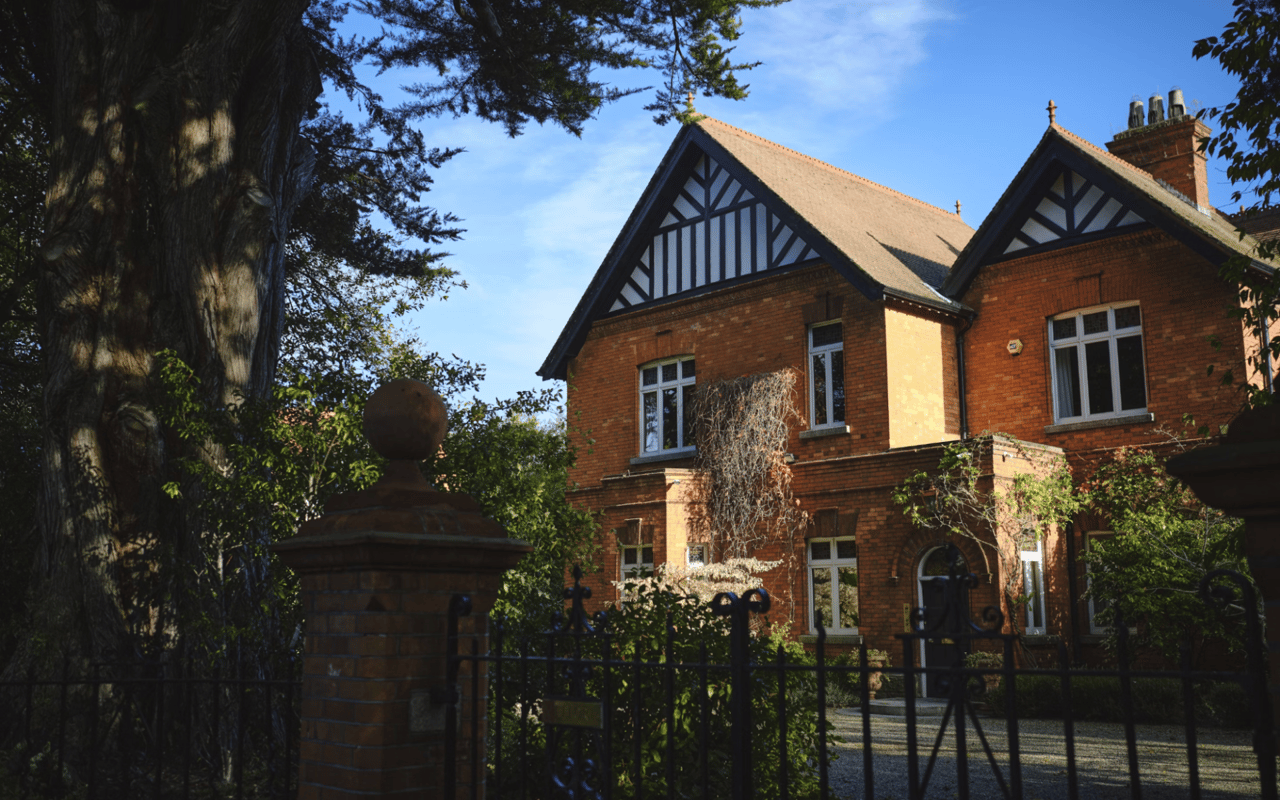
For you as a buyer, that often translates into a town with strong visual continuity. Roads, village centers, and historic areas still influence how people move through Sudbury and how different parts of town feel from one another.
Nature Is Part of the Routine
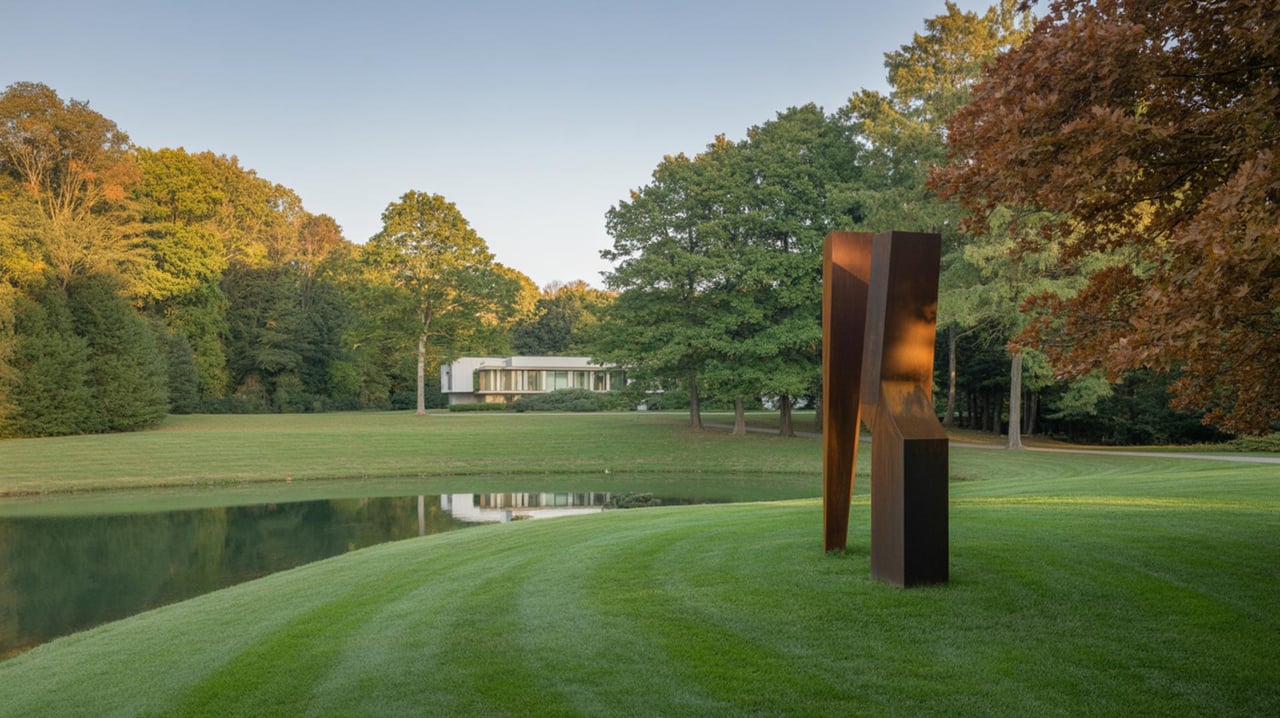
Sudbury’s outdoor character is not just a selling point. It is part of how the town functions day to day. The town’s Open Space and Recreation Plan update says Sudbury is prioritizing water protection, wildlife habitat, character preservation, recreation, trail linkages, and town-owned lands.
The wooded feel of the community also has a practical explanation. The 2025 Housing Production Plan notes that nearly a third of Sudbury is wetland, which helps limit dense development and supports the town’s open, green setting.
Trails and Conservation Areas
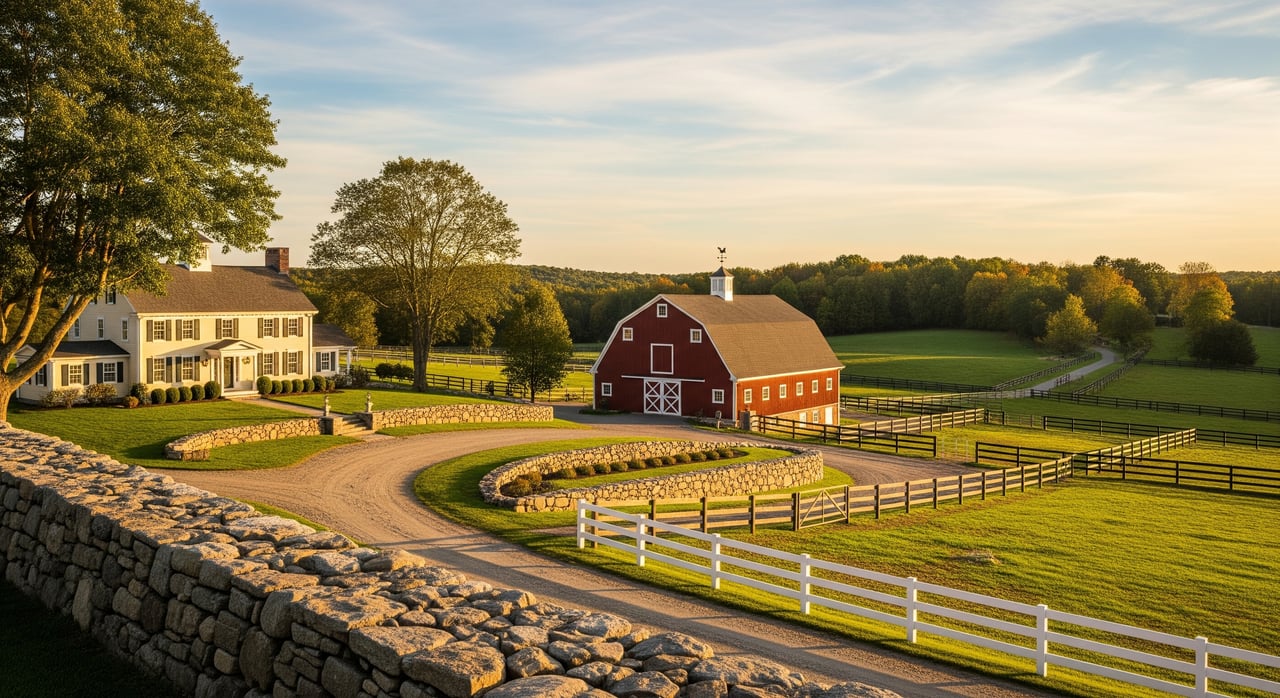
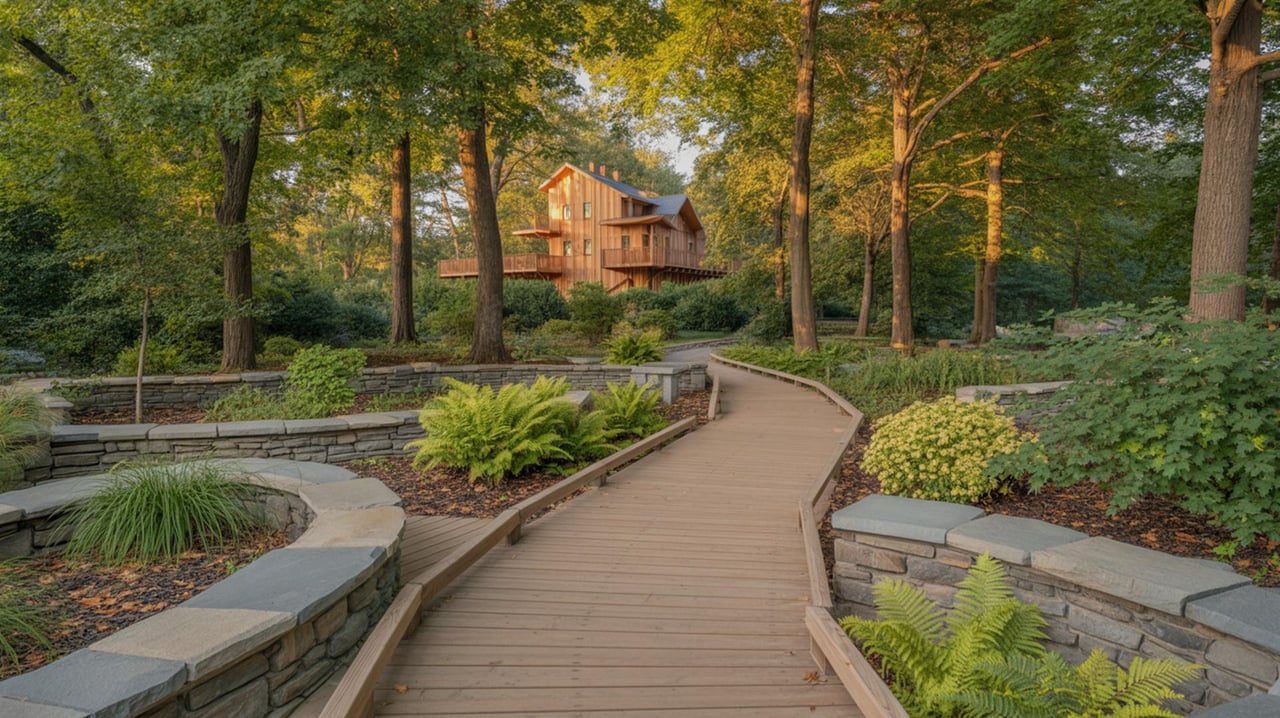
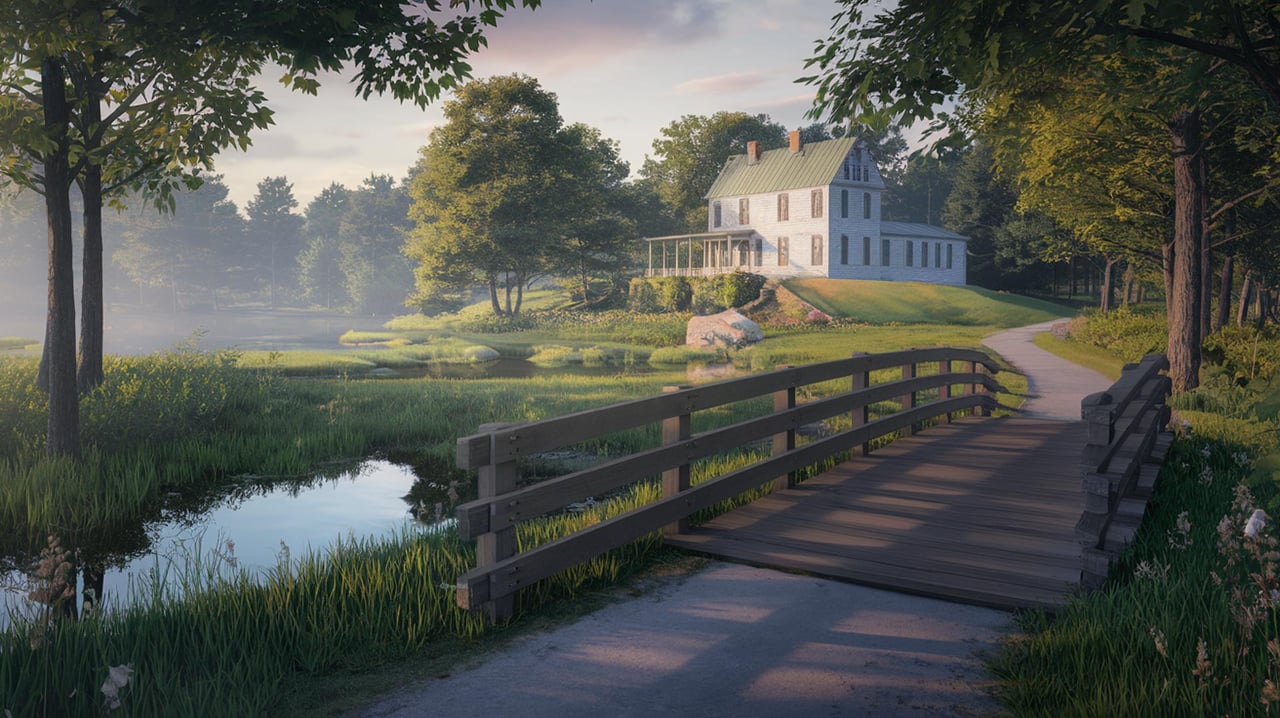
If you like the idea of stepping outside for a walk, hike, or quiet trail loop, Sudbury offers several options woven into the town’s fabric. Piper Farm, a 70-acre conservation area off Rice Road, has trails open for walking, hiking, cross-country skiing, and wildlife watching.
The town says Piper Farm is part of a wider trail network linking the Sudbury River, Town Center, Great Meadows, and Assabet refuge areas. That kind of connectivity makes open space feel more usable in daily life, not just scenic from a distance.
Haynes Meadow offers another trail connection, with paths leading to Curtis Middle School and the Sudbury Valley Trustees’ Gray Reservation. Broadacres Farm adds 34 acres of fields, woodlands, and wetlands used for walking and birdwatching.
Rail Trail Access and Reservoir Recreation
The Bruce Freeman Rail Trail corridor runs about 4.4 miles through central Sudbury, from South Sudbury near Route 20 to the Sudbury-Concord line. The town also says it intersects the east-west Mass Central Rail Trail near Route 20 and Boston Post Road.
For many residents, that adds another layer of flexibility for exercise and outdoor time. Whether you prefer walking, biking, or simply having a car-free path nearby, trail infrastructure can make a real difference in daily routines.
The DCR Sudbury Reservoir also supports hiking, fishing, and cross-country skiing, though access is limited because the area protects drinking water. Even with those limits, it adds to the town’s overall outdoor identity.
Route 20 Brings Everyday Convenience
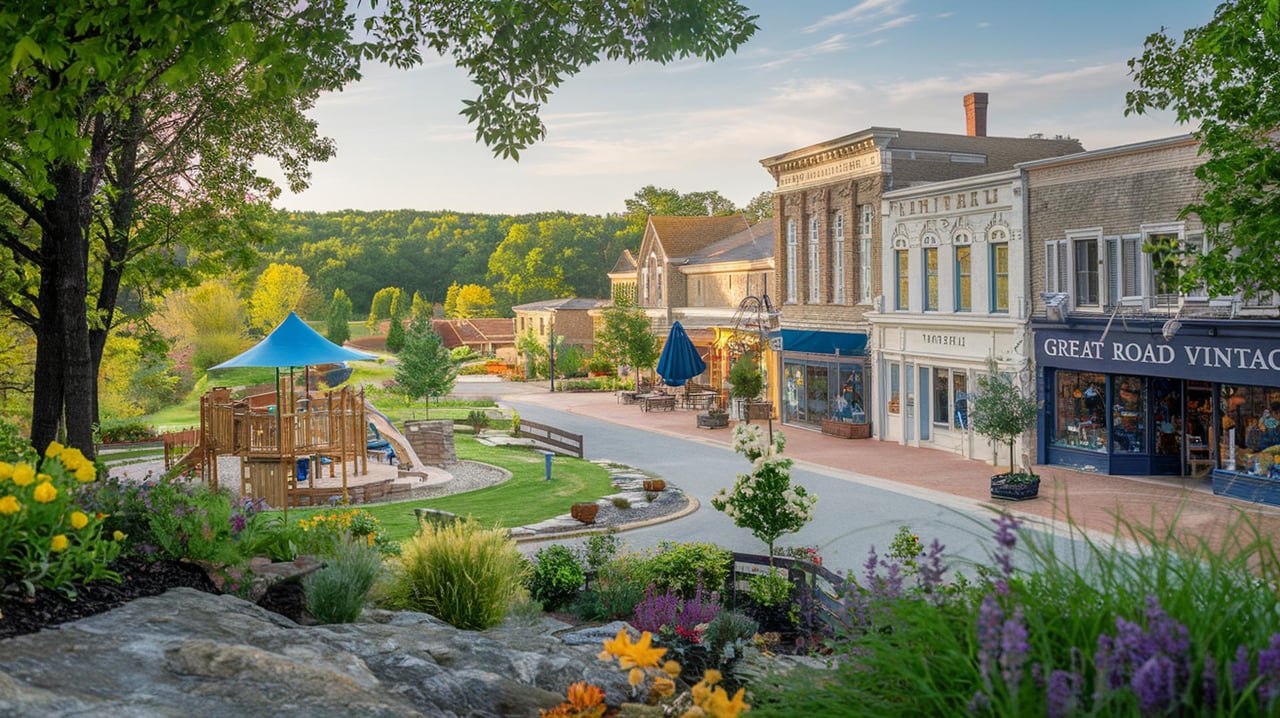
While Sudbury is known for open space, most day-to-day commercial activity clusters along Route 20, also called Boston Post Road. The town’s 2025 corridor study describes this area as Sudbury’s economic backbone and the main concentration of commercial activity.
That means errands tend to be practical and centralized rather than spread across a traditional downtown shopping district. If you are comparing Sudbury with towns that have a more walkable retail core, this is an important difference to understand.
Meadow Walk and Daily Errands
Meadow Walk is one of the clearest examples of this convenience. The town’s corridor study describes it as a mixed-use hub with 75,000 square feet of retail anchored by Whole Foods.
For residents, that helps simplify daily life. Grocery runs, quick stops, and casual outings often happen along the Route 20 corridor, which functions as the town’s main retail spine.
Dining and Recreation
Official town location pages also list local gathering spots such as Bistro 20 Restaurant and Tavern at 120 Boston Post Road and Longfellow’s Wayside Inn. These destinations add variety to daily life while reinforcing Sudbury’s mix of practical convenience and local character.
Atkinson Pool adds another everyday amenity. The town describes it as an 8-lane lap pool with a separate diving well, plus facilities that include beach volleyball and basketball.
A Town with Multiple Life Stages
Sudbury supports a range of household needs, and the population data helps explain why. The Census estimated Sudbury’s population at 19,643 in July 2025, with 28.5% of residents under 18 and 15.5% age 65 or older.
Those numbers suggest a town that serves both households with school-age children and long-time residents planning their next chapter. For buyers, that can mean a community with varied day-to-day priorities, from recreation and school schedules to downsizing and long-term housing decisions.
Schools as Part of the Local Framework
Sudbury Public Schools lists four elementary schools and Curtis Middle School. Lincoln-Sudbury Regional High School serves grades 9 through 12.
If schools are part of your housing search, this gives you a factual starting point for understanding how the town is organized. It can also help you think through location preferences based on your own routine, commute, and household needs.
Commuting in Sudbury
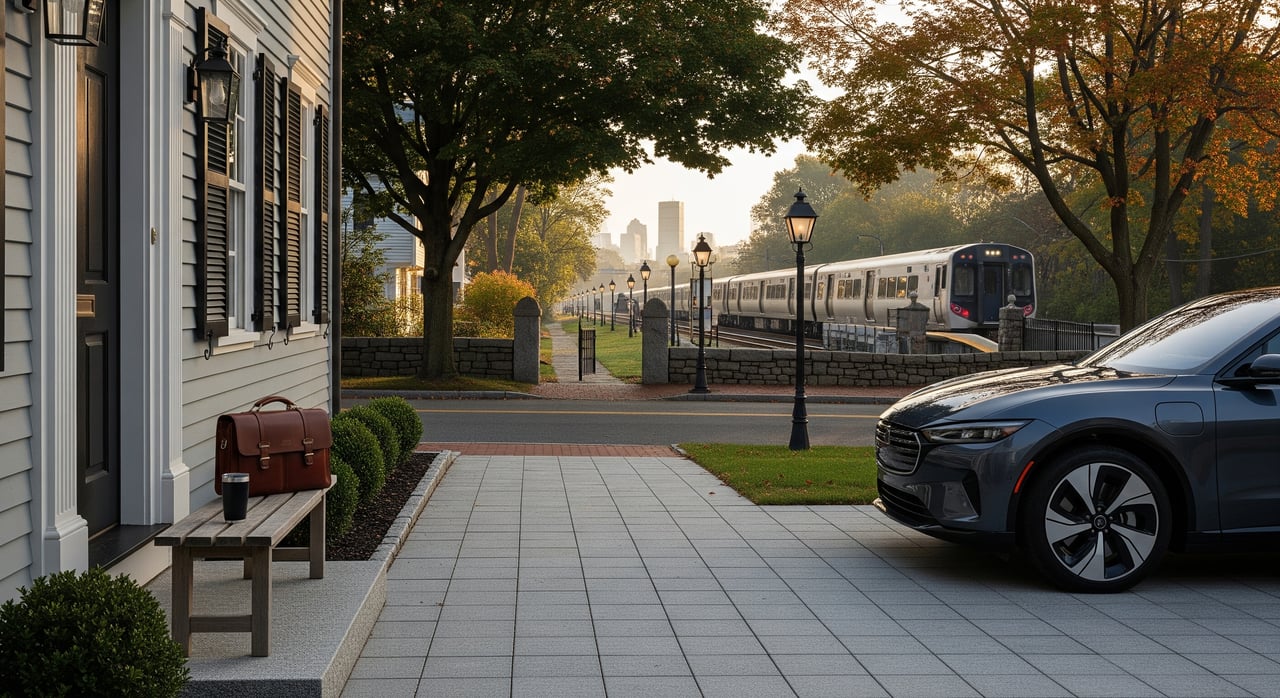
Sudbury’s transportation pattern is still largely car-based. The town’s Transportation Committee says Sudbury is currently car-dependent, has no public transportation within town boundaries, and has few pedestrian-friendly routes to likely destinations.
That is an important day-to-day reality to weigh. If you are considering a move here, it helps to think honestly about how often you drive, where you need to go during the week, and how much you value quick access to trails versus walkable commercial streets.
The town has been adding shared-ride options. Catch Connect is a curb-to-curb shared ride service that operates Monday through Friday from 8 a.m. to 6 p.m. and can take riders anywhere within Sudbury or to Marlborough for a connection to MWRTA Route 7C.
Housing in Sudbury Today
Sudbury remains a high-homeownership town. The Census reports an owner-occupied housing rate of 89.9% and a median owner-occupied home value of $988,900.
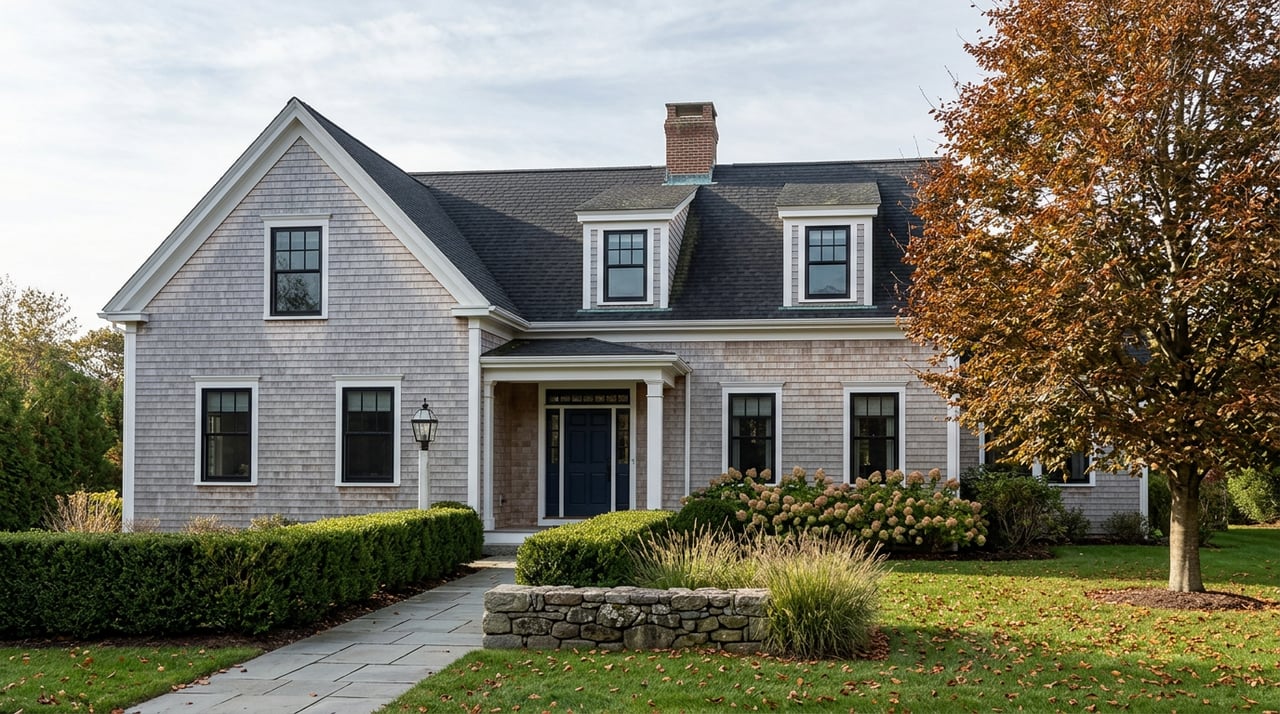
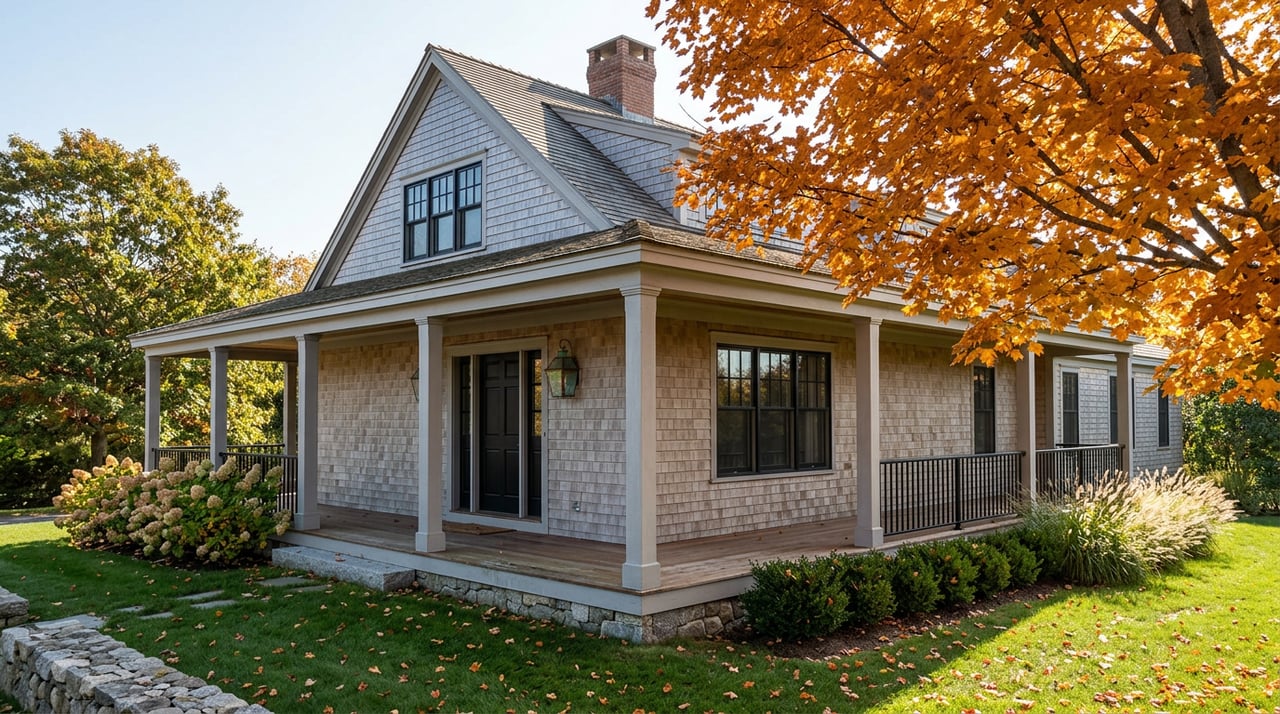
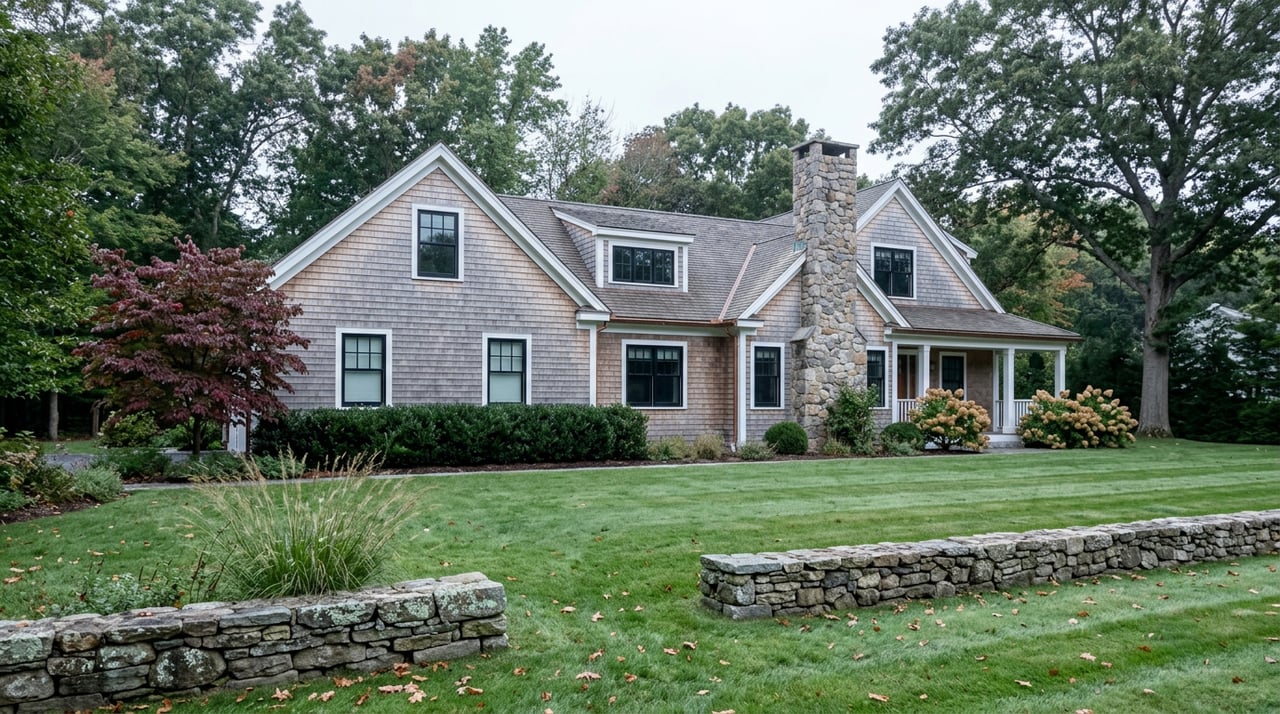
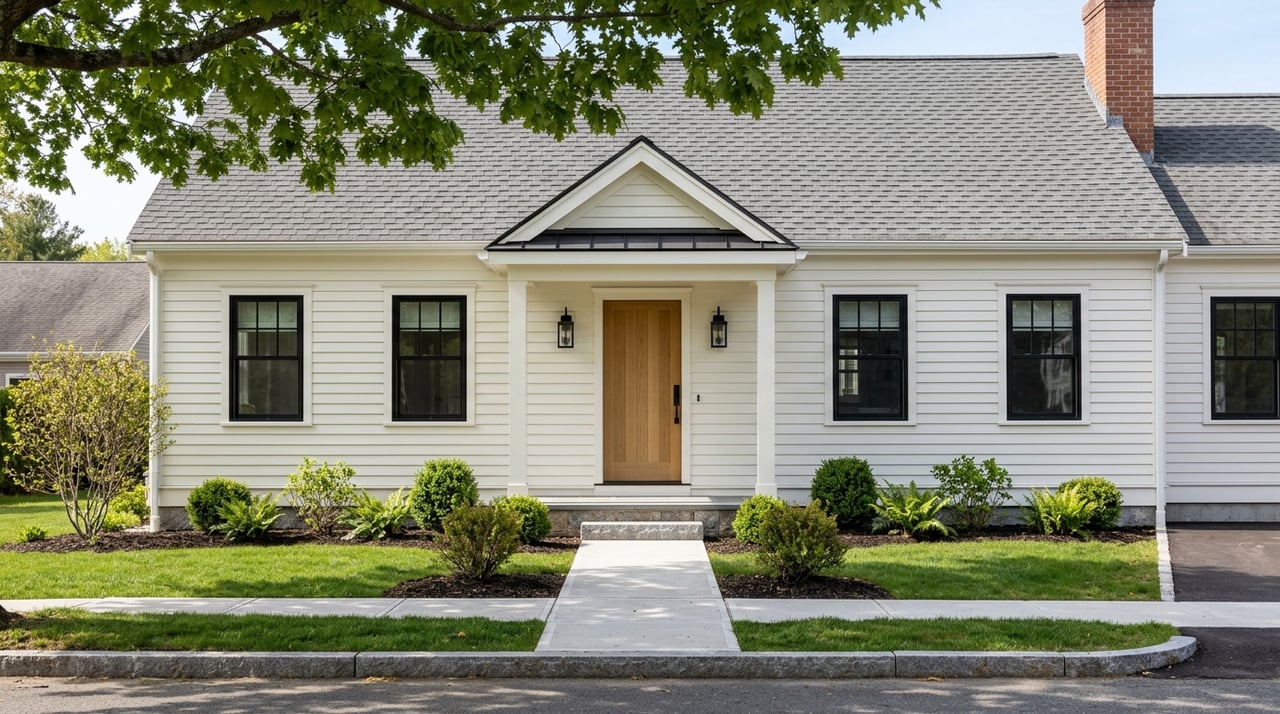
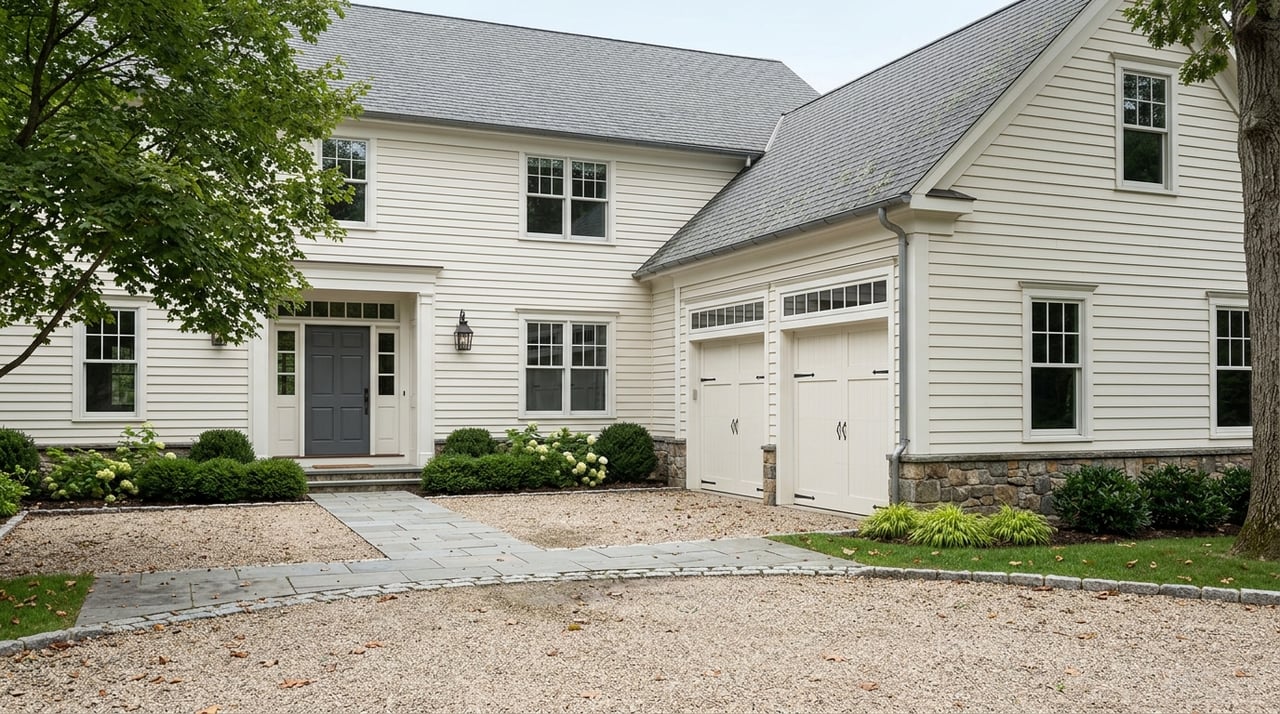
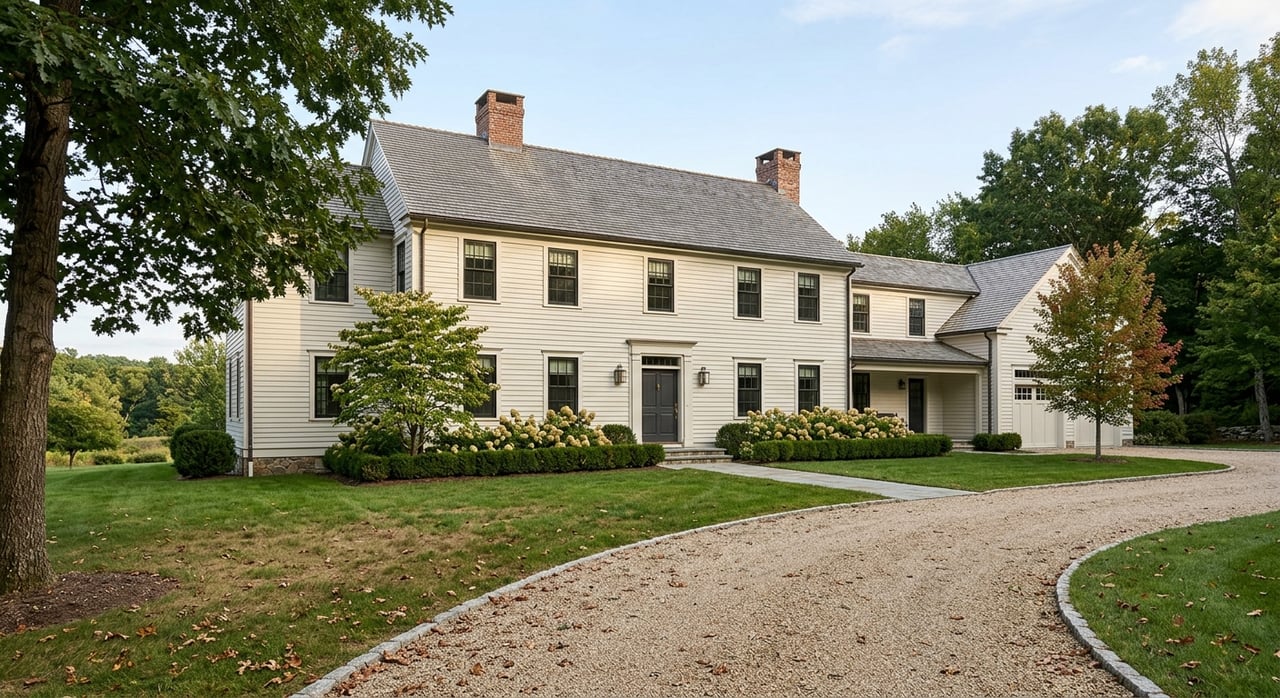
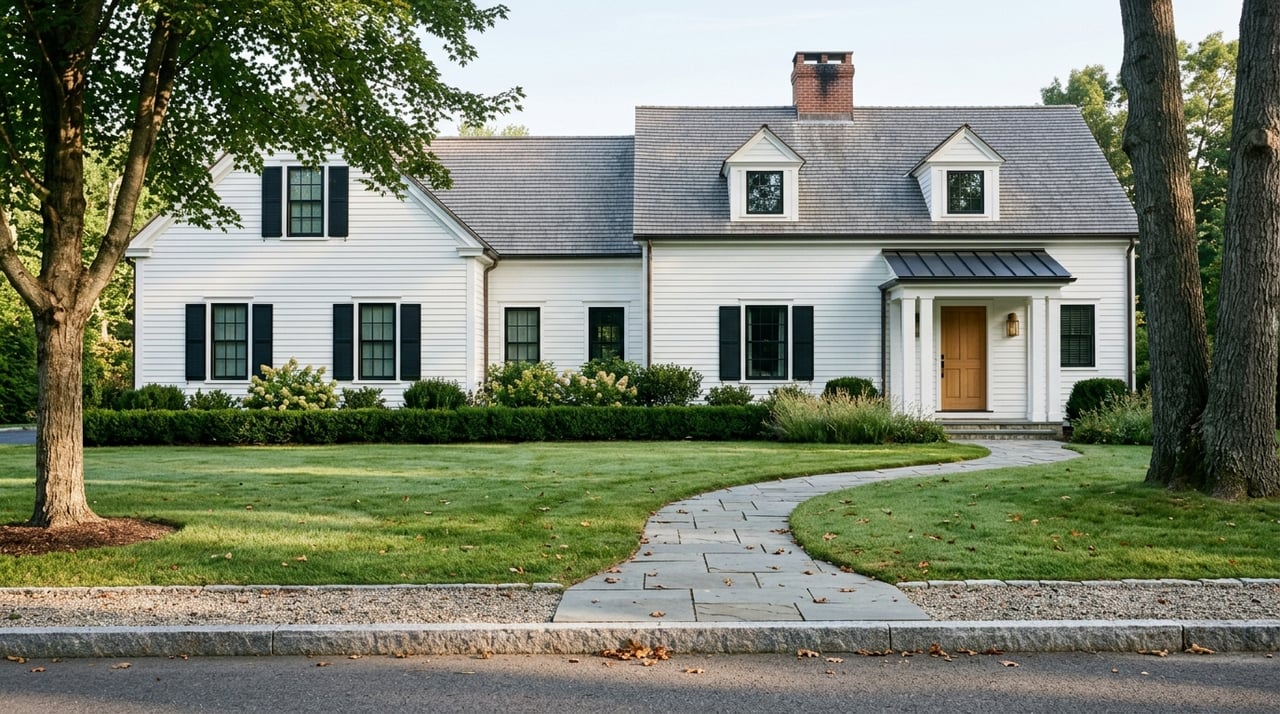
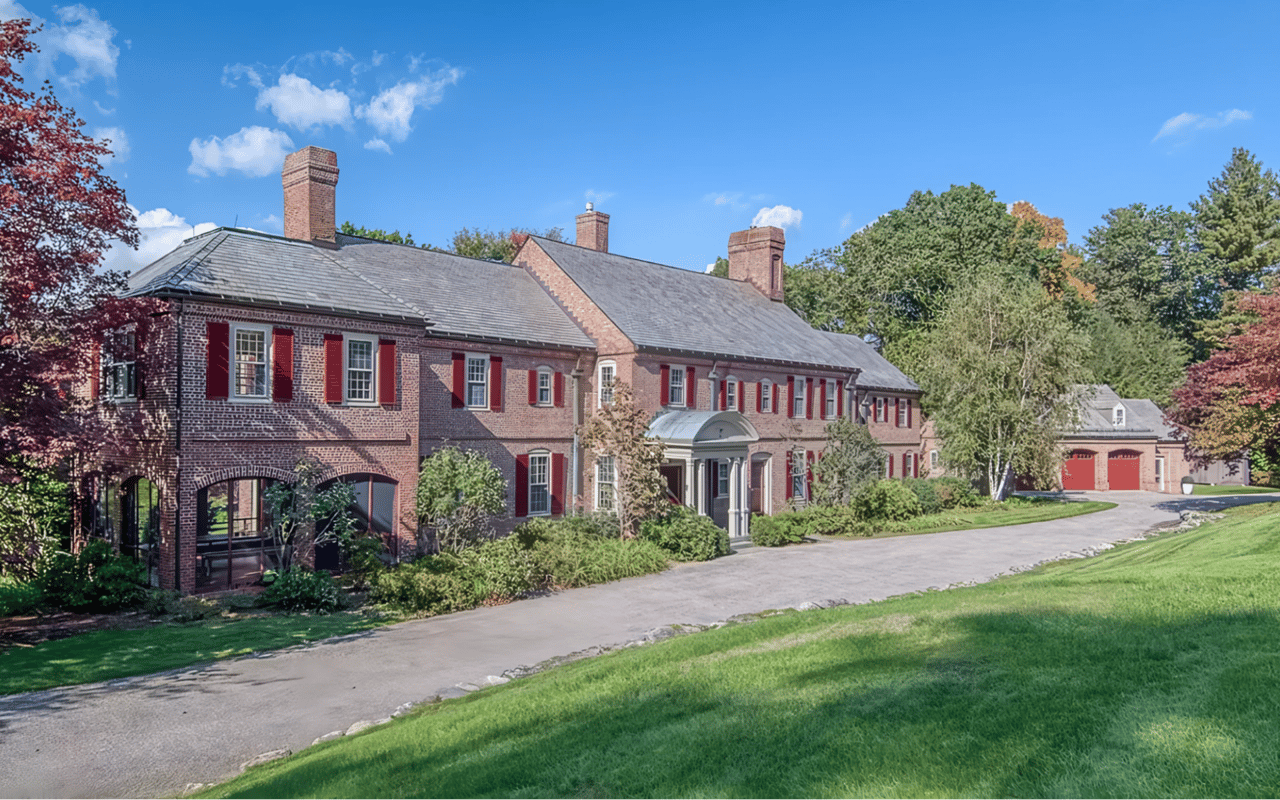
The housing stock is also heavily weighted toward detached homes. According to the 2025 Housing Production Plan, single-family homes make up 94% of Sudbury’s housing units.
What Buyers Should Expect
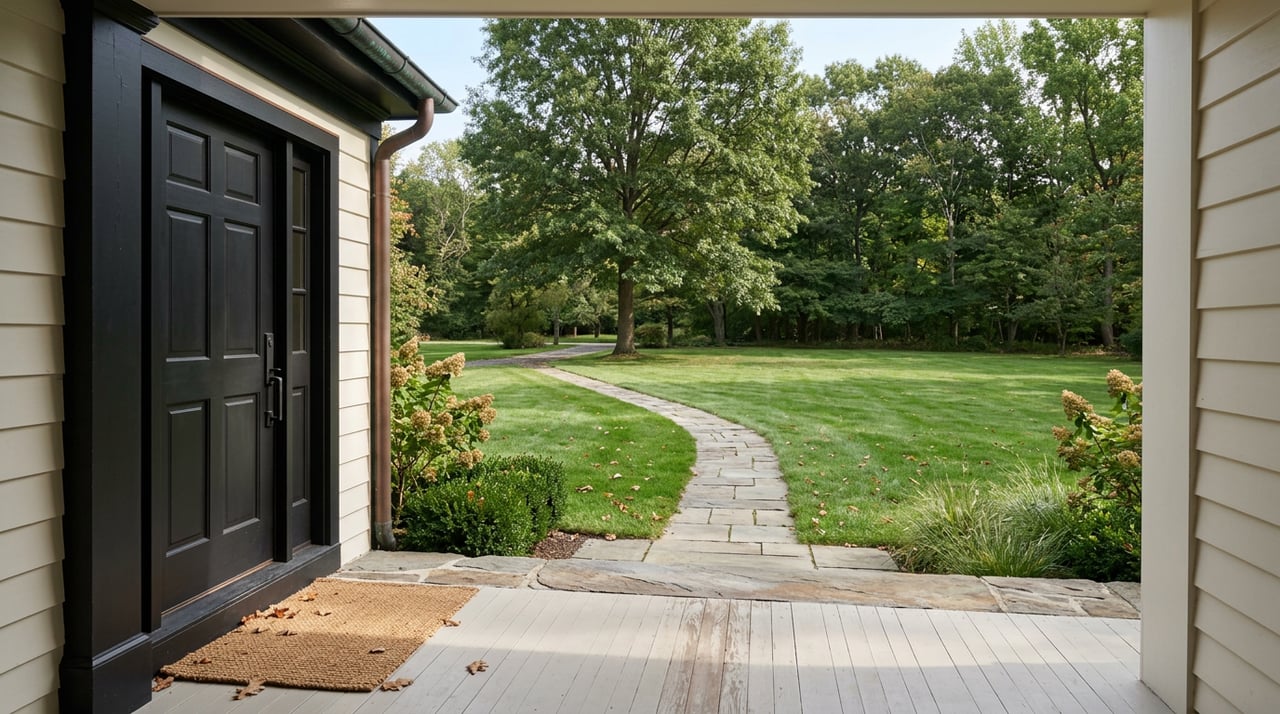
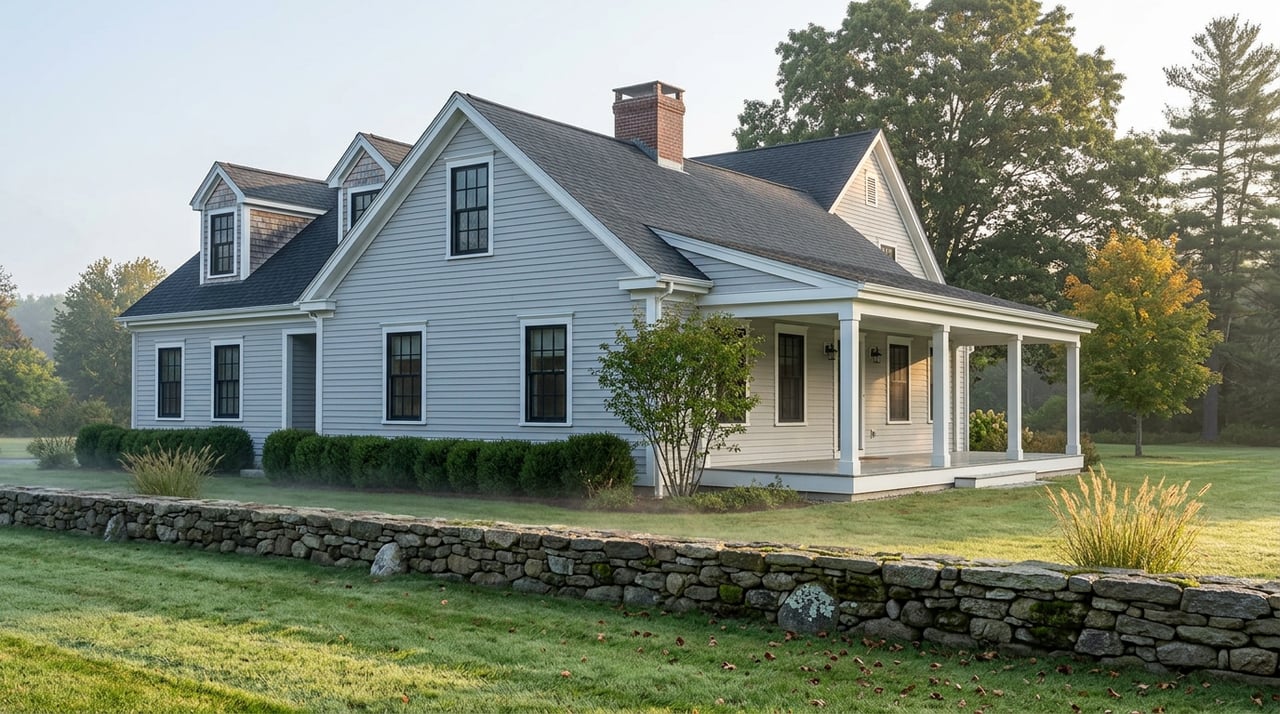
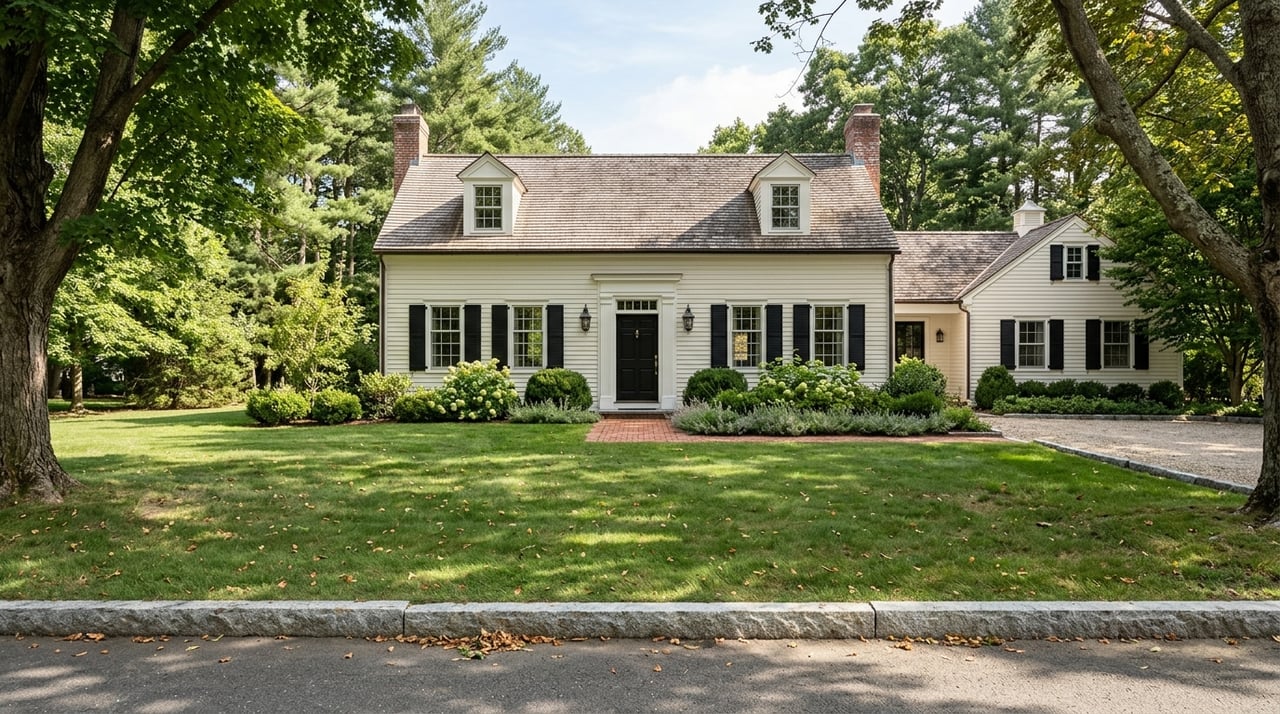
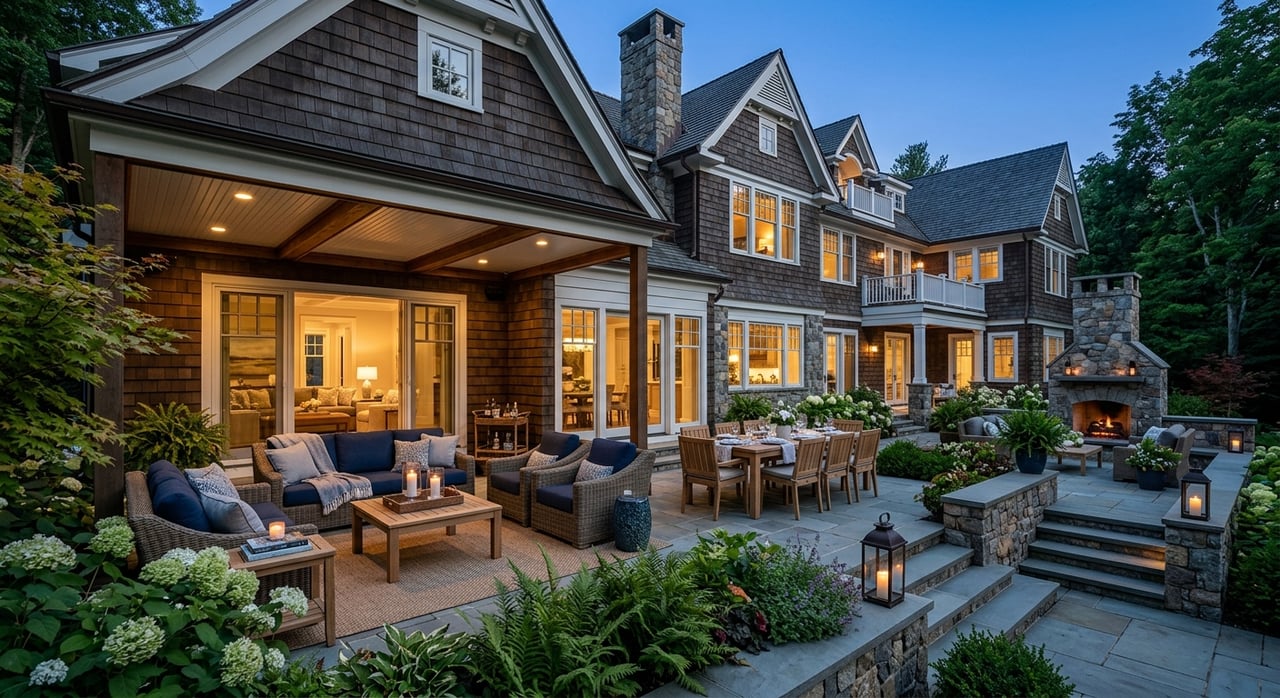
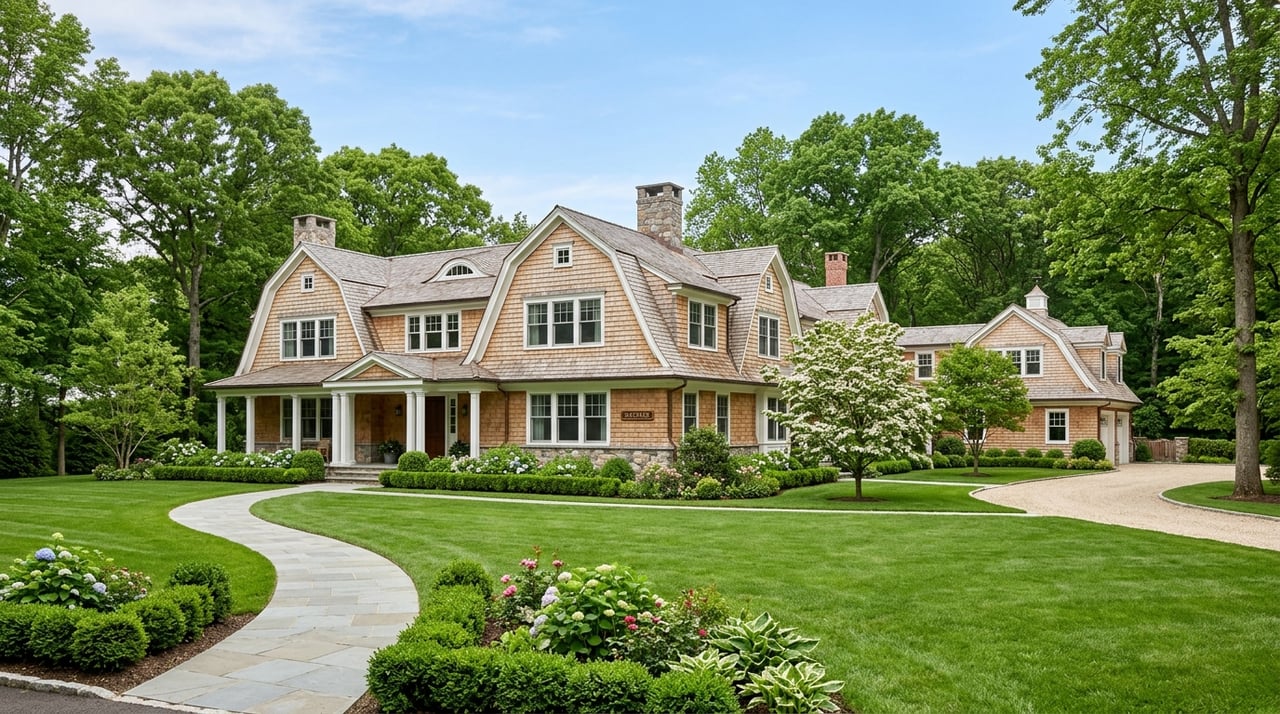
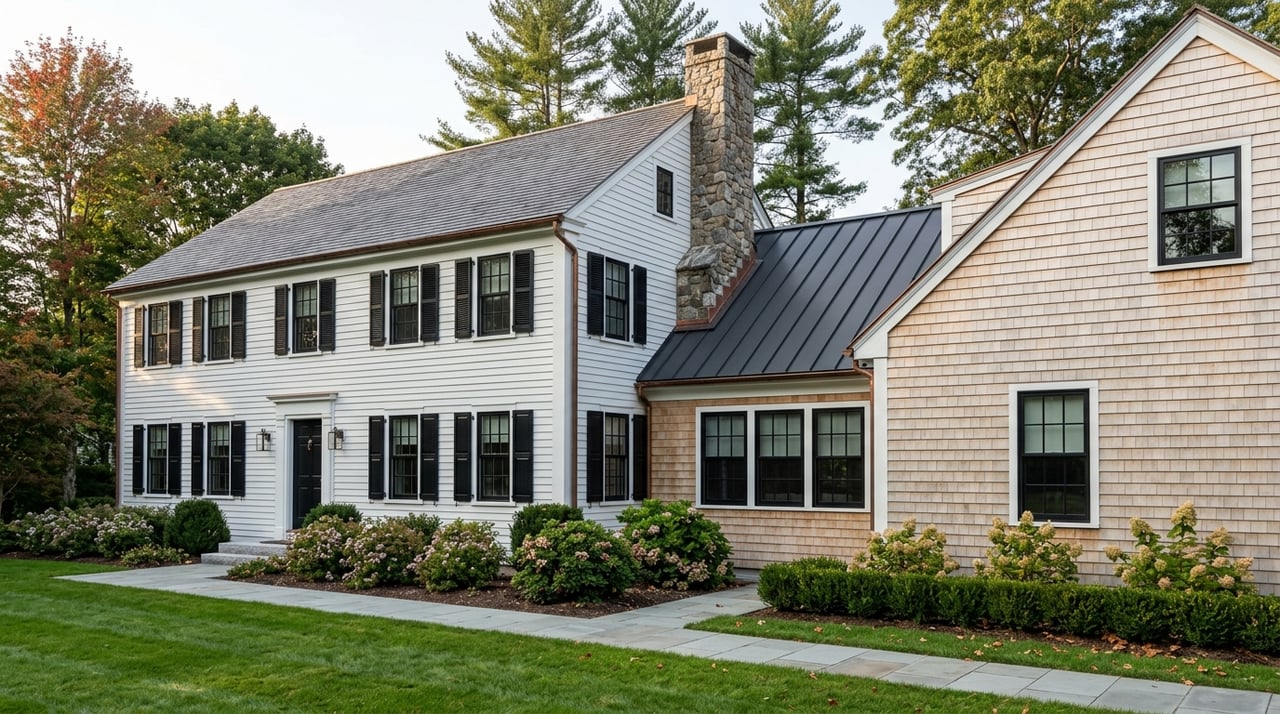
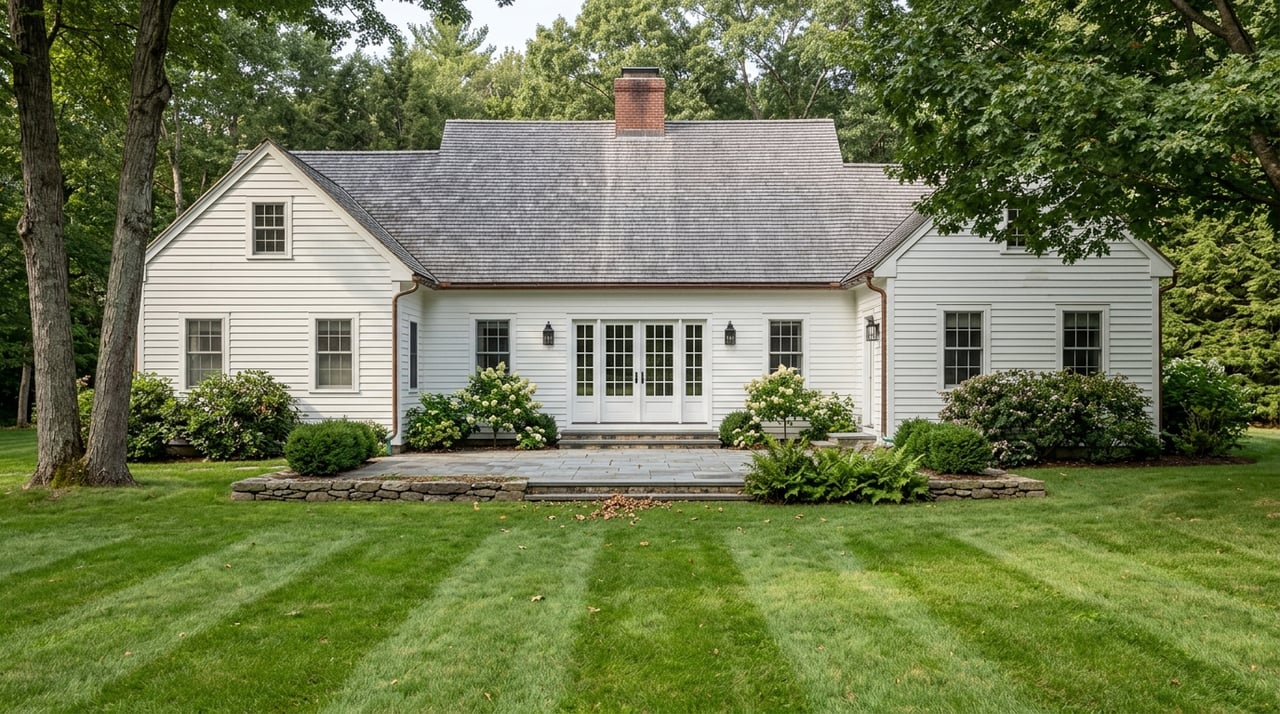
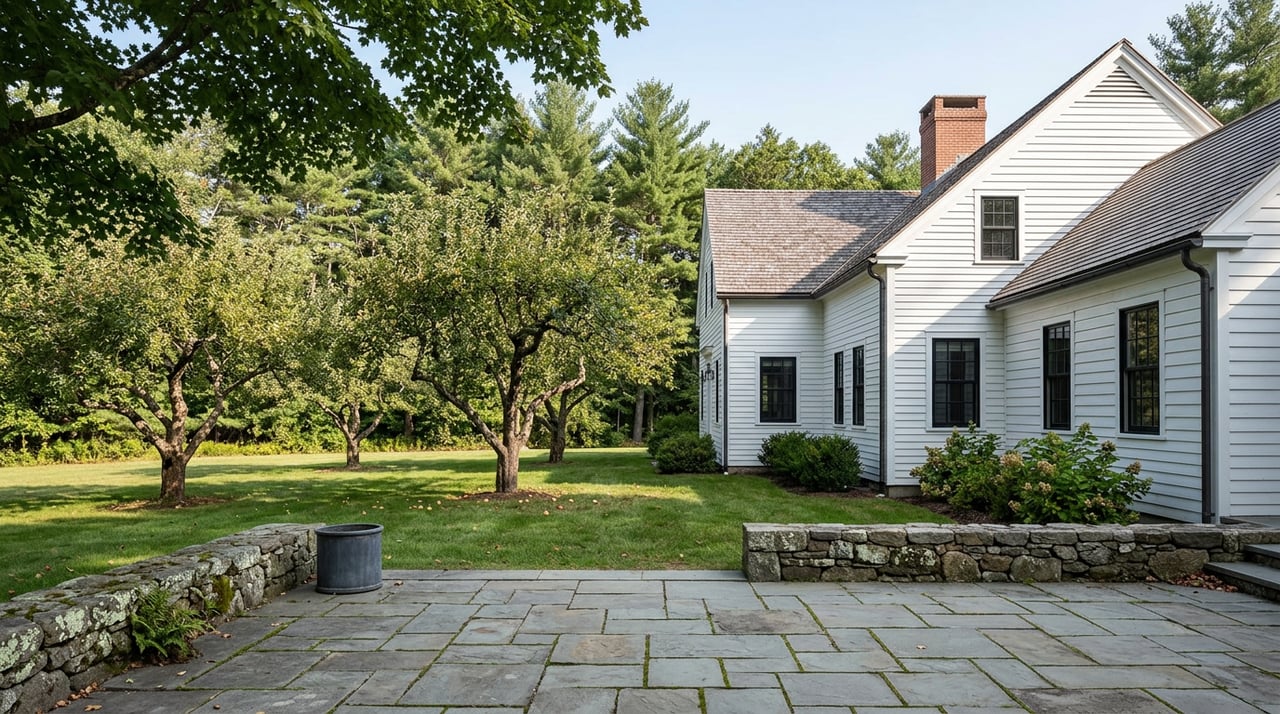
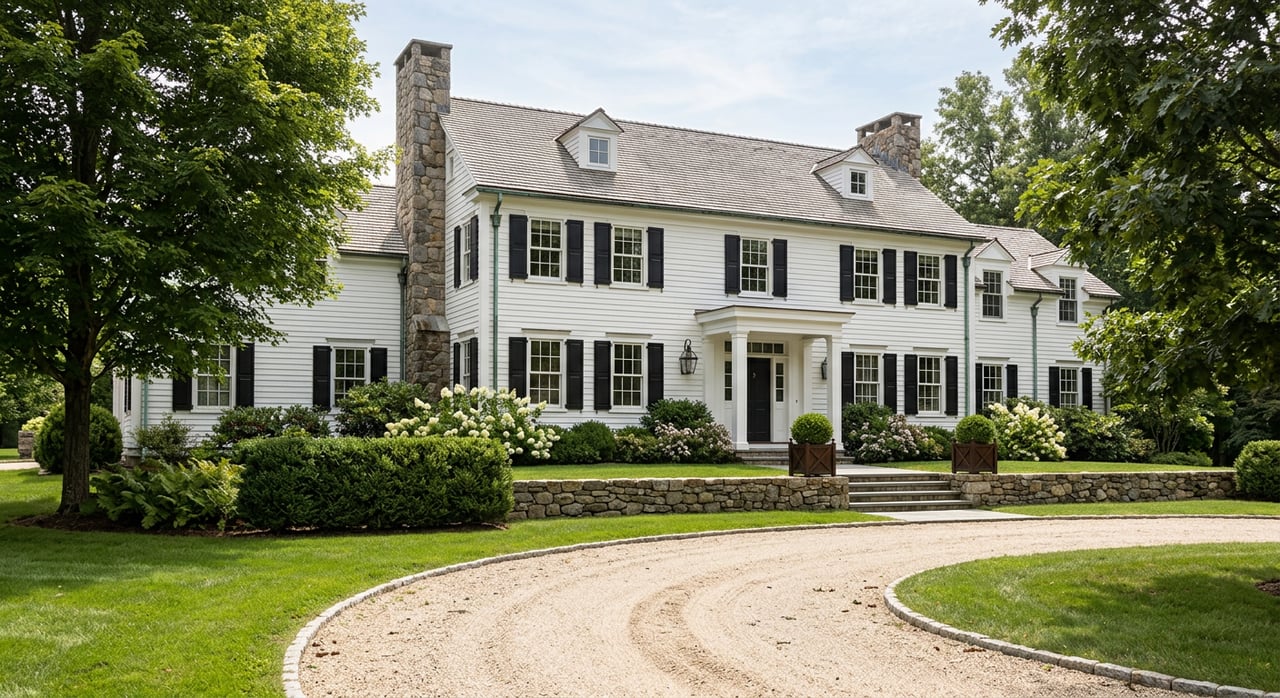
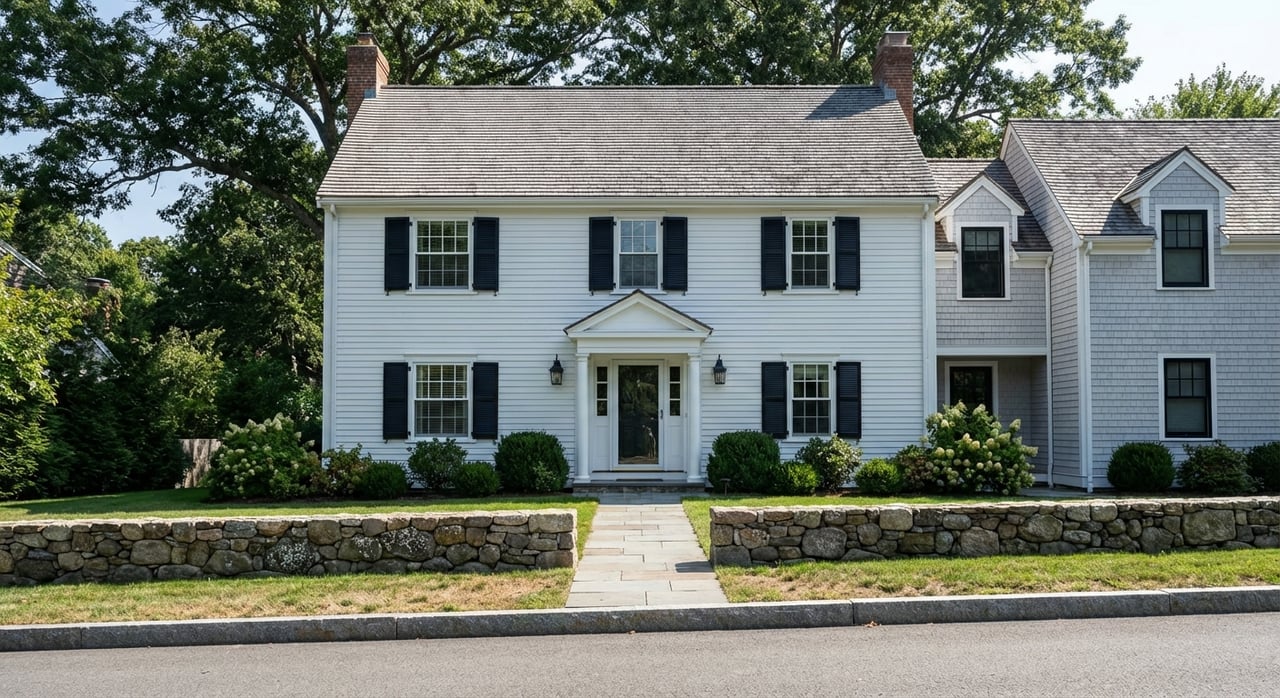
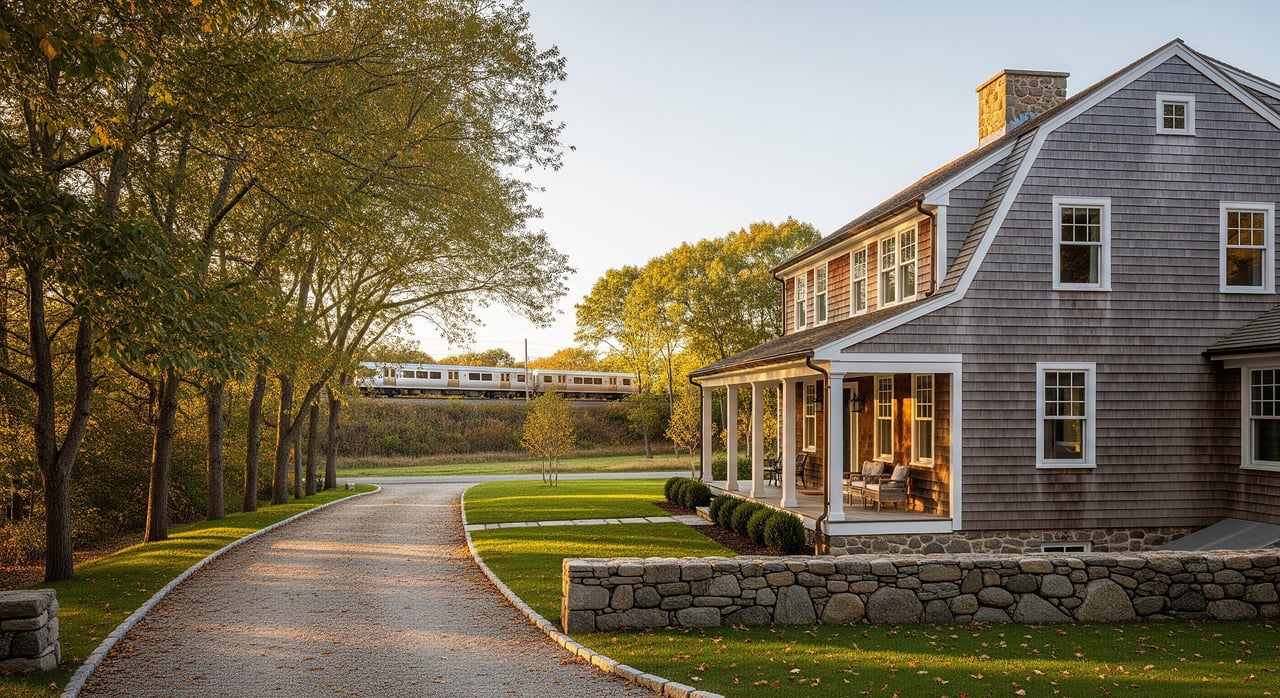
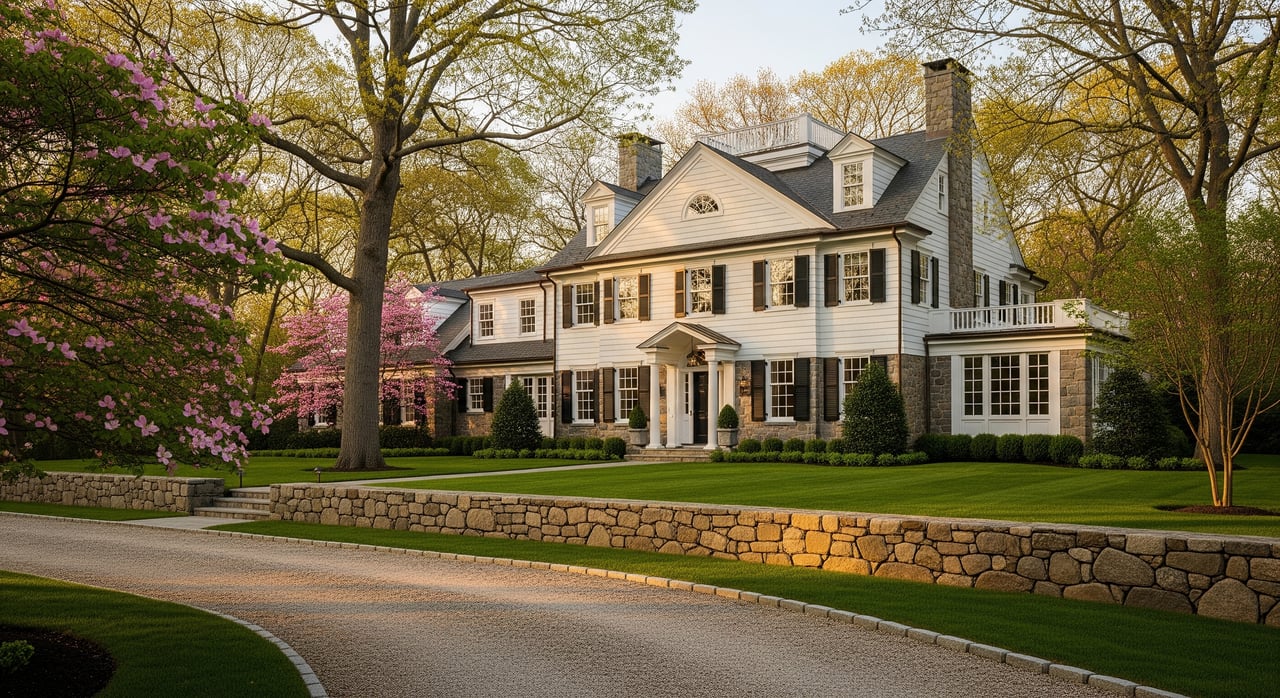
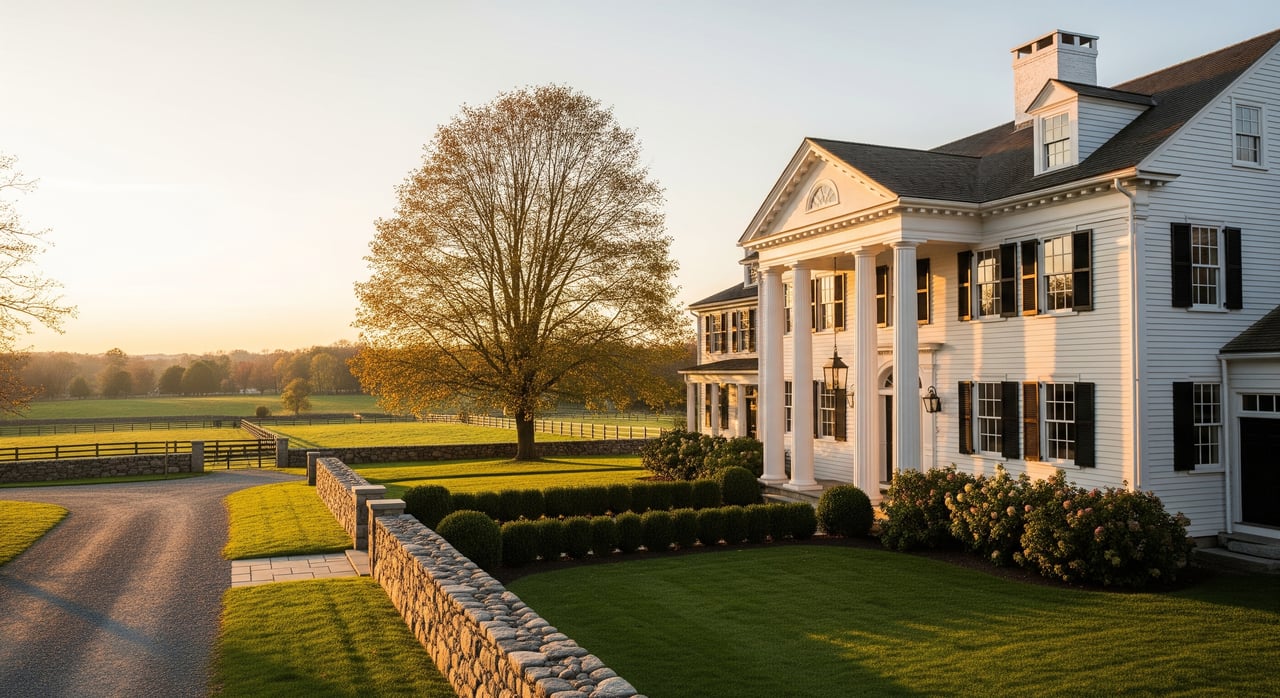
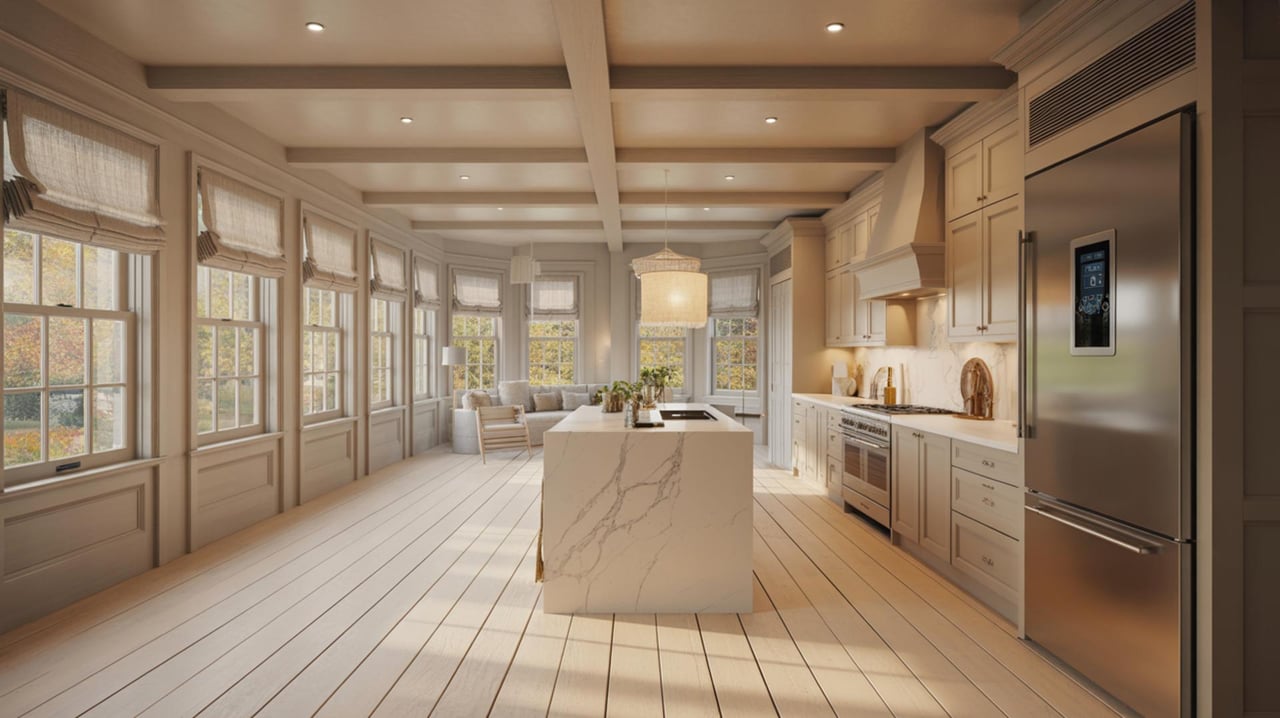
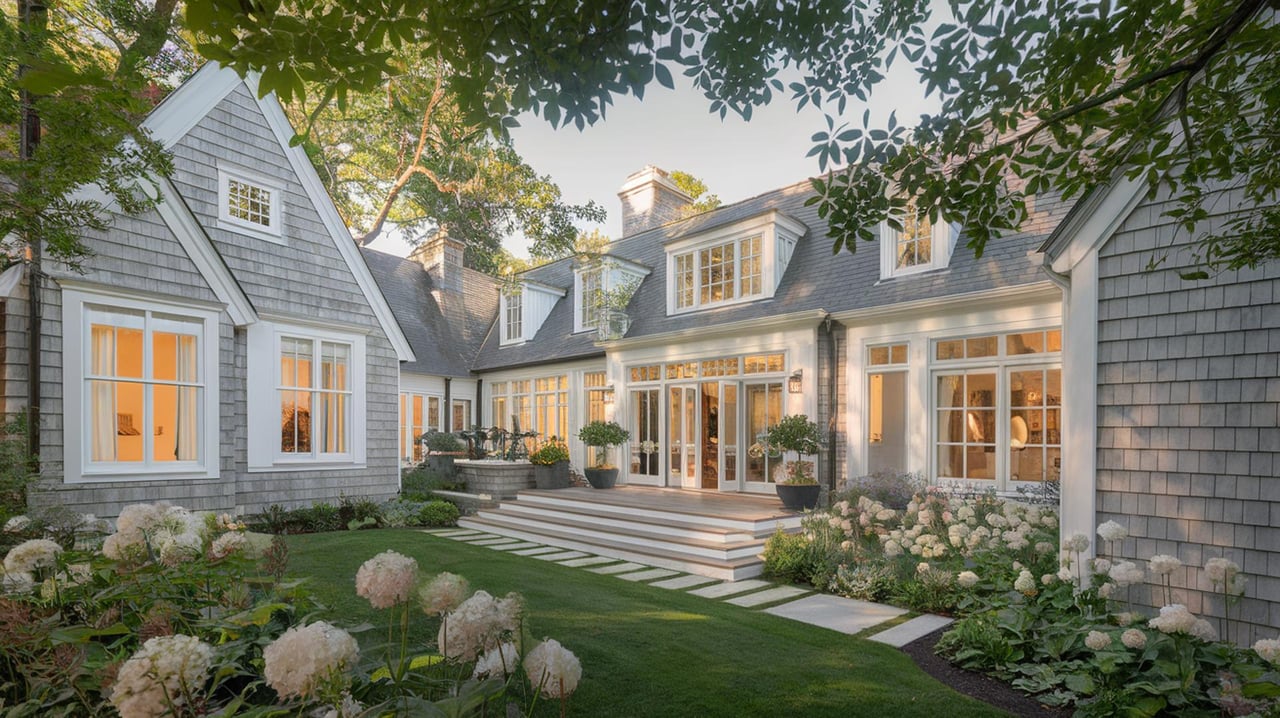
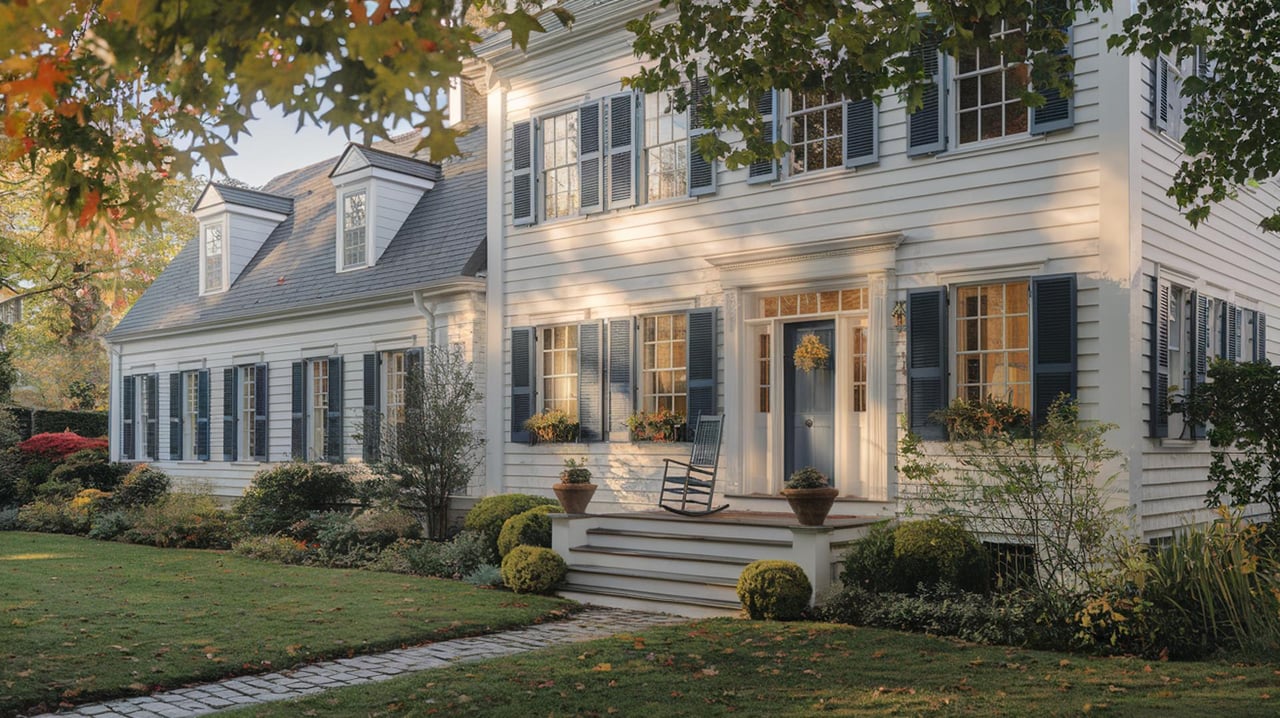
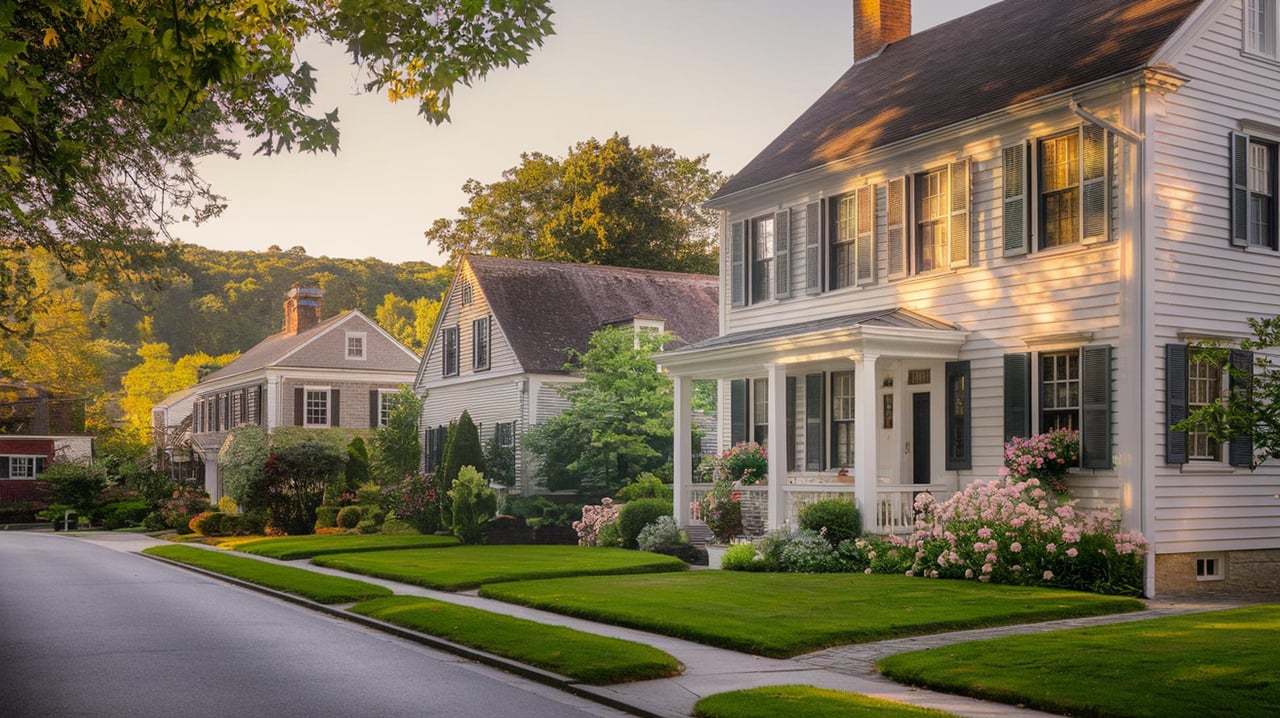
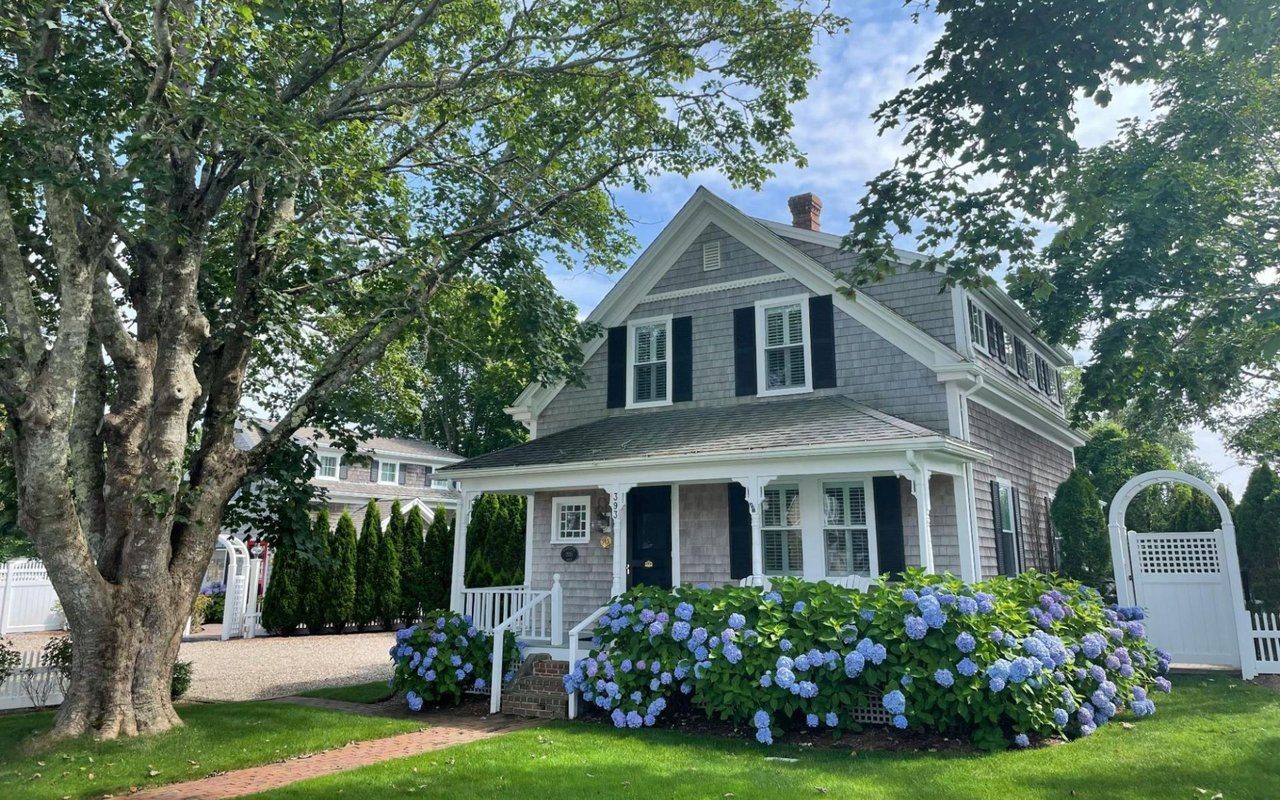
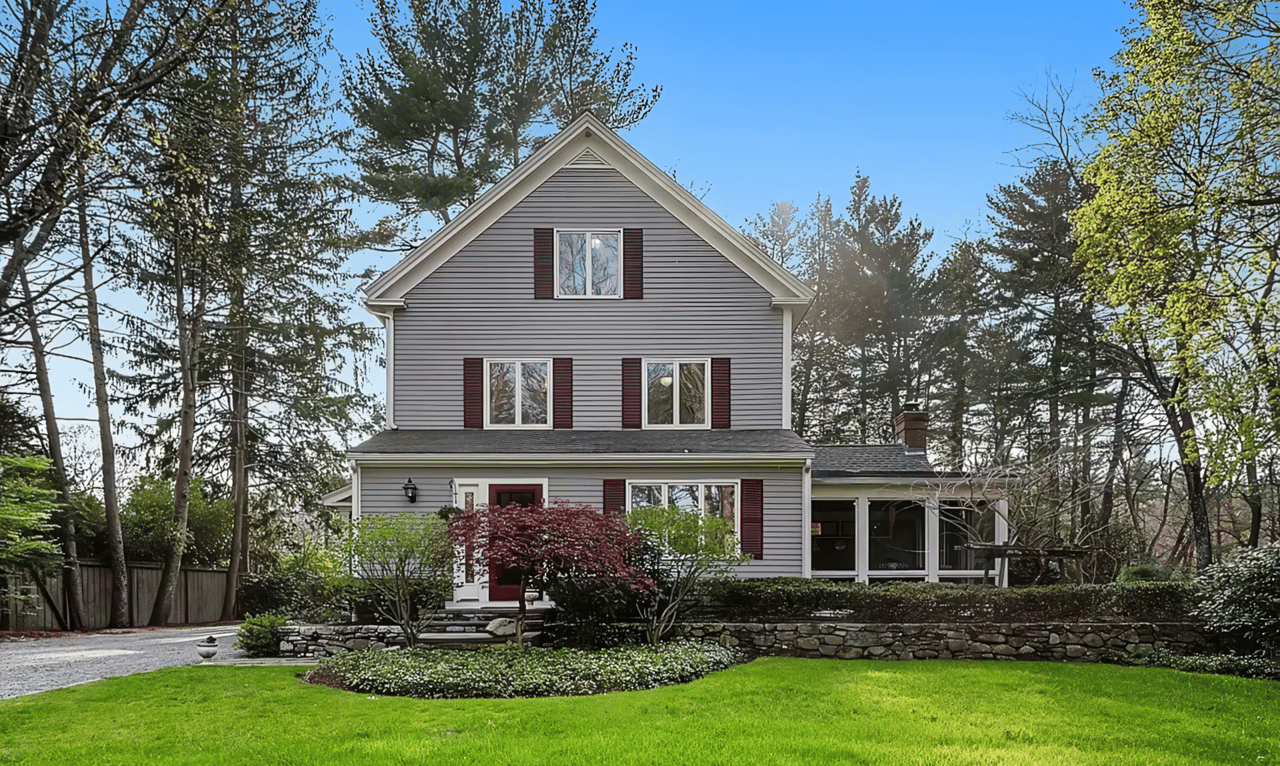
If you are shopping in Sudbury, you should expect a market where single-family homes on larger lots define much of the landscape. That pattern aligns with the town’s suburban character and its emphasis on open space and lower-density development.
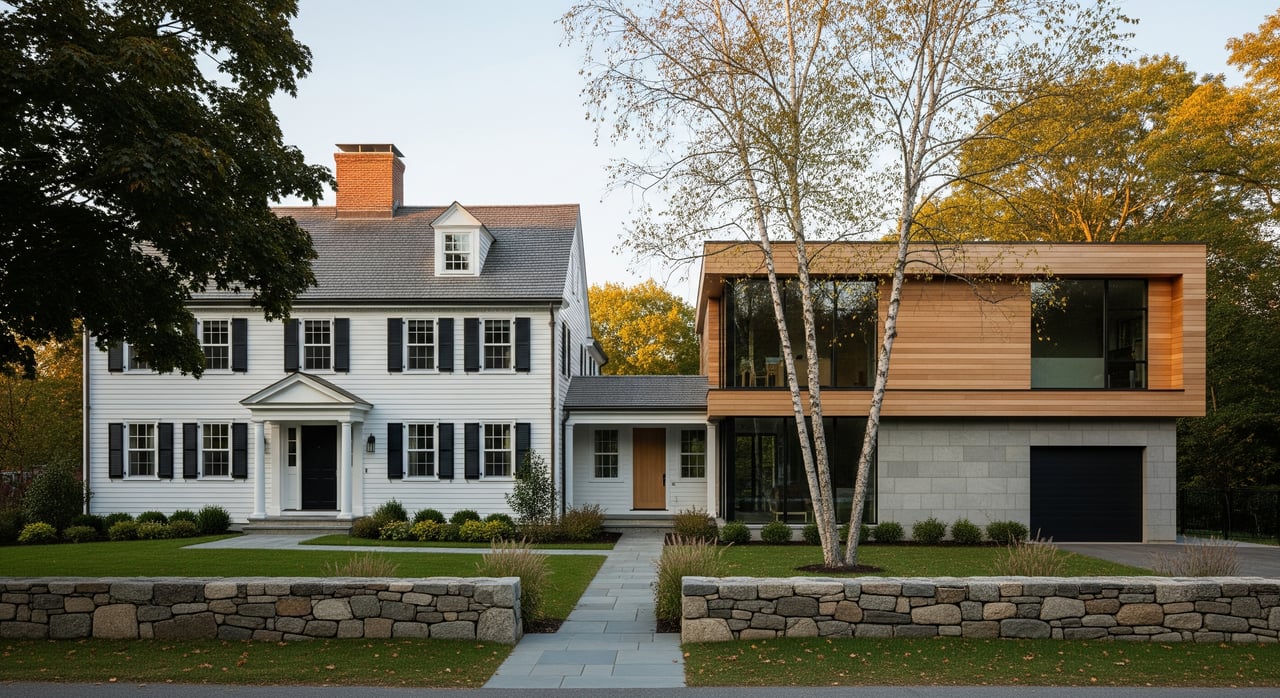
At the same time, the Housing Production Plan notes that recent multifamily districts and Route 20 development have added some apartment, condominium, and age-restricted options. So while detached homes remain dominant, there is now a smaller but growing range of alternatives, especially near the commercial corridor.
The same plan says median single-family home prices rose more than 50% from 2019 to 2022, surpassing $1 million in 2021. It also reports that median condominium prices surpassed $800,000 in 2022.
Why Sudbury Appeals to Many Buyers
Sudbury tends to resonate with buyers who want room to spread out, access to trails and conservation land, and a daily routine anchored by a few reliable commercial hubs. It is not trying to be an urban center or a village retail district. Its appeal comes from a quieter balance.
You get a town where outdoor access is woven into normal life, where history still shapes the streetscape, and where Route 20 handles much of the practical side of errands and services. For many households, that combination feels both grounded and manageable.
If you are weighing Sudbury against nearby towns, the real question is often lifestyle fit. Do you want strong open-space character, a mostly single-family housing pattern, and convenience organized around a commercial corridor rather than a traditional downtown? If the answer is yes, Sudbury may feel like a natural match.
If you are considering a move to Sudbury or planning a sale in the greater Concord area, working with an advisor who understands how lifestyle, housing mix, and location patterns affect value can make the process much clearer. To start that conversation, connect with Peggy Dowcett.
FAQs
What is everyday life like in Sudbury, MA?
- Everyday life in Sudbury centers on village hubs, Route 20 conveniences, and easy access to trails, conservation land, and recreation.
Does Sudbury, MA have a traditional downtown?
- Sudbury is organized around village centers and the Route 20 corridor rather than one traditional downtown retail core.
What kinds of outdoor activities are available in Sudbury, MA?
- Sudbury offers walking, hiking, cross-country skiing, birdwatching, biking on the rail trail, fishing in limited-access areas, and wildlife viewing.
Is Sudbury, MA convenient for daily errands?
- Yes, many everyday errands are concentrated along Route 20, including shopping and dining, with Meadow Walk serving as a key mixed-use hub.
What types of homes are common in Sudbury, MA?
- Sudbury’s housing stock is dominated by single-family homes, with a smaller but growing number of condominium, apartment, and age-restricted options.
Is commuting in Sudbury, MA mostly car-based?
- Yes, Sudbury is car-dependent, though the town also offers the Catch Connect shared-ride service on weekdays.