Choosing between Concord and its neighboring towns is not just about square footage or price. It is about how you want your days to feel, how you want to get around, and what kind of setting fits your routines best. If you are weighing Concord, Carlisle, Lincoln, Acton, or Sudbury, this guide will help you compare the lifestyle tradeoffs clearly so you can narrow in on the right home base. Let’s dive in.
Start With Your Daily Routine
The best town for you often comes down to your everyday patterns. Think about how often you commute, whether you want a walkable center, and how much you value quick access to trails, shops, or cultural spaces.
Some buyers picture a classic village with rail access and places they can reach on foot. Others want a quieter, more rural setting with larger lots and a stronger connection to open land. In this group of towns, those differences are real and noticeable.
Concord at a Glance
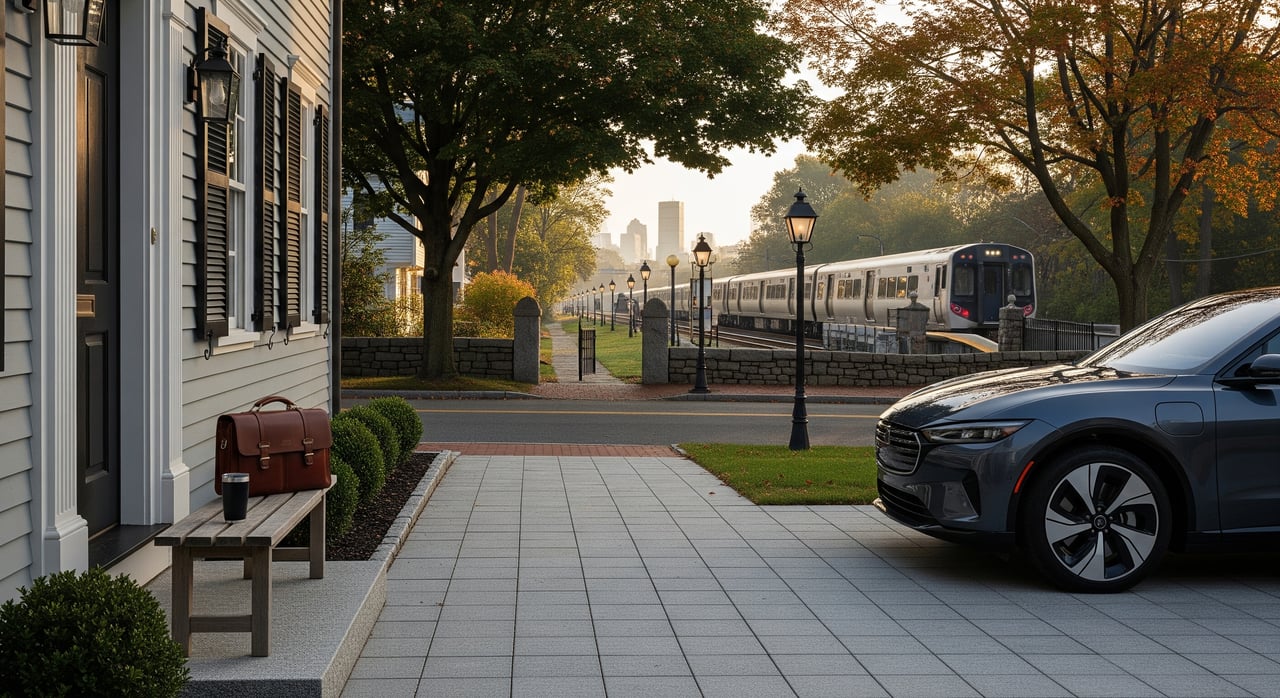
Concord offers one of the strongest blends of village life, rail access, history, and cultural amenities in the area. It has two MBTA commuter rail stations, Concord Center and West Concord, which makes train access part of daily life for many residents rather than an occasional option.
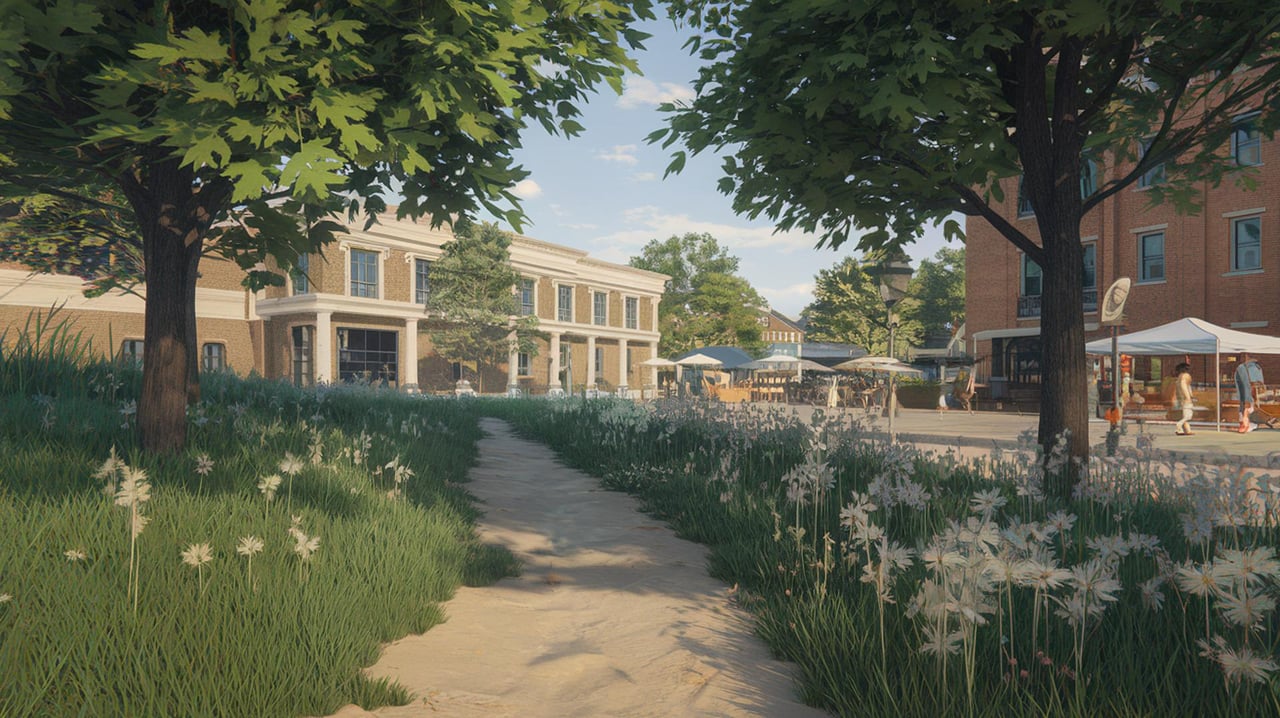
Concord also gives you two distinct centers. Concord Center is a walkable historic core with shops, cafes, civic buildings, galleries, and cultural venues, while West Concord functions as a more modern business district tied to the MBTA station, Route 2, and the Bruce Freeman Rail Trail.
If outdoor access matters, Concord has depth there too. The town manages more than 1,500 acres of conservation land, and it combines that natural access with major local cultural anchors such as the Concord Museum, Concord Free Public Library, The Umbrella Arts Center, and 51 Walden Performing Arts Center.
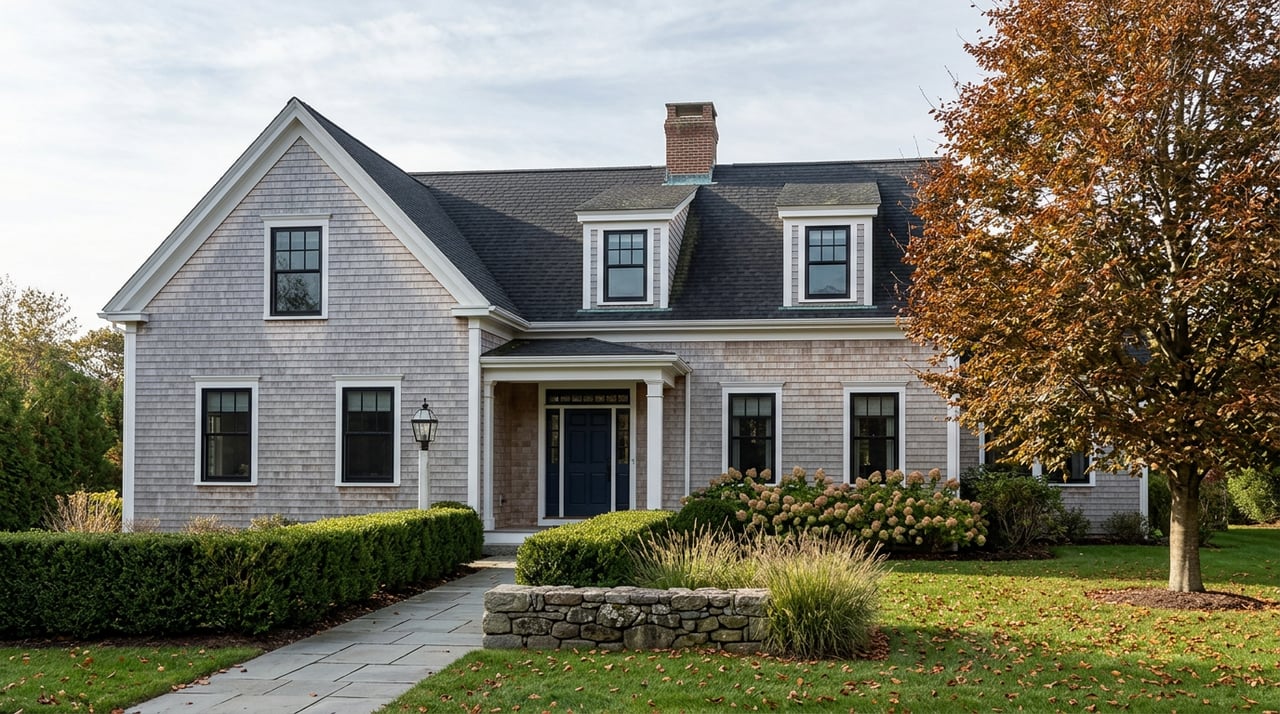
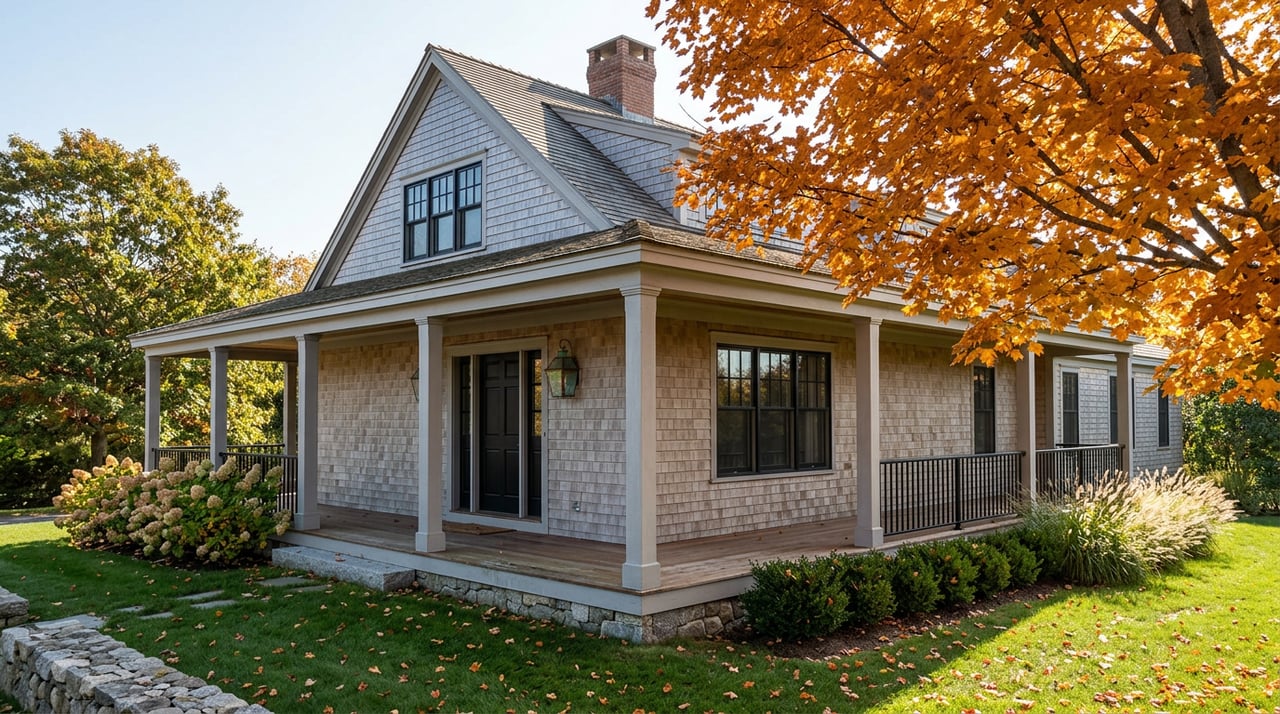
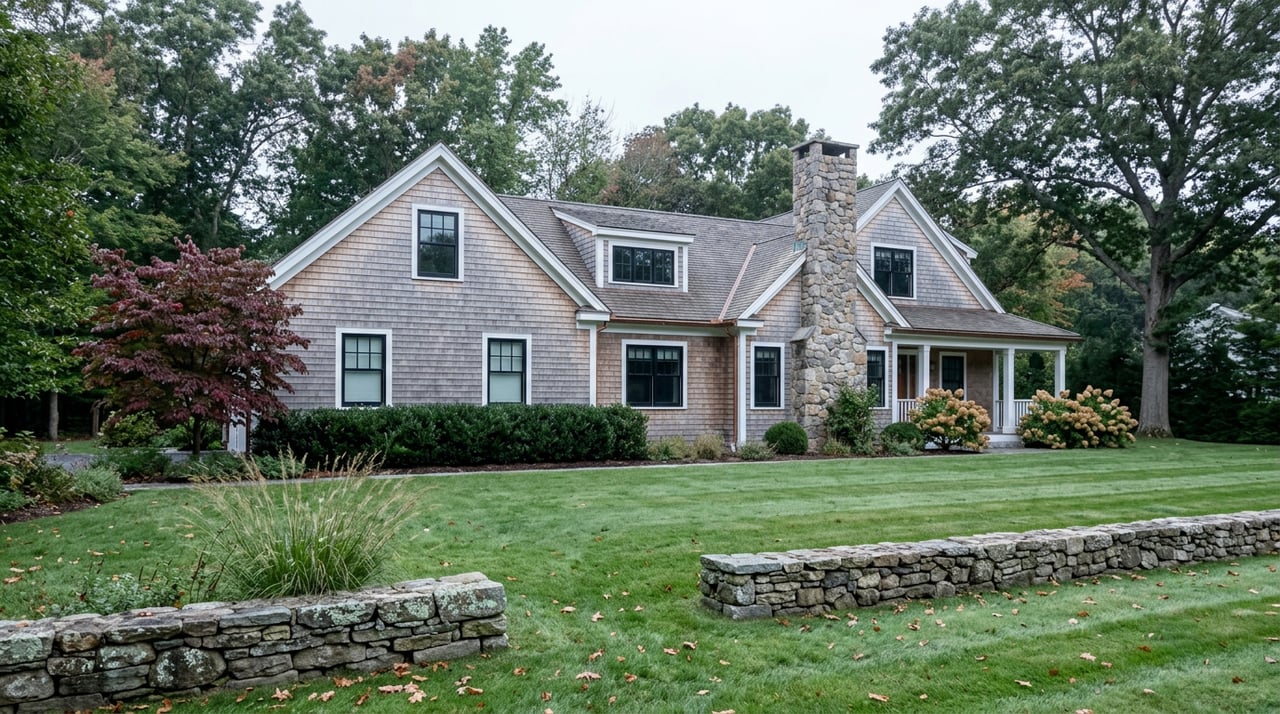
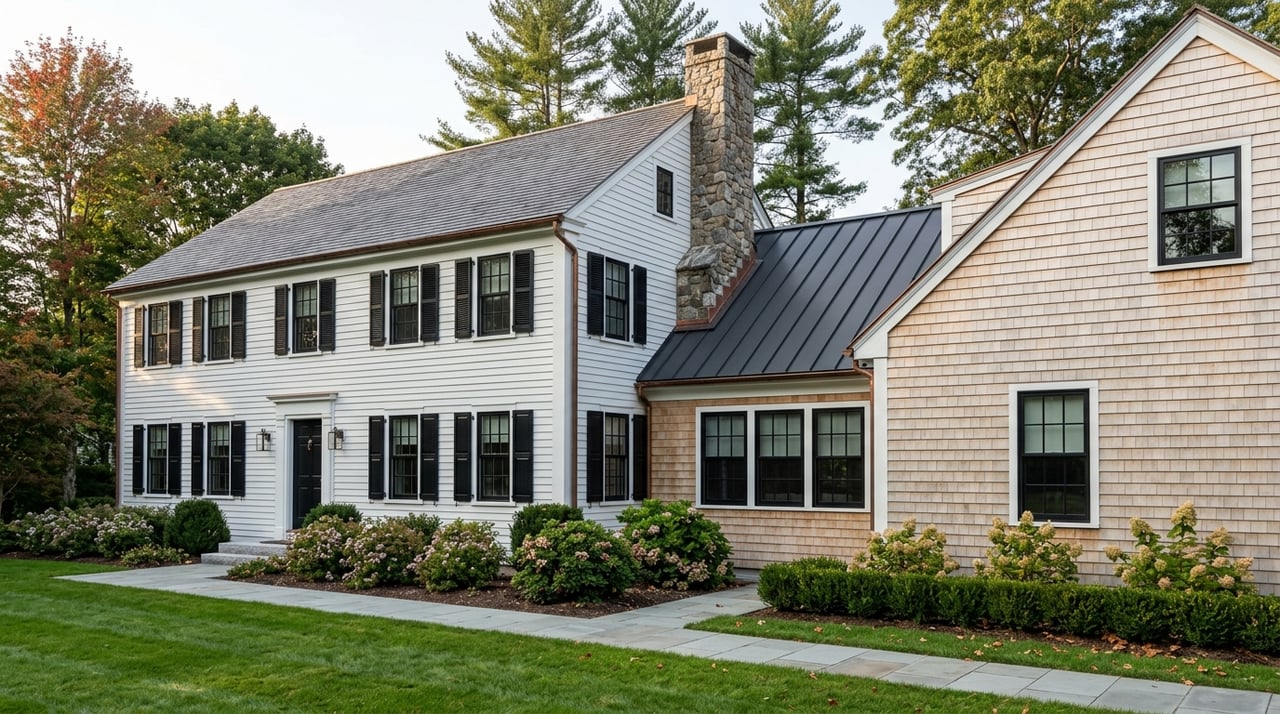
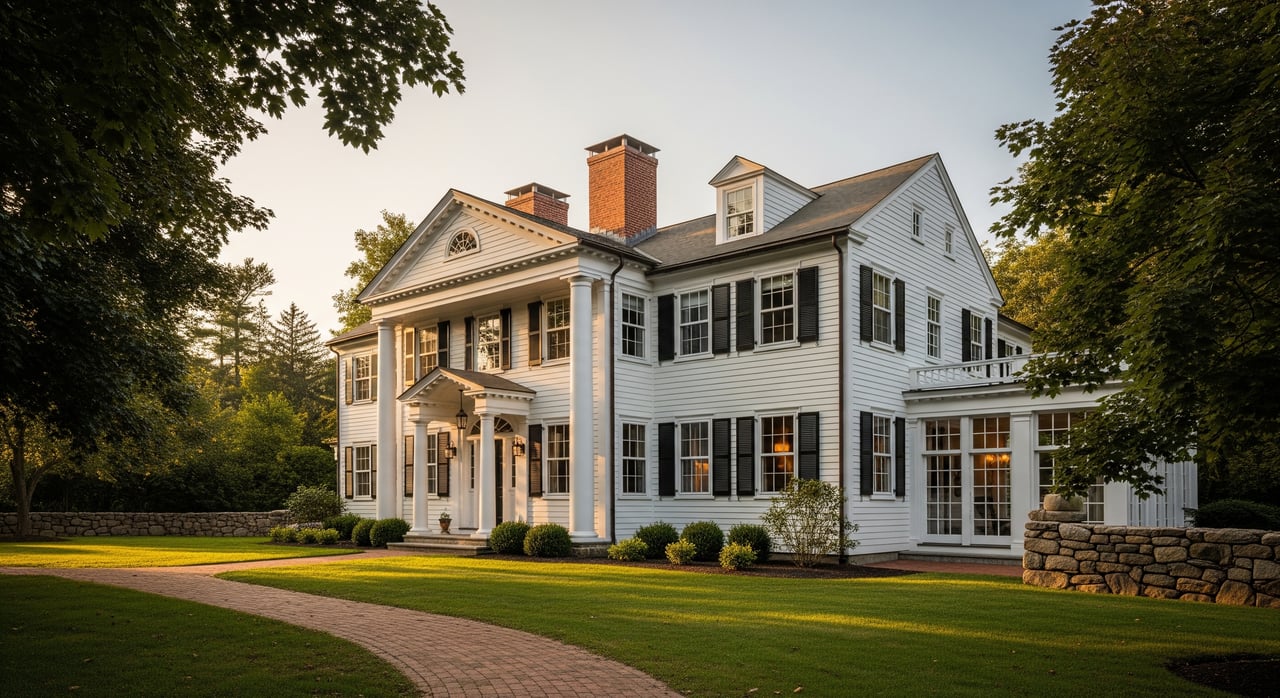
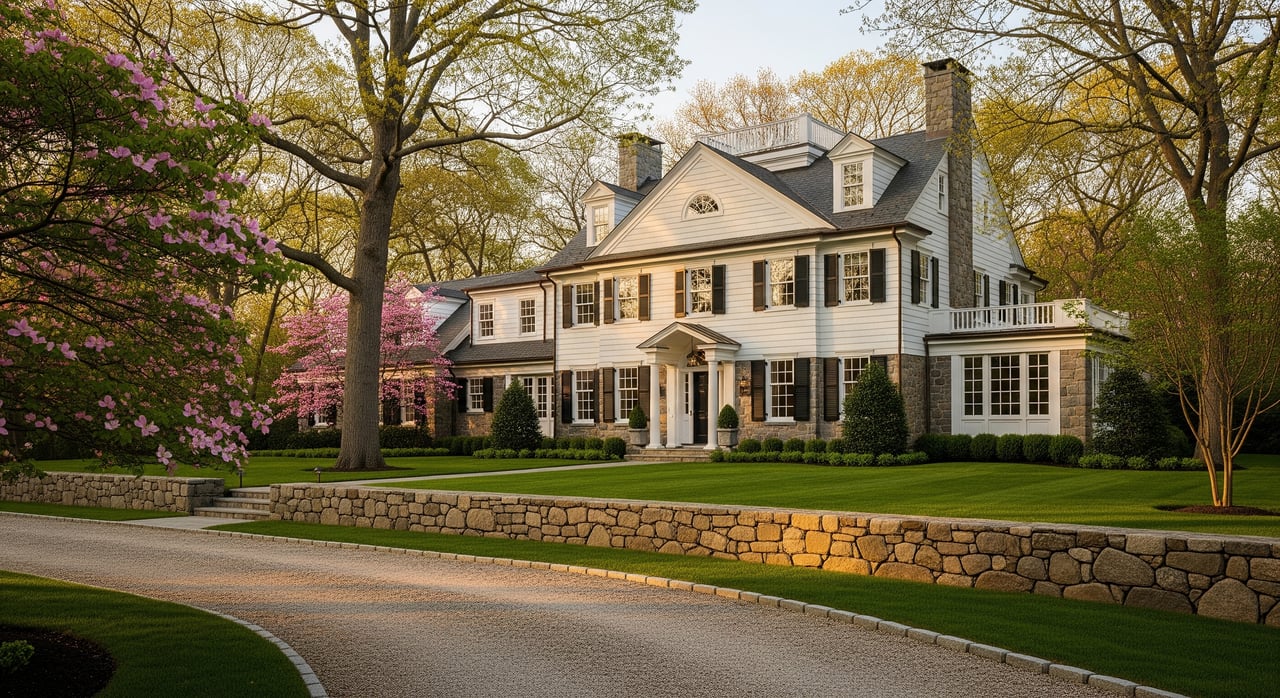
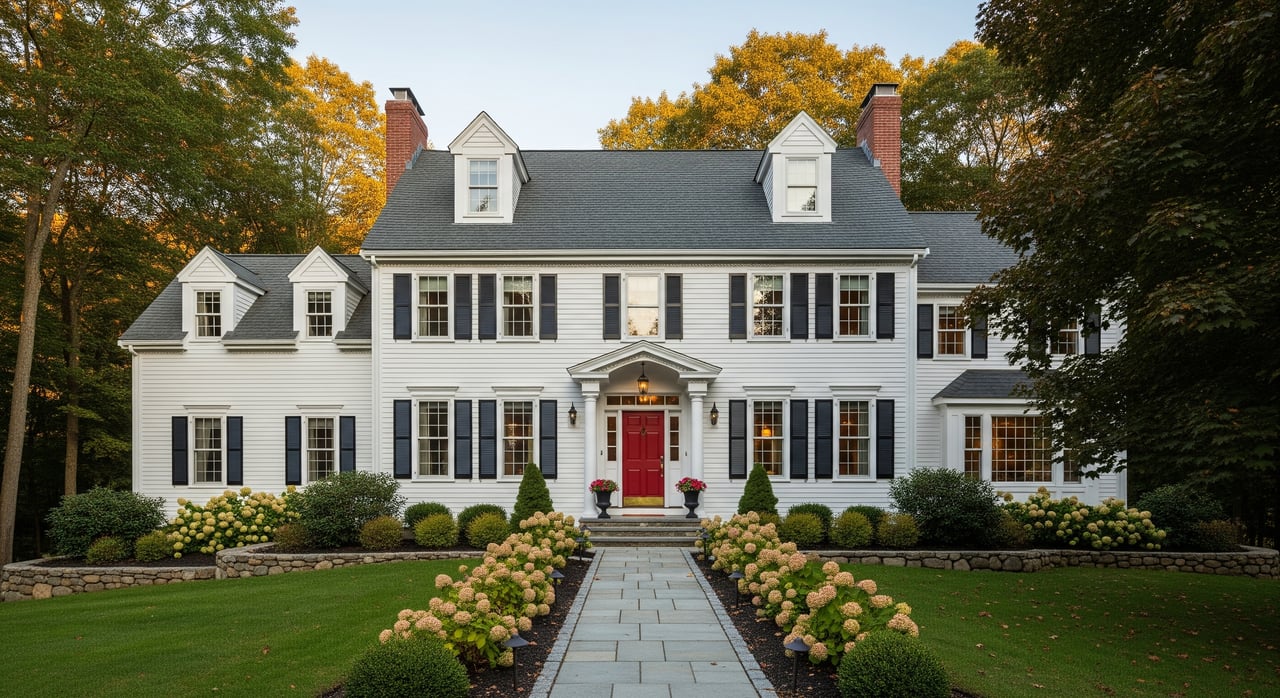
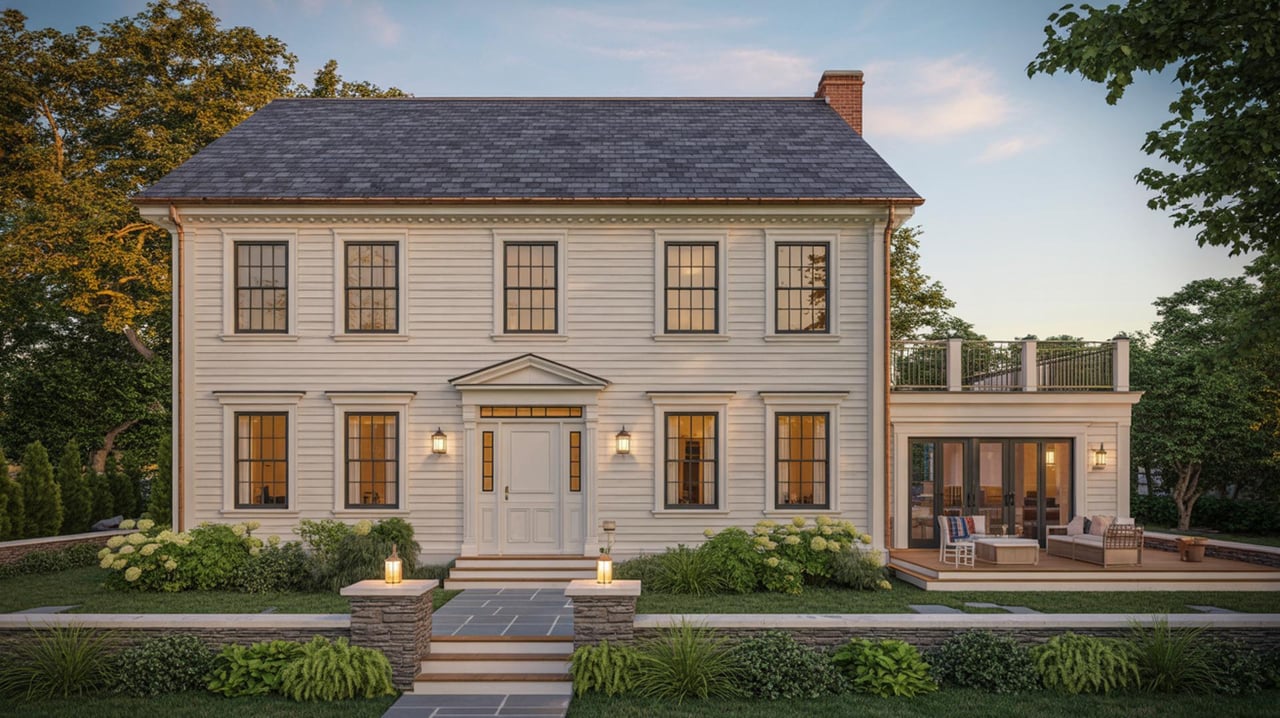
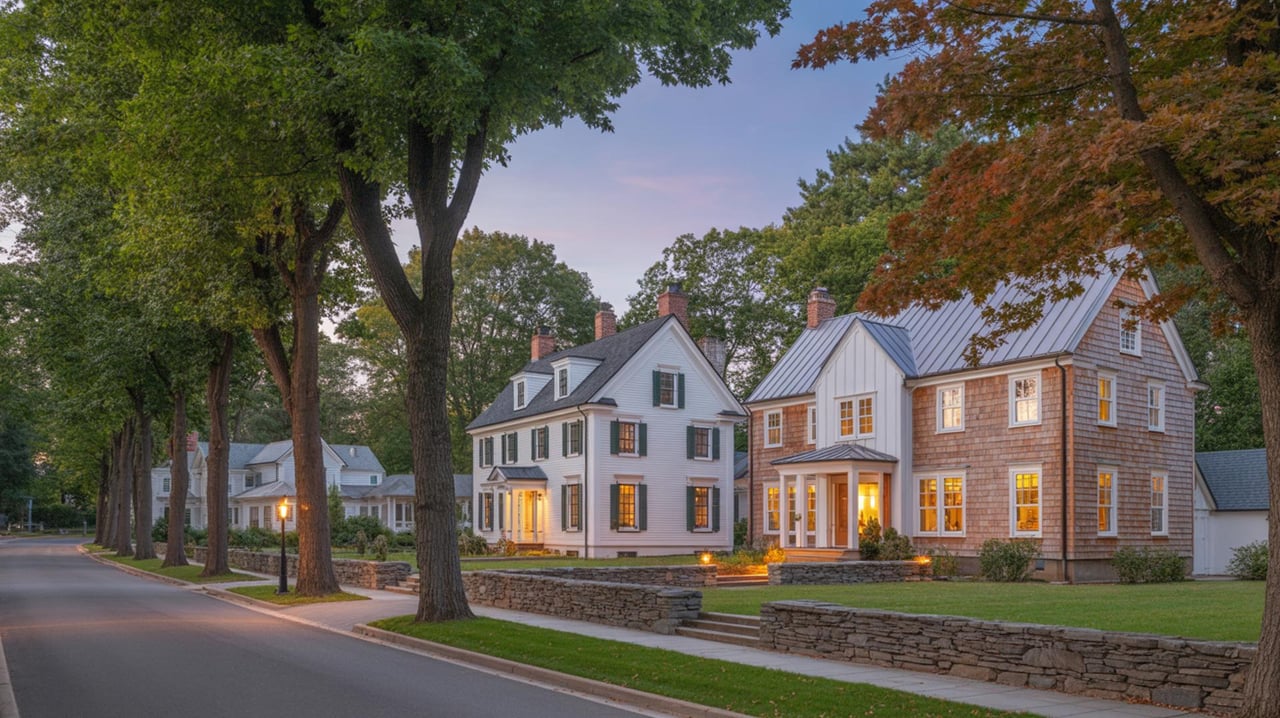
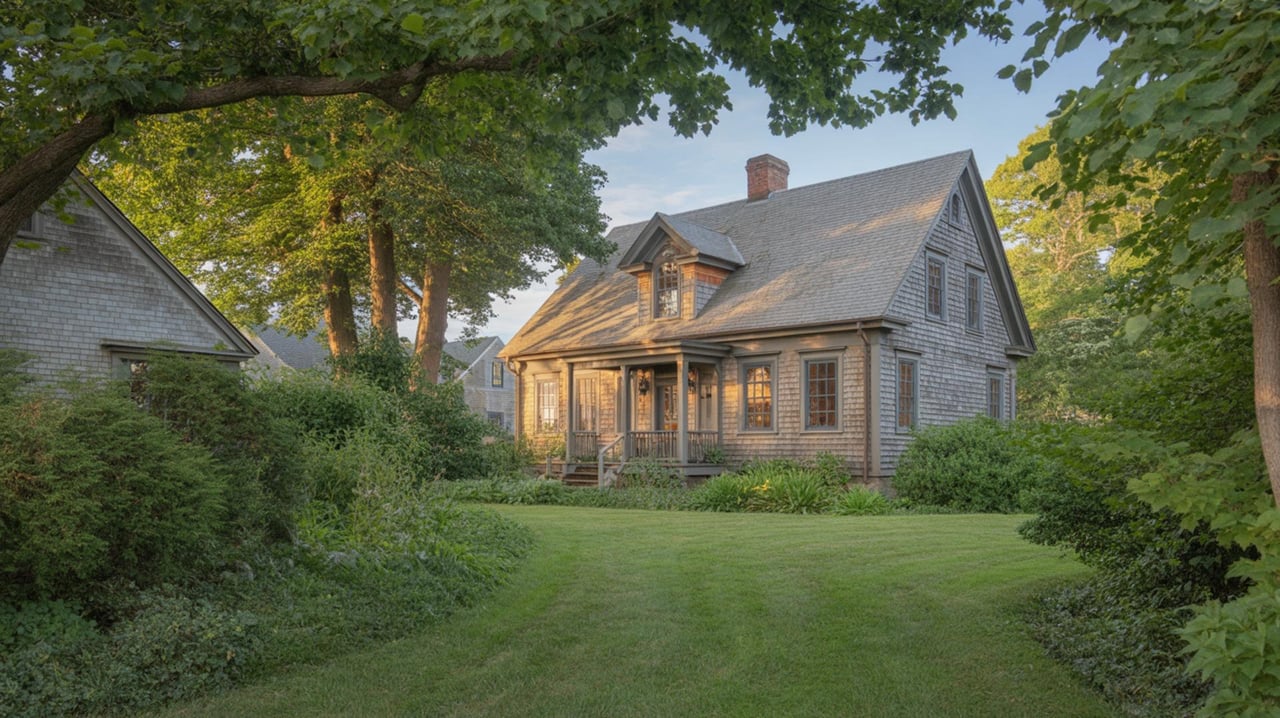
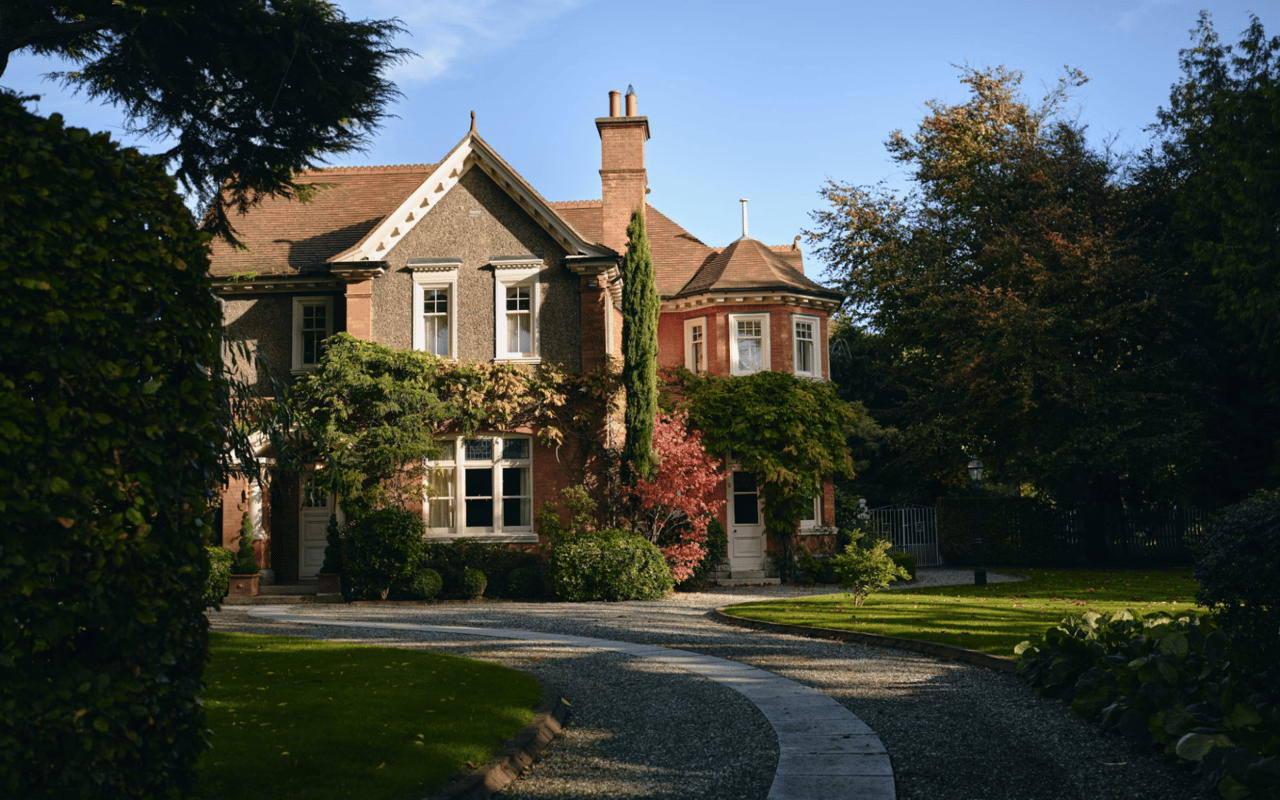
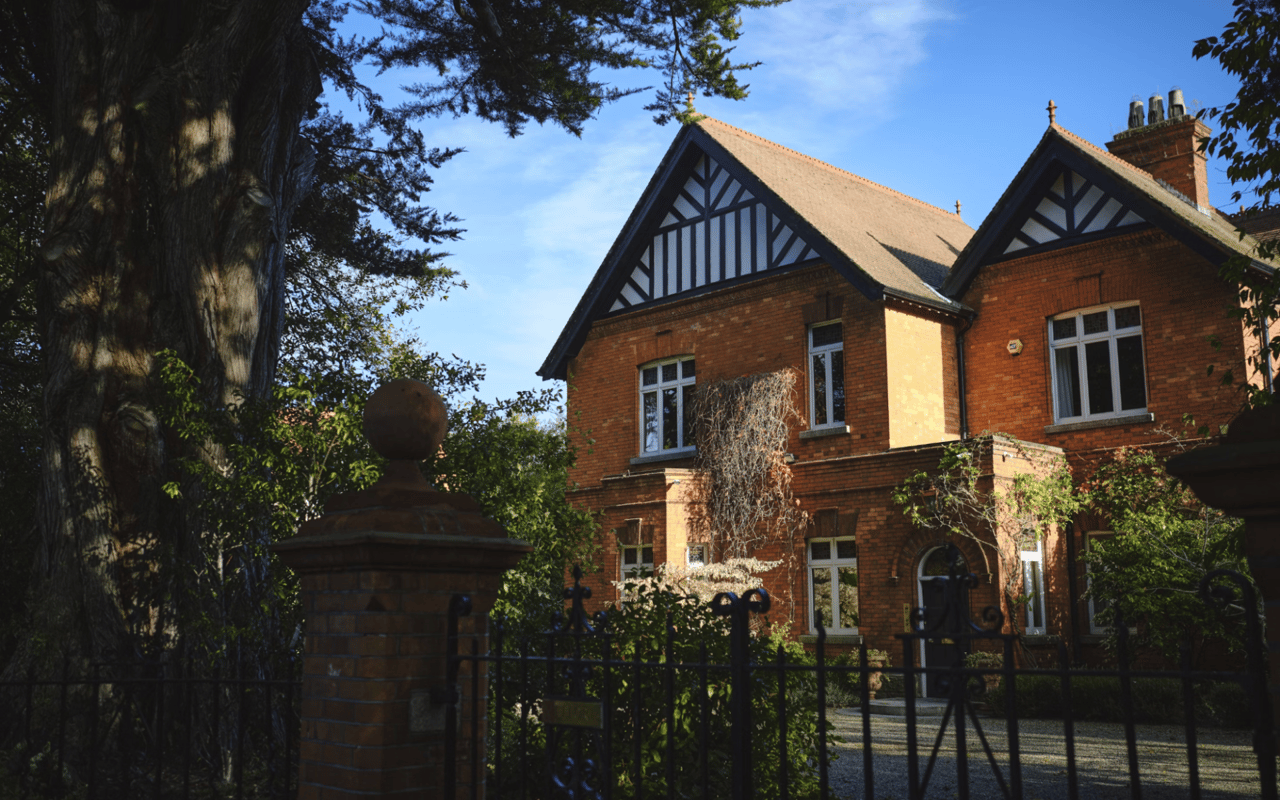
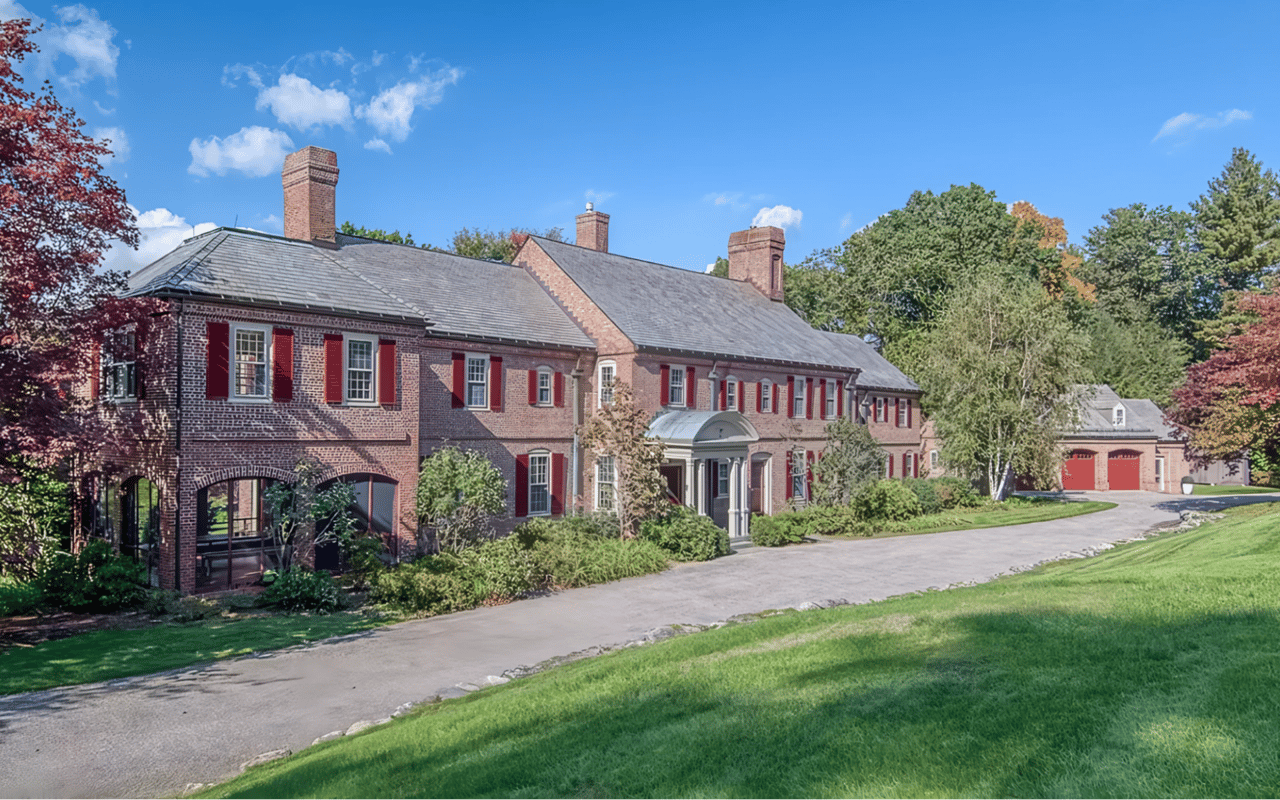
From a housing standpoint, Concord tends to feel older and more historic. The town says about 1,260 homes are in historic districts or subject to demolition review, and single-family homes remain the main by-right residential form in most districts.
How Nearby Towns Compare
Carlisle: Rural and Trail-Focused
Carlisle is the clearest choice if you want a more rural setting and a home base centered on land, privacy, and trails. The town has no public transportation within its boundaries, so most daily routines depend on driving, with nearby rail stations located in surrounding communities such as Concord, West Concord, South Acton, and North Billerica.
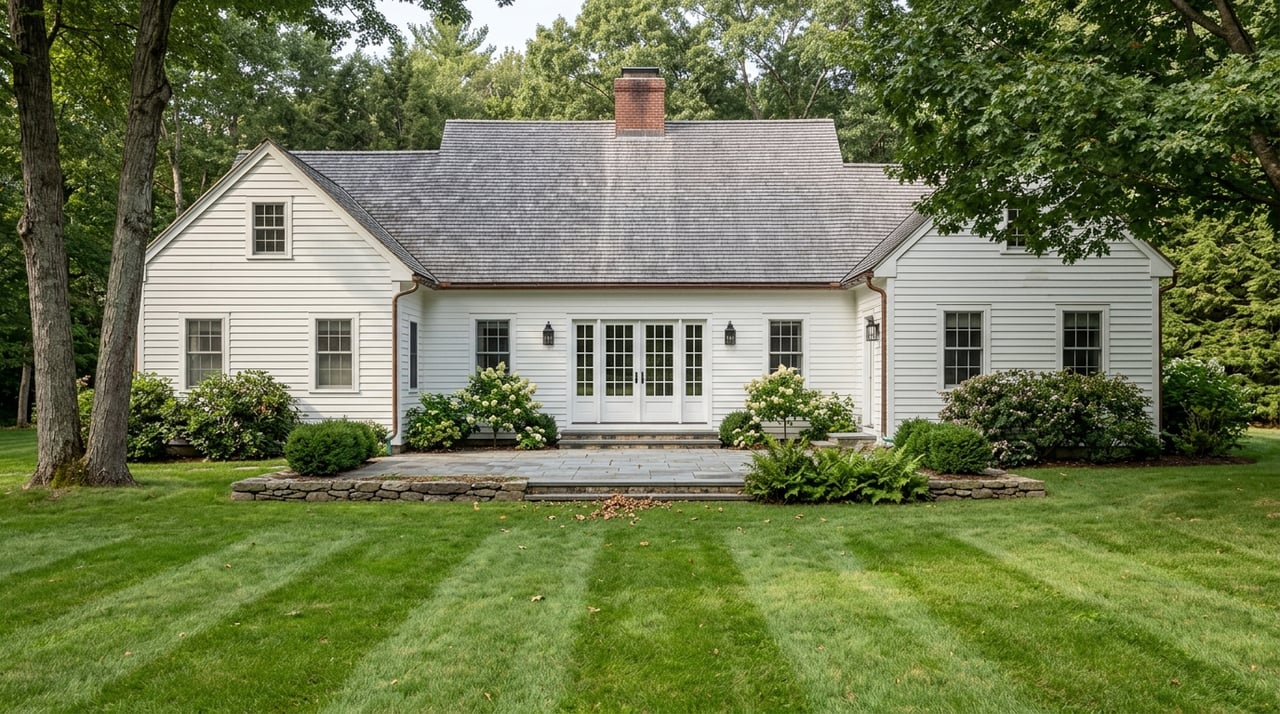
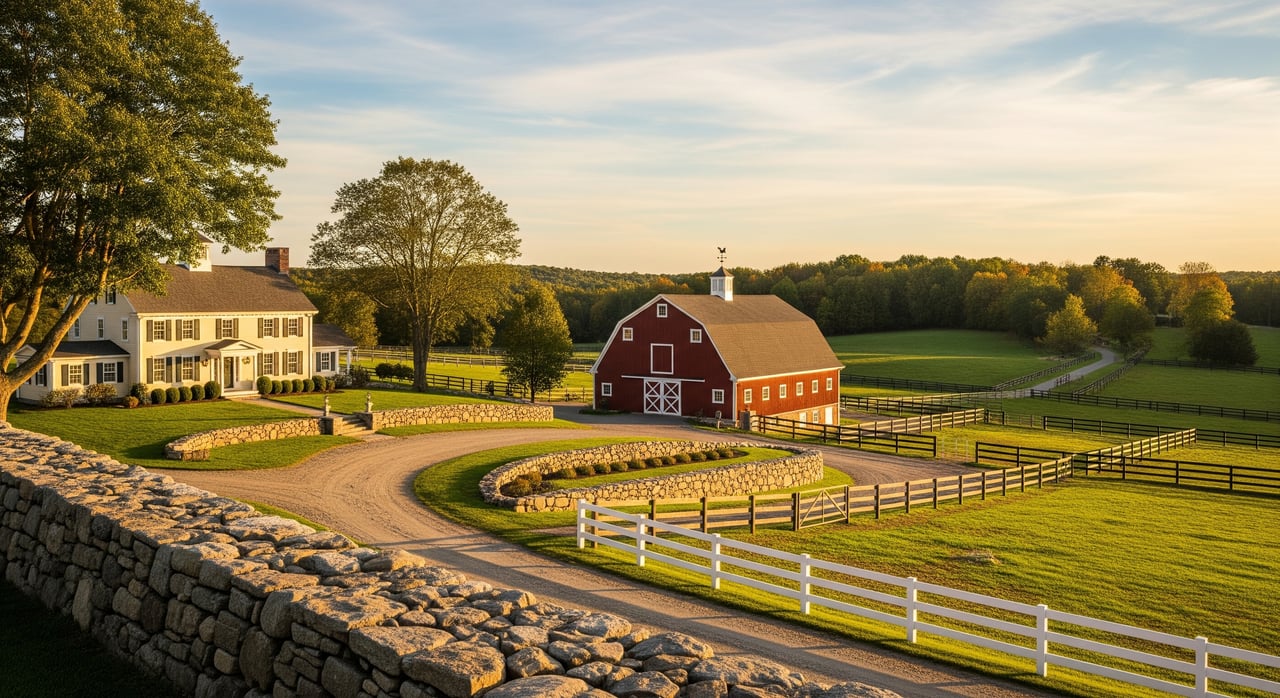
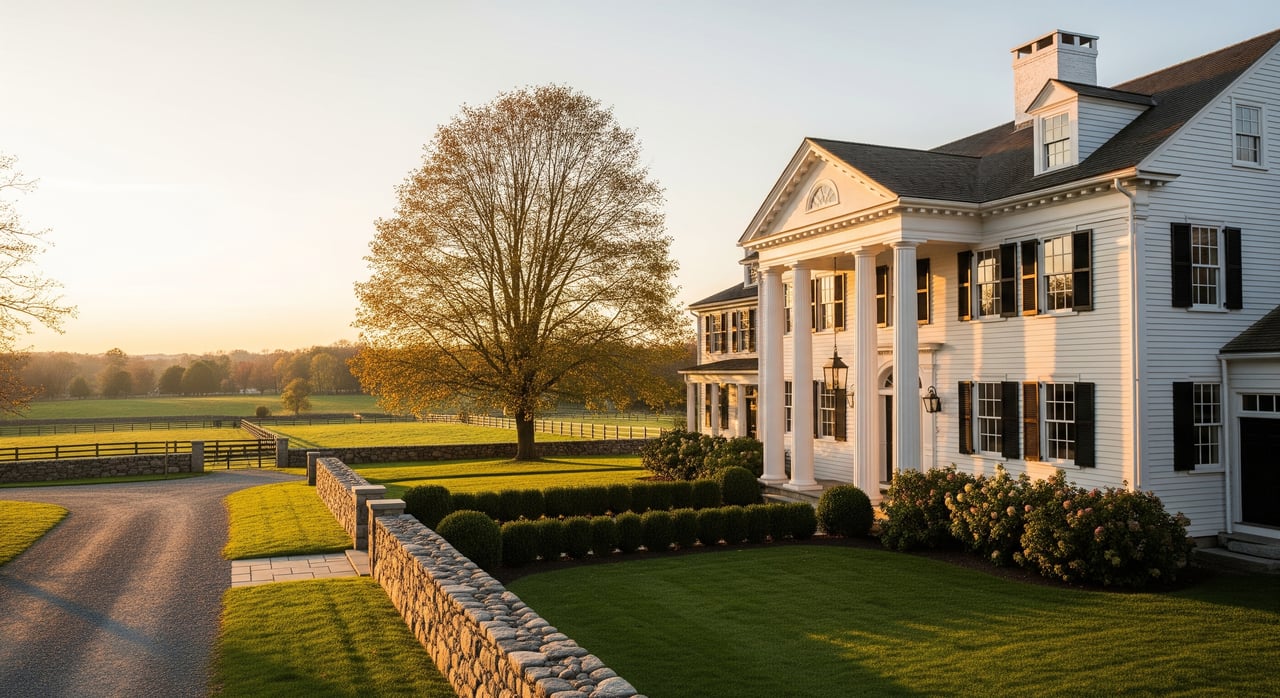
Housing in Carlisle is largely owner-occupied single-family homes on large lots. Because the town has no public water or sewer, lots are typically at least two acres, and the housing stock offers fewer format choices than some neighboring towns.
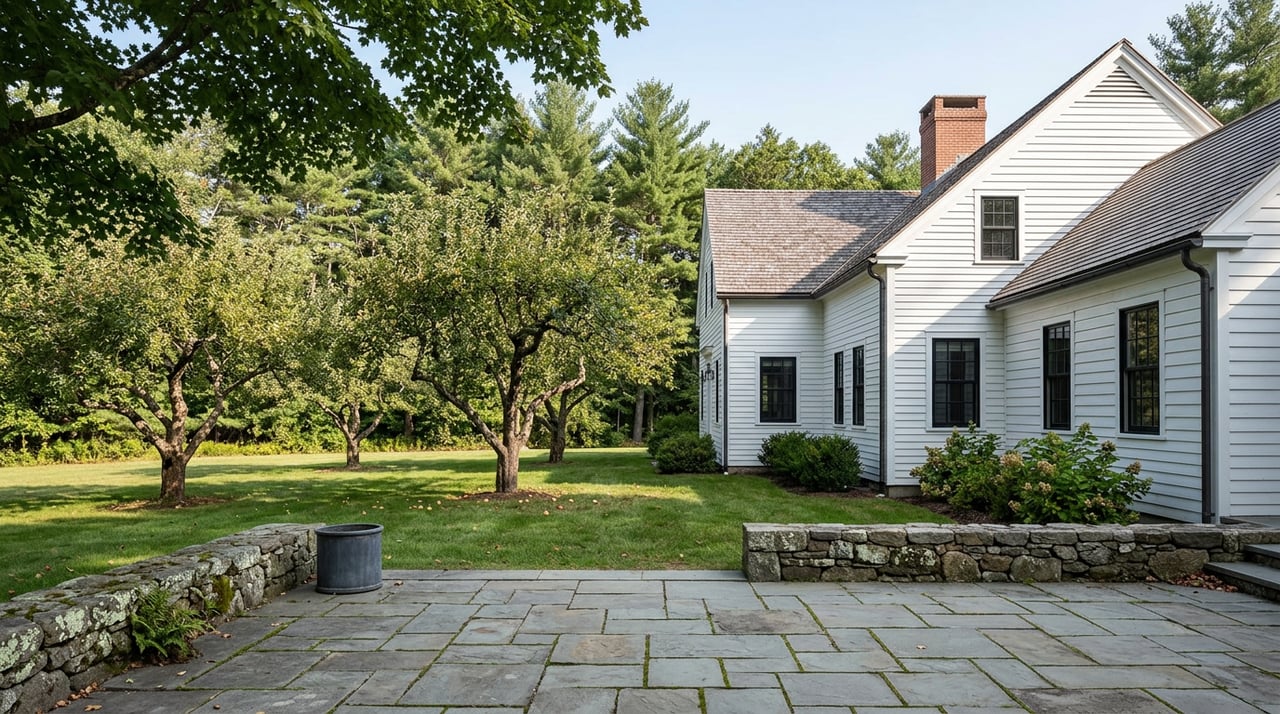
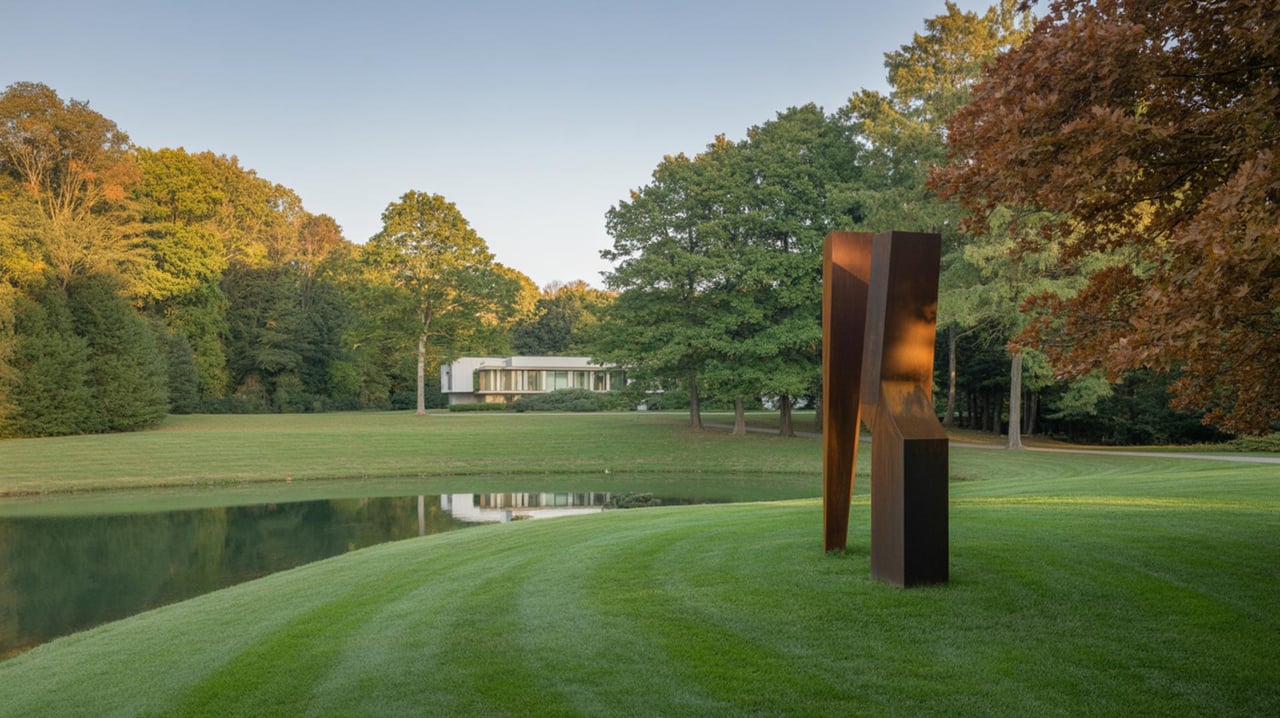
Carlisle’s strongest draw is its outdoor character. The trail network exceeds 50 miles, and Great Brook Farm State Park adds a 1,000-acre landscape with more than 20 miles of trails and a working dairy farm.
Lincoln: Conservation With Rail Access
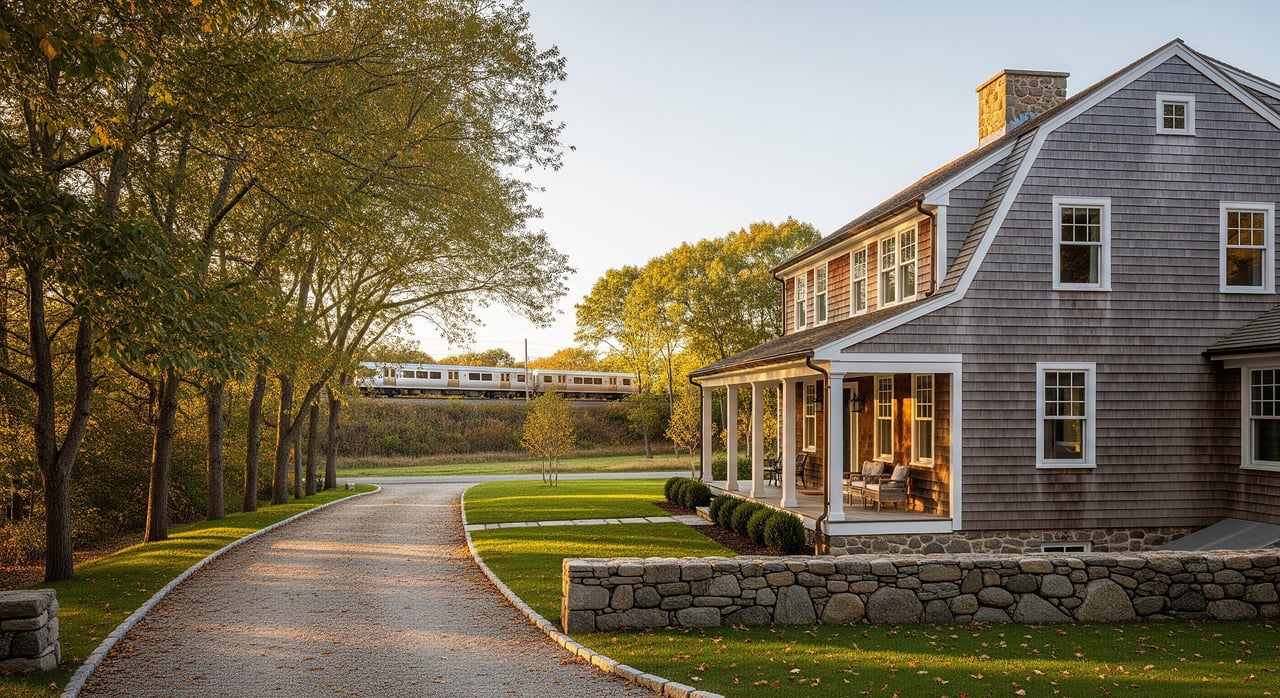
Lincoln stands out for buyers who want a conservation-oriented setting without giving up commuter rail access. Lincoln Station is on the MBTA Fitchburg Line, and the town’s planning work around South Lincoln is focused on a compact, walkable village center near the station.
That creates an interesting balance. Lincoln remains low-density and conservation-minded overall, but it is also intentionally planning for more housing choices, goods and services, and social interaction around the station area.
Lincoln is especially compelling if open space is a top priority. The town says nearly 35 percent of Lincoln, about 5 square miles, is permanently protected, and residents use more than 80 miles of trails.
Acton: Variety and Flexibility
Acton offers the broadest mix of village settings and transportation tools in this comparison. South Acton station provides rail access, the town has local transportation services such as Cross-Acton Transit, and current planning includes a zoning district within a half mile of the station for denser multifamily housing.
Acton also has the most varied village structure. The town says it has five village centers, with West Acton offering a walkable mix of homes, shops, churches, a post office, a library, and other daily-use destinations, while South Acton keeps a stronger rail-and-mixed-use character.
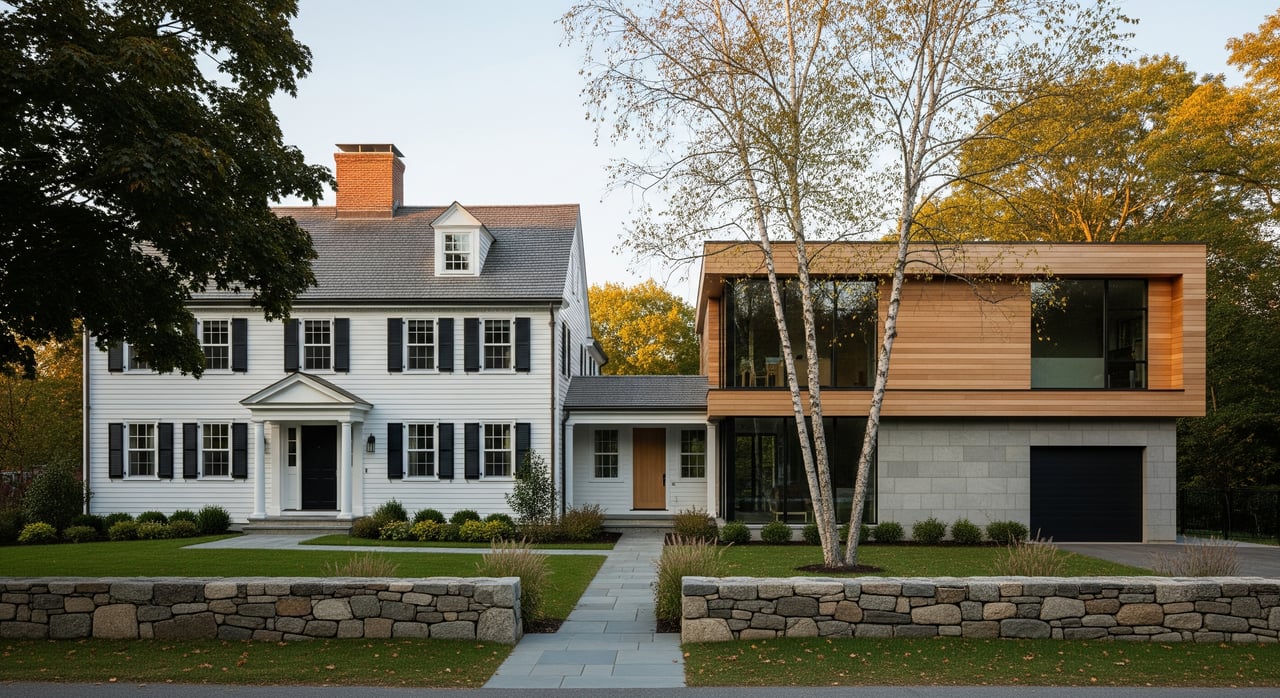
Housing is more mixed here than in Concord, Carlisle, or Sudbury. West Acton includes older homes on smaller lots, and South Acton includes older neighborhoods, multifamily buildings, and newer development.
Sudbury: Car-Oriented With Extensive Open Space
Sudbury is the most car-dependent option in this group, though that picture is evolving. The town says there is no public transportation within its boundaries and notes limited pedestrian-friendly routes to common destinations, but MWRTA Catch Connect now provides curb-to-curb shared rides within Sudbury and is free through June 2027.
Daily life in Sudbury tends to feel more spread out and less village-centered than in Concord, Lincoln, or Acton. Even so, the town is working on center improvements and better trail connections.
Sudbury also offers substantial open space. Town planning materials describe roughly 4,869 acres of conservation and recreational open space, including the Sudbury River corridor and state forest lands.
Compare the Lifestyle Patterns
If you step back, these towns sort into a few clear lifestyle models. Concord, Lincoln, and Acton are the most rail-and-village oriented, Carlisle is the most rural and trail-centered, and Sudbury remains the most car-first in day-to-day living.
That matters because your home base affects much more than your commute. It shapes how often you can walk to a center, whether errands feel quick or spread out, and how naturally outdoor access fits into your week.
A Quick Side-By-Side View
| Town | Best Fit For | Transportation Feel | Housing Feel | Daily-Life Pattern |
|---|---|---|---|---|
| Concord | Buyers seeking rail access, historic village life, and cultural amenities | Two in-town commuter rail stations | Historic, largely single-family, older housing stock | Walkable center plus practical West Concord access |
| Carlisle | Buyers seeking land, privacy, and trails | No in-town public transportation | Large-lot single-family homes | Rural, quiet, drive-dependent |
| Lincoln | Buyers seeking conservation land and station-area planning | Commuter rail at Lincoln Station | High-end market with planned added housing choices near the station | Low-density but increasingly village-focused near rail |
| Acton | Buyers seeking variety in village settings and transit options | Rail plus local transportation services | Most mixed housing pattern in the group | Flexible, multi-village, more varied |
| Sudbury | Buyers comfortable with driving who still want open space | No in-town public transportation, with shared ride service available | Larger homes with fewer small-home options | Spread out, car-oriented, open-space rich |
How To Choose the Right Fit
Choose Concord if You Want Balance
Concord is often the right fit if you do not want to choose between character and convenience. You get meaningful commuter rail access, a well-defined village experience, significant conservation land, and a strong cultural layer all in one town.
For many buyers, that balance is hard to replicate. Concord feels especially appealing if you want a home base that supports both weekday routines and weekend enjoyment without asking you to trade one entirely for the other.
Choose Carlisle if You Want Space
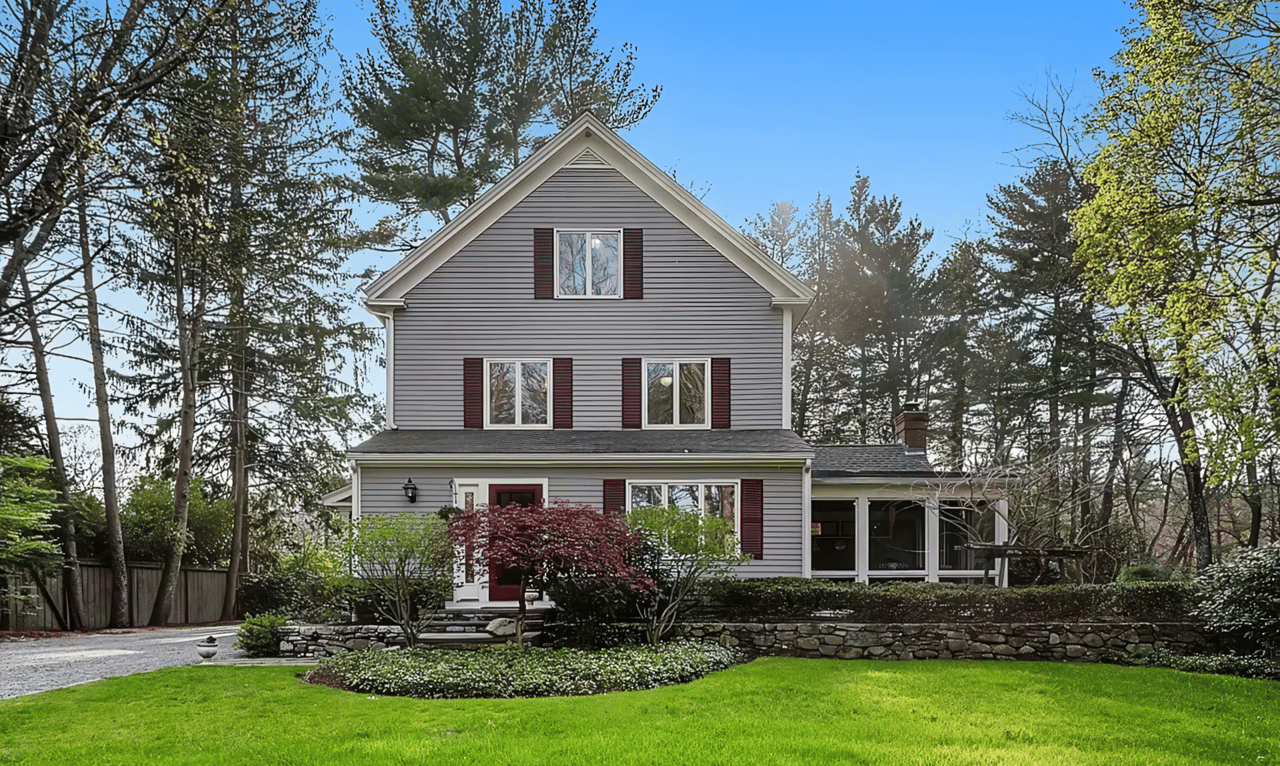
Carlisle may suit you best if privacy, lot size, and a quieter rhythm sit at the top of your list. It offers a more rural feel than the others in this comparison, with a strong trail identity and a housing stock built largely around large single-family homes.
The tradeoff is convenience. If you want rail access or a more active village center as part of everyday life, Carlisle may feel less aligned.
Choose Lincoln if You Want Nature Plus Rail
Lincoln is worth a close look if protected land and trail access matter deeply to you, but you still want a commuter rail option. Its planning focus around Lincoln Station gives it a different feel from a purely dispersed suburban pattern.
This can be a strong match if you like a quieter setting but want a town that is intentionally shaping a compact village near transit. It offers a distinctive blend of conservation and planning.
Choose Acton if You Want Options
Acton tends to appeal to buyers who want flexibility. It has multiple village centers, a broader mix of housing types, rail access, and local transportation services, which can make it feel more adaptable to different stages of life.
If you are still figuring out how much walkability, housing variety, or station access you want, Acton gives you more combinations to consider. That range can be a real advantage during a search.
Choose Sudbury if You Are Comfortable Driving
Sudbury may make sense if you are comfortable with a car-first routine and want substantial open space. Its setting is less village-centric than the others, but it does offer meaningful conservation and recreational land, along with improving trail and shared-ride options.
For some buyers, that tradeoff works well. If you do not need commuter rail in town and prefer a more spread-out daily pattern, Sudbury can be a practical fit.
Price and Housing Choice Matter Too
Values across these towns are all in a similar upper-tier conversation, but the housing feel is different from town to town. Concord’s 2024 town page puts median home value at $1.5 million, Lincoln’s FY2026 annual report lists a median assessed single-family value of $1,526,850, Carlisle’s FY2026 reporting shows an average single-family value of $1,356,763, Sudbury’s FY2026 budget guide lists an average single-family value of $1,165,018, and Acton’s early 2025 median single-family sales reached $1 million.
Those numbers are directional because each town reports different measures, but they still help frame expectations. Just as important, they point to a broader truth: the right choice is not only about price level, but also about what type of home stock and neighborhood pattern you want within that price band.
Why Local Guidance Helps
On paper, these towns can look similar. In practice, the difference between a historic village rhythm, a station-area lifestyle, a rural trail setting, or a car-oriented routine can be significant once you live there.
That is why a local comparison matters. When you understand how each town functions day to day, you can focus your search more confidently and avoid choosing a place that looks right online but feels off in real life.
If you are weighing Concord against Carlisle, Lincoln, Acton, or Sudbury, working with a local expert can help you sort through lifestyle fit, housing patterns, and long-term value with much more clarity. If you are ready to talk through your options, connect with Peggy Dowcett for thoughtful, place-based guidance tailored to your move.
FAQs
How does Concord compare to nearby towns for commuting?
- Concord is one of the most commuter-friendly options in this group because it has two in-town MBTA commuter rail stations, while Carlisle and Sudbury do not have public transportation within town boundaries.
Which town near Concord feels the most rural?
- Carlisle has the most rural feel in this comparison, with large-lot single-family homes, no in-town public transportation, and a trail network that is central to the town’s character.
Which nearby town offers the most housing variety?
- Acton has the most mixed housing pattern of the five towns, with older homes on smaller lots, multifamily buildings, newer development, and planning focused on added housing choice near South Acton station.
Is Lincoln a good option if you want both trails and train access?
- Lincoln stands out for buyers who want both, with Lincoln Station on the MBTA Fitchburg Line, nearly 35 percent of the town permanently protected, and more than 80 miles of trails.
How does Sudbury differ from Concord in daily life?
- Sudbury is generally more spread out and car-oriented, while Concord offers a more village-centered lifestyle with stronger rail access and a more established mix of cultural amenities.
What makes Concord appealing as a home base?
- Concord offers a rare combination of two commuter rail stations, walkable village areas, more than 1,500 acres of conservation land, and major cultural destinations, which creates a balanced day-to-day lifestyle for many buyers.