If you have lived in Harvard for more than a season, you already know the town runs on a fruit calendar. What is less obvious is that the five or six weeks between the last good peach at Carlson and the second Saturday of the Fruitlands Craft Festival are not a lull. They are the busiest quiet stretch of the year.
The handoff is easy to miss because nothing announces it. One weekend you are picking peaches in a t-shirt, and the next you are reaching past a bushel of PaulaReds for a cider donut. The orchards do not close and reopen. They rotate under you.
The Handoff Week That Never Makes the Calendar
Carlson Orchards on Oak Hill Road runs pick-your-own daily from 9 to 4, and the current lineup this month is peaches, blueberries, and zinnias. Apples come in behind them. The farm sits on roughly 100 acres, with 50 in the home orchard alone, nine varieties of peaches, five of nectarines, and a blueberry patch that has been producing for about fifty years. That density is why the handoff feels invisible: the same tractor path that led to a peach row in early August leads to a McIntosh row by Labor Day.
Westward Orchards on Route 111 sits on the other side of the transition. The farm is closed to picking through the winter and reopens for the season in June, so August into September is when its rhythm matches Carlson's. The store carries its own fruit alongside bread from Nashoba Brook Bakery, meat and eggs from Lilac Hedge Farm, Smith Country Cheese, Crescent Ridge ice cream, Valley View Pies, and syrup from Harvard Maple Producers, which taps and boils locally and sells through Westward rather than a stand of its own.
If you want a single week to watch, it is usually the one where the Carlson Peach Festival winds down and the wagon rides at Westward pivot toward the pumpkin patch. Blink and the parking pattern on Route 111 doubles.
Who Is Picking What, and When
For residents planning the next five weekends, the useful thing is not "apple season starts soon." It is knowing which farm is doing what on a given Saturday.
| Farm | Peaches | Apples | What else is happening |
|---|---|---|---|
| Carlson Orchards | Late July through September | Starting August, through fall | Cider Barn open daily 9 to 5; hard cider flights and trivia |
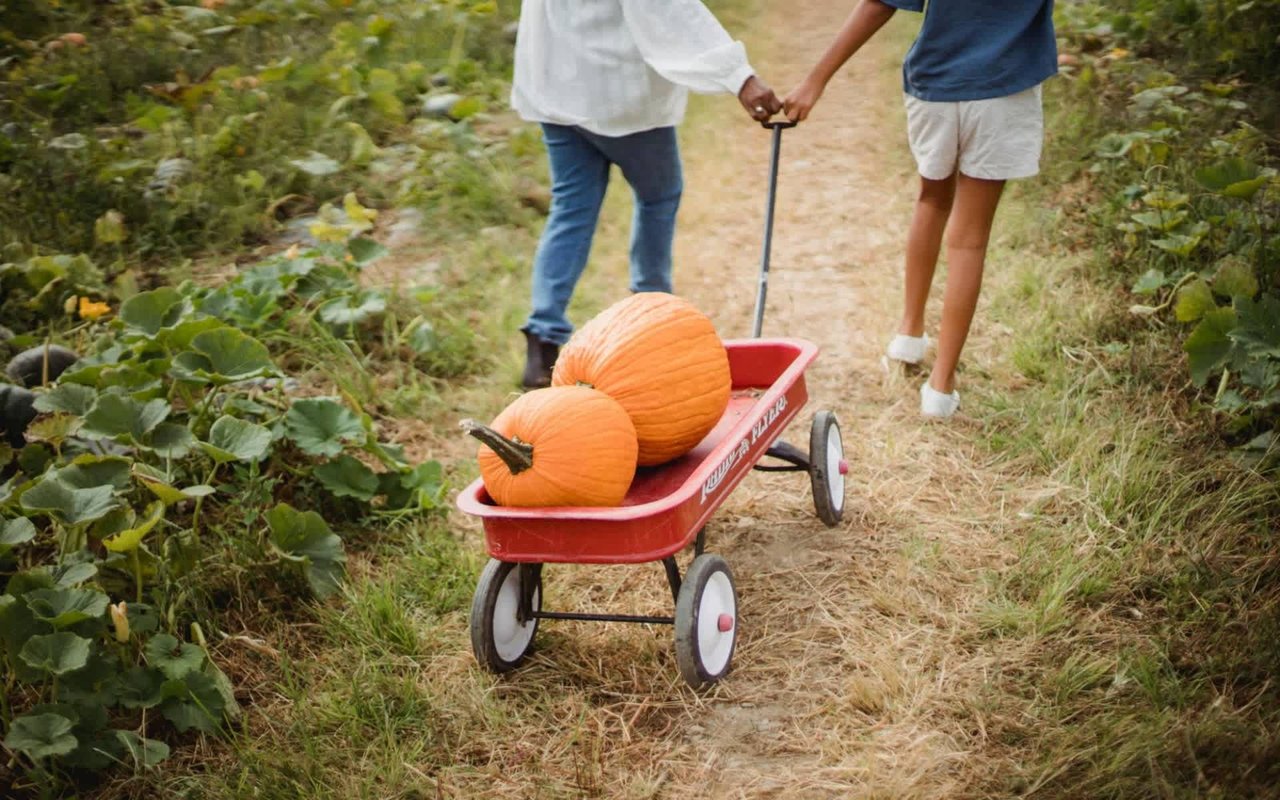
| Westward Orchards | Mid-summer through September | August through November | Cider donuts, pumpkin wagon rides in the fall |
| Old Frog Pond Farm | Not primary | Fall pick-your-own, plus raspberries | Annual Outdoor Sculpture Exhibit, Plein Air Poetry |
| Doe Orchards | Summer | Fall, many varieties, walkable rows | Pumpkins, gourds, Christmas tree cutting after Thanksgiving |
The window worth circling is roughly August 15 through Labor Day, when three of the four are producing peaches and apples at the same time. That overlap is short. By late September the peaches are gone and the whole town is on apples, cider, and pumpkins.
Where the Cider Barn Changed the Math
Carlson opened its Cider Barn as a tasting and purchasing room for its hard ciders, and it has quietly changed the shape of a Harvard weekend. Before the Barn, an orchard visit ended when the bag was full. Now there is a reason to stay through the afternoon, and a reason to come back in November when nothing is being picked.
The events calendar reflects that. Saturday afternoon bingo, Sunday trivia, an annual Peach Festival with wagon rides and the Harvard Lions Club cookout, a spring Apple Blossom Festival on the first Saturday of May, and a mid-winter Winter Fest that kicks off with a 5K at the Bromfield School. If you have kids in the local schools, you already recognize half of those as points on the school year. The Barn is essentially a second town green with a tap list.
The practical read for a resident is this: if you are hosting family in September or October, the Cider Barn is the reservation you do not have to make. It is open every day, food and beverages are for sale, and no one is going to ask why you brought your neighbor.
The One People Keep Quiet About
Old Frog Pond Farm is the outlier in the group and the one longtime residents tend to send friends to without saying much. It has been certified organic since 2006, which makes it one of the few certified organic orchards in the state. The farmers, Blase Provitola and Linda Hoffman, run the farm on a "feed the soil" philosophy: seaweed foliar sprays, nettle and comfrey teas from herbs grown on-site, minimal intervention.
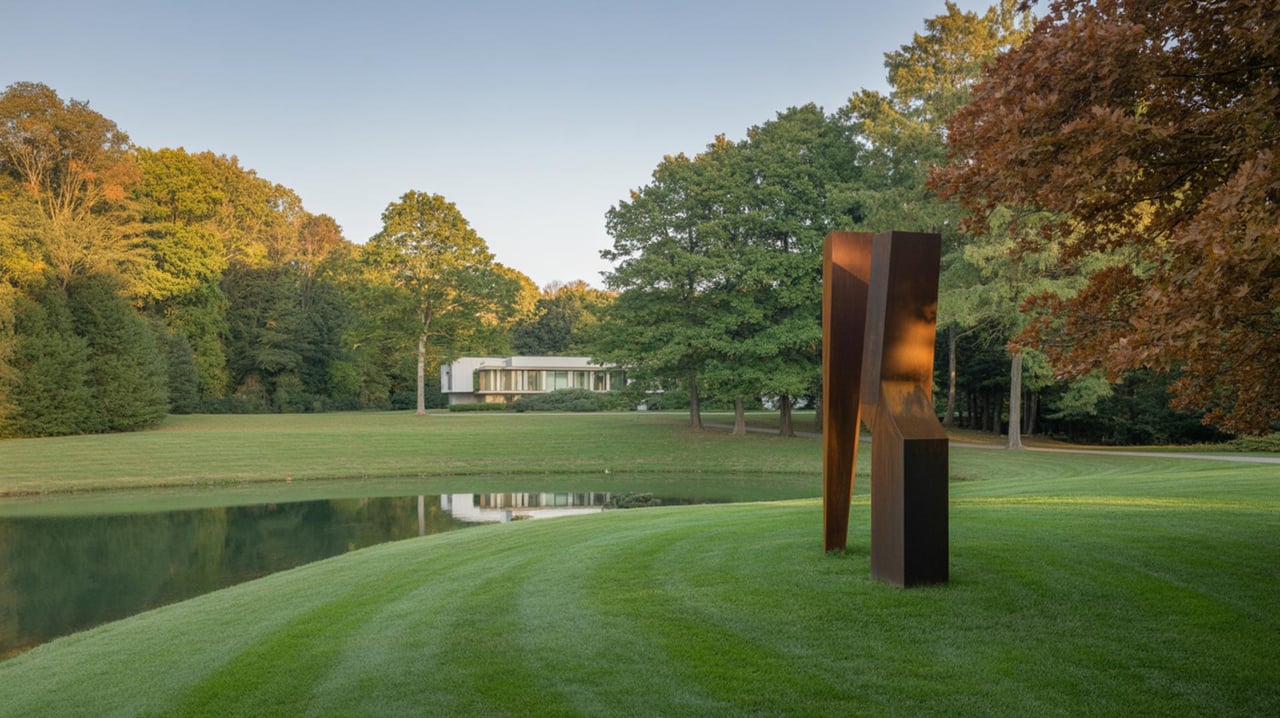
The other thing that happens at Old Frog Pond, and the reason it belongs on a Harvard weekend map rather than a regional roundup, is the art. Hoffman is a working sculptor, and her studio is on the property. Each year the farm hosts an Annual Outdoor Sculpture Exhibit, presents workshops, and gathers for Plein Air Poetry among the trees. The farm sends out a Poem of the Month, participates in Bolton and Harvard Open Studios, and Hoffman writes a weekly blog called Apples, Art, and Spirit. You go for the raspberries in fall and end up walking past a bronze figure in a hedgerow.
The Harvard fall does not start on the equinox. It starts the weekend the tents go up on Prospect Hill.
The September Weekend That Ends the Shoulder Season
The 14th Annual Fruitlands Craft Festival lands on Saturday and Sunday, September 19 and 20, 2026. Two 160-by-40-foot tents on the museum lawn, 56 juried New England artisans, food from local vendors and the Fruitlands Café run by Fireside Catering, and a $10 to $15 admission that includes the day's museum entry. Dogs are welcome on leash. Children under 12 are free.
If you have been in town for a few years, you know the festival less as a shopping event and more as the local signal that the shoulder is over. Fruitlands sits on 210 acres of Trustees of Reservations land on Prospect Hill, with a view west across the Oxbow National Wildlife Refuge and the Nashua River Valley toward Mount Wachusett, and on a clear day Mount Monadnock in New Hampshire. That western view is the reason the festival tents are worth walking to even if you buy nothing. The light off Wachusett in the third week of September is the light that ends up in everyone's holiday cards.
The museum itself is the other half of the ticket. The 1820s farmhouse where the Alcotts lived during the seven-month Fruitlands experiment, the Shaker Museum that Clara Endicott Sears opened in 1914, the Wayside Visitor Center, and the two art galleries are all included with festival admission. If your out-of-town guests have been asking to see "the transcendentalist thing" for two years, this is the weekend it costs you nothing extra.
A Quieter Route Through the Same Six Weeks
The Carlson-Westward-Fruitlands corridor is the busy one. There is a slower version of the same season if you want it.
Doe Orchards is the counterweight. It is walkable and quiet, deep in varieties, and the checkout offers apples, a pumpkin, some gourds, cider, and that is roughly the whole menu. No corn maze, no hayride line, no cider donut queue. If your idea of an October Saturday is a picnic lunch under a tree and the kids climbing on a parked tractor, Doe is the reservation. It also does Christmas tree cutting after Thanksgiving, which is worth logging now for December.
The Fruitlands trails are the other quiet piece. The grounds are open daily from sunrise to sunset Monday through Thursday, and until 4 p.m. Friday through Sunday to accommodate private events, so a weekday morning walk with the western view essentially to yourself is a real option. Late September into mid-October is when the Nashua River Valley below turns, and that specific hillside is one of the few places in central Massachusetts where you get a foliage view without a foliage-tourism traffic pattern.
What to Actually Do With the Next Six Weekends
Peaches at Carlson while they last. A Saturday at Westward once the pumpkin wagon starts running. A quieter Sunday at Doe or Old Frog Pond somewhere in between, ideally the one where you finally see the sculpture exhibit. And September 19 or 20 on Prospect Hill for the Craft Festival, because that is the day the shoulder season closes and the fall calendar takes over.
Harvard rewards residents who read the fruit calendar. If you have been meaning to make a move within town or you are thinking about what comes next after a long stretch on the same lot, the same instinct that gets you to the Cider Barn on the right Saturday is the one worth applying to the housing market here. When you are ready to talk through it, Peggy Dowcett and her team know this corner of the Nashoba Valley the way you know which orchard has the shorter line.