Why does the biggest weekend on the local equestrian calendar land before the actual season starts, not after it?
Ask most Hamilton-Wenham residents when "horse season" ends and they'll point to the weekend when the Myopia Horse Show fills the Schooling Field with trailers, ribbons, and a crowd that spills past the rail. That instinct is reasonable. It's also backward. The show that closes out the summer is not the culmination of anything. It's the one weekend a year when three separate, much older institutions on Bay Road all peak at once, weeks before the sport that gives the Hunt its name has even begun.
Three calendars, one road
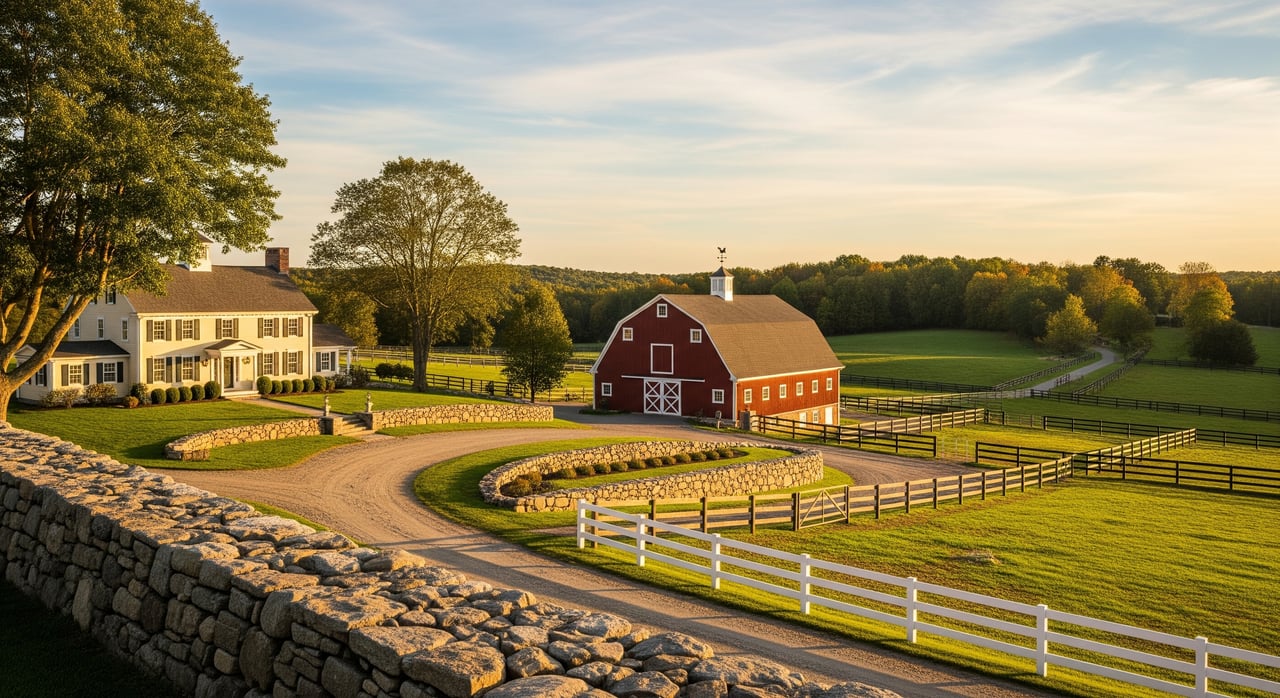
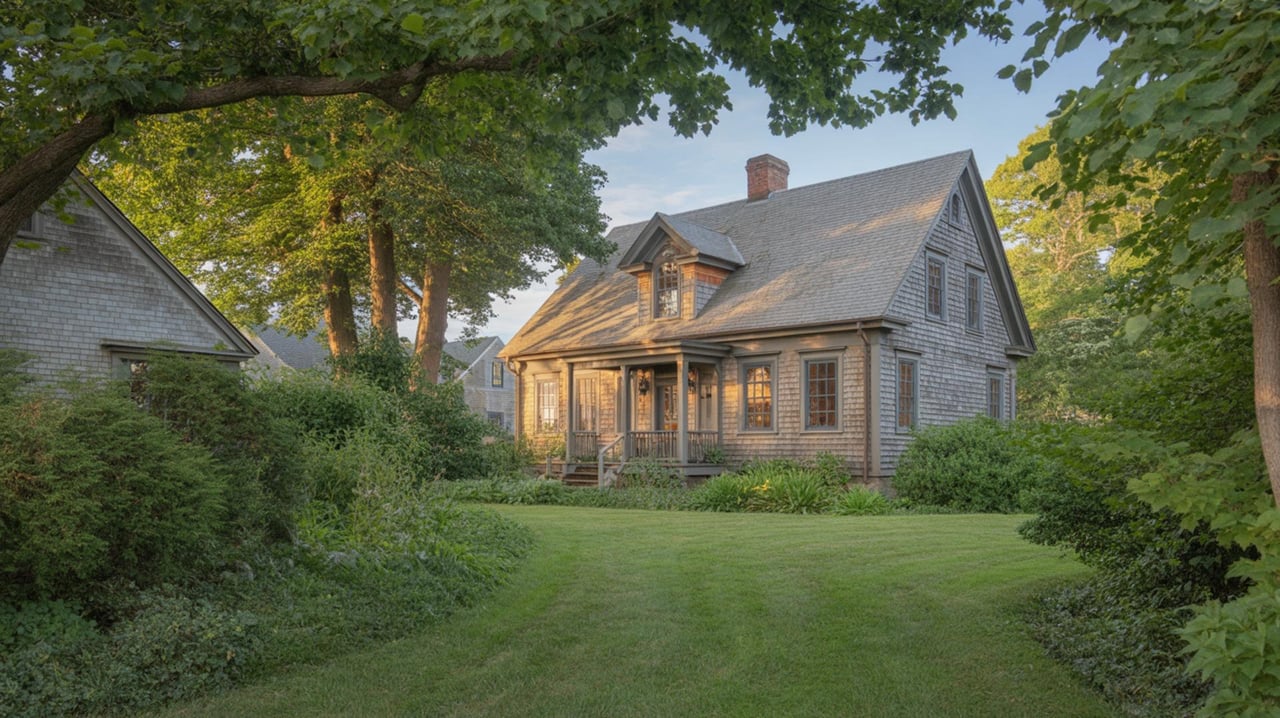
Myopia Hunt was established in 1882. Its purpose was and still is foxhunting, a season that runs through fall and into winter across the open countryside between Hamilton, Ipswich, Topsfield, Essex, Rowley, Newbury, and West Newbury. Through the summer, though, the Hunt isn't hunting. Its members are out at the Schooling Field on Saturdays and Tuesdays for what's called Summer Hound Exercises, a quiet walk-and-trot session designed to get young horses and green hounds comfortable with each other before the real work starts. No line is laid. Nothing is chased. It's rehearsal, not performance.
The Myopia Horse Show is a different animal entirely, and older than most people assume. It traces back to Labor Day games the Hunt Club threw for members and residents starting in 1894, a mix of steeplechase races for hunting horses and speed contests for local farmers' horses that ended with a ball at Wenham Town Hall. By 1896 the farmers' races were gone and the show stood on its own, built around jumping and hunting classes designed to mimic what a horse and rider might actually face out in the field.
Then there's Myopia Polo, a third organization with its own grounds at 435 Bay Road and its own season that runs from spring cups through a full slate of USPA tournaments each summer.
The weekend three calendars collide
Here's the detail that turns this from trivia into something worth knowing if you live here: this year, the Horse Show's closing day and the polo club's own championship final land on the exact same Sunday.
The 2026 Myopia Horse Show, marking its 125th year, runs August 29 and 30 at the historic Schooling Field. Meanwhile, Myopia Polo's published 2026 schedule has the season-ending USPA S. D. Warren Cup running its semifinal on August 23 and its final on August 30, the same Sunday the horse show wraps up its own program with the Salem Five Derby. Two different Bay Road institutions, both hosting the single biggest event of their year, on overlapping ground, in the same 48 hours.
None of this is the Hunt's season. The Hunt's actual reason for existing, the foxhunting itself, doesn't begin until later in the fall, after the show tents come down and the polo fields go quiet. What looks like a finale to anyone driving past is really the loudest possible warm-up act.
The Myopia Horse Show is one of the oldest horse shows in the United States, and it's free to the public, with gates open from 9 a.m. to 4 p.m. both days.
That's worth repeating for anyone who's never gone: no ticket, no membership, just a lawn chair and a look at competitors jumping the same stone walls and hedges that have been part of the course since before most of the town's current houses were built.
The building most people drive past without knowing its history
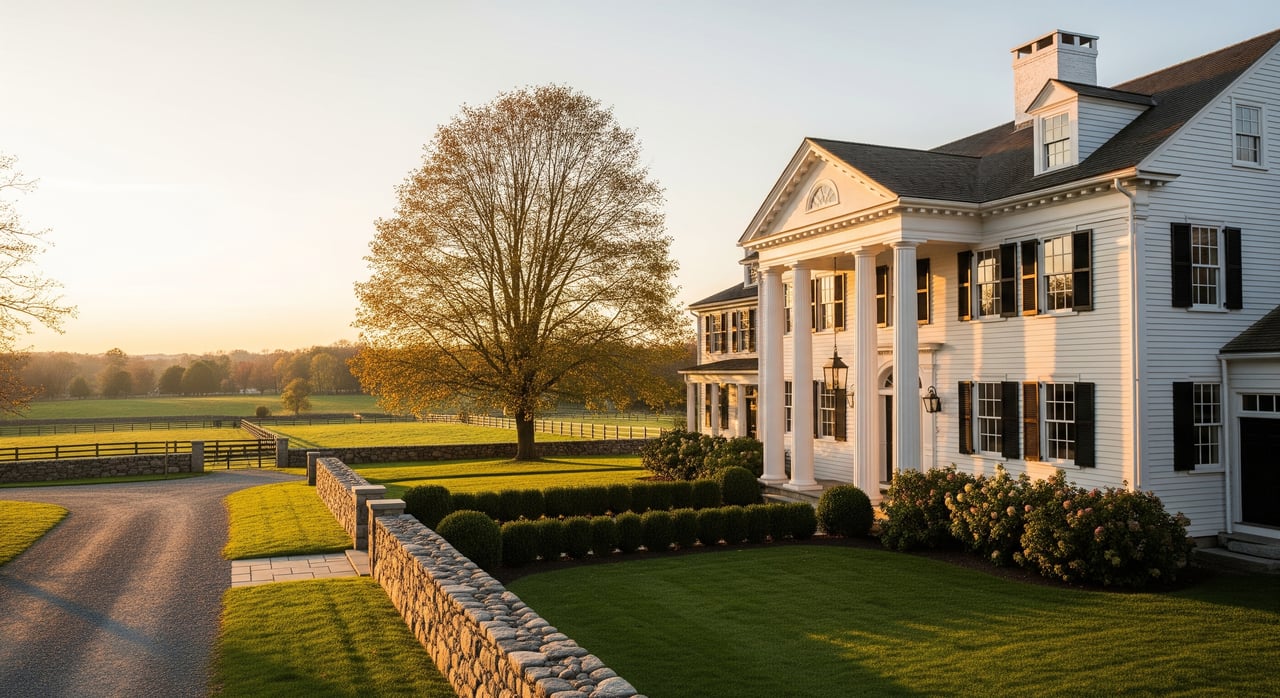
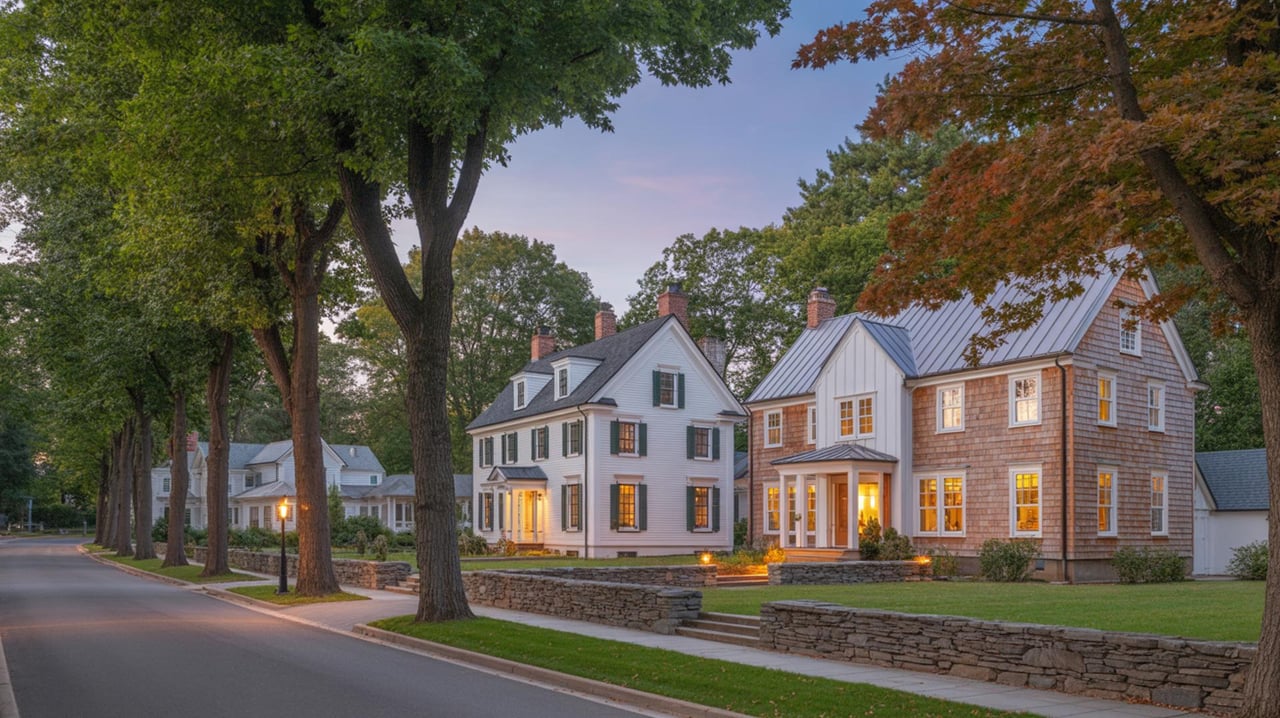
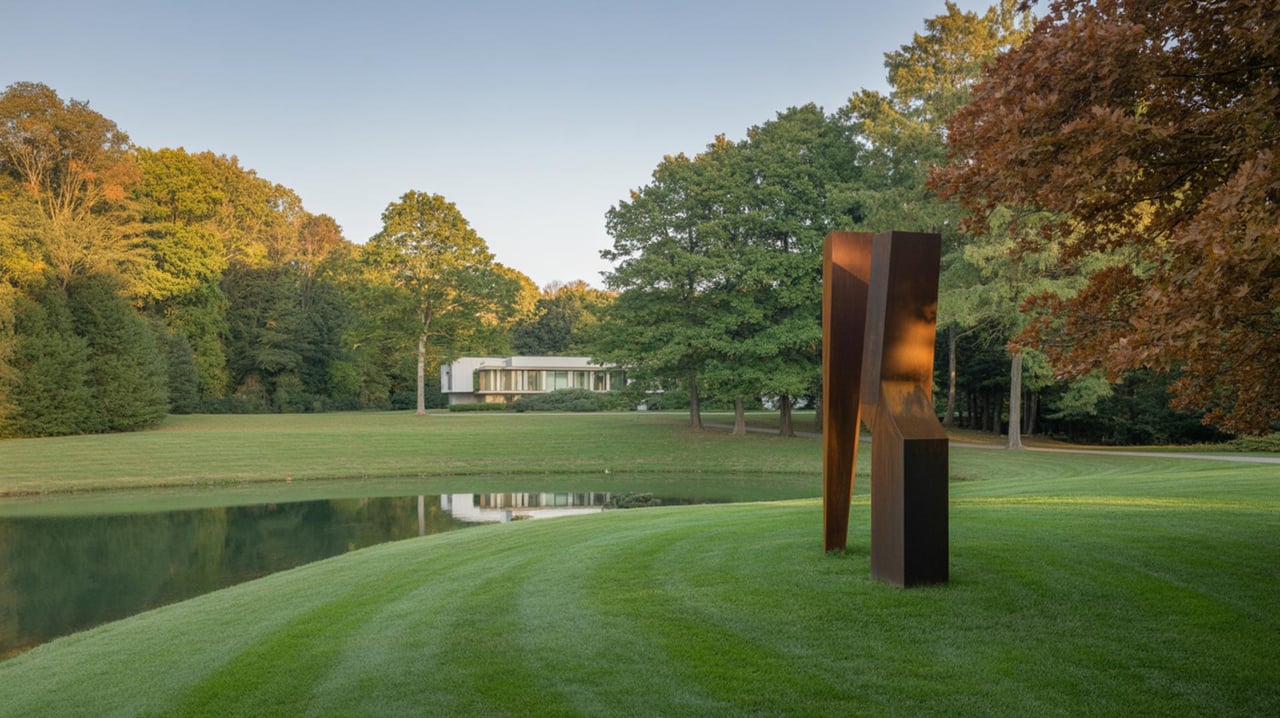
The Schooling Field itself has a footprint in town life that has nothing to do with horses. It's an 85-plus-acre parcel purchased in 1931 by five Myopia Hunt Club members and placed in a trust to preserve it for riding permanently. President Taft visited in 1909. General Patton rode there many times over the years. In 1941, the trustees gave 19 acres of that same parcel to the Town of Hamilton, land that became Patton Park, the town's non-horse recreation space named for the man who used to ride the adjoining fields.
Most people who use Patton Park for a soccer practice or an evening walk have no reason to connect it to a foxhunting trust from the Depression era. But the connection is direct: a private equestrian institution literally built one of the town's public parks, and the two properties still sit side by side.
What follows the show, and why it isn't the same story
If the Horse Show were truly the season's last word, the calendar would go quiet after Labor Day. It doesn't. Within two weeks, Appleton Farms hosts its annual Farm Days celebration, historically held the second full weekend of September, with wood-fired pizza from the farm's own culinary team, live sets from acts like the Orville Giddings Band, and craft beer from breweries including Ipswich Ale and True North. Around the same window, Pingree School in South Hamilton opens its Flying Horse Outdoor Sculpture Exhibit for the 15th year, adding more than 50 temporary works to the 20 pieces already in its permanent collection across campus.
That second wave is the part locals actually treat as the close of summer. It has nothing to do with hunting, polo, or the Schooling Field. It's farm animals, ice cream, and sculpture on a prep school lawn. The horse show, for all its history and all its overlap with polo's championship weekend, functions more like a hinge between two entirely different kinds of town life than an ending in itself.
The quieter threads running underneath
None of this happens in a vacuum. The Hamilton-Wenham Public Library has had watercolors by Marci Smallman on display through the summer, a small exhibit worth a stop before it comes down. The Community House's free summer concert series has been running its usual season and typically winds down as fall programming picks up. The town has also been operating under a MassDEP Level 3 critical drought designation since summer, a restriction that shapes everything from lawn watering to how the farms plan irrigation. And a public forum on reconstructing a stretch of Chebacco Road has been part of the civic conversation, a reminder that even a town built around a 144-year-old hunt club still has ordinary infrastructure to manage.
None of that competes with the horse show for attention. But it's the texture that makes the calendar make sense: a town that can host the 125th running of a jumping competition and a school sculpture exhibit in the same September also has a library display, a road project, and a water restriction running in the background, because it's a real town first and a backdrop second.
Why the order matters
The instinct to read the Horse Show as a closing ceremony isn't wrong because the show is unimportant. It's wrong because it assumes Hamilton-Wenham's calendar moves in one direction, building toward a single climax before settling into fall. It doesn't. Three institutions with three different founding dates and three different purposes happen to overlap for a few days at the end of August, and what comes after has almost nothing to do with any of them. Knowing that difference, which weekend belongs to polo, which belongs to the Hunt's rehearsal season, and which belongs to Appleton Farms and Pingree School, is the kind of local knowledge that only comes from watching the pattern repeat year after year.
Peggy Dowcett has spent decades watching that pattern repeat across Concord, Carlisle, and the North Shore towns she works in, including Hamilton and Wenham. If you're already part of this rhythm and ever want to talk about what's happening in the market alongside it, Work With Peggy.