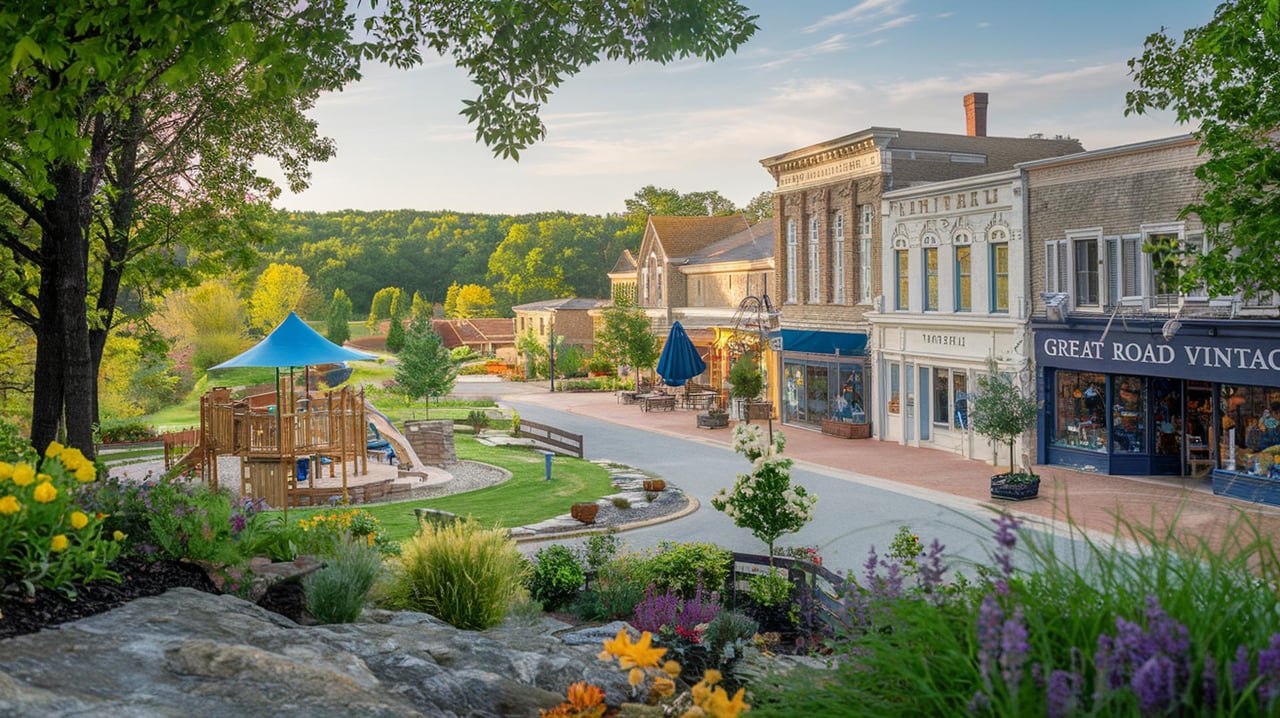
On Saturday, September 12, a five-year-old Nigerian Dwarf goat named Jerry stood on Main Street staring down a dog that wandered too close to his pen. A few feet away, kids launched hand-built cars down the Scimone Farm Speedway while their parents picked through Hutchins Farm tomatoes. Three days earlier, across town at Concord-Carlisle Regional High School, a room full of residents reviewed a master plan for 50 acres of land the town does not even own yet. Same week. Same town. Two events that have nothing to do with each other on the surface, and everything to do with each other underneath.
Concord in mid-September is keeping three separate clocks at once: one that resets every year, one that resets every season, and one that only resets once in a generation. Most residents notice whichever clock happens to be ticking loudest in their own week. Almost nobody sees all three running at the same time. That's the part worth slowing down for.
A Goat, a Speedway, and the Twenty-First Ag Day
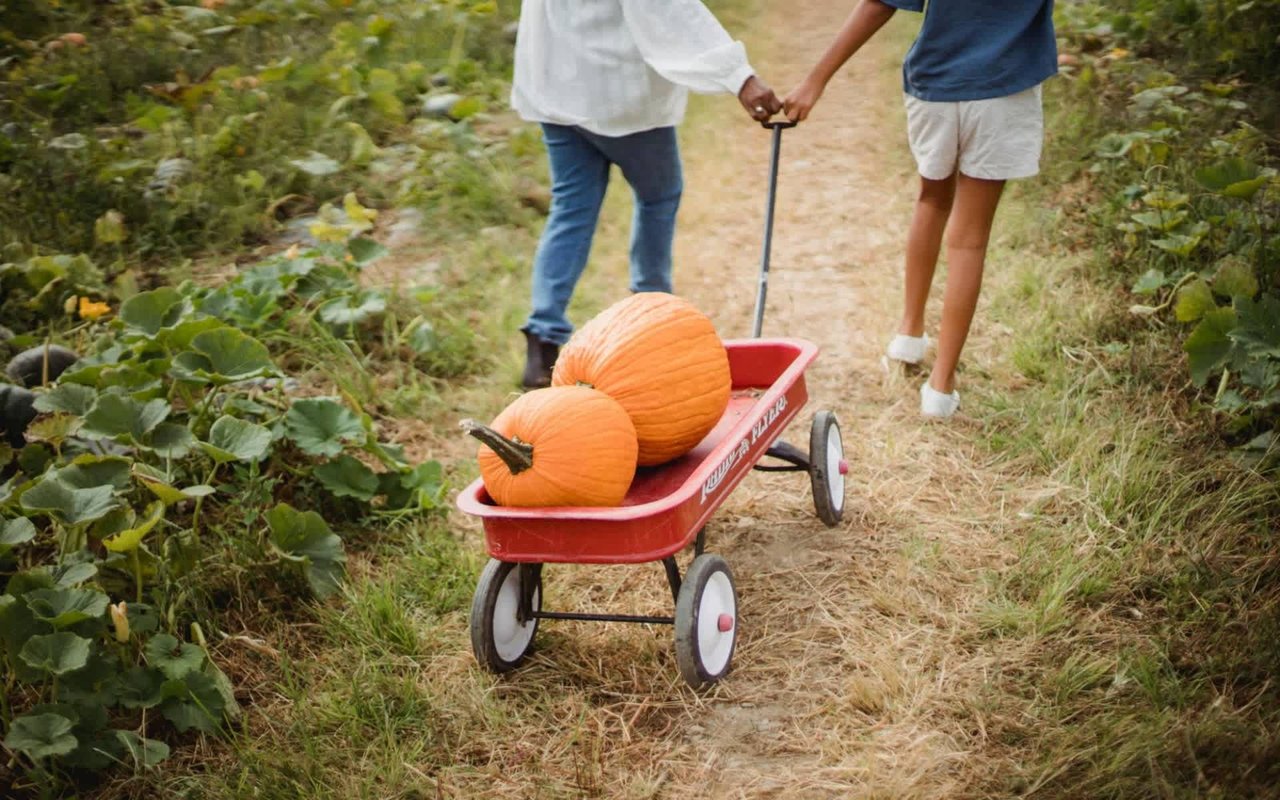
Concord Ag Day turned 21 this year, and it showed. The Concord Agriculture Committee, formed by the Select Board back in 2006, has been running this once-a-year farmers' market long enough that it has its own inside jokes now. The veggie racers, wooden cars kids build from produce and Vanderhoof Hardware wheel-and-axle kits, get dropped off after the event so next year's racers can reuse the parts. Marshall Farm brought Jerry the goat again. Hutchins Farm brought produce. And this year the market added something new: a face-in-the-hole board, the kind you stick your head through for a photo, themed around the day itself.
The event happened under sunny skies on Main Street just ahead of a rain system moving in, according to the Concord Bridge's recap published the day after. That kind of texture, a specific goat's name, a specific farm, a photo board that didn't exist last year, is the difference between an event you half-remember happened and one you can actually picture. Ag Day is the most predictable clock in town. It comes back every September, on Main Street, organized by the same five-member committee, more or less unchanged in spirit since 2006. That predictability is the point. It's the one civic tradition in Concord that residents can set a watch by.
The Sidewalk Show You've Been Walking Over All Summer
While Ag Day resets annually, the West Concord Art Loop runs on a shorter, more fragile clock, and it's currently in its final stretch.
The Art Loop is a half-mile installation of weatherproof decals, 130 of them last season, spread across the sidewalks of the West Concord Cultural Junction. Local artists submit work each spring, a selection committee picks the pieces, and the winners get printed as sidewalk art that stays down through the warm months. The project is run by the West Concord Junction Cultural District Committee and coordinated by Anne-Catherine Mauk, with funding from the Mass Cultural Council. It's open to anyone who lives, works, attends school, or worships in Concord, which is why past installations have included work from a 7-year-old alongside working artists showing in galleries from Charlestown to Lexington.
Jen McGonigle, who owns Joy Street Life + Home along the Loop, put it simply when the installation went in: projects like this highlight what makes West Concord a place worth walking through, not just driving past. That sentiment is easy to agree with in July. It's harder to act on once the decals start coming up for the season, which is roughly what happens as fall deepens. If you've spent the summer meaning to walk the whole Loop and read the QR codes that link each piece to its artist, the window to do that without also bundling up is closing.
A few blocks away, the Umbrella Arts Center's Wedge Gallery is on its own short clock. The current artist-in-residence show, featuring work by Katie Fee, Sayako Hiroi, and Ivo Makianich, closes September 16 with a reception from 6 to 8 p.m. That's two days from now. It's a small detail, but it's the same pattern as the Art Loop: something has been quietly present in town for weeks, and its expiration date is closer than most people realize.
Fifty Acres, No Owner You'd Recognize
Then there's the clock that isn't measured in weeks or seasons at all.
MCI-Concord opened in 1878 and was, until its closure, Massachusetts' oldest men's correctional facility. The Healey-Driscoll administration closed it on June 30, 2024, citing a decline in the incarcerated population and the cost of maintaining aging infrastructure. What's left is more than 50 acres near West Concord's village center, and the town doesn't own any of it. The Commonwealth, through the Division of Capital Asset Management and Maintenance, still holds the MCI-Concord parcels. The adjacent Junction Village parcel belongs to the Concord Housing Development Corporation. Concord's role, for now, is advisory: shape the zoning, shape the plan, and hope the Commonwealth builds something the town can live with.
That planning process kicked off with an event that drew a strong turnout and featured Jeff Speck, the urban planner and author of Walkable City, talking about what makes neighborhoods work. Since then the town has committed real money to figuring out what comes next: $250,000 in state funds earmarked for planning, matched by another $250,000 approved at 2025 Annual Town Meeting, plus ARPA funds allocated by the Town Manager. A public meeting on September 9 at Concord-Carlisle Regional High School walked residents through a revised illustrative master plan. The town is also weighing whether to take over the site's wastewater treatment plant to serve its own needs. A resident feedback survey tied to that September 9 meeting stays open only through September 27.
Unlike Ag Day, this clock doesn't reset. The town expects to have a master plan and draft zoning finished by the end of 2026, and whatever gets decided in that document will shape West Concord for decades, not until next September.
| Clock | What's happening | When it resets |
|---|---|---|
| Ag Day | 21st annual farmers' market and community festival on Main Street | Every September, next one roughly a year out |
| West Concord Art Loop | 130 sidewalk artworks last season along a half-mile walking route | Comes down as the season turns, new call for art each spring |
| MCI-Concord planning | Master plan and zoning for 50+ acres of former state land | Draft expected by end of 2026, then locked in for a generation |
Why the Same Two Weeks
None of this is a coincidence of scheduling. It's a coincidence of September, which is when Concord's civic calendar happens to compress an annual tradition, a seasonal installation, and a once-in-a-generation planning milestone into the same handful of weeks. Ag Day looks backward, a celebration of what the town has always grown and always done. The Art Loop looks sideways, at what the town's residents are making right now, however briefly it's on display. And the MCI-Concord process looks forward, at what the town will look like once a piece of land that's been closed off since 1878 finally reopens to some other use.
A resident who only pays attention to whichever clock is loudest in their own week might catch Ag Day and miss the survey deadline entirely. Or walk the Art Loop in July and never realize the same sidewalks sit two miles from a public meeting that will matter more to the town's shape than anything else happening this year.
What Actually Changes If You Live Here
A few things are worth doing before the calendar moves past this window.
- If you haven't walked the full Art Loop yet, the installation won't be there indefinitely. Past seasons have run from spring into fall before the decals come down.
- The Wedge Gallery residency show at Umbrella Arts Center closes September 16 with a reception from 6 to 8 p.m., which is about the only advance notice you'll get.
- The MCI-Concord feedback survey tied to the September 9 public meeting closes September 27. After that, the next real chance to weigh in comes whenever the town releases its draft master plan and zoning later this year.
- Mark next year's Ag Day now if you missed this one. It happens the same way, in the same place, run by the same committee, every September.
Concord doesn't announce these overlaps. They just happen, quietly, in the space between a goat on Main Street and a zoning meeting three miles away. Paying attention to all three clocks at once is really just paying attention to the town as it actually runs, not just the parts that show up on a single afternoon.
If you're watching Concord for reasons beyond this September, whether that's a future move, a piece of land, or just a longer view of where the town is headed, Peggy Dowcett has spent decades tracking exactly this kind of local detail. Work With Peggy to talk through what any of it might mean for you.