If you want room to breathe without feeling cut off from the region, Harvard, Massachusetts deserves a closer look. Many buyers are searching for open land, privacy, and a slower day-to-day setting, but they still need practical access to Boston, Worcester, and major routes. Harvard stands out because it offers that rural character in a market with limited supply, strong owner occupancy, and a track record of long-term value. Let’s dive in.
Why Harvard Feels Distinct
Harvard is a small town of about 7,014 residents spread across 26.44 square miles of land. That works out to roughly 259.1 people per square mile, which helps explain why the town feels noticeably more open than many nearby communities.
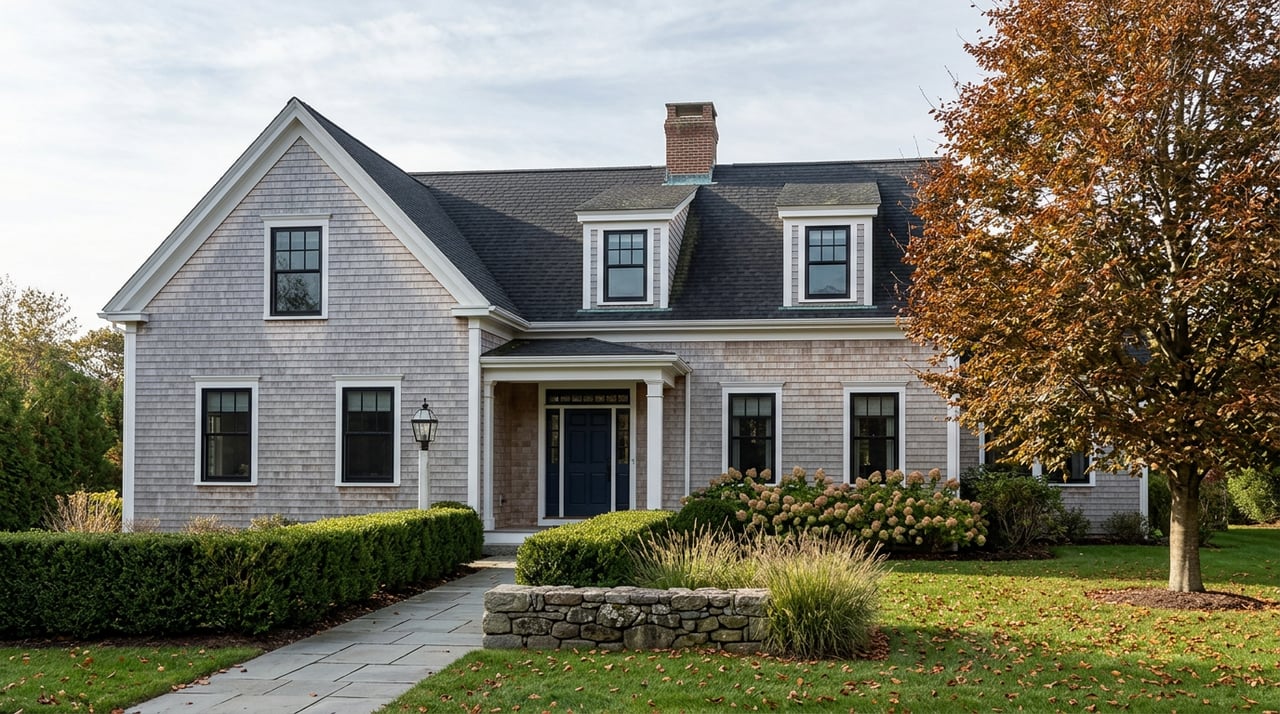
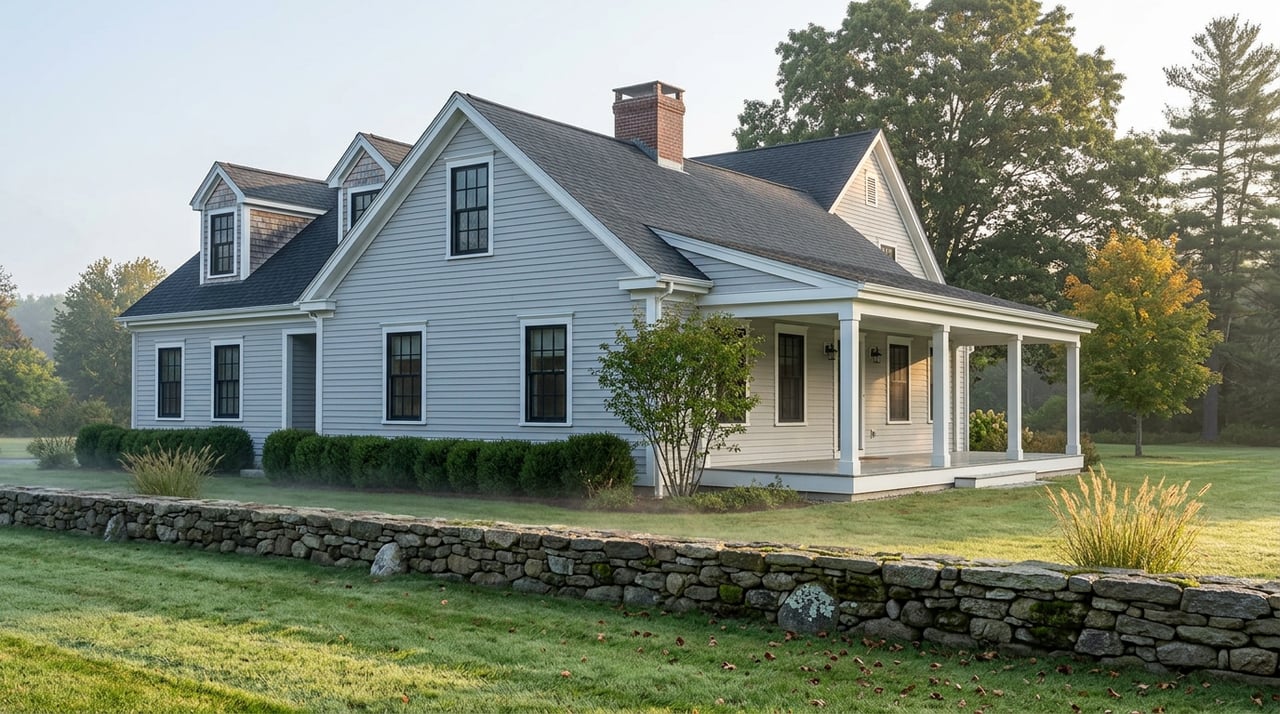
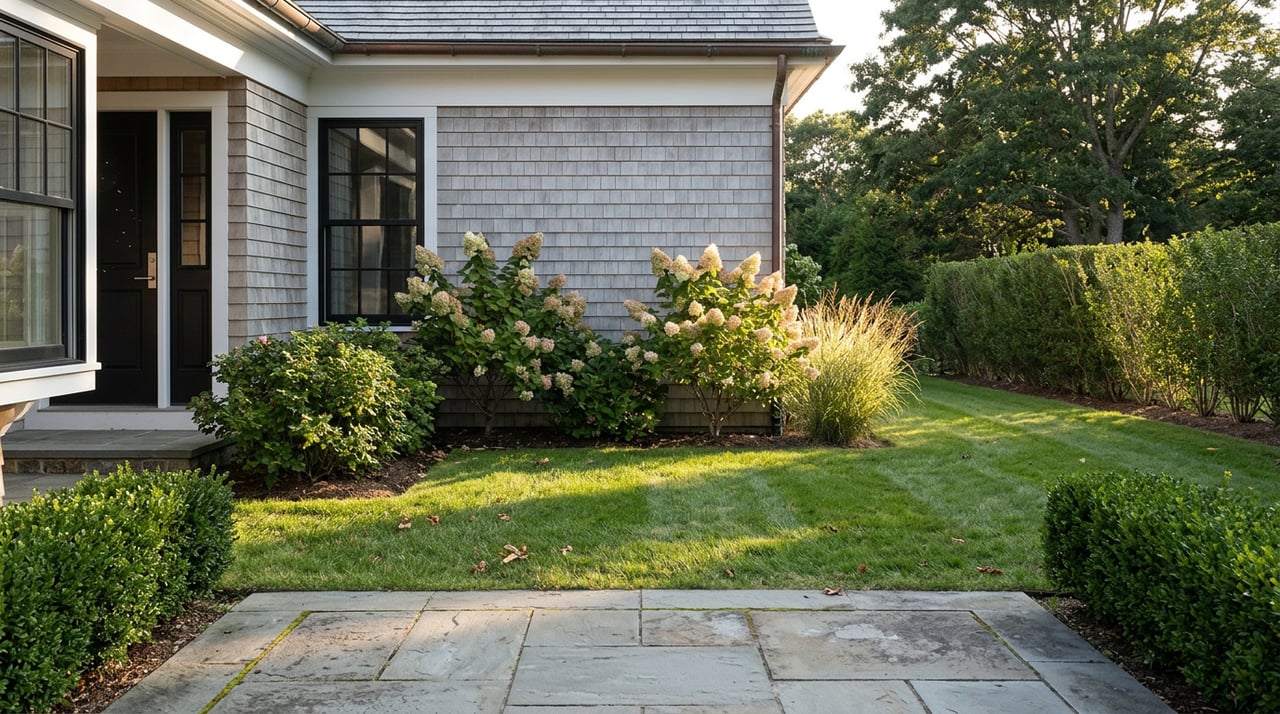
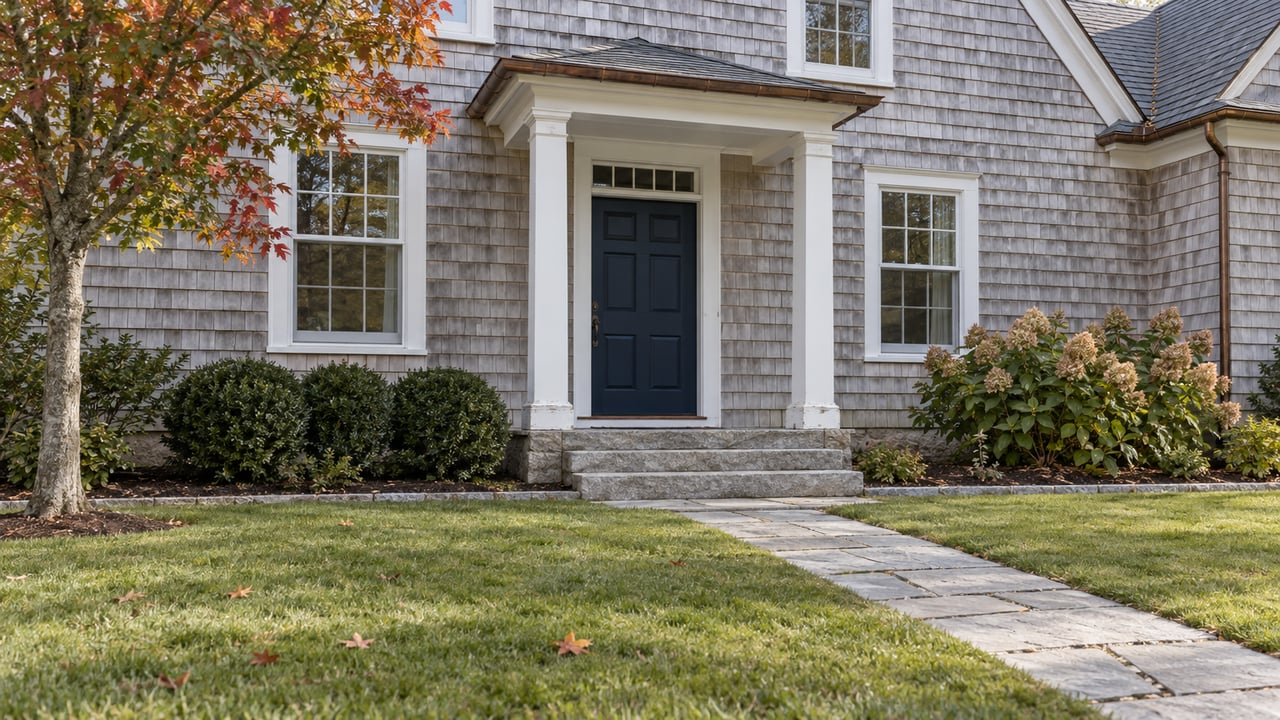
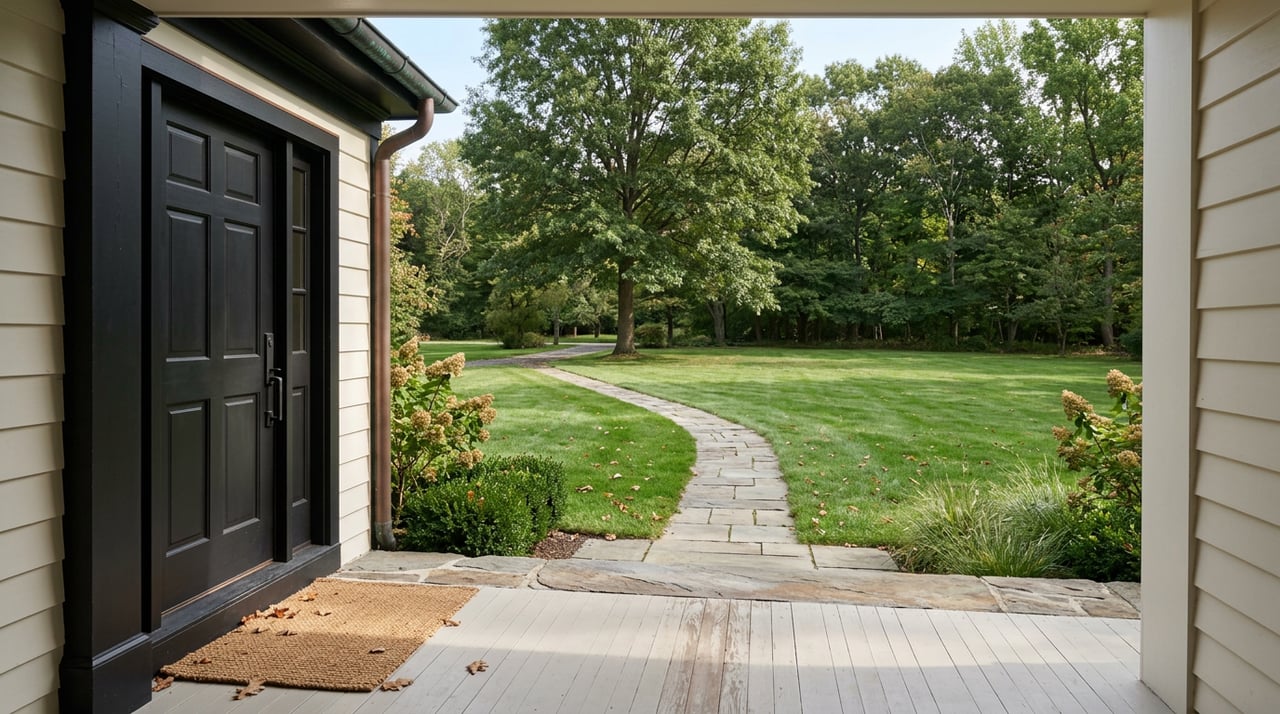
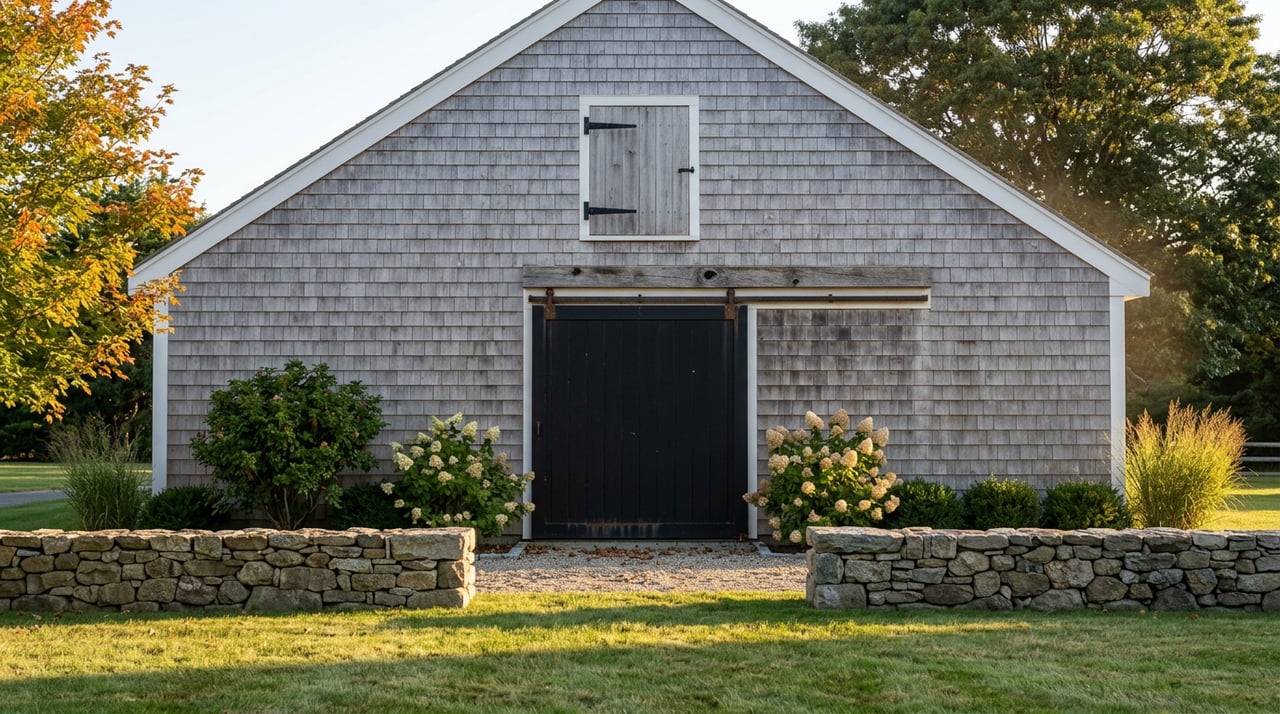
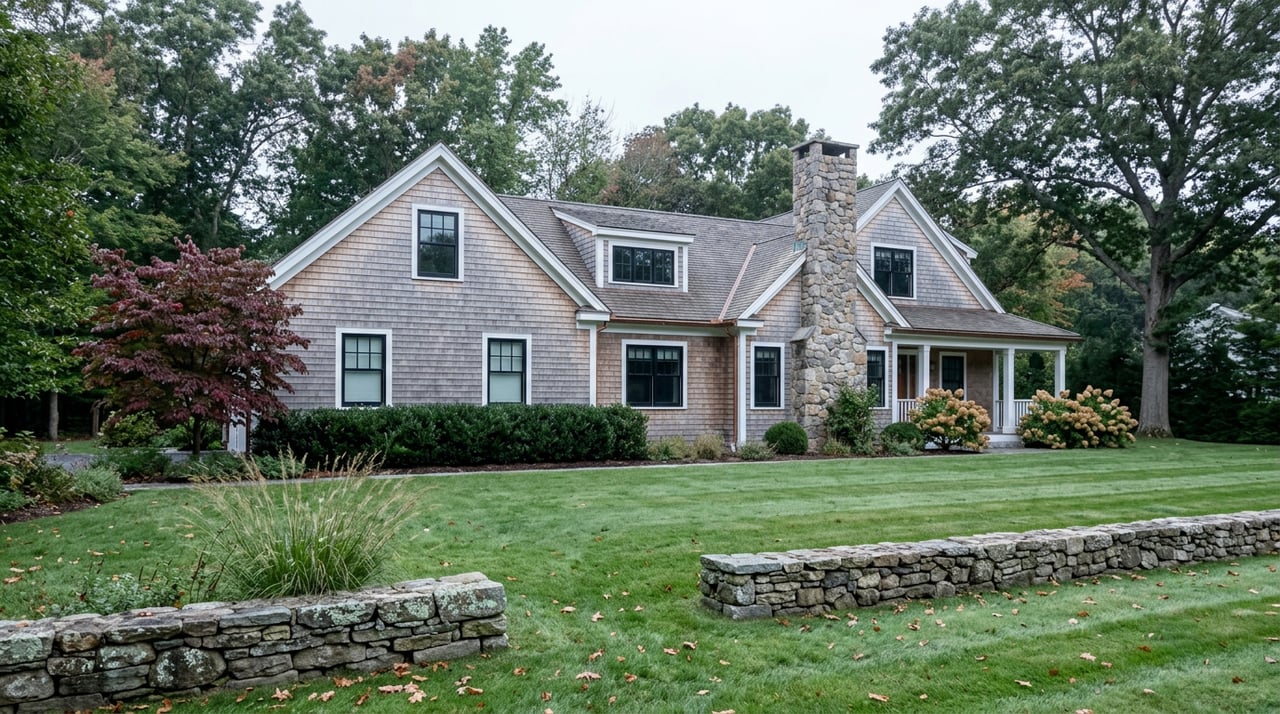
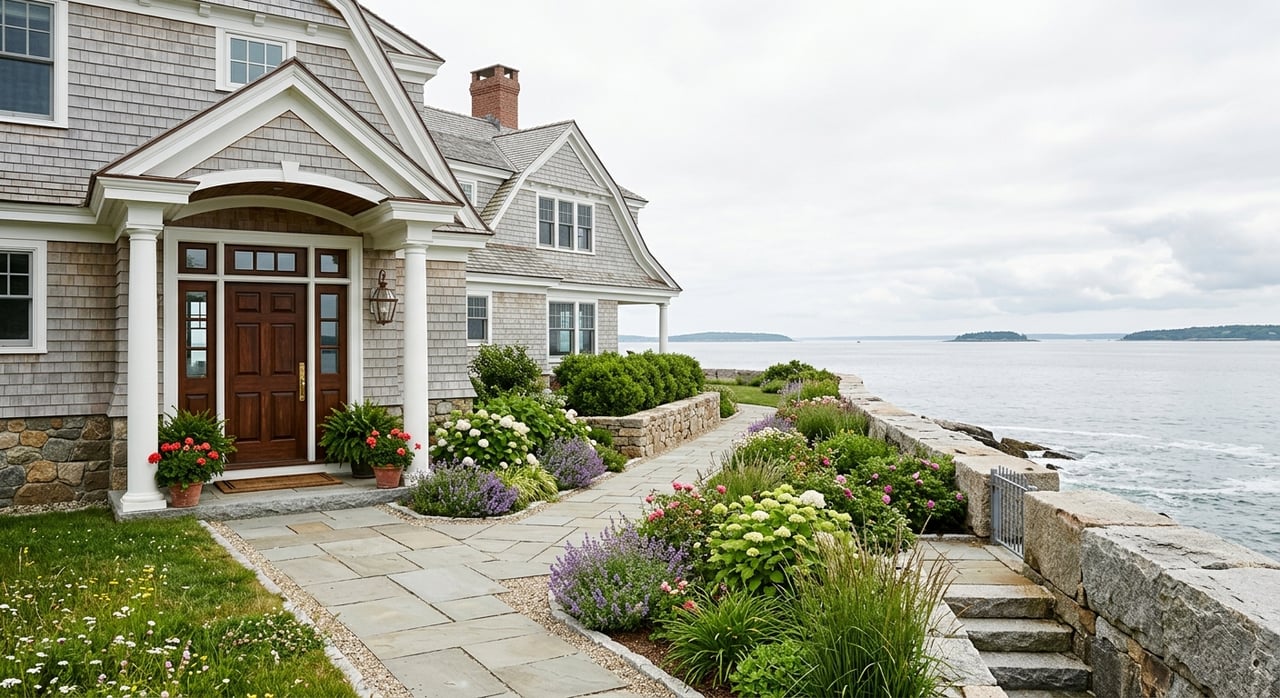
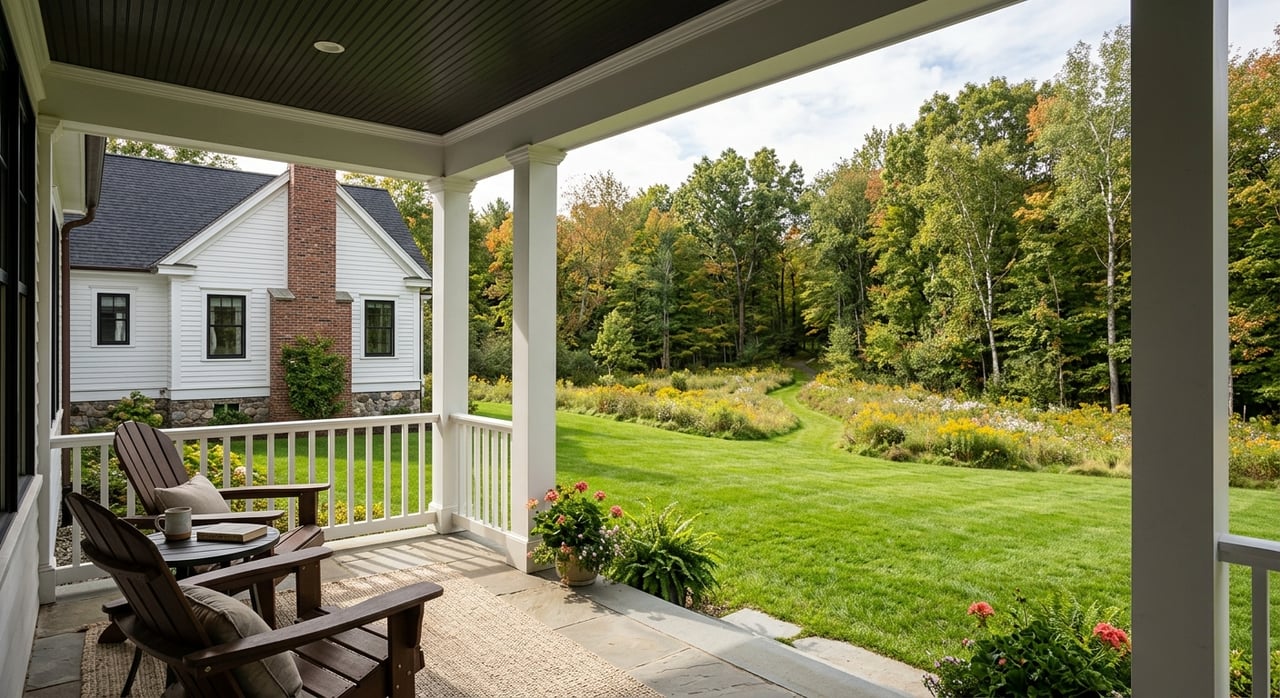
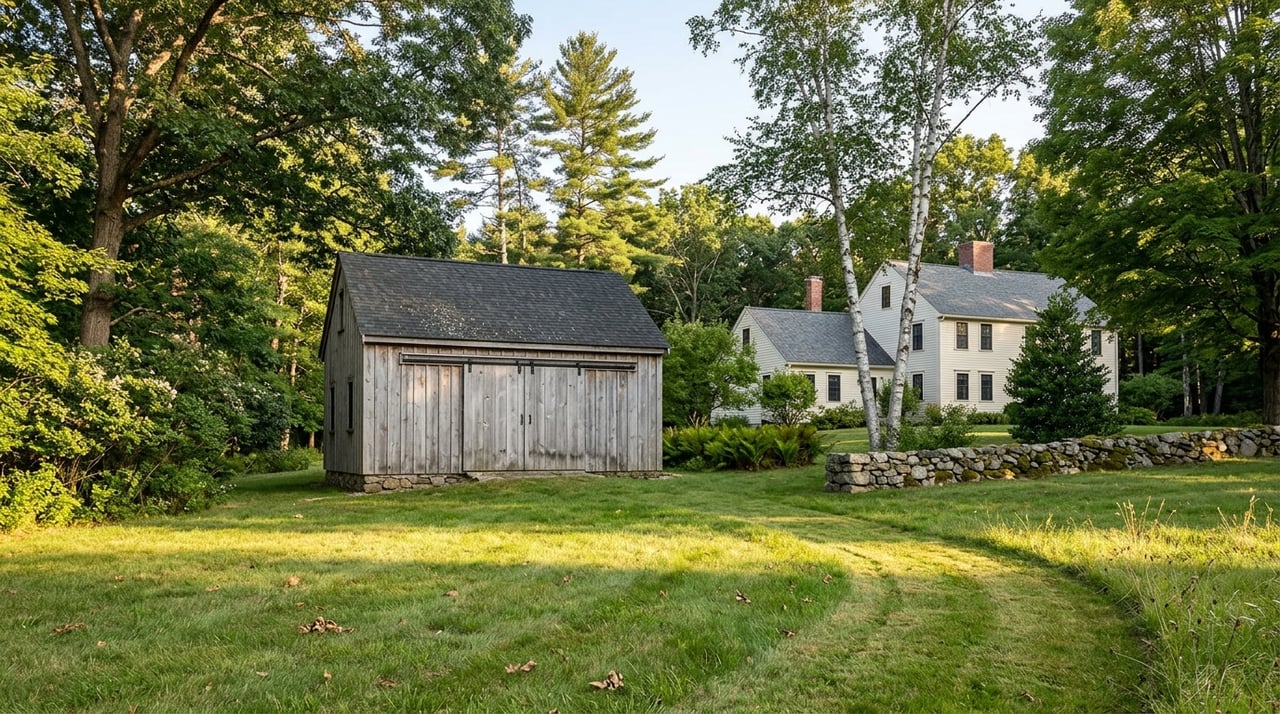
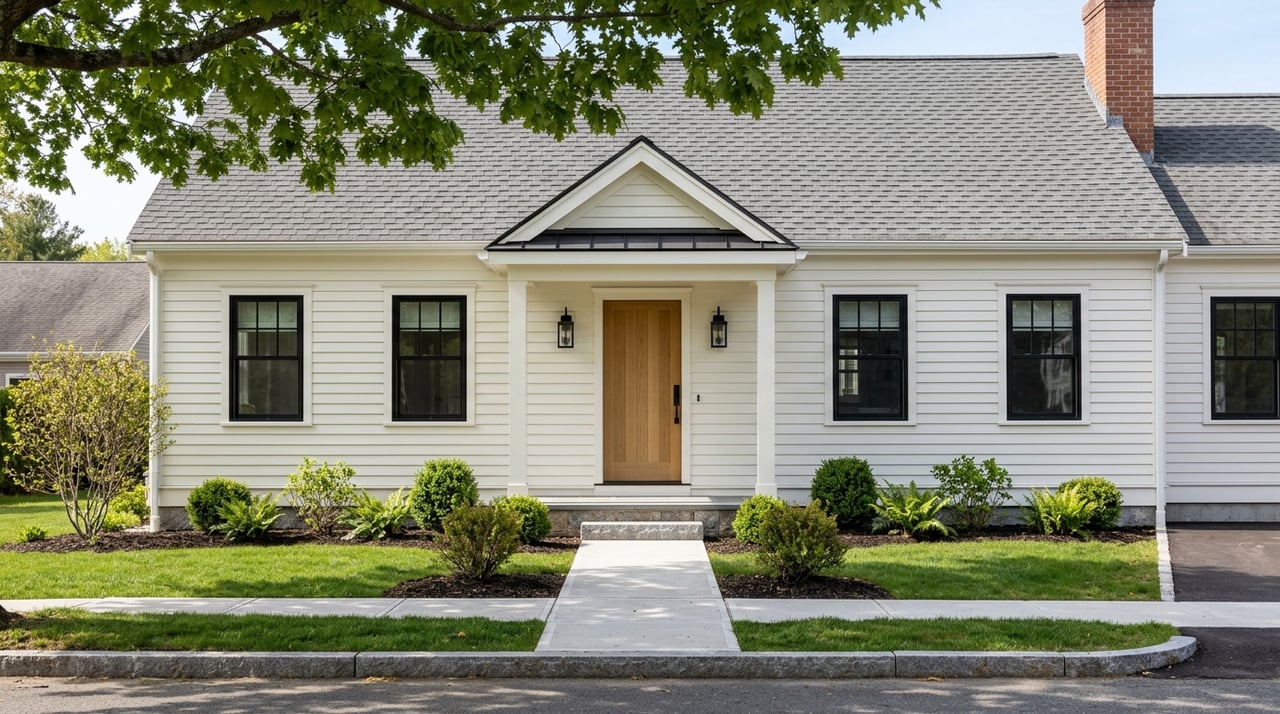
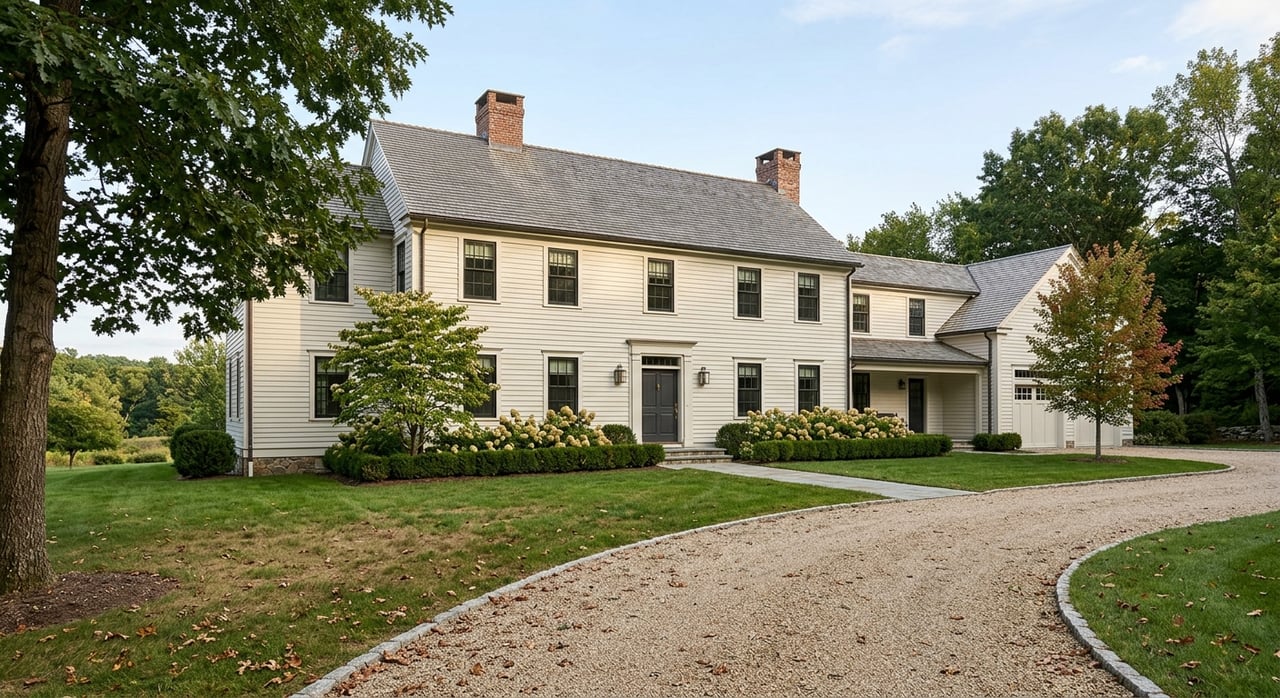
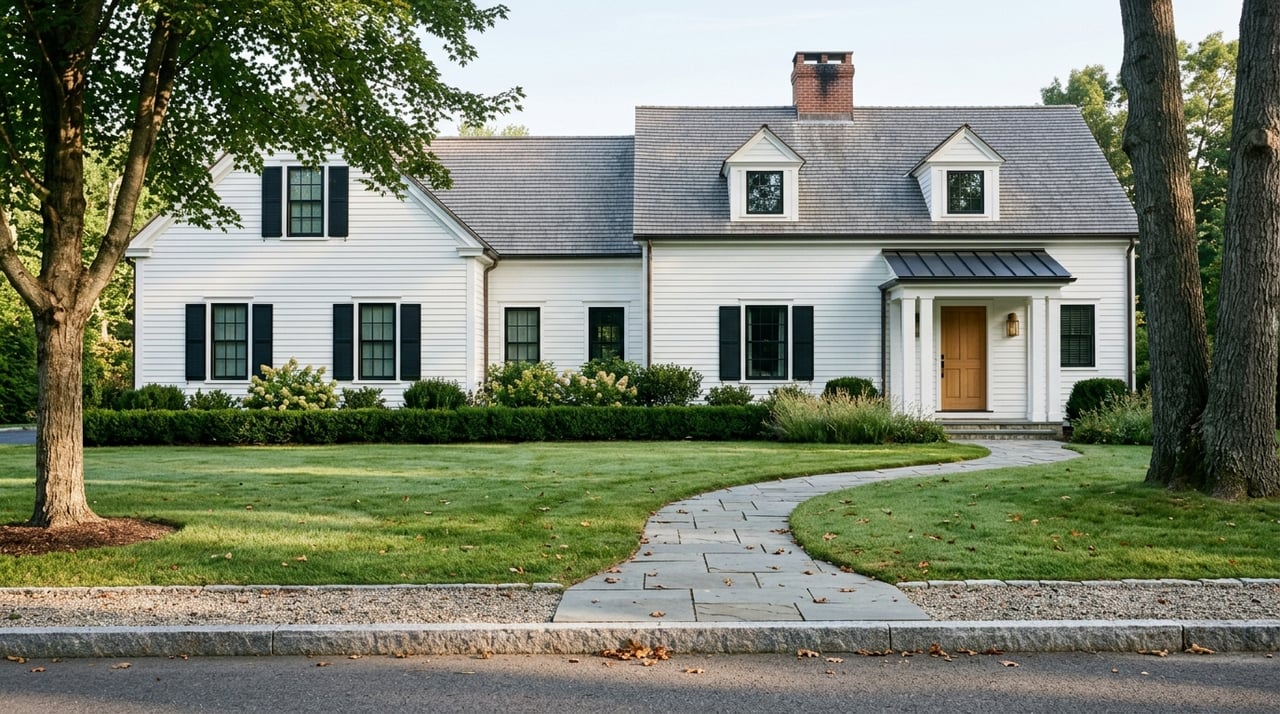
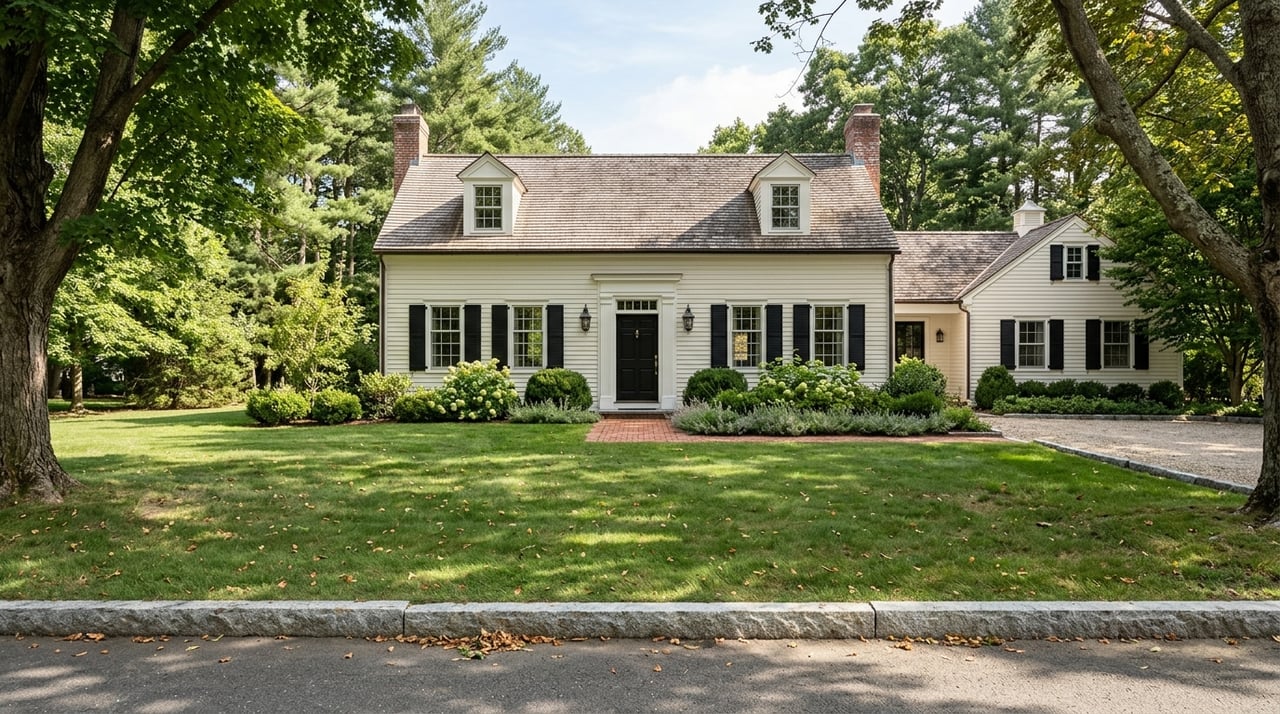
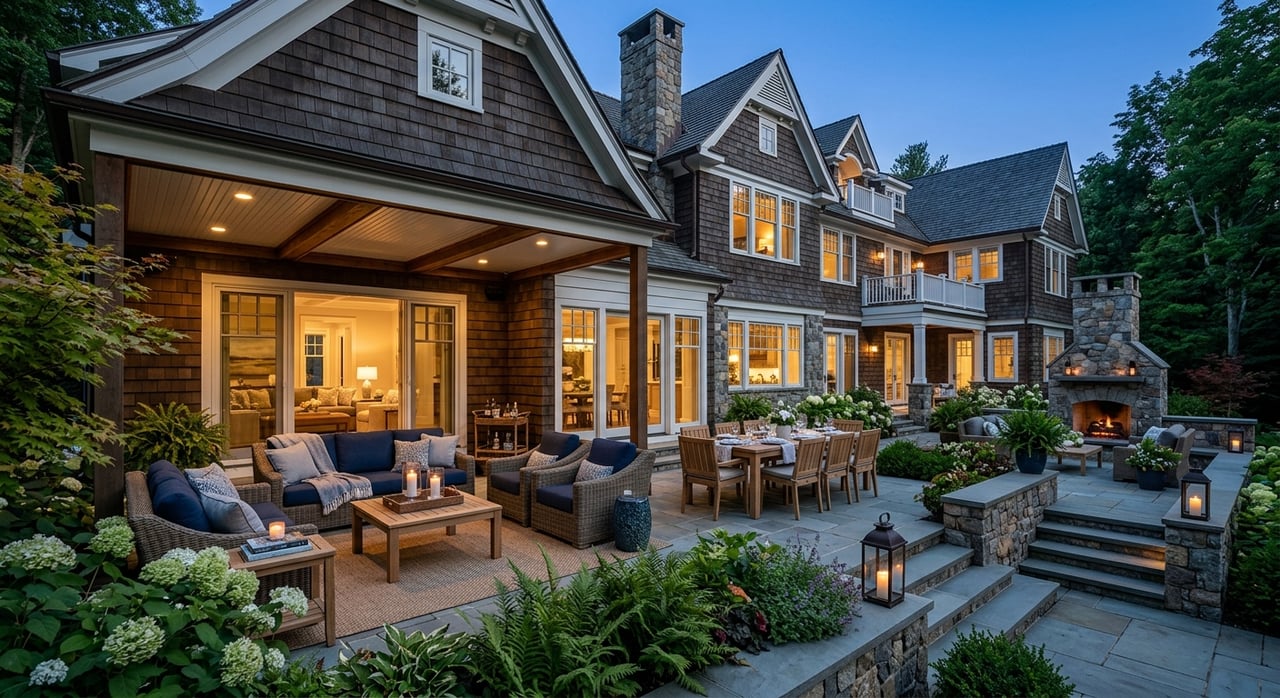
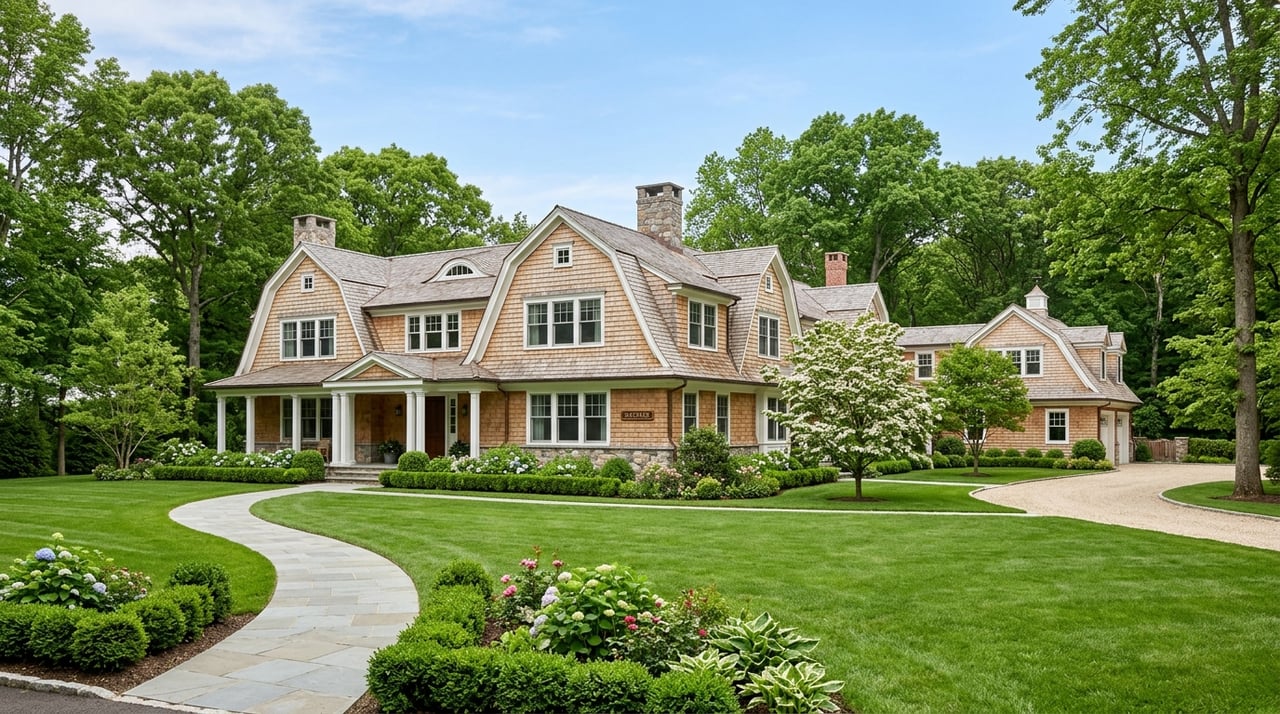
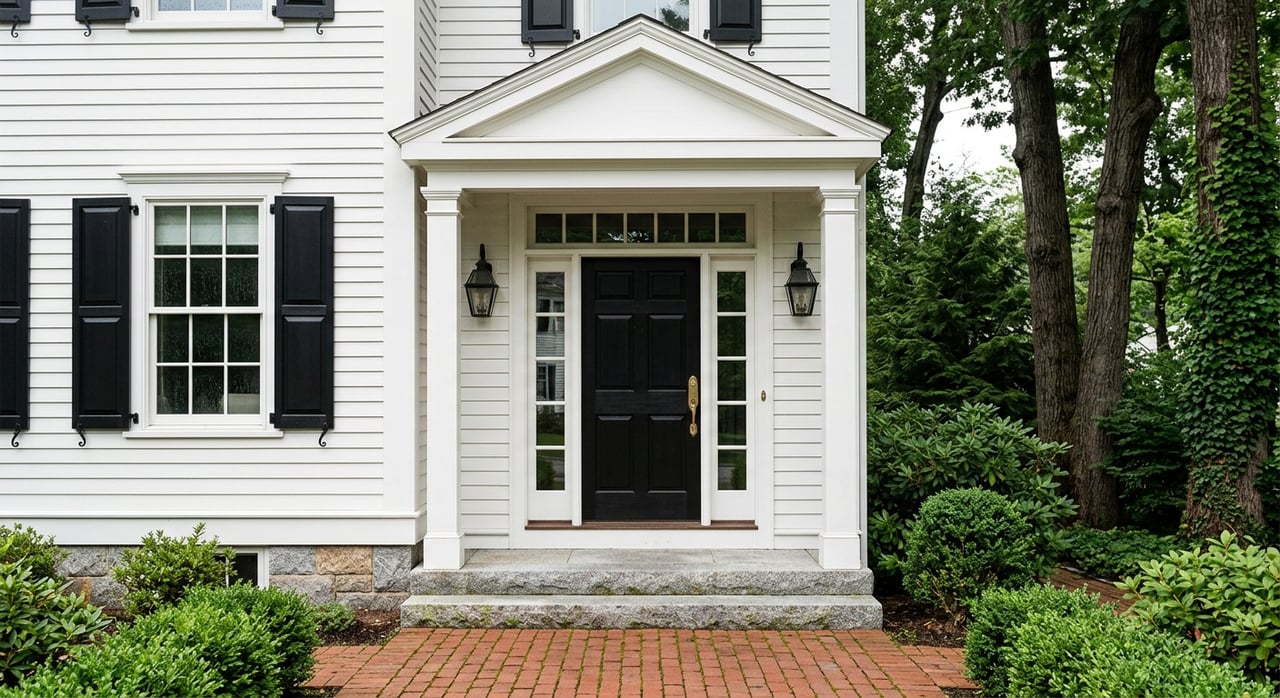
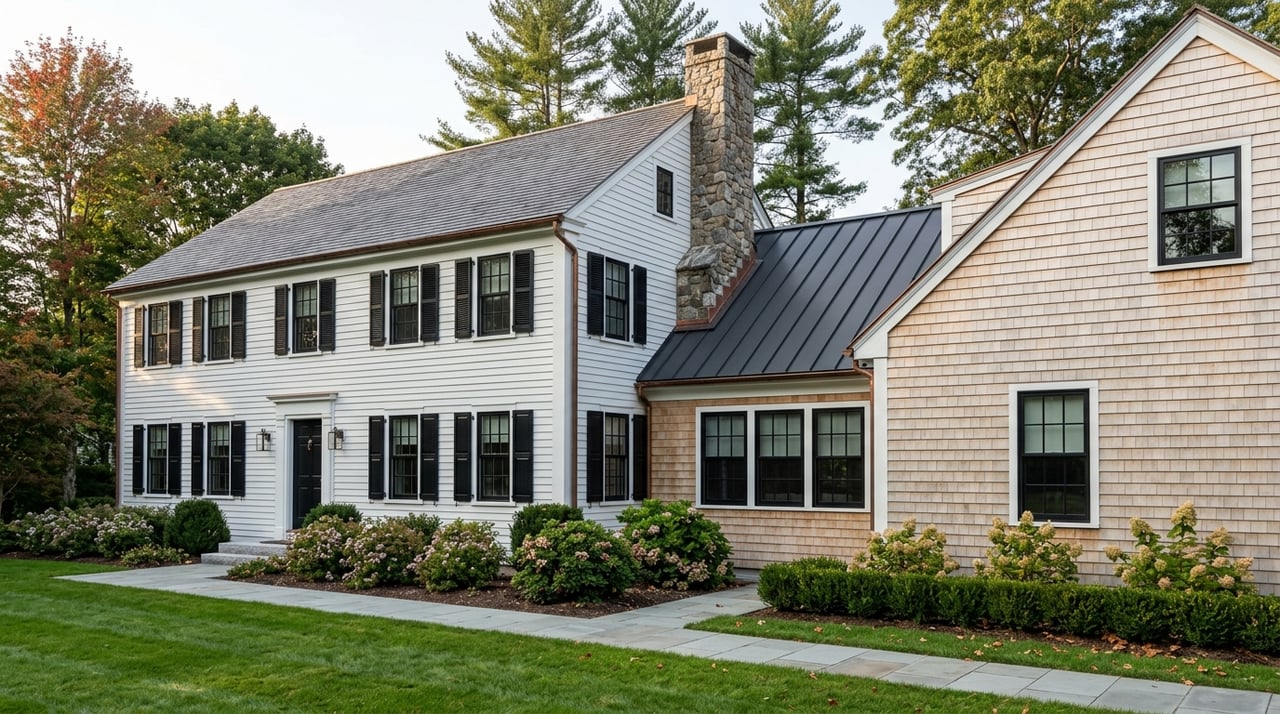
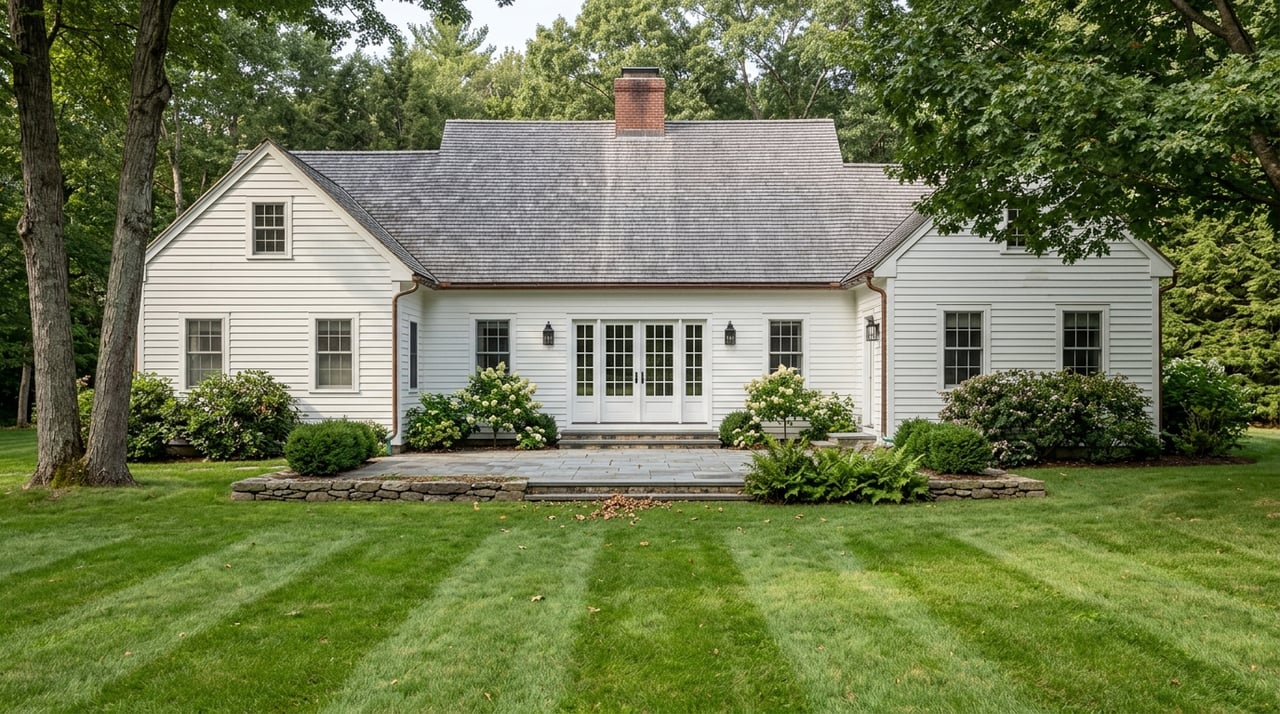
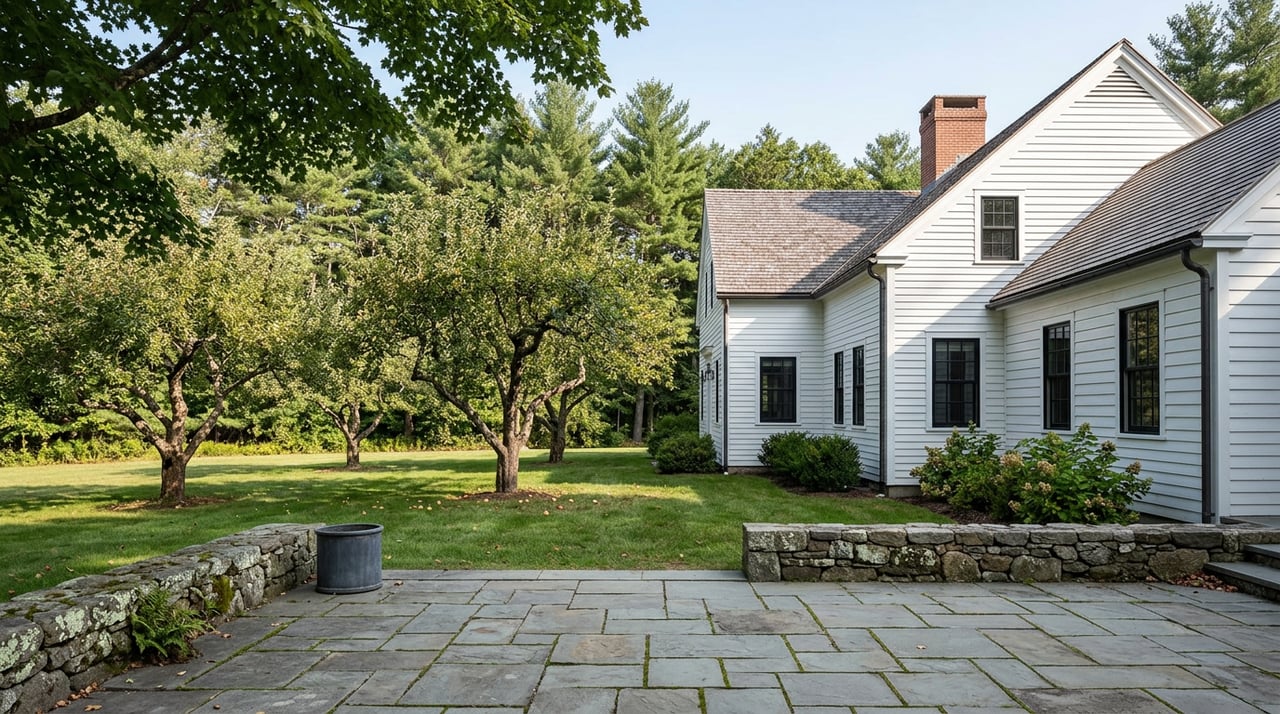
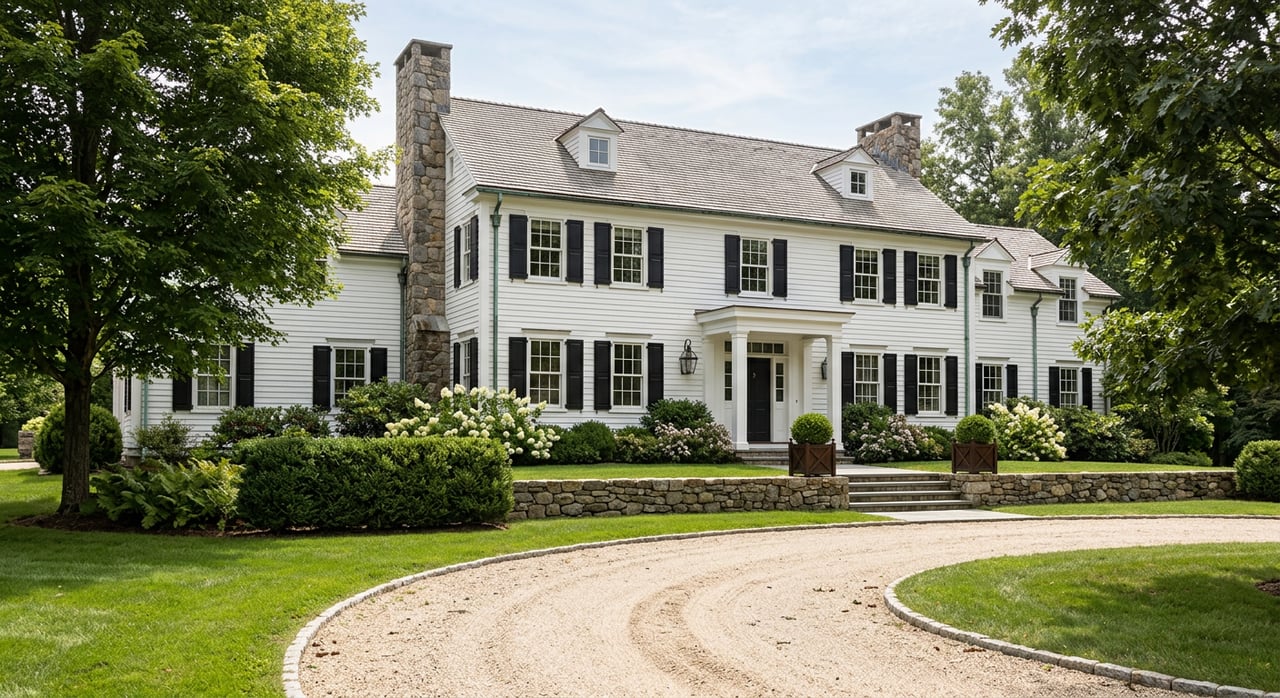
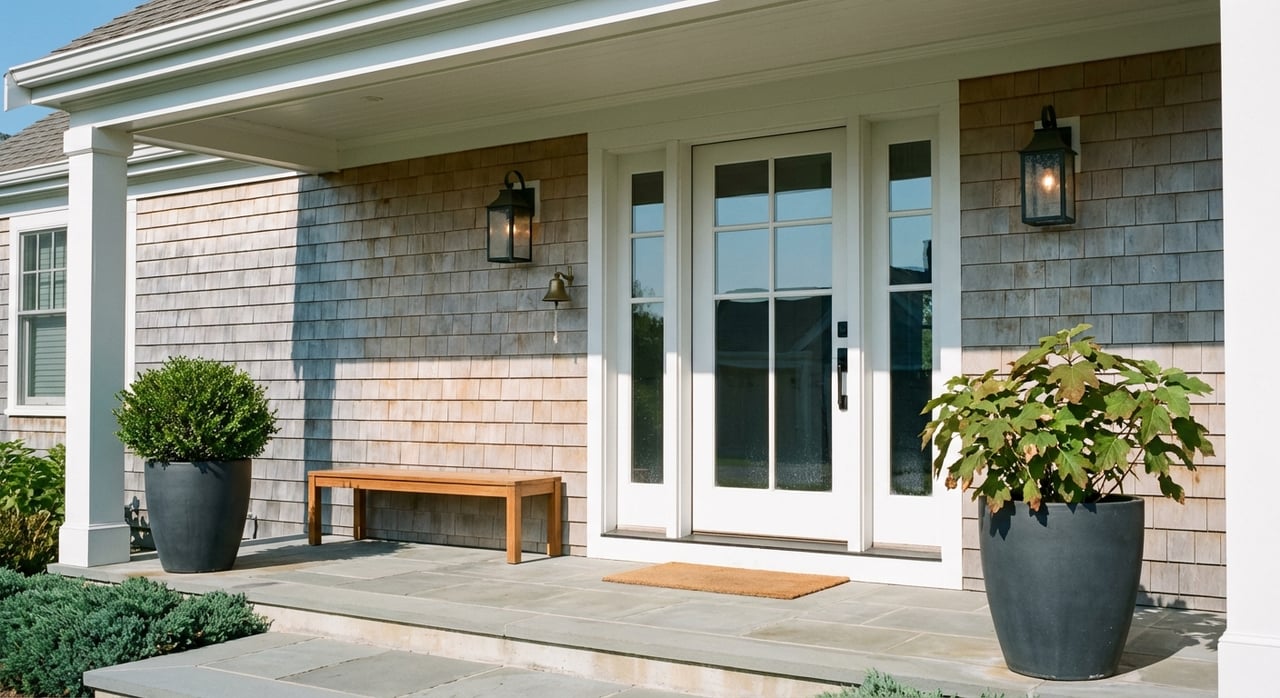
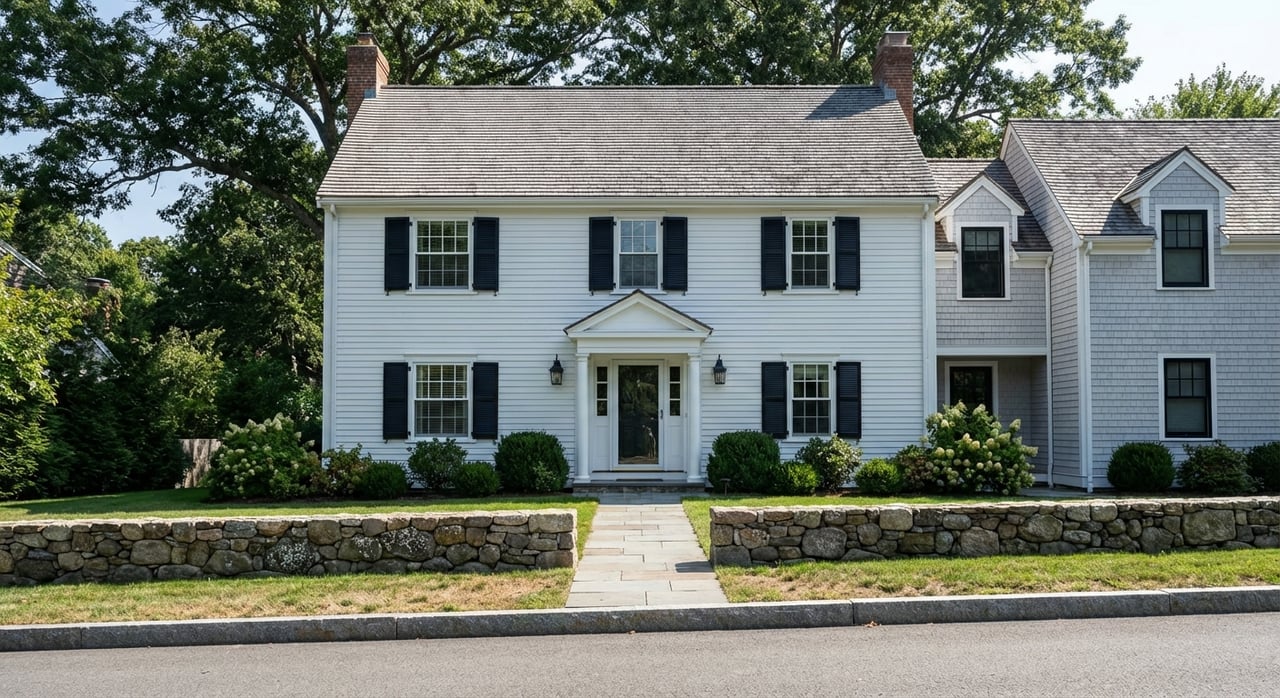
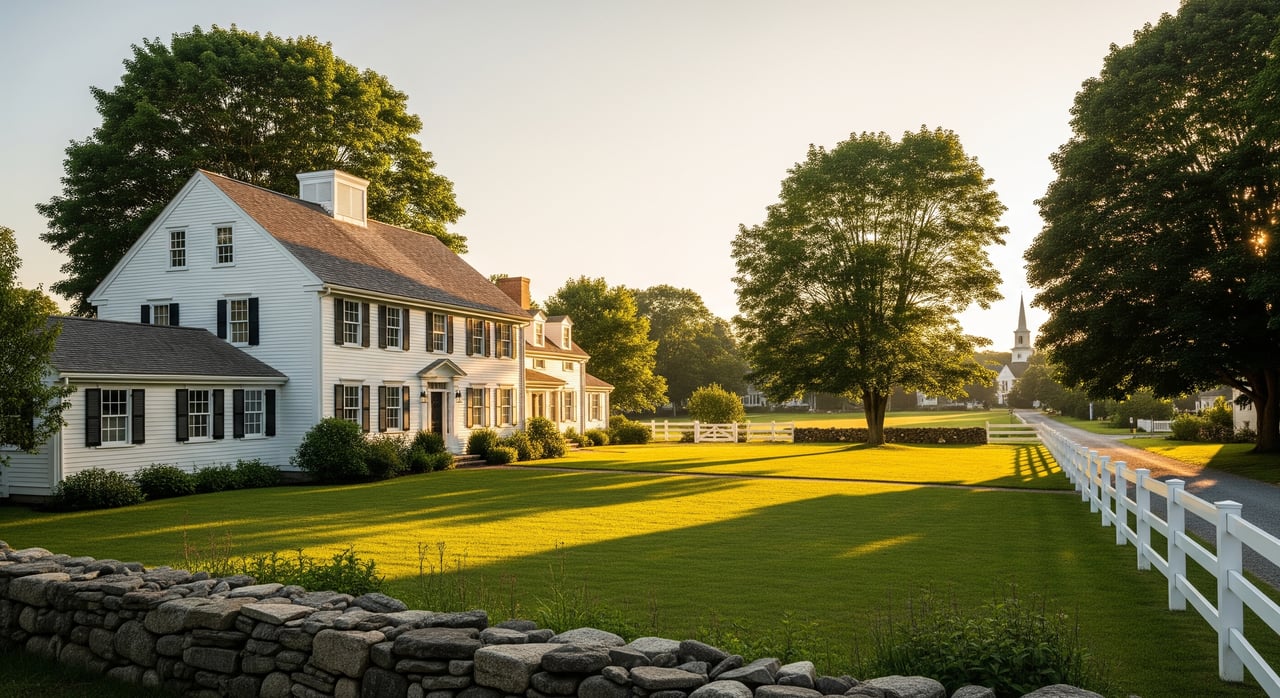
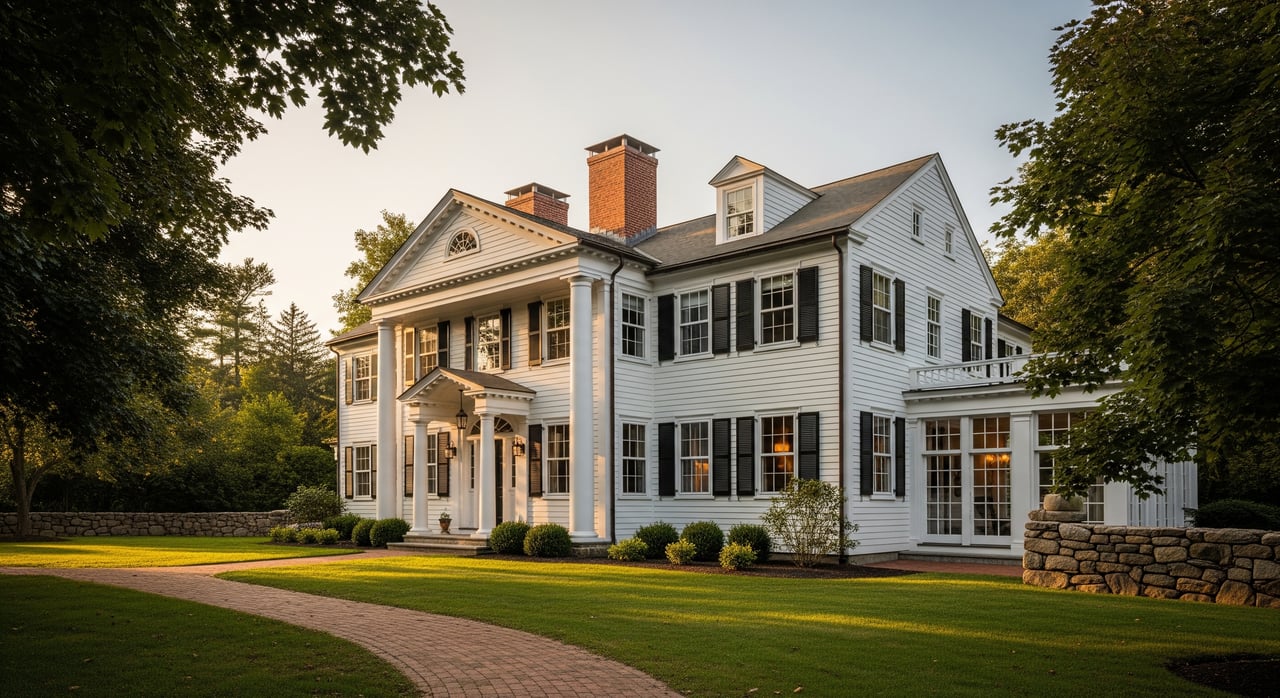
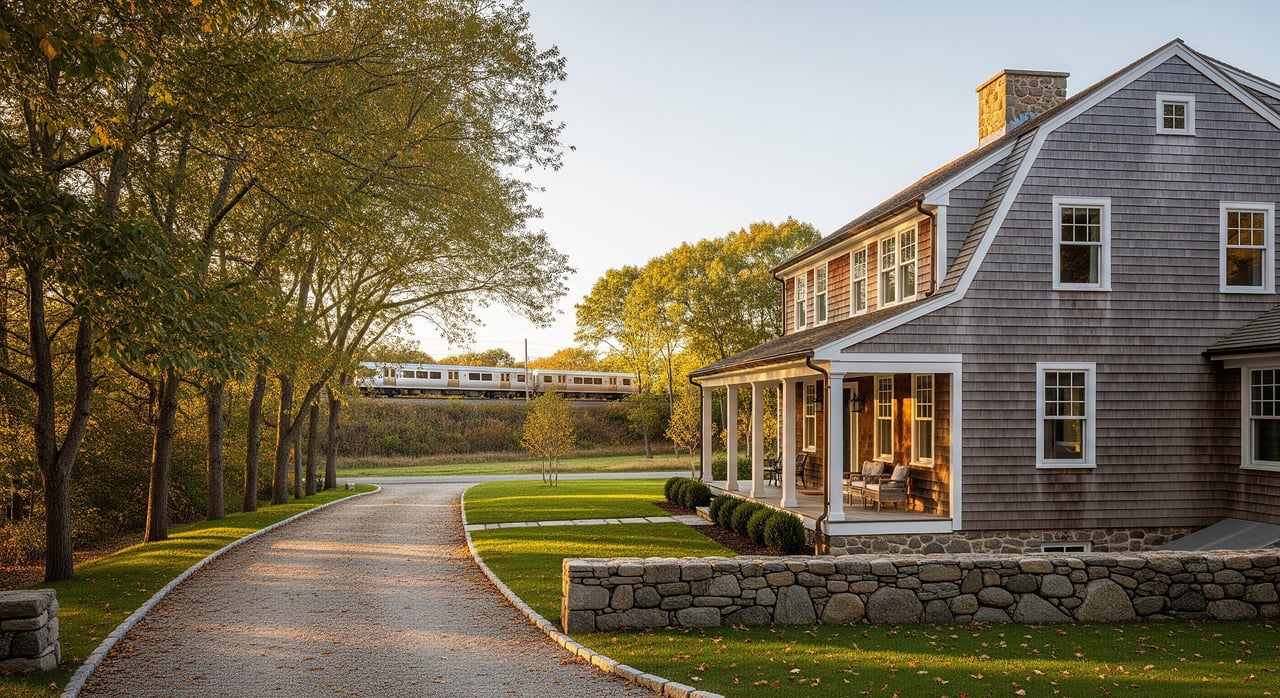
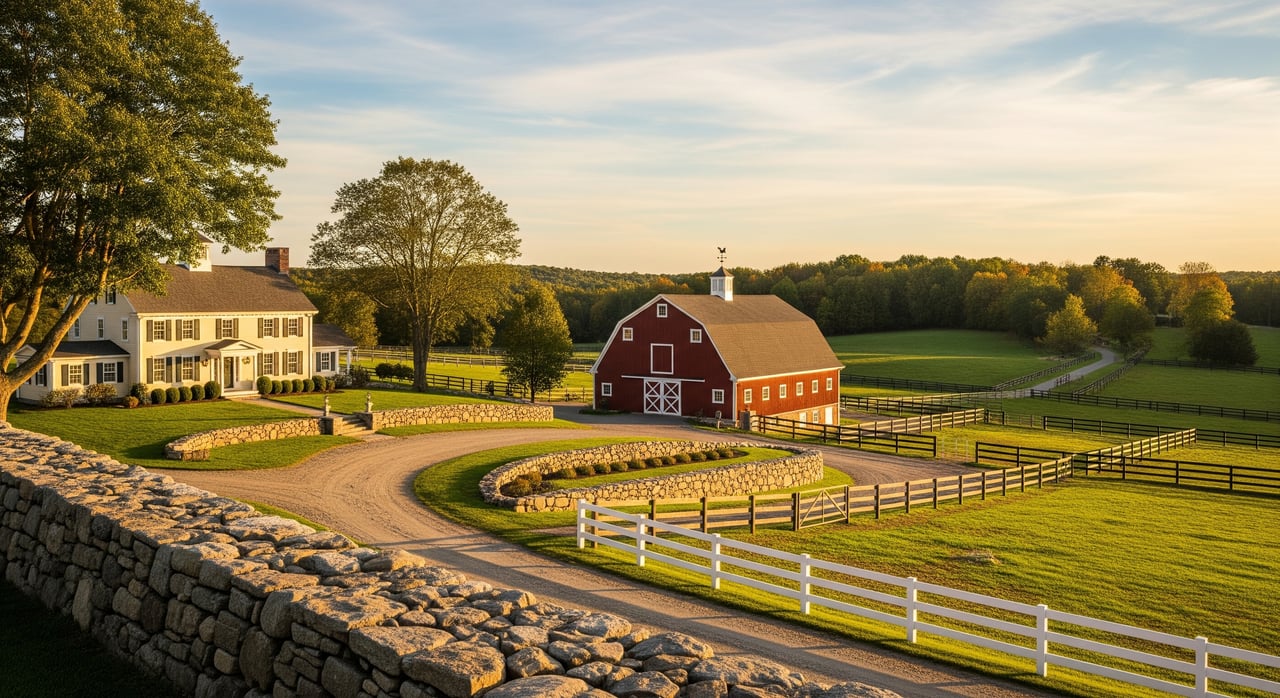
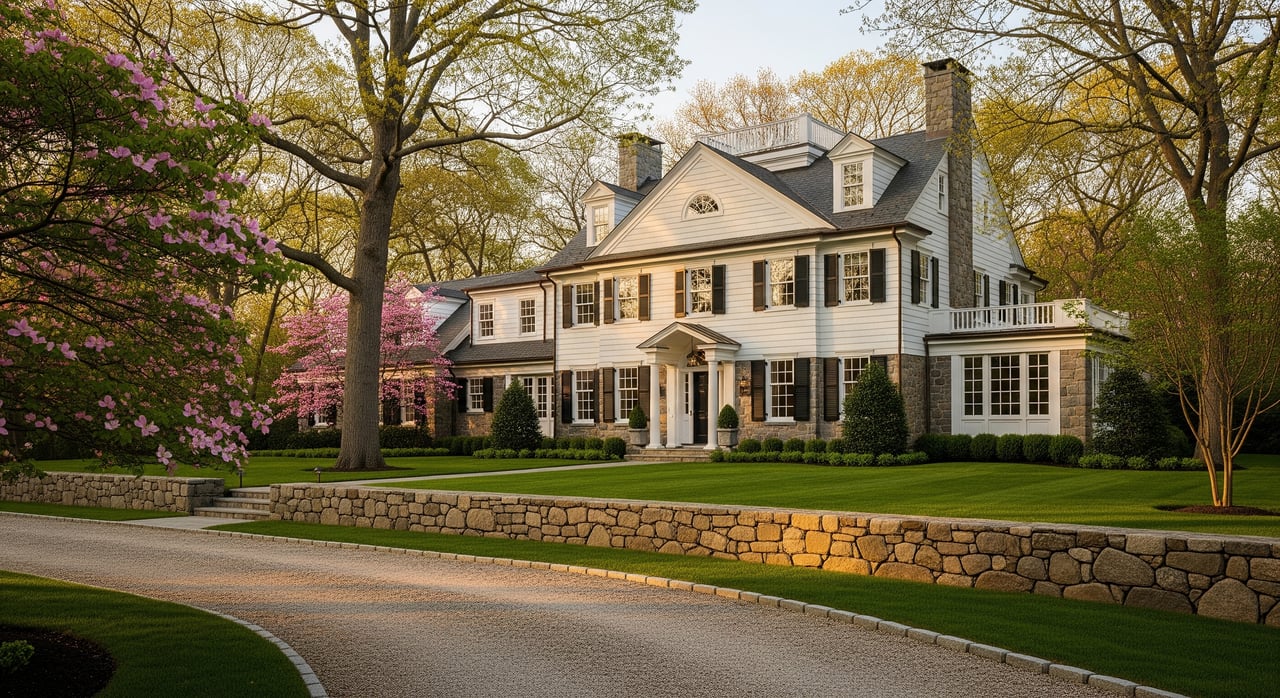
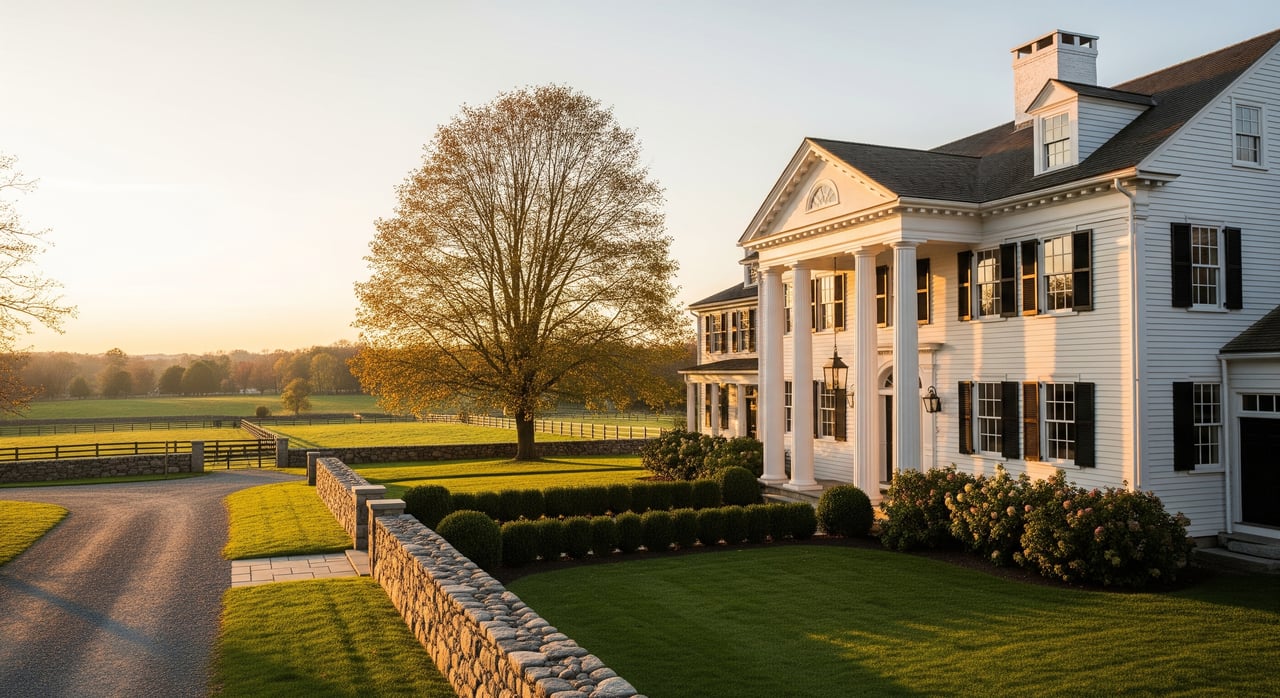
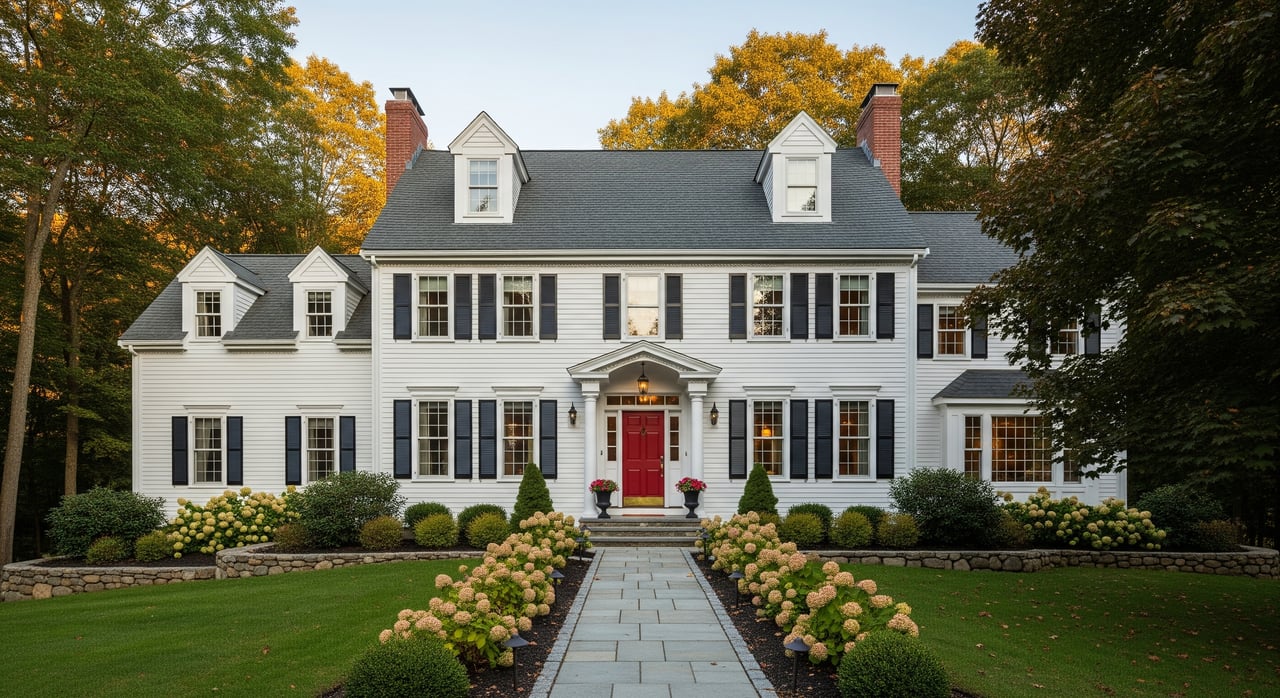
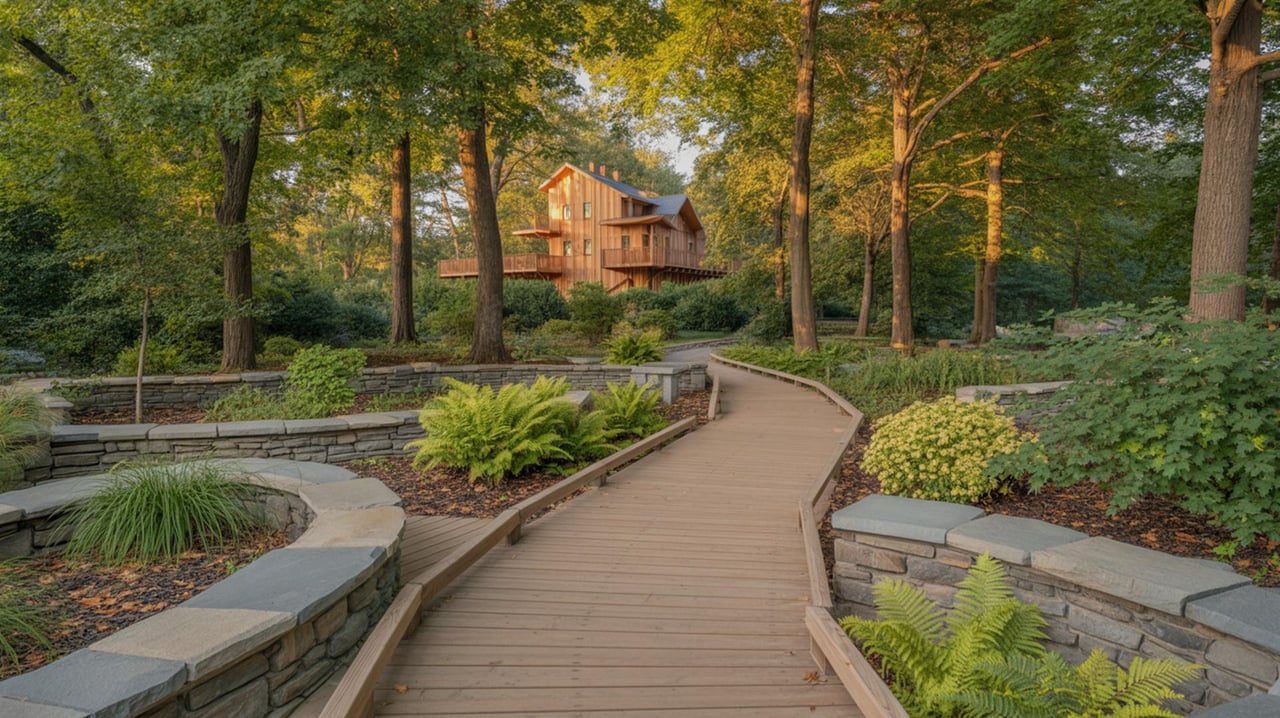
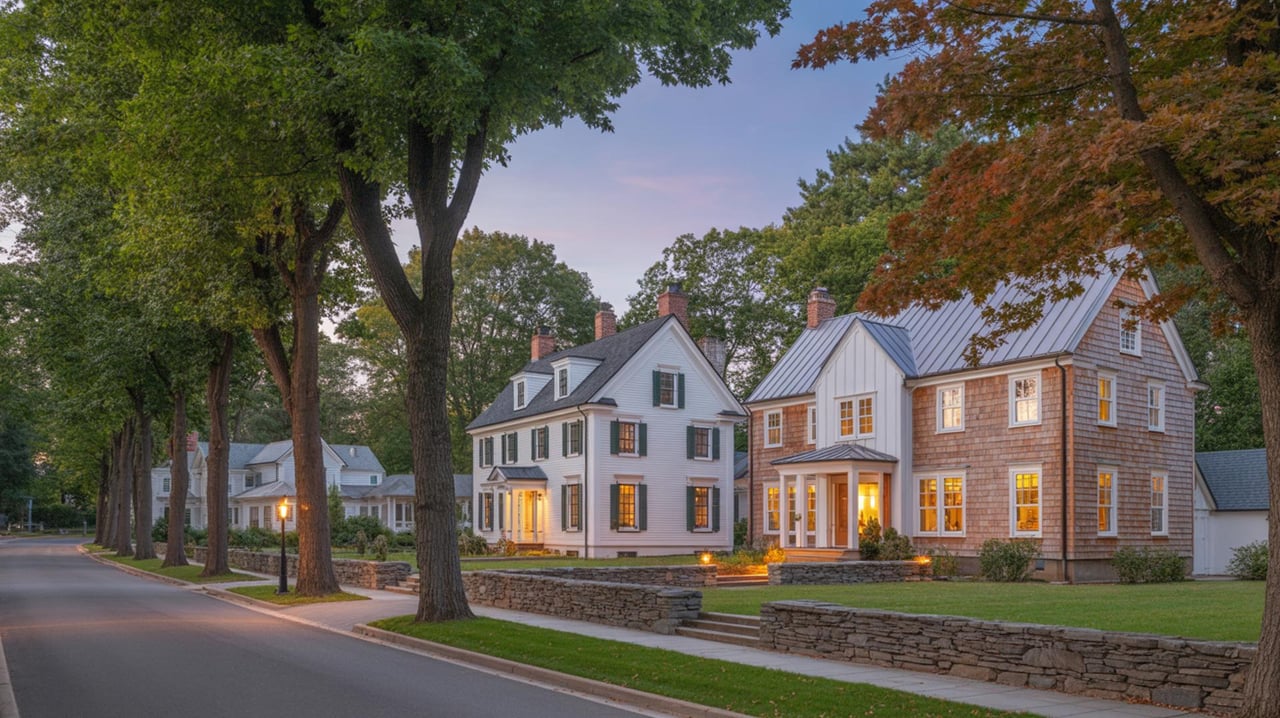
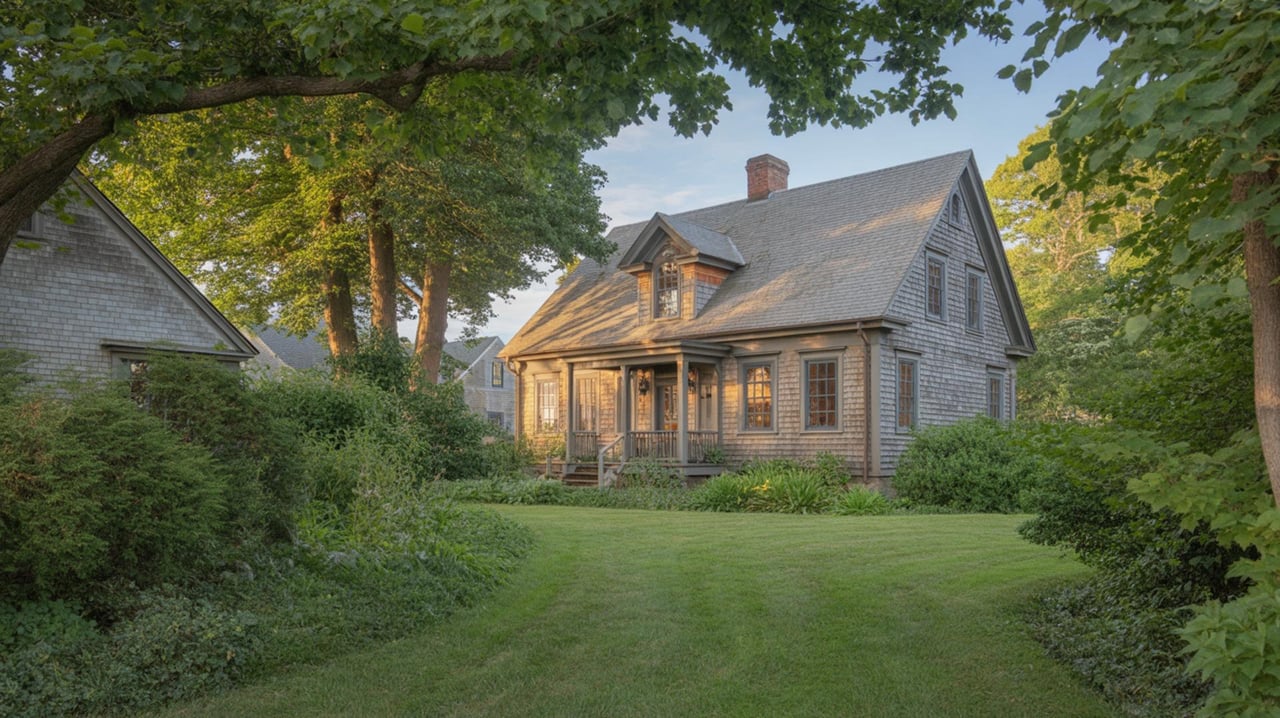
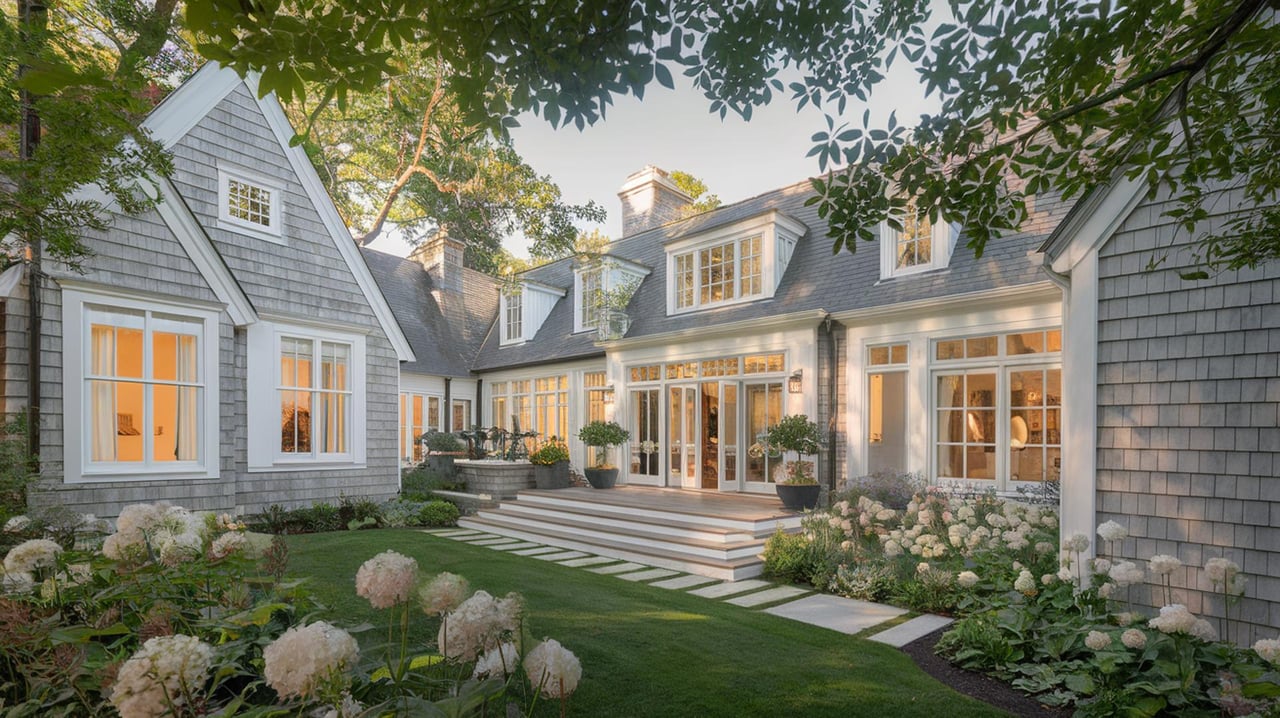
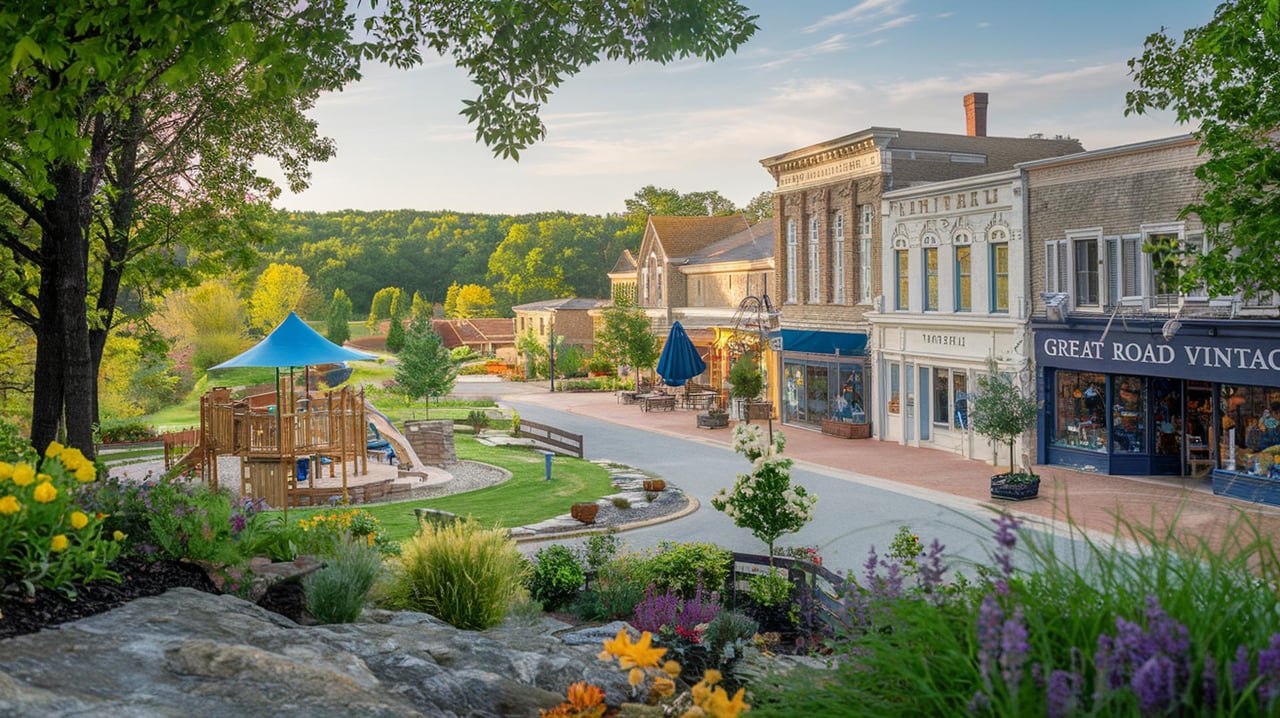
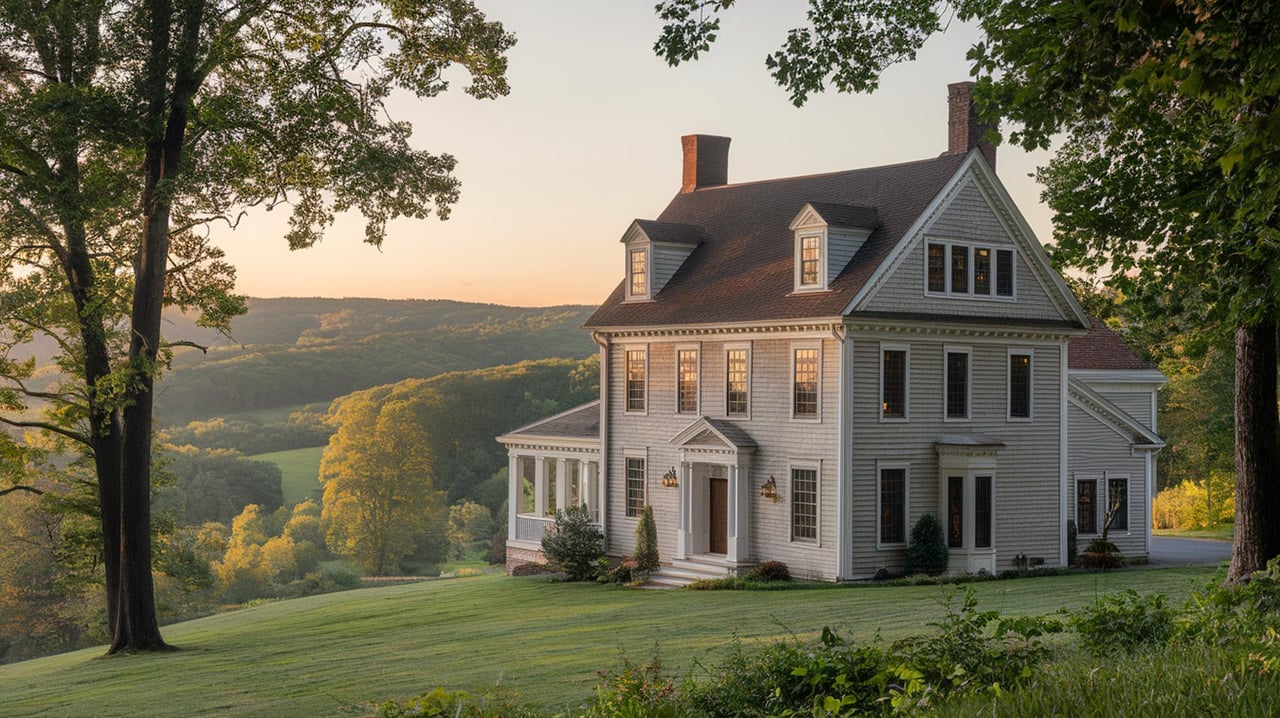
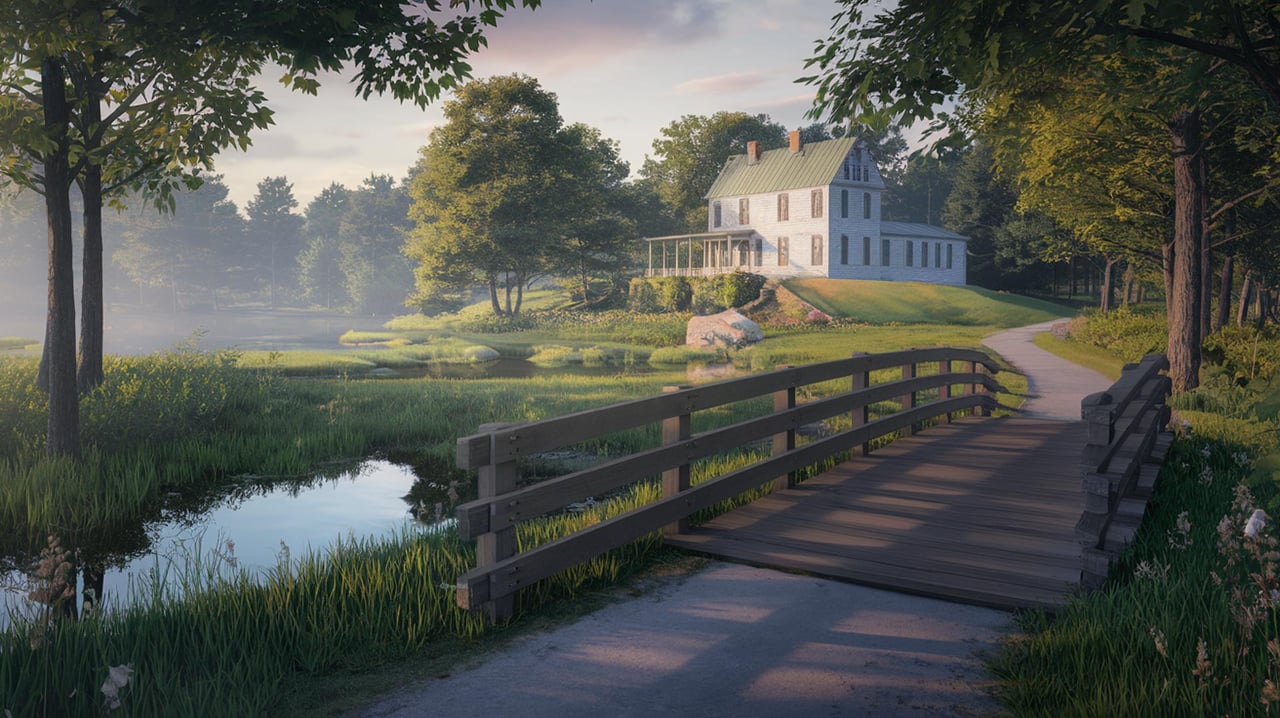
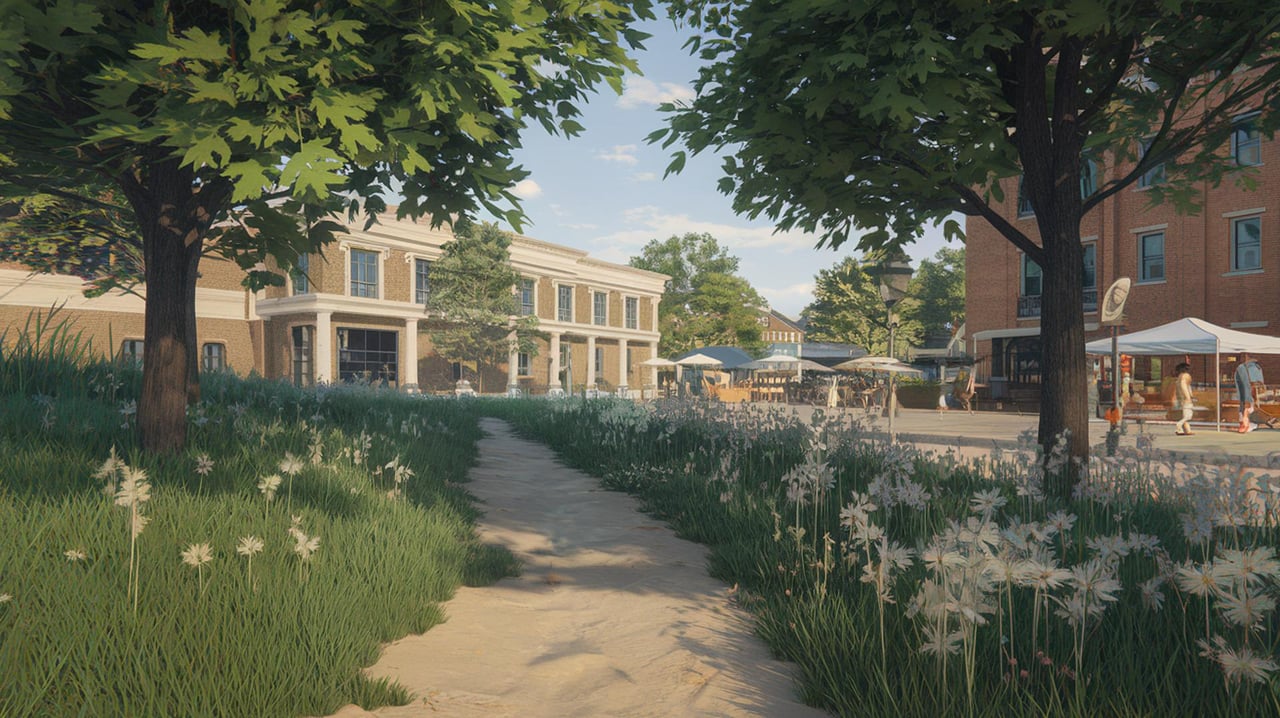
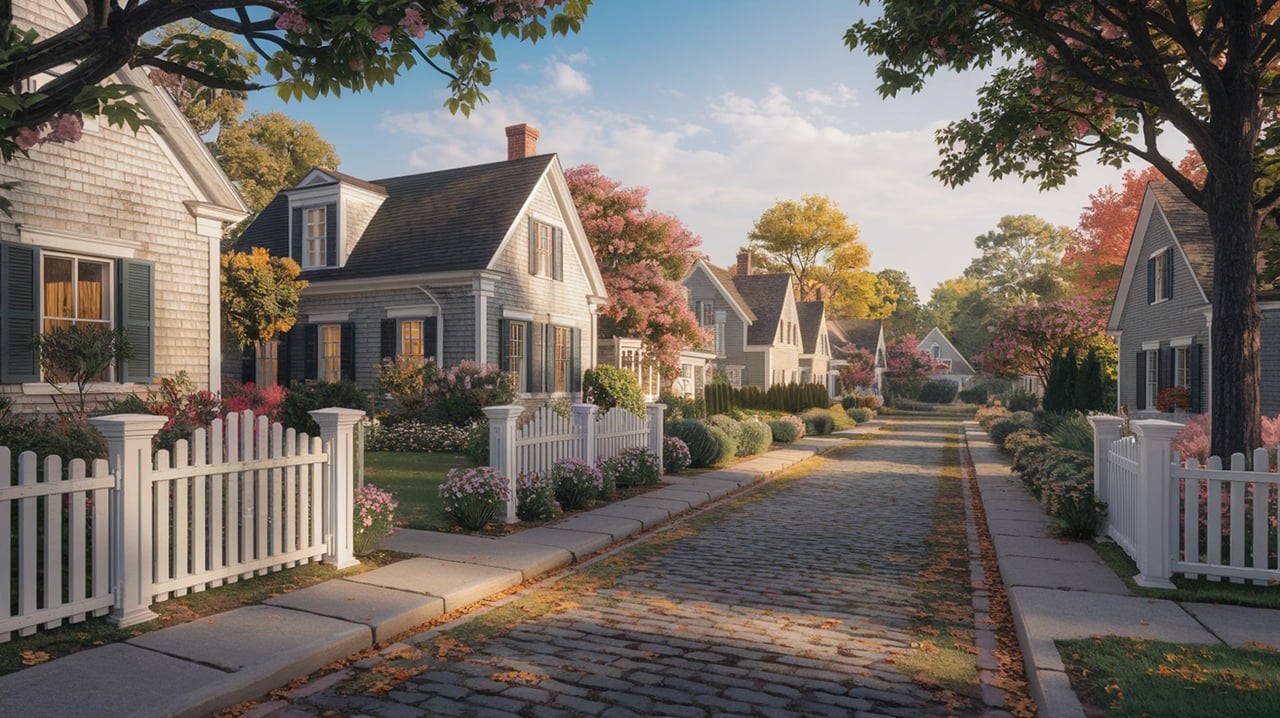
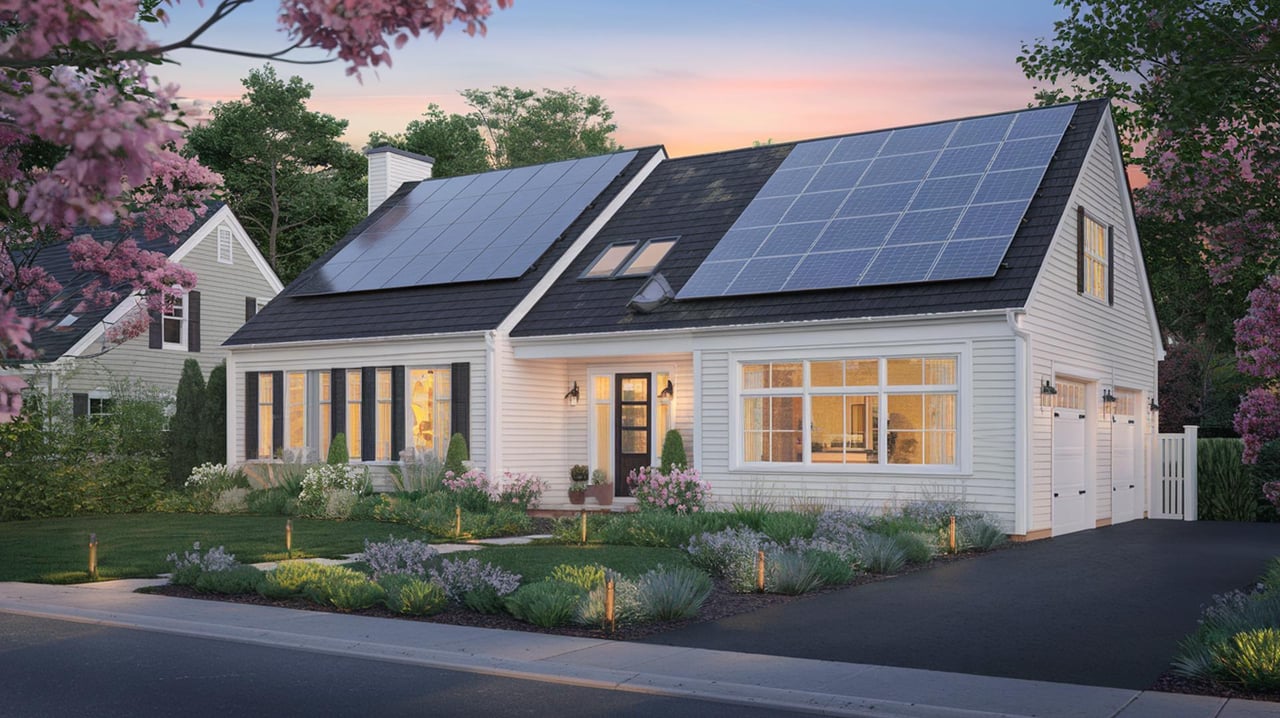
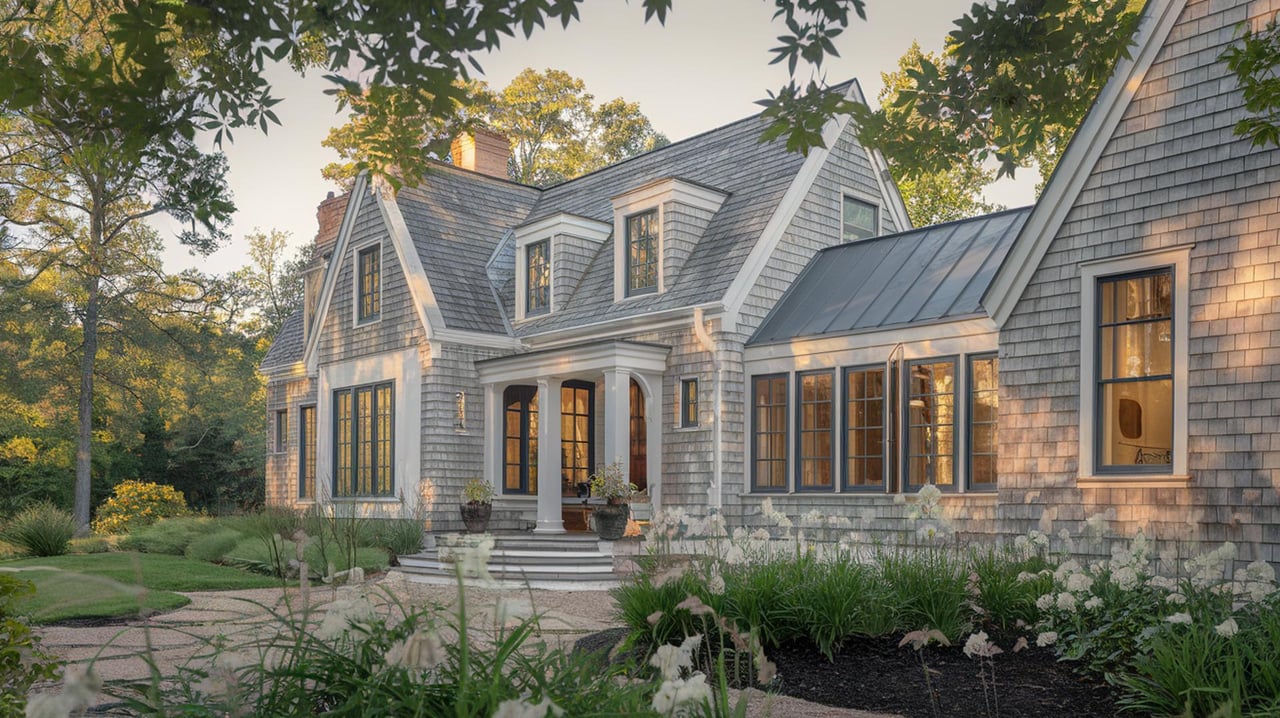
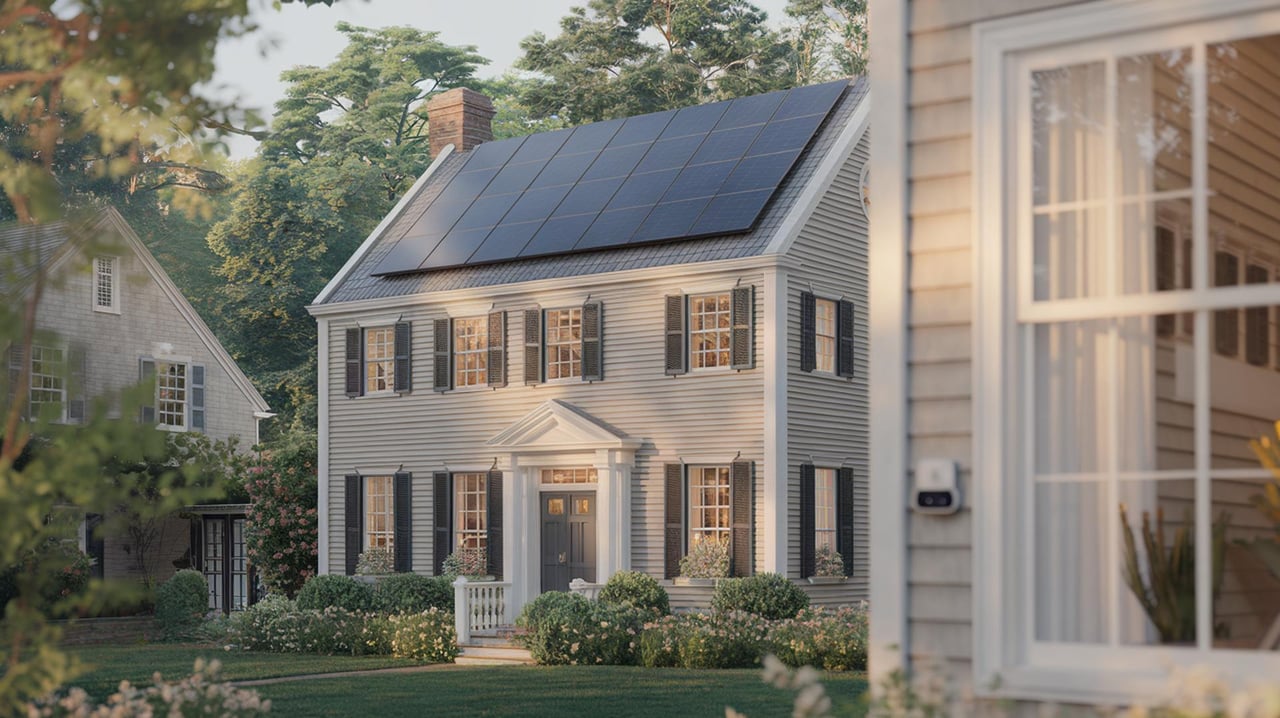
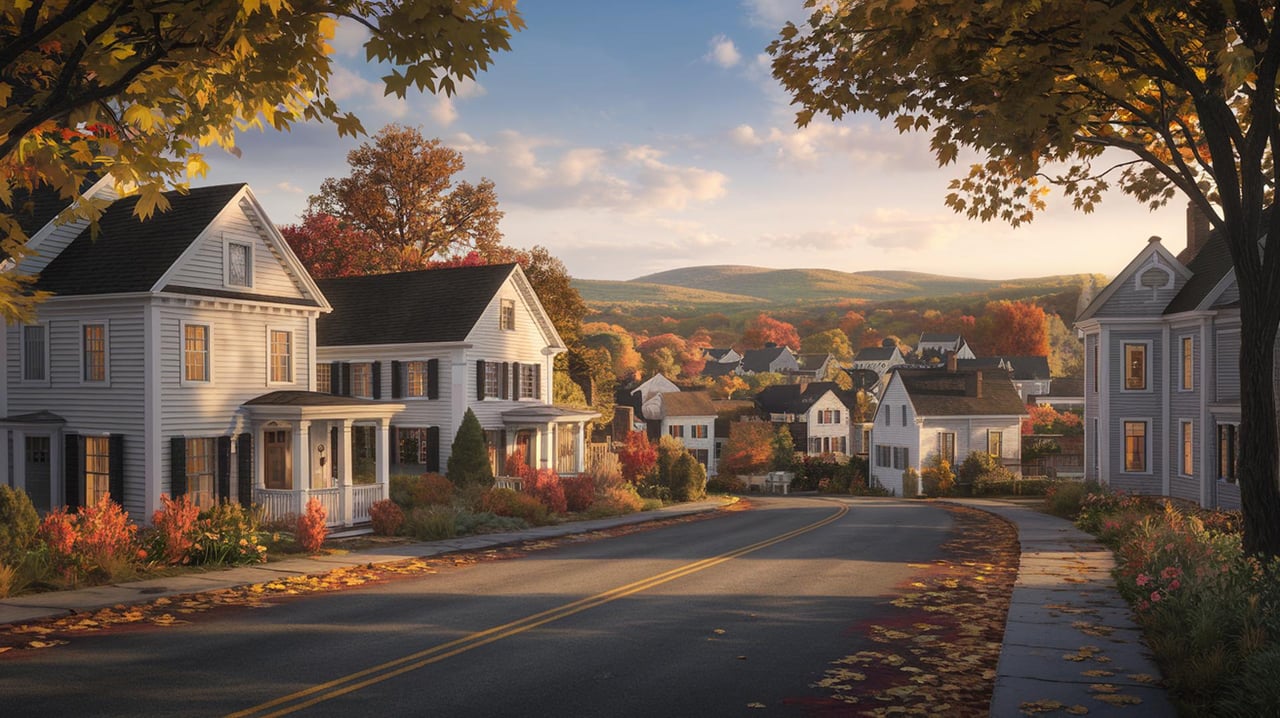
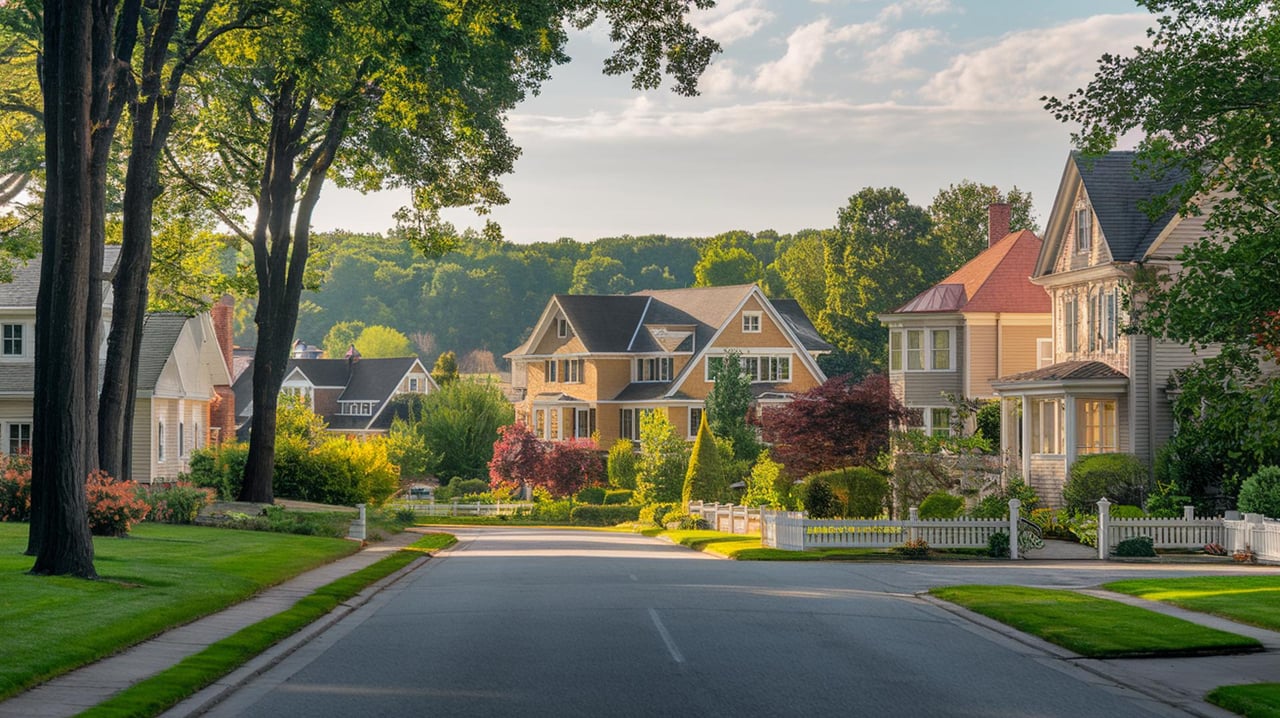
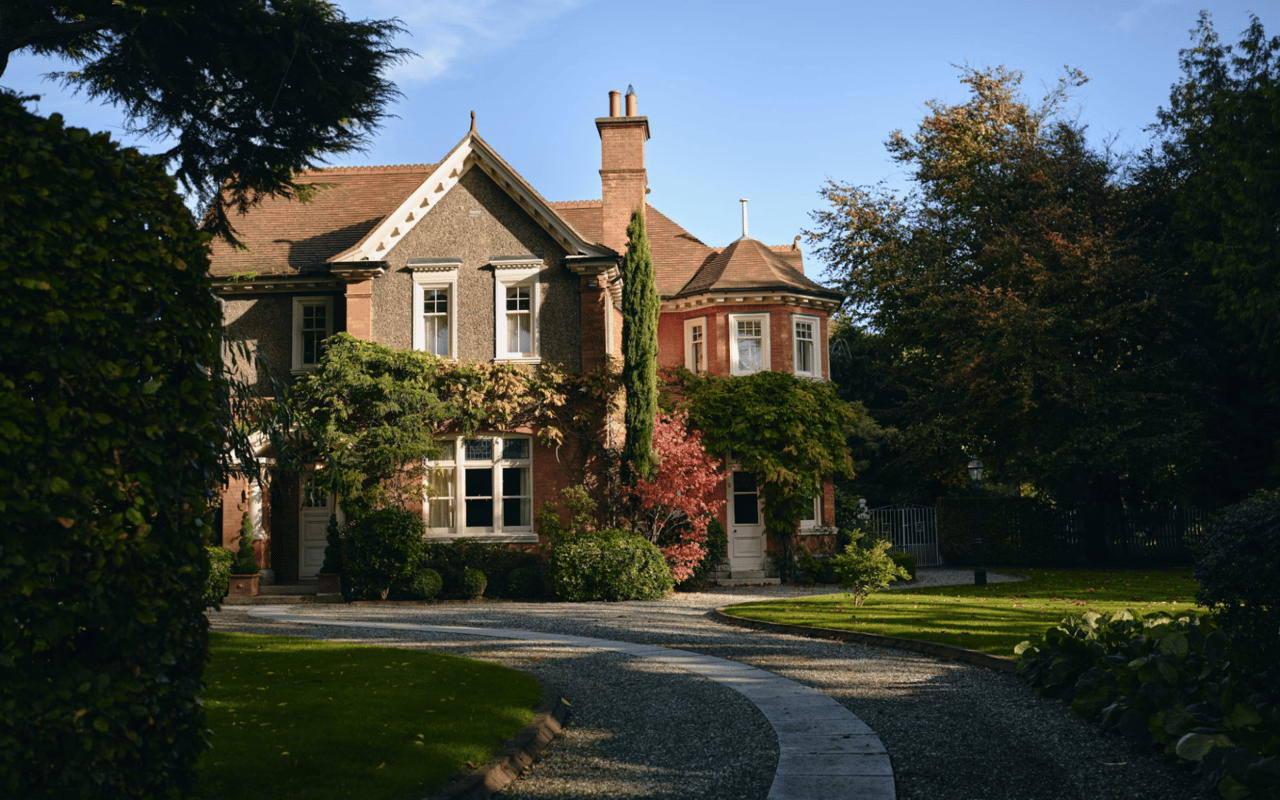
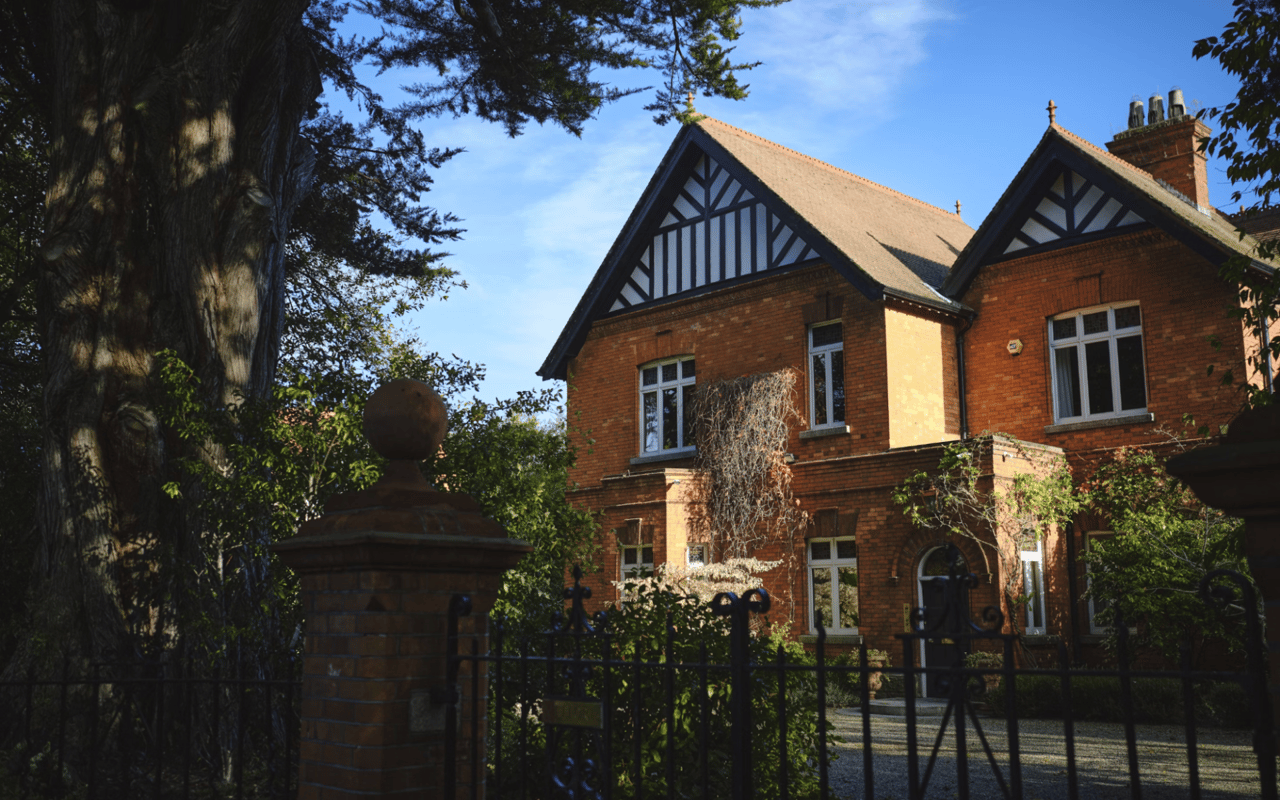
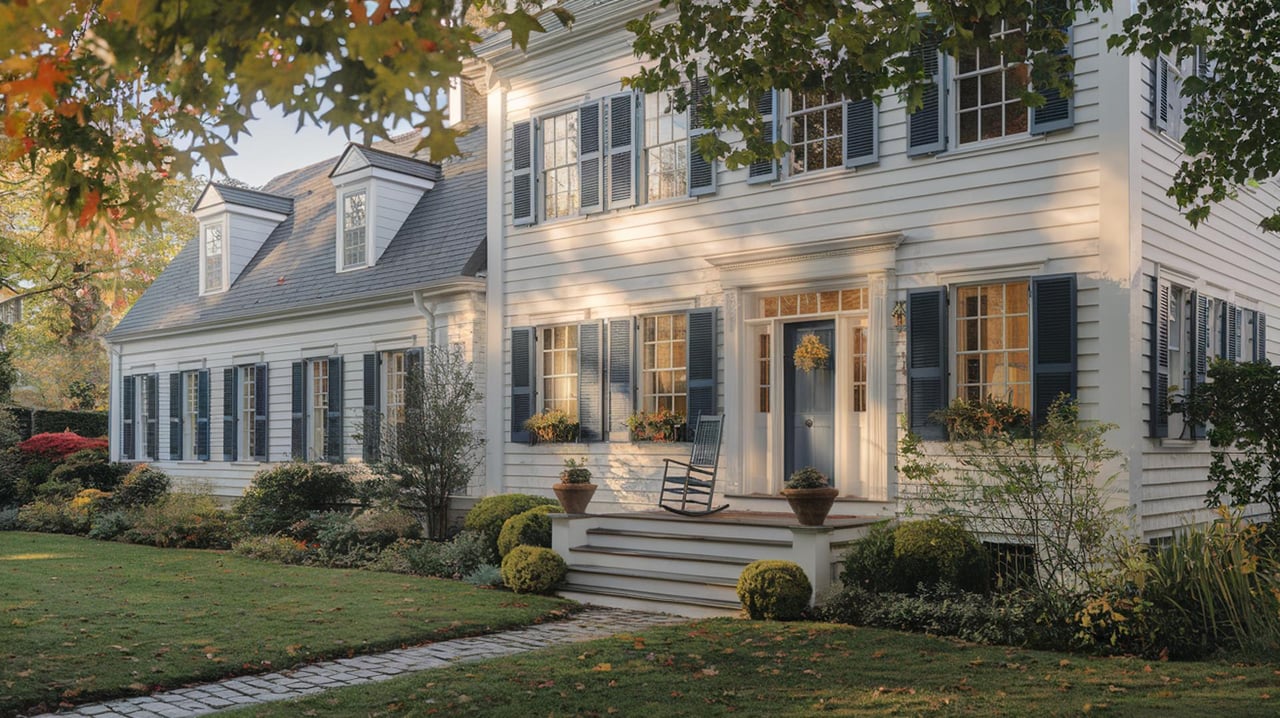
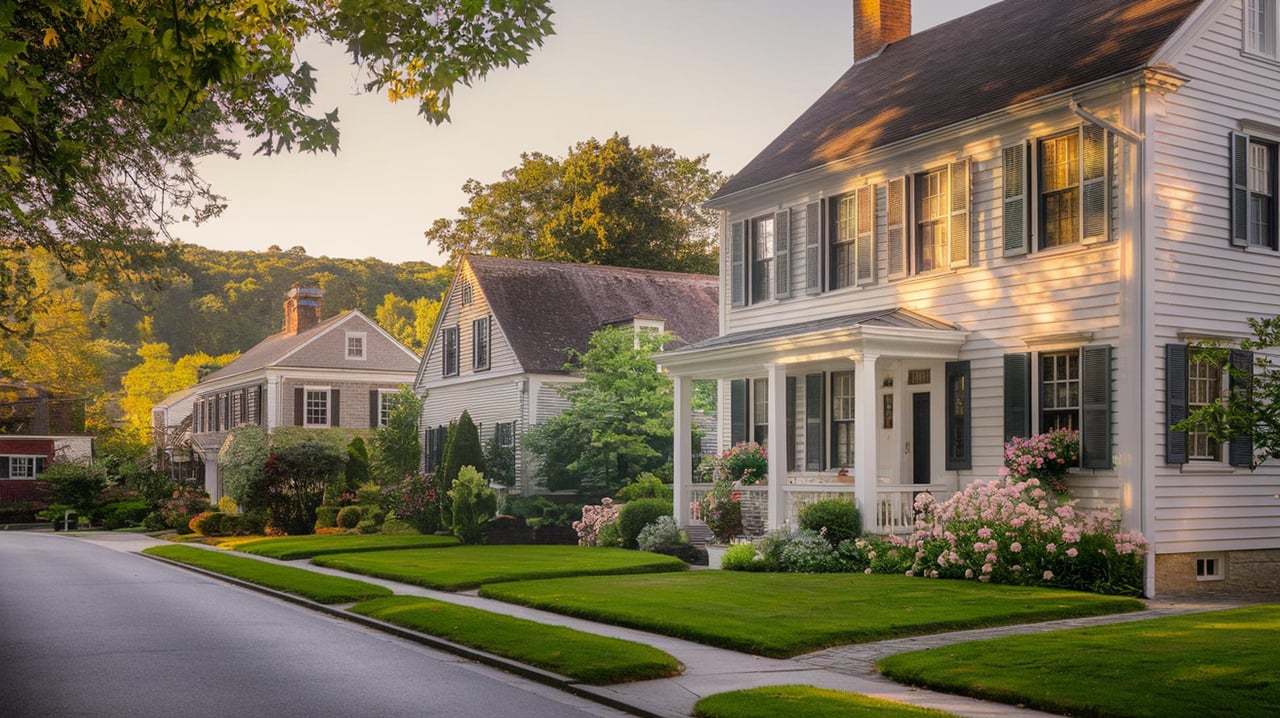
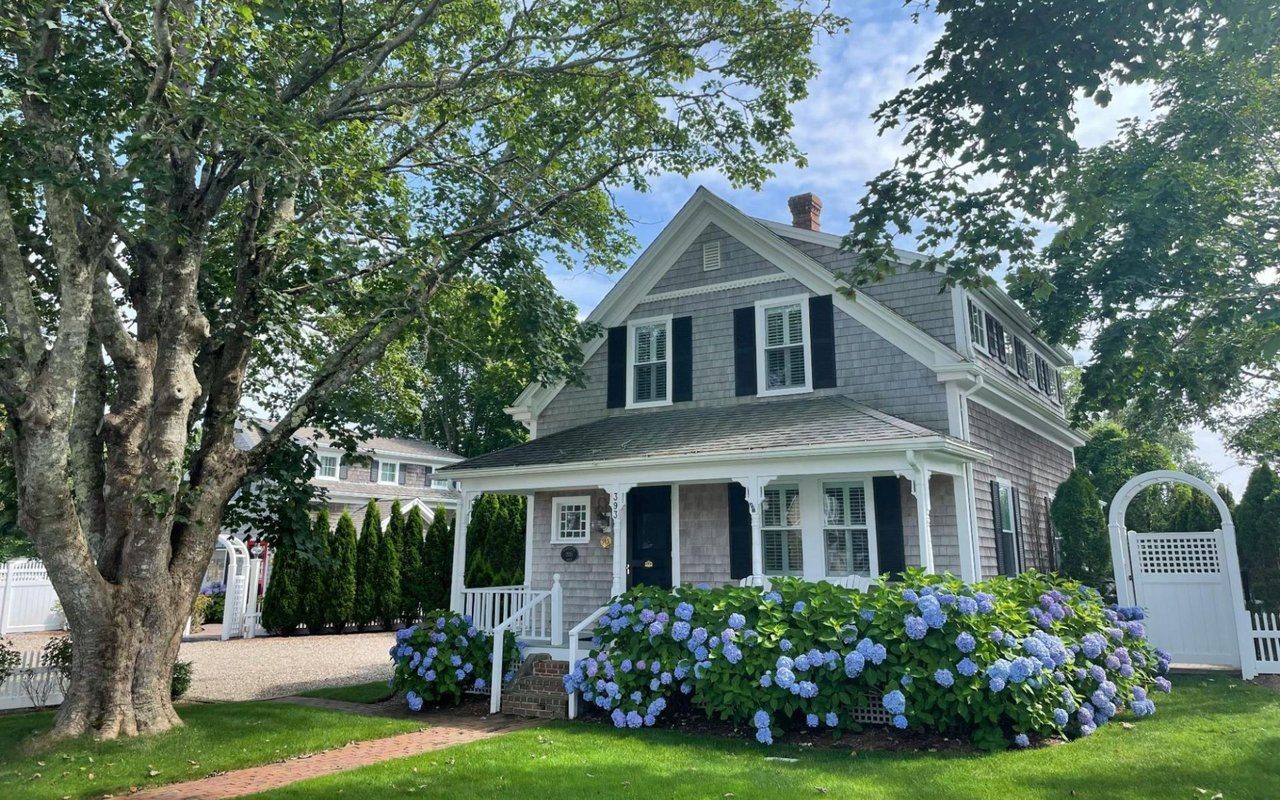
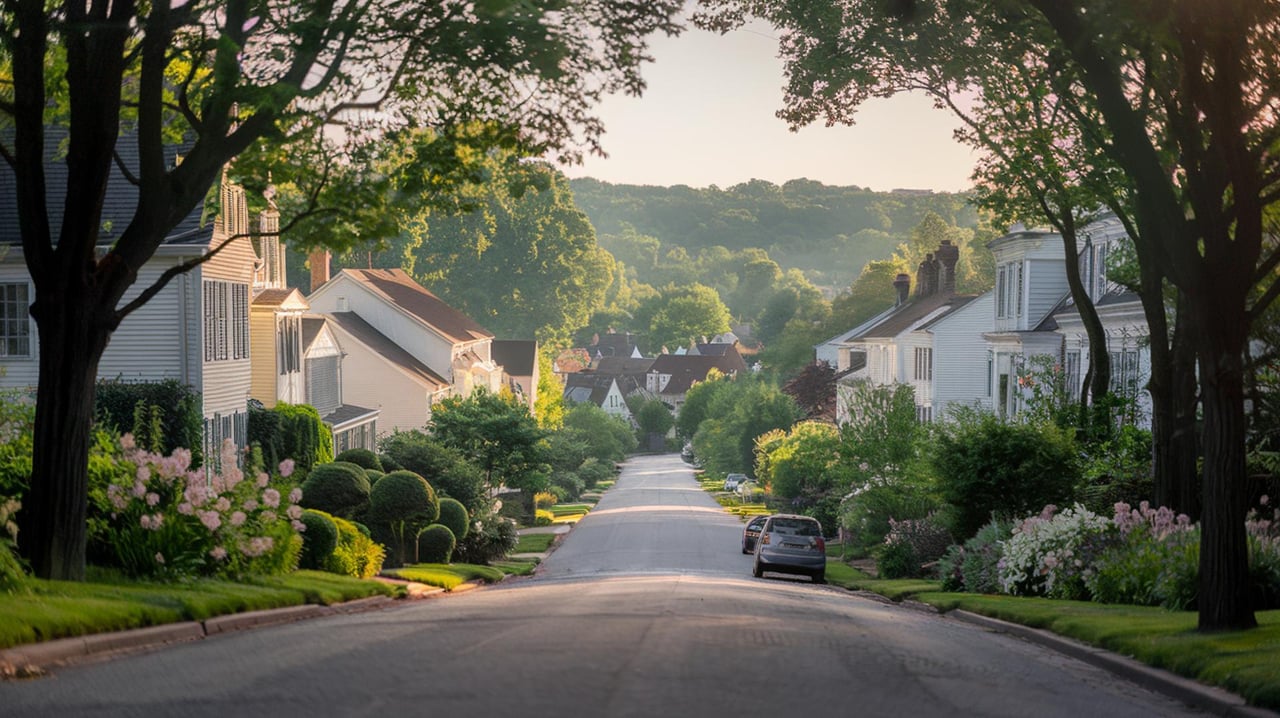
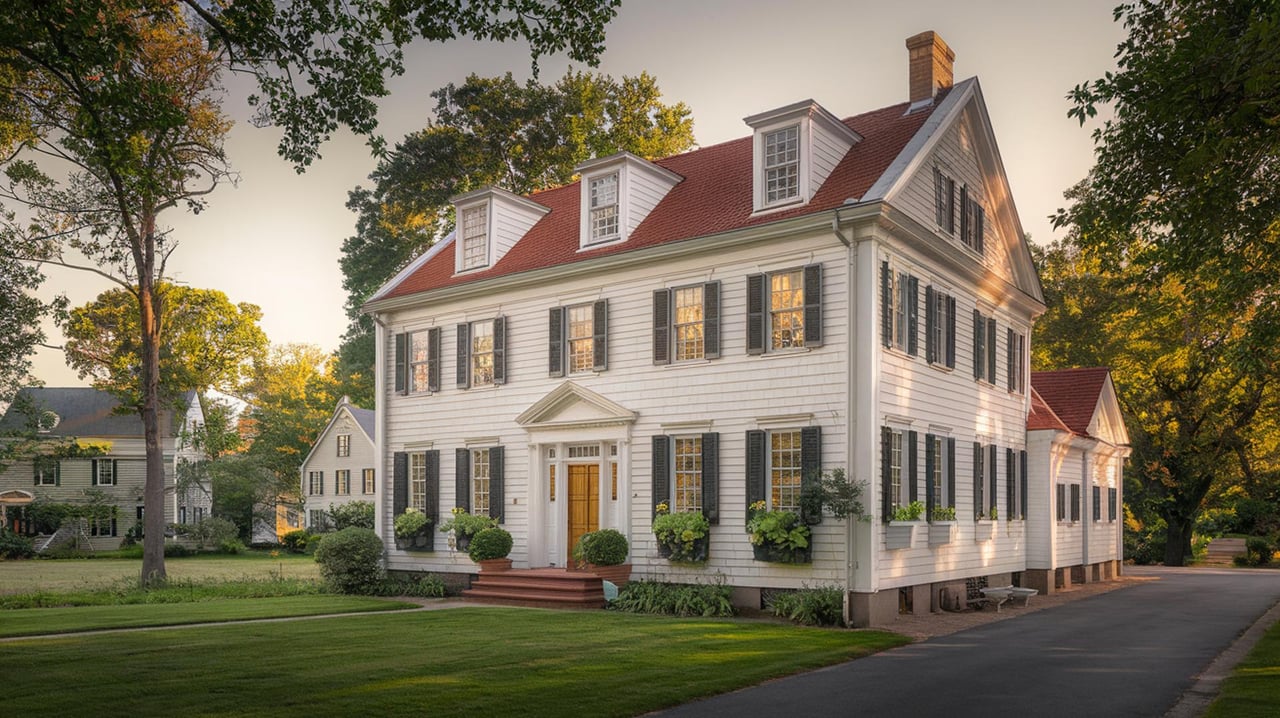
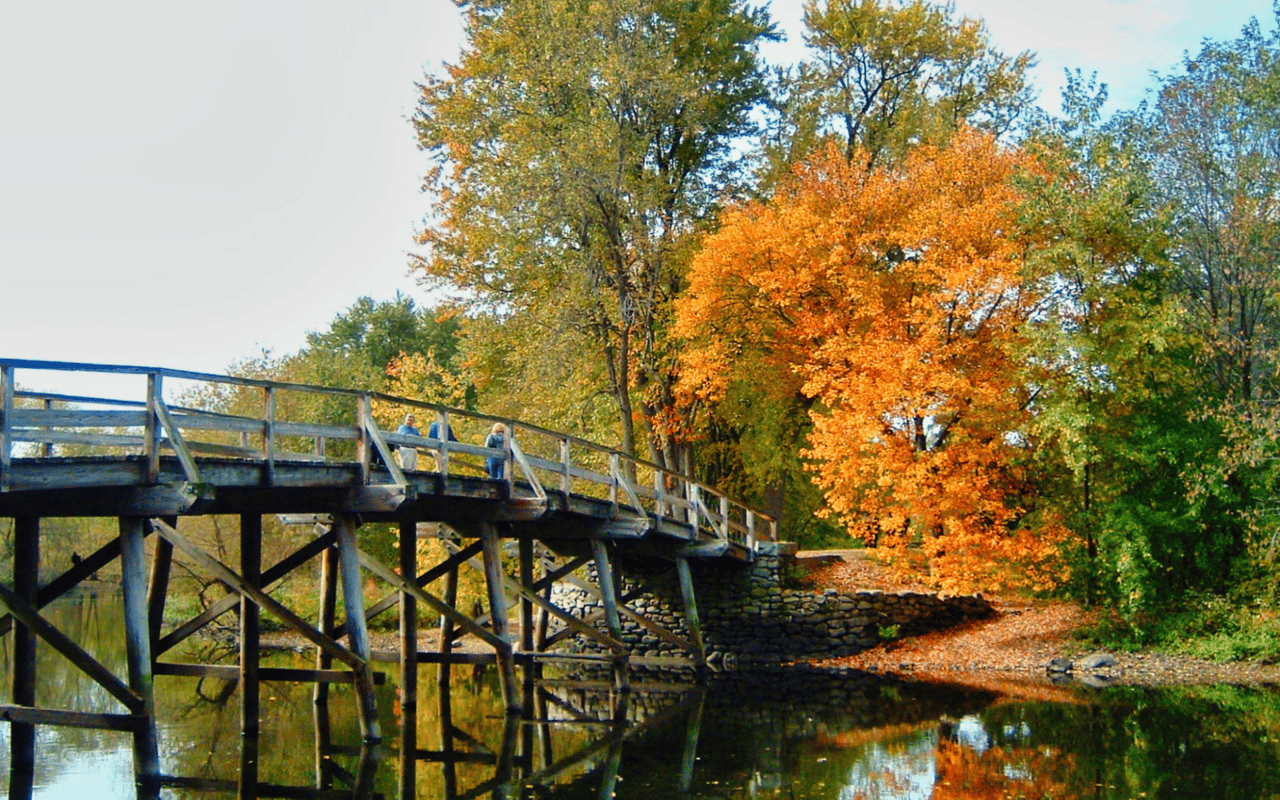
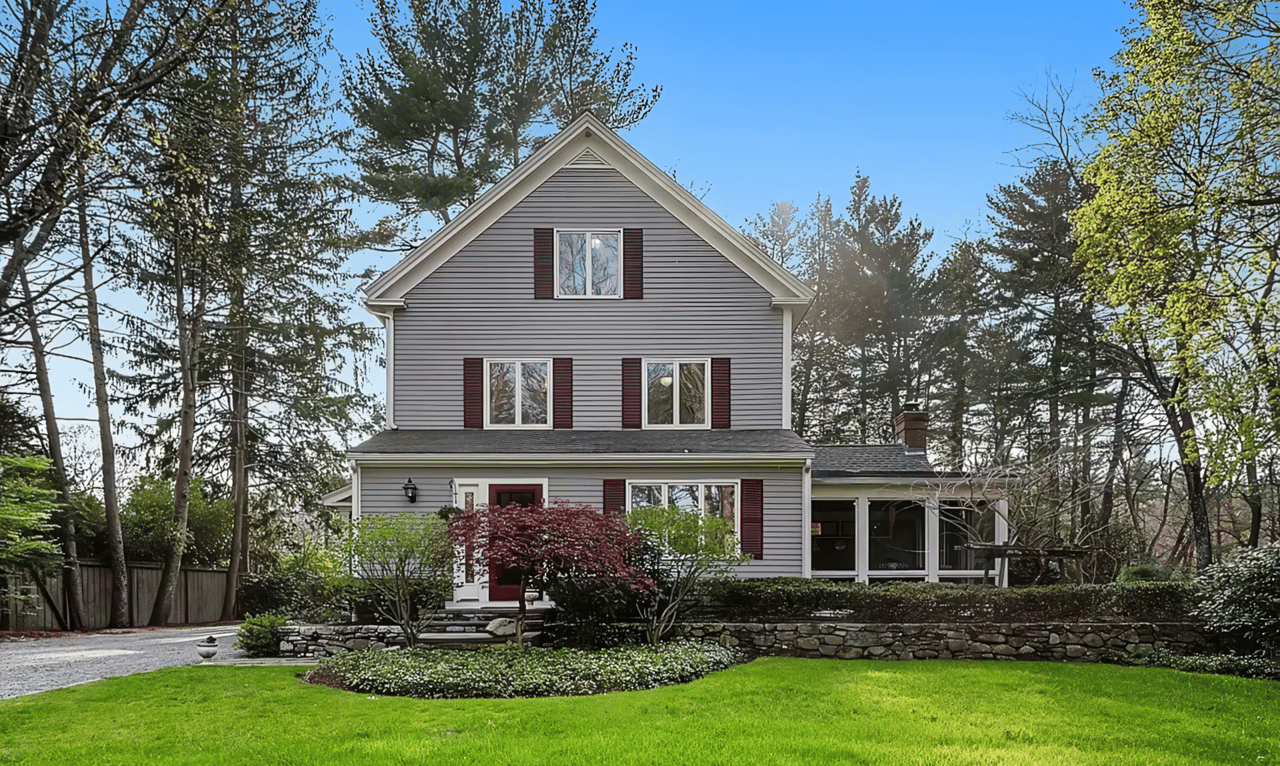
The town itself describes Harvard as a rural community with colonial and Victorian homes around a historic common, tree-lined roads, stone walls, historic farmhouses, working orchards, and more than 2,000 acres of conservation land linked by trails. That description matches what many buyers are hoping to find when they picture a classic New England setting.
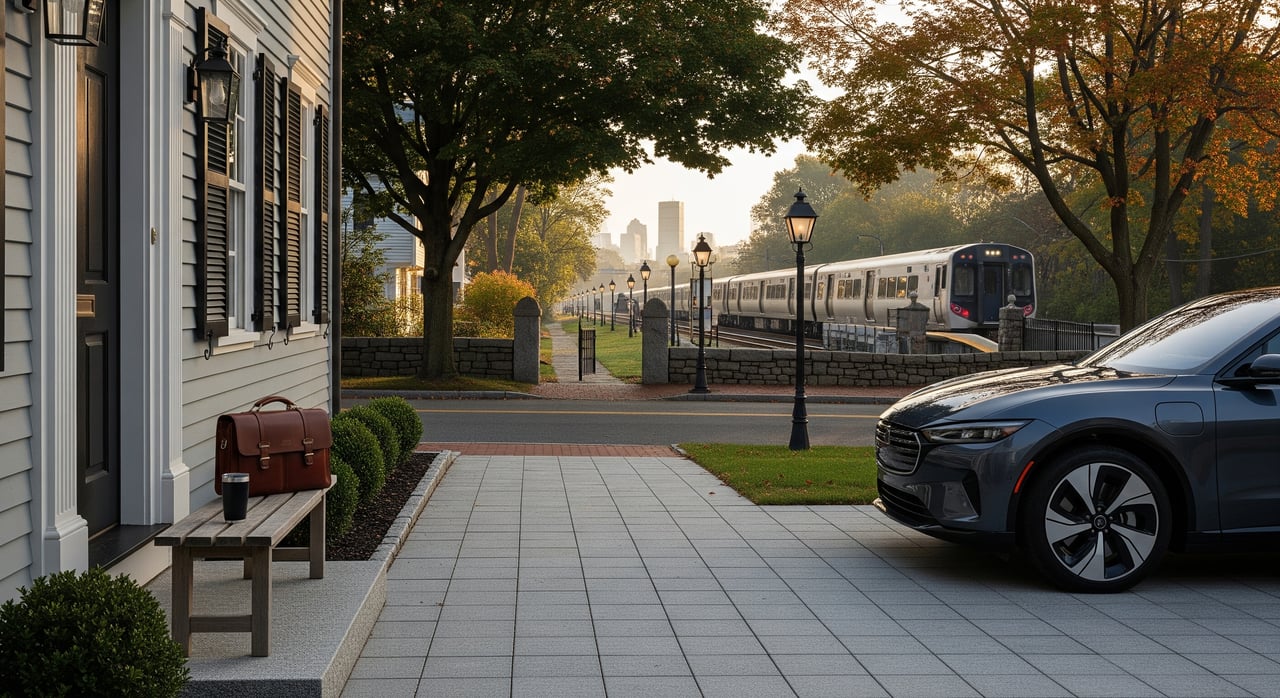
At the same time, Harvard is not isolated. Routes 2 and 495 run through town, and the town is roughly 32 miles west of Boston and 22 miles northeast of Worcester. For many buyers, that balance of open space and regional access is a big part of Harvard’s appeal.
Harvard Real Estate by the Numbers
Harvard is a higher-value, predominantly owner-occupied market. According to Census data, 89.4% of housing units are owner-occupied, compared with 62.5% statewide, and the median value of owner-occupied homes is $833,600, compared with $562,100 across Massachusetts.
Current market snapshots also show a premium market, though each platform measures value a little differently. Zillow reported an average Harvard home value of $923,298 as of April 30, 2026, while Realtor.com reported a median listing price of $1,074,500 in April 2026, with 21 homes for sale and a median days on market of 37.
Those figures point to an important truth about Harvard. This is not a bargain-market story. It is a place where buyers are paying for land, setting, and a supply profile that has stayed tight over time.
Large Lots Shape the Market
One of the clearest reasons Harvard feels rural is its zoning pattern. The town’s Agricultural-Residential district is the predominant zoning district, and it primarily permits detached single-family homes and agricultural uses, with a basic minimum lot area of 1.5 acres.
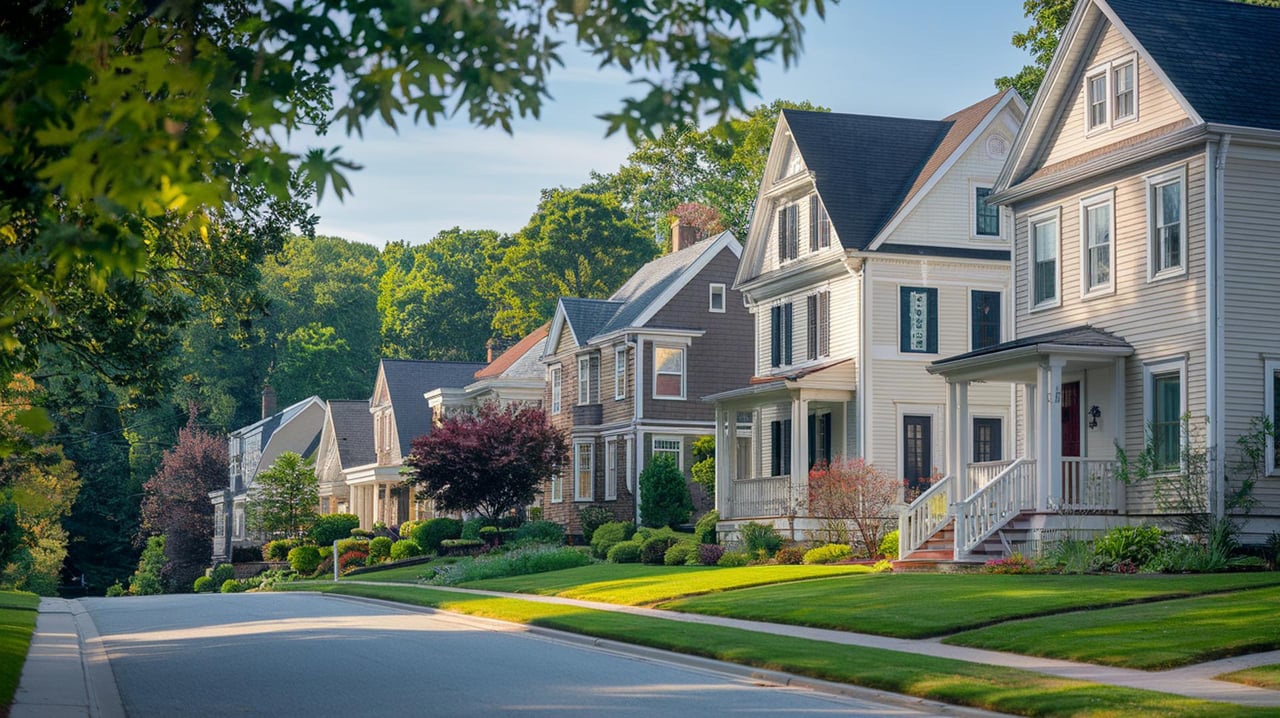
The lot requirements can be even larger in some cases. The town’s Housing Production Plan states that backland and hammerhead lots require 4.5 acres and 50 feet of frontage. In practical terms, that zoning pattern supports a market defined more by larger-lot homes, older village properties, farmhouses, and custom builds than by compact subdivisions.
The same plan notes that many newer single-family homes have been built on lots larger than the base minimum. For homes built from 2000 forward, the average lot size was 4.2 acres and the median lot size was 2.69 acres.
For buyers, that often means more privacy, more land, and more separation between homes. For sellers, it helps support a market identity that feels different from denser suburban towns nearby.
Conservation and Character Matter Here
Harvard’s appeal is not just about lot size. It is also about the landscape the town has protected and the way that shapes daily life.
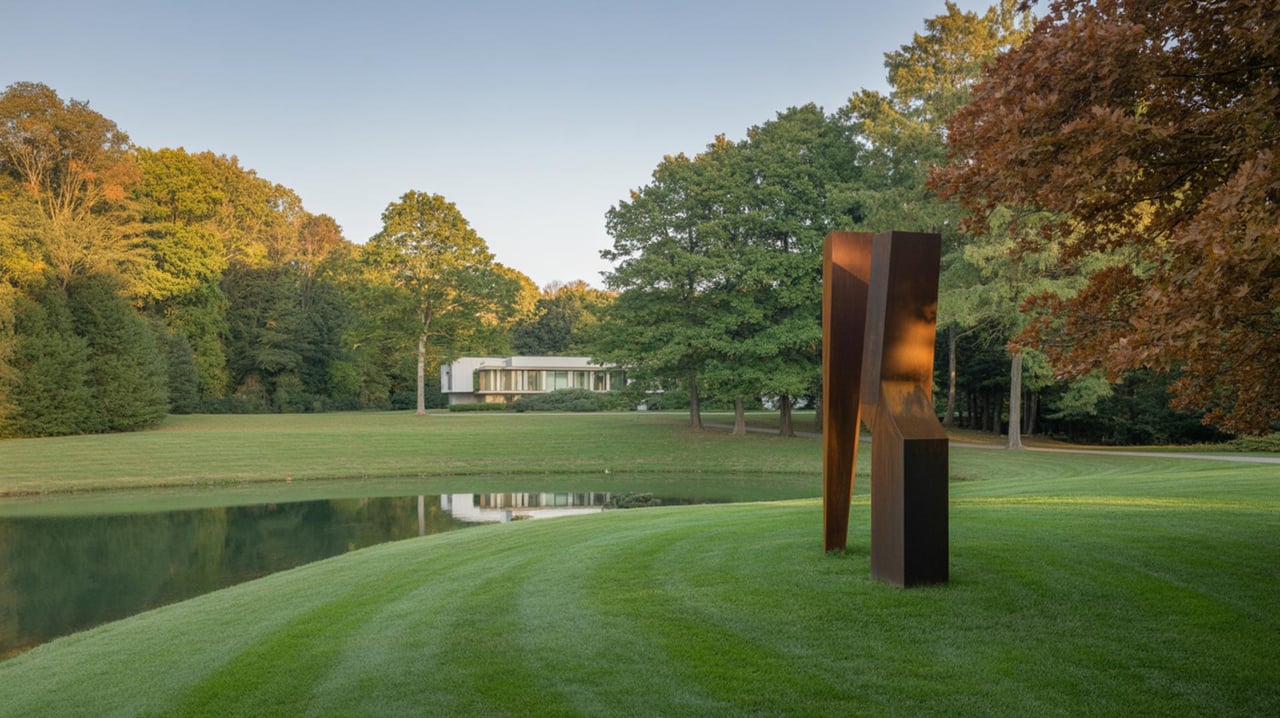
More than 2,000 acres of conservation land contribute to the town’s open feel, and the local history profile highlights trails, orchards, farmhouses, and winding roads as part of Harvard’s character. That kind of physical setting can be hard to replicate in more built-out suburbs.
The town’s Housing Production Plan also notes that Harvard’s zoning favors large homes on large lots and creates barriers to other housing types. That can be a challenge from a planning perspective, but it also helps explain why Harvard has remained less intensely developed than many nearby communities.
Long-Term Upside Comes From Limited Supply
The strongest case for Harvard’s long-term upside is not based on short-term hype. It comes from a market structure with relatively low turnover and constrained supply.
According to the town’s Housing Production Plan, Harvard has averaged about 60 to 65 home sales per year over the past 20-plus years, with a turnover rate just under 4% annually. Even allowing for the plan’s note that some sales totals include Devens, the bigger point is clear: inventory tends to stay limited.
That same plan states that the median price of a single-family home sold in Harvard was more than 50% higher than it had been five years earlier. It also notes that the wider region experienced a strong acceleration in prices during the 2020-era market as low mortgage rates met limited supply.
No town can promise future appreciation, of course. Still, Harvard’s mix of low turnover, large-lot zoning, and durable appeal gives buyers a logical framework for why values have held up well over time.
Harvard Compared With Nearby Towns
If you are weighing Harvard against nearby towns, density is one of the clearest differences. Among the communities reviewed in the research, Harvard is the least dense at 259.1 people per square mile, compared with Bolton at 284.0, Stow at 414.1, and Littleton at 614.0.
That lower density helps explain why Harvard often feels more open and less built out. It also sits toward the higher end of the value spectrum among those nearby towns. Census figures show owner-occupied home values at $833,600 in Harvard, compared with $796,000 in Bolton, $729,600 in Stow, and $658,300 in Littleton.
Commute patterns add another layer. Harvard’s mean travel time to work is 31.6 minutes, which is shorter than Bolton, Stow, and Littleton in the comparison data. That suggests the town’s open-space image does not tell the whole story when it comes to accessibility.
Who Harvard May Suit Best
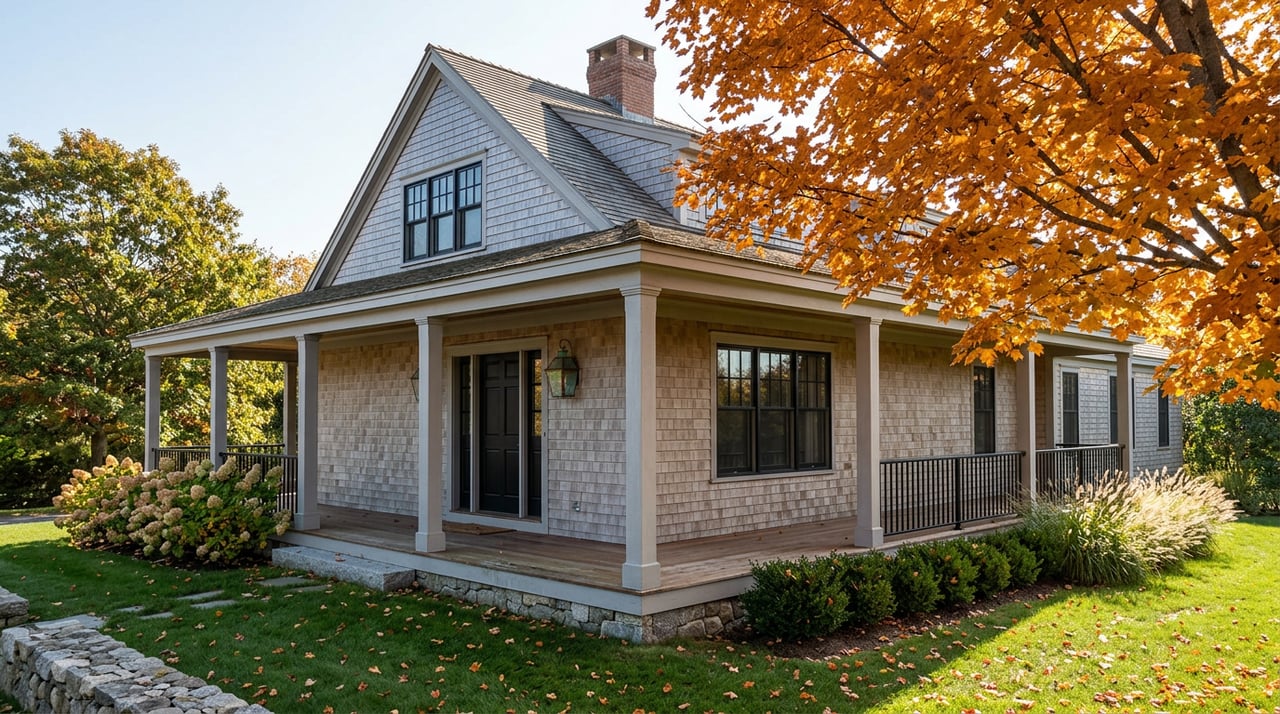
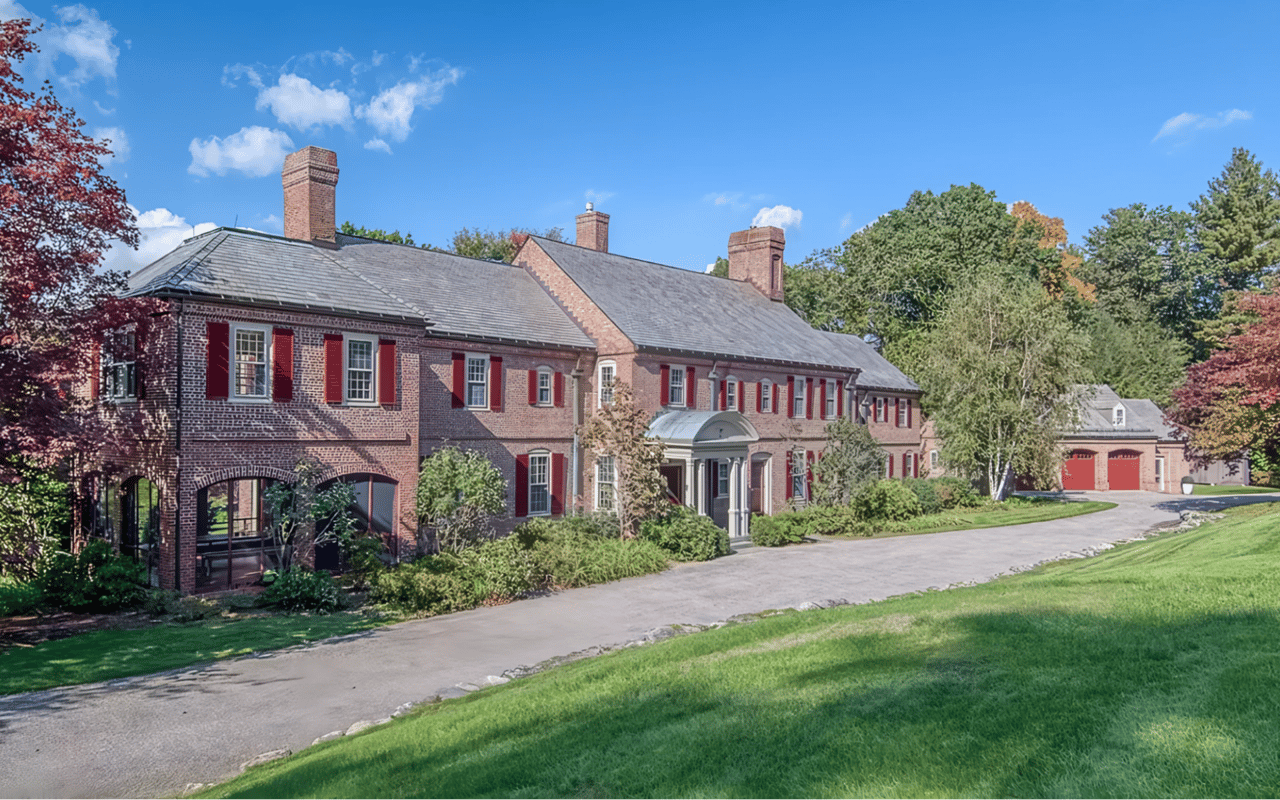
Harvard tends to make sense for buyers who value land, privacy, and a more rural setting, but still want practical regional connections. It may also appeal to buyers looking for specialty properties, including larger parcels, estate-style homes, and horse properties.
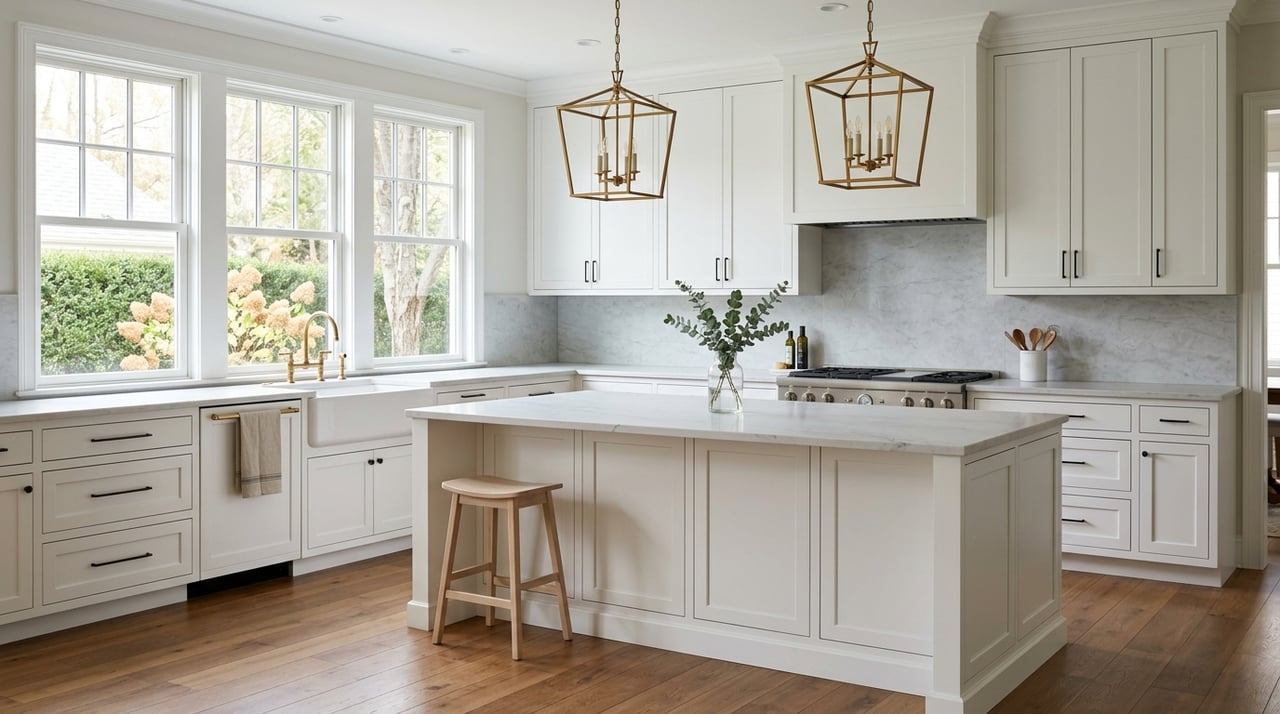
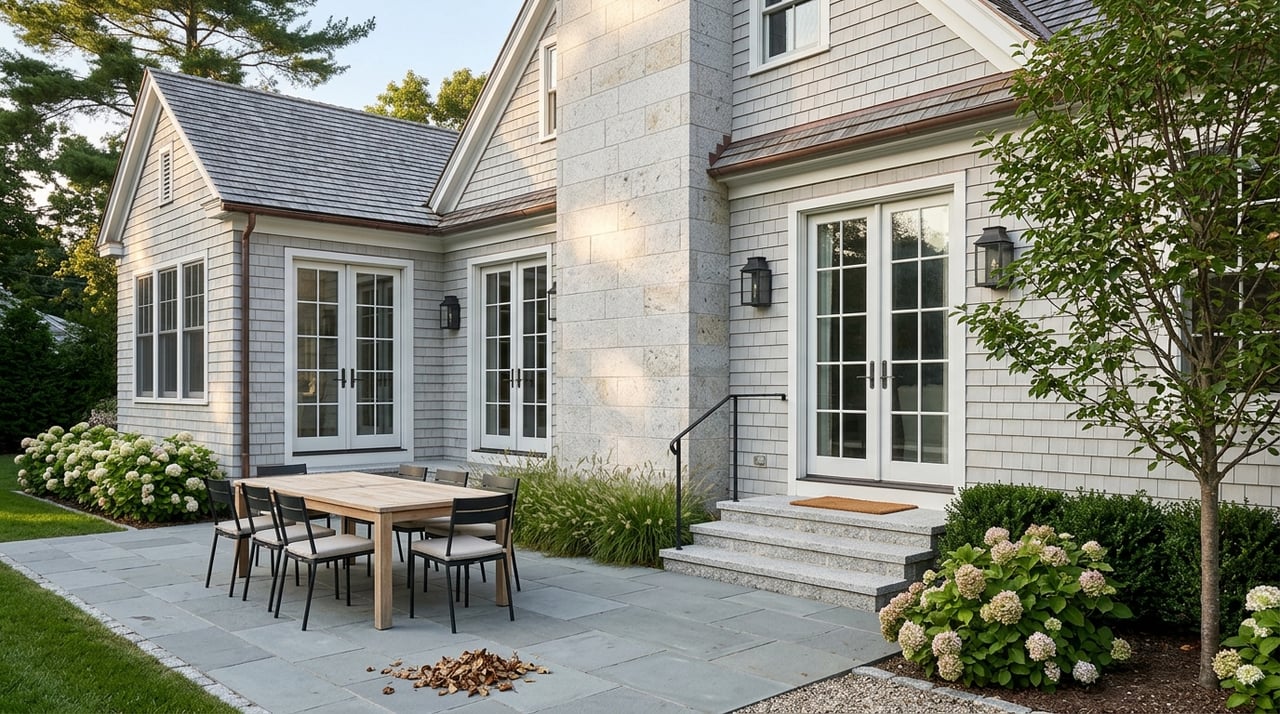
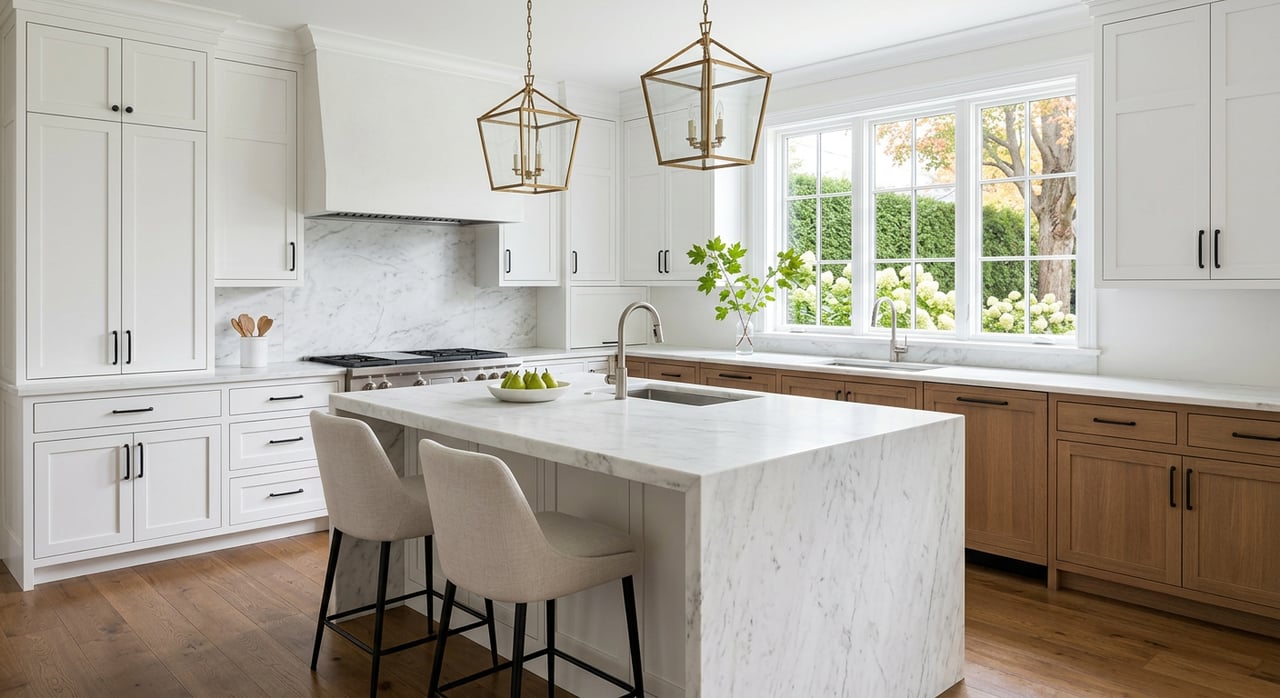
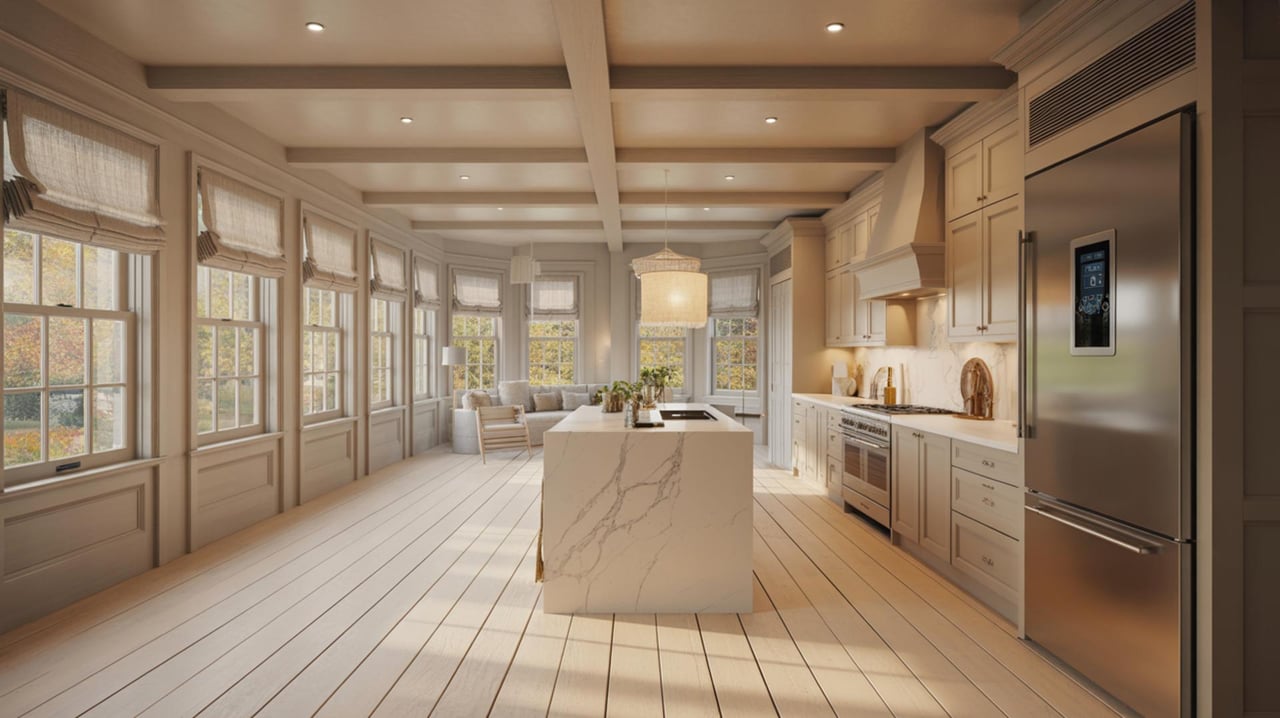
Because lot sizes are often generous and the housing stock includes farmhouses, older village homes, and custom builds, buyers usually need a more tailored search strategy here. Two homes at a similar price point can offer very different land profiles, settings, and long-term use potential.
For sellers, Harvard’s market often rewards thoughtful positioning. In a town where setting, acreage, house style, and property story matter so much, preparation and presentation can play a major role in how your home is perceived.
What Buyers and Sellers Should Watch
If you are buying in Harvard, focus on the details that shape long-term value:
- Lot size and usable land
- Access to major routes
- Conservation land nearby
- Property type and age
- Zoning context
- Overall setting and privacy
If you are selling, your strategy should highlight the features that matter most in this market:
- Land and landscape
- The home’s architectural character
- Privacy and approach
- Proximity to town amenities and regional routes
- Any specialty appeal, such as equestrian potential, estate scale, or custom construction
In a market like Harvard, real estate is rarely just about square footage. Buyers are often evaluating a whole environment, including the feel of the road, the shape of the lot, and the balance between seclusion and convenience.
Why Local Guidance Matters in Harvard
Harvard is a nuanced market. On paper, it is a high-value town with low density and strong owner occupancy. In practice, it is also a place where conservation land, zoning, lot configuration, and property type can have a major impact on how a home lives and how it performs in the market.
That is where experienced local guidance becomes especially important. If you are buying, you want help understanding not just the home, but the land, the setting, and the broader market context. If you are selling, you want a strategy that presents your property with clarity and care, especially when the details are what make it stand out.
If you are considering a move in Harvard or the surrounding area, Peggy Dowcett offers thoughtful, high-touch guidance backed by deep regional knowledge and a polished marketing approach.
FAQs
What makes Harvard, MA feel more rural than nearby towns?
- Harvard has a low population density of 259.1 people per square mile, large-lot zoning in much of town, and more than 2,000 acres of conservation land, all of which support its open, rural character.
Is Harvard, MA real estate considered high value?
- Yes. Census data shows a median owner-occupied home value of $833,600, while 2026 market snapshots reported an average home value of $923,298 and a median listing price of $1,074,500.
Why do buyers look at Harvard, MA for long-term upside?
- The town’s Housing Production Plan points to low turnover, limited supply, large-lot zoning, and a median single-family sale price that was more than 50% higher than five years earlier.
Are lot sizes in Harvard, MA usually larger?
- Often, yes. The predominant Agricultural-Residential district has a 1.5-acre minimum lot size, and homes built from 2000 forward had an average lot size of 4.2 acres and a median lot size of 2.69 acres.
Is Harvard, MA isolated from Boston and Worcester?
- No. Harvard has access to Routes 2 and 495 and is located about 32 miles west of Boston and 22 miles northeast of Worcester, which supports regional access despite its rural setting.